
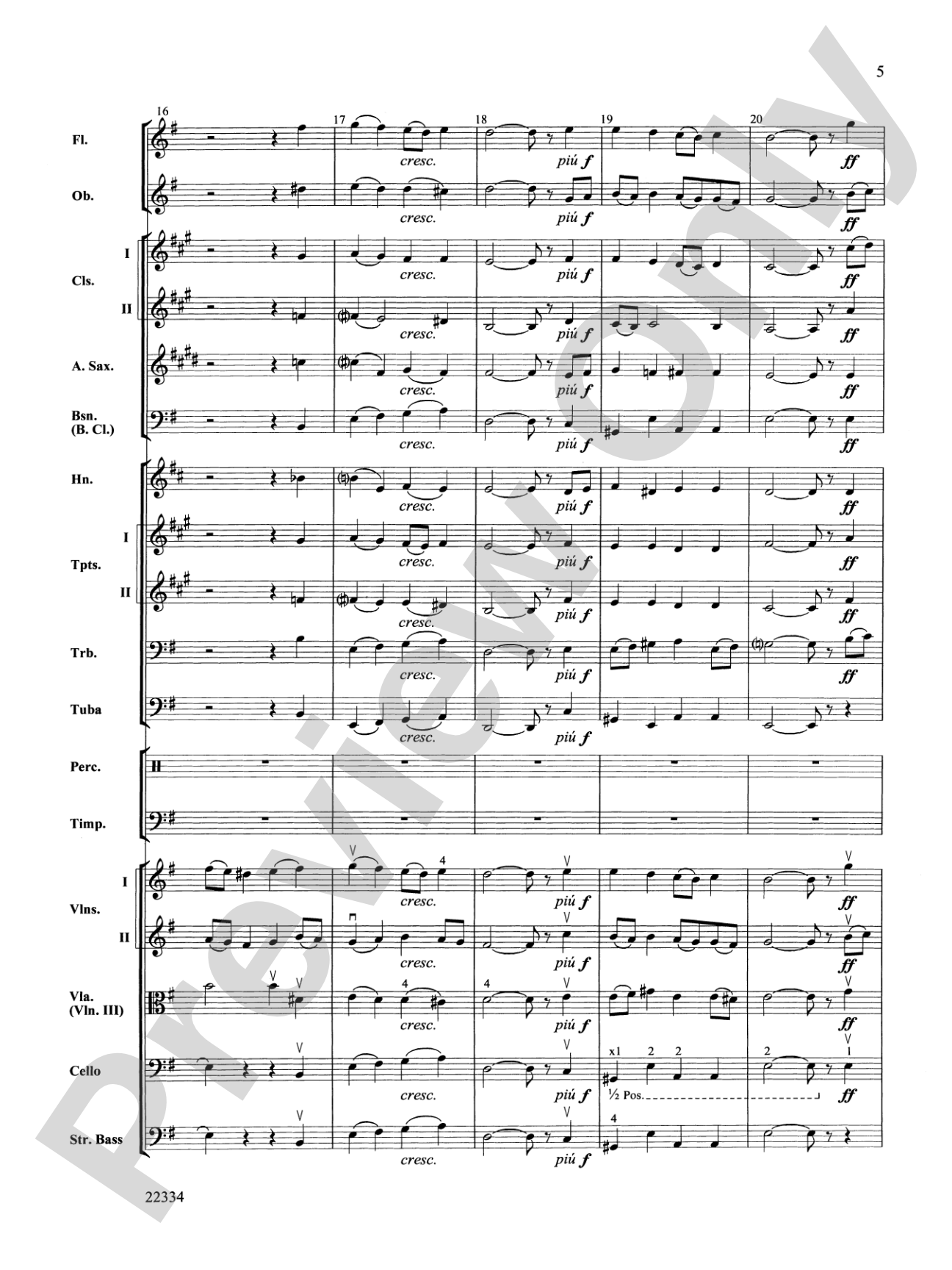
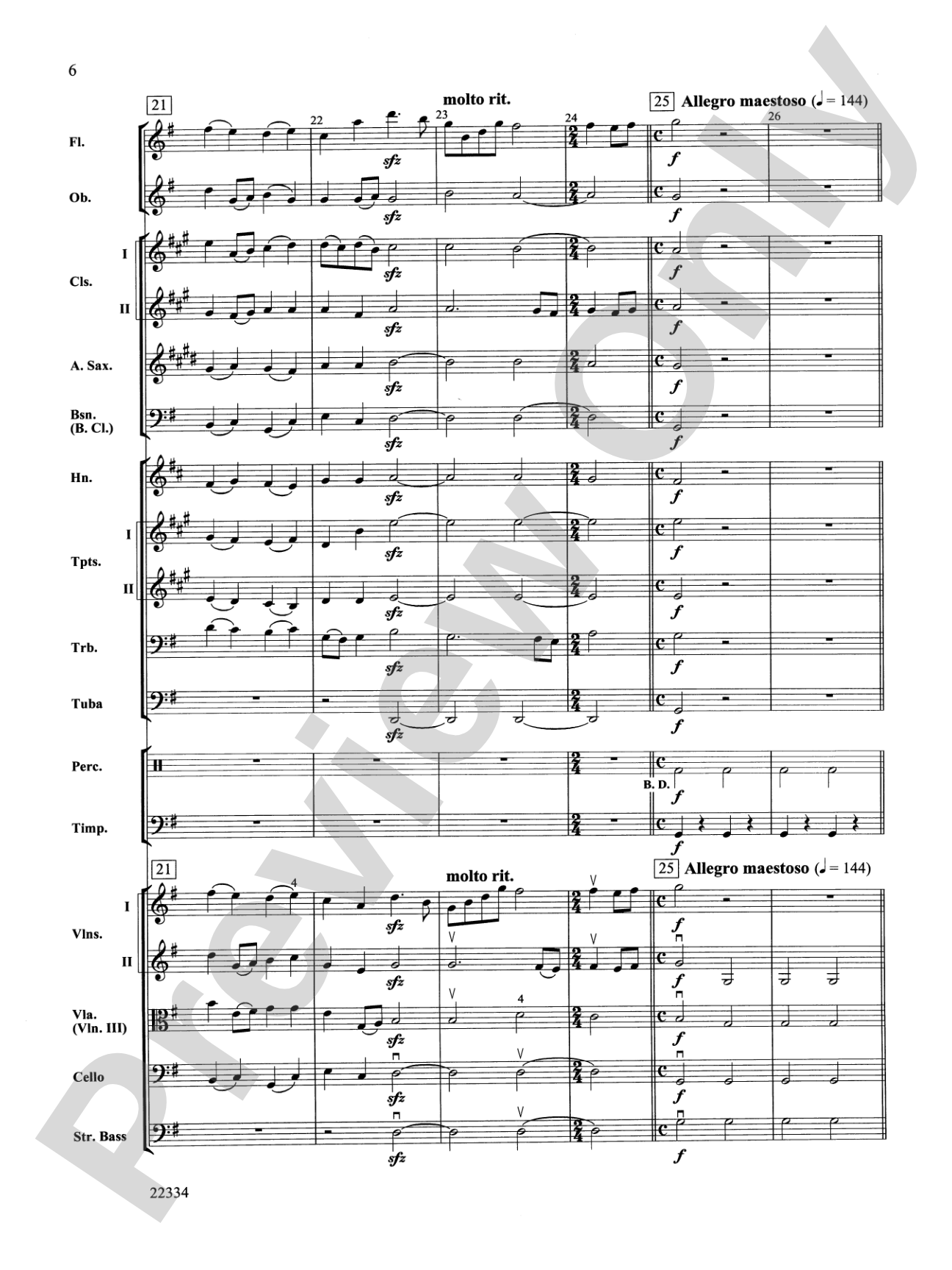
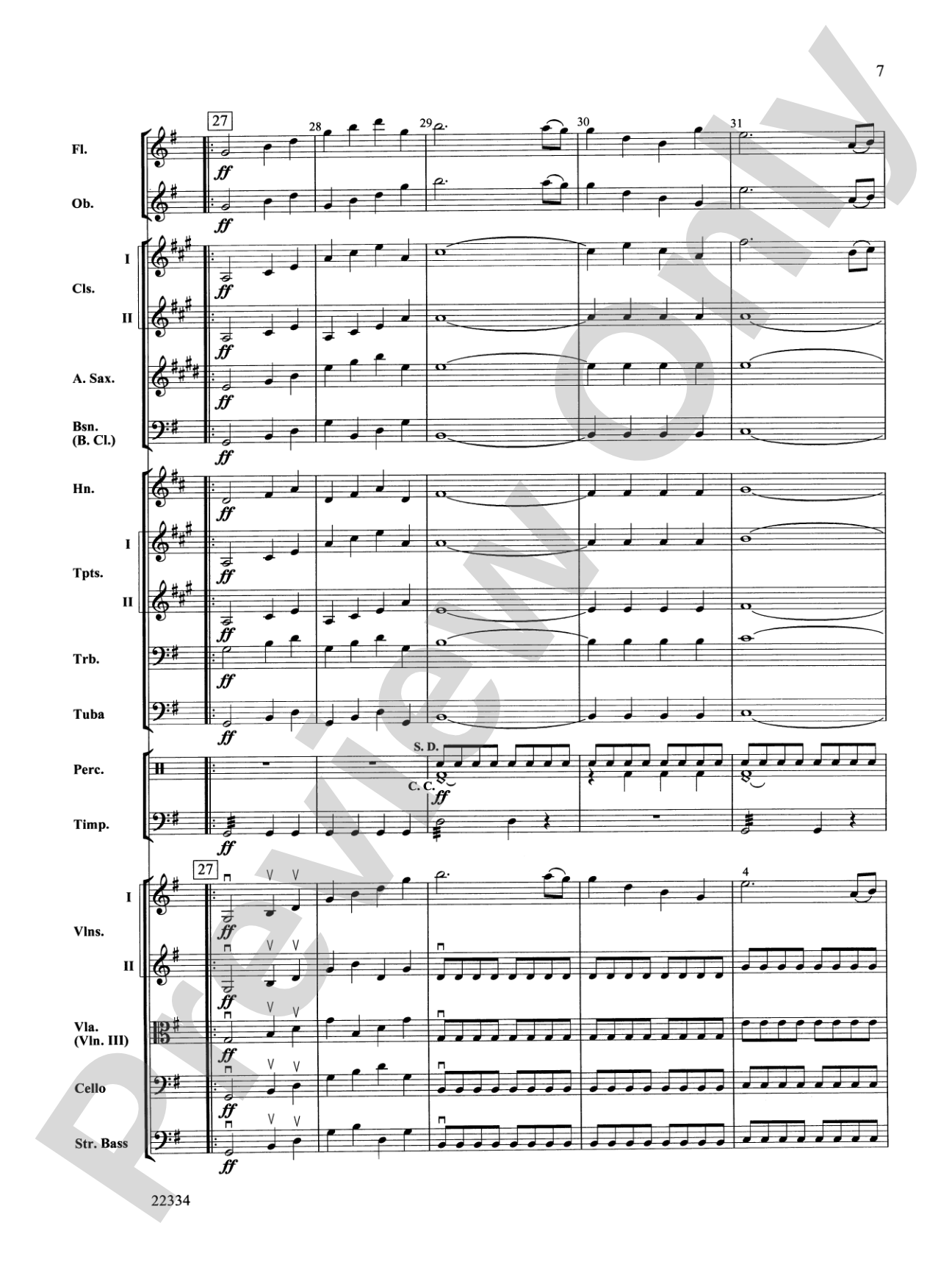
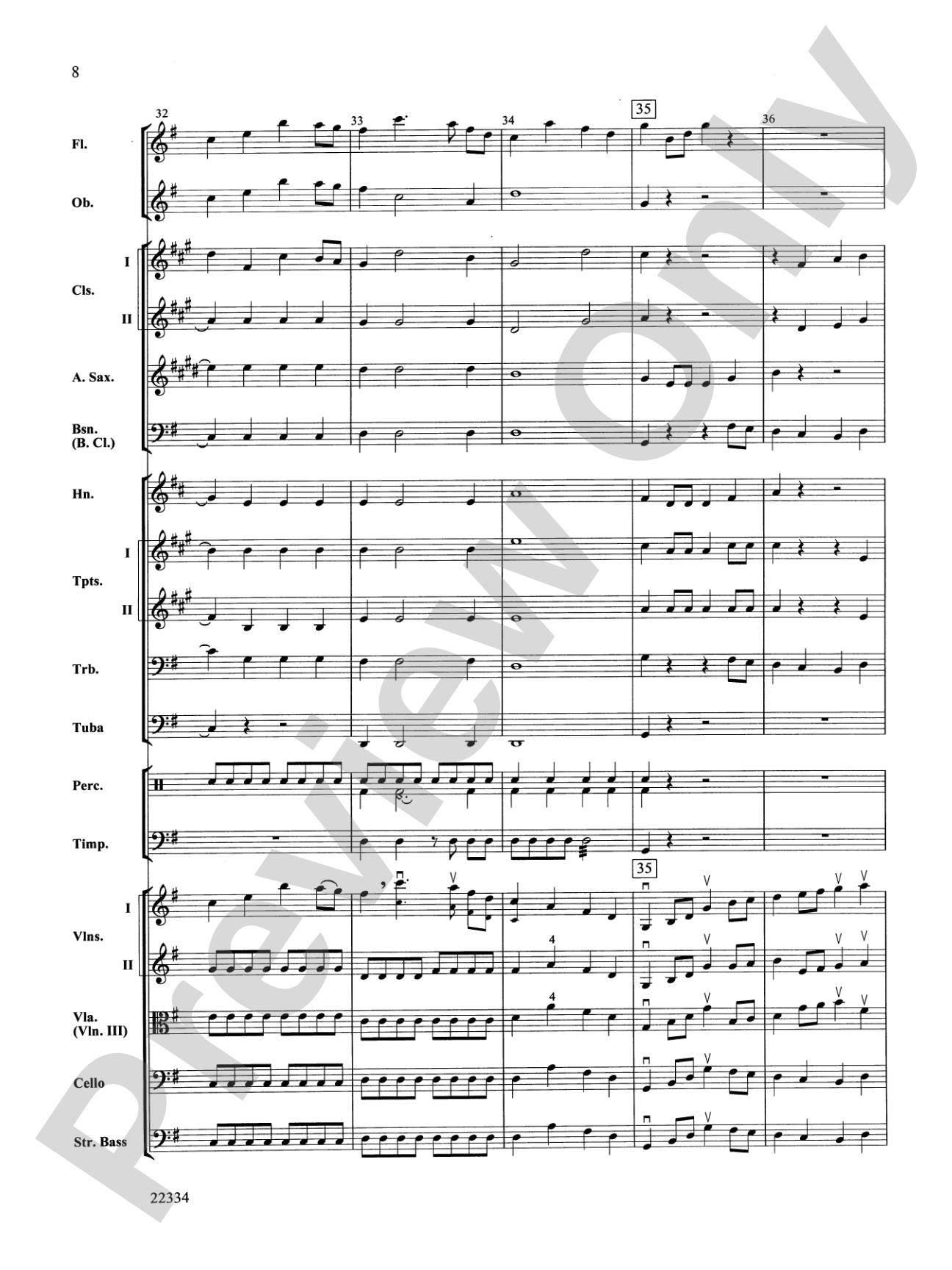
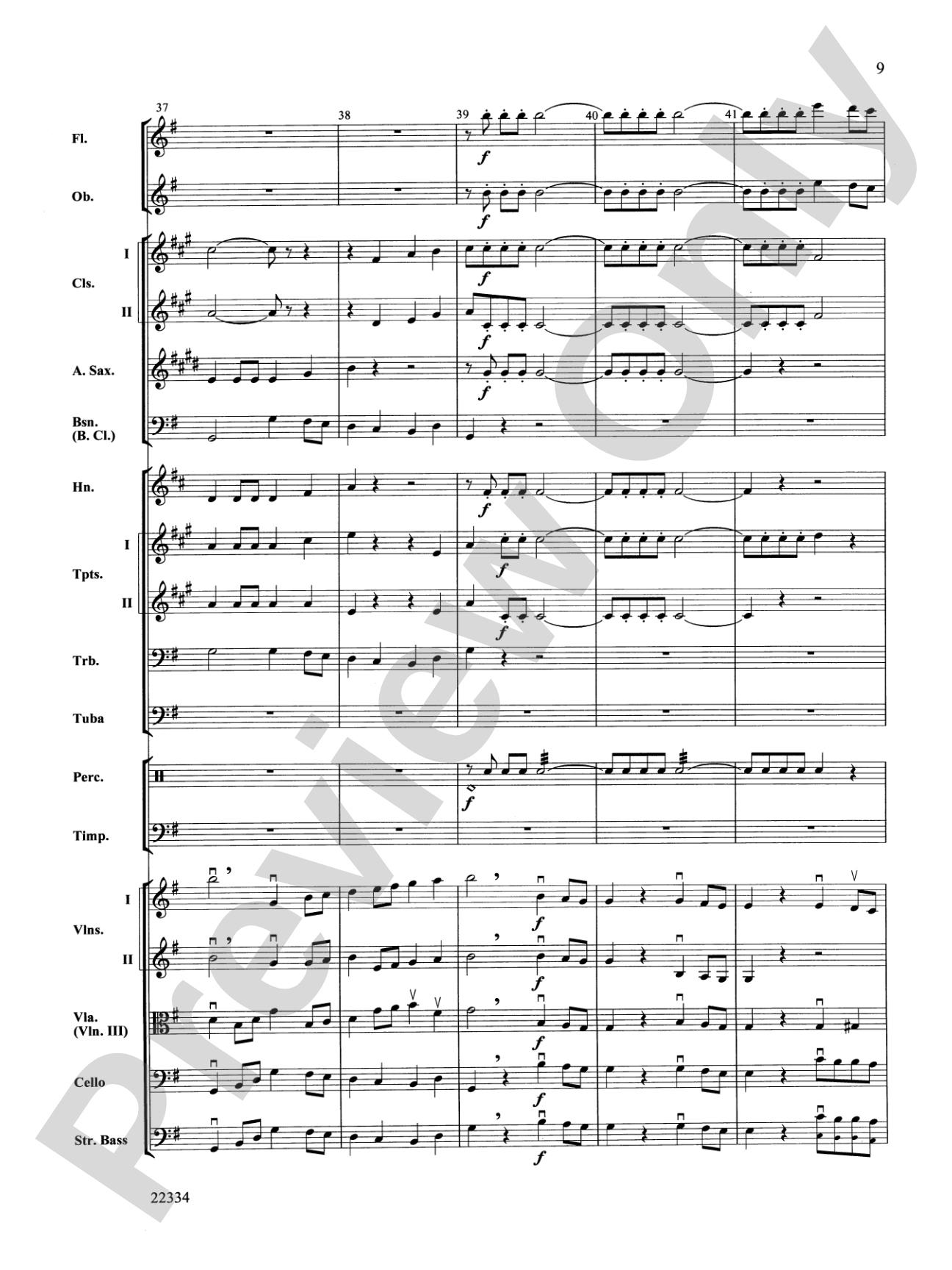
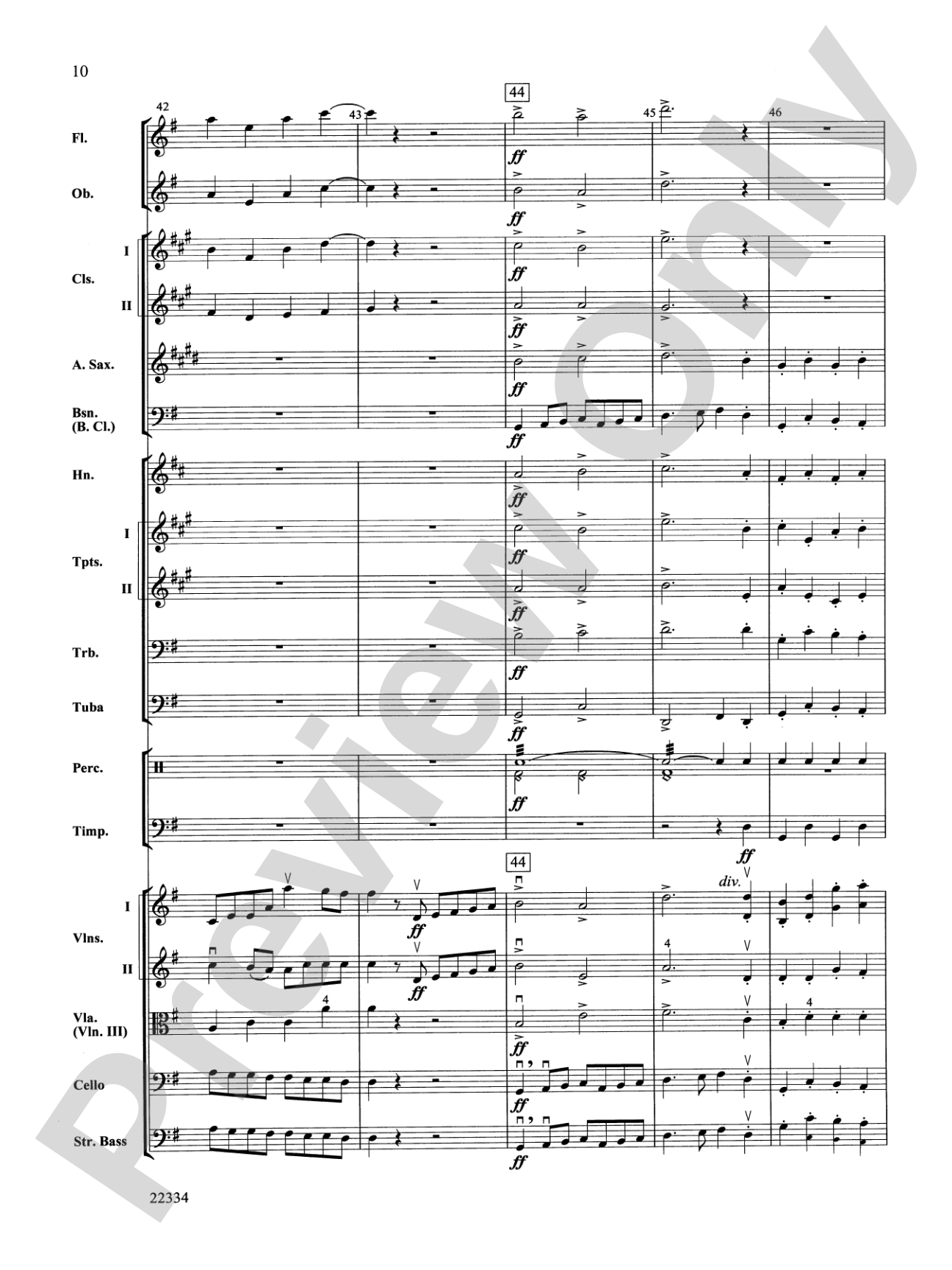
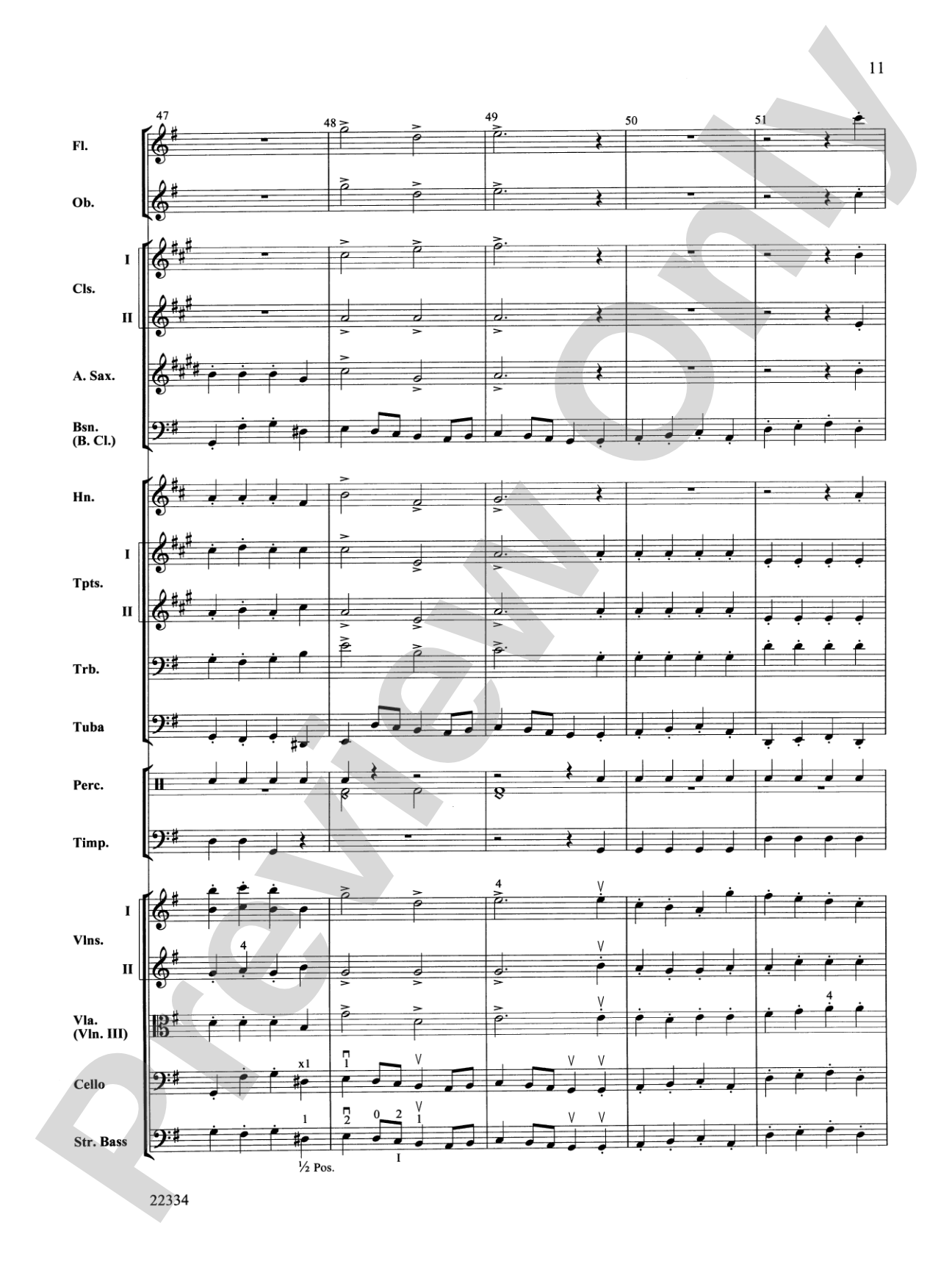
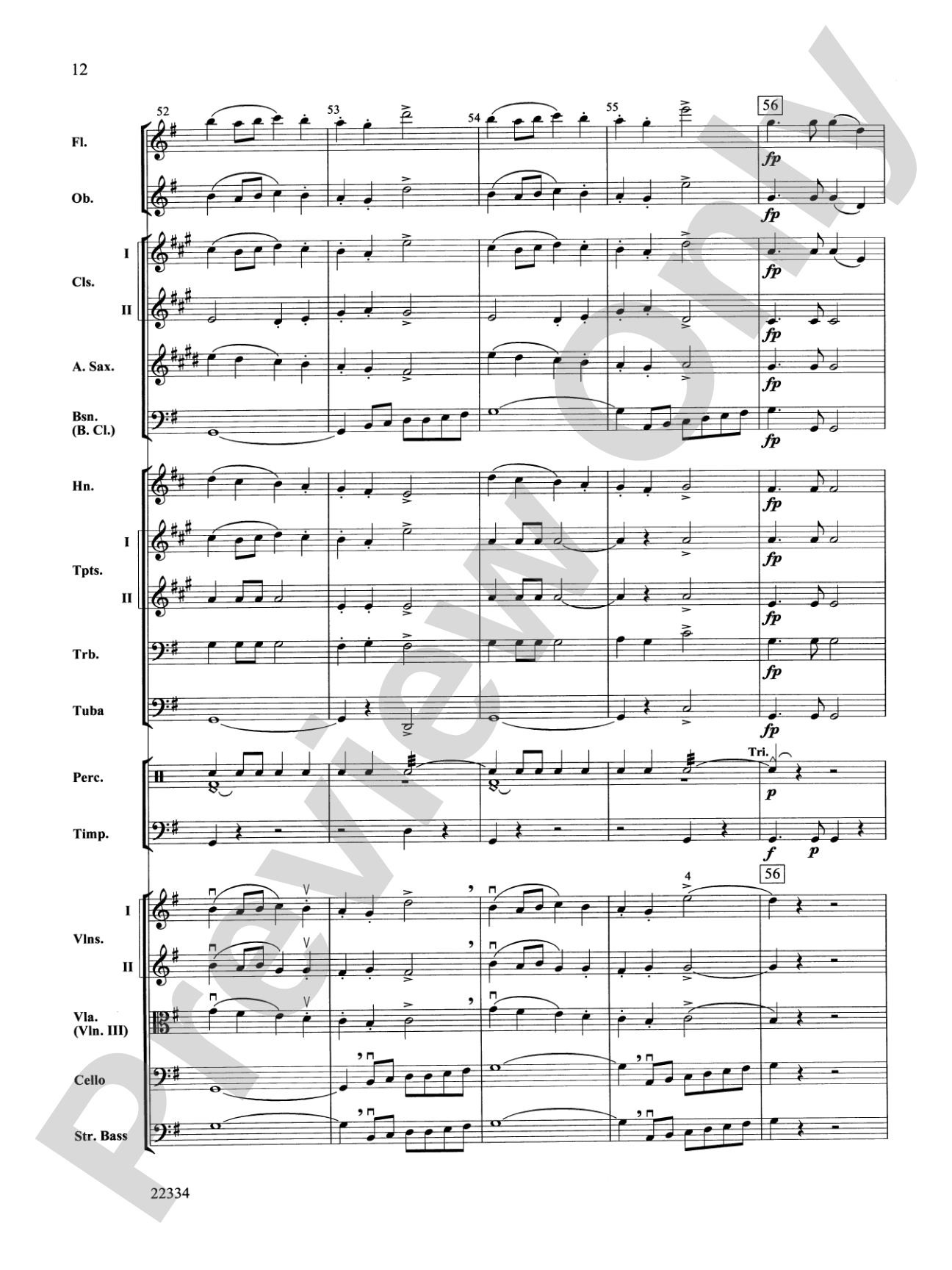
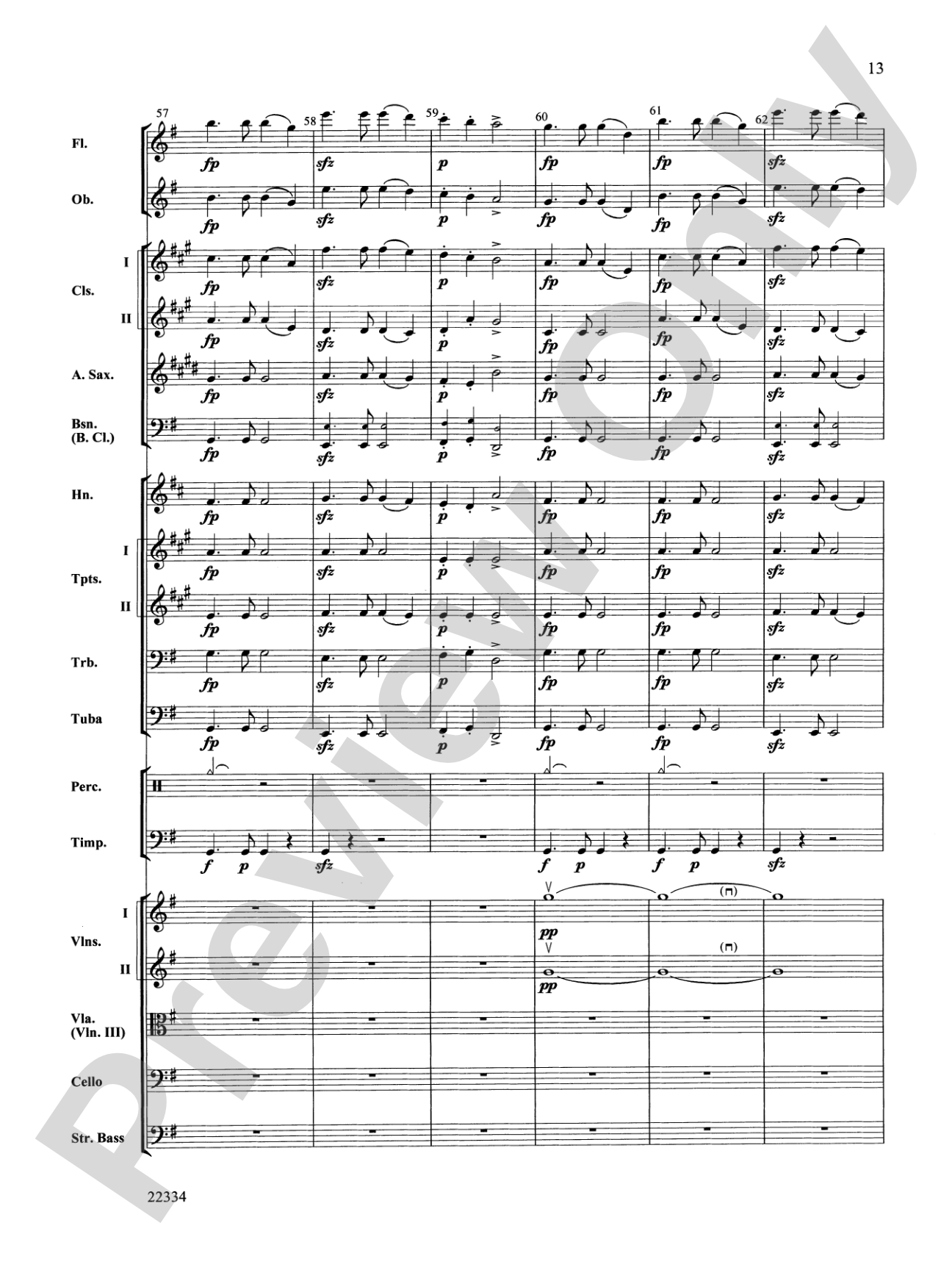
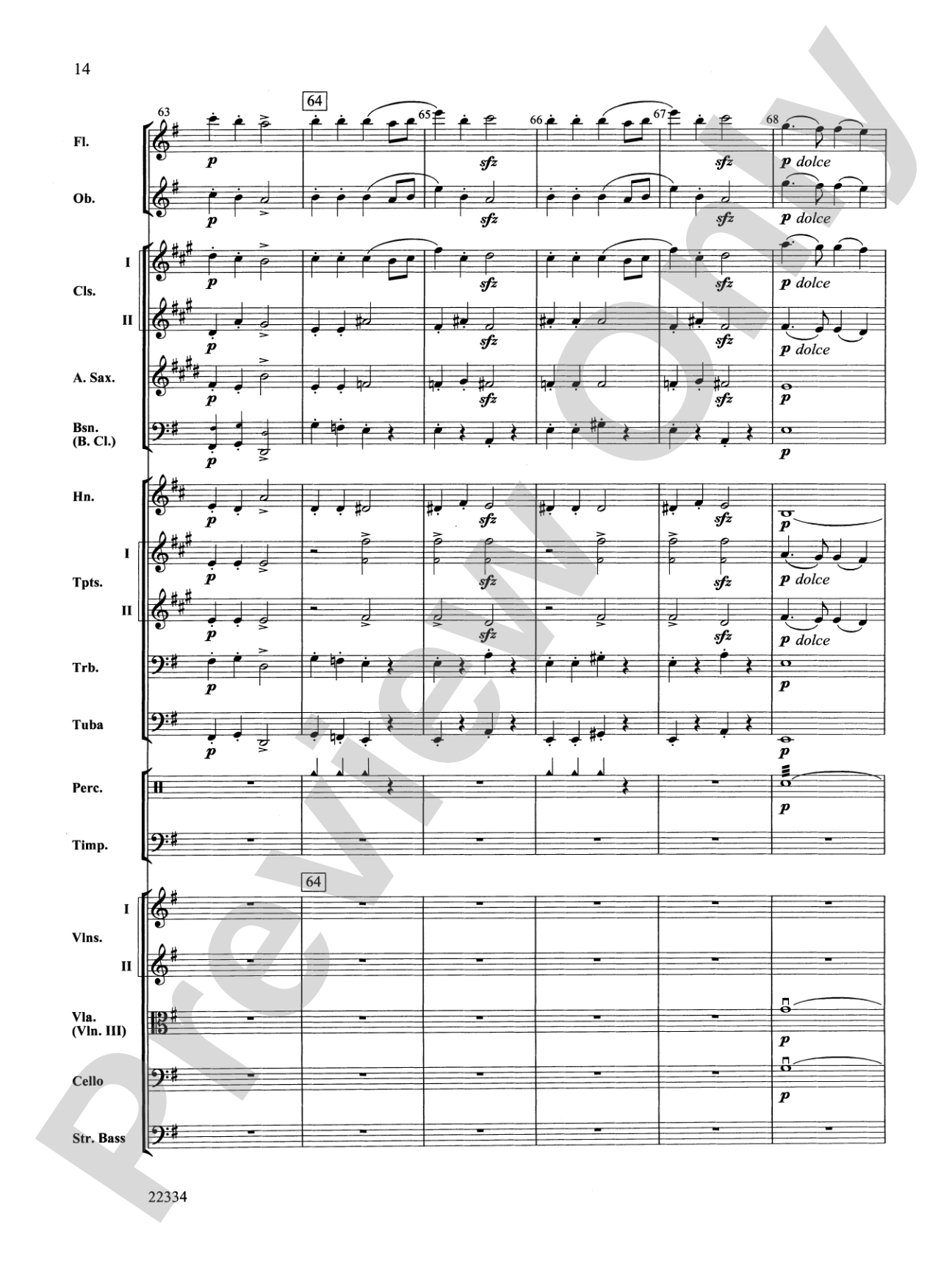
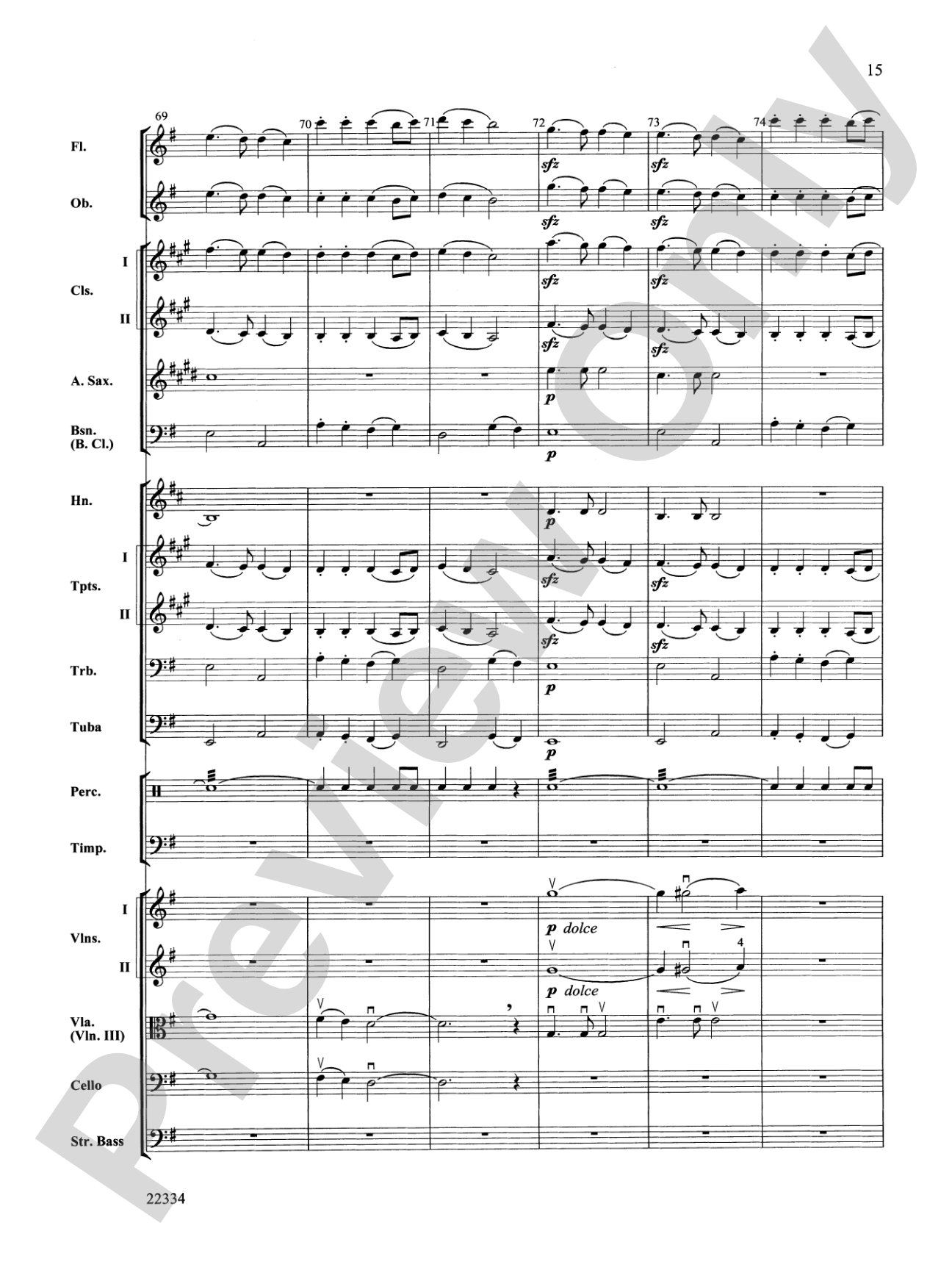
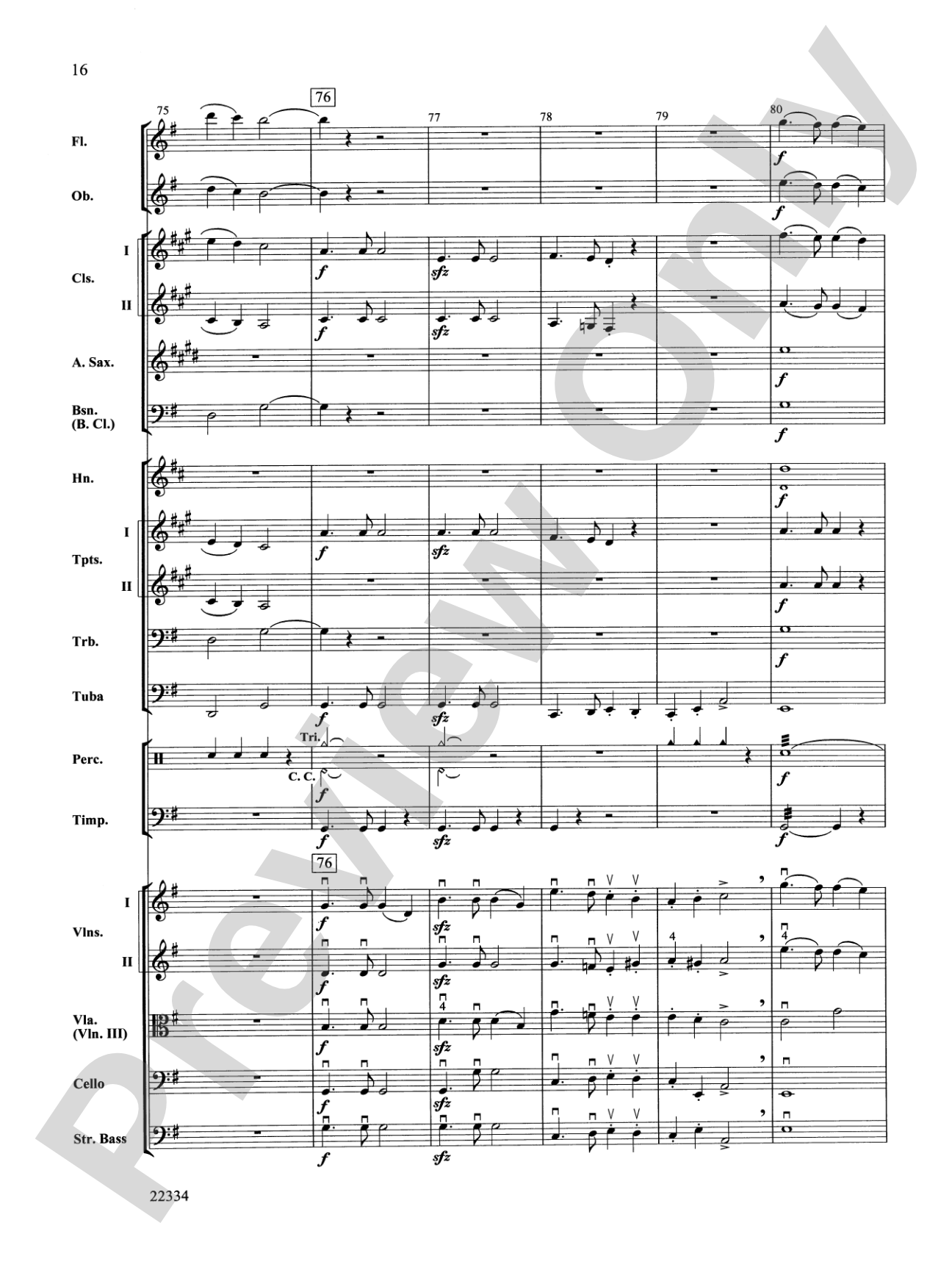
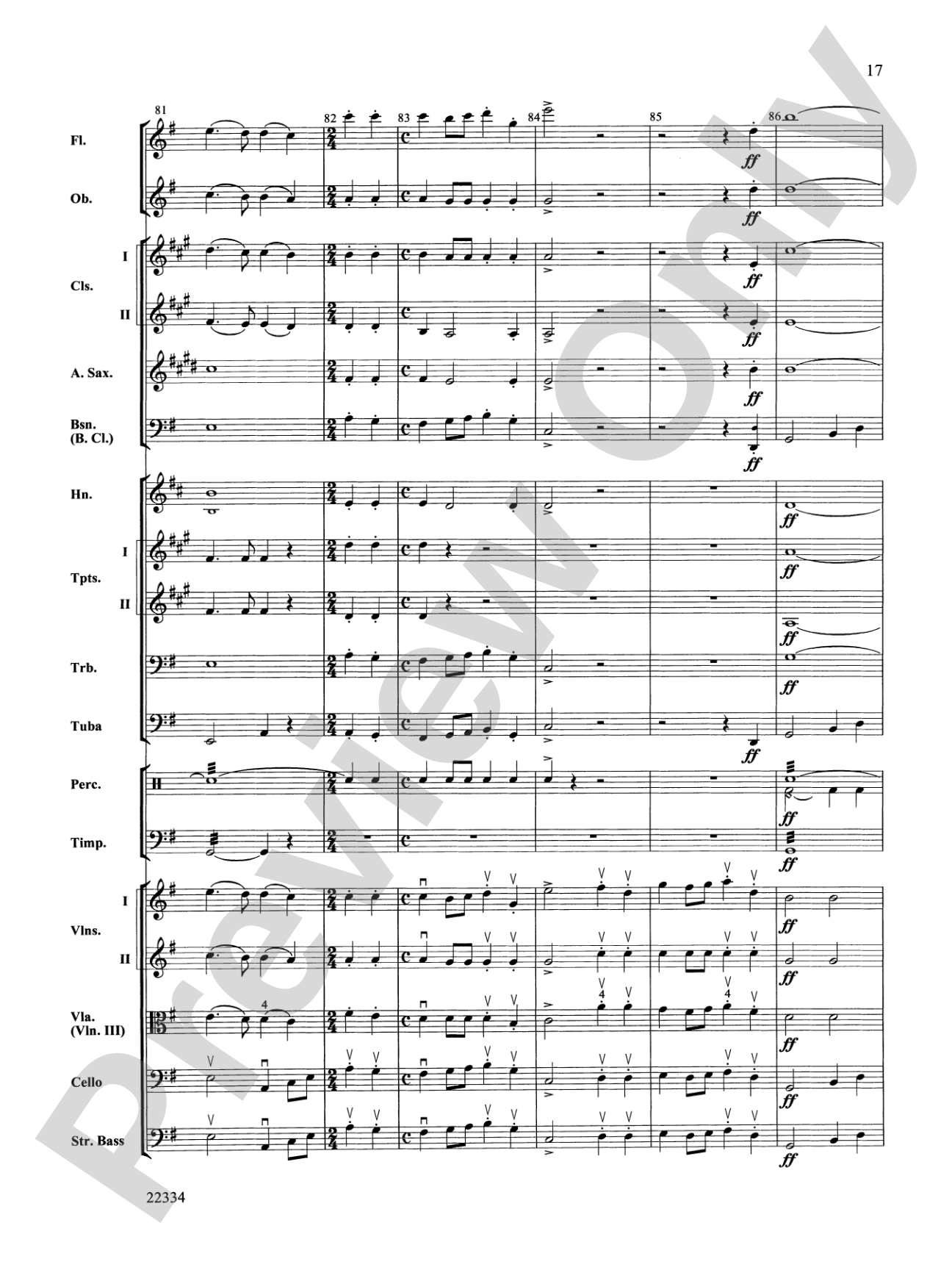
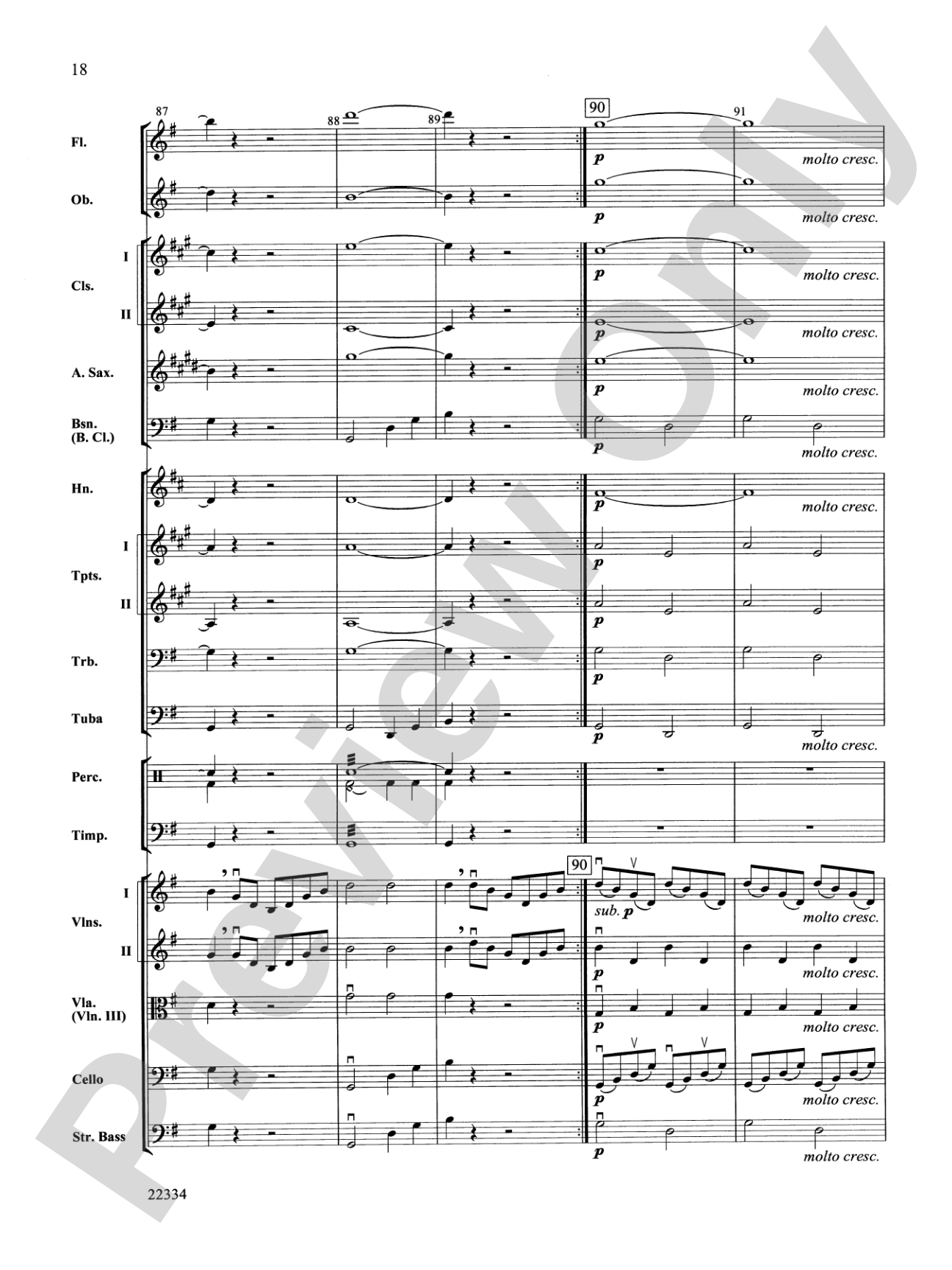
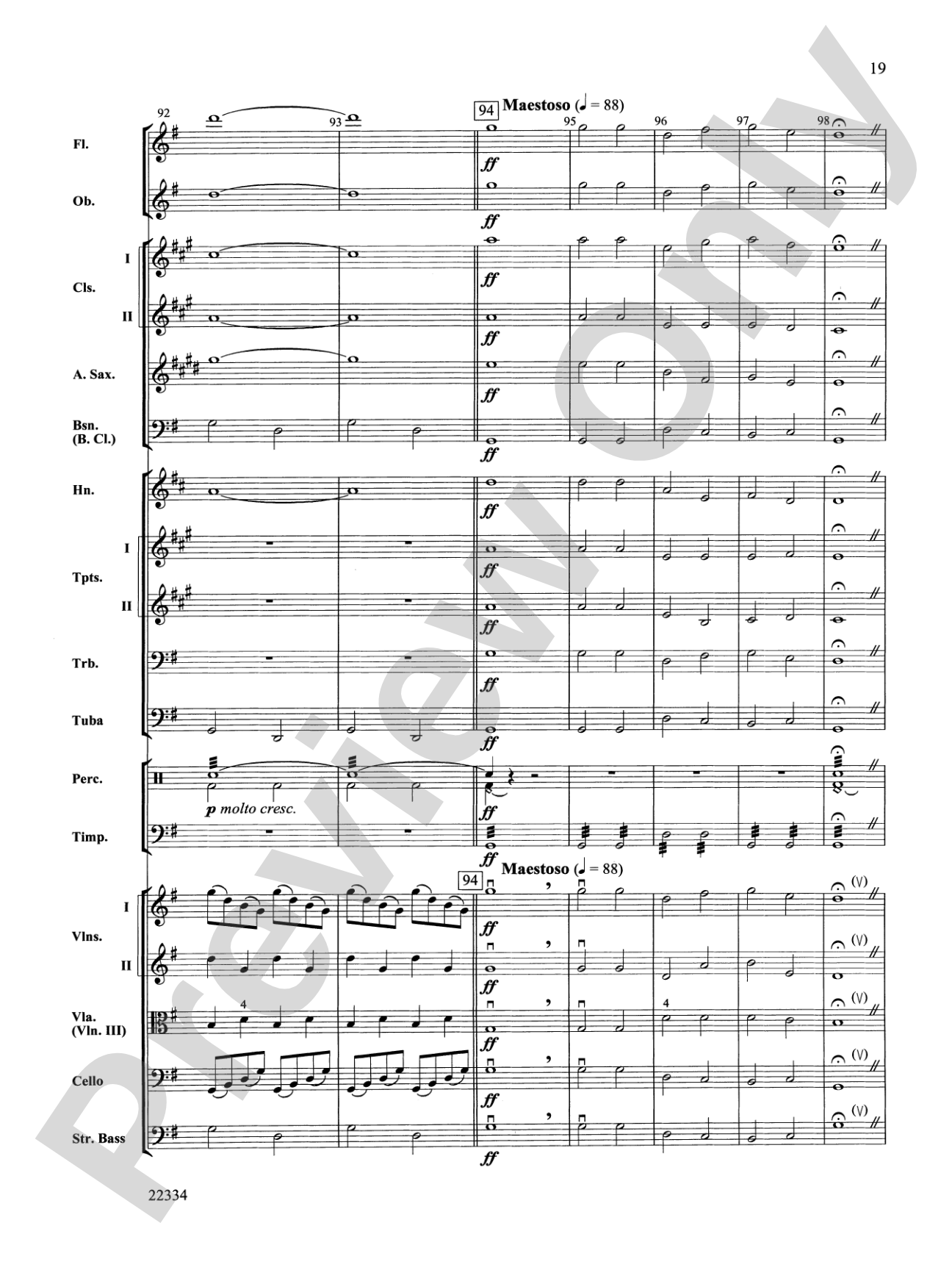
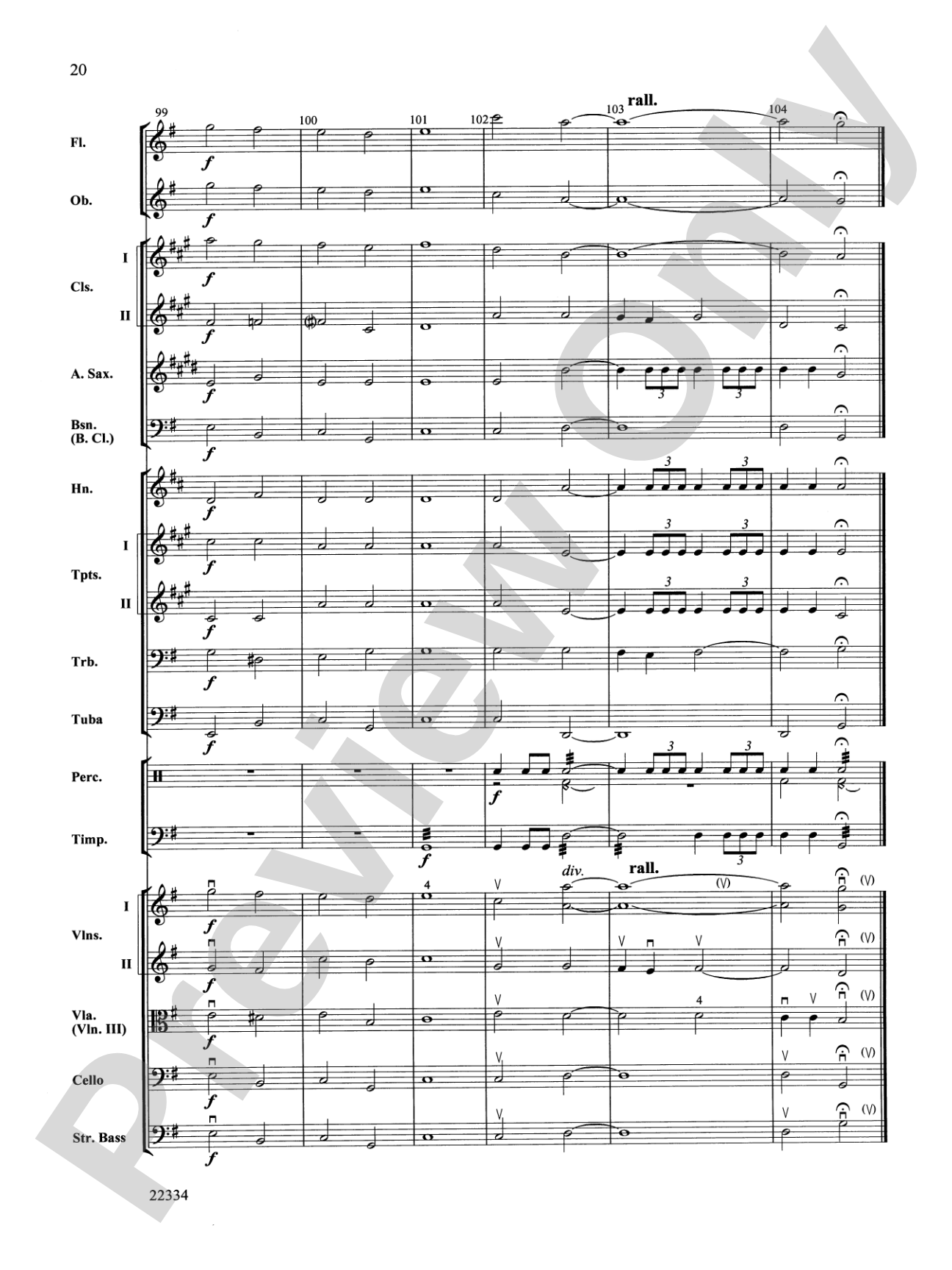

Symphony No. 5 "Reformation" (4th Movement): Score
By Felix Mendelssohn / arr. Richard Meyer
Grade: 2
Item: 00-PR-0000577
$9.00
Pickup currently not available
Description
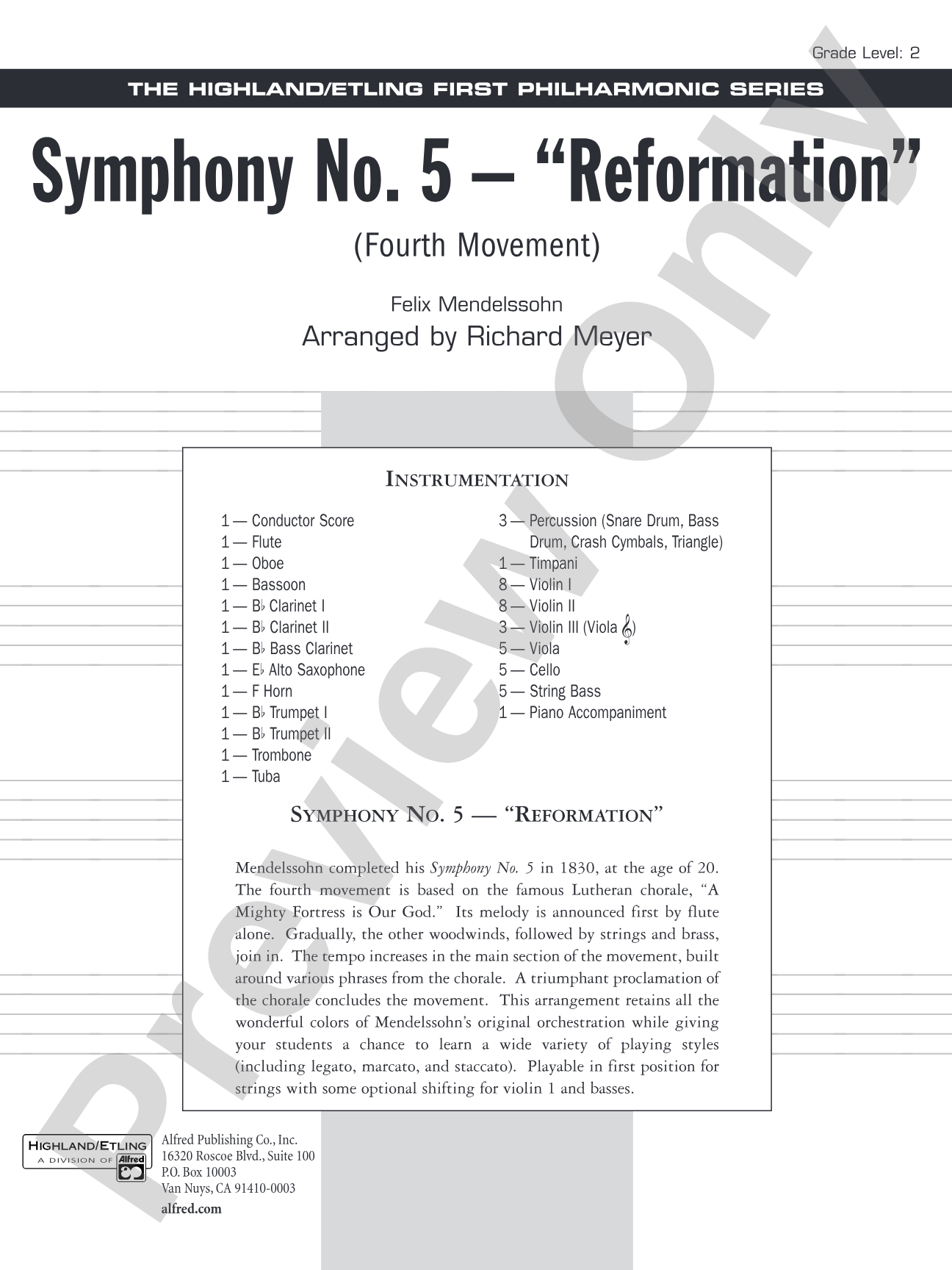
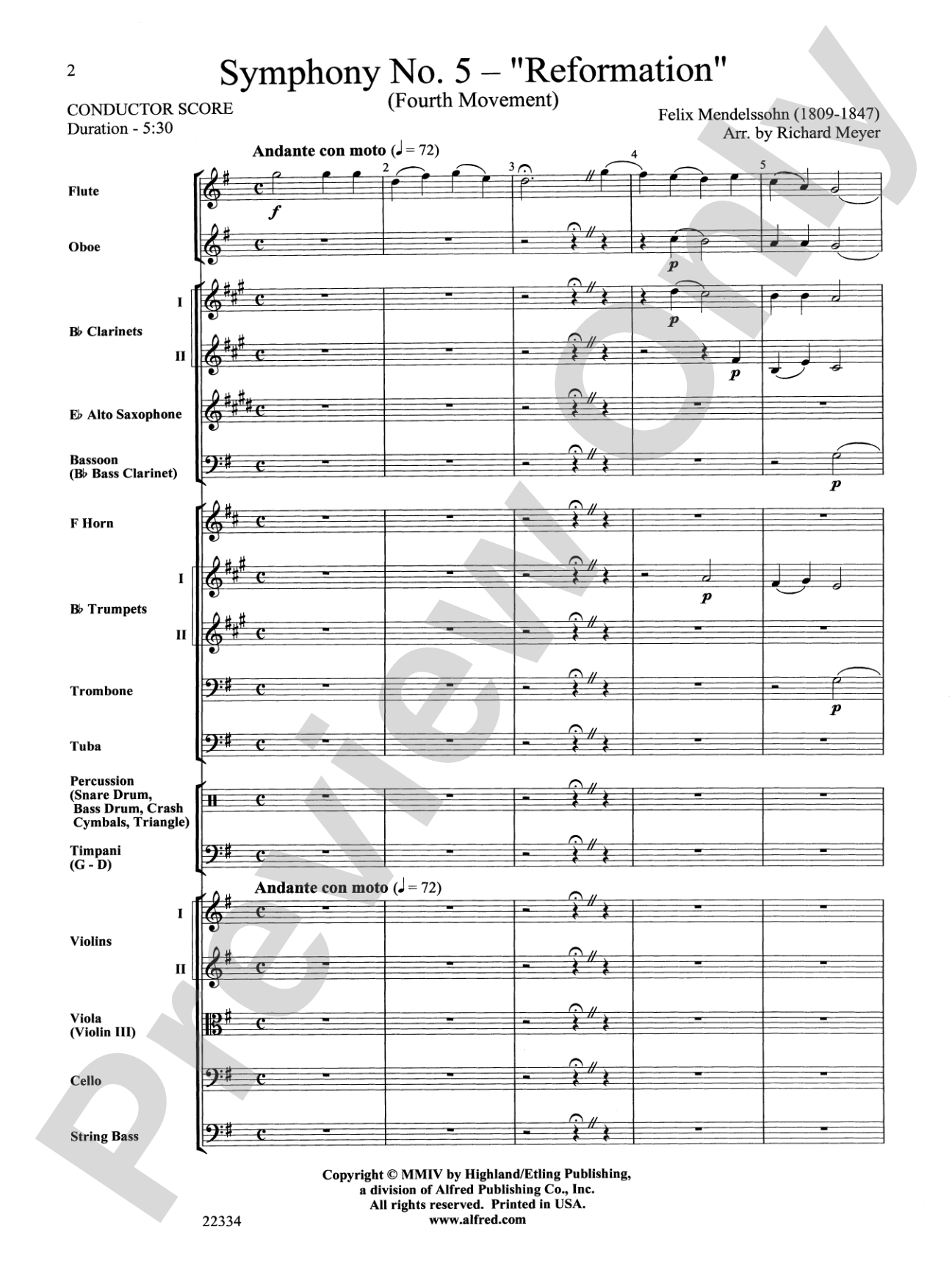
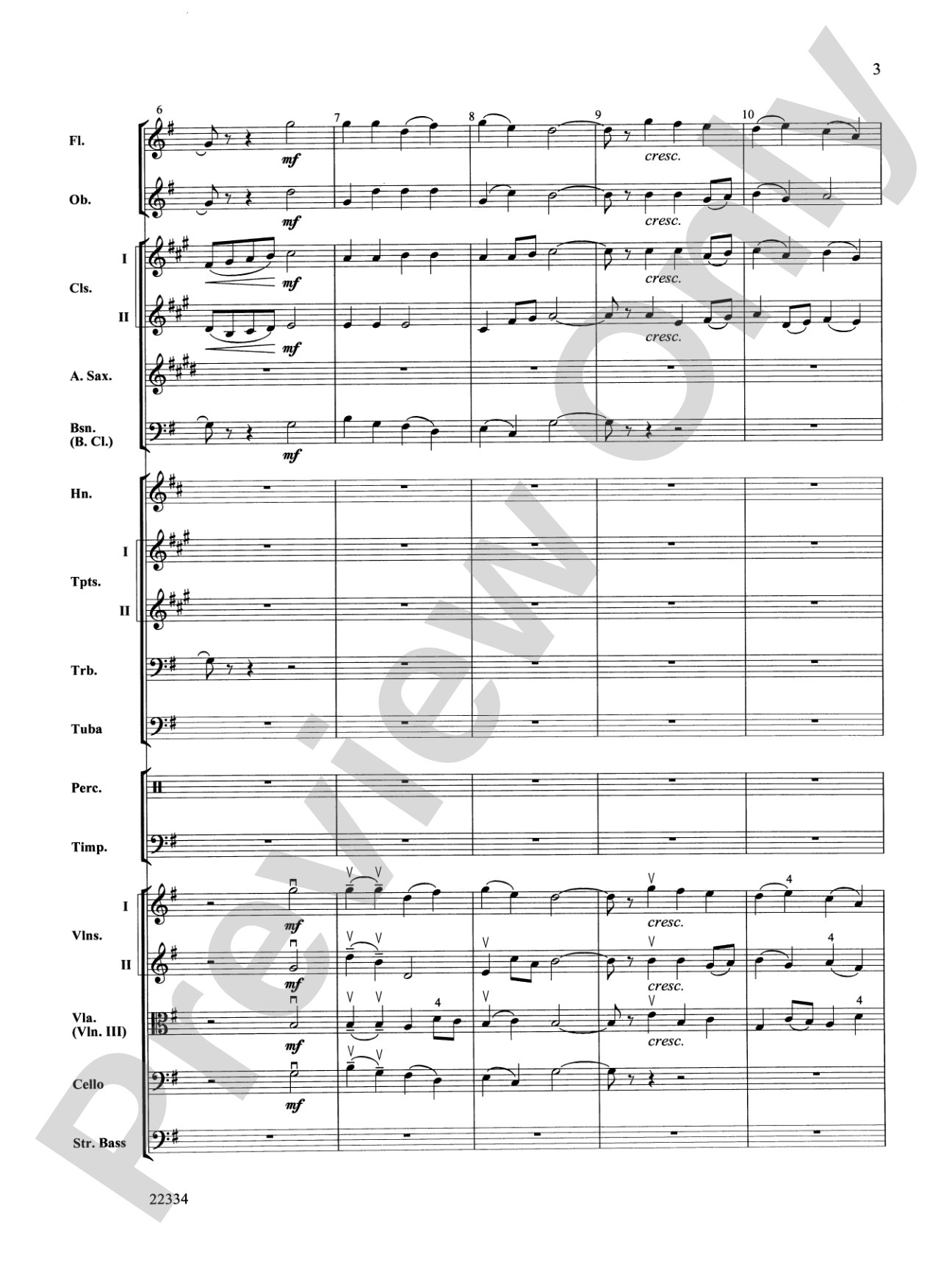
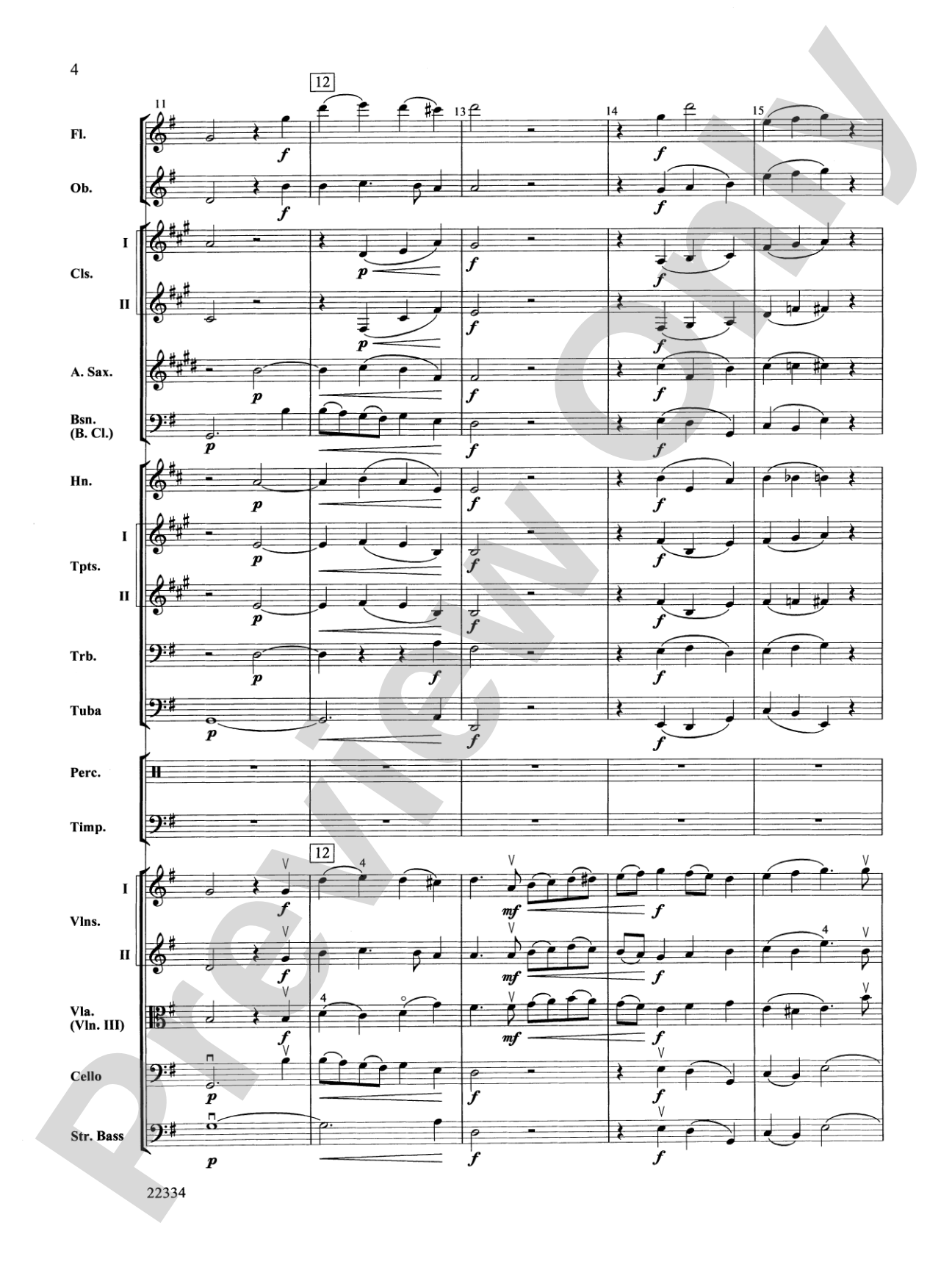
The fourth movement of Mendelssohn's Symphony No. 5 is based on the famous Lutheran chorale, "A Mighty Fortress is Our God." This arrangement retains all the wonderful colors of Mendelssohn's original orchestration while giving students a chance to learn a wide variety of playing styles (including legato, marcato, and staccato). Playable in first position for strings with some optional shifting for violin 1 and basses.


Don't just read it, hear it, play along with it, and watch your students grow with it. In MakeMusic Cloud, Symphony No. 5 "Reformation" (4th Movement): Score comes alive with professional accompaniment, adjustable tempo, and built-in practice tools that turn solo practice into real progress.
Open in the Player
Jump straight in and assign it today.
Start Your Free Trial
Open this title and explore the full library in minutes.
Sample Audio
No sample audio found.
Sample Video
No sample videos found.
Additional Details
Series:
Highland/Etling First Philharmonic
Publisher:
Alfred Music
Page Count:
204
SKU:
00-PR-0000577
More about this title
About the Composer: Felix Mendelssohn
Felix Mendelssohn (1809-1847) composed with remarkable clarity and structural precision during the Romantic era. A virtuoso organist and pianist, he drew deeply from Baroque forms and chorales while embracing the emotional breadth of his time, making his works equally valuable for advanced students and concert audiences.
Why we love this
Richard Meyer's arrangement captures the sweep and orchestral color of Mendelssohn's original while keeping the part writing accessible to Grade 2 ensembles. The chorale foundation makes this both musically substantial and pedagogically rich, offering students a genuine masterwork rather than a watered-down substitute.
What to expect
Stately and affirming, with the strength of a familiar hymn reimagined through Romantic orchestral textures. The movement builds with confidence and clarity, never rushing, allowing each section to shine while the whole ensemble moves as one unified voice.
Who it's for
Conductors seeking a major work that respects both artistic integrity and student ability levels will find this arrangement essential. Players in Grade 2 orchestras get the chance to perform a recognized masterpiece with genuine musical substance while learning orchestral colors and ensemble discipline.
How to get the most out of it
- Shape the chorale melody with long phrases; the students' familiarity with "A Mighty Fortress is Our God" should deepen their sense of the harmonic journey underneath.
- Balance the contrast between legato and marcato articulations to reveal Mendelssohn's instrumental coloring; these shifts in texture are what make the orchestration distinctive.
- Lock the string section's rhythmic precision in the faster passages; uneven bowing or attack will blur the orchestral effect that makes this work sparkle.
- Support the brass with steady harmonic grounding from woodwinds and lower strings; the chorale sounds its best when every voice knows its role in the vertical harmony.
How to use it
Program this as a closing number for a concert centered on Romantic works or religious themes. The chorale's spiritual resonance and recognizable melody make it a memorable finale that connects with audiences while showcasing your ensemble's technical range across multiple articulation styles.
Skills your students will build
- Legato, marcato, and staccato articulation in single movements
- Reading and balancing parts within four-part chorale harmony
- Sustaining long melodic lines without rushing through phrase endings
- Playing first-position string techniques with optional shifts for principal voices
- Listening for and maintaining ensemble blend across mixed orchestral timbres