
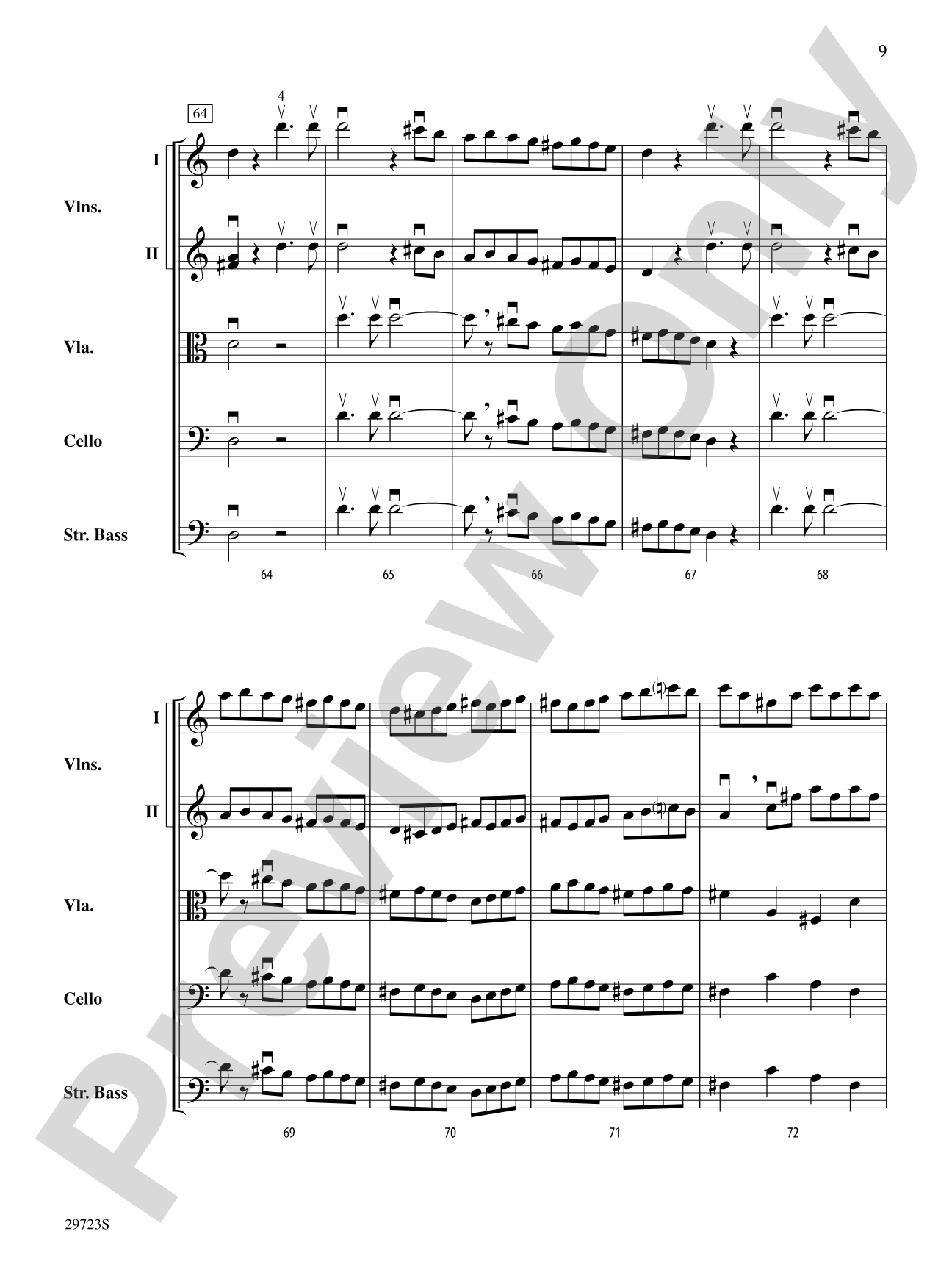
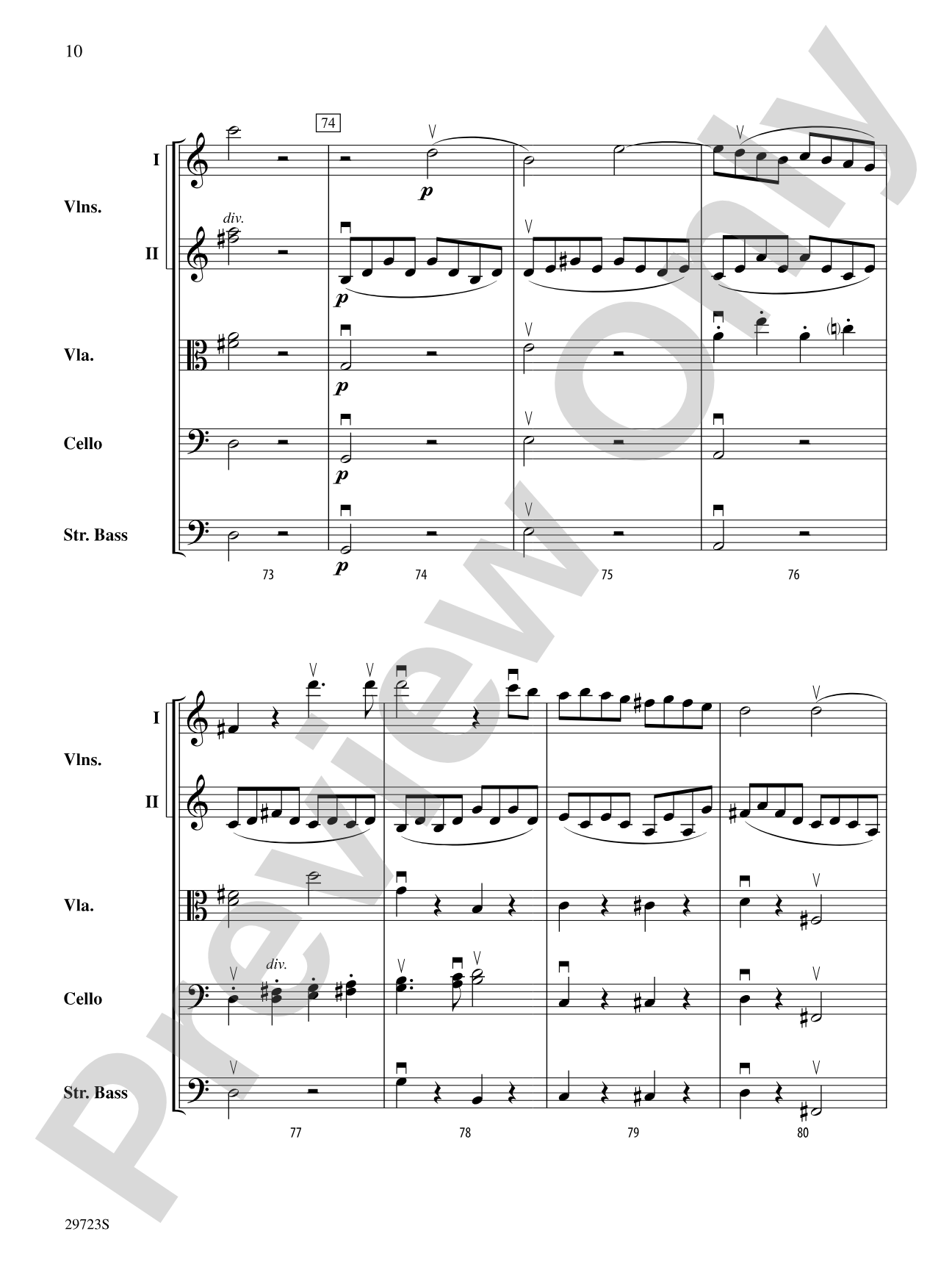
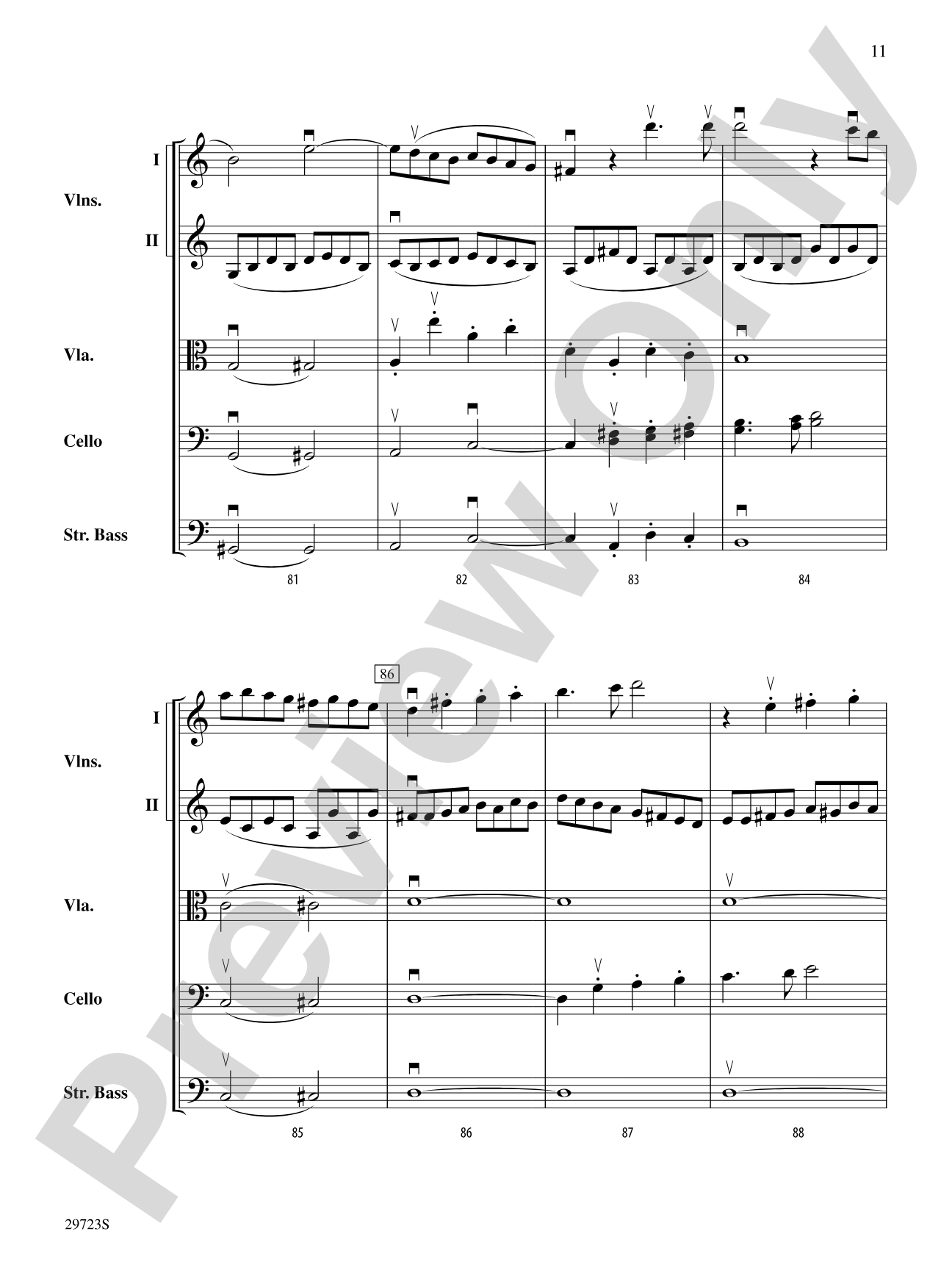
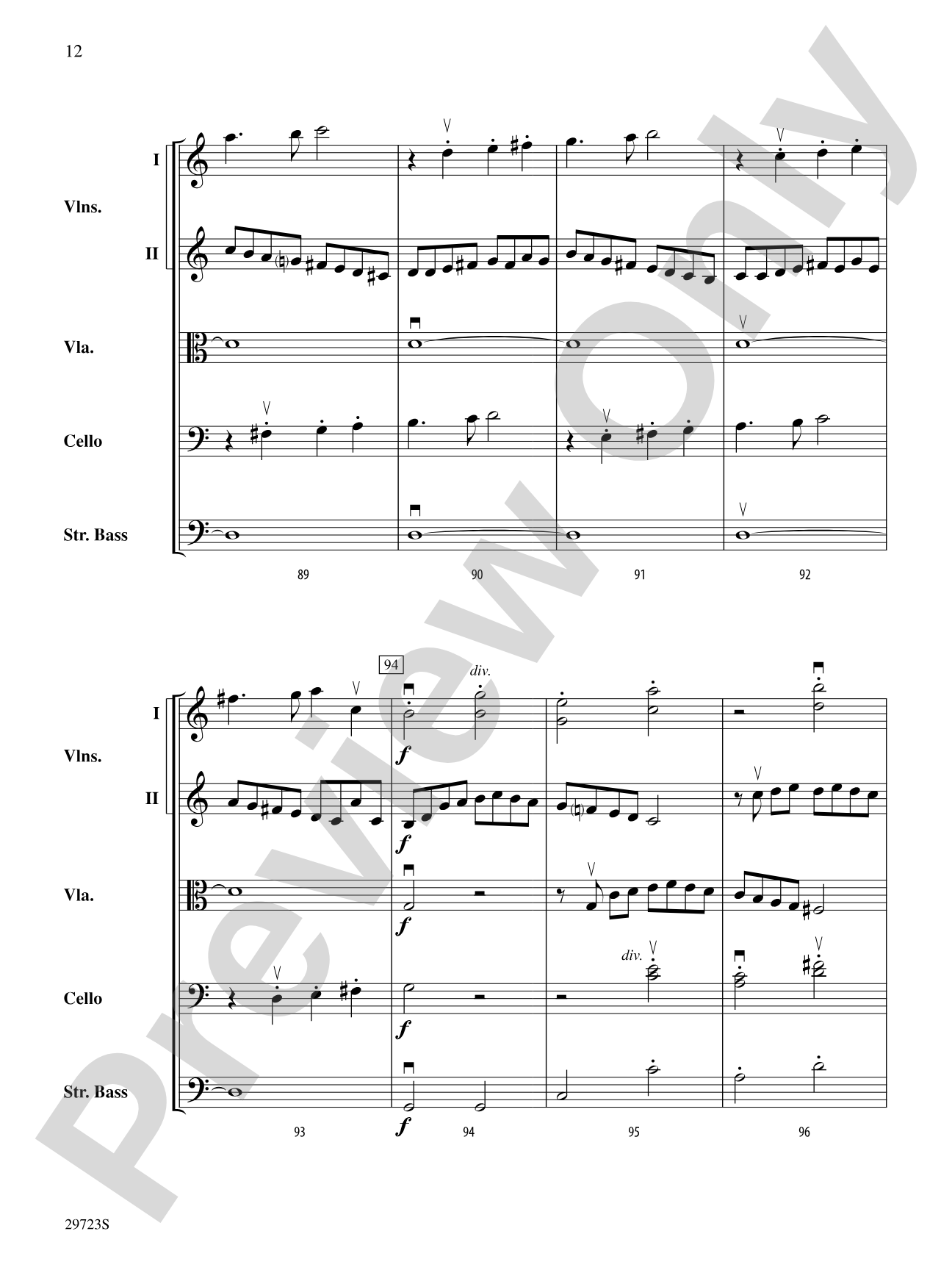




Symphony No. 41: String Orchestra Conductor Score & Parts
By Wolfgang Amadeus Mozart / arr. Todd Parrish
Grade: 4
Item: 00-PK-0001584

$62.00
Pickup currently not available
Buy Extra Parts (Digital PDF Download)
| Product | Price | Quantity |
|---|---|---|
| Symphony No. 41: Score | $8.00 | |
| Symphony No. 41: 1st Violin | $5.99 | |
| Symphony No. 41: 2nd Violin | $5.99 | |
| Symphony No. 41: Viola | $5.99 | |
| Symphony No. 41: Cello | $5.99 | |
| Symphony No. 41: String Bass | $5.99 |
Parts Added to Cart!
Description
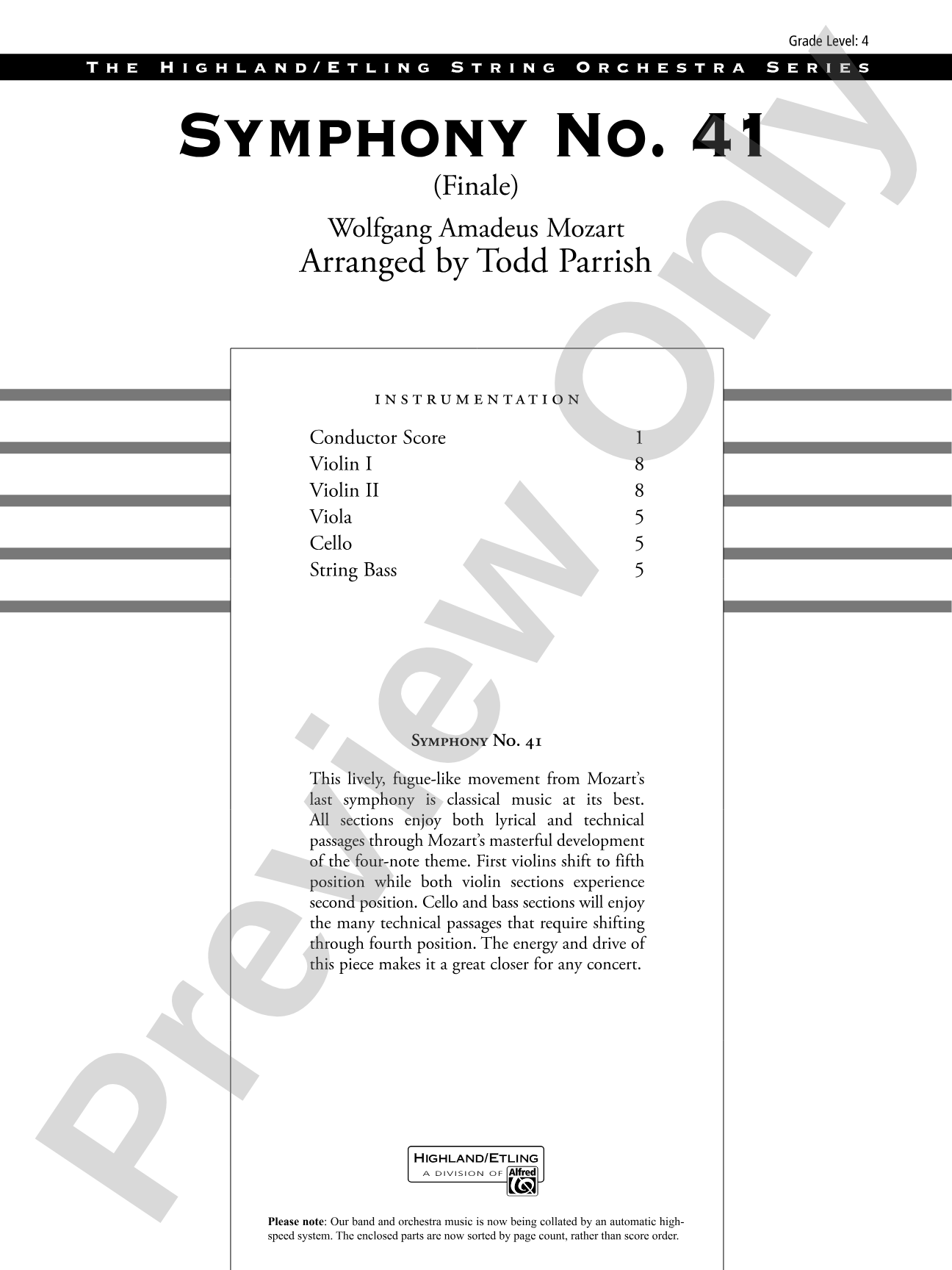
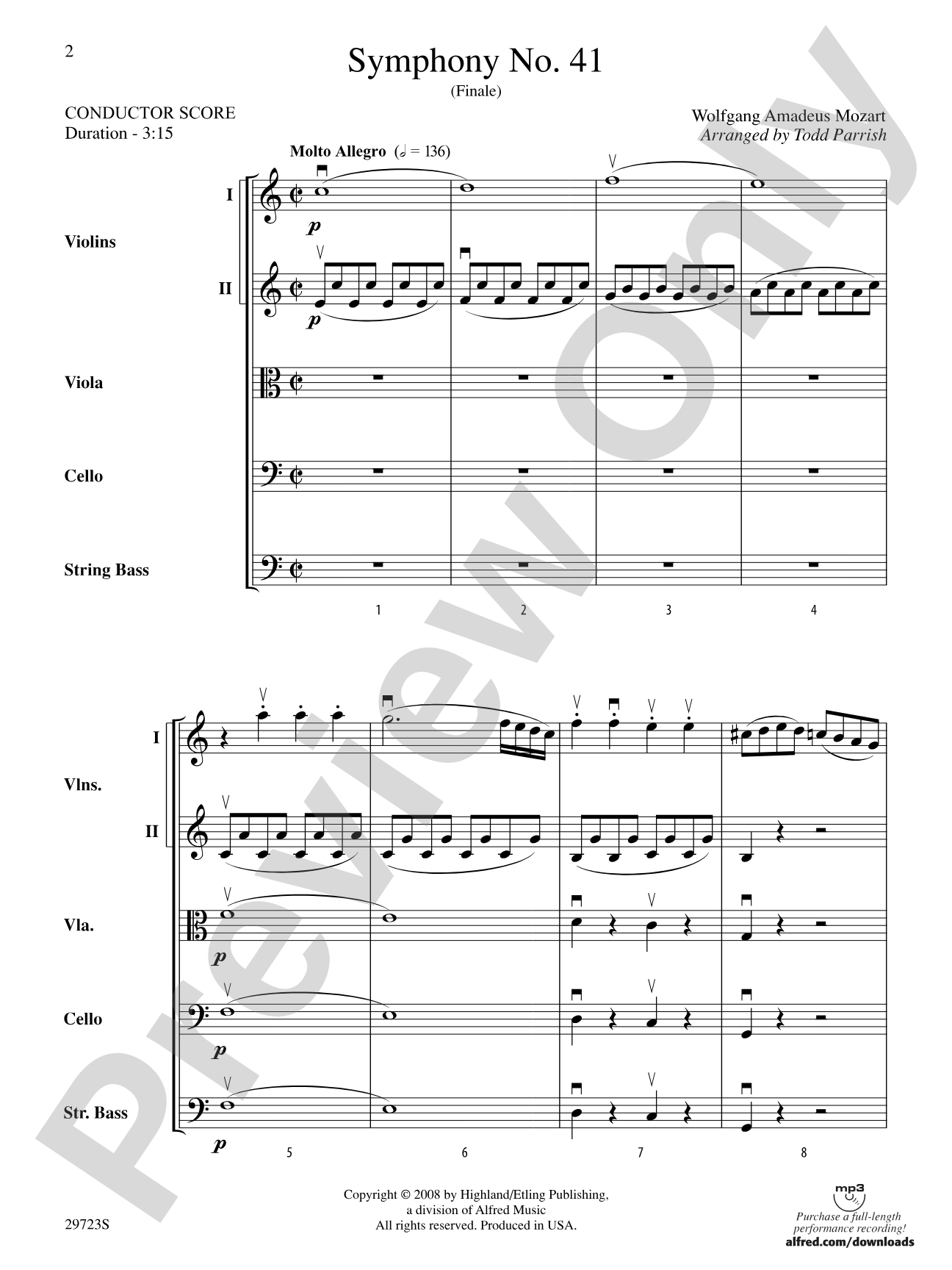
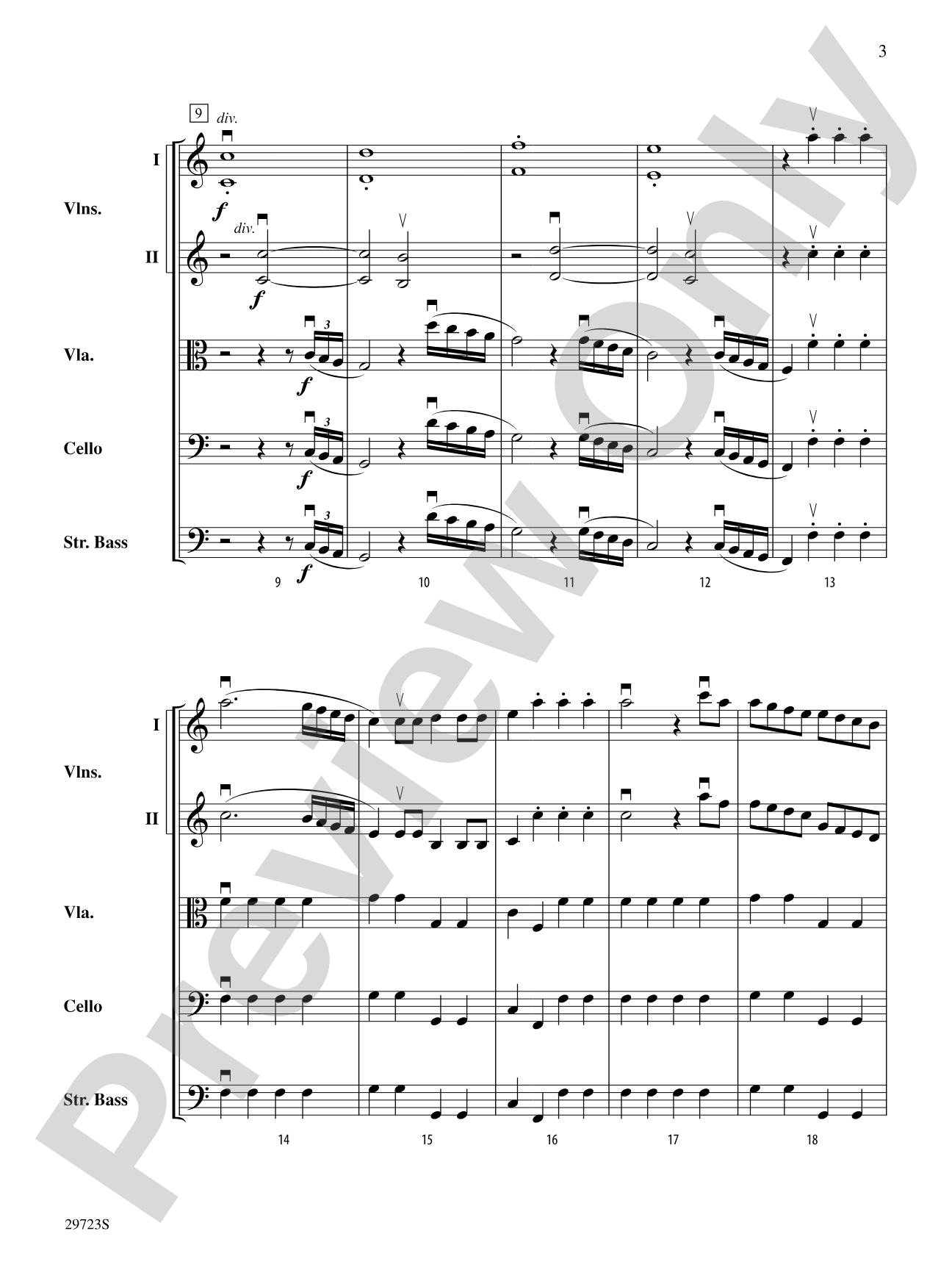
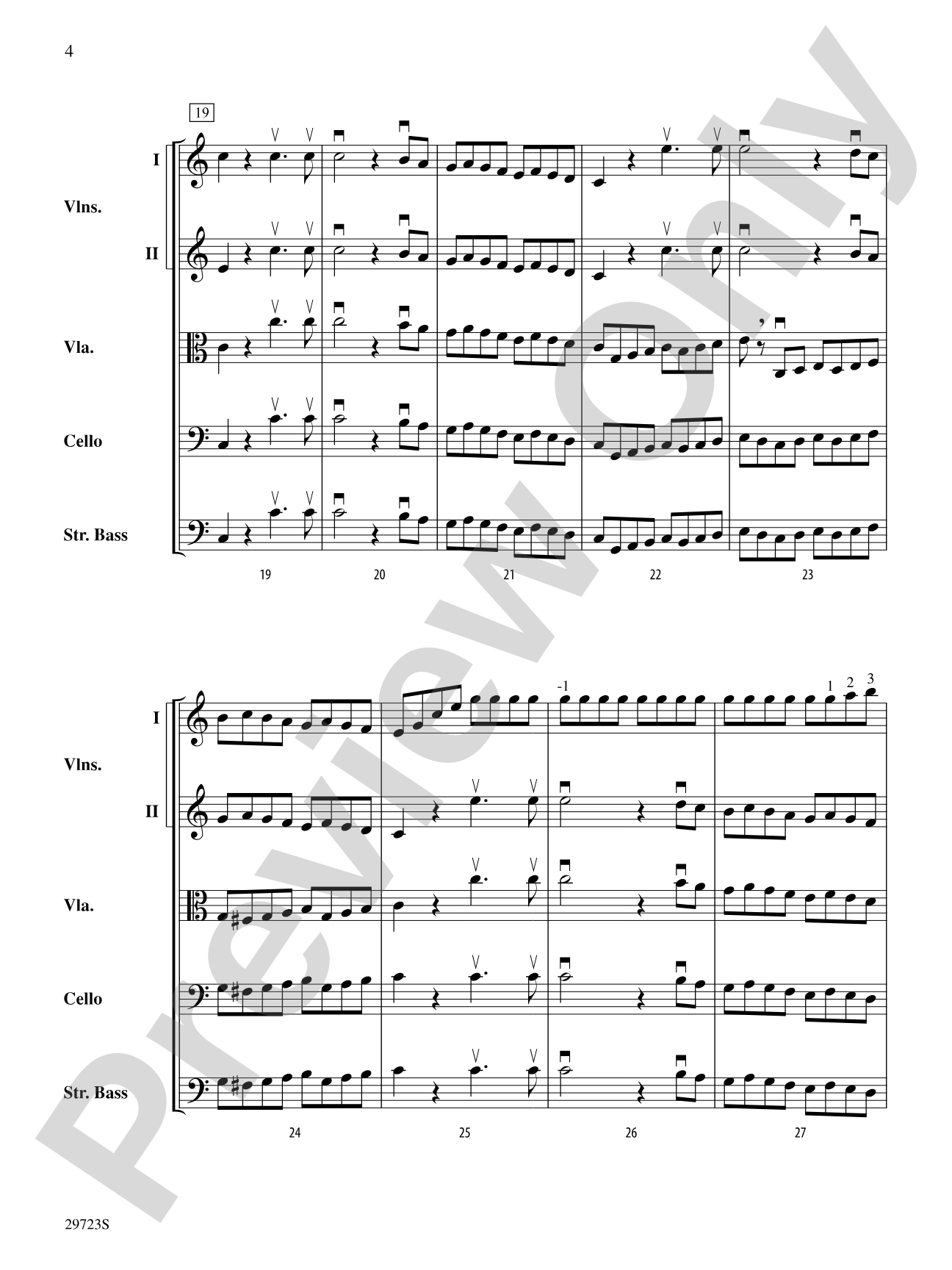
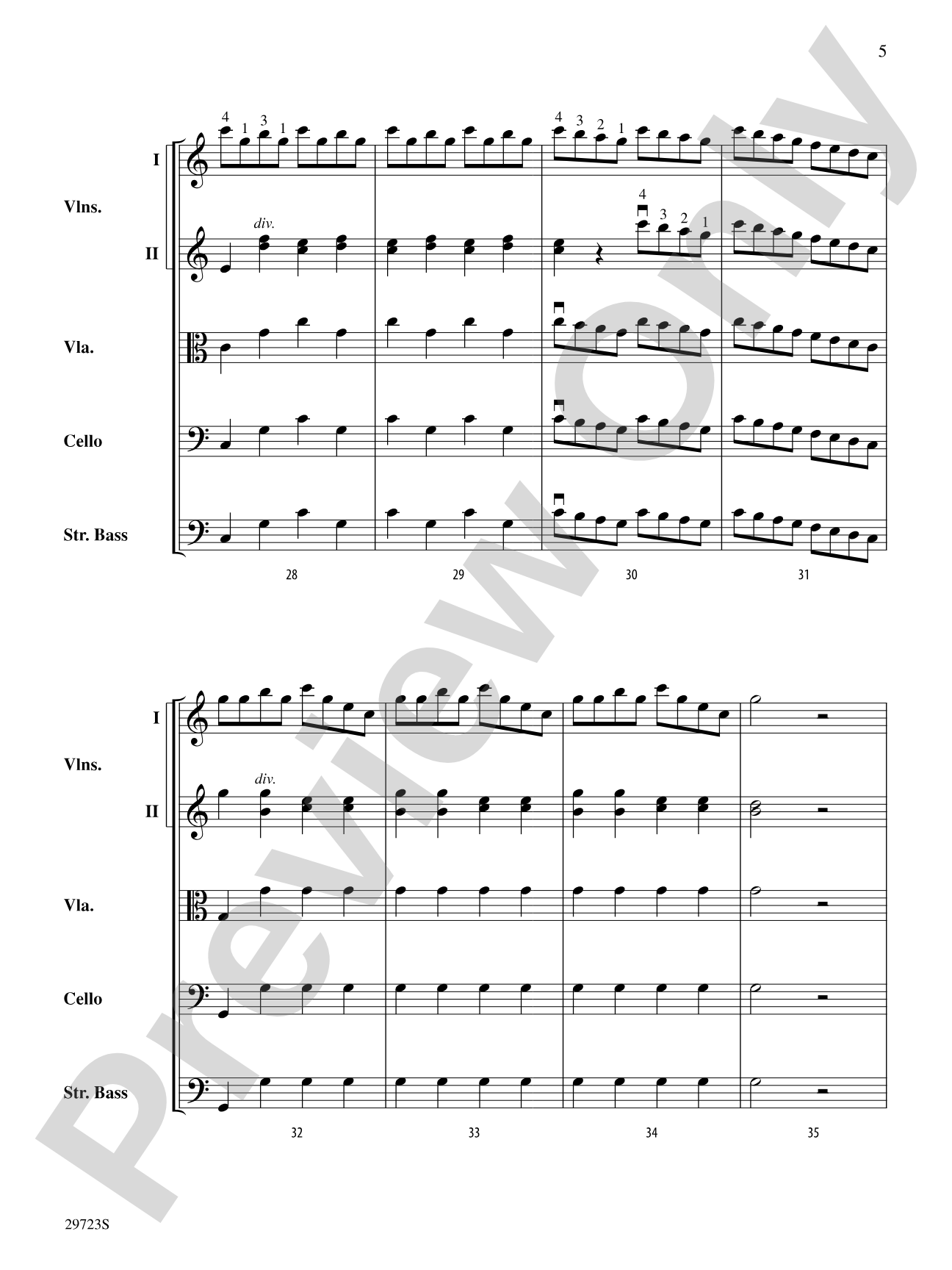
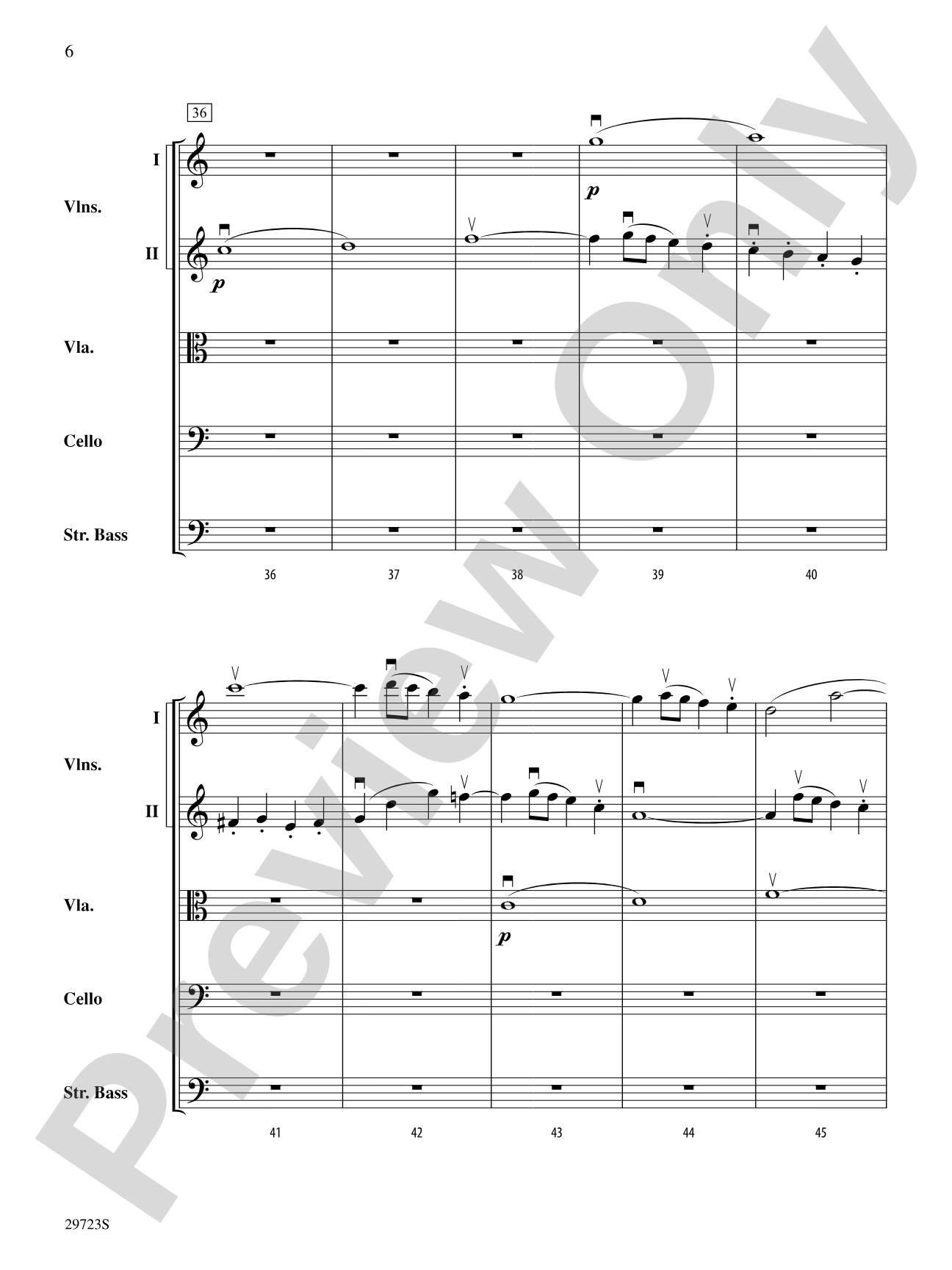
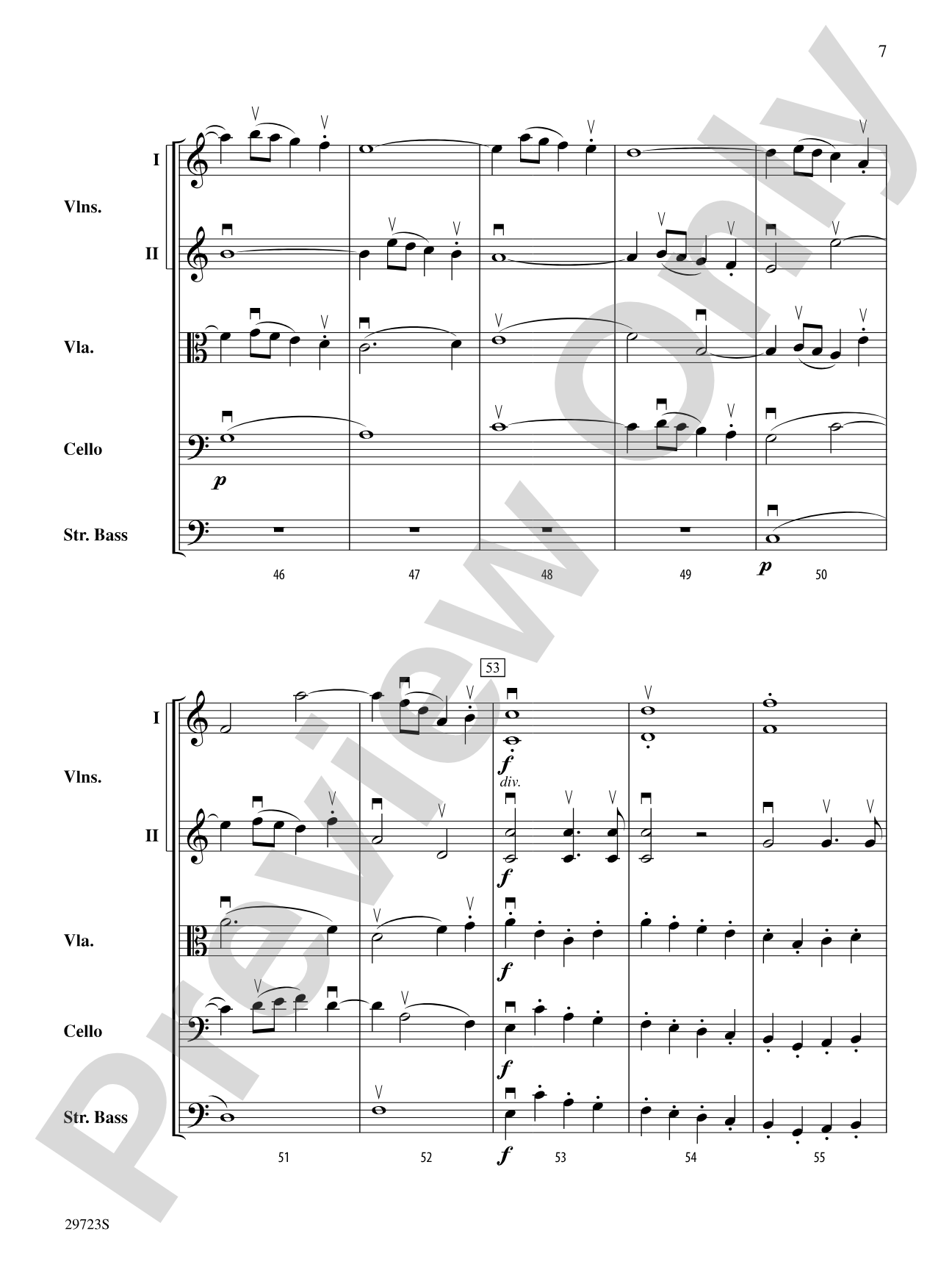
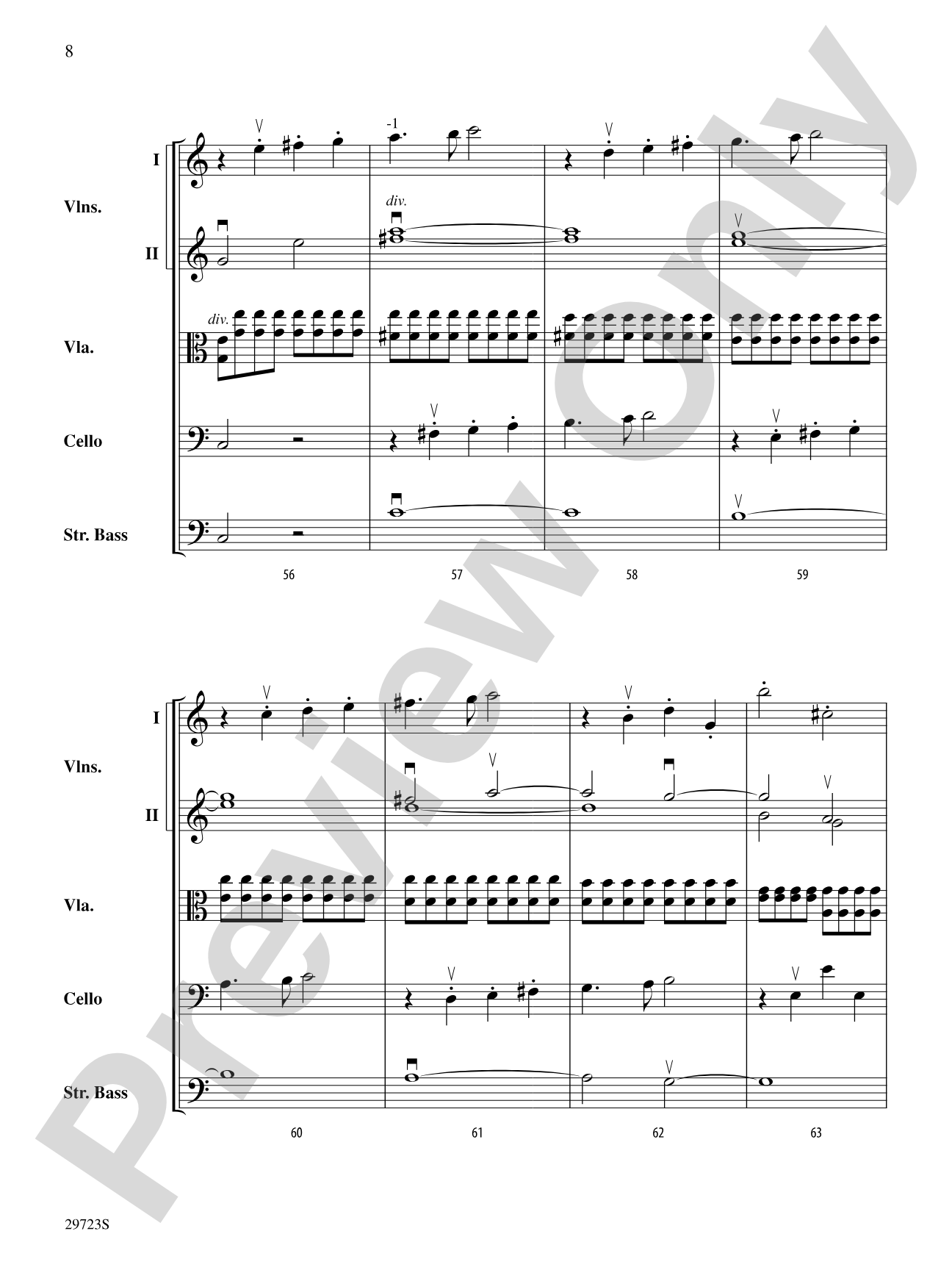
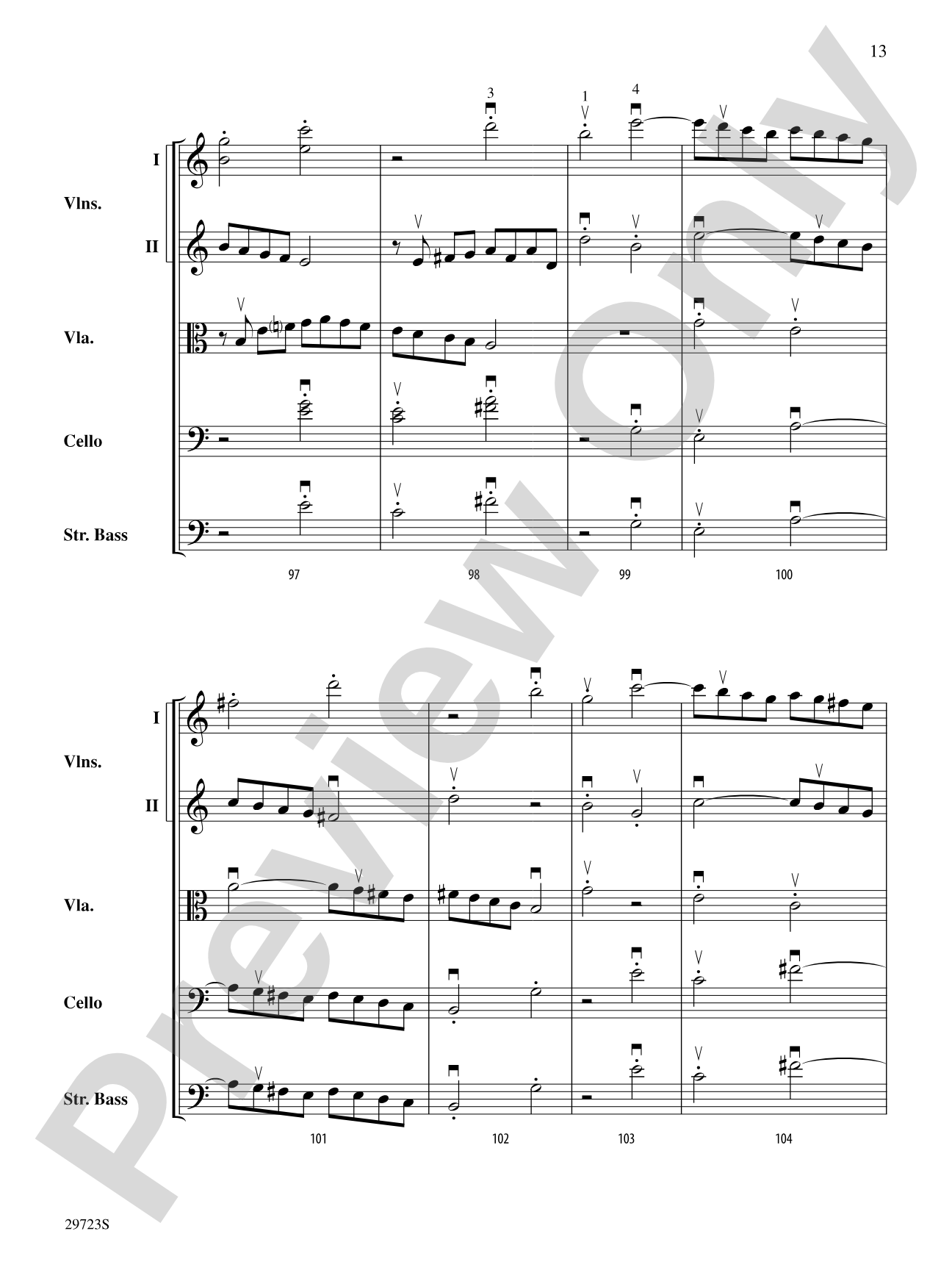
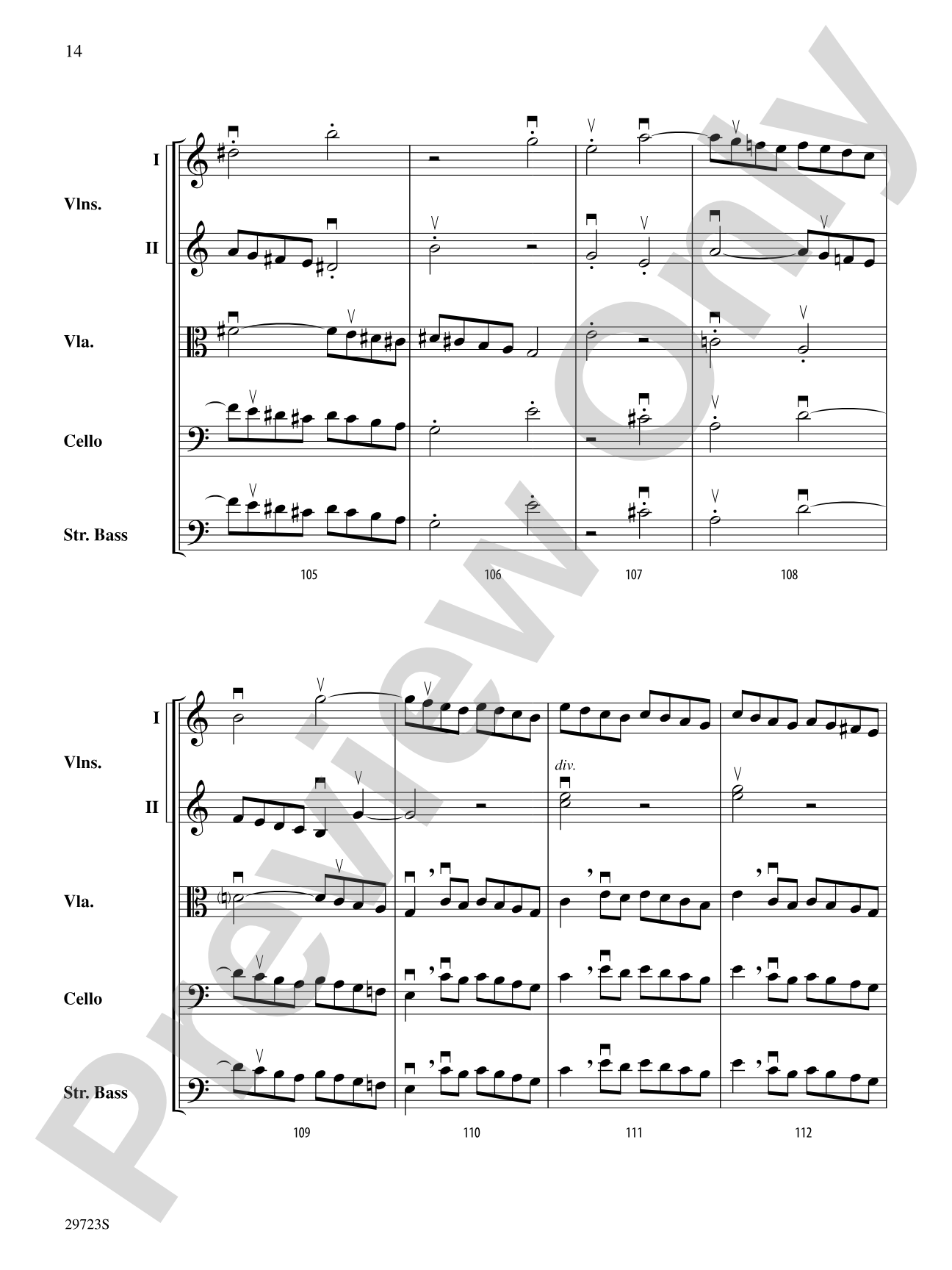
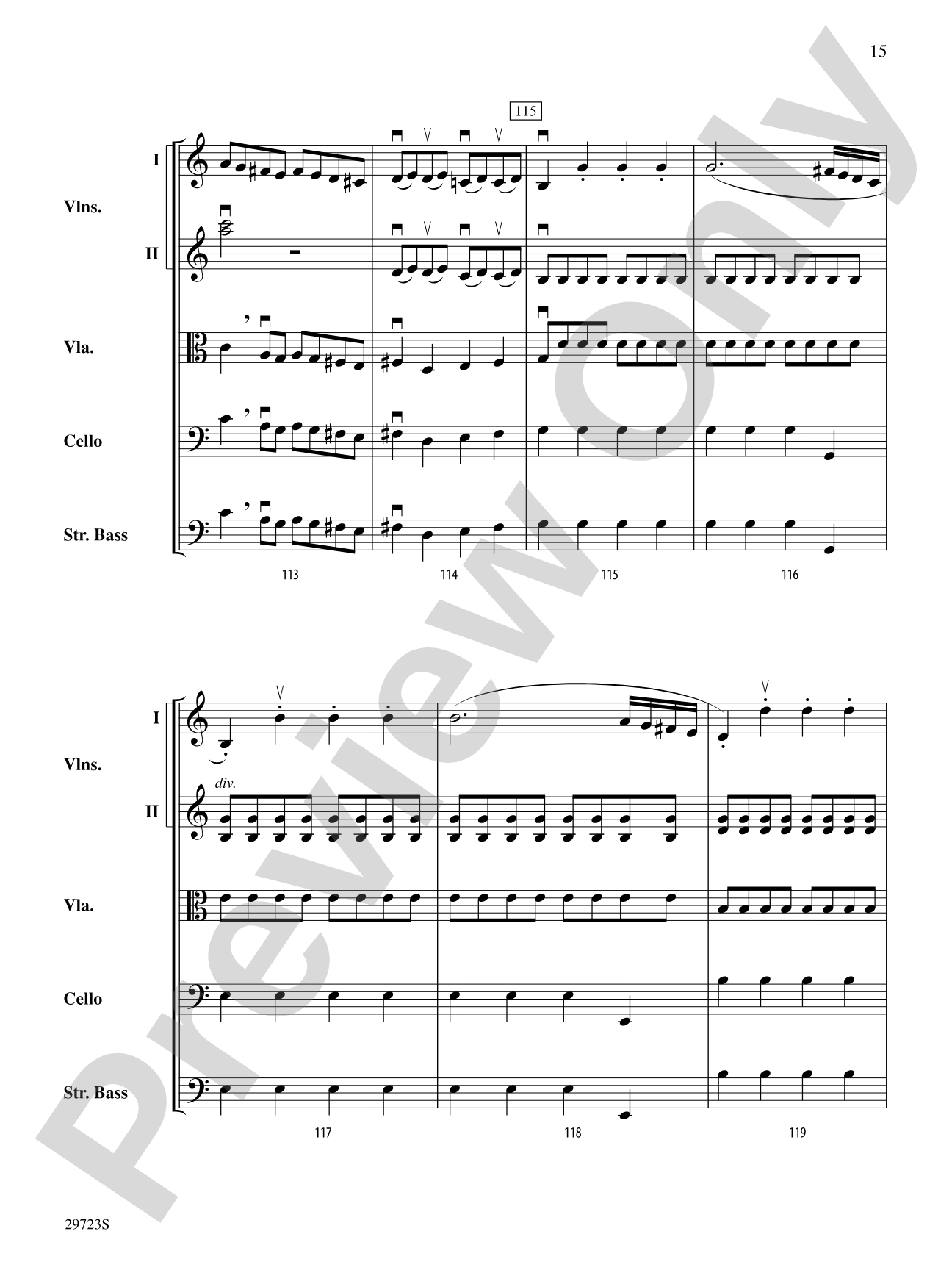
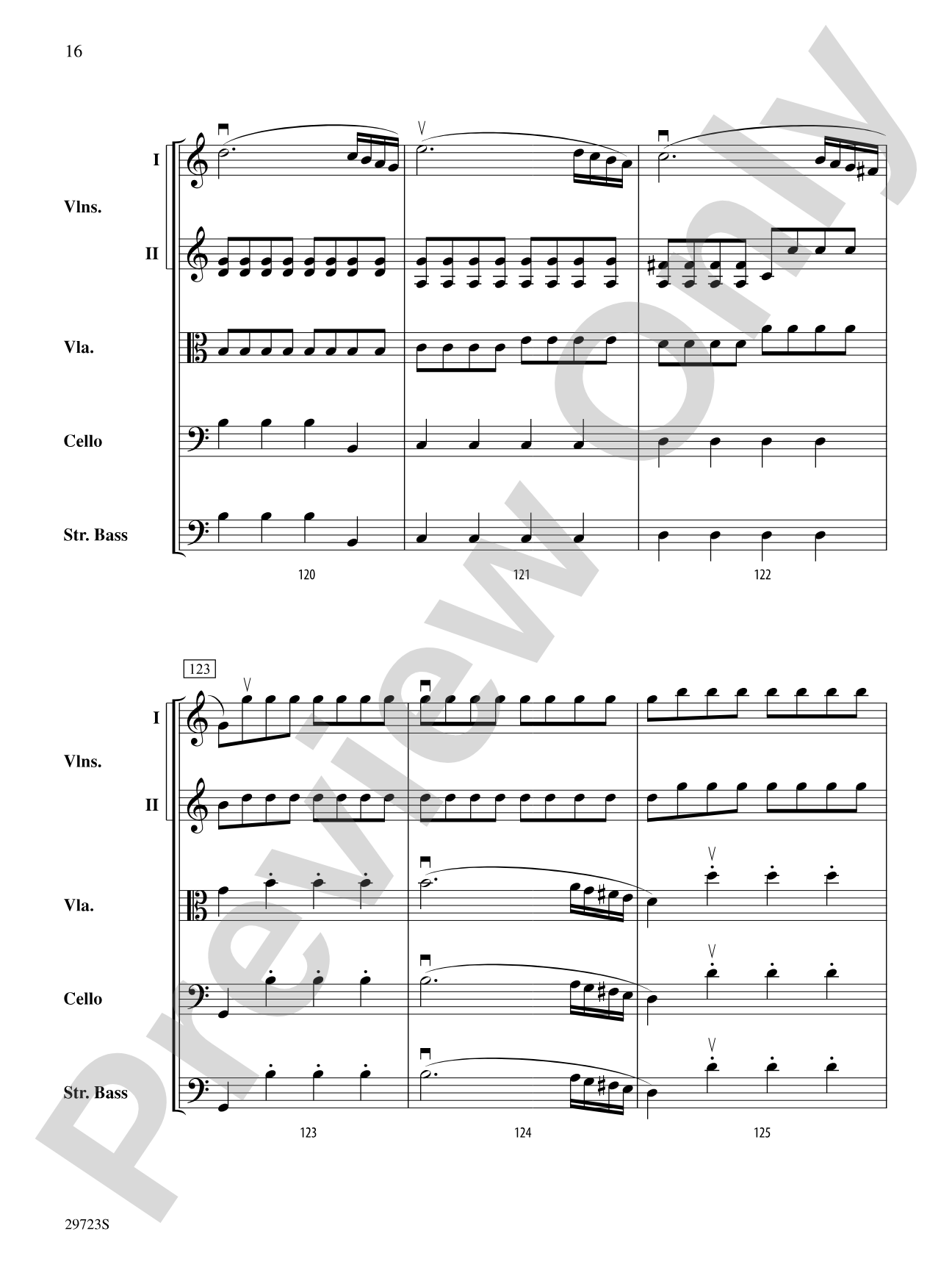
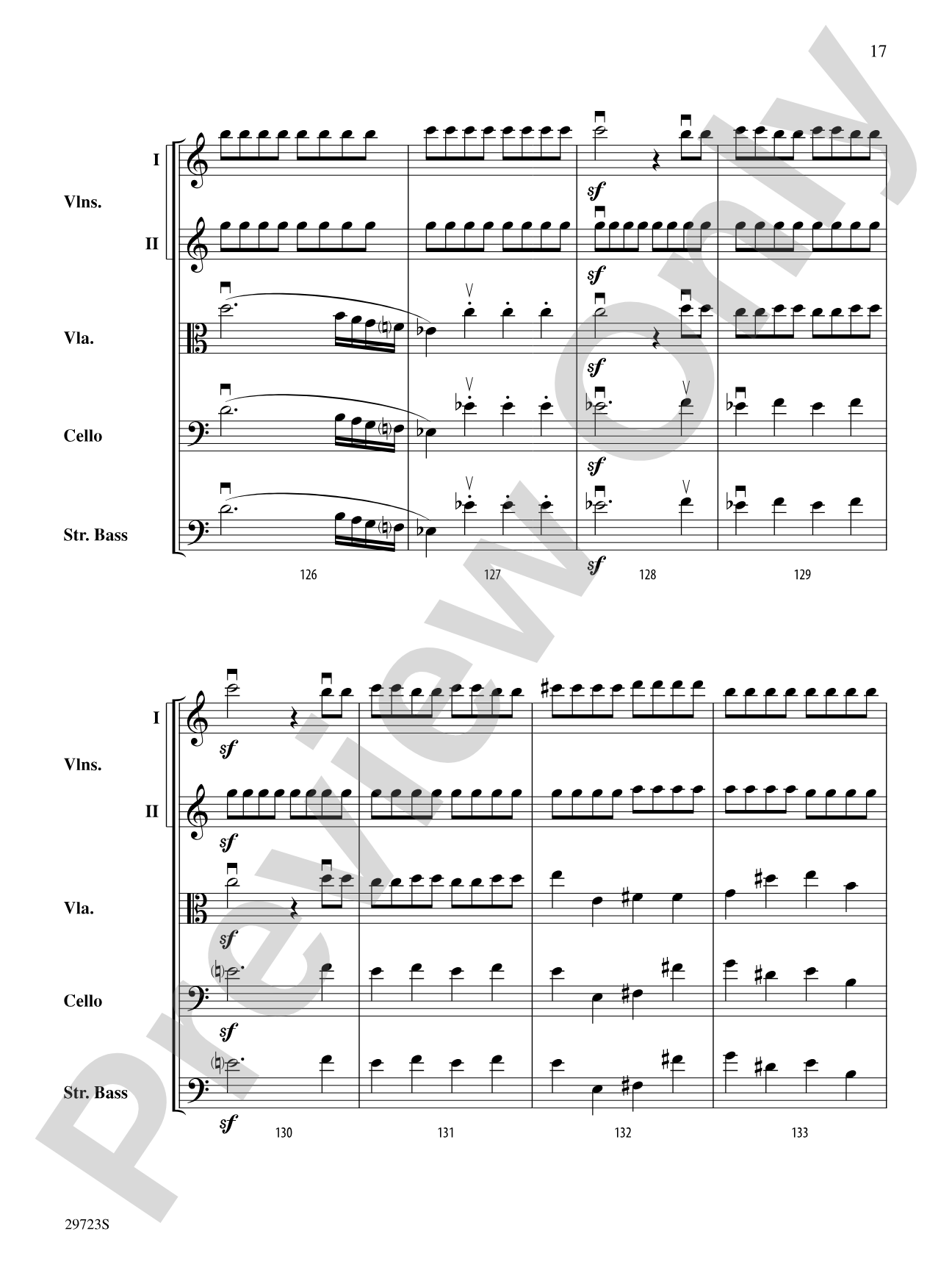
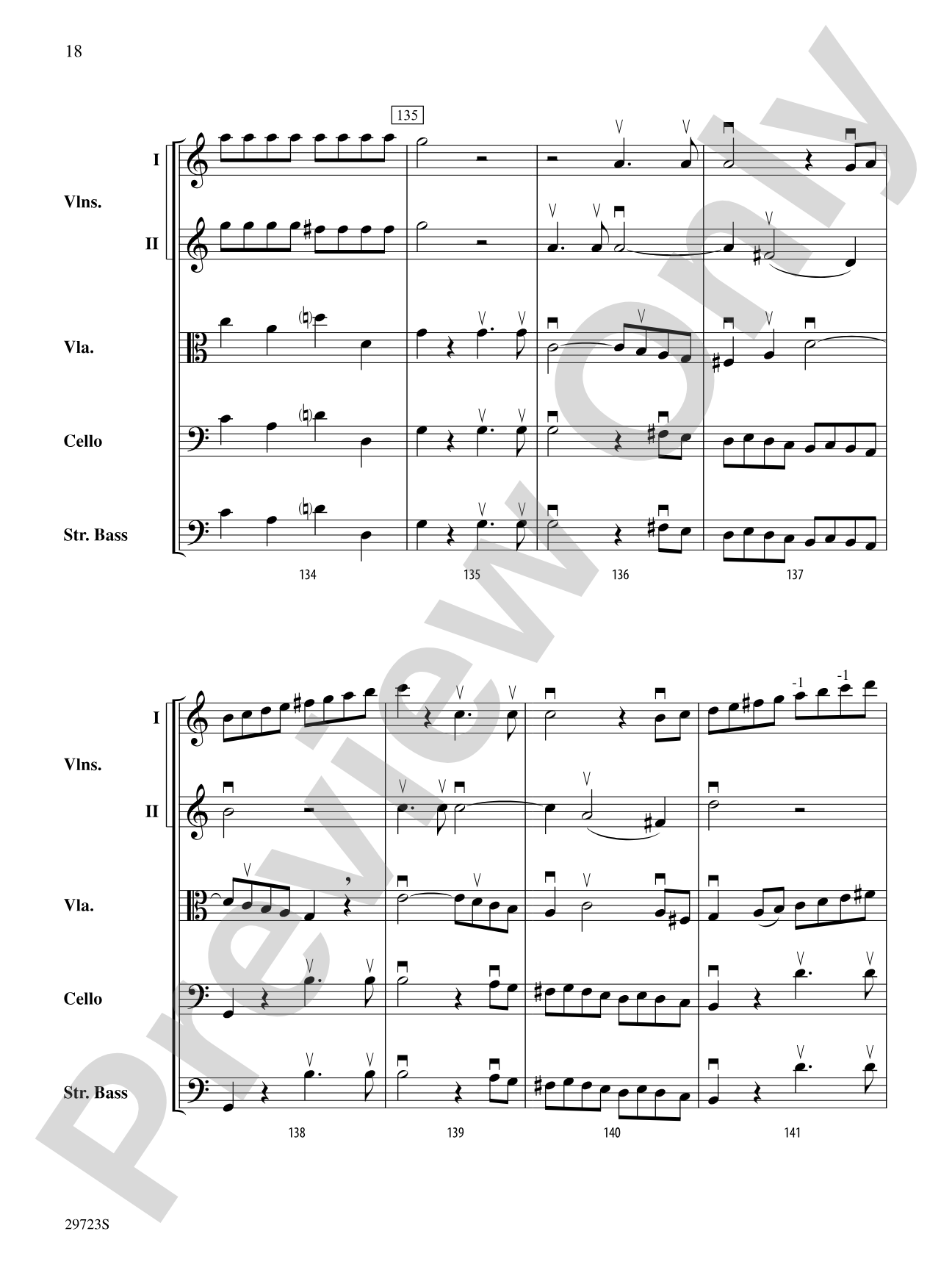
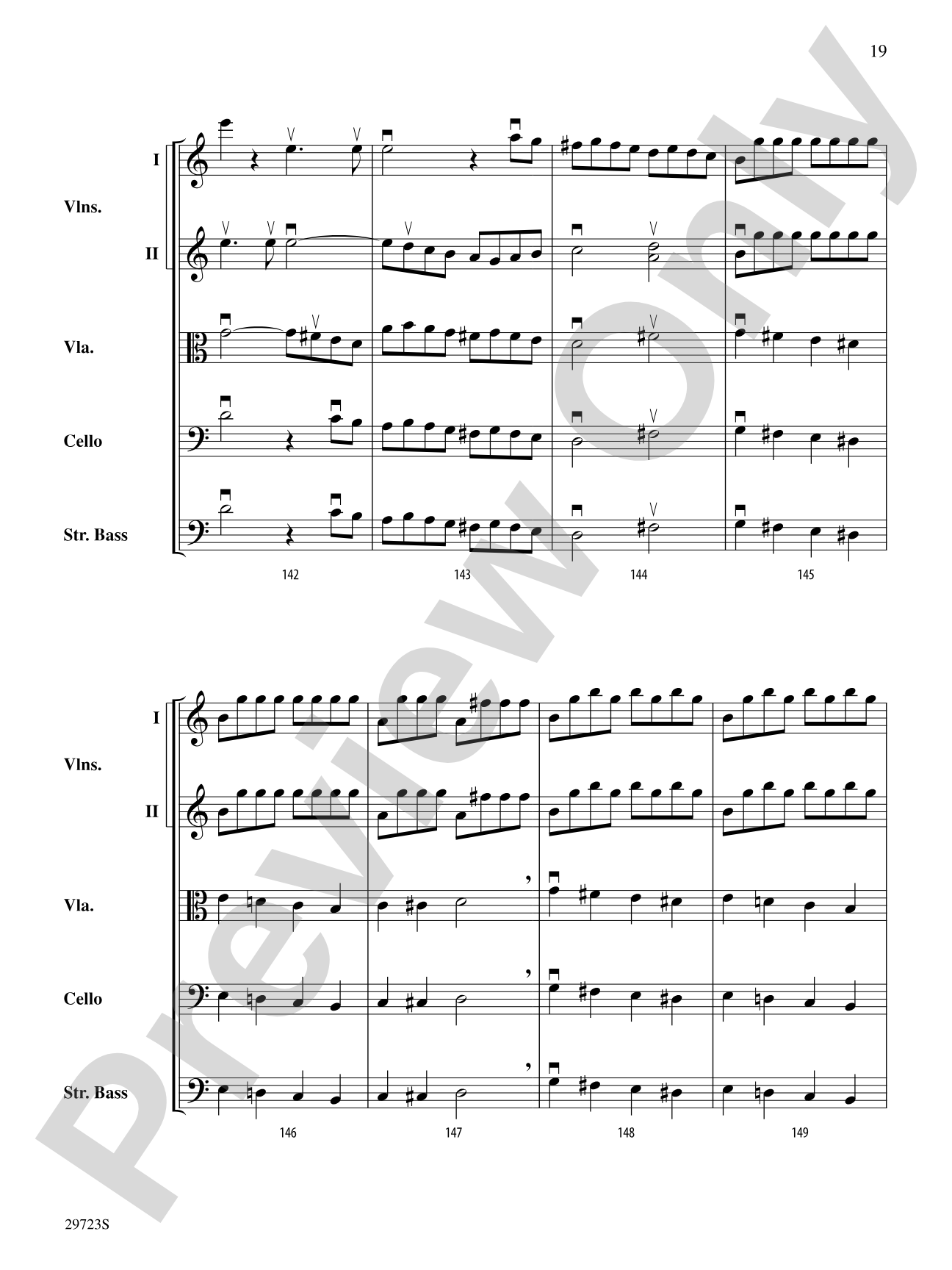
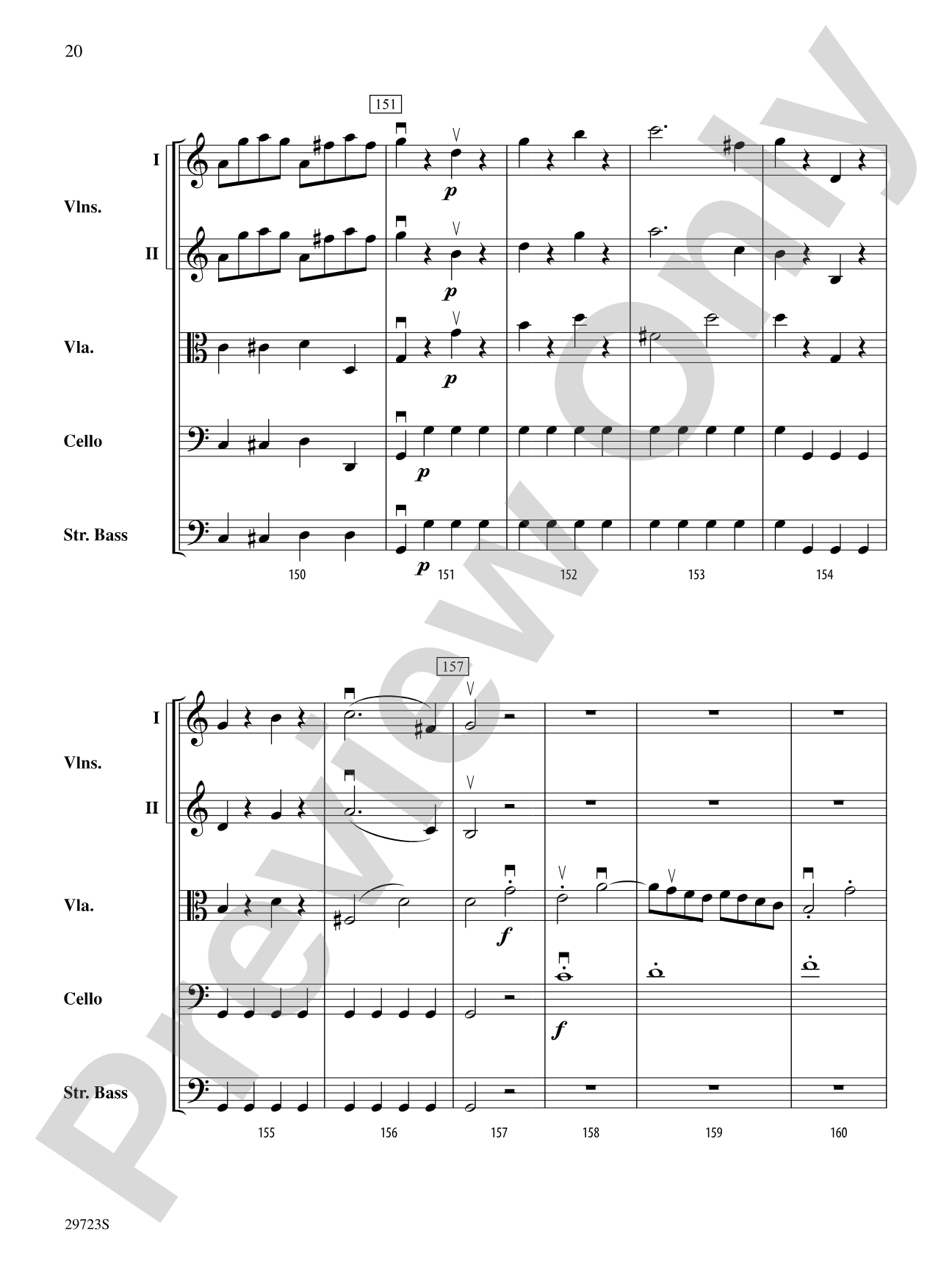
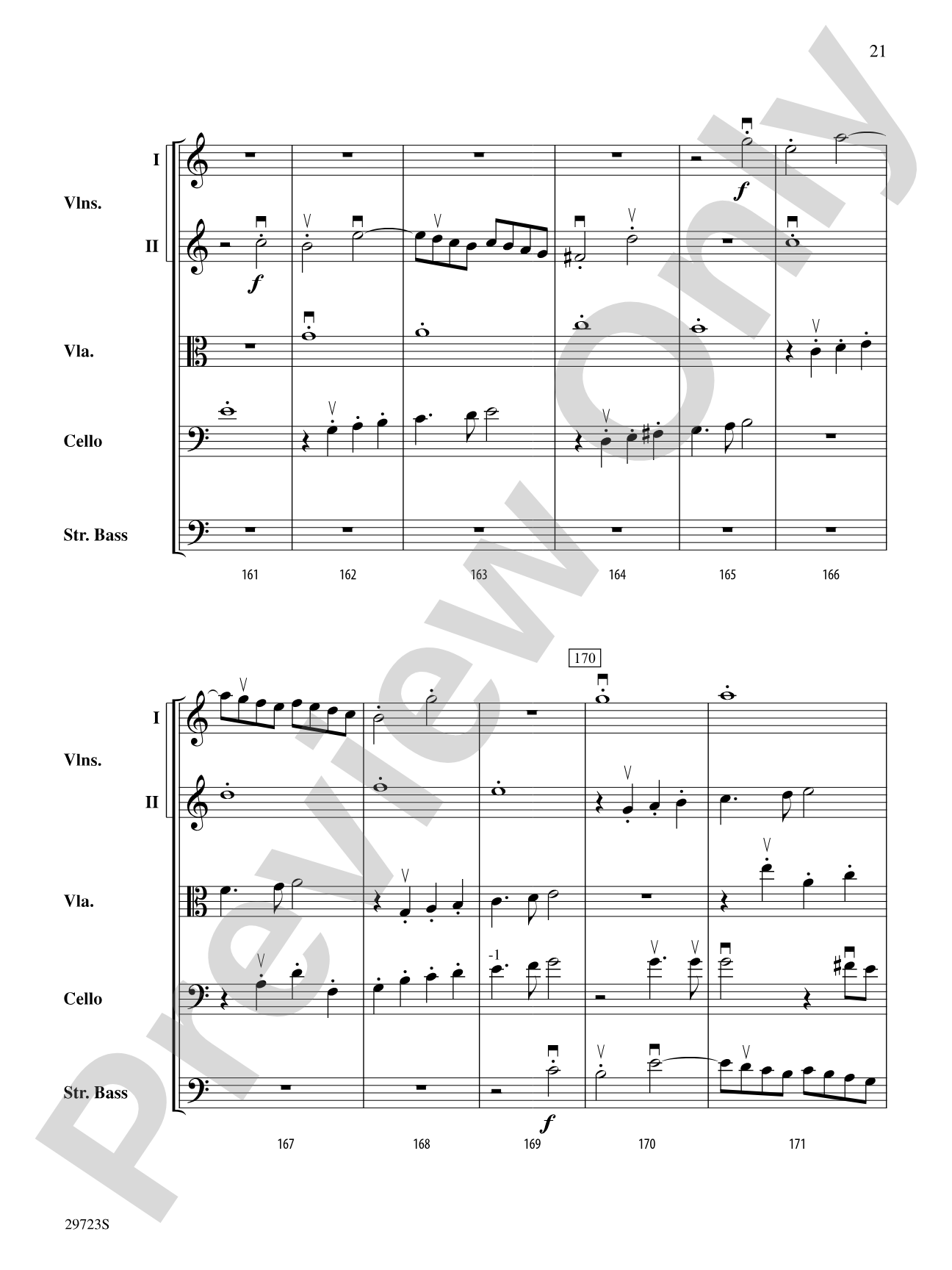
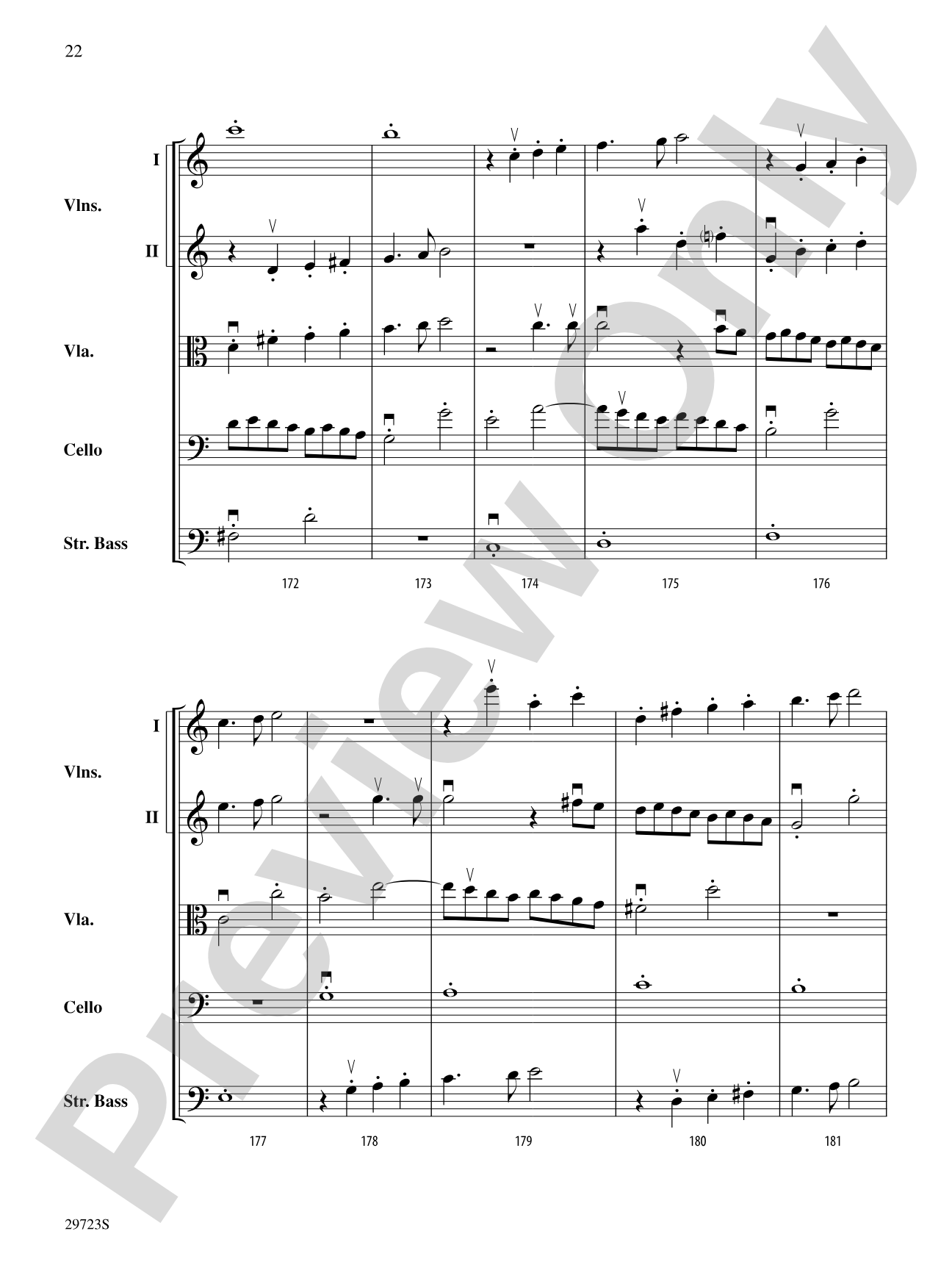
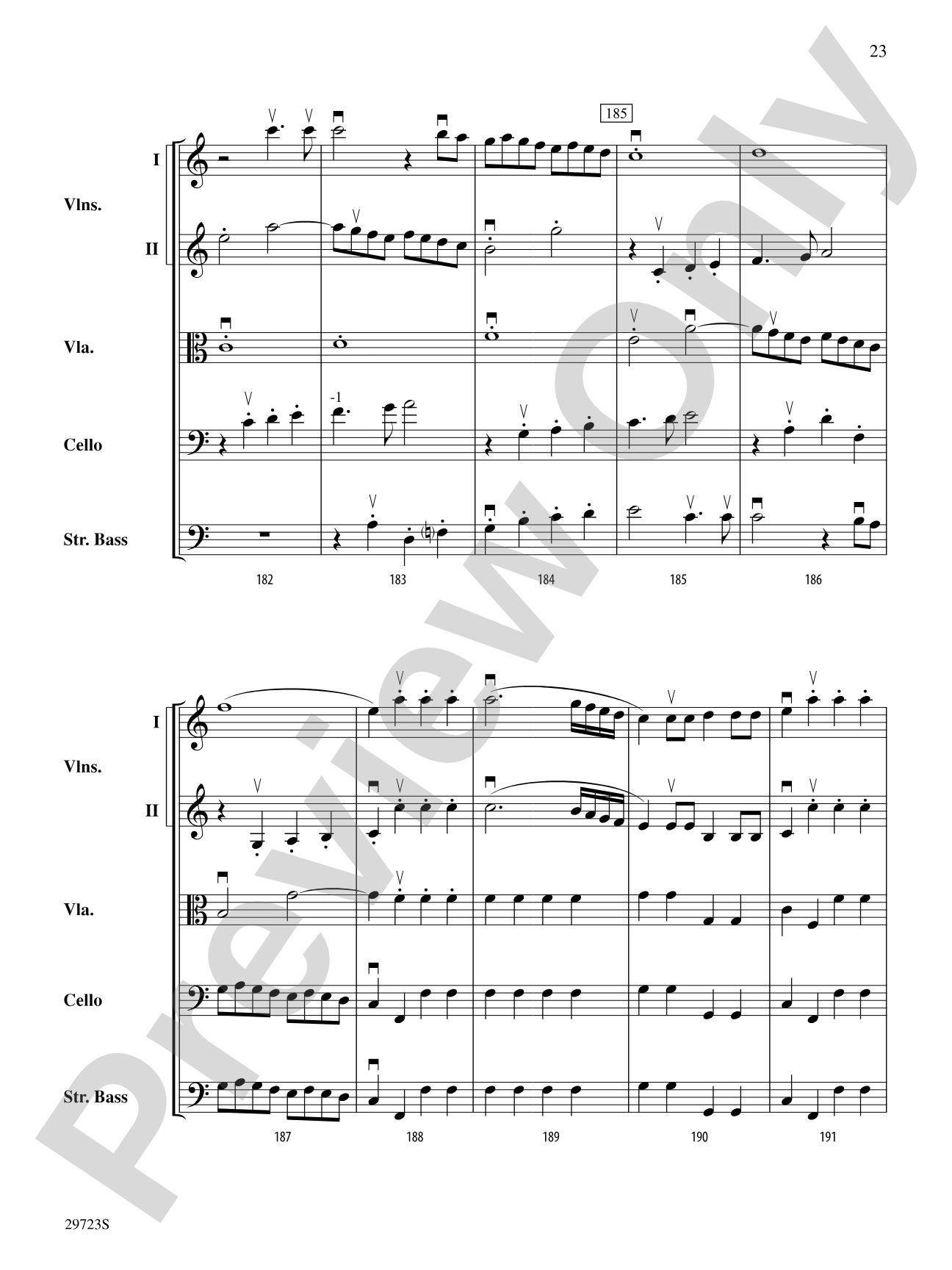
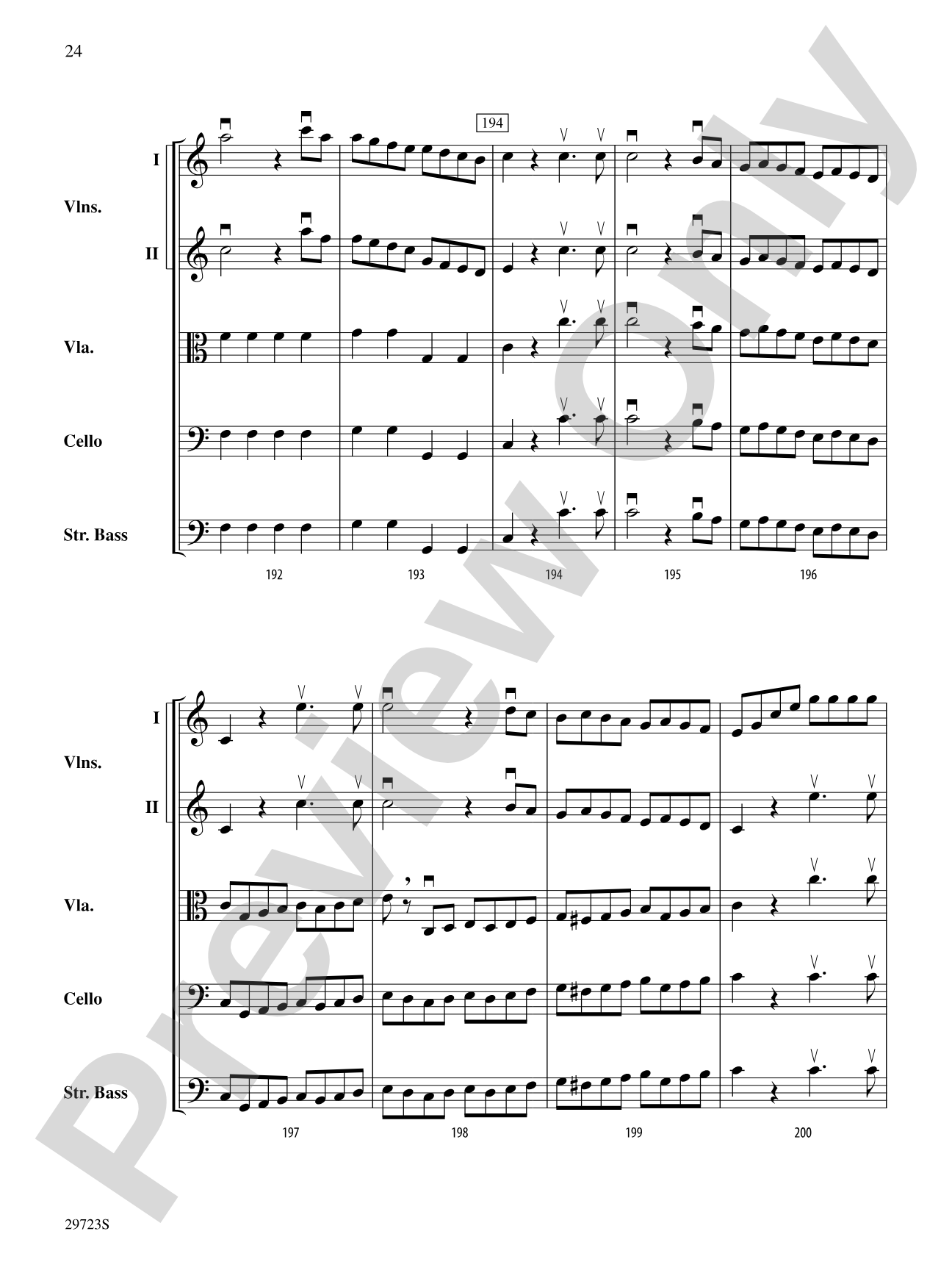
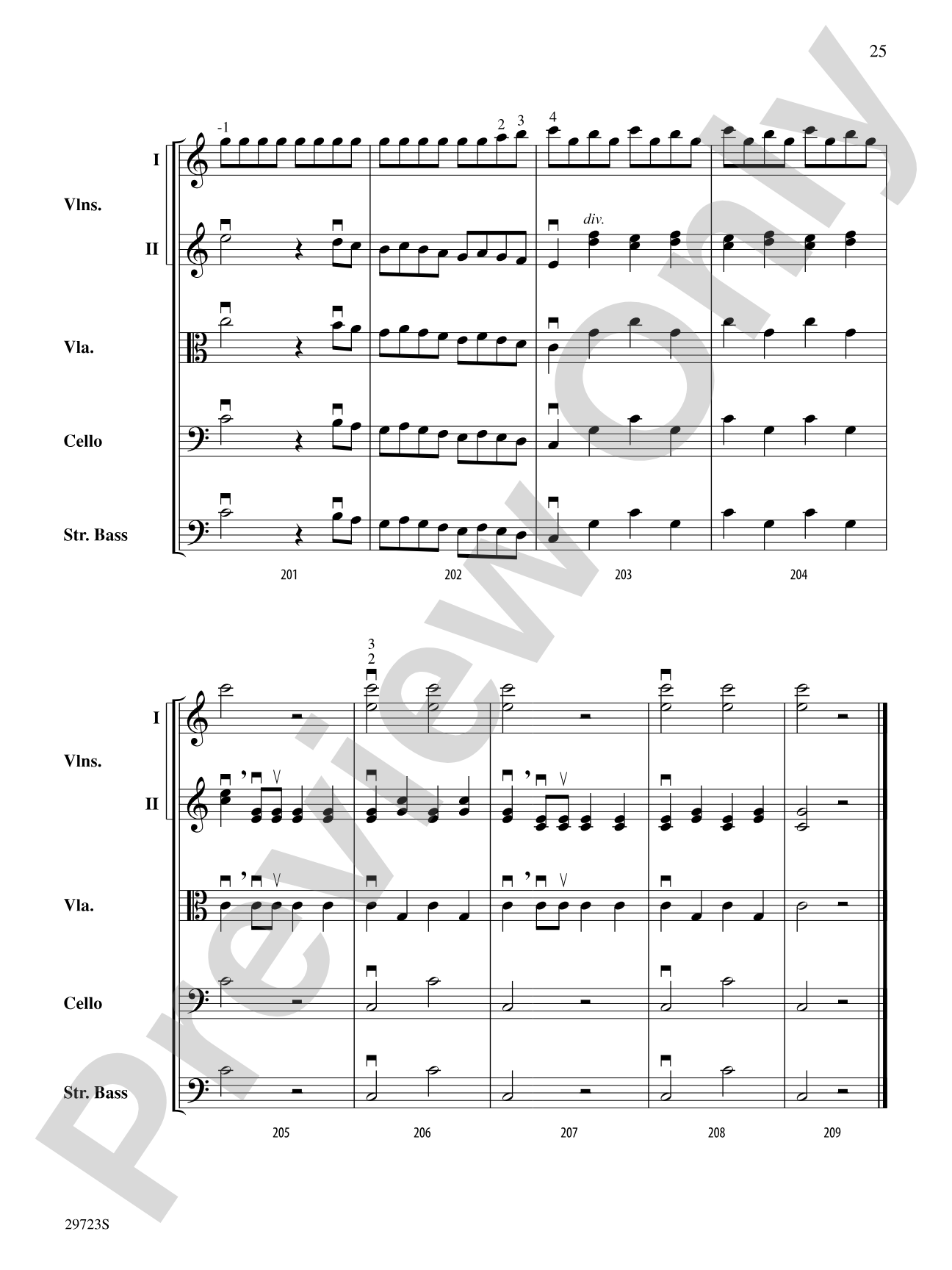
This lively, fugue-like movement from Mozart's last symphony is classical music at its best. All sections enjoy both lyrical and technical passages through Mozart's masterful development of the four-note theme. First violins shift to fifth position while both violin sections experience second position. Cello and bass sections will enjoy the many technical passages that require shifting through fourth position. The energy and drive of this piece makes it a great closer for any concert. (3:15) This title is available in MakeMusic Cloud.


Don't just read it, hear it, play along with it, and watch your students grow with it. In MakeMusic Cloud, Symphony No. 41: String Orchestra Conductor Score & Parts comes alive with professional accompaniment, adjustable tempo, and built-in practice tools that turn solo practice into real progress.
Open in the Player
Jump straight in and assign it today.
Start Your Free Trial
Open this title and explore the full library in minutes.
Sample Audio
1
Audio File
--:--
0:00
0:00
Sample Video
Additional Details
Series:
Highland/Etling String Orchestra
Publisher:
Alfred Music
Page Count:
248
SKU:
00-PK-0001584
More about this title
About the Composer: Wolfgang Amadeus Mozart
Wolfgang Amadeus Mozart (1756-1791) composed over 600 works across every major genre during his brief life, establishing himself as one of the most influential figures in Western music. His ability to craft elegant melodies, innovative harmonies, and sophisticated formal structures set the standard for Classical music and influenced composers for generations to come. In the string orchestra, Mozart's writing balances technical demands with lyrical beauty, making his works essential repertoire for developing ensembles.
Why we love this
This finale gives your orchestra both substance and showmanship. The fugal energy and clear thematic development mean every section has something meaningful to do, while the four-note theme provides an instantly recognizable anchor that holds the ensemble together through shifting positions and technical passages. As a closer, it leaves audiences with the unmistakable brilliance of Classical mastery.
What to expect
Sophisticated and energetic, with the architectural clarity that defines Mozart's late style. The fugue-like writing generates momentum through interlocking lines rather than sheer volume, and the balance of lyrical writing with technical display creates moments of both repose and brilliant forward drive.
Who it's for
Grade 4 string orchestras ready to tackle a substantive Classical work with genuine pedagogical depth. This arrangement suits ensembles with secure intonation and the technical foundation to manage multiple position shifts across all sections.
How to get the most out of it
- Establish the four-note theme as the gravitational center of the movement; even during the fugal development, every section should feel connected to this kernel of material.
- Work the position shifts in rehearsal before full-tempo runs; violins tackling fifth position and cellos navigating fourth position shifts need security before ensemble cohesion matters.
- Shape the energy with rubato and dynamic contour rather than aggressive tempo changes; the piece's drive comes from harmonic momentum and voice leading, not relentless speed.
- Balance the lyrical passages against the technical ones by clarifying which sections carry melody and which provide figuration, so the development reads transparently even at concert tempo.
How to use it
Close your concert with this: the three-minute runtime and conclusive energy make it an ideal finale that sends the audience out with the elegance and vitality of the Classical era. It also works well in a progression from earlier Mozart or alongside other Enlightenment-era string writing, where its formal sophistication will resonate clearly.
Skills your students will build
- Playing in multiple positions (second, fourth, and fifth) with secure intonation
- Reading fugal writing and tracking thematic material across multiple voices
- Balancing lyrical and technical passage work within the same movement
- Maintaining ensemble cohesion through complex harmonic development