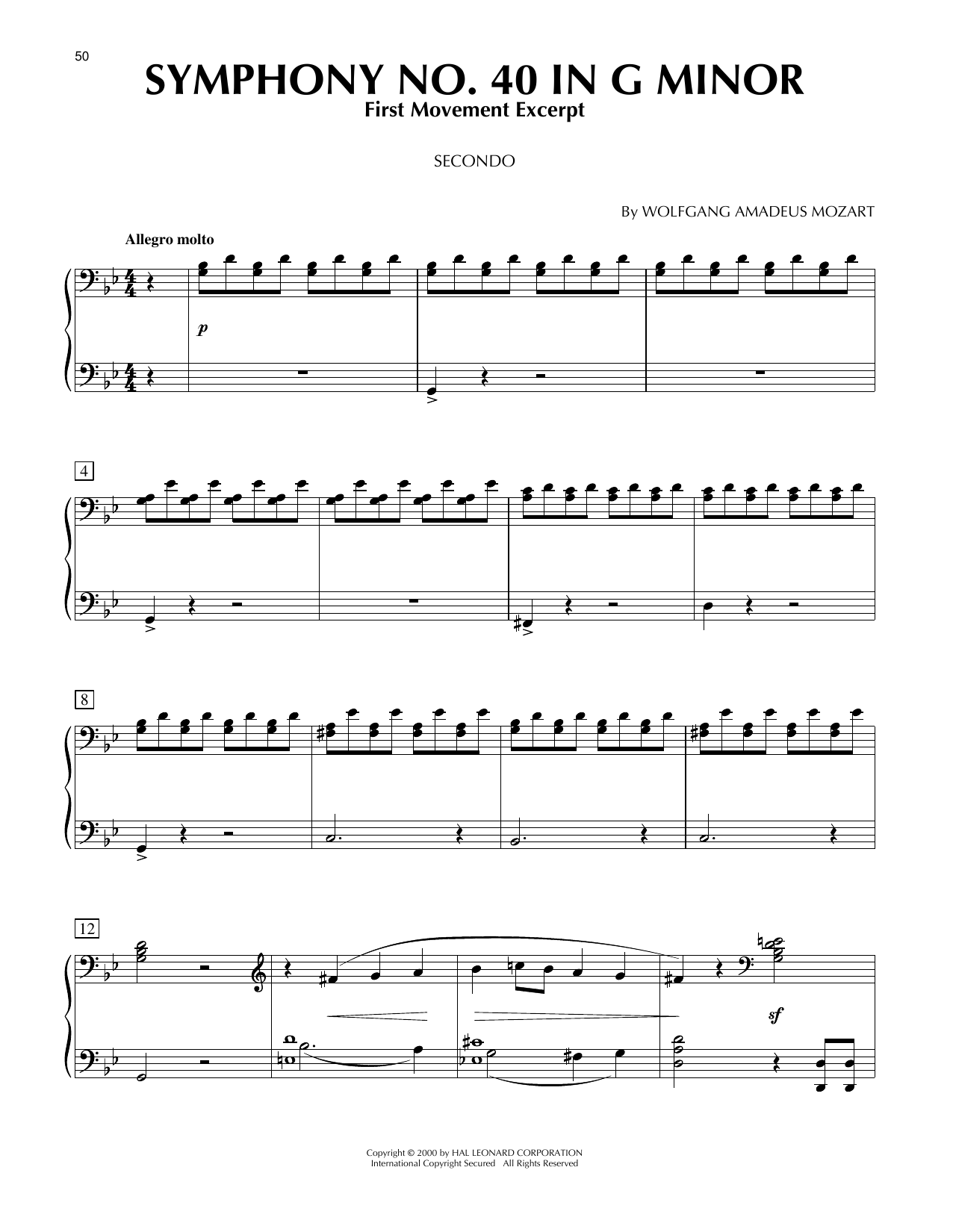
Mozart composed his Symphony No. 40 in G Minor during an astonishingly productive period in 1788, creating three symphonies within eight weeks. This work stands as the only minor-key symphony in his numbered series, making it a structural and emotional outlier in his symphonic output. His mastery of form, harmonic innovation, and orchestral writing established the blueprint for symphonic writing that Beethoven and composers of subsequent generations would build upon.
Why we love this
The opening movement cuts straight to urgency without preamble. The restless, perpetually developing themes and Mozart's rhythmic sophistication challenge performers to balance formal clarity with genuine dramatic intensity, giving students a masterclass in how classical structures can convey real emotional weight.
What to expect
Restless and propulsive, with an undertone of melancholy that never tips into despair. The music circles through familiar harmonic territory while maintaining forward momentum, creating a sense of searching without resolution.
Who it's for
Pianists with solid command of classical technique and harmonic literacy will find this excerpt rewarding to study and perform. It works well for students preparing for college auditions or examining the symphonic tradition at an advanced level.
How to get the most out of it
Maintain rhythmic precision in the driving sixteenth-note figures; they propel the music forward and any hesitation deflates the movement's inherent tension.
Shape the repeated phrases with subtle dynamic variation rather than exact repetition, allowing the themes to develop a sense of mounting urgency.
Balance the orchestral color between strings and winds, ensuring neither section overwhelms as the themes migrate between them throughout the movement.
How to use it
Pair this with other single-movement excerpts from the symphonic literature to build a recital that traces how composers handled first-movement form. It also serves as an excellent analytical study piece when teaching sonata form and thematic development.
Skills your students will build
Sonata form analysis and harmonic function in classical structures
Sustaining rhythmic drive across repeated thematic material
Voice leading and texture balance in multi-part writing
Interpreting articulation and phrasing within classical conventions
You May Also Like
Scan to Complete Your Purchase
Use your phone's camera to scan the code below
You'll log in on your phone and the order will be added to your account