
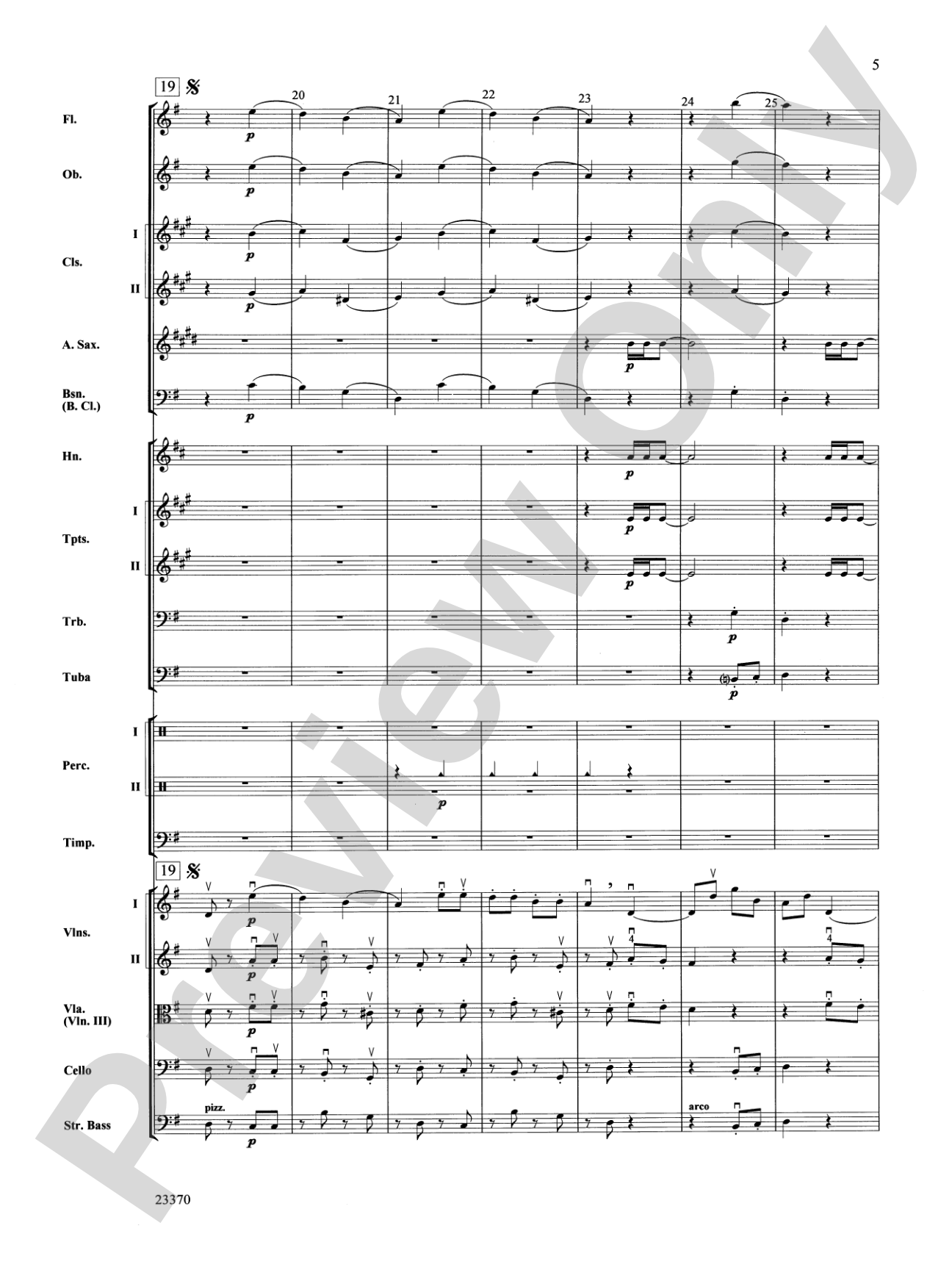
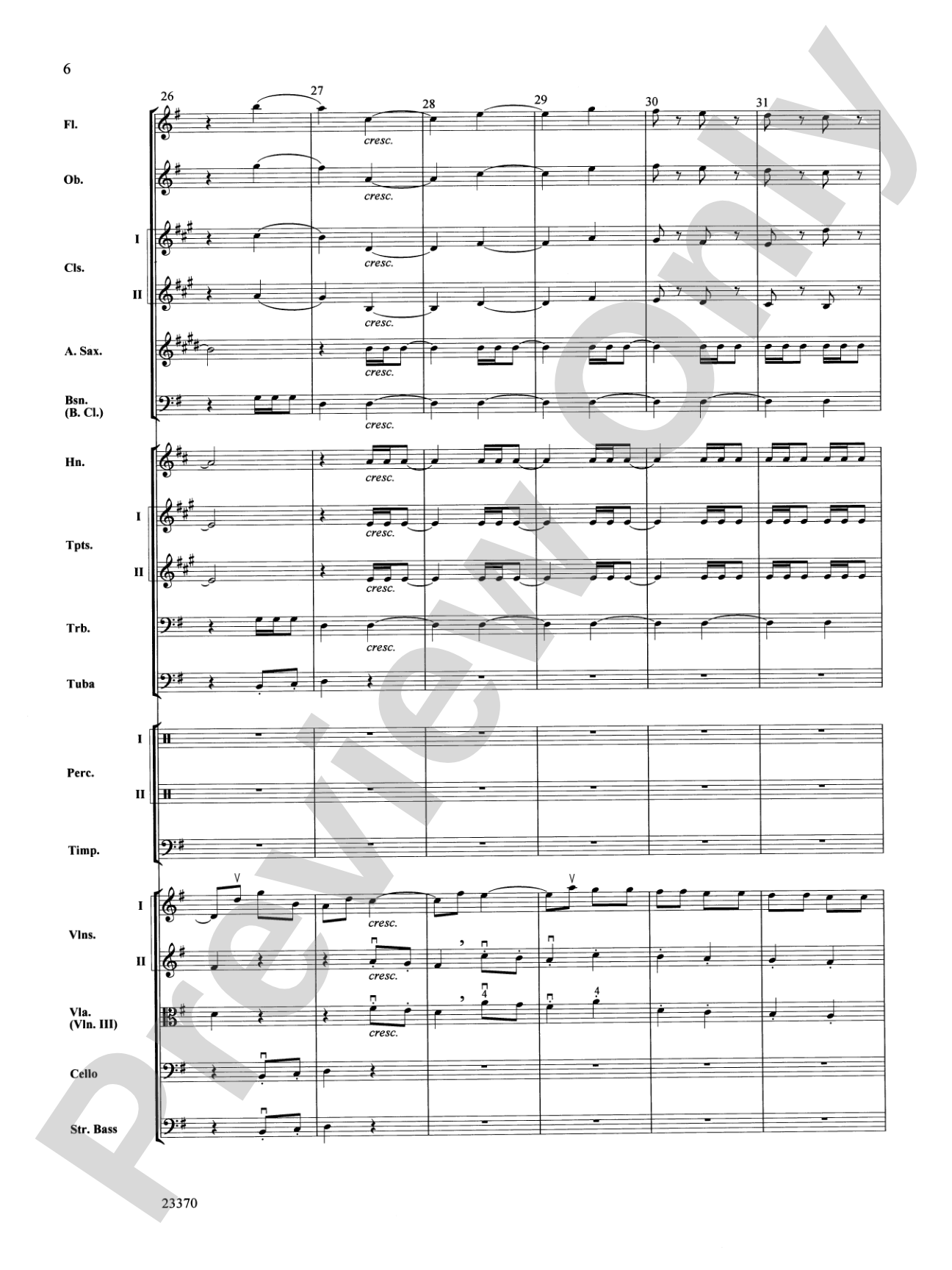
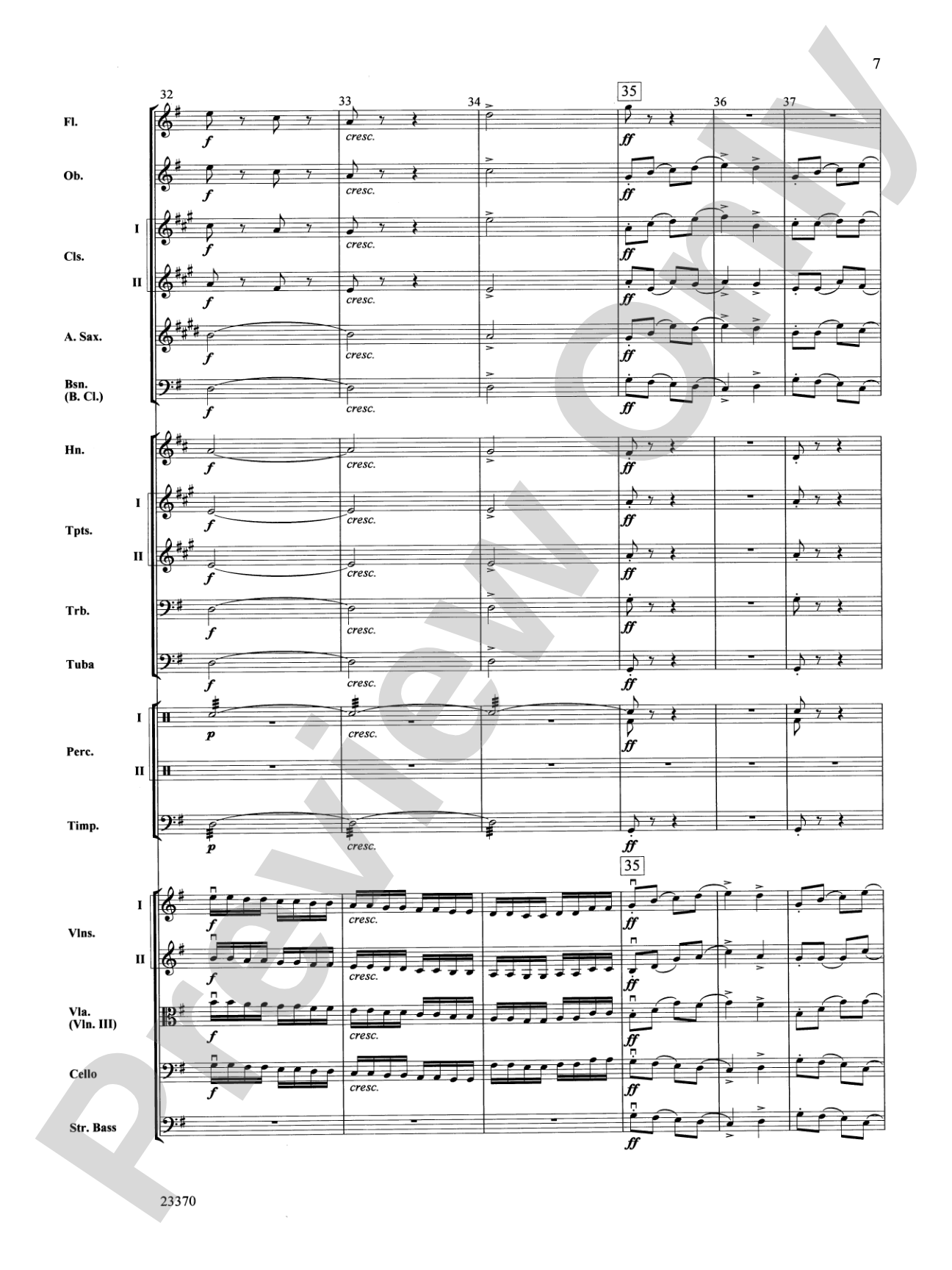
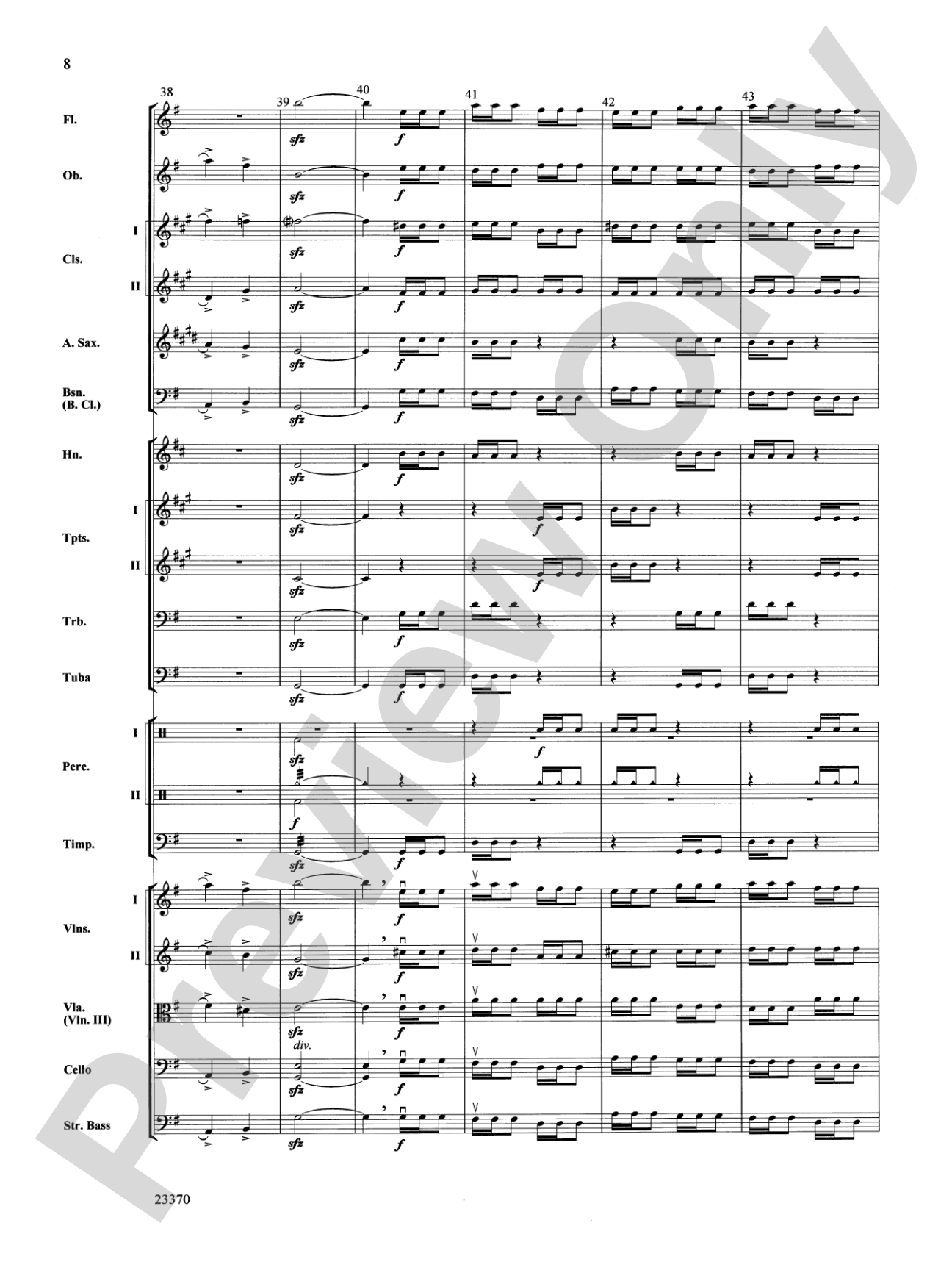
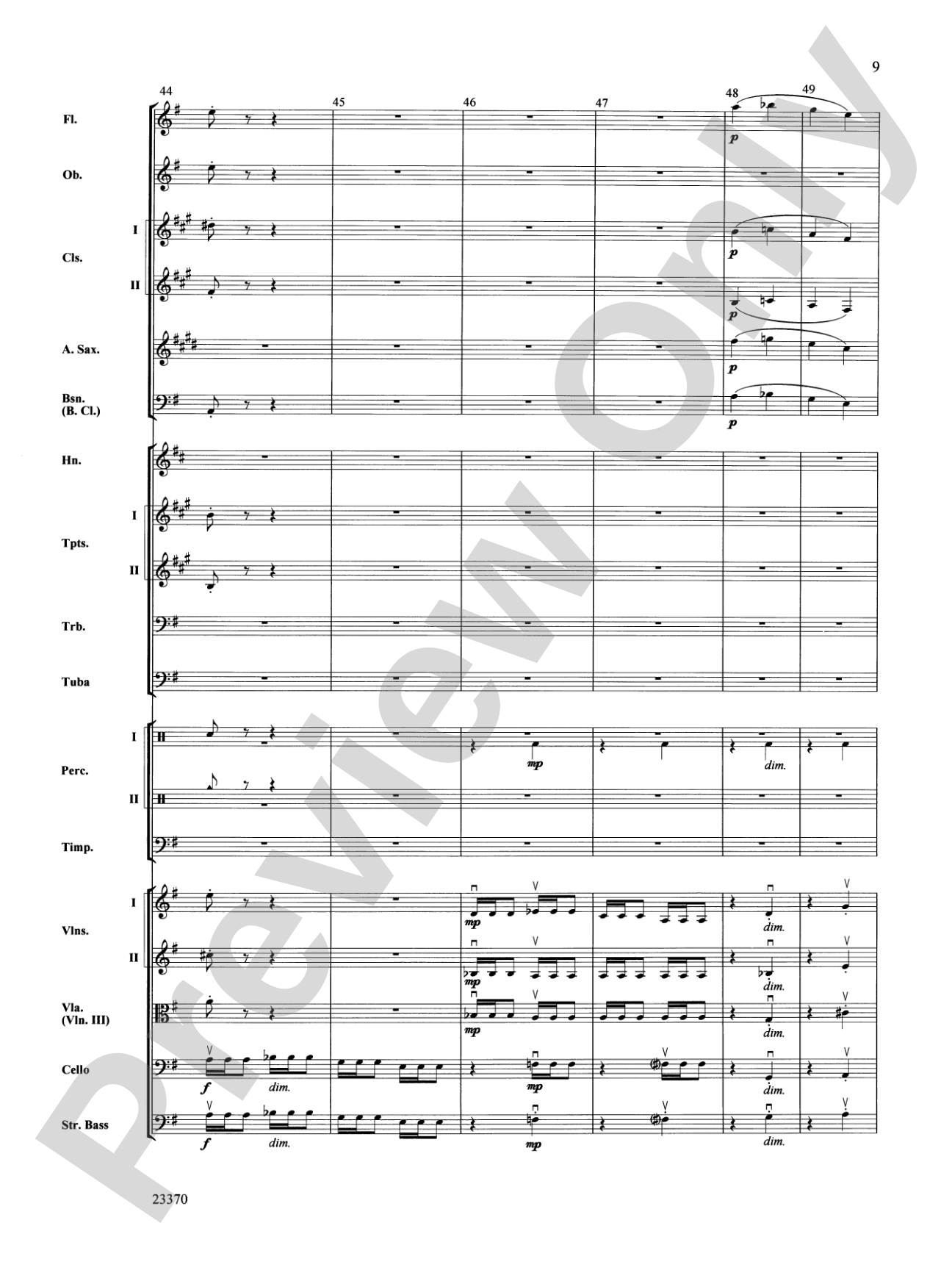
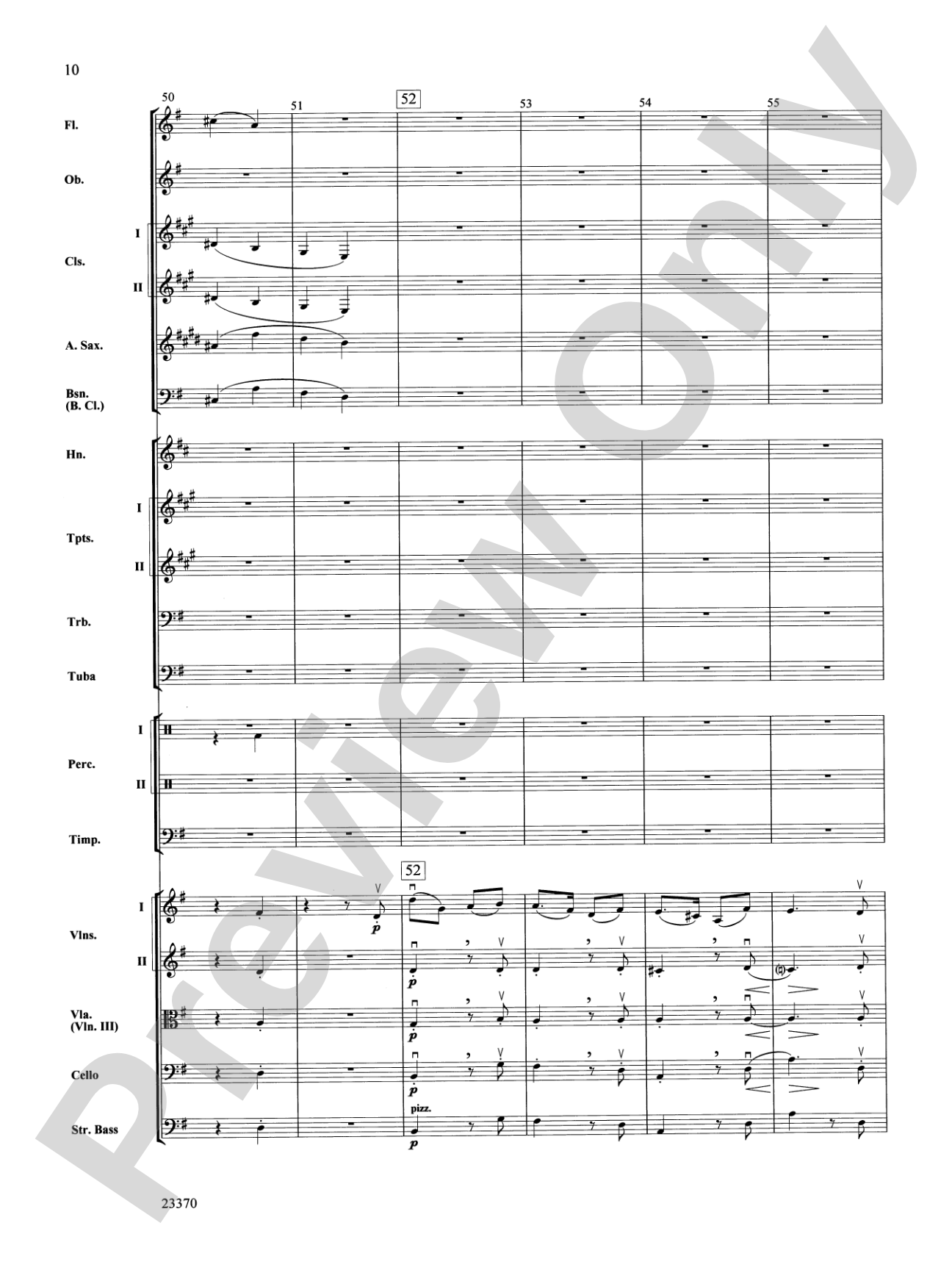
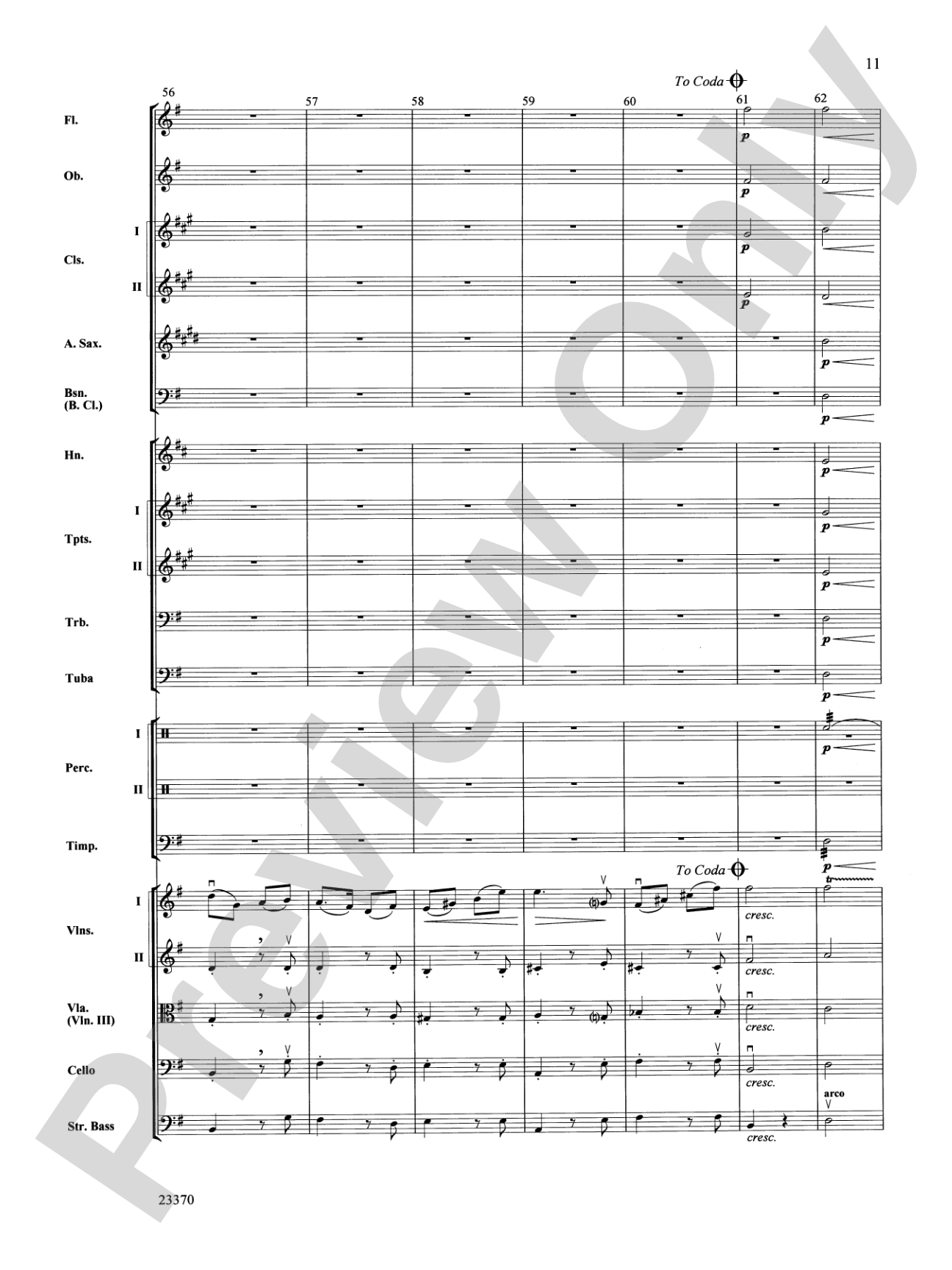
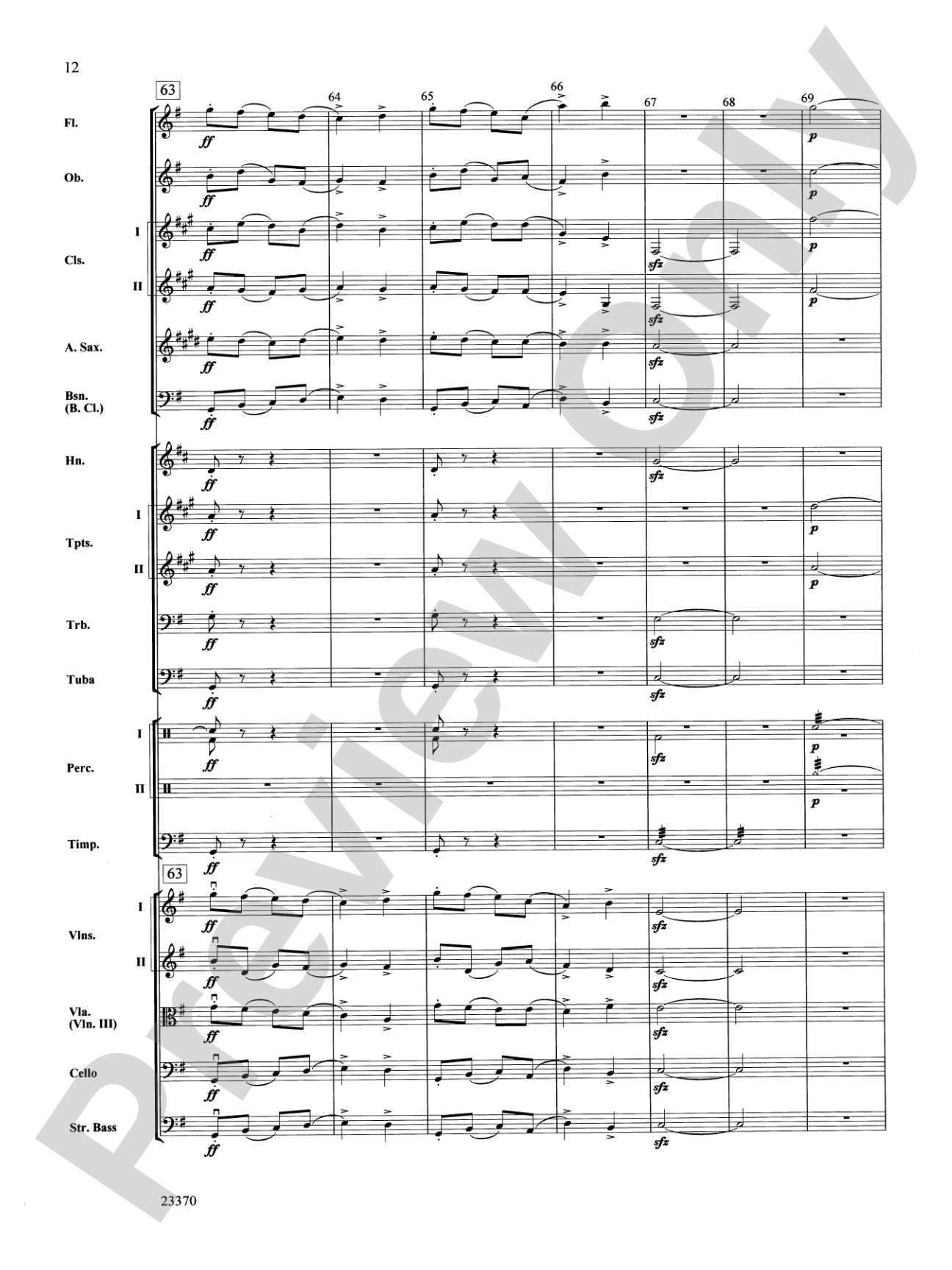
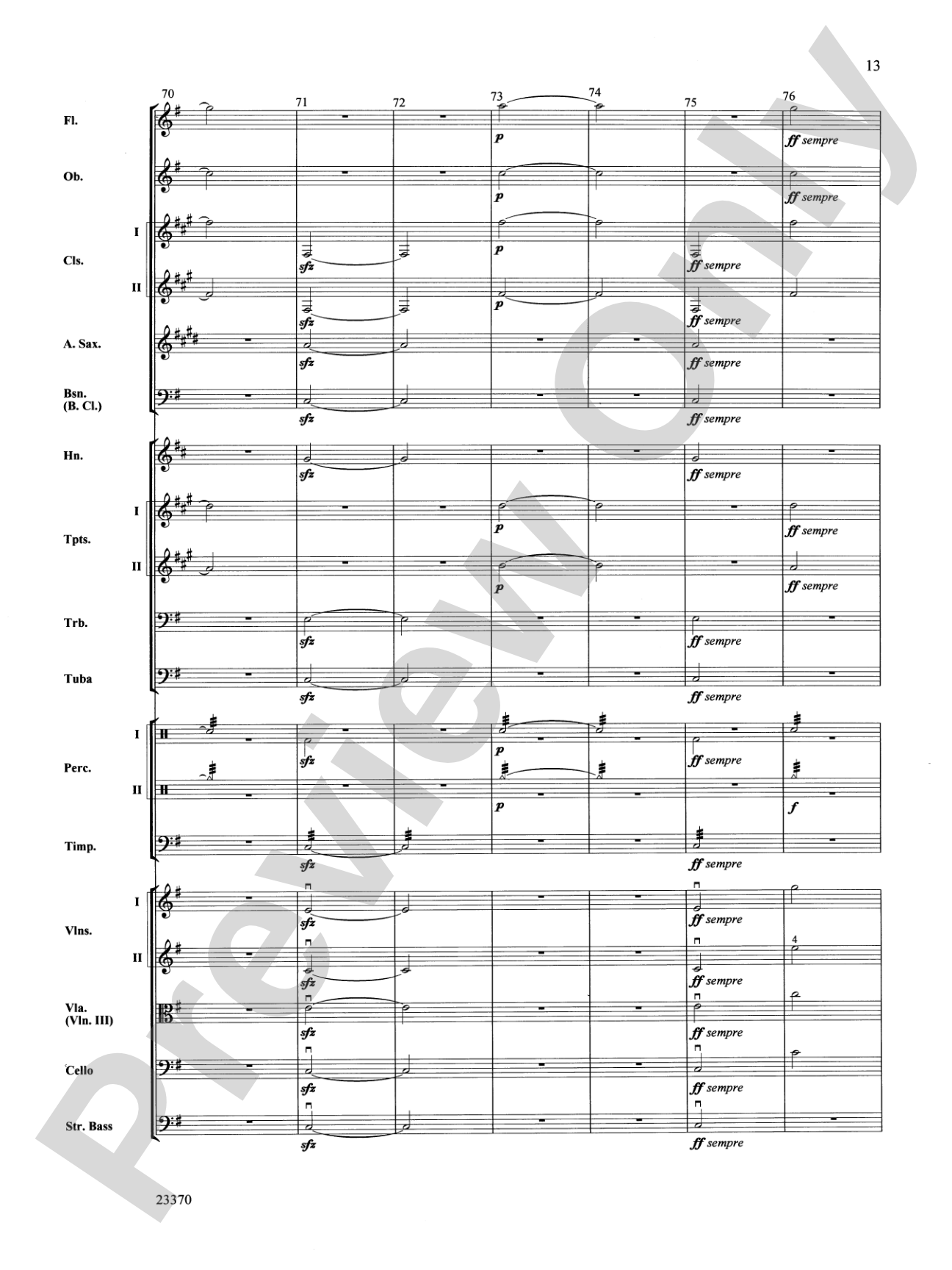
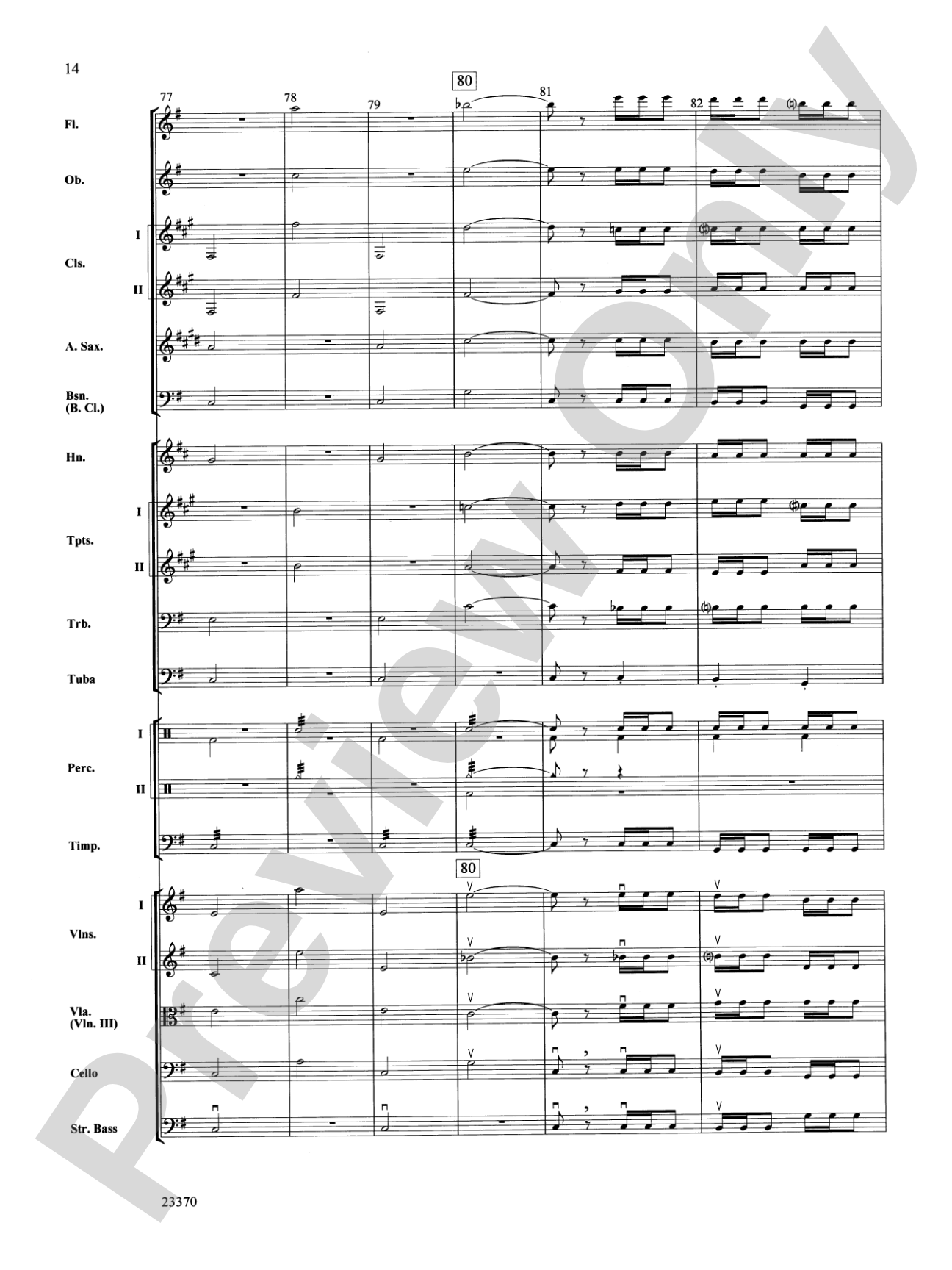
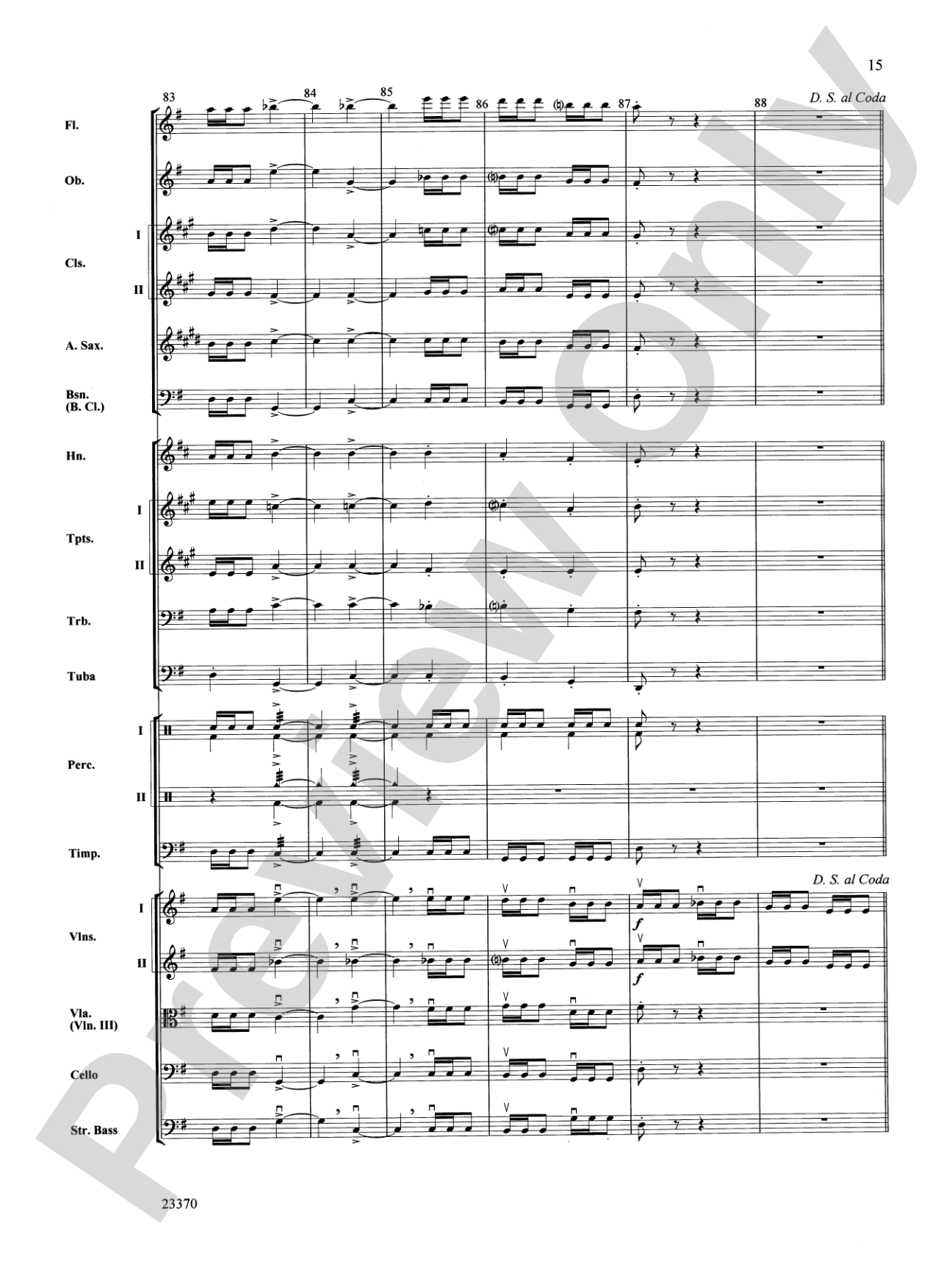
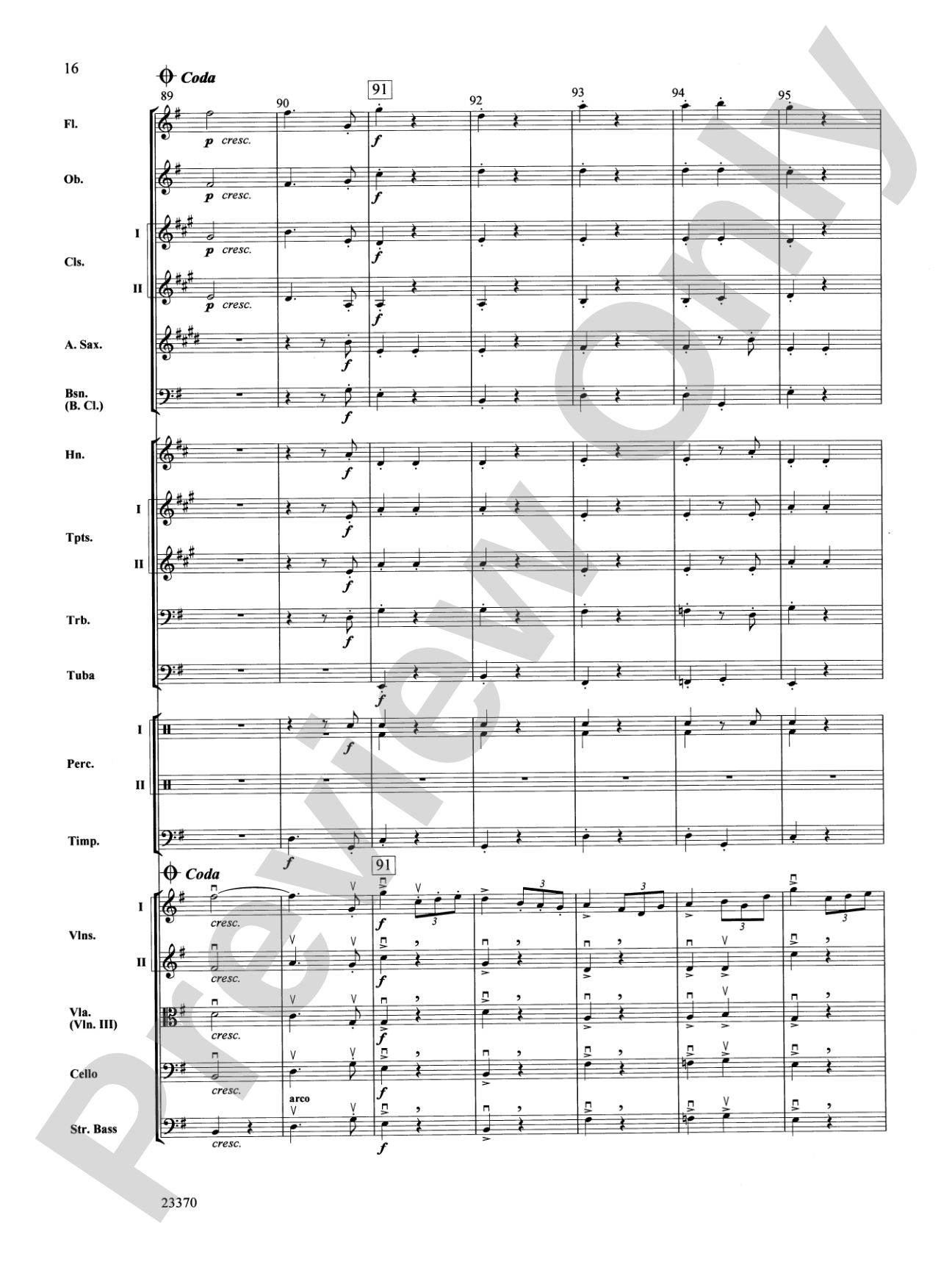
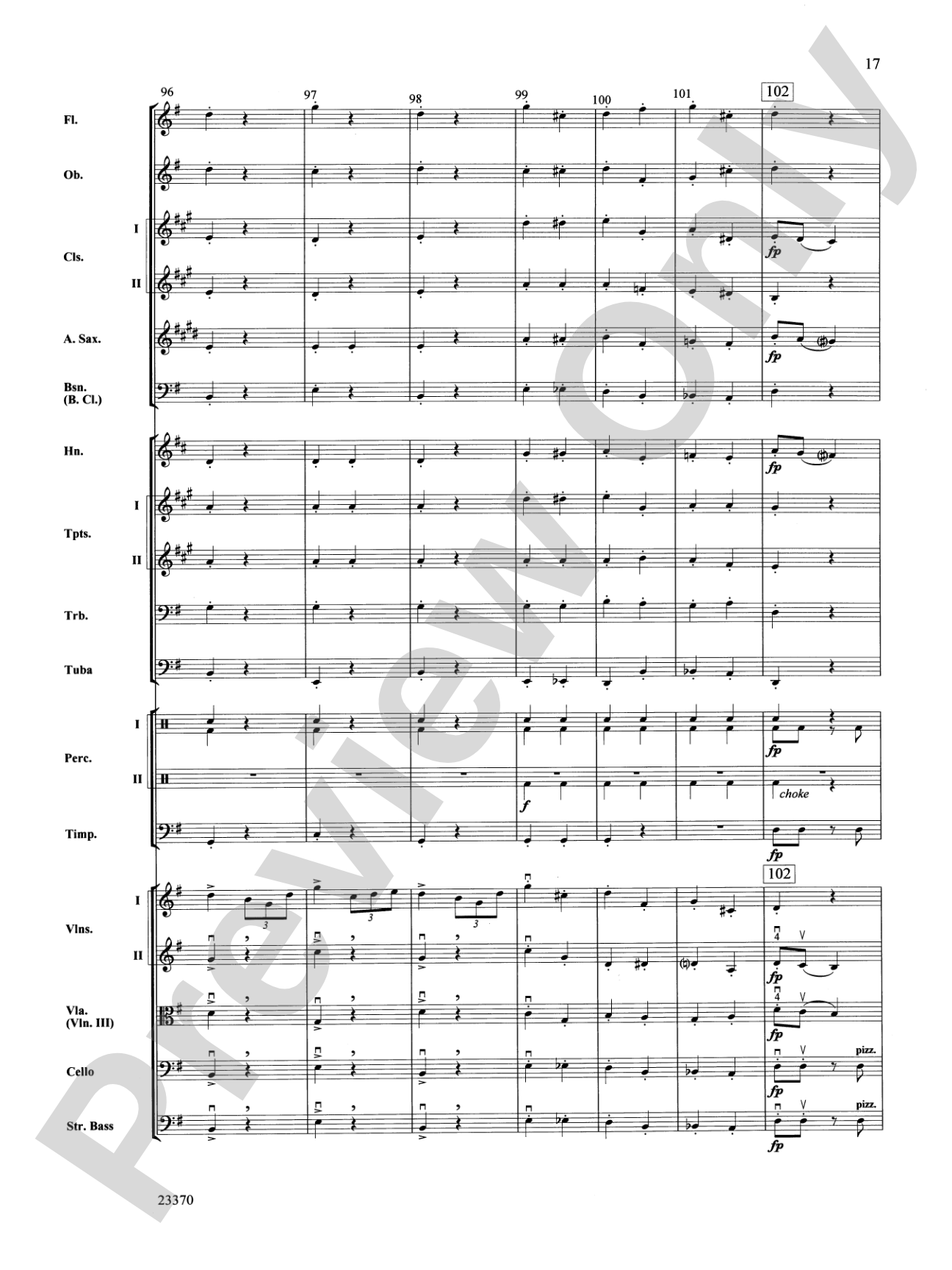
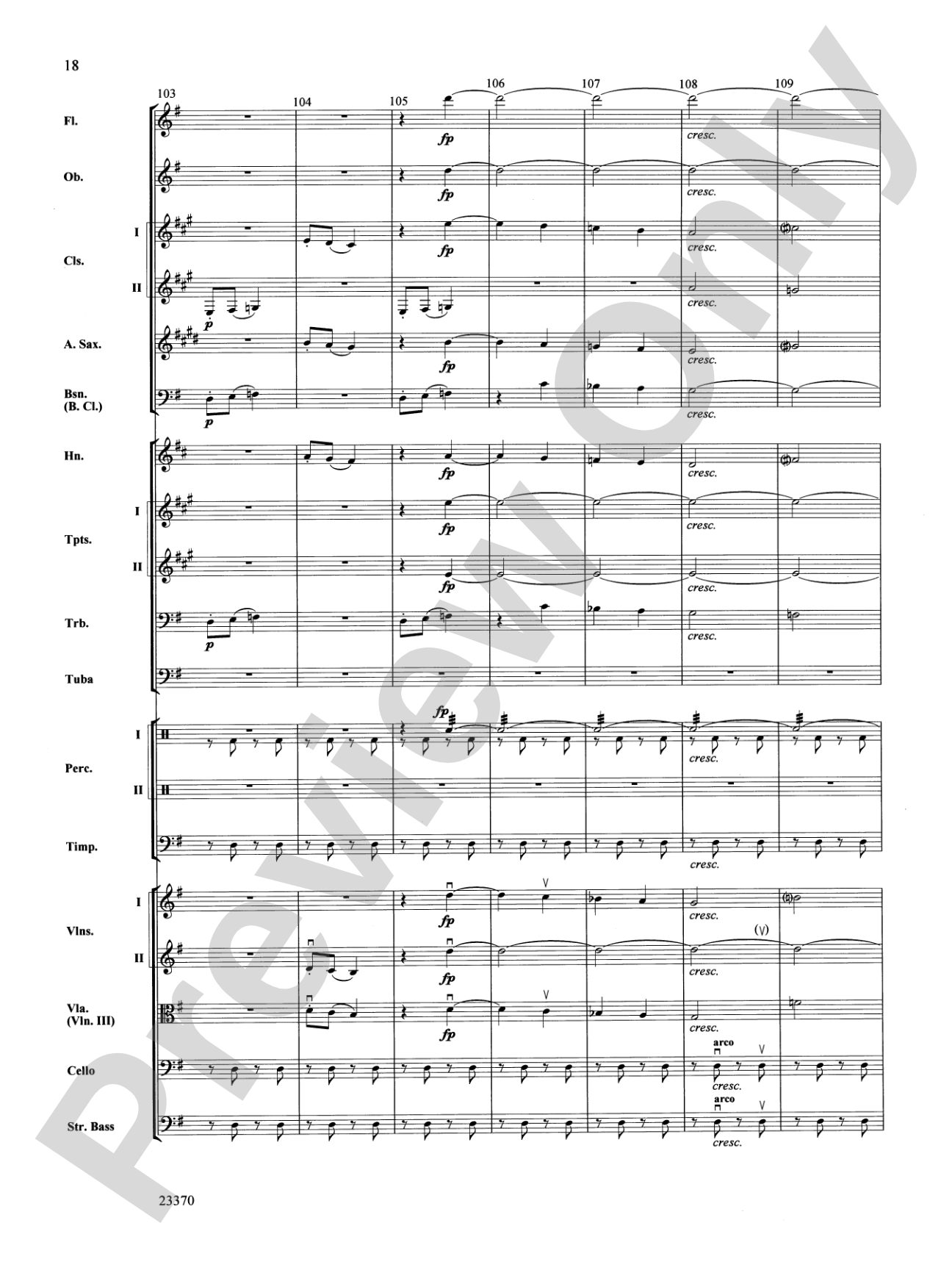
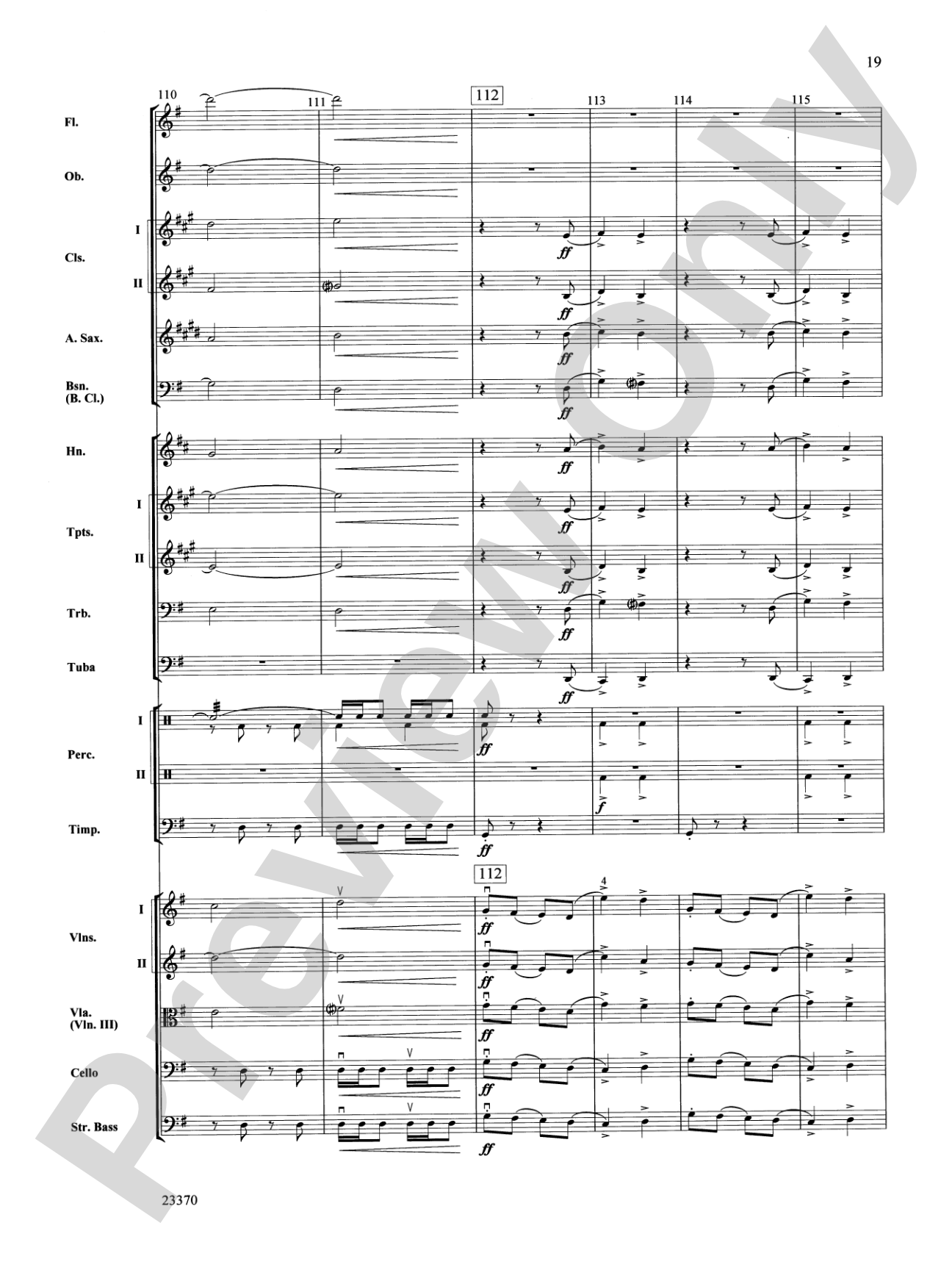
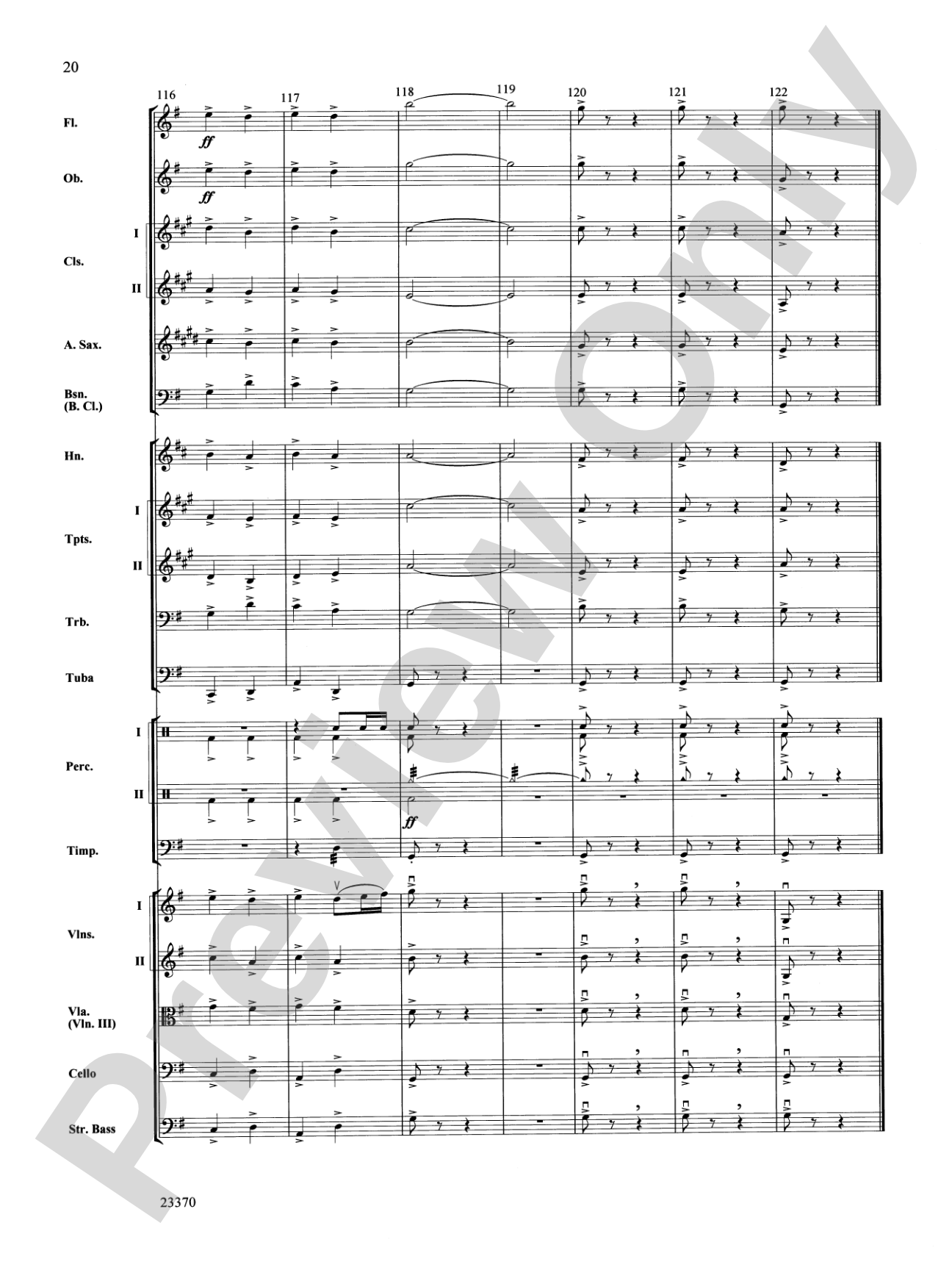

Symphony No. 4: Score
(Third Movement)
By Johannes Brahms / arr. Richard Meyer
Grade: 2
Item: 00-PR-0000706
$9.00
Pickup currently not available
Description
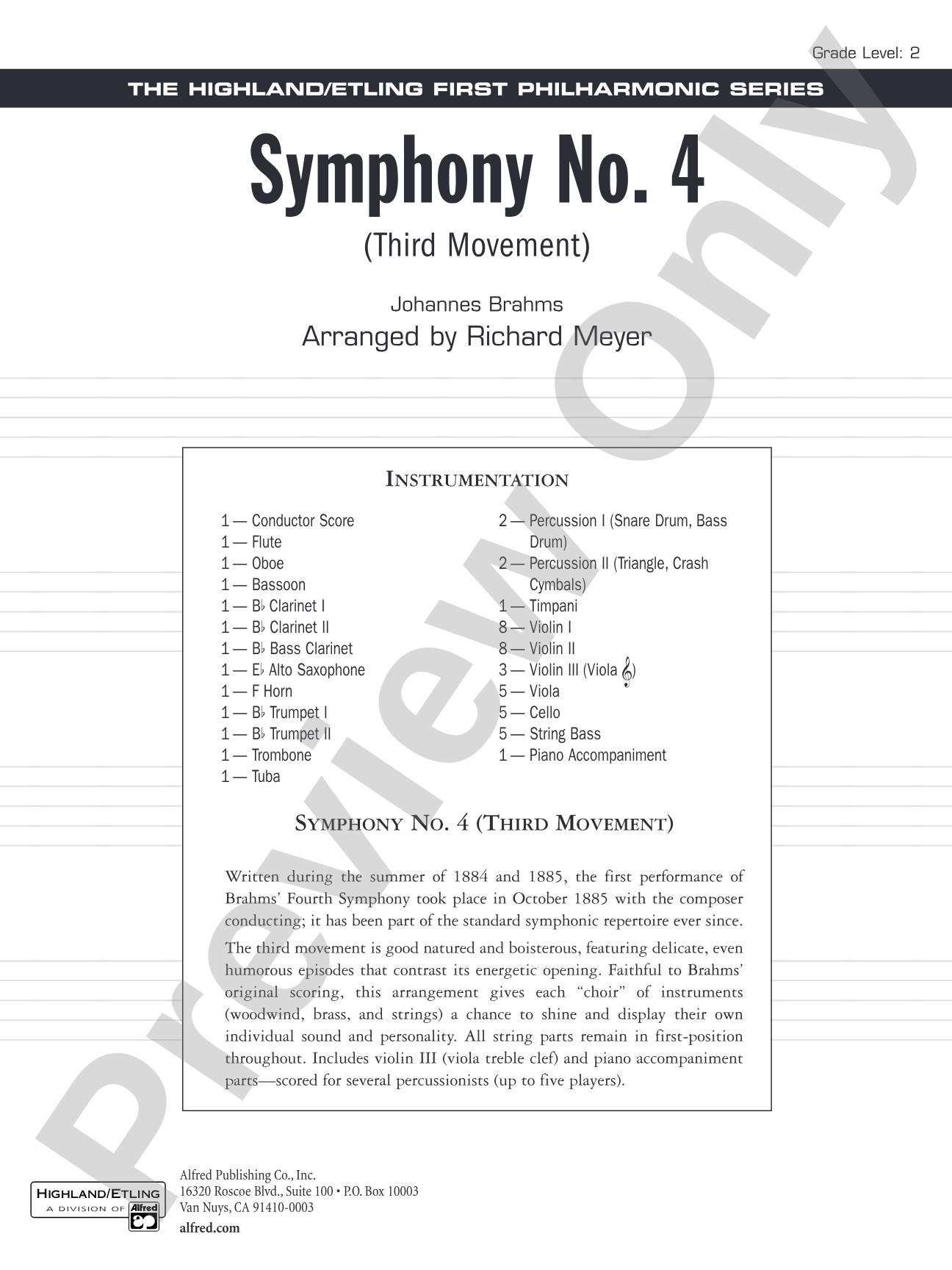
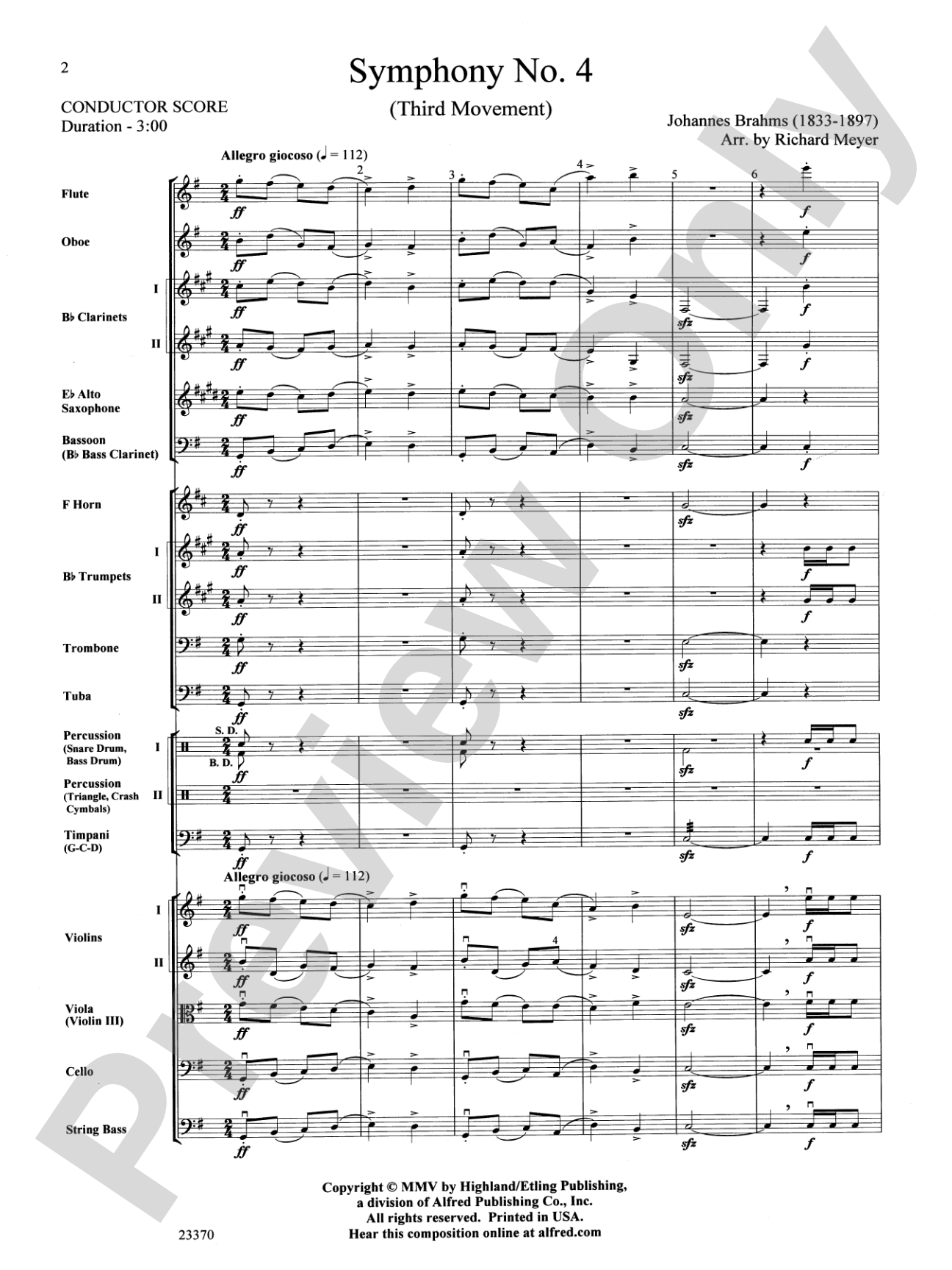
Faithful to Brahms' original scoring, this arrangement gives each "choir" of instruments (woodwind, brass, and strings) a chance to shine and display their own individual sound and personality. All string parts remain in first-position throughout. Includes violin III (viola treble clef) and piano accompaniment parts-scored for several percussionists (up to five players). Introduce your students to a masterpiece with this edition of a Brahms classic.


Don't just read it, hear it, play along with it, and watch your students grow with it. In MakeMusic Cloud, Symphony No. 4: Score comes alive with professional accompaniment, adjustable tempo, and built-in practice tools that turn solo practice into real progress.
Open in the Player
Jump straight in and assign it today.
Start Your Free Trial
Open this title and explore the full library in minutes.
Sample Audio
No sample audio found.
Sample Video
No sample videos found.
Additional Details
Series:
Highland/Etling First Philharmonic
Publisher:
Alfred Music
Page Count:
204
SKU:
00-PR-0000706
More about this title
About the Composer: Johannes Brahms
Johannes Brahms (1833-1897) composed during the Romantic era yet maintained deep respect for the formal structures of classical music. His symphonies stand among the most performed and revered works in the orchestral repertoire, balancing lyrical warmth with structural sophistication. As a teacher and conductor, Brahms understood how to write for orchestras of varying sizes and skill levels without sacrificing musical integrity.
Why we love this
This Grade 2 arrangement preserves the harmonic and melodic richness of Brahms' original while keeping technical demands accessible for developing orchestras. Meyer's scoring lets each instrumental section carry genuine musical substance rather than padding, so students hear themselves as part of a real symphonic texture. At 204 pages, it's substantial enough to anchor a concert program and ambitious enough to feel like a genuine achievement.
What to expect
Brahms' Fourth Symphony speaks in broad, singing gestures that feel both noble and intimate. This arrangement captures that character without overwhelming younger players; the orchestration glows when each section enters cleanly, and the harmonic progressions unfold with the inevitability of a master composer at work. There's weight and maturity here, wrapped in a scoring that lets emerging musicians discover their own place within a larger musical conversation.
Who it's for
This edition serves orchestras ready for their first major masterwork but still developing technical facility. Directors teaching students in Grades 4-6 will find an arrangement that respects both the young musicians and the music itself, avoiding both oversimplification and unnecessary technical barriers. It's ideal for contest or festival programming where orchestras want to stand out with recognized repertoire.
How to get the most out of it
- Balance the wind and string choirs carefully during the opening sections; Brahms wrote with transparent orchestration in mind, so resist the urge to cover the melody with heavy accompaniment.
- Keep the first-position string writing clean and intonation-focused. The simplicity of the fingering pattern means any pitch issues will be immediately apparent to the audience.
- Coordinate with your percussion section early to establish which players cover which parts; five percussionists allows flexibility, but clear assignments prevent rehearsal confusion.
- Use Brahms' original tempo indications as your guide, but let the hall and your ensemble's maturity shape the actual pace. The Fourth Symphony unfolds best without rushing.
How to use it
Open a concert with this work to establish artistic credibility and set a serious tone for the evening. Pair it with shorter contemporary pieces to create contrast, or build an entire program around composers of the Romantic era. For festival seasons, this arrangement gives orchestras the chance to perform a widely recognized work that judges and audiences will know and respect.
Skills your students will build
- Reading and sustaining first-position string technique across extended passages
- Balancing independent instrumental choirs (woodwind, brass, strings) in an orchestral texture
- Coordinating with a full percussion section (up to five players) while maintaining ensemble cohesion
- Understanding Romantic-era orchestration and how Brahms distributes melodic and harmonic material
- Interpreting a major symphonic work with appropriate phrasing and dynamic architecture