
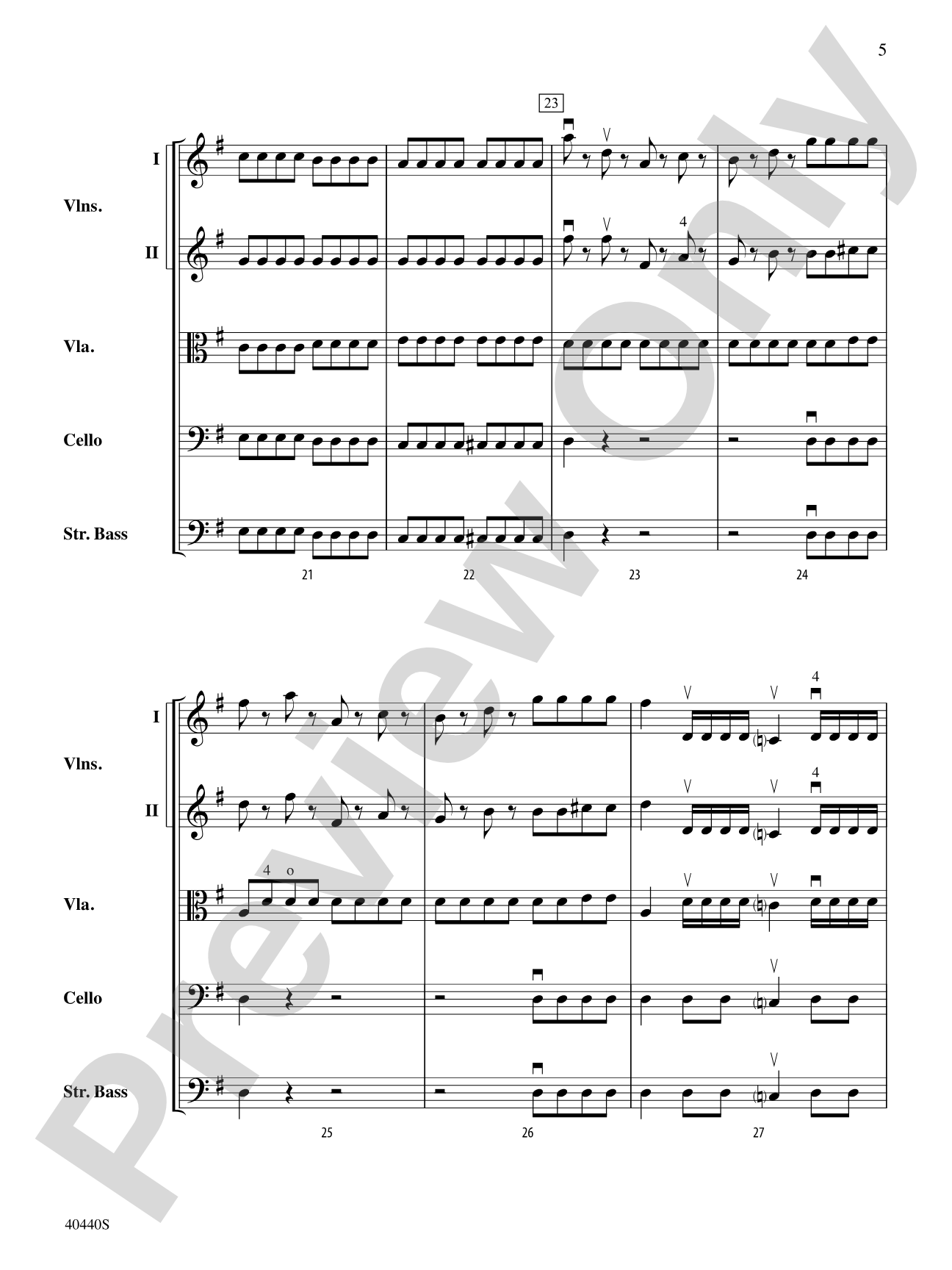
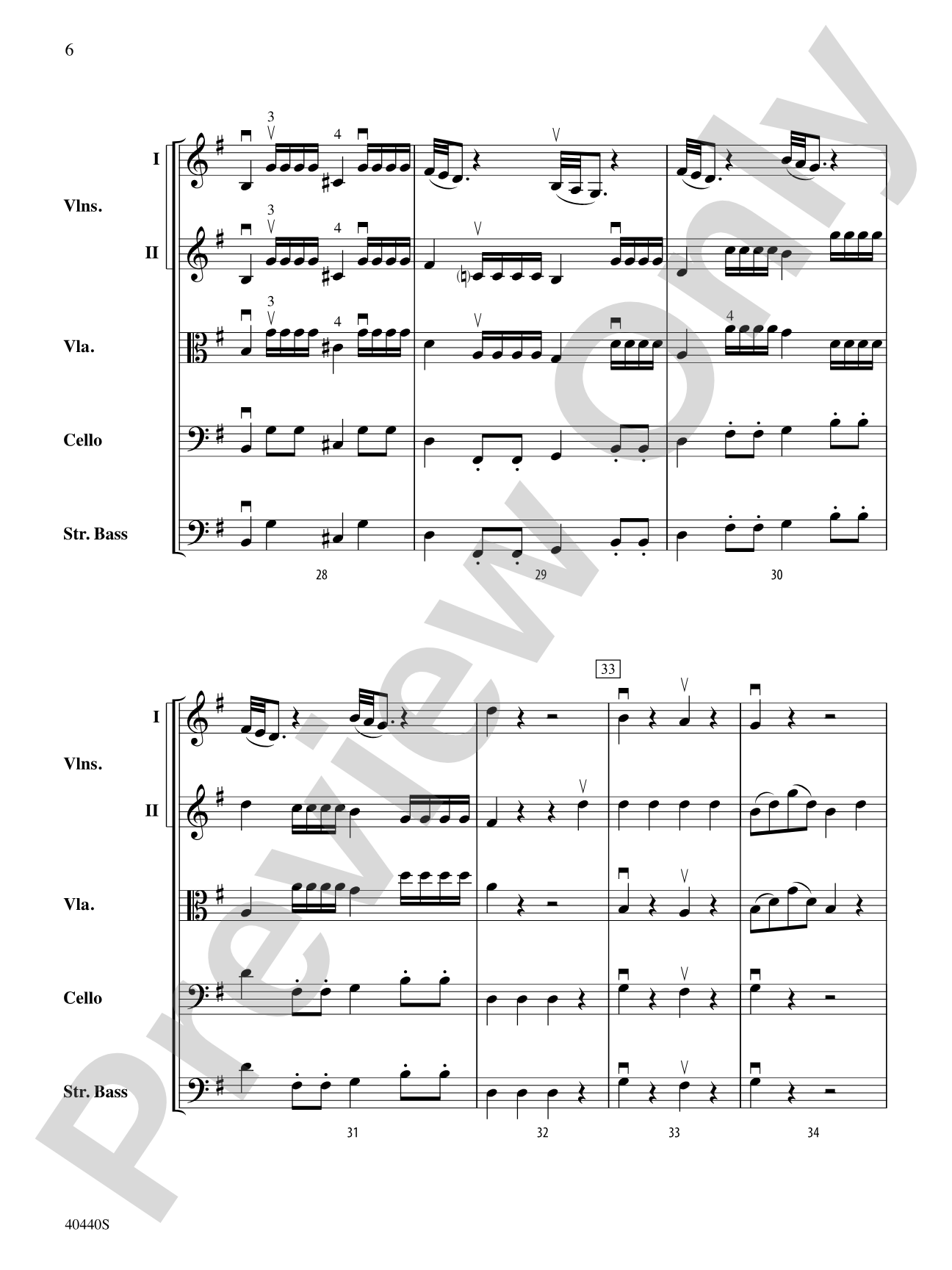
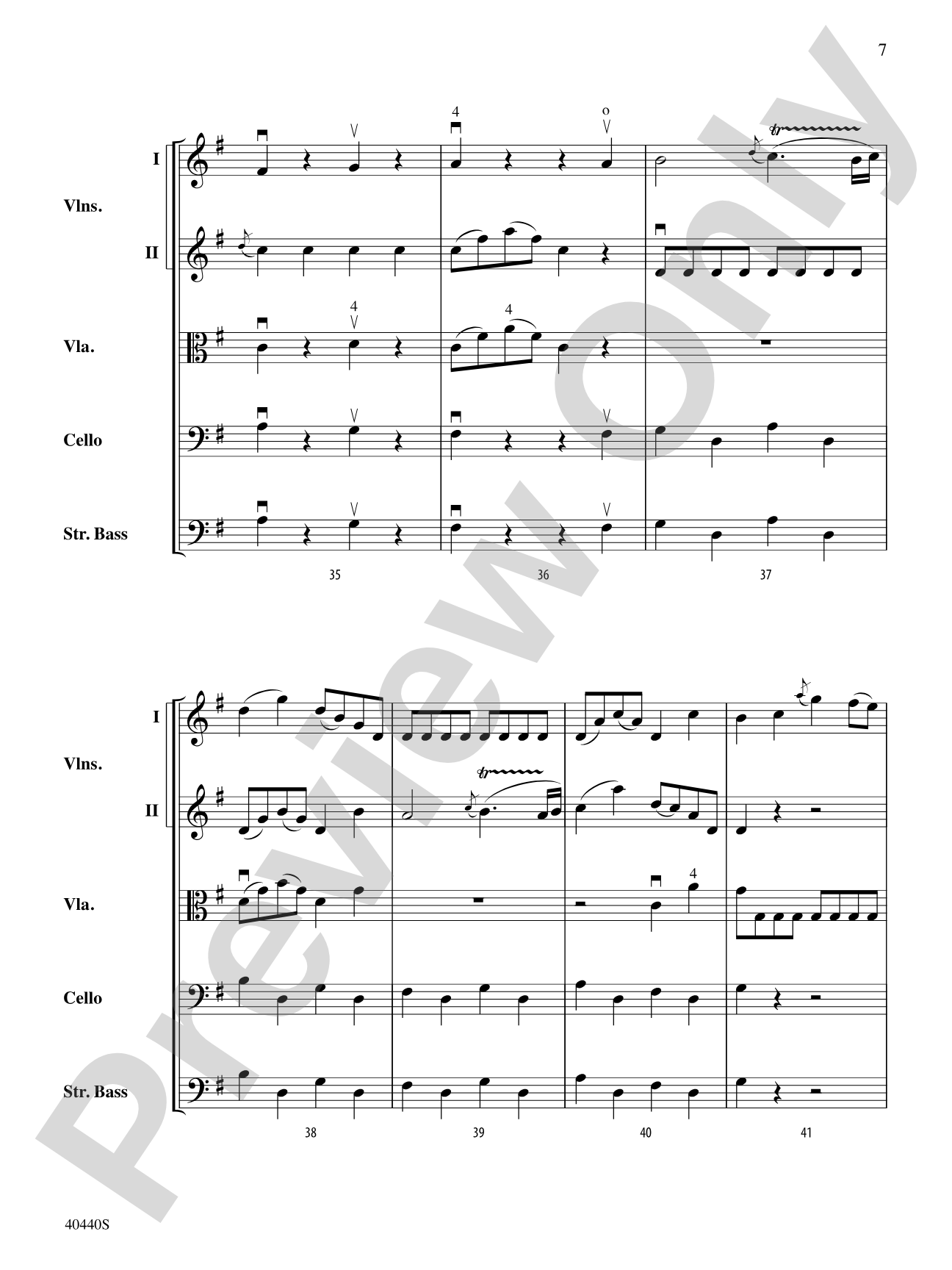
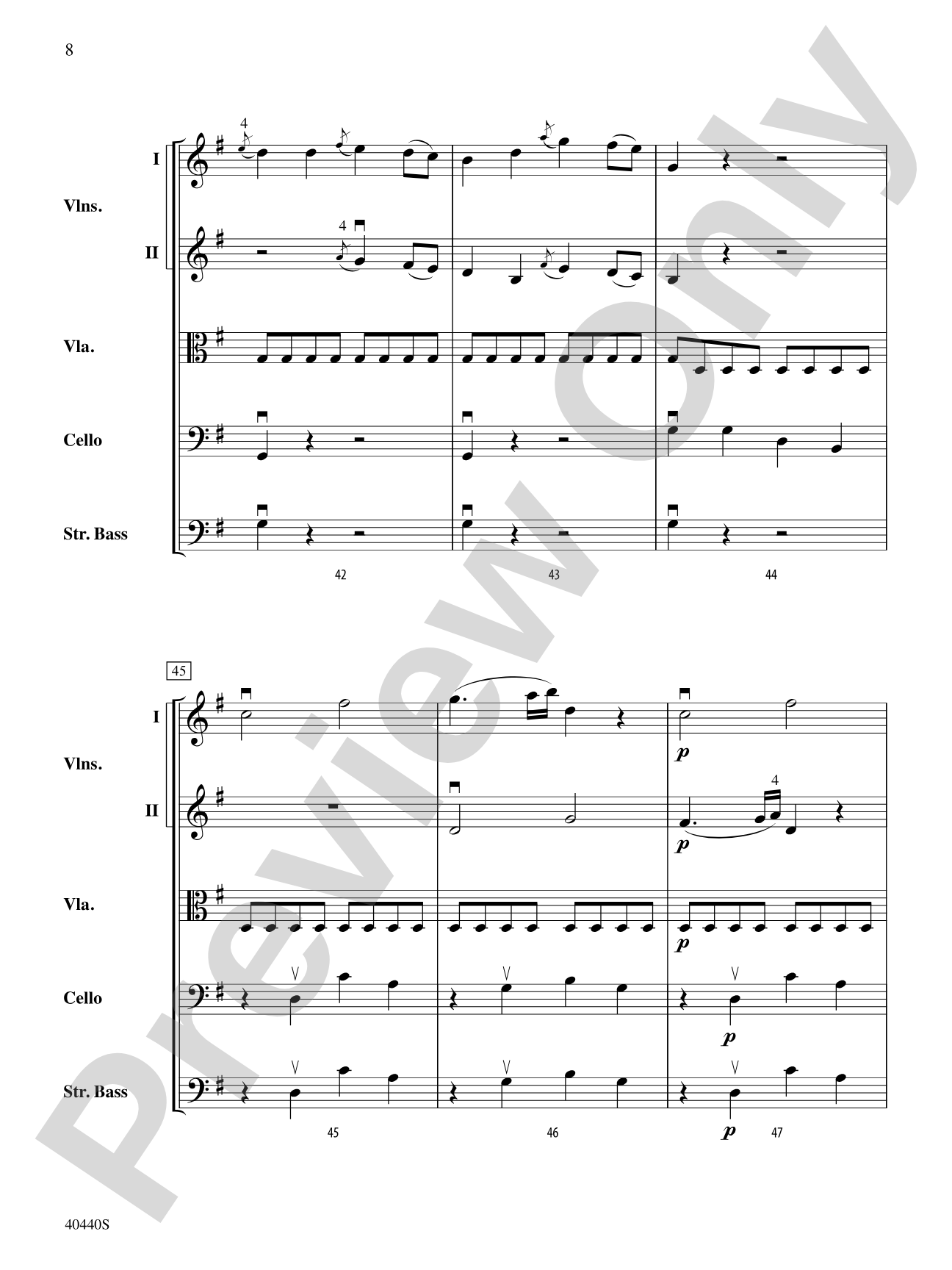
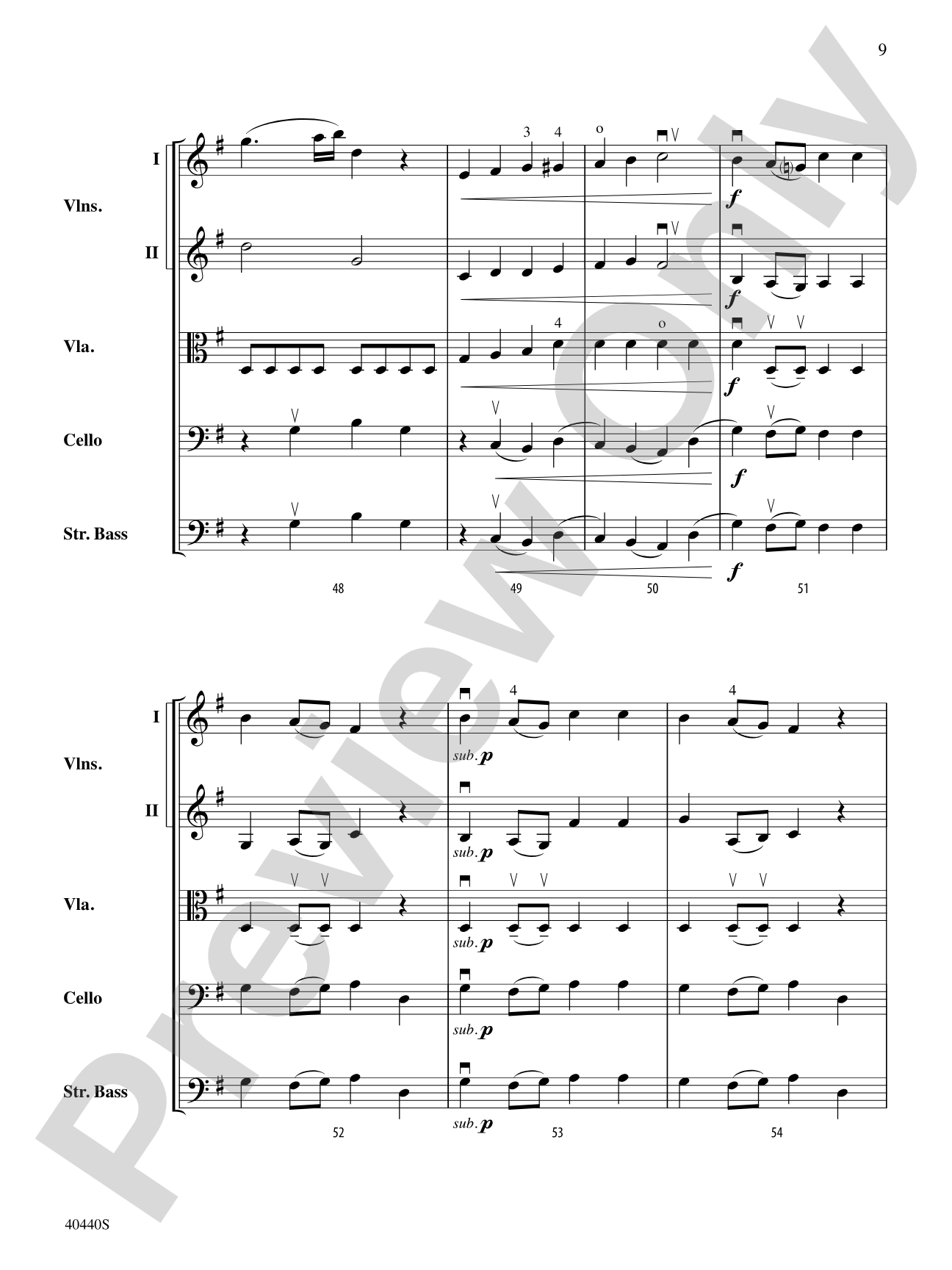
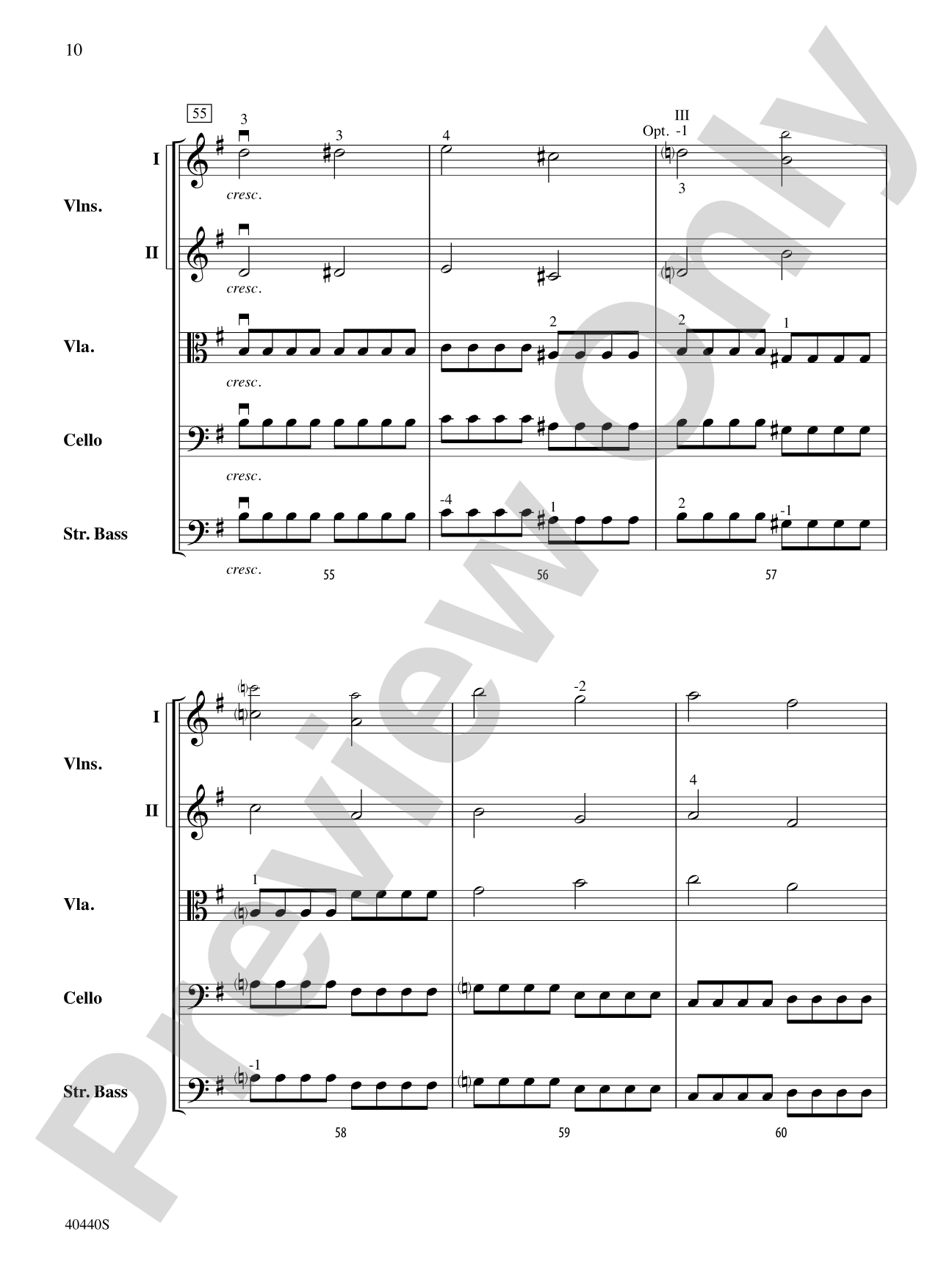
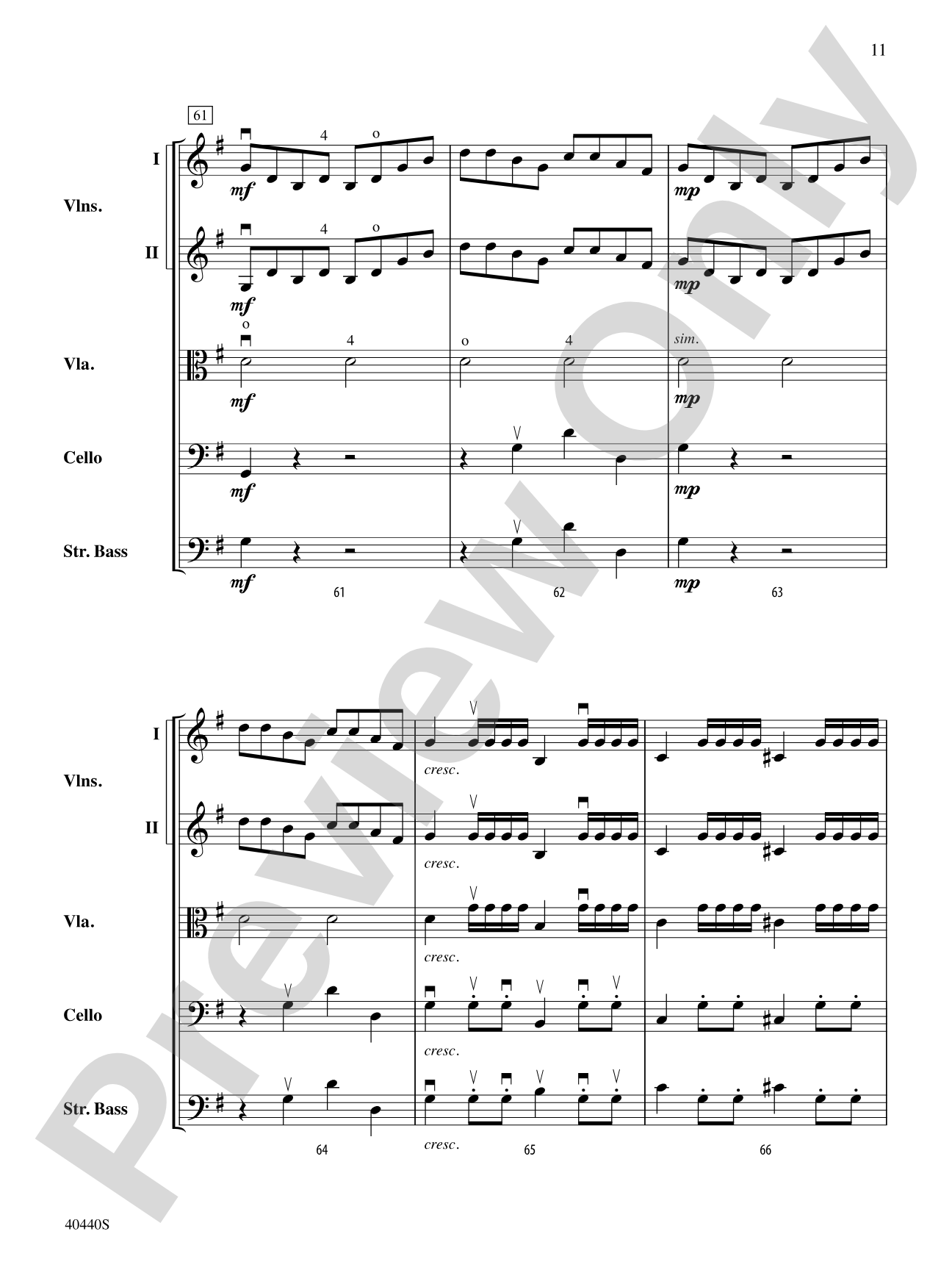
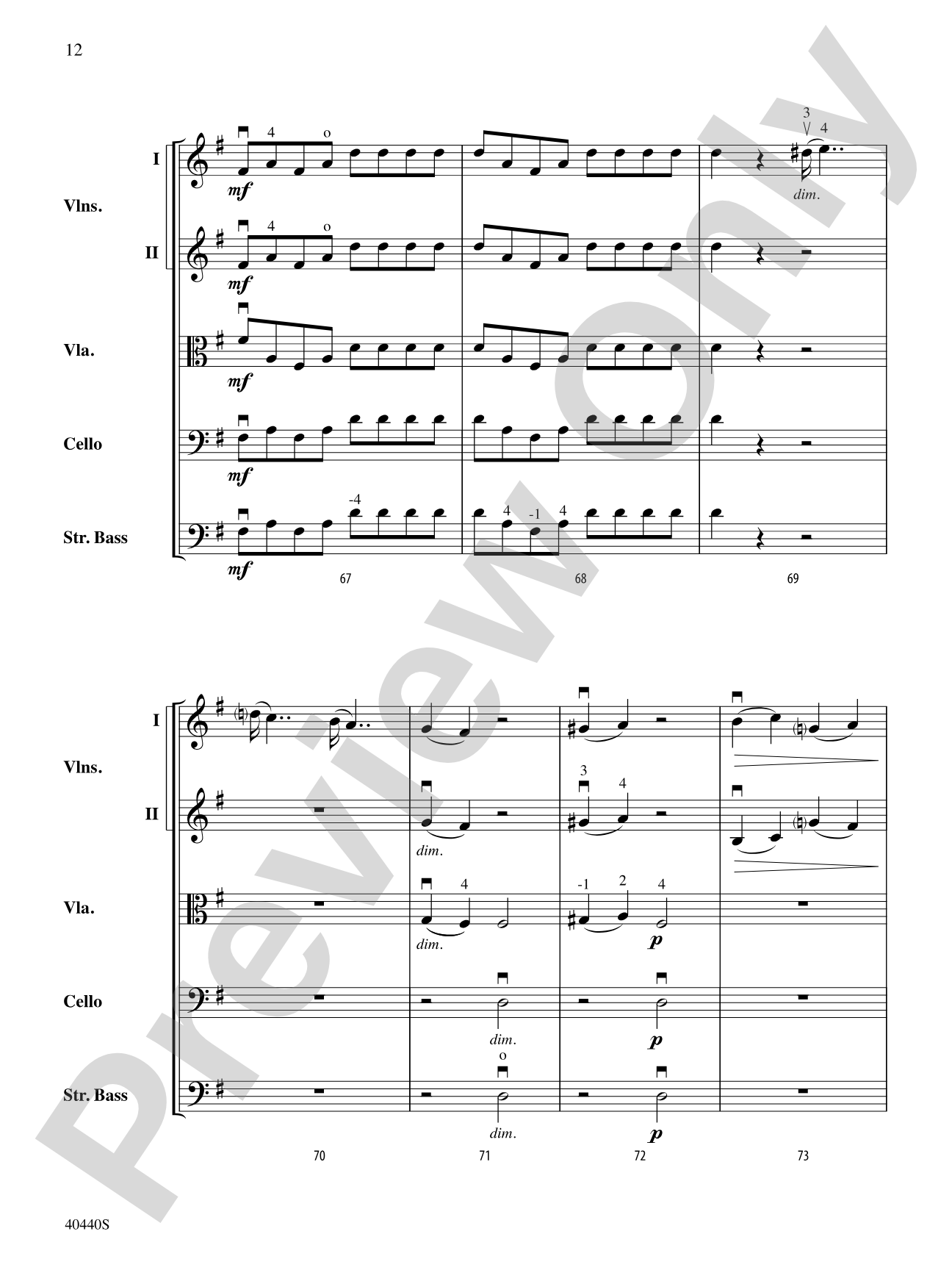


Symphony No. 29, K. 201: Score
Movement 1
By Wolfgang Amadeus Mozart / arr. Janet Farrar-Royce
Grade: 3
Item: 00-PR-0004284
$10.00
Pickup currently not available
Description
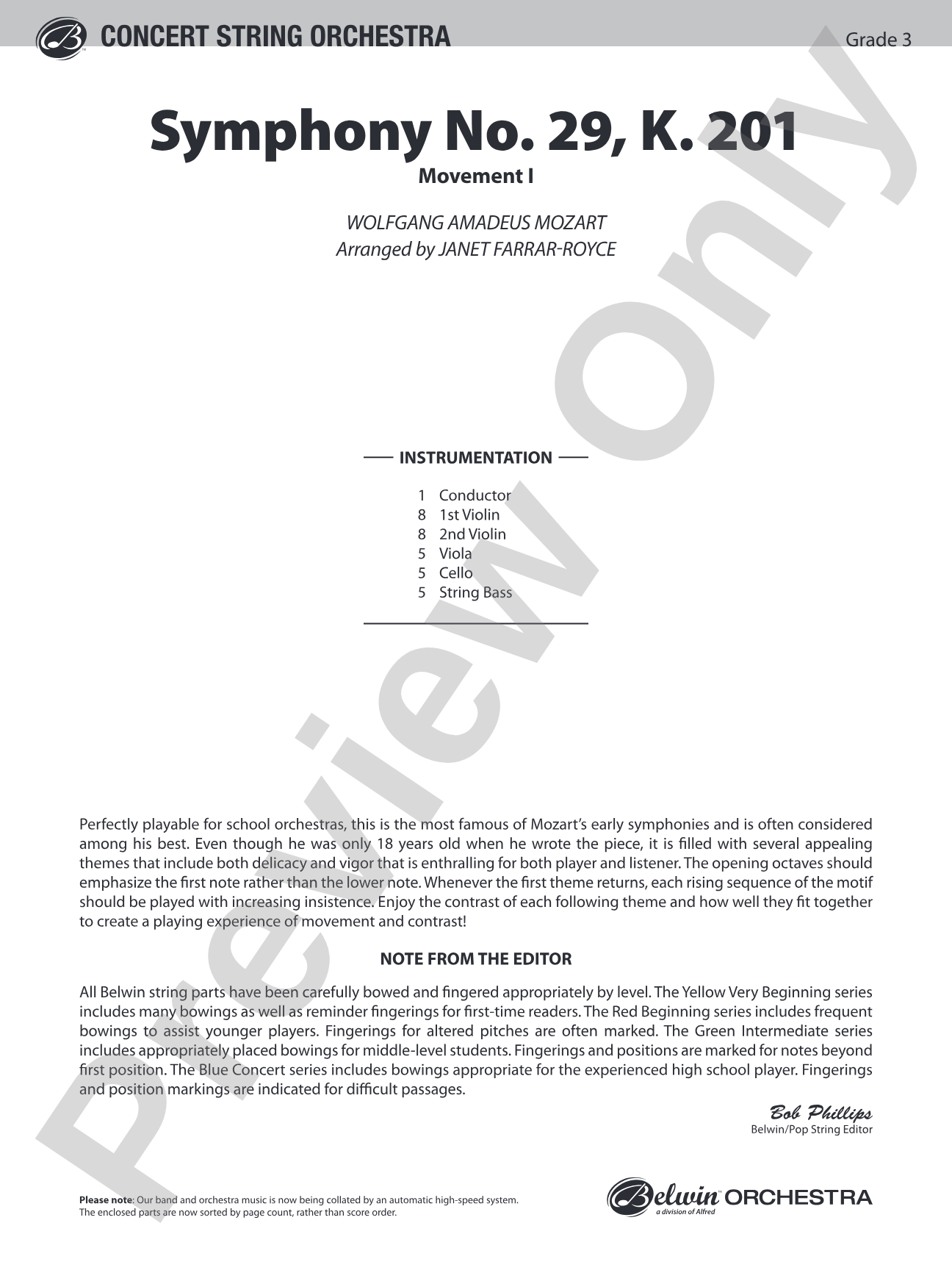
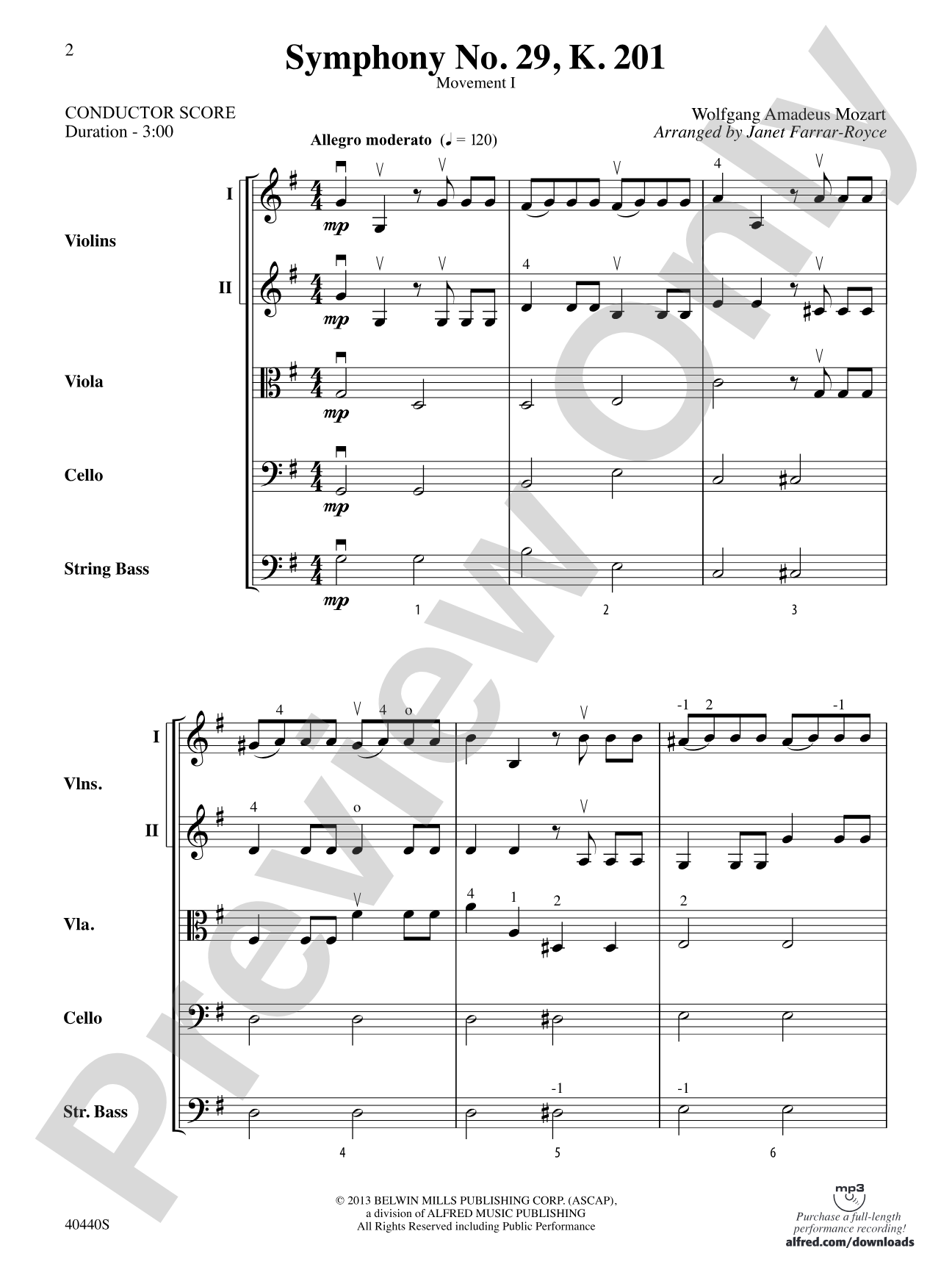
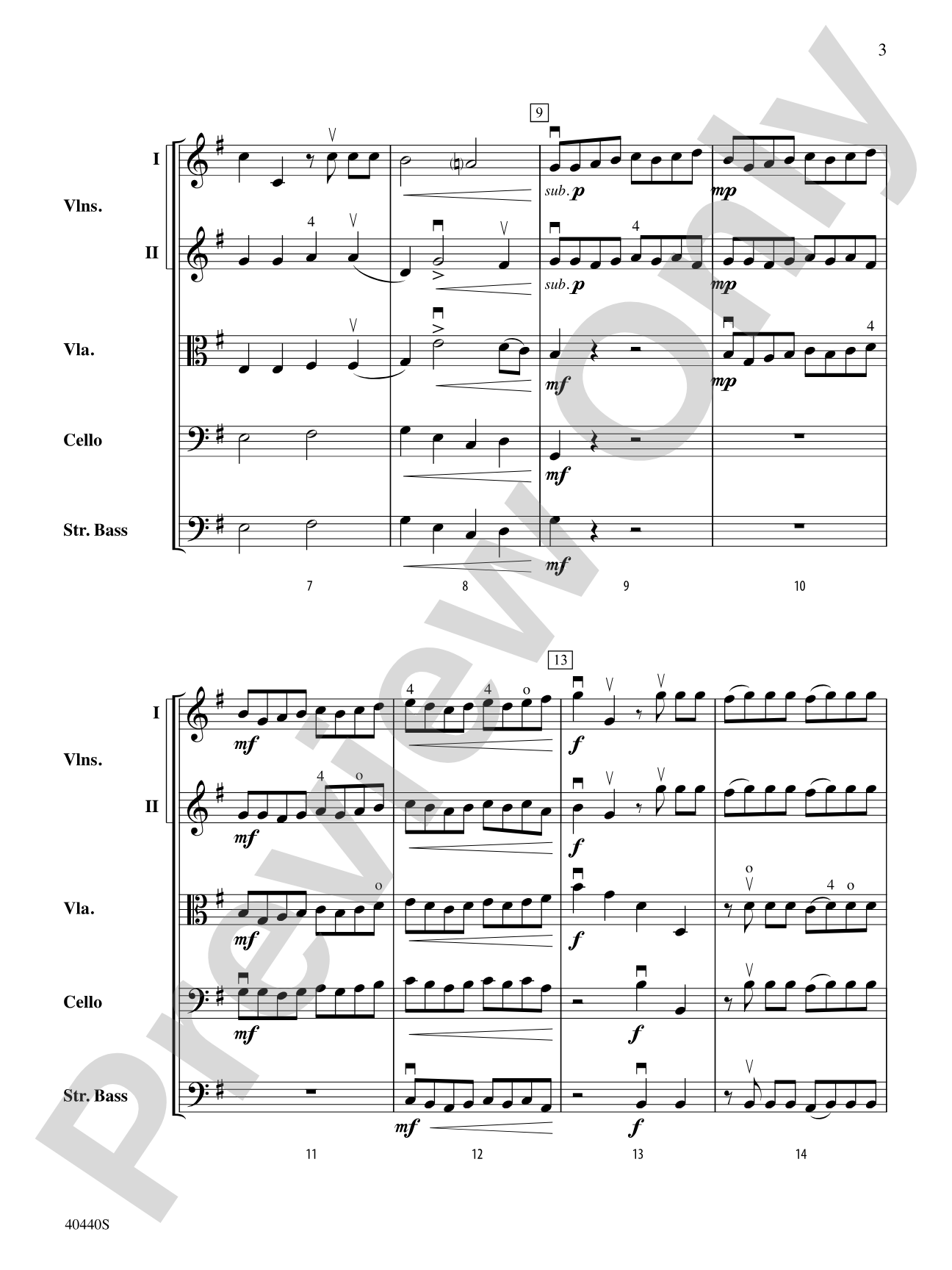
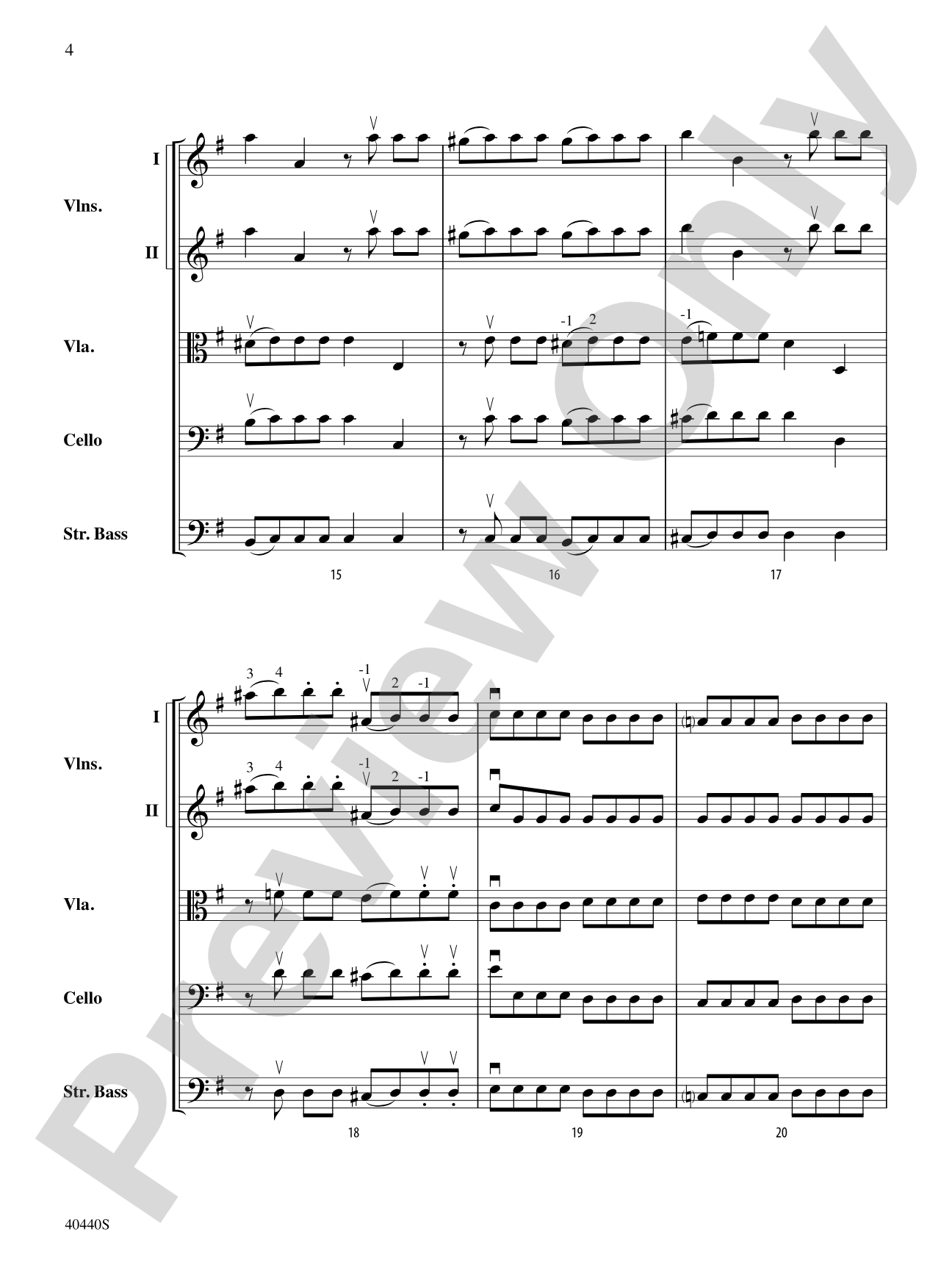
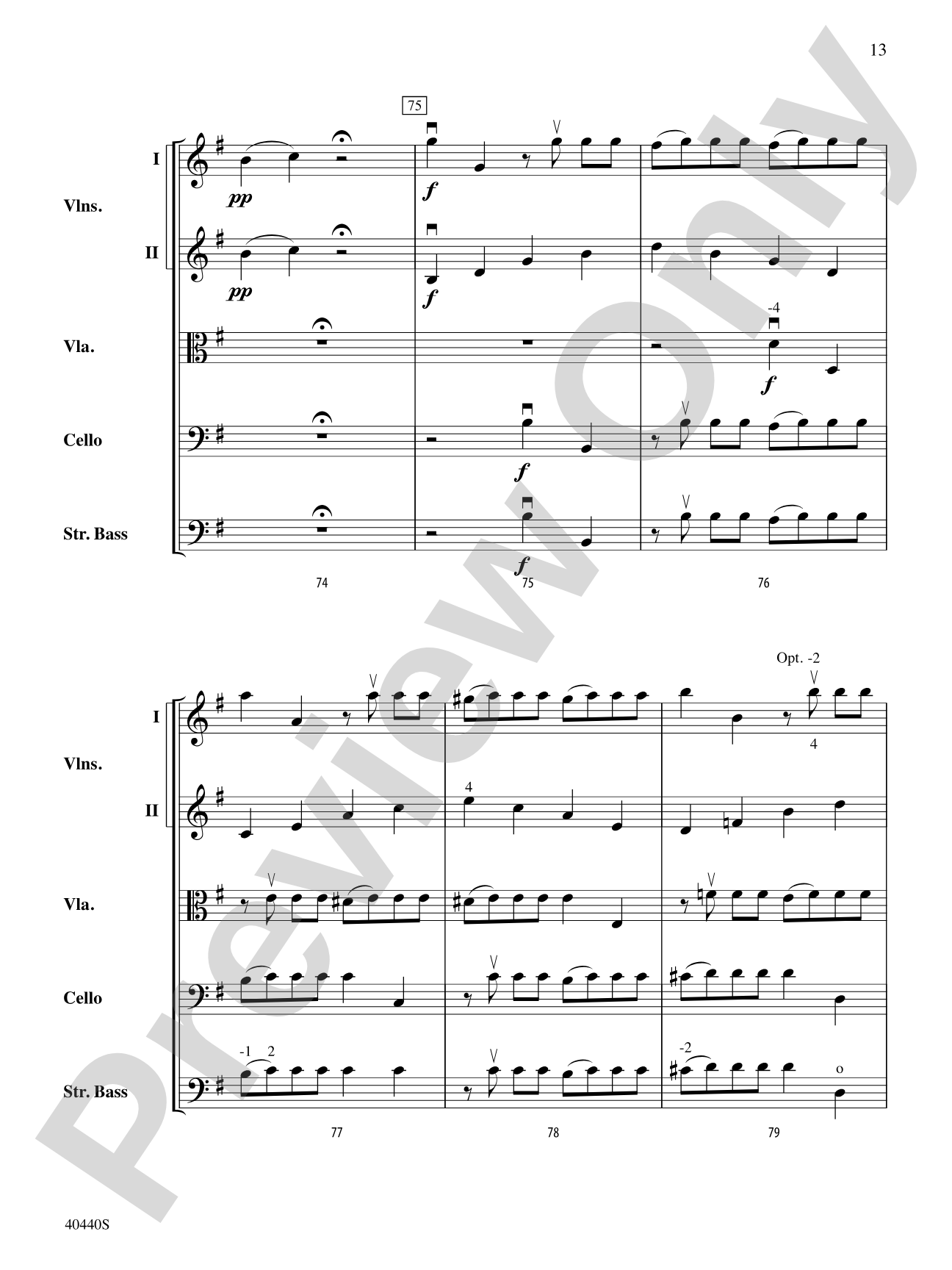
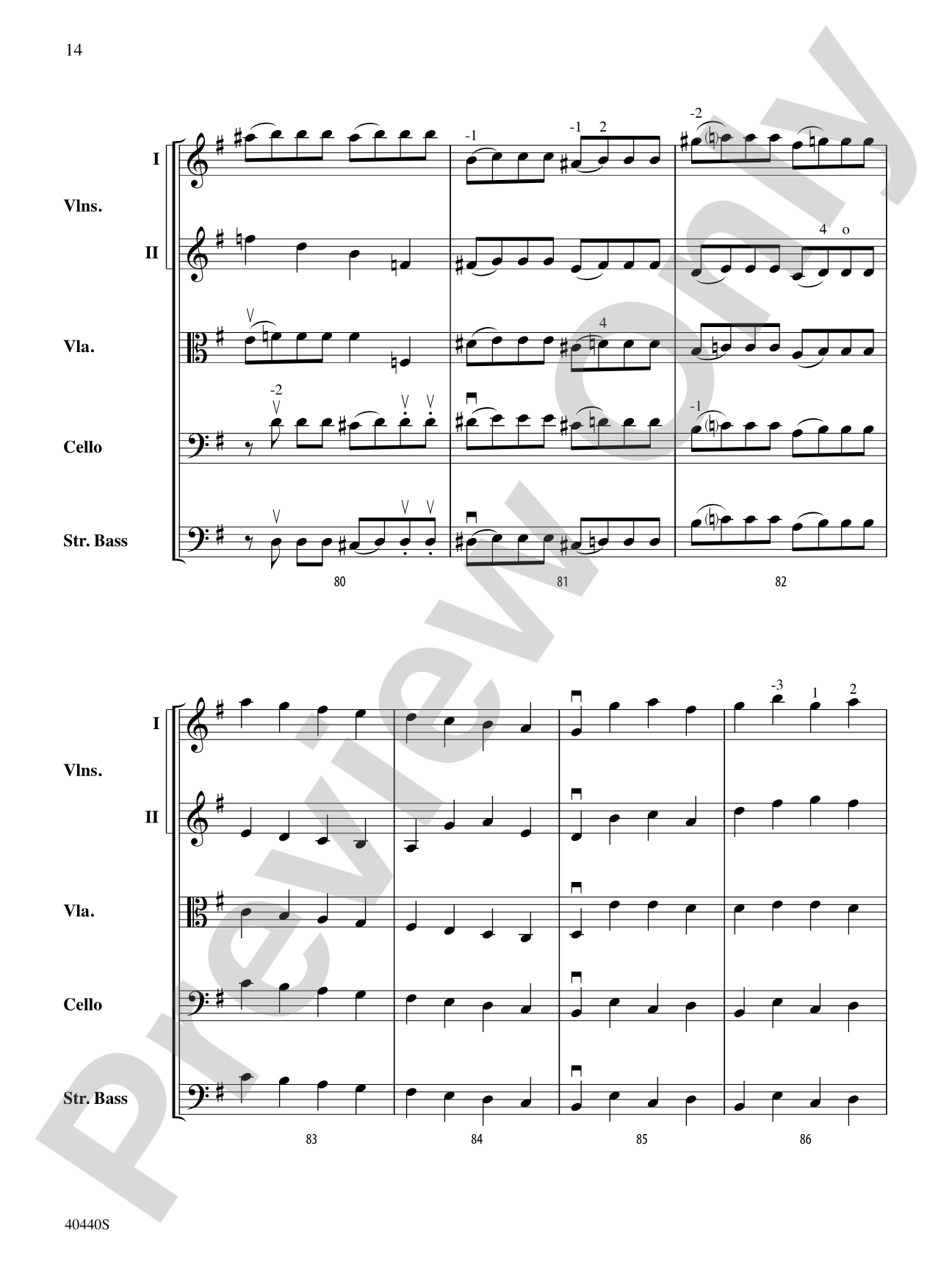
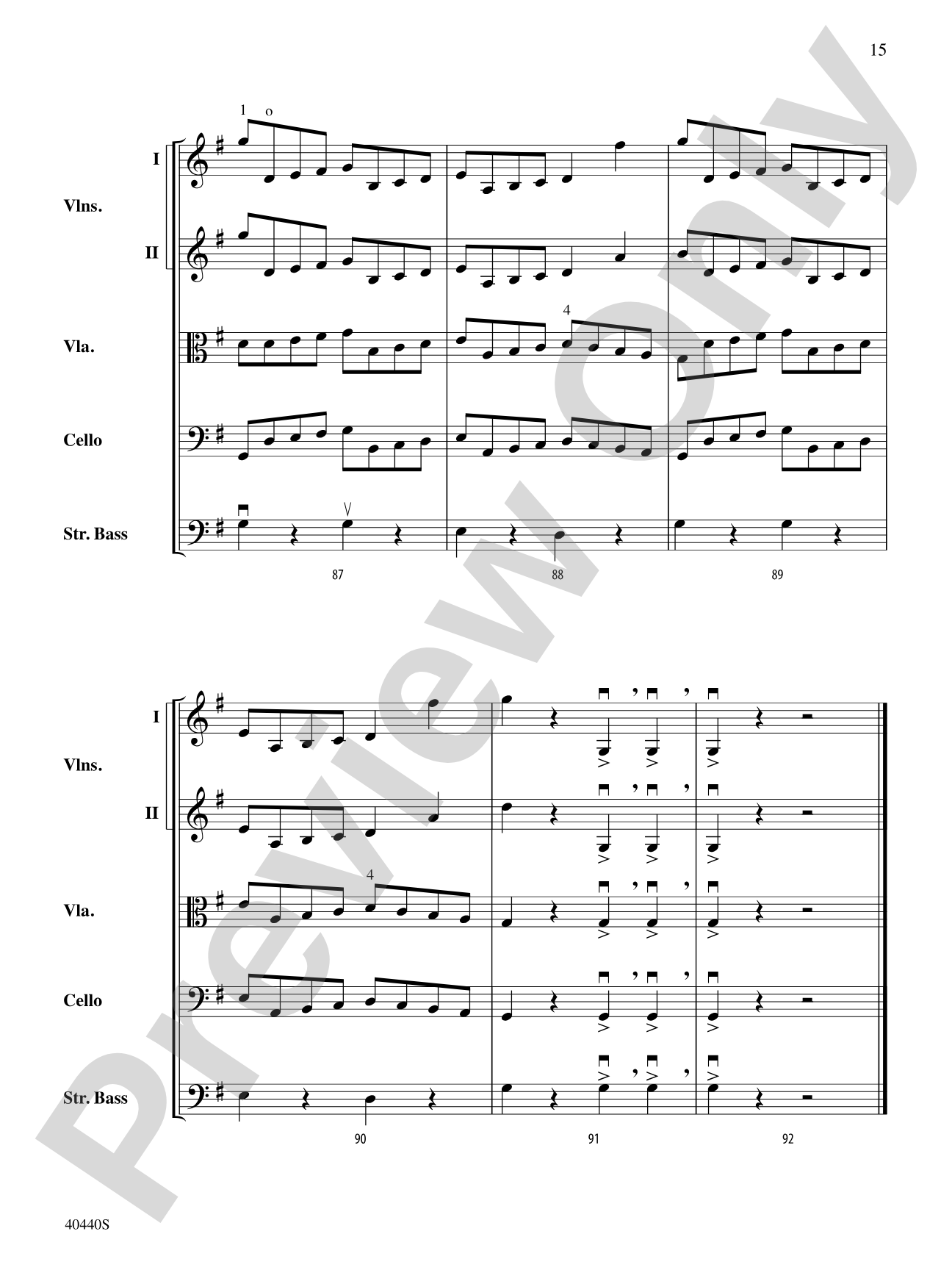
Perfectly playable for school orchestras, this is the most famous of Mozart's early symphonies and often considered among his best. Even though he was only 18 years old when he wrote the piece, it is filled with several appealing themes that include both delicacy and vigor that is enthralling for both player and listener. The opening octaves should emphasize the first note rather than the lower note. Whenever the first theme returns, each rising sequence of the motif should be played with increasing insistence. Enjoy the contrast of each following theme and how well they fit together to create a playing experience of movement and contrast! This title is available in MakeMusic Cloud.


Don't just read it, hear it, play along with it, and watch your students grow with it. In MakeMusic Cloud, Symphony No. 29, K. 201: Score comes alive with professional accompaniment, adjustable tempo, and built-in practice tools that turn solo practice into real progress.
Open in the Player
Jump straight in and assign it today.
Start Your Free Trial
Open this title and explore the full library in minutes.
Sample Audio
1
Audio File
--:--
0:00
0:00
Sample Video
No sample videos found.
Additional Details
Series:
Belwin Concert String Orchestra
Publisher:
Alfred Music
Page Count:
124
SKU:
00-PR-0004284
More about this title
About the Composer: Wolfgang Amadeus Mozart
Wolfgang Amadeus Mozart (1756-1791) composed over 600 works across every major genre during his brief life, establishing himself as one of history's most prolific and influential musicians. Born in Salzburg, Austria, he began composing as a child prodigy and went on to shape the Classical style alongside Haydn and Beethoven, creating music of remarkable clarity, harmonic sophistication, and emotional depth that continues to define orchestral literature.
Why we love this
This symphony showcases Mozart's gift for memorable melody and structural clarity at a Grade 3 level that actually challenges young orchestras without overwhelming them. The contrast between vigorous outer sections and graceful inner moments gives conductors genuine interpretive choices, and the relatively modest instrumentation makes it accessible for school ensembles while sounding genuinely sophisticated.
What to expect
Elegant and energetic in equal measure, this symphony moves between moments of lyrical grace and infectious rhythmic drive. Mozart's gift for memorable melody shines throughout, creating a piece that feels both intellectually coherent and deeply engaging for players who have the patience to shape its phrasing with care.
Who it's for
High school and advanced middle school orchestras seeking a masterwork that builds musical maturity without requiring virtuosic technique. Conductors looking for a piece that programs well at concerts and competitions while teaching young musicians what excellence in Classical form actually sounds like.
How to get the most out of it
- Emphasize the first note of the opening octaves rather than the lower note; this shapes the character of the entire movement and clarifies the melodic gesture.
- Build each rising sequence of the first theme with increasing insistence when it returns, treating the repetitions as developmental statements rather than mere repeats.
- Highlight the contrast between themes by adjusting articulation and dynamic shaping; the delicacy of transitional passages gains impact only when juxtaposed with the vigorous sections.
- Balance the string sections carefully in tutti passages so the violin lines remain audible above the harmonic foundation of lower voices.
How to use it
Program this as an anchor work on a concert featuring other Classical or early Romantic repertoire, or pair it with contemporary chamber works to highlight how Mozart's forms influenced later composers. It also serves as an excellent contest selection because the score rewards careful preparation but remains secure enough for young orchestras to perform with confidence under concert conditions.
Skills your students will build
- Balancing melody and accompaniment in Classical textures
- Executing clean octaves and sustained lines with consistent intonation
- Responding to conducting gestures that shape thematic development and articulation changes
- Understanding sonata form through hearing and playing theme exposition, development, and recapitulation
- Coordinating bow changes and dynamics across a full string section to create musical phrasing