
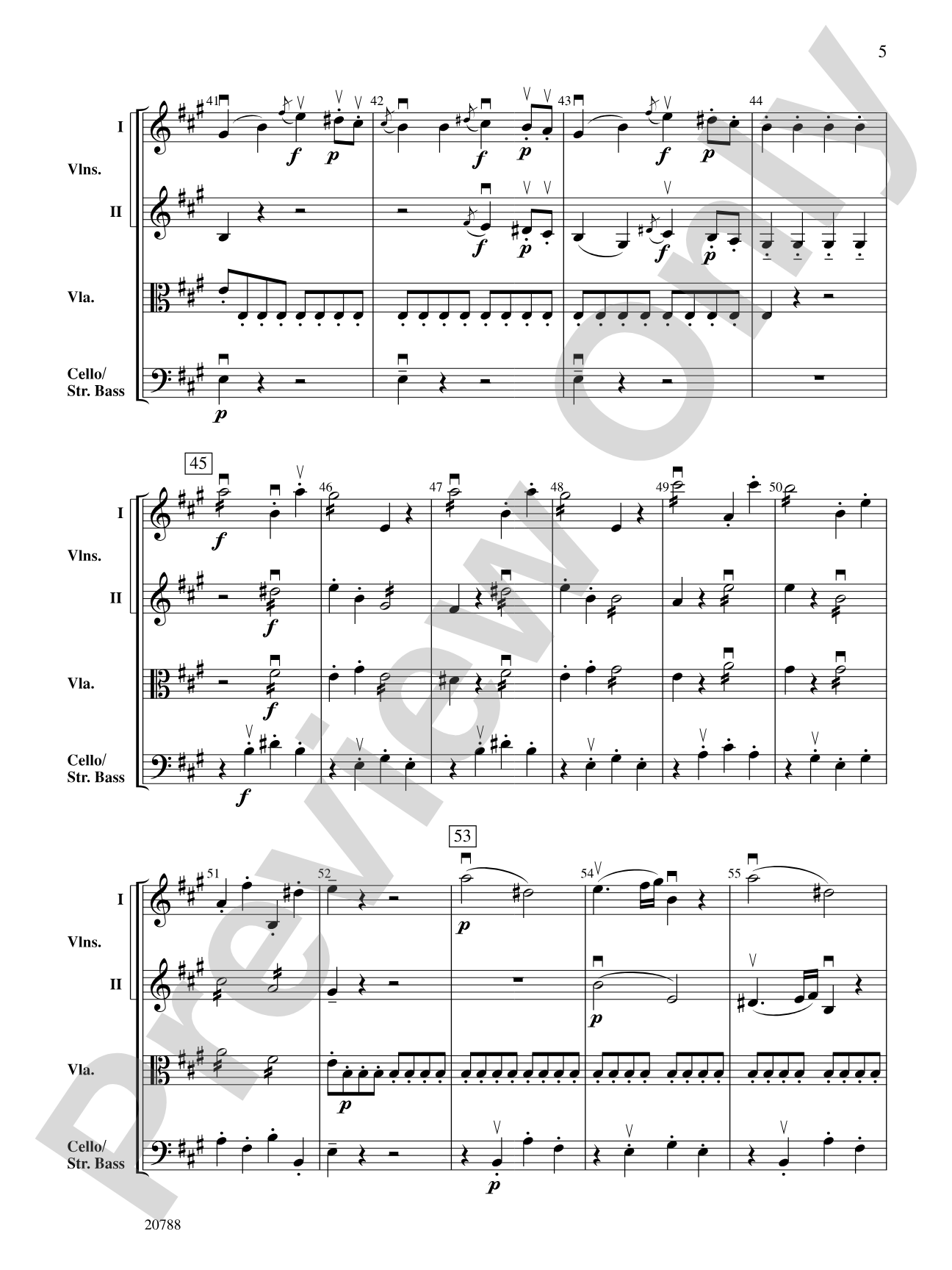
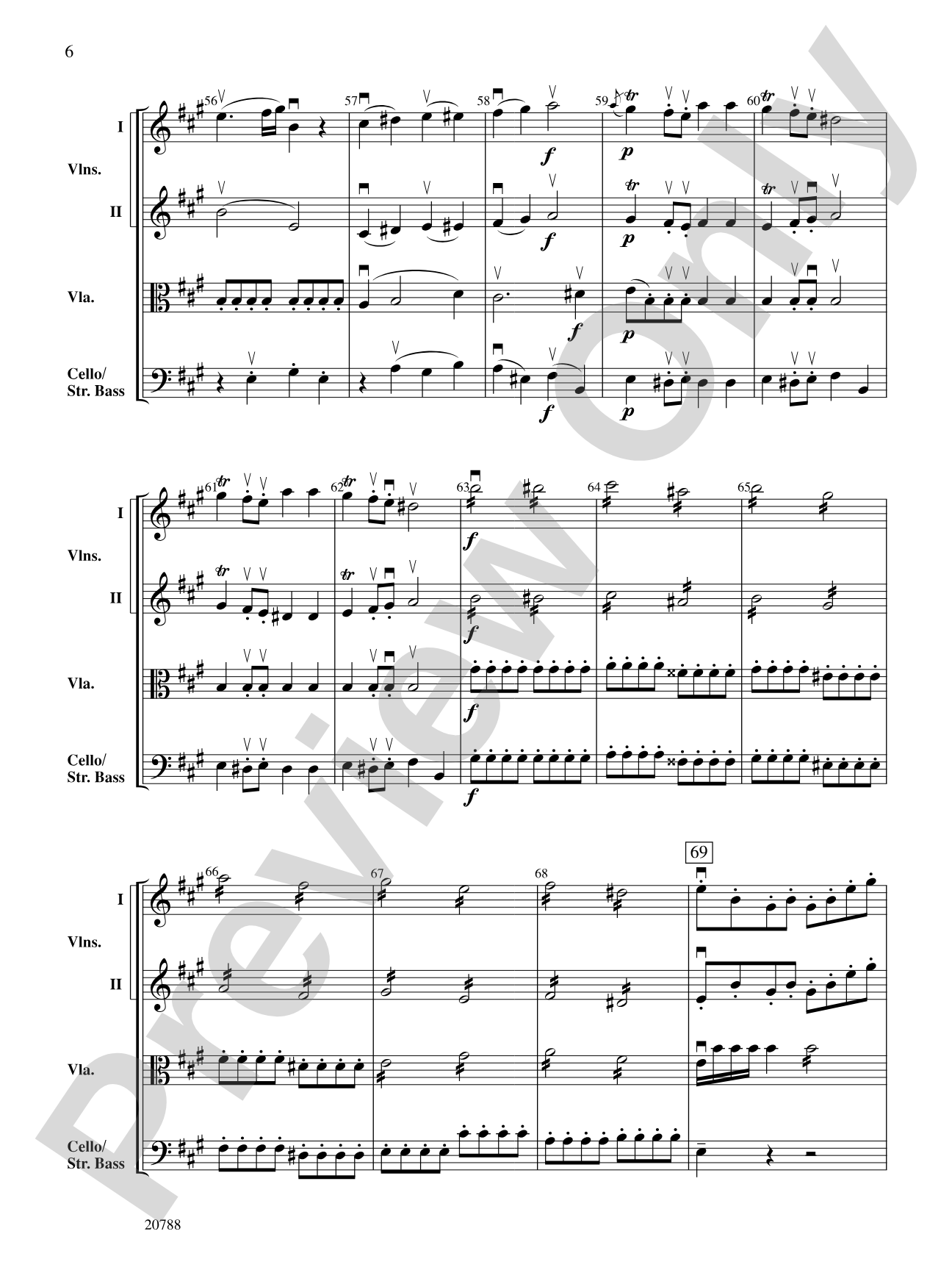
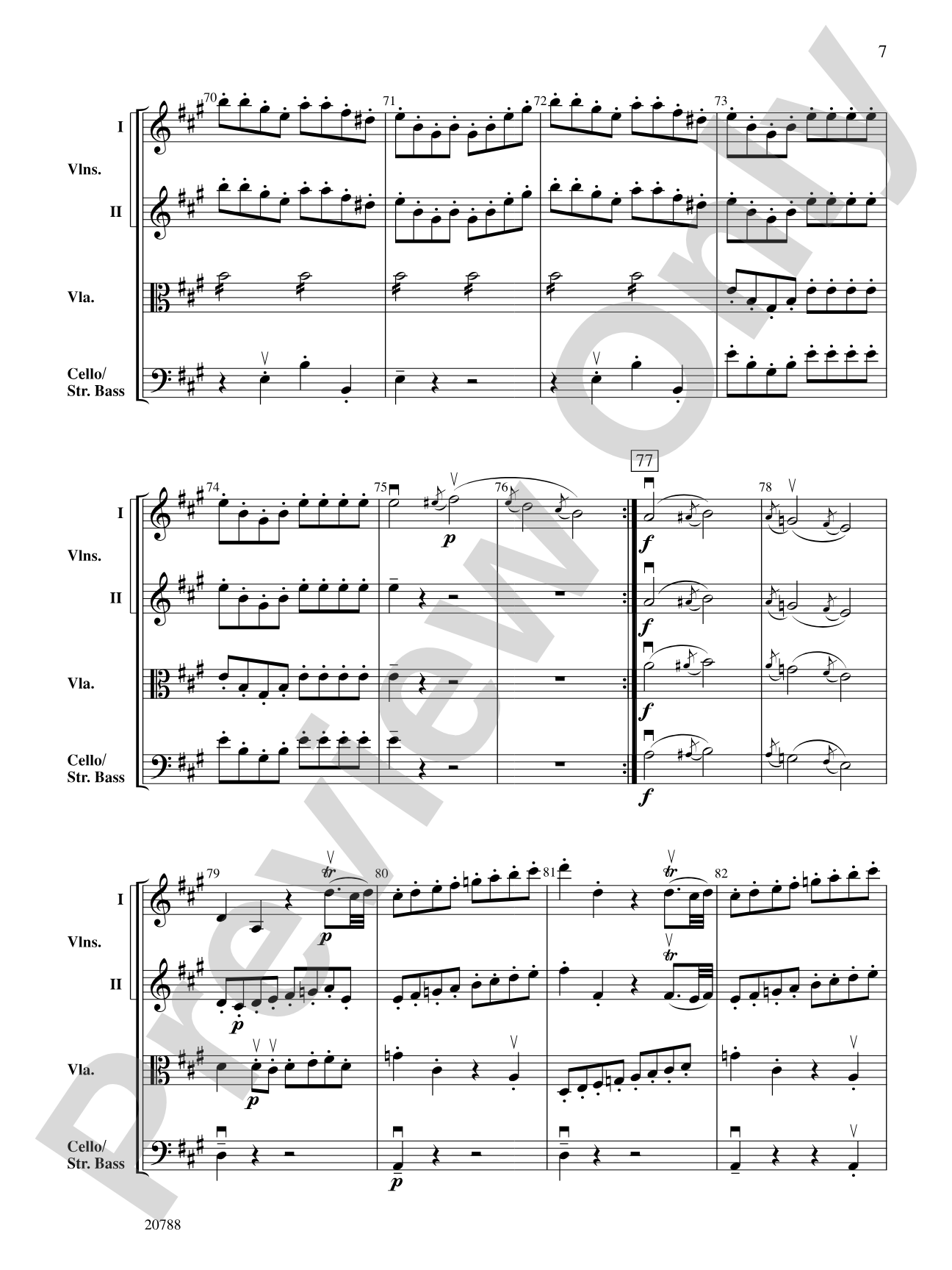

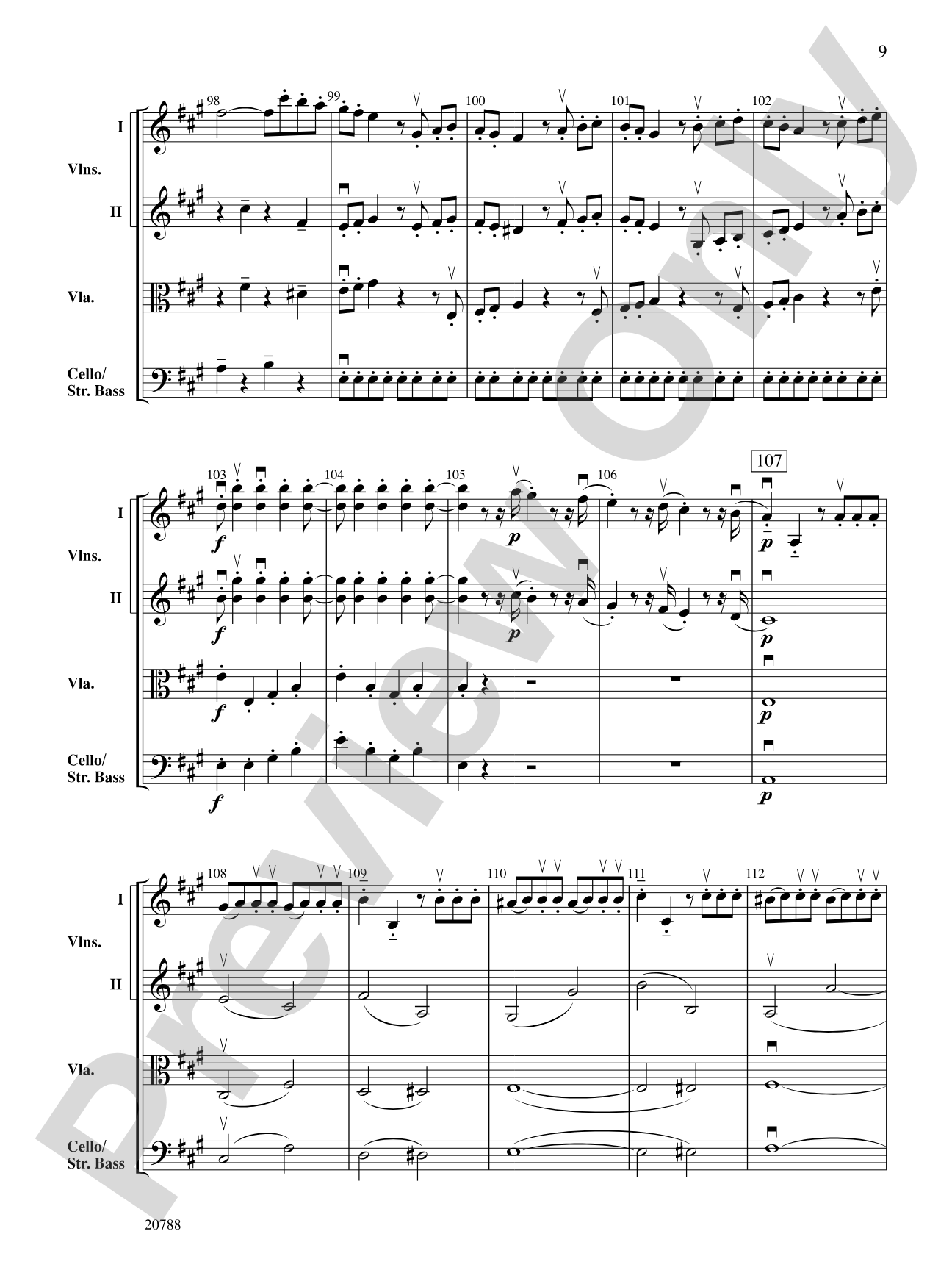
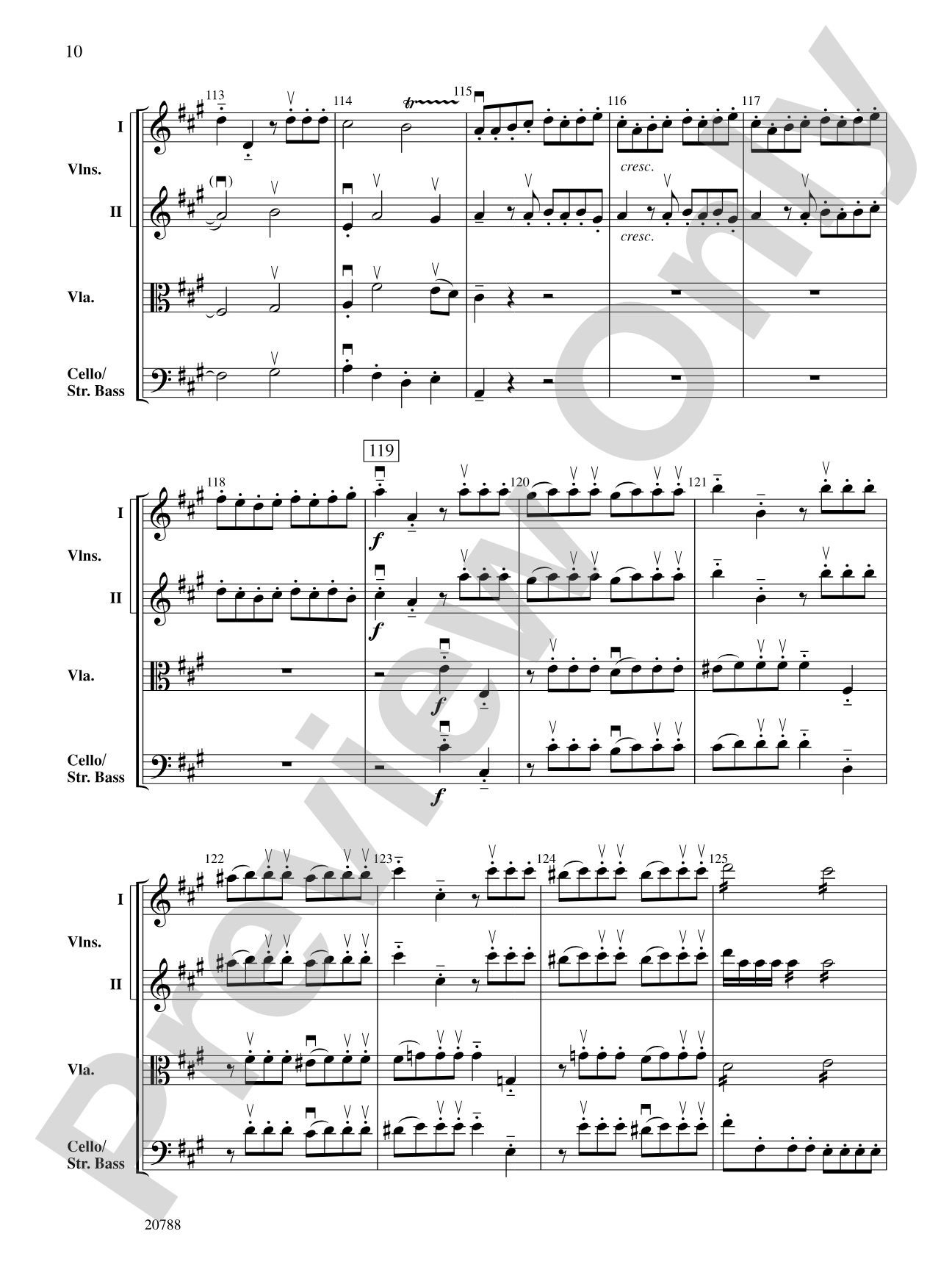
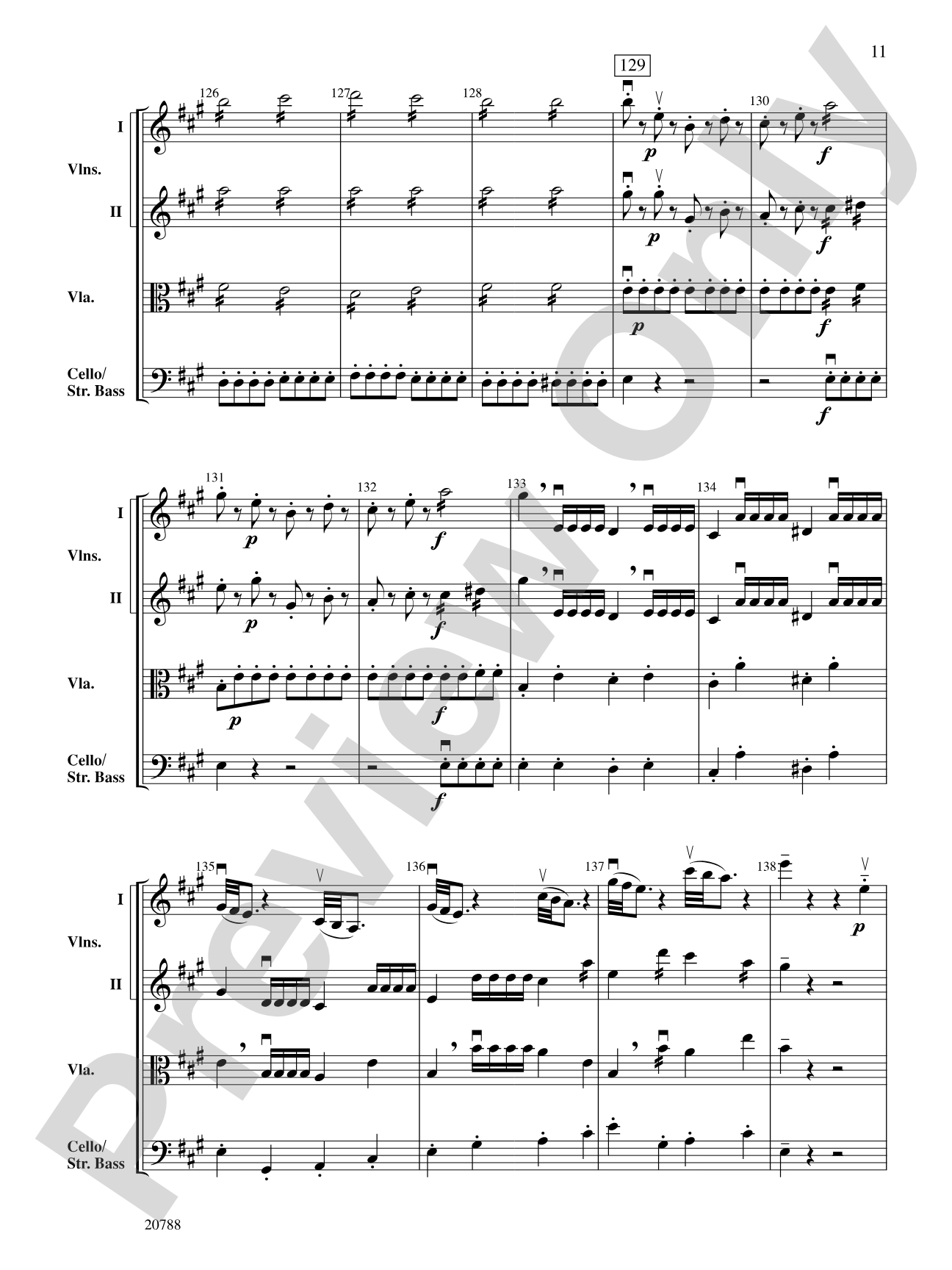
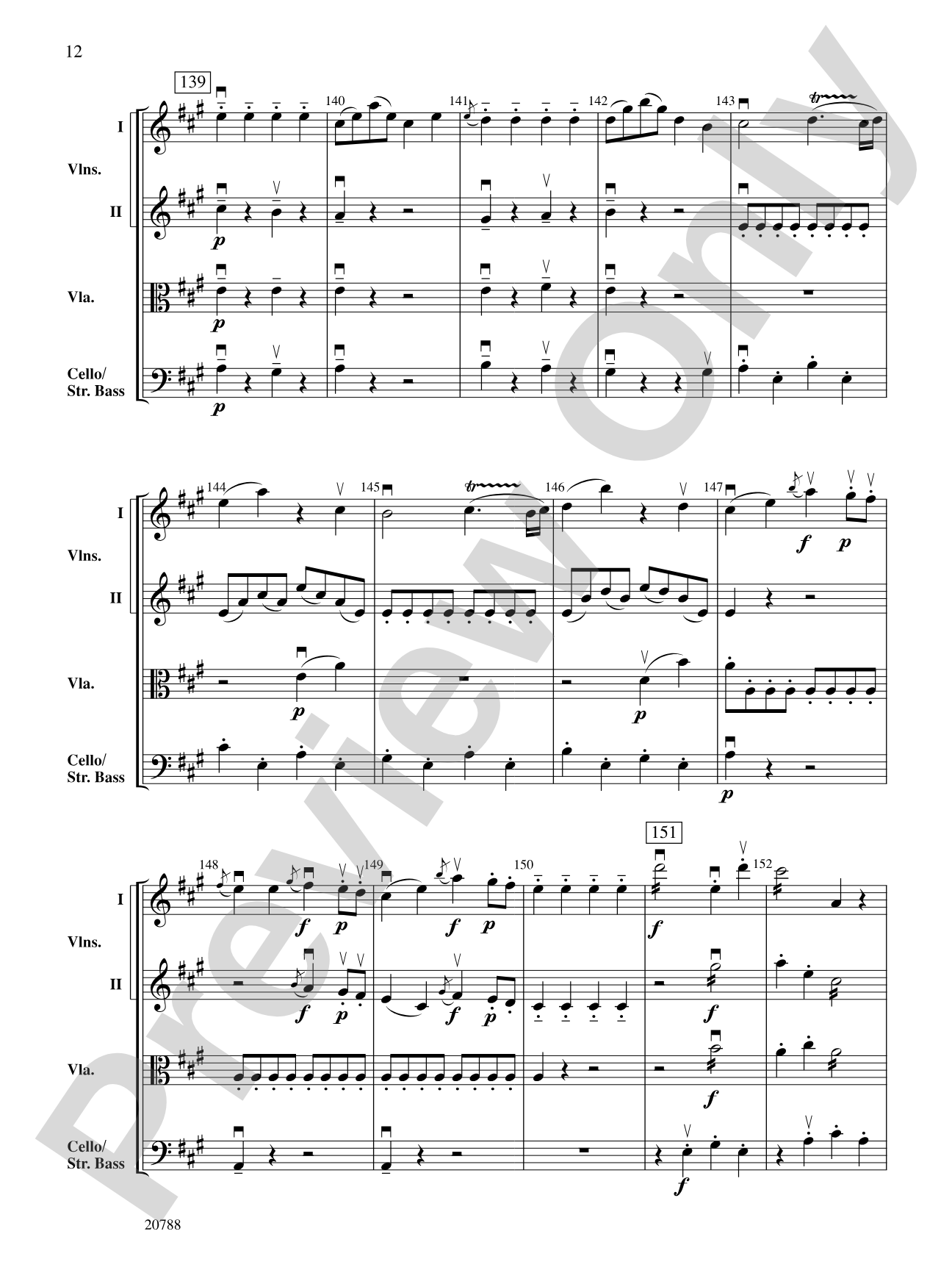
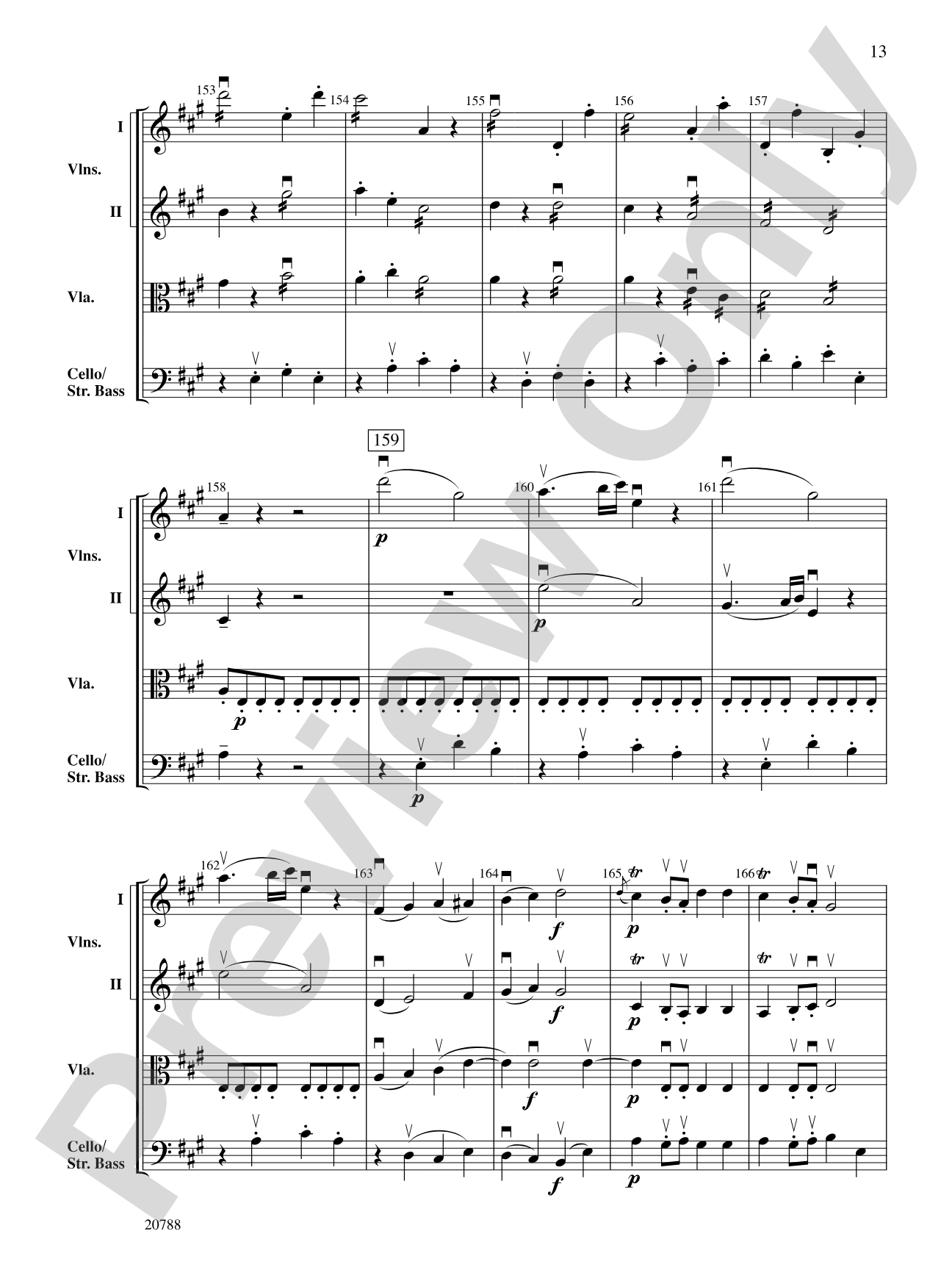
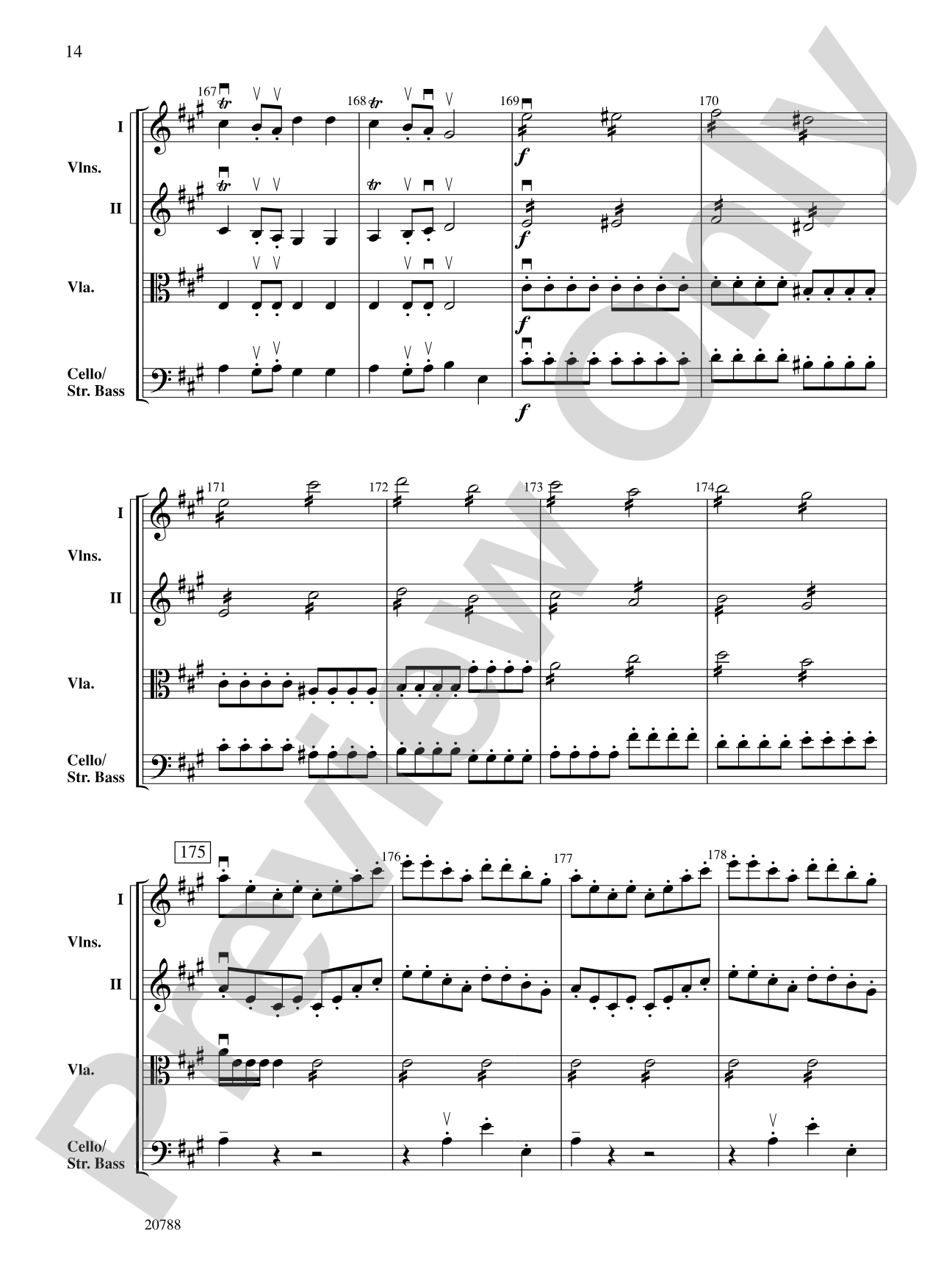
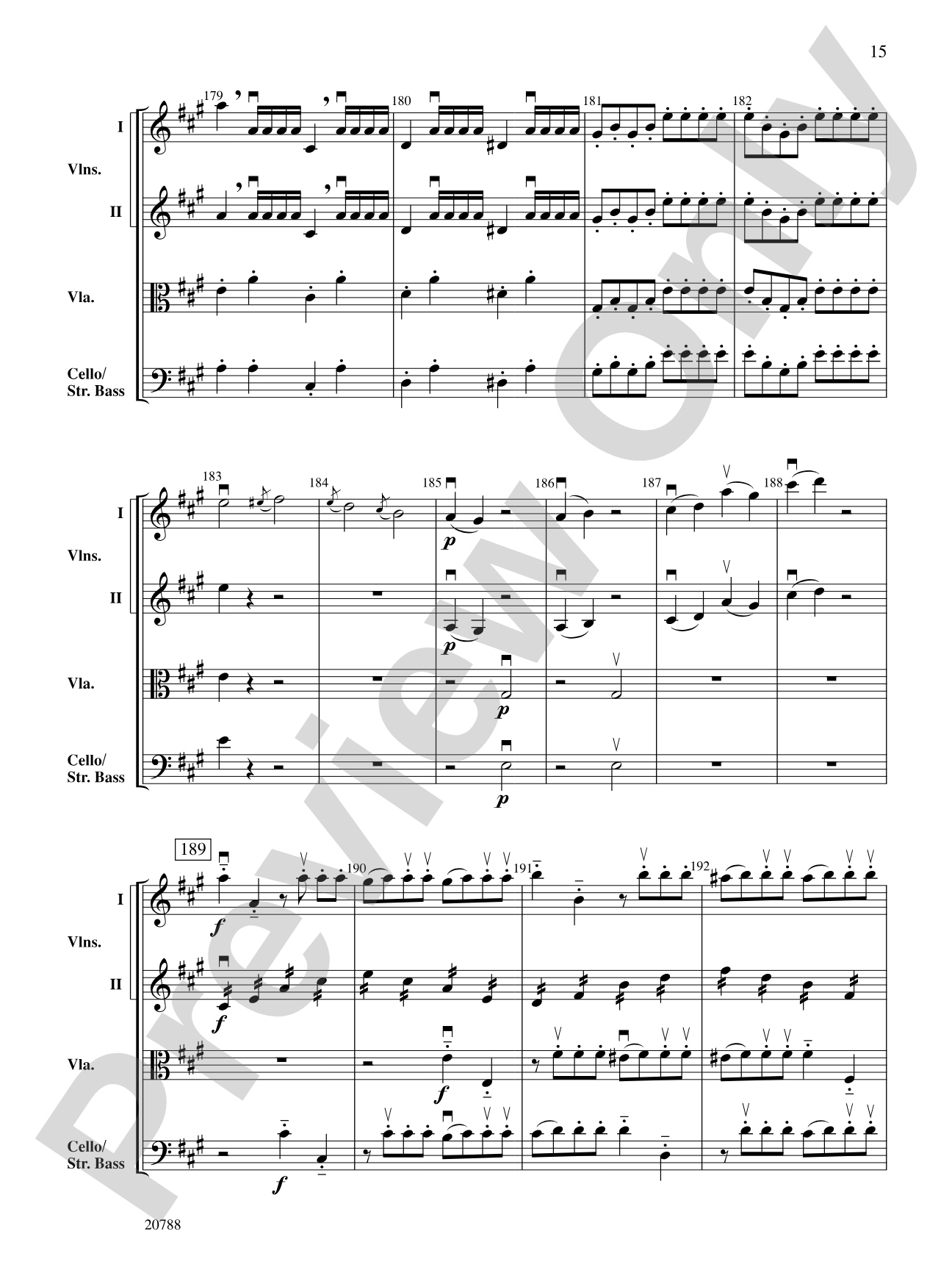
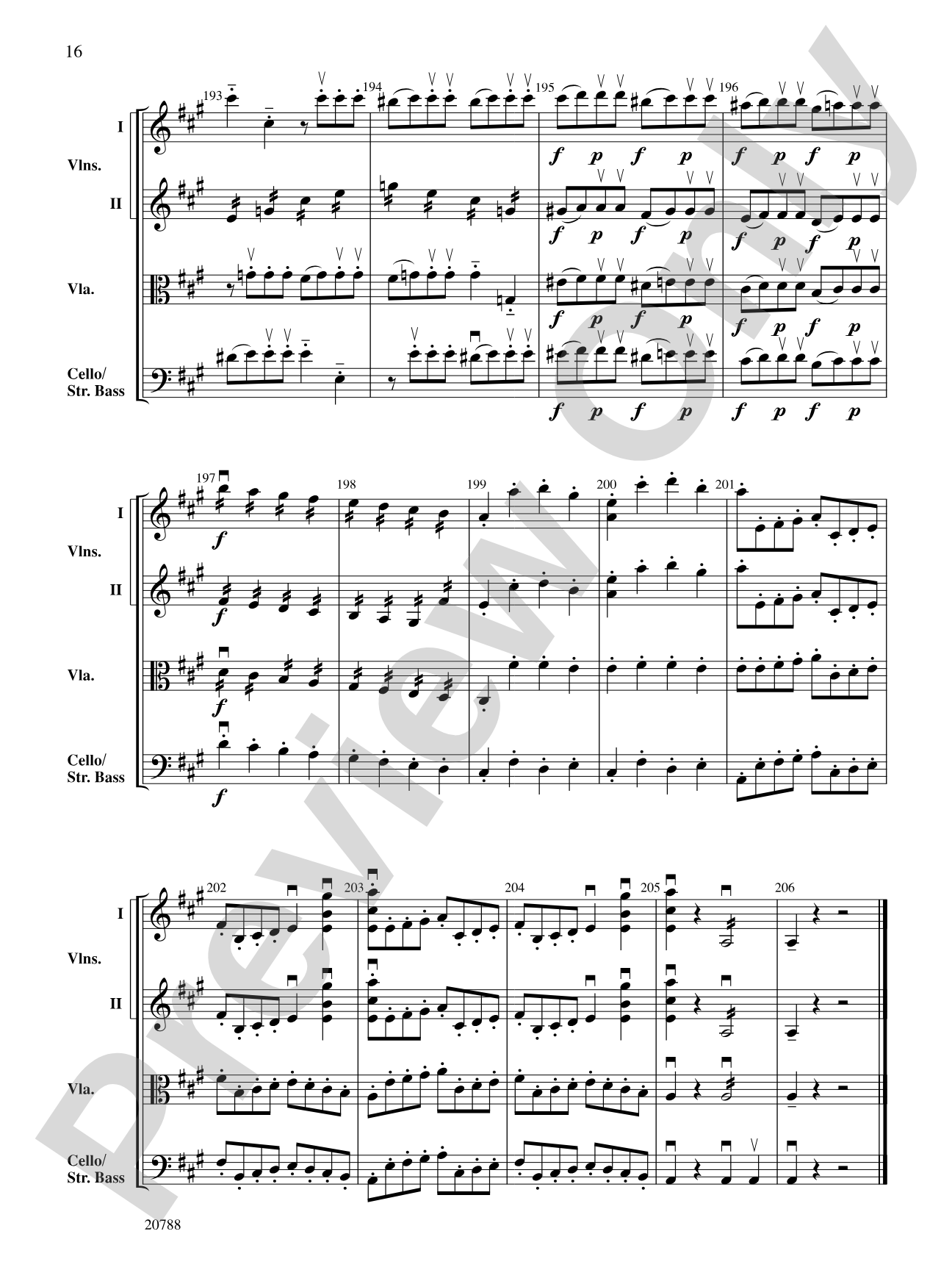

Symphony No. 29 (1st Movement): String Orchestra Conductor Score & Parts
(First Movement)
By Wolfgang Amadeus Mozart / arr. Thomas LaJoie
Grade: 4
Item: 00-PK-0000463

$55.00
Pickup currently not available
Buy Extra Parts (Digital PDF Download)
| Product | Price | Quantity |
|---|---|---|
| Symphony No. 29 (1st Movement): Score | $9.00 | |
| Symphony No. 29 (1st Movement): 1st Violin | $5.99 | |
| Symphony No. 29 (1st Movement): 2nd Violin | $5.99 | |
| Symphony No. 29 (1st Movement): Viola | $5.99 | |
| Symphony No. 29 (1st Movement): Cello | $5.99 |
Parts Added to Cart!
Description
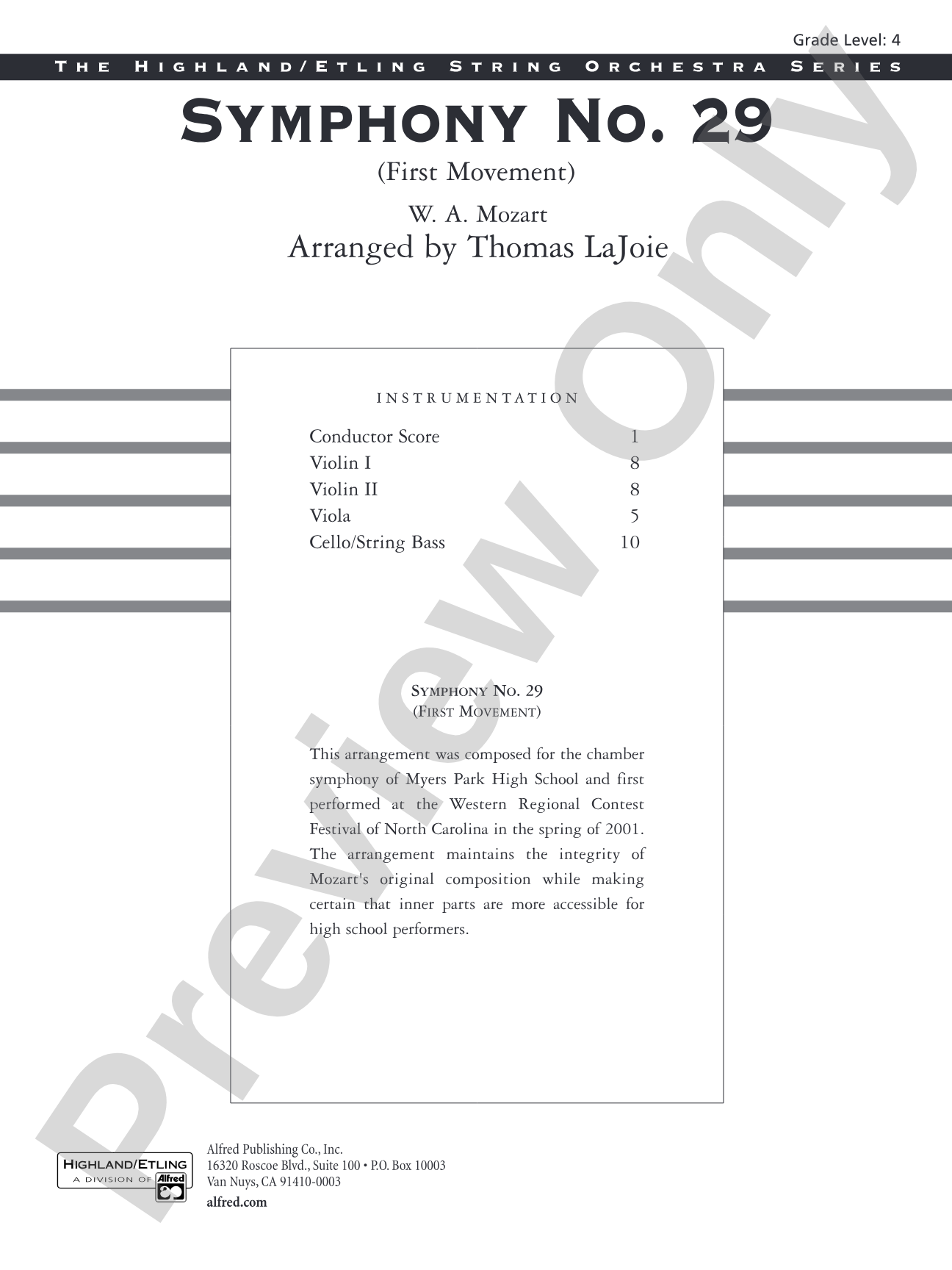
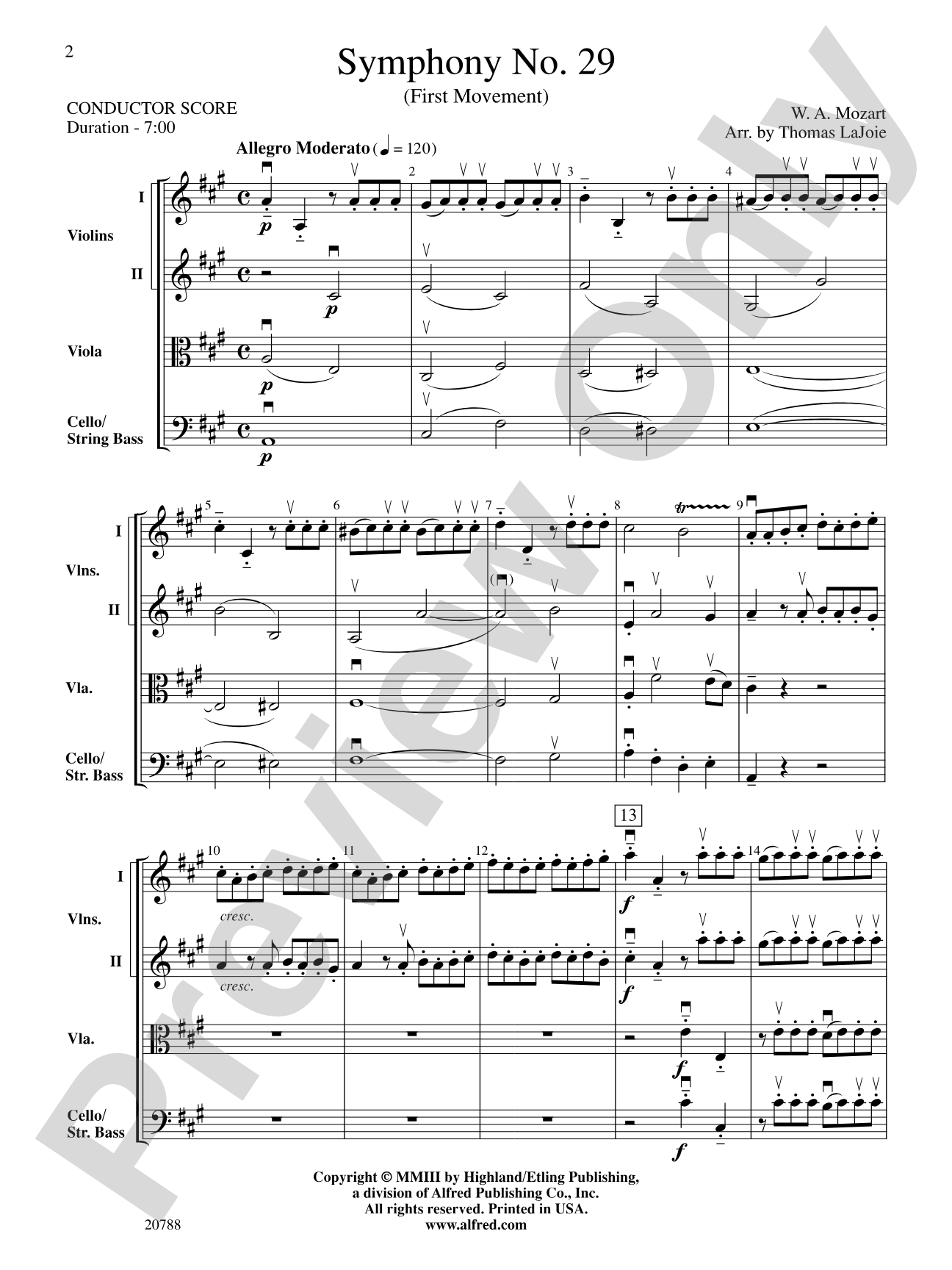
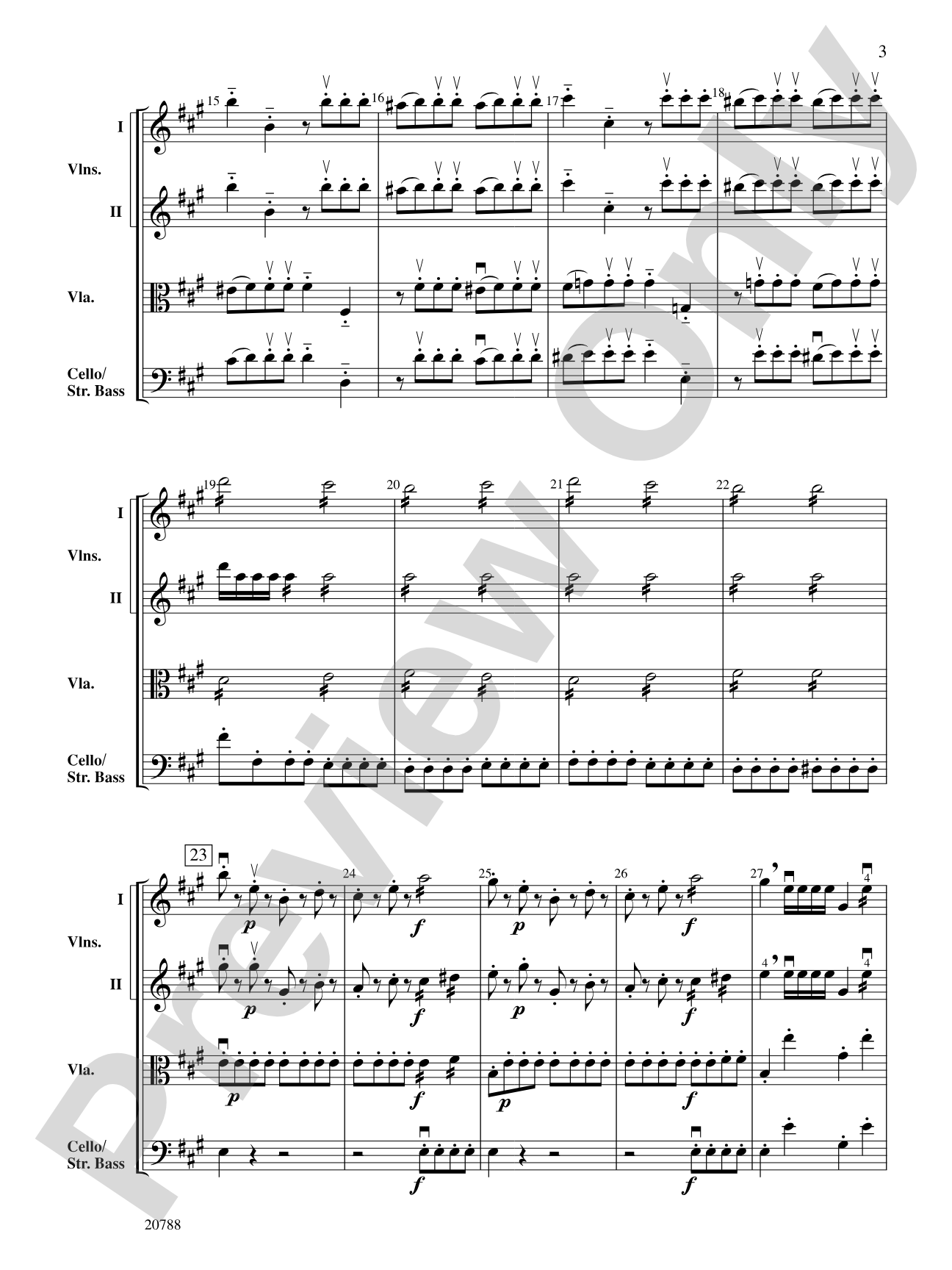
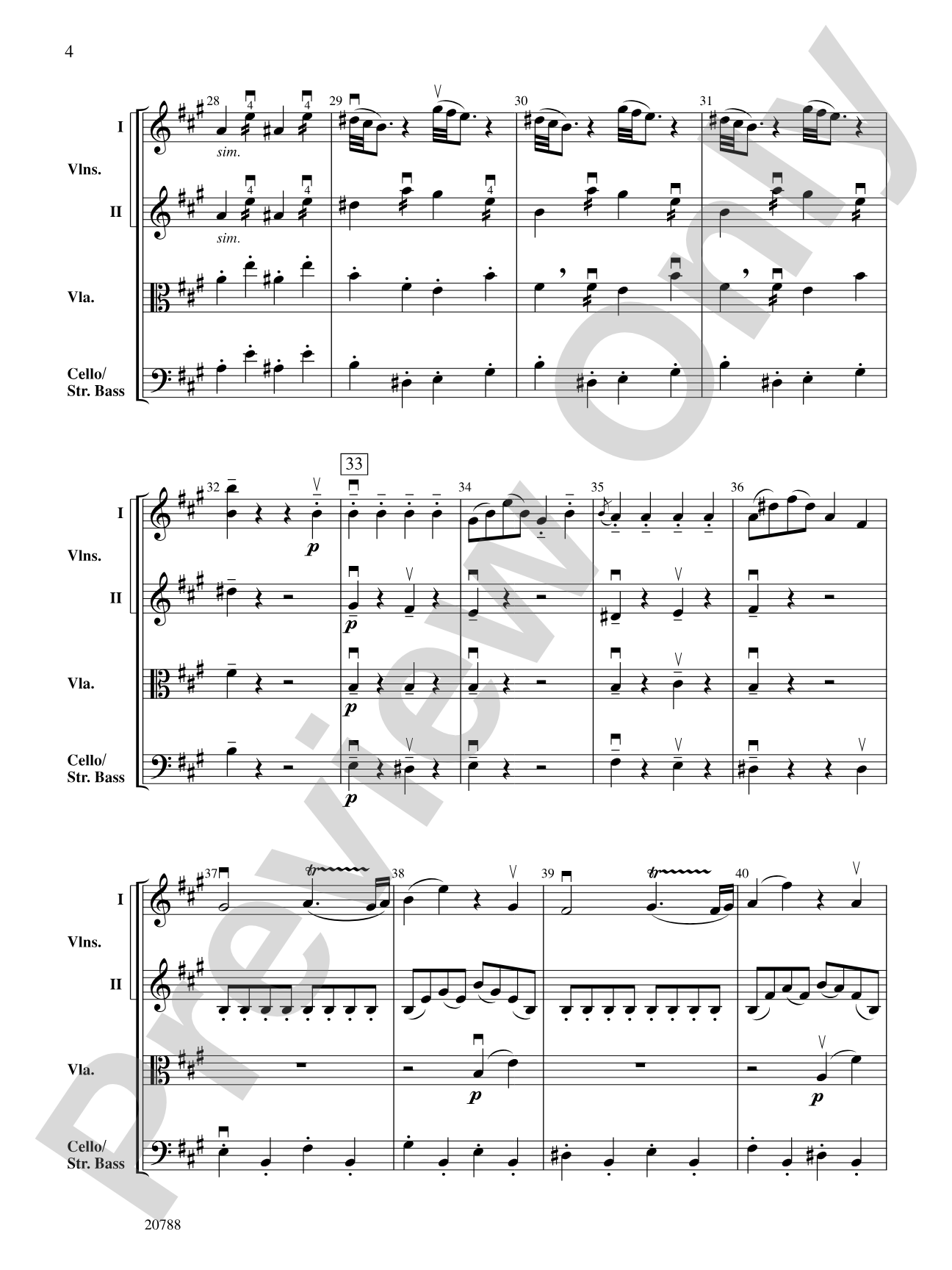
Now your students can play Mozart's Symphony No. 29! This skillful arrangement maintains the integrity of Mozart's original composition while making certain that inner parts are more accessible for high school performers. This title is available in MakeMusic Cloud.


Don't just read it, hear it, play along with it, and watch your students grow with it. In MakeMusic Cloud, Symphony No. 29 (1st Movement): String Orchestra Conductor Score & Parts comes alive with professional accompaniment, adjustable tempo, and built-in practice tools that turn solo practice into real progress.
Open in the Player
Jump straight in and assign it today.
Start Your Free Trial
Open this title and explore the full library in minutes.
Sample Audio
1
Audio File
--:--
0:00
0:00
Sample Video
No sample videos found.
Additional Details
Series:
Highland/Etling String Orchestra
Publisher:
Alfred Music
Page Count:
124
SKU:
00-PK-0000463
More about this title
About the Composer: Wolfgang Amadeus Mozart
Wolfgang Amadeus Mozart (1756-1791) was an Austrian composer whose prolific output across every major genre established him as one of the most influential figures in Western music history. He began composing before age five and produced over 600 works during his lifetime, including 41 symphonies that span the evolution of the Classical style from his early years through his final masterpieces.
Why we love this
This arrangement opens Mozart's symphonic language to high school string orchestras without compromising the brilliance of the original. Thomas LaJoie's careful voice leading keeps inner parts singable and engaging while preserving the structural clarity and melodic beauty that make this first movement a textbook example of Classical form, making it equally valuable for concert performance and festival competition.
What to expect
Bright, purposeful, and architecturally clear. The opening theme arrives with classical grace, moving through a landscape of balanced phrases and transparent orchestration that reveals how Mozart built form from simple, elegant ideas. Each section unfolds with inevitable logic, creating a sense of inevitability wrapped in charm.
Who it's for
High school string orchestras seeking substantive masterwork repertoire for both concert and festival contexts. This arrangement works for ensembles with mixed ability across sections, as the accessible inner parts allow younger or less experienced players to participate meaningfully without compromising the integrity of the composition.
How to get the most out of it
- Establish a clear harmonic progression through the accompaniment parts; inner voices often carry harmonic function that younger players miss if they're not hearing how their notes support the melody.
- Balance the opening theme across first and second violins with attention to phrasing rather than volume; Mozart's elegance depends on shape and direction, not weight.
- Maintain rhythmic precision in the tutti passages, especially where the violas and cellos anchor the harmonic foundation during thematic development.
- Shape the cadences with slight ritardando and dynamic softening to let listeners hear the formal landmarks of sonata form.
How to use it
Program this as an opening work on a classical-themed concert, or pair it with other masterwork arrangements to demonstrate the stylistic roots of orchestral writing. Its accessibility and concert appeal also make it an excellent festival selection for groups seeking to build confidence with standard repertoire while maintaining musical substance.
Skills your students will build
- Reading and executing sonata form architecture
- Balancing melody and accompaniment textures
- Maintaining stylistic clarity in Classical phrasing
- Ensemble precision in tutti passages
- Voice leading awareness through inner part work