
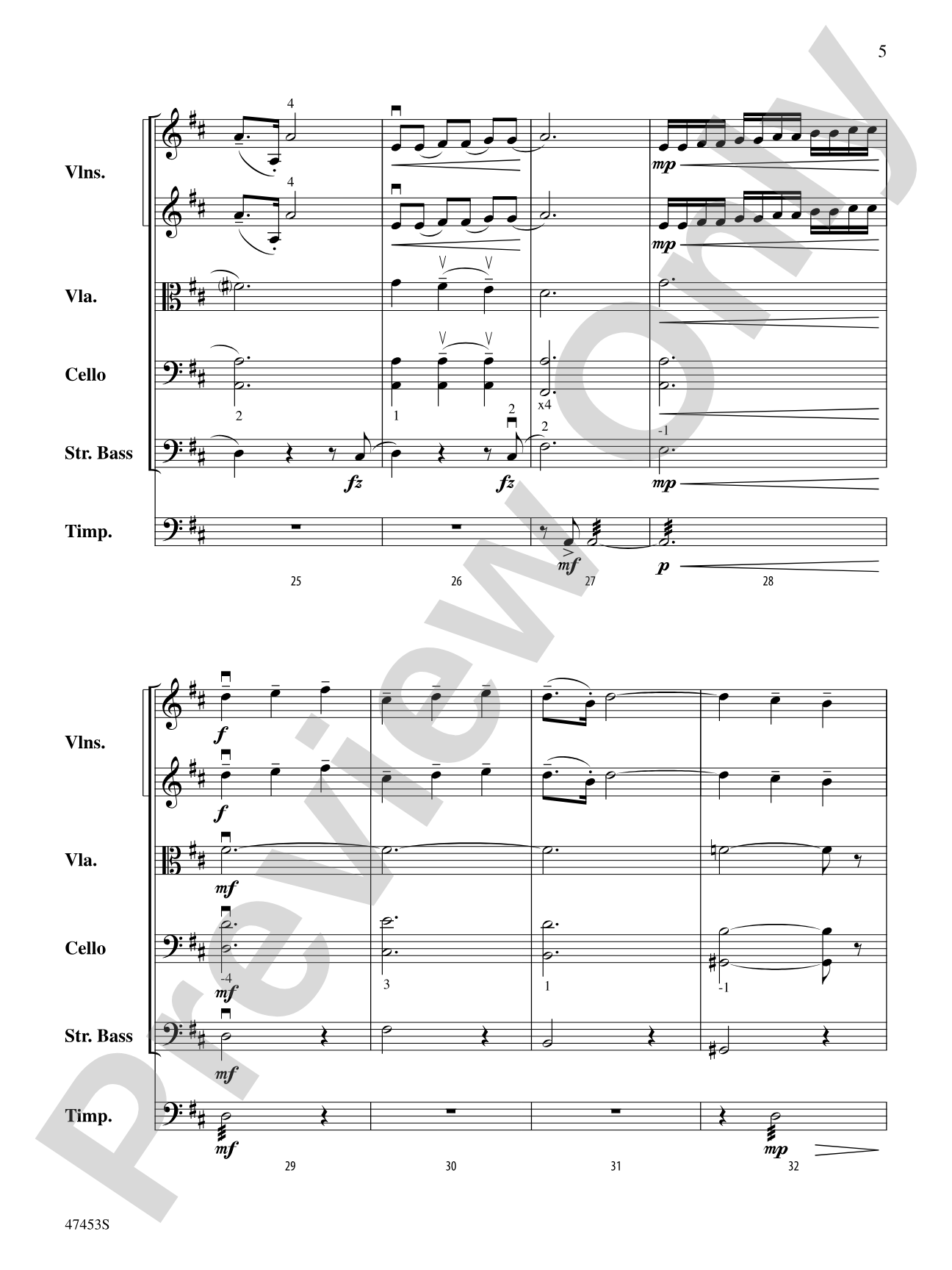
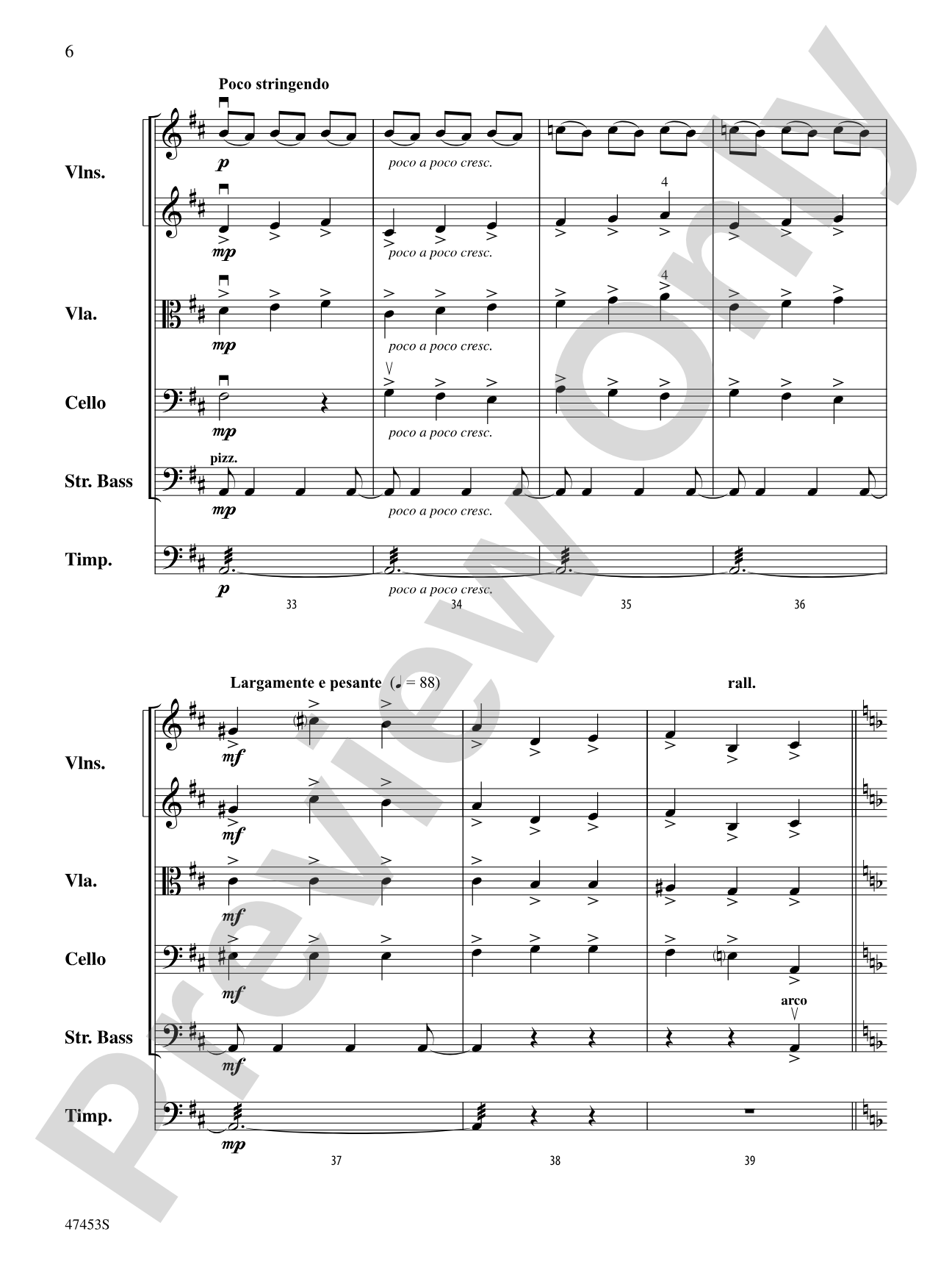
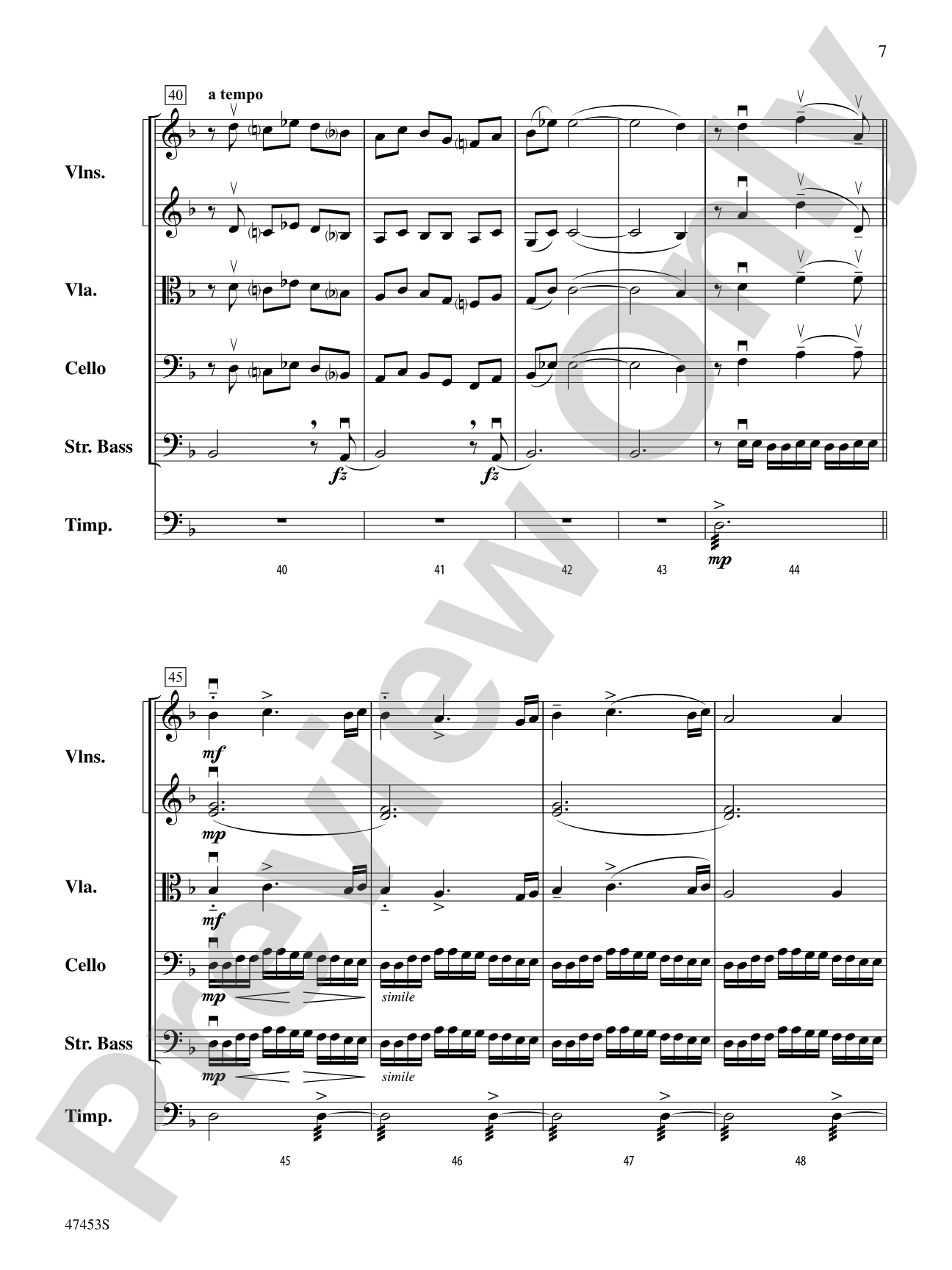
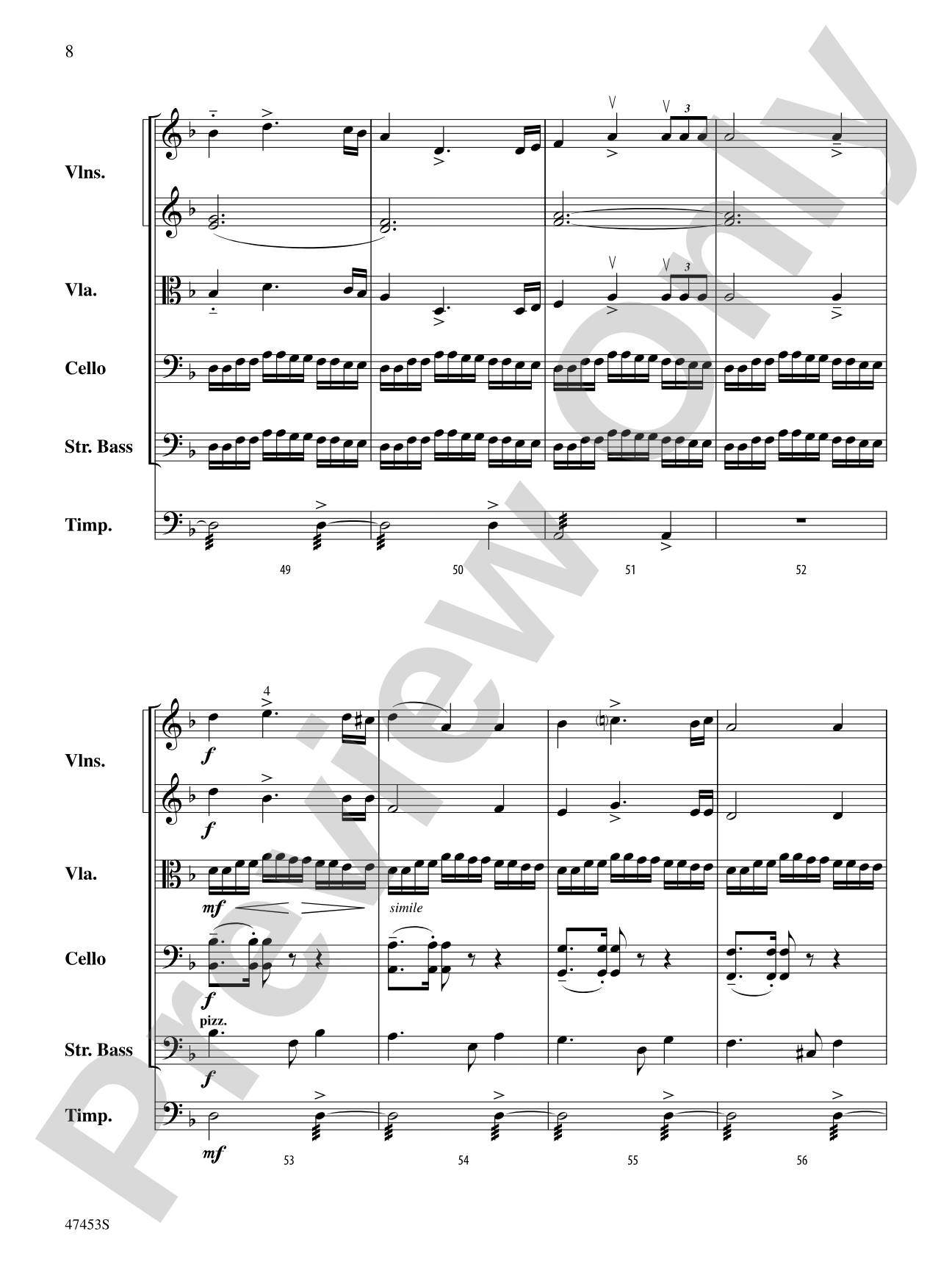
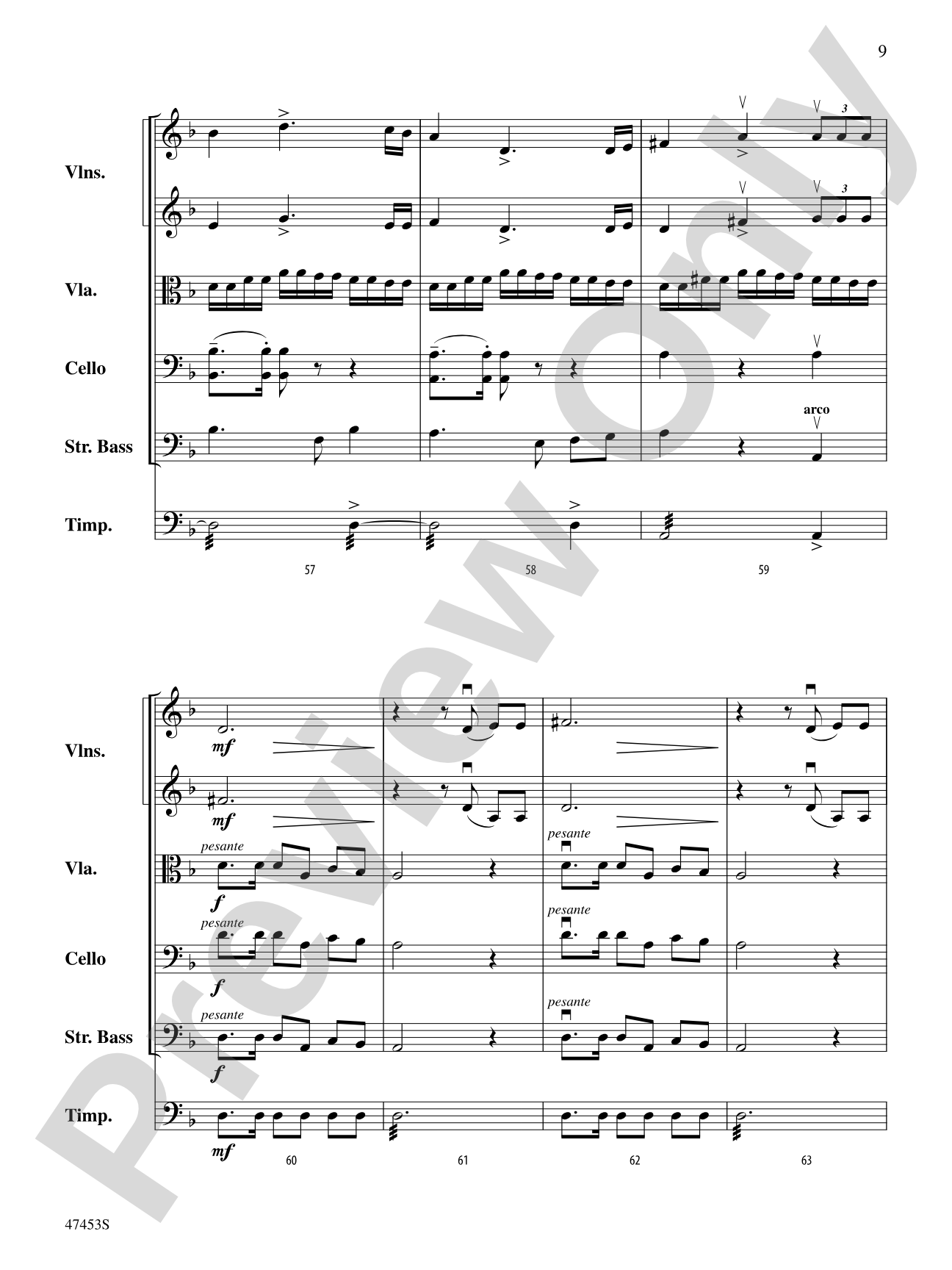
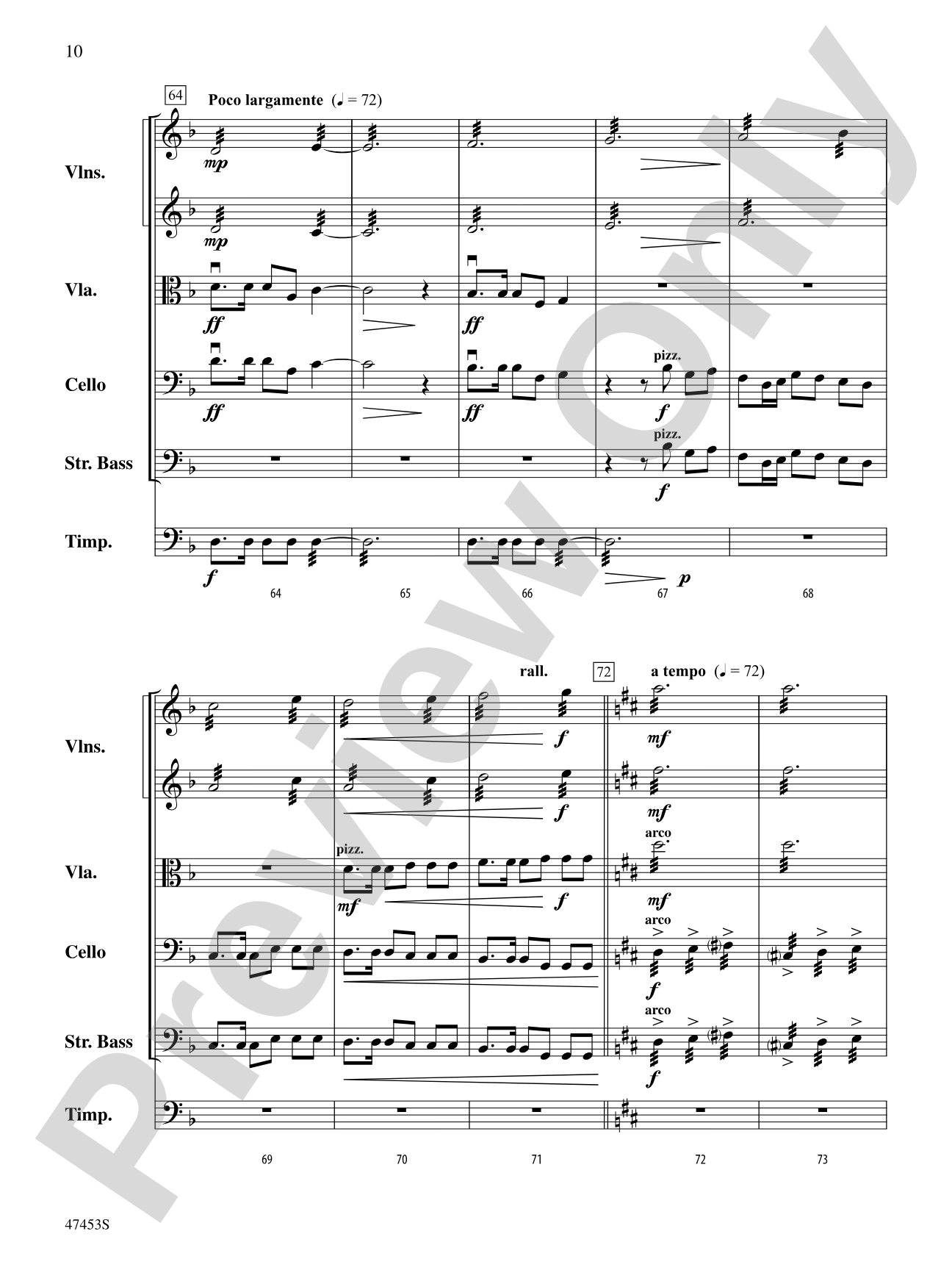
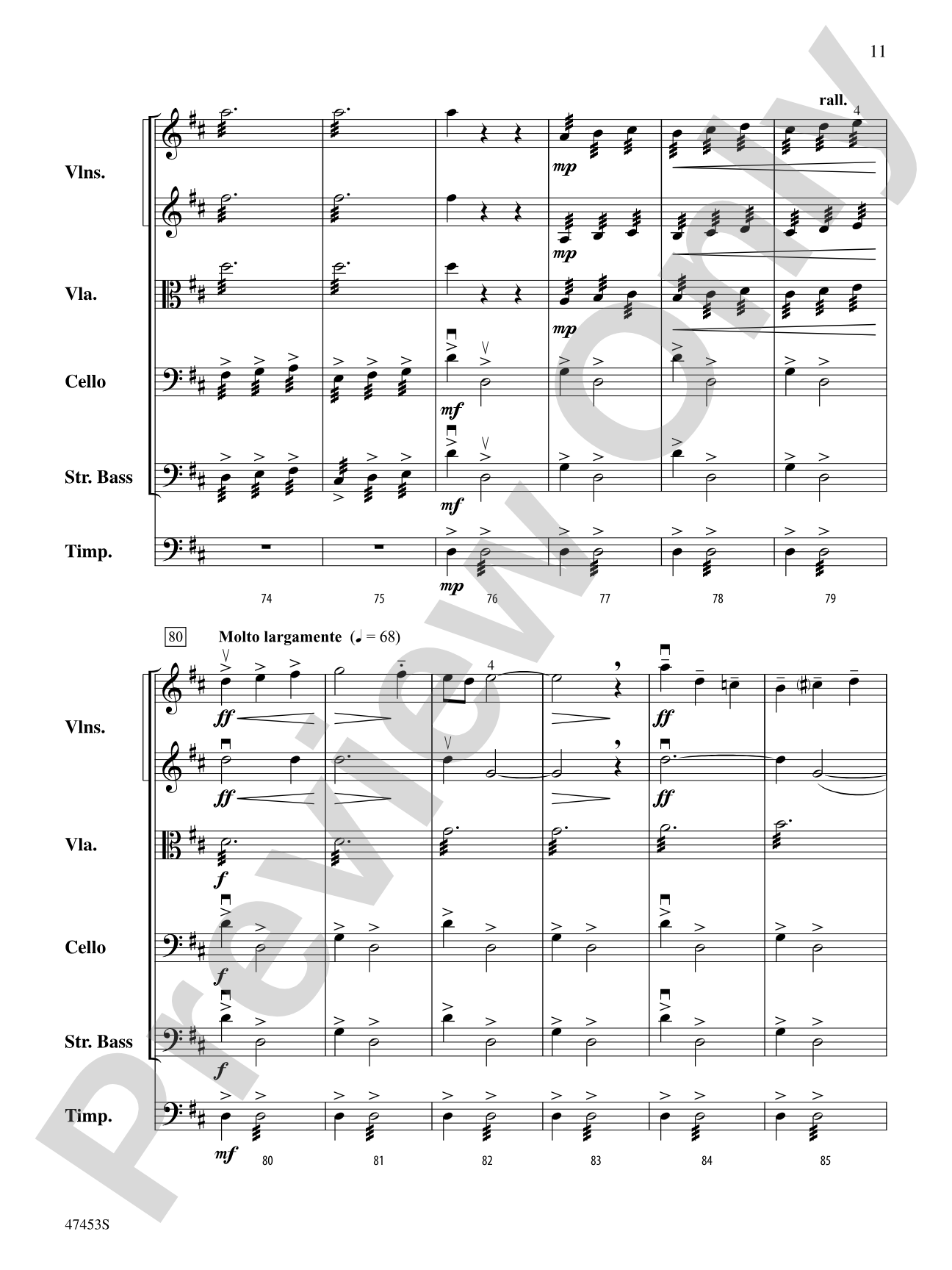
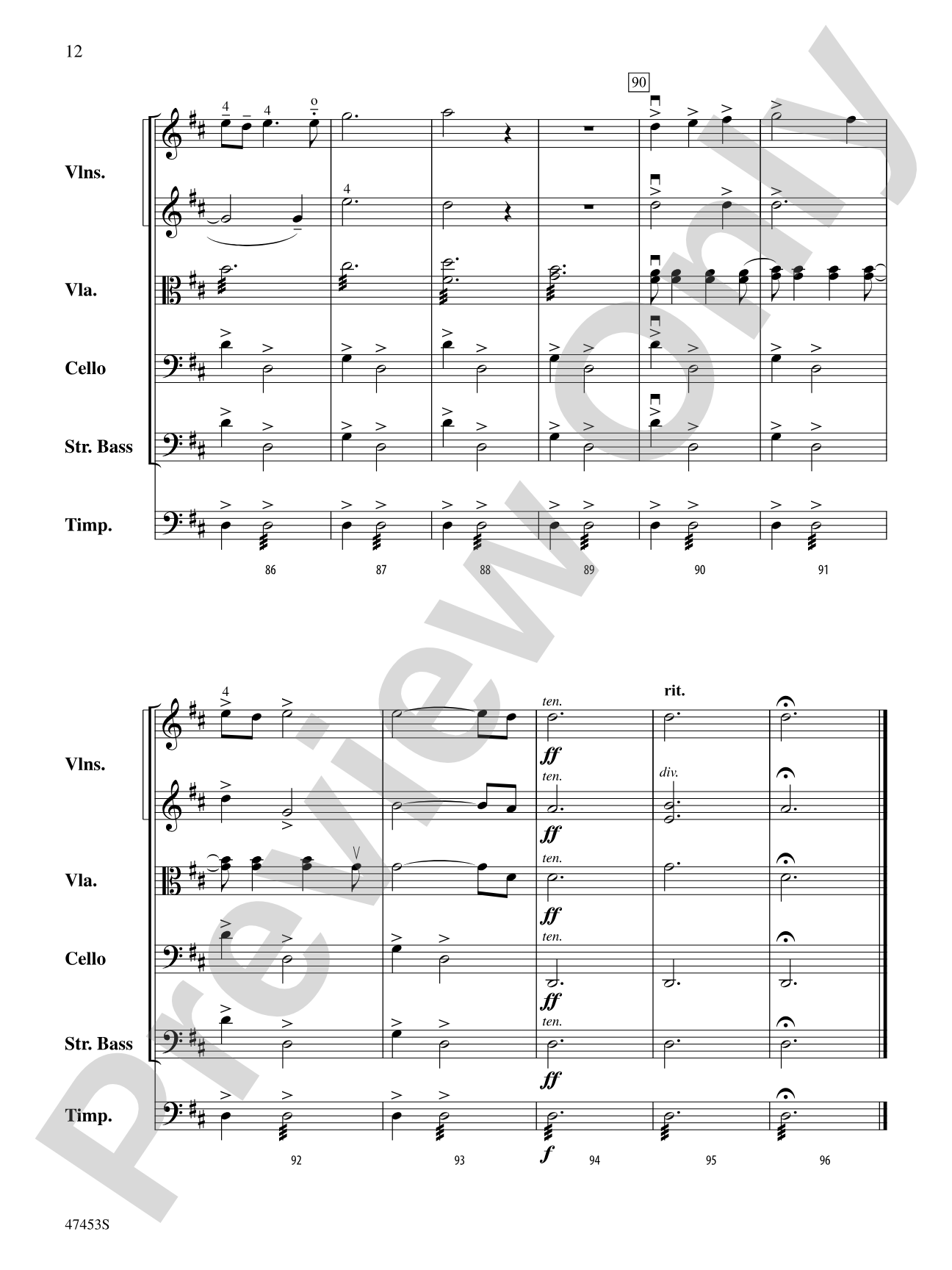

Symphony No. 2, Finale: String Orchestra Conductor Score & Parts
By Jean Sibelius / arr. Kirk Moss
Grade: 3
Item: 00-PK-0007689

$58.00
Pickup currently not available
Buy Extra Parts (Digital PDF Download)
| Product | Price | Quantity |
|---|---|---|
| Symphony No. 2, Finale: Score | $10.00 | |
| Symphony No. 2, Finale: 1st Violin | $5.99 | |
| Symphony No. 2, Finale: 2nd Violin | $5.99 | |
| Symphony No. 2, Finale: Viola | $5.99 | |
| Symphony No. 2, Finale: Cello | $5.99 | |
| Symphony No. 2, Finale: String Bass | $5.99 | |
| Symphony No. 2, Finale: Timpani | $5.99 |
Parts Added to Cart!
Description
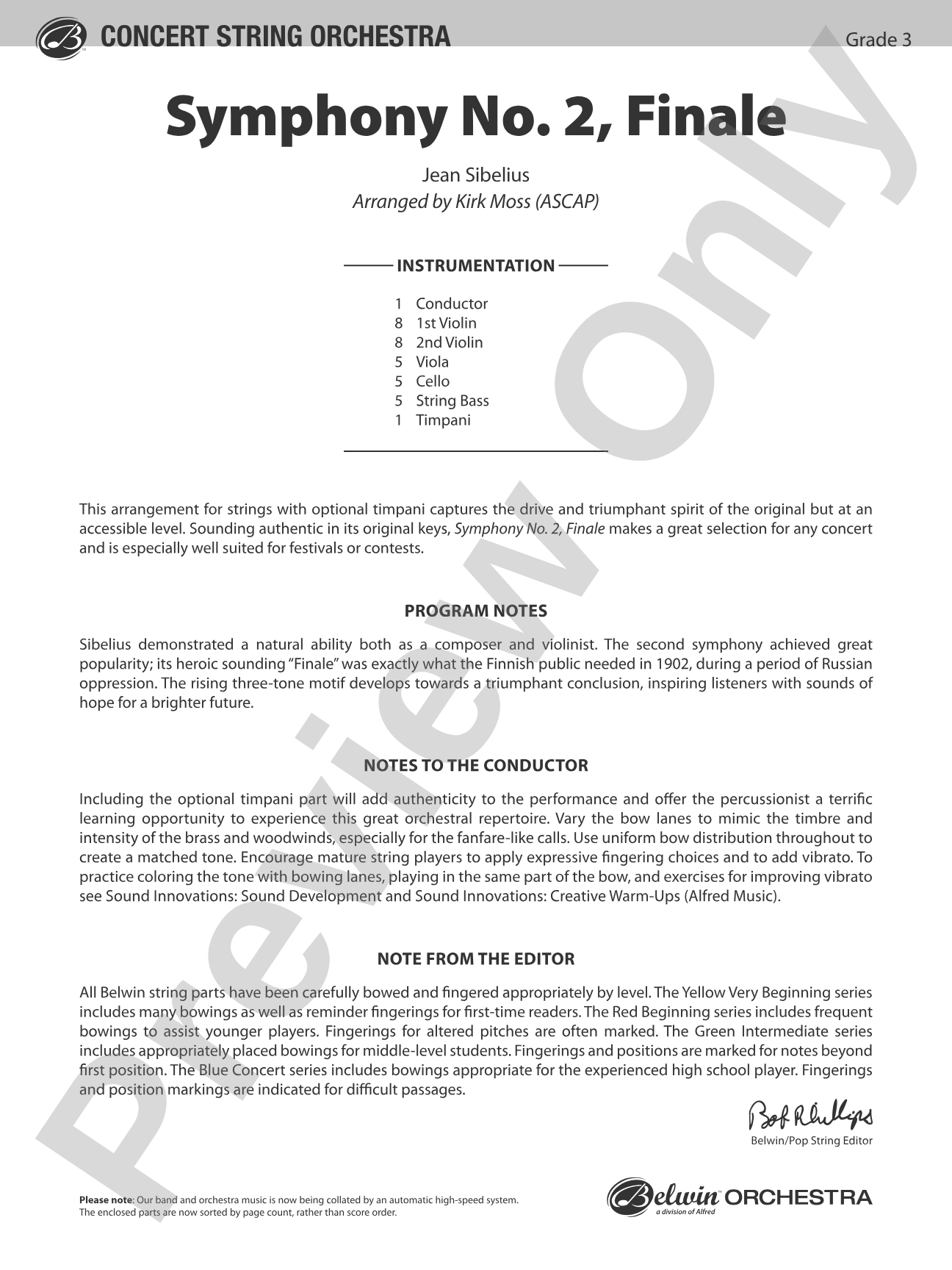
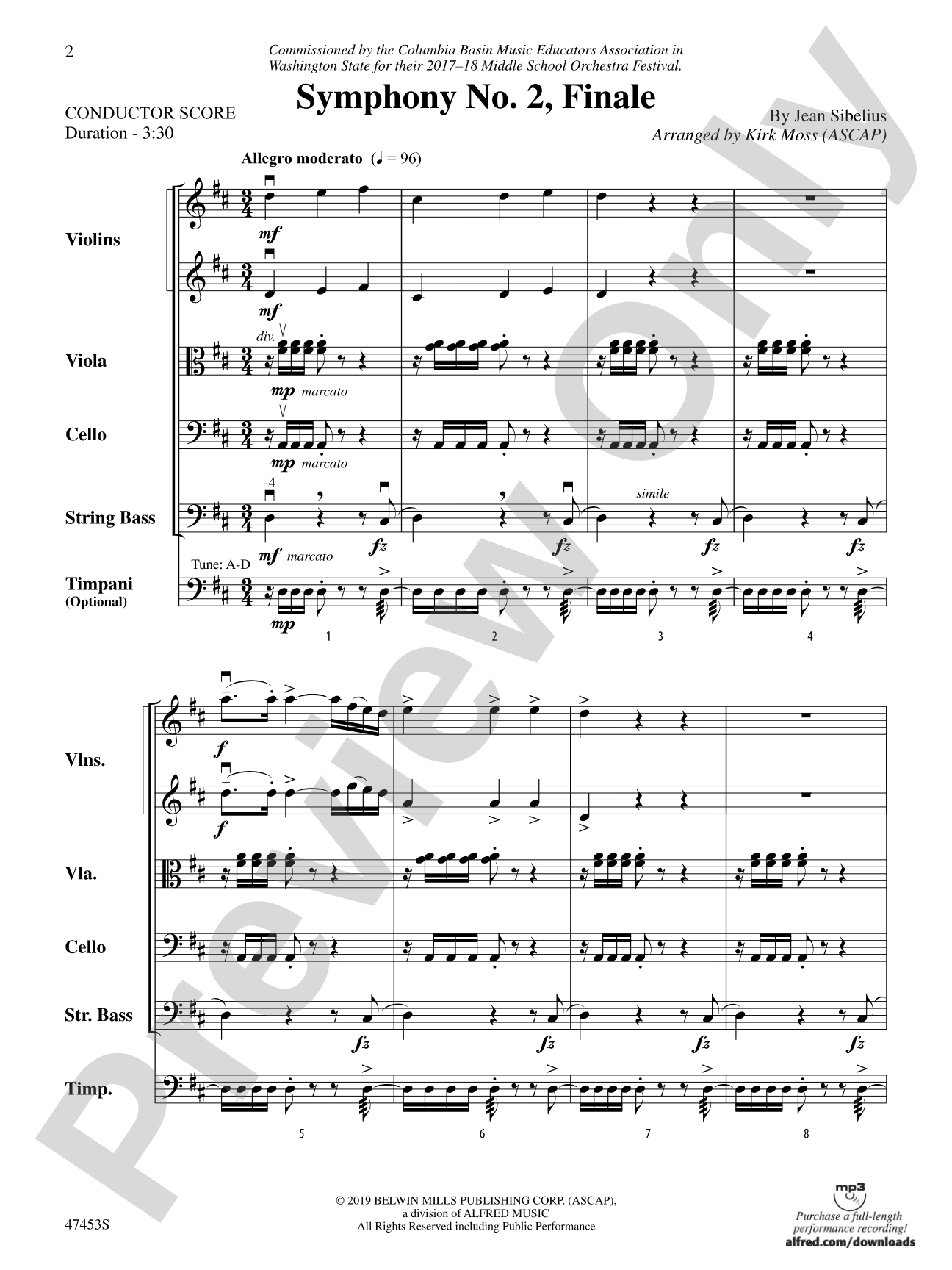
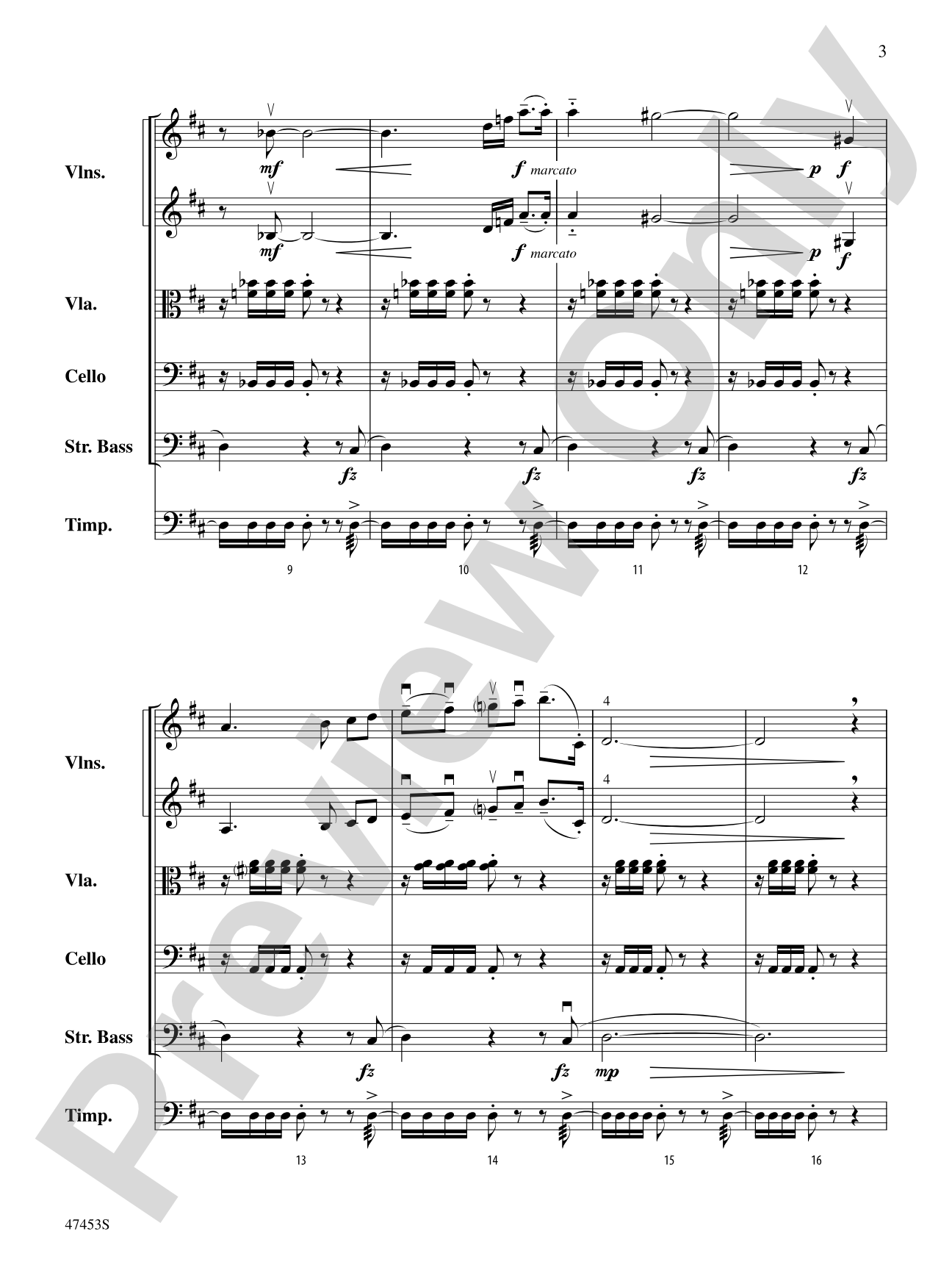
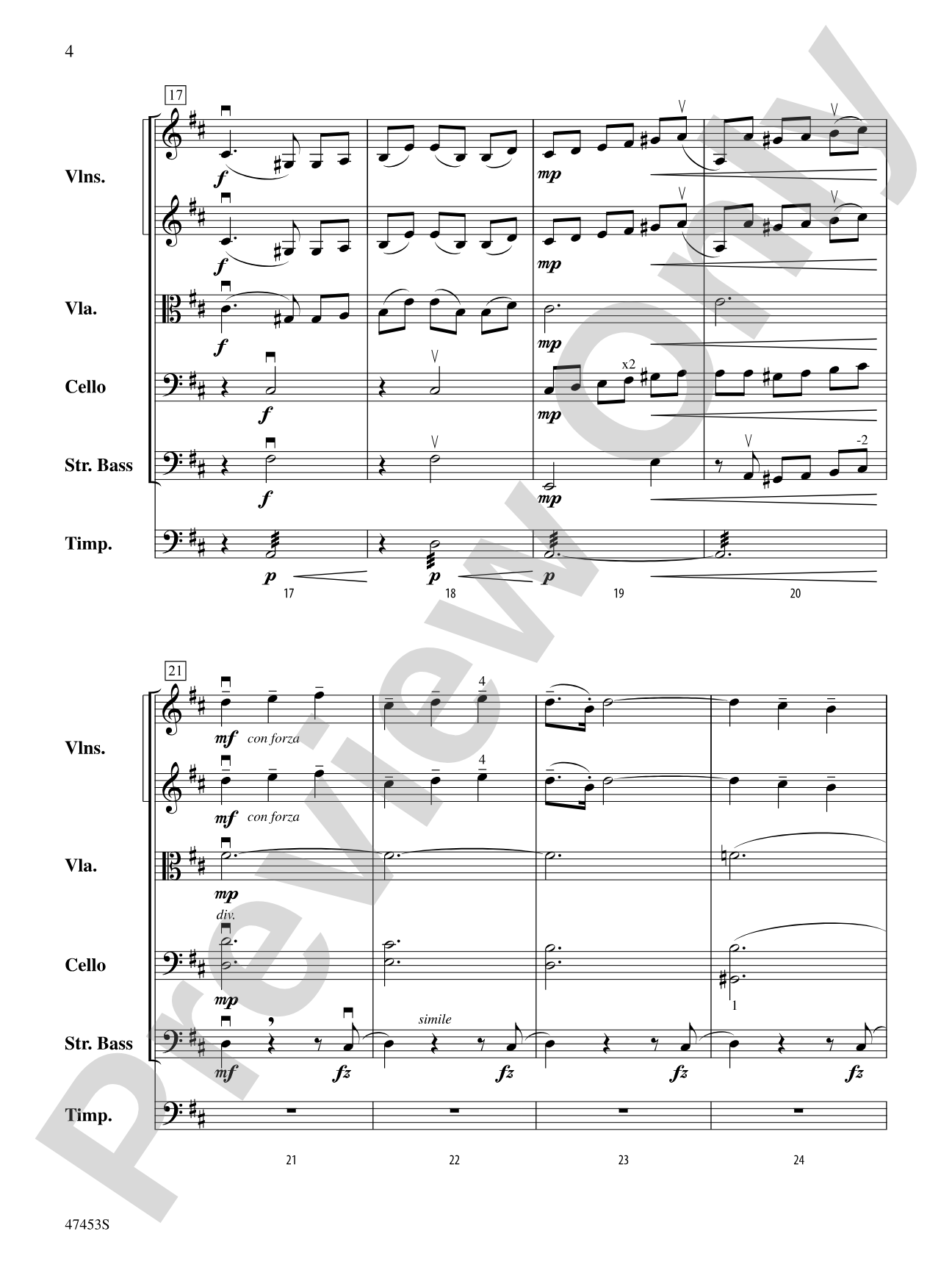
This arrangement for strings with optional timpani captures the drive and triumphant spirit of the original work but at an accessible level. In its original keys, this great selection for any concert is especially well suited for festivals or contests.


Don't just read it, hear it, play along with it, and watch your students grow with it. In MakeMusic Cloud, Symphony No. 2, Finale: String Orchestra Conductor Score & Parts comes alive with professional accompaniment, adjustable tempo, and built-in practice tools that turn solo practice into real progress.
Open in the Player
Jump straight in and assign it today.
Start Your Free Trial
Open this title and explore the full library in minutes.
Sample Audio
1
Audio File
--:--
0:00
0:00
Sample Video
Additional Details
Series:
Belwin Concert String Orchestra
Publisher:
Alfred Music
Page Count:
126
SKU:
00-PK-0007689
More about this title
About the Composer: Jean Sibelius
Jean Sibelius (1865-1957) stands as Finland's most celebrated composer and a defining voice in late Romantic orchestral music. His symphonies, tone poems, and instrumental works shaped how an entire generation of composers approached nationalism, orchestral color, and the expression of landscape and identity through music. Sibelius composed across all genres but achieved his greatest recognition through large-scale orchestral works that combined rigorous formal structure with vivid imagery and emotional depth.
Why we love this
Kirk Moss's arrangement preserves the architectural integrity and heroic sweep of Sibelius's original while making it teachable and performable by student orchestras without sacrificing musical substance. The Grade 3 scoring keeps parts accessible without resorting to oversimplification, so your students experience a genuine masterwork rather than a watered-down version. Sibelius's finale is built on pure forward momentum and brilliant orchestration—exactly the kind of repertoire that builds young musicians' sense of what symphonic writing can accomplish.
What to expect
Propulsive and exuberant. The finale charges forward with clear harmonic direction and building intensity, moving from lyrical opening gestures toward a triumphant, radiant conclusion that feels earned rather than generic. The writing captures the Romantic sense of heroic aspiration that defines so much of Sibelius's orchestral voice.
Who it's for
String orchestras at the intermediate level who are ready to engage with canonical orchestral music. This works equally well for concert season programming and festival or contest preparation, since the arrangement maintains the work's musical integrity while keeping technical demands realistic.
How to get the most out of it
- Shape the main theme with long-term phrasing rather than stop-and-start articulation; Sibelius's drive depends on the momentum carrying across phrase boundaries
- Balance the string sections carefully during tutti passages so that the arrangement's transparency doesn't collapse into muddiness at fortissimo
- Use the timpani part selectively as a rhythmic anchor in climactic sections; even though it's optional, it adds structural clarity during the most complex textures
How to use it
Position this as a festival or contest centerpiece that anchors a concert around Romantic orchestral masterworks, or pair it with shorter contemporary works to show how orchestration and thematic development work at the symphonic scale. Its triumph and energy also make it an effective finale to any chamber orchestra concert, especially one that opens with slower or more introspective repertoire.
Skills your students will build
- Following long-range harmonic structure and formal design
- Balancing independent string section lines during complex orchestration
- Coordinating ensemble attacks and releases across distributed parts
- Responding to conductor gestures that shape large-scale phrases and dynamic arcs
- Reading and executing rhythmic precision in fast-moving accompaniment figures