

Symphony No. 2 (2nd Movement): String Orchestra Conductor Score & Parts
By Gustav Mahler / arr. Bob Lipton
Grade: 3.5
Item: 00-PK-0004223

$47.00
Pickup currently not available
Buy Extra Parts (Digital PDF Download)
| Product | Price | Quantity |
|---|---|---|
| Symphony No. 2 (2nd Movement): Score | $7.00 | |
| Symphony No. 2 (2nd Movement): 1st Violin | $5.99 | |
| Symphony No. 2 (2nd Movement): 2nd Violin | $5.99 | |
| Symphony No. 2 (2nd Movement): Viola | $5.99 | |
| Symphony No. 2 (2nd Movement): Cello | $5.99 | |
| Symphony No. 2 (2nd Movement): String Bass | $5.99 |
Parts Added to Cart!
Related Items
Symphony No. 2 (2nd Movement): String Orchestra Conductor Score |
$7.00
|
View |
Description
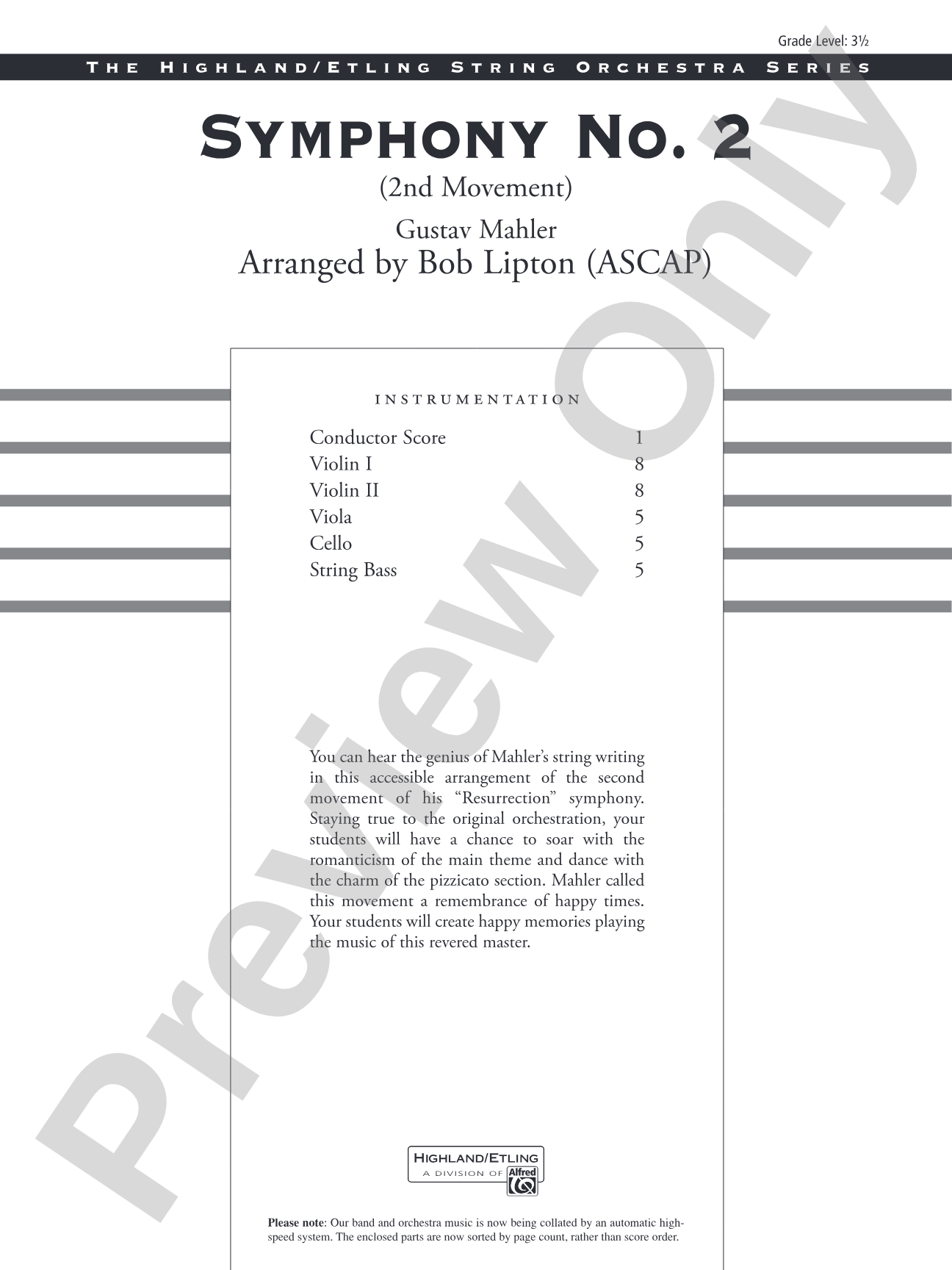
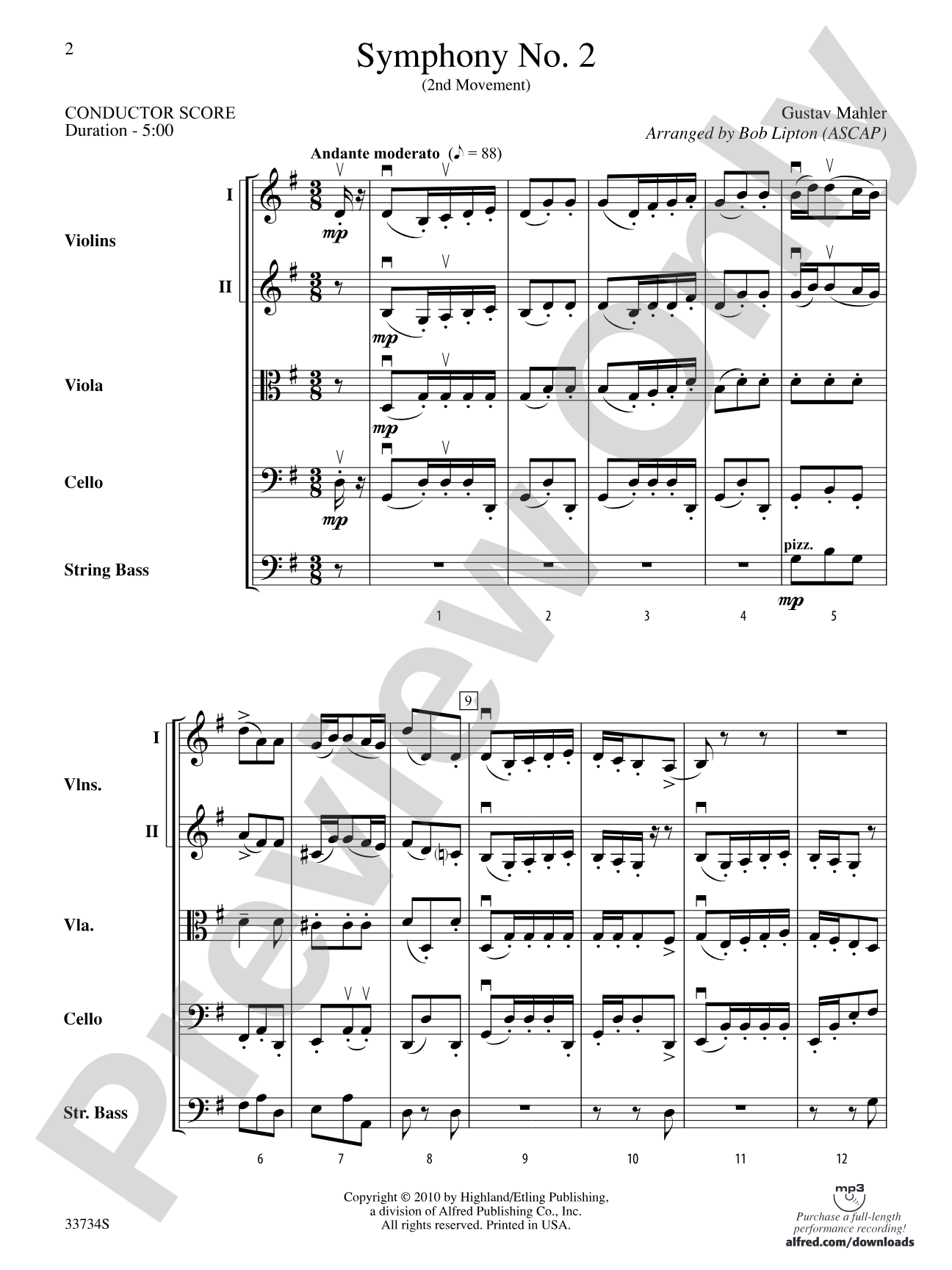
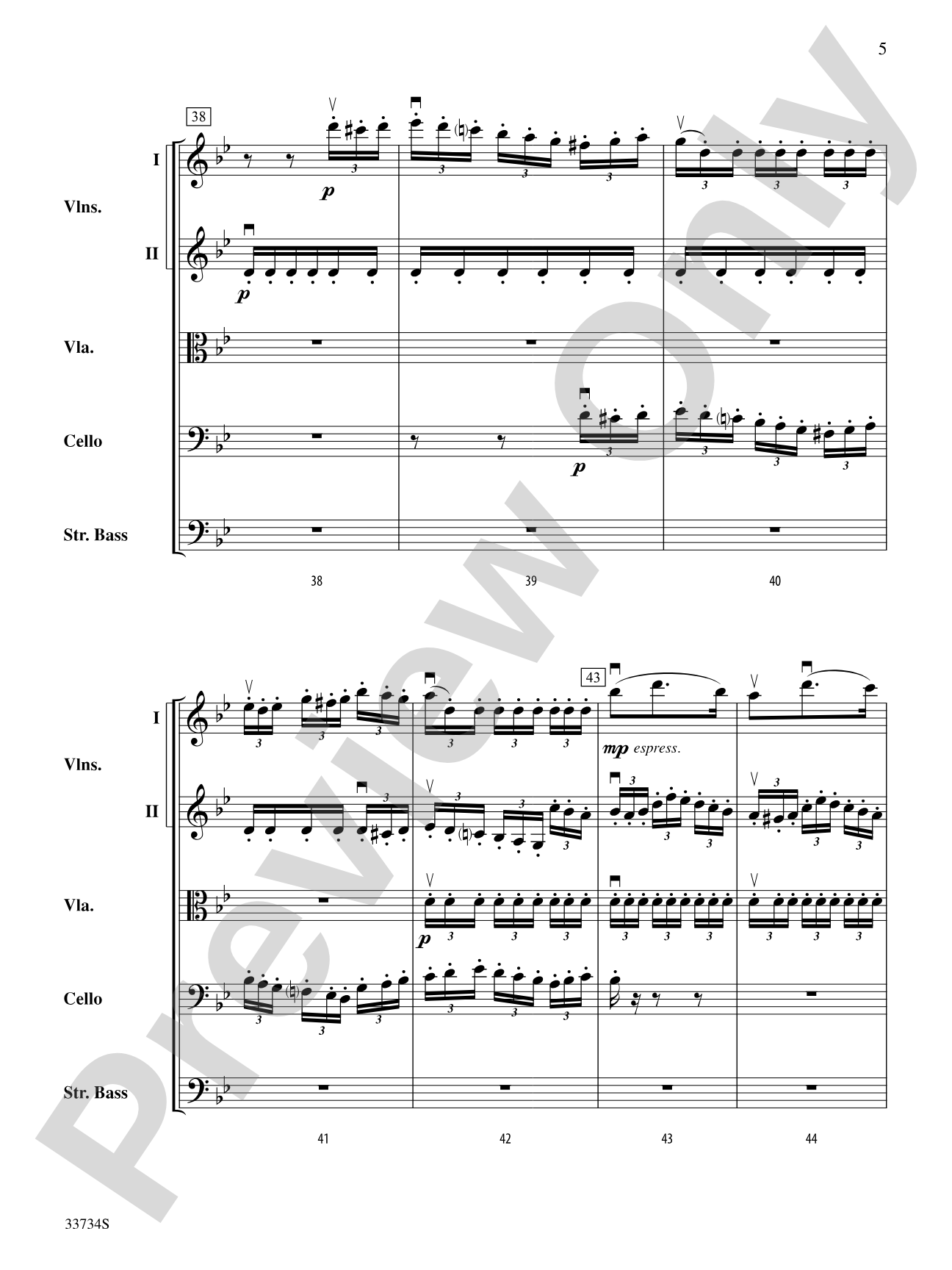
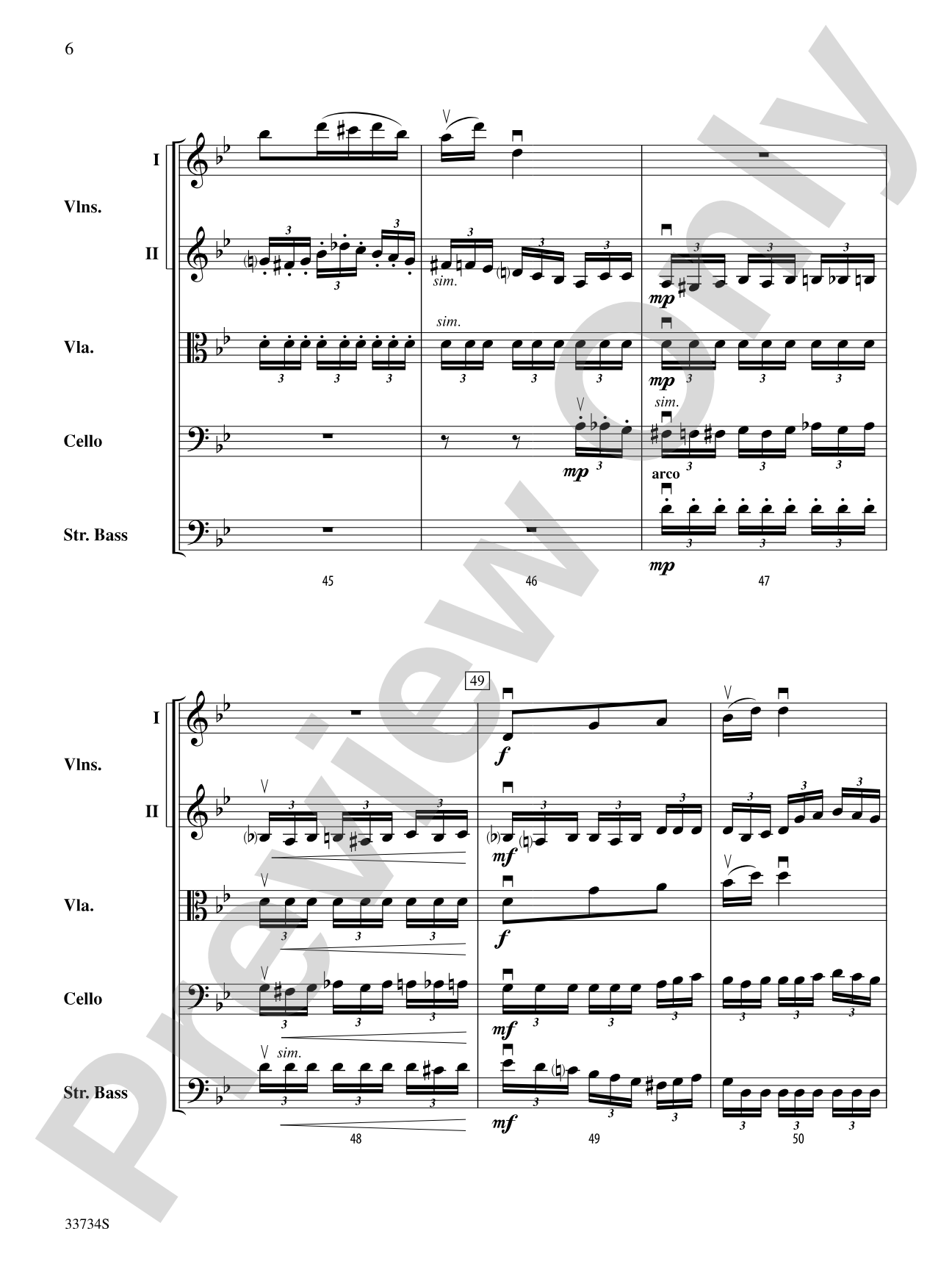
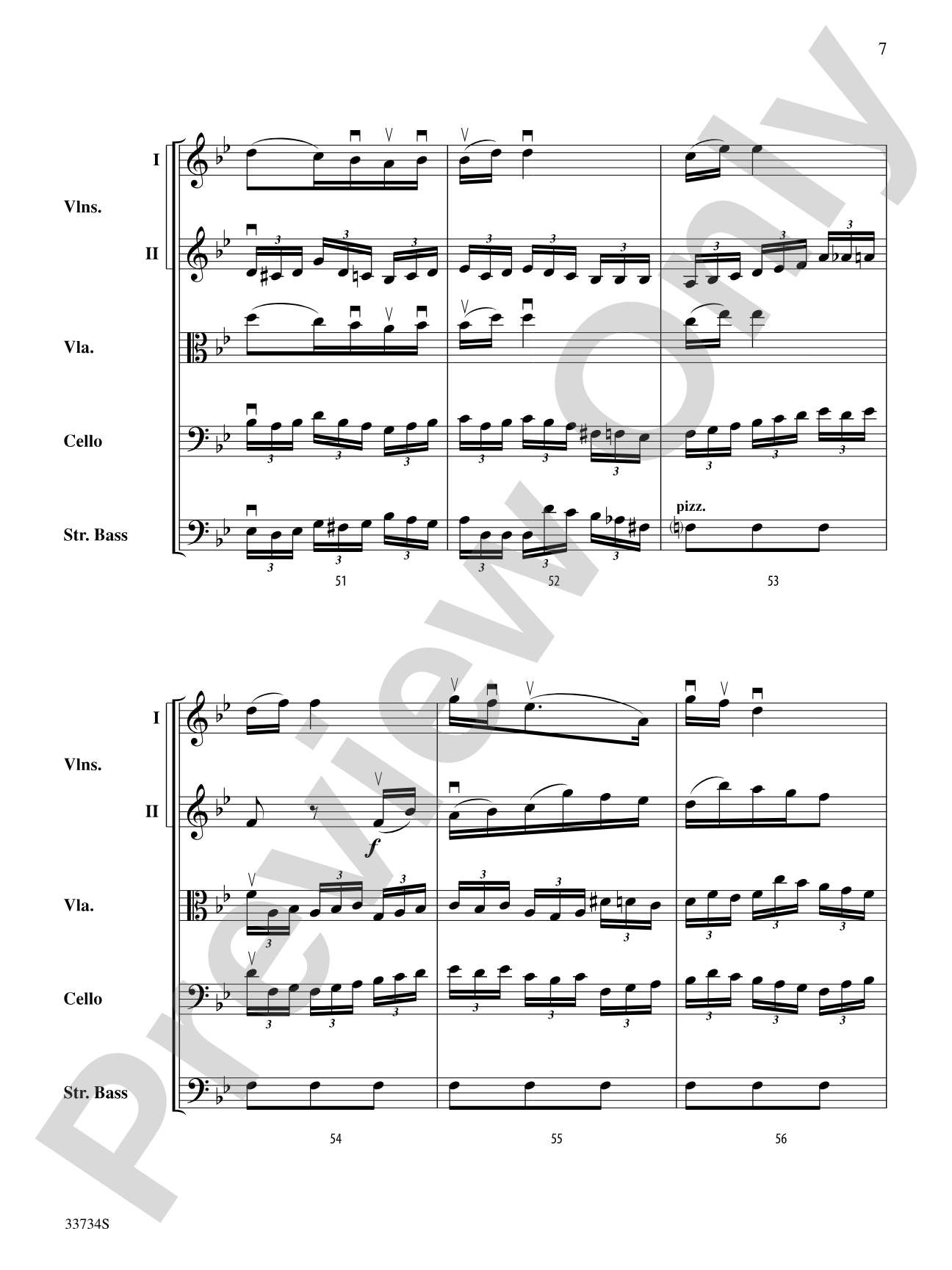
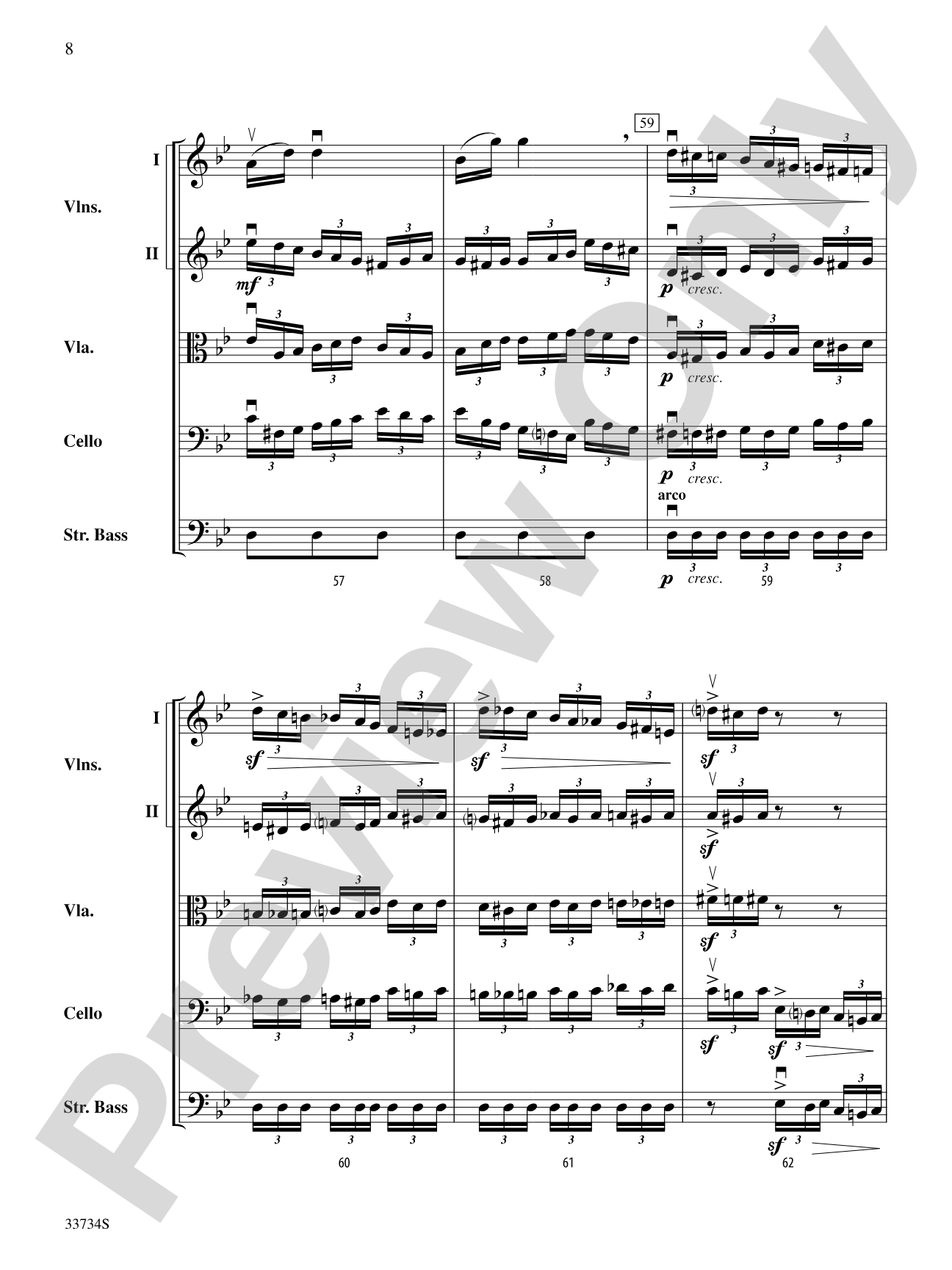
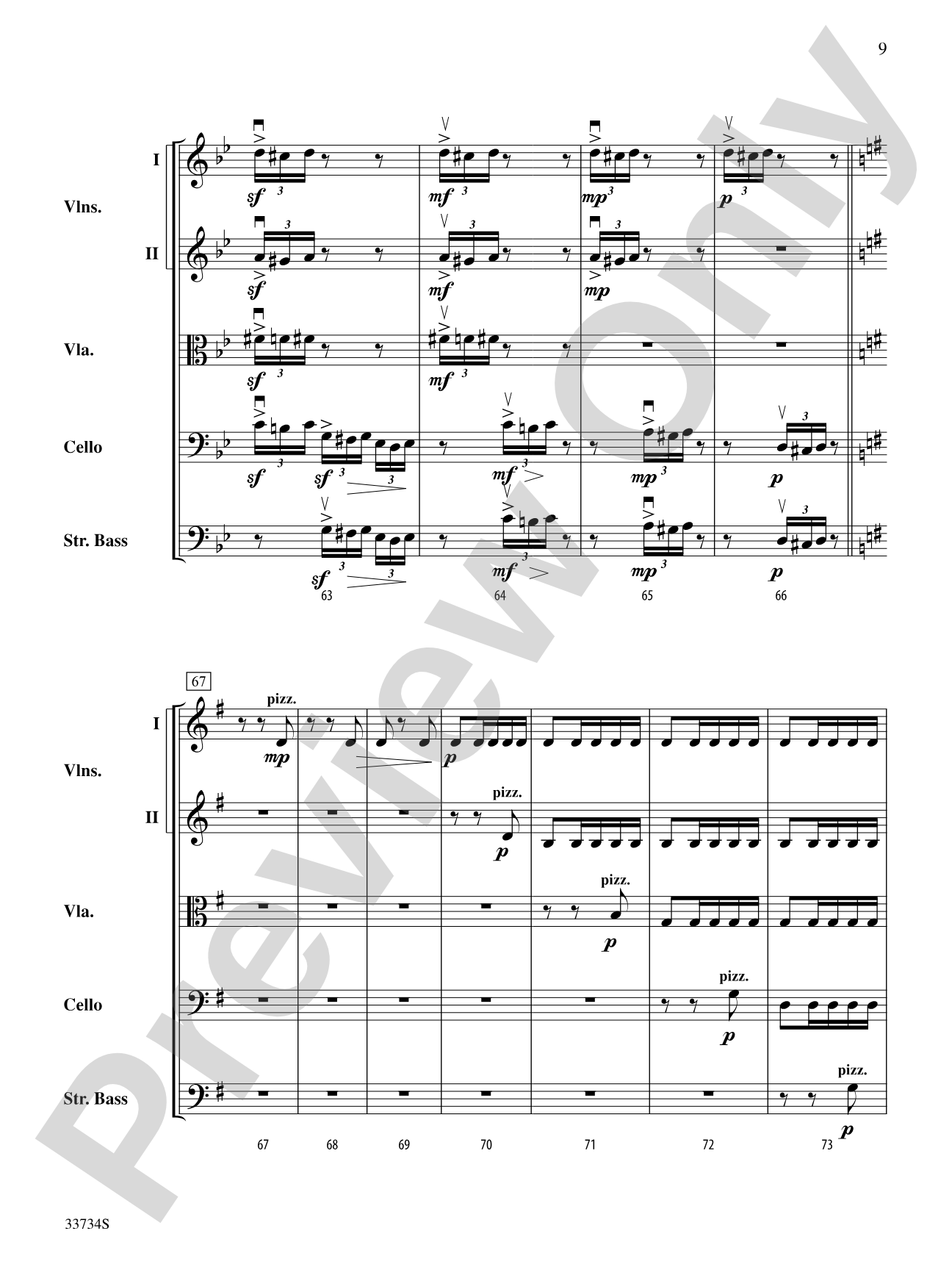
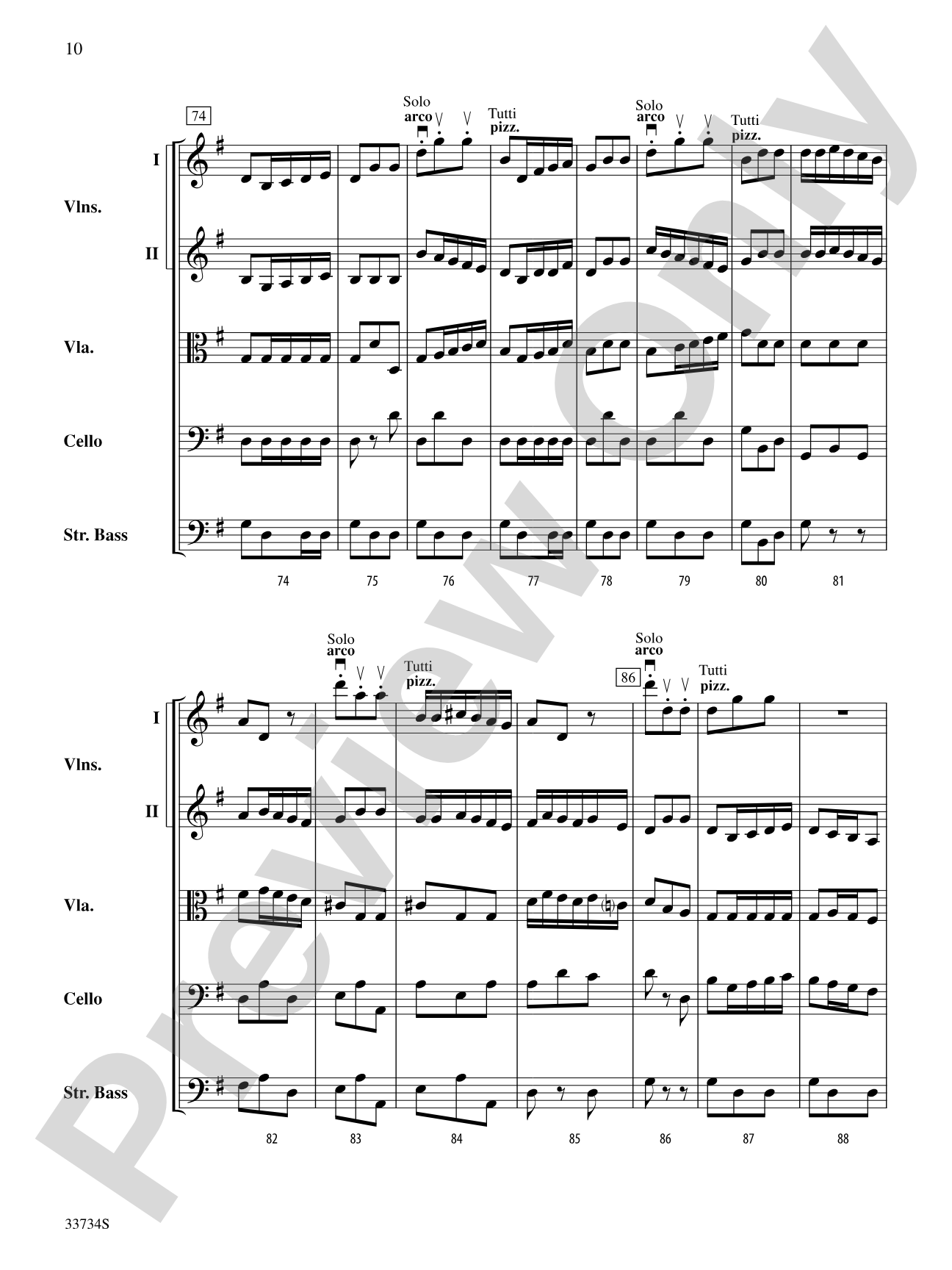
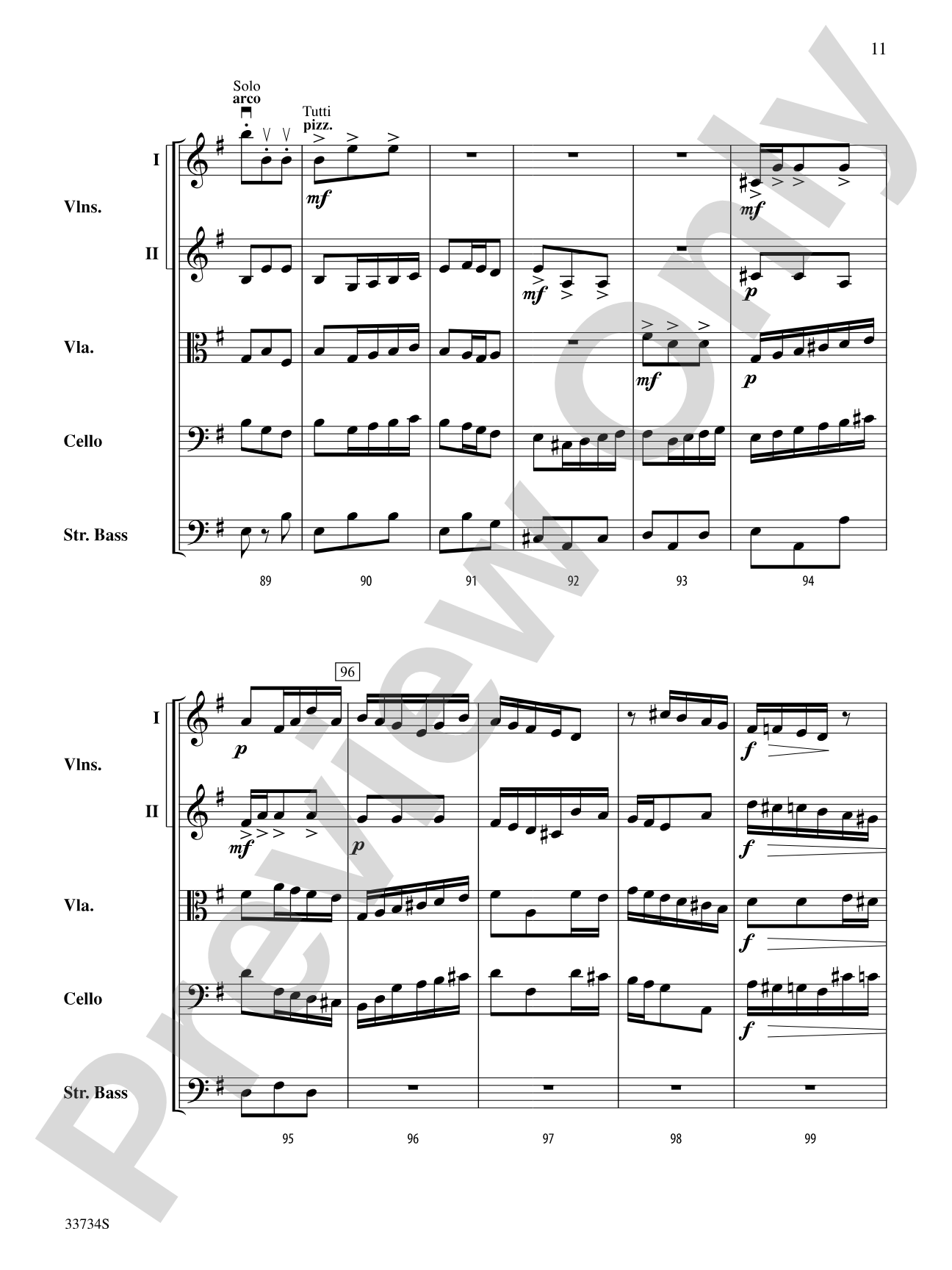
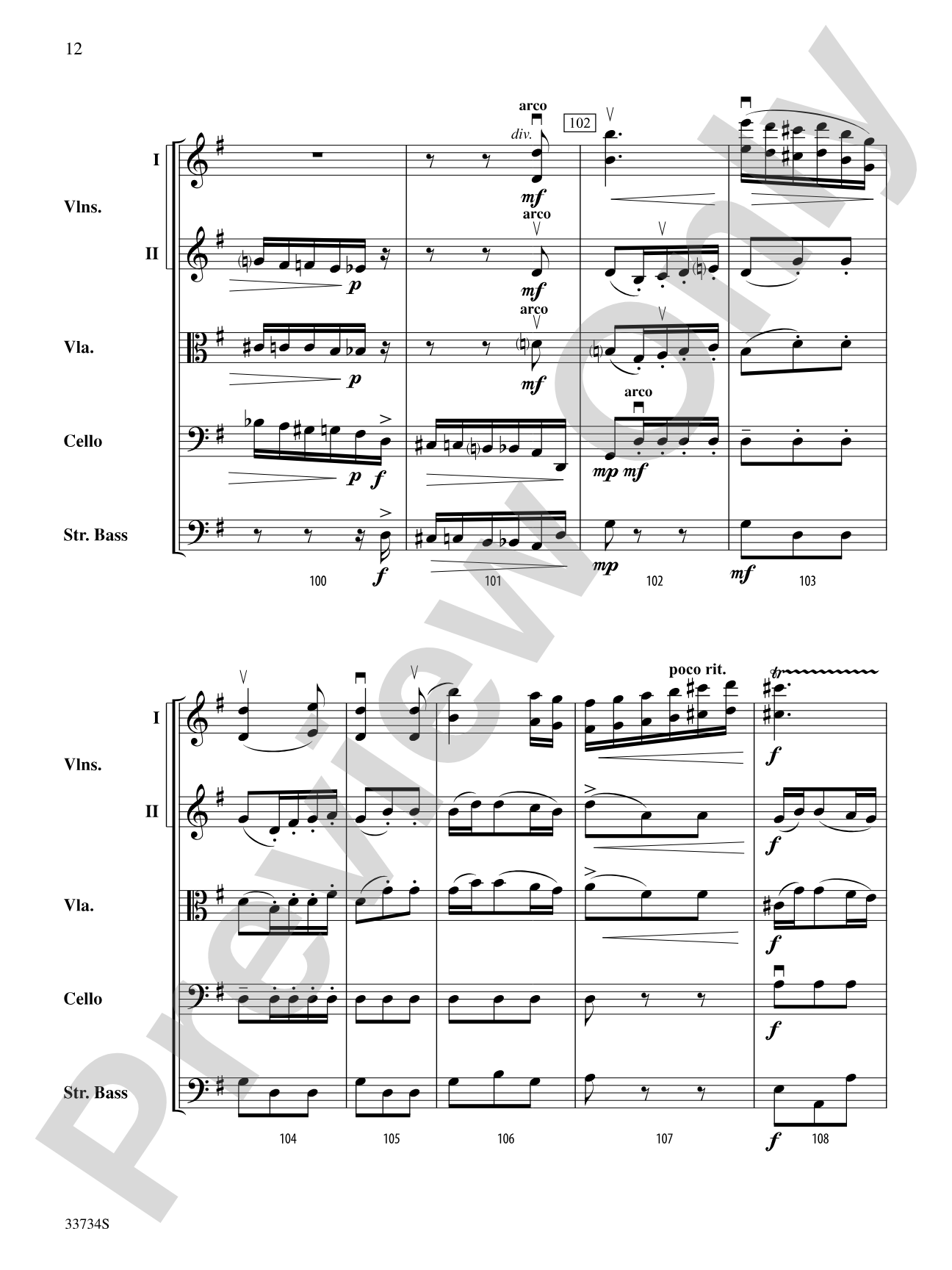
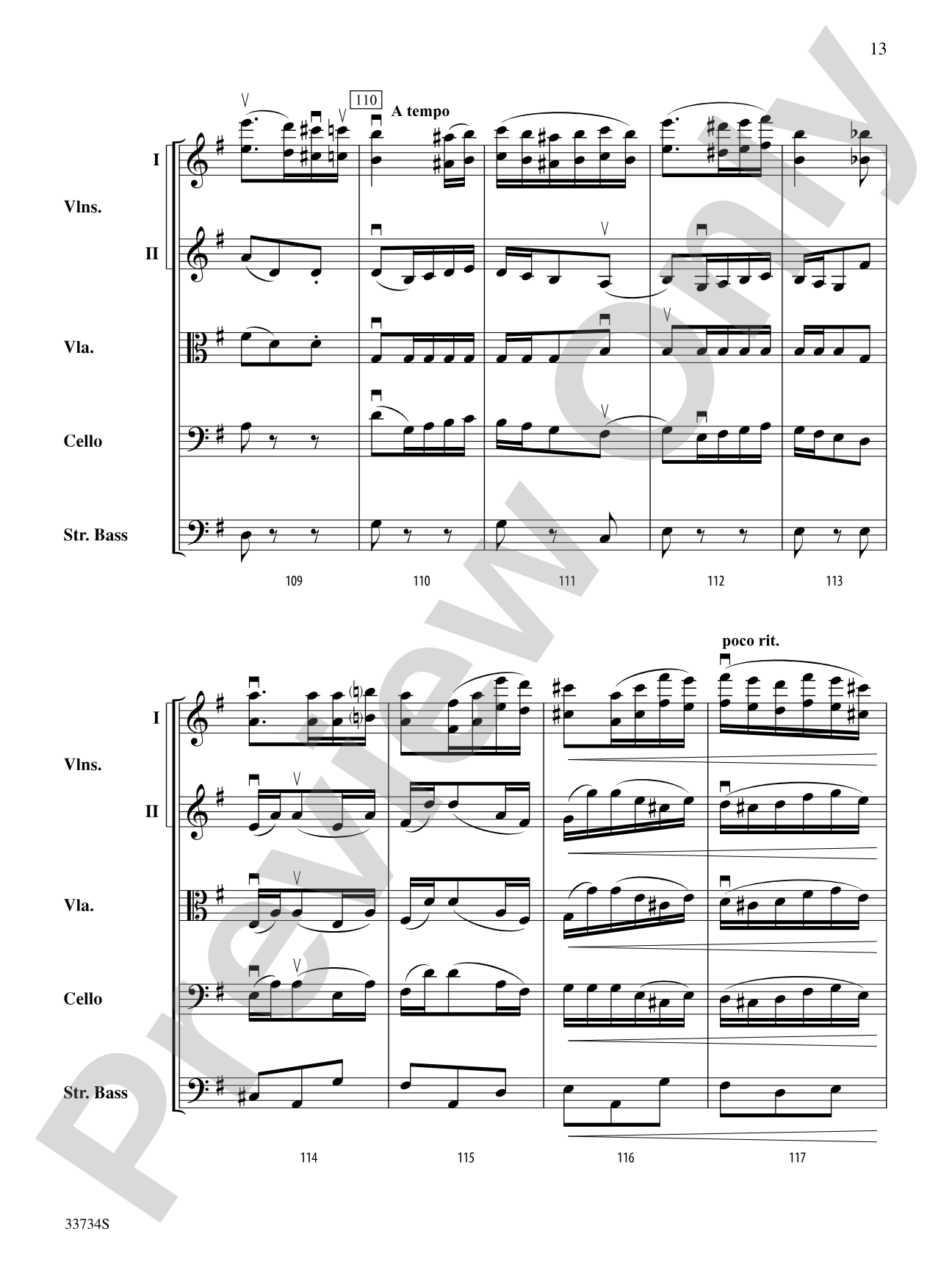
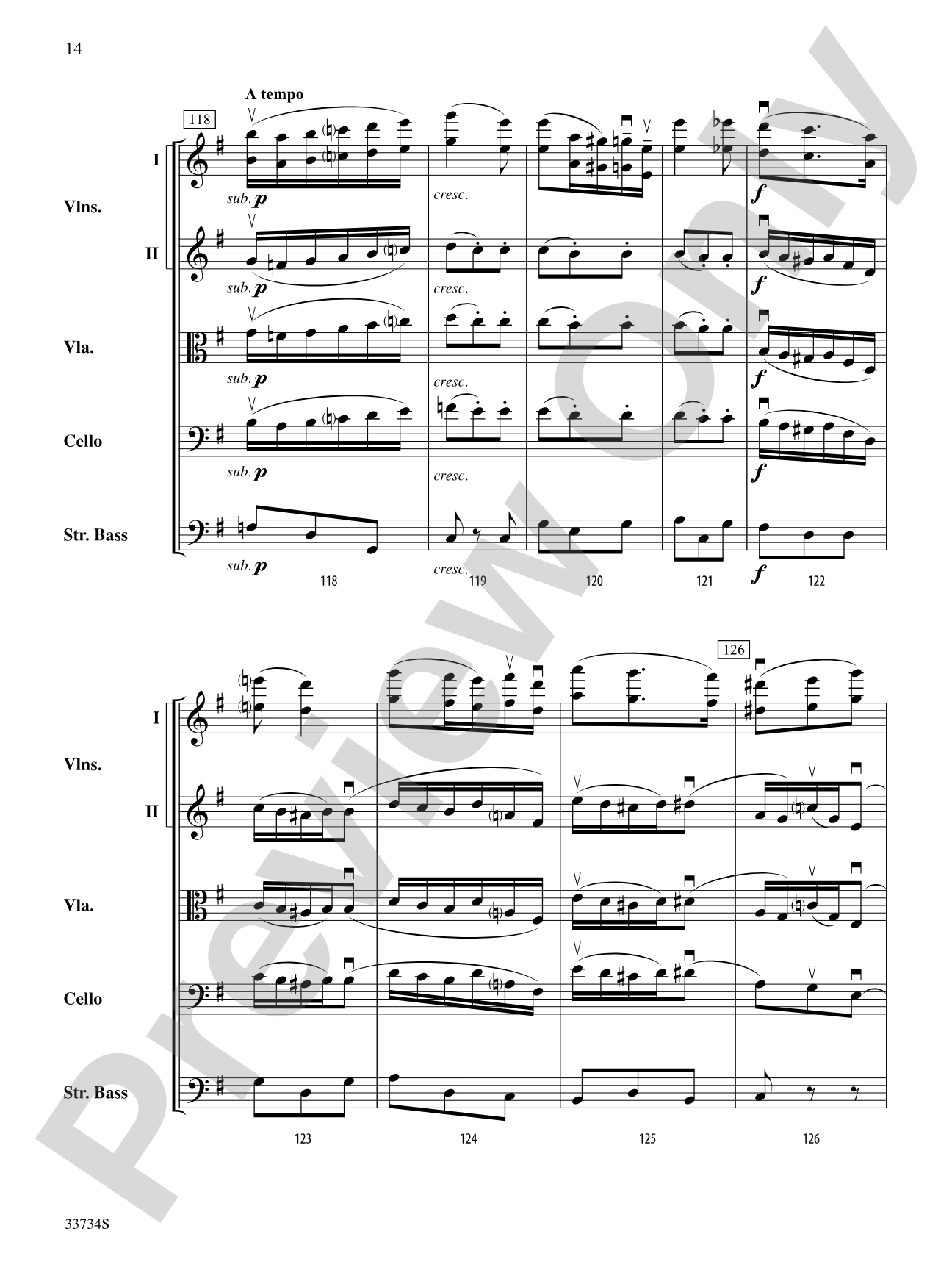
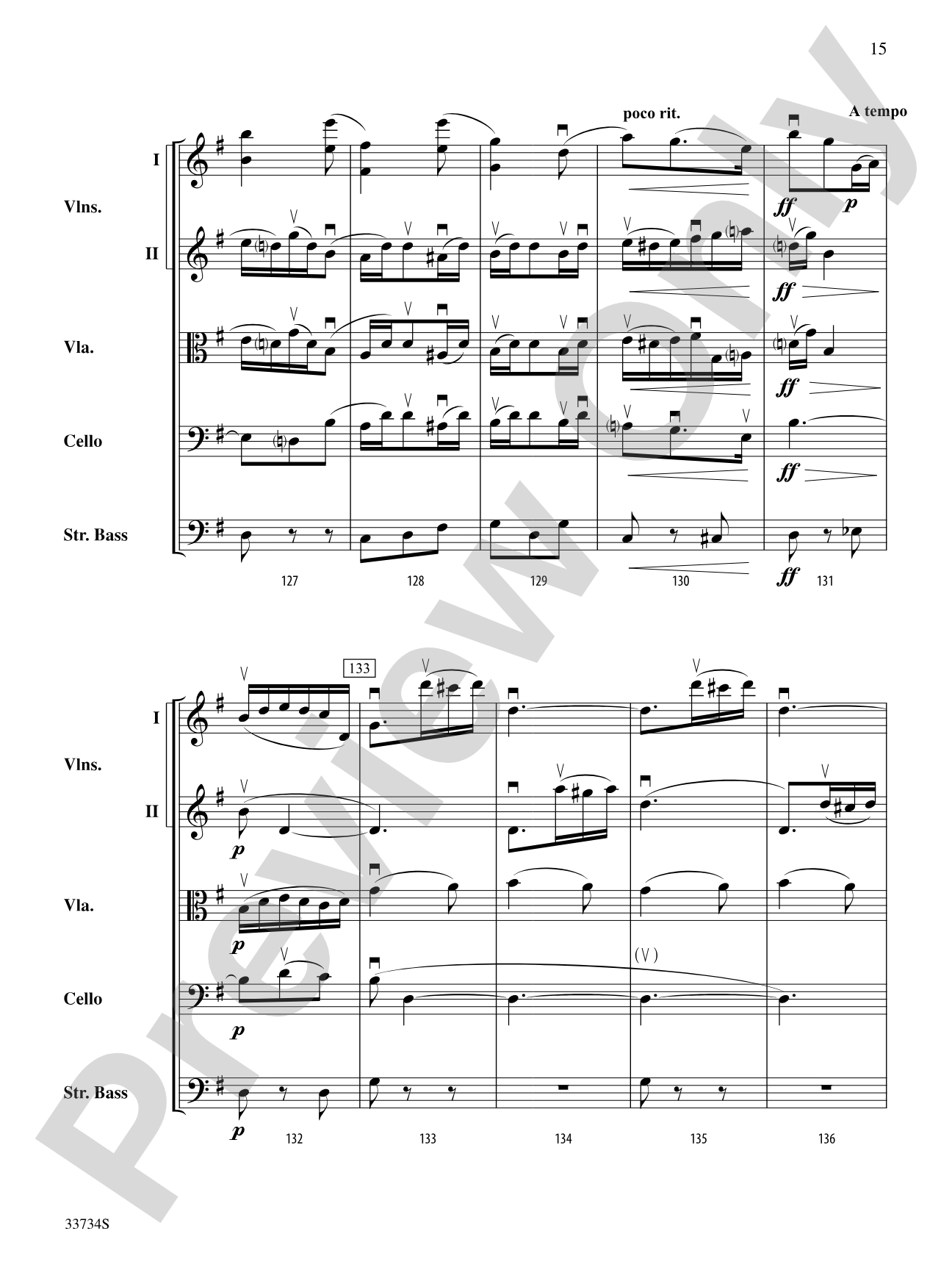
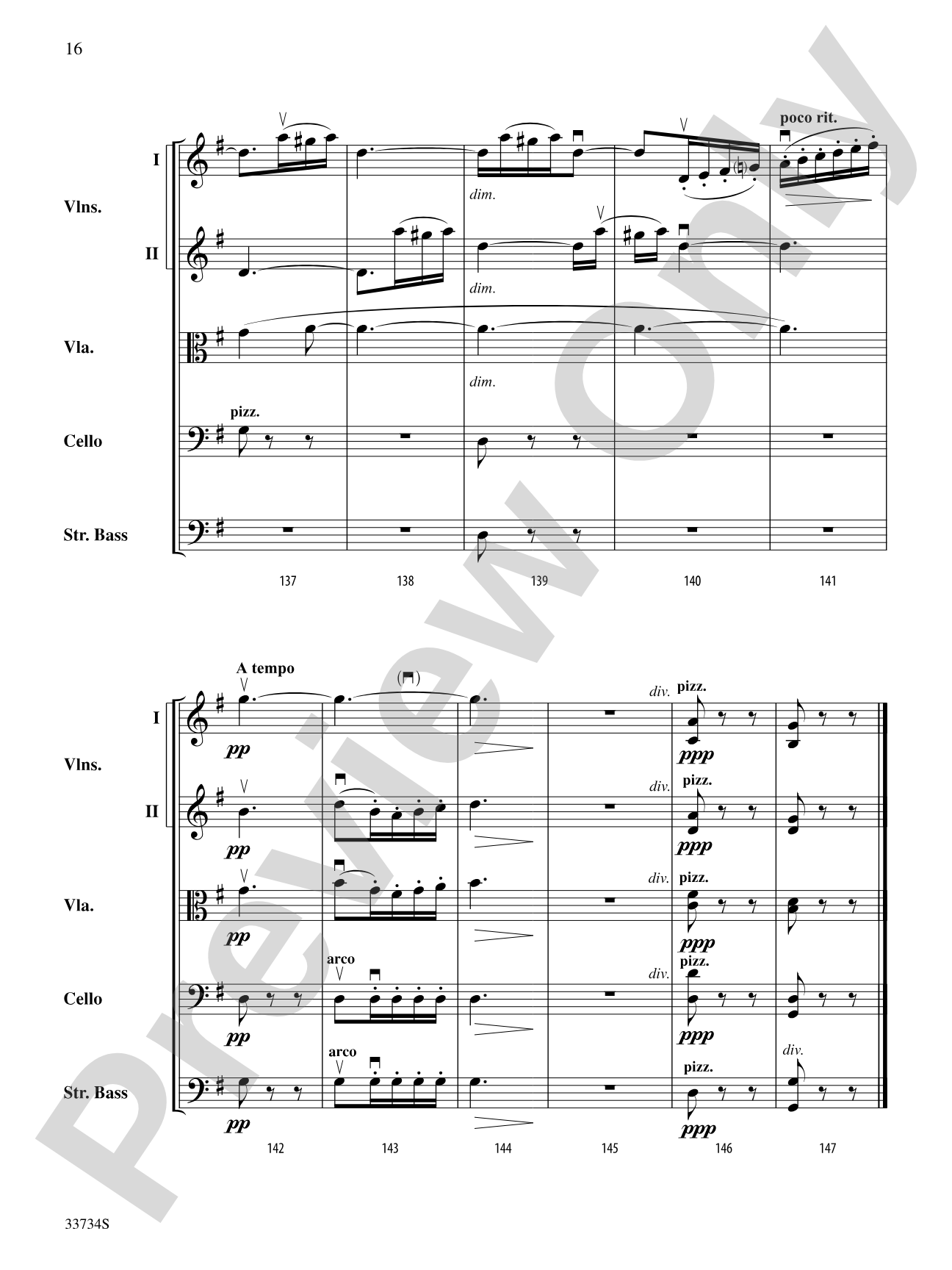
You can hear the genius of Mahler's string writing in this accessible arrangement of the second movement of his "Resurrection" symphony. Staying true to the original orchestration, your students will have a chance to soar with the romanticism of the main theme and dance with the charm of the pizzicato section. Mahler called this movement a remembrance of happy times. Your students will create happy memories playing the music of this revered master.


Don't just read it, hear it, play along with it, and watch your students grow with it. In MakeMusic Cloud, Symphony No. 2 (2nd Movement): String Orchestra Conductor Score & Parts comes alive with professional accompaniment, adjustable tempo, and built-in practice tools that turn solo practice into real progress.
Open in the Player
Jump straight in and assign it today.
Start Your Free Trial
Open this title and explore the full library in minutes.
Sample Audio
1
Audio File
--:--
0:00
0:00
Sample Video
No sample videos found.
Additional Details
Series:
Highland/Etling String Orchestra
Publisher:
Alfred Music
Page Count:
124
SKU:
00-PK-0004223
More about this title
About the Composer: Gustav Mahler
Gustav Mahler (1860, 1911) was an Austrian conductor and composer whose ten symphonies reshaped what the form could contain. A tireless advocate for new music and a meticulous orchestrator, Mahler saw the conductor's podium and the composer's desk as equally vital platforms for artistic leadership. His symphonies blend Romantic lyricism with modernist complexity, drawing on folk melodies, nature imagery, and philosophical questioning to create works of profound emotional range.
Mahler's influence on music education extends far beyond his compositions. His conducting philosophy, demanding clarity, intentional phrasing, and respect for the composer's intent, became a model for generations of ensemble directors. His symphonies have long served as touchstones for advanced student musicians, offering both technical challenges and deeply human musical statements.
Why we love this
Bob Lipton's arrangement captures the lyrical beauty of Mahler's "Resurrection" symphony without overwhelming a Grade 3.5 ensemble. The second movement's contrasting themes (soaring romanticism and dancing pizzicato passages) give your students genuine musical substance to interpret while remaining technically accessible. Programming this signals to your audience that you take both musicianship and repertoire seriously.
What to expect
The movement unfolds like a cherished memory: warm and nostalgic at first, then alive with gentle joy. Pizzicato sections sparkle with character while the returning melody deepens the sense of longing Mahler described. Students will recognize this as music with genuine stature and emotional stakes.
Who it's for
String orchestra directors working with intermediate high school ensembles or advanced middle school orchestras who want to engage students with genuine repertoire. This arrangement serves musicians ready to experience Romantic-era orchestration and emotional depth without the technical demands of the full symphony.
How to get the most out of it
- Shape the main theme with long, singing lines; encourage players to think in four-bar and eight-bar phrases rather than measure-to-measure. This builds the romantic sweep Mahler intended.
- Balance the pizzicato section carefully. These notes should dance lightly without overwhelming the harmonic foundation; rehearse layers separately to ensure clarity of texture.
- Maintain consistent tempo between the contrasting sections. The shift from lyrical to rhythmic should feel purposeful, not abrupt. A clear conducting gesture helps.
- Reserve dynamic intensity for the return of the main theme. The journey back to familiar material carries more emotional weight when earlier passages remain measured and lyrical.
How to use it
Place this as a centerpiece concert work that demonstrates your ensemble's range and maturity. It pairs naturally with shorter American or contemporary string pieces, creating a program that respects both tradition and modern repertoire. The work's moderate length (124 pages of full score) allows for flexible programming across fall and spring seasons.
Skills your students will build
- Sustaining lyrical phrasing across long melodic lines
- Balancing multiple dynamic layers within the same vertical sonority
- Coordinating articulation contrasts (legato vs. pizzicato)
- Reading and executing Romantic-era harmonic language
- Responding to conducting for emotional shaping and structural clarity