
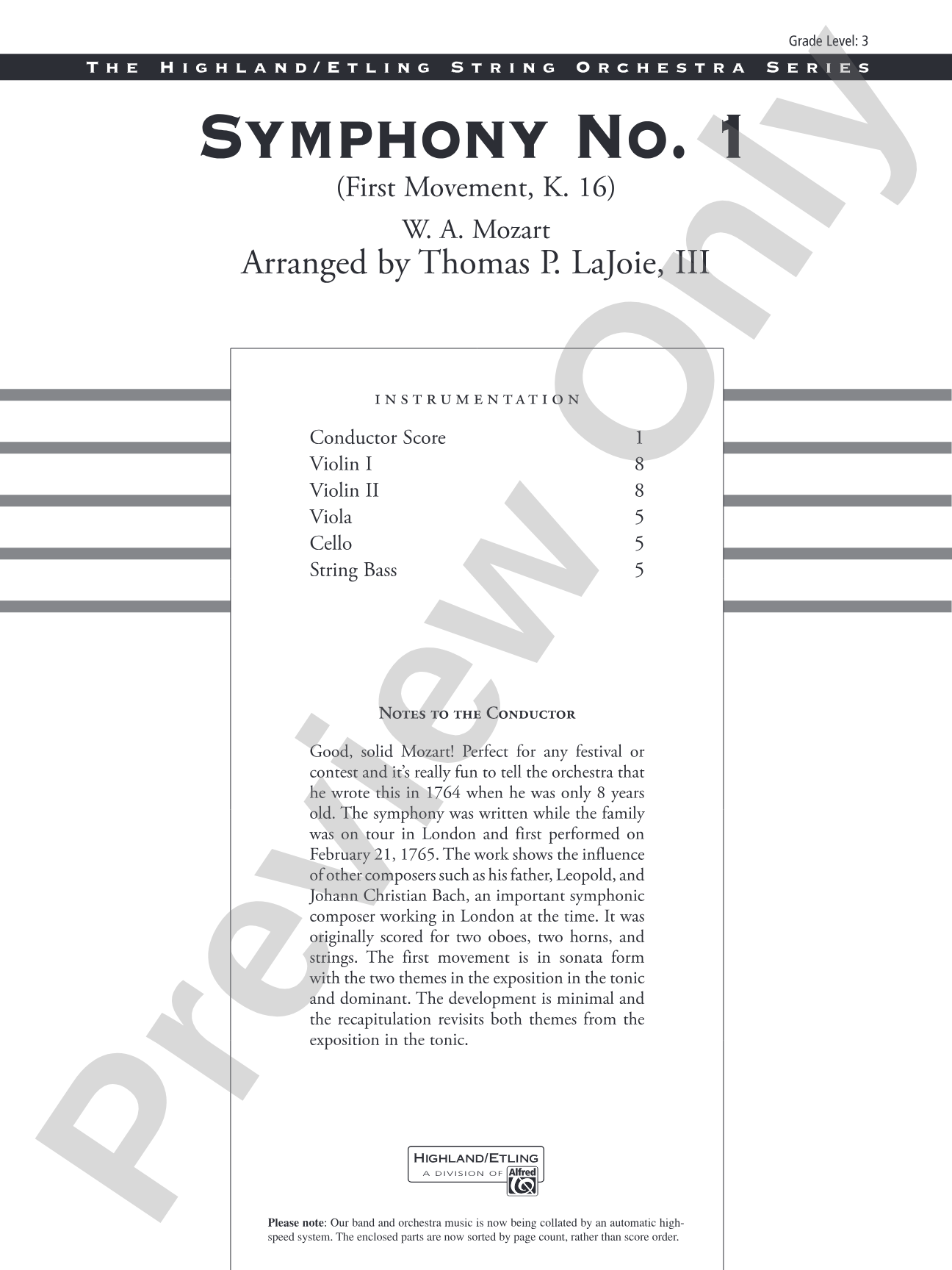
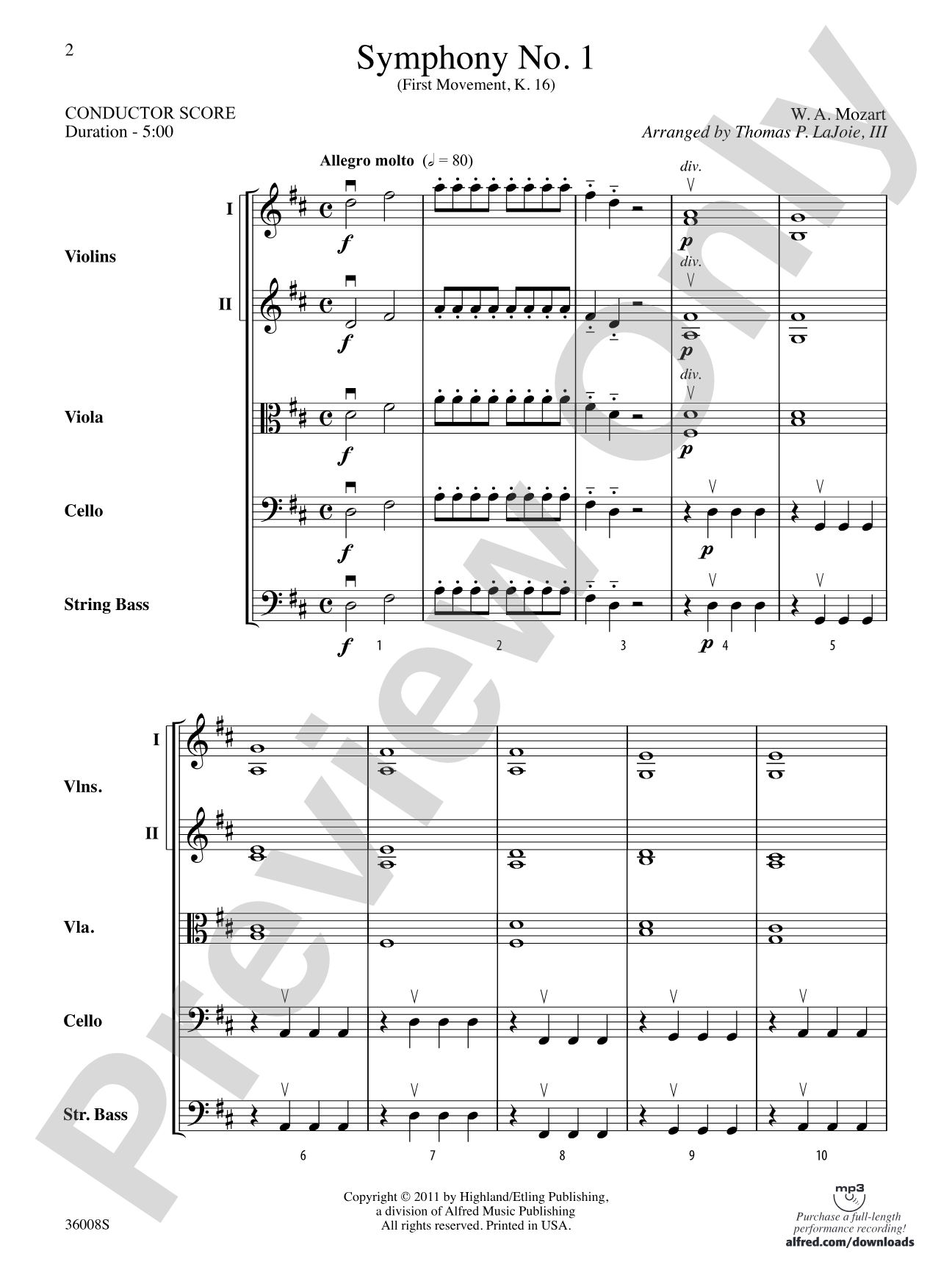
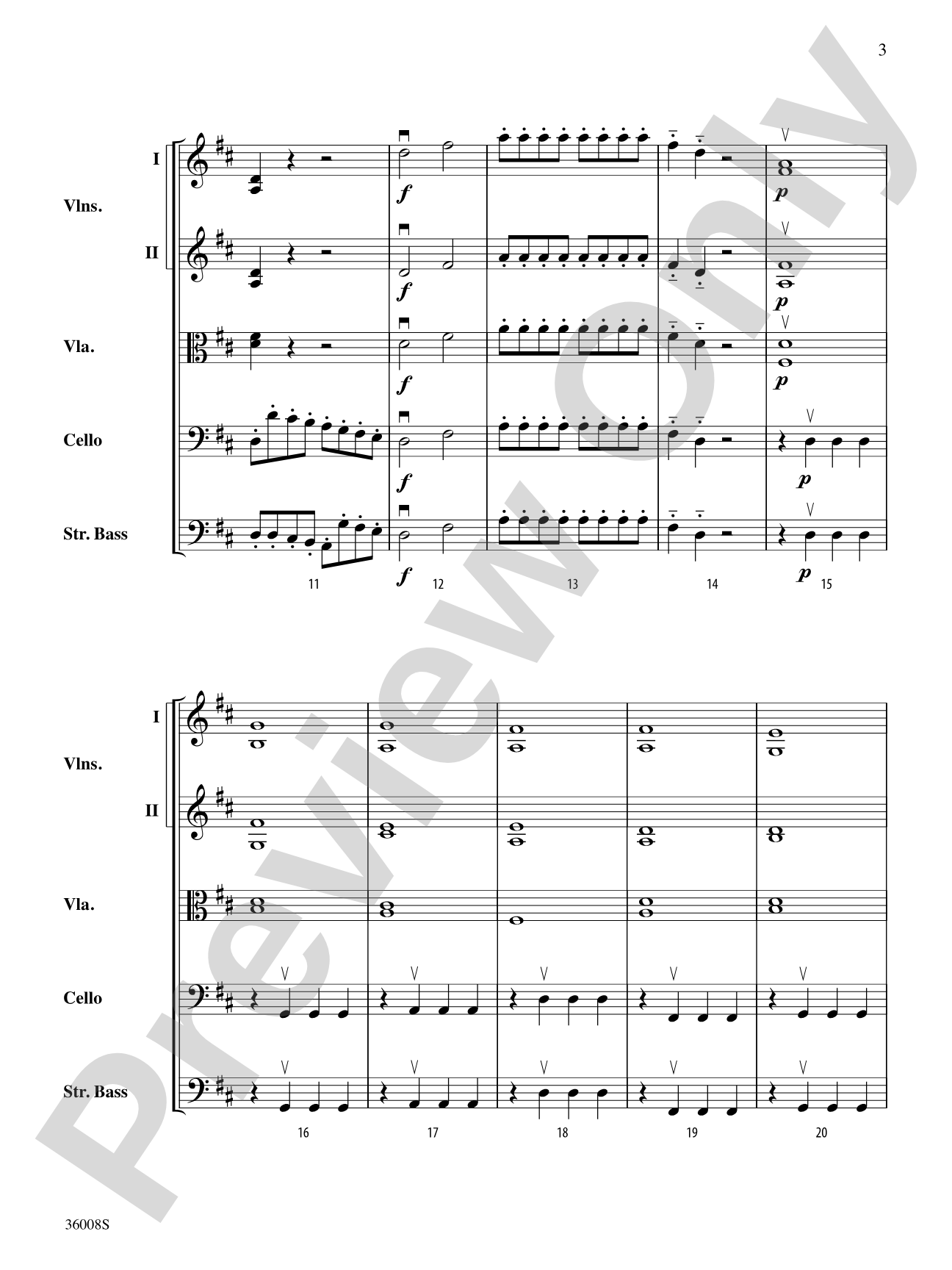
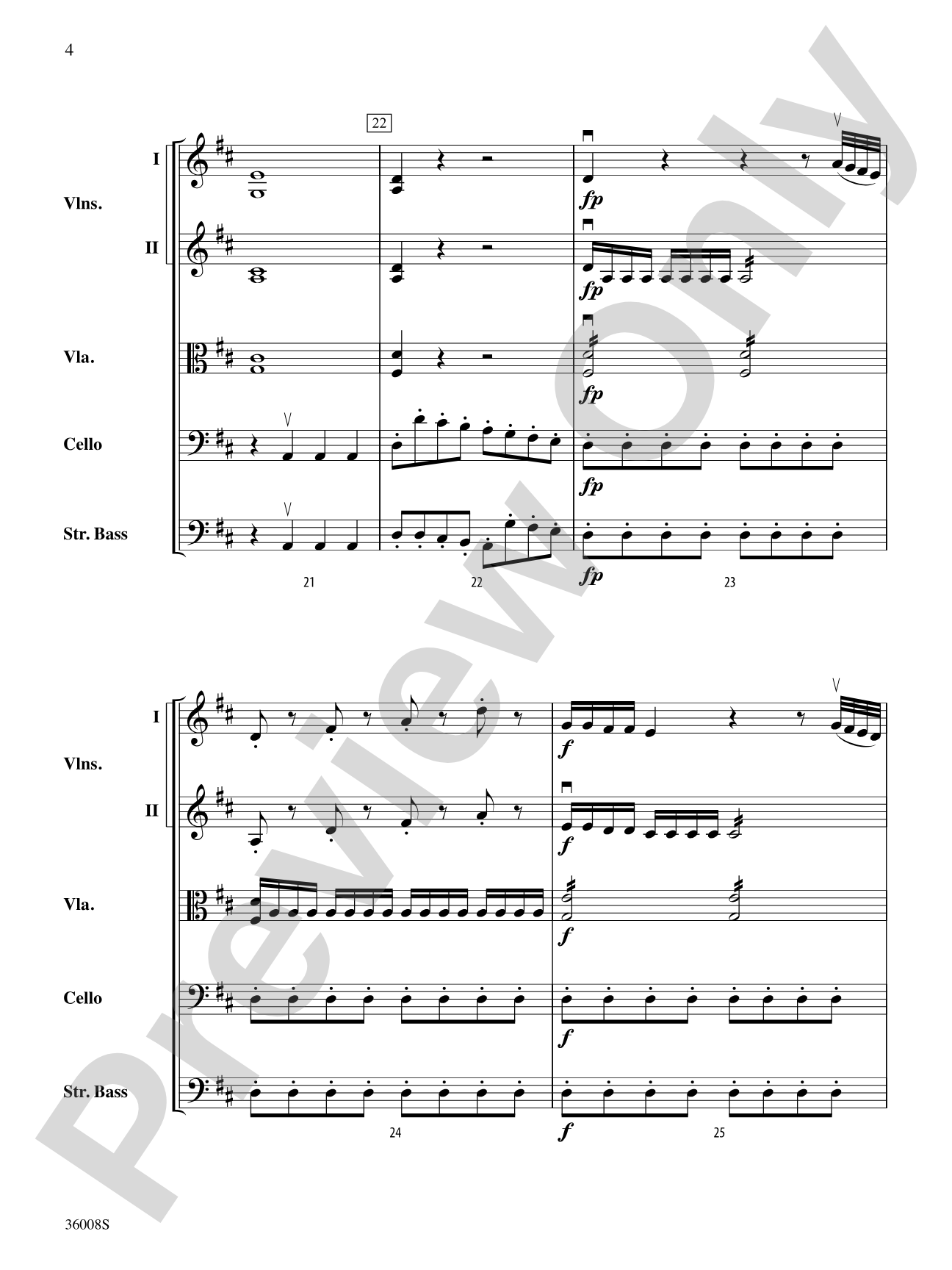
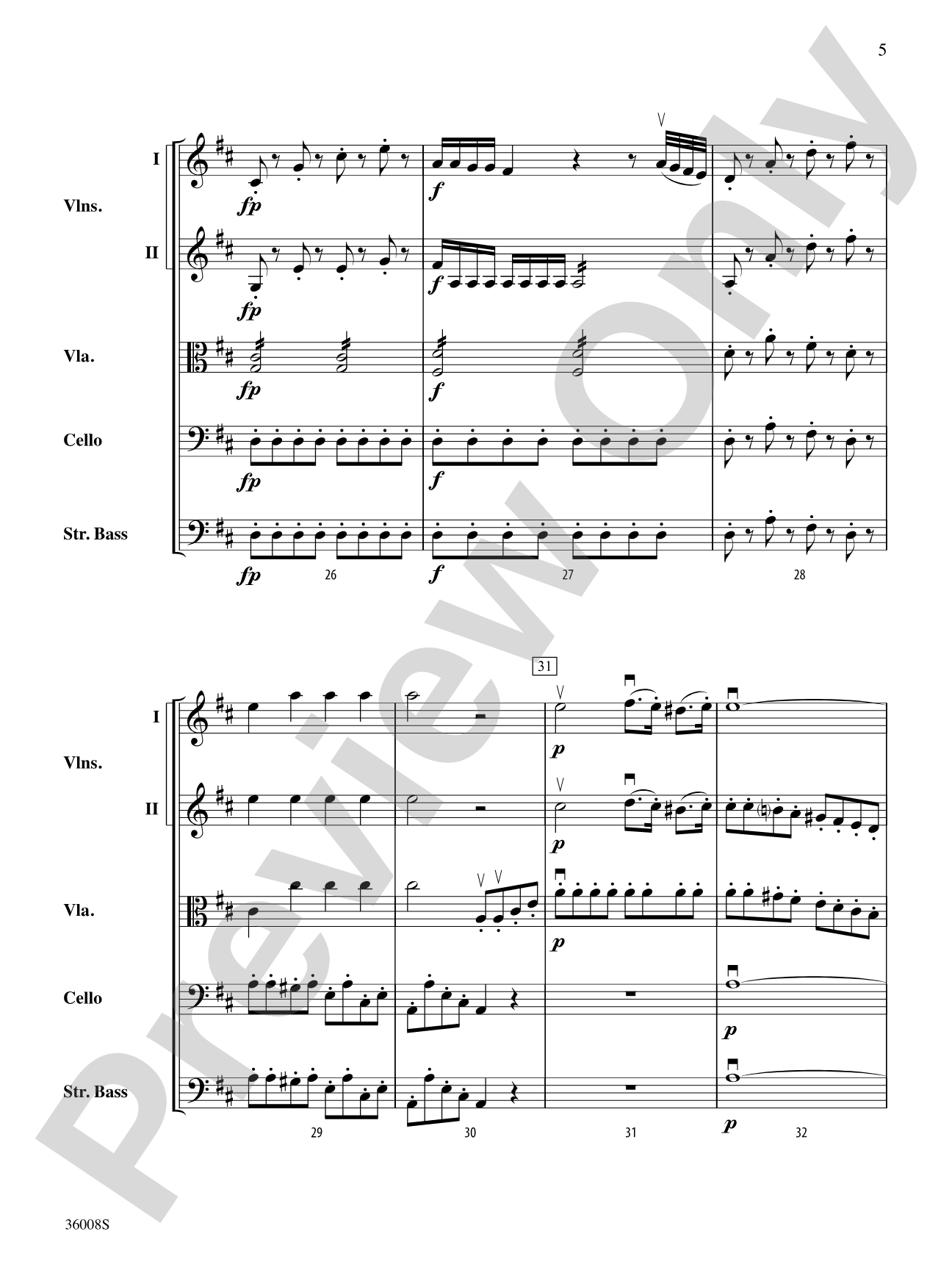
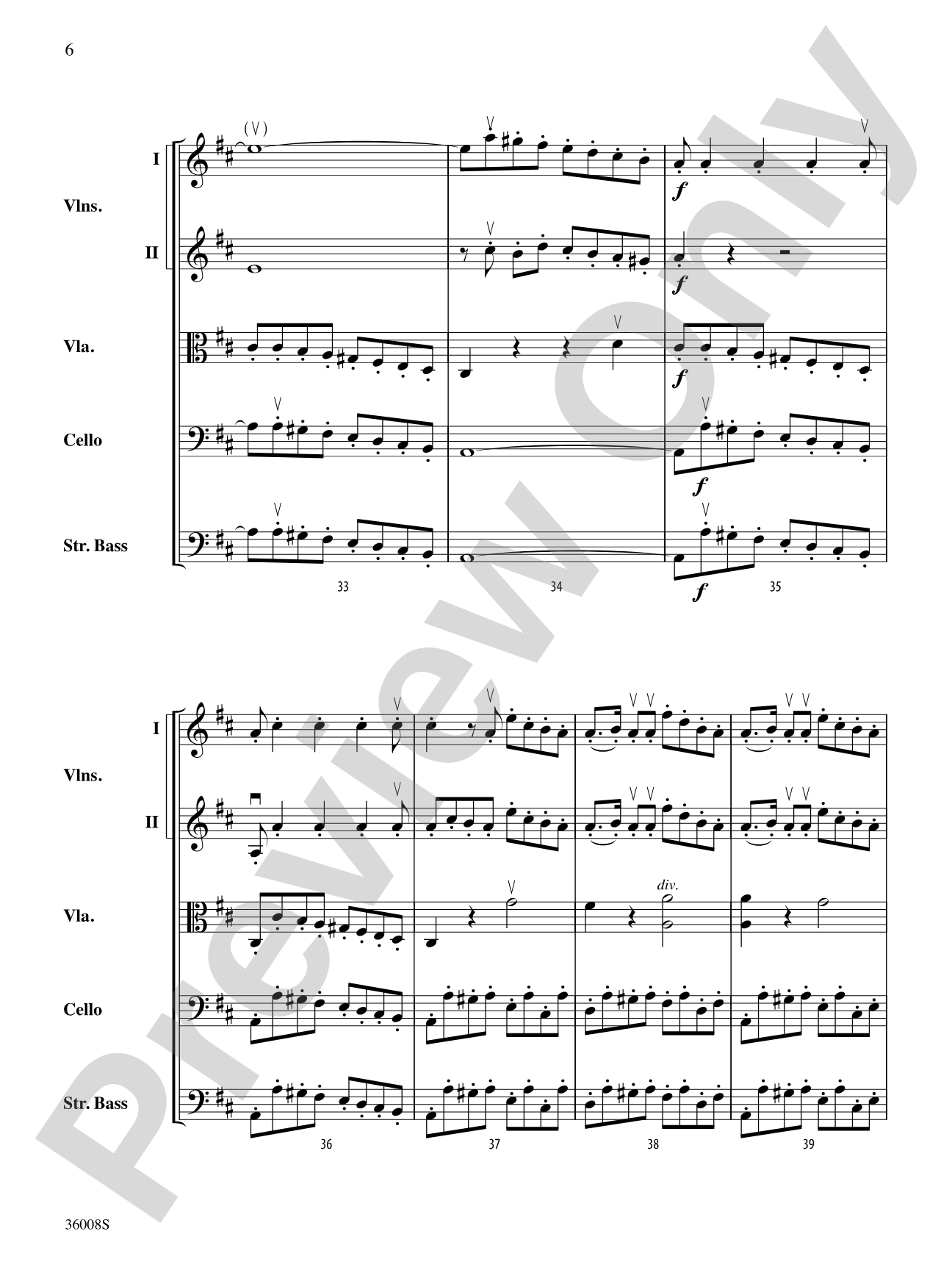
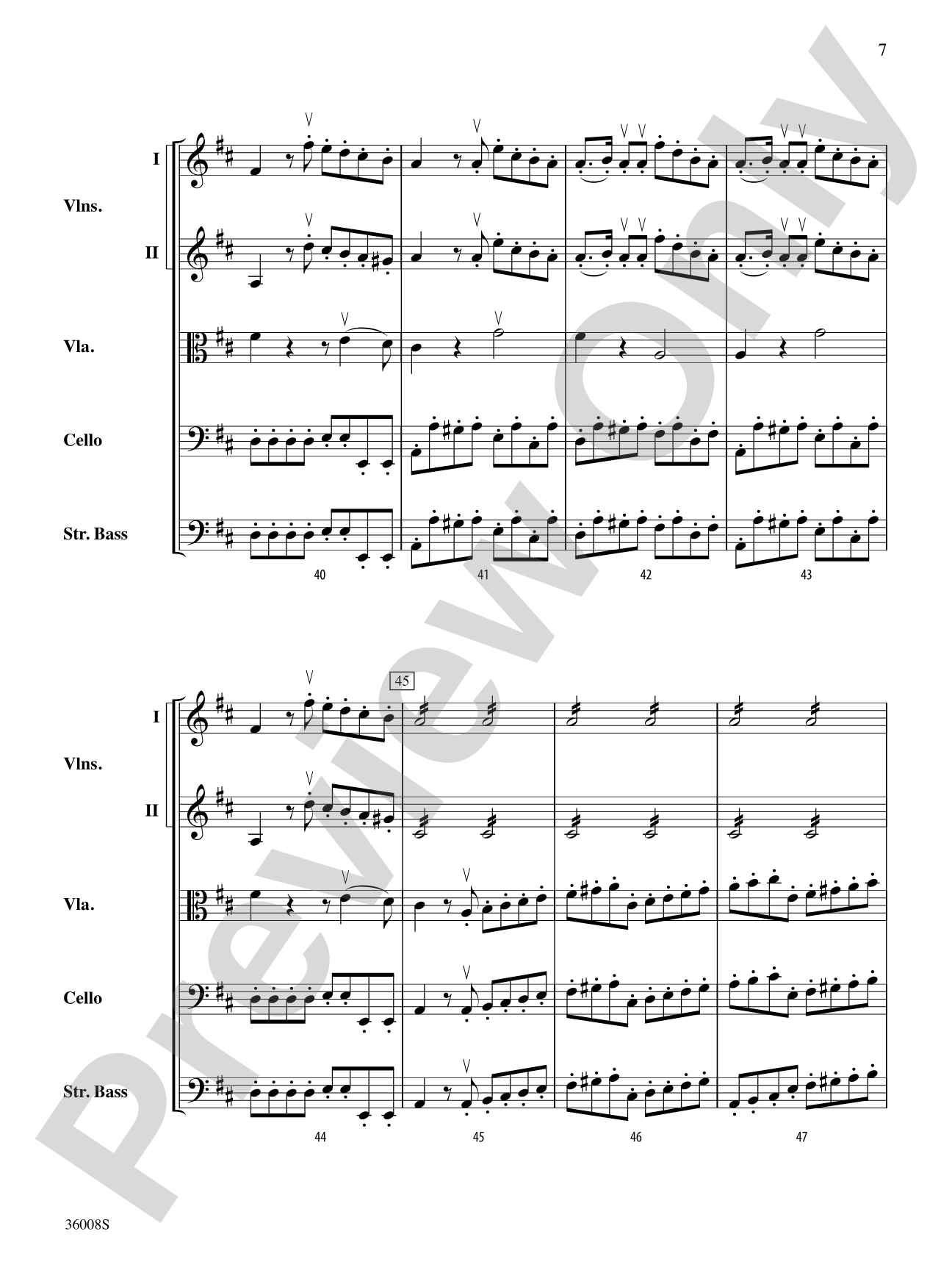
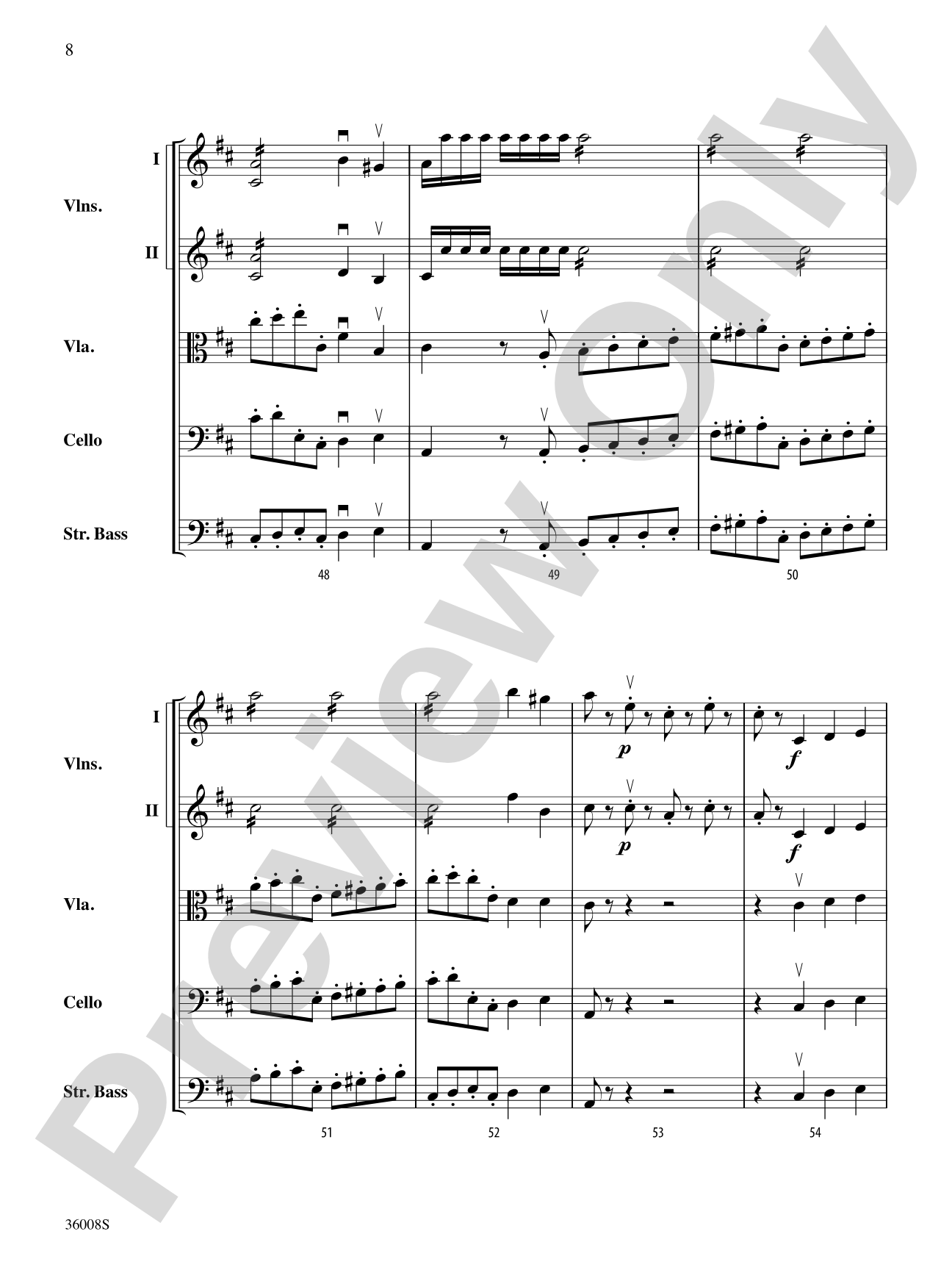
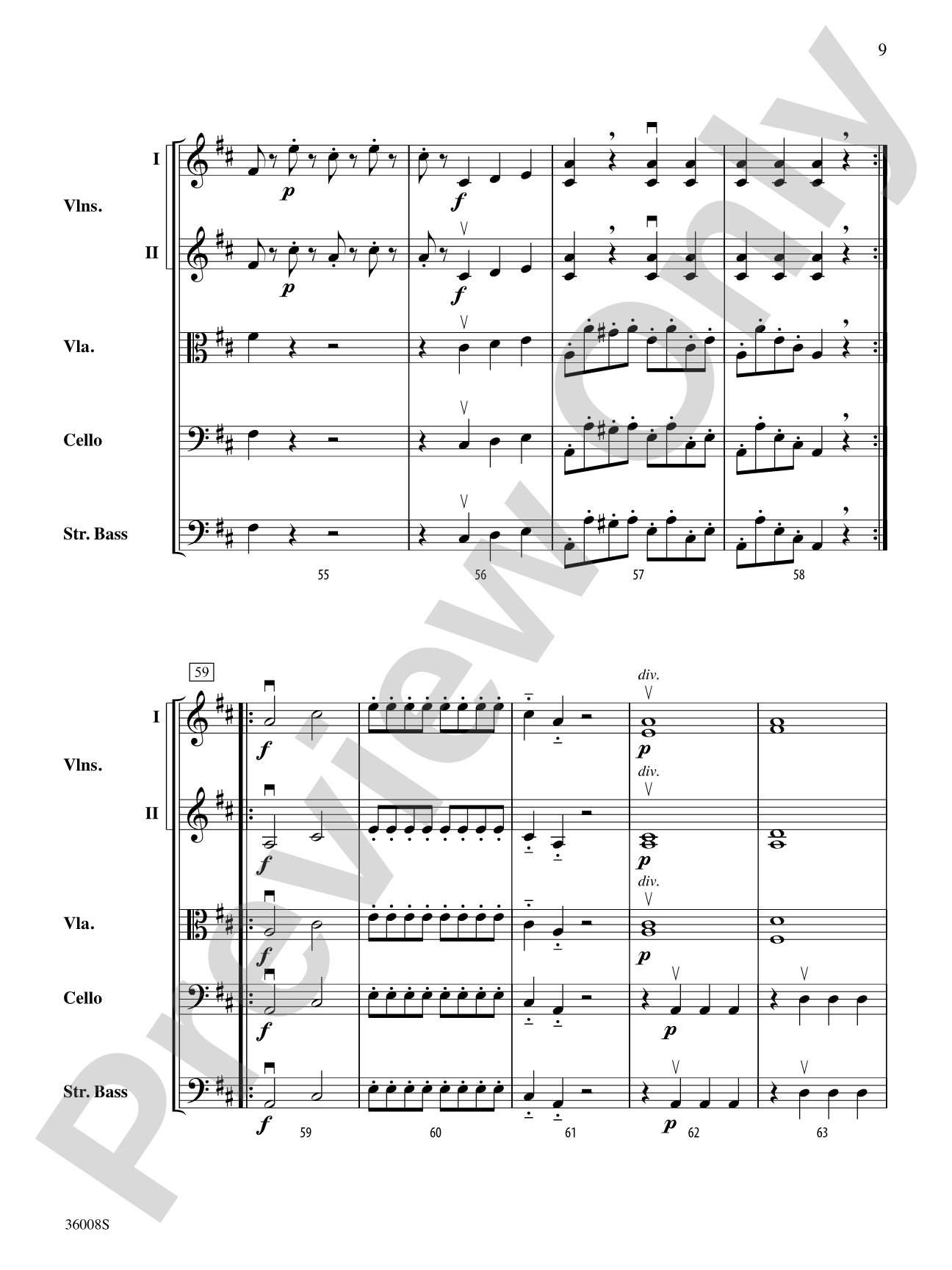
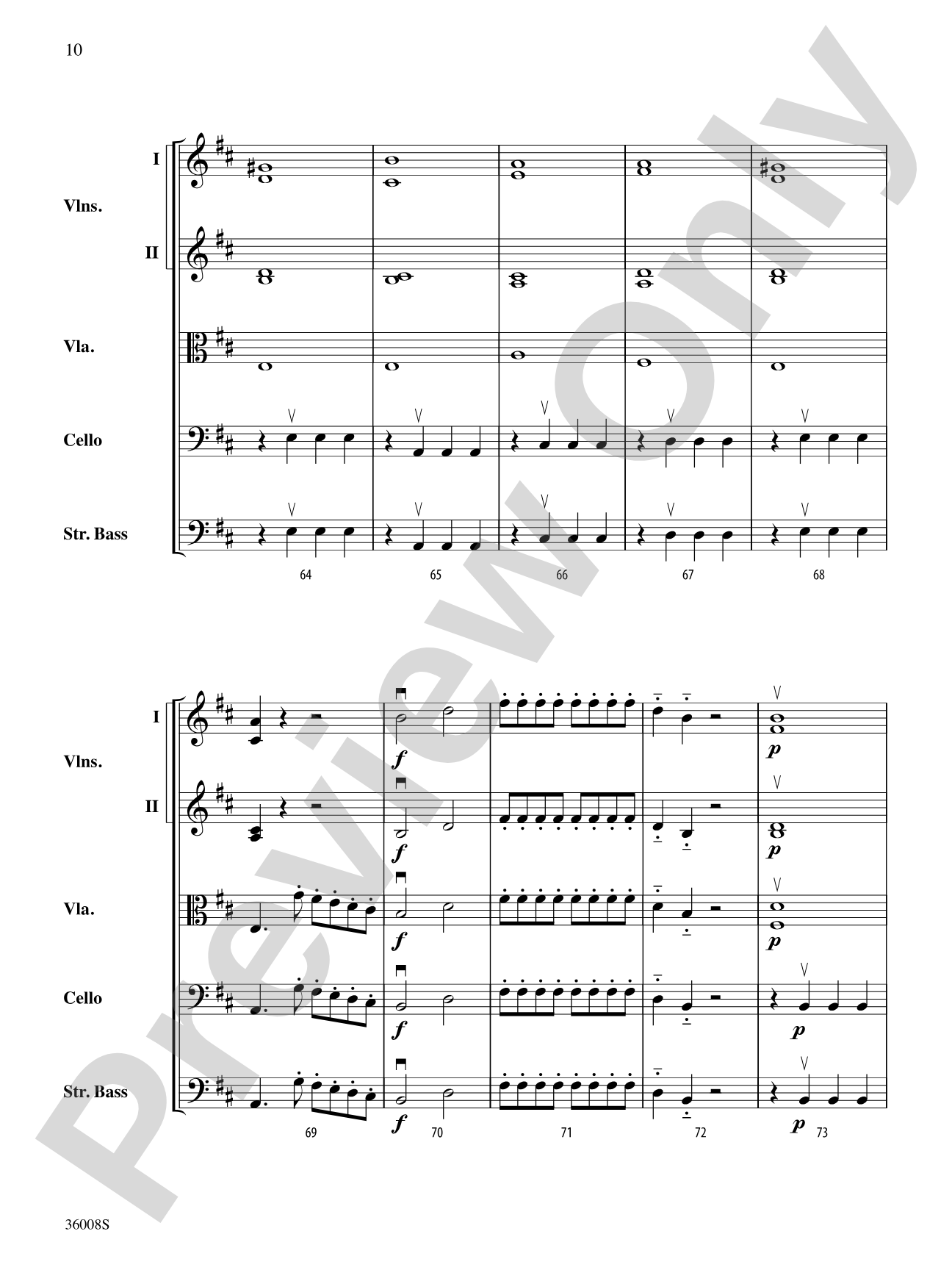
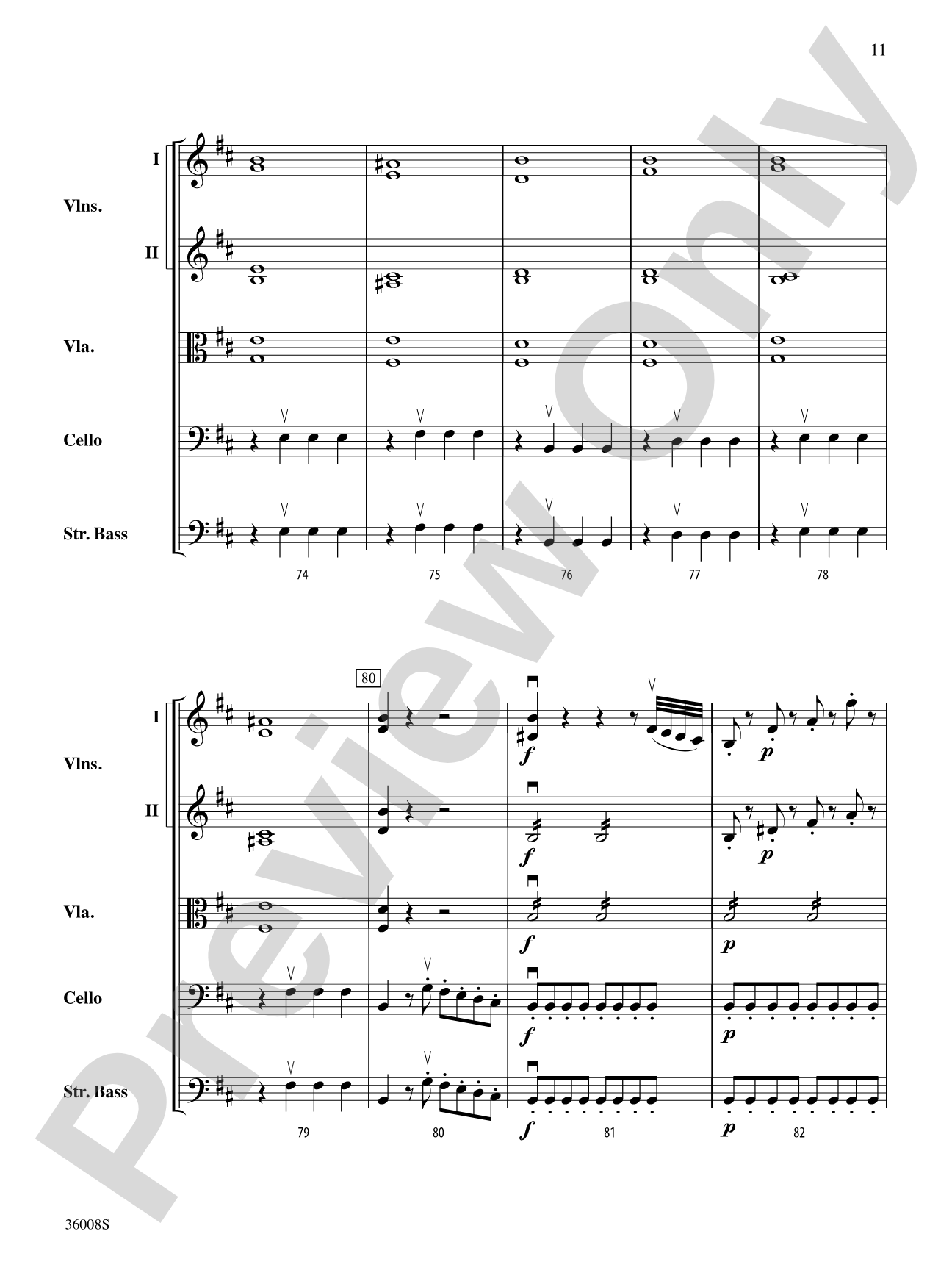
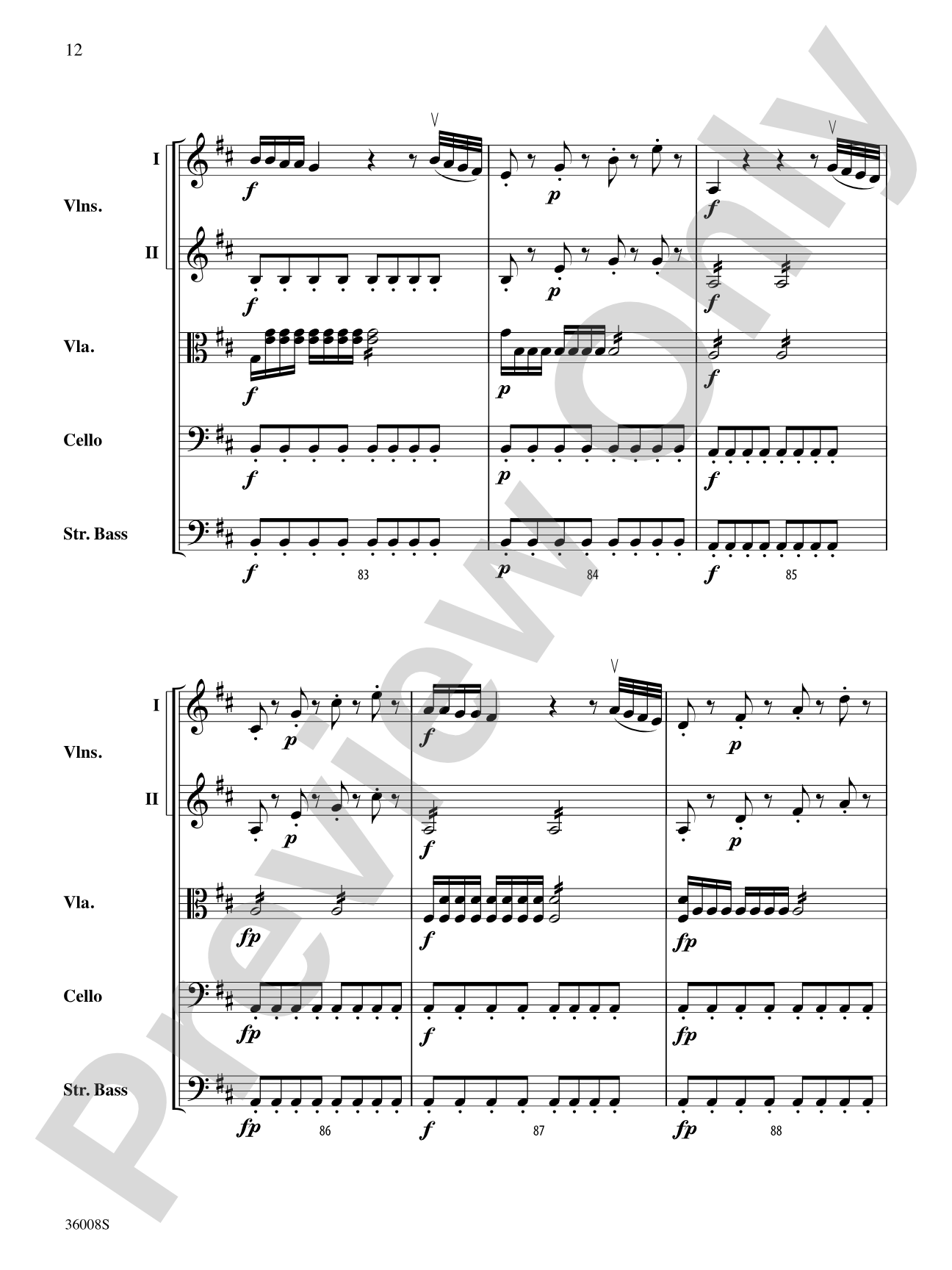
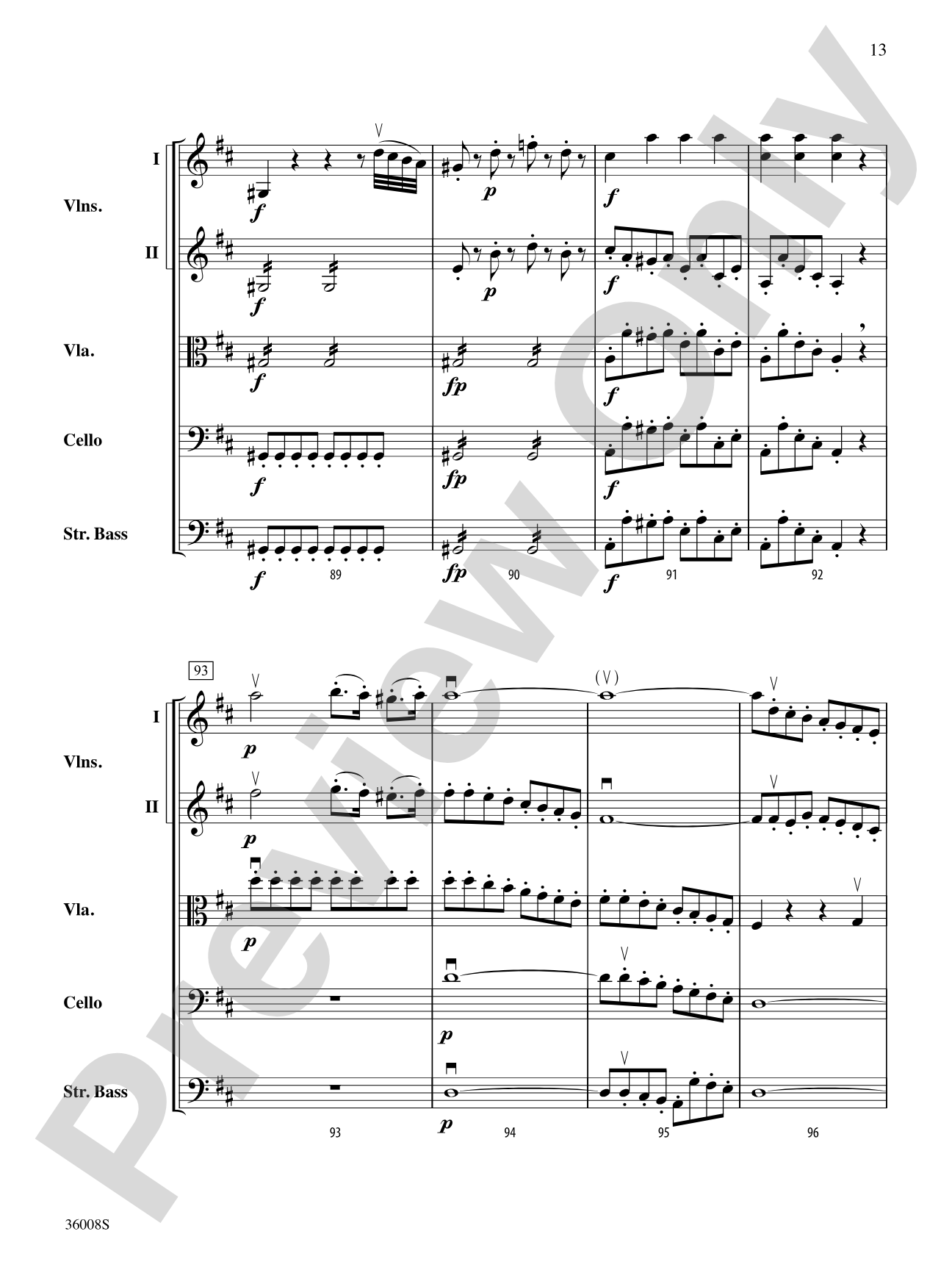
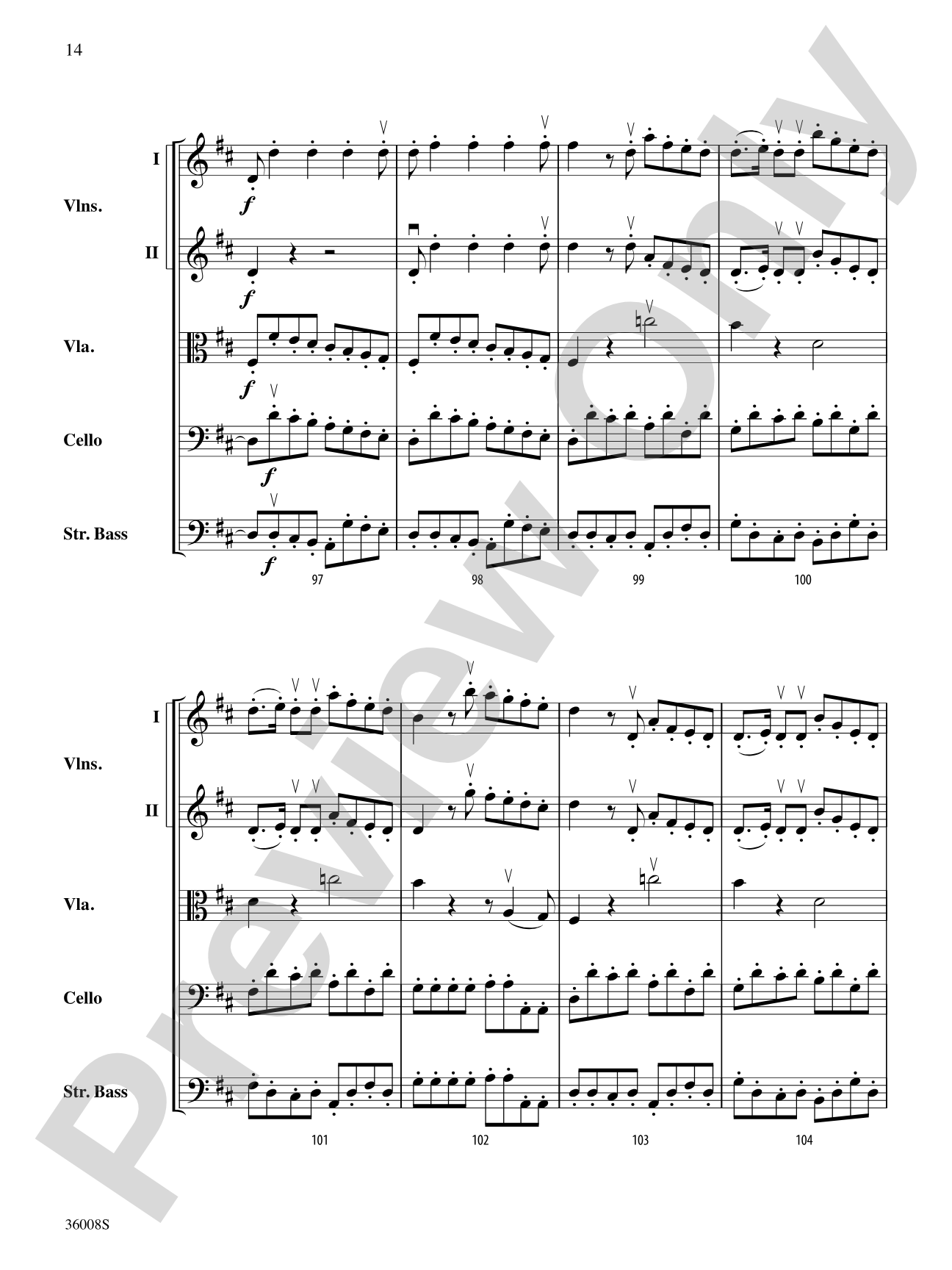
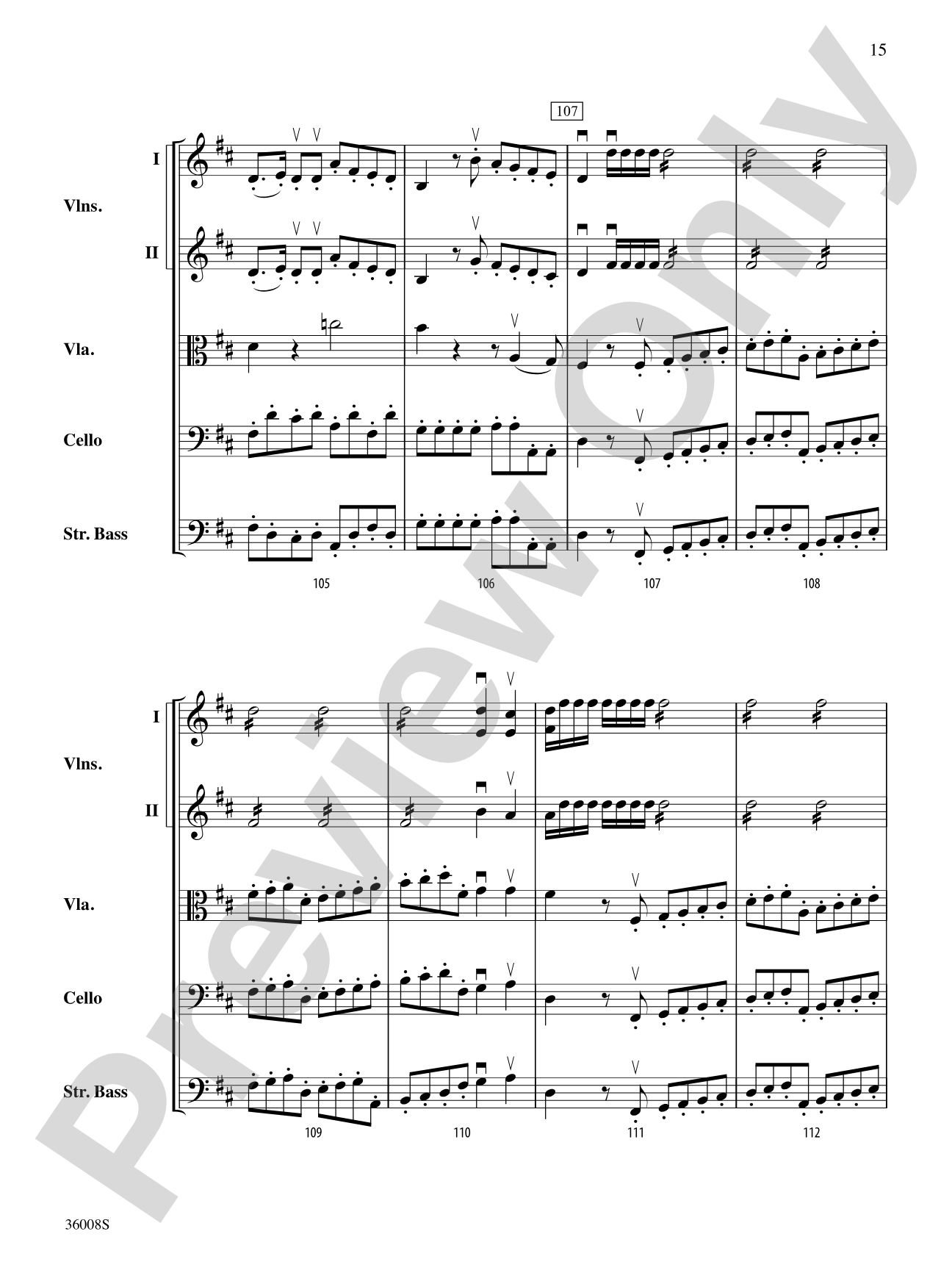
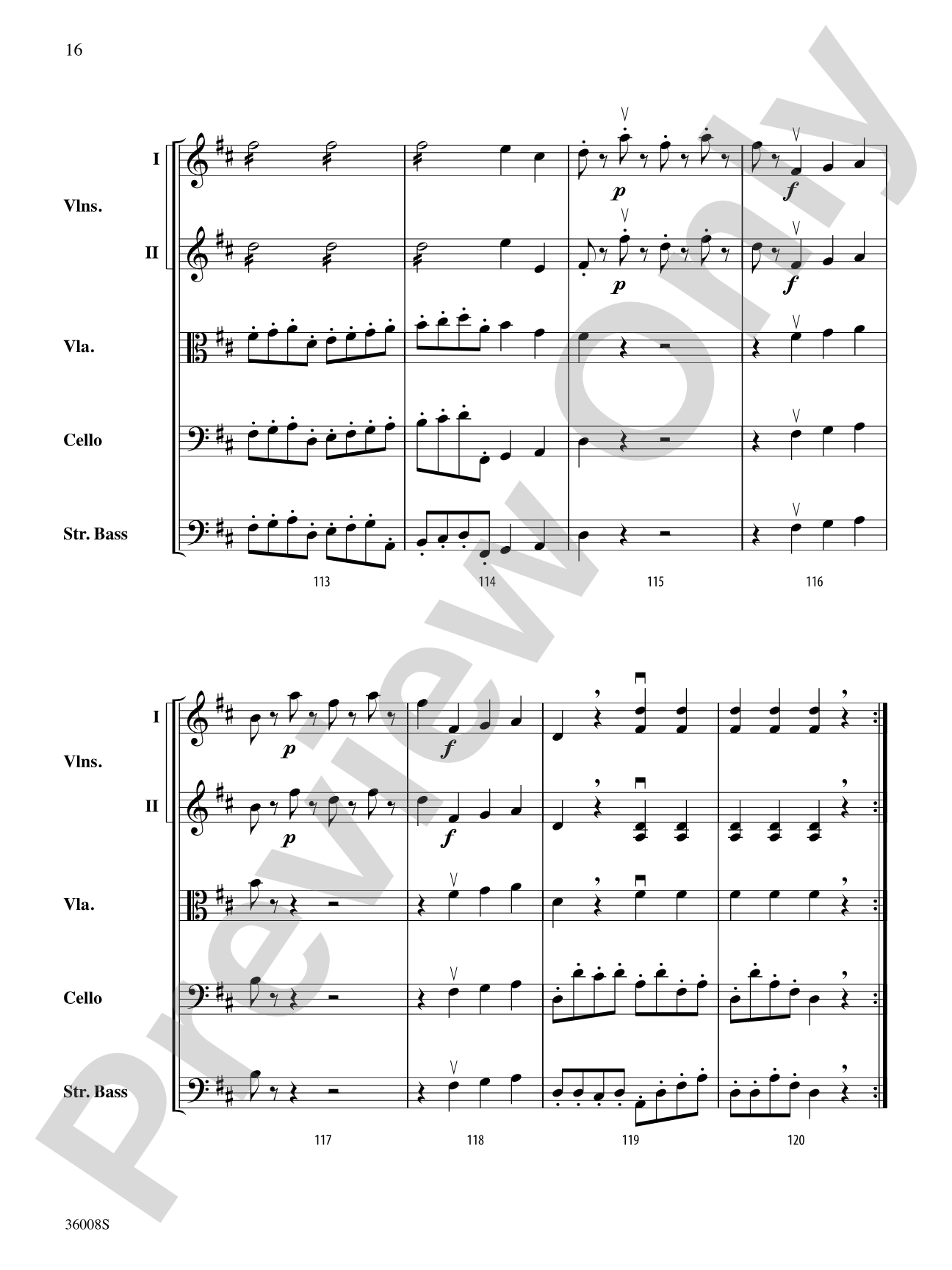

Symphony No. 1: Score
First Movement, K.16
By Wolfgang Amadeus Mozart / arr. Thomas P. LaJoie III
Grade: 3
Item: 00-PR-0003399
$7.00
Pickup currently not available
Description
Good, solid Mozart! Perfect for any festival or contest and it's really fun to tell the orchestra that he wrote this when he was nine years old! This title is available in MakeMusic Cloud.


Don't just read it, hear it, play along with it, and watch your students grow with it. In MakeMusic Cloud, Symphony No. 1: Score comes alive with professional accompaniment, adjustable tempo, and built-in practice tools that turn solo practice into real progress.
Open in the Player
Jump straight in and assign it today.
Start Your Free Trial
Open this title and explore the full library in minutes.
Sample Audio
1
Audio File
--:--
0:00
0:00
Sample Video
No sample videos found.
Additional Details
Series:
Highland/Etling String Orchestra
Publisher:
Alfred Music
Page Count:
124
SKU:
00-PR-0003399
Instrumentation:
string
More about this title
About the Composer: Wolfgang Amadeus Mozart
Wolfgang Amadeus Mozart (1756-1791) was an Austrian composer whose productivity and musical sophistication continue to astonish musicians more than two centuries after his death. Born in Salzburg, Mozart began composing before age five and produced over 600 works across every genre during his 35 years, from symphonies and concertos to operas, chamber music, and sacred works. His ability to balance formal clarity with emotional depth makes his music enduringly valuable for string orchestras seeking repertoire that combines structural integrity with genuine musical substance.
Mozart's early symphonies reveal a composer already commanding the classical forms that would define his era. Writing this First Symphony at nine years old demonstrates the precocious mastery that marked his childhood, yet the work stands on its own musical merit rather than novelty alone. For student orchestras, Mozart offers an ideal entry point into the classical style: transparent textures that allow young players to hear themselves, clear harmonic progressions that build ensemble awareness, and melodic writing that rewards careful phrasing.
Why we love this
This arrangement captures the essential Mozart without overwhelming a Grade 3 orchestra, and the historical context around his age when composing it gives you a natural teaching moment about prodigy and output without overshadowing the music itself. The work sits squarely in the classical idiom students need to understand, featuring the kind of transparent orchestration that actually teaches young players how to listen to counterpoint and balance. Programming it sends a clear signal that your ensemble values masterworks alongside contemporary repertoire.
What to expect
Mozart's First Symphony has the brightness and forward momentum of a young composer discovering the expressive possibilities of orchestral writing. The work unfolds with classical proportions and clarity; every voice has purpose, and the harmonic language moves with purposeful simplicity that somehow never feels simplistic. There's a sense of clarity and order throughout, punctuated by moments of genuine warmth in the slower movements that reveal Mozart's instinct for emotional truth even in youthful work.
Who it's for
String orchestras at the Grade 3 level will find this work accessible yet substantive, offering students their first serious encounter with Mozart's formal sophistication without requiring advanced technique. Directors preparing for festival or contest programming benefit from a work that sits comfortably in the orchestral canon and maintains audience engagement through clear, elegant writing. The historical appeal of Mozart's youth adds educational value that extends beyond the rehearsal room.
How to get the most out of it
- Shape the melodic lines with consistent bow direction in the violins; Mozart's melodies reward legato phrasing even in faster passages, which gives younger players something tangible to aim for beyond just hitting the notes.
- Balance the inner voices carefully during tutti sections so that the harmonic progression remains clear rather than muddy. Second violins and violas often carry the harmonic motion, and bringing them slightly forward in rehearsal prevents them from disappearing.
- Establish a steady, unrushed tempo from the outset. Mozart's classical proportions depend on clear phrase architecture, which falls apart if the ensemble hurries through structural downbeats.
- Attend to articulation consistency within sections; uniform bow strokes in repeated figures create the rhythmic precision that classical style demands and help younger players develop ensemble discipline.
How to use it
This work fits naturally into a classical repertoire segment at a concert or festival, either as a standalone feature or as part of a broader exploration of early symphonic writing. Consider pairing it with a contemporary piece to illustrate how later composers both inherited and transformed the classical orchestra. Its accessibility and audience recognition make it an excellent opener for a concert, establishing ensemble competence while drawing listeners in with familiar idiom.
Skills your students will build
- Maintaining clear harmonic progressions and voice leading in classical textures
- Sustaining legato phrasing across longer melodic lines
- Balancing inner voices in tutti sections to preserve transparency
- Responding to classical phrase architecture and structural downbeats
- Developing articulation consistency within sections and between parts