
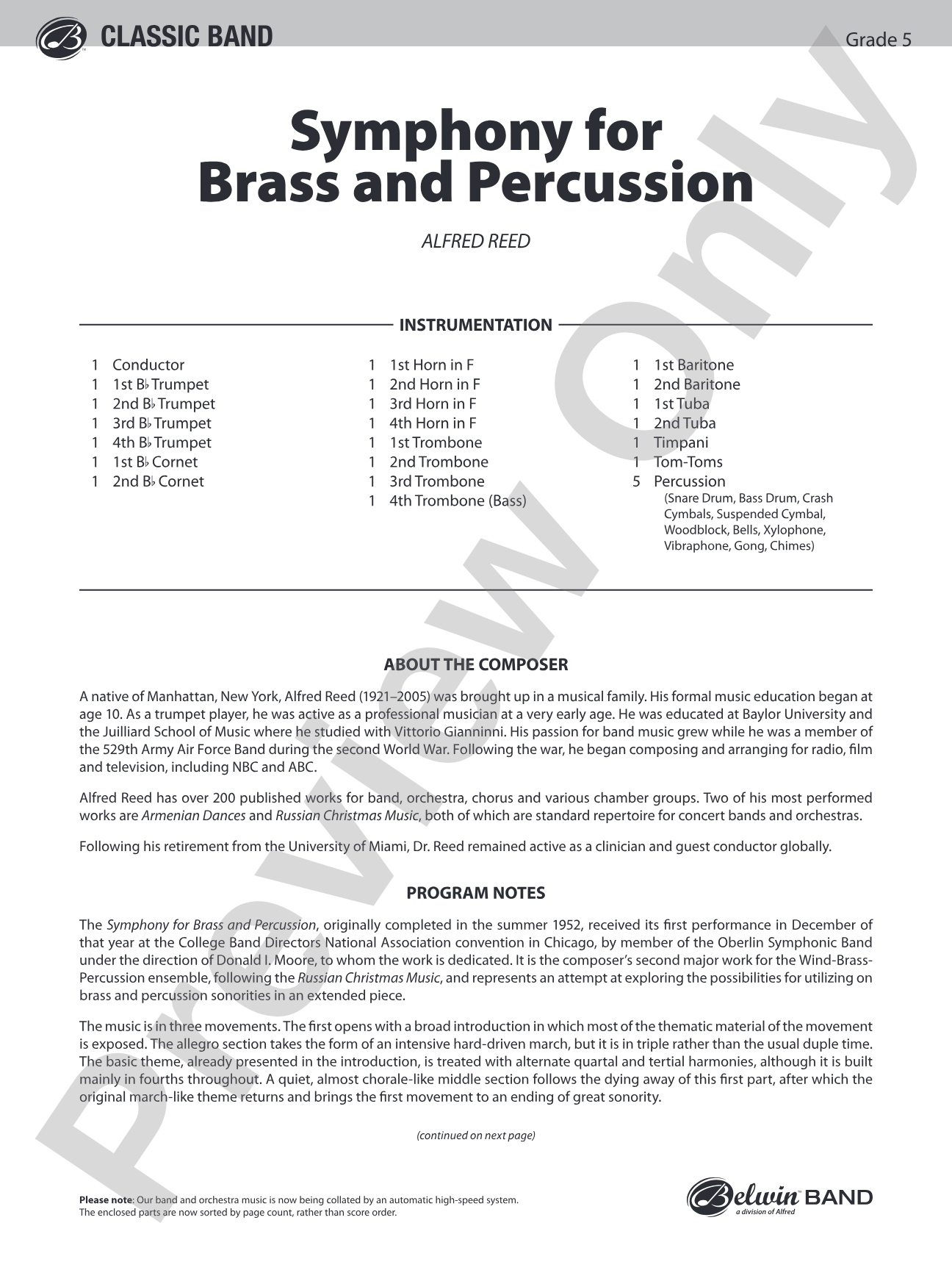
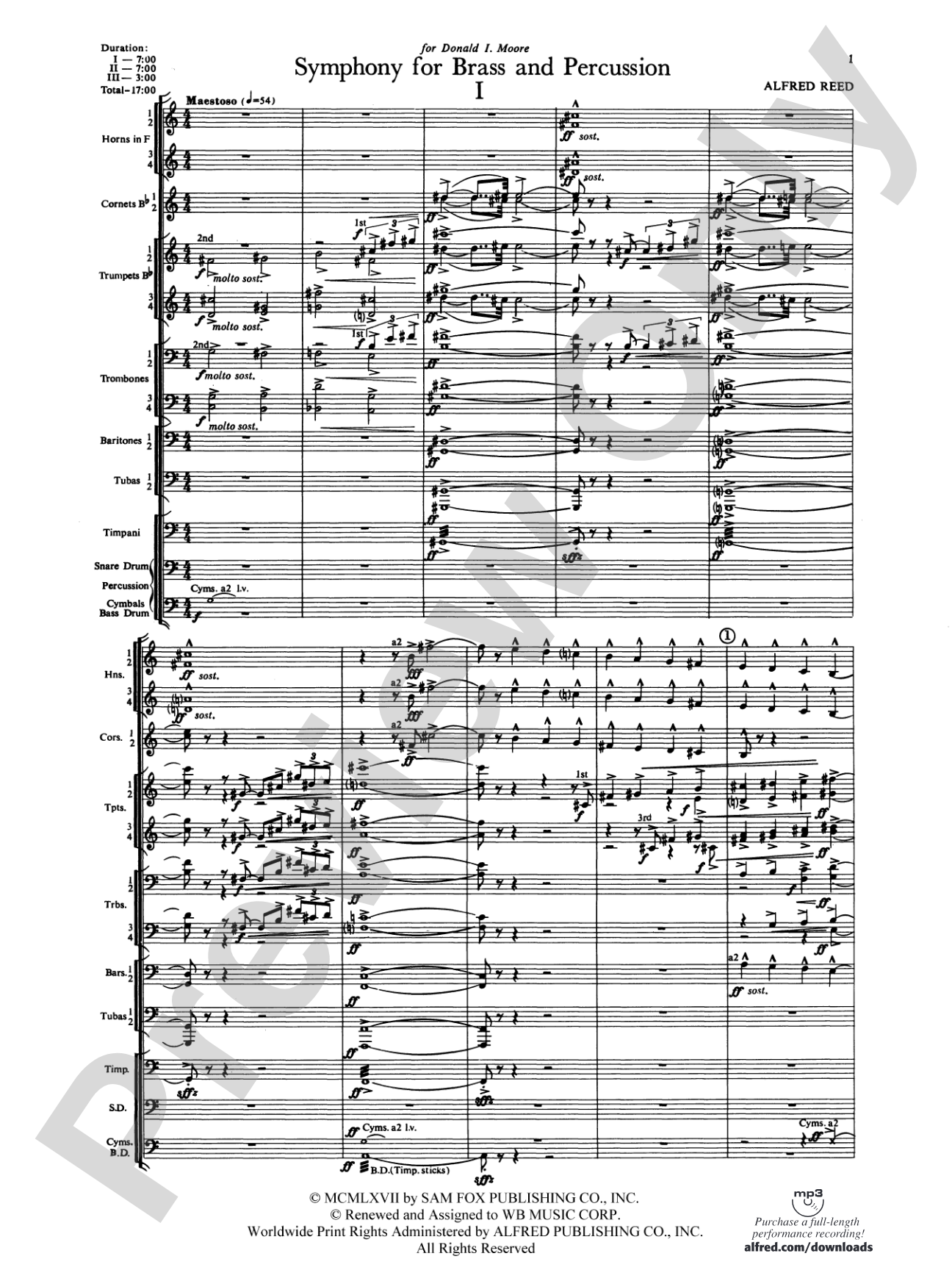
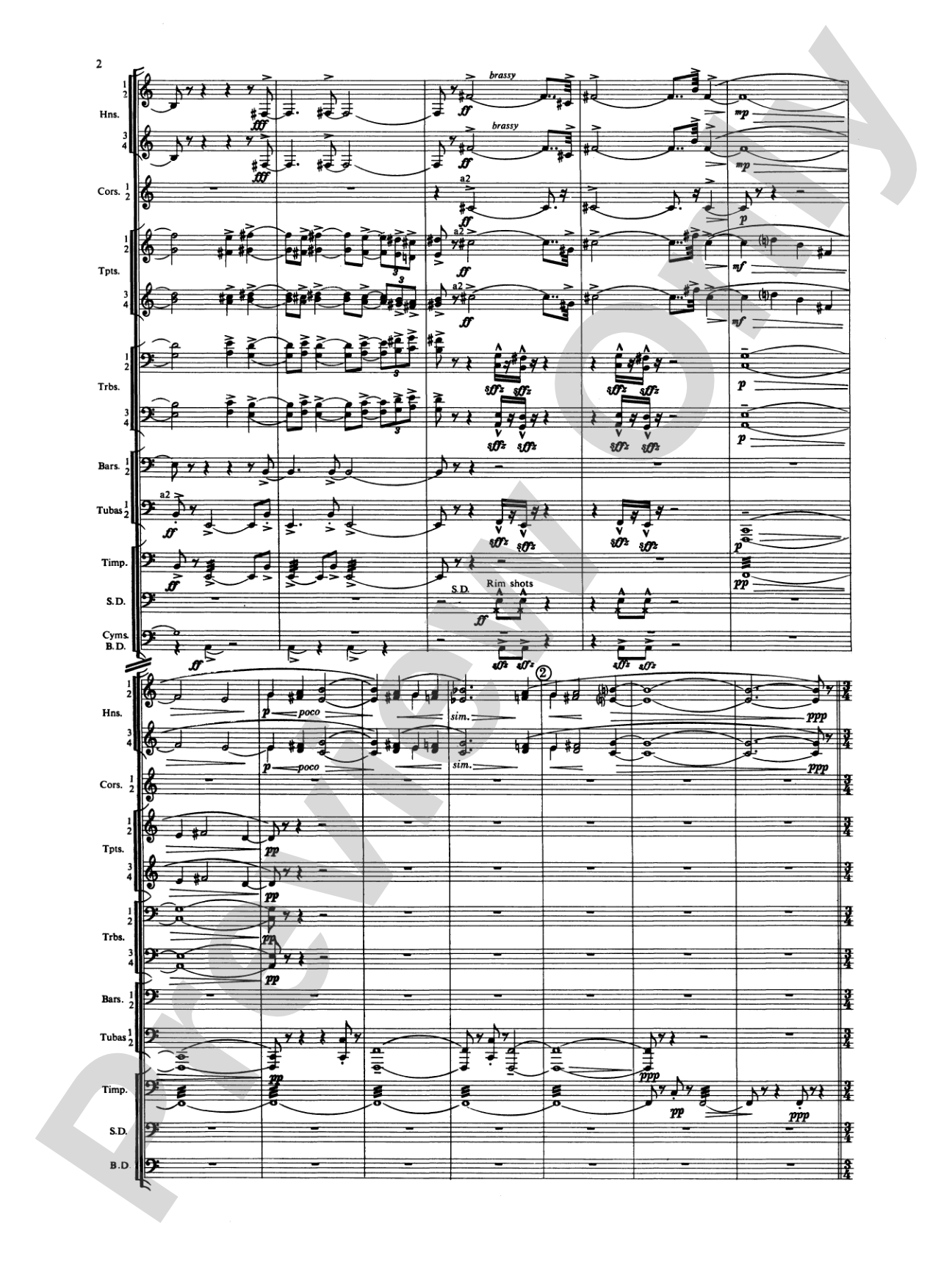
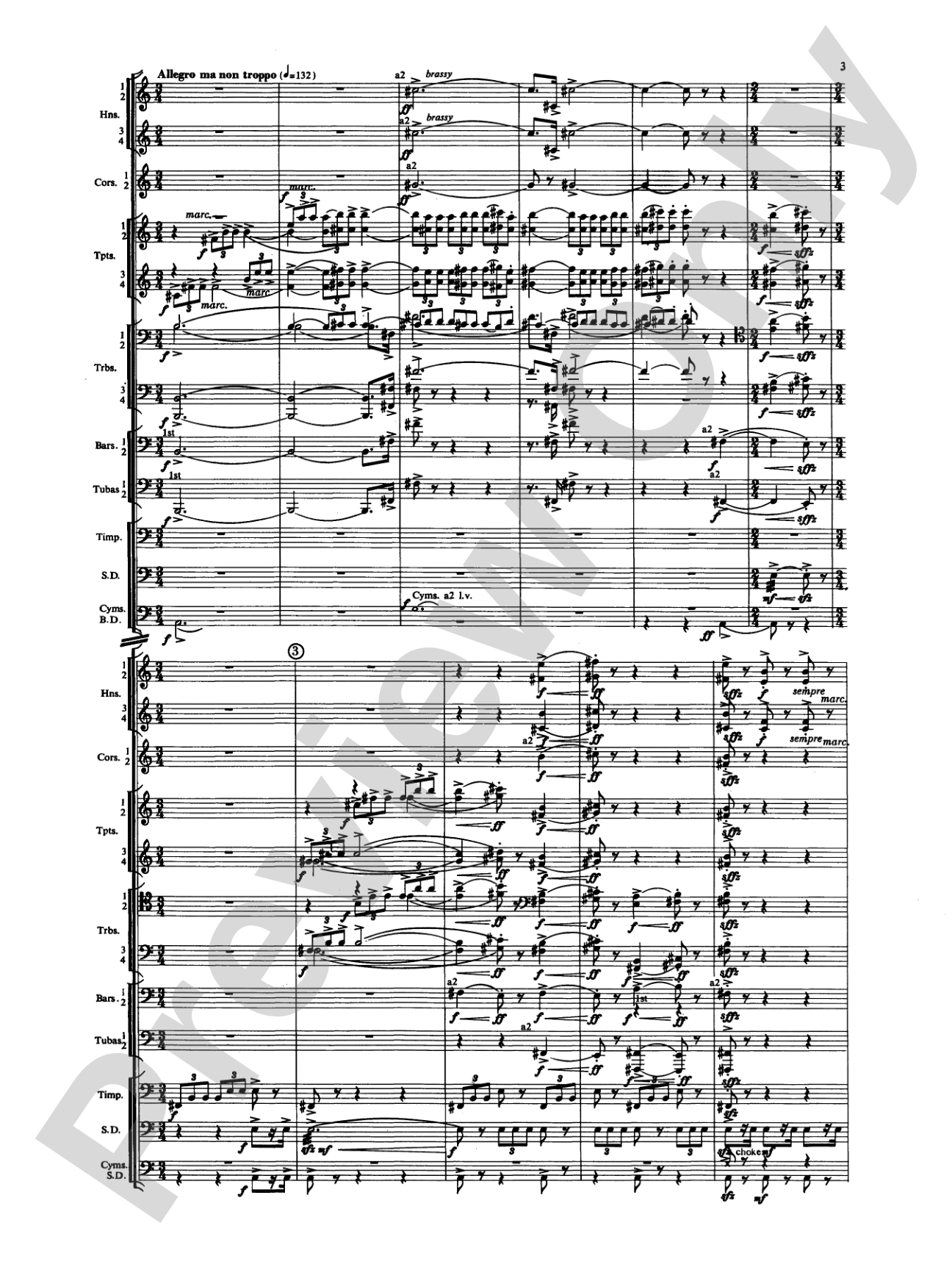
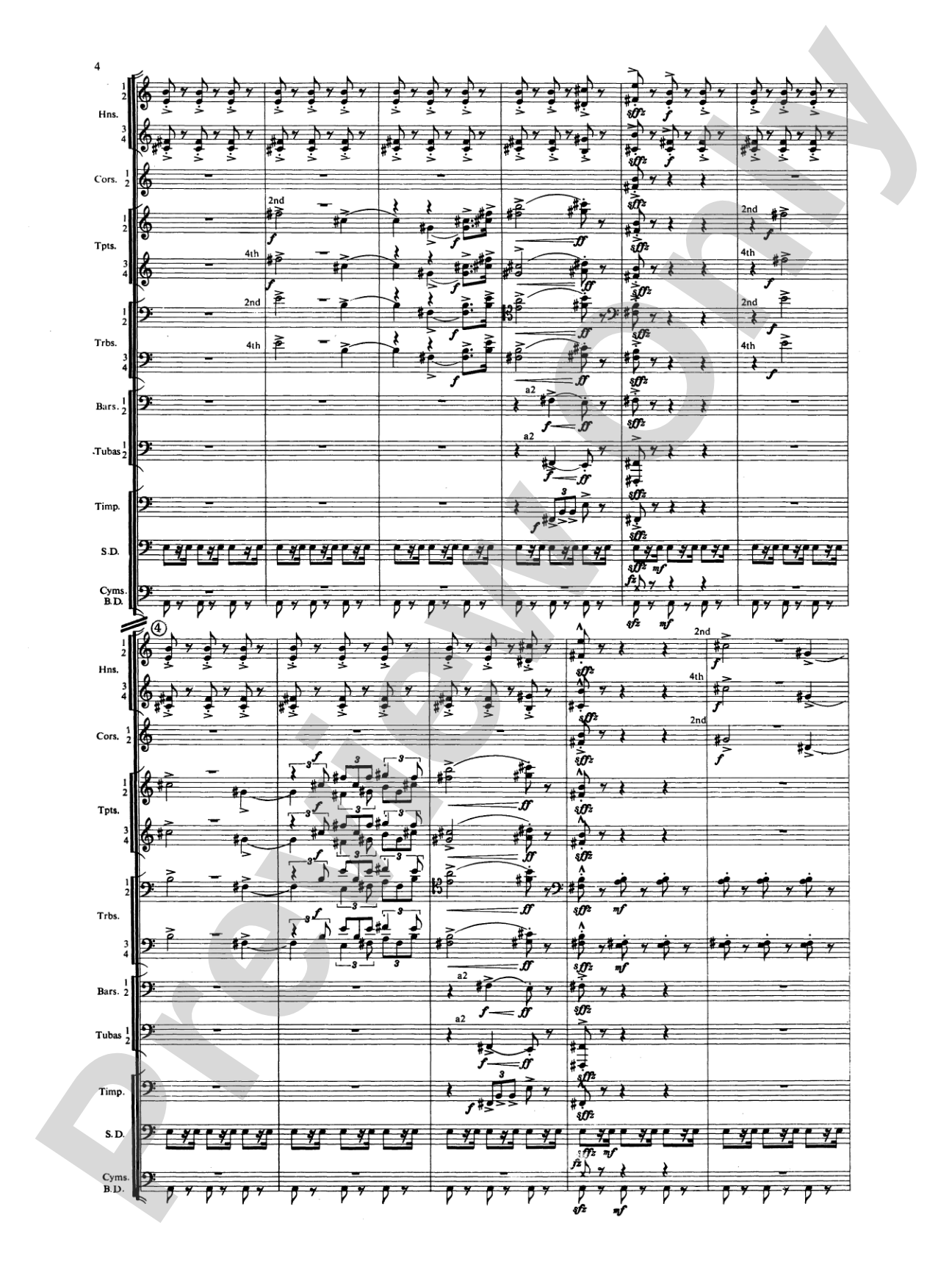
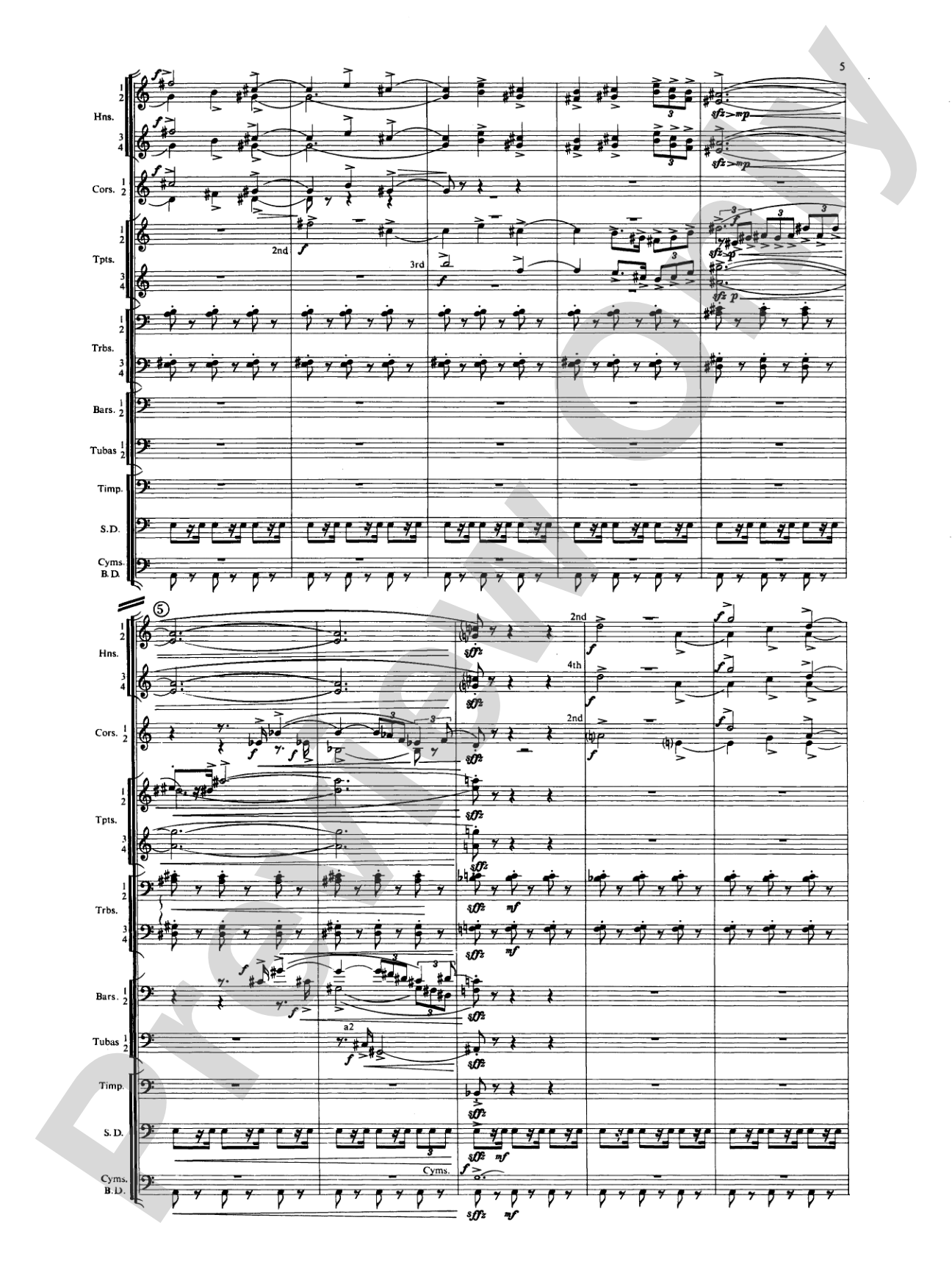
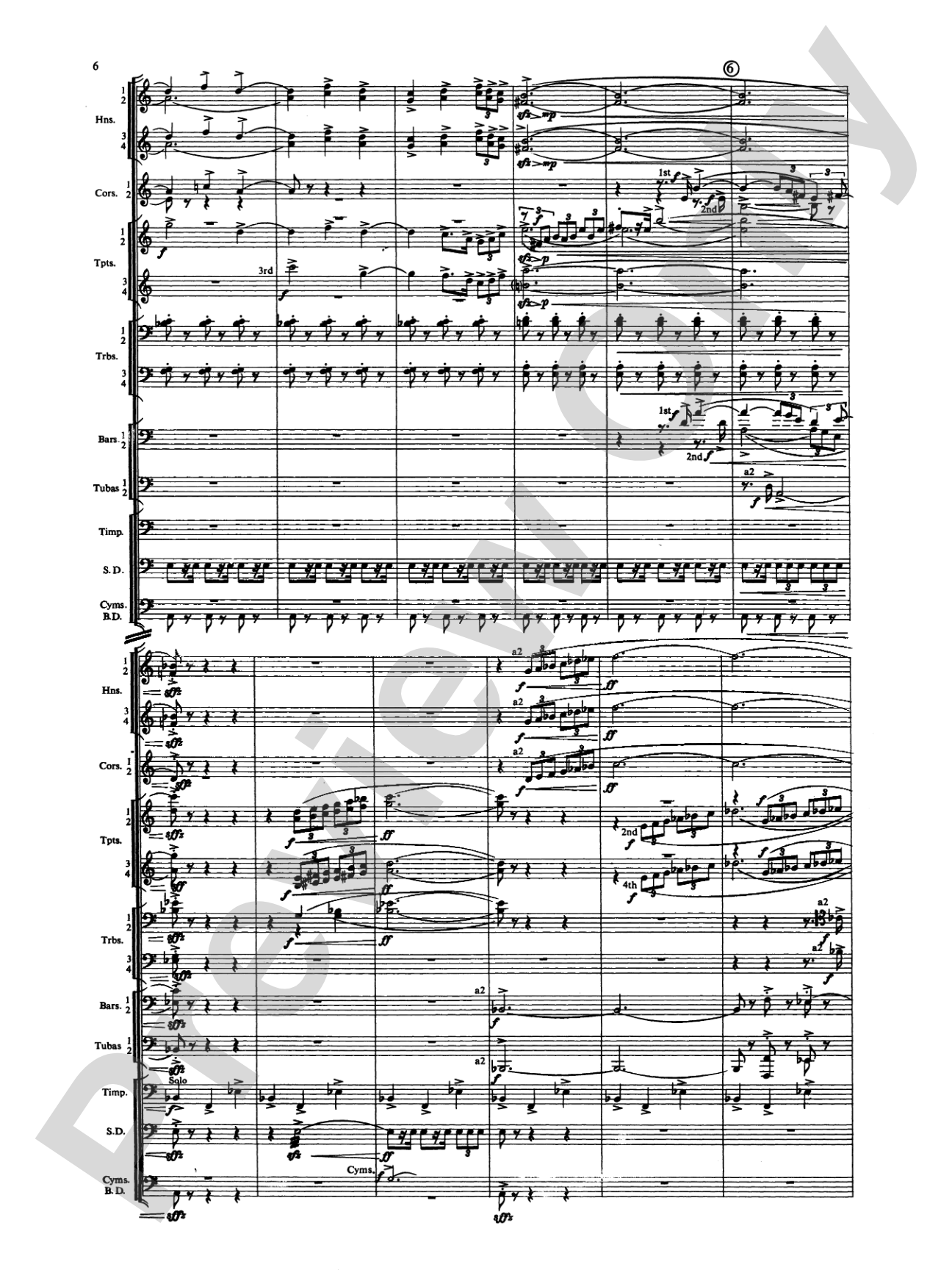
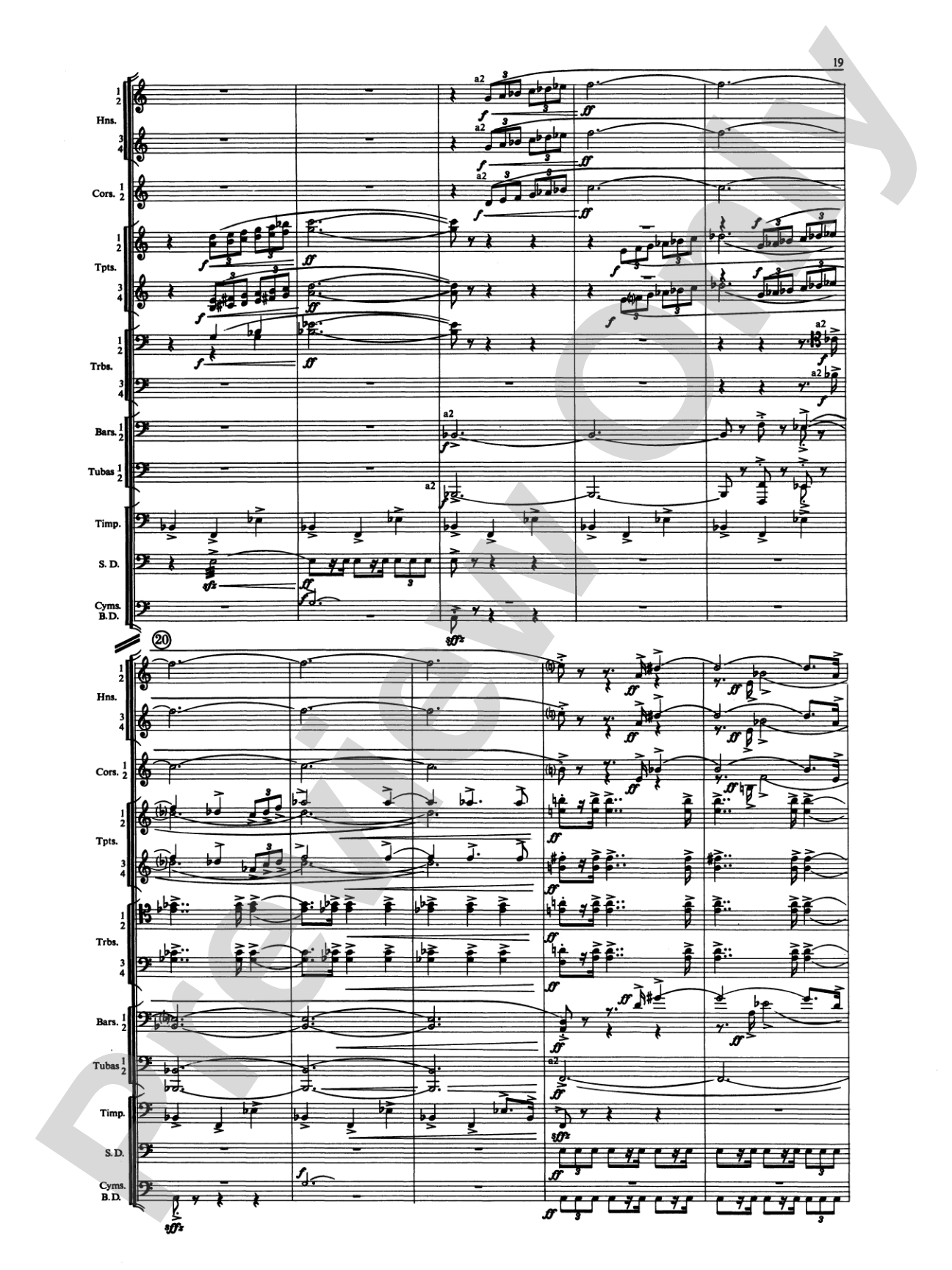
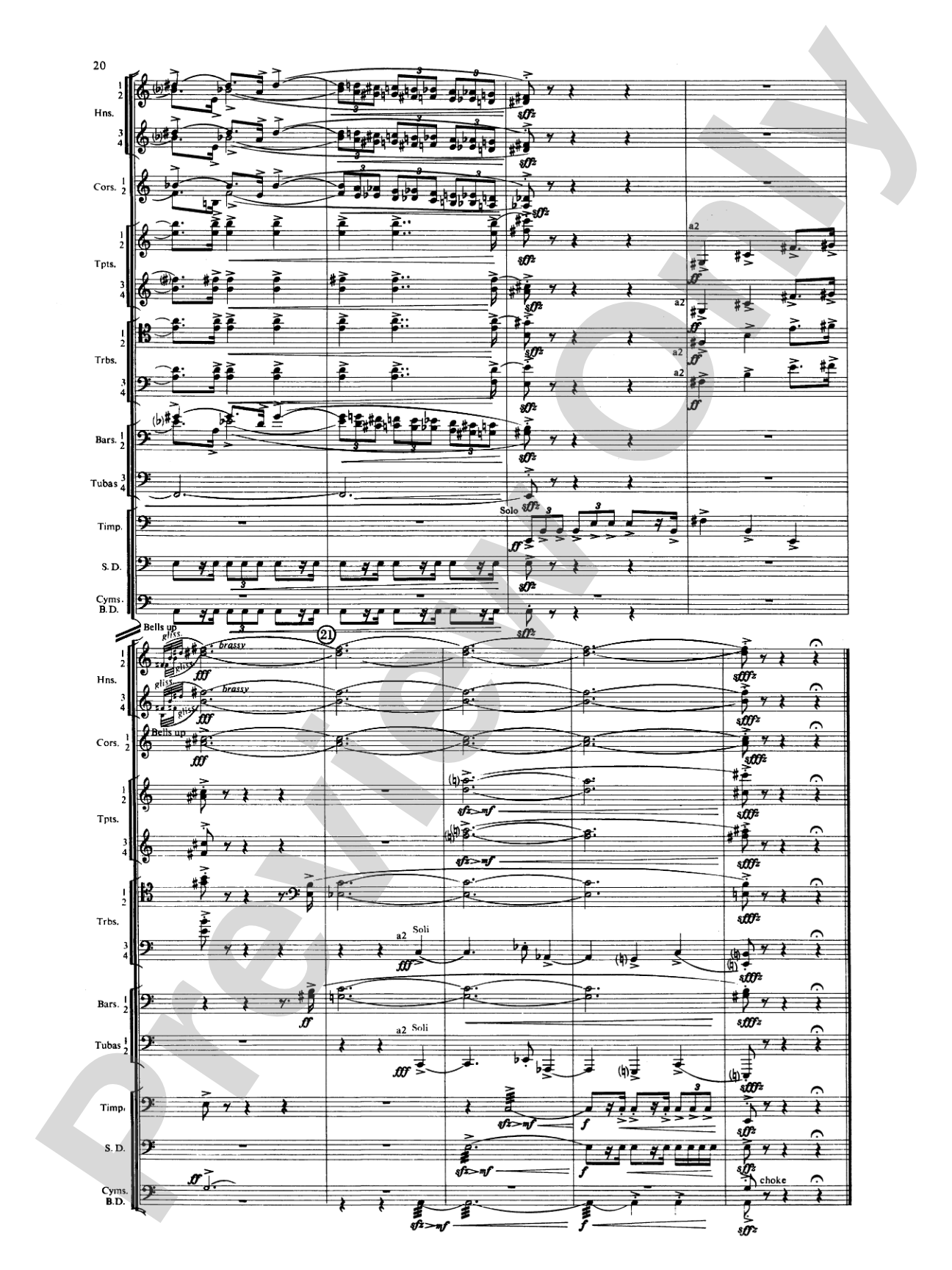
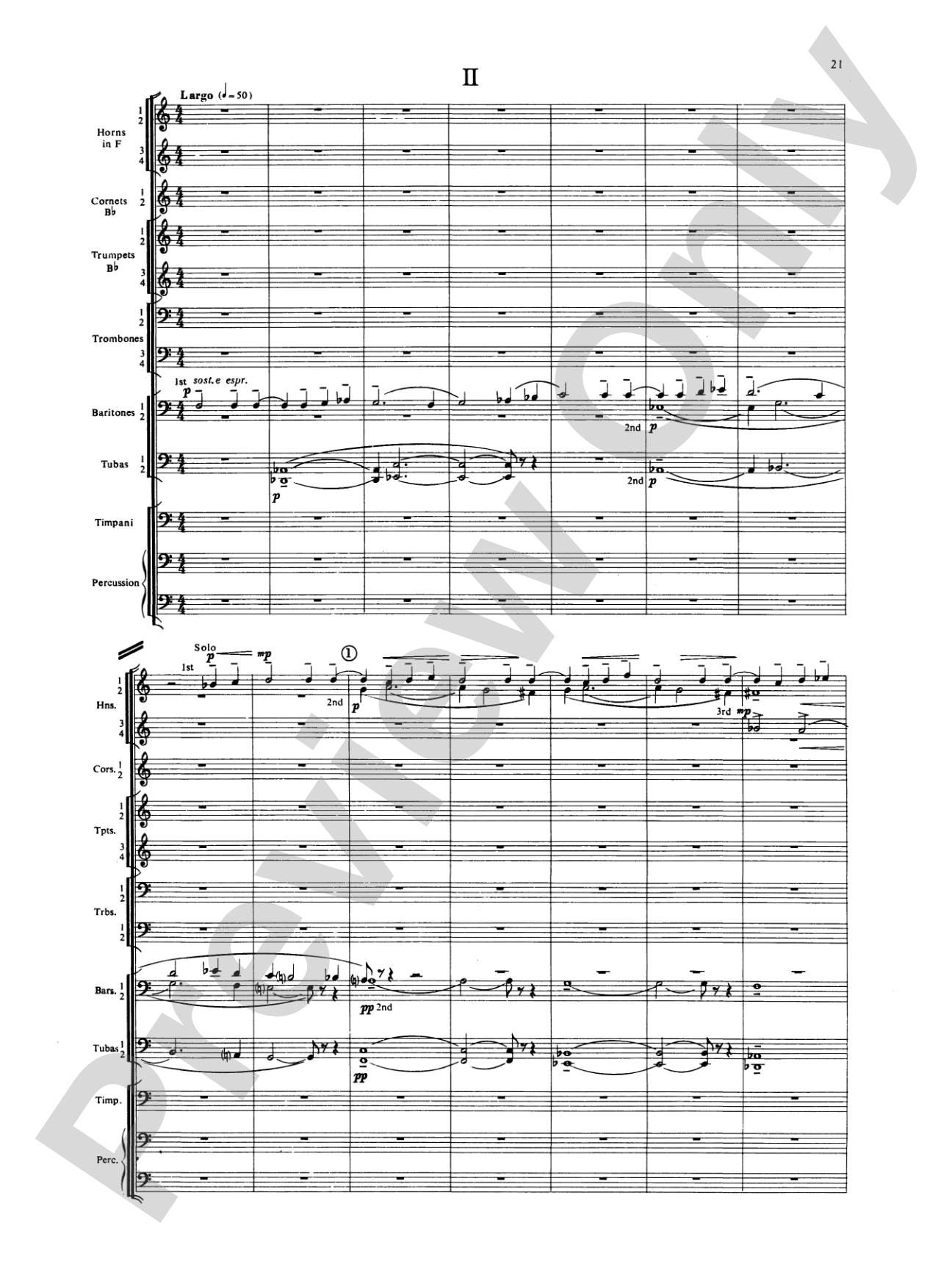
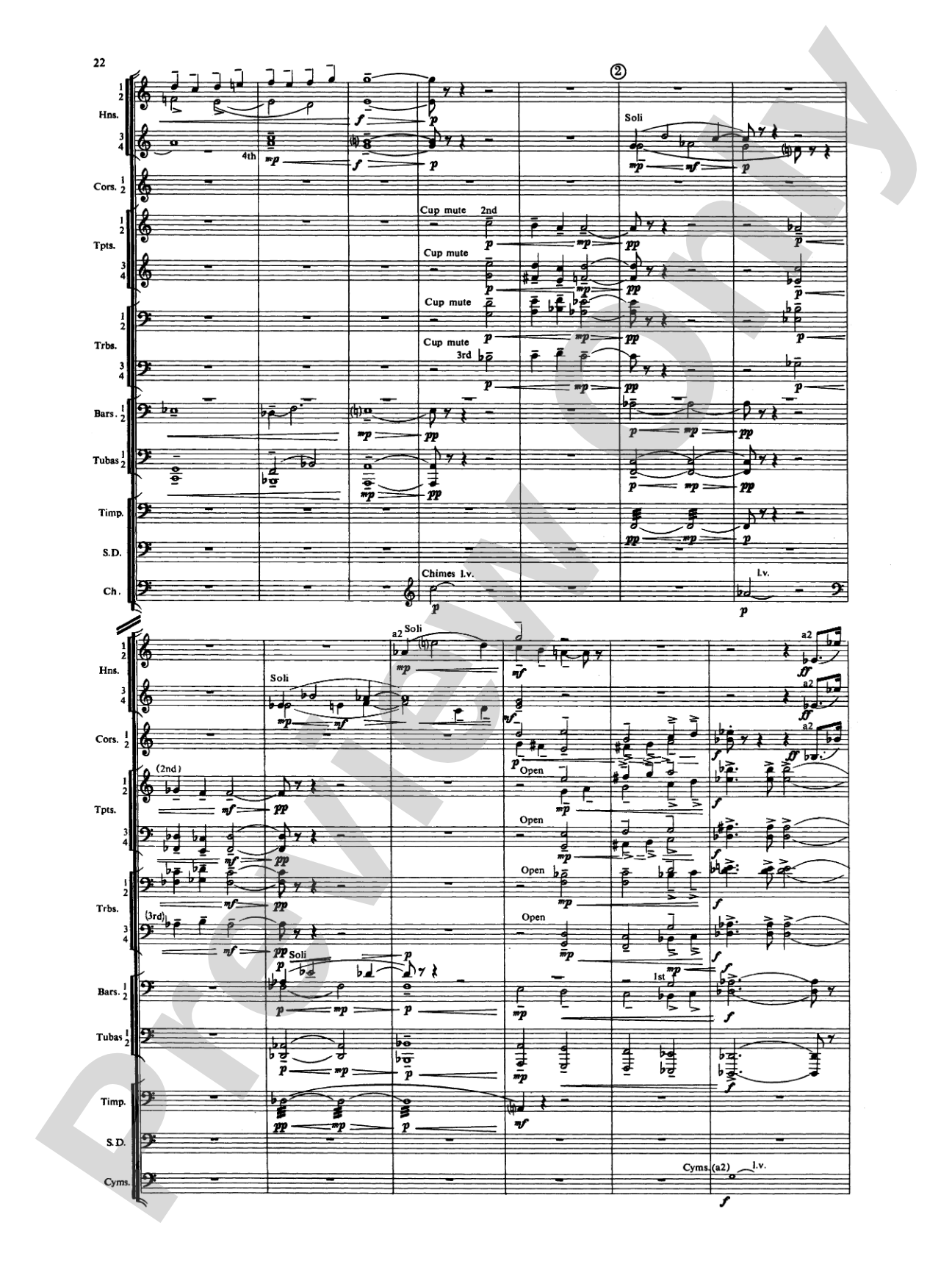
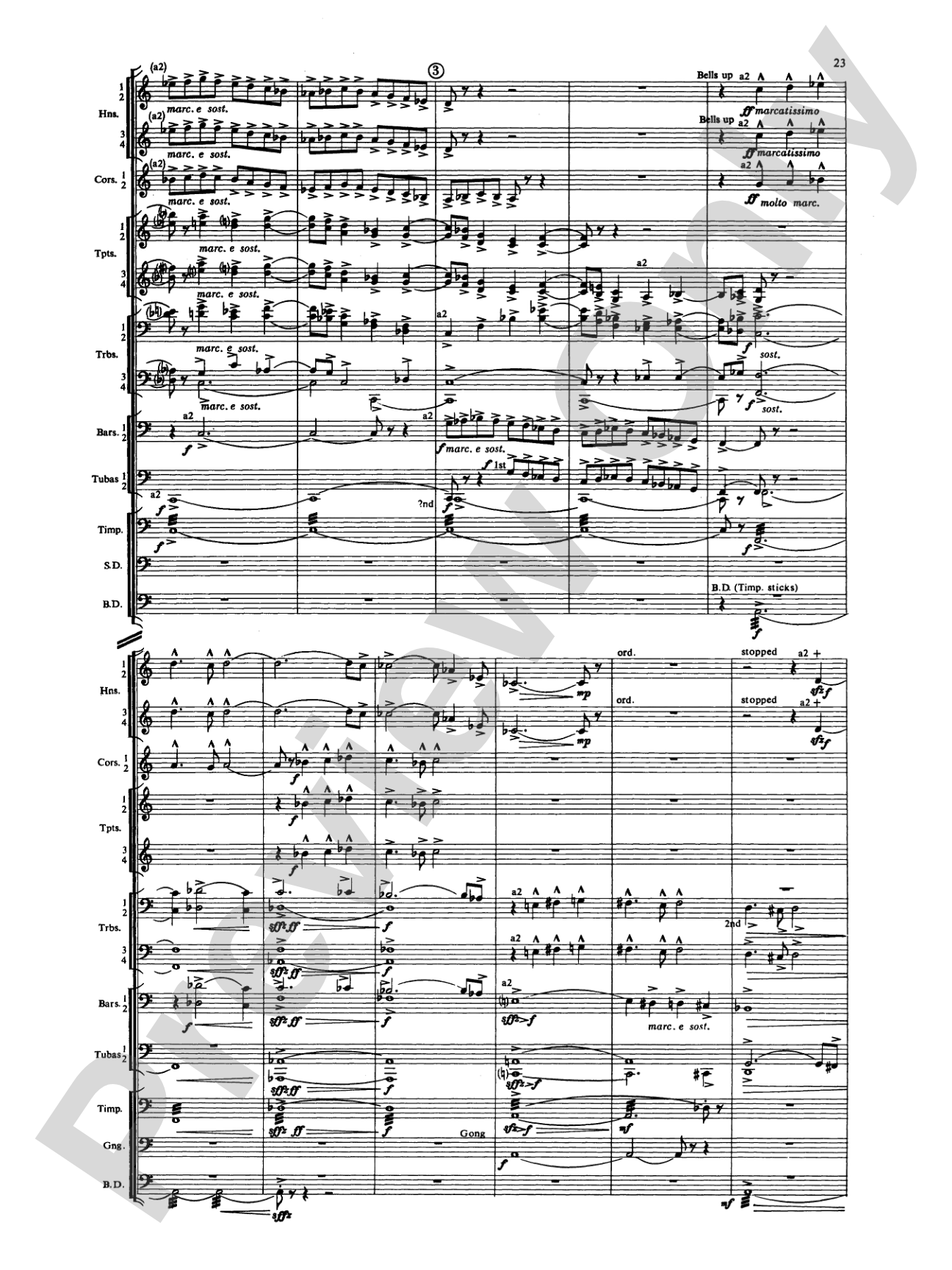
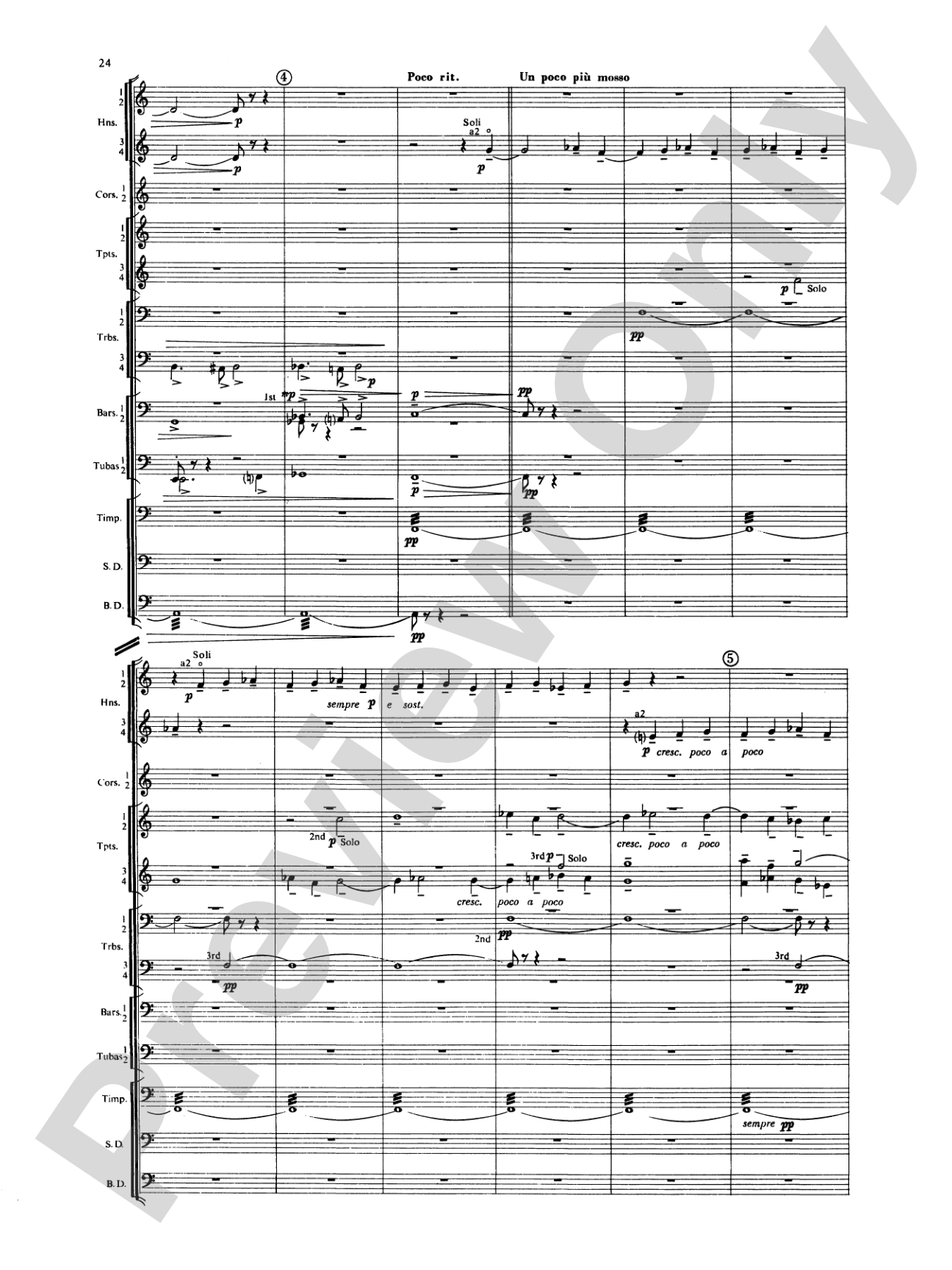
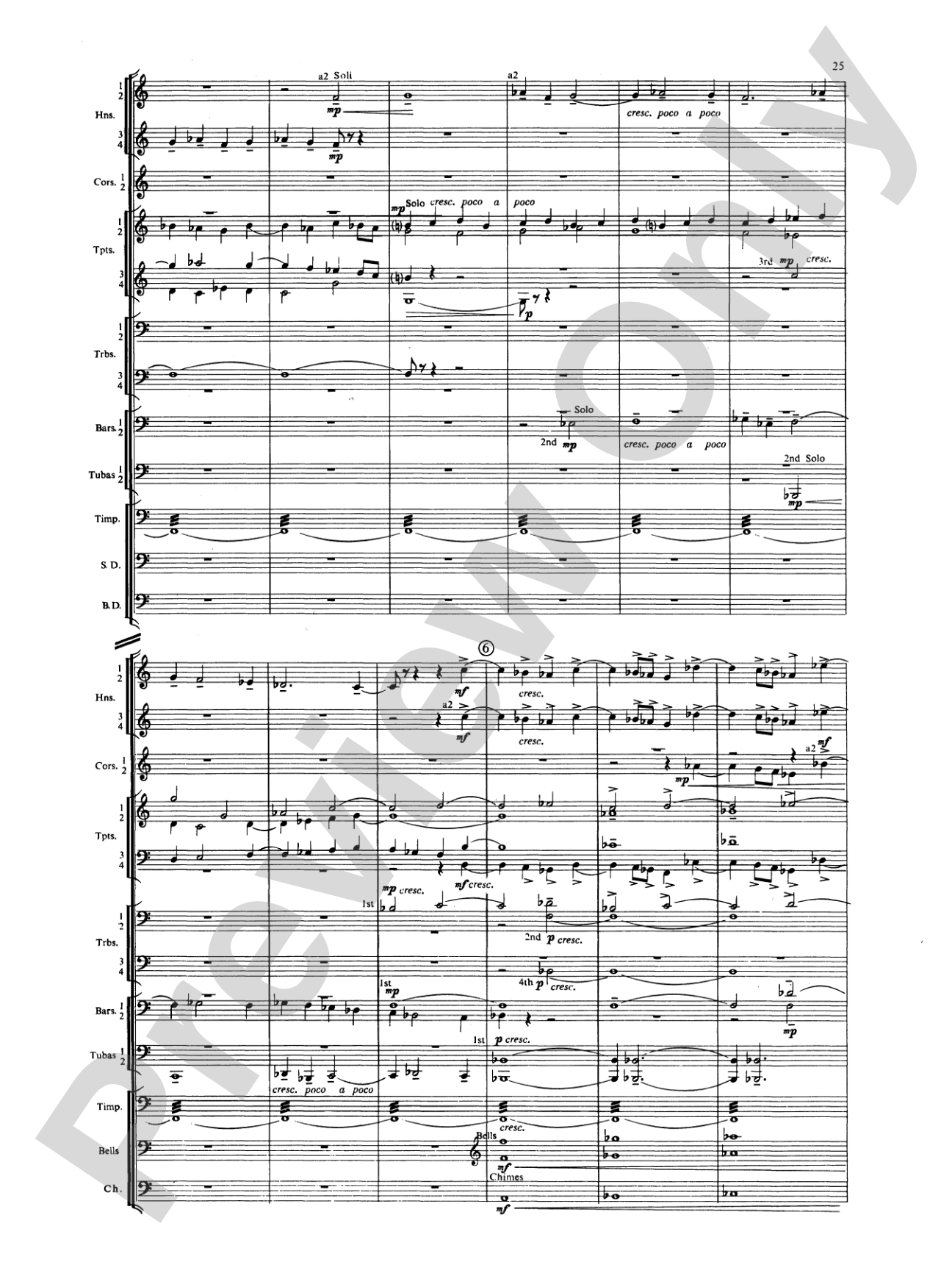
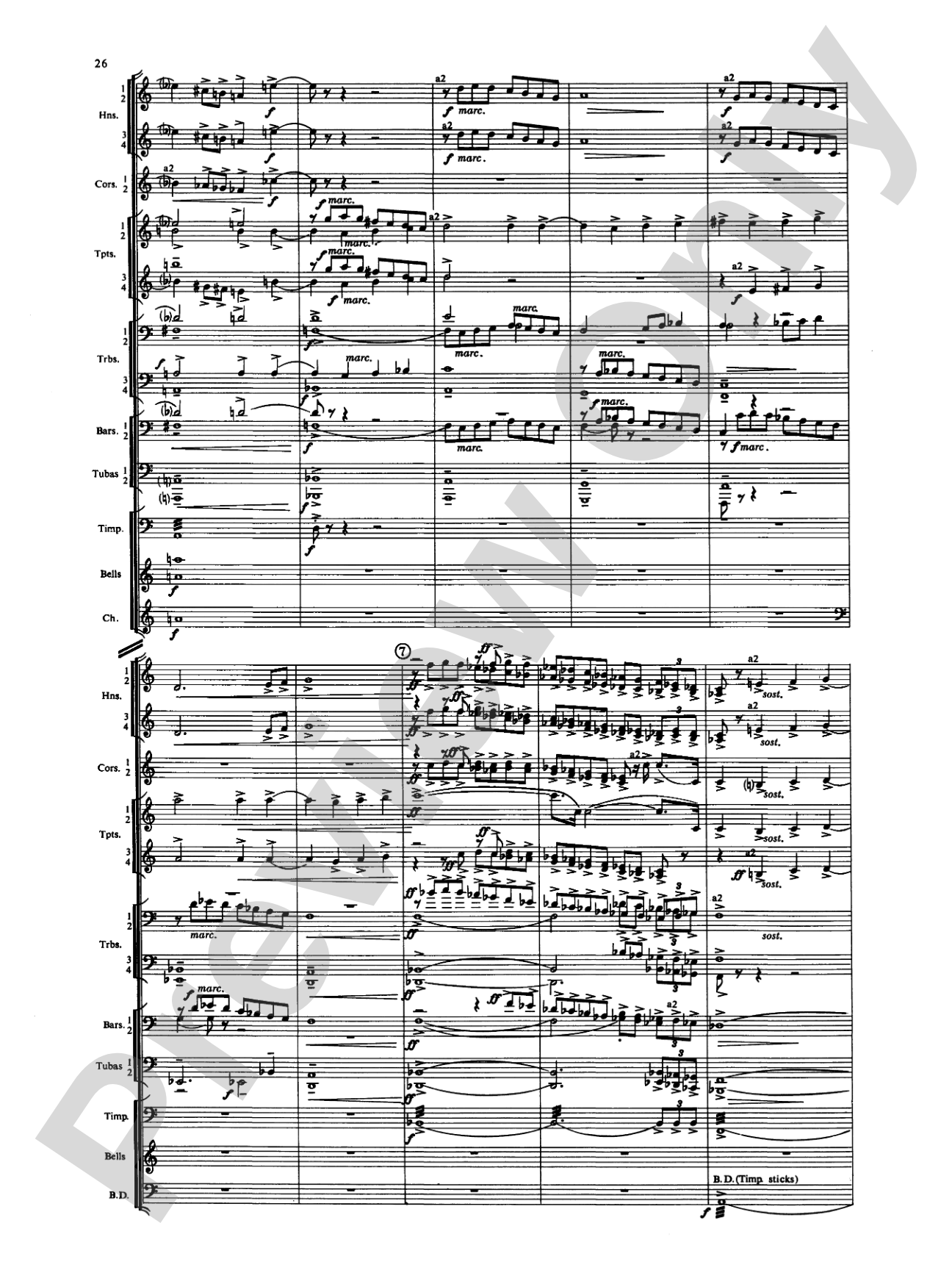
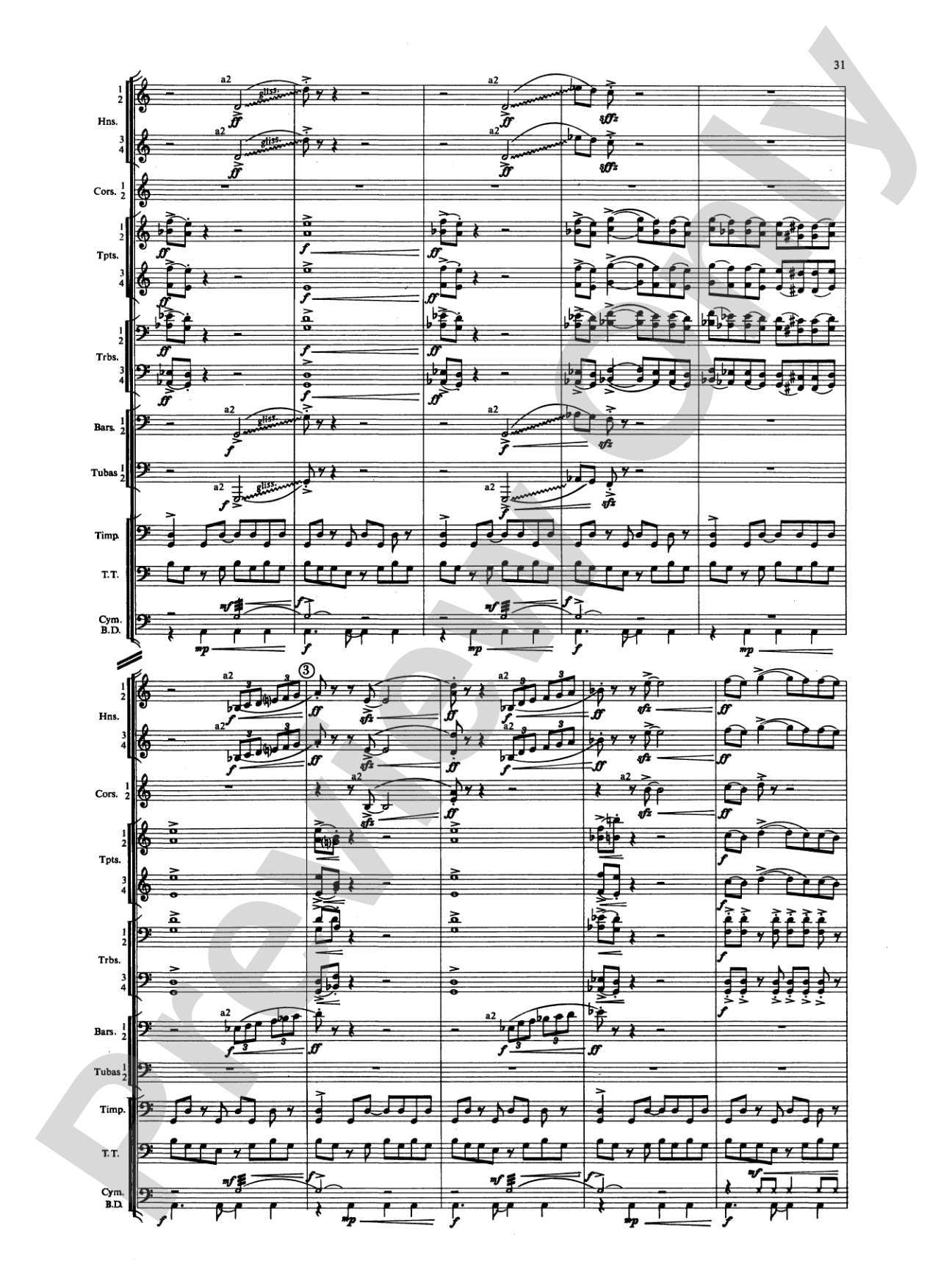
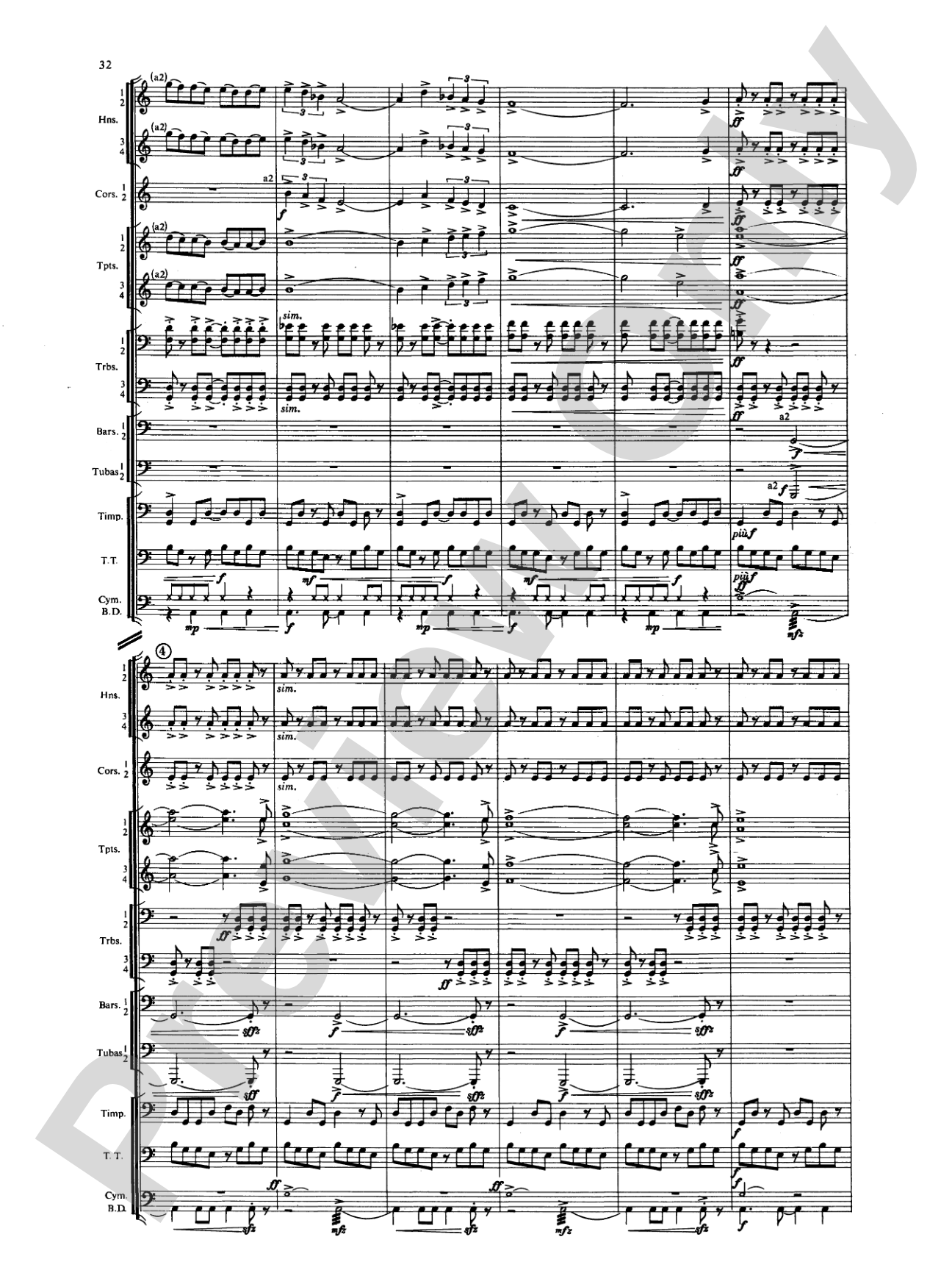
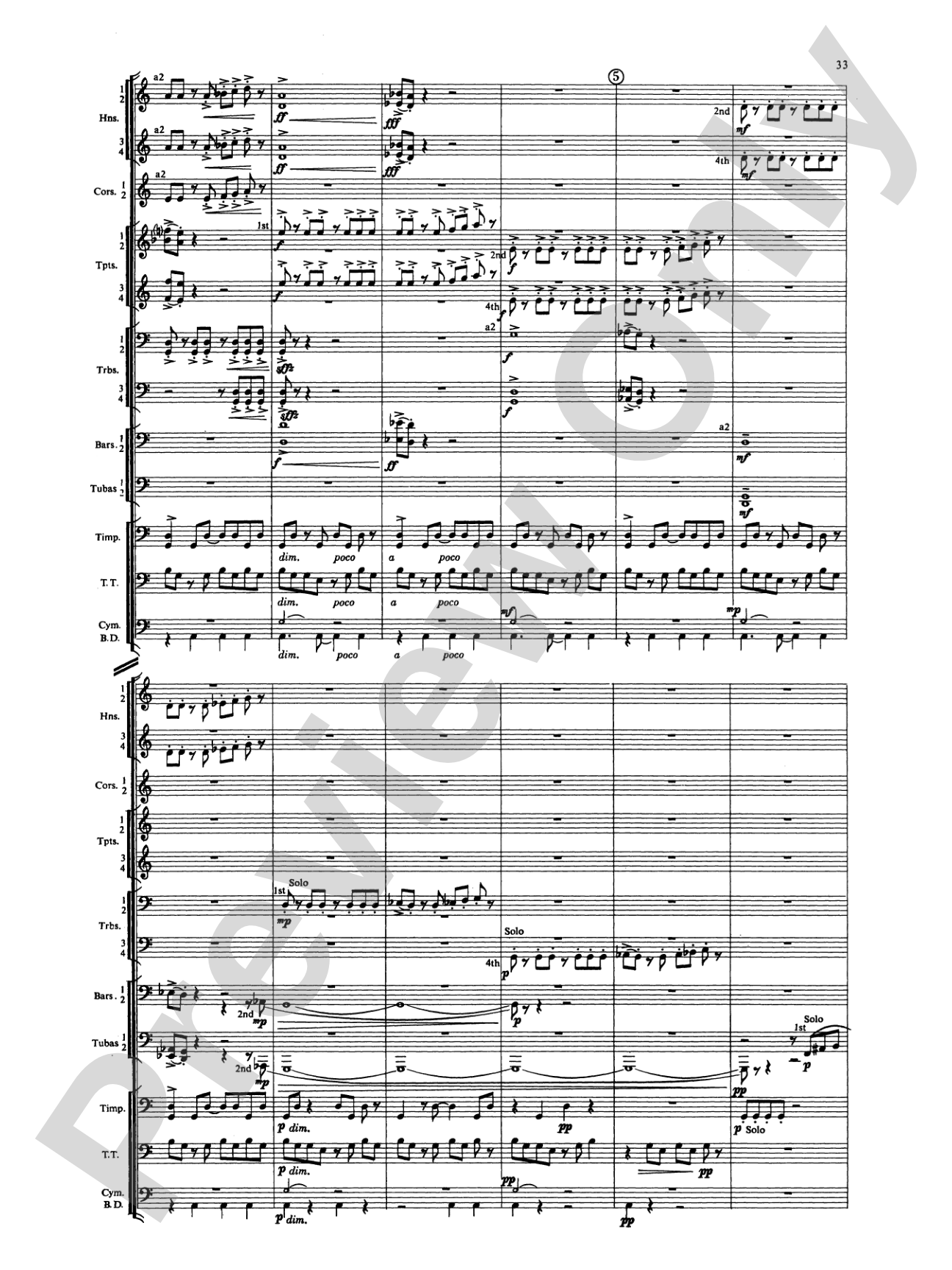
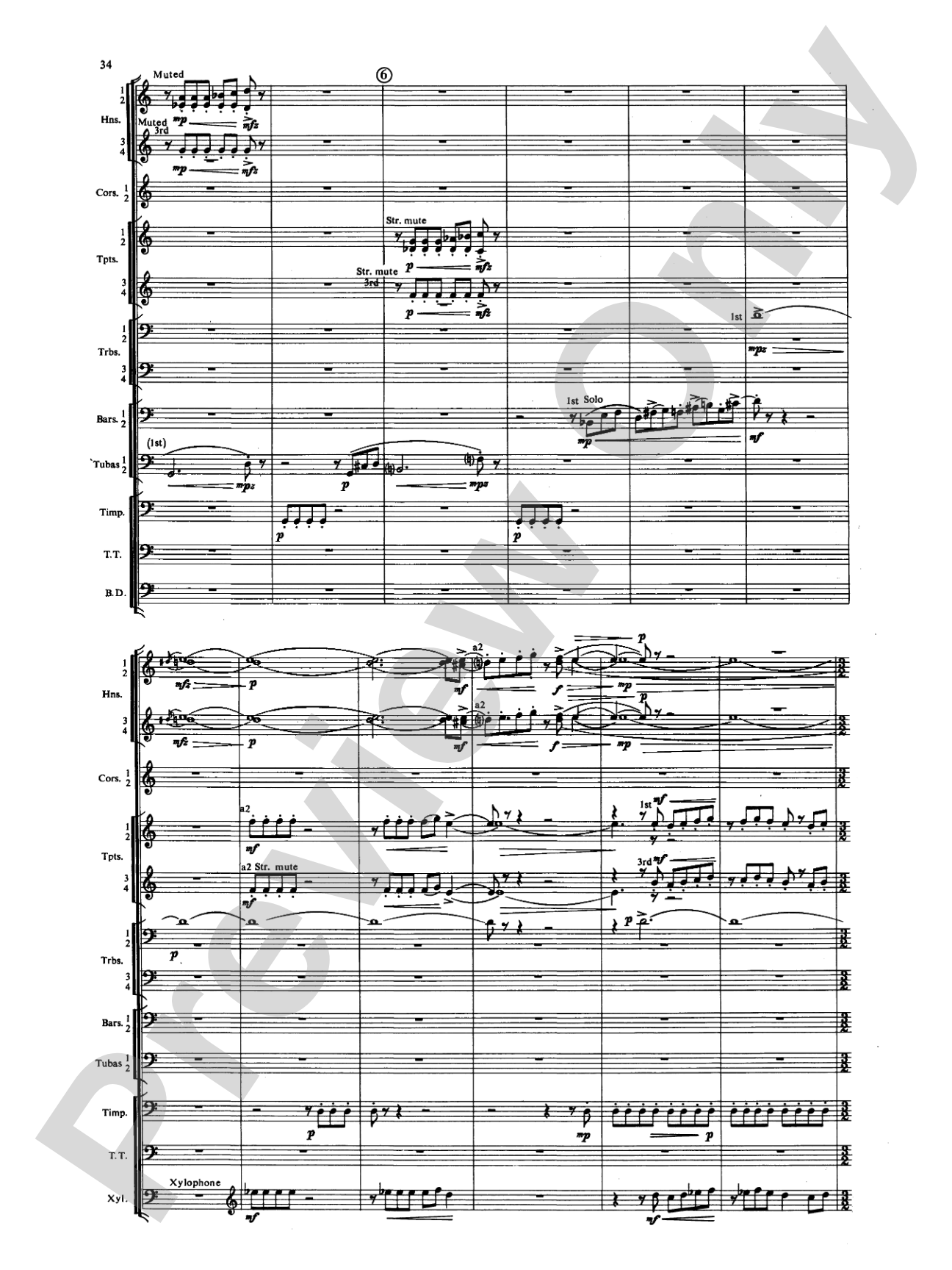
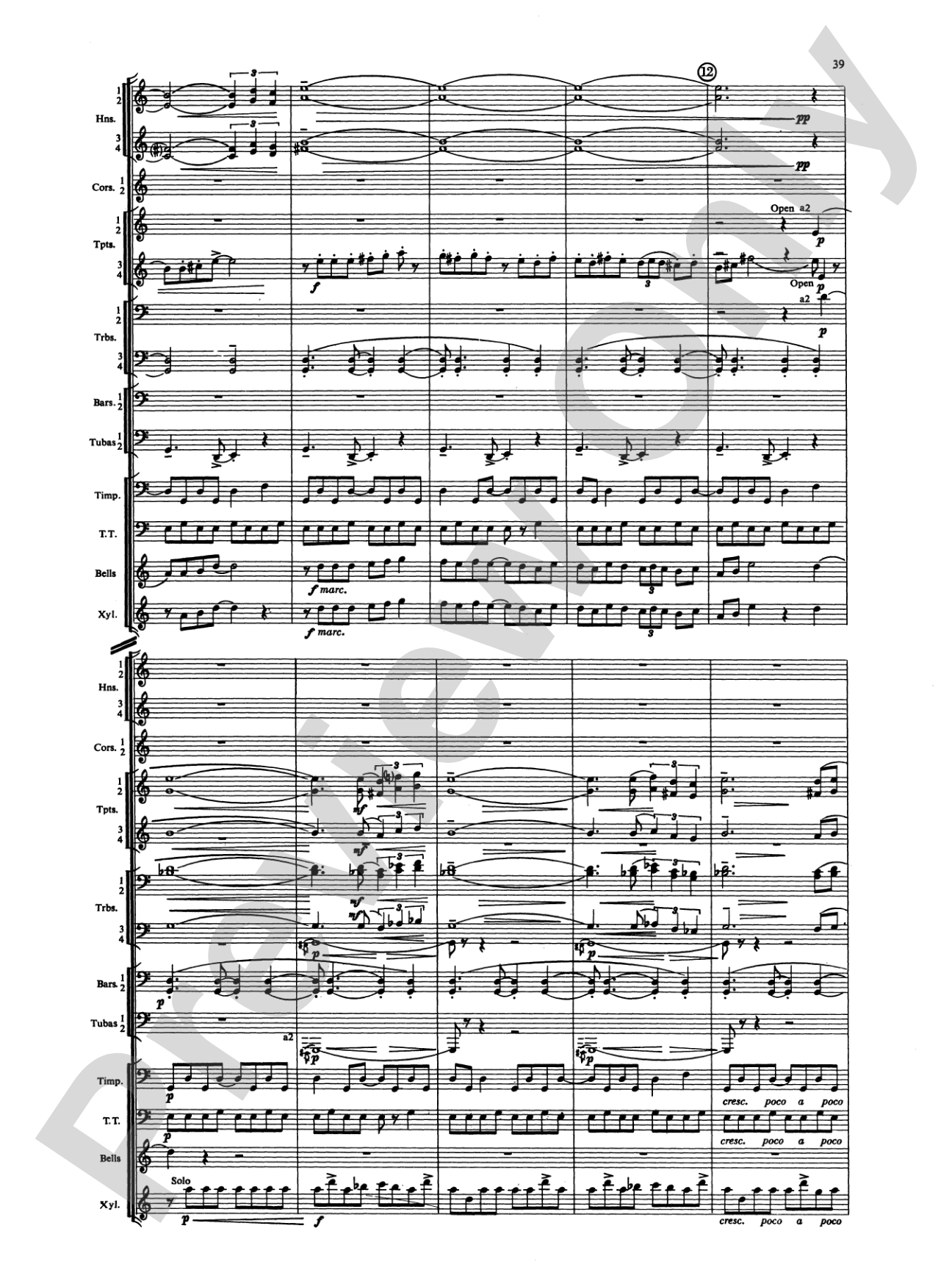
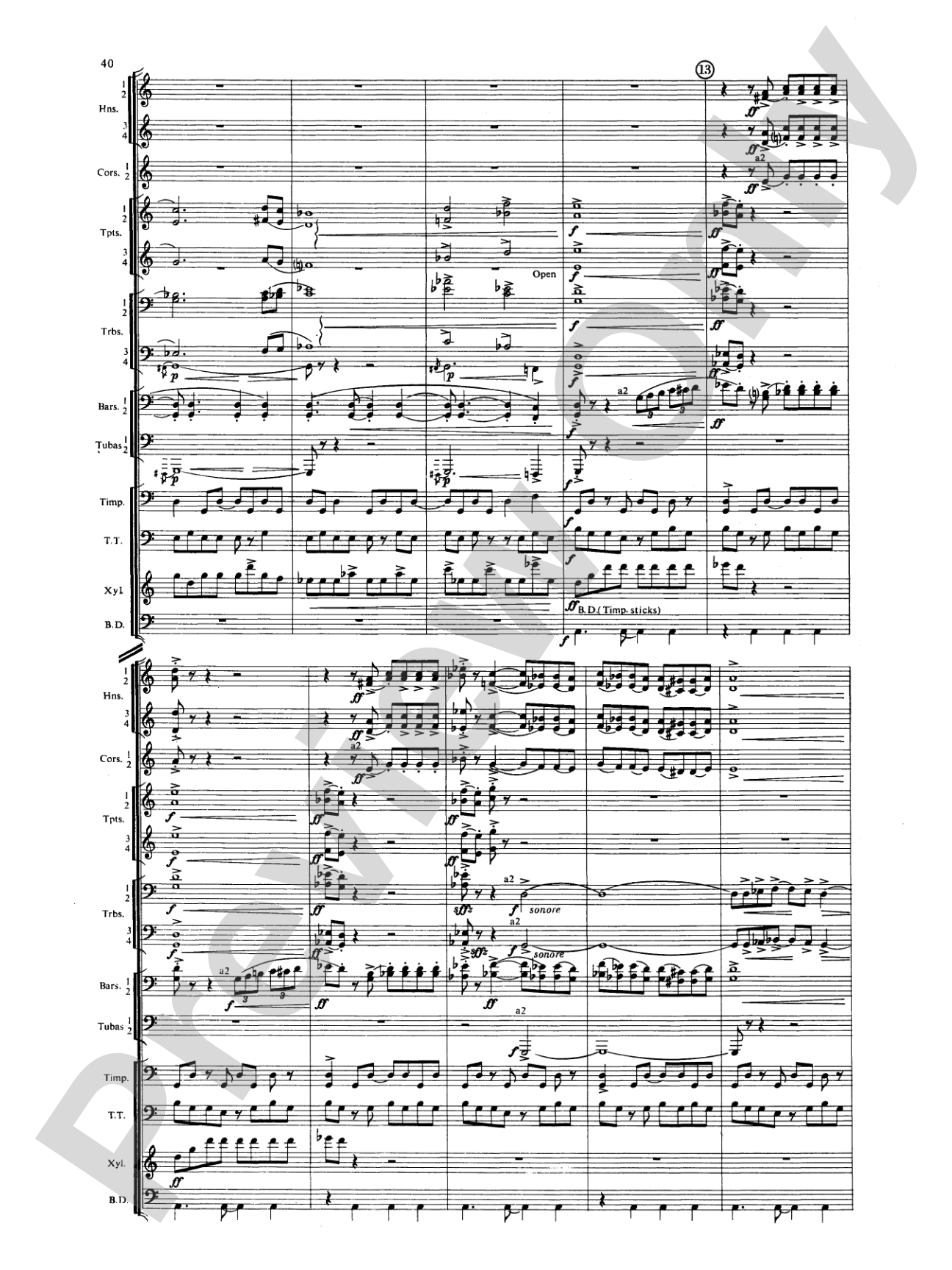
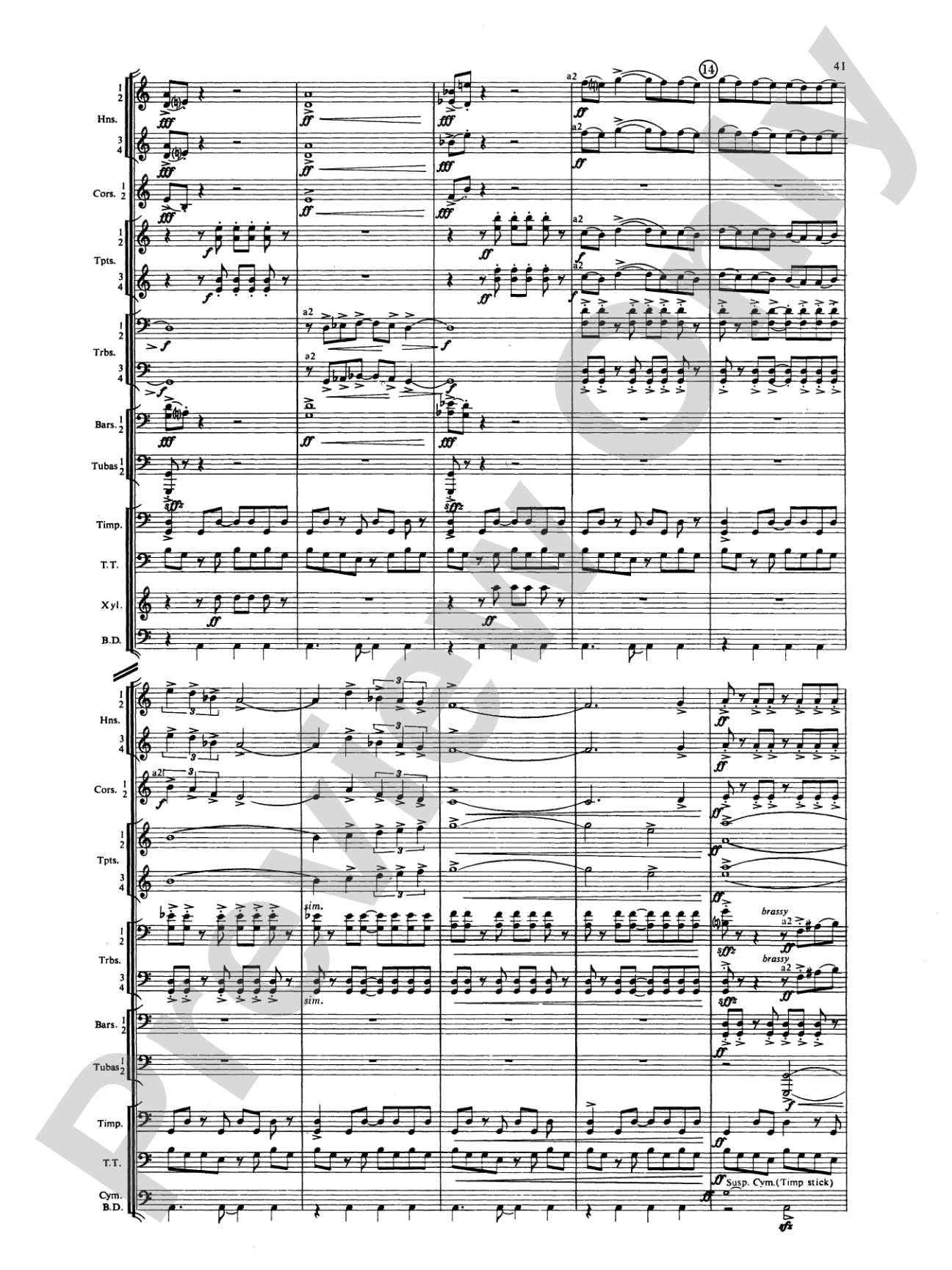
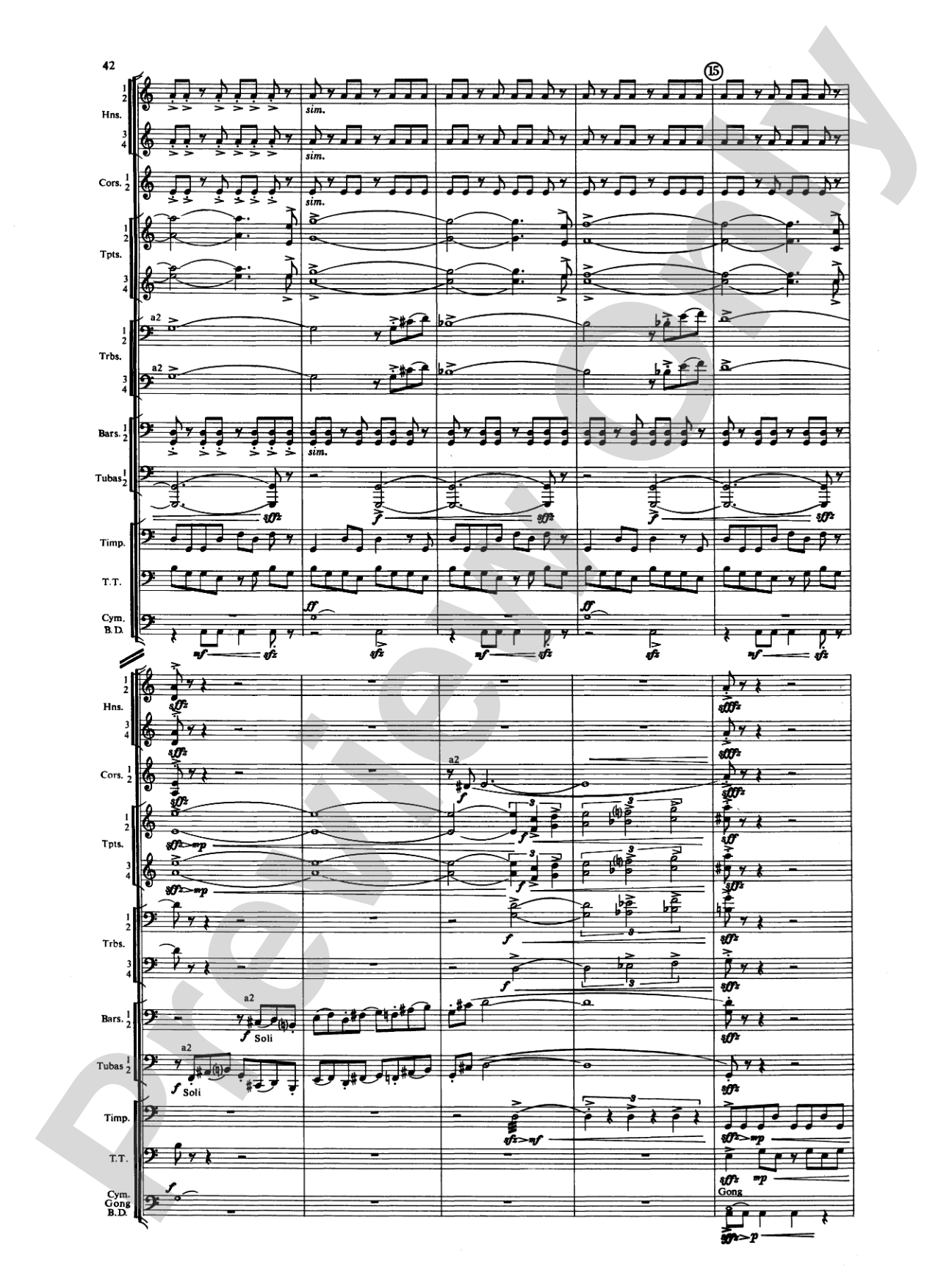




Symphony for Brass and Percussion: Score
By Alfred Reed
Grade: 5 (Difficult)
Item: 00-PR-0002348
$15.00
Pickup currently not available
Description
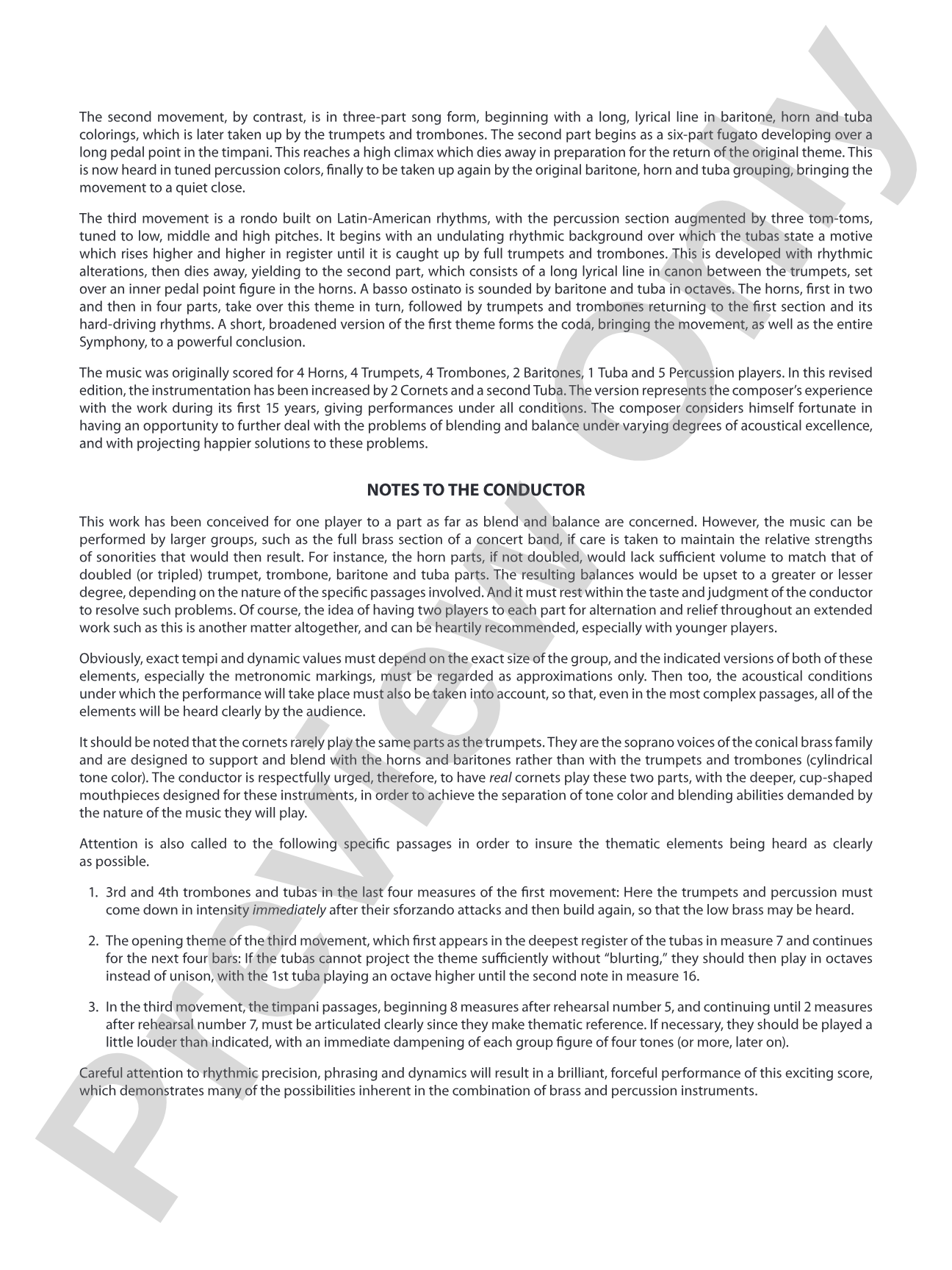
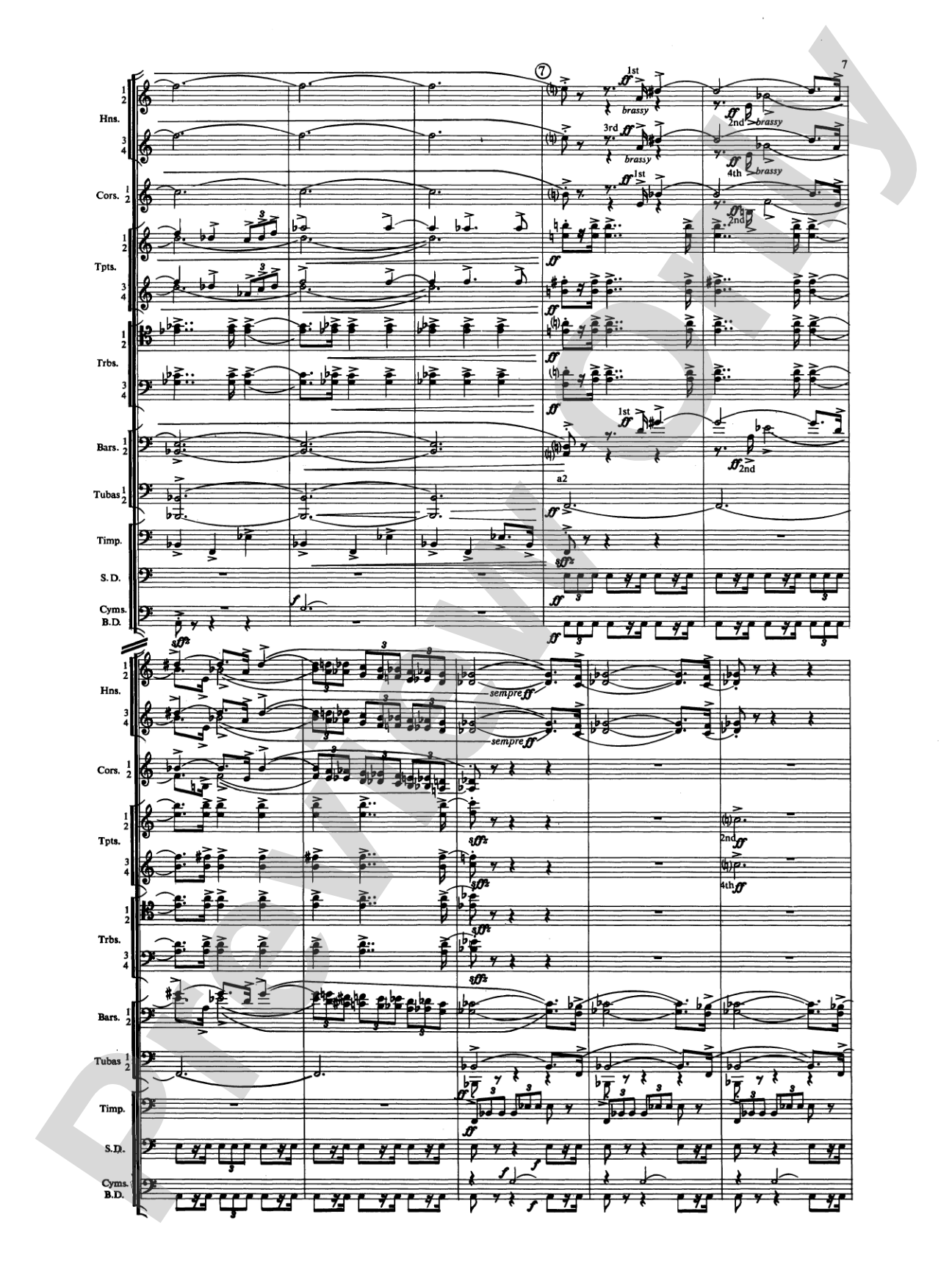
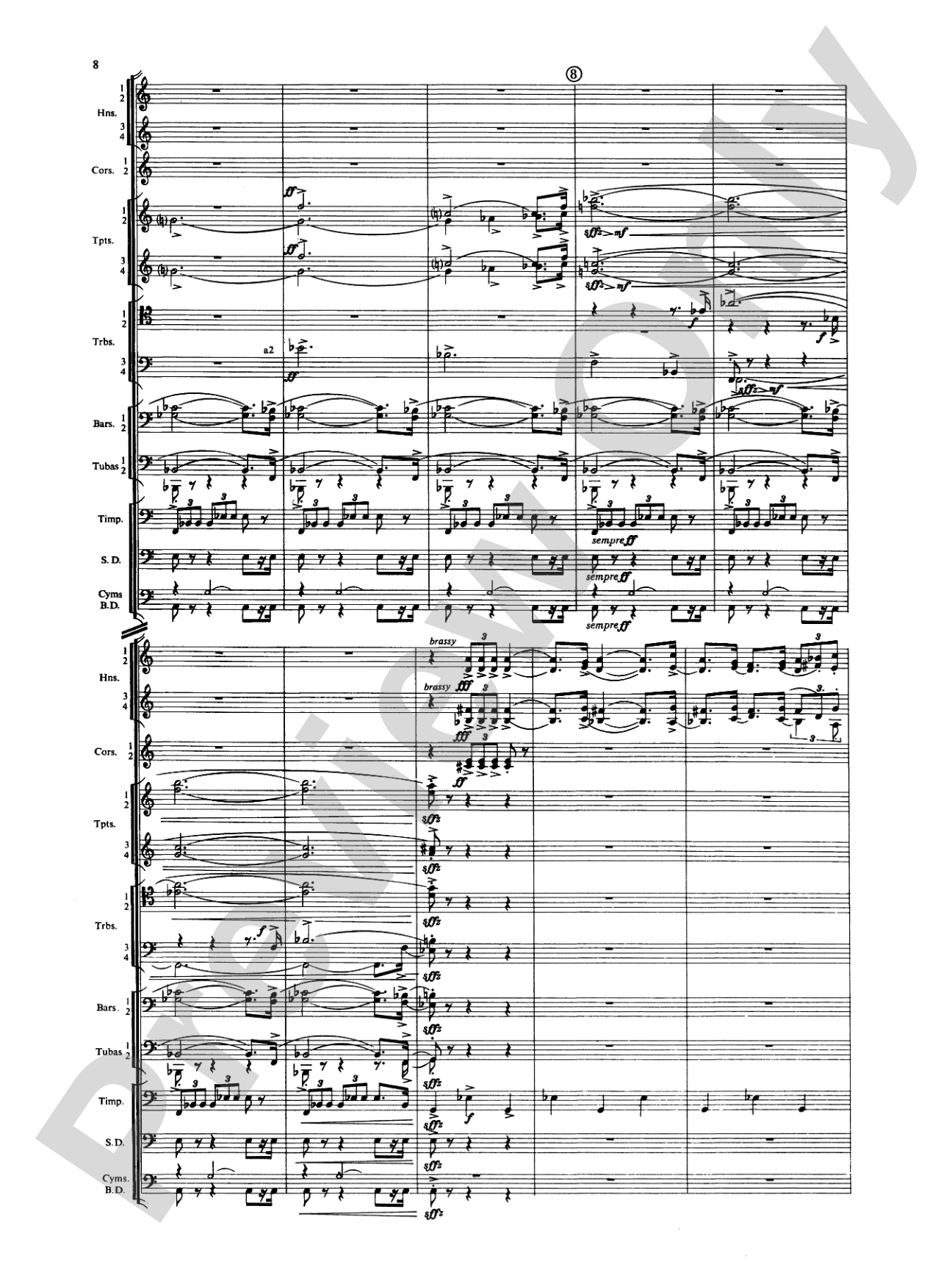
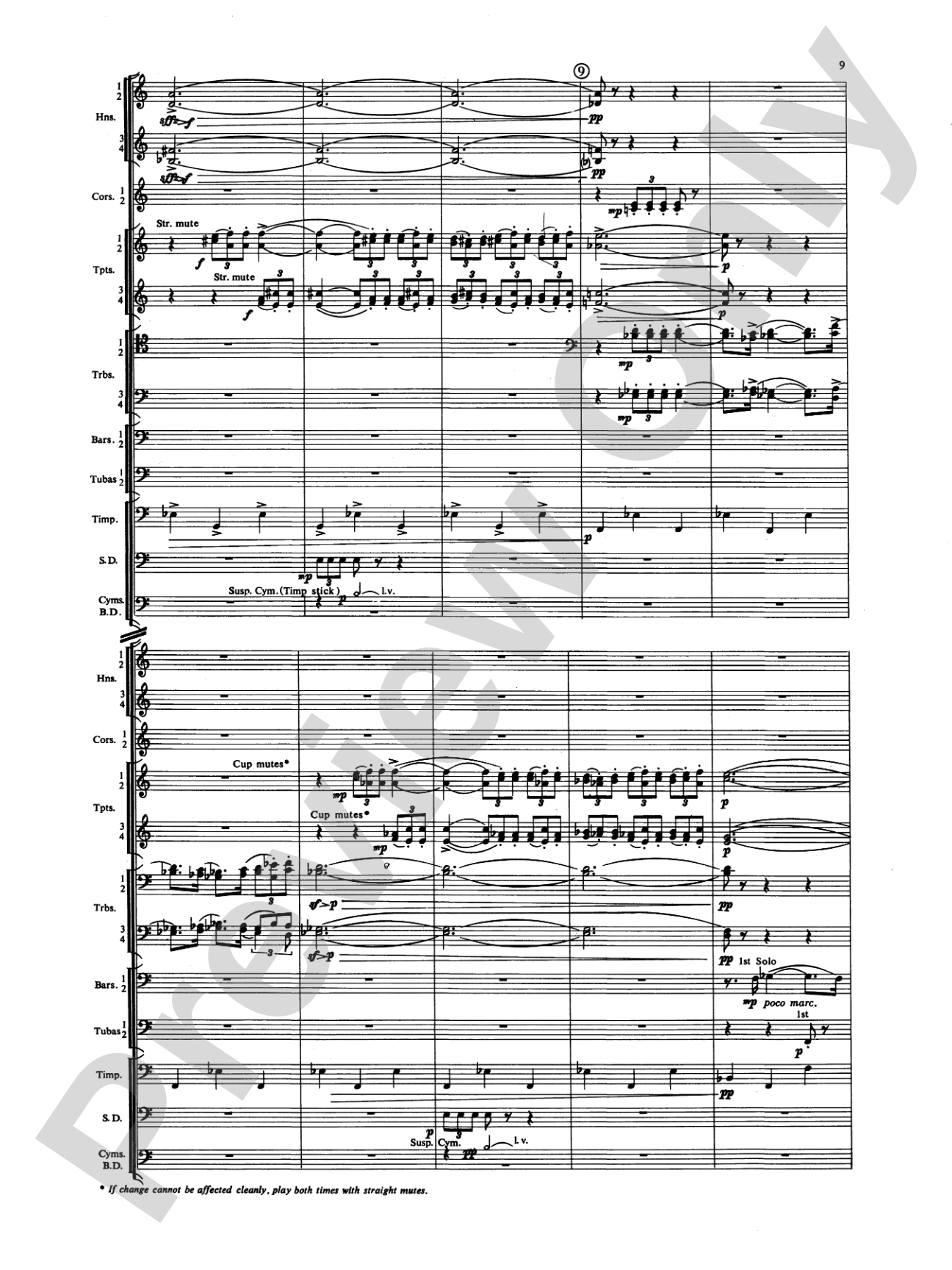
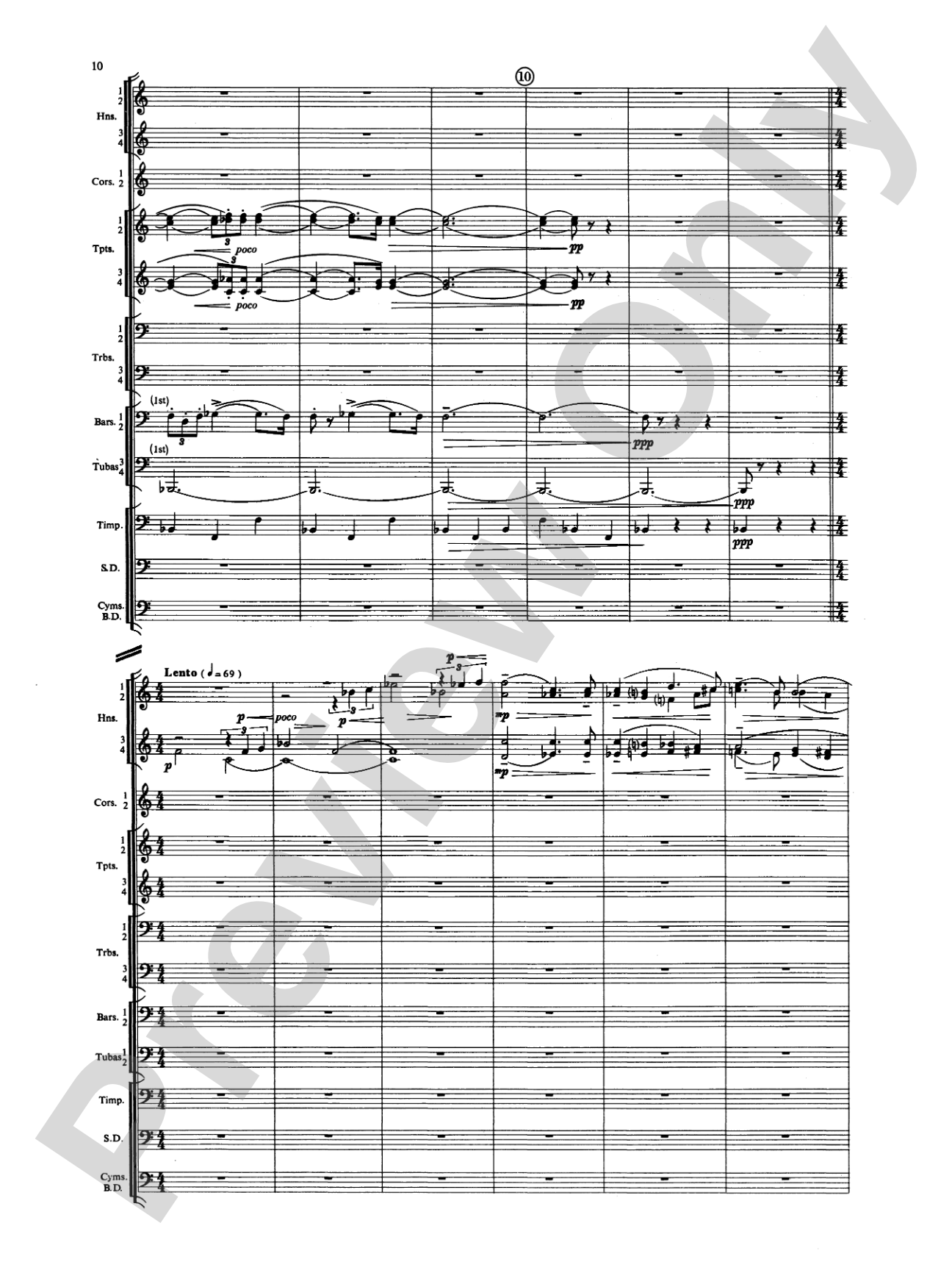
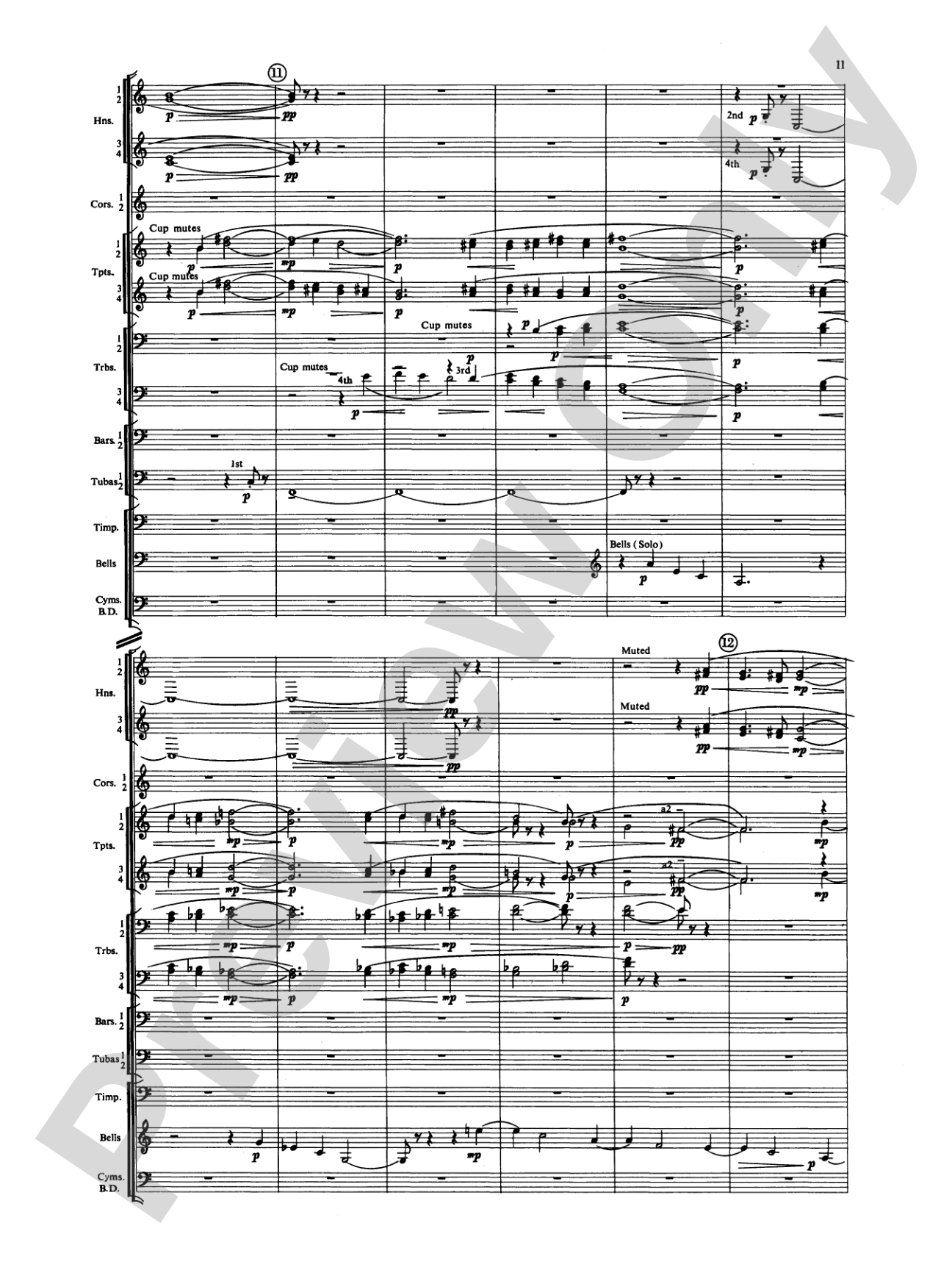
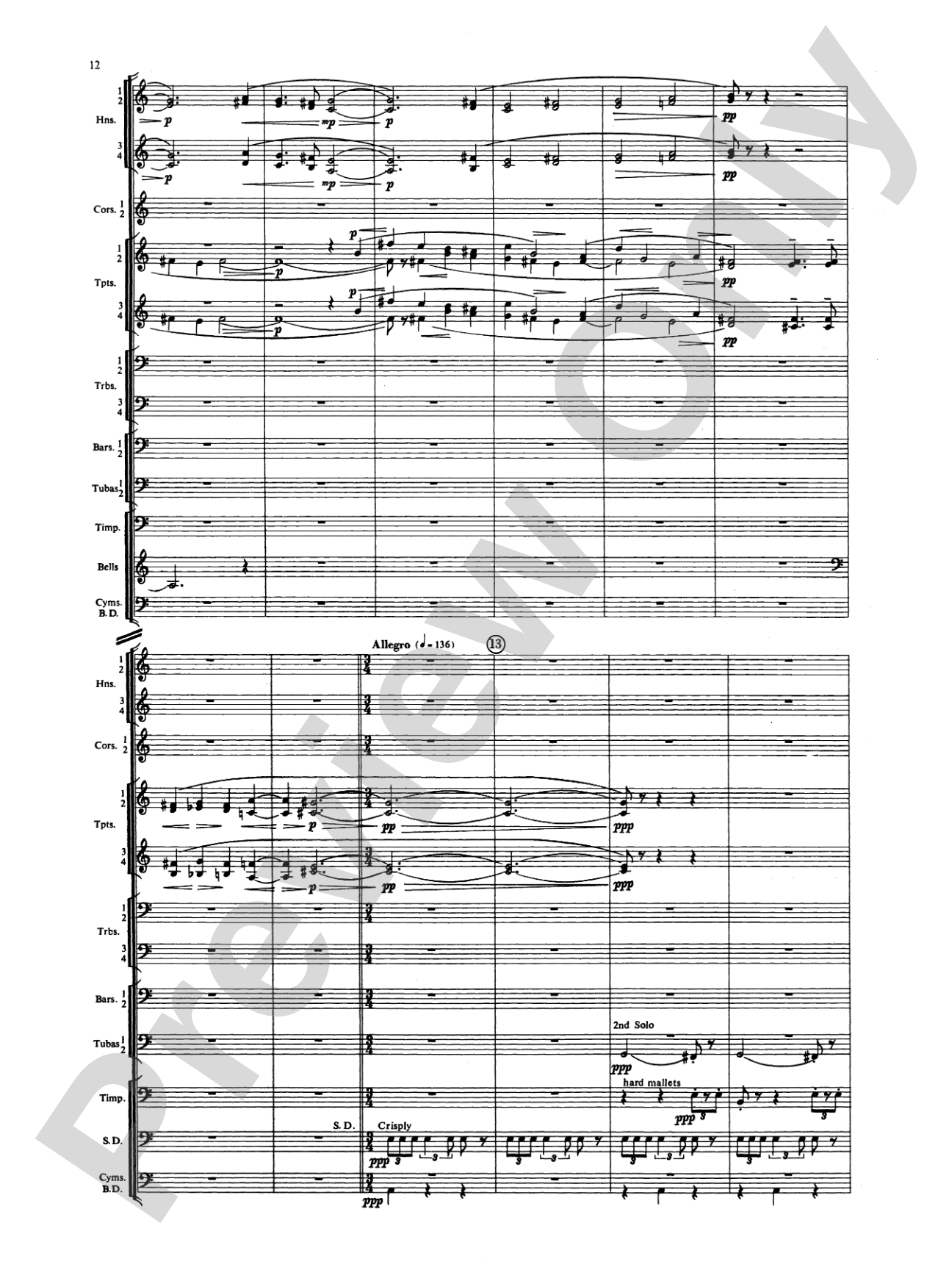
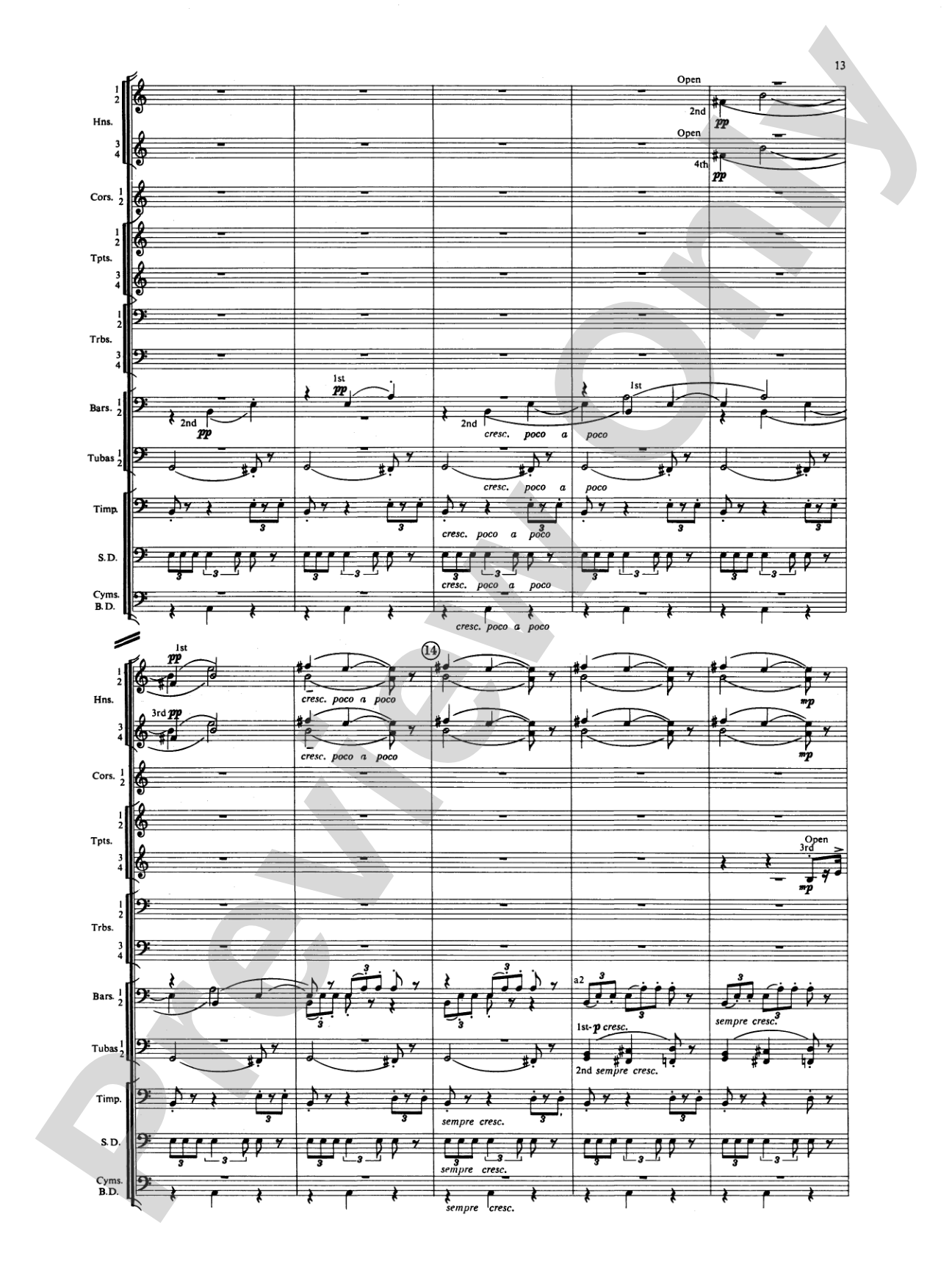
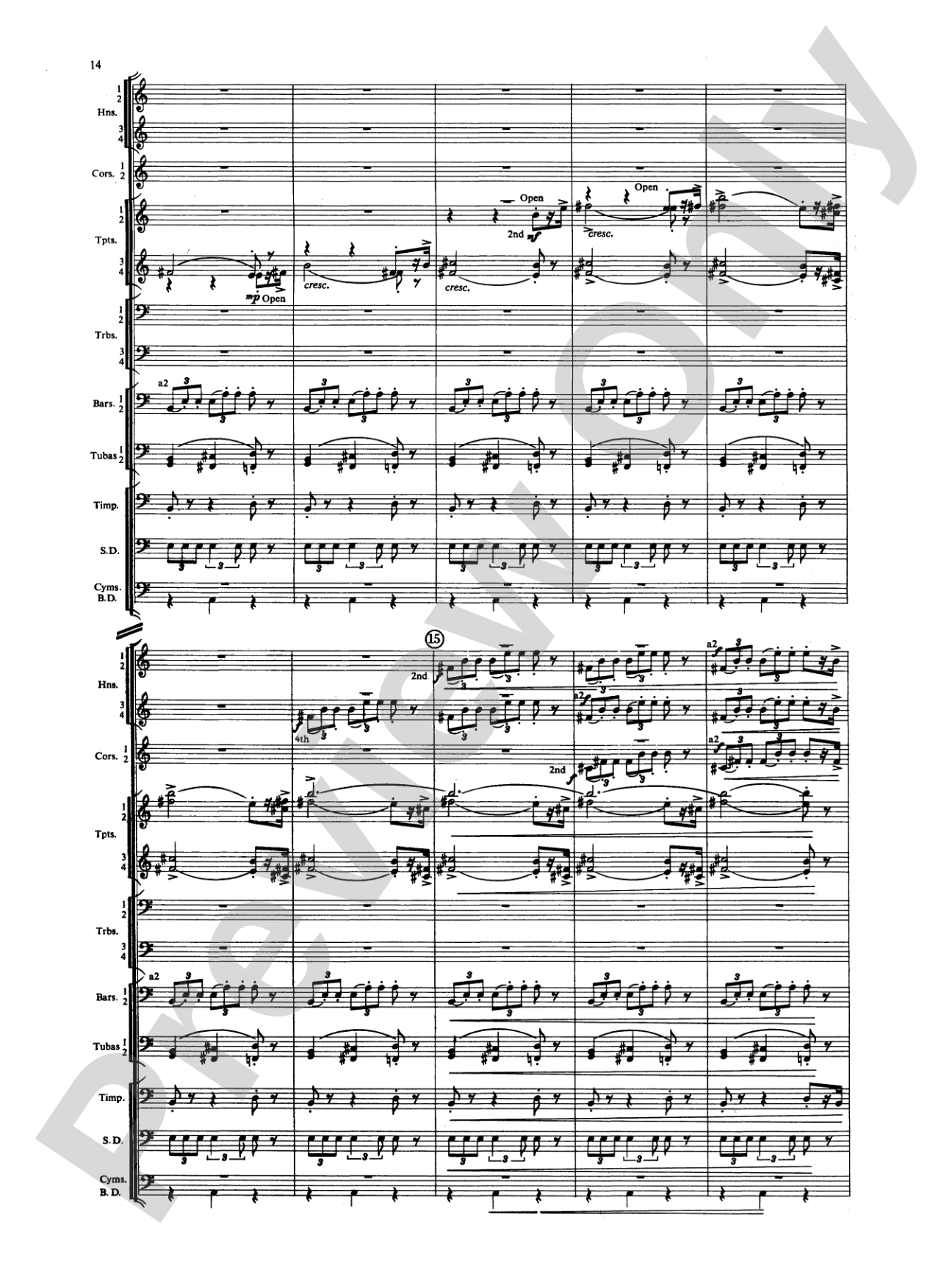
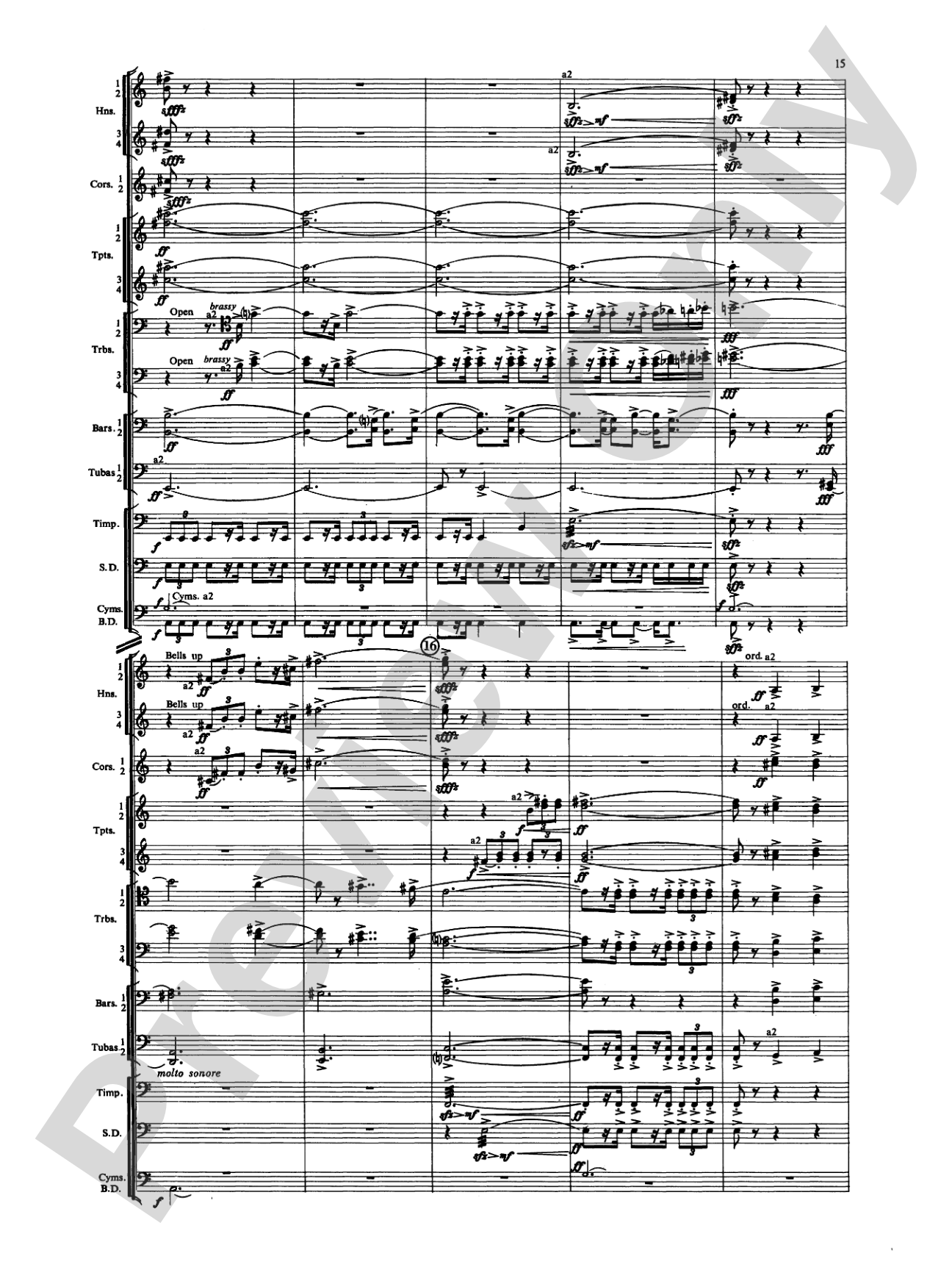
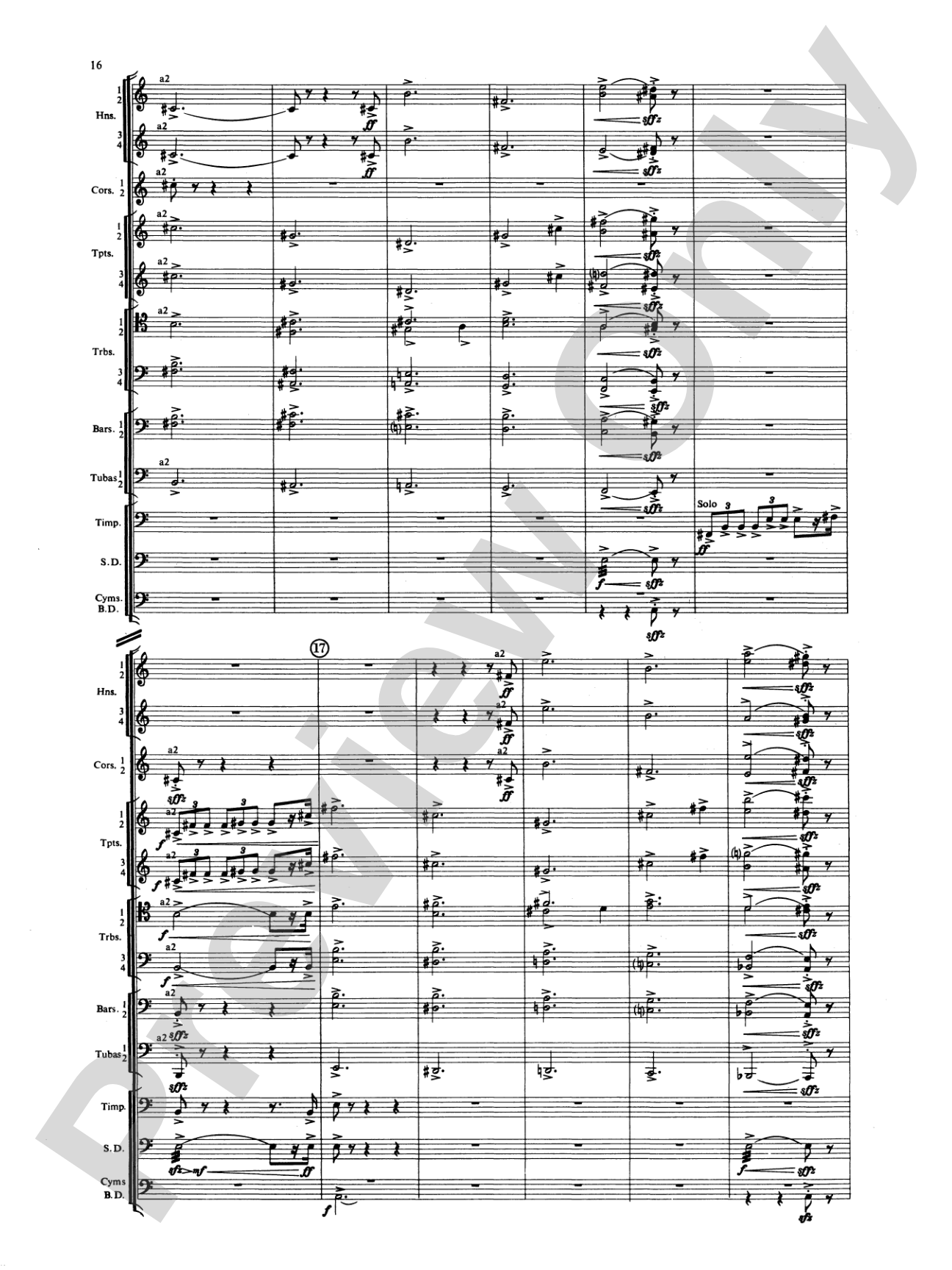
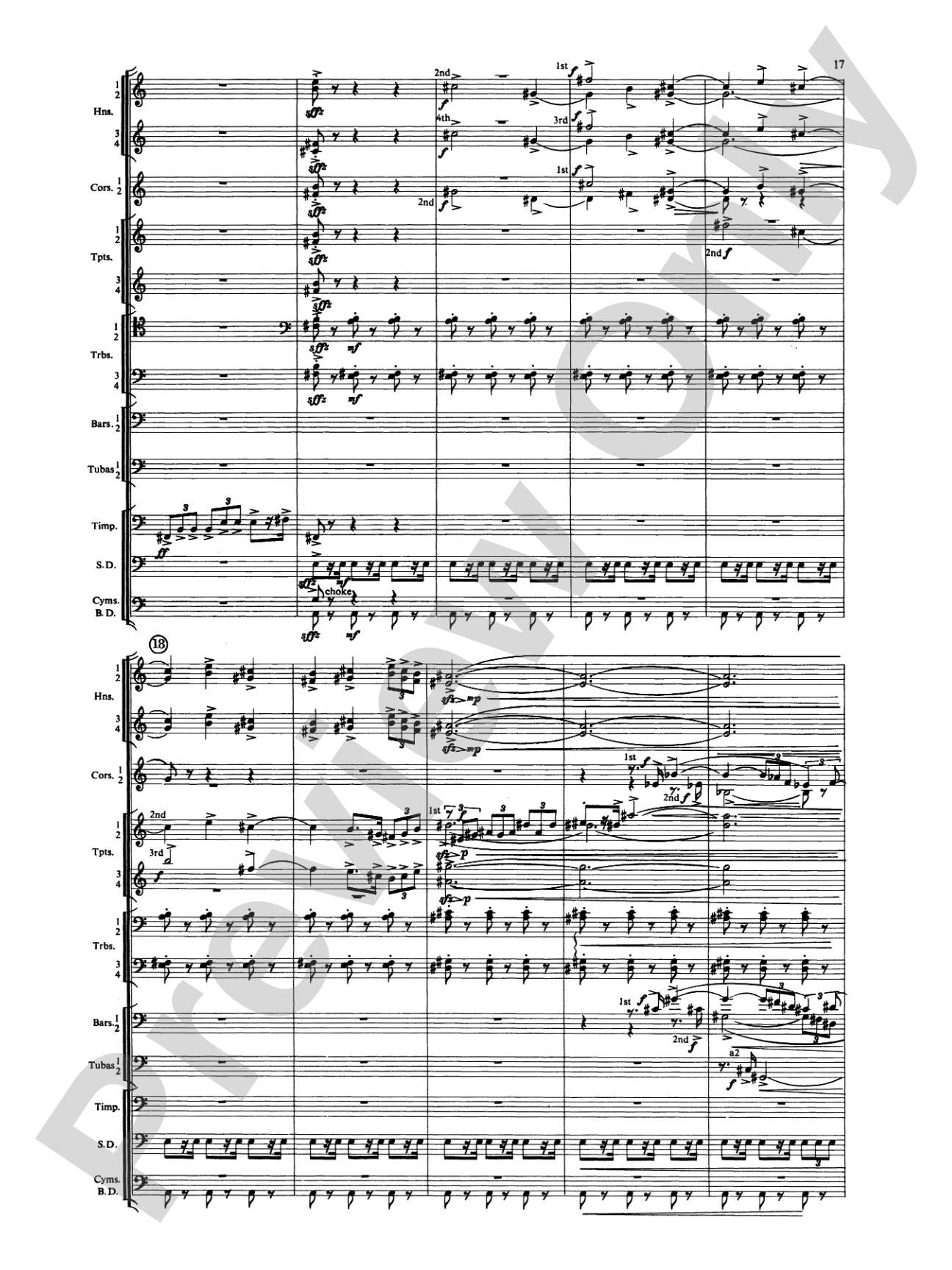
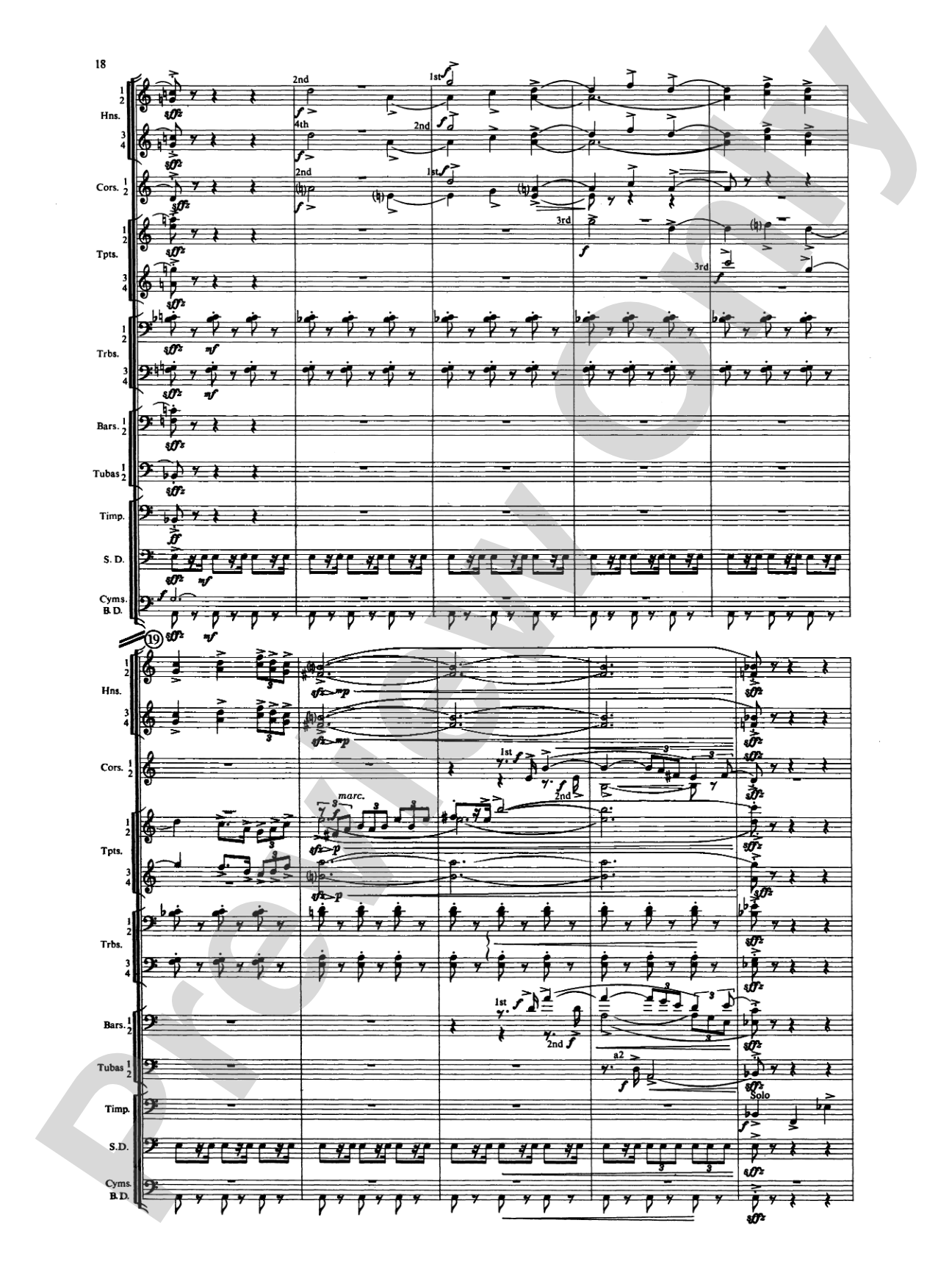
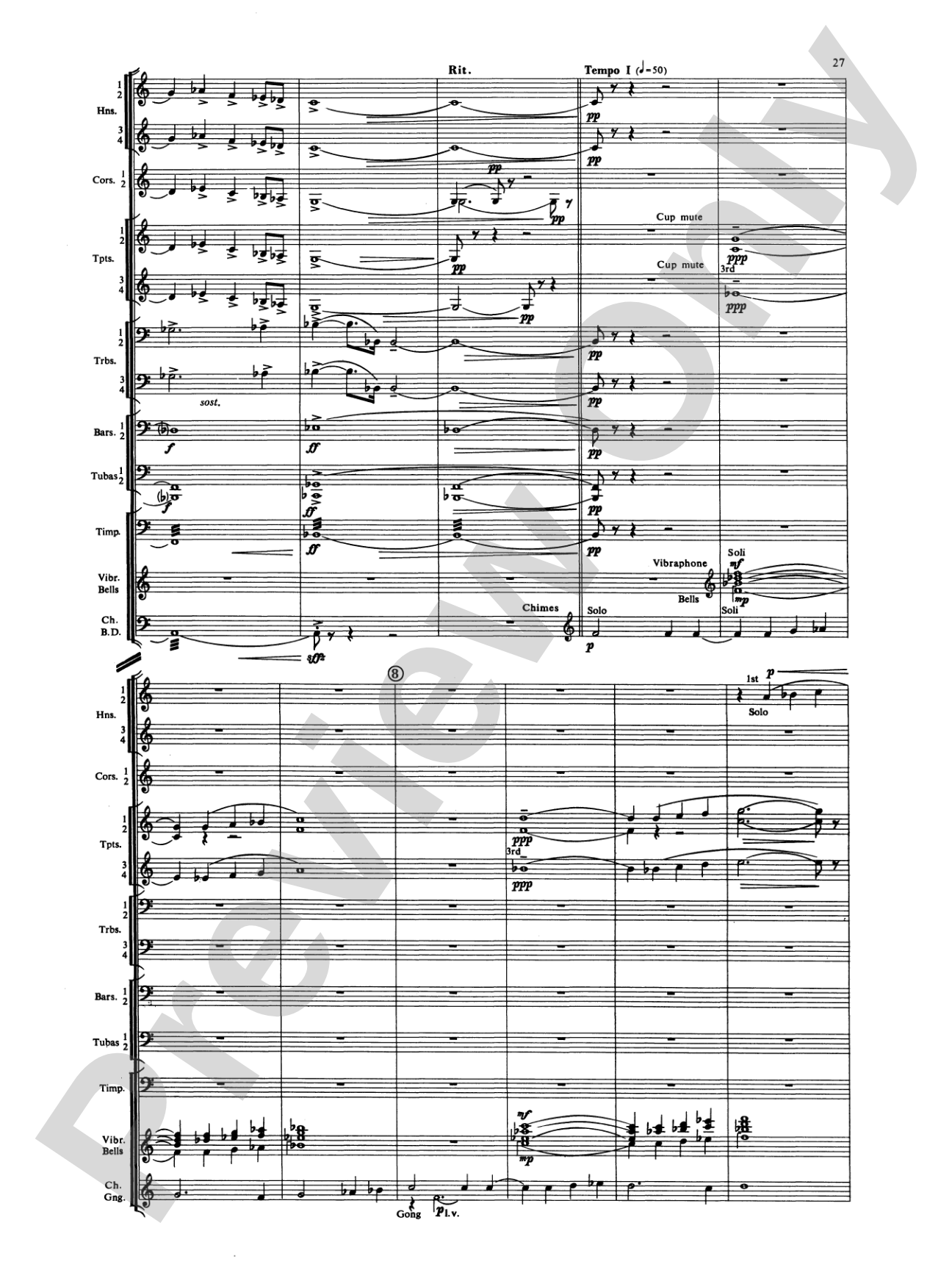
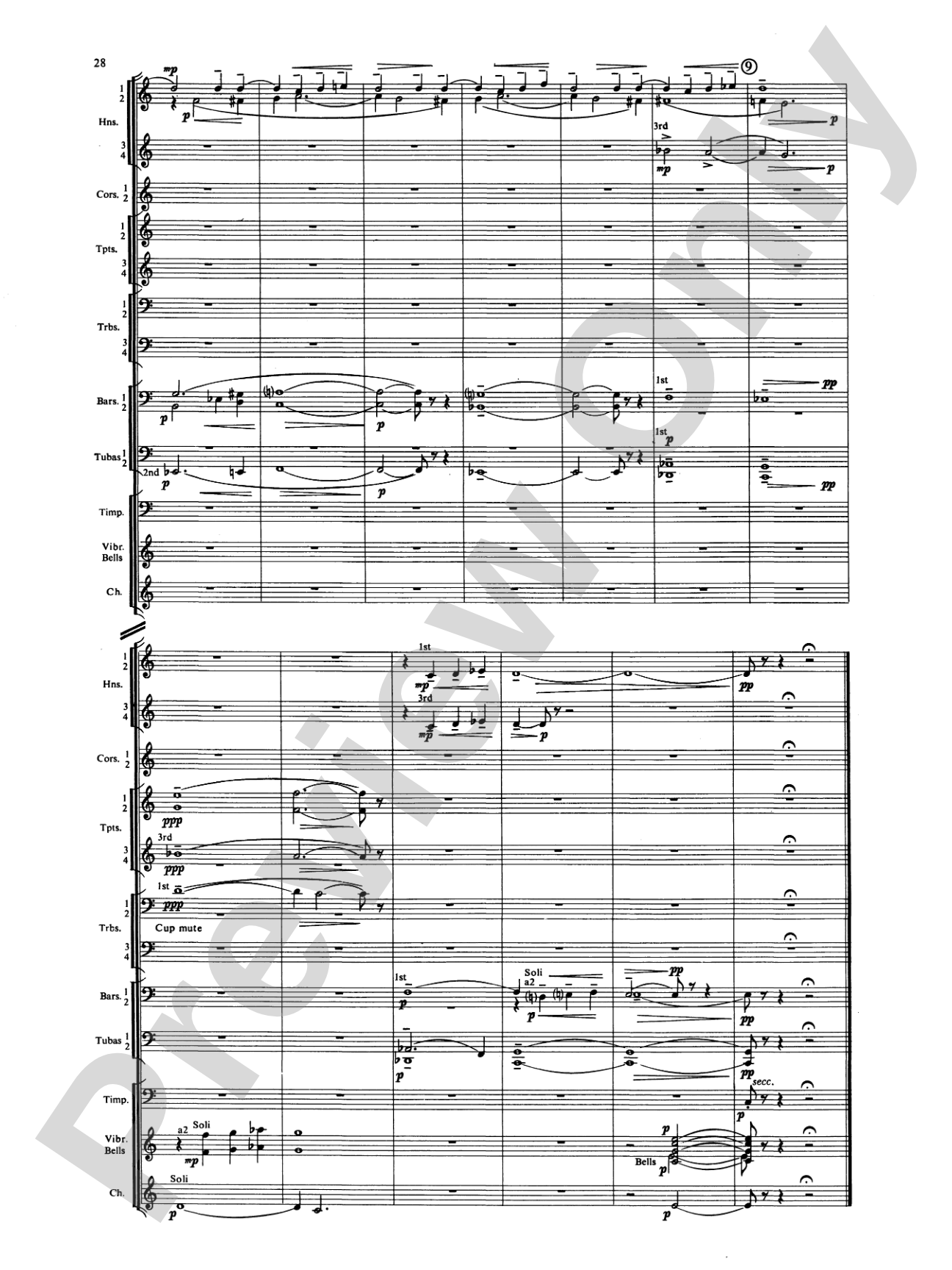
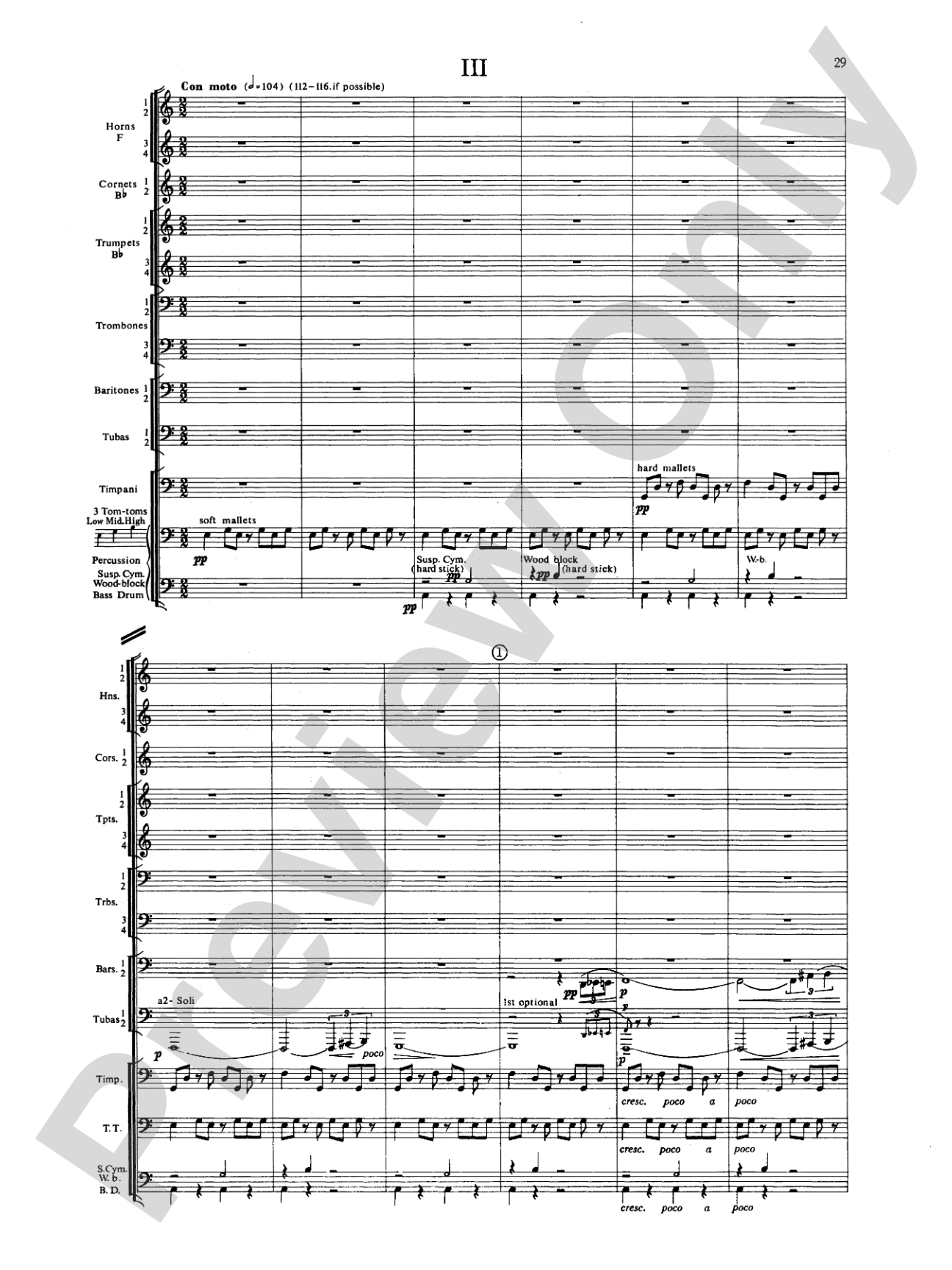
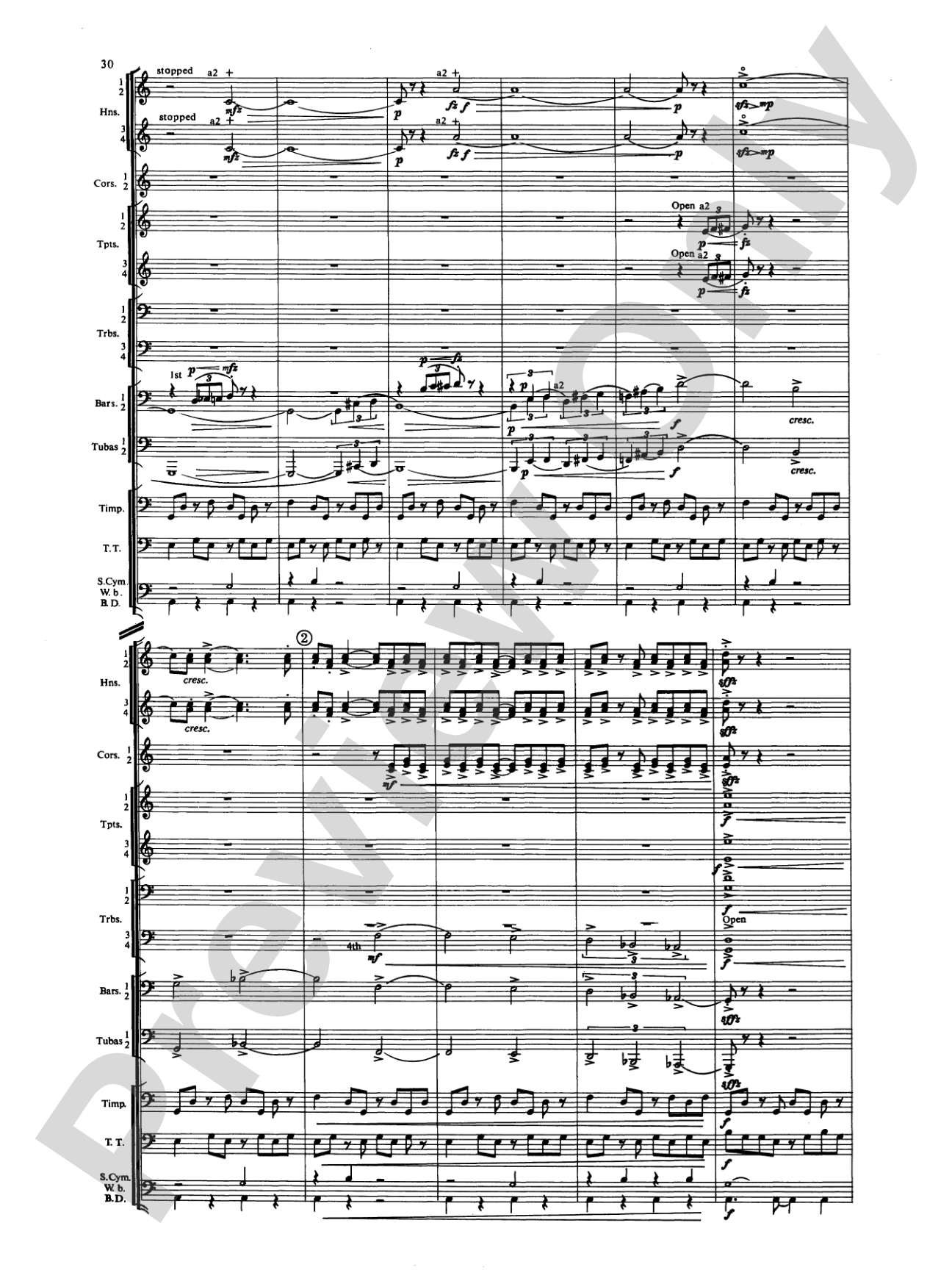
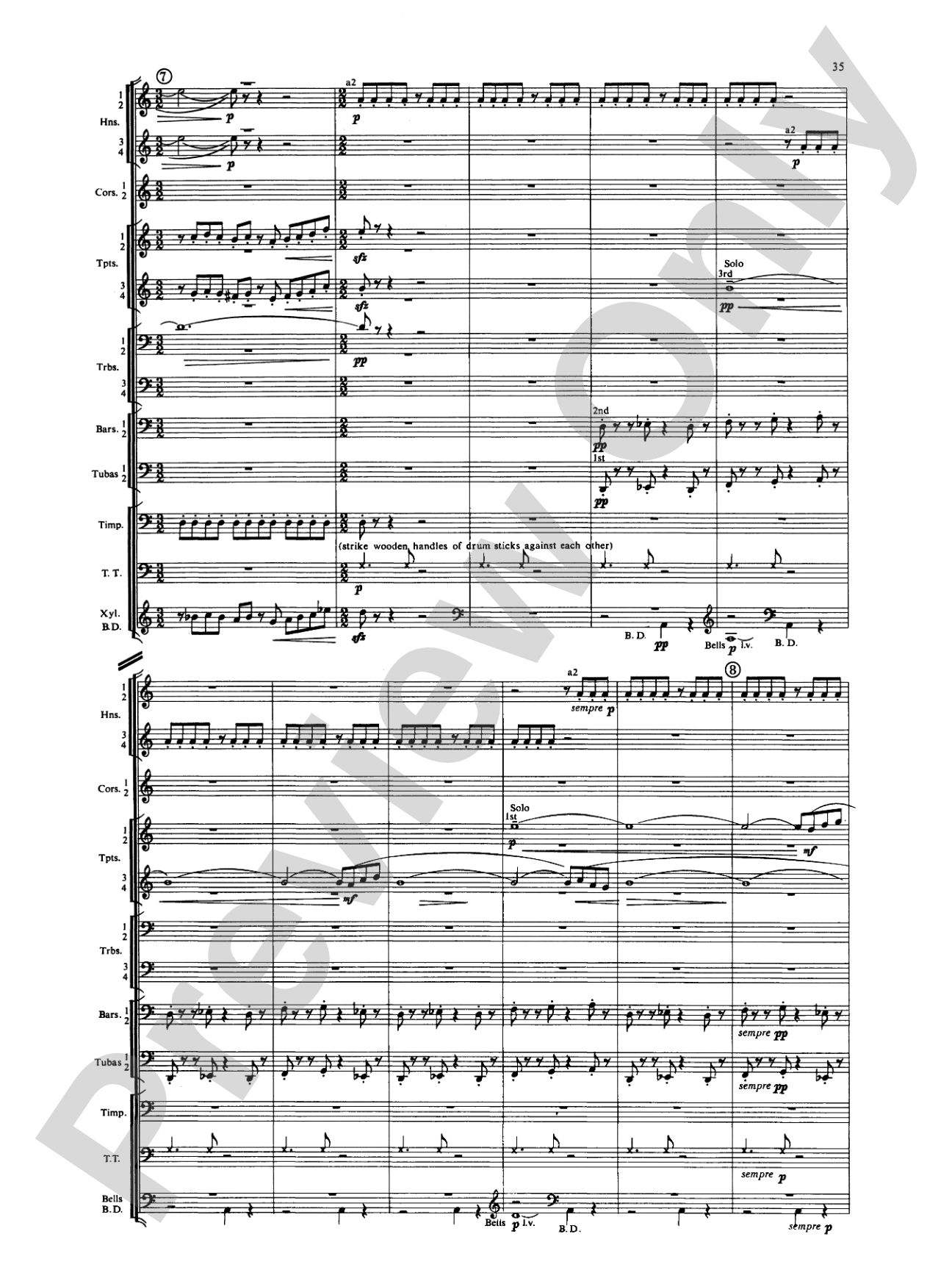
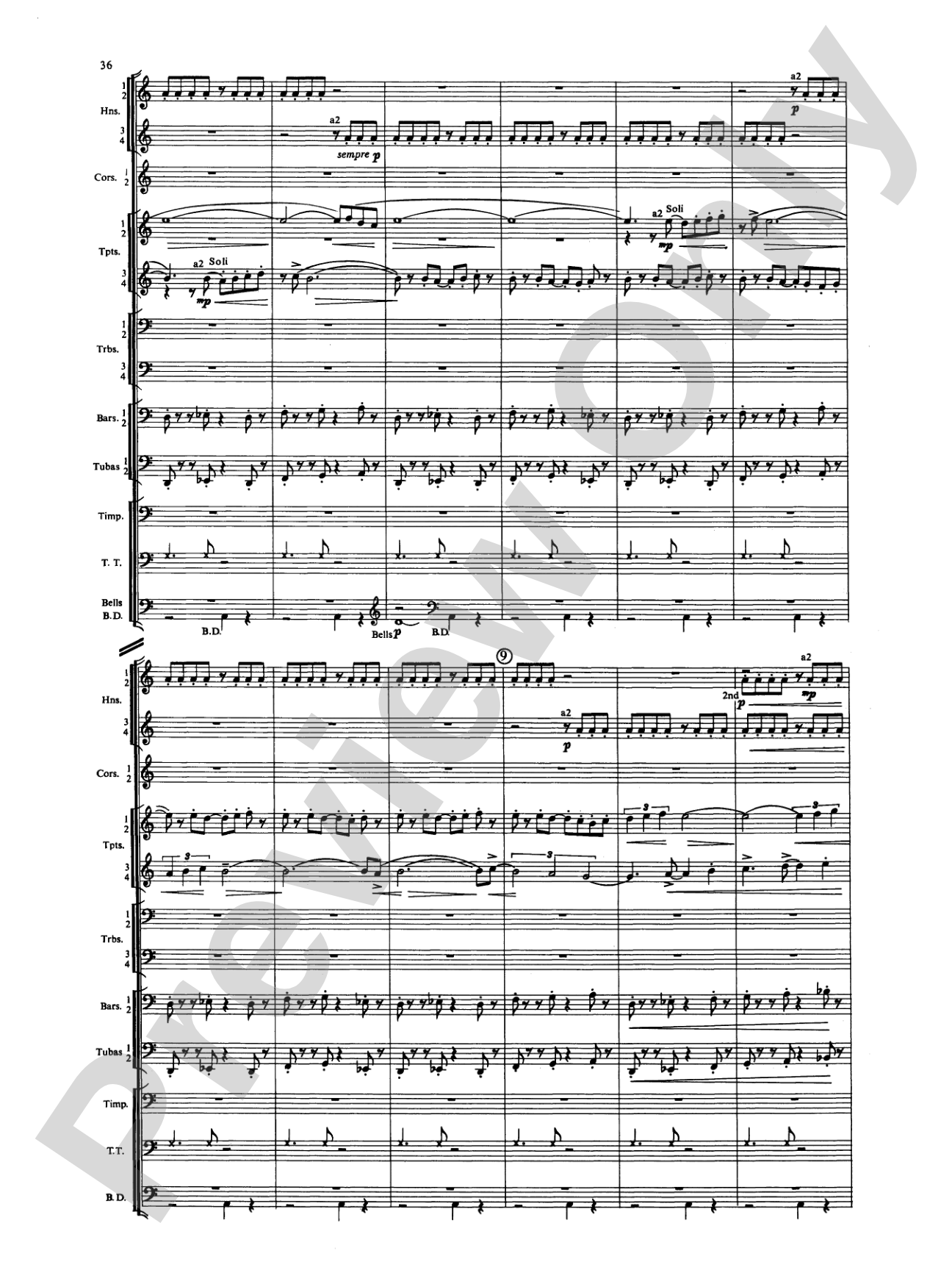
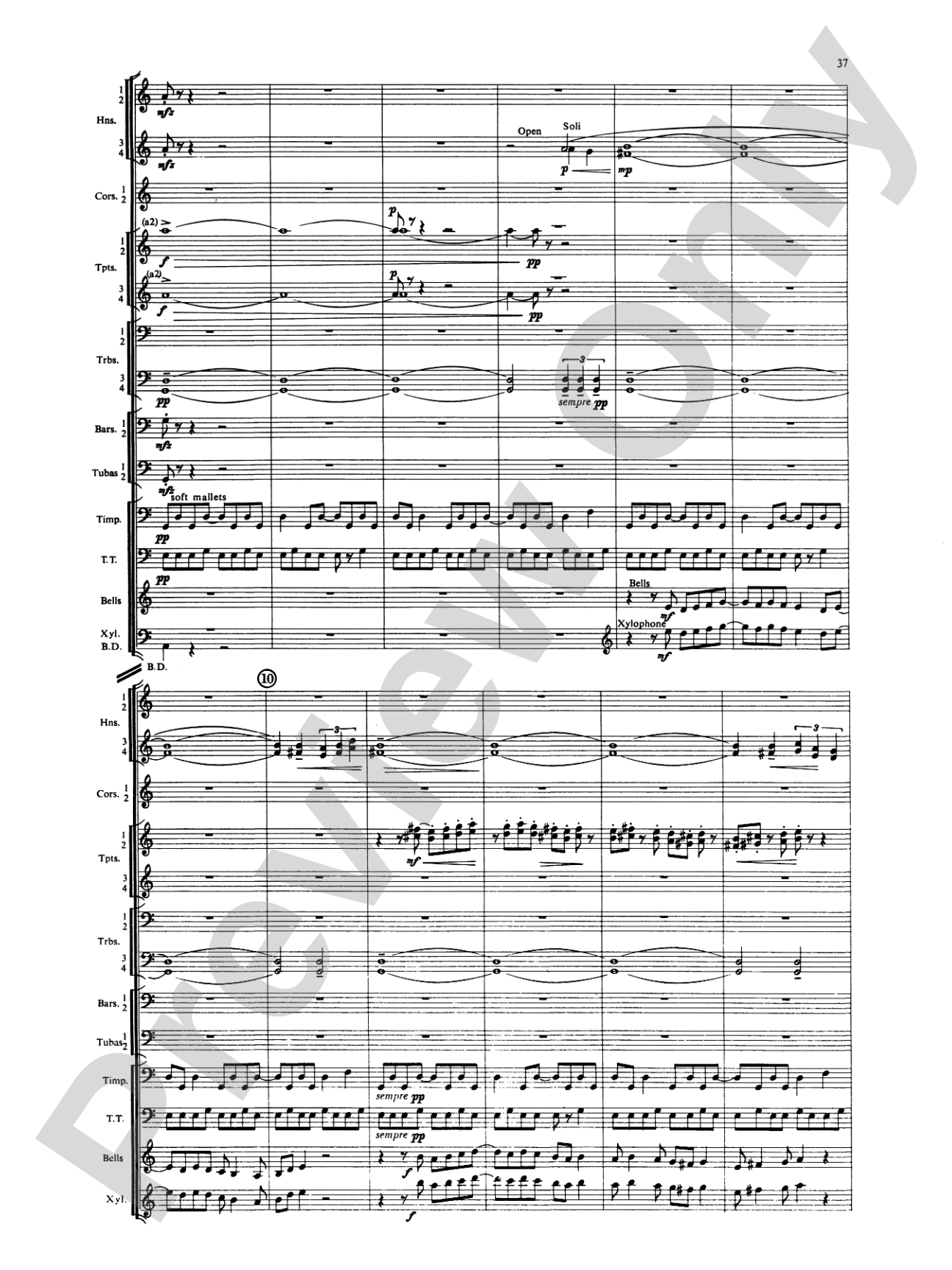
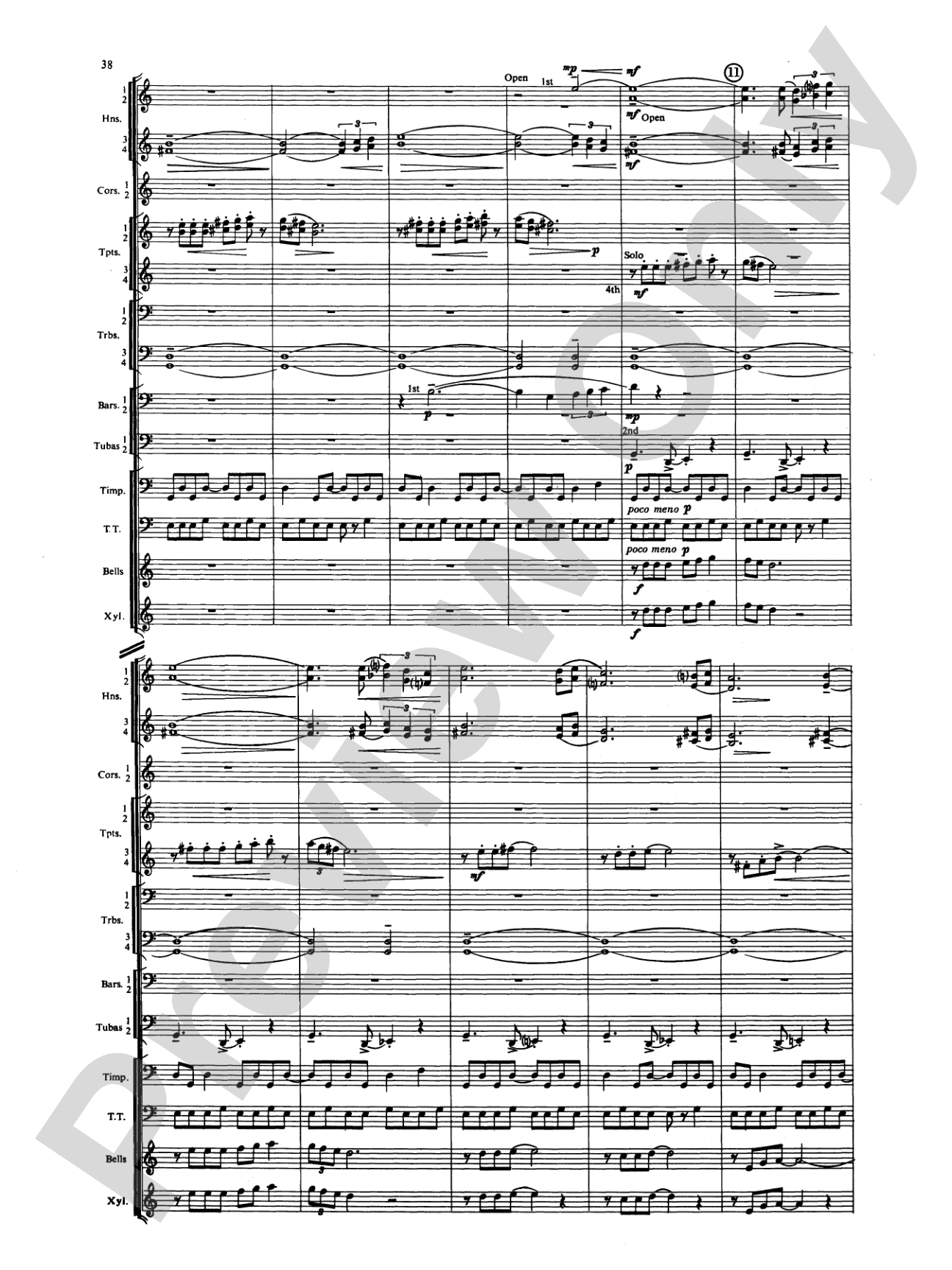
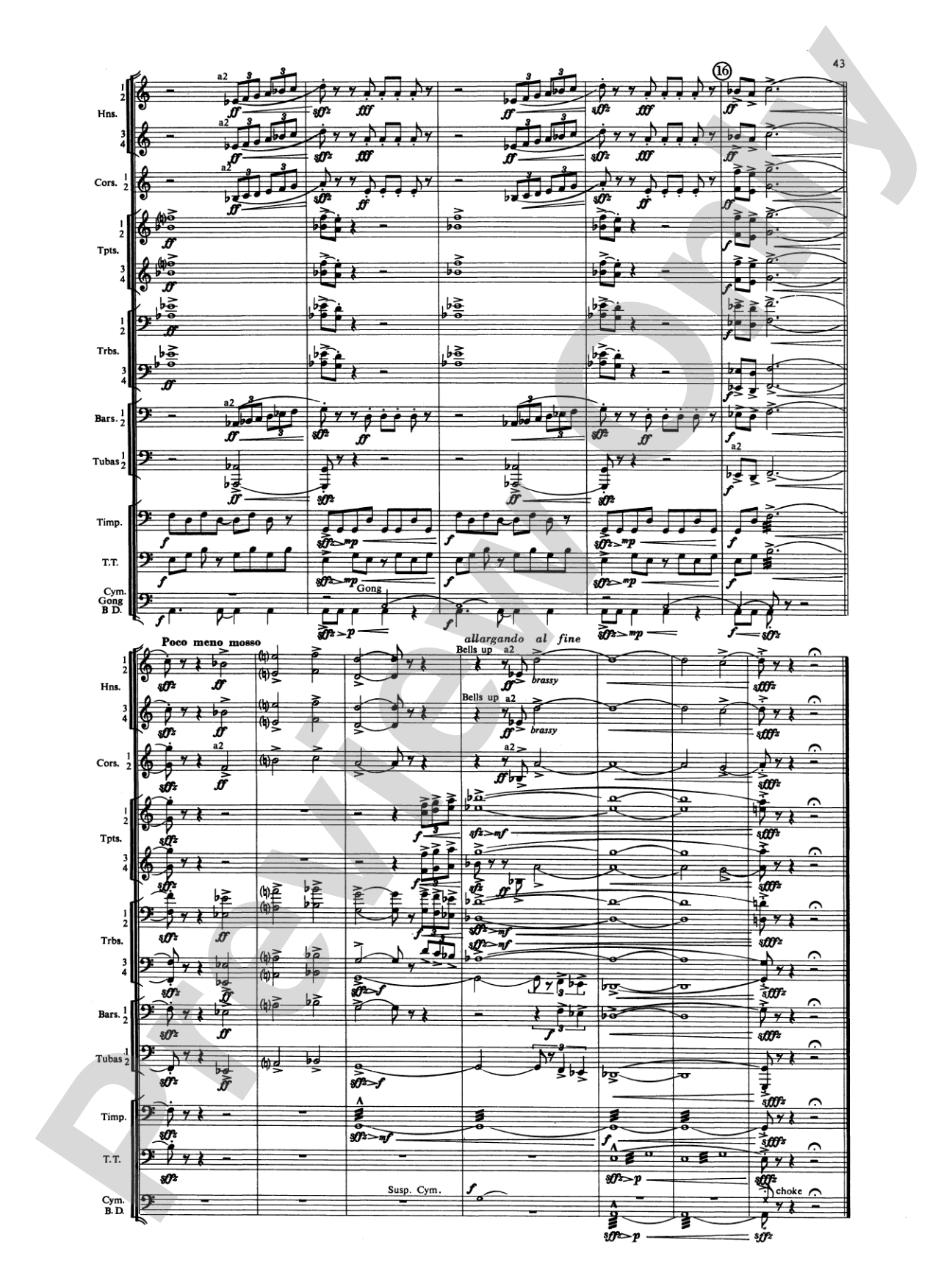
Originally composed in the summer of 1952 and premiered at the Chicago CBDNA conference that same year, the three-movement Symphony opens with abroad introduction containing the majority of the thematic material. The second most lyrical movement is in three-part song form and, the final movement is presented in rondo form. The instrumentation is for expanded brass and percussion sections and is scored for one-on-a-part. An exciting addition to the Belwin Classic series for discriminating ensembles. Recorded by Troy University Band.


Don't just read it, hear it, play along with it, and watch your students grow with it. In MakeMusic Cloud, Symphony for Brass and Percussion: Score comes alive with professional accompaniment, adjustable tempo, and built-in practice tools that turn solo practice into real progress.
Open in the Player
Jump straight in and assign it today.
Start Your Free Trial
Open this title and explore the full library in minutes.
Sample Audio
1
Audio File
--:--
0:00
0:00
Sample Video
No sample videos found.
Additional Details
Series:
Belwin Classic Band
Publisher:
Alfred Music
Page Count:
192
SKU:
00-PR-0002348
More about this title
About the Composer: Alfred Reed
Alfred Reed stands among the most prolific and performed composers in the concert band repertoire, with a catalog spanning over 150 works. His ability to write idiomatically for wind instruments while maintaining sophisticated harmonic and structural ideas made him a defining voice in American band music for over six decades.
Why we love this
Reed's Symphony demonstrates why he earned such respect from conductors and ensembles: the writing sits beautifully for brass and percussion players while remaining genuinely symphonic in scope. The architecture across three movements gives you a piece that satisfies both the performers and the audience, with enough orchestral substance to hold its own in any concert setting.
What to expect
The piece commands the concert hall from its opening moments with sweeping brass declarations and layered percussion textures. Its three-movement arc moves from grand statement to introspection and back out into a rhythmically assured finale, creating the sense of a substantial artistic journey.
Who it's for
Conductors of Grade 5 ensembles seeking a substantial concert work with serious musical content and modern orchestration. This is repertoire for bands that have developed solid technical facility and can handle the independent lines required by Reed's scoring.
How to get the most out of it
- Balance the broad introduction carefully; the thematic material that emerges here sets expectations for the entire work, so let each section speak clearly without overwhelming the texture.
- In the lyrical second movement, shape the three-part form by finding slight tempo flexibility between sections rather than rigid metric consistency.
- The rondo finale benefits from crisp articulation in the brass that distinguishes the recurring theme from developmental passages.
- One-on-a-part scoring demands secure intonation and individual confidence; consider sectional rehearsals that isolate the expanded brass and percussion writing.
How to use it
Anchor a concert around this work as a centerpiece, programming lighter selections before and after to balance the symphonic weight. It also works well as a closing piece for a festival or contest appearance, leaving audiences with the impact of Reed's full orchestral vision.
Skills your students will build
- Balancing expanded brass and percussion sections within a single-line texture
- Shaping three-part song form with tonal clarity rather than dynamics alone
- Executing rondo form structures and navigating recurring thematic material
- Reading and performing independently as one-on-a-part assignments require
- Understanding harmonic language and development across a multi-movement work