

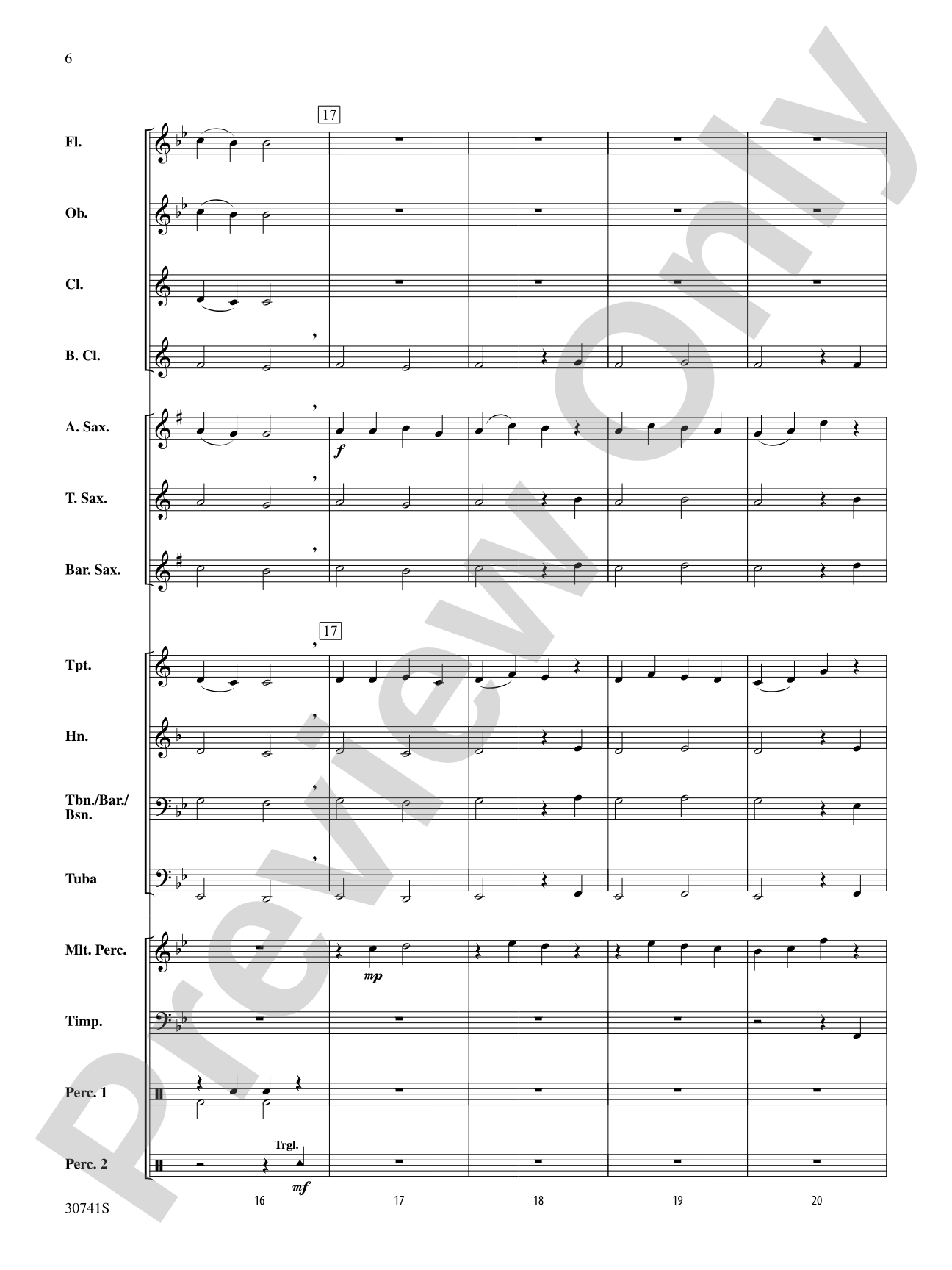
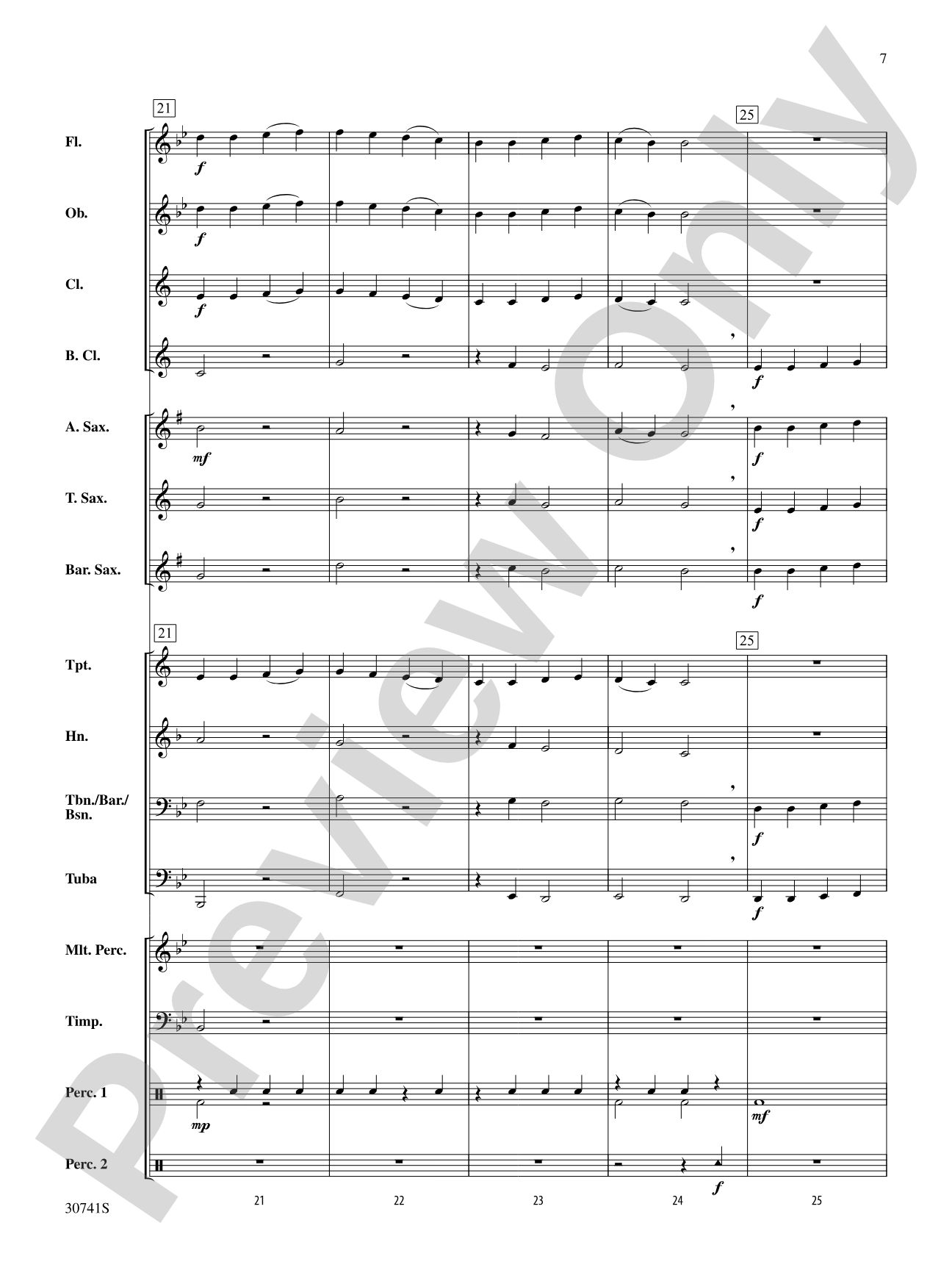
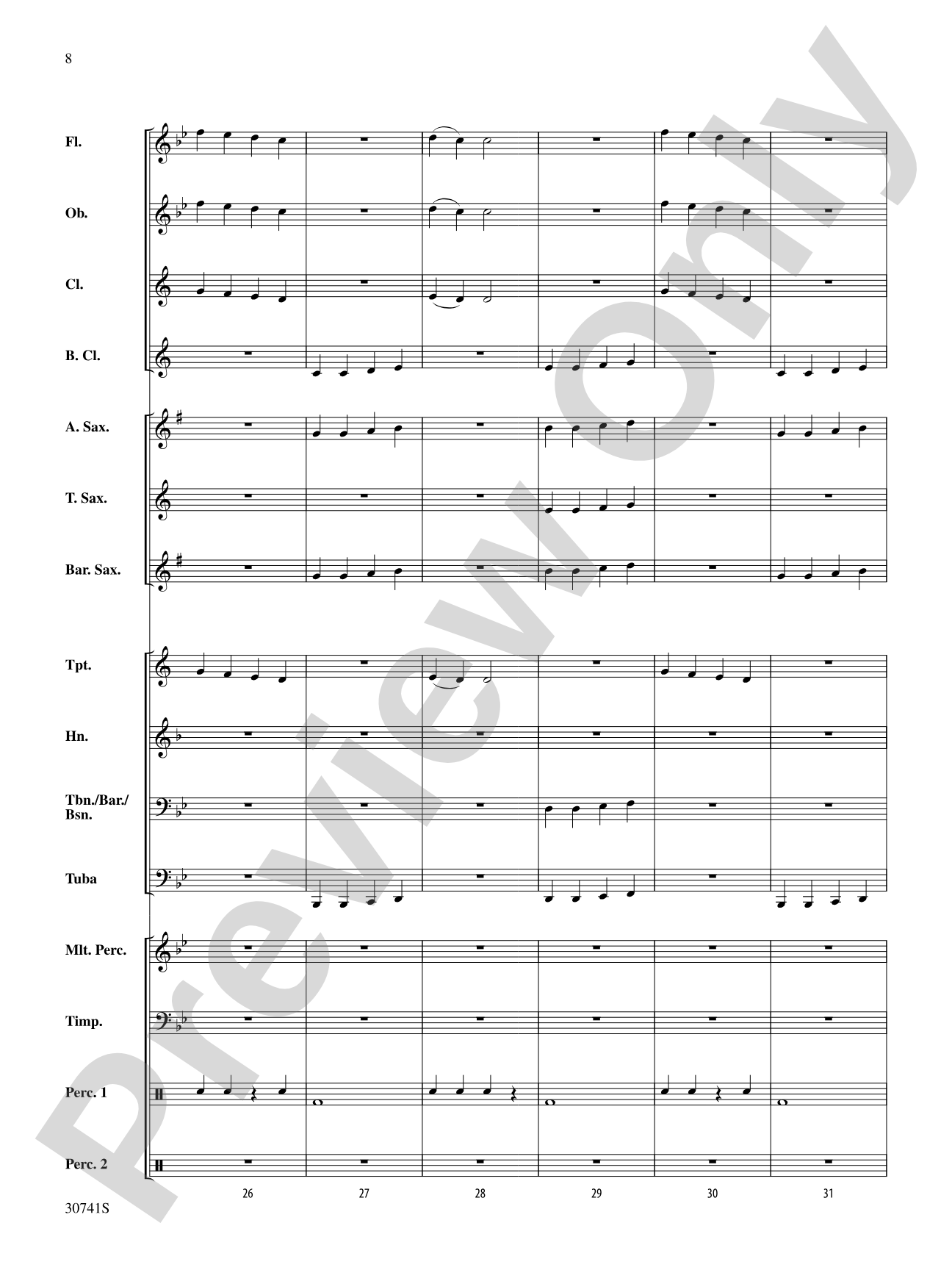
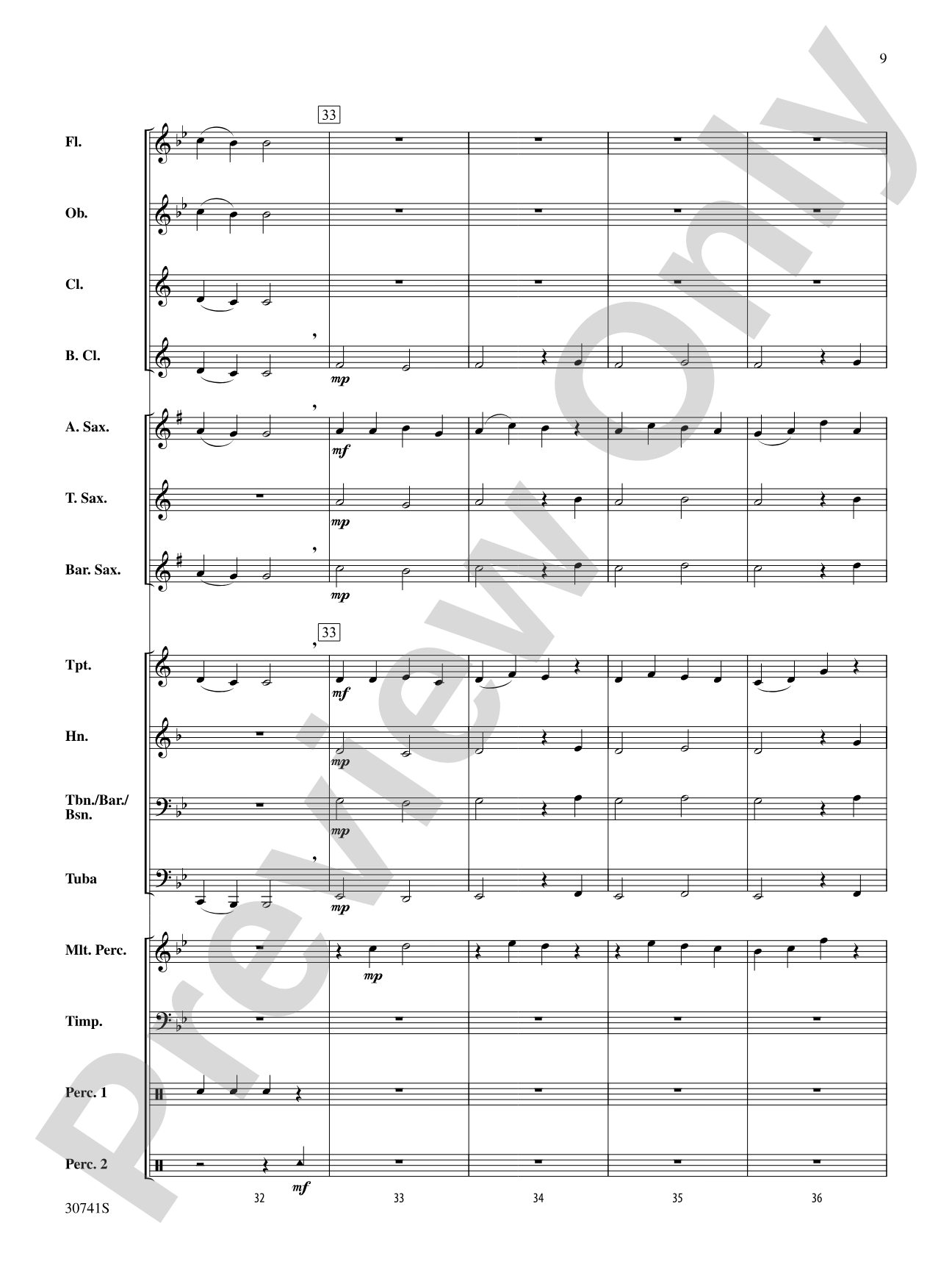
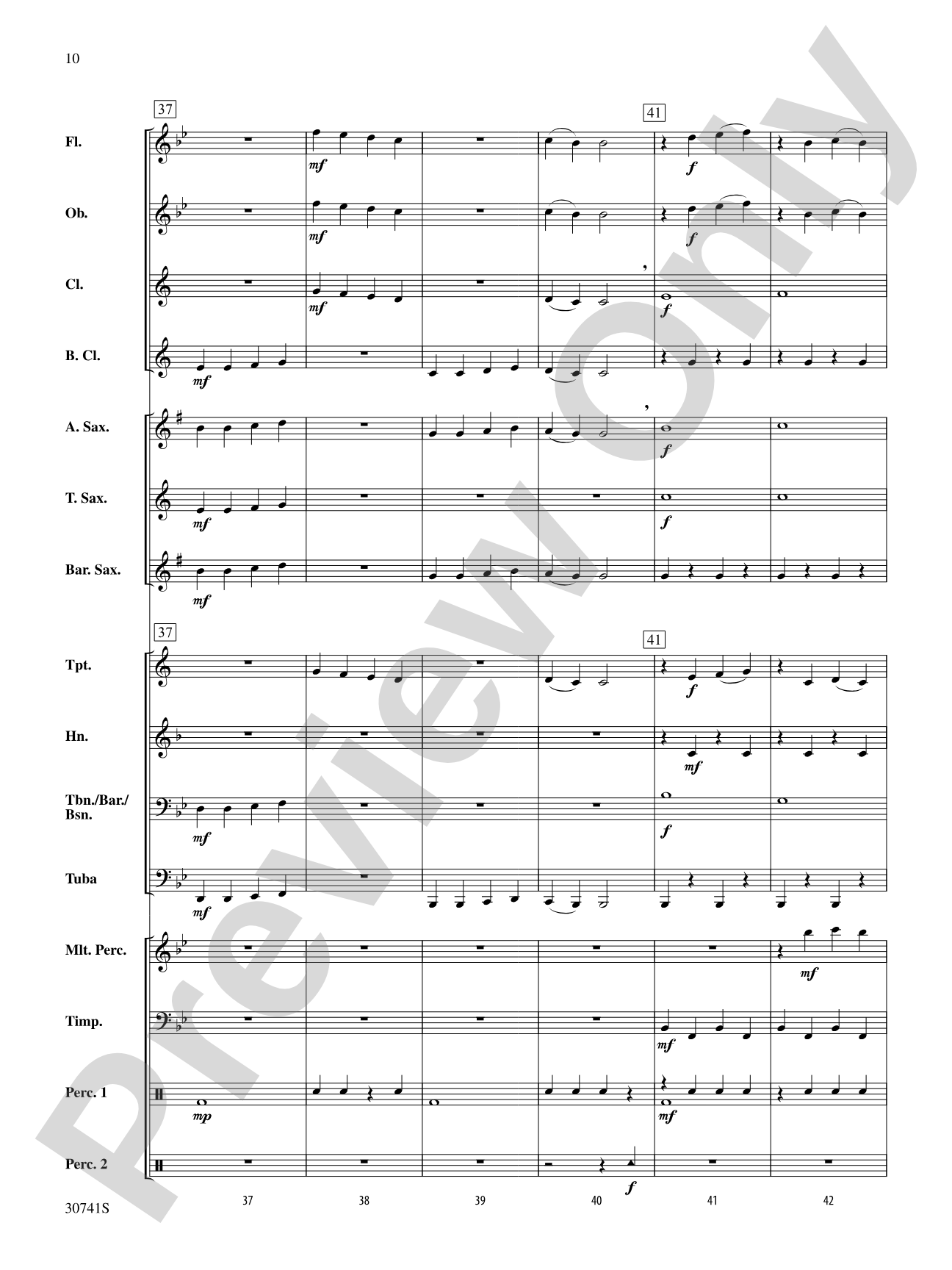
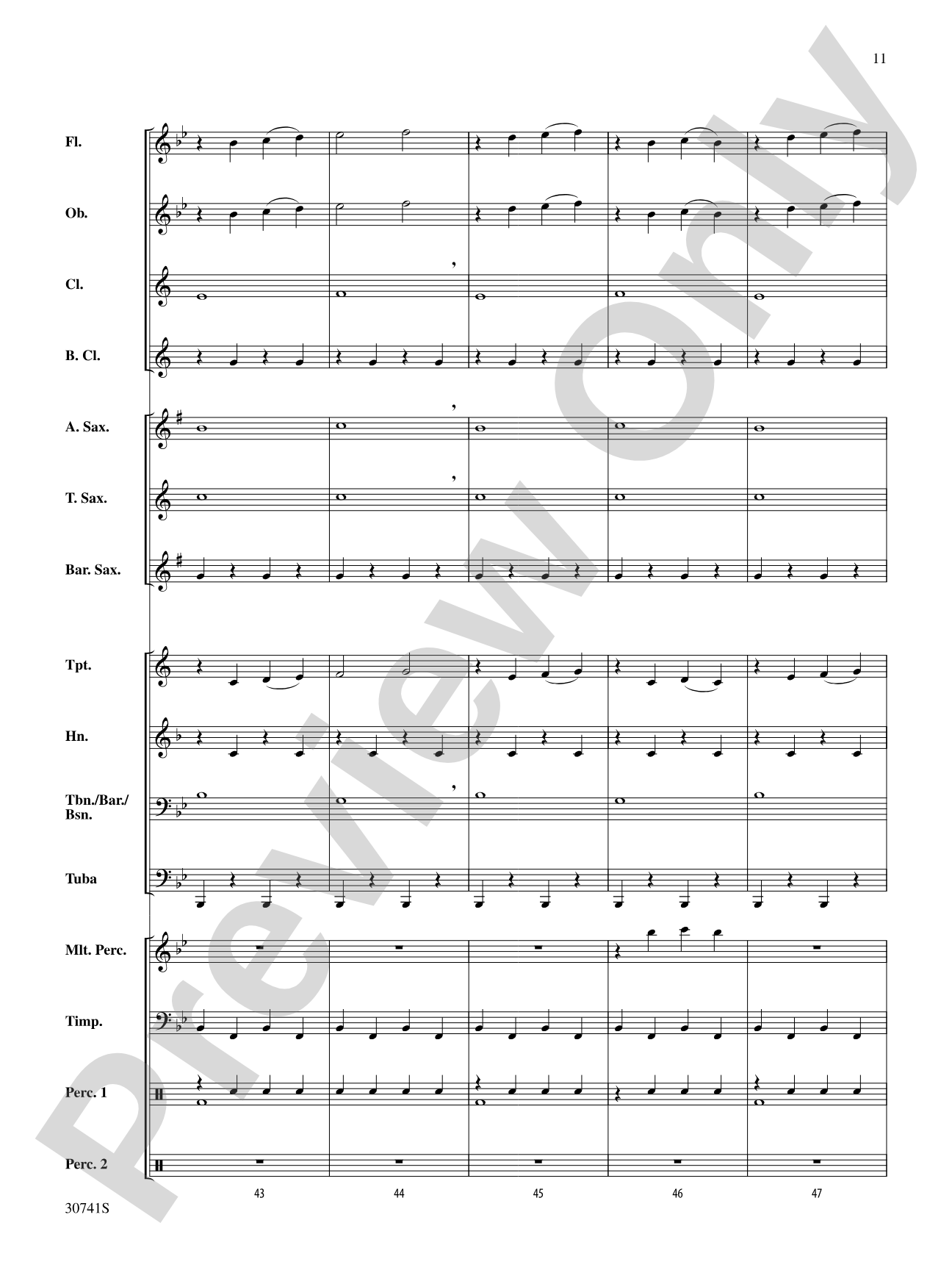
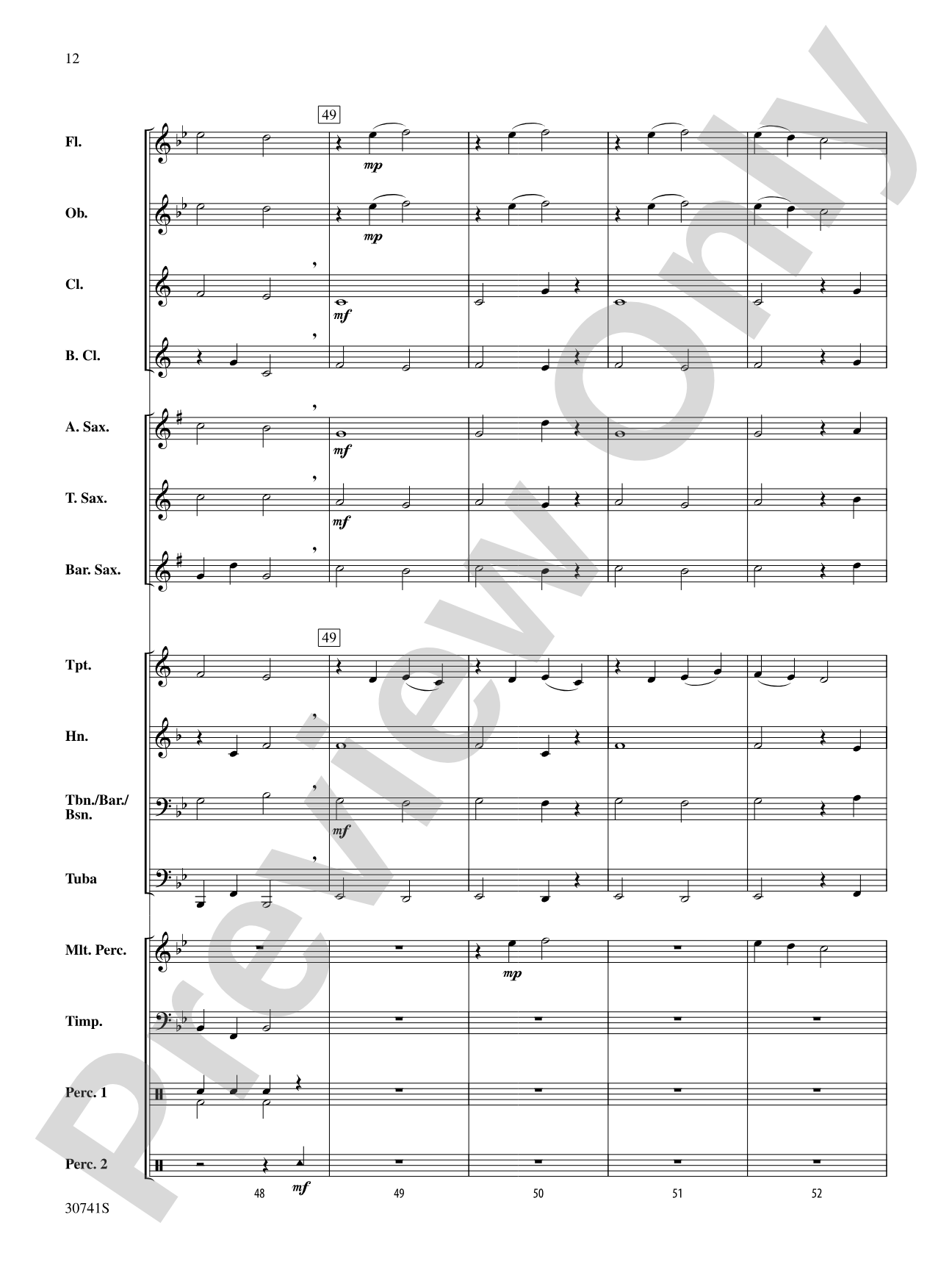
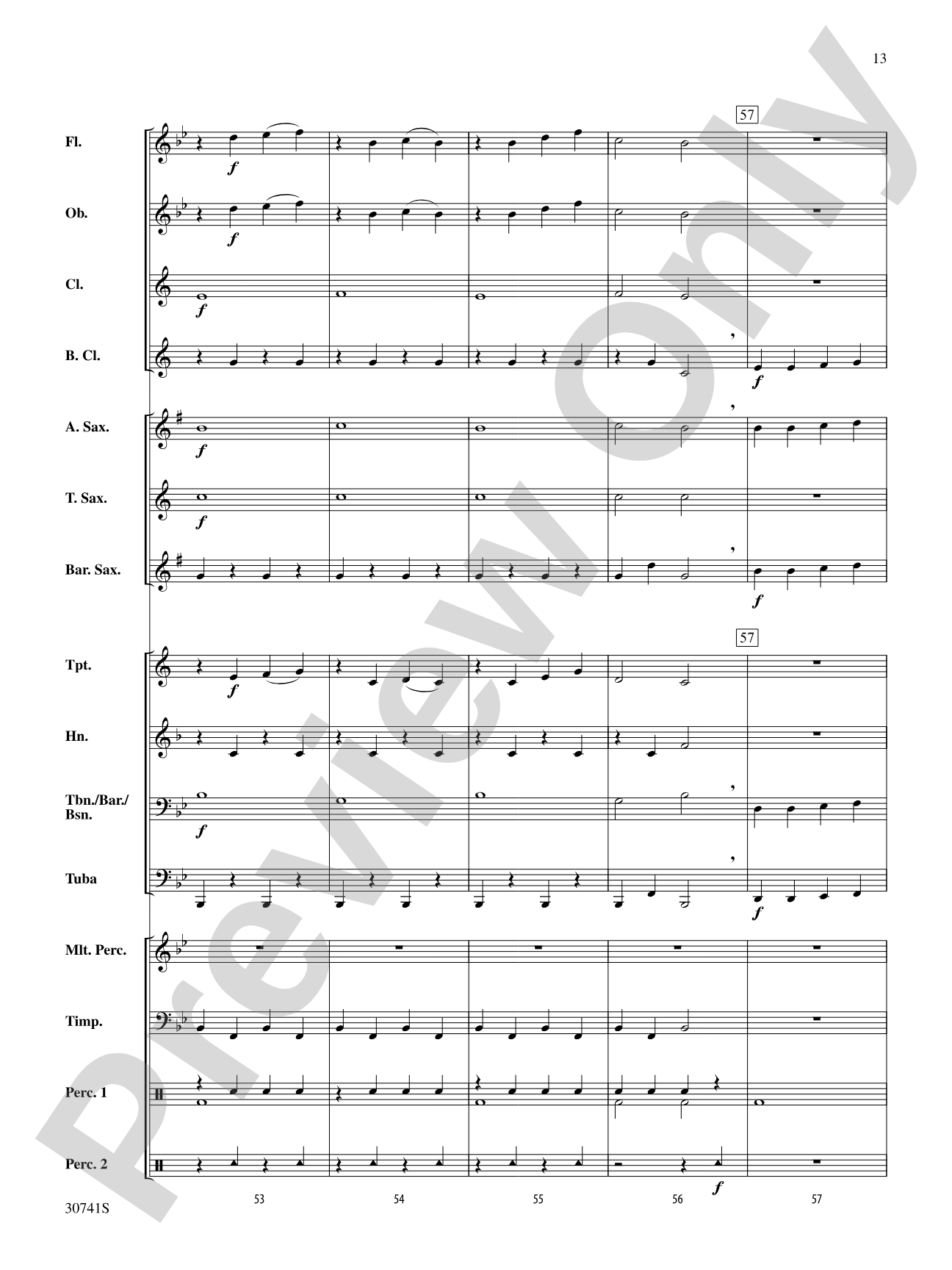
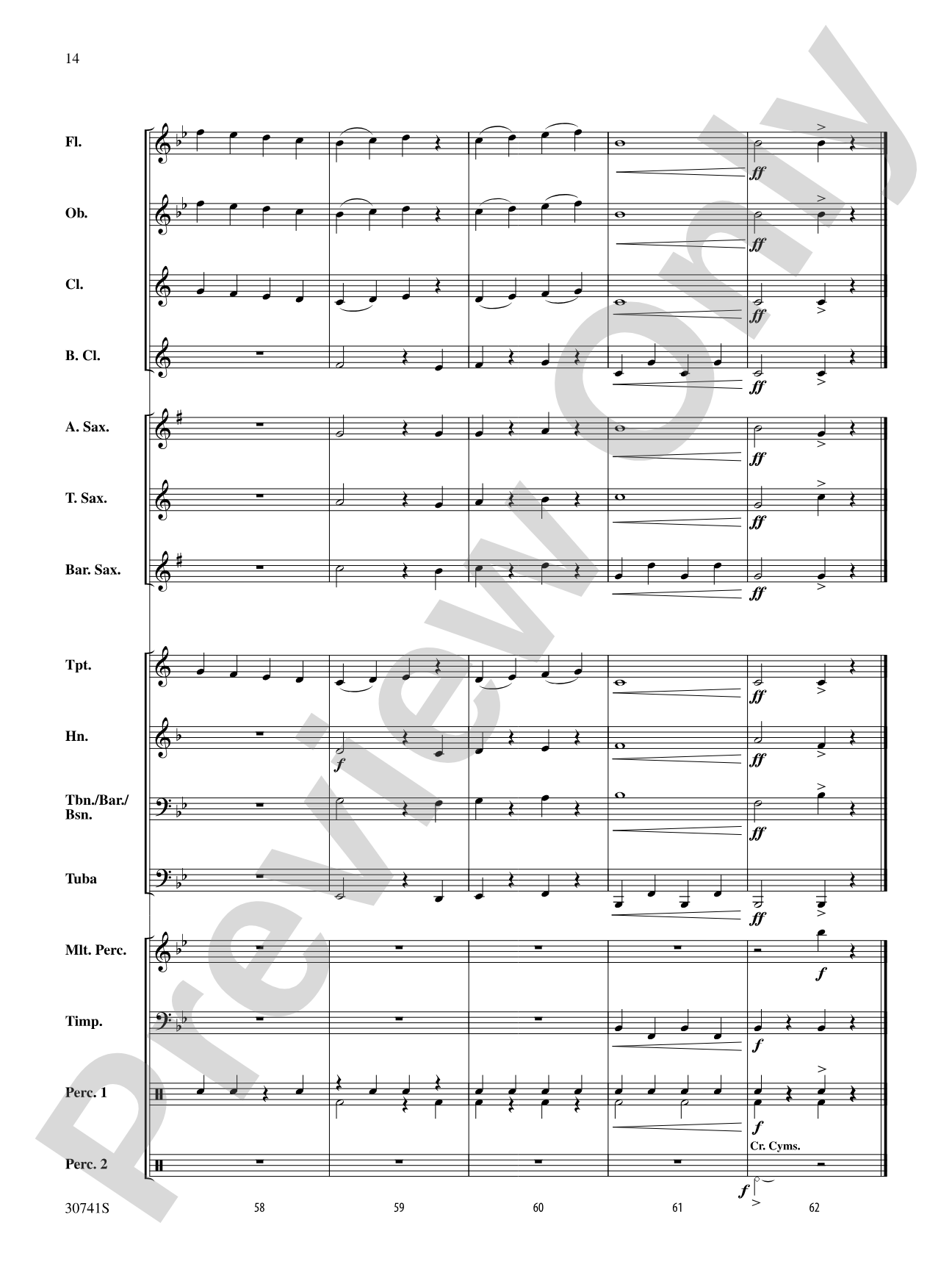



Symphonic Variants (Based on "Ode to Joy" from Symphony No. 9): Concert Band Conductor Score & Parts
By Ludwig van Beethoven / arr. Douglas E. Wagner
Grade: 0.5 (Very Easy)
Item: 00-PK-0001661

$50.00
Pickup currently not available
Buy Extra Parts (Digital PDF Download)
Parts Added to Cart!
Related Items
Symphonic Variants (Based on "Ode to Joy" from Symphony No. 9): Concert Band Conductor Score & Parts |
$50.00
|
Symphony No. 9): Concert Band Conductor Score & Parts" > View |
Description
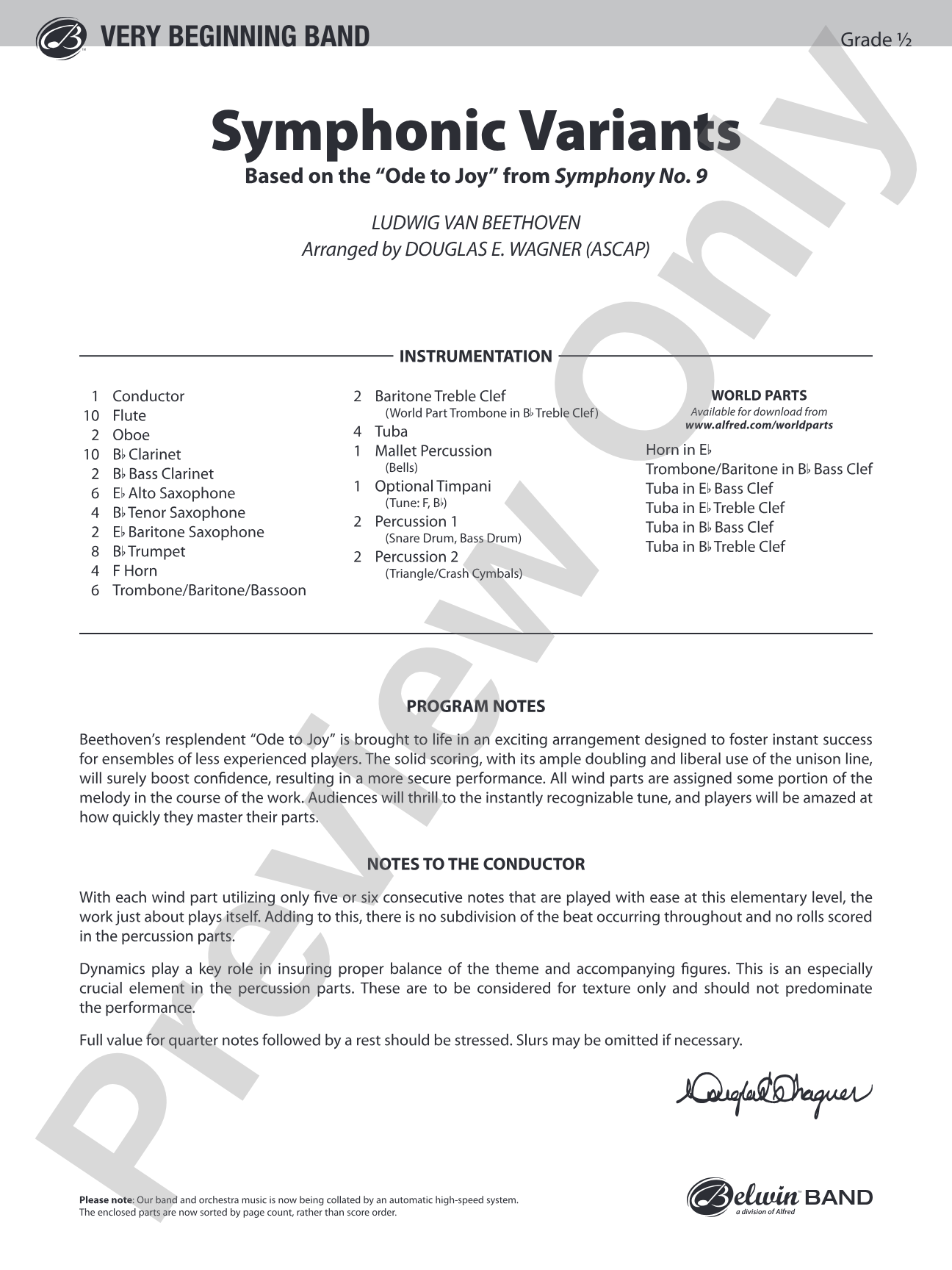
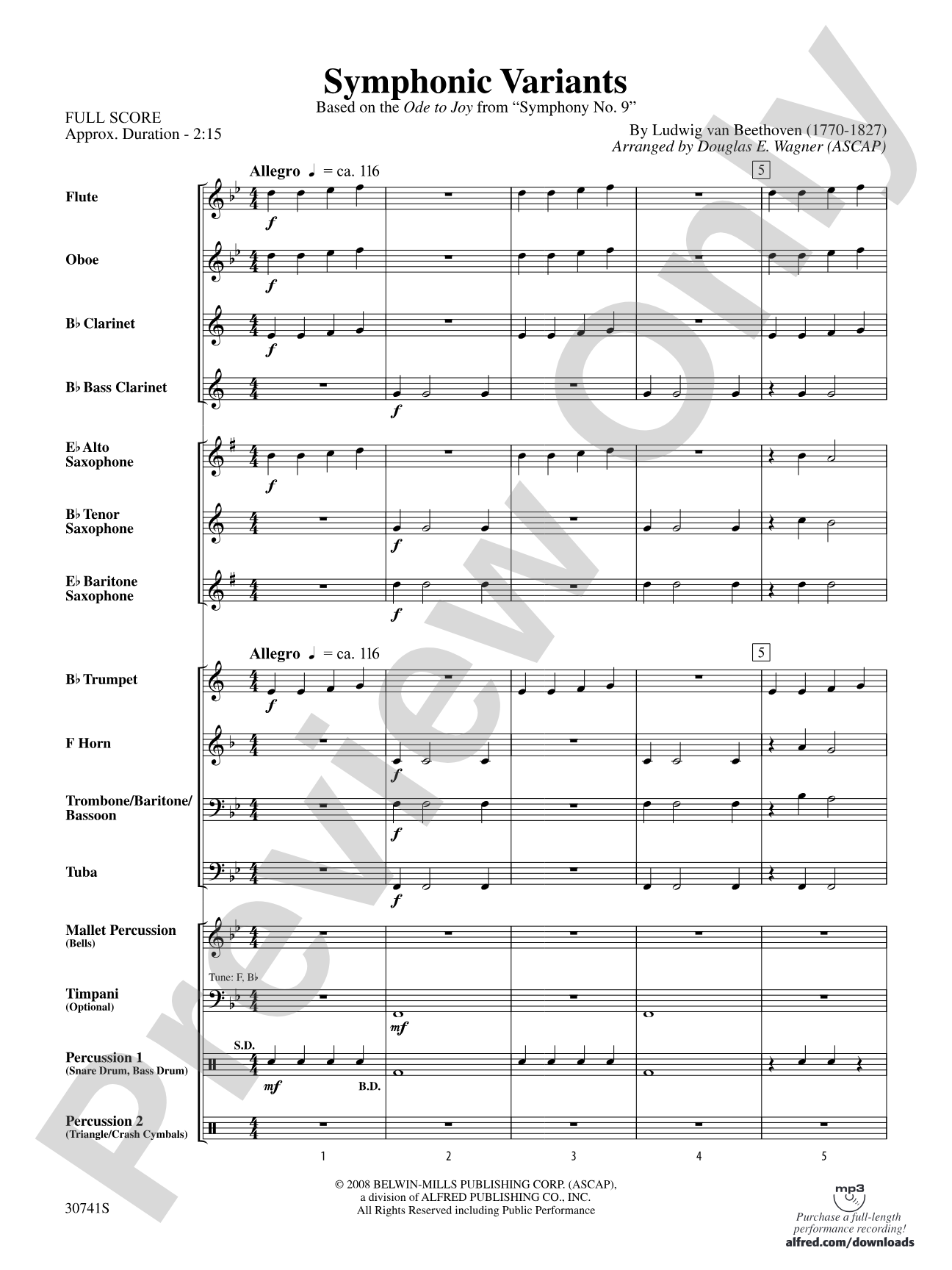
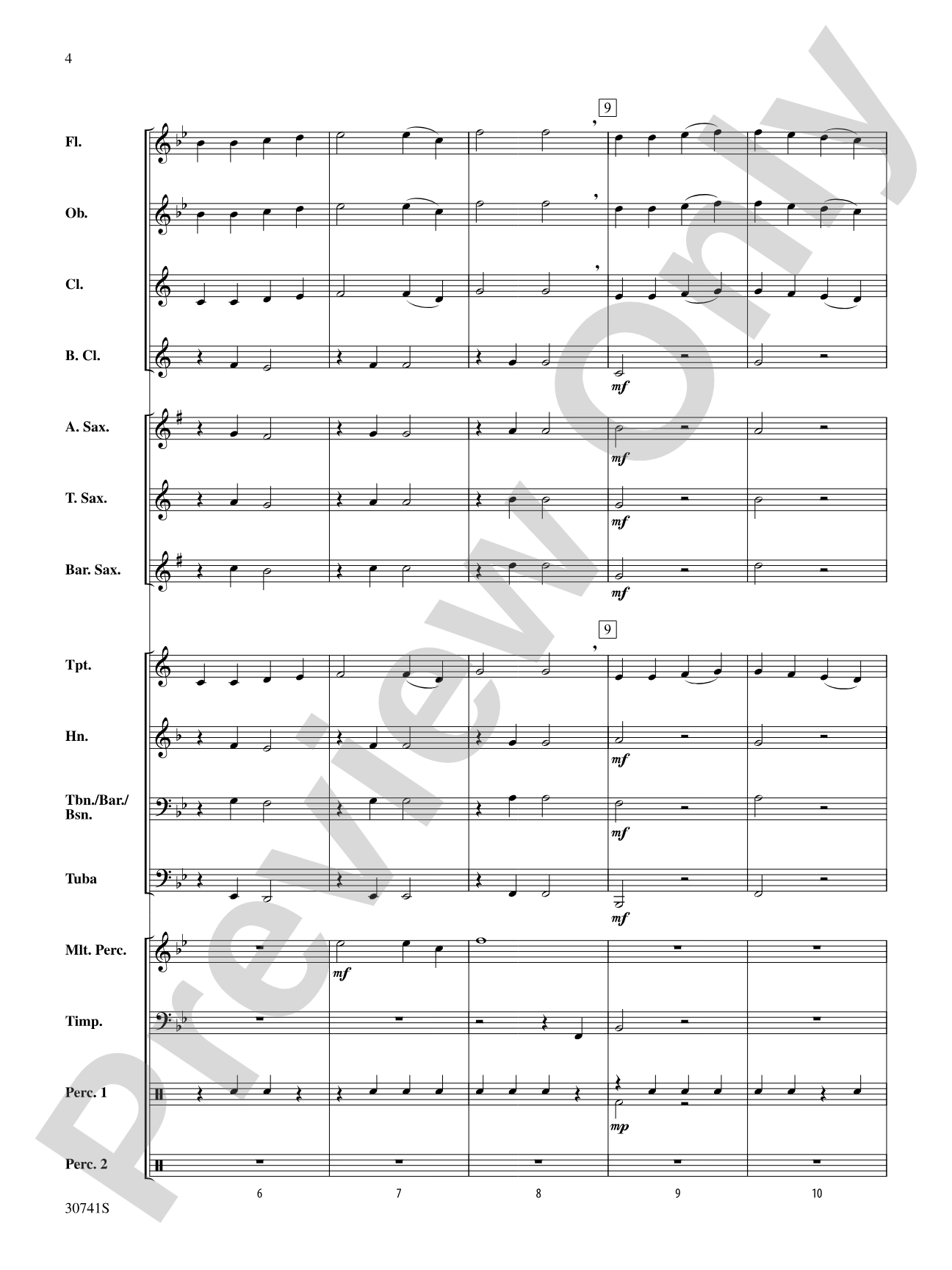
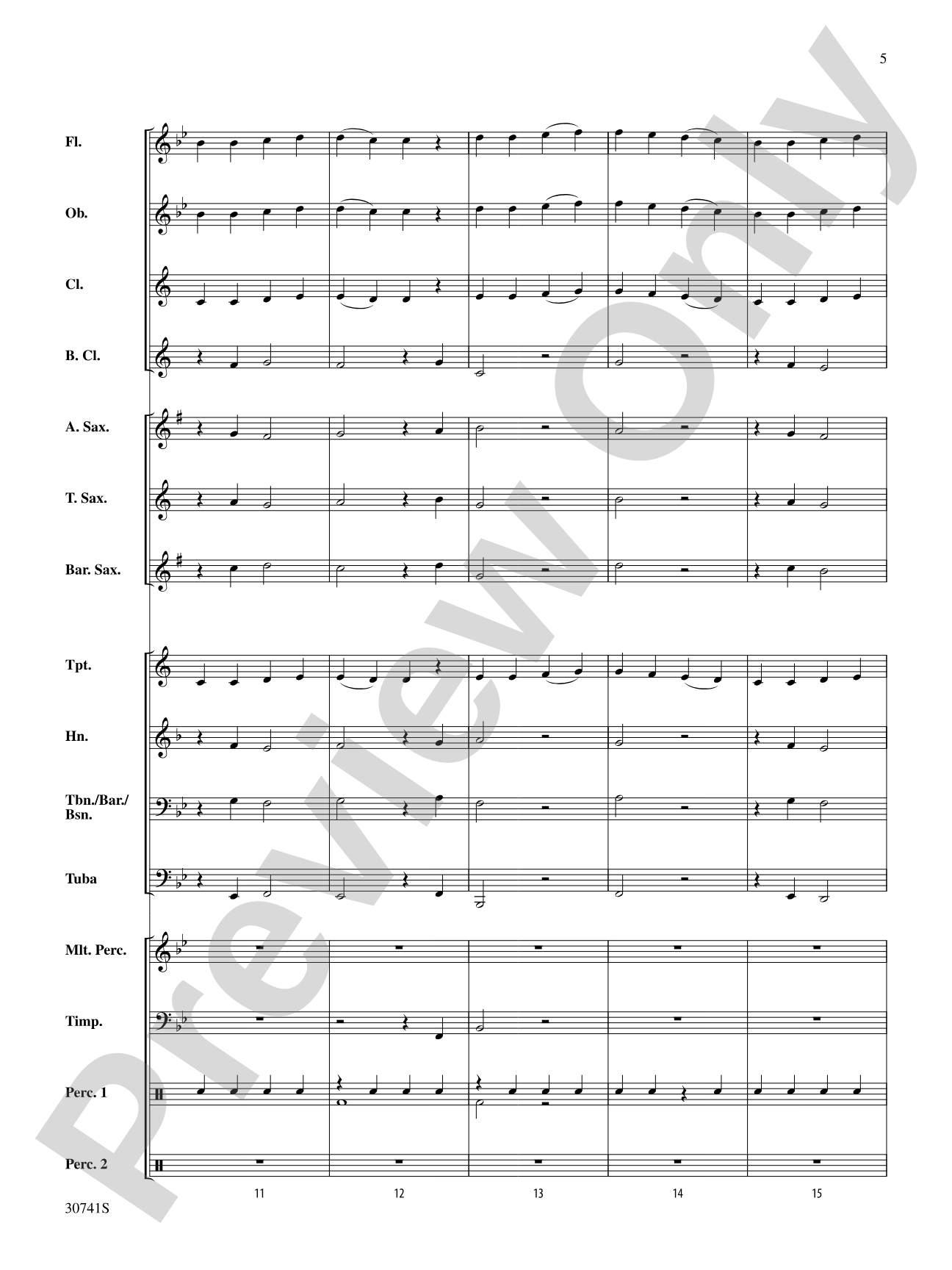
Here's a real confidence booster for your youngest ensemble. Beethoven's familiar "Ode to Joy" is scored for use early in the first year of instruction. Ample doubling reinforces the form while difficult rhythms are non-existent. Every section has a chance with the melody during the arrangement. This one will make them sound huge!


Don't just read it, hear it, play along with it, and watch your students grow with it. In MakeMusic Cloud, Symphonic Variants (Based on "Ode to Joy" from Symphony No. 9): Concert Band Conductor Score & Parts comes alive with professional accompaniment, adjustable tempo, and built-in practice tools that turn solo practice into real progress.
Open in the Player
Jump straight in and assign it today.
Start Your Free Trial
Open this title and explore the full library in minutes.
Sample Audio
1
Audio File
--:--
0:00
0:00
Sample Video
No sample videos found.
Additional Details
Series:
Belwin Very Beginning Band
Publisher:
Alfred Music
Page Count:
132
SKU:
00-PK-0001661
More about this title
About the Composer: Ludwig van Beethoven
Ludwig van Beethoven (1770-1827) fundamentally transformed what the symphony could express. His nine symphonies expanded the emotional and structural possibilities of the genre, moving from Classical forms toward the Romantic ideals of individual expression and human dignity. The "Ode to Joy" from his Ninth Symphony stands as one of music's most enduring melodies, celebrated globally as a symbol of universal brotherhood and joy.
Why we love this
This arrangement captures everything that makes "Ode to Joy" work with developing ensembles: the melody is instantly recognizable, reinforcing student confidence immediately. Wagner's scoring ensures every section gets the spotlight, so no player sits idle while others carry the tune. It delivers the visceral satisfaction of sounding polished and powerful after just a few weeks of instruction.
What to expect
Joyful and celebratory, with an inherent nobility that comes straight from Beethoven's original conception. The accessible scoring removes technical obstacles, allowing students to focus entirely on musicality and blend as the melody passes from one section to another.
Who it's for
First-year band students and early developing ensembles that need a confidence-building piece with immediate impact. Directors working with students in their first few weeks of instruction will find this ideal for demonstrating that young players can sound impressive without complex technical demands.
How to get the most out of it
- Build the dynamics gradually across the arrangement to create a sense of growth rather than sudden shifts; students respond well to incremental changes in volume and intensity.
- Establish a steady pulse from the opening and maintain it throughout; young players often rush during familiar melodies, so anchor the ensemble through consistent conducting.
- Highlight the moments when the melody transfers between sections by bringing out those parts slightly; it clarifies the arrangement and keeps listeners engaged.
- Balance the doublings so that the reinforcing parts don't overwhelm the primary melodic line; this clarity helps younger players hear what they're supporting.
How to use it
Perfect as a festival or contest selection for very beginning bands seeking accessible repertoire with recognition value. Program it early in the season as a morale builder, or reserve it for a special event performance where its familiarity and straightforward beauty will resonate with audiences of all ages.
Skills your students will build
- Maintaining steady tempo across longer melodic phrases
- Balancing individual parts within an ensemble doubling structure
- Transferring attention smoothly when the melody moves to a different section
- Playing with consistent tone quality to blend with reinforcing parts
- Reading multiple staves and identifying where their part fits within the overall form