
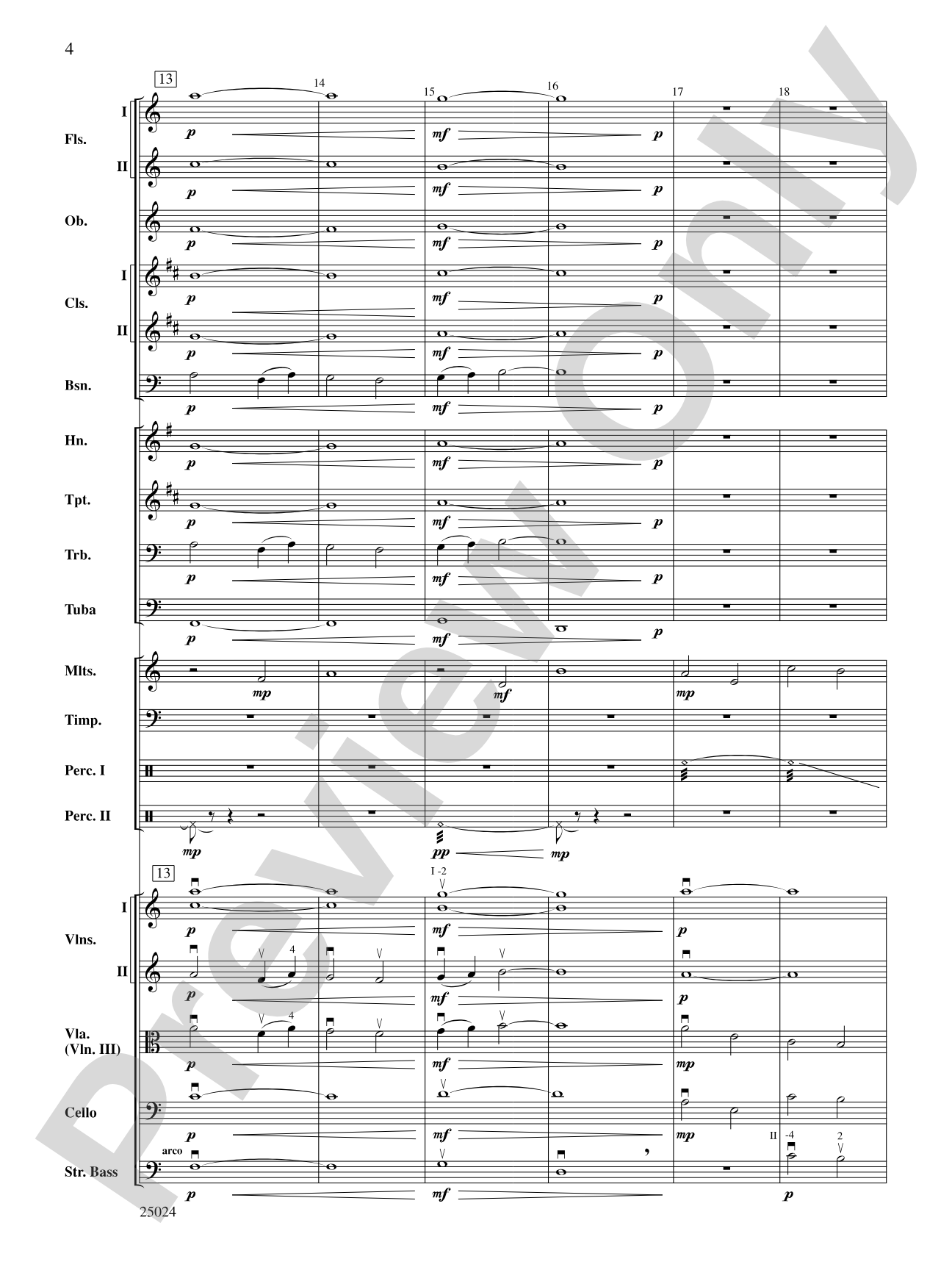
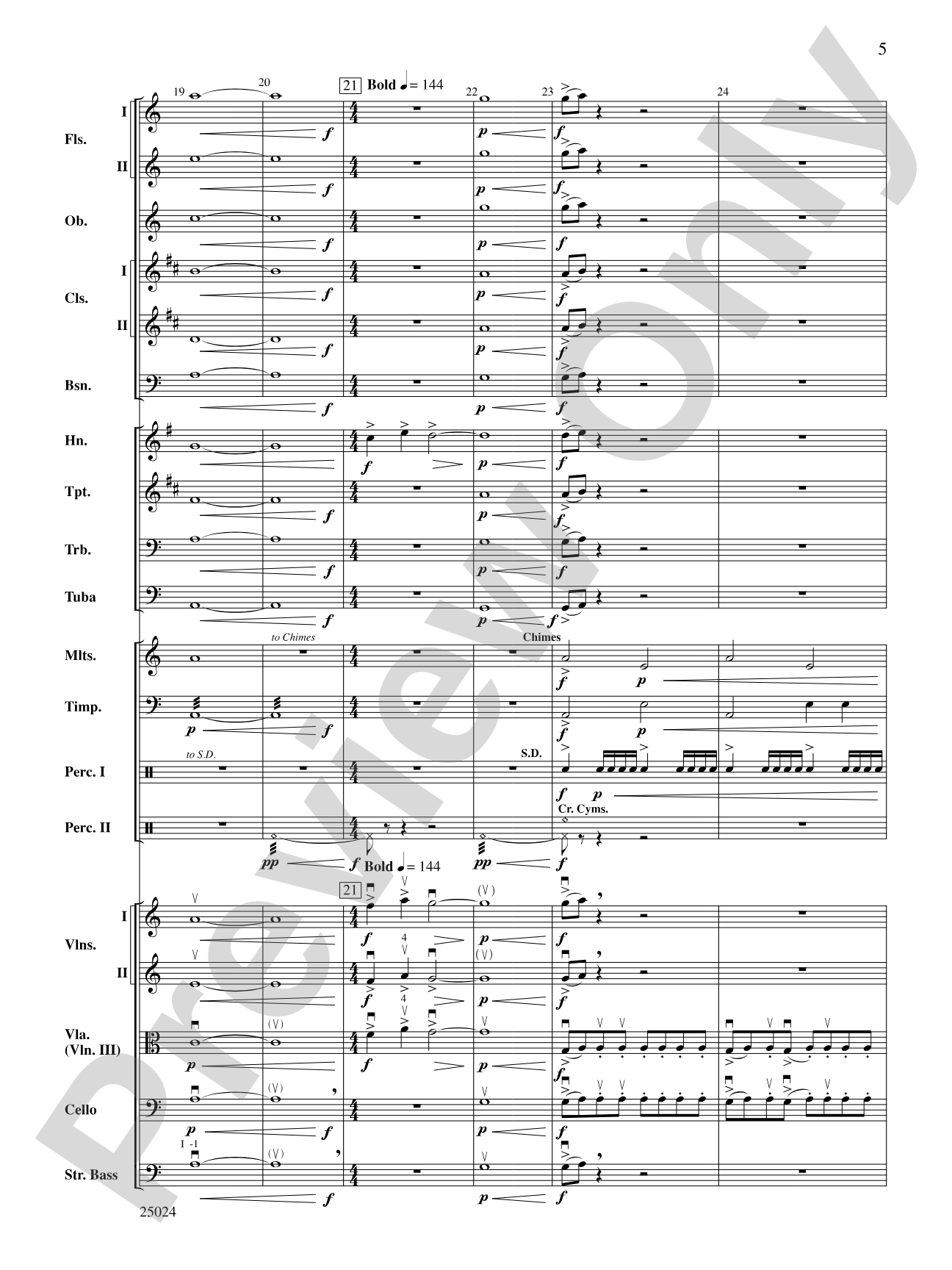
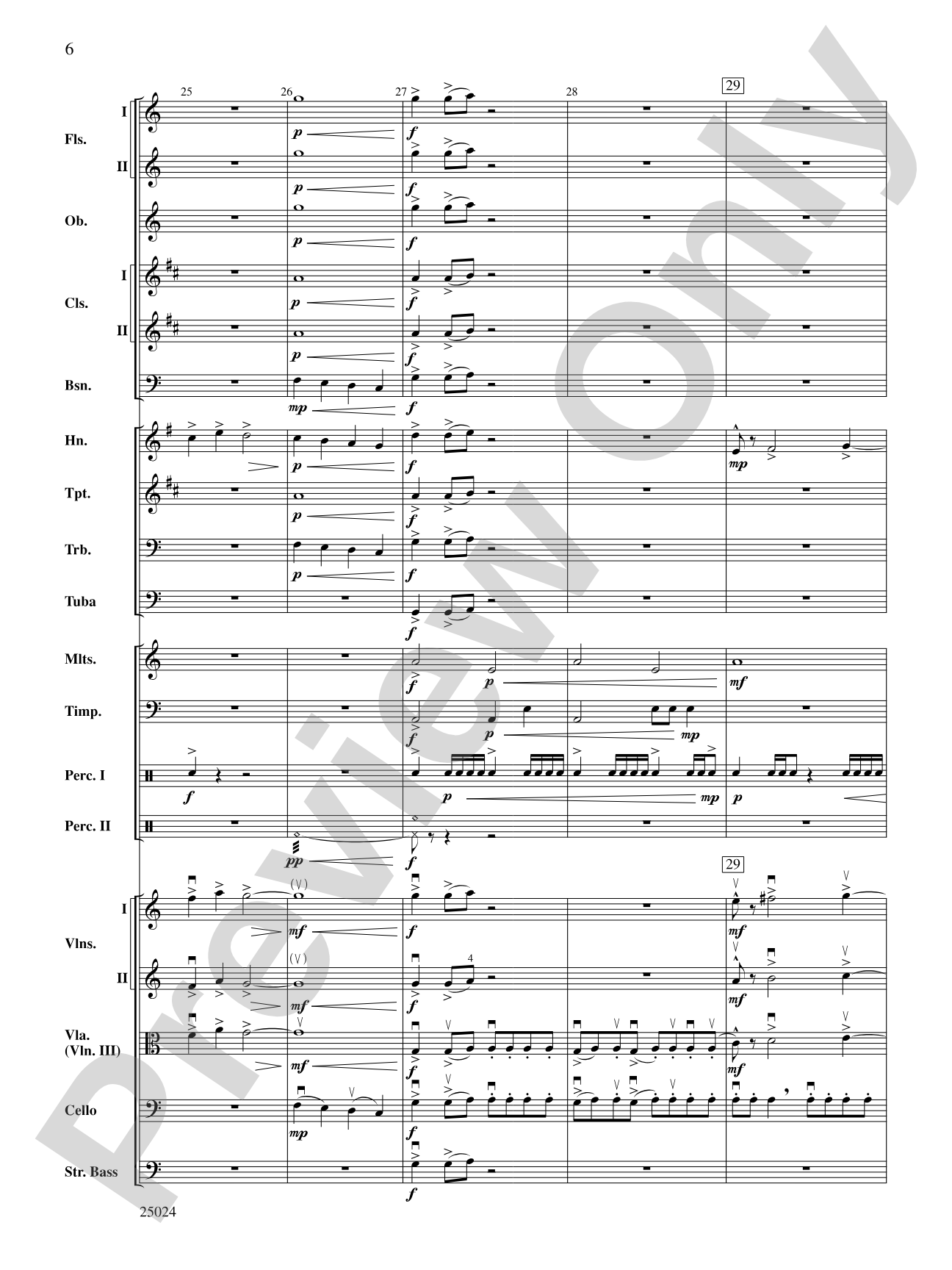
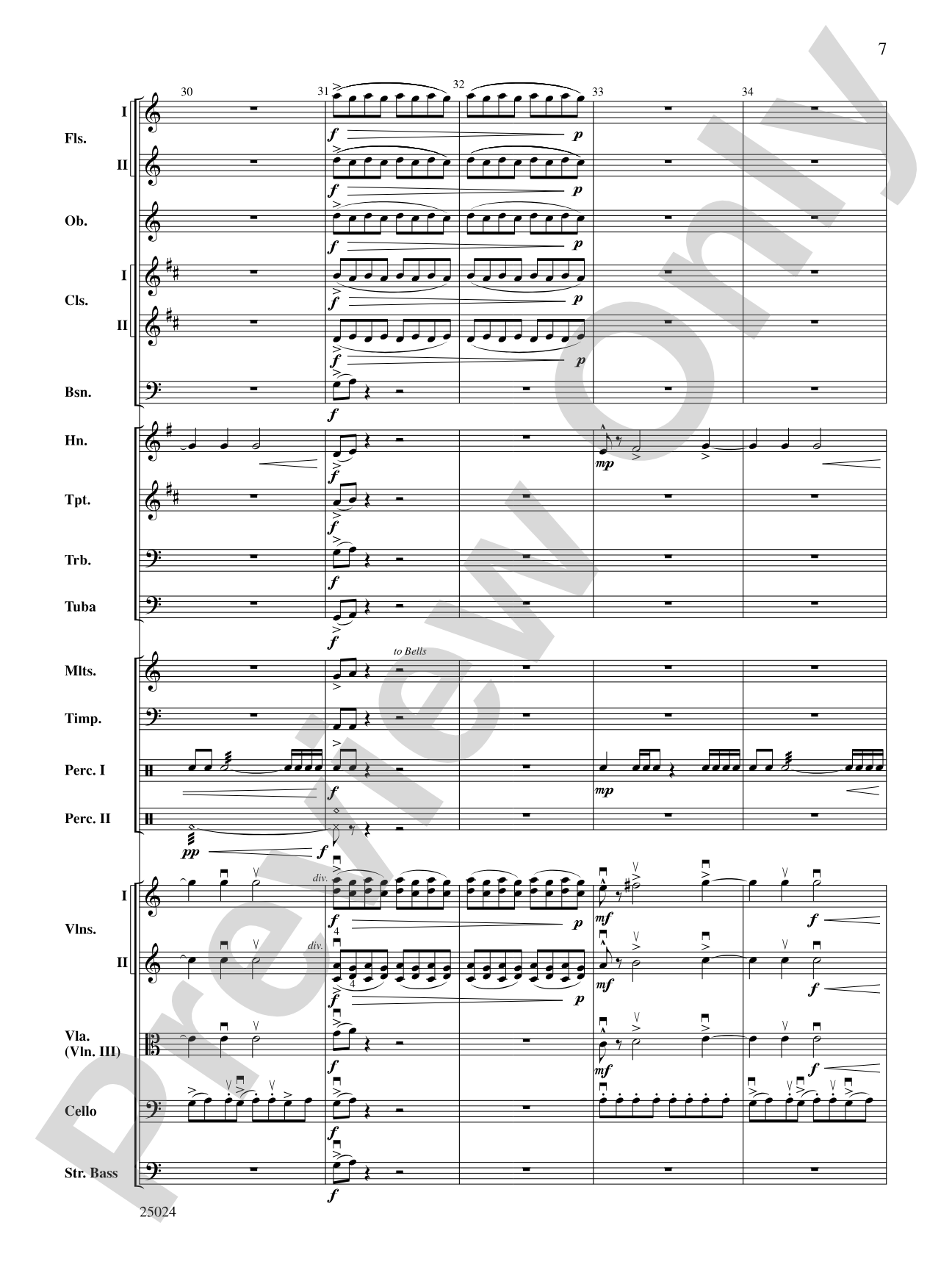
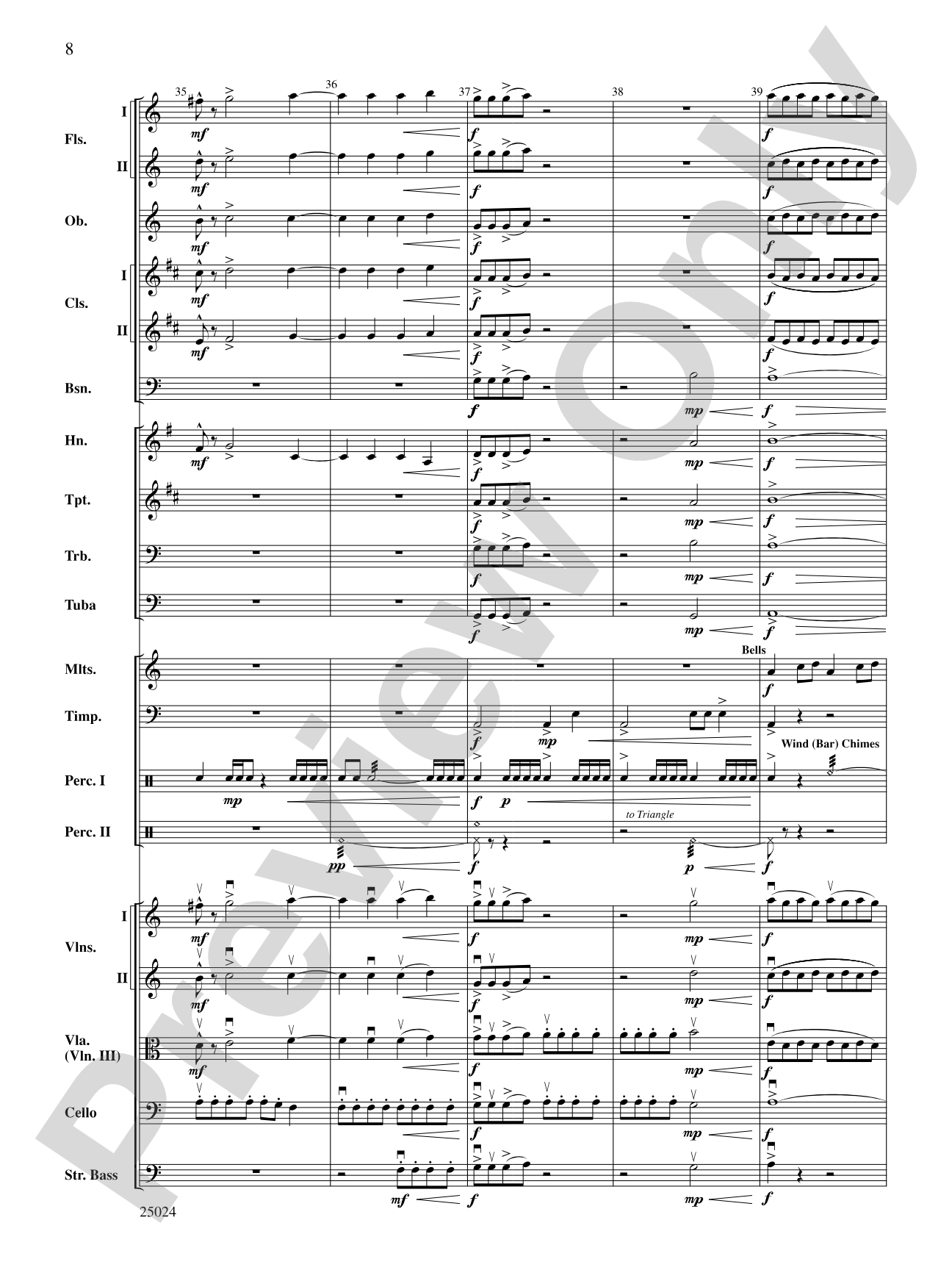
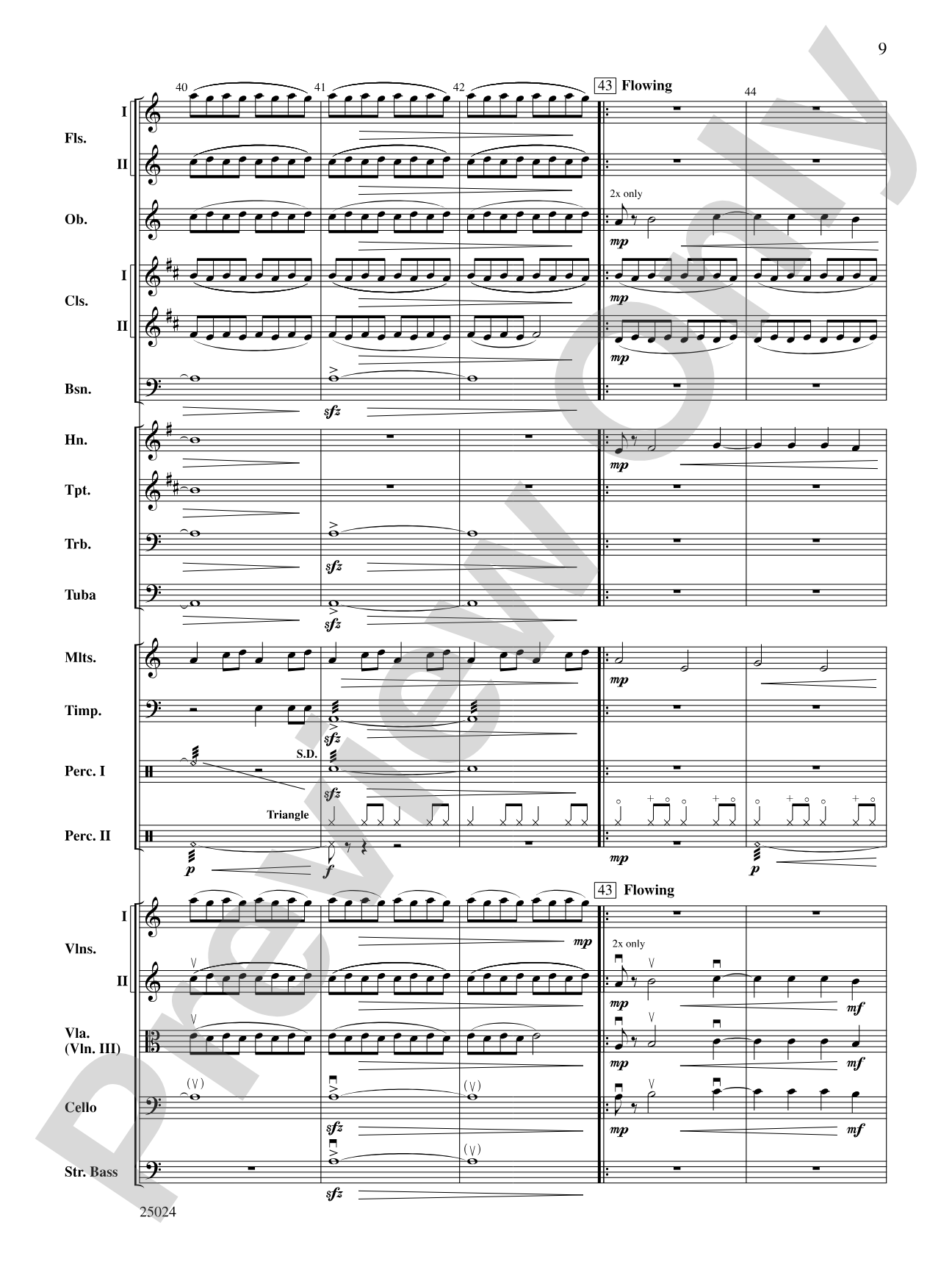
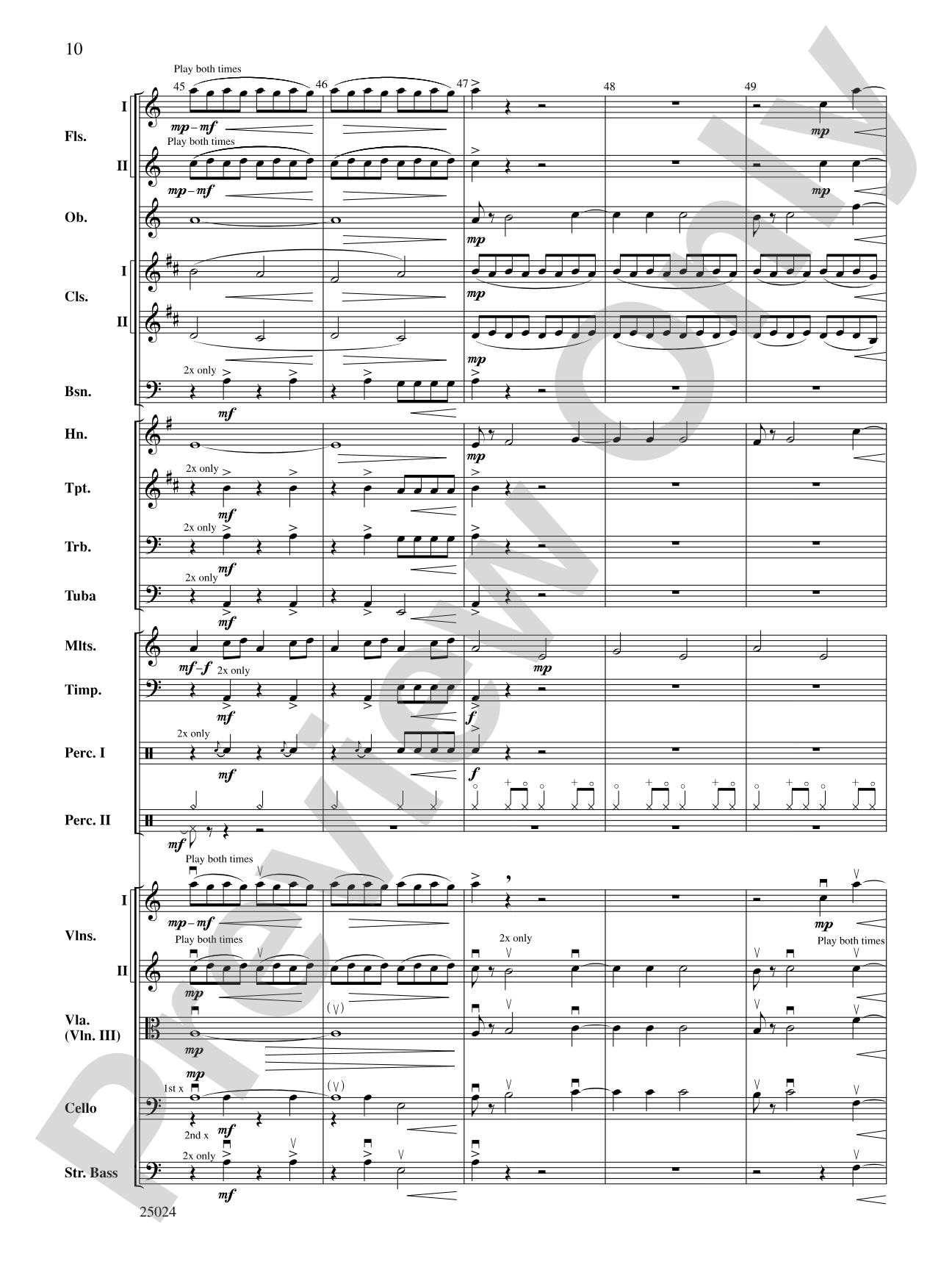
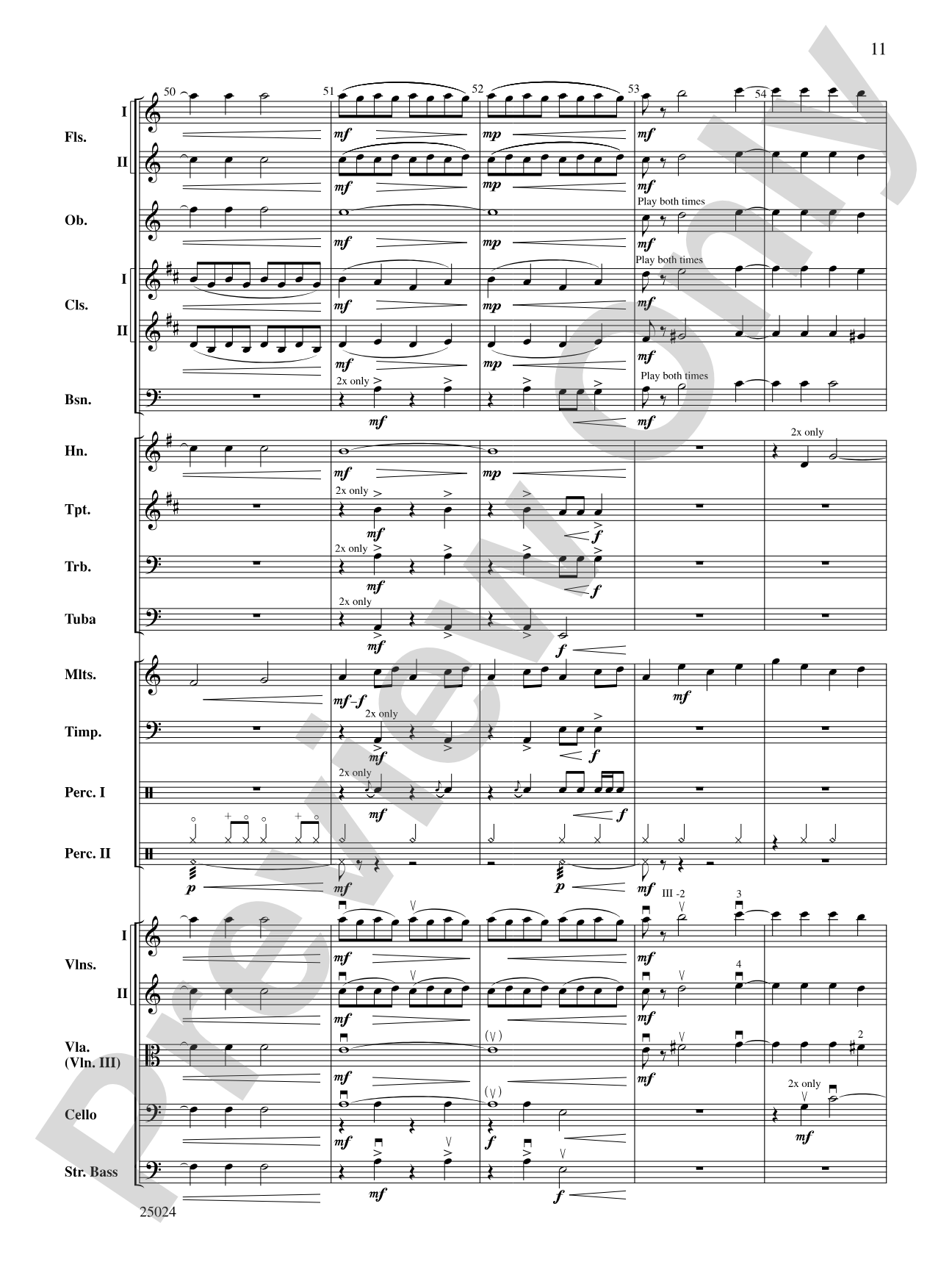
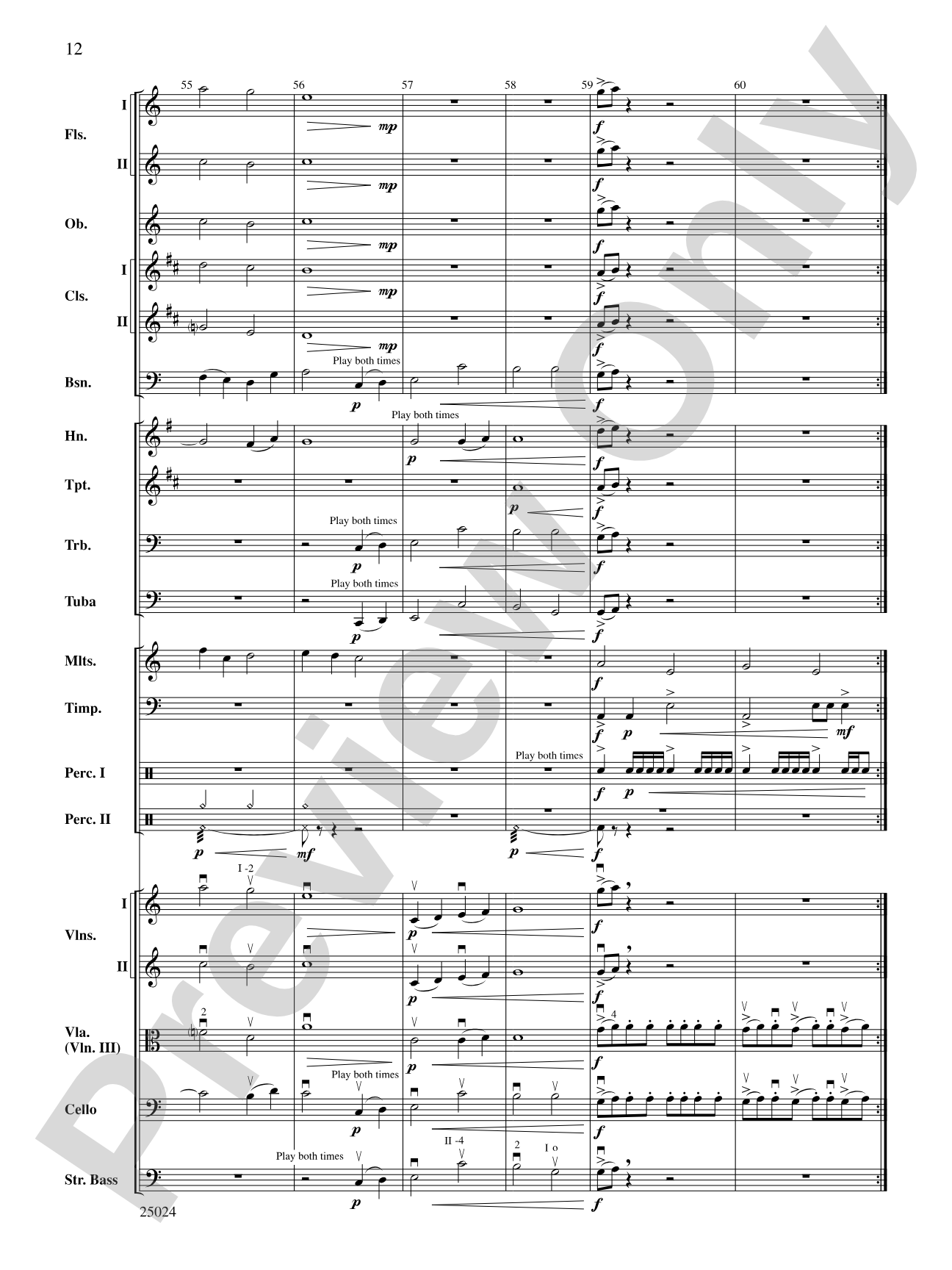
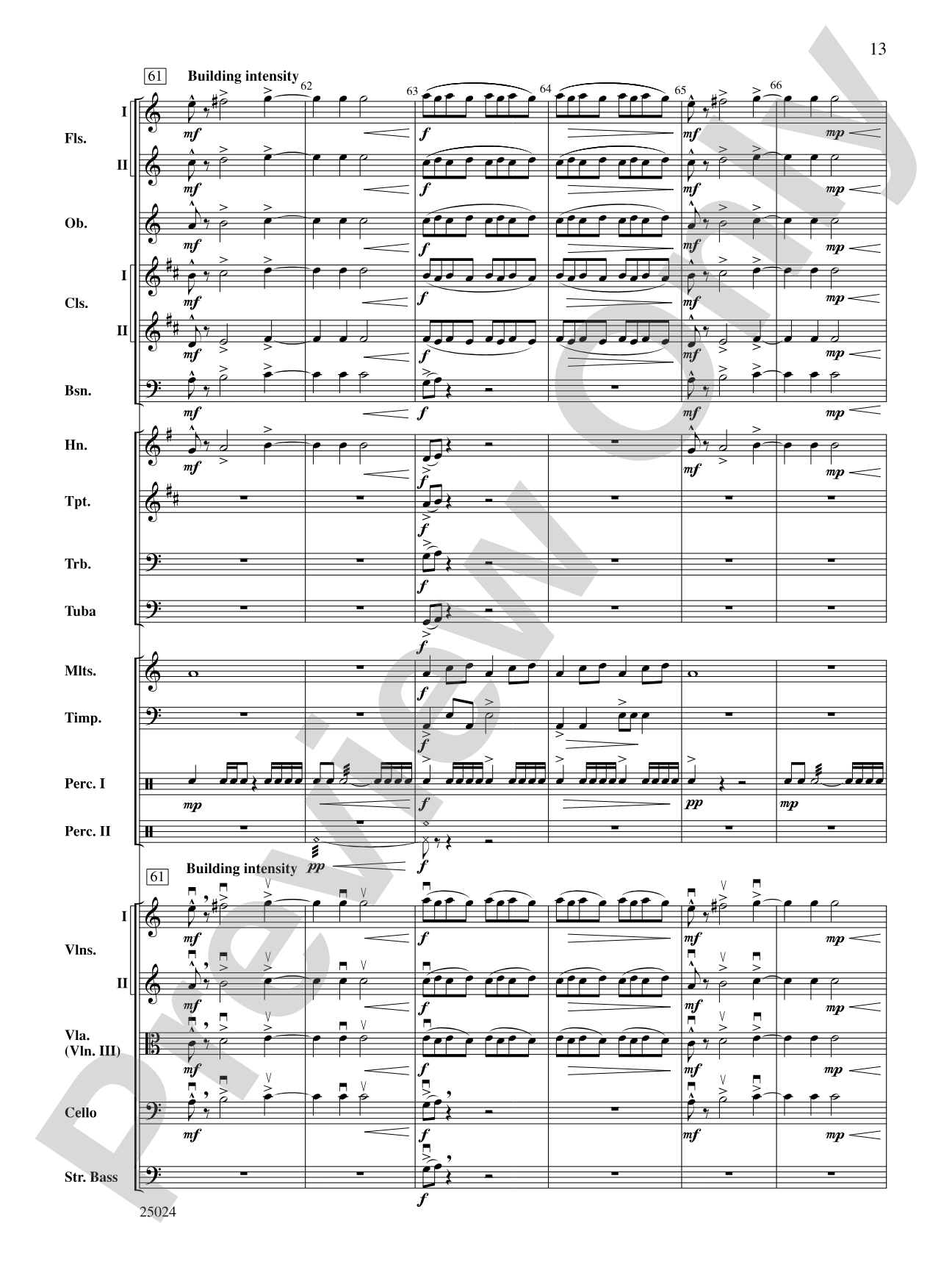
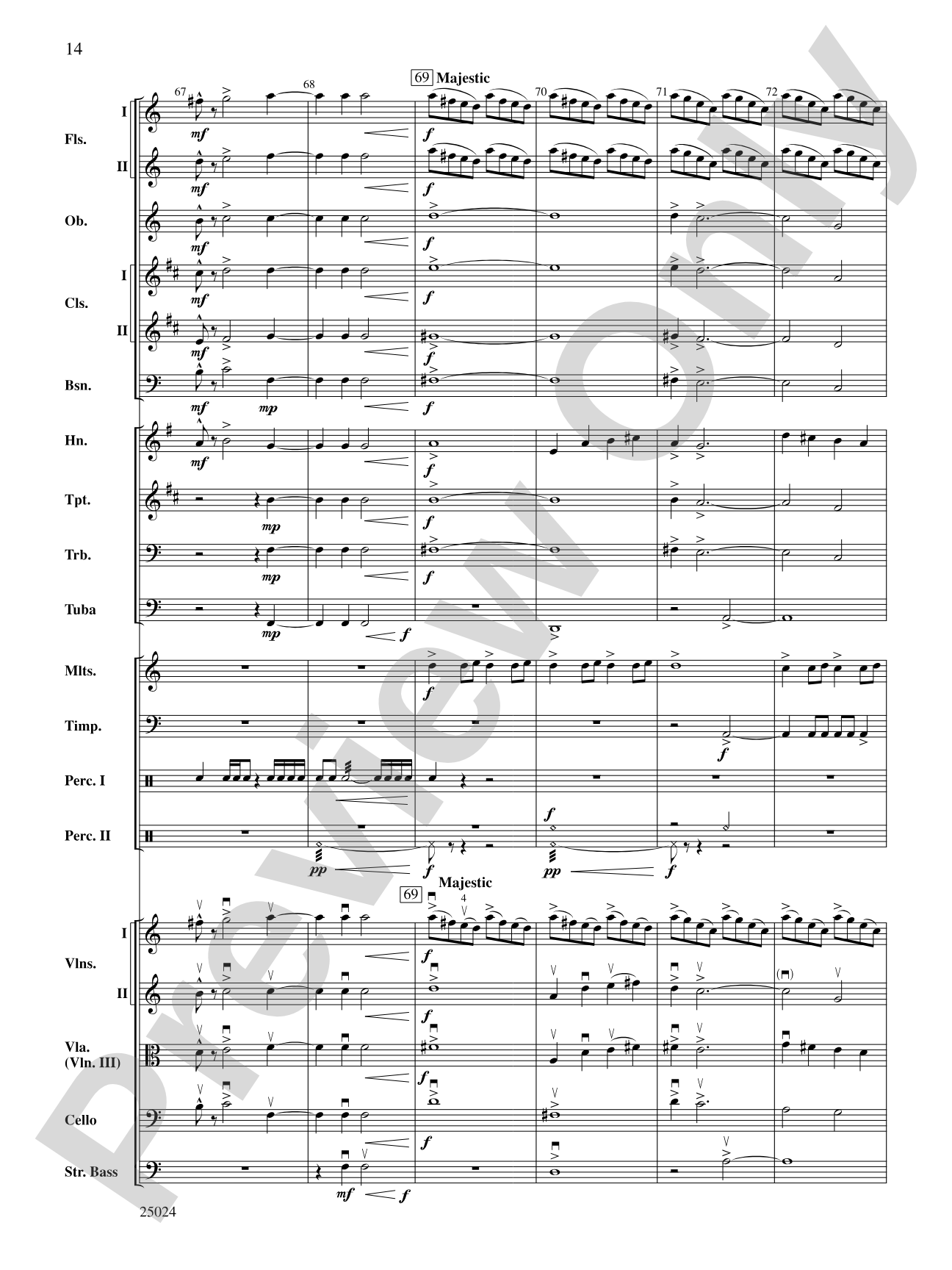
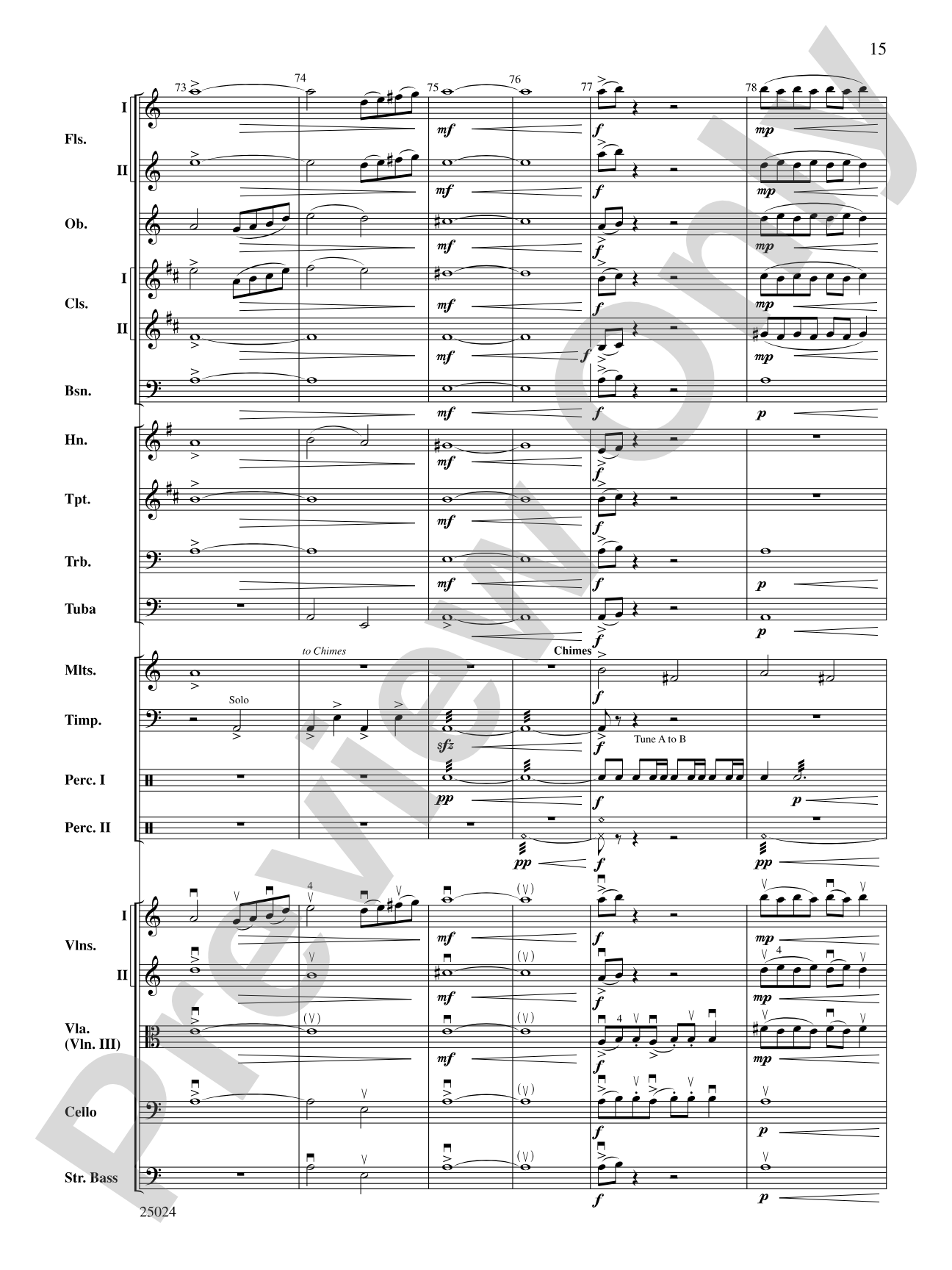
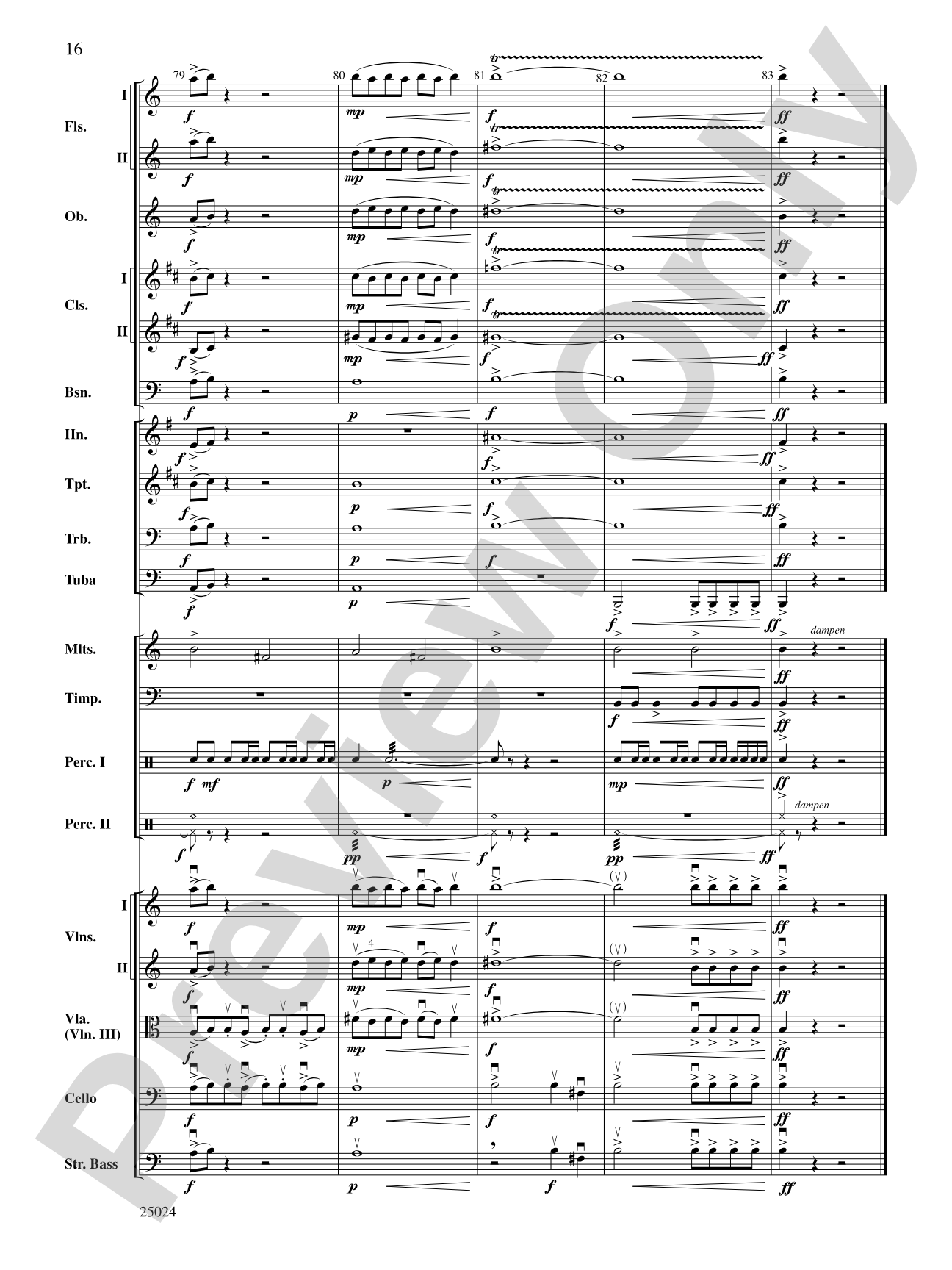




Symphonic Statement: Full Orchestra Conductor Score & Parts
By Robert W. Smith
Grade: 3
Item: 00-PK-0001008

$58.00
Pickup currently not available
Buy Extra Parts (Digital PDF Download)
| Product | Price | Quantity |
|---|---|---|
| Symphonic Statement: Score | $7.00 | |
| Symphonic Statement: Flute | $3.00 | |
| Symphonic Statement: 2nd Flute | $3.00 | |
| Symphonic Statement: Oboe | $3.00 | |
| Symphonic Statement: 1st B-flat Clarinet | $3.00 | |
| Symphonic Statement: 2nd B-flat Clarinet | $3.00 | |
| Symphonic Statement: Bassoon | $3.00 | |
| Symphonic Statement: 1st F Horn | $3.00 | |
| Symphonic Statement: 1st B-flat Trumpet | $3.00 | |
| Symphonic Statement: 1st Trombone | $3.00 | |
| Symphonic Statement: Tuba | $3.00 | |
| Symphonic Statement: Mallets | $3.00 | |
| Symphonic Statement: Timpani | $3.00 | |
| Symphonic Statement: 1st Percussion | $3.00 | |
| Symphonic Statement: 2nd Percussion | $3.00 | |
| Symphonic Statement: 1st Violin | $3.00 | |
| Symphonic Statement: 2nd Violin | $3.00 | |
| Symphonic Statement: 3rd Violin (Viola [TC]) | $3.00 | |
| Symphonic Statement: Viola | $3.00 | |
| Symphonic Statement: Cello | $3.00 | |
| Symphonic Statement: String Bass | $3.00 |
Parts Added to Cart!
Description
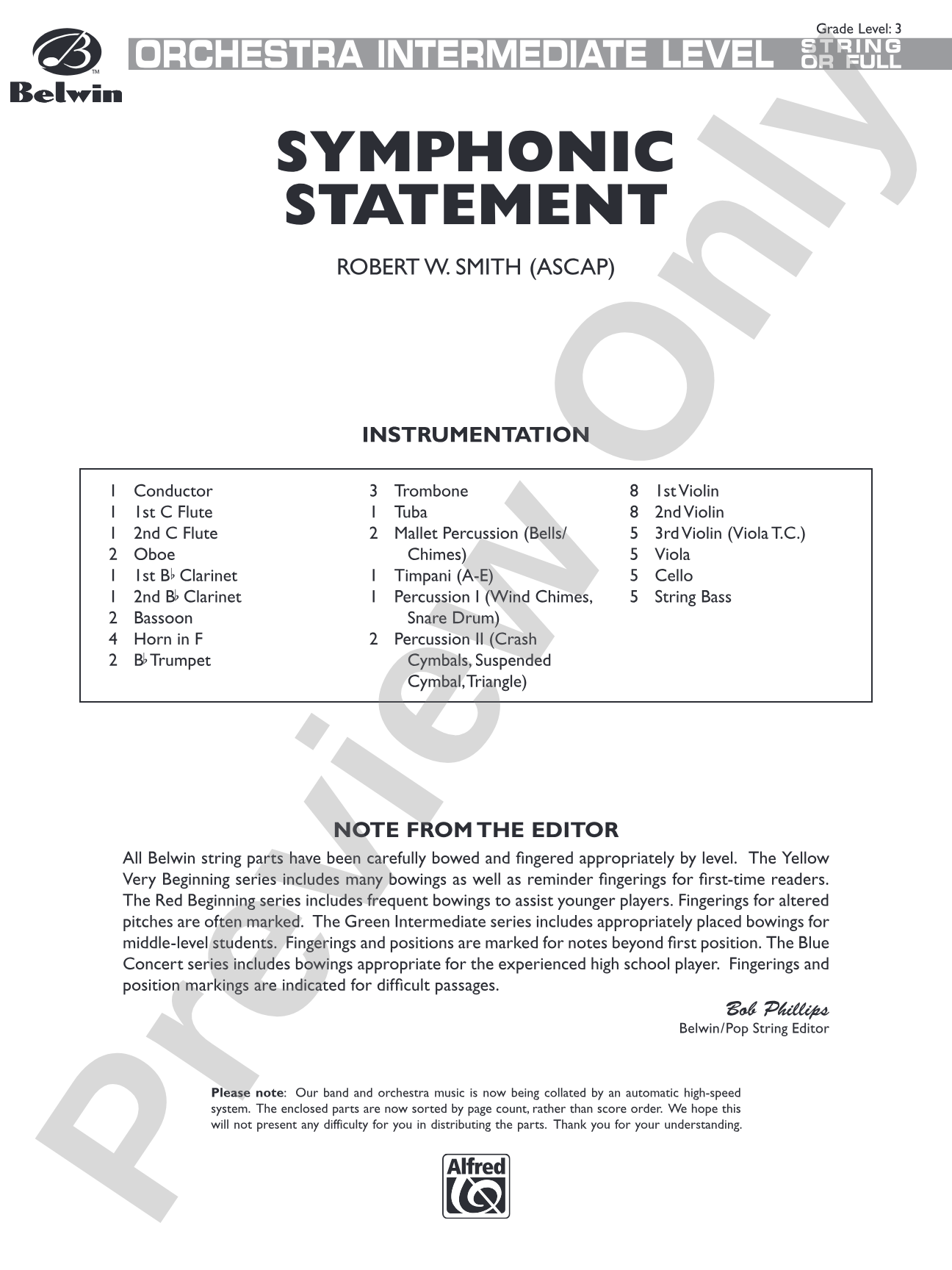
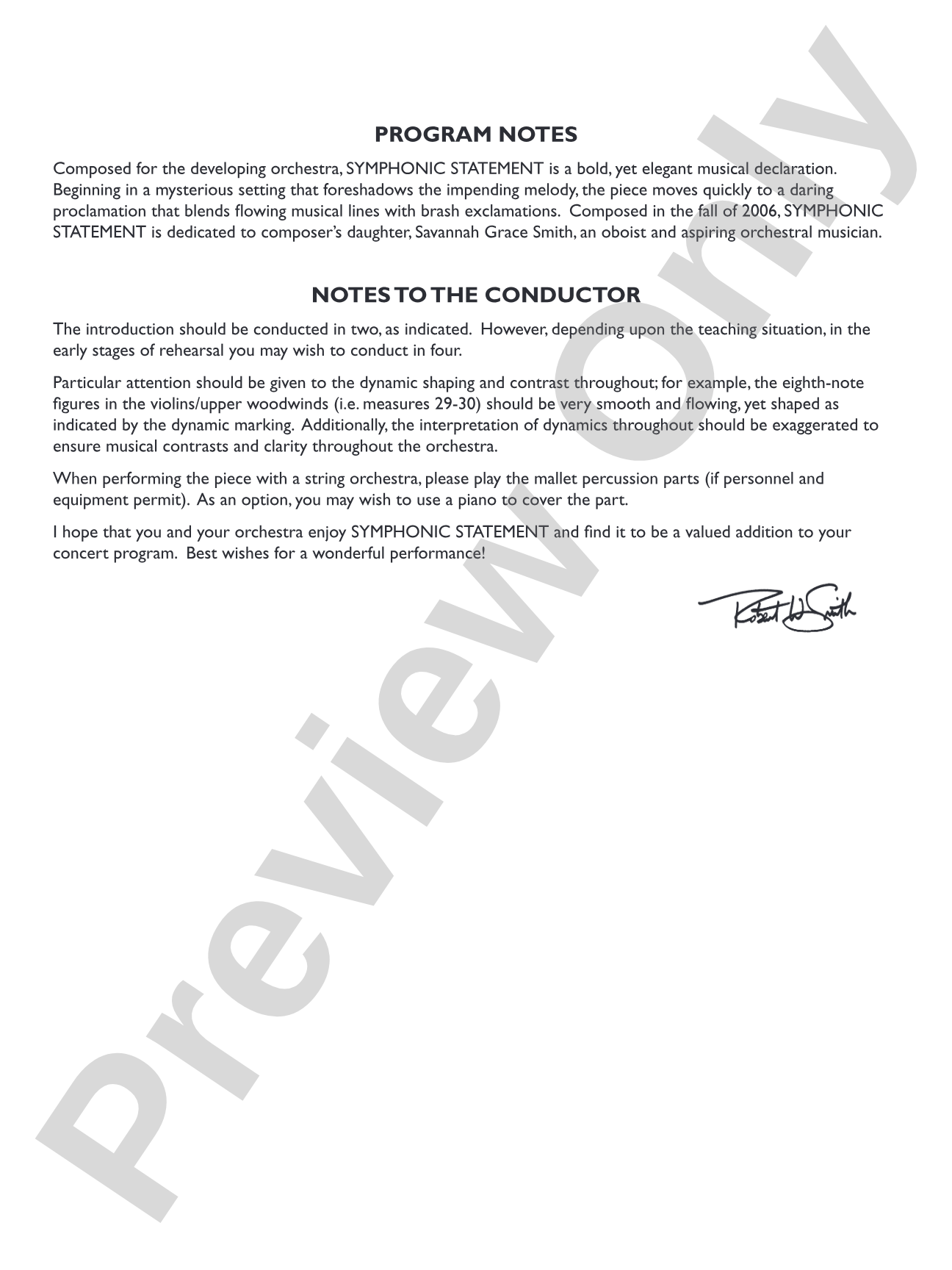
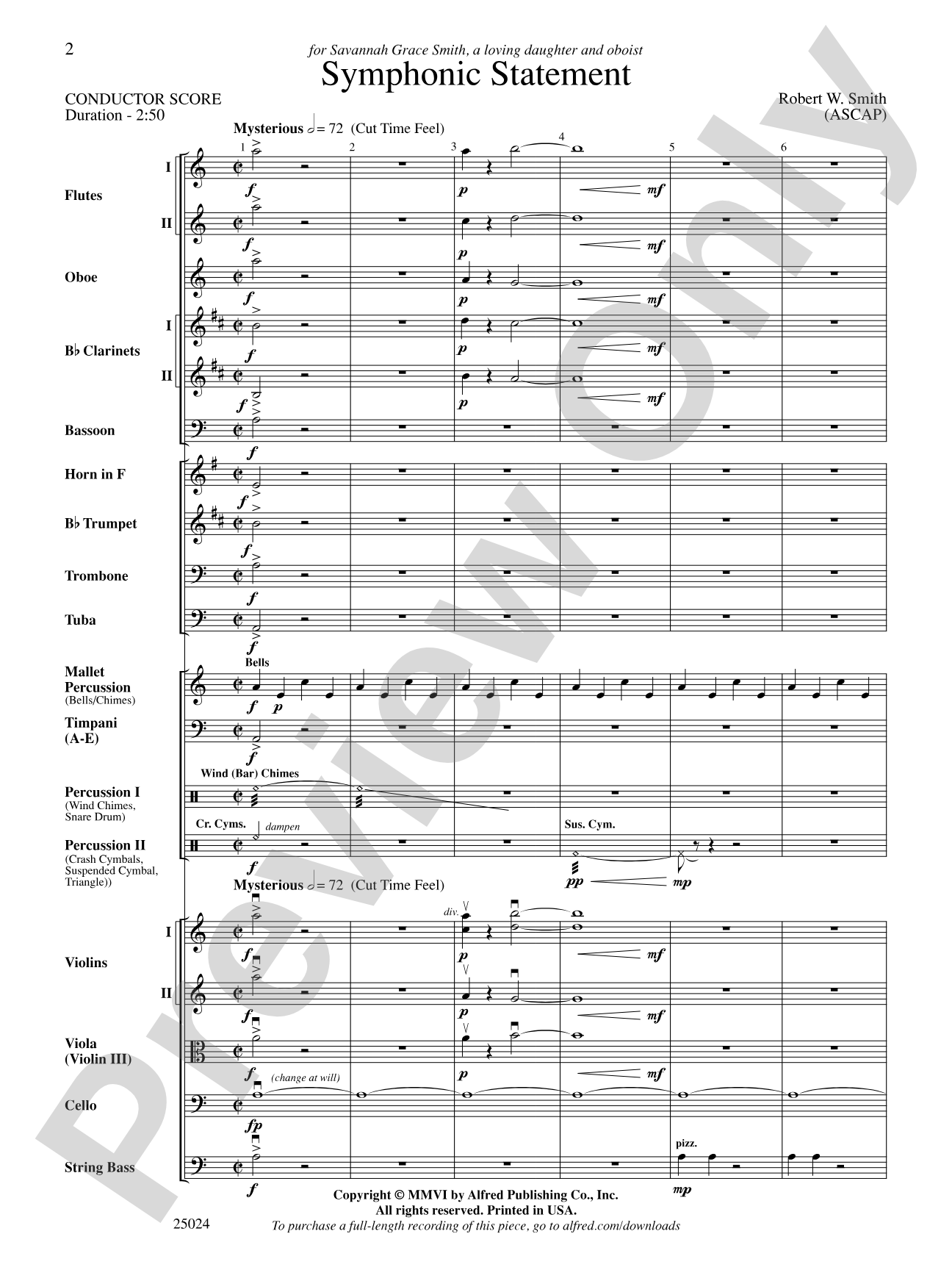
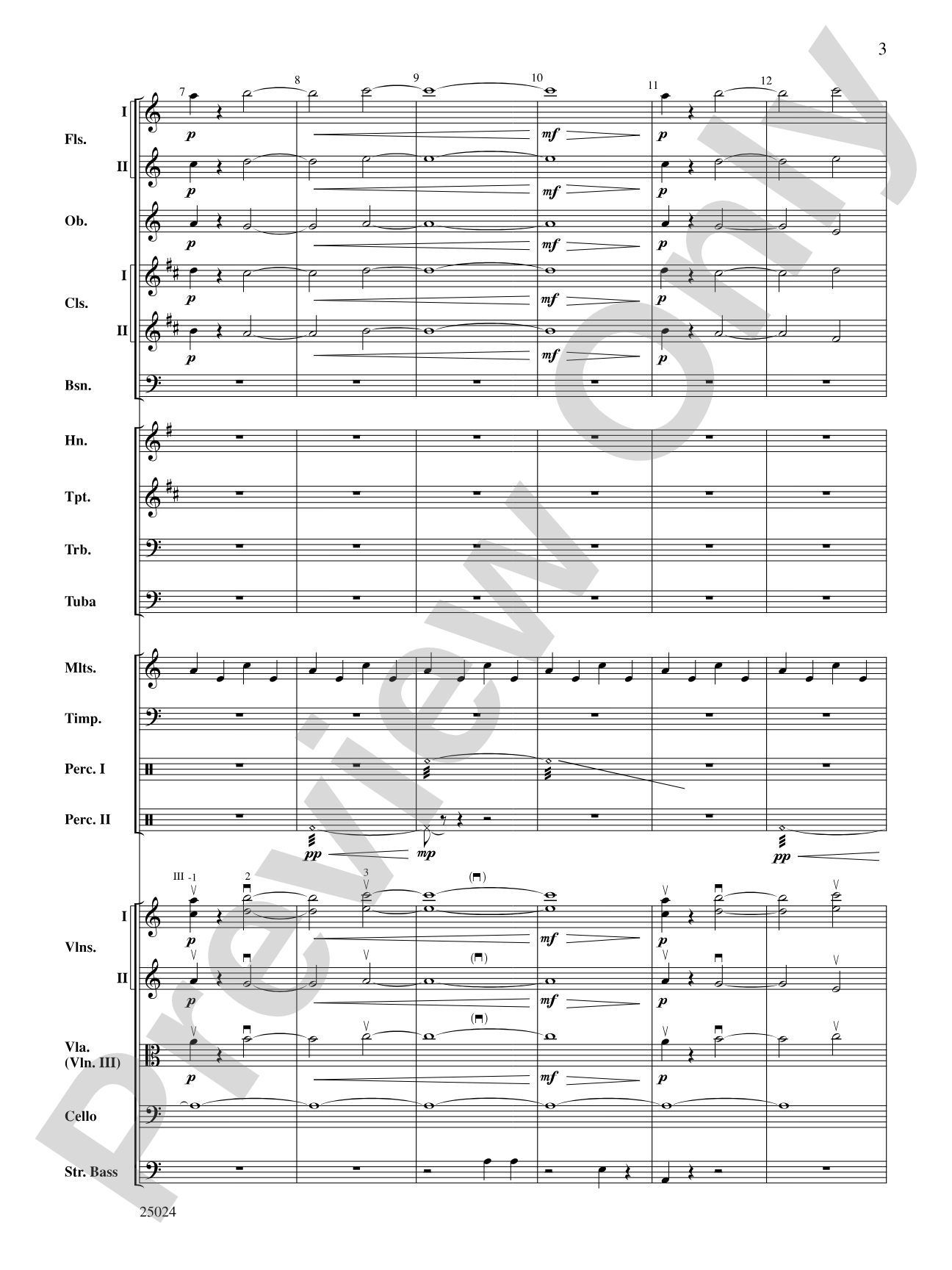
You'll be startled at the bold presence and sonority of this fresh new festival work for your middle school string or full orchestras. Created by Robert W. Smith, "Symphonic Statement" is dedicated to his daughter, Savanna Grace Smith. A perfect choice for your contest or any program.


Don't just read it, hear it, play along with it, and watch your students grow with it. In MakeMusic Cloud, Symphonic Statement: Full Orchestra Conductor Score & Parts comes alive with professional accompaniment, adjustable tempo, and built-in practice tools that turn solo practice into real progress.
Open in the Player
Jump straight in and assign it today.
Start Your Free Trial
Open this title and explore the full library in minutes.
Sample Audio
1
Audio File
--:--
0:00
0:00
Sample Video
No sample videos found.
Additional Details
Series:
Belwin Intermediate Full Orchestra
Publisher:
Alfred Music
Page Count:
202
SKU:
00-PK-0001008
More about this title
About the Composer: Robert W. Smith

Robert W. Smith has established himself as a leading voice in American orchestral and concert band composition, with more than 400 published works performed internationally. He holds degrees from Troy State University (Alabama) and the University of Miami, and his major orchestral works, including his first two symphonies (The Divine Comedy and The Odyssey), have gained audiences across North America, Europe, Australia, and Asia.
Beyond concert hall premieres, Smith's compositions have graced significant cultural moments, from Olympic ceremonies to network television broadcasts and major public events. His work for developing ensembles, particularly pieces like The Tempest, has become repertoire staple in school music programs. He maintains an active presence as conductor and clinician, bringing his expertise to festivals and schools across the United States, Canada, and internationally.
Why we love this
Smith writes for orchestras the way a conductor thinks: he understands how to build presence and excitement through clean orchestration and strategic color without overwhelming a Grade 3 ensemble. The piece balances accessibility with genuine musical substance, giving your students a work that sounds impressive in performance while remaining teachable in the rehearsal room.
What to expect
Confident and direct, with a contemporary sensibility that avoids both bombast and timidity. The orchestration sparkles with color; there's a sense of forward momentum and architectural clarity that builds naturally across the work's arc.
Who it's for
Middle school and young high school orchestras preparing for festival or contest performance. This work sits at an achievable difficulty level for developing ensembles while delivering the full orchestral sonority that rewards serious preparation.
How to get the most out of it
- Balance the brass and woodwind doublings carefully during the opening statement; these colors define the piece's character, so clarity matters more than volume.
- Give the string sections rhythmic independence from the opening; they anchor the work's pulse and need precise ensemble within their own parts before locking with winds.
- Shape phrases by listening for the underlying harmonic motion rather than playing section to section; this helps the piece breathe and prevents a metronomic quality.
- Reserve full dynamic strength for the climactic moments marked in the score; early restraint makes the peak moments land with genuine impact.
How to use it
Program this as a centrepiece for a festival or contest program, where its bold character and clear harmonic language will command attention. It pairs well alongside a lighter overture or character piece, using its symphonic weight to anchor an all-contemporary program or to balance classical repertoire.
Skills your students will build
- Balancing independent lines across orchestral sections
- Sustaining ensemble precision across the full orchestra
- Responding to phrase shape and harmonic direction at Grade 3 difficulty
- Executing clear dynamic control at an intermediate level
- Reading and performing modern concert music with stylistic understanding