



Sword Dance: Full Orchestra Conductor Score & Parts
Traditional / arr. Bob Phillips
Grade: 1
Item: 00-PK-0004710

$60.00
Pickup currently not available
Buy Extra Parts (Digital PDF Download)
| Product | Price | Quantity |
|---|---|---|
| Sword Dance: Score | $8.00 | |
| Sword Dance: Flute | $3.00 | |
| Sword Dance: 2nd Flute | $3.00 | |
| Sword Dance: Oboe | $3.00 | |
| Sword Dance: 1st B-flat Clarinet | $3.00 | |
| Sword Dance: 2nd B-flat Clarinet | $3.00 | |
| Sword Dance: Bassoon | $3.00 | |
| Sword Dance: B-flat Bass Clarinet | $3.00 | |
| Sword Dance: 1st F Horn | $3.00 | |
| Sword Dance: 1st B-flat Trumpet | $3.00 | |
| Sword Dance: 2nd B-flat Trumpet | $3.00 | |
| Sword Dance: 1st Trombone | $3.00 | |
| Sword Dance: Tuba | $3.00 | |
| Sword Dance: Timpani | $3.00 | |
| Sword Dance: 1st Percussion | $3.00 | |
| Sword Dance: 2nd Percussion | $3.00 | |
| Sword Dance: 1st Violin | $3.00 | |
| Sword Dance: 2nd Violin | $3.00 | |
| Sword Dance: 3rd Violin (Viola [TC]) | $3.00 | |
| Sword Dance: Viola | $3.00 | |
| Sword Dance: Cello | $3.00 | |
| Sword Dance: String Bass | $3.00 |
Parts Added to Cart!
Description
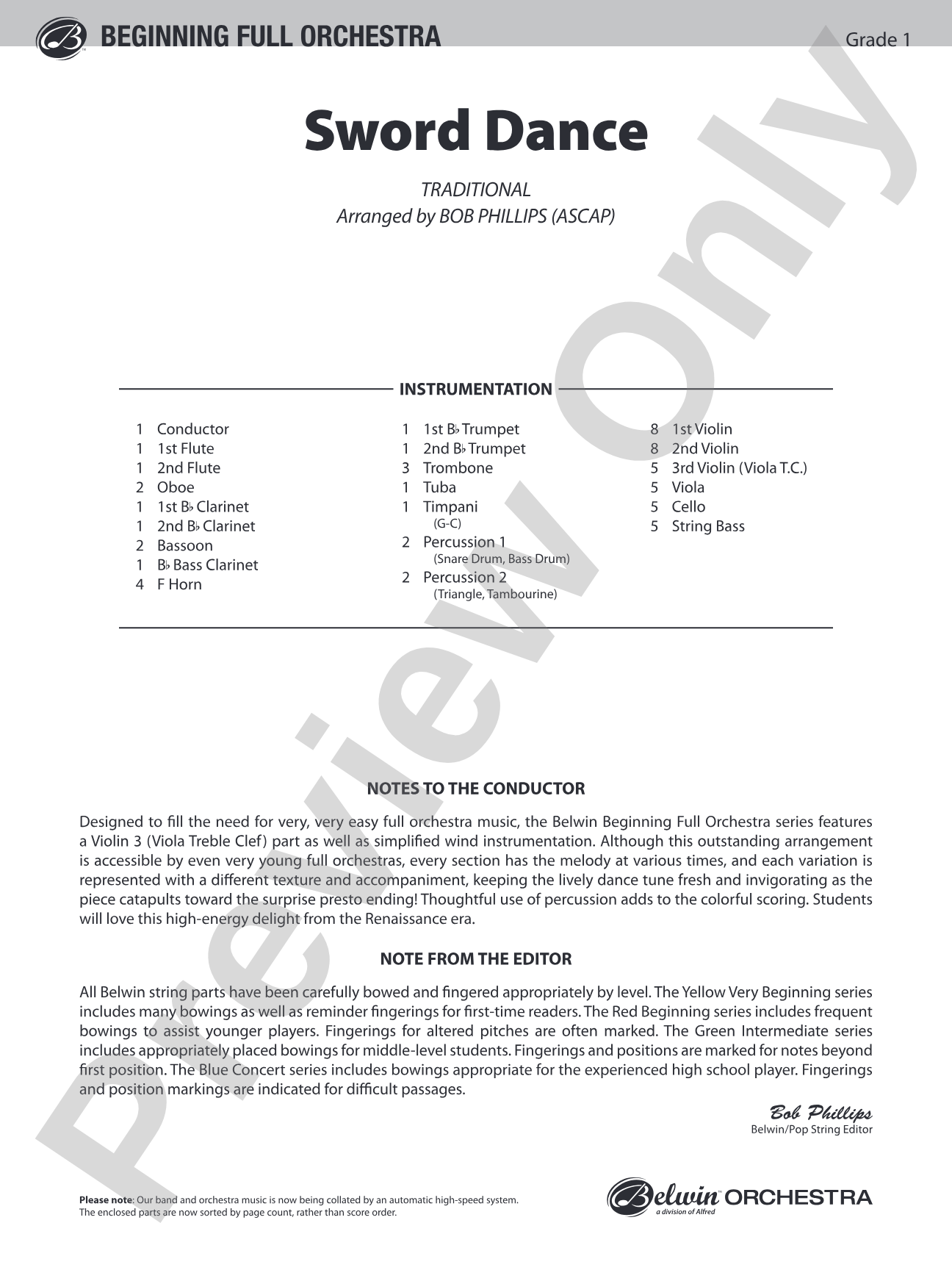
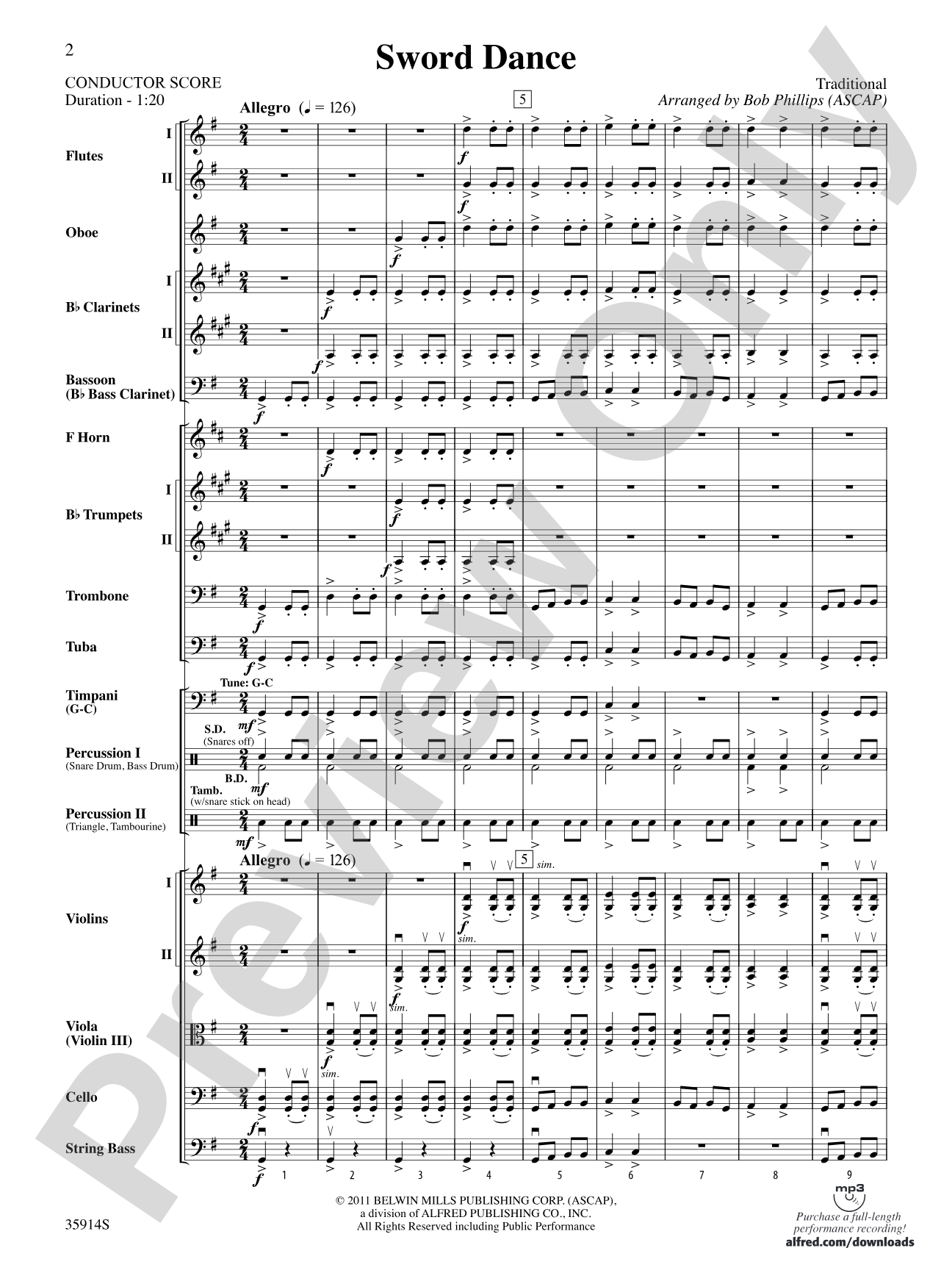
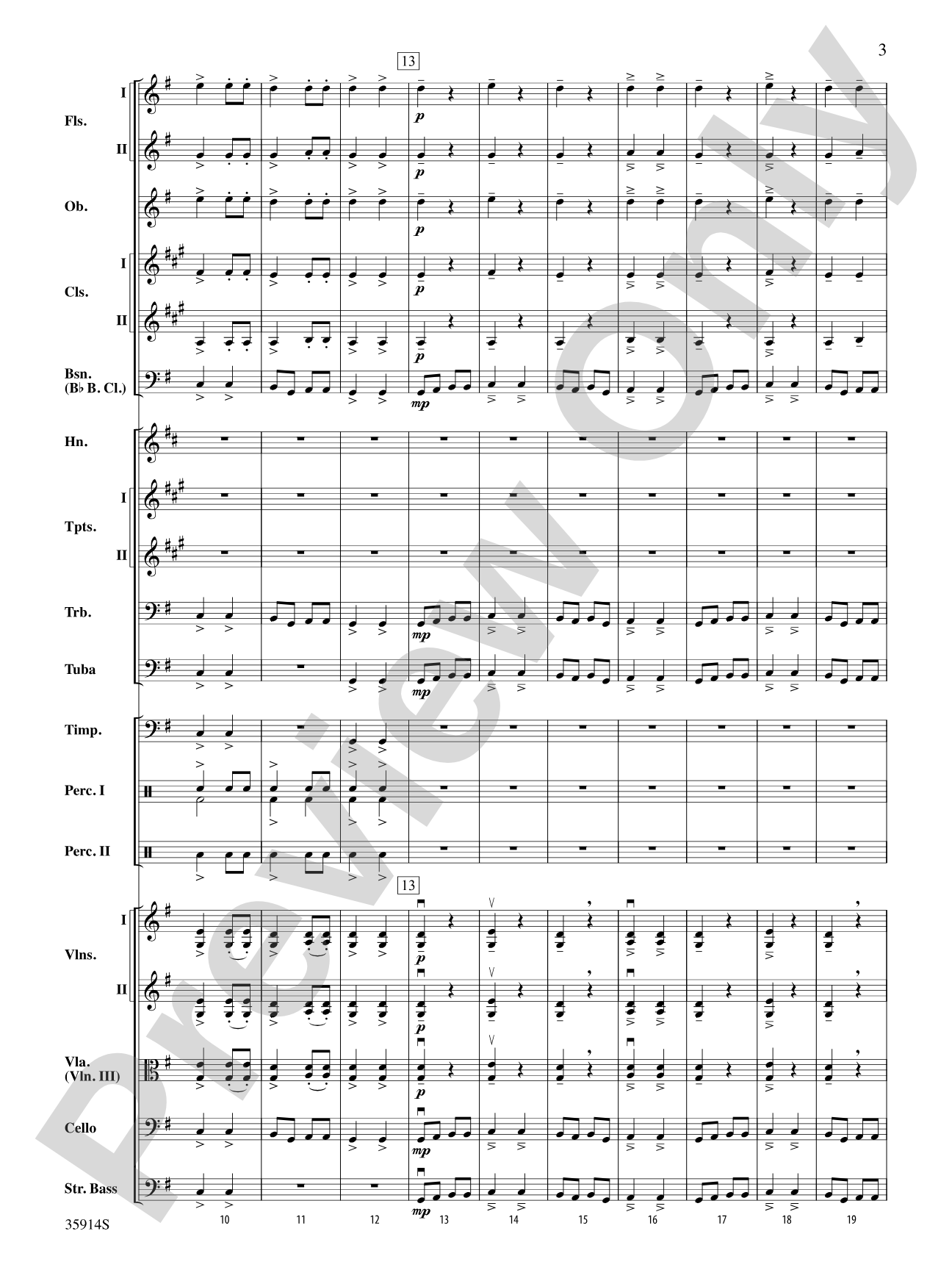
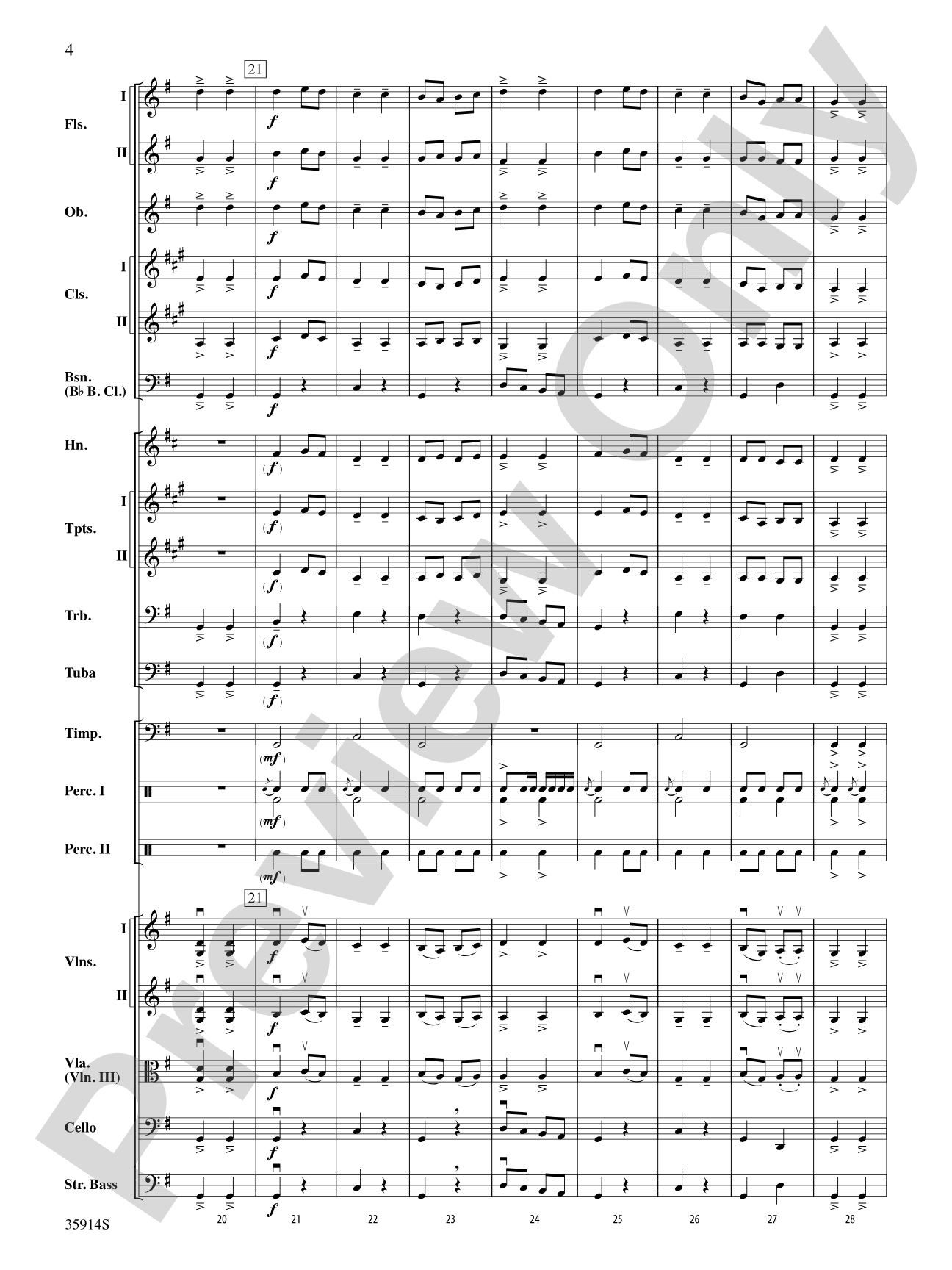
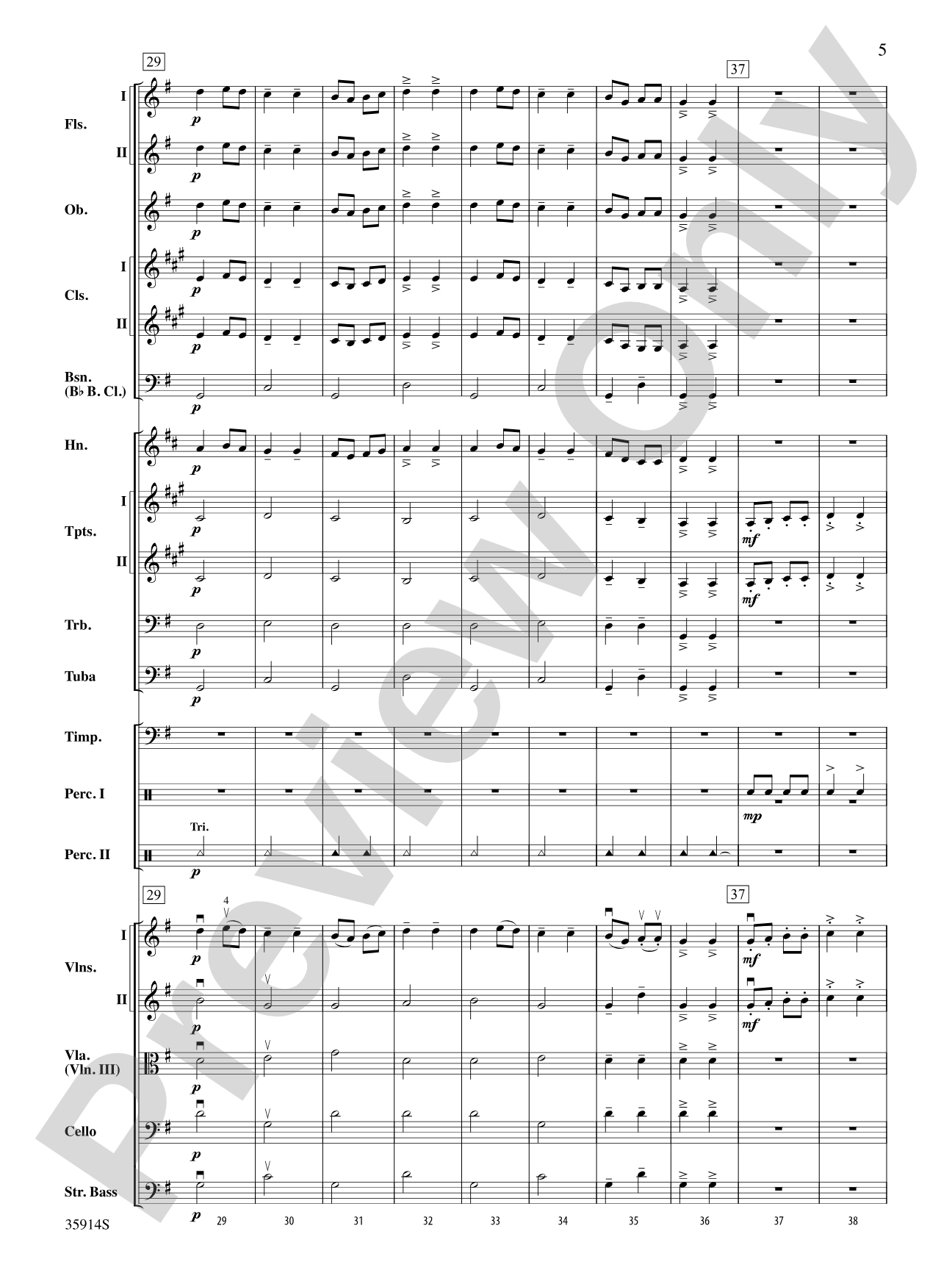
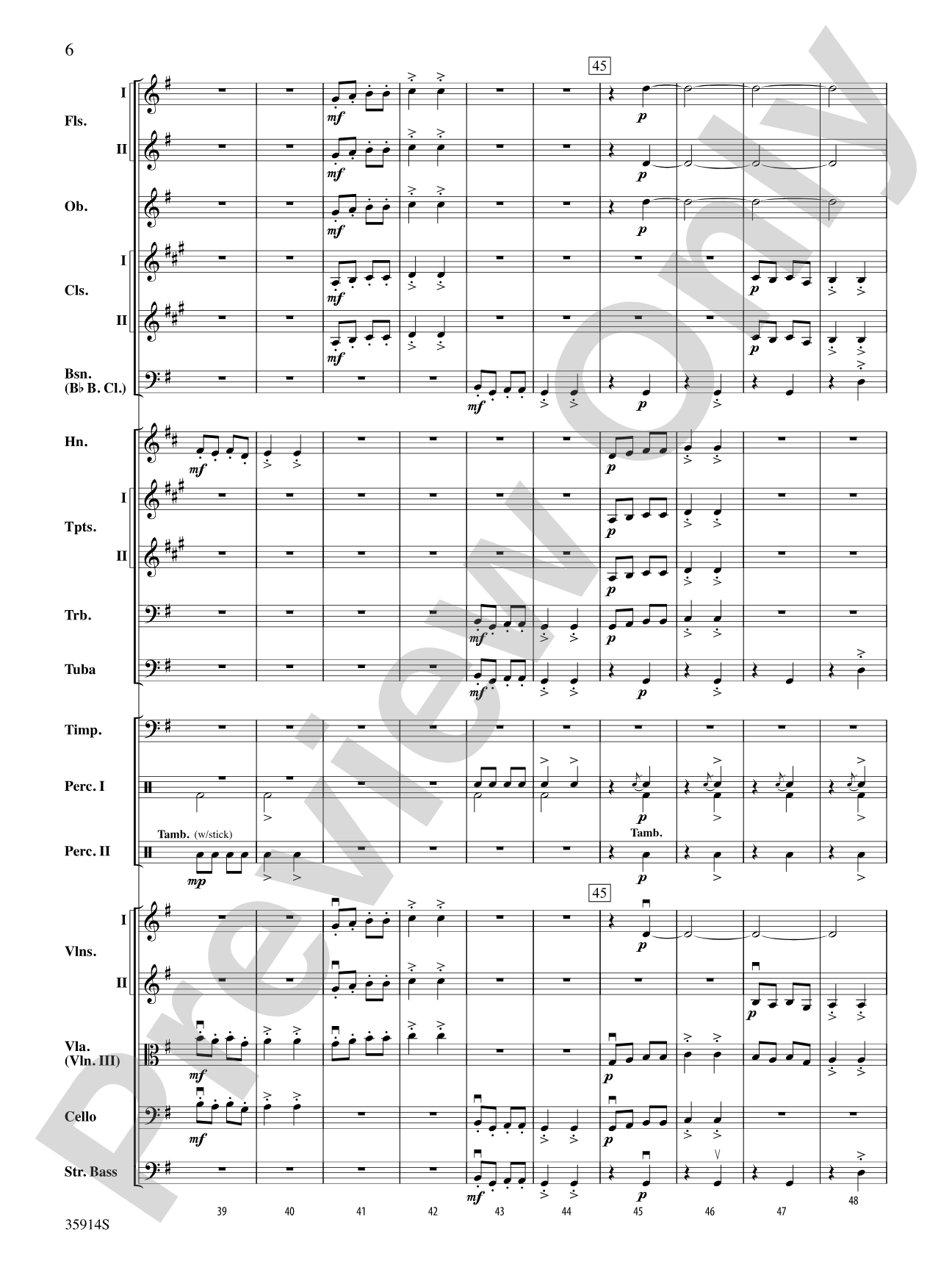
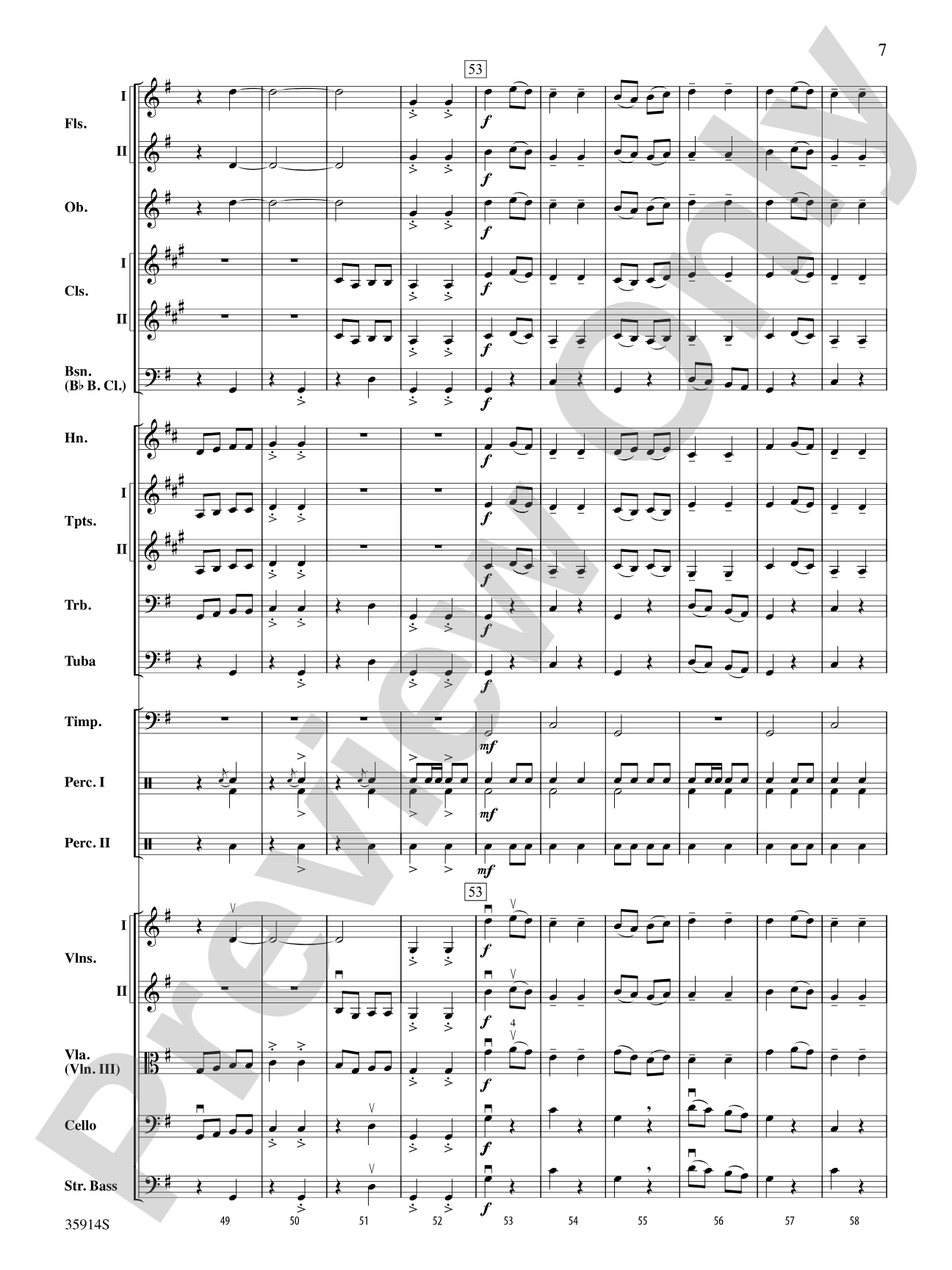
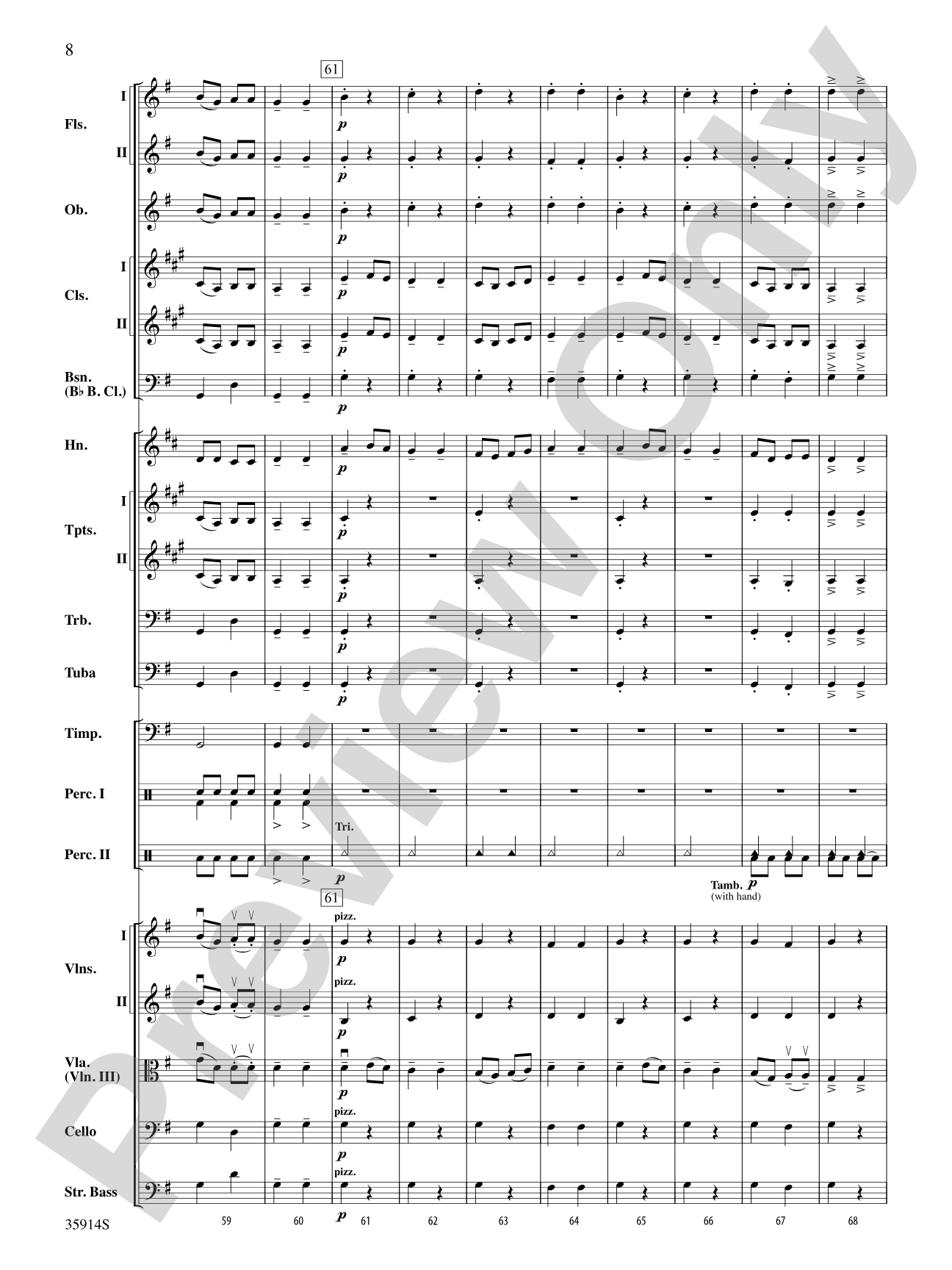
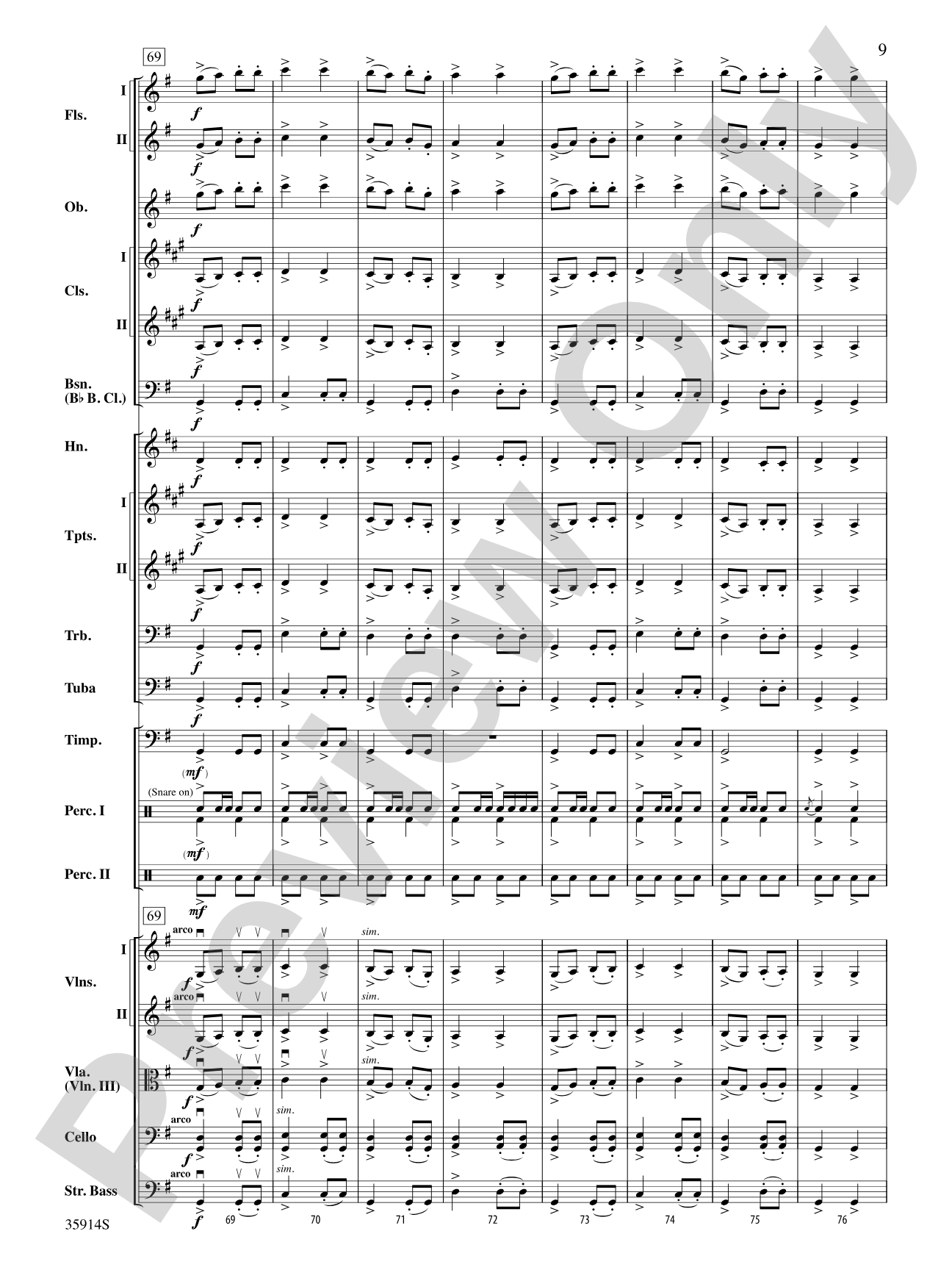
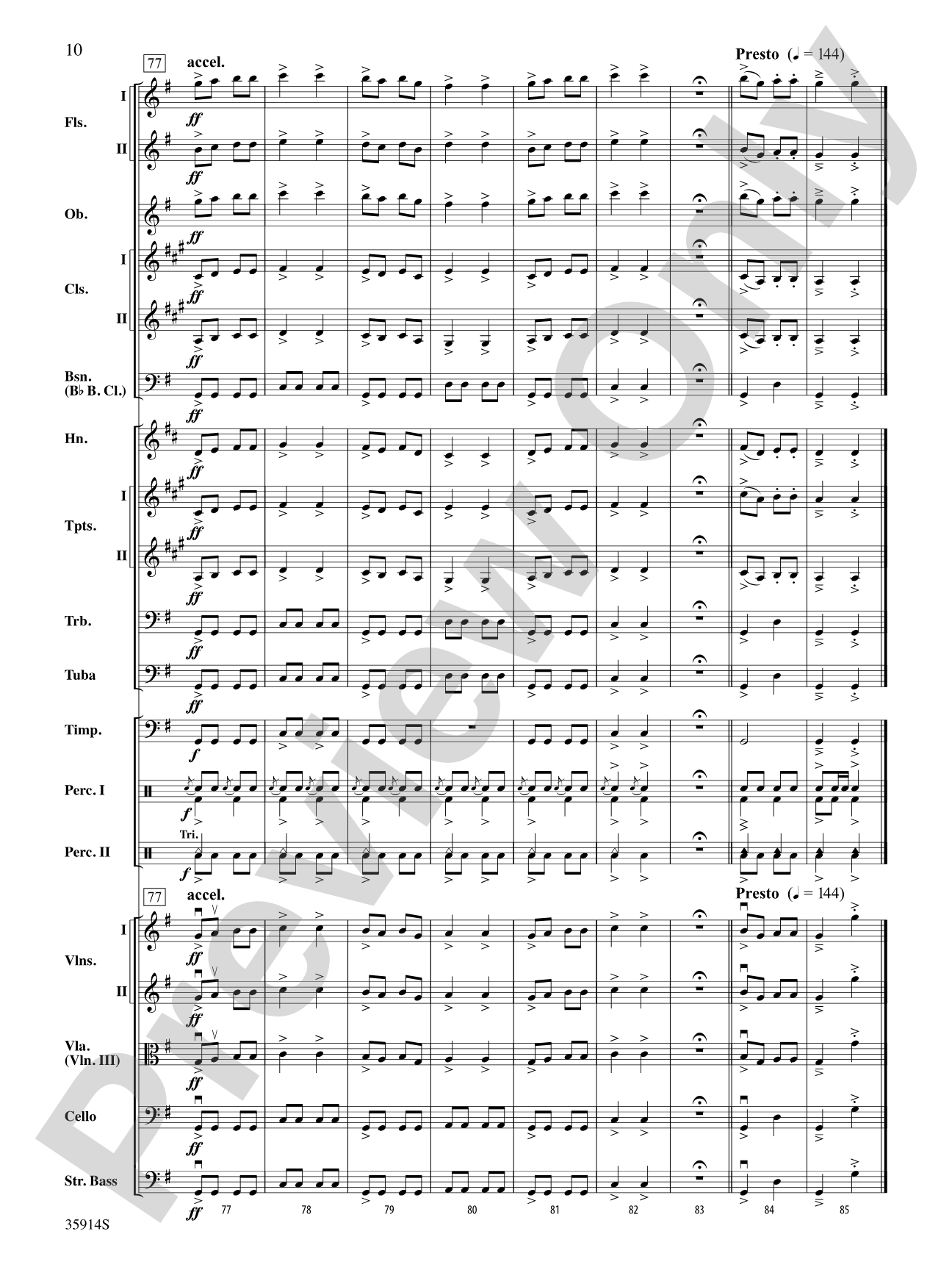
This outstanding arrangement is accessible by even very young full orchestras. Every section gets a chance with the melody, and each variation is represented with a different texture and accompaniment, invigorating the lively dance tune as the piece catapults toward the surprise presto ending! Thoughtful use of percussion adds to the colorful scoring. Students will love this high-energy delight from the Renaissance era. (1:20)


Don't just read it, hear it, play along with it, and watch your students grow with it. In MakeMusic Cloud, Sword Dance: Full Orchestra Conductor Score & Parts comes alive with professional accompaniment, adjustable tempo, and built-in practice tools that turn solo practice into real progress.
Open in the Player
Jump straight in and assign it today.
Start Your Free Trial
Open this title and explore the full library in minutes.
Sample Audio
1
Audio File
--:--
0:00
0:00
Sample Video
Additional Details
Series:
Belwin Beginning Full Orchestra
Publisher:
Alfred Music
Page Count:
120
SKU:
00-PK-0004710
Instrumentation:
full (timpani, snare drum, bass drum, triangle, tamb, vln3)
More about this title
About the Arranger: Bob Phillips

Bob Phillips has spent more than four decades developing innovative approaches to ensemble education, with a particular focus on making orchestral music accessible to young players. His career includes founding the internationally acclaimed Saline Fiddlers Philharmonic, authoring over 25 instructional series (including Sound Innovations and the groundbreaking eclectic styles collections), and conducting at prestigious festivals and all-state orchestras across North America.
Why we love this
Phillips has crafted an arrangement that honors the vibrant energy of a Renaissance dance while ensuring every section gets its moment in the spotlight. The variety of textures and intelligent orchestration keep young players engaged without overwhelming them, and the surprise presto finish delivers genuine excitement that audiences remember.
What to expect
Bright, bouncy, and full of forward momentum. The Renaissance melody carries the playfulness of a folk dance, and as textures layer and change, the piece builds genuine excitement. The surprise presto at the end transforms the familiar tune into something unexpected and exhilarating.
Who it's for
Grade 1 orchestras that are ready to program something lively and energetic without complex technical demands. Beginning players benefit from the clear melodic writing and the chance to hear their part contribute to a recognizable tune.
How to get the most out of it
- Balance the melody carefully across sections as it passes from strings to winds. Each group will want to lead, so rehearse the handoffs to maintain a clear line while the supporting texture stays secondary.
- Give the percussion parts full attention during rehearsals. The triangle, tambourine, and timpani aren't decorative here; they drive the rhythmic energy and signal the character changes that move the arrangement forward.
- Let the tempo breathe during the variations. The different accompaniment textures work best when players feel the shift from one section to the next, so mark clear tempo and character changes in the parts.
How to use it
This works exceptionally well as an opening concert piece or festival selection where you want to establish an upbeat mood and showcase ensemble unity. The 1:20 duration fits easily into a varied concert program, and the high-energy finish makes it a natural lead-in to another selection or a strong closer for a lighter portion of the program.
Skills your students will build
- Tracking melody exchanges across multiple instrumental sections
- Responding to dynamic and textural shifts within a single piece
- Sustaining rhythmic precision during syncopated accompaniment patterns
- Balancing individual part clarity with ensemble blend