

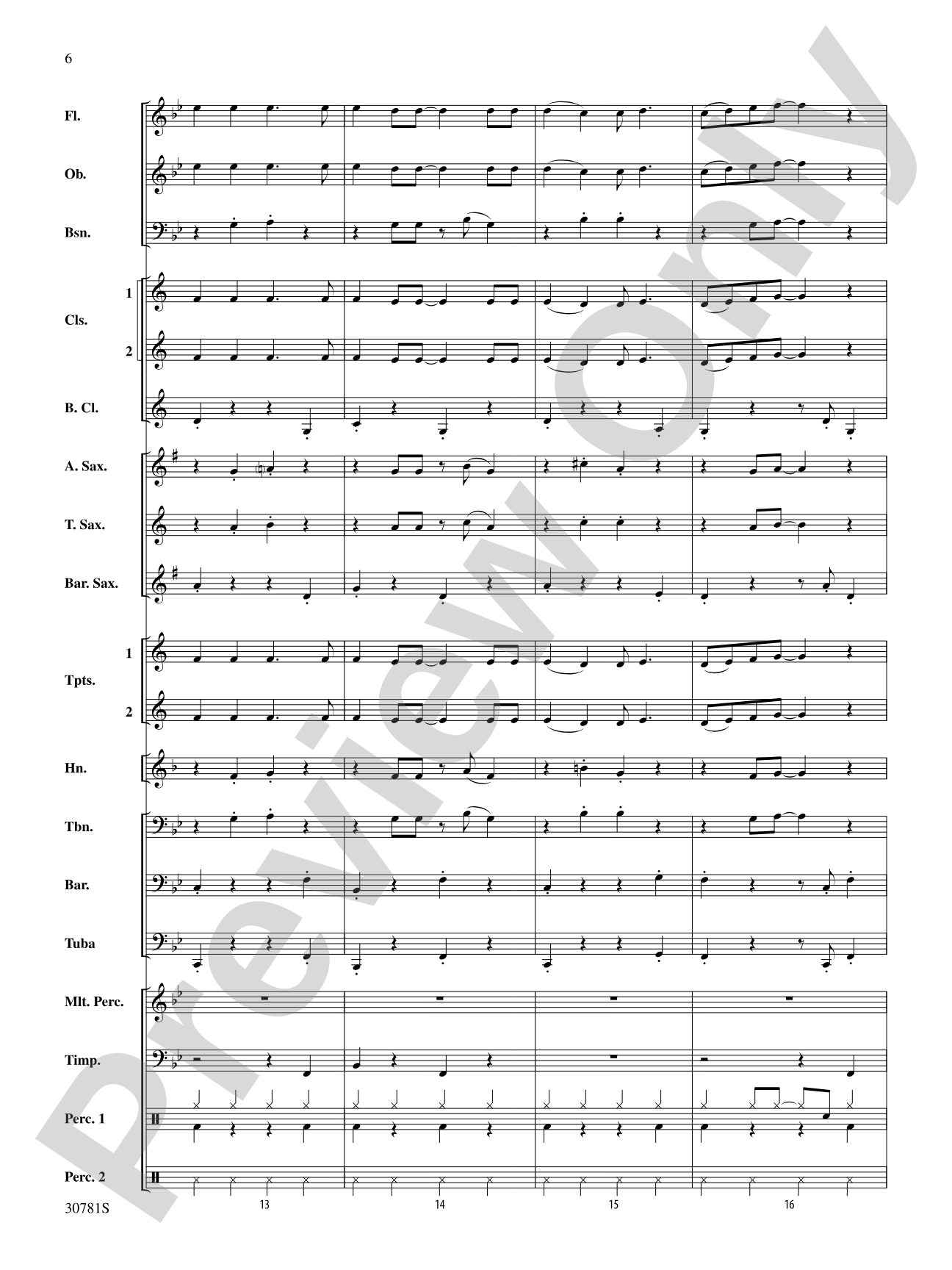
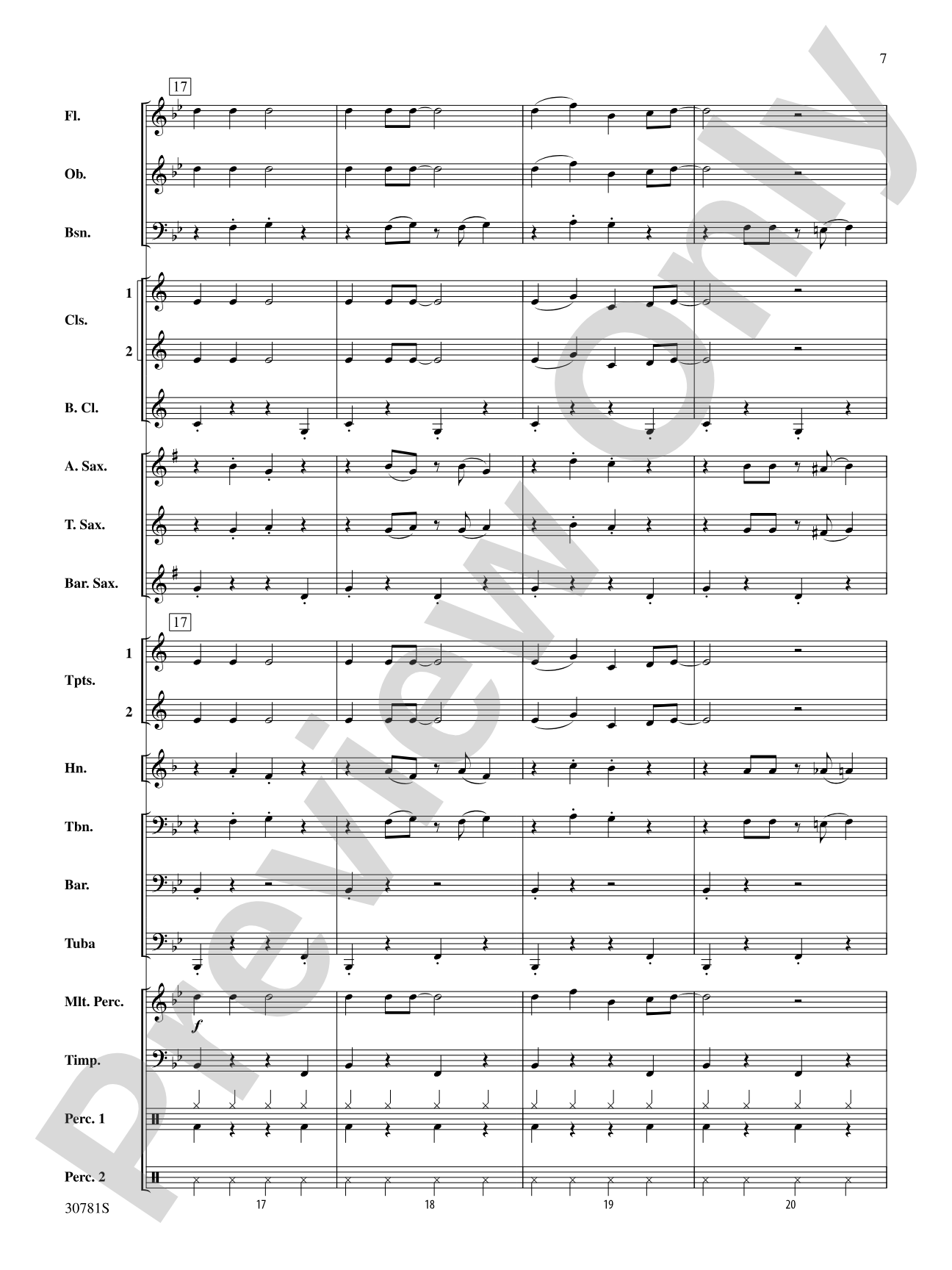
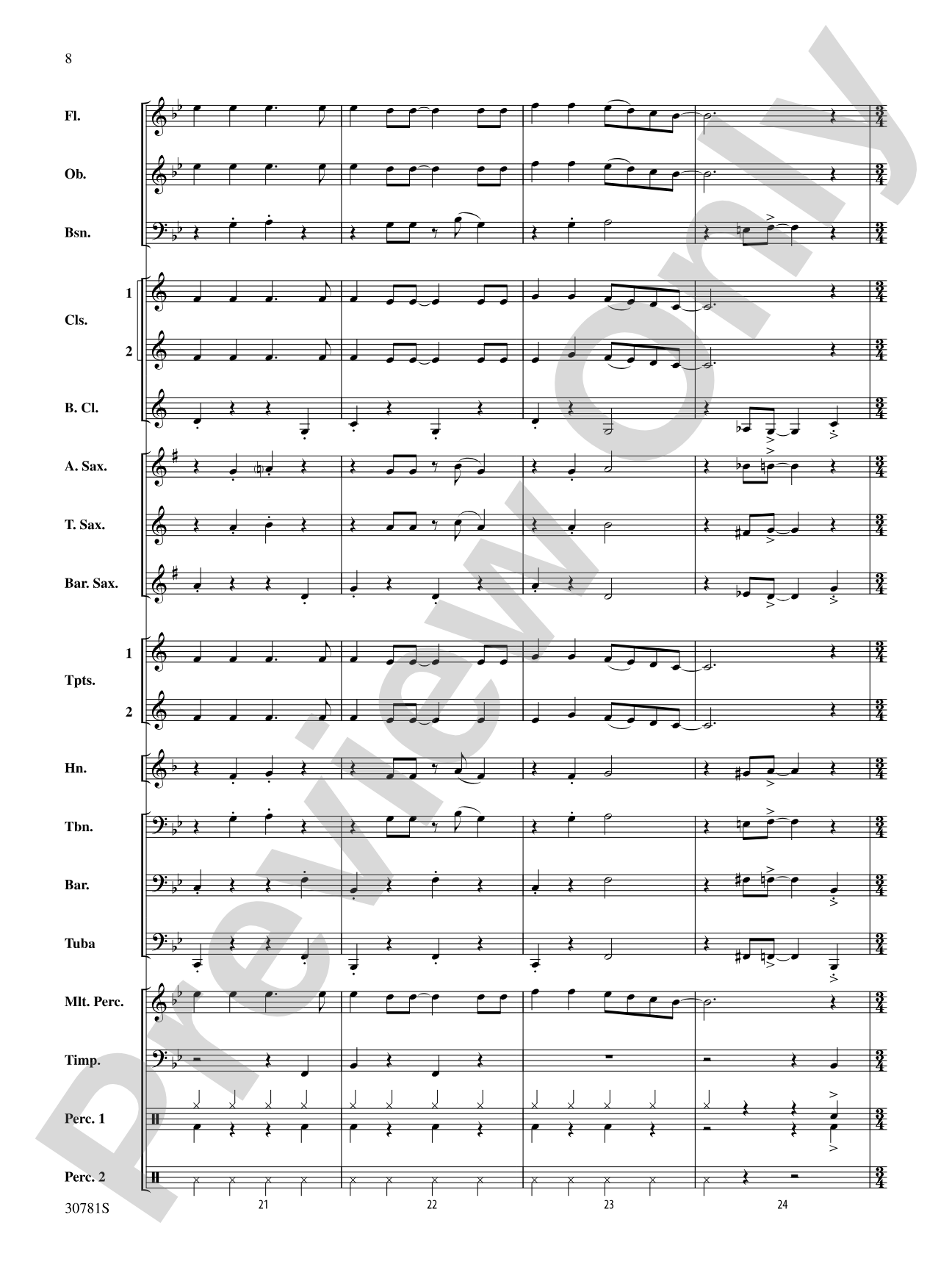
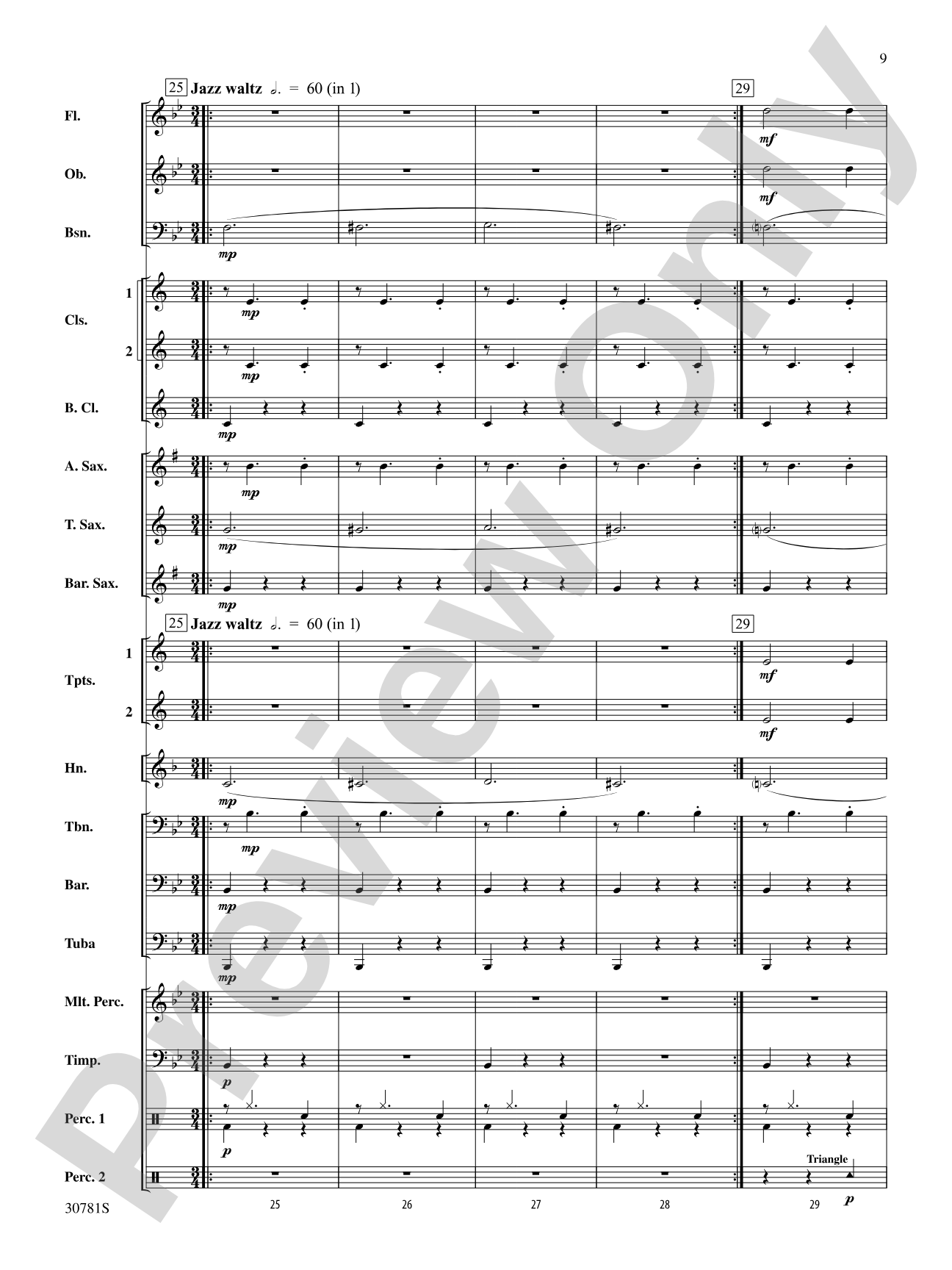
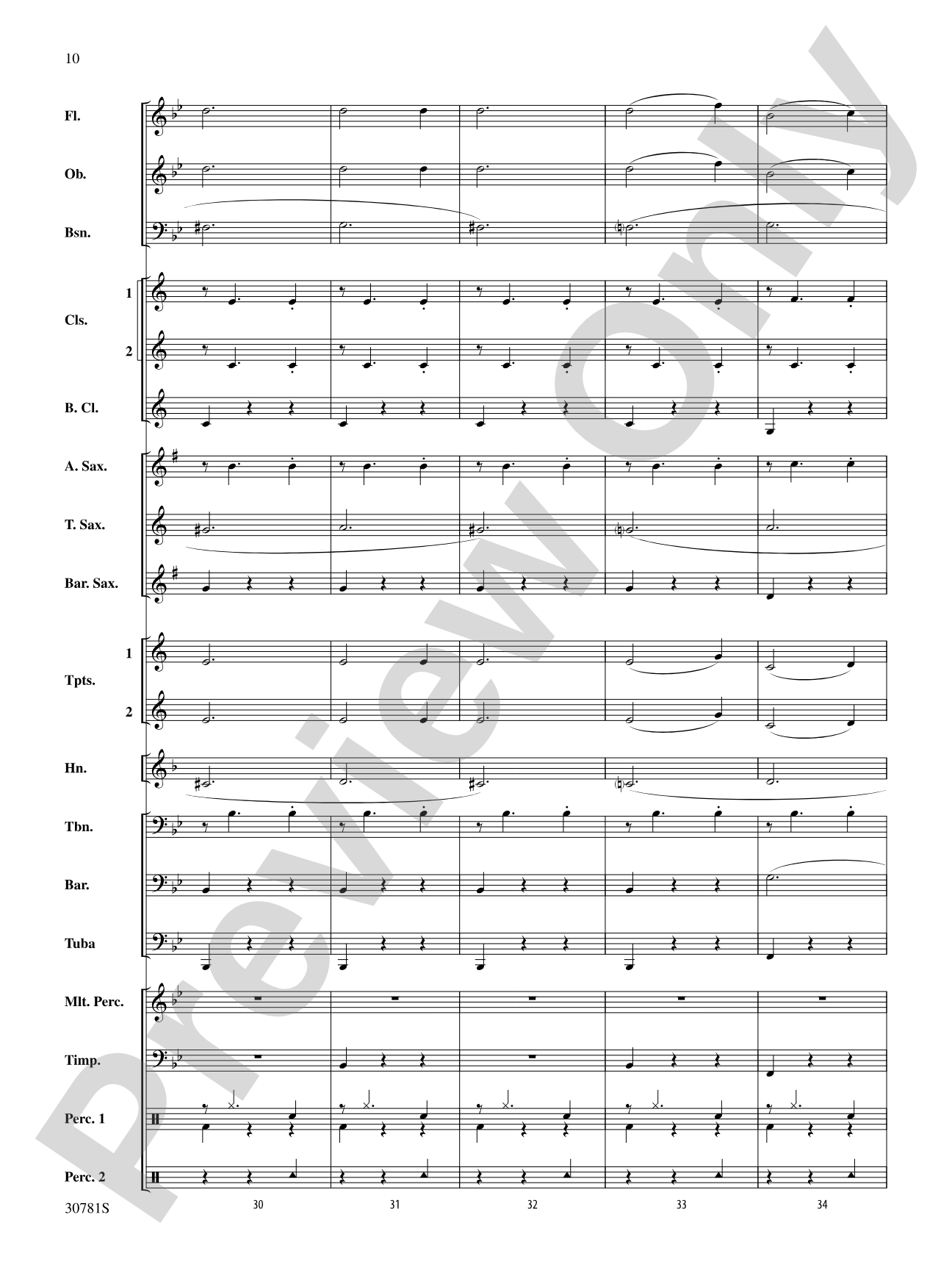
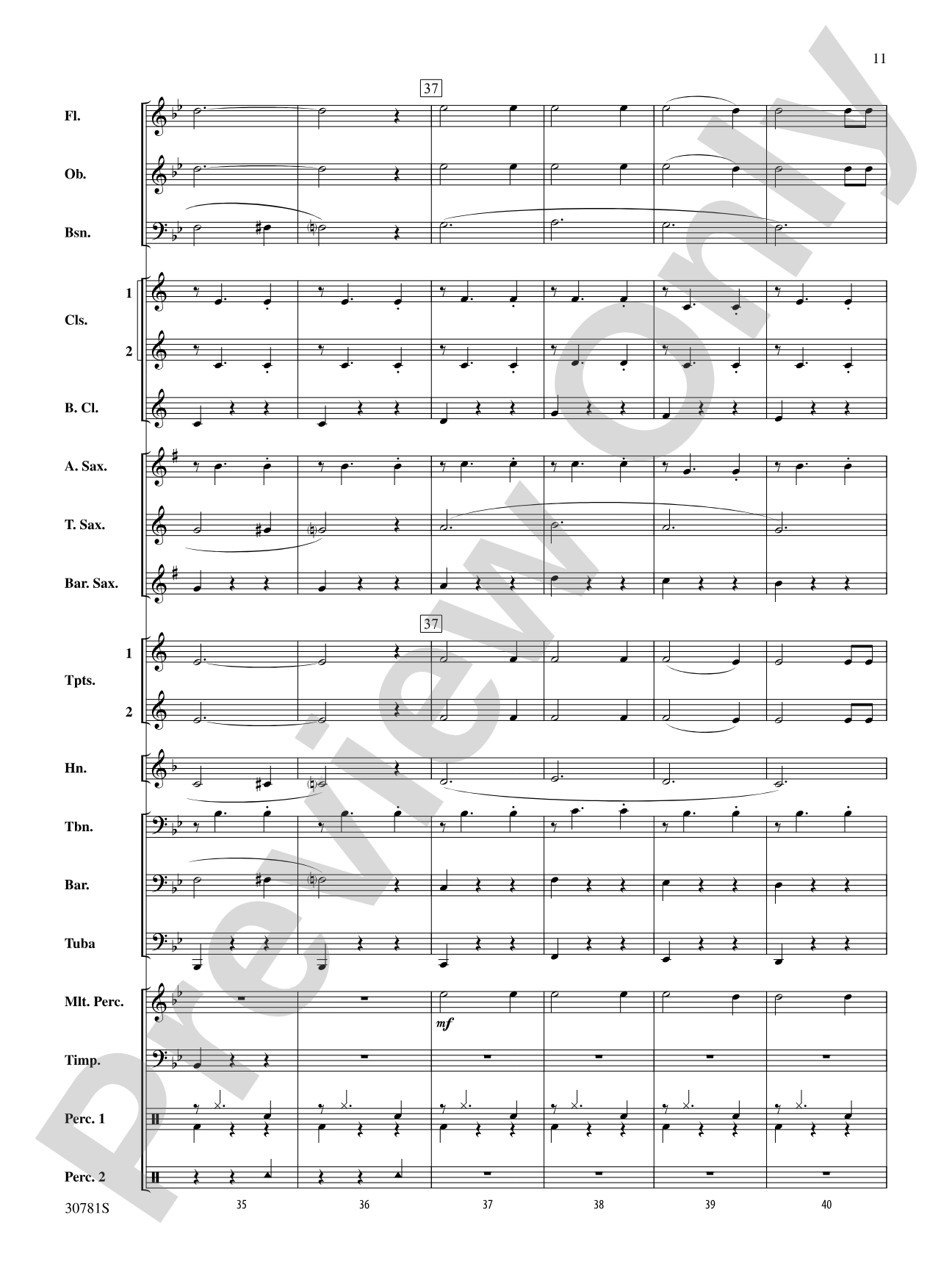
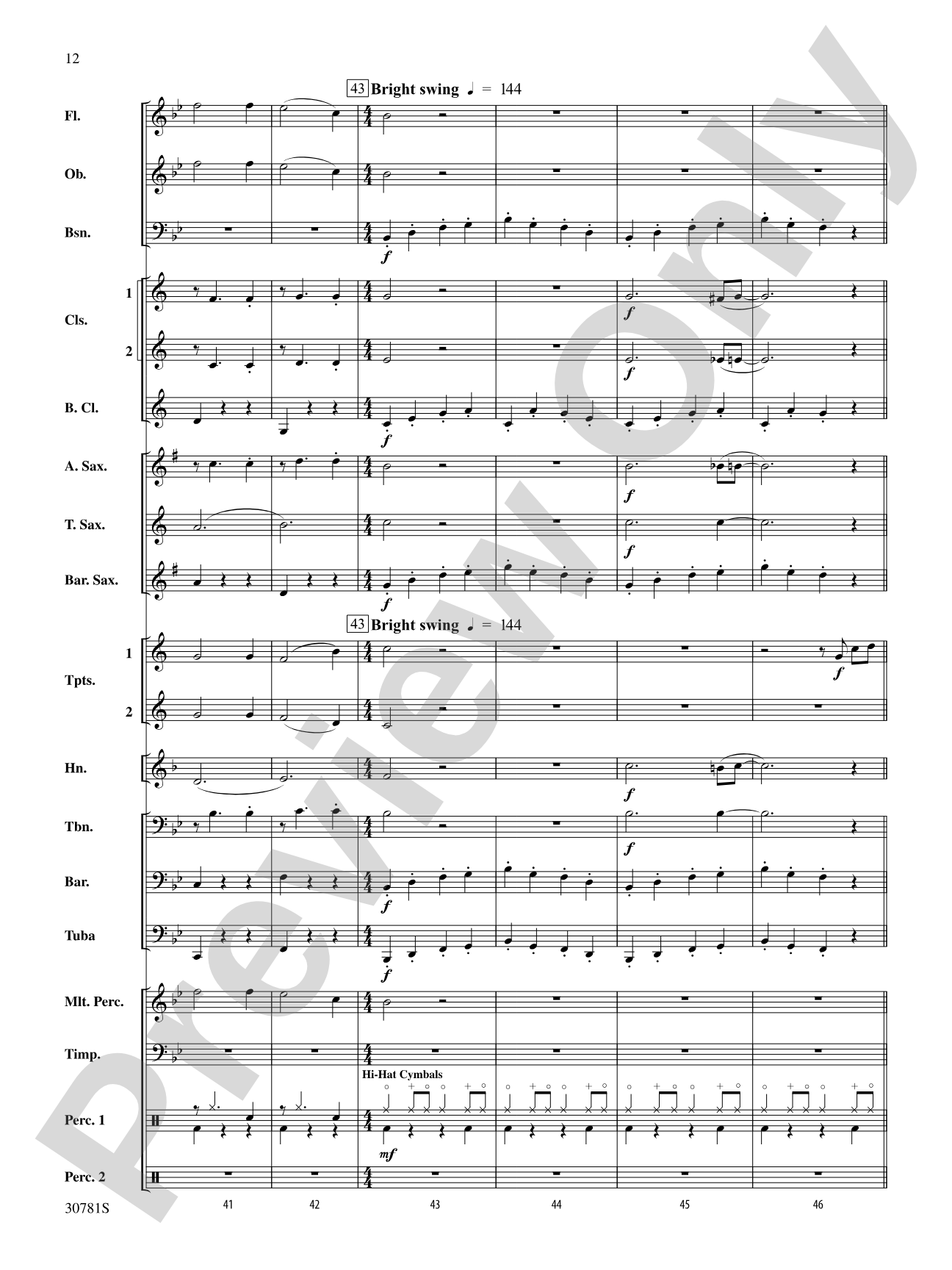
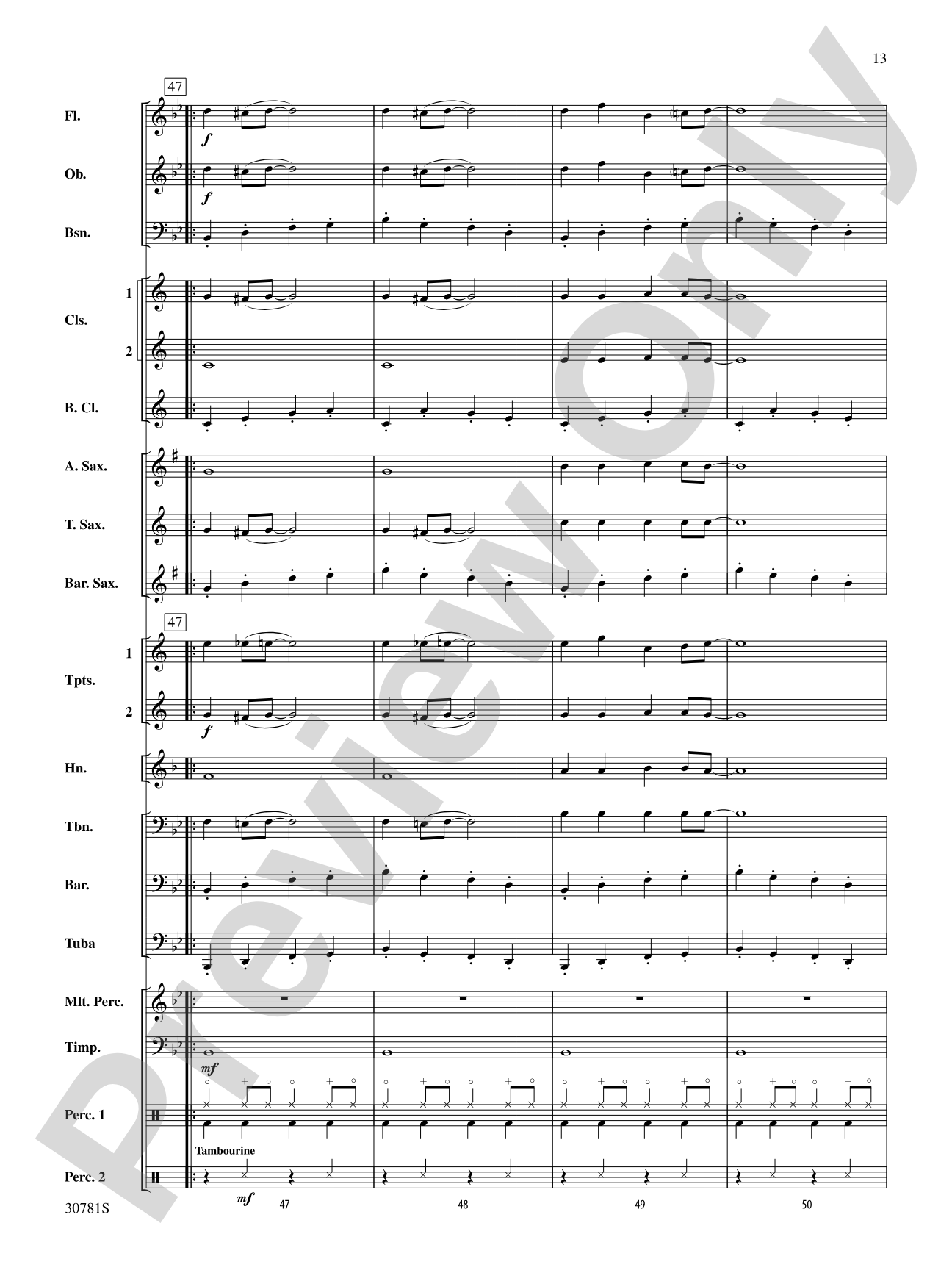
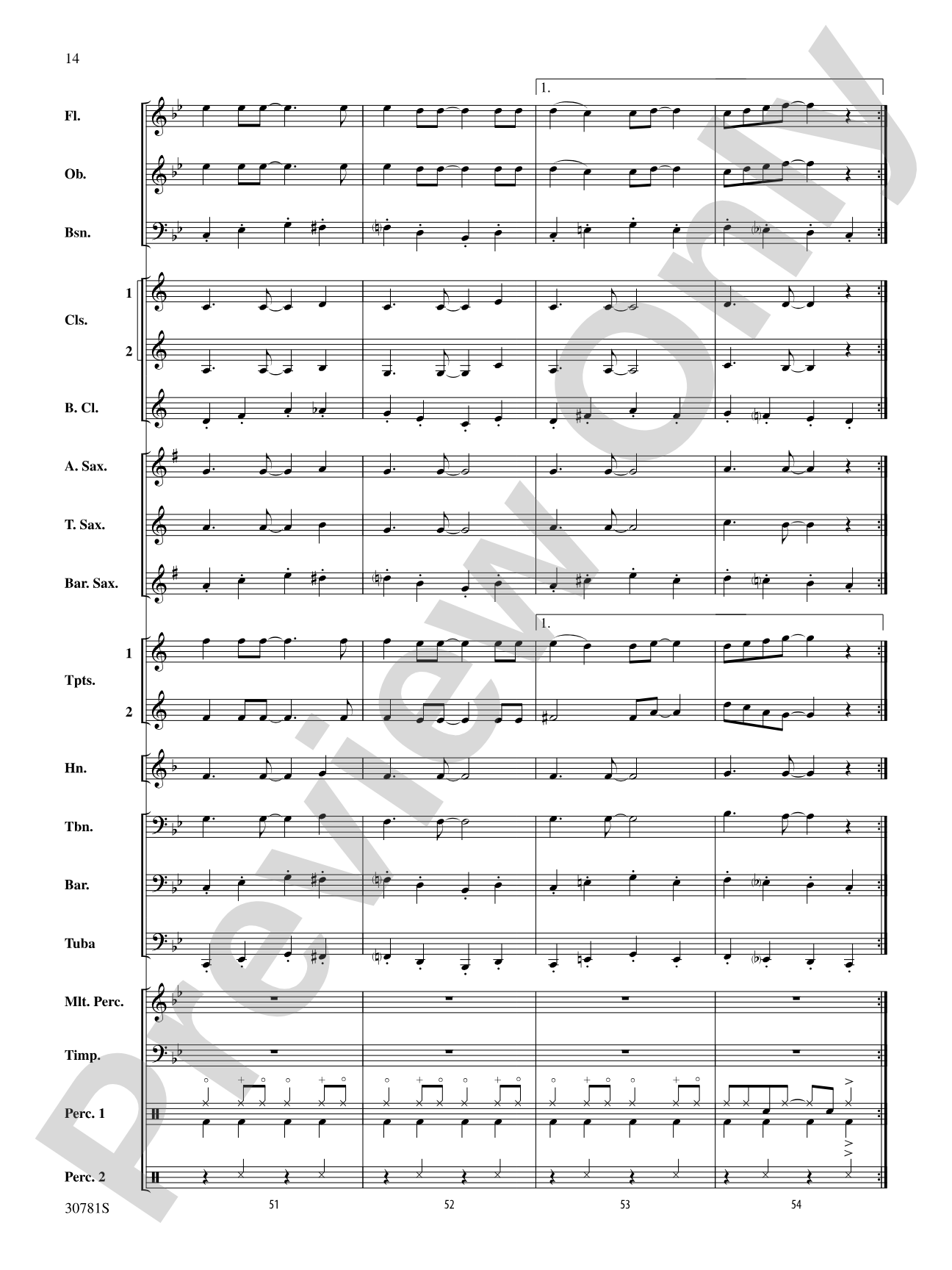
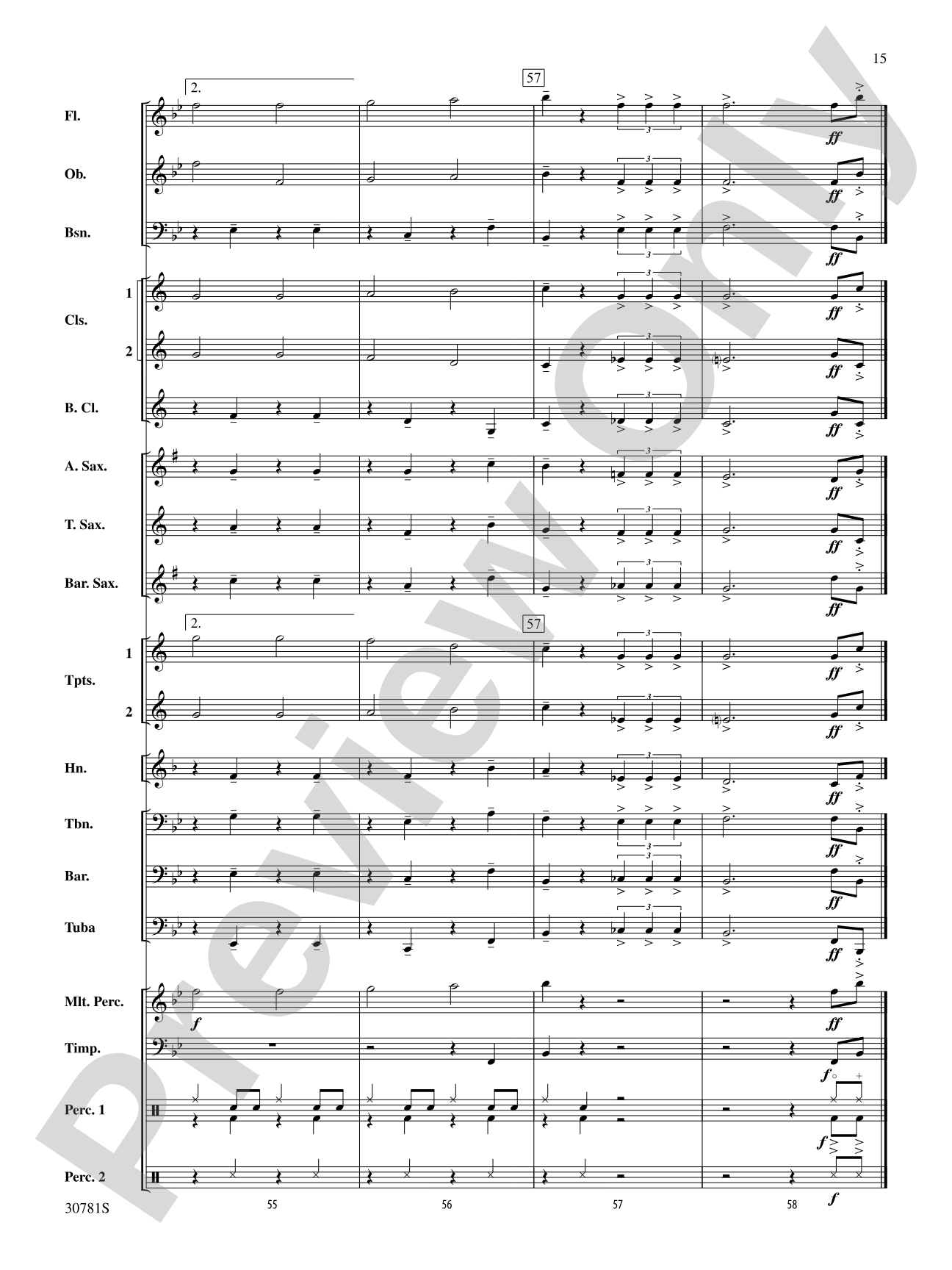


Swingin' Jingle Bells: Score
By James Pierpont / arr. Douglas E. Wagner
Grade: 2 (Easy)
Item: 00-PR-0001655
$9.00
Pickup currently not available
Description
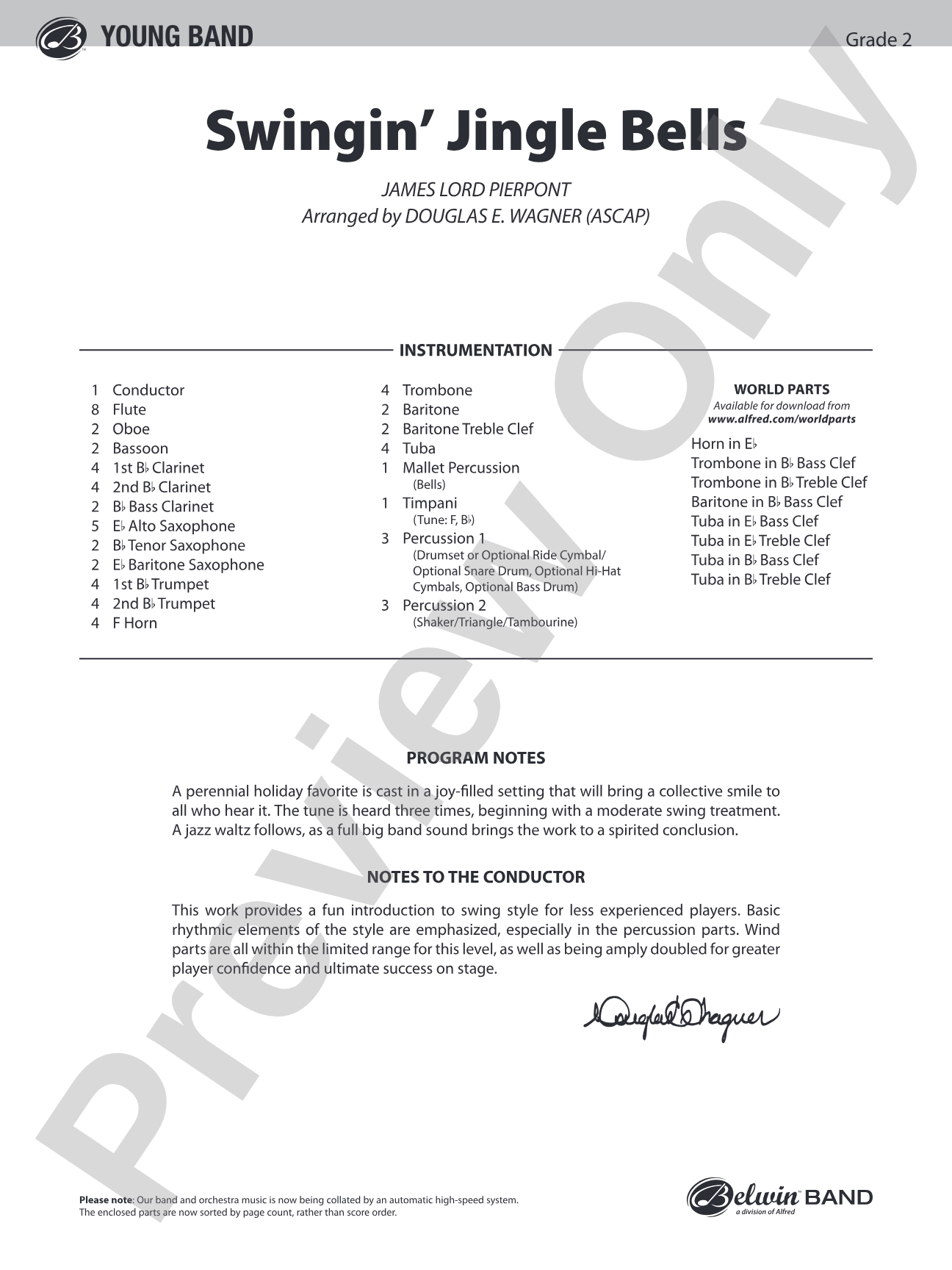
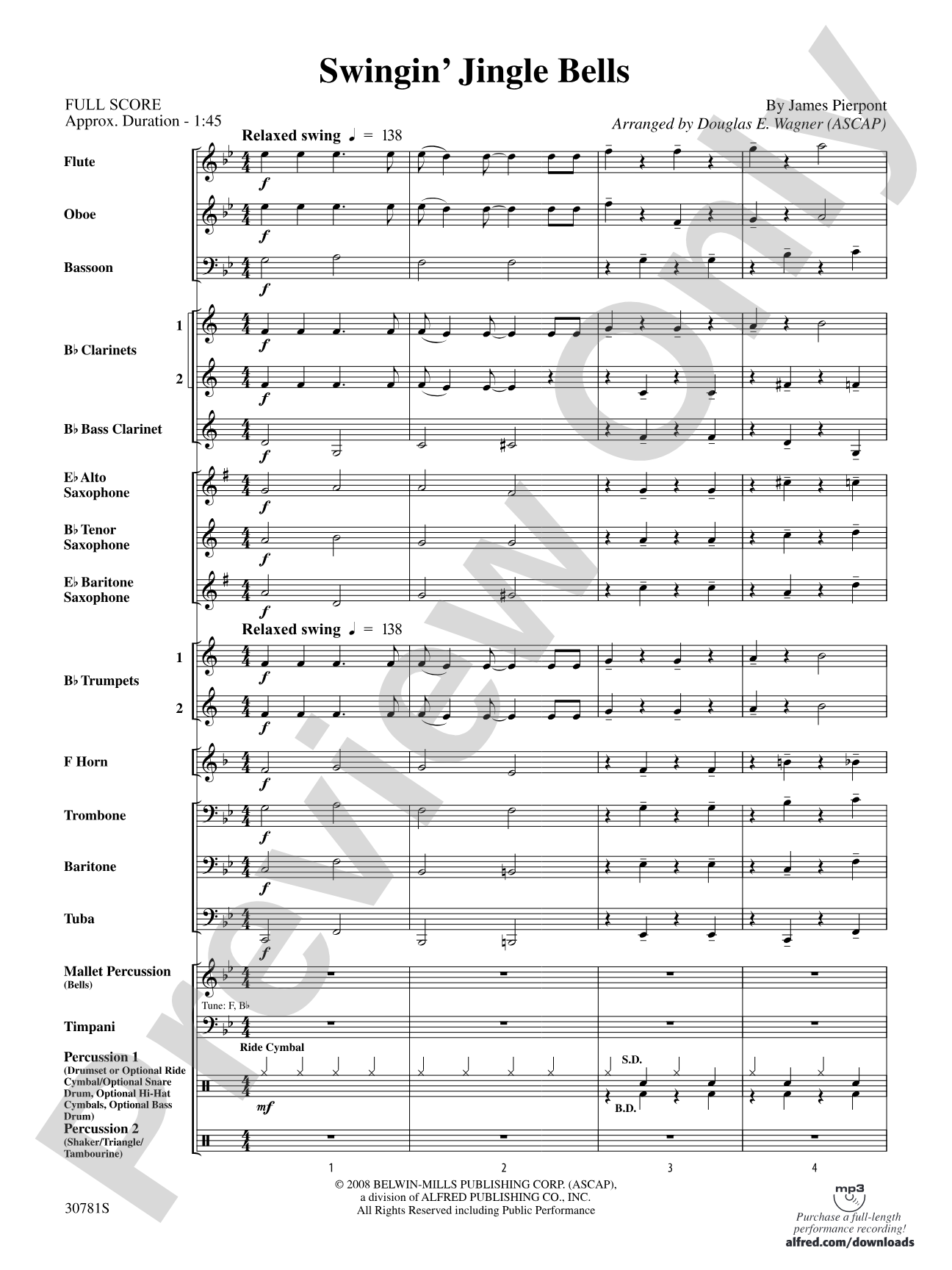
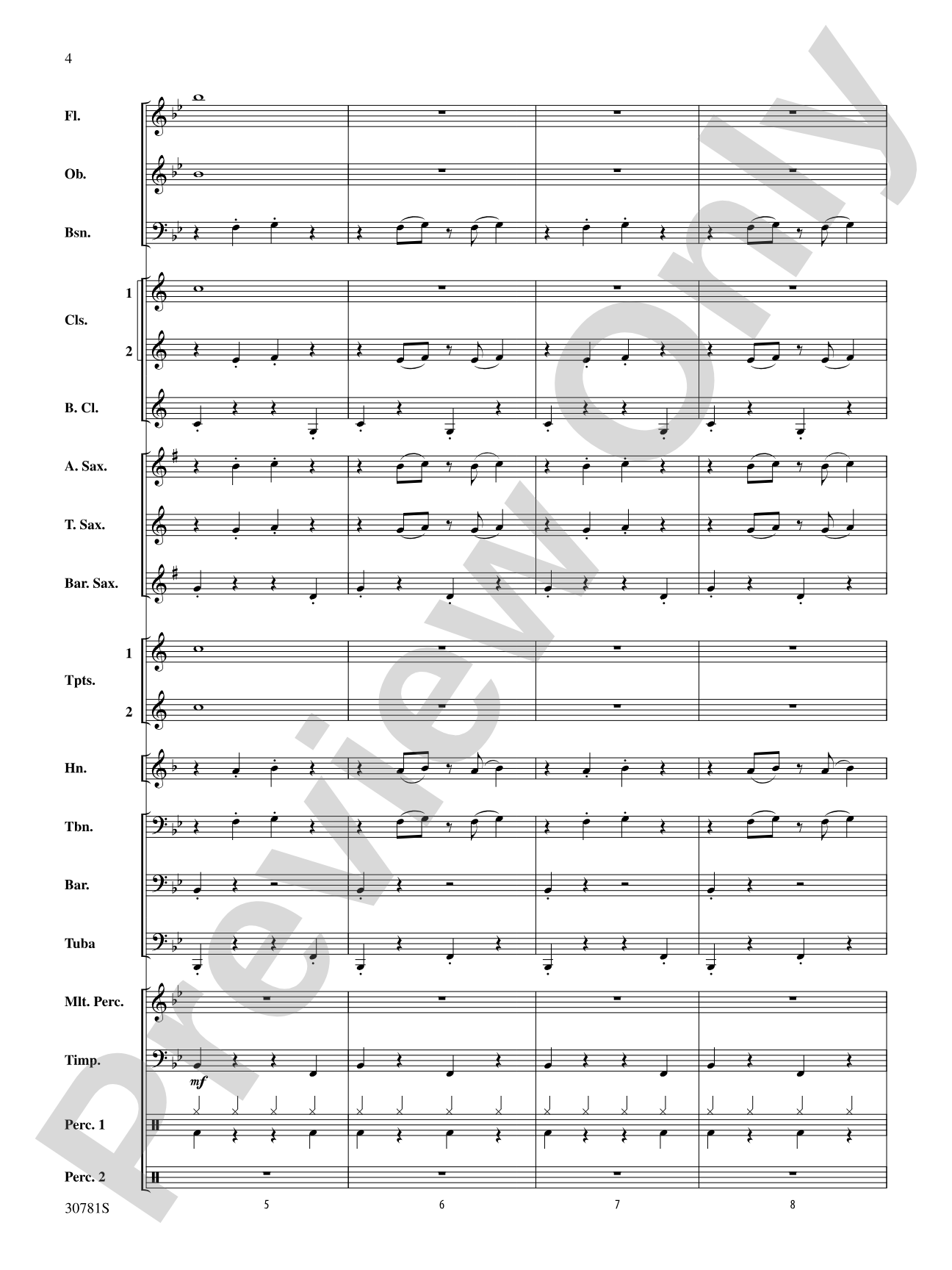
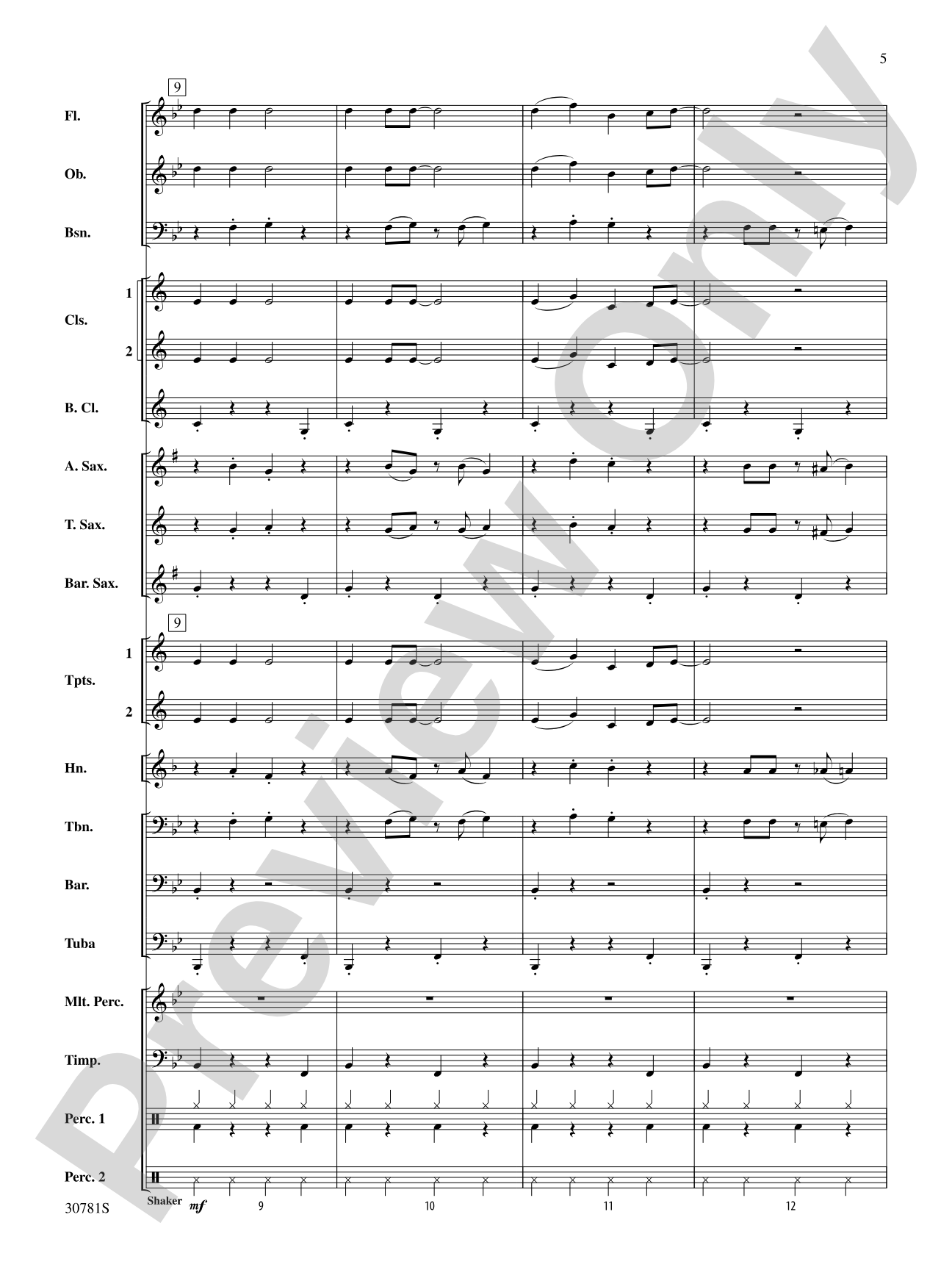
Who'd have known James Lord Pierpont could have been so hip? This gentle swing treatment of Jingle Bells will bring your holiday in with glee while affording the opportunity to introduce this typical American style to your young band . . . .swingin' all the way! (4:06)


Don't just read it, hear it, play along with it, and watch your students grow with it. In MakeMusic Cloud, Swingin' Jingle Bells: Score comes alive with professional accompaniment, adjustable tempo, and built-in practice tools that turn solo practice into real progress.
Open in the Player
Jump straight in and assign it today.
Start Your Free Trial
Open this title and explore the full library in minutes.
Sample Audio
1
Audio File
--:--
0:00
0:00
Sample Video
No sample videos found.
Additional Details
Series:
Belwin Young Band
Publisher:
Alfred Music
Page Count:
126
SKU:
00-PR-0001655
More about this title
About the Composer: James Pierpont
James Lord Pierpont (1822-1893) composed one of America's most enduring holiday melodies when he wrote "Jingle Bells" in 1857. Originally titled "One Horse Open Sleigh," the song emerged from his time in Boston and quickly became a staple of American popular music. Pierpont's gift for memorable melody and singable lines made his work accessible to musicians of all levels, and his compositions remain foundational to holiday traditions across generations.
Why we love this
Douglas E. Wagner's swing arrangement transforms this beloved tune into an irresistible introduction to jazz vocabulary and style without overwhelming young players. The Grade 2 accessibility means your band can tackle swing phrasing, syncopation, and ensemble cohesion while playing something genuinely fun and familiar to audiences. It's the kind of piece that makes rehearsal energetic and concert programming memorable.
What to expect
Bright, buoyant, and playful, this arrangement swings with a gentle bounce that keeps things fun without becoming careless. The familiar melody floats through fresh harmonic colors while the rhythm section propels the whole band forward with an easygoing groove. It's the musical equivalent of sleigh bells and optimism.
Who it's for
Young concert bands at the Grade 2 level who are ready to explore jazz and swing style in a secure, supportive context. Directors seeking a holiday piece that teaches genuine musical concepts while keeping rehearsals lighthearted will find this arrangement unusually effective. Audiences appreciate hearing a familiar tune reimagined with sophistication and humor.
How to get the most out of it
- Shape the swing eighth-note articulation consistently across all sections; younger bands often rush or flatten swing rhythm, so lock this in early with sectional work.
- Bring out the lighter, bouncier character through dynamics and ensemble balance rather than heavy playing; let the swing feel carry the energy.
- Emphasize the rhythm section's groove in rehearsal; a tight percussion and low brass foundation makes the entire band sound more polished and swinging.
- Balance the playful novelty arrangement against clarity of line; even humorous pieces deserve precise ensemble tuning and balanced voicing.
How to use it
This works beautifully as a second-half or closing number on a winter or holiday concert, especially when programmed after more serious repertoire to reset the audience's energy. Pair it with other Grade 2 selections to build a cohesive first half, then use this arrangement as a crowd-pleasing finale. The four-minute length makes it an ideal opener or closer that doesn't eat up significant rehearsal time.
Skills your students will build
- Swing eighth-note articulation and phrasing
- Jazz syncopation and rhythmic flexibility
- Ensemble balance and blend in a novelty style
- Listening and responding to rhythm section groove
- Dynamic control and light, bouncy tonguing