
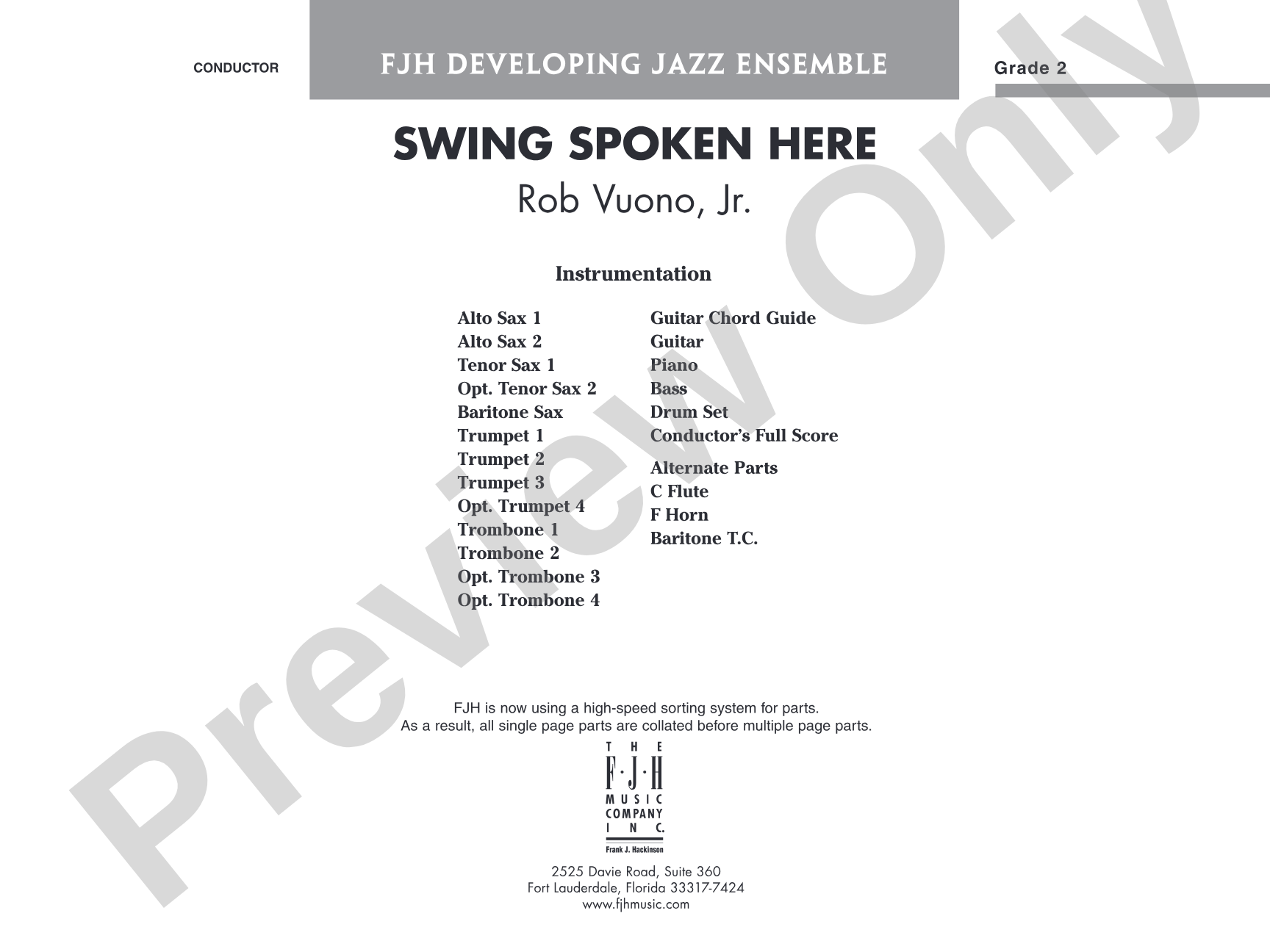
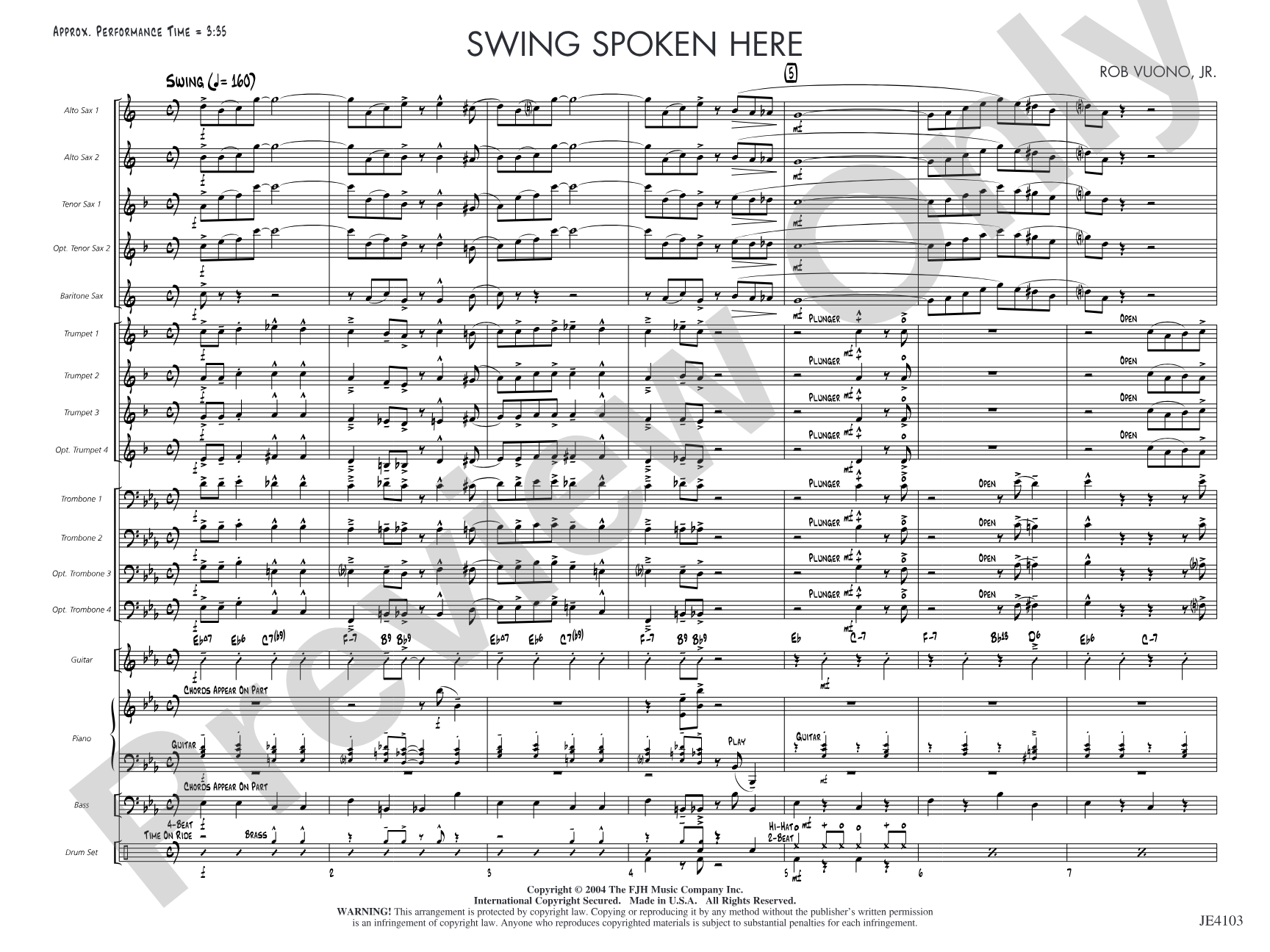
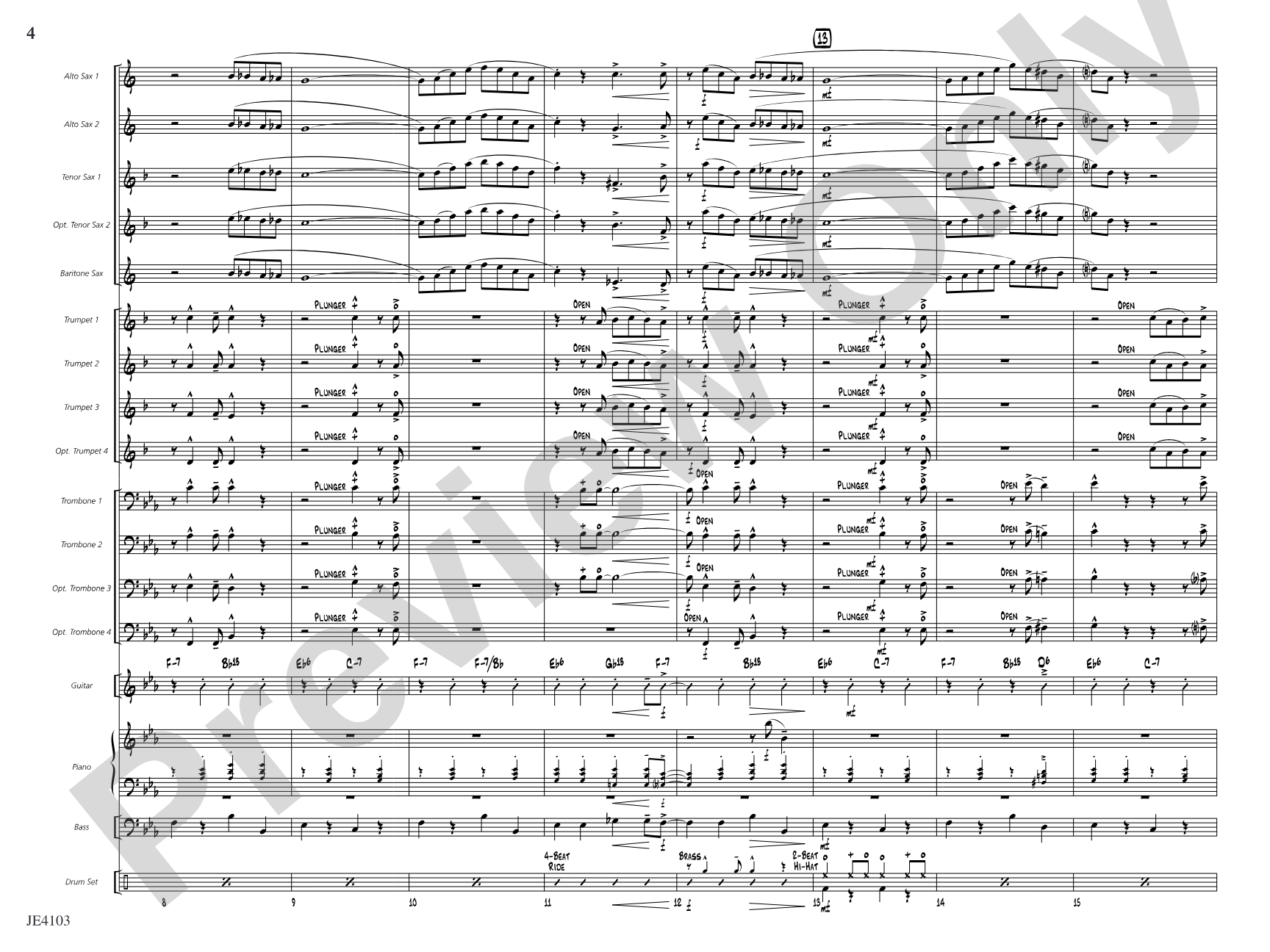
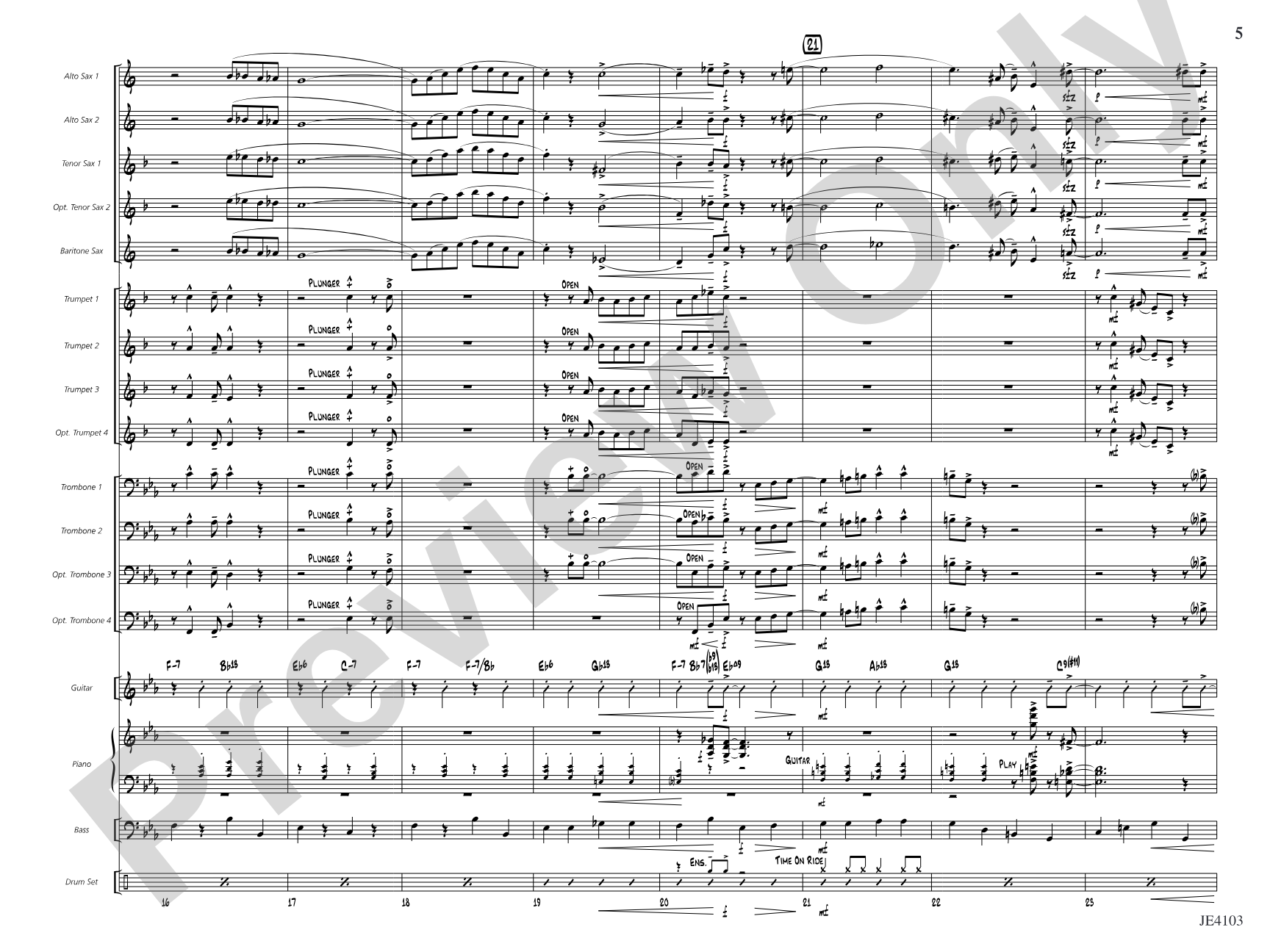
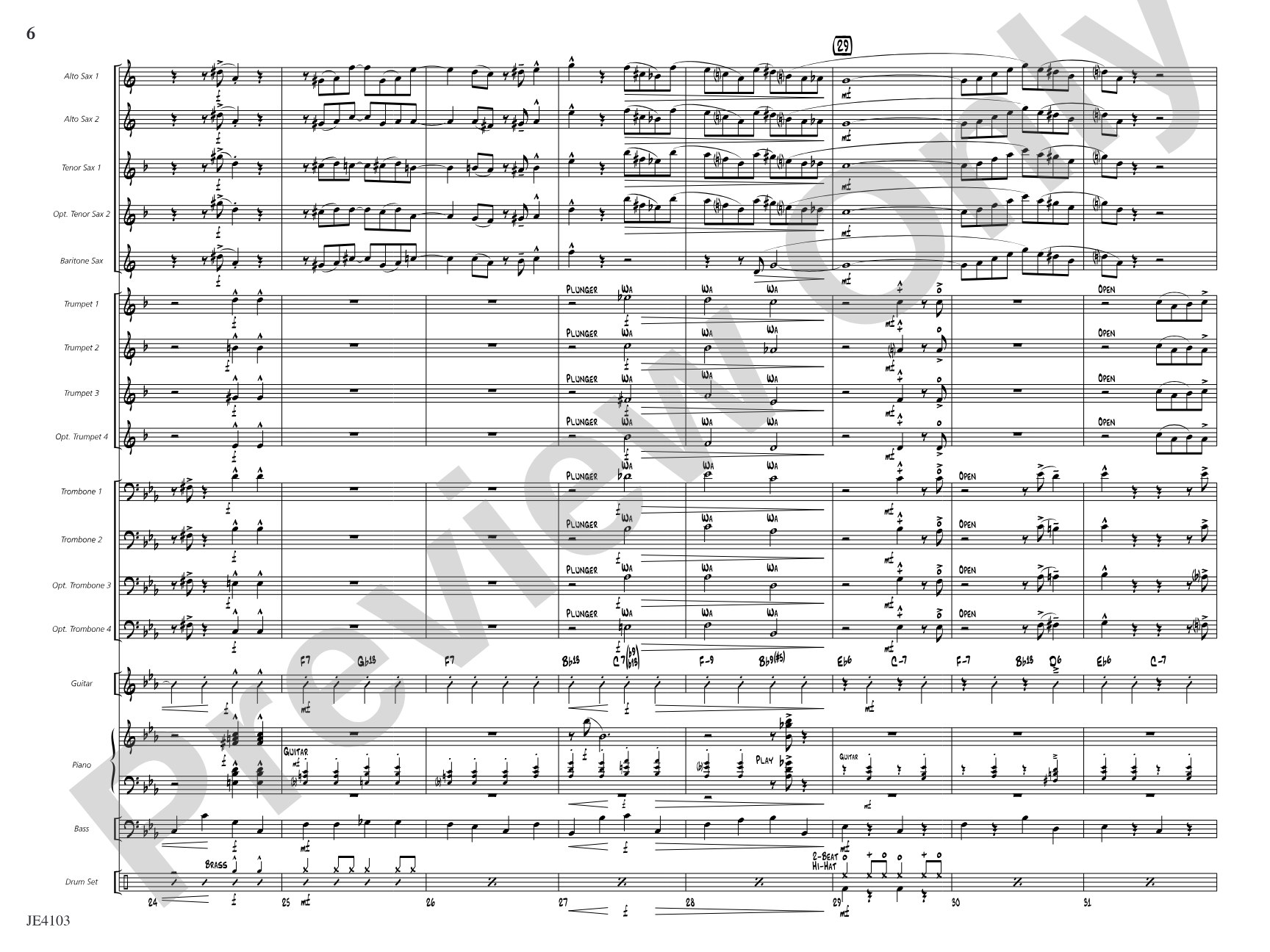
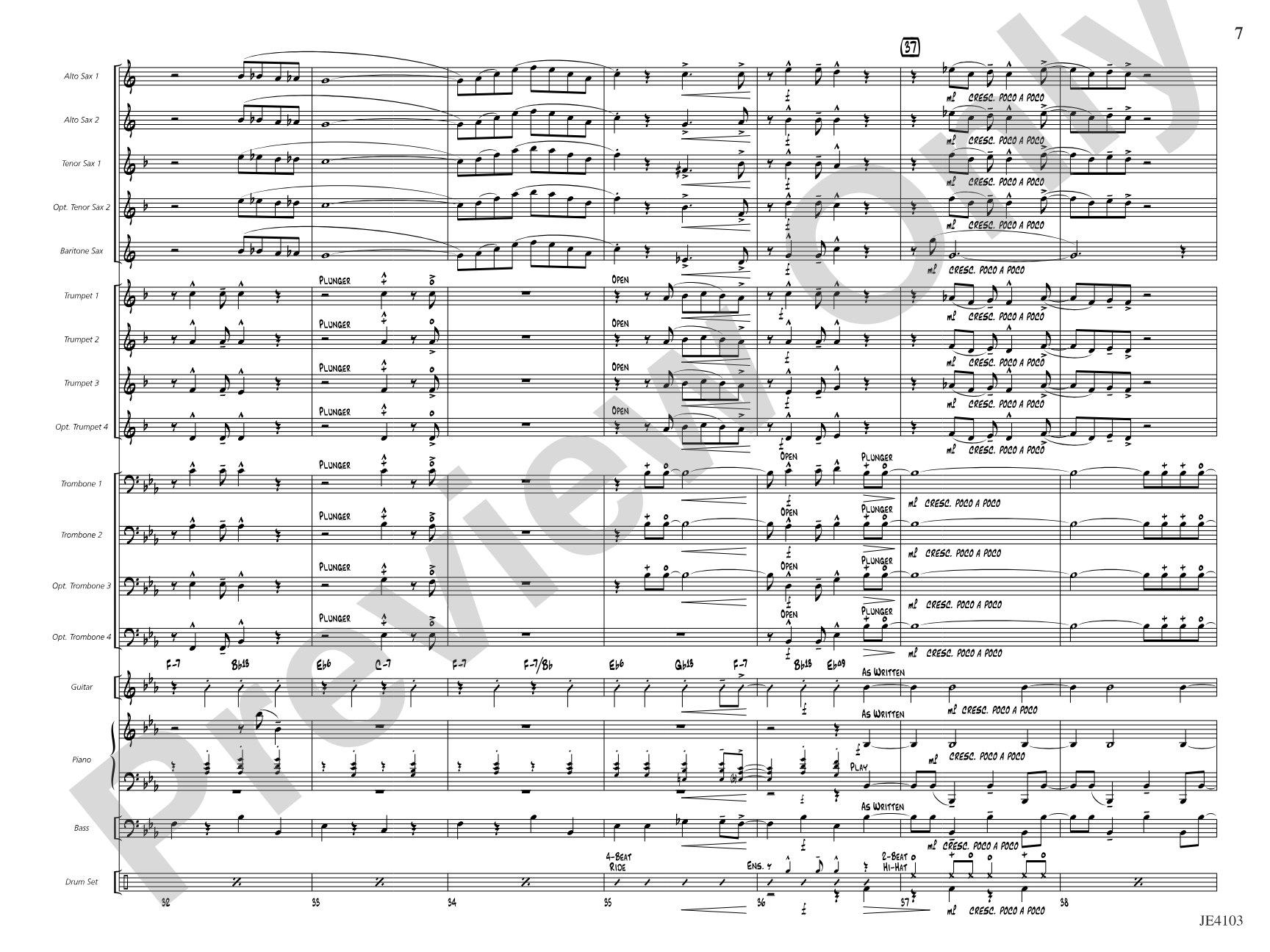
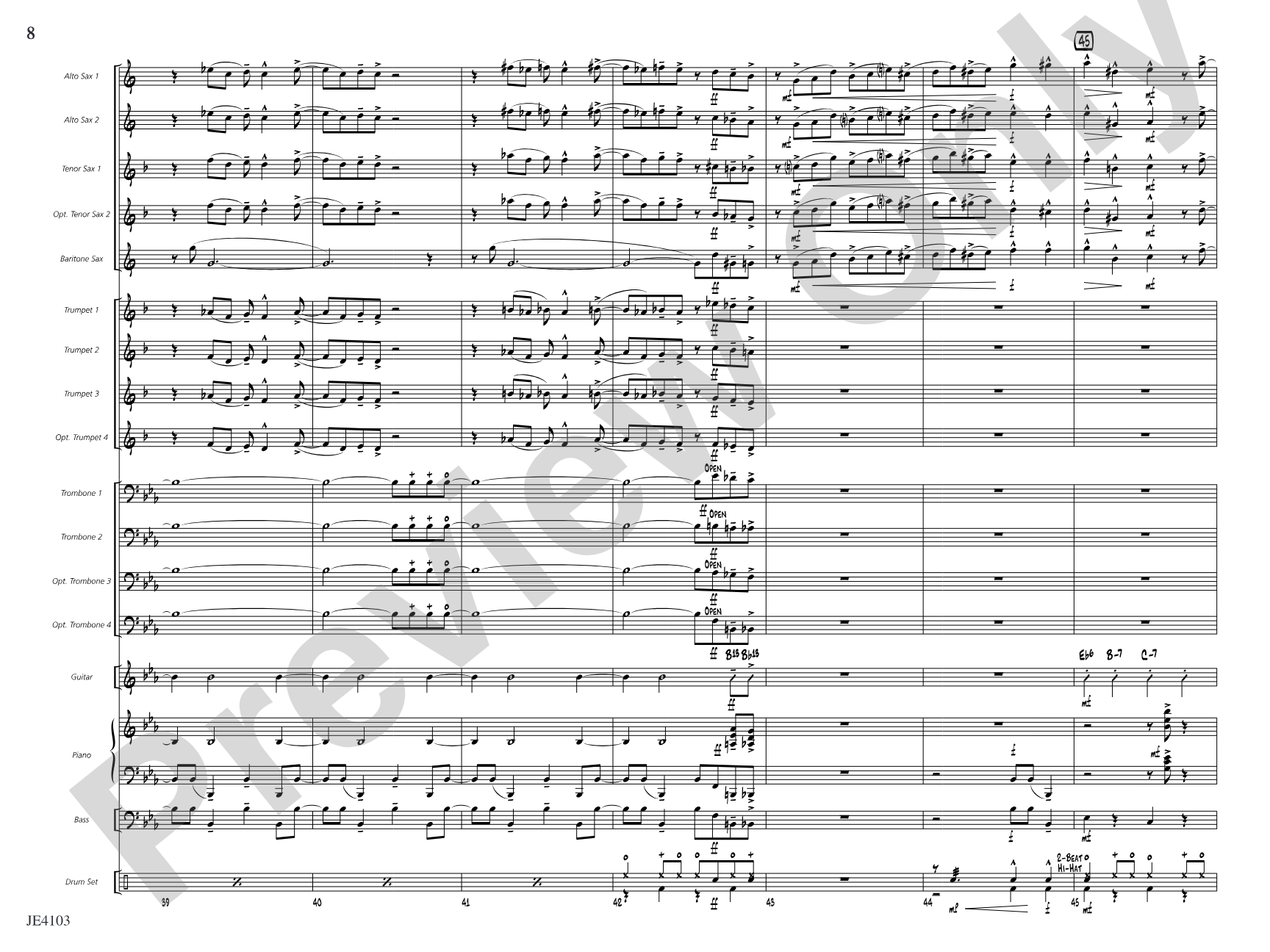
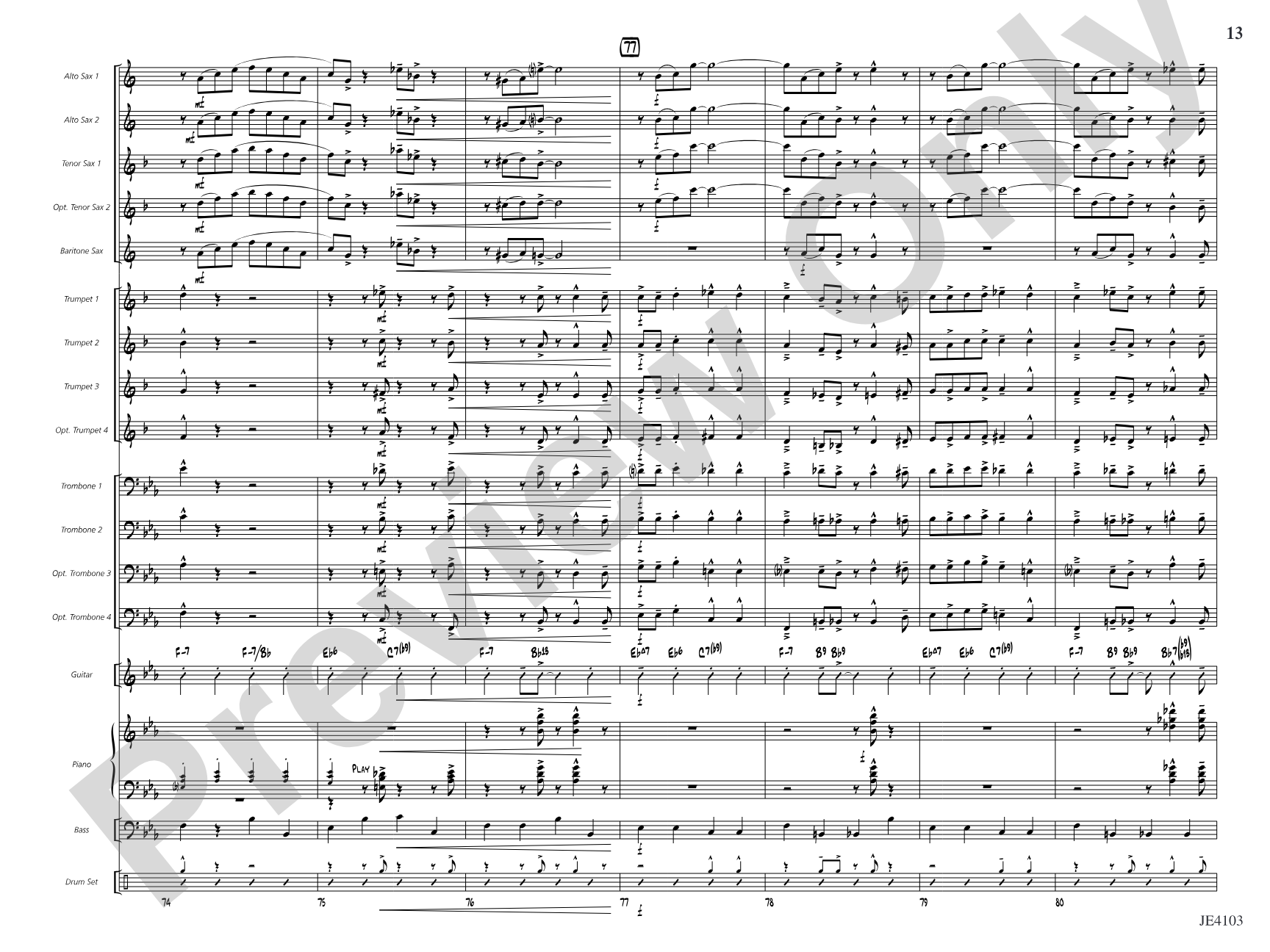
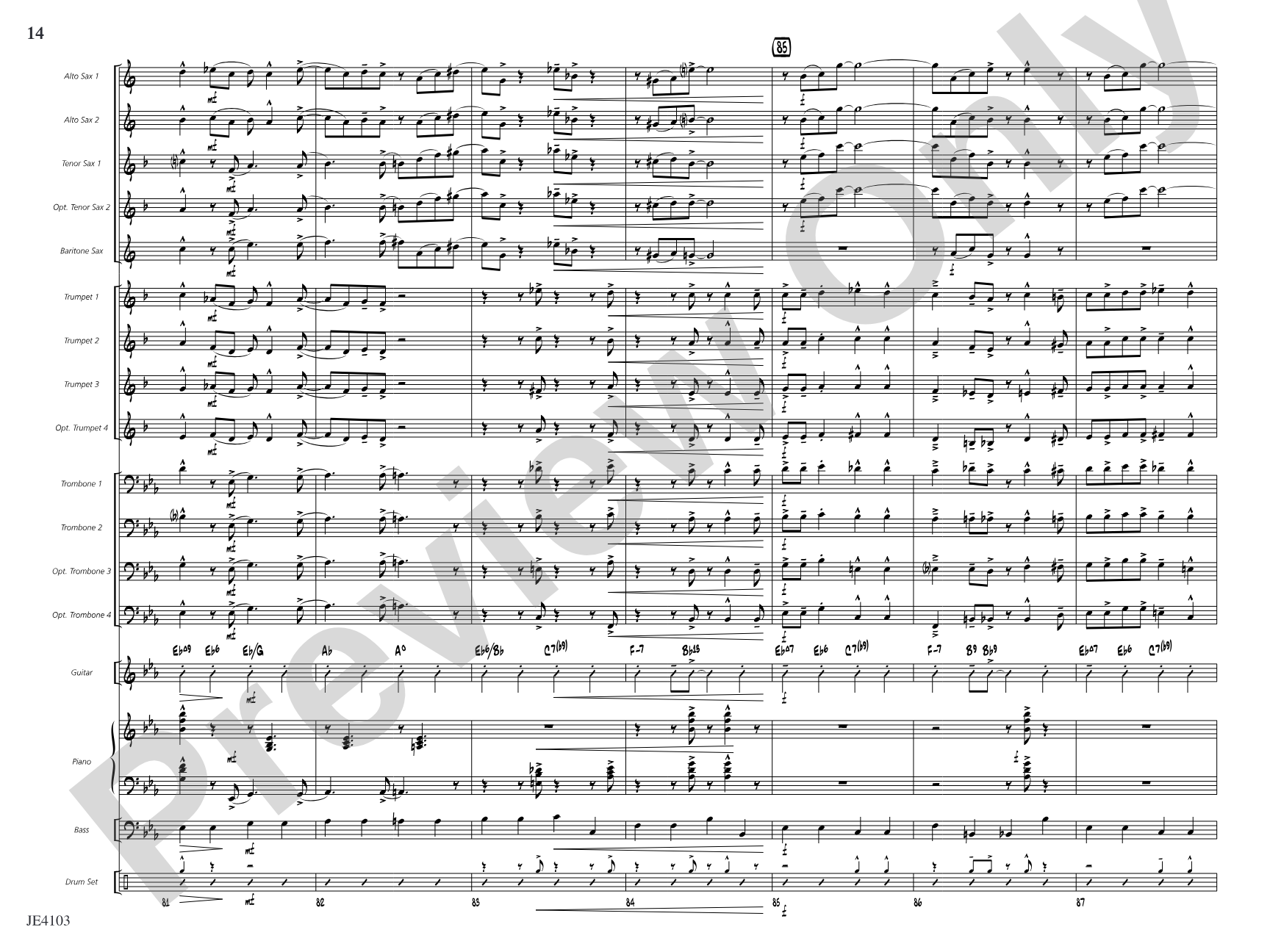
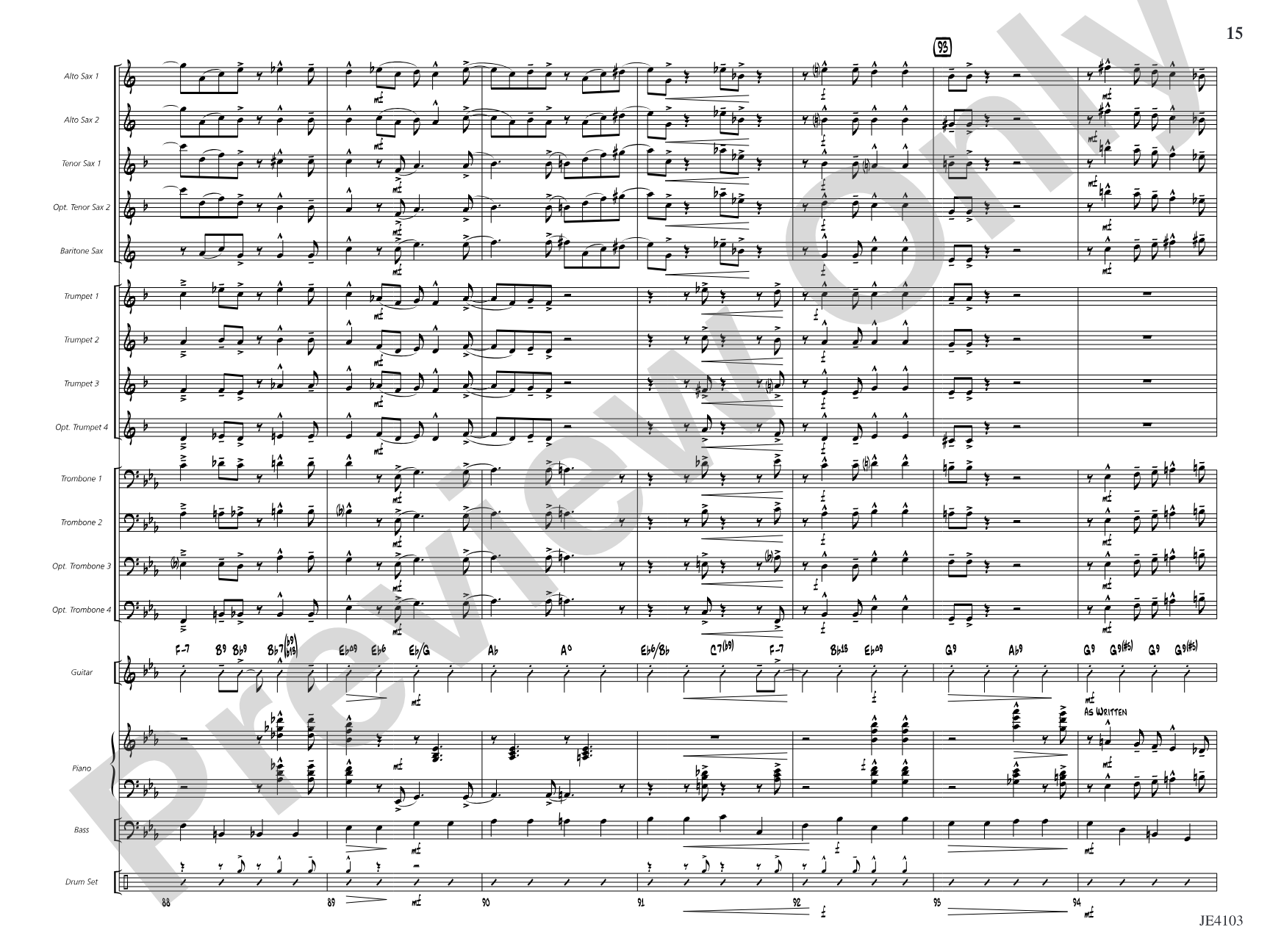
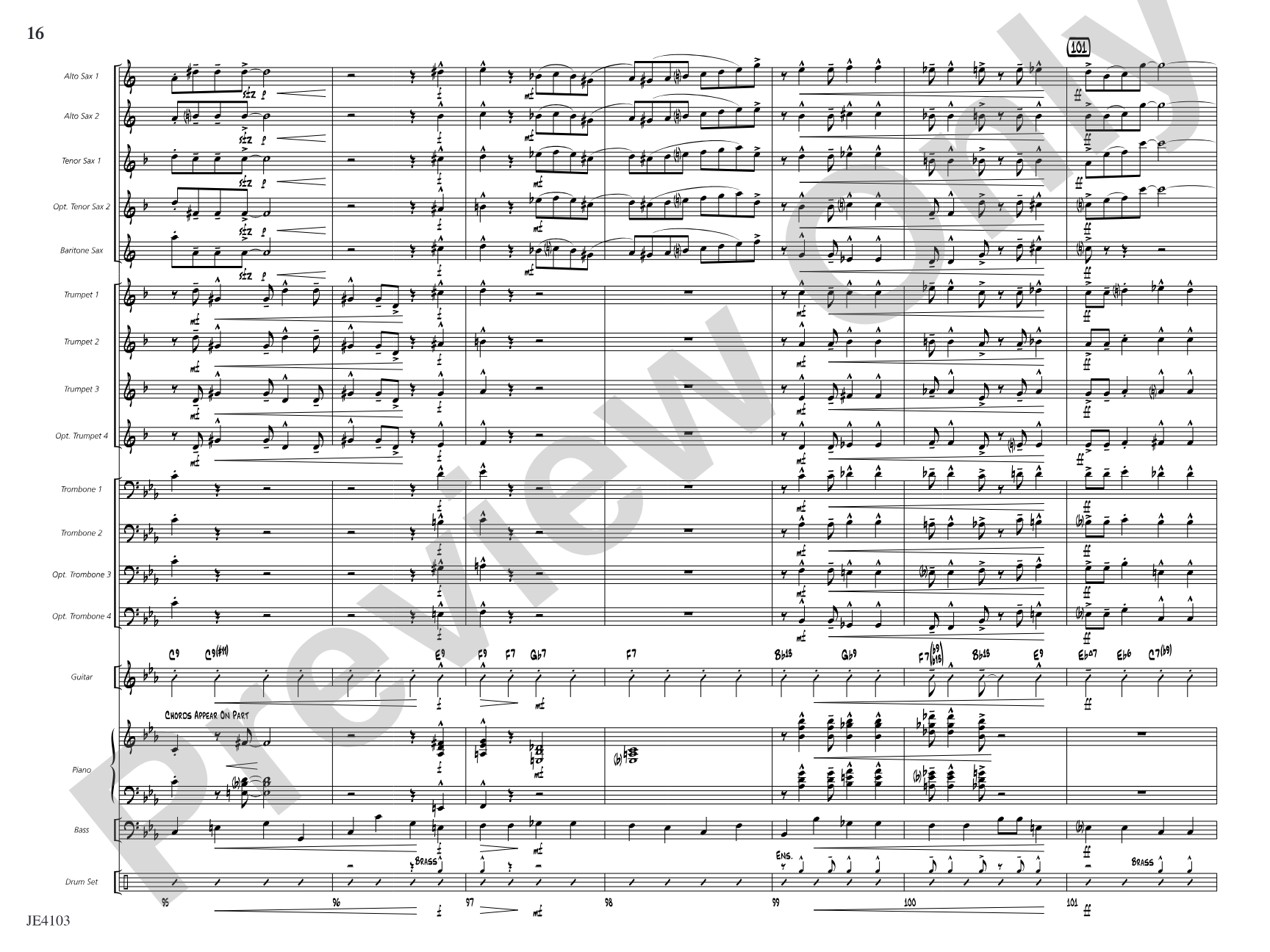
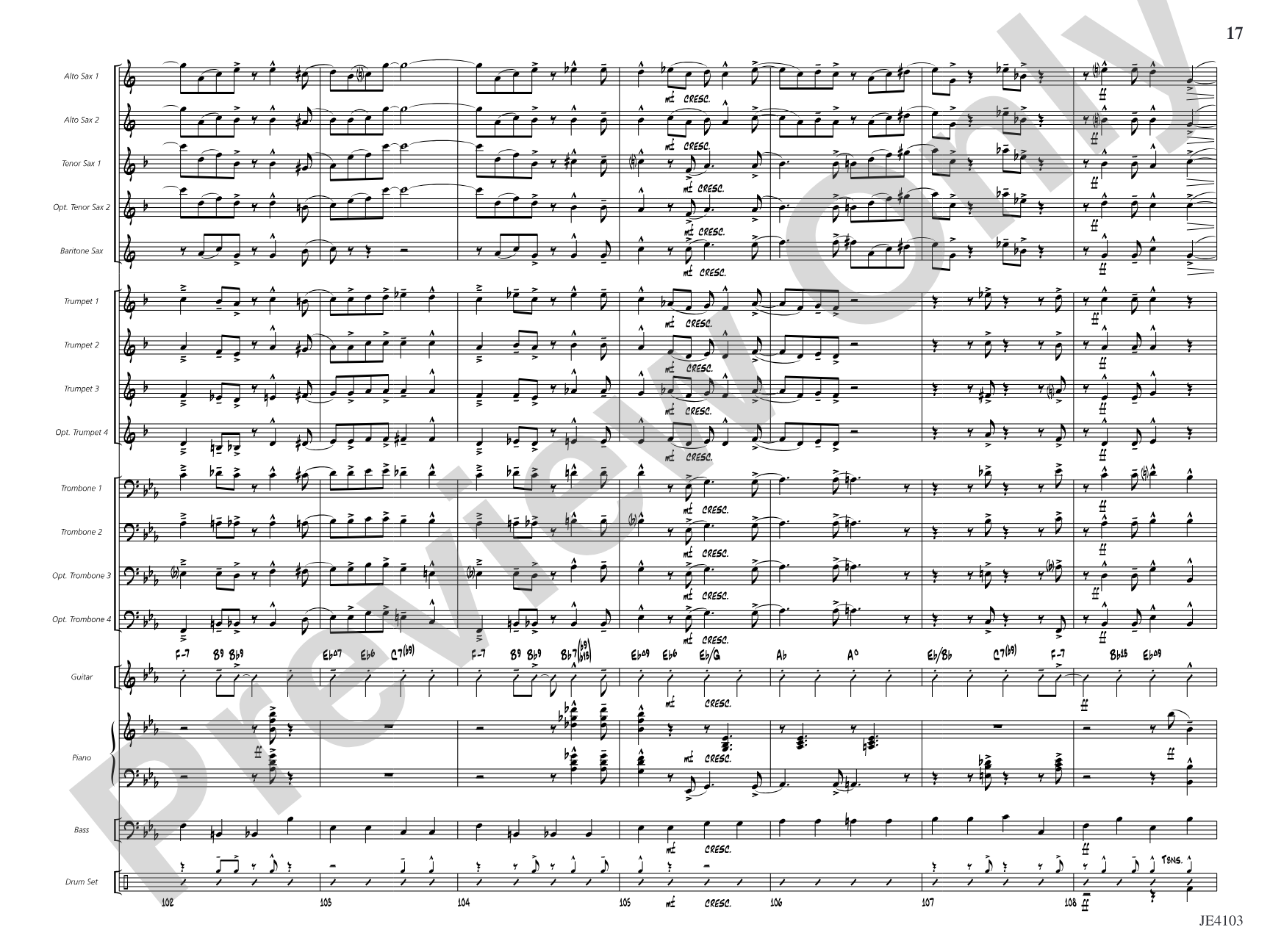
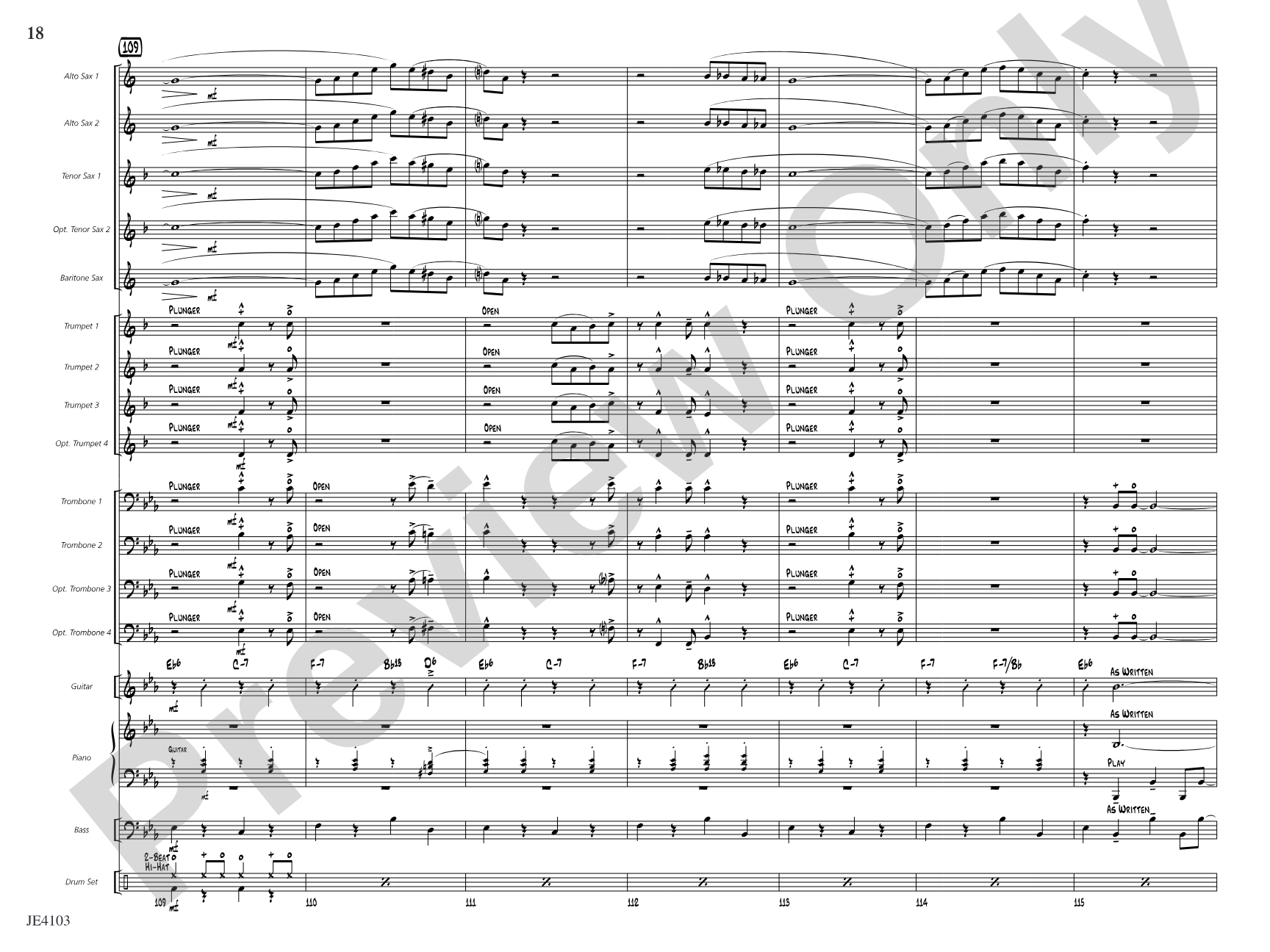
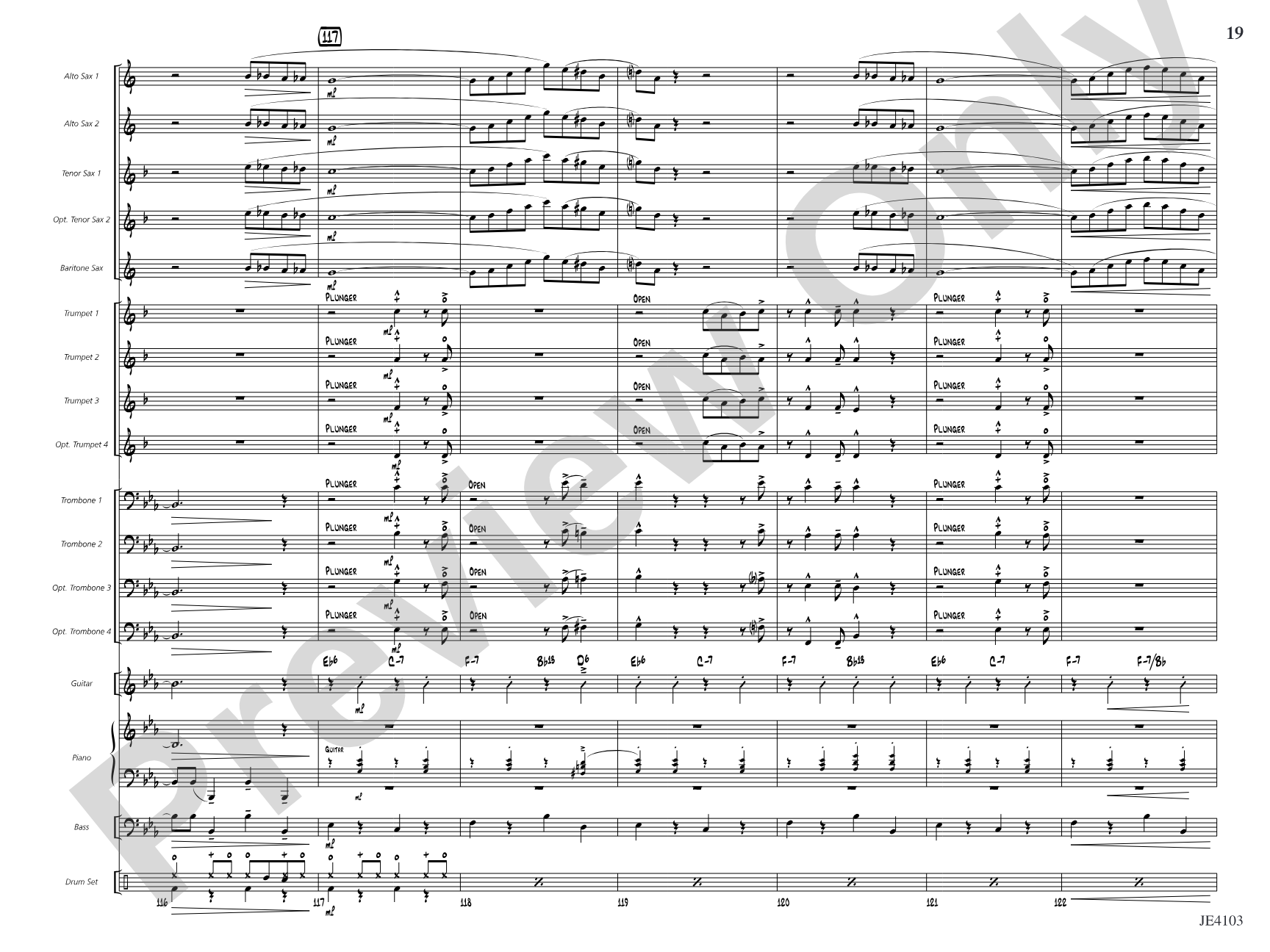
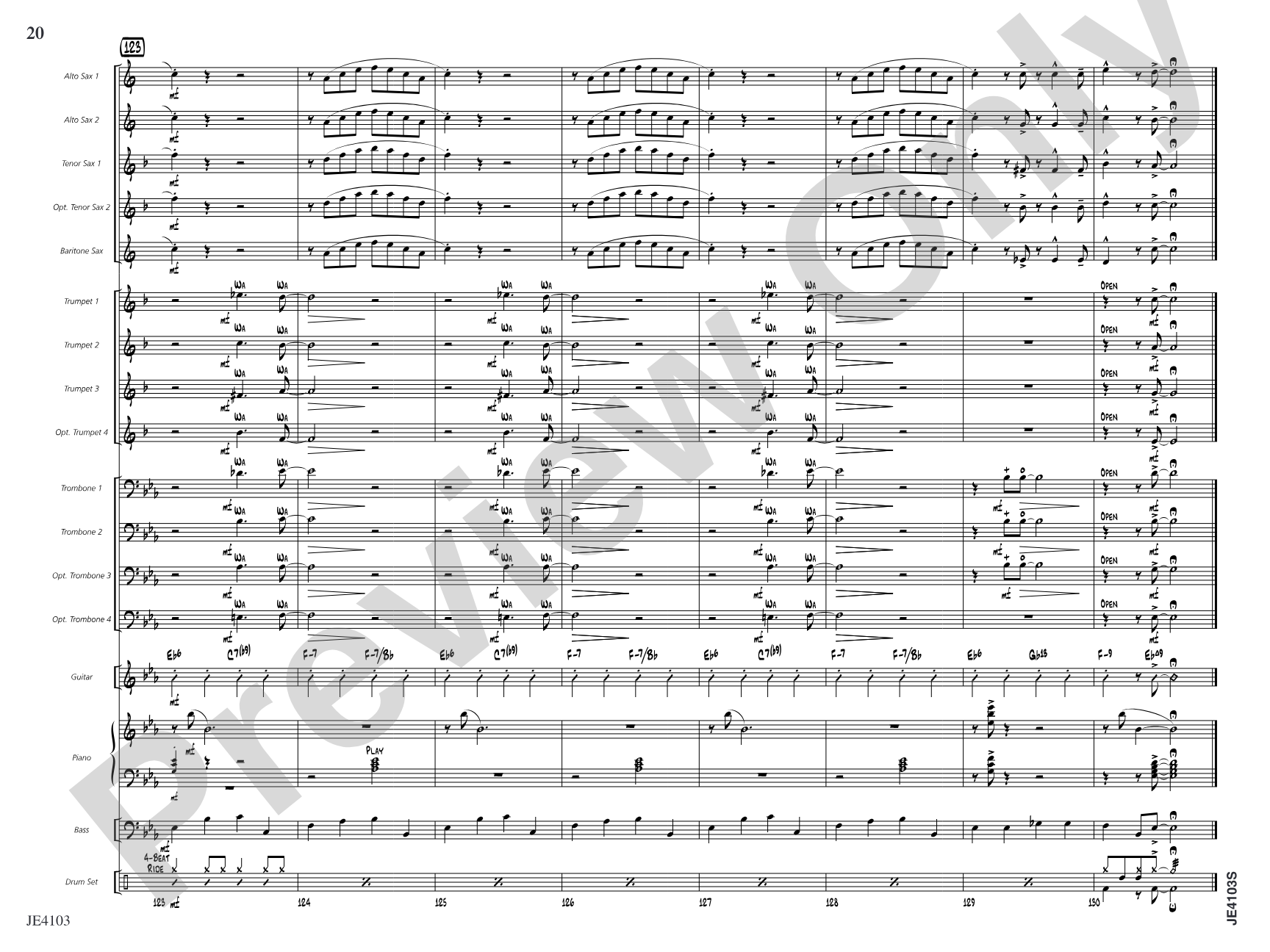

Swing Spoken Here: Score
By Rob Vuono Jr.
Grade: 2
Item: 98-DJE4103S
$6.00
Pickup currently not available
Description
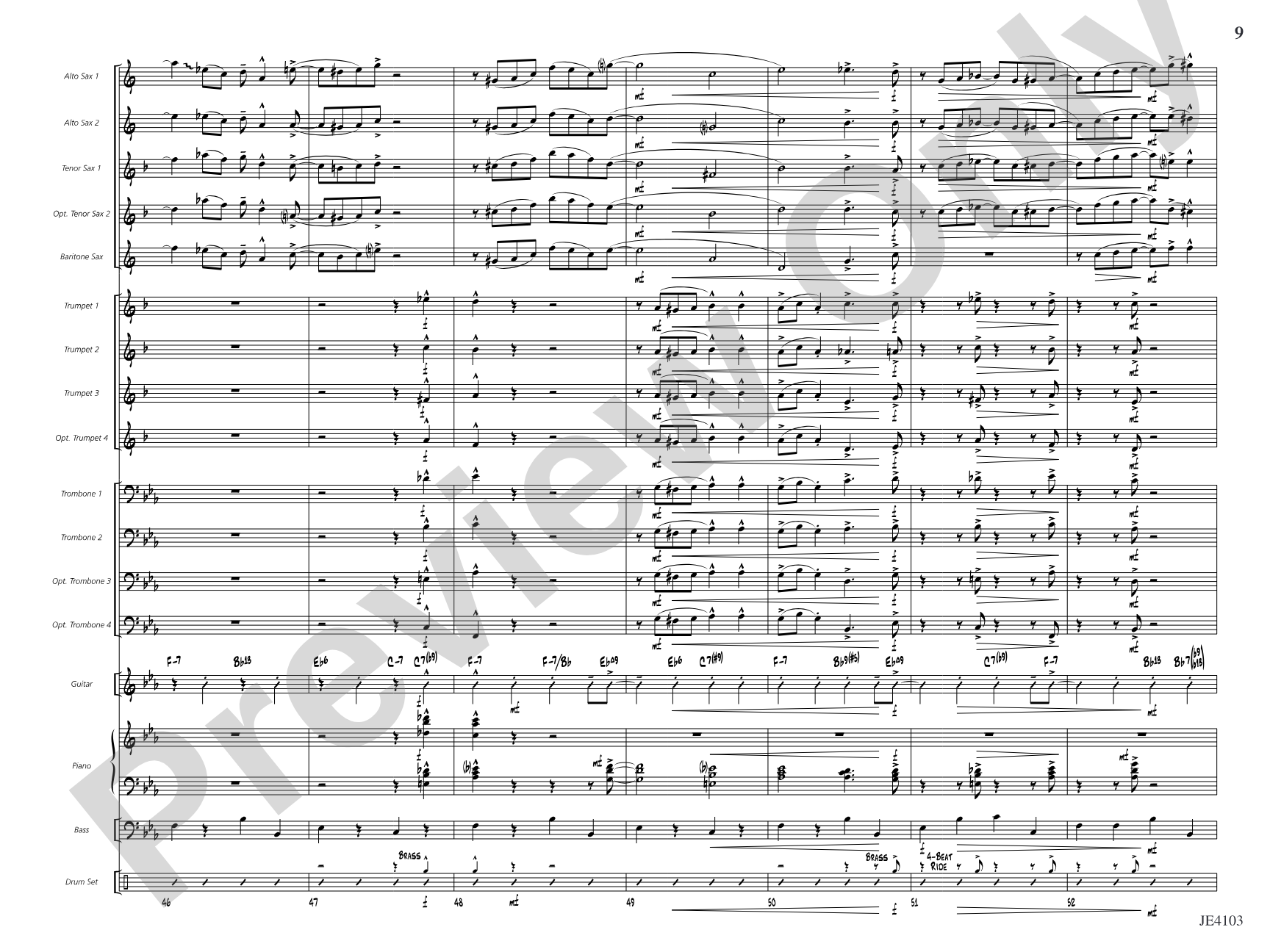
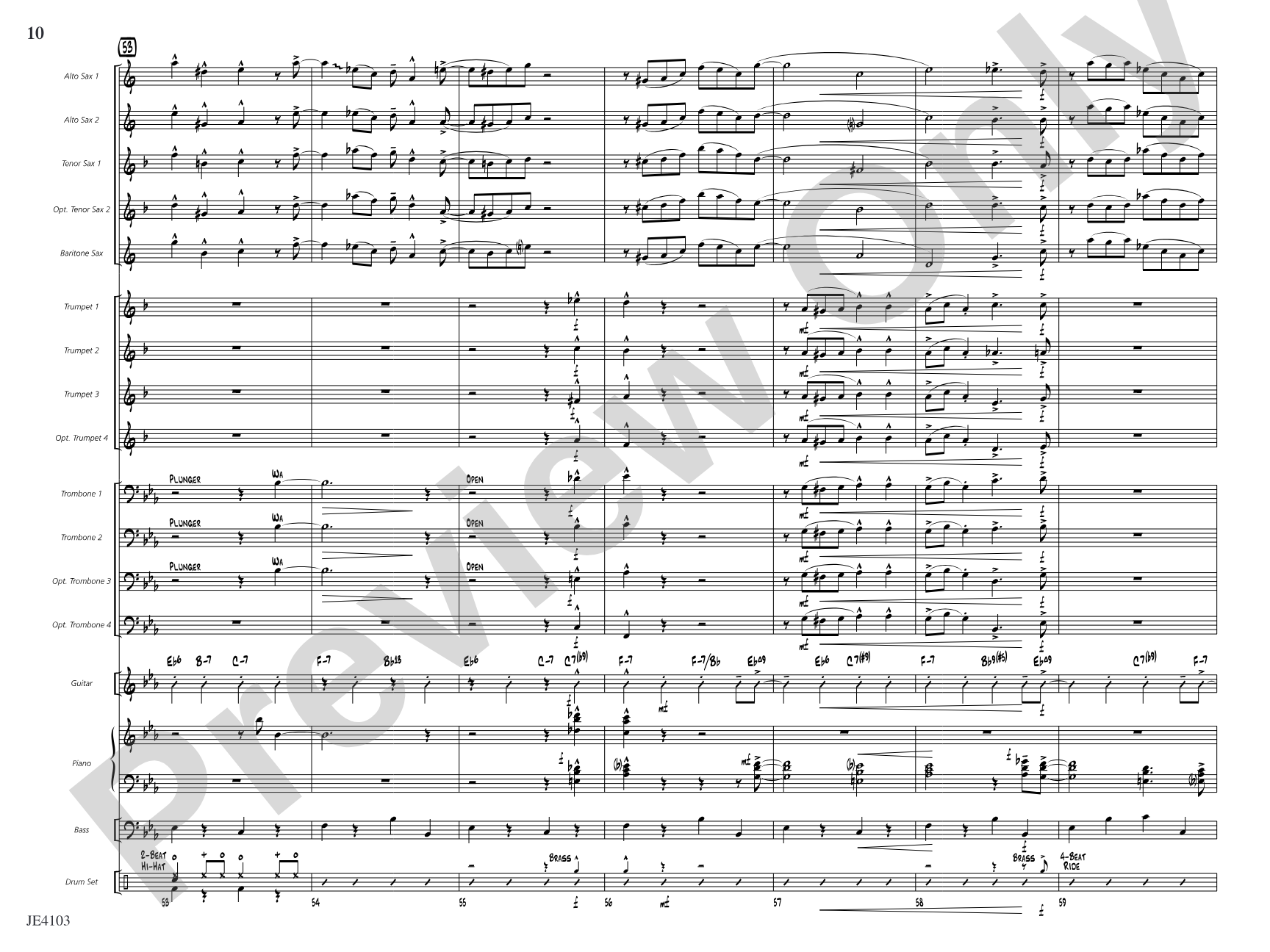
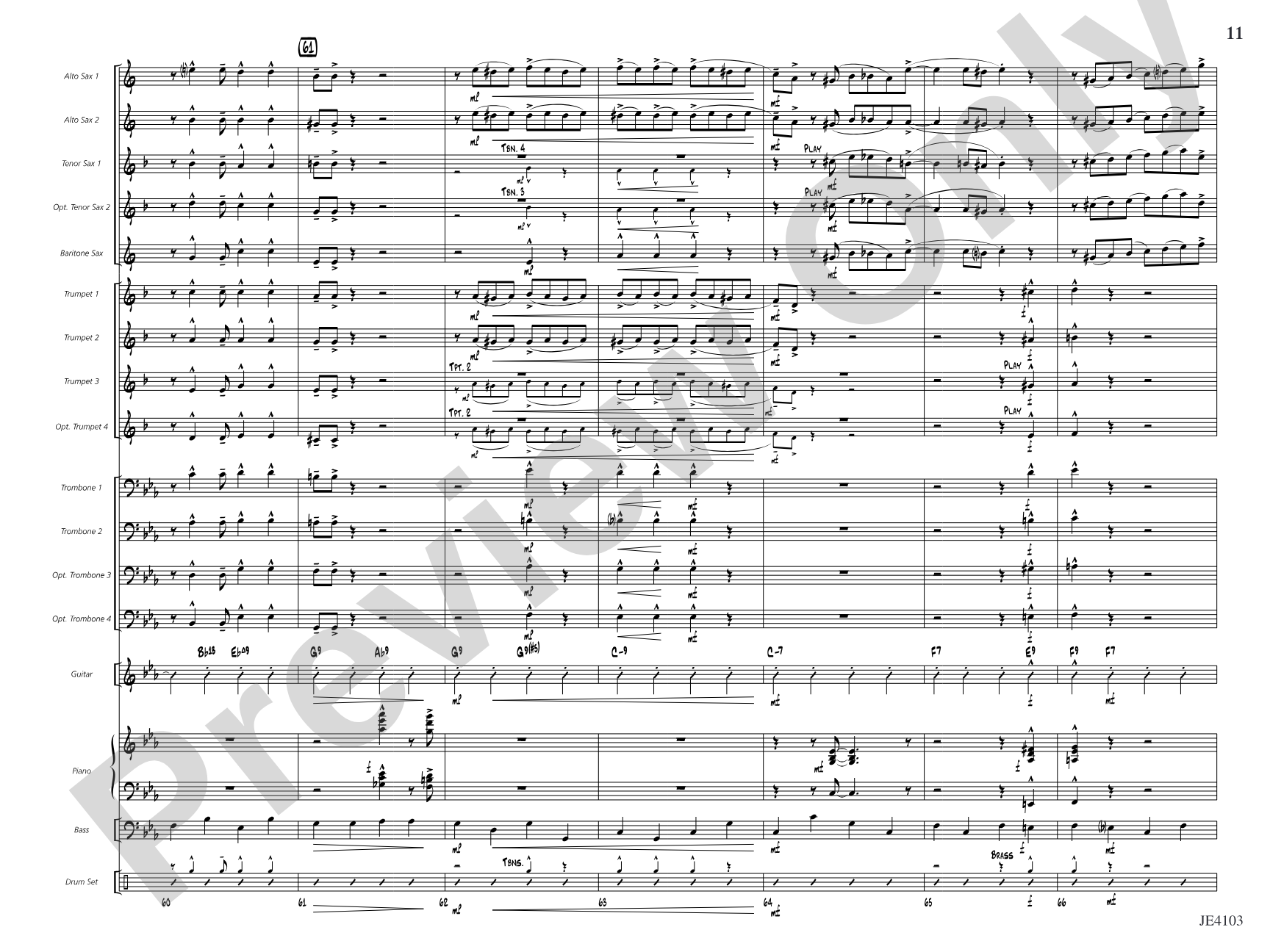
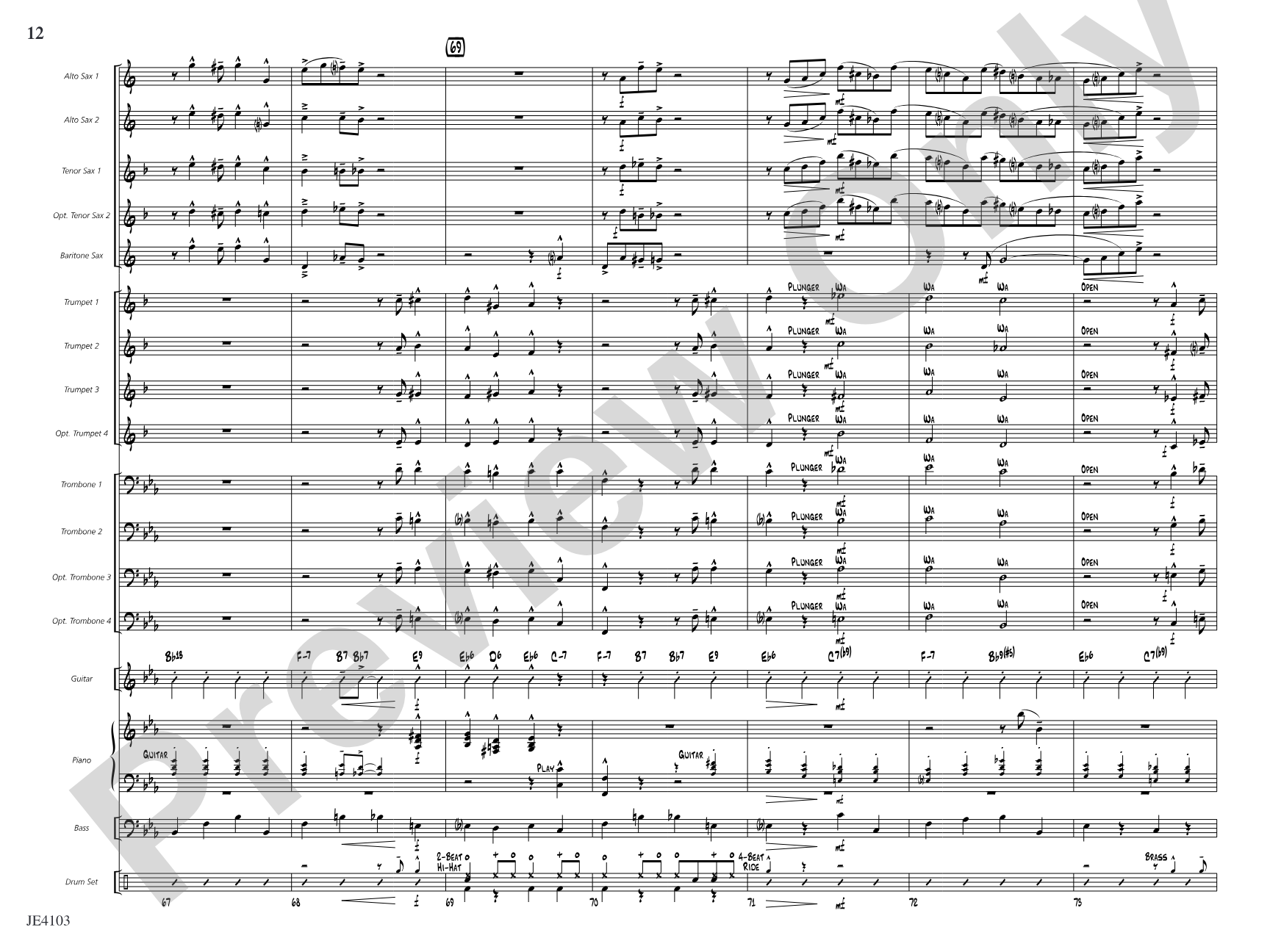
No solos to worry about in this easy going swing chart with great appeal. Based on "rhythm changes" around a moderate swing 2 and 4, this chart includes some great plunger work (optional) for the brass. Swing Spoken Here hooks you right away and doesn't let go - excellent writing that is sure to become a favorite with young jazz ensembles!


Swing Spoken Here: Score isn't in MakeMusic Cloud just yet...but it could be. Let us know you'd like to see it, and you'll help shape what comes next. In the meantime, start a free trial and dive into thousands of interactive titles your students can play along with today.
Request This Title
Tell us you want it.
Start Your Free Trial
Explore everything that's ready to play right now.
Sample Audio
1
Audio File
--:--
0:00
0:00
Sample Video
No sample videos found.
Additional Details
Series:
FJH Developing Jazz Ensemble
Publisher:
The FJH Music Company, Inc.
SKU:
98-DJE4103S
More about this title
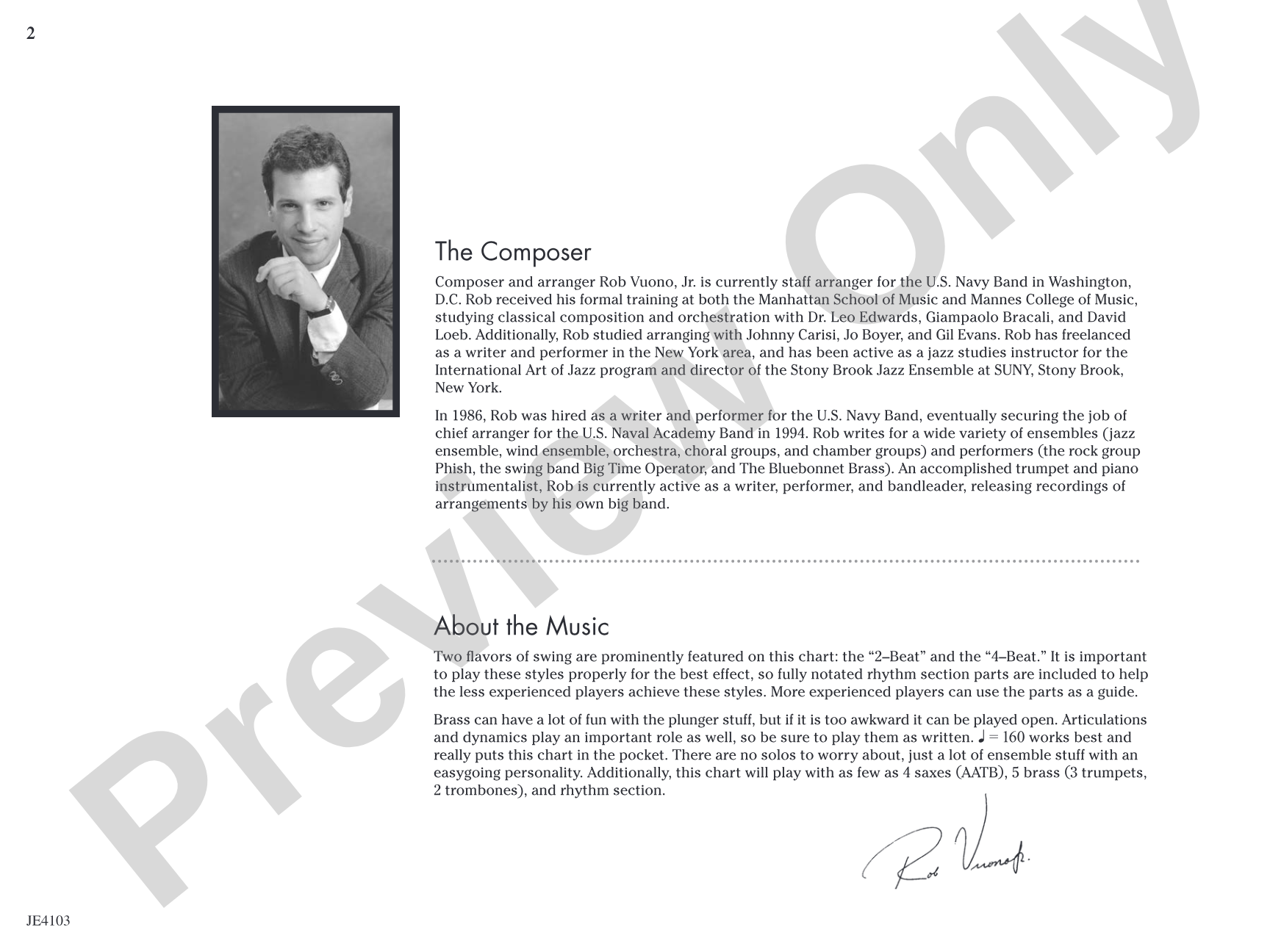
About the Composer: Rob Vuono Jr.
Rob Vuono Jr. brings a gift for writing accessible yet musically substantial charts that work in real rehearsal rooms. His compositions for developing jazz ensembles balance pedagogical clarity with genuine musicality, creating charts that students actually want to play.
Why we love this
Vuono nails the balance between accessibility and genuine musicianship. Grade 2 ensembles get to play real swing language without navigating complex solos or treacherous rhythmic passages, which means your students stay focused on ensemble cohesion and the groove itself. The optional plunger work gives you flexibility to showcase interested brass players while keeping the chart manageable for groups still building their jazz vocabulary.
What to expect
Groove-forward and unpretentious. The moderate swing sits comfortably in the pocket, letting students feel the 2 and 4 pulse through their whole bodies. Plunger work on the brass adds color and personality, while the rhythm changes structure creates a familiar harmonic framework that supports confident playing.
Who it's for
Grade 2 jazz ensembles ready to engage authentic swing repertoire without the solo demands that can overwhelm developing players. This chart works for community bands adding jazz to their palette, all-state jazz clinics seeking accessible but engaging material, and teaching studios introducing students to ensemble jazz playing.
How to get the most out of it
- Lock the rhythm section pocket first. Get your drums, bass, and piano trading steady feels in the moderate swing 2 and 4 before adding horns; a solid foundation makes the whole ensemble swing.
- Shape the plunger passages with dynamic clarity even though they're optional. If your brass section attempts them, those moments deserve articulate, unified execution to land the intended effect.
- Let the tune breathe at its natural phrase endings. Young ensembles often rush through swing charts, but Vuono's writing rewards patience and space between ideas.
- Emphasize listening across sections rather than watching the conductor. Swing rhythm changes demand that each player hears what's happening around them; this builds the intuition they'll need in ensemble playing for years to come.
How to use it
Pair this with a more complex swing chart on a winter or spring jazz concert to show progression within the same style. Its accessible energy makes it ideal for opening a jazz set or leading into something more ambitious. It also shines as a featured piece in school pep assemblies or community performances where audiences respond to straightforward, infectious swing grooves.
Skills your students will build
- Reading and playing swing rhythms and articulation (2 and 4 feel)
- Ensemble listening and blend in jazz context
- Optional plunger technique for brass players
- Rhythm changes harmony foundation
- Section balance and cohesion without relying on solo spotlight