
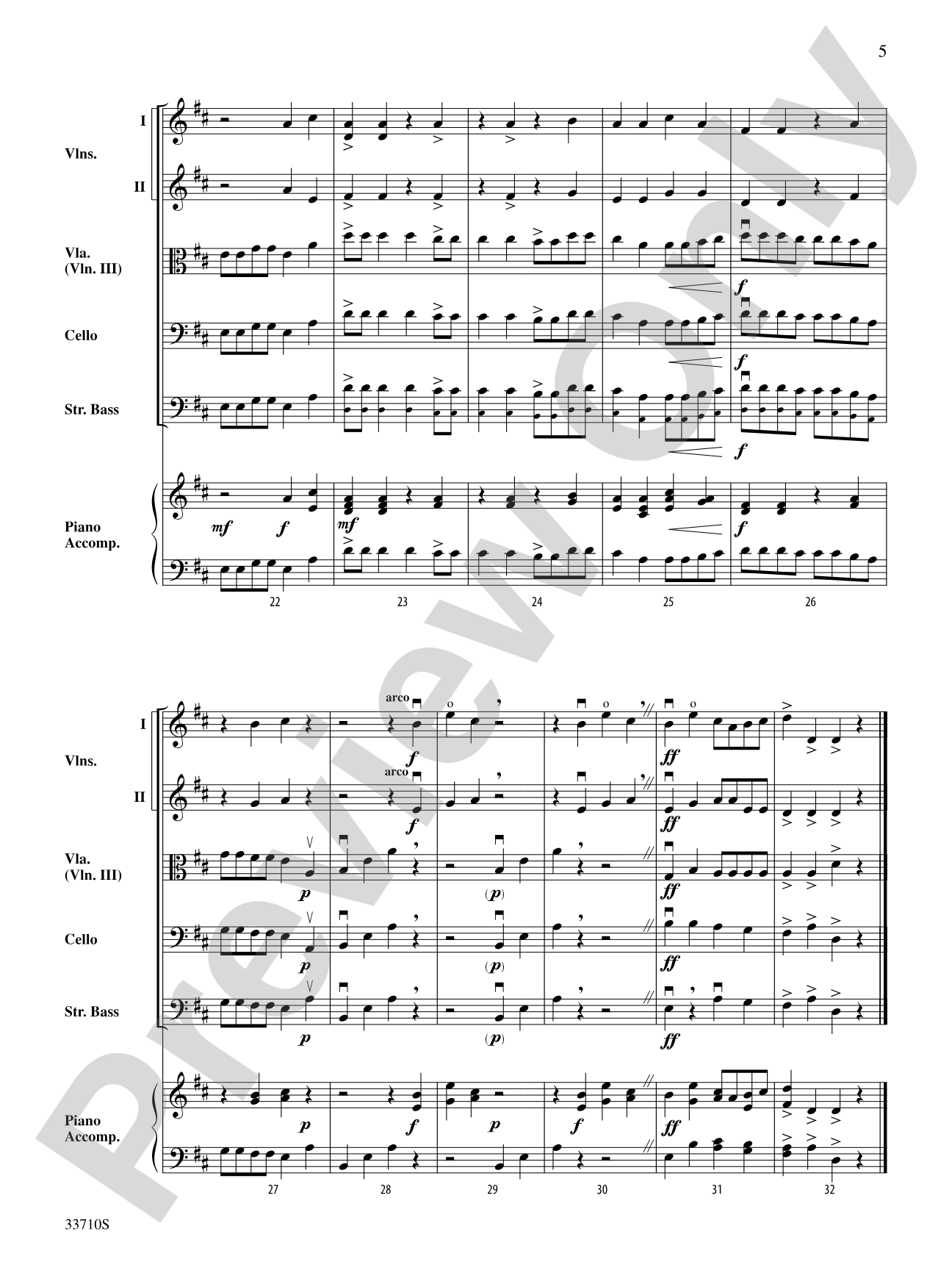
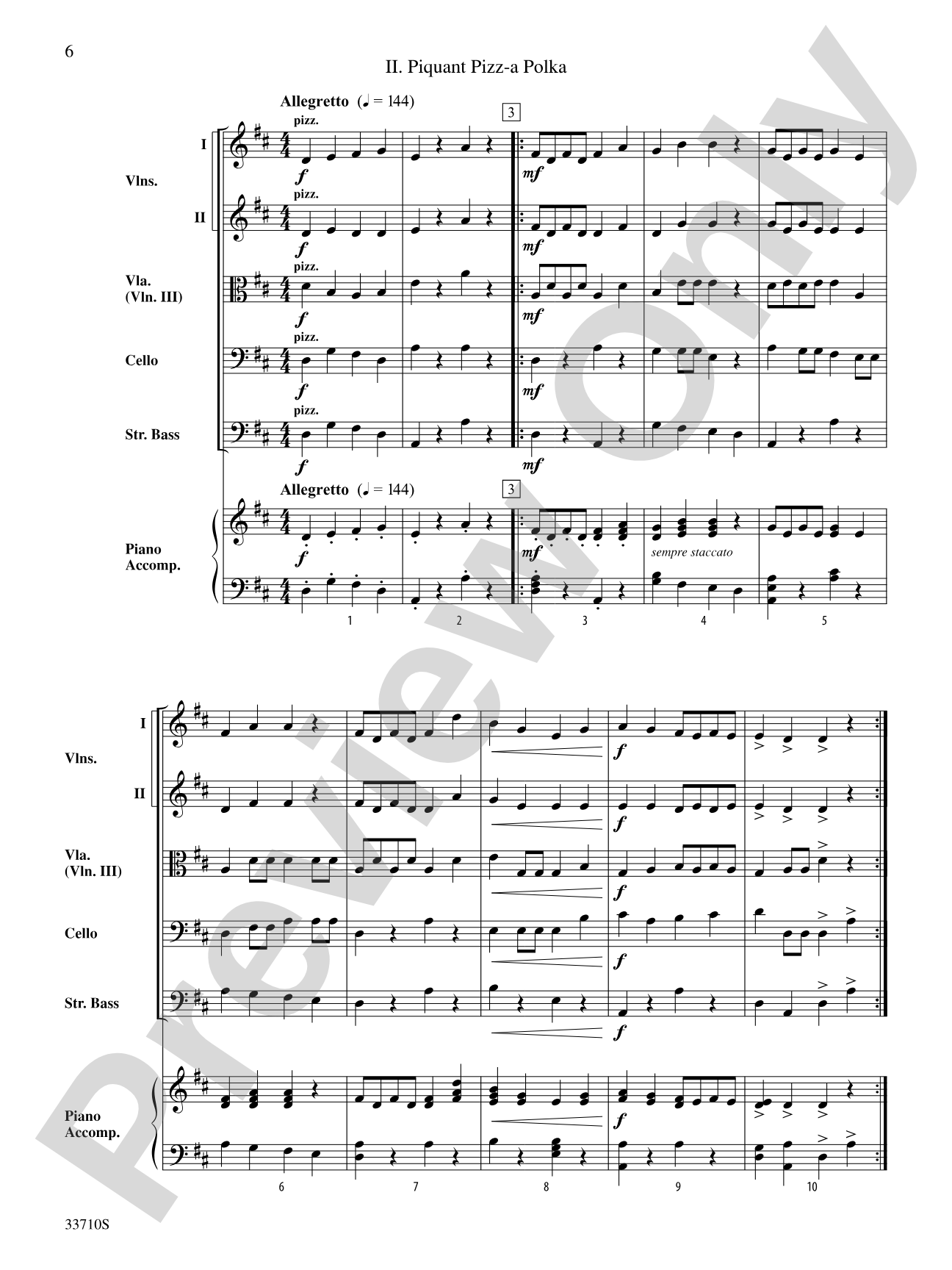
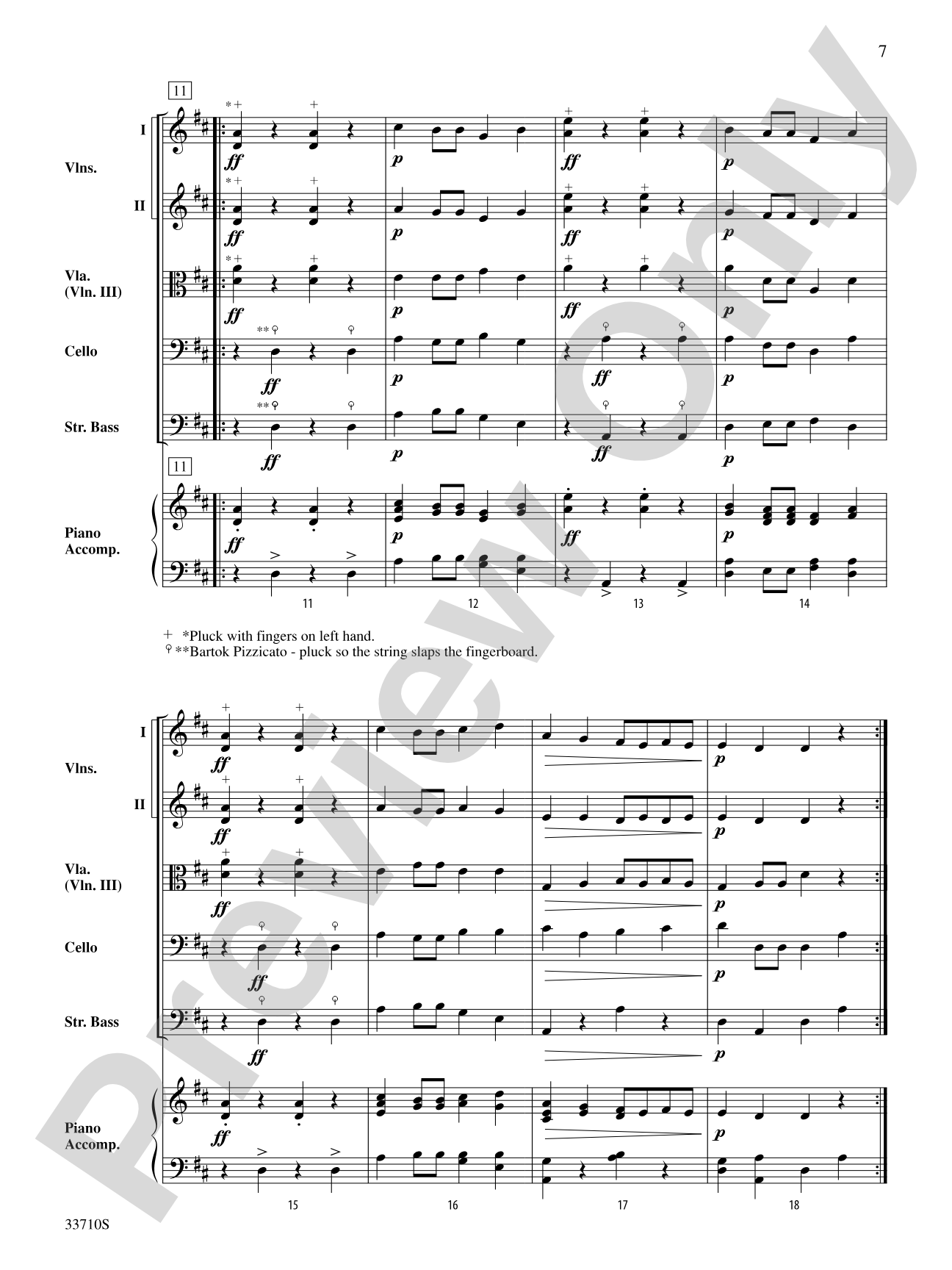
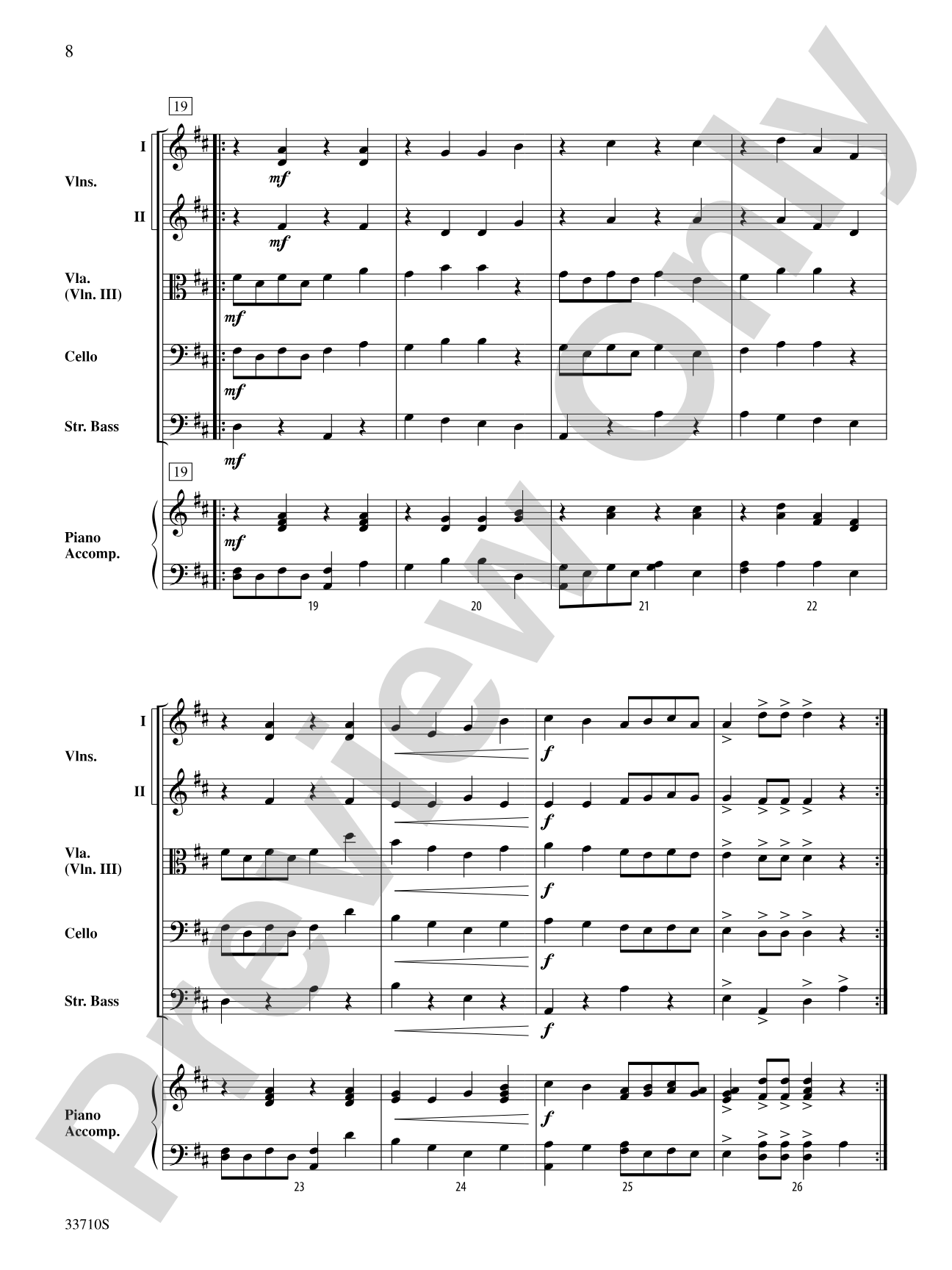

Sweet Suite: String Orchestra Conductor Score & Parts
A Symphonius Smorgasbord
By Andrew H. Dabczynski
Grade: 1.5
Item: 00-PK-0004199

$42.00
Pickup currently not available
Buy Extra Parts (Digital PDF Download)
| Product | Price | Quantity |
|---|---|---|
| Sweet Suite: Score | $6.00 | |
| Sweet Suite: 1st Violin | $7.99 | |
| Sweet Suite: 2nd Violin | $7.99 | |
| Sweet Suite: 3rd Violin (Viola [TC]) | $7.99 | |
| Sweet Suite: Viola | $7.99 | |
| Sweet Suite: Cello | $7.99 | |
| Sweet Suite: String Bass | $7.99 | |
| Sweet Suite: Piano Accompaniment | $7.99 |
Parts Added to Cart!
Related Items
Sweet Suite: String Orchestra Conductor Score |
$6.00
|
View |
Description
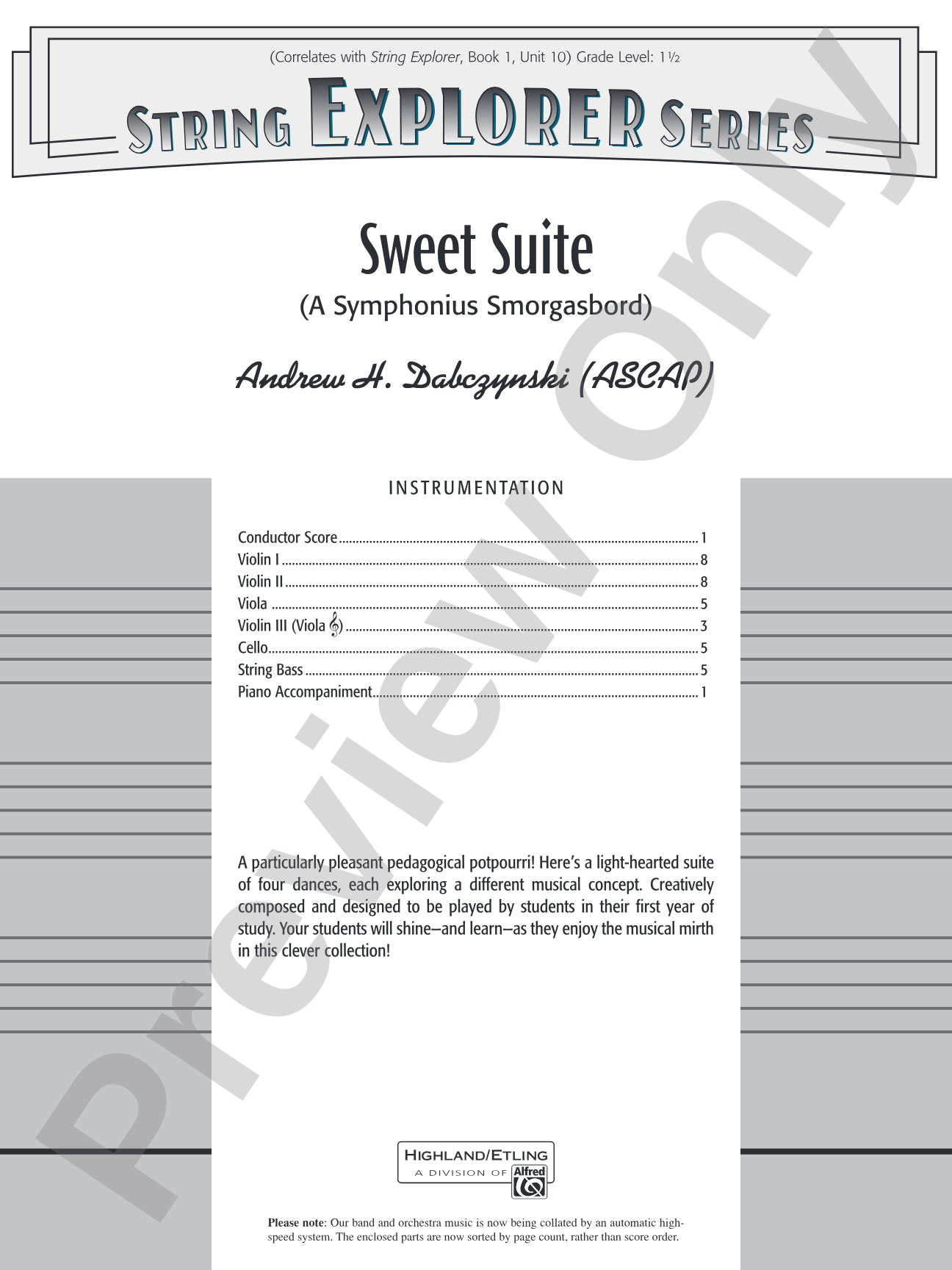
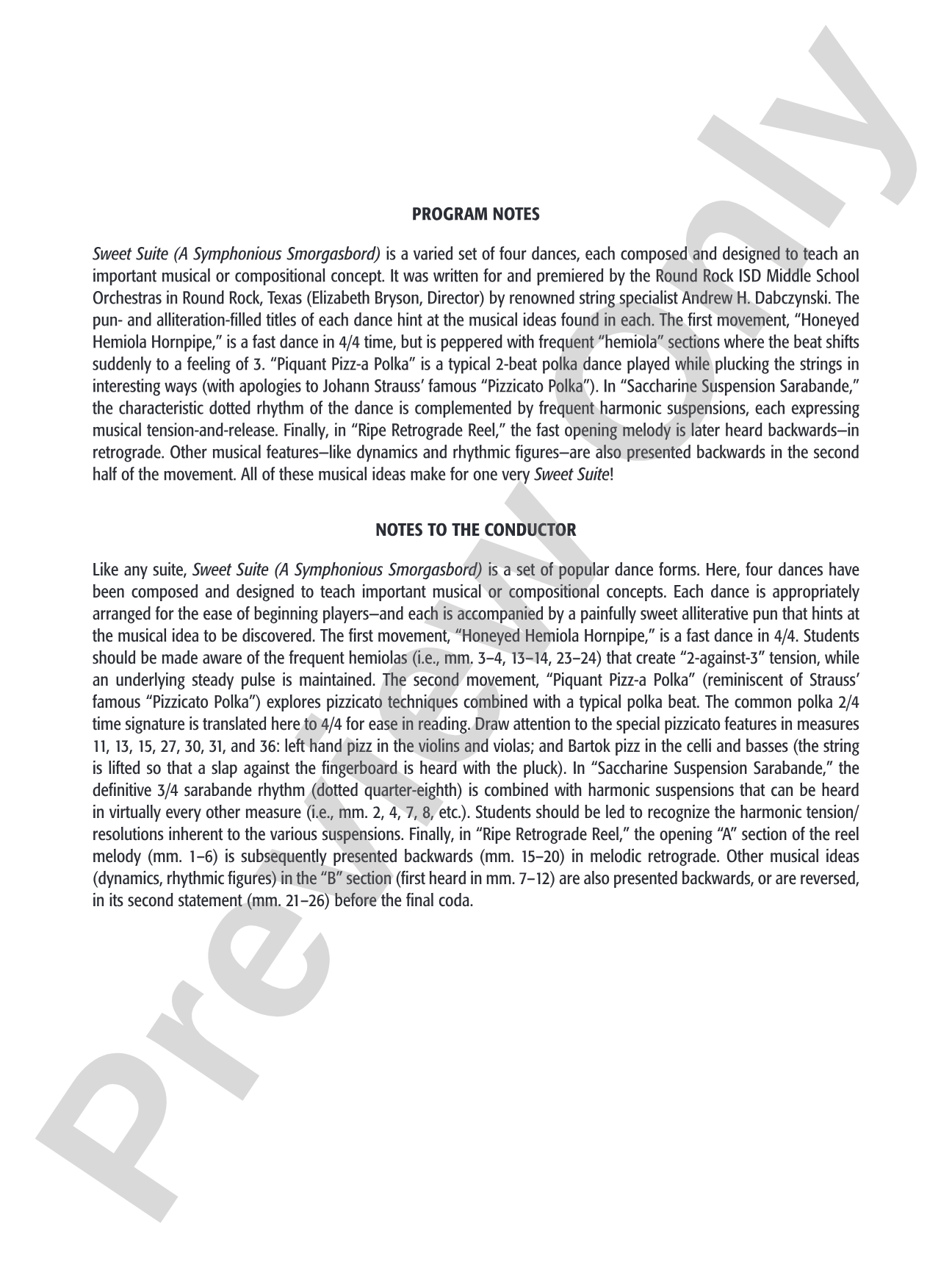
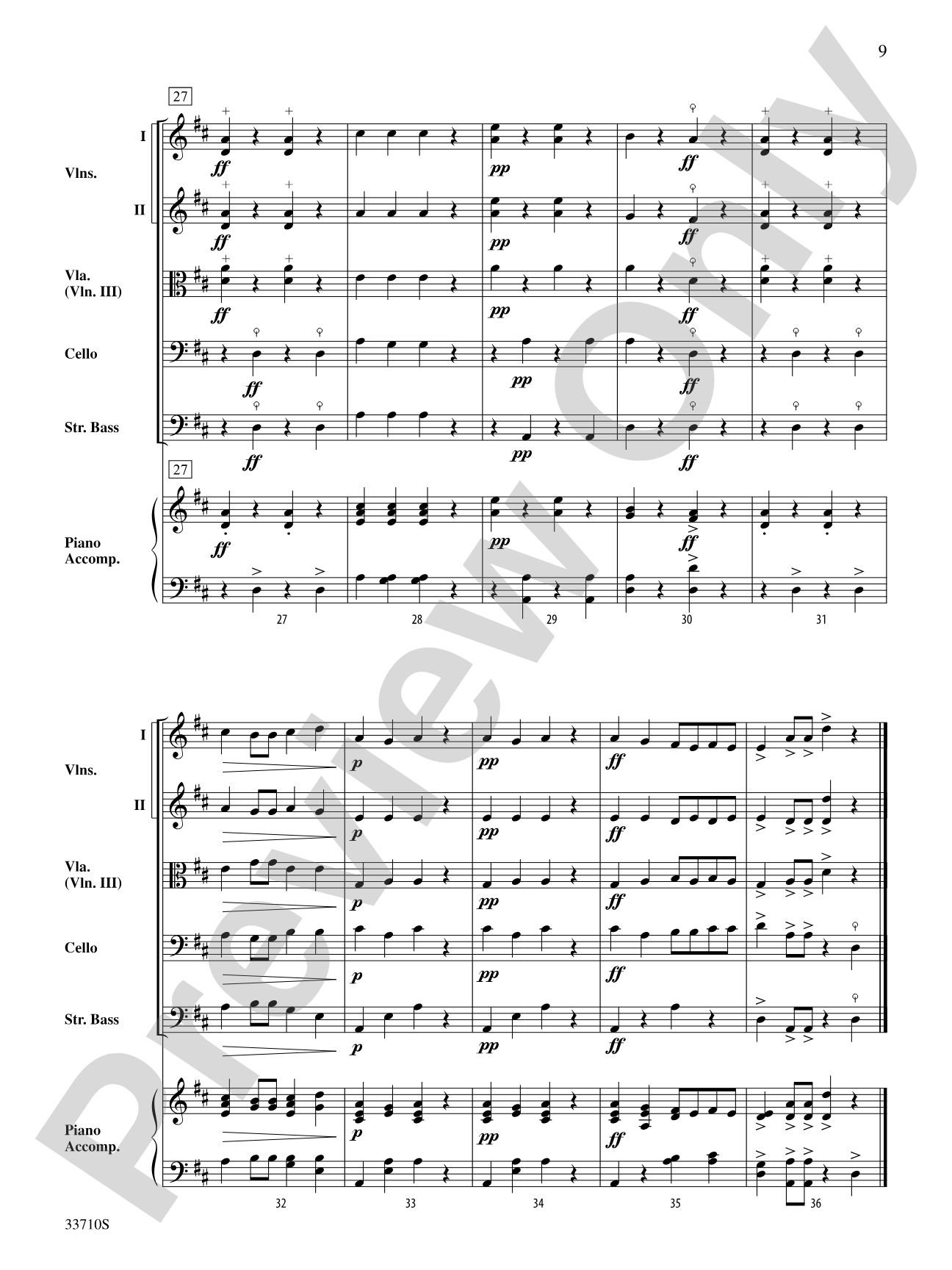
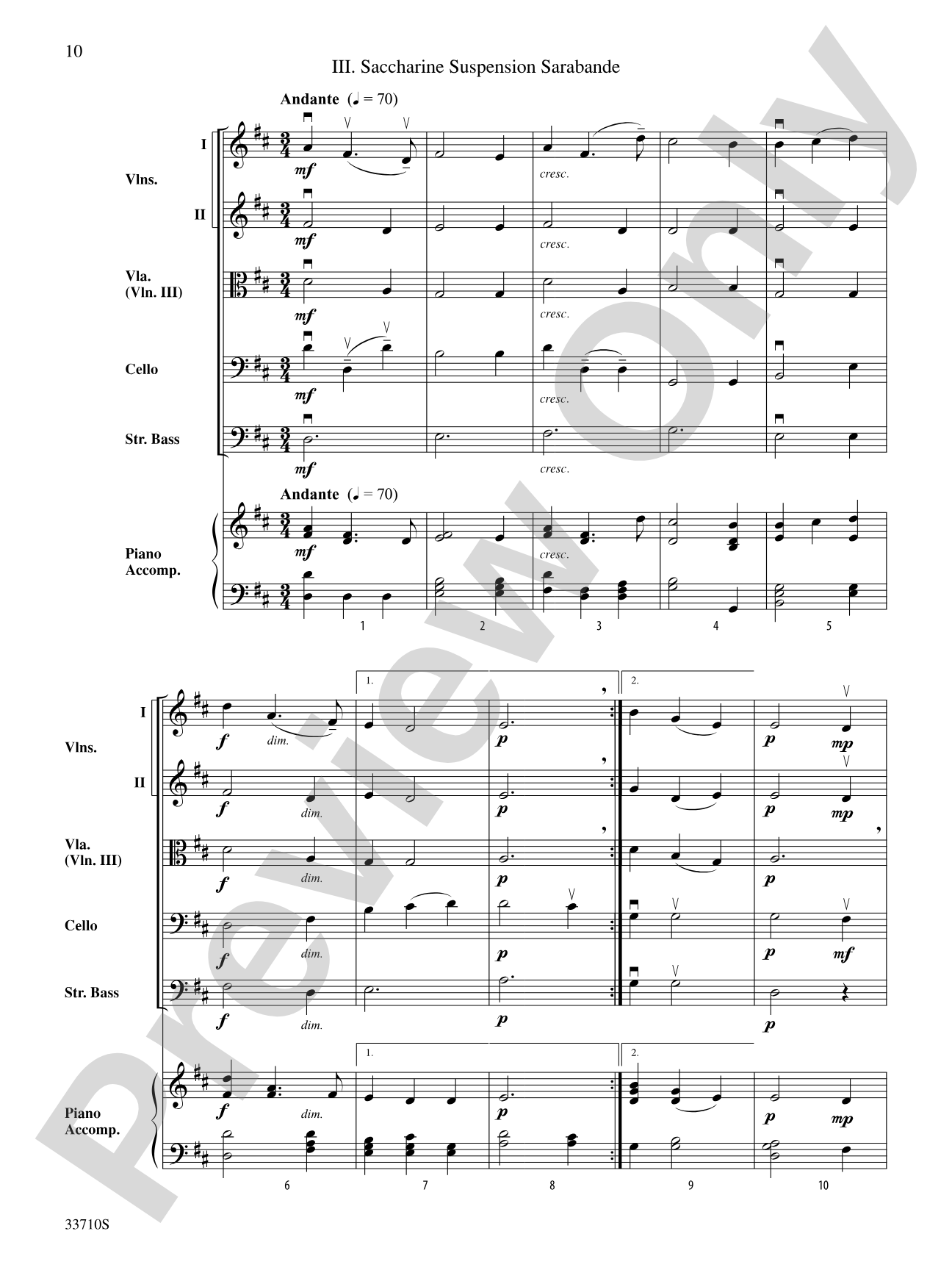
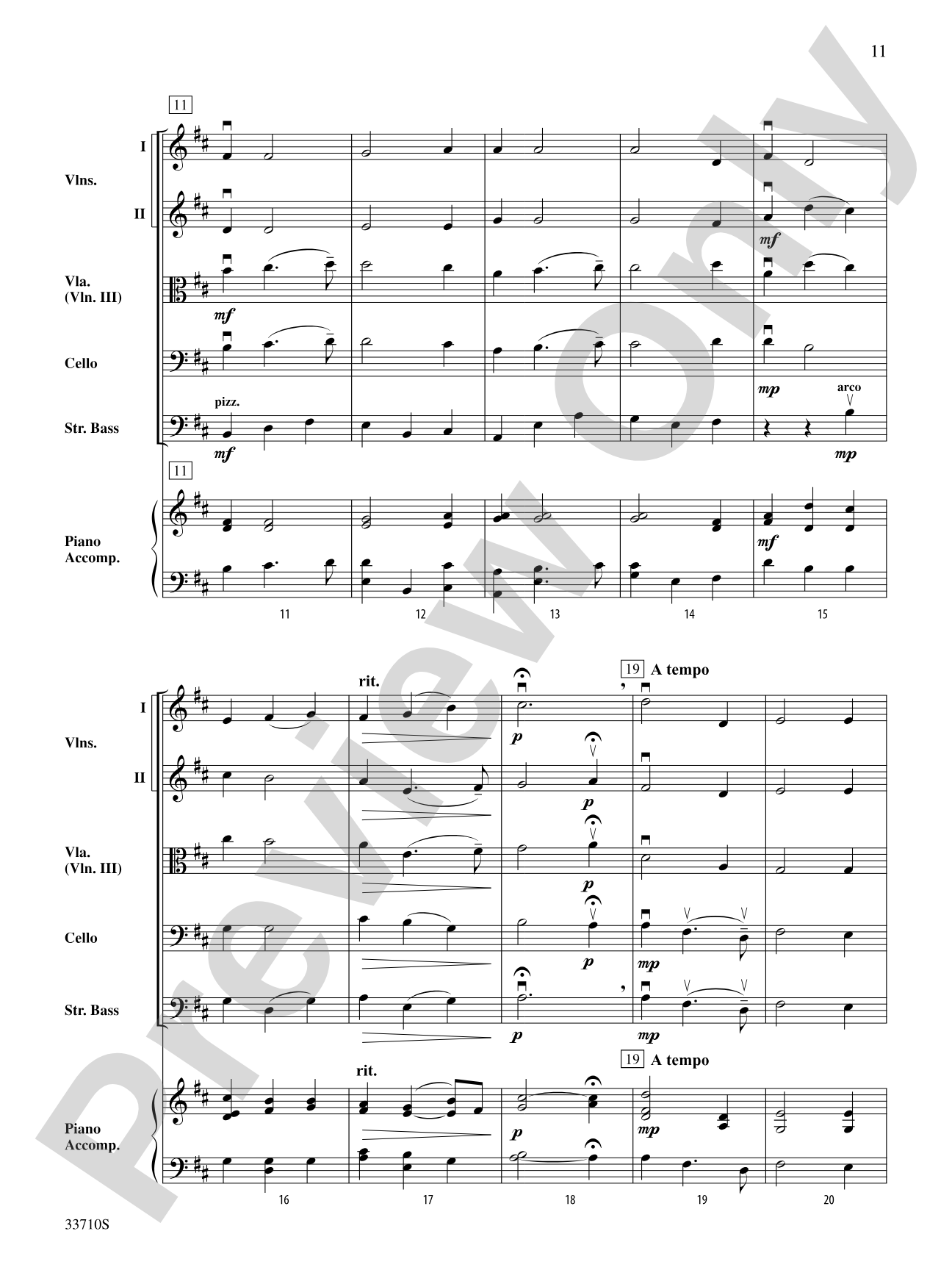
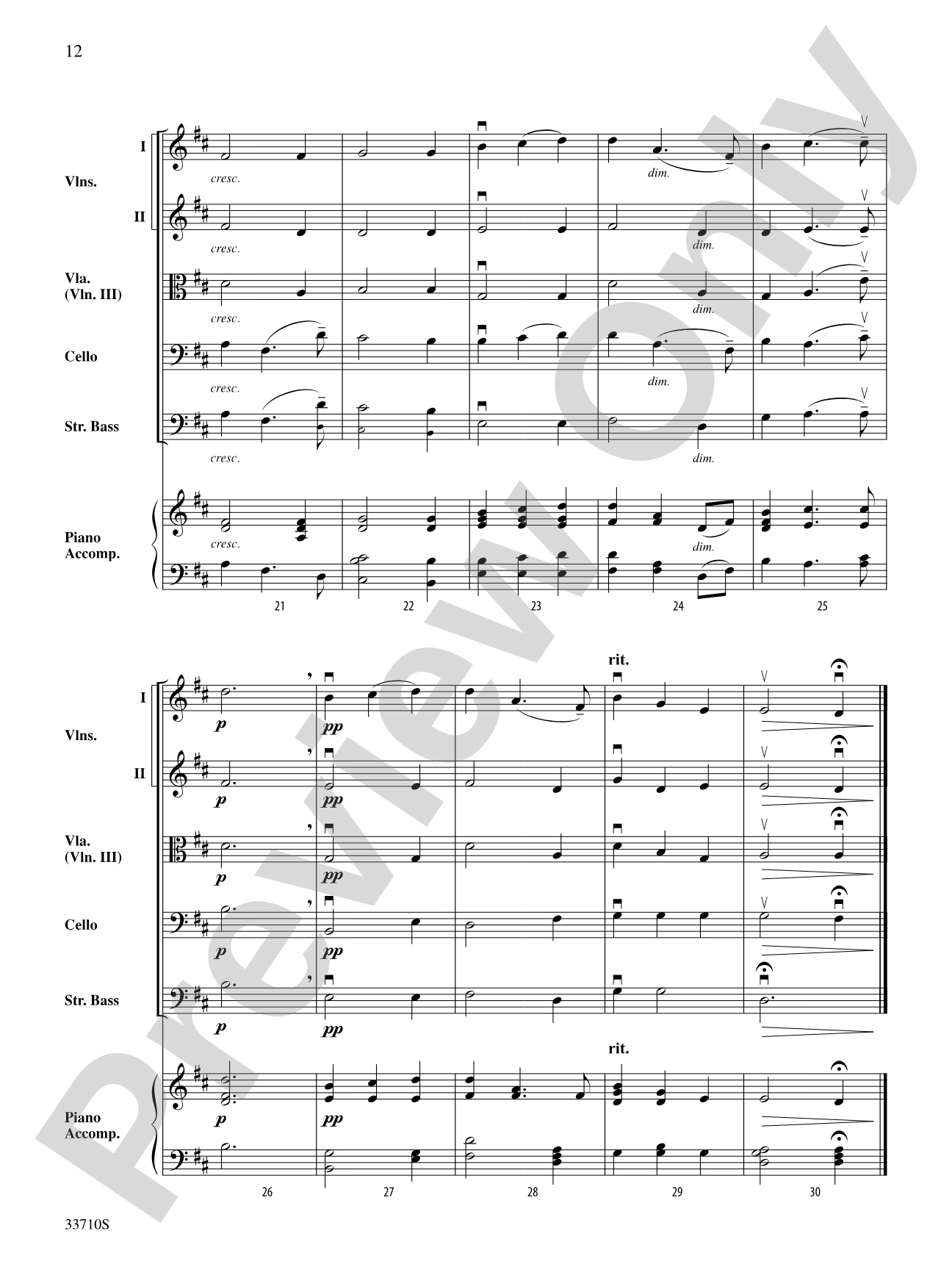
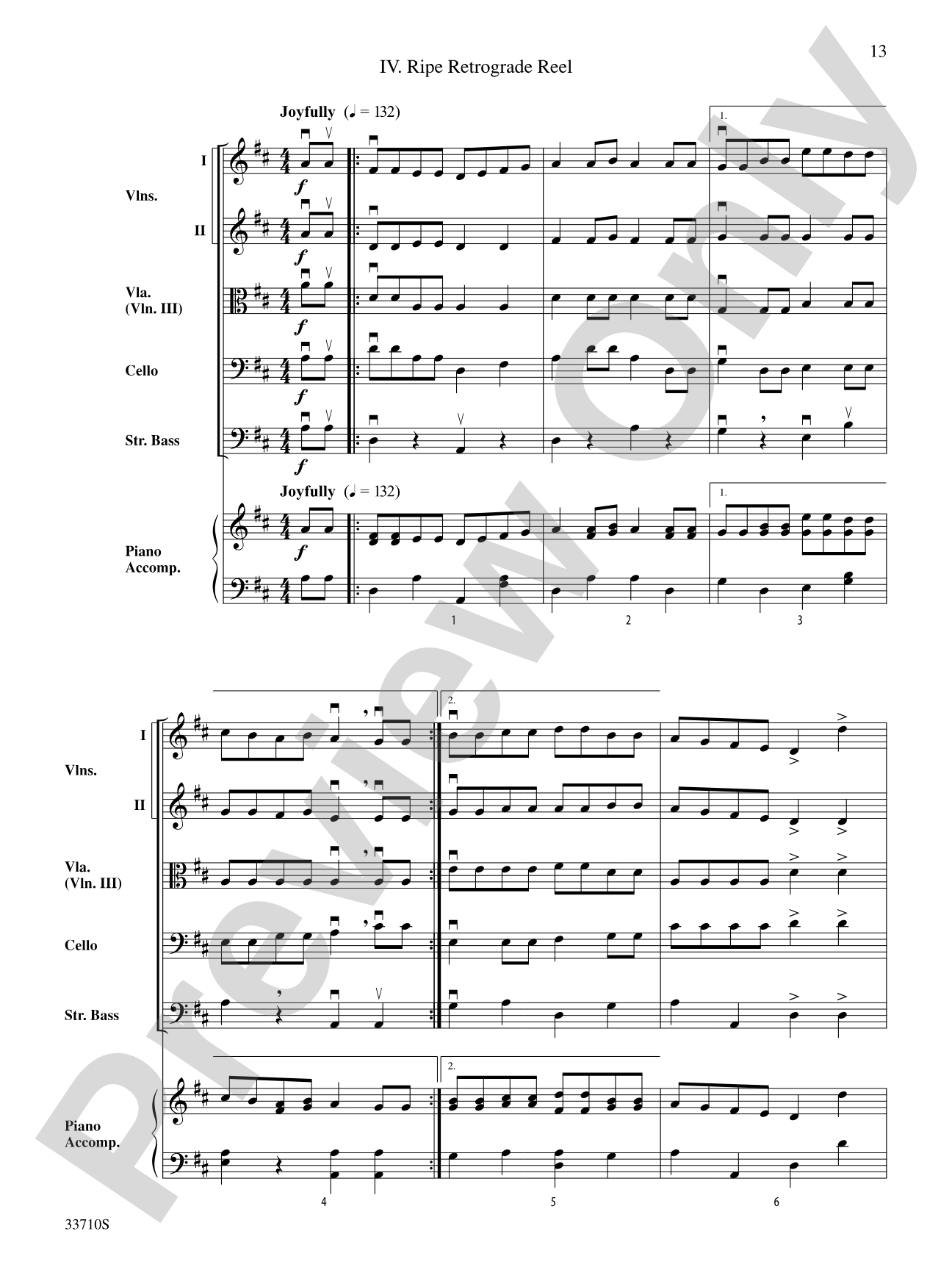
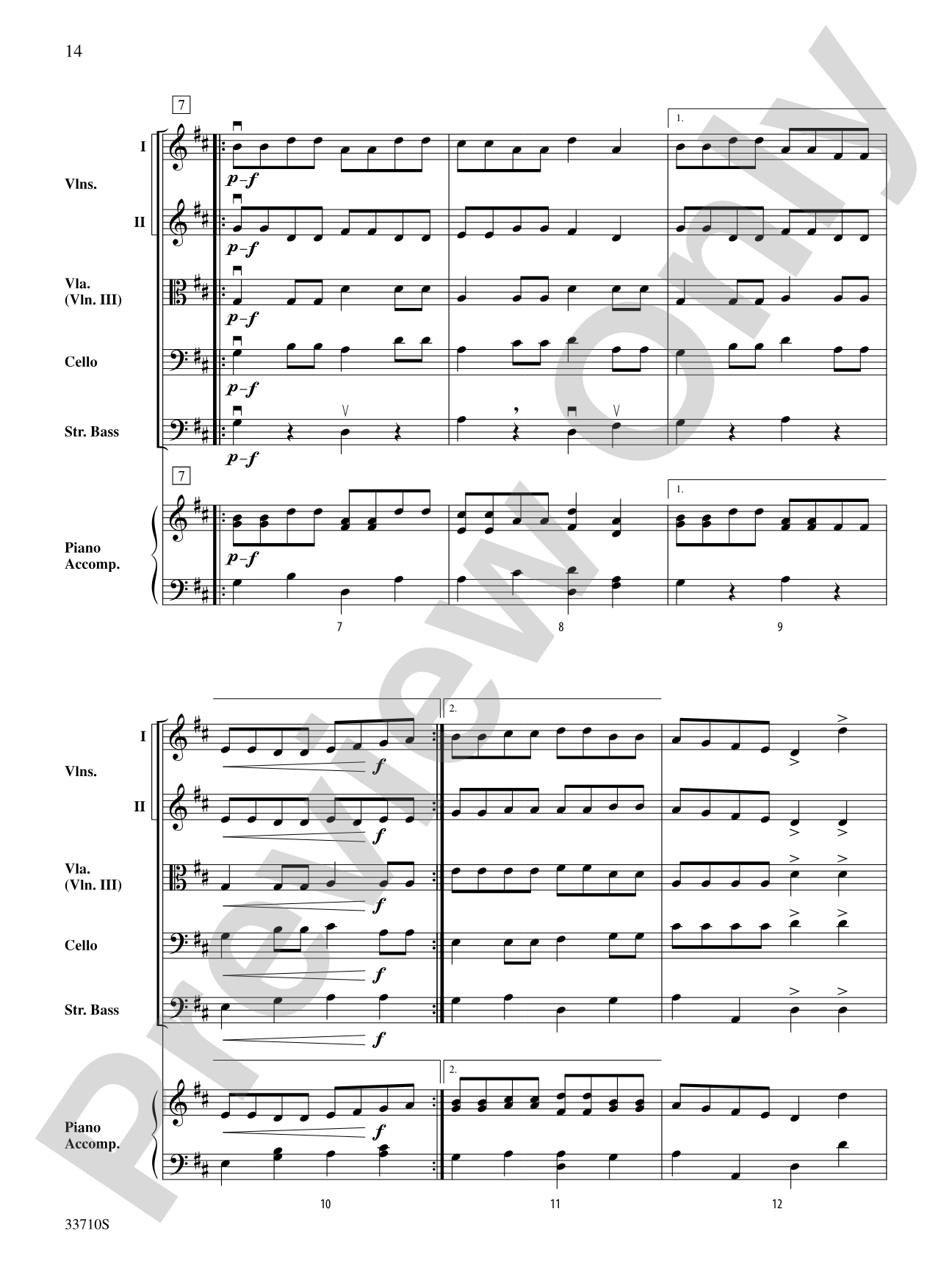
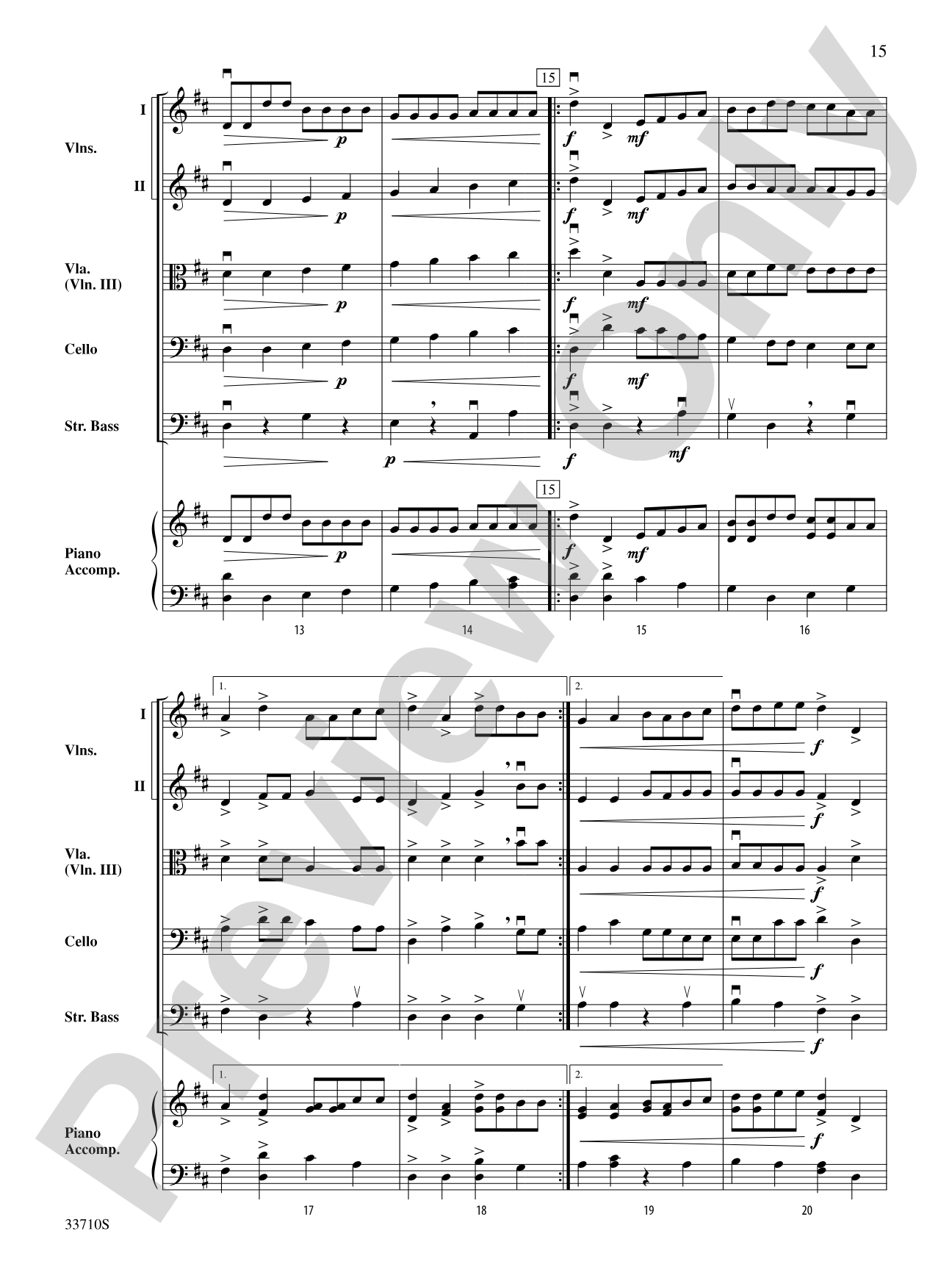
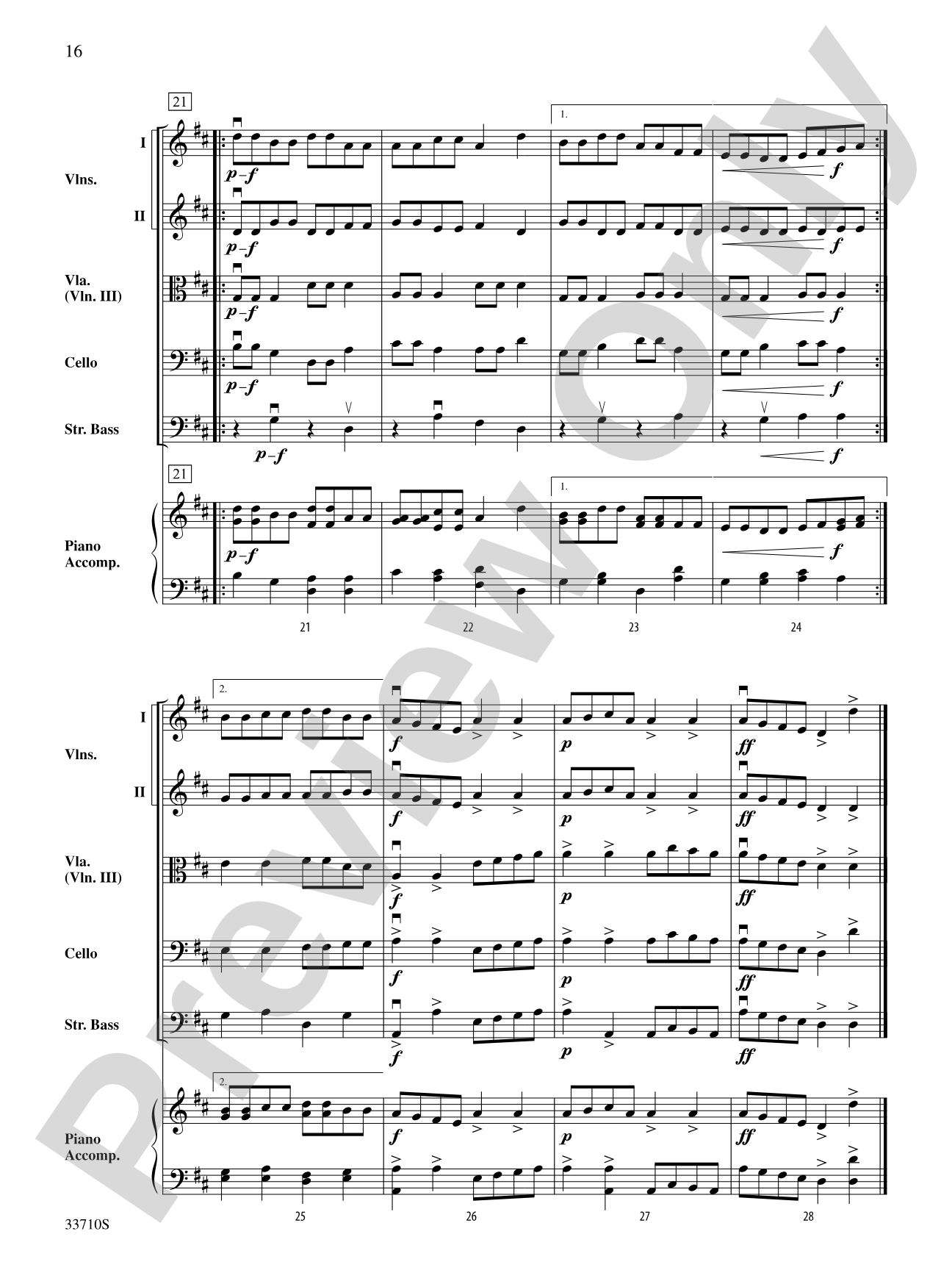
A particularly pleasant pedagogical potpourri! Here's a light-hearted suite of four dances, each exploring a different musical concept. Creatively composed and designed to be played by students in their first year of study. Your students will shine---and learn---as they enjoy the musical mirth in this clever collection! This title is available in MakeMusic Cloud.


Don't just read it, hear it, play along with it, and watch your students grow with it. In MakeMusic Cloud, Sweet Suite: String Orchestra Conductor Score & Parts comes alive with professional accompaniment, adjustable tempo, and built-in practice tools that turn solo practice into real progress.
Open in the Player
Jump straight in and assign it today.
Start Your Free Trial
Open this title and explore the full library in minutes.
Sample Audio
1
Audio File
--:--
0:00
0:00
Sample Video
No sample videos found.
Additional Details
Series:
Highland/Etling String Explorer
Publisher:
Alfred Music
Page Count:
140
SKU:
00-PK-0004199
More about this title
About the Composer: Andrew H. Dabczynski

Andrew H. Dabczynski built his career at the intersection of string pedagogy and performance. A violist who performed with regional orchestras including the Rochester Philharmonic and Hartford Symphony, he spent six years as a member of the Colden String Quartet at Western Michigan University while maintaining teaching posts at the Eastman School of Music and in New York public schools. His work as Supervisor of Fine Arts Education in Michigan rounded out his administrative experience.
At Brigham Young University, where he is now Emeritus Professor of Music Education, Dabczynski founded the New Horizons Orchestra, a beginning string ensemble for adult learners that also serves as a training ground for string teachers. That vision earned him BYU's Joseph E. White Fellowship for Teaching and Learning. He co-authored the String Explorer method series (published by Alfred), has held leadership roles in the American String Teachers Association, and was named Utah ASTA's Higher Education Teacher of the Year in 2005. His research interests center on folk music traditions and how fiddling is transmitted across generations.
Why we love this
Dabczynski writes for first-year orchestras with a conductor's clarity and a teacher's understanding of what actually works in the room. Four distinct dances means four different teaching opportunities in a single rehearsal score, and the musical material lands squarely between musical substance and genuine fun for young players.
What to expect
Lighthearted and purposeful. These dances have genuine musical personality, they're not generic or apologetic about being composed for beginners. The suite moves with wit and clarity, designed to make young players feel the satisfaction of bringing an actual musical idea to life.
Who it's for
String orchestra directors working with first-year students who need repertoire that teaches while it entertains. Students who are still establishing bow control, reading accuracy, and ensemble awareness will find each dance manageable yet rewarding.
How to get the most out of it
- Balance the phrasing across sections by having students echo small melodic fragments between first and second violins; the dialogue reinforces ensemble listening without added rehearsal time.
- Mark a clear beat on the &-of-4 before each dance begins to establish the character shift. Students need a conducting cue, not just a count-in.
- Assign a measure number checklist to your section leaders before the first rehearsal. Early orchestras benefit from visible landmarks, and spot-checking helps catch missing entries without stopping.
- Let cellos and basses carry the harmonic weight in the lower dances; they often sound thin when conductors pull dynamic focus to upper strings.
How to use it
This suite works perfectly for a spring concert program featuring early repertoire, or as a contest selection where young ensembles perform better on material that feels approachable yet substantial. Its four-movement structure also suits shorter school assemblies or demonstration performances for incoming strings students.
Skills your students will build
- Recognizing and executing character shifts between contrasting musical ideas
- Maintaining rhythmic precision in simple duple and triple meters
- Balancing sustained harmony lines with melody in the upper voices
- Reading and responding to clear conductor interpretation across multiple short forms
- Listening across sections to support ensemble blend and intonation