
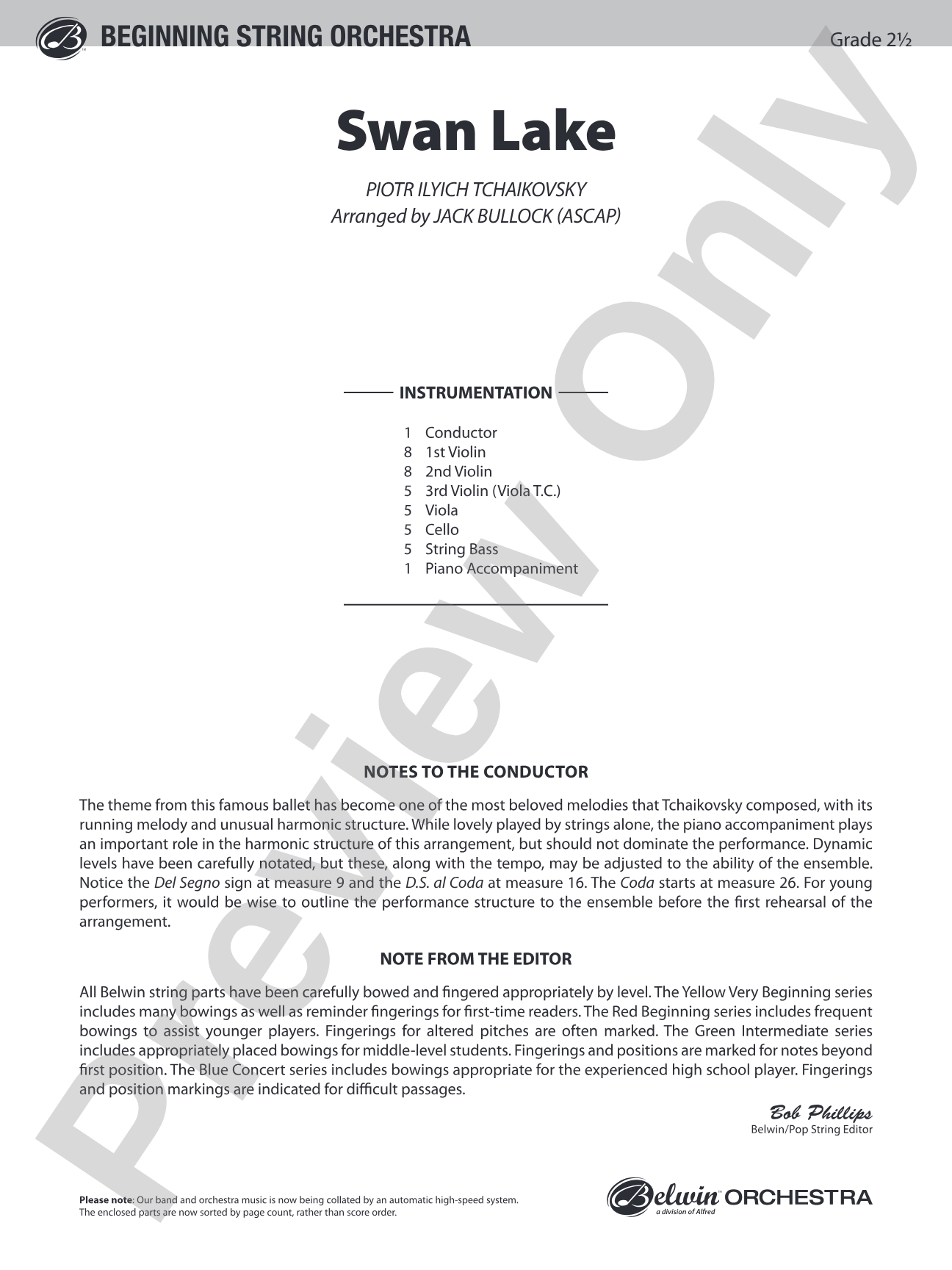
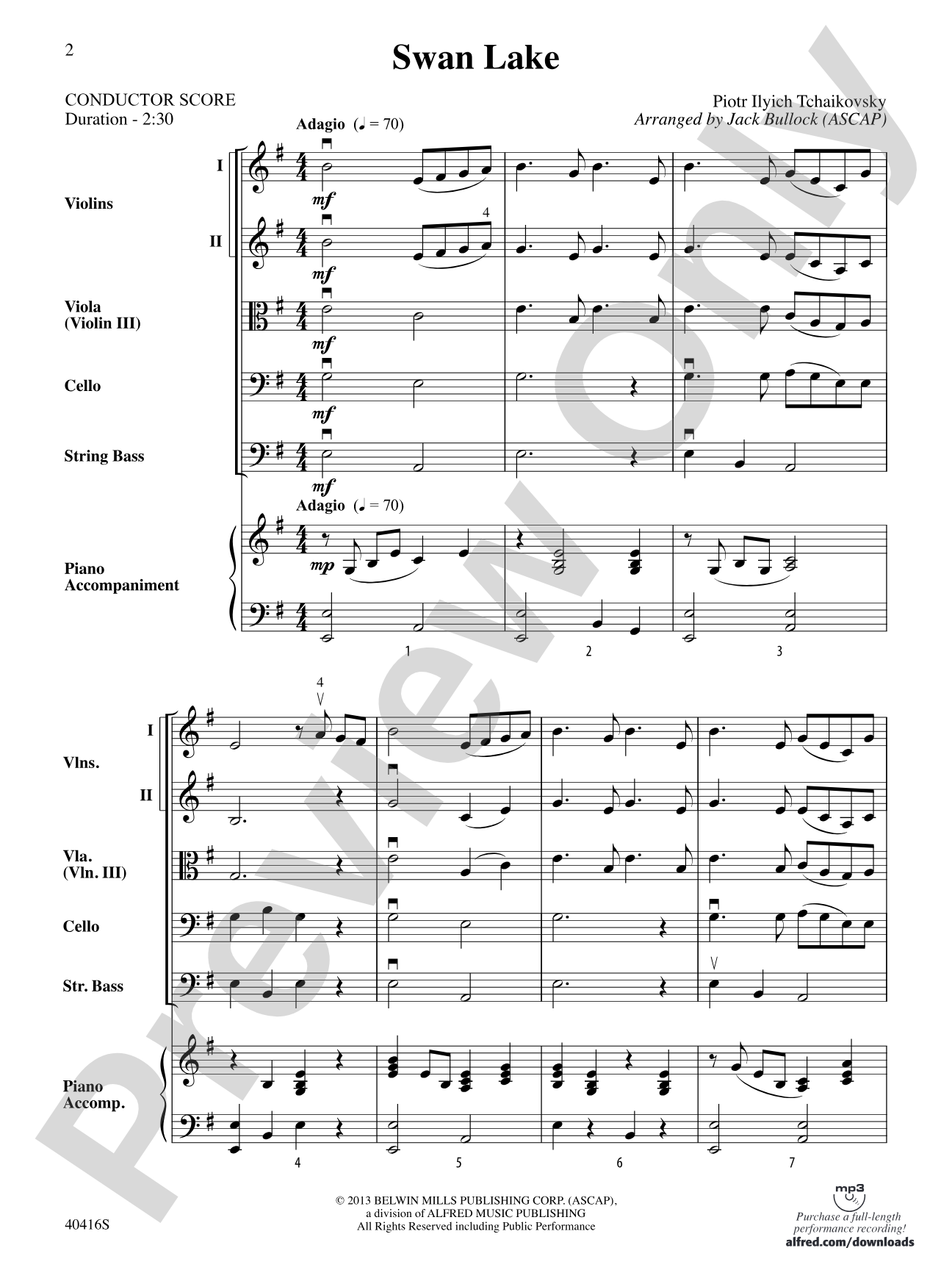
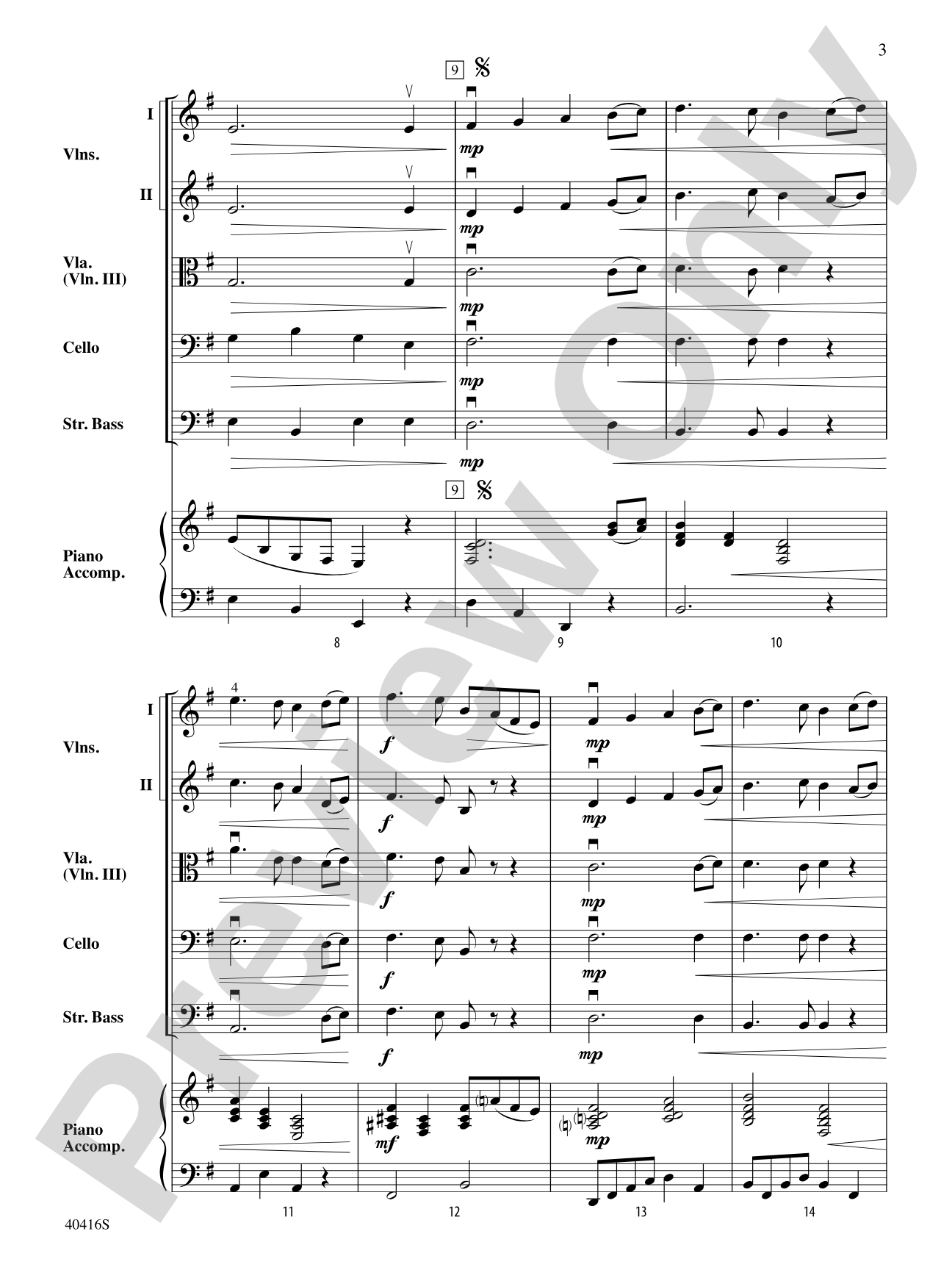
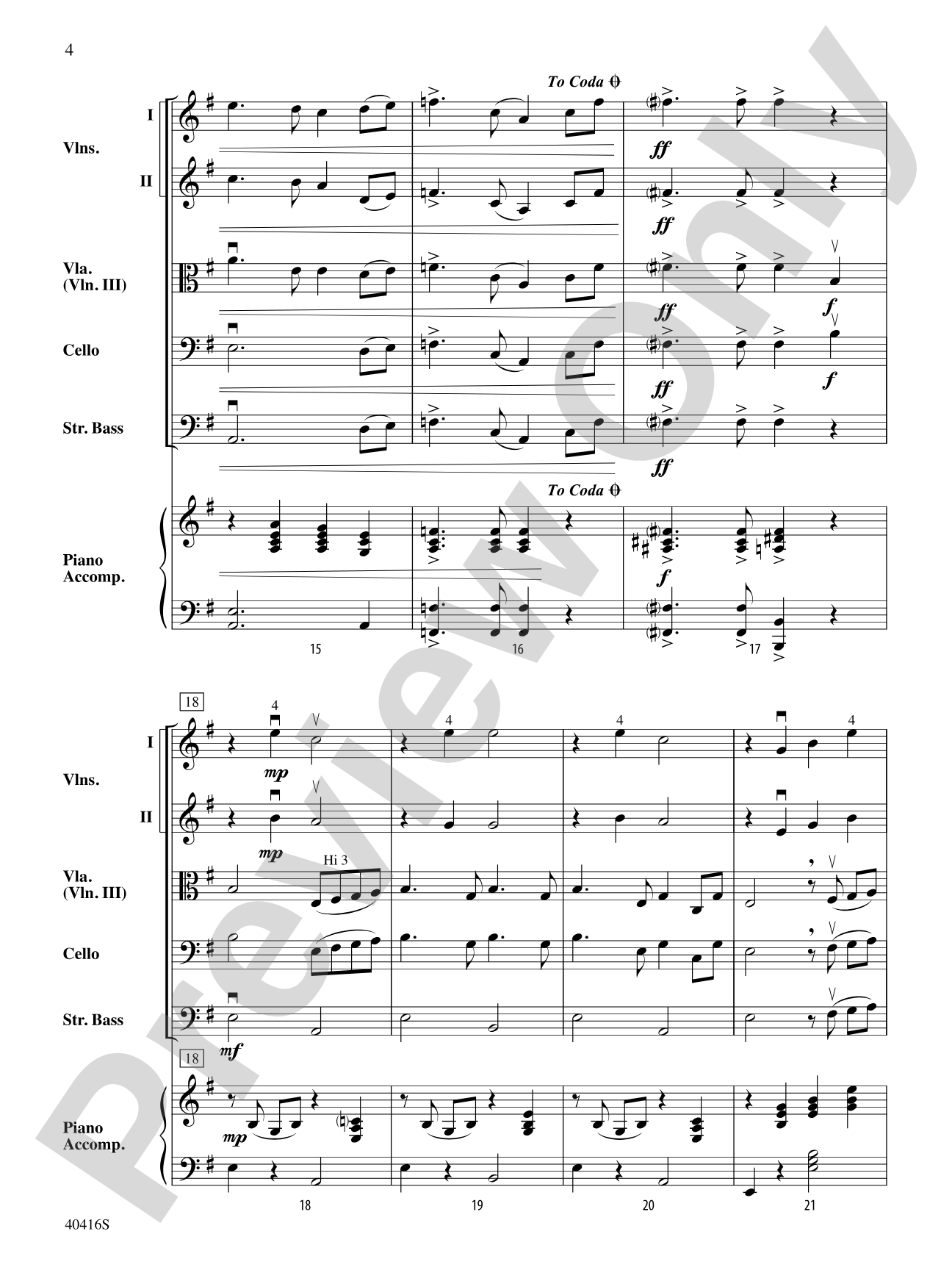
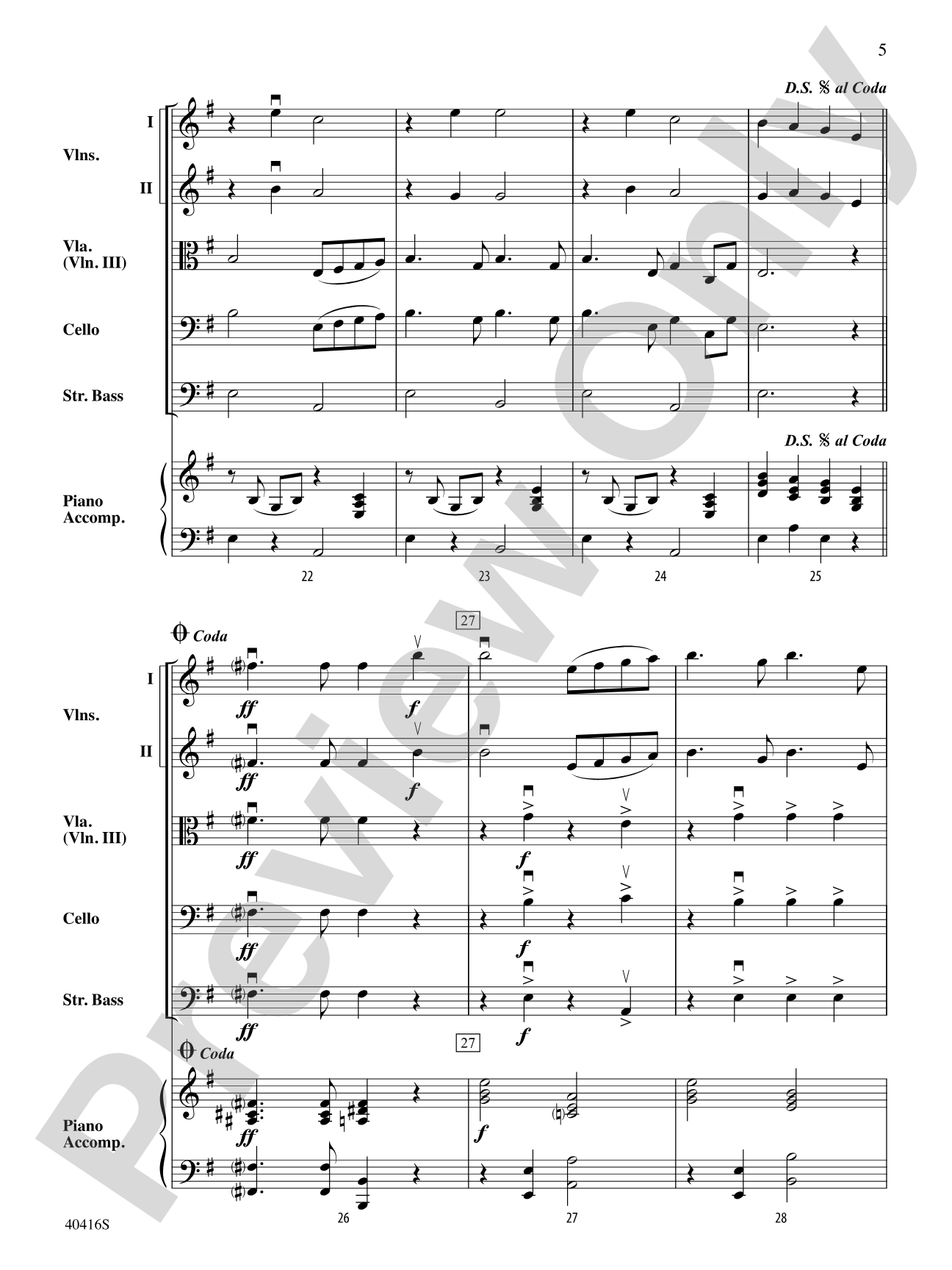
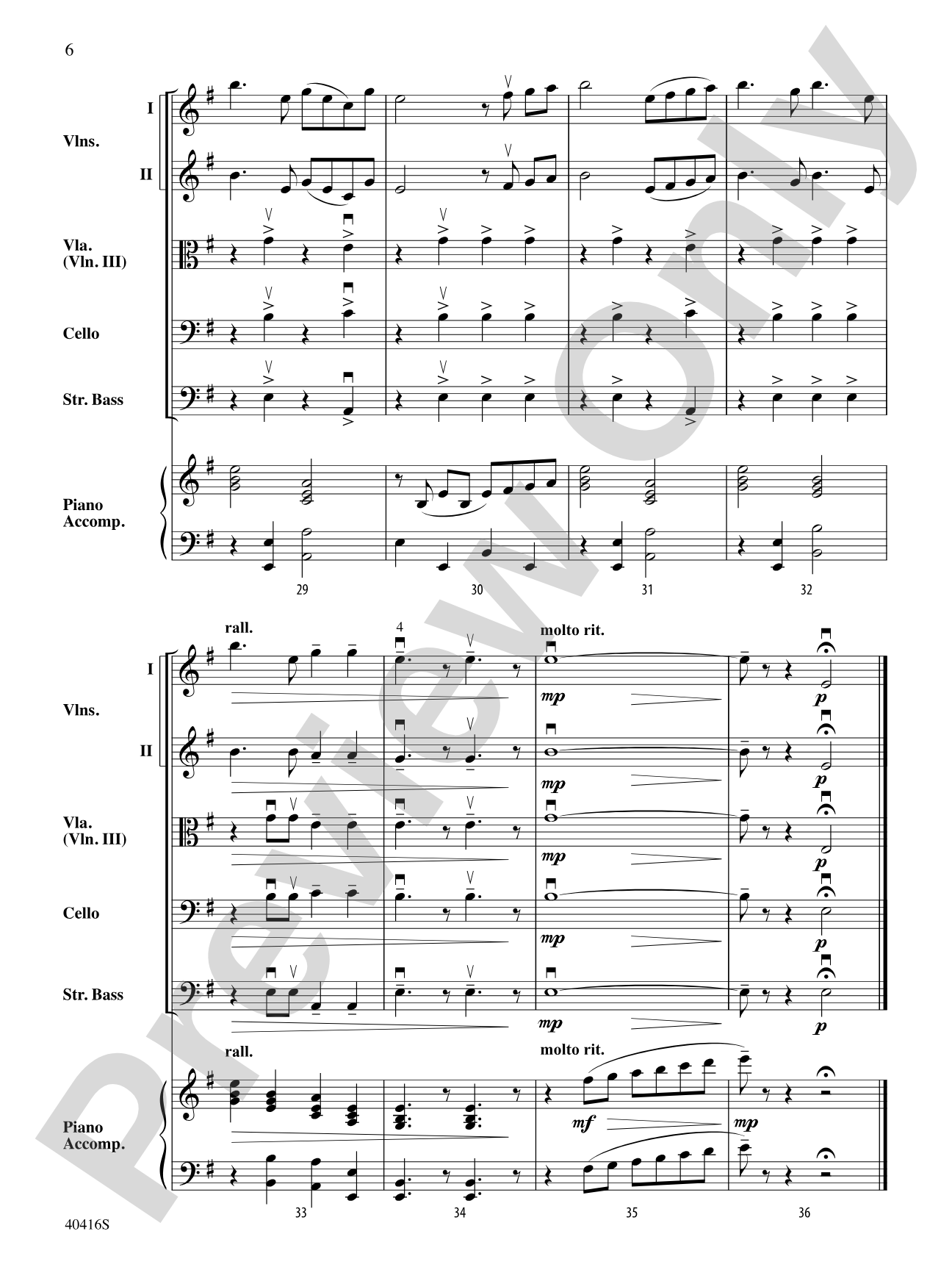



Swan Lake: Score
By Piotr Ilyich Tchaikovsky [Peter Ilyich Tchaikovsky] / arr. Jack Bullock
Grade: 2.5
Item: 00-PR-0004260
$6.00
Pickup currently not available
Description
The theme from this famous ballet has become one of the most beloved tunes, with its running melody and unusual harmonic structure. While lovely when played by strings alone, the piano will add fullness to the arrangement. This title is available in MakeMusic Cloud.


Don't just read it, hear it, play along with it, and watch your students grow with it. In MakeMusic Cloud, Swan Lake: Score comes alive with professional accompaniment, adjustable tempo, and built-in practice tools that turn solo practice into real progress.
Open in the Player
Jump straight in and assign it today.
Start Your Free Trial
Open this title and explore the full library in minutes.
Sample Audio
1
Audio File
--:--
0:00
0:00
Sample Video
No sample videos found.
Additional Details
Series:
Belwin Beginning String Orchestra
Publisher:
Alfred Music
Page Count:
76
SKU:
00-PR-0004260
More about this title
About the Composer: Piotr Ilyich Tchaikovsky
Piotr Ilyich Tchaikovsky (1840-1893) stands as one of the most performed composers in the orchestral repertoire, known for his gift for unforgettable melody and rich harmonic language. His ballets—Swan Lake, The Sleeping Beauty, and The Nutcracker—remain central to both professional and educational music making, offering string players access to some of the most recognizable themes in classical music.
Tchaikovsky's willingness to blend Russian national character with Western European forms makes his work especially valuable in schools. These pieces reward careful listening and disciplined playing without demanding virtuosity beyond reach, making them ideal for building musical maturity in developing ensembles.
Why we love this
Tchaikovsky's theme is instantly recognizable and deeply musical, yet Jack Bullock's Grade 2.5 arrangement keeps the writing transparent enough that students focus on phrase shape and tone rather than fighting the notes. The inclusion of a piano part adds harmonic grounding without overwhelming the strings, allowing younger orchestras to sound genuinely full without overextending technically.
What to expect
Elegant and graceful, with a gentle melancholy beneath its flowing surface. The orchestration sits comfortably on the strings, allowing the characteristic Tchaikovsky warmth to emerge without orchestral bustle. There's both simplicity and sophistication in this version—the kind of piece that sounds deceptively easy until you hear what careful playing can reveal.
Who it's for
String orchestras at the Grade 2 to 2.5 level will find this arrangement accessible yet substantive. It works equally well for directors building concert programs, preparing contest submissions, or introducing students to repertoire from the Romantic ballet tradition.
How to get the most out of it
- Shape the running melody with clear direction; the accompaniment figures should stay rhythmically settled so the main line breathes naturally across the bar lines.
- Balance the parts carefully during string doublings. Listen for the primary voice to project while secondary voices sit slightly back, creating depth without muddiness.
- Work the unusual harmonic progressions as a section. These are what make the piece memorable, so tuning the vertical sonorities pays dividends in rehearsal and performance.
How to use it
This works beautifully as a bridge between lighter Grade 2 pieces and more demanding repertoire, offering directors a recognizable title for family or community concerts. It also pairs well with other Romantic-era selections or stands alone as a concert opener that immediately engages audiences.
Skills your students will build
- Sustained tone quality and phrase continuity across longer melodic lines
- Balance and blend in multi-part string textures
- Reading and responding to unconventional harmonic movement
- Rhythmic precision in running sixteenth-note figures
- Coordination with piano accompaniment