
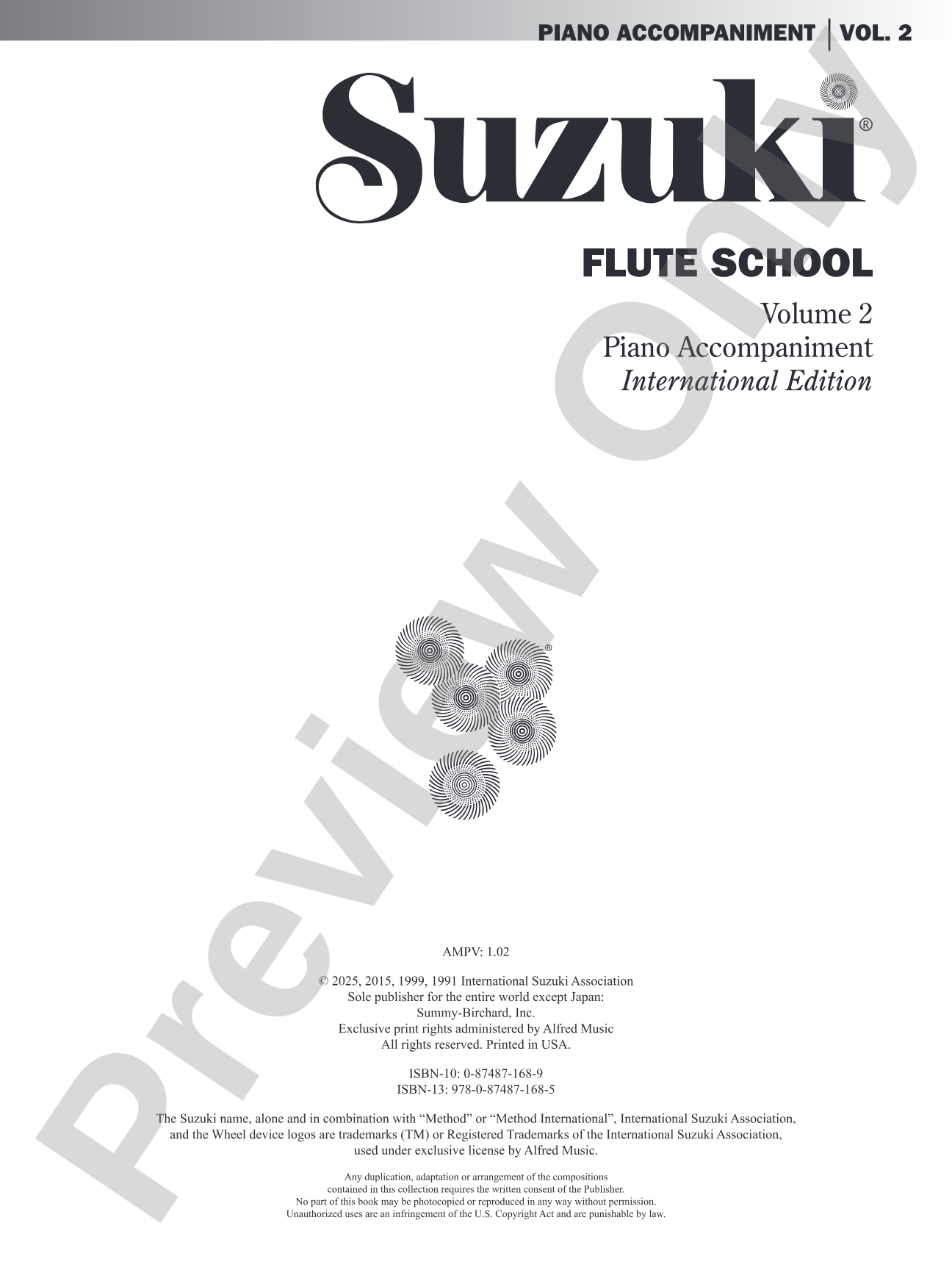

Suzuki Flute School Piano Acc., Volume 2 (International): Piano
Item: 00-PB-0000914
$14.99
Pickup currently not available
Related Items
Suzuki Flute School Piano Acc., Volume 2 (International): Flute Book |
$14.99
|
View |
Description
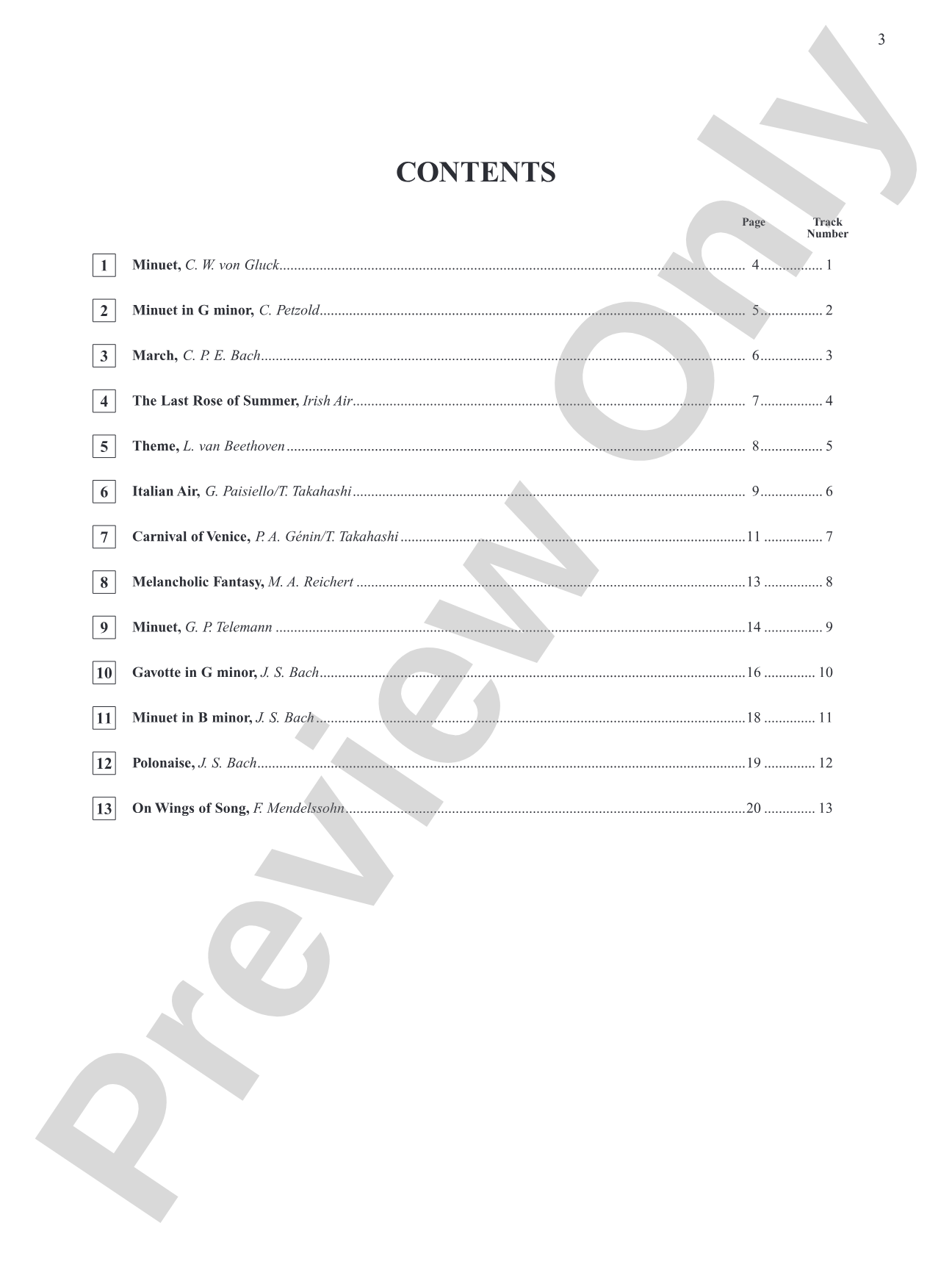
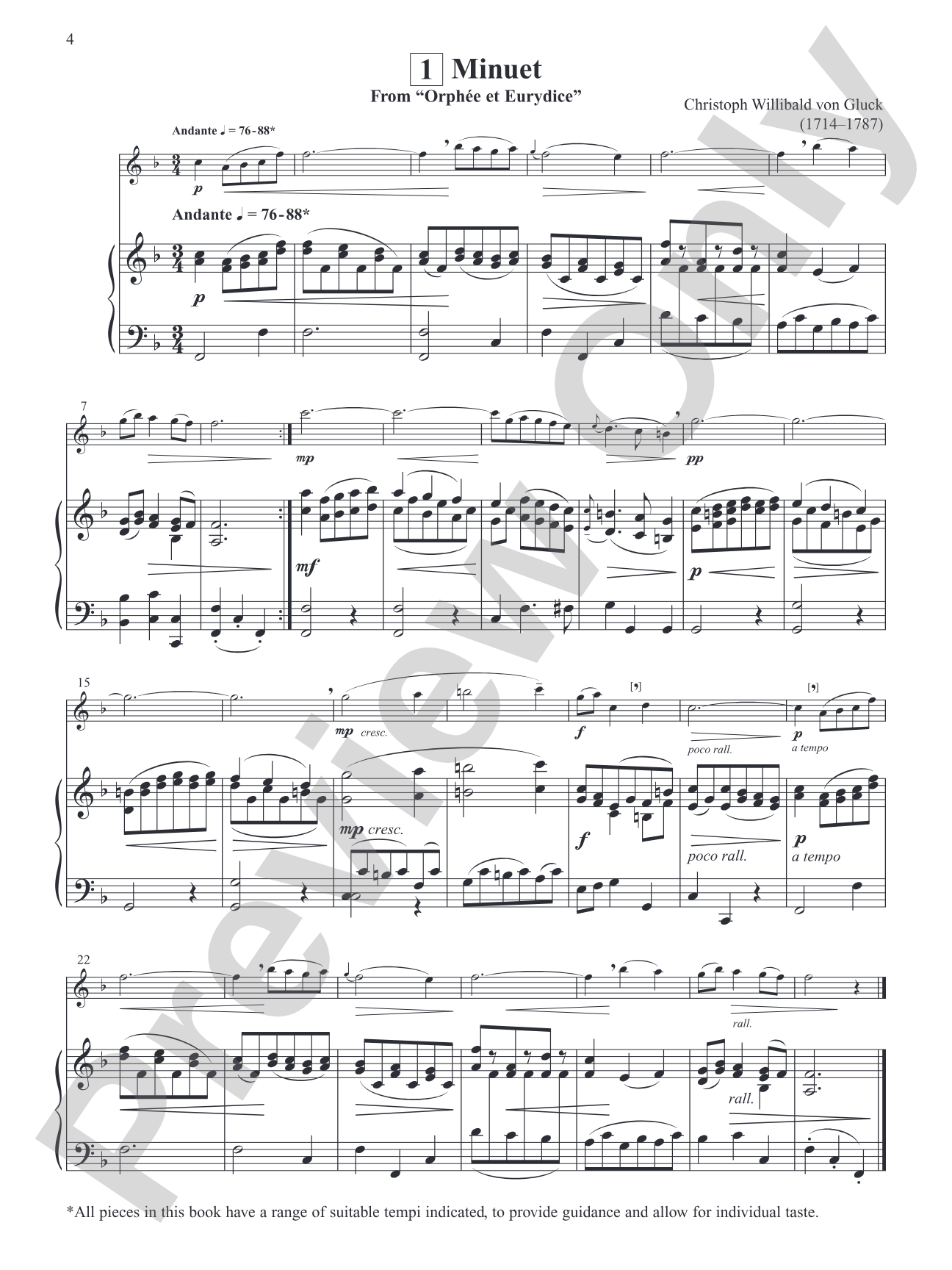
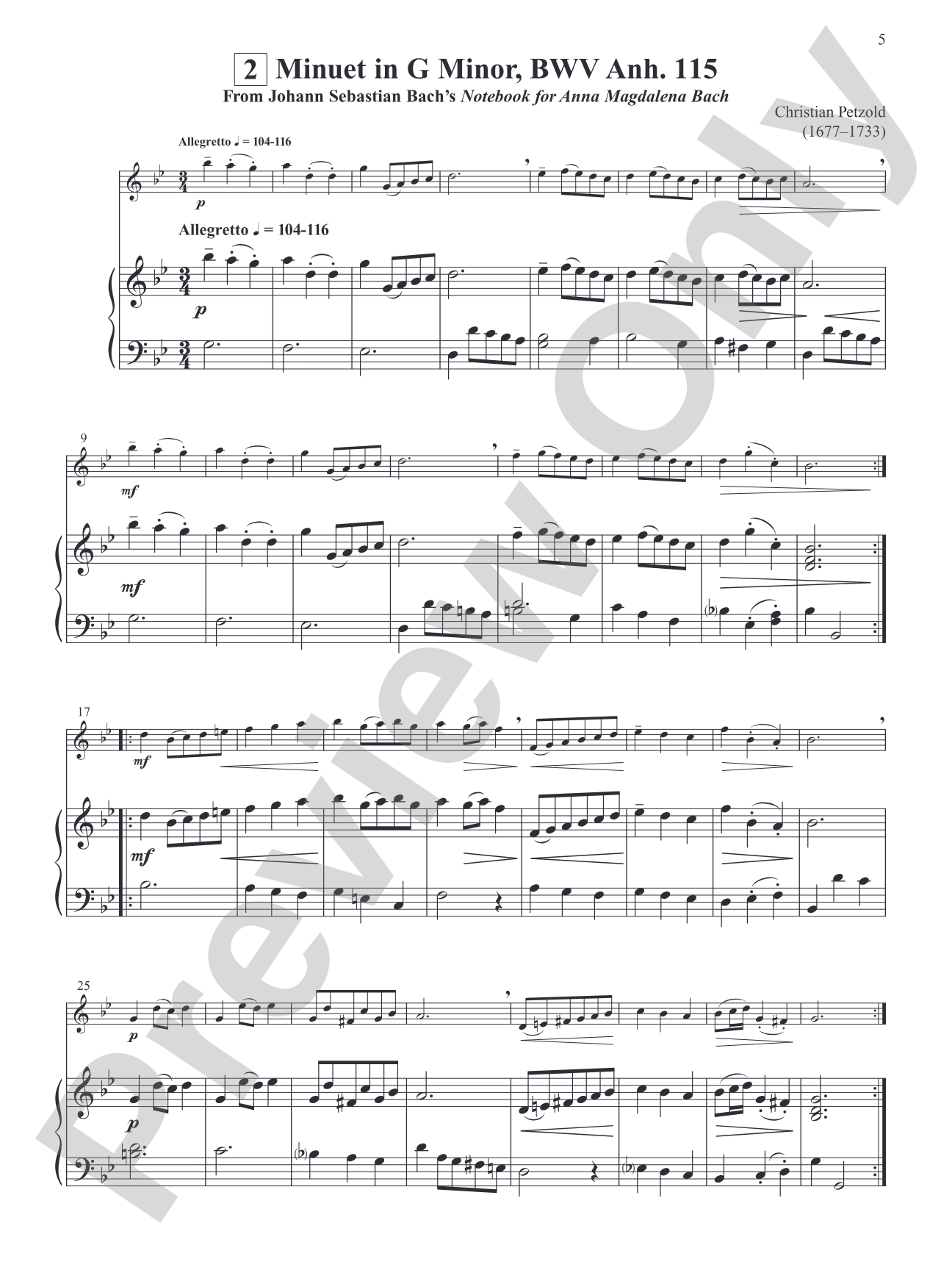
The Suzuki Method® of Talent Education is based on Dr. Shinichi Suzuki's view that every child is born with ability, and that people are the product of their environment. According to Dr. Suzuki, a world-renowned violinist and teacher, the greatest joy an adult can know comes from developing a child's potential so he/she can express all that is harmonious and best in human beings. Students are taught using the "mother-tongue" approach. Titles: Minuet from Orfée et Eurydice (Gluck) * Theme from Sonata in B Major for Piano and Flute, Anh. 4 (Beethoven) * Minuet, BWV Anh. II 115 (Bach) * March, BWV Anh. II 122 (Bach) * Minuet from Orchestra Suite in B Minor, BWV 1067 (Bach) * The Last Rose of Summer (Irish Air) * Theme from Melancholic Fantasy (Reichert) * Allegretto from Carnaval de Venice (Genin) * Minuet (G. P. Telemann) * Gavotte (Bach) * Polonaise (Bach) * On Wings of Song from Six Songs, Op. 34, No. 2 (Mendelssohn). This title is available in MakeMusic Cloud. A Federation Festivals 2020-2024 selection.


Suzuki Flute School Piano Acc., Volume 2 (International): Piano isn't in MakeMusic Cloud just yet...but it could be. Let us know you'd like to see it, and you'll help shape what comes next. In the meantime, start a free trial and dive into thousands of interactive titles your students can play along with today.
Request This Title
Tell us you want it.
Start Your Free Trial
Explore everything that's ready to play right now.
Sample Audio
No sample audio found.
Sample Video
No sample videos found.
Additional Details
Series:
Suzuki Flute School
Publisher:
Alfred Music
Page Count:
24
SKU:
00-PB-0000914
More about this title
About the Creator: Dr. Shinichi Suzuki
Dr. Shinichi Suzuki revolutionized music pedagogy by rejecting the idea that musical talent is innate. Instead, he built a comprehensive method based on the principle that every child develops ability through proper environment and consistent exposure, much as children naturally acquire language. His "mother-tongue" approach treats music learning as a fundamental part of human development rather than a specialized skill, making it accessible to all students regardless of perceived talent.
Suzuki's influence extends far beyond the violin, his own instrument. The Suzuki Method has been adapted for flute, cello, piano, and numerous other instruments, creating a global network of teachers and students who share his belief in human potential. His legacy rests not just on pedagogical innovation but on a humanistic vision: that music education develops character, discipline, and joy in equal measure.
Why we love this
This collection pairs carefully selected masterworks with piano accompaniment that honors each piece's original character while remaining playable by students still developing facility. The repertoire spans from Bach to Mendelssohn, giving young flutists exposure to genuine musical literature rather than simplified arrangements, which builds both interpretive maturity and respect for the canon early on.
What to expect
Moving through these pieces feels like gaining entry to a concert repertoire library. Each selection, from Gluck's operatic elegance to the Irish simplicity of "The Last Rose of Summer," offers distinct musical character and emotional voice. The collection invites students to experience themselves as musicians performing genuine works, not merely practicing exercises.
Who it's for
Flute students progressing through the Suzuki curriculum who are ready for repertoire with substantive piano accompaniment. Teachers seeking authenticated accompaniment parts that maintain artistic integrity while supporting student-level flute writing.
How to get the most out of it
- Balance the flute line against the piano part by listening to how the accompaniment supports rather than overshadows your melody; the piano provides harmonic foundation, not competition.
- Work separately with a pianist whenever possible before rehearsing together. Having students understand the accompaniment's role and structure deepens their musicality faster than ensemble rehearsals alone.
- Pay particular attention to stylistic consistency within Baroque movements (the Bach and Telemann pieces). Articulation and phrasing should reflect period conventions, not Romantic interpretations.
- Use the varied tempos across pieces to build flexibility; moving from the stately Polonaise to the lighter Gavotte requires adjustment in both tone color and rhythmic precision.
How to use it
Weave individual pieces throughout the year as concert selections that showcase students at different stages of their Volume 2 studies. The variety makes it easy to program a heterogeneous ensemble concert where multiple flute students can each perform appropriate selections. These pieces also work well as solo recital material, particularly for studio performances or school talent showcases.
Skills your students will build
- Phrasing and breathing in longer melodic lines across multiple musical styles
- Baroque articulation and ornamentation conventions
- Stylistic interpretation (Baroque, Classical, Romantic)
- Ensemble listening and balance with piano accompaniment
- Reading and performing authentic orchestral/chamber music transcriptions
- Tempo flexibility and character differentiation across varied repertoire