
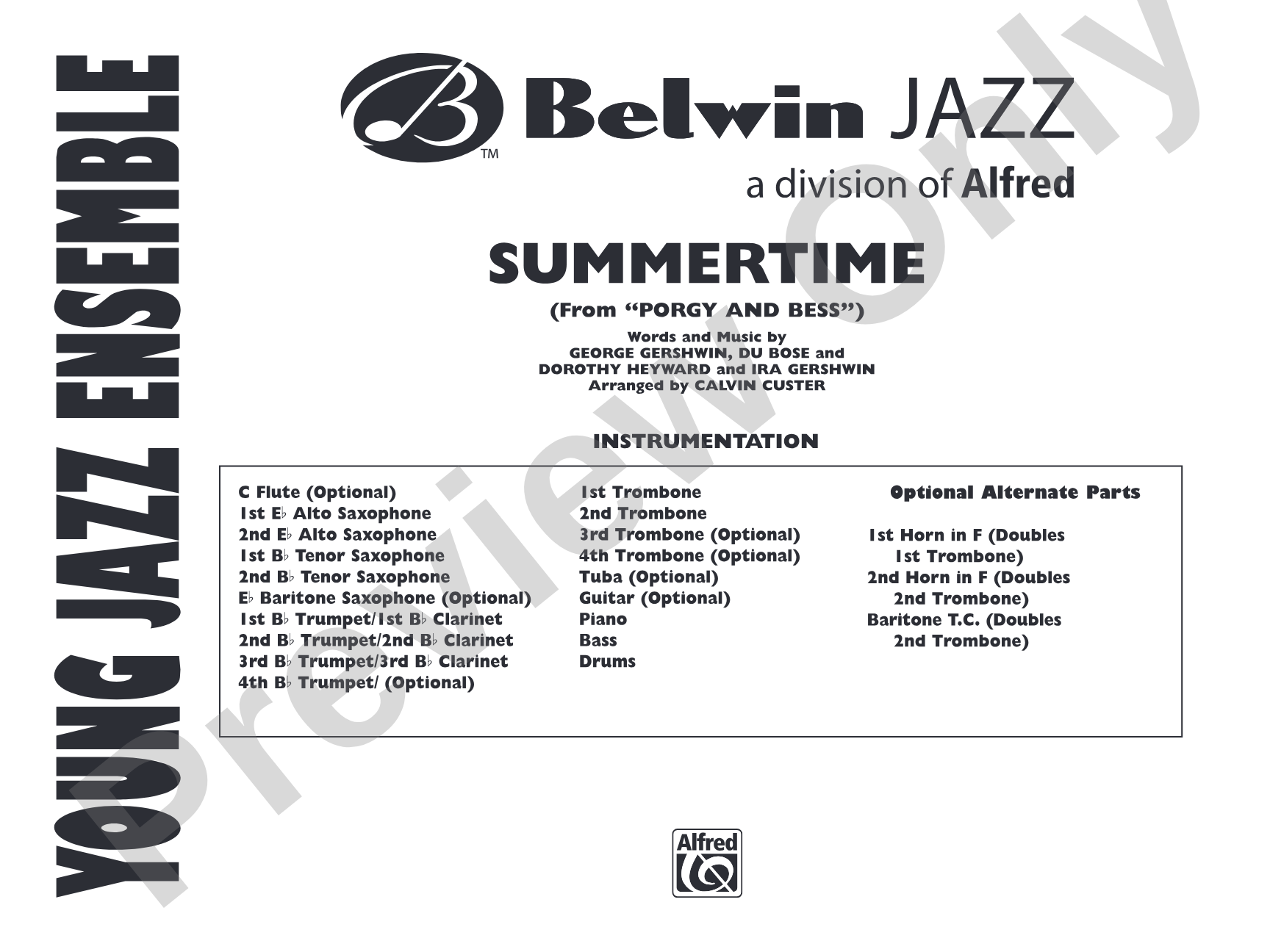

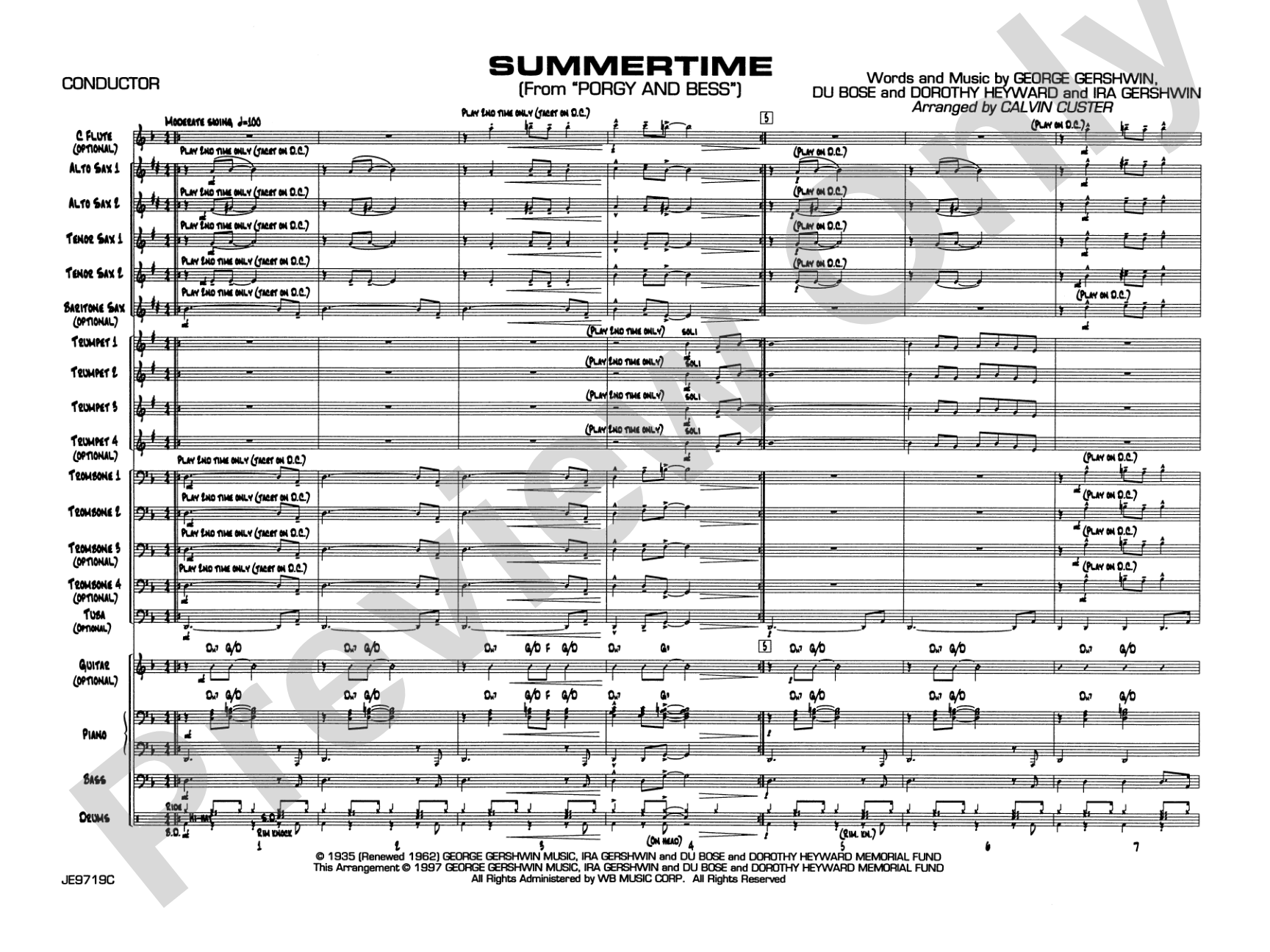
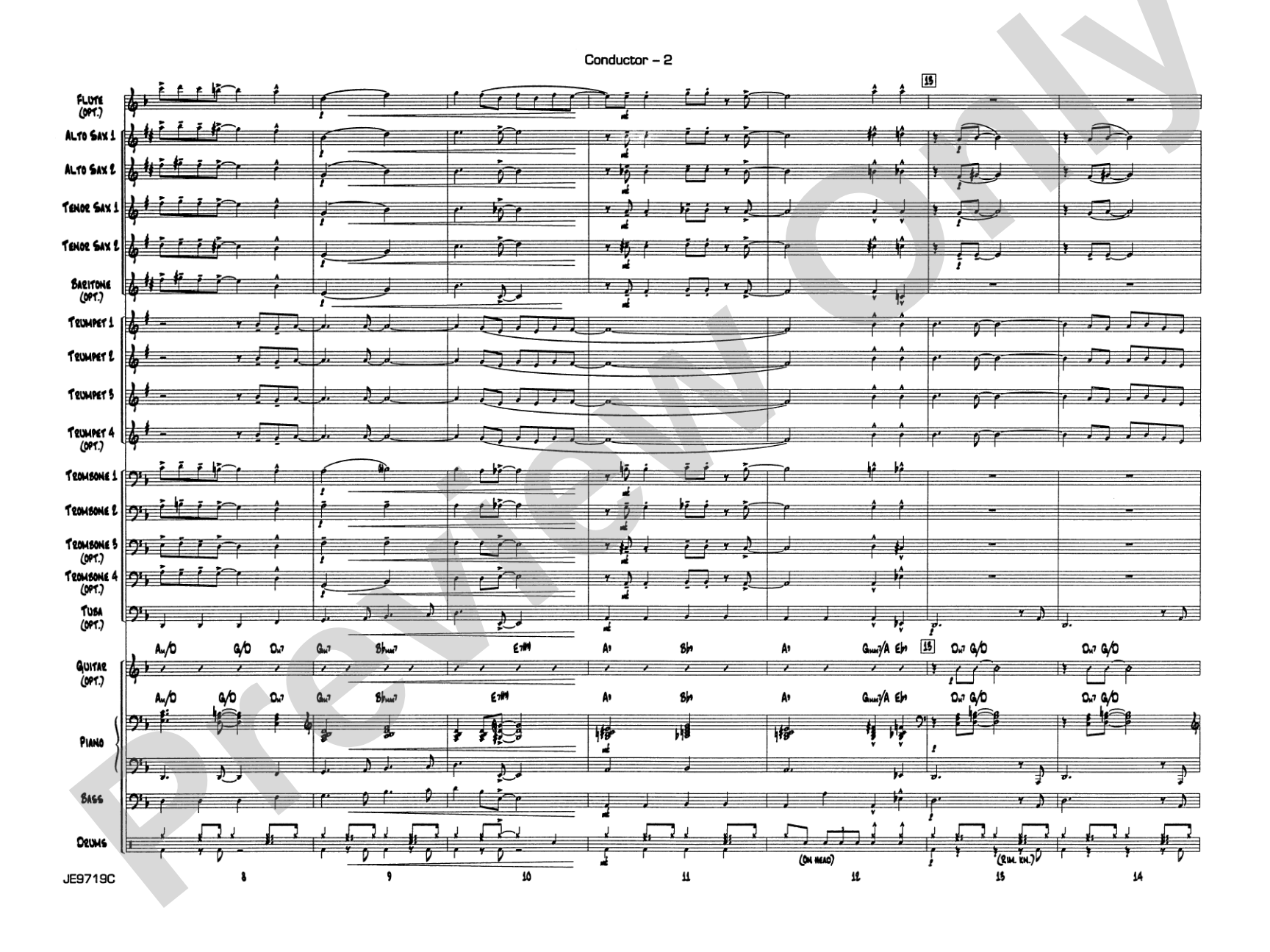
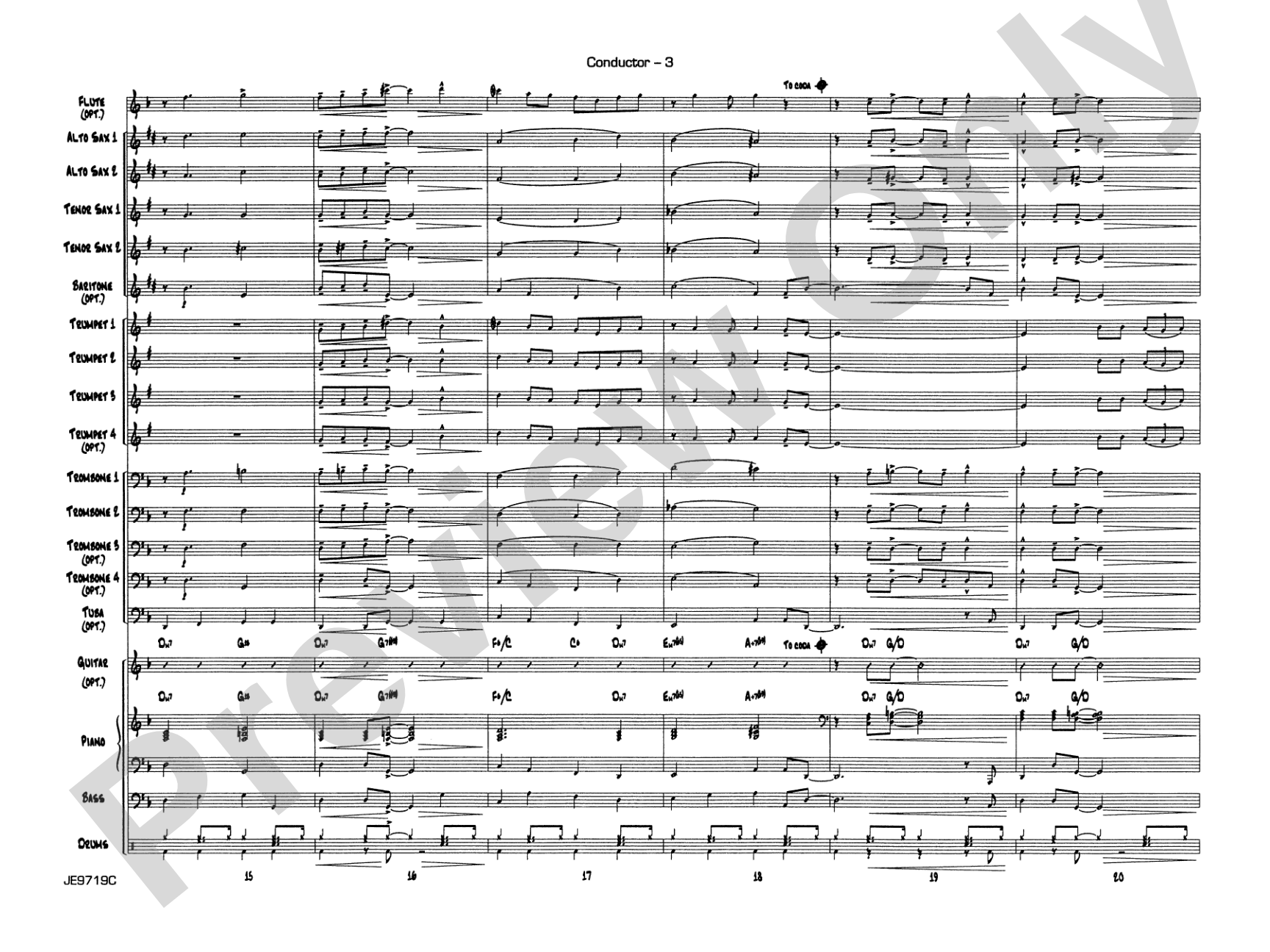
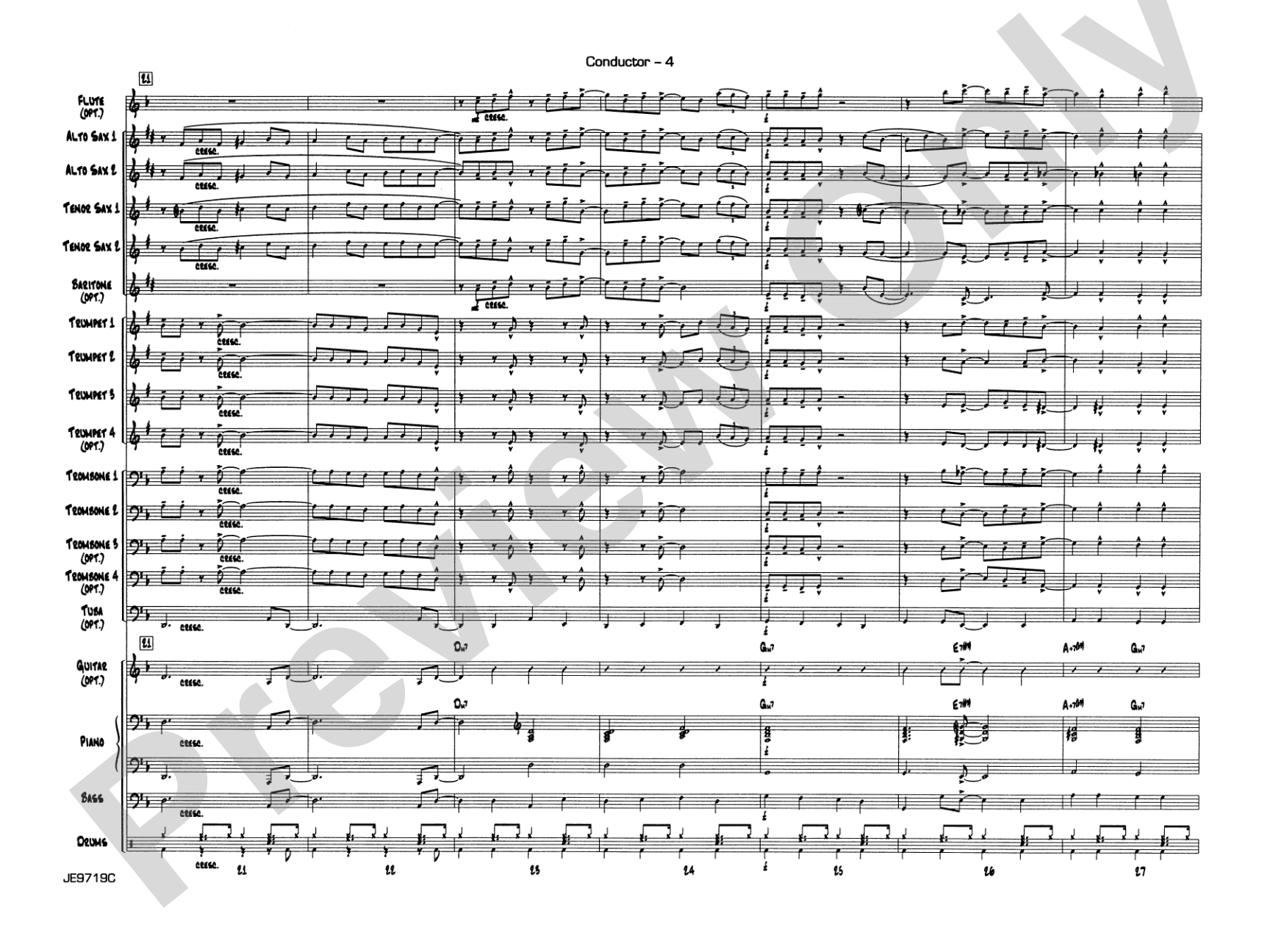
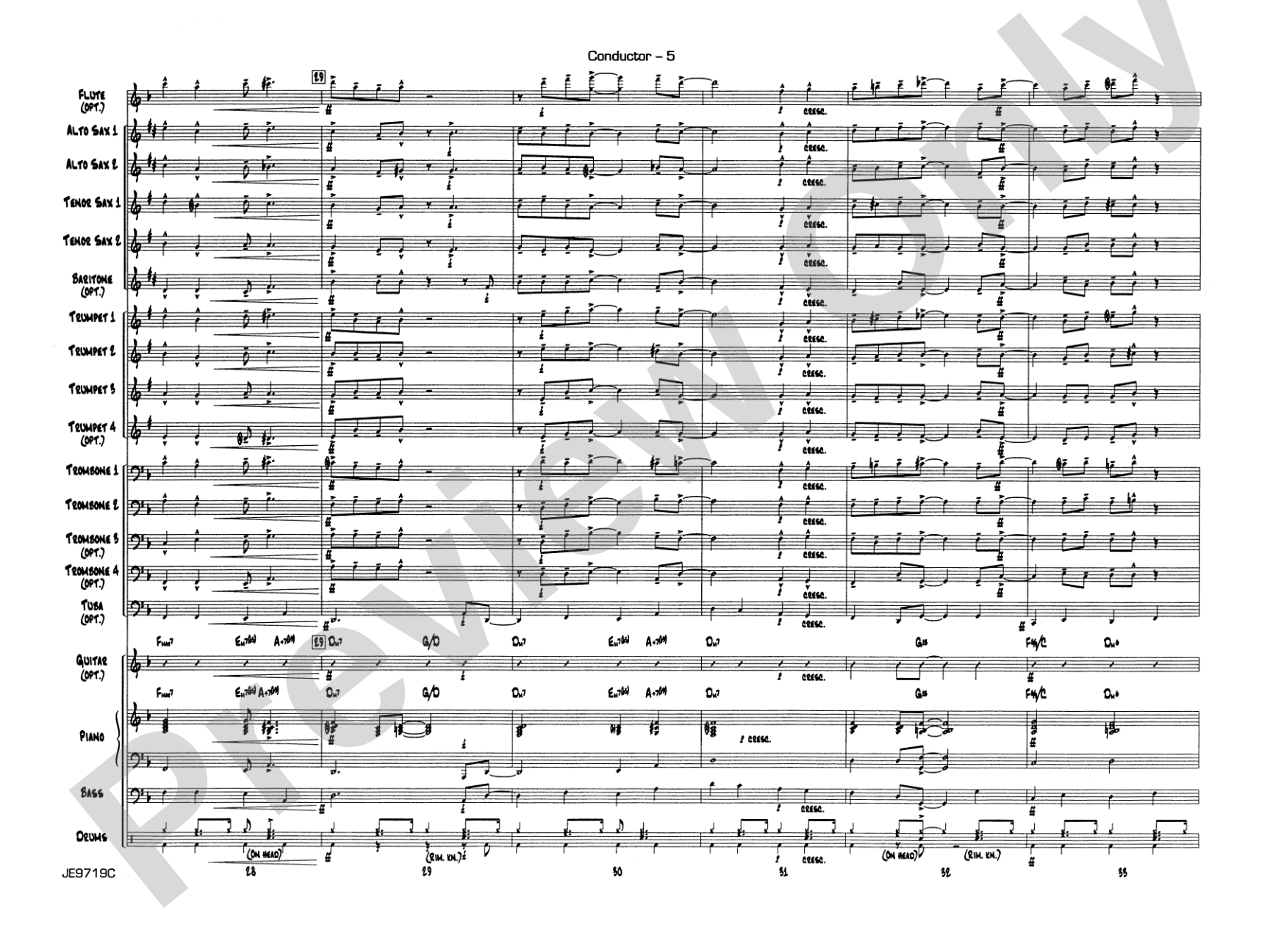
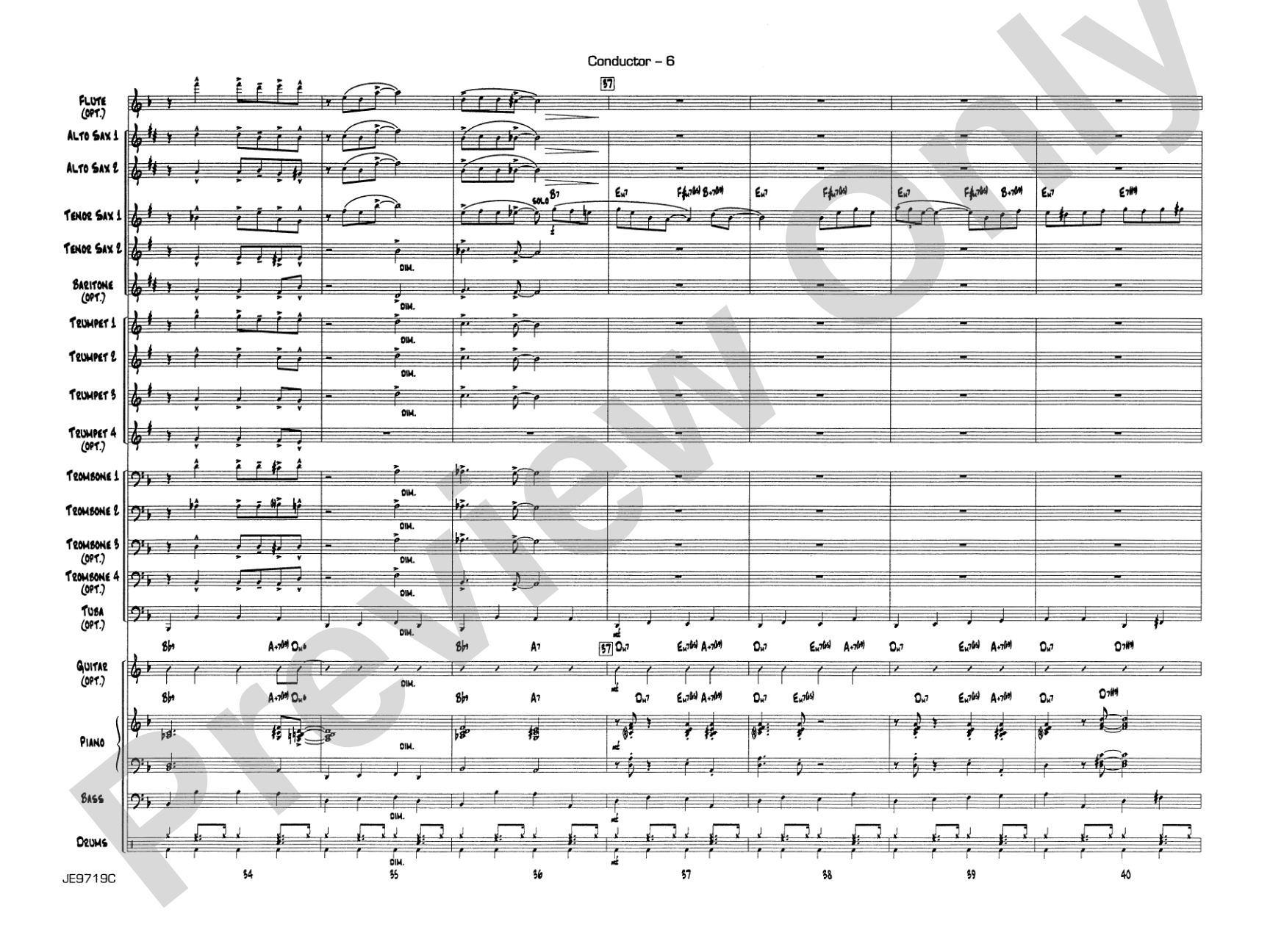
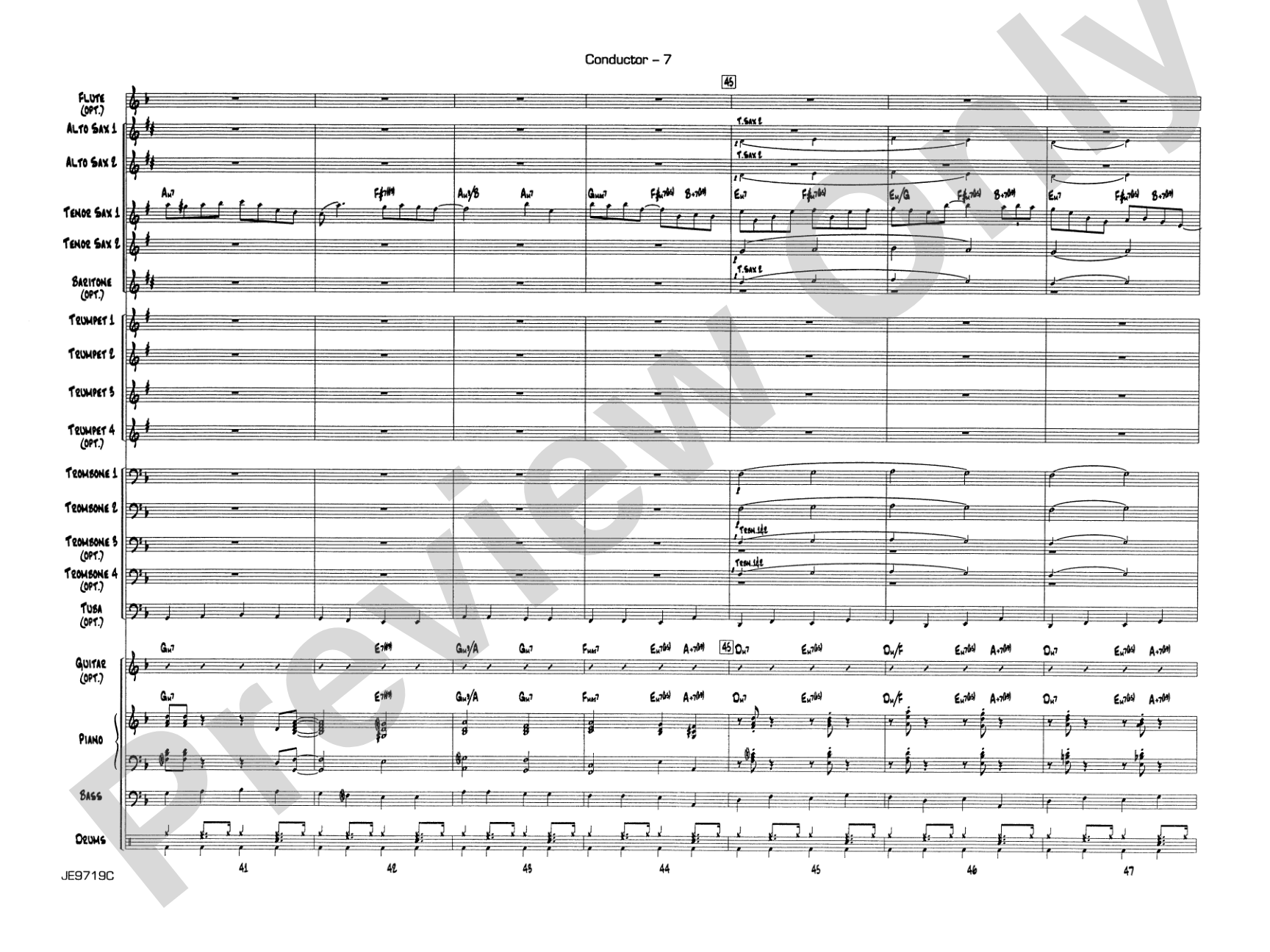
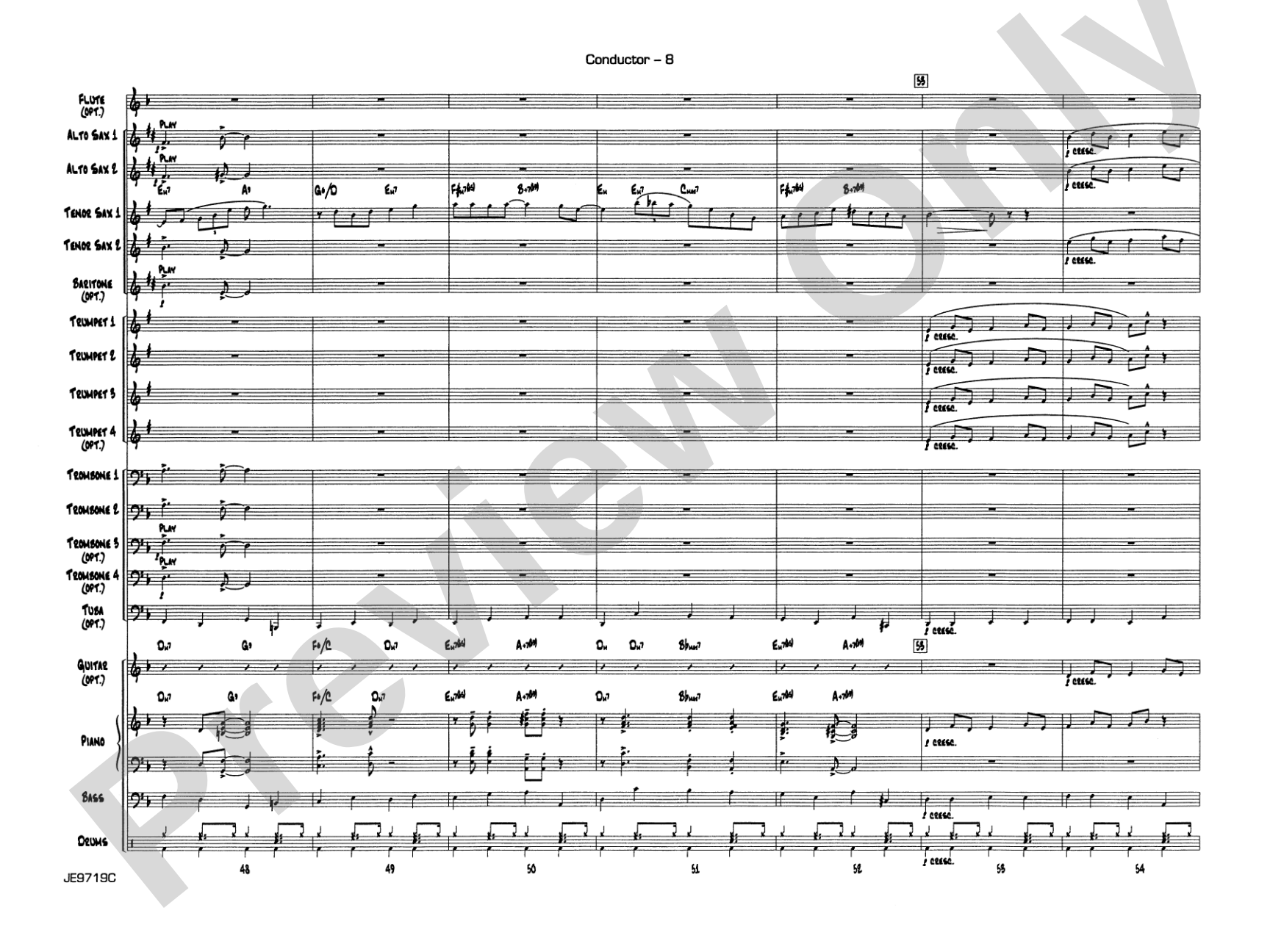
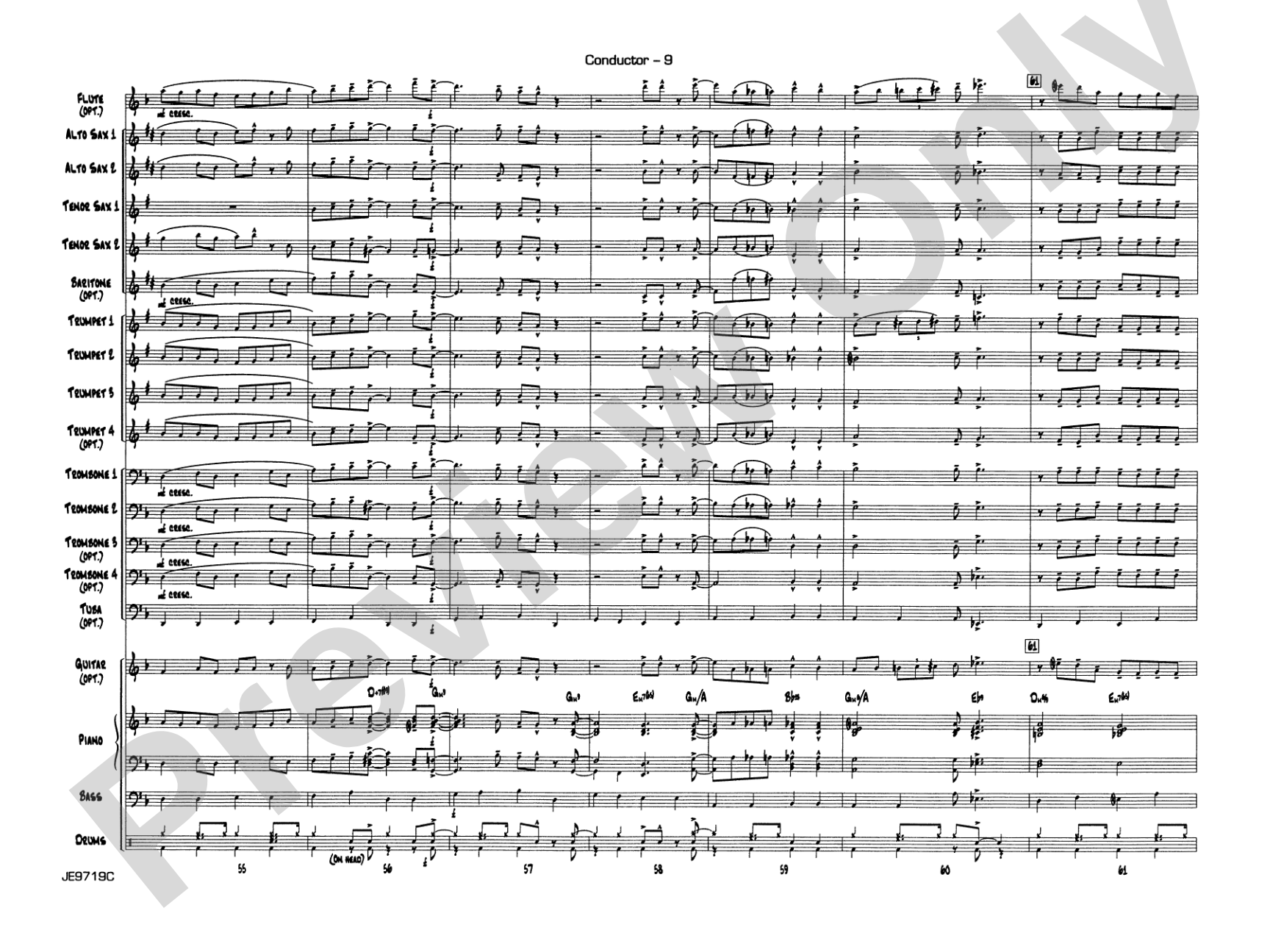
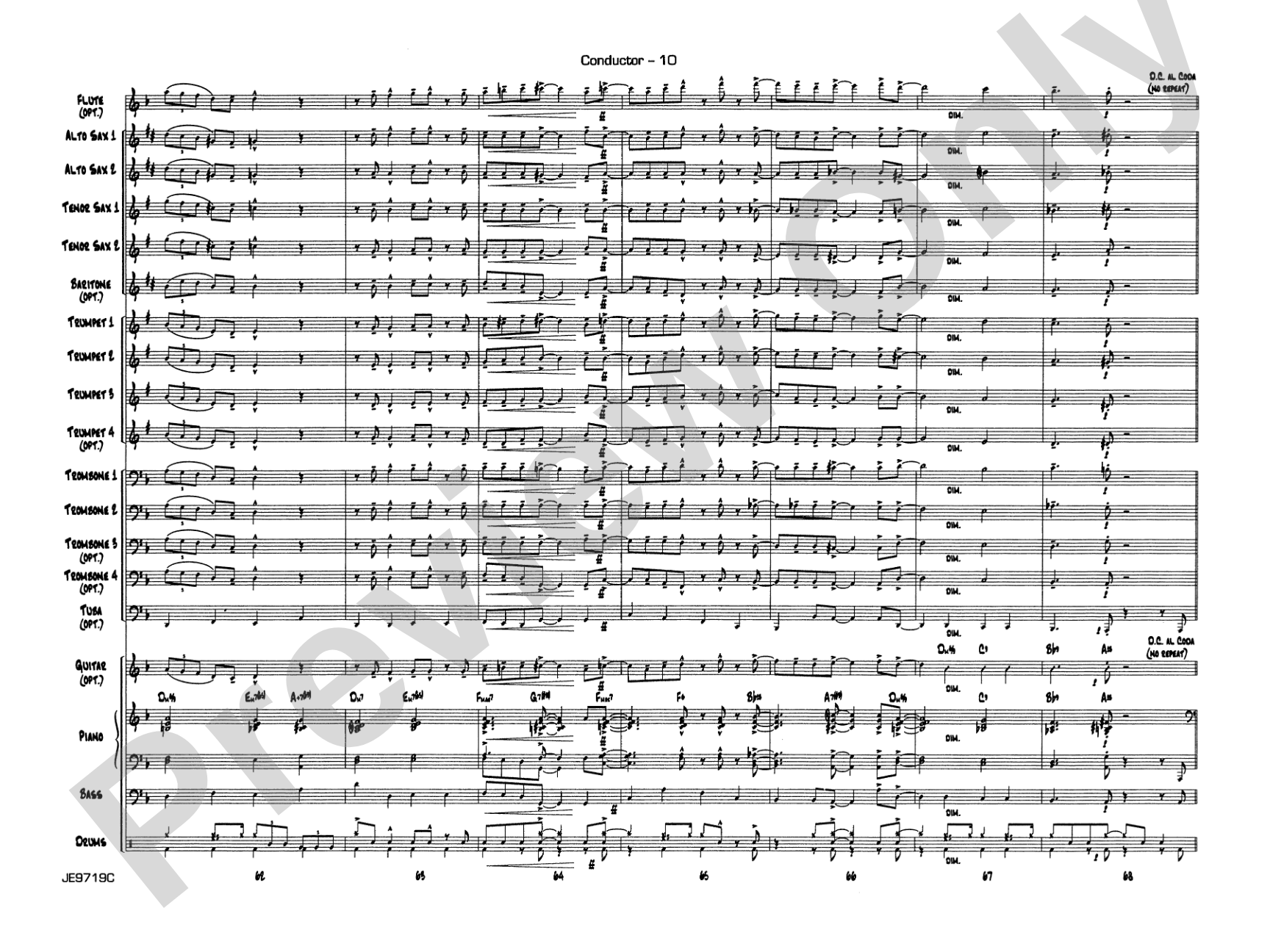
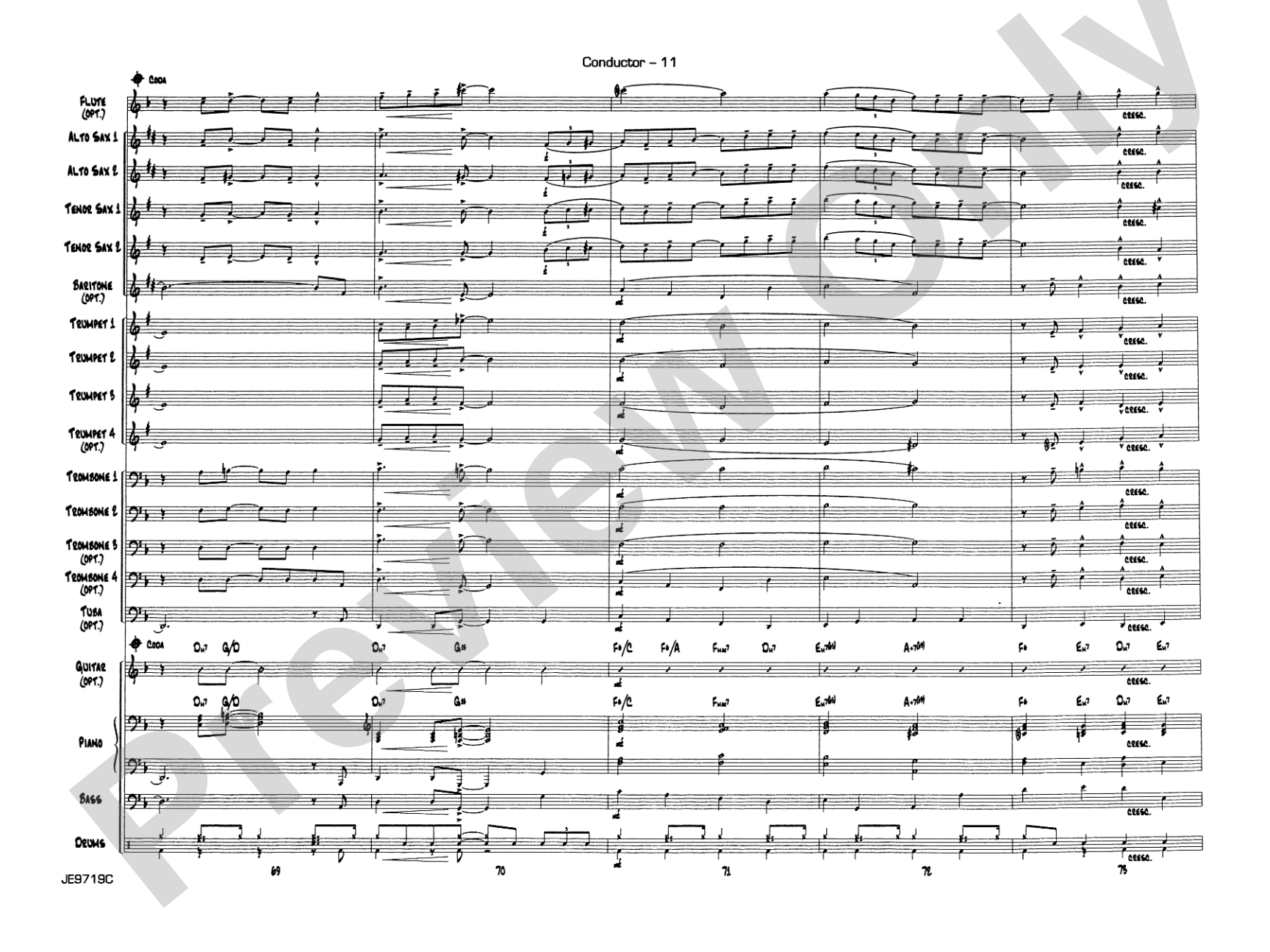
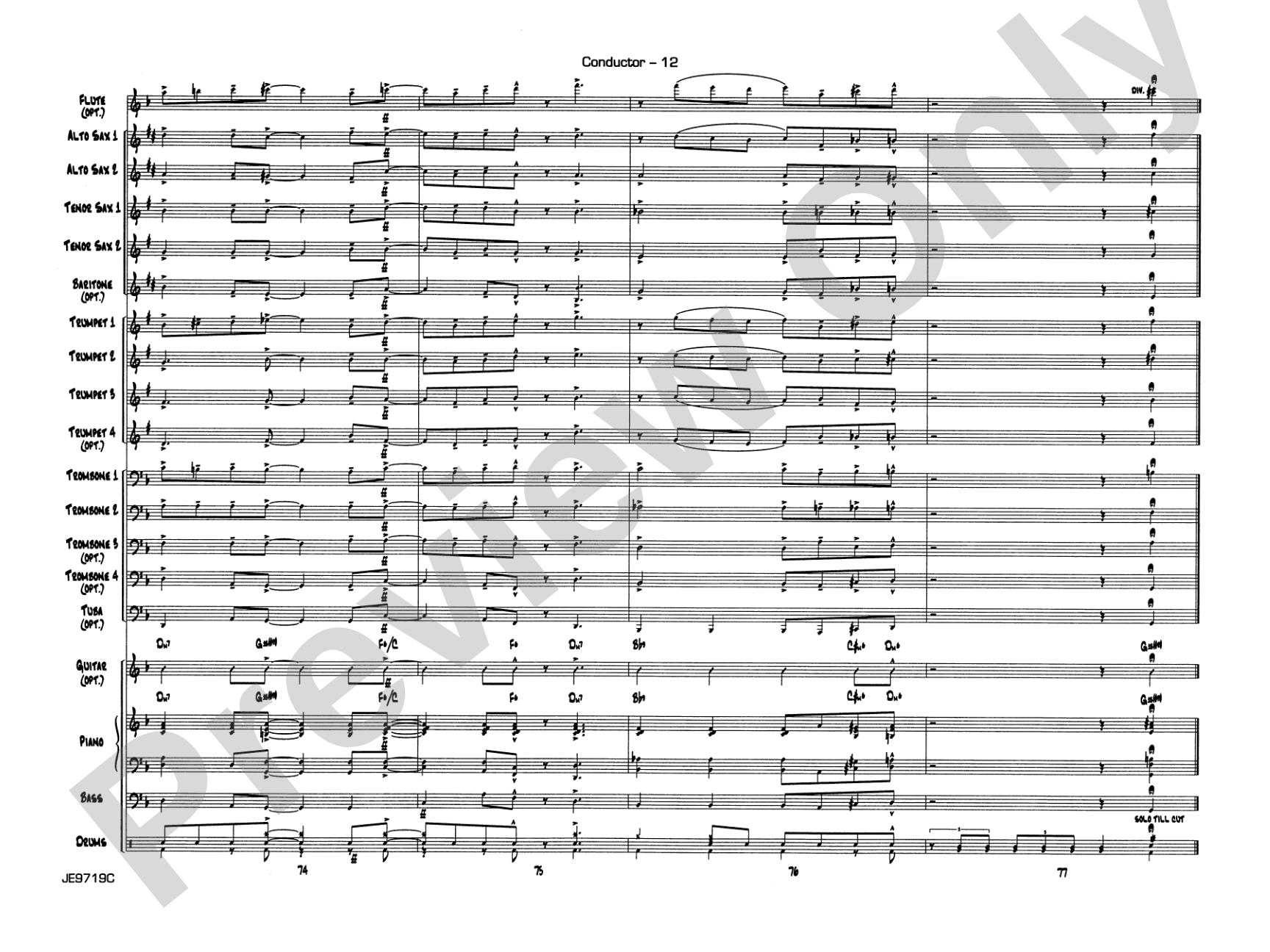



Summertime (from Porgy and Bess®): Jazz Ensemble Conductor Score & Parts
By George Gershwin, DuBose and Dorothy Heyward, and Ira Gershwin / arr. Calvin Custer
Grade: 2 (Medium Easy)
Item: 00-PK-0002440

$48.00
One moment…
Description
This is a fabulous new arrangement by Calvin Custer of the classic Gershwin ballad. The technical demands are limited, but the musical content is superior from start to finish. This is one of the freshest new jazz charts to come along in years, perfect for performance by any level band. (duration 4:05)


Don't just read it, hear it, play along with it, and watch your students grow with it. In MakeMusic Cloud, Summertime (from Porgy and Bess®): Jazz Ensemble Conductor Score & Parts comes alive with professional accompaniment, adjustable tempo, and built-in practice tools that turn solo practice into real progress.
Open in the Player
Jump straight in and assign it today.
Start Your Free Trial
Open this title and explore the full library in minutes.
Sample Audio
No sample audio found.
Sample Video
No sample videos found.
Additional Details
Series:
Young Jazz Ensemble
Publisher:
Alfred Music
Page Count:
62
SKU:
00-PK-0002440
More about this title
About the Composer: George Gershwin
George Gershwin (1898-1937) bridged classical composition and popular music with an ease few composers achieved. His work for stage, concert hall, and film established him as a defining voice of American music in the 20th century, and his melodies have become part of the standard repertoire across multiple genres.
Why we love this
Calvin Custer's arrangement captures everything that makes "Summertime" endure—its lyrical elegance and sophisticated harmonic movement—while keeping the technical requirements manageable for developing ensembles. You get the sound and depth of a genuine jazz ballad without sacrificing playability, making this a standout choice for groups seeking repertoire with both substance and accessibility.
What to expect
This arrangement wraps you in the warm, nocturnal quality of Gershwin's original melody while adding the sophistication of genuine jazz voicing and movement. The scoring breathes with restraint, allowing the classic tune to unfold naturally rather than overwhelm it with dense orchestration.
Who it's for
Jazz ensembles at the high school or early college level will find this arrangement meets them exactly where they are musically. Players comfortable with basic jazz vocabulary and swing feel can deliver a polished, convincing performance without struggling with extreme range, complex harmony, or demanding rhythmic precision.
How to get the most out of it
- Balance the melody against the ensemble voices, allowing the primary voice to sing through without the accompaniment figures overwhelming it.
- Shape the phrasing in four-bar or eight-bar units rather than driving relentlessly forward; this ballad rewards patience and space.
- Pay attention to the dynamic architecture across the full 4:05 duration, since the arrangement builds gradually and depends on careful control of volume relationships section by section.
How to use it
A ballad of this caliber works beautifully as a contrasting moment in a concert program built around more energetic jazz charts, offering audiences a chance to hear the ensemble's lyrical control. It also serves as an excellent vehicle for introducing students to the American songbook and the standards tradition that forms the foundation of jazz repertoire.
Skills your students will build
- Phrasing jazz ballads with rubato and sensitivity
- Balancing a lead voice against harmonic accompaniment
- Reading and performing swing feel in a slower tempo
- Interpreting chord changes and jazz voicing
- Ensemble blend and dynamic control across extended forms