
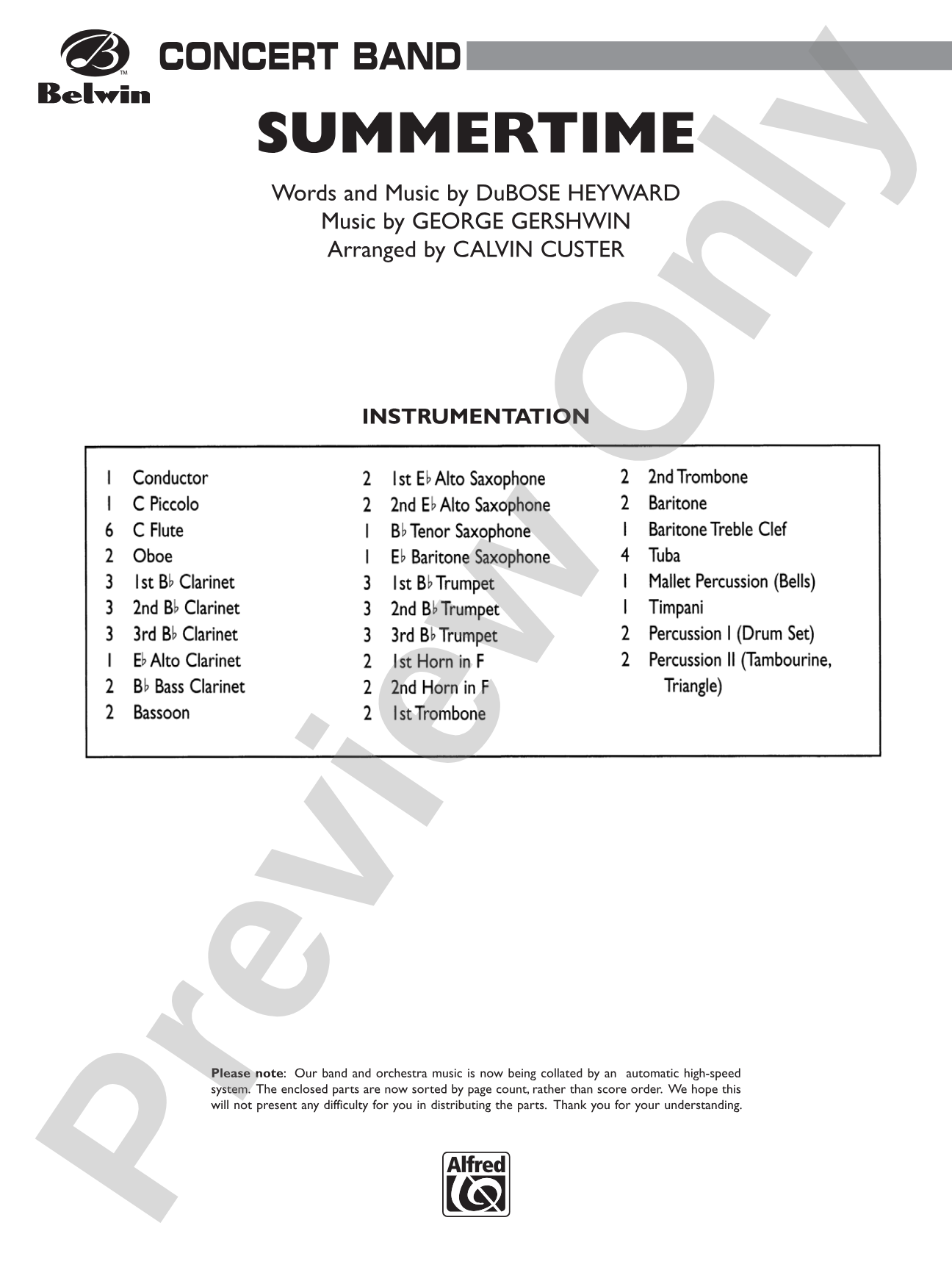
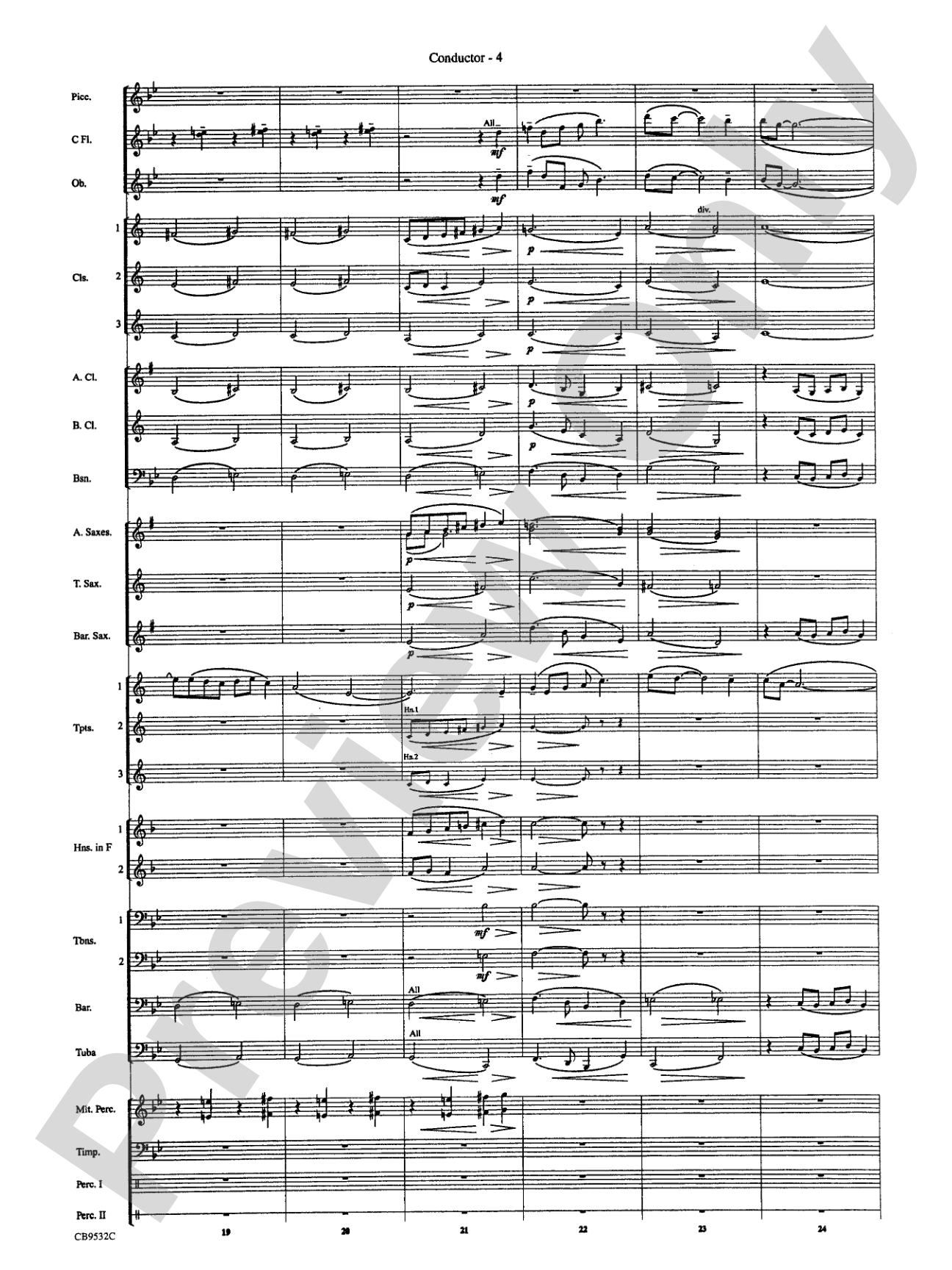
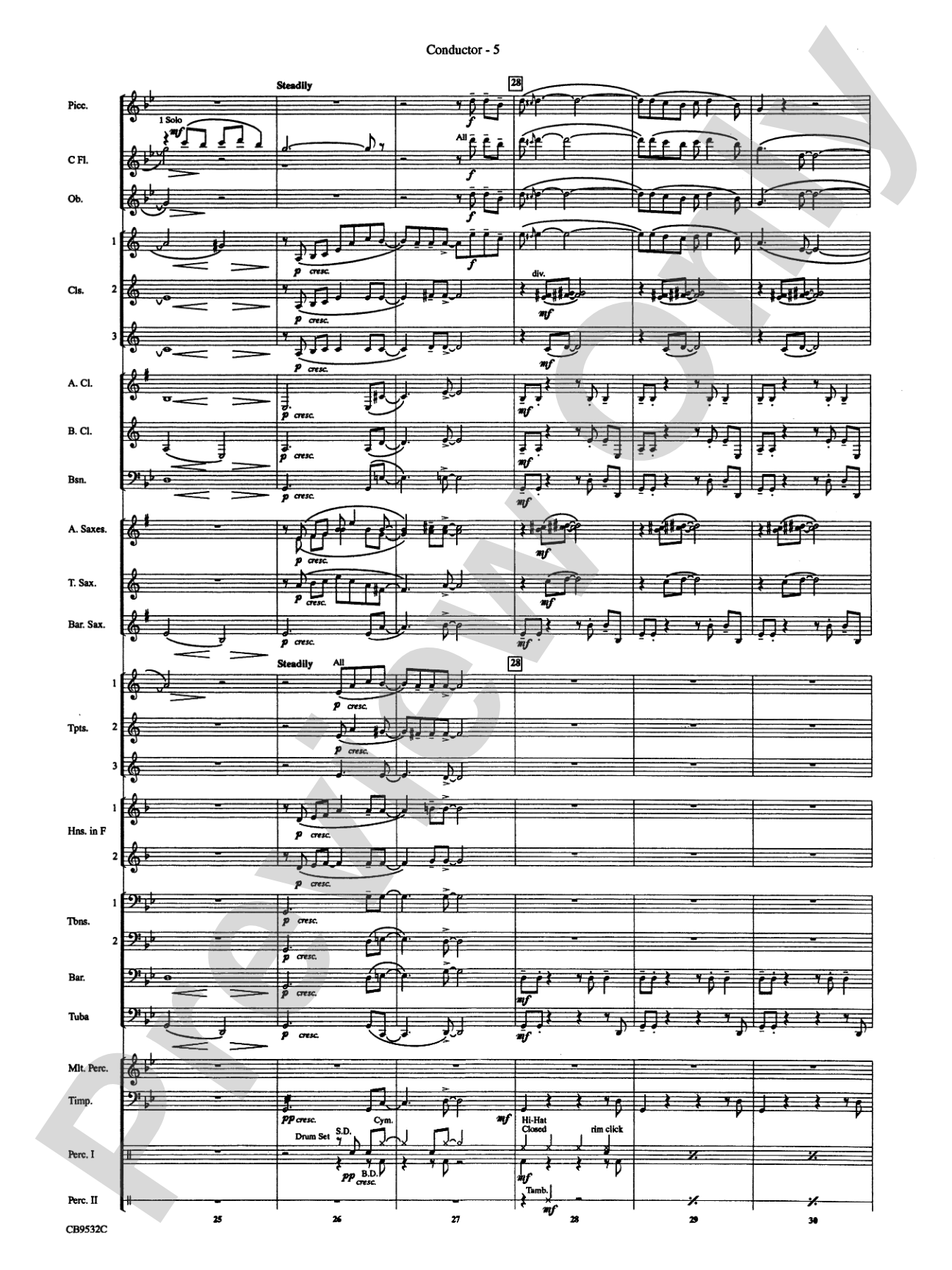
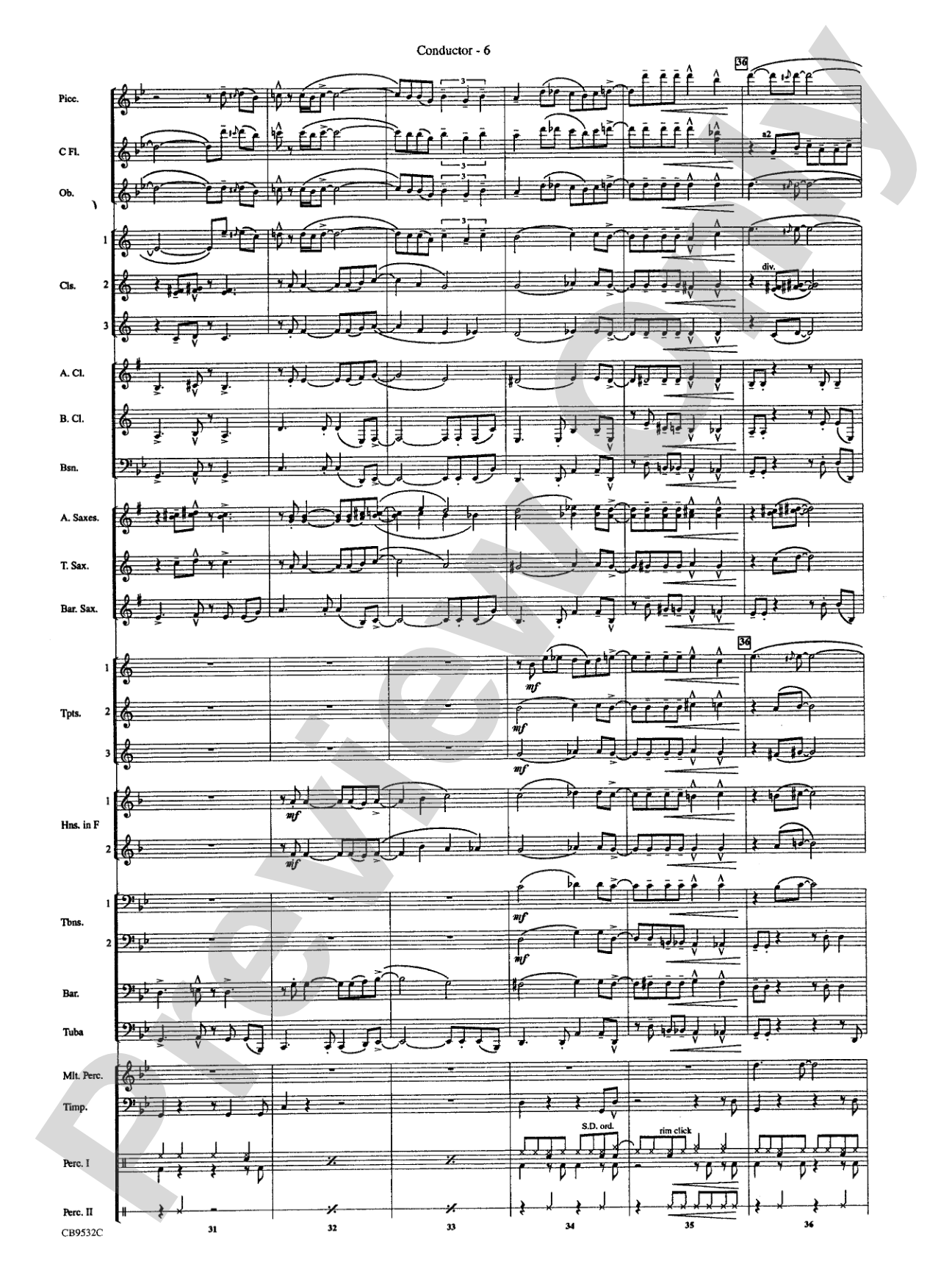
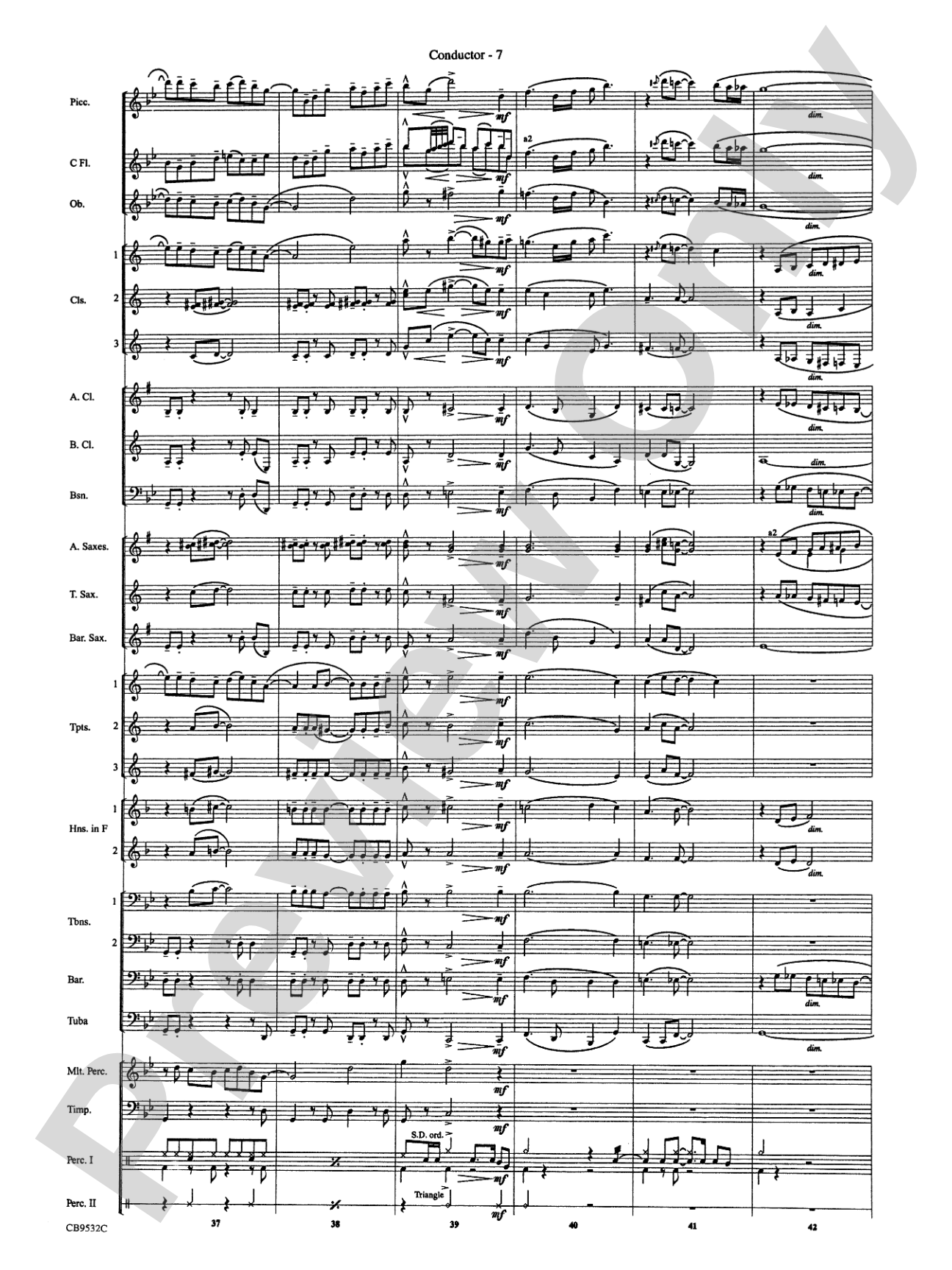
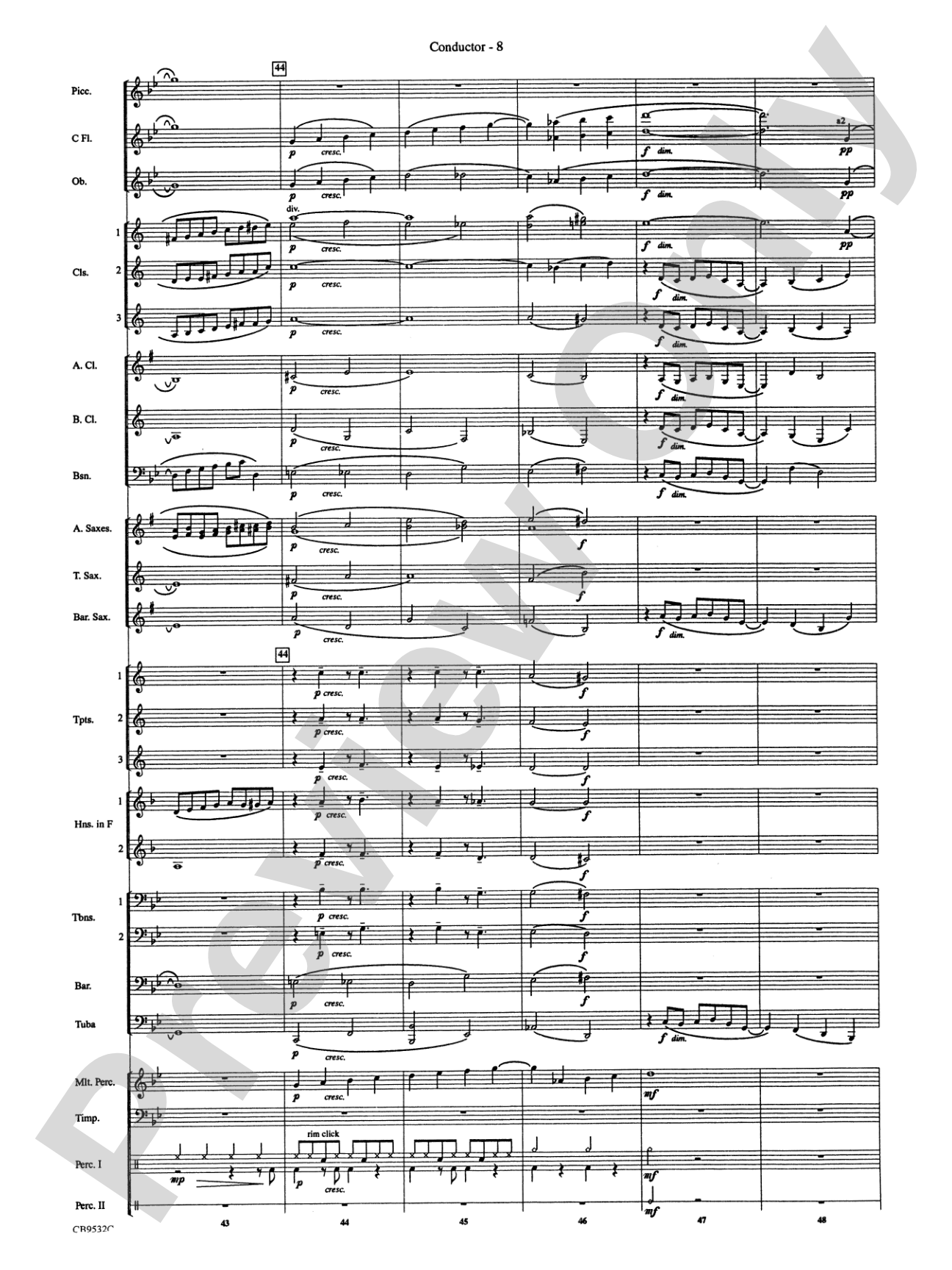
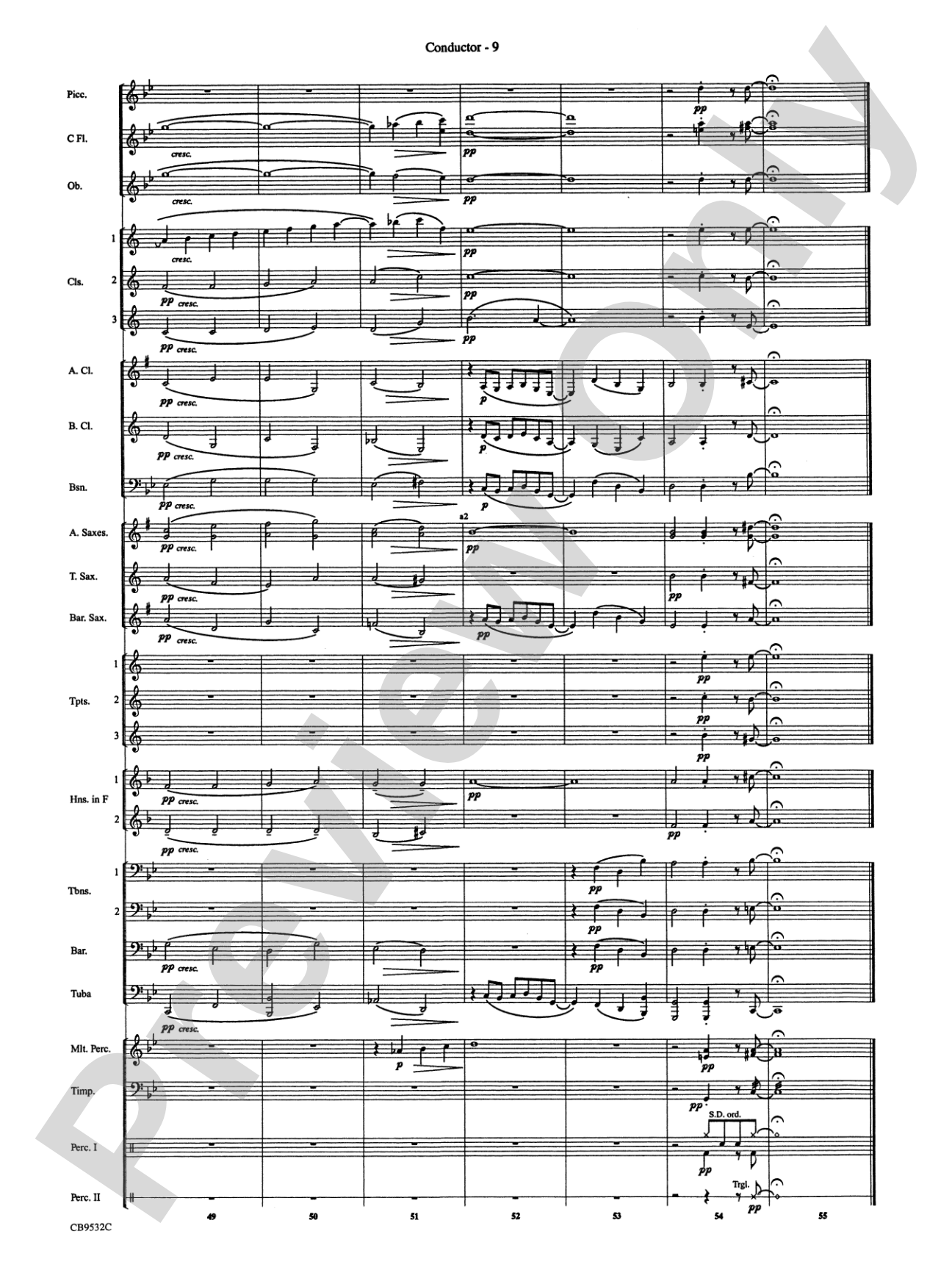



Summertime: Concert Band Conductor Score & Parts
By George Gershwin, DuBose and Dorothy Heyward, and Ira Gershwin / arr. Calvin Custer
Grade: 3 (Medium Easy)
Item: 00-PK-0002321

$72.00
One moment…
Description
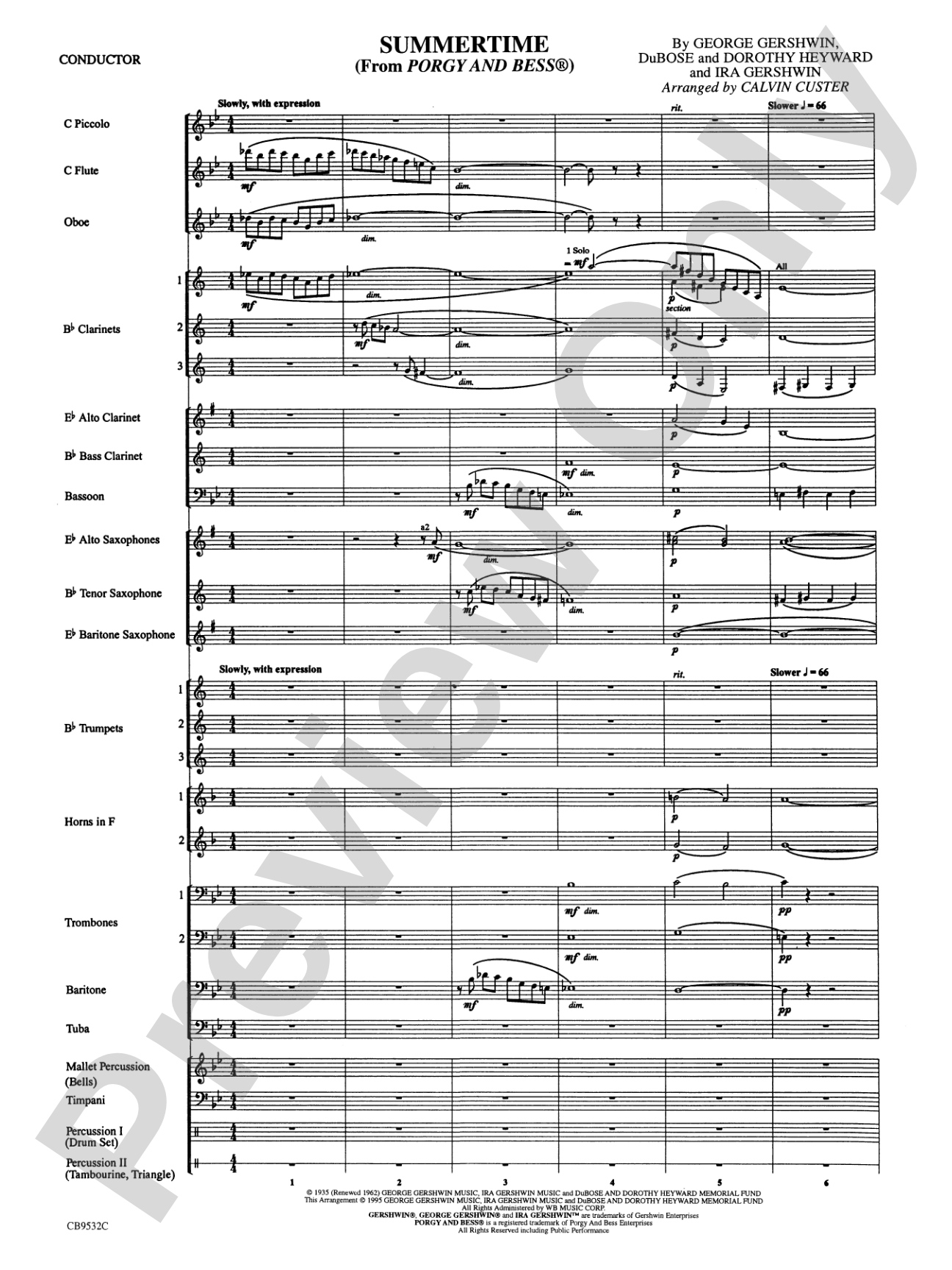
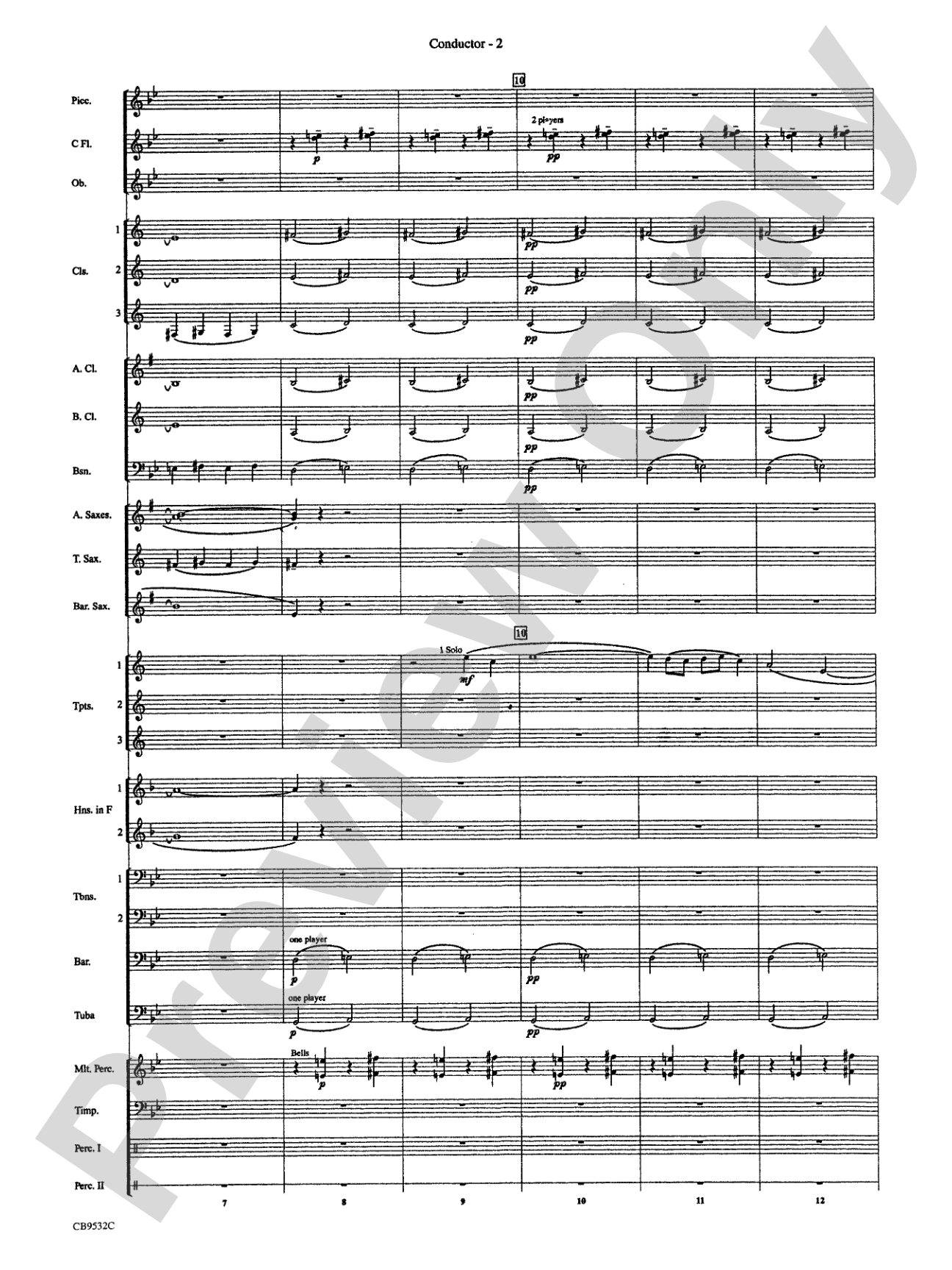
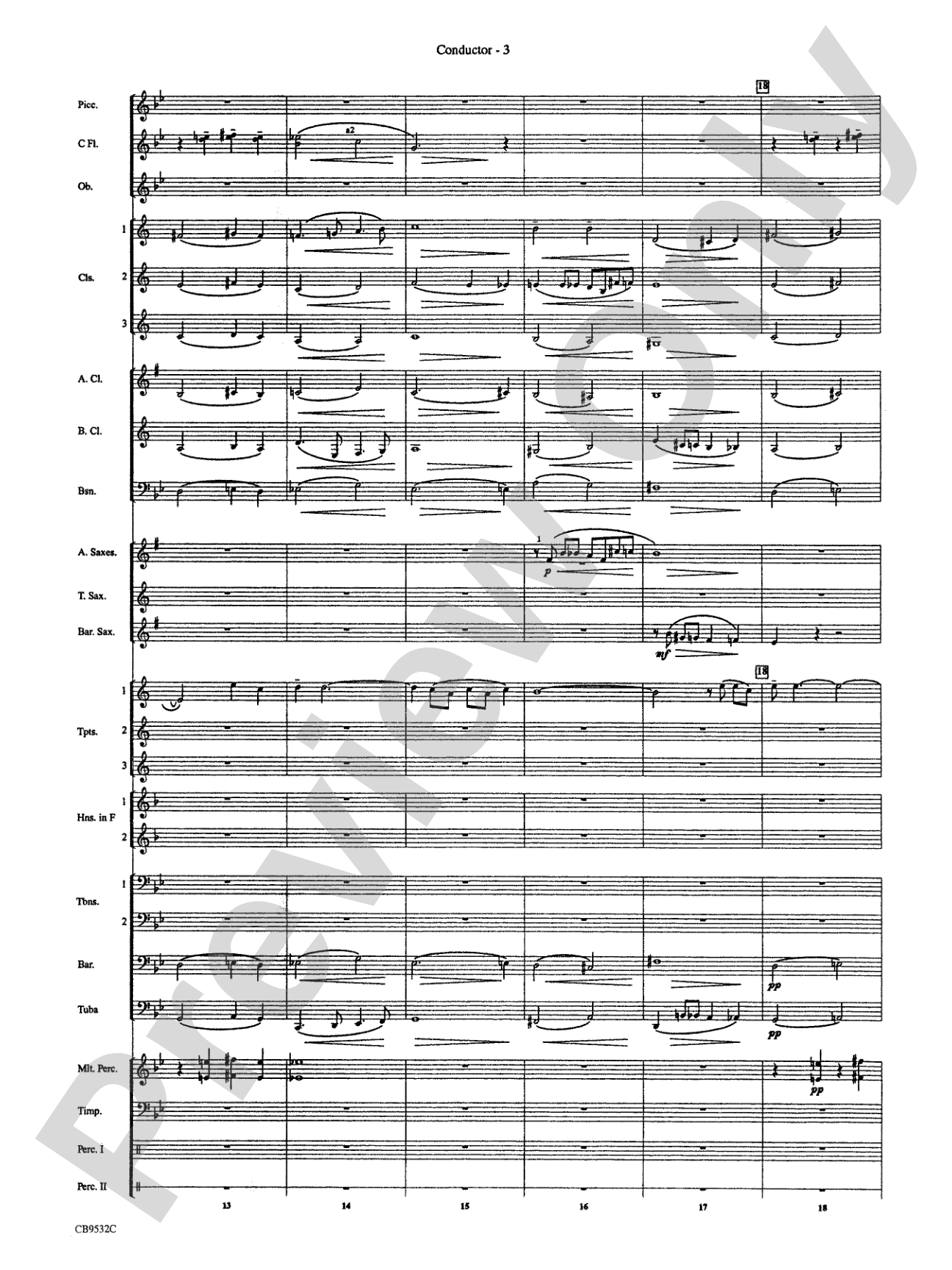
Summertime is one of those special, memorable melodies that finds its way into everyone's lives and is so evident of the genius that is Gershwin. Calvin Custer's silken scoring for concert band presents a great opportunity to teach phrasing, legato and dynamic shadings, and serves as the all-important 'crowd pleaser.' (3:10)


Don't just read it, hear it, play along with it, and watch your students grow with it. In MakeMusic Cloud, Summertime: Concert Band Conductor Score & Parts comes alive with professional accompaniment, adjustable tempo, and built-in practice tools that turn solo practice into real progress.
Open in the Player
Jump straight in and assign it today.
Start Your Free Trial
Open this title and explore the full library in minutes.
Sample Audio
No sample audio found.
Sample Video
No sample videos found.
Additional Details
Series:
Pop Concert Band
Publisher:
Alfred Music
Page Count:
130
SKU:
00-PK-0002321
More about this title
About the Composer: George Gershwin
George Gershwin (1898-1937) bridged the worlds of concert music and popular song with uncommon fluency. His operatic works, piano concertos, and orchestral pieces drew from jazz idioms and American vernacular traditions, creating a genuinely new sound that shaped 20th-century composition. Gershwin's gift for melody was matched by his understanding of orchestration; his arrangements and scores remain models of clarity and color.
In concert band repertoire, Gershwin's melodies endure because they sing naturally across any ensemble. His harmonic language is direct without being simplistic, giving arrangers rich material to work with. For students and audiences alike, his music feels both sophisticated and immediately accessible.
Why we love this
Calvin Custer's arrangement captures the essence of Gershwin's unforgettable tune while giving your band genuine interpretive work. The scoring balances transparency with fullness, allowing younger ensembles to sound polished without requiring virtuosic technique, and it creates natural teaching moments around sustain, tone shaping, and stylistic phrasing that extend far beyond this single piece.
What to expect
Warm, unhurried, and deeply lyrical. The melody floats with the ease of a summer day, supported by gentle harmonic motion that feels inevitable rather than complex. There is elegance in the simplicity; every note serves the song.
Who it's for
This arrangement suits Grade 3 concert bands with developing ensemble skills and steady fundamental players. It works equally well for ensembles new to American songbook standards and for programs seeking an accessible crowd-pleaser that still demands real musicianship from your musicians.
How to get the most out of it
- Shape each phrase as a singer would, avoiding the flatness that comes from metronomic pulse. Let the melody breathe and settle at phrase endings before moving forward.
- Anchor the legato in your reed and brass sections. Summertime lives in the connection between notes, not the separation. Work for seamless articulation even at soft dynamic levels.
- Balance transparent scoring against the temptation to over-blend. Each choir should maintain its voice and color while remaining subordinate to the melody line.
- Use the recorded accompaniment to lock ensemble cohesion, but rehearse sections independently first so players understand their individual roles in creating the harmonic foundation.
How to use it
Place this as a centerpiece or closing number on a pops concert, or program it alongside other Great American Songbook selections for a concert celebrating American composition. Its accessibility makes it an excellent vehicle for community concerts or indoor spring programs where you want to showcase your band's musicality without programming above your technical level.
Skills your students will build
- Sustained legato phrasing across phrase boundaries
- Dynamic control and shadings within a legato context
- Balance between melodic and harmonic voices
- Stylistic interpretation of Great American Songbook repertoire
- Consistent tone production at soft to moderate dynamic levels