
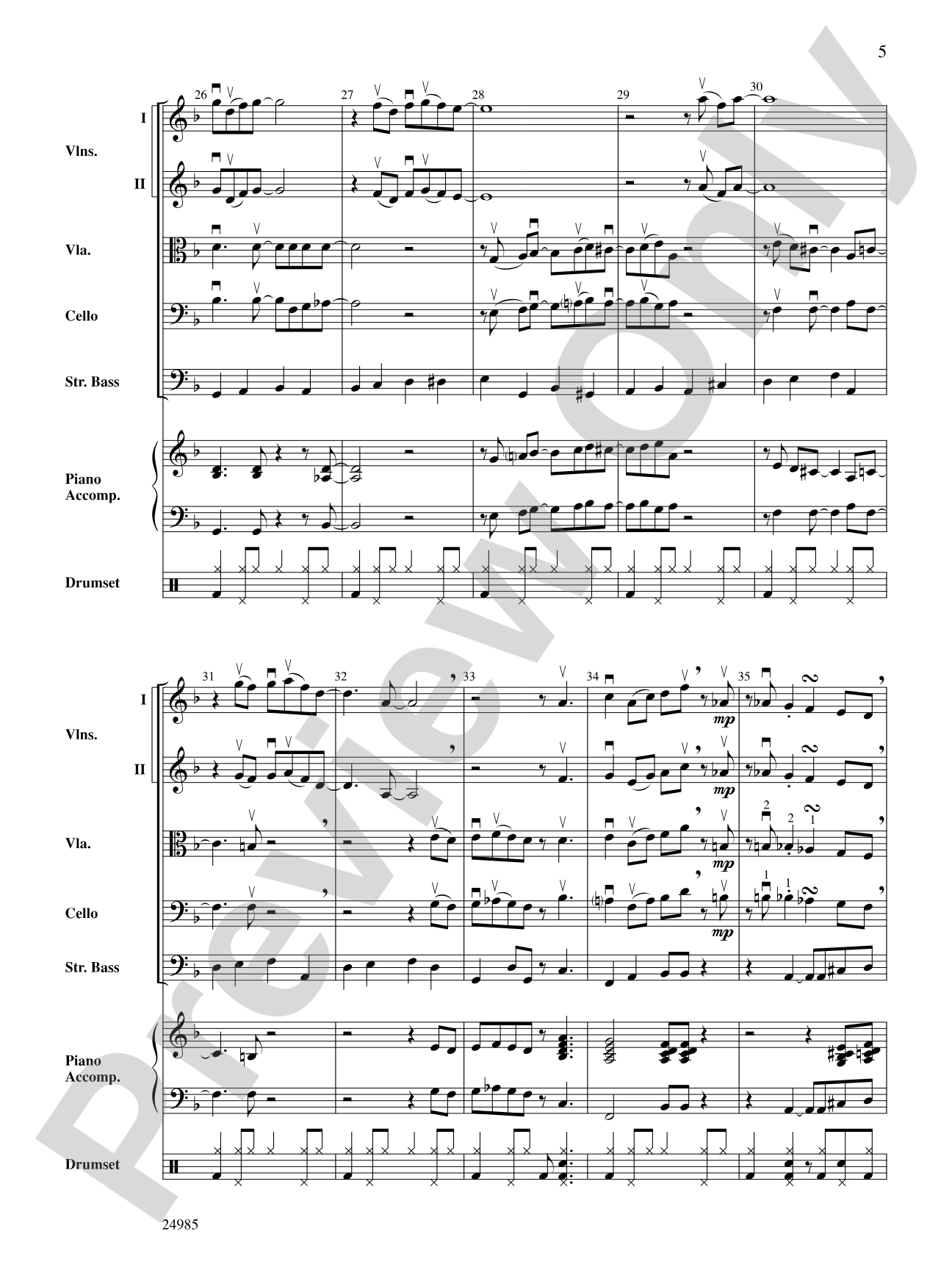
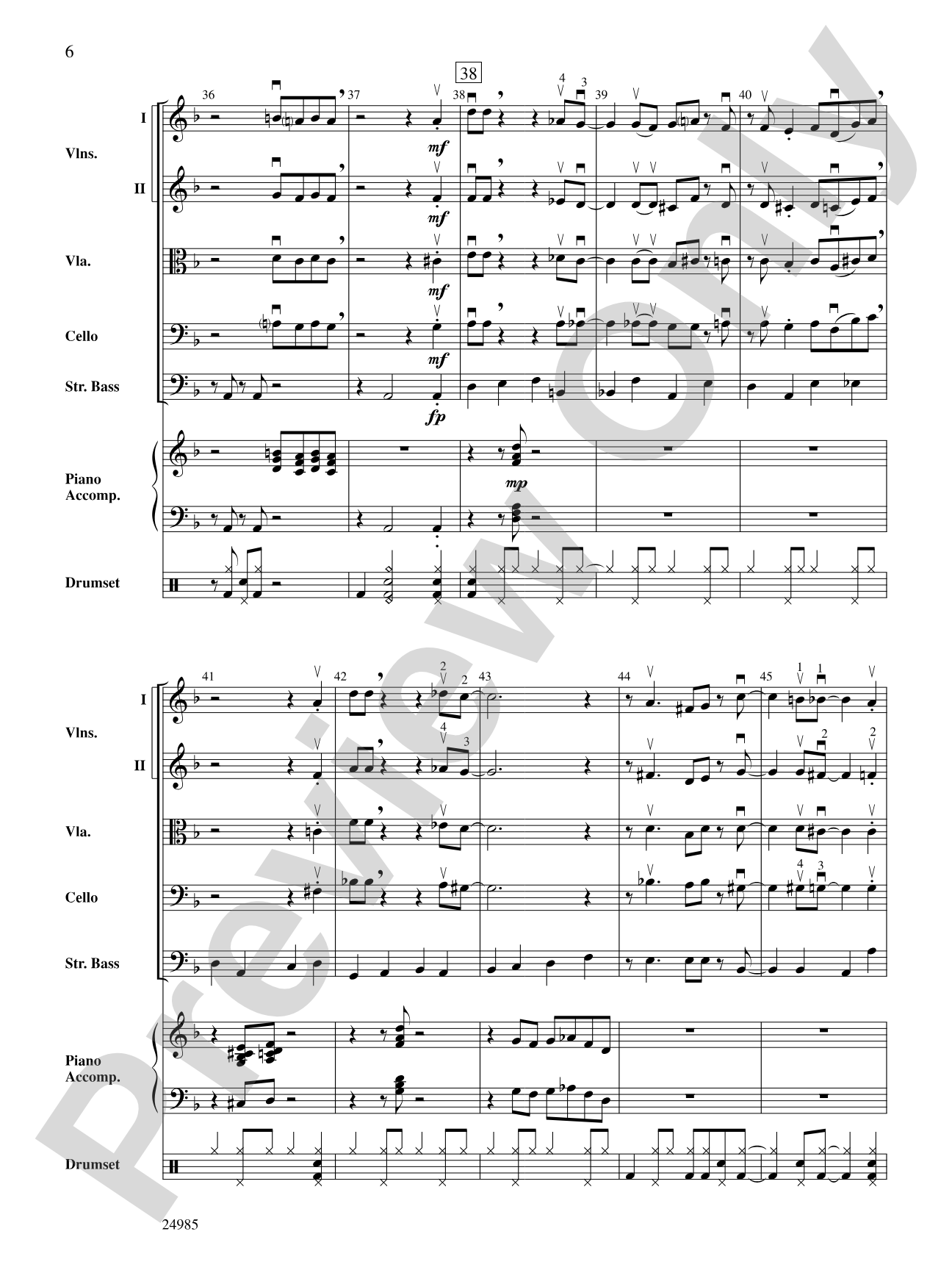
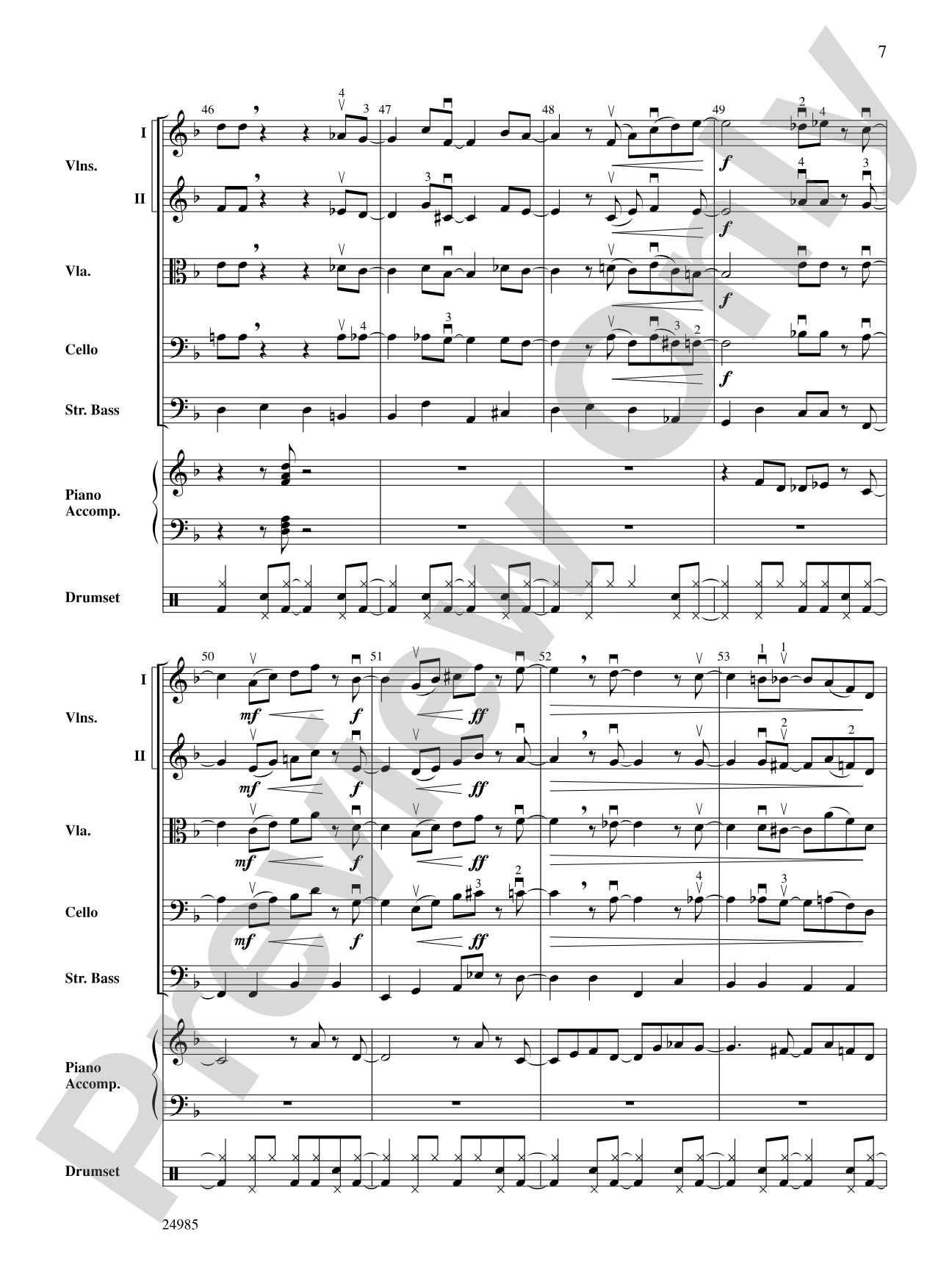
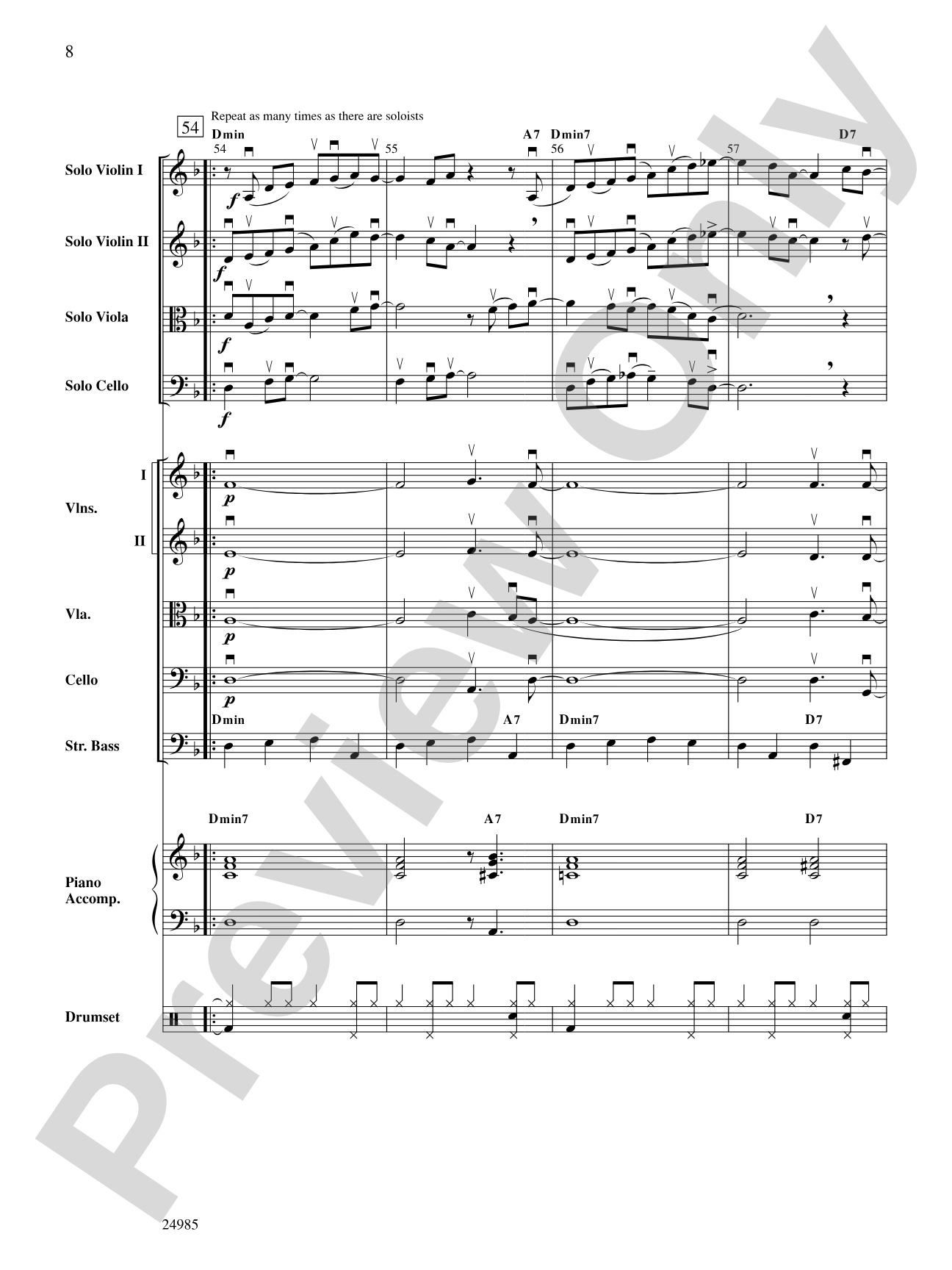
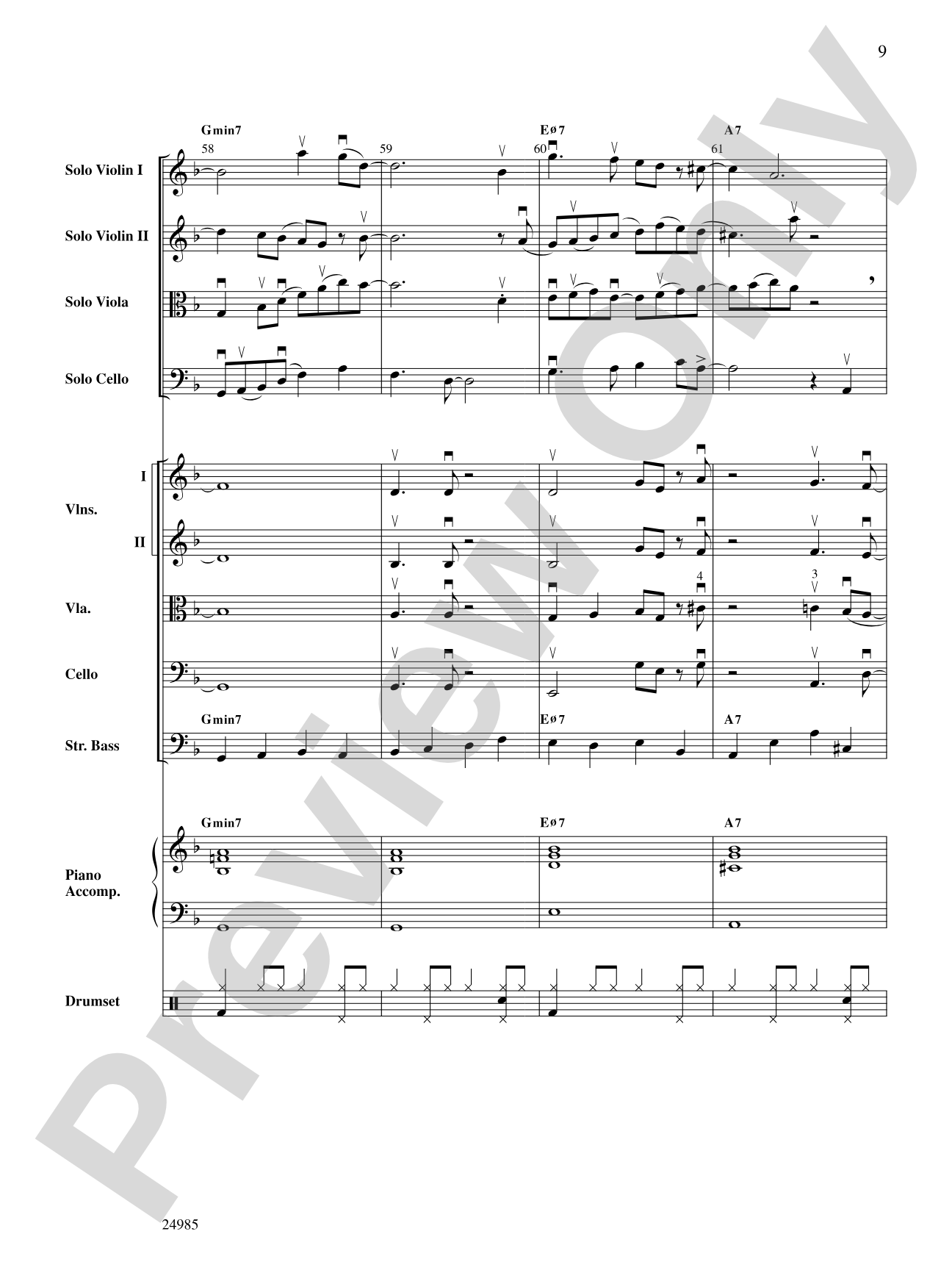
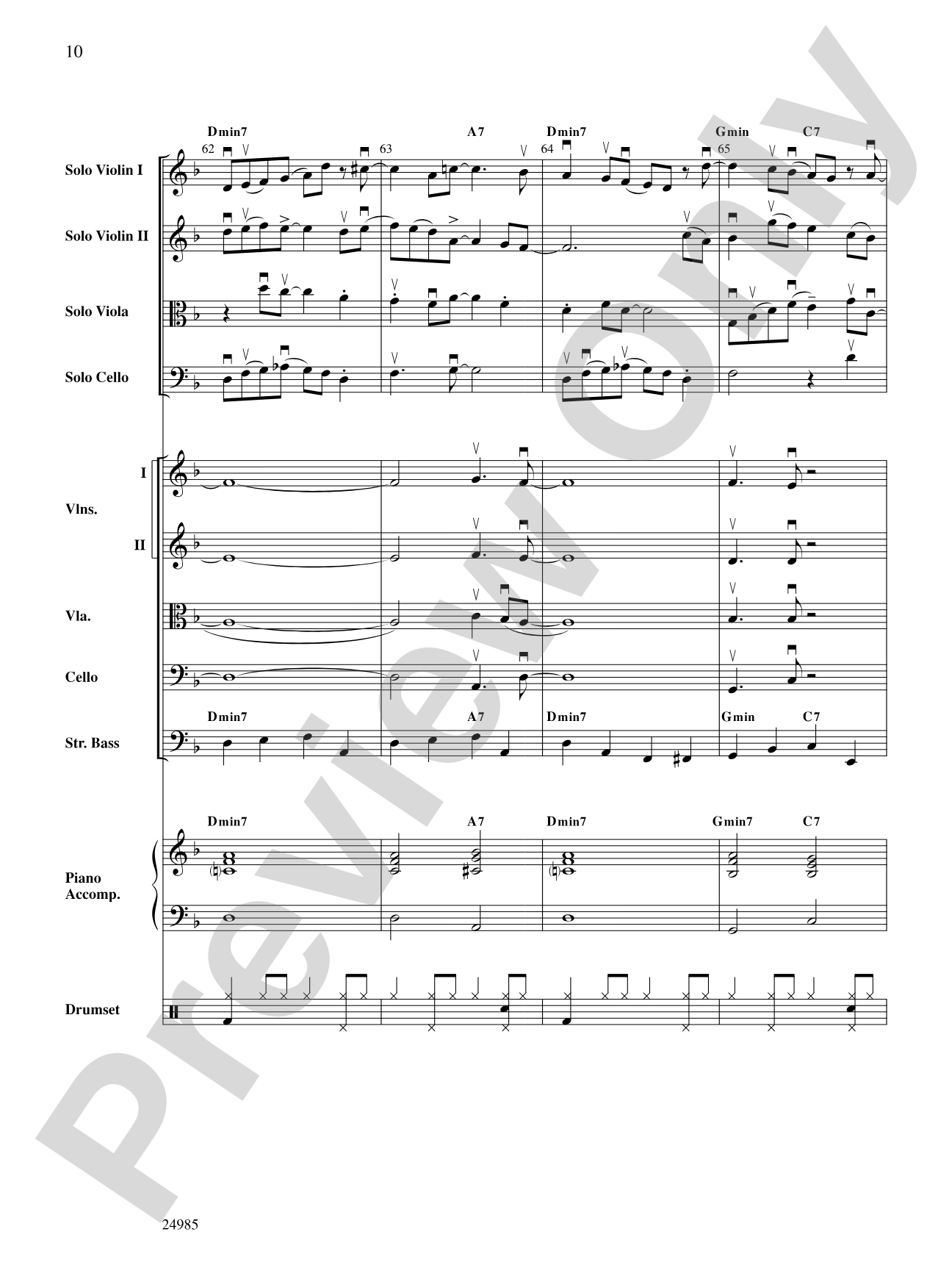
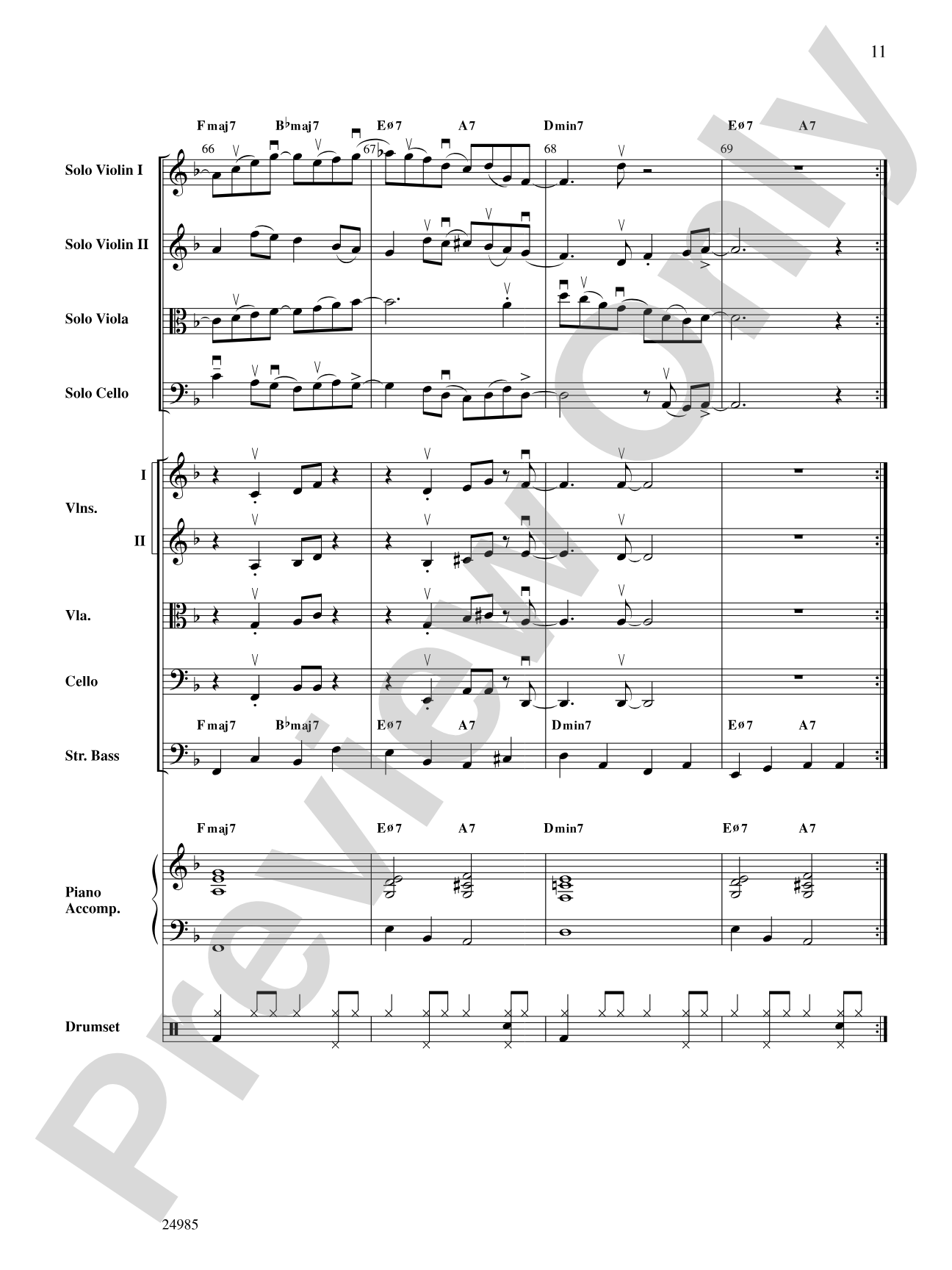
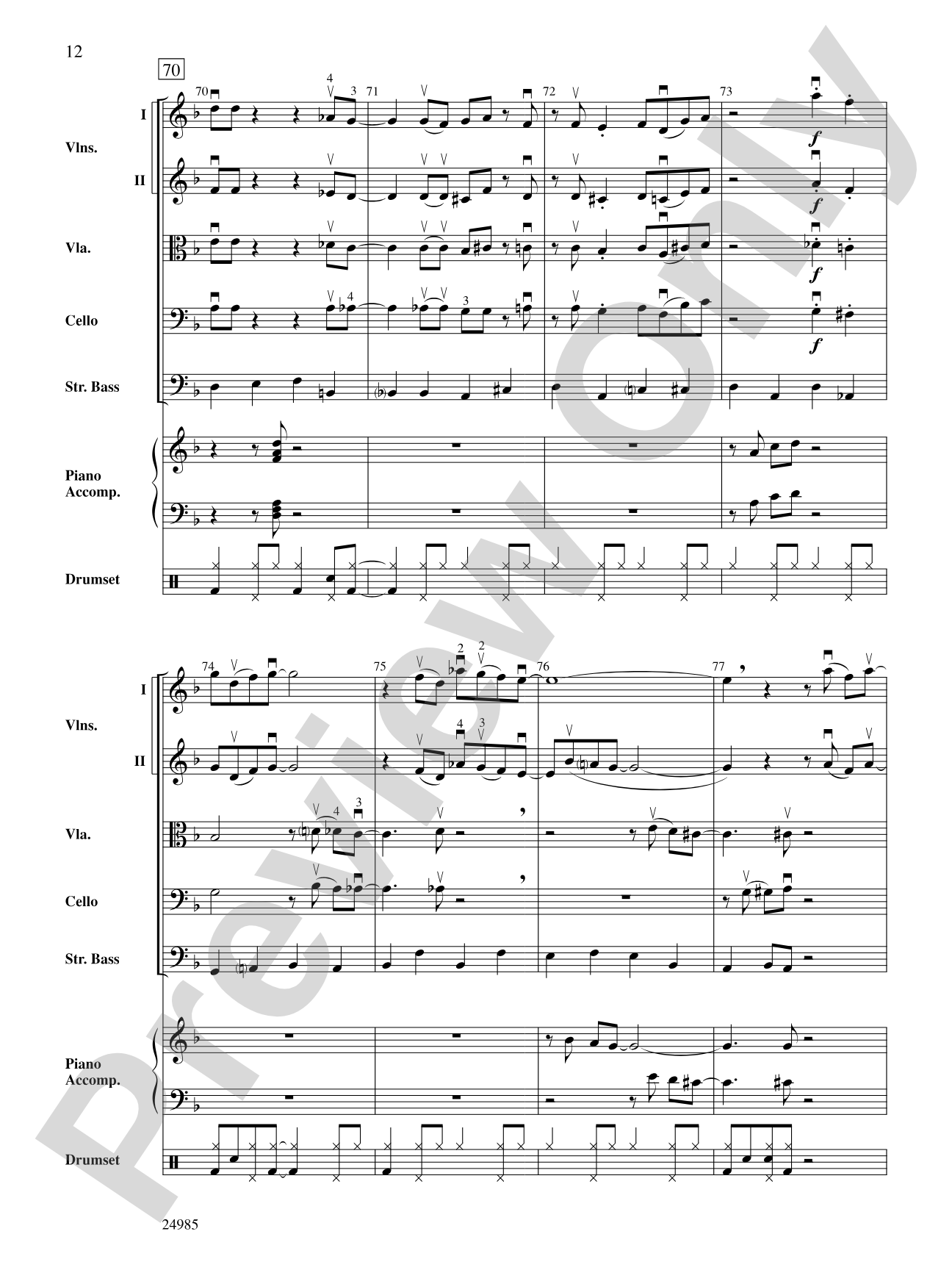



Summertime: String Orchestra Conductor Score & Parts
By George Gershwin / arr. Bert Ligon
Grade: 3
Item: 00-PK-0000976

$49.00
One moment…
Description
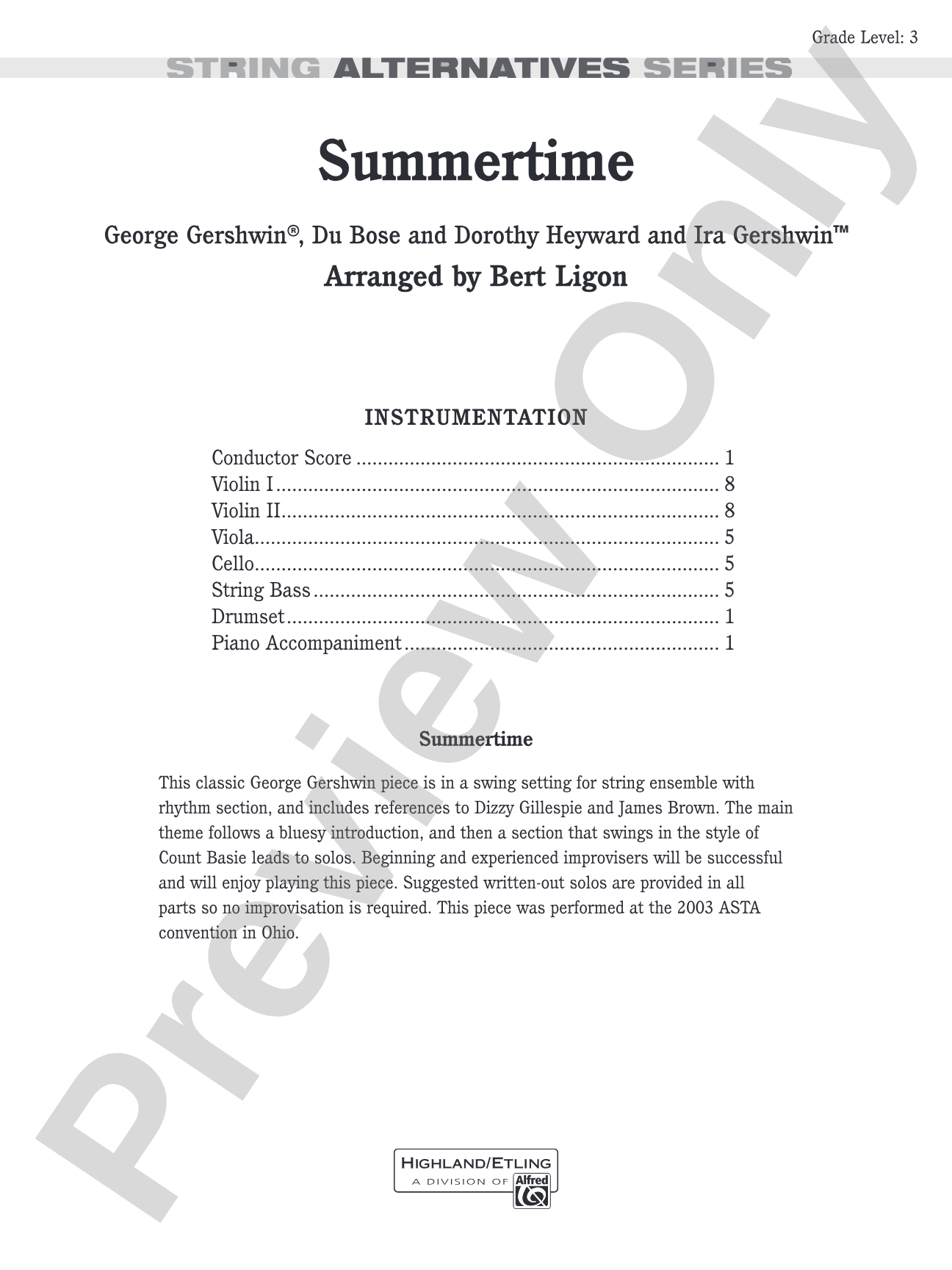
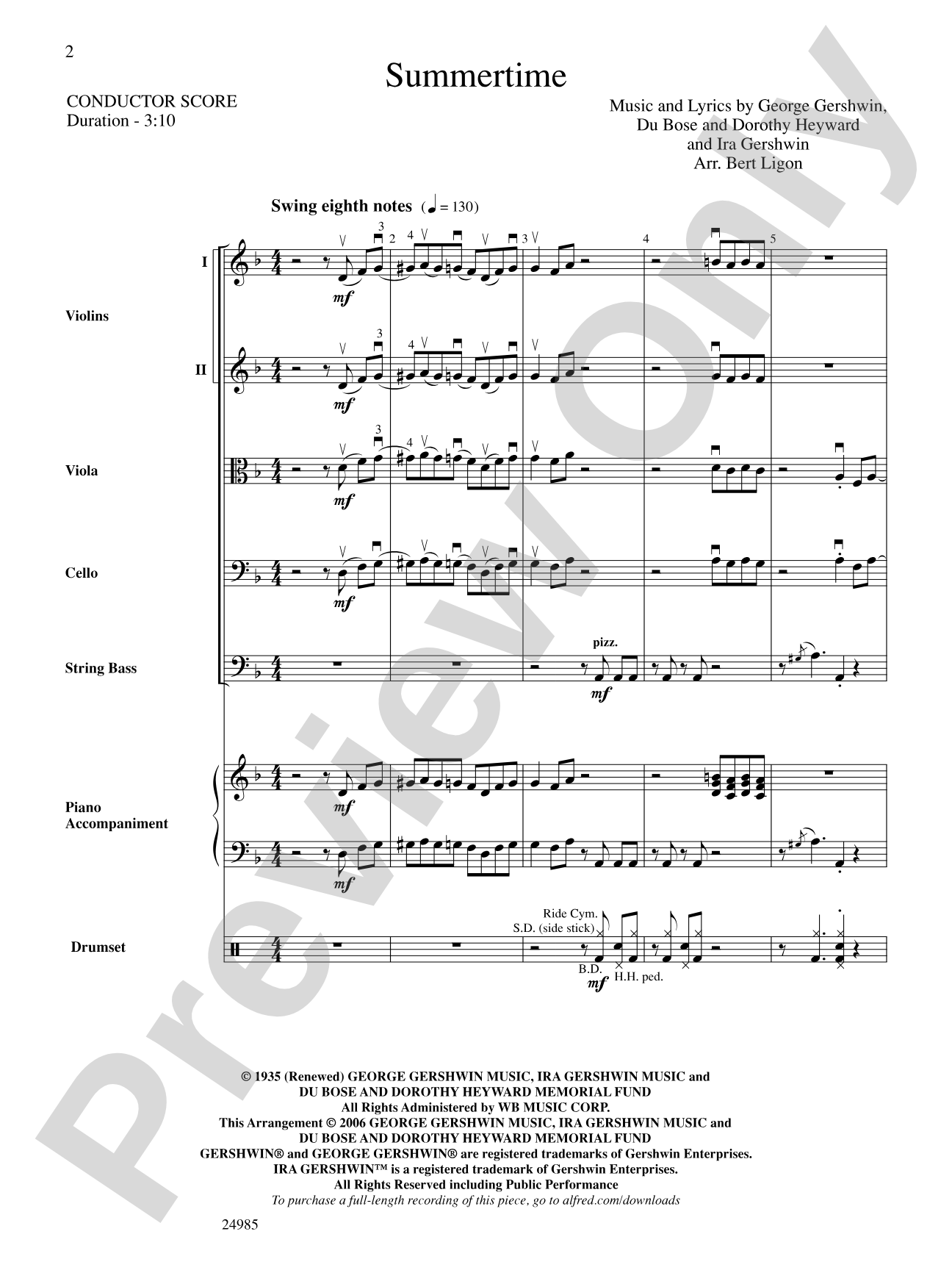
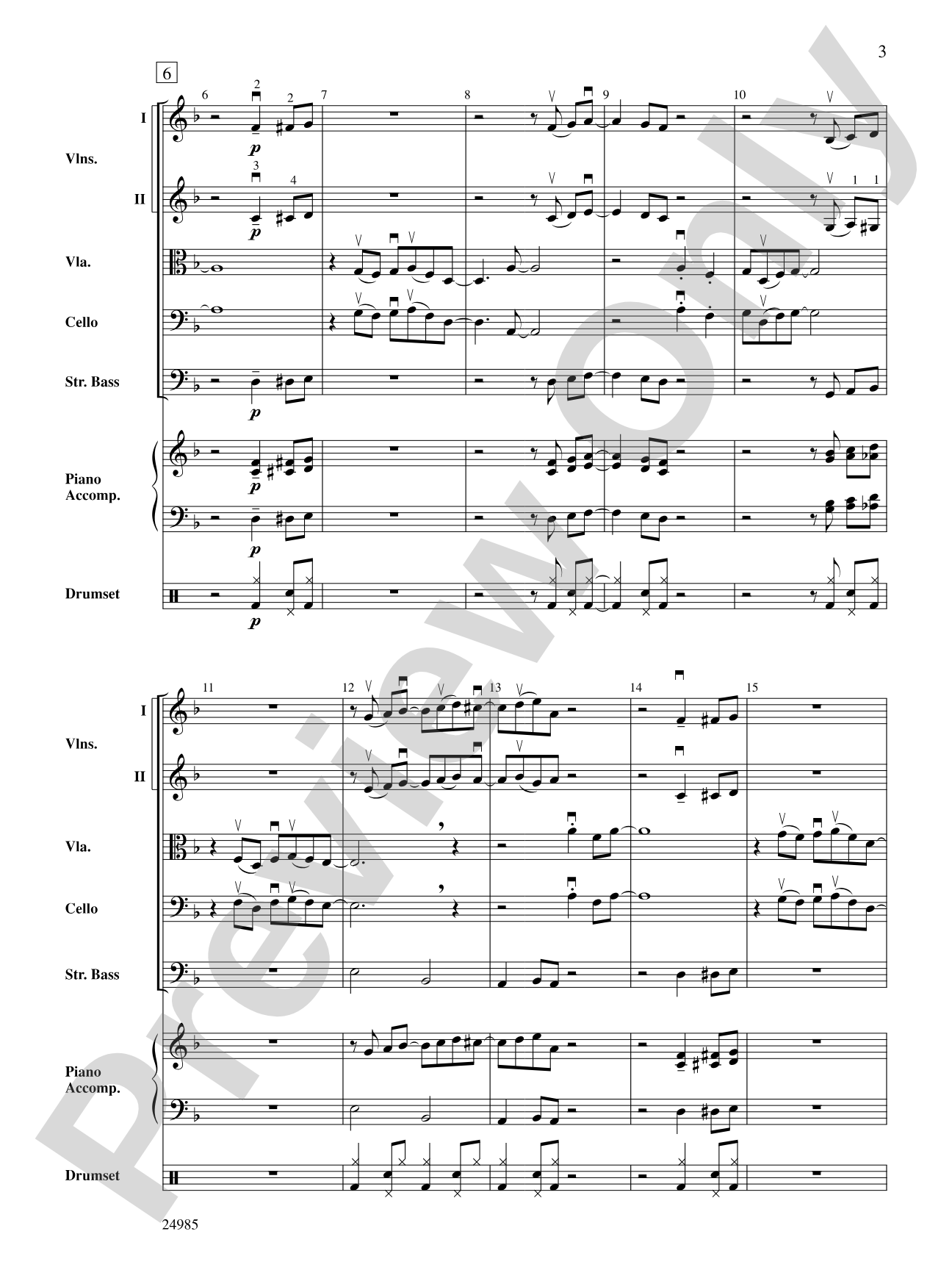
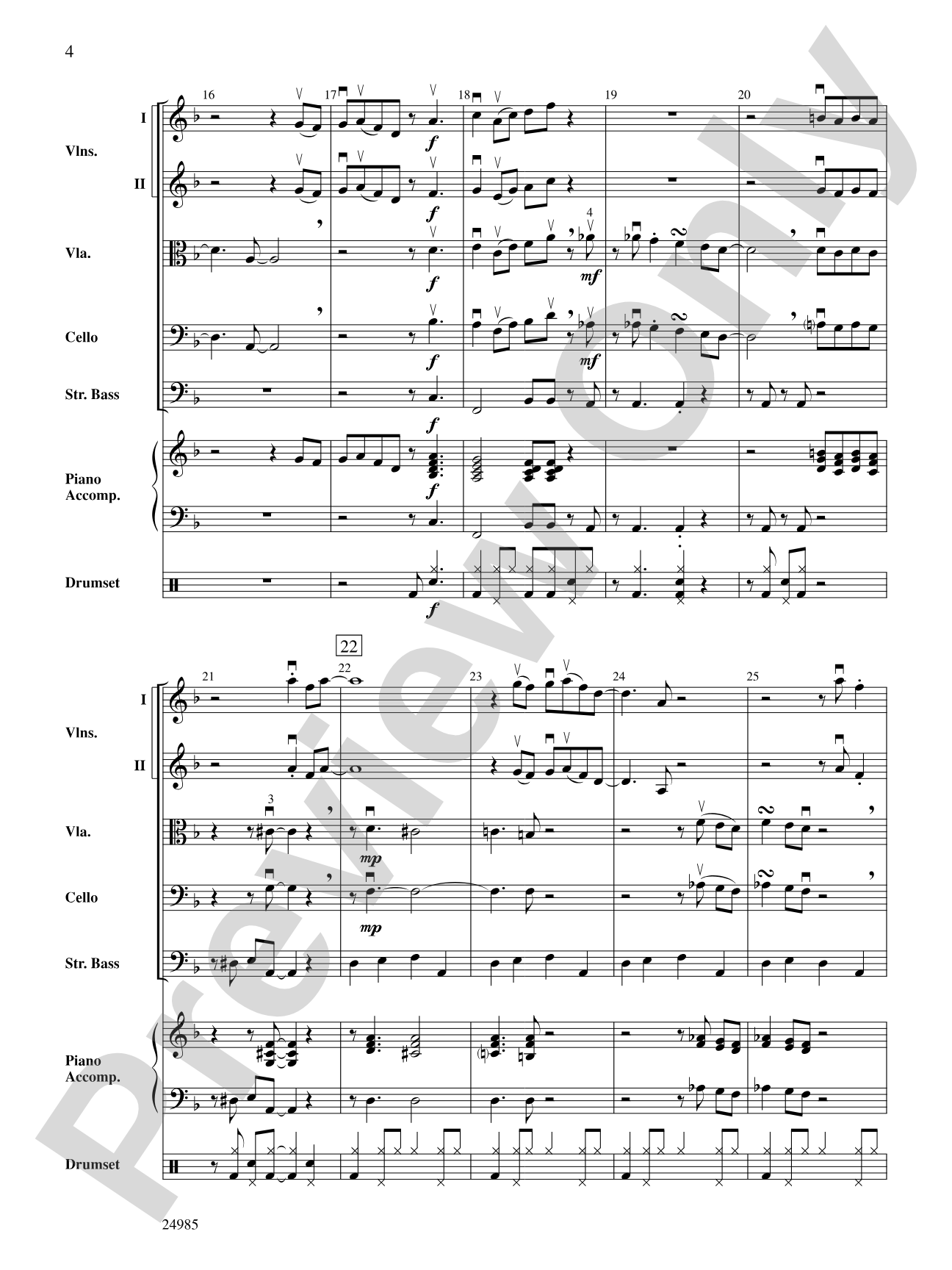
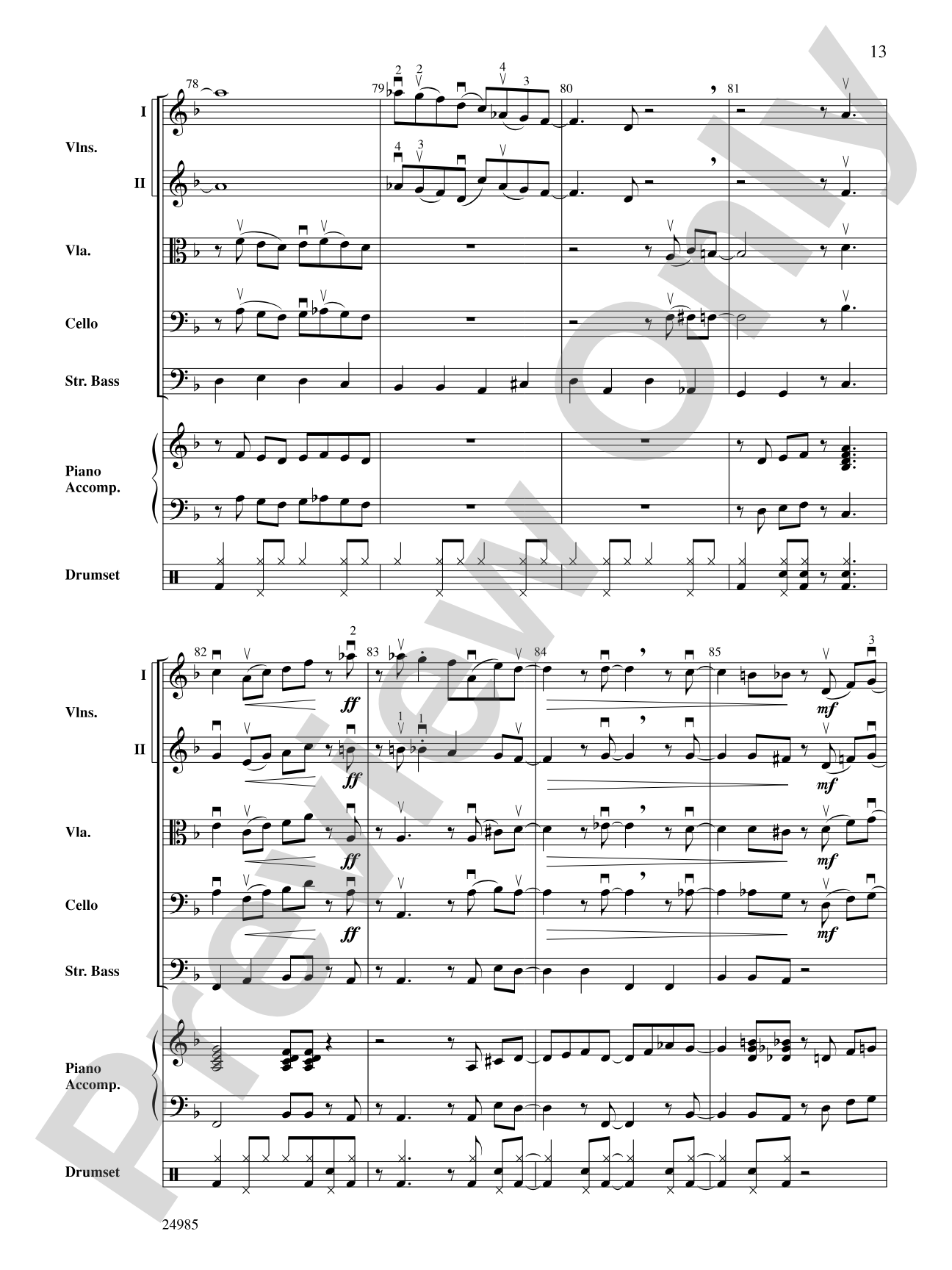
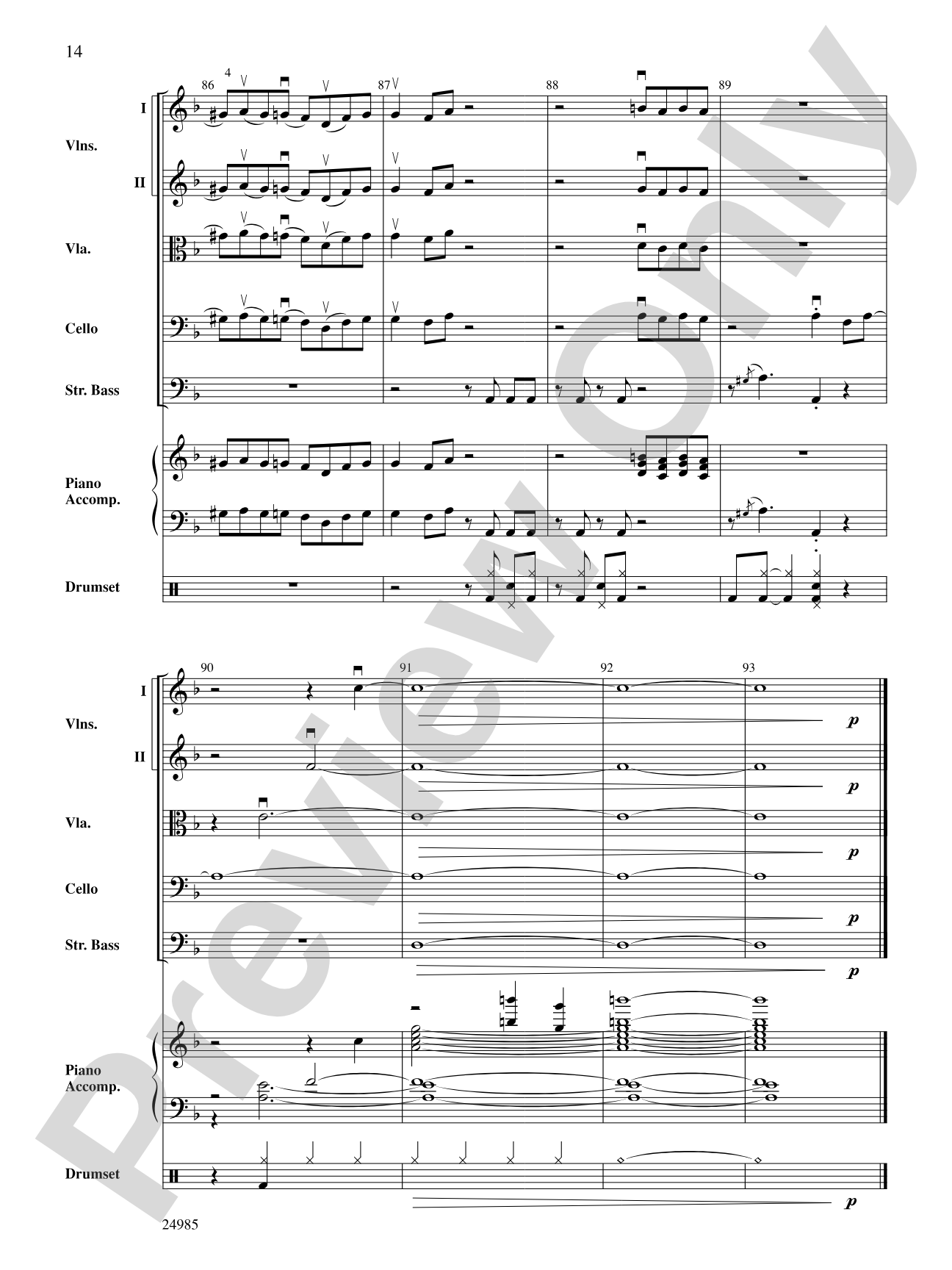
This classic George Gershwin piece is in a swing setting for string ensemble with rhythm section. There are references to Dizzy Gillespie and James Brown. All players get a chance to play the melody. The main theme follows a bluesy introduction, and then a section that swings in the style of Count Basie leads to solos. Beginning and experienced improvisers will be successful and enjoy playing this piece. Suggested written out solos are provided in all parts so no improvisation is required. This piece was performed at the 2003 ASTA convention in Ohio.


Don't just read it, hear it, play along with it, and watch your students grow with it. In MakeMusic Cloud, Summertime: String Orchestra Conductor Score & Parts comes alive with professional accompaniment, adjustable tempo, and built-in practice tools that turn solo practice into real progress.
Open in the Player
Jump straight in and assign it today.
Start Your Free Trial
Open this title and explore the full library in minutes.
Sample Audio
1
Audio File
--:--
0:00
0:00
Sample Video
No sample videos found.
Additional Details
Series:
Highland/Etling String Alternatives
Publisher:
Alfred Music
Page Count:
132
SKU:
00-PK-0000976
More about this title
About the Composer: George Gershwin
George Gershwin (1898-1937) bridged the worlds of classical composition and American popular music with uncommon sophistication. His ability to write memorable melodies, harmonically adventurous passages, and rhythmically vital textures made him one of the most performed composers of the 20th century, and his works remain central to American concert repertoire.
Gershwin's gift was translating the sound of jazz and vernacular American music into forms that worked for concert halls, Broadway stages, and chamber ensembles alike. "Summertime," from the opera Porgy and Bess, exemplifies this gift: a tune so immediately recognizable and emotionally direct that it has been reimagined across genres and instrumentation countless times.
Why we love this
This arrangement gives string students a genuine jazz experience without requiring advanced improvisation skills. Bert Ligon's orchestration celebrates every section of the ensemble through melody statements, and the swing idiom (alongside written-out solo options) means Grade 3 players can step into a style they might otherwise encounter only in jazz band contexts.
What to expect
Warm, resourceful, and swinging. The piece opens with sultry blues sensibility before opening into a buoyant, rhythmically charged middle section that feels both fun and musically substantial. There's a lightness to the orchestration that invites players to relax into the groove rather than grip it.
Who it's for
String orchestras at Grade 3 level who want to explore swing and jazz idioms in a repertoire context that balances accessibility with authentic musical character. This works equally well for beginning improvisers and players who prefer the security of written material.
How to get the most out of it
- Shape the bluesy introduction with clear phrasing and slightly exaggerated dynamic contours to establish the jazz mood before the main melody enters.
- Balance the Count Basie-style section by letting the rhythm section anchor the groove while strings maintain crisp articulation; avoid rushing through swing figures.
- Use the written-out solo passages as a rehearsal starting point, then invite capable players to personalize phrasing and dynamics once the harmonic framework is secure.
- Bring out individual voices when all players get the melody line; this is their moment to hear themselves as soloists within the ensemble texture.
How to use it
Program this alongside other Great American Songbook arrangements or as a bridge between classical and contemporary concert sets. Its familiarity makes it an excellent vehicle for introducing audiences to string orchestras while giving young musicians confidence in a style many will encounter in college and community ensembles.
Skills your students will build
- Swing articulation and phrasing (interpretation of written rhythms in jazz context)
- Playing from both melody and accompaniment parts within the same piece
- Listening to and locking with a rhythm section
- Blues harmony and harmonic movement
- Personalizing solo passages while respecting ensemble texture
- Style-specific tone production and vibrato control