
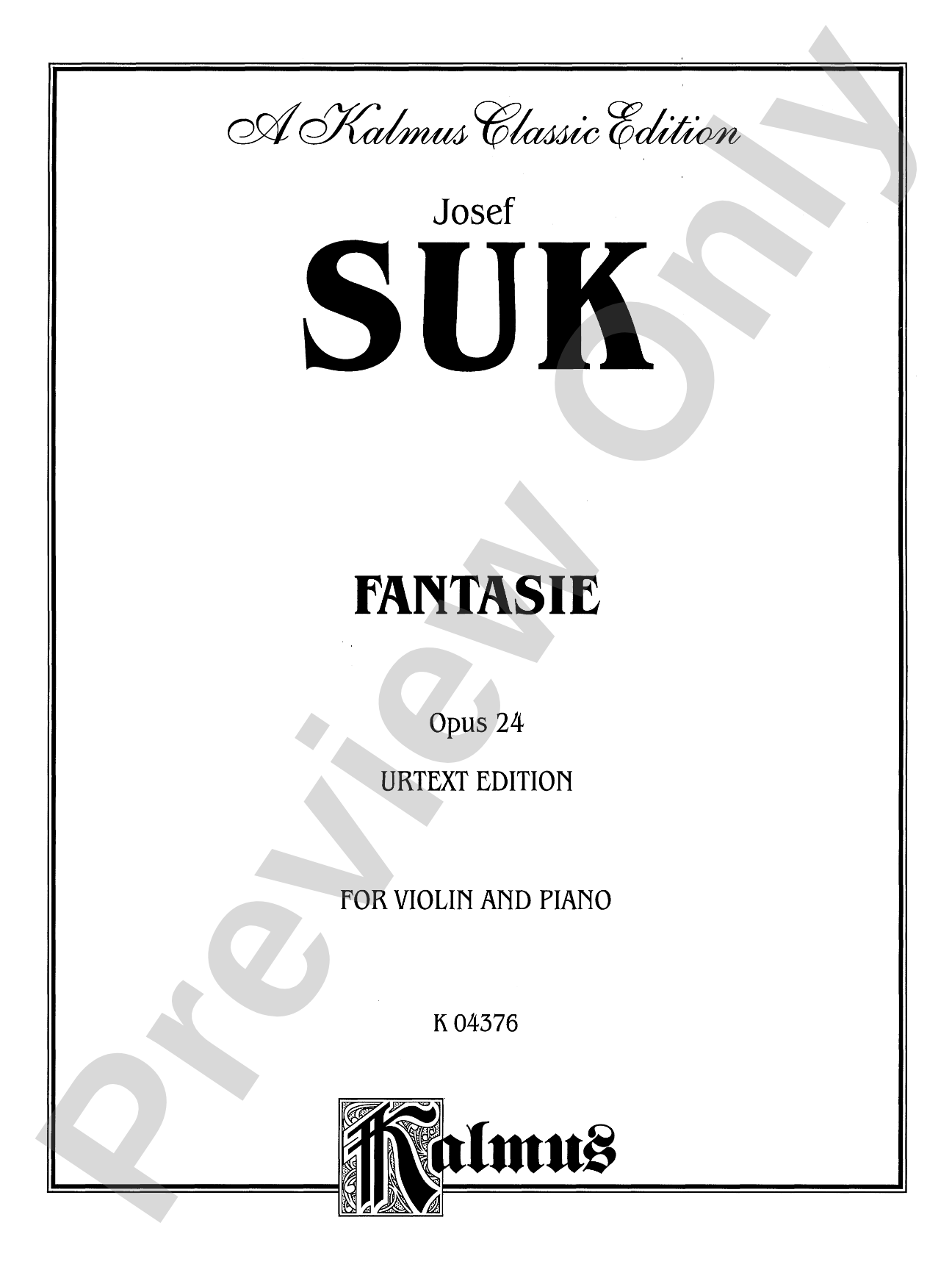

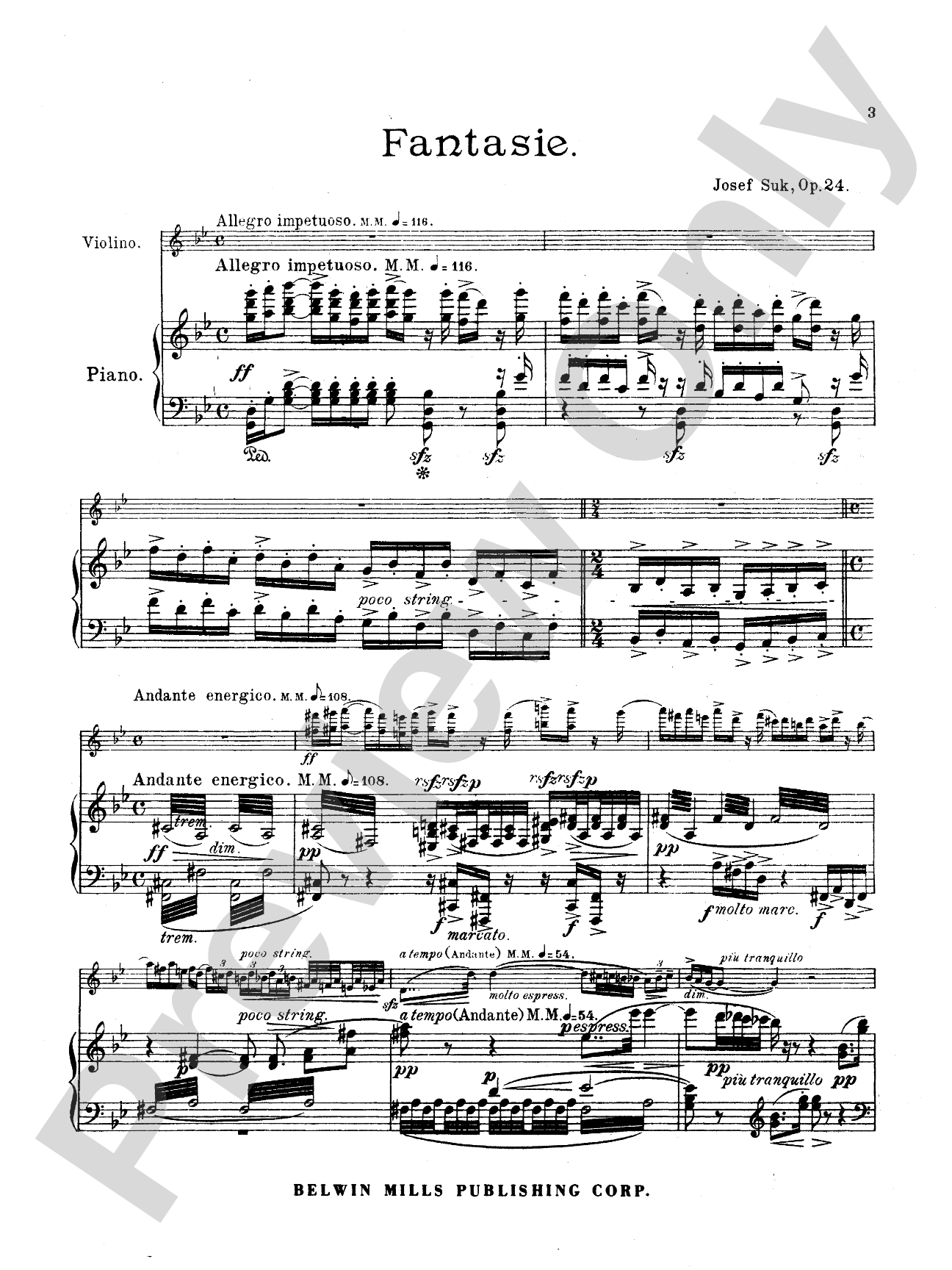
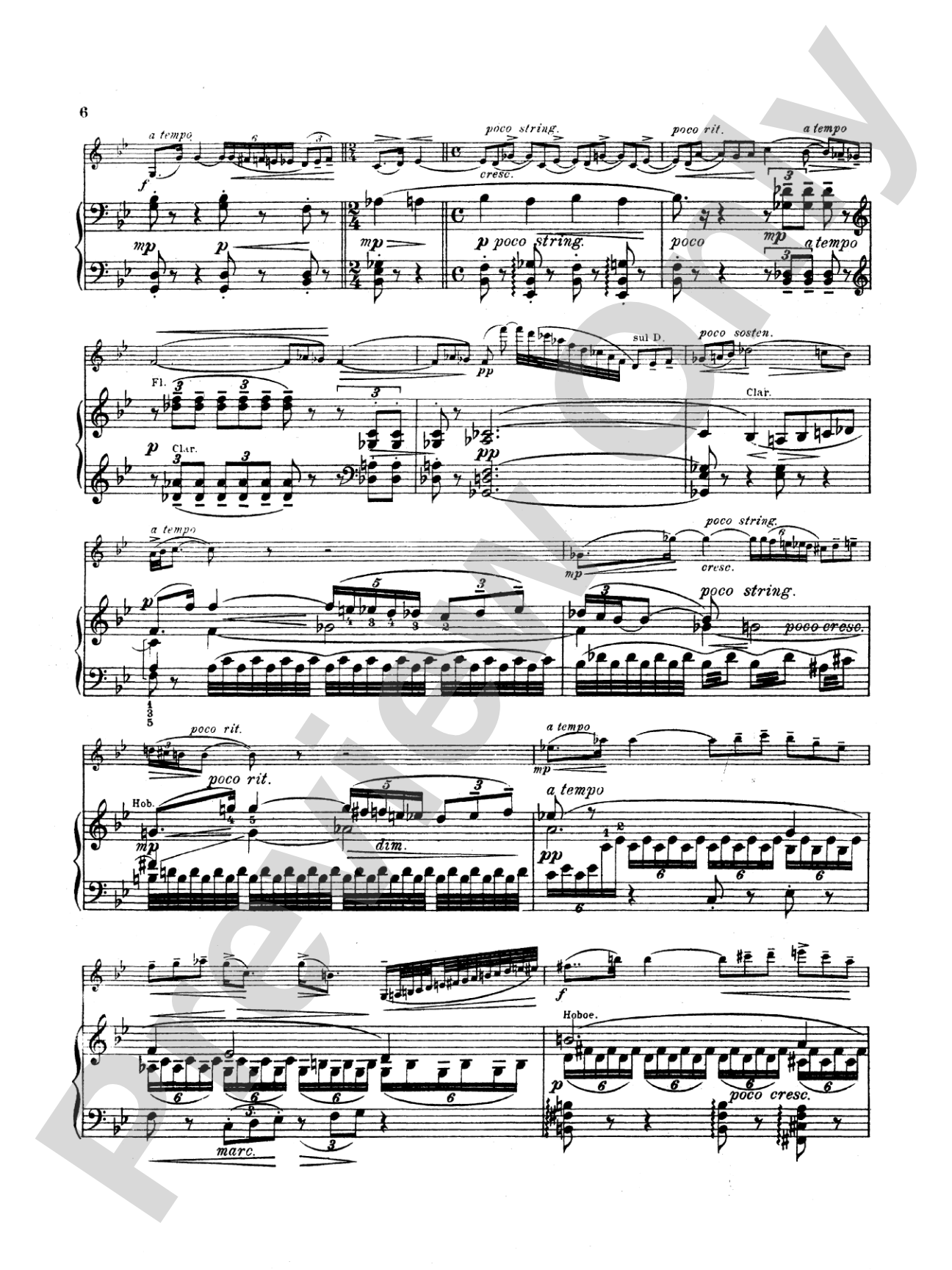
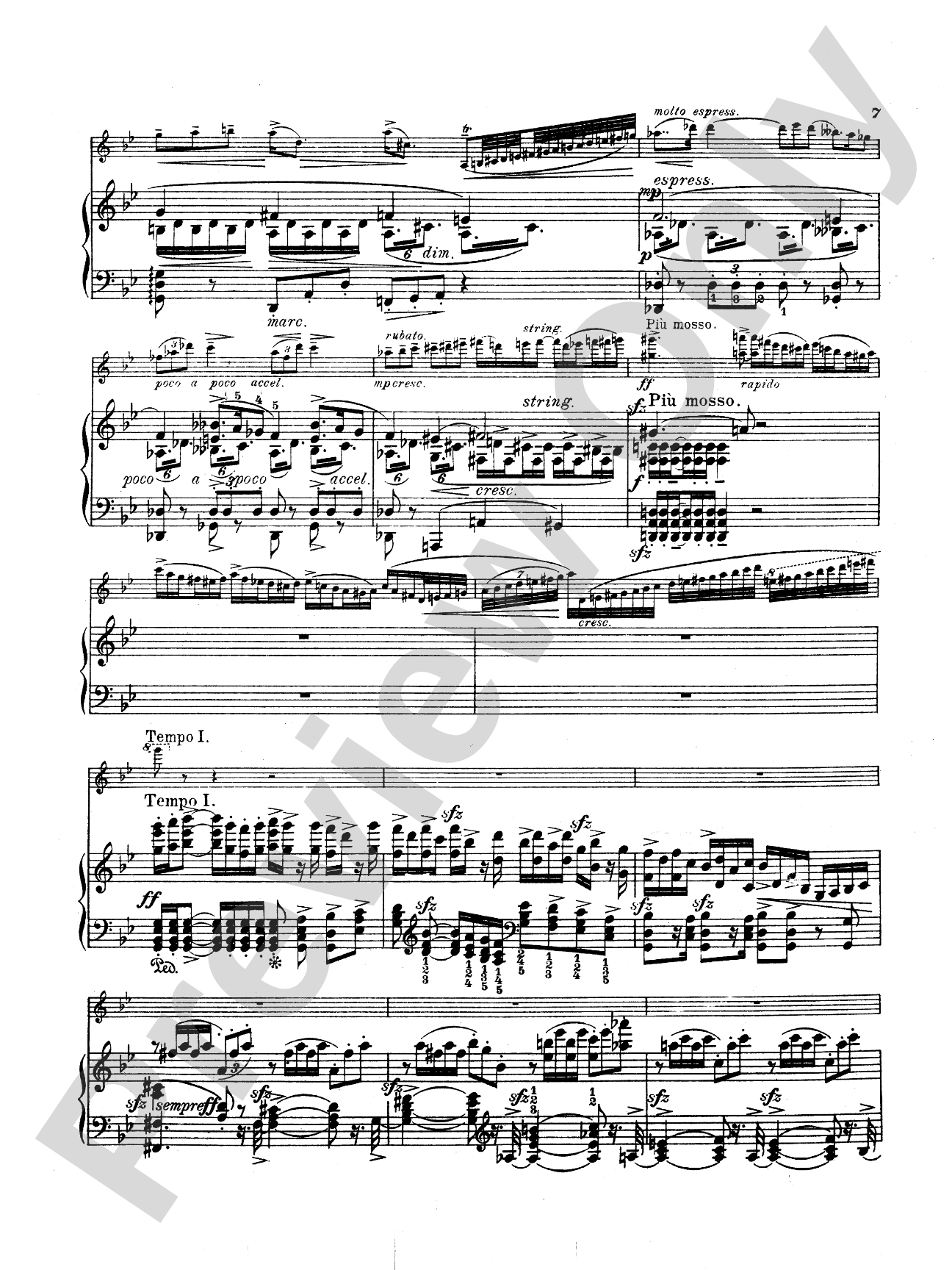
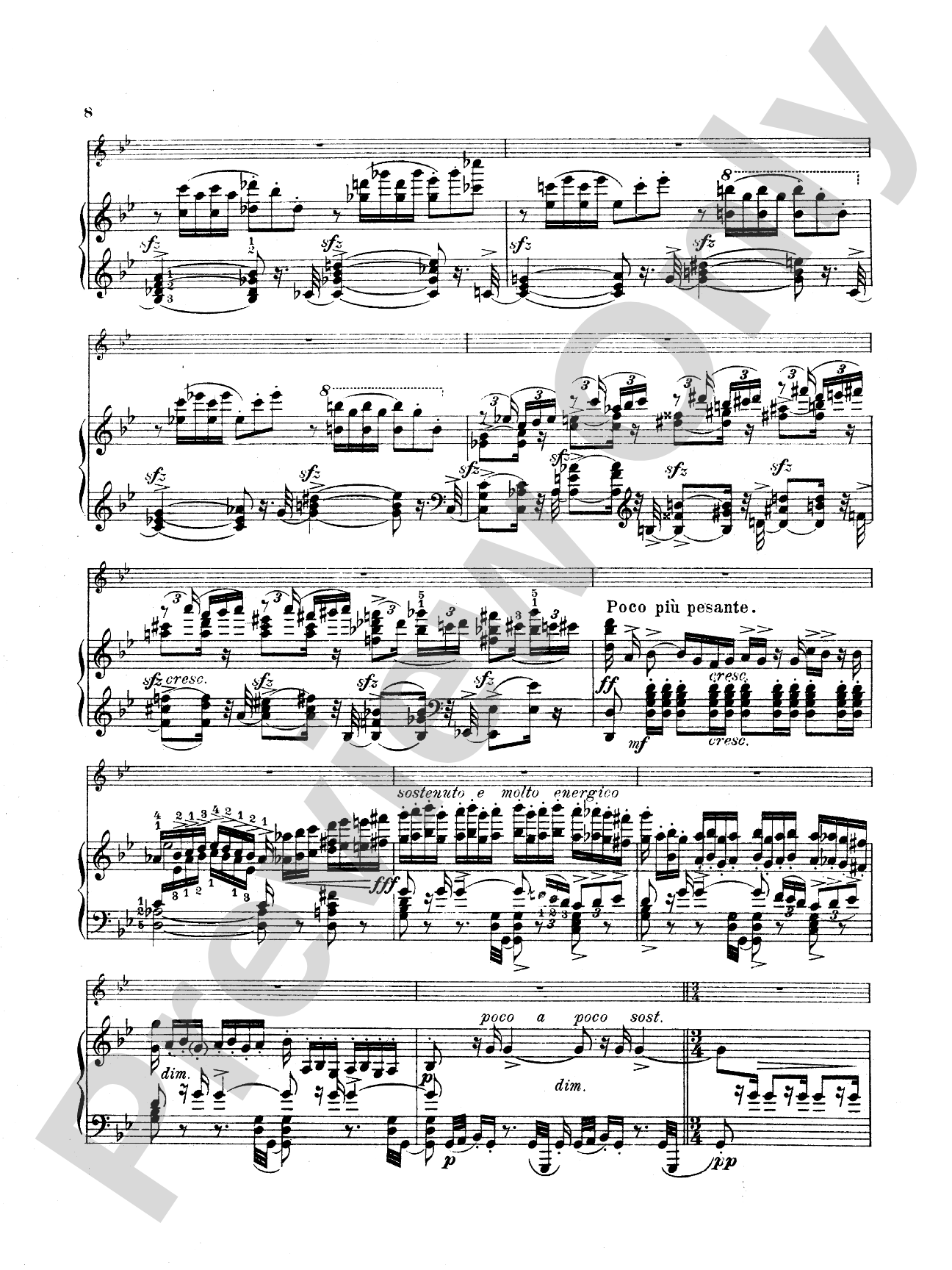

Suk: Fantasie, Op. 24 (Urtext)
By Josef Suk
Item: 00-PC-0010295
$4.95
Pickup currently not available
Description
A Violin solo with Piano Accompaniment composed by Josef Suk.


Suk: Fantasie, Op. 24 (Urtext) isn't in MakeMusic Cloud just yet...but it could be. Let us know you'd like to see it, and you'll help shape what comes next. In the meantime, start a free trial and dive into thousands of interactive titles your students can play along with today.
Request This Title
Tell us you want it.
Start Your Free Trial
Explore everything that's ready to play right now.
Sample Audio
No sample audio found.
Sample Video
No sample videos found.
Additional Details
Series:
Kalmus Edition
Publisher:
Alfred Music
Page Count:
52
SKU:
00-PC-0010295
More about this title
About the Composer: Josef Suk
Josef Suk (1874–1935) was a Czech composer and violinist who studied under Antonín Dvořák and became one of the most significant figures in early twentieth-century Czech music. As a founding member of the Czech String Quartet, he performed his own works alongside the chamber masterpieces of his era, giving him deep insight into string writing and ensemble collaboration. His compositional voice blends late Romantic lyricism with growing modernist sensibilities, creating works that demand both technical brilliance and expressive maturity from performers.
Suk's violin compositions occupy a distinctive space in the concert repertoire. Unlike some of his contemporaries who pursued experimental directions, Suk remained committed to lyrical, song-like melodies built on rich harmonic language. His works are staples of advanced recital programs and competitions because they reward careful musical preparation with deeply satisfying artistic results.
Why we love this
The Fantasie sits at that rare intersection of serious competition material and genuine artistic depth. Suk's writing for violin is idiomatic and grateful without being showy for its own sake, which means students must earn their musical payoff through real interpretive work rather than flashy passagework. The 52-page scope signals a substantial work that gives advanced players room to develop distinct artistic voices.
What to expect
The Fantasie unfolds like an extended reverie, opening in a contemplative, song-like voice before expanding into richer harmonic territory. Suk's language sits comfortably in late Romanticism for much of the journey, but harmonic shifts and unexpected tonal turns create moments of introspection and subtle unease, keeping the listener engaged across its substantial length.
Who it's for
Advanced violinists preparing for competitions, festivals, or graduate auditions will find this a rewarding and substantial addition to their recital repertoire. This Urtext edition supports serious score study for musicians ready to engage with twentieth-century string writing that rewards careful attention to voice leading and interpretive detail.
How to get the most out of it
- Identify the main lyrical themes early in your score study and allow them to sing through their full development. Suk's melodies often appear in varied orchestrations across the form, and recognizing these returns helps shape the architecture.
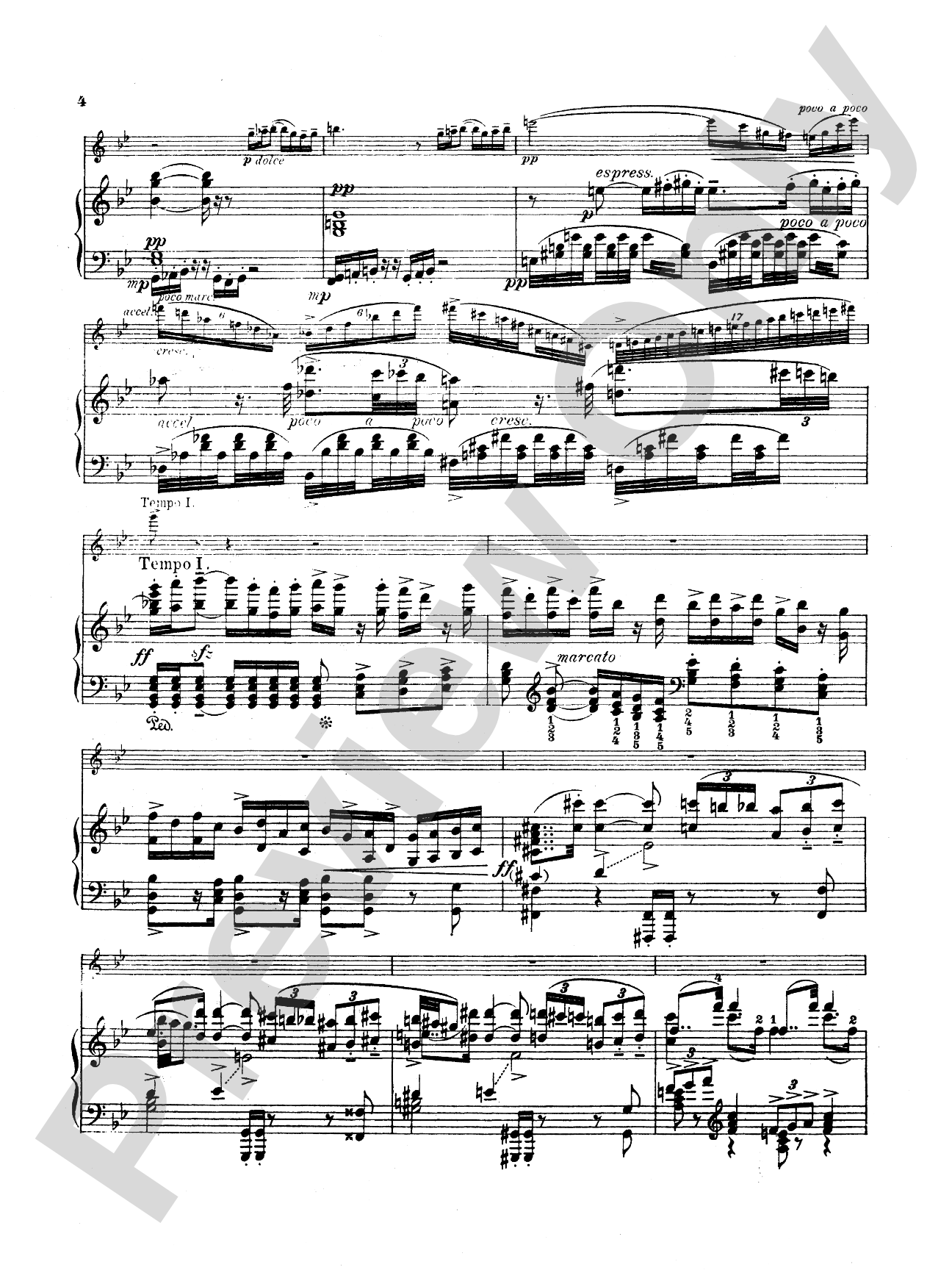
- Balance the dialogue between violin and piano throughout. The accompaniment frequently carries harmonic or thematic weight, so coordinate carefully with your pianist to ensure the texture breathes and neither part overwhelms.
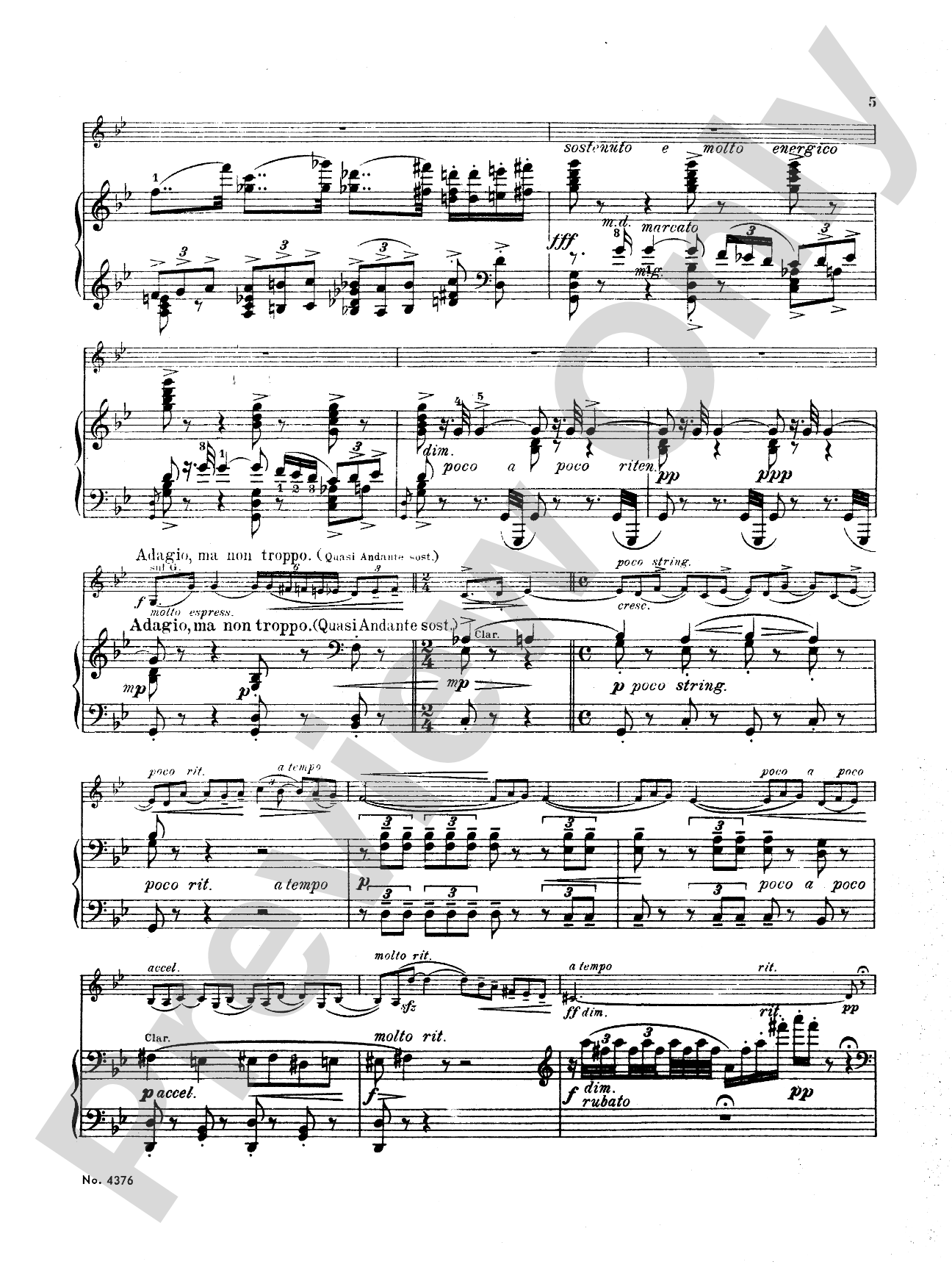
- Pay close attention to Suk's dynamic markings and tempo indications. His expressive language is precise; a sudden pp or a ritardando often signals a harmonic shift that changes the emotional temperature of the phrase.
- Work the shift from Romantic lyricism to more modern harmonic language in the later sections. Suk's palette becomes more dissonant as the piece progresses; embrace those moments rather than forcing everything back into tonal sweetness.
How to use it
Pair this with standard Romantic concertos or sonatas to show how early twentieth-century Czech composers inherited and transformed the tradition. A recital built around Suk or other Czech violin works creates a distinctive cultural identity; alternatively, it serves as a compelling modern-era anchor on a mixed-period competition program.
Skills your students will build
- Sustaining long lyrical lines across multiple harmonic contexts
- Reading and interpreting twentieth-century notation and harmonic language
- Balancing technical demands with expressive musical storytelling
- Coordinating with piano accompaniment across substantial formal structures
- Understanding harmonic progression and voice leading in post-Romantic writing