
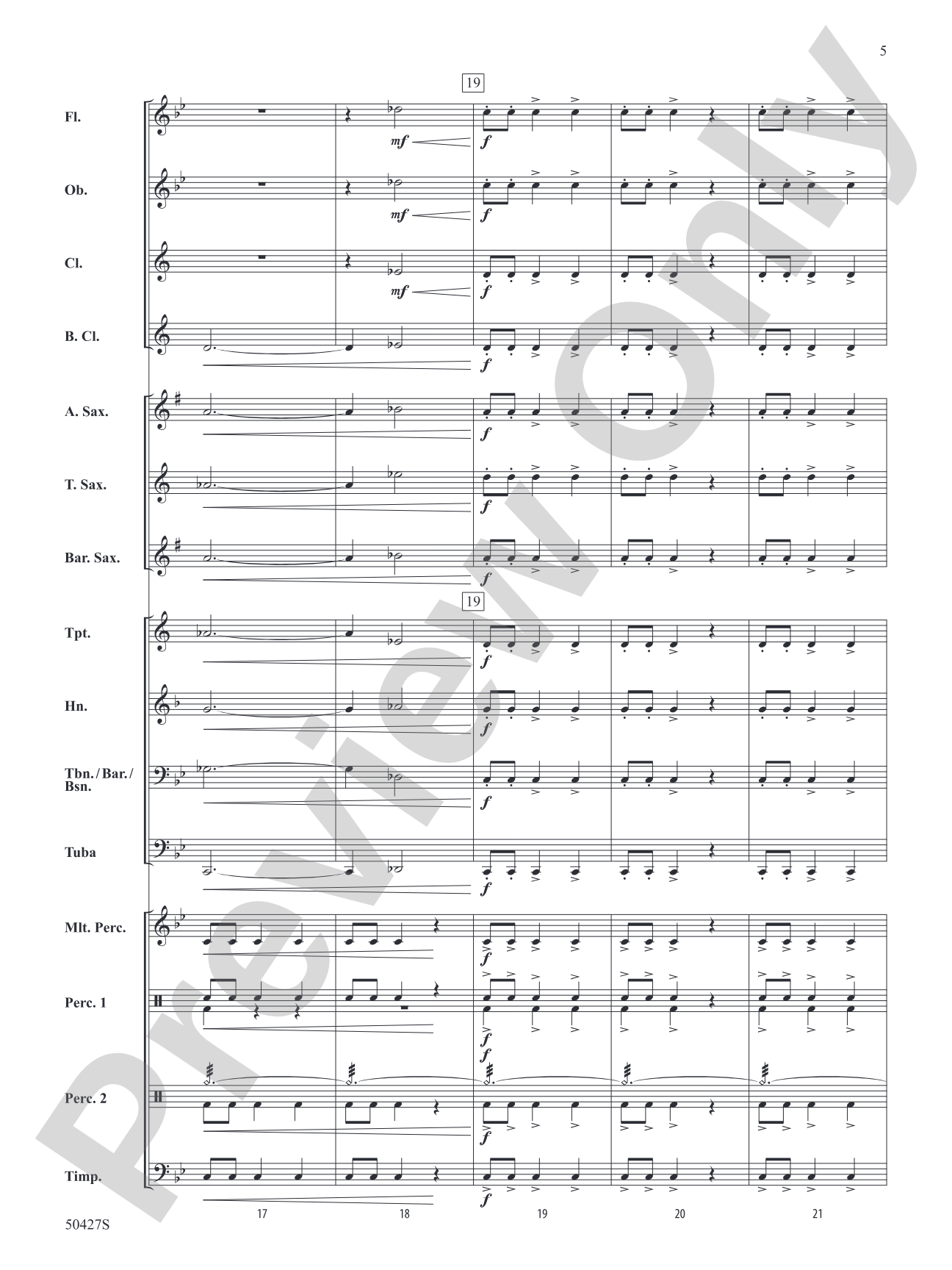
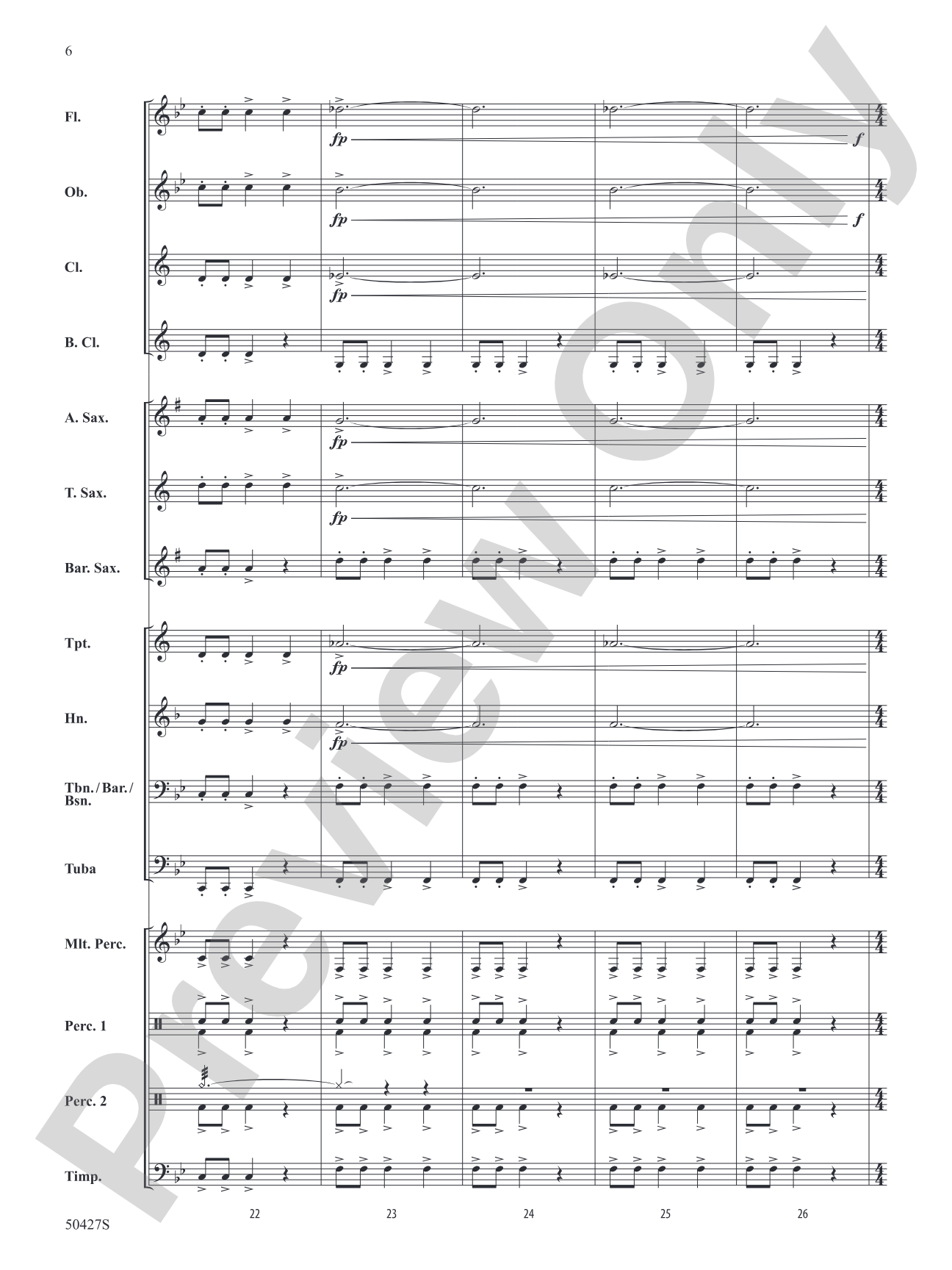
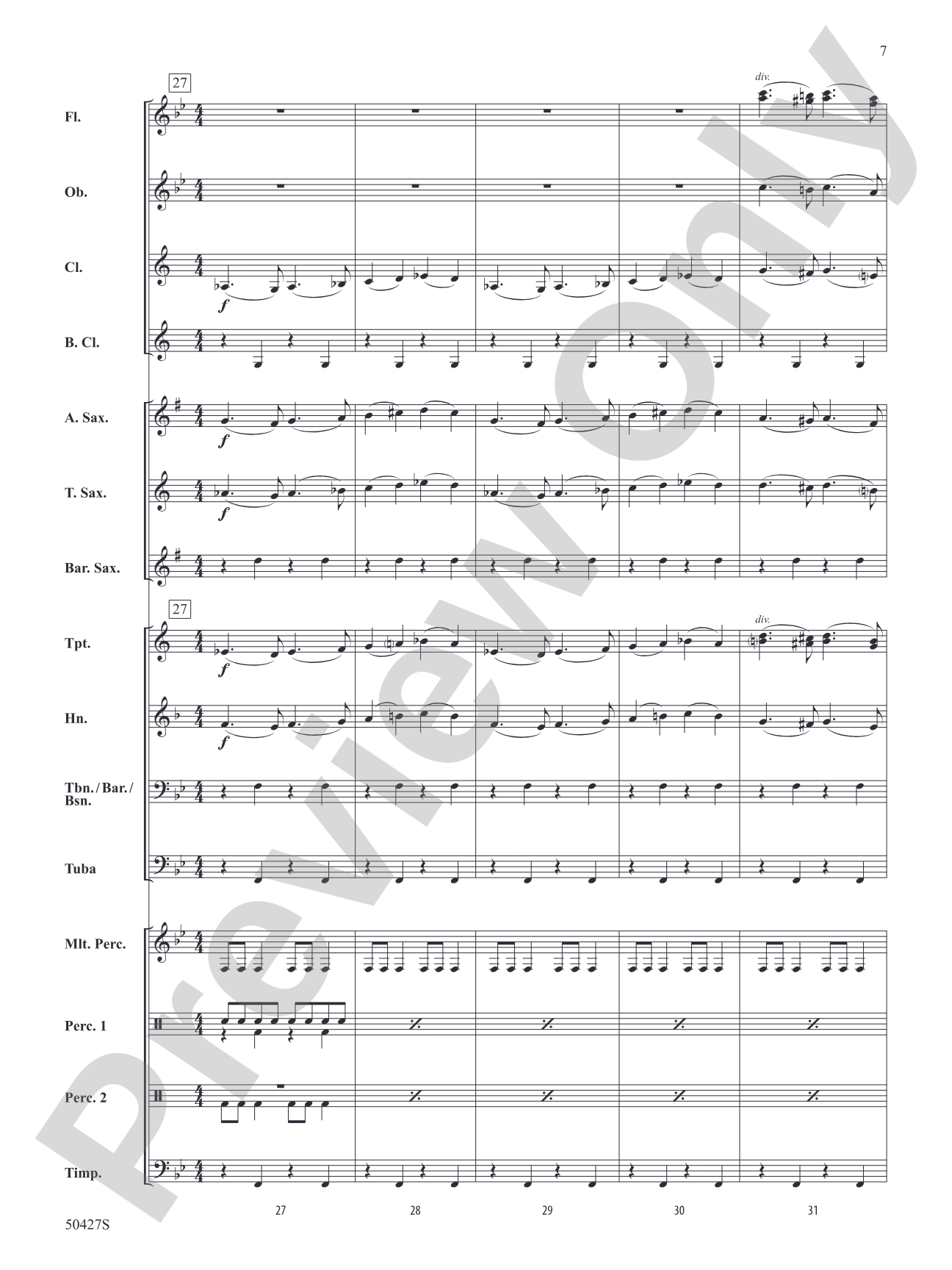
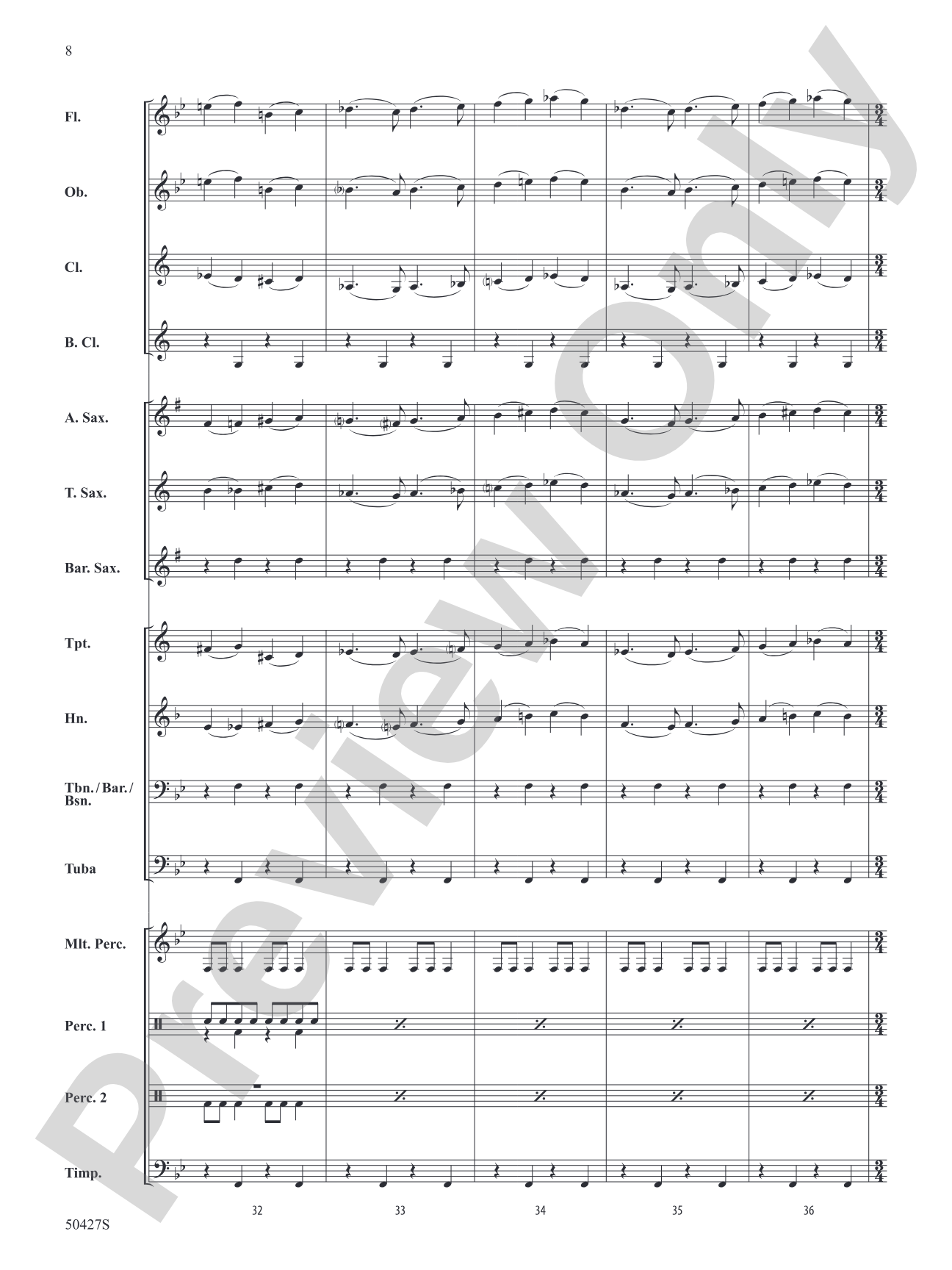
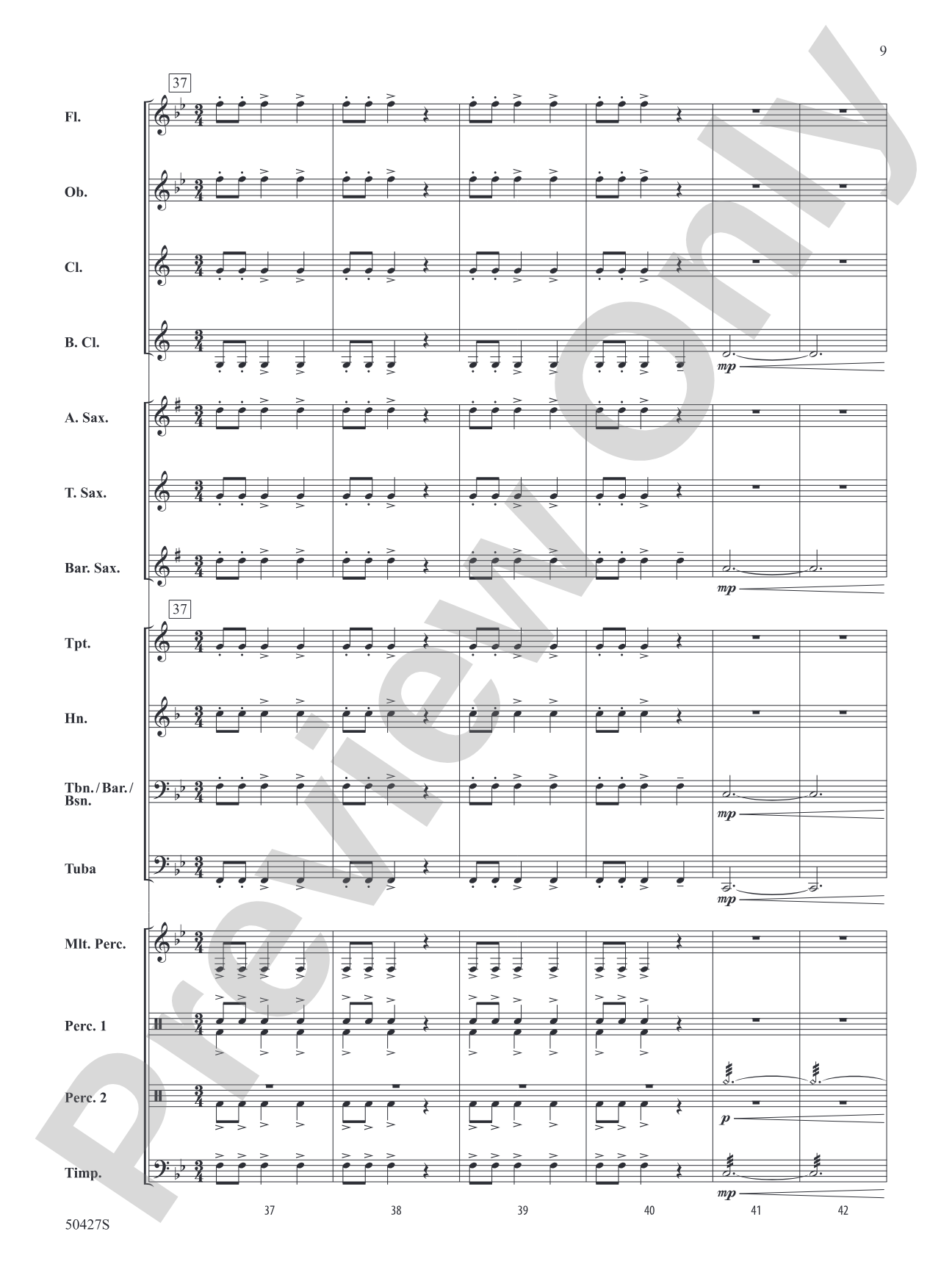
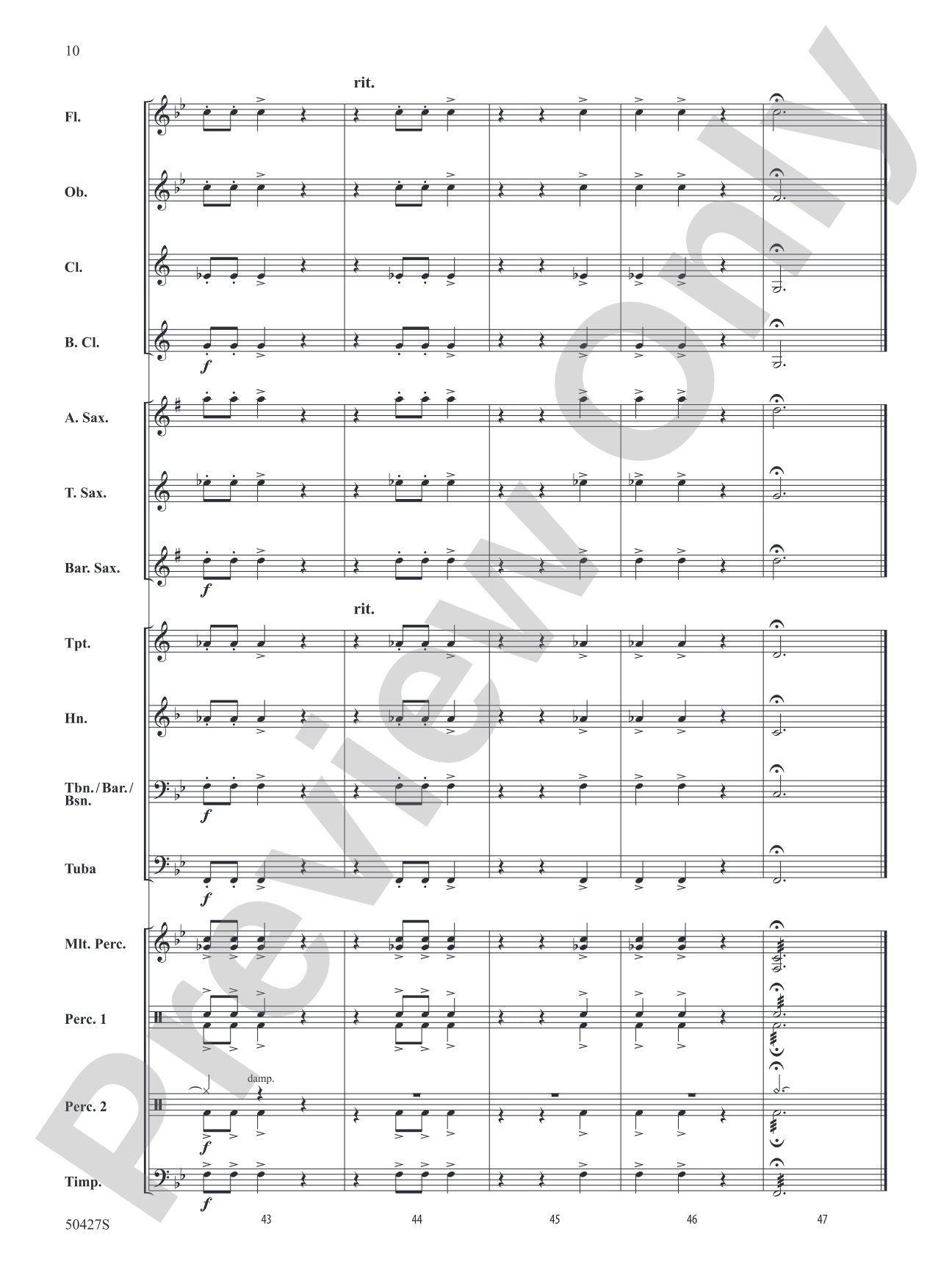
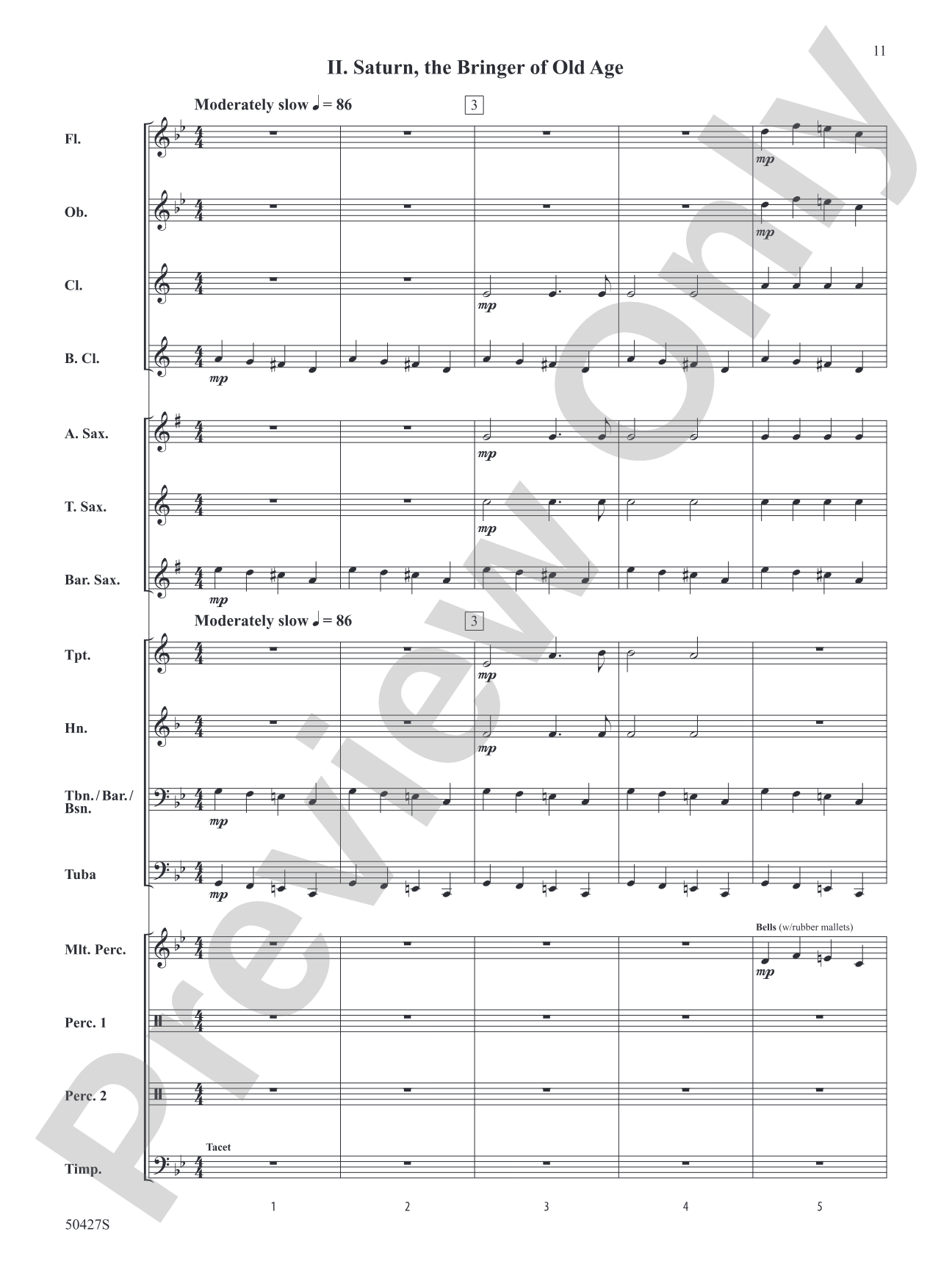
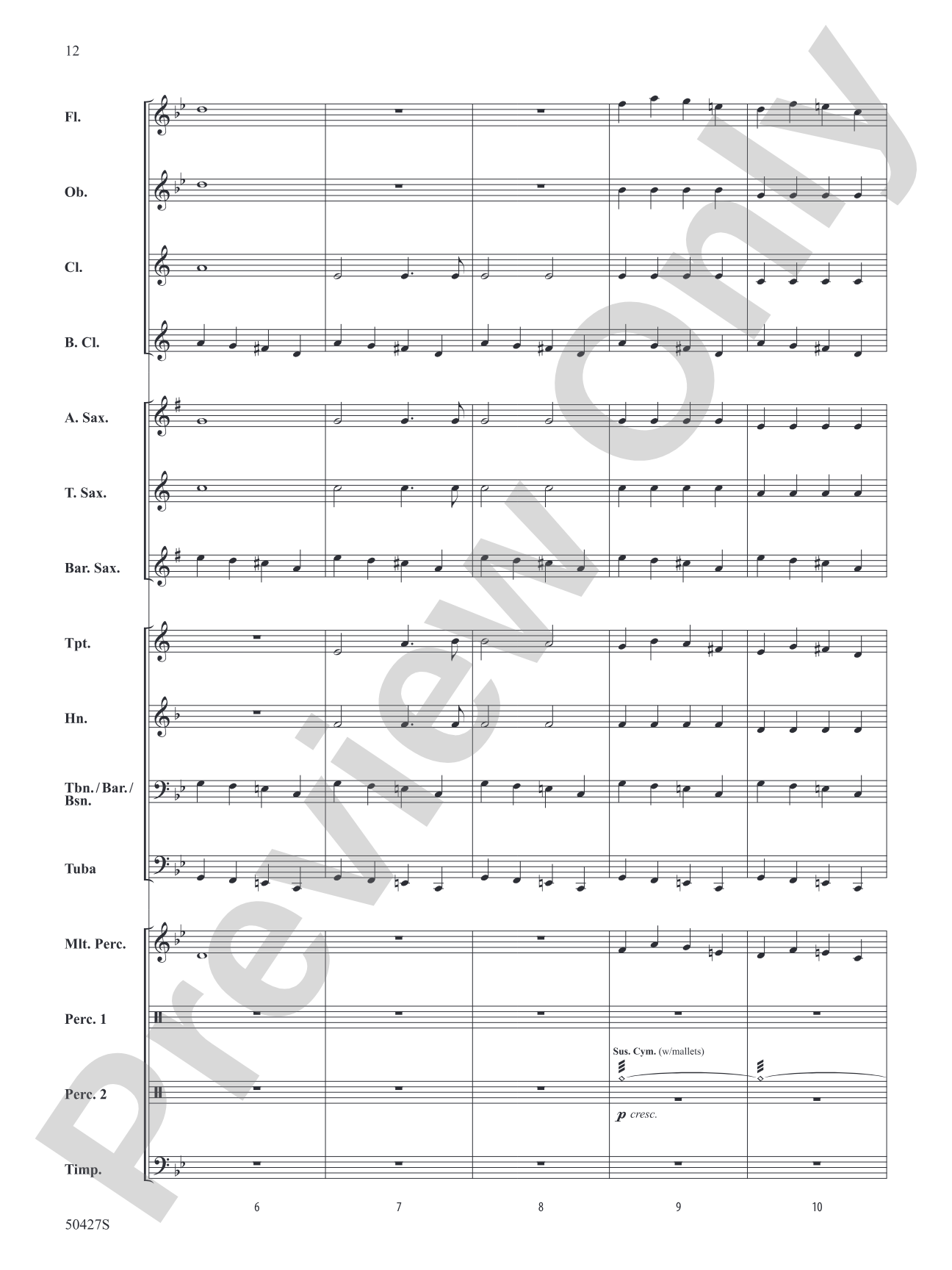
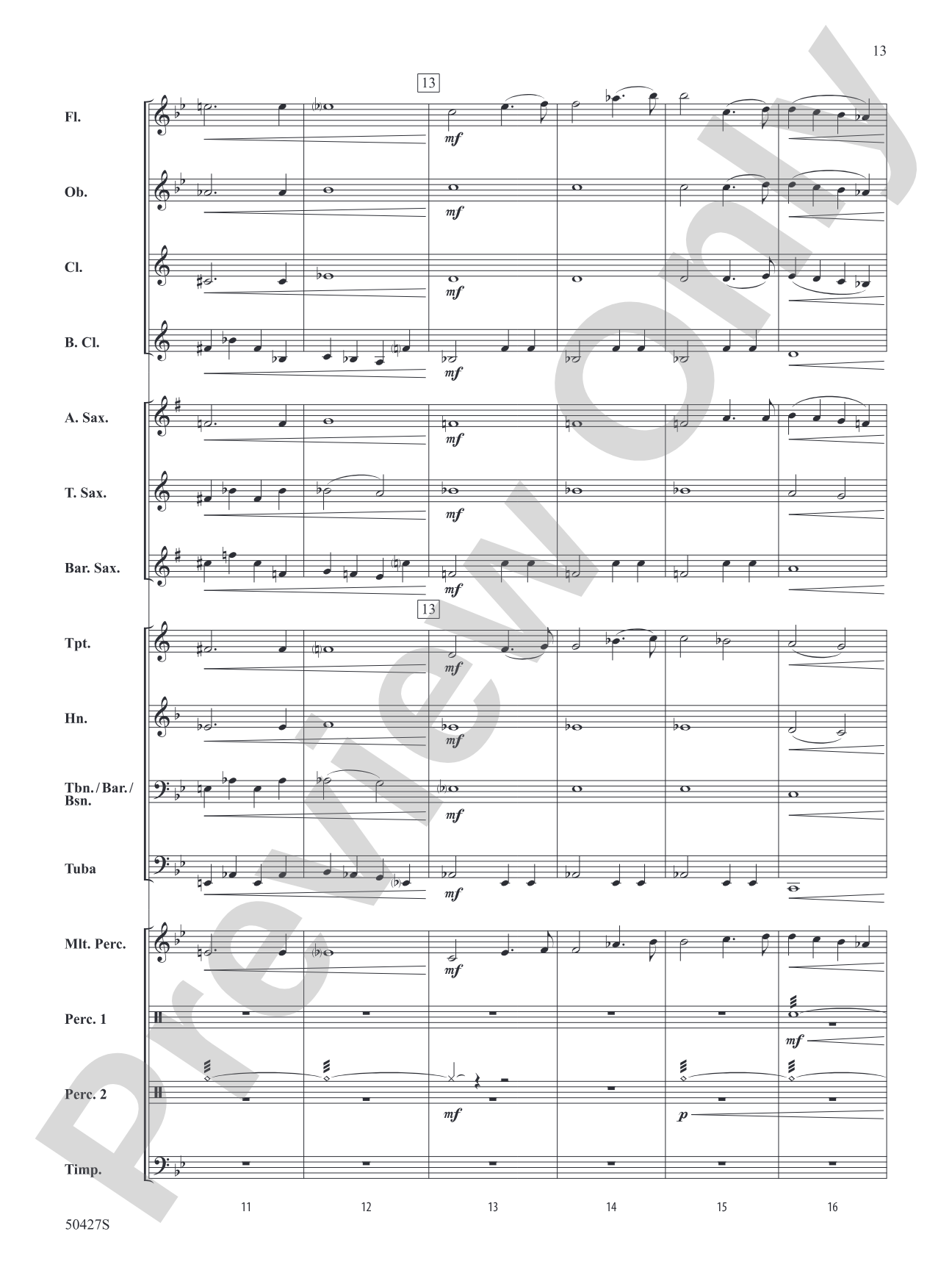
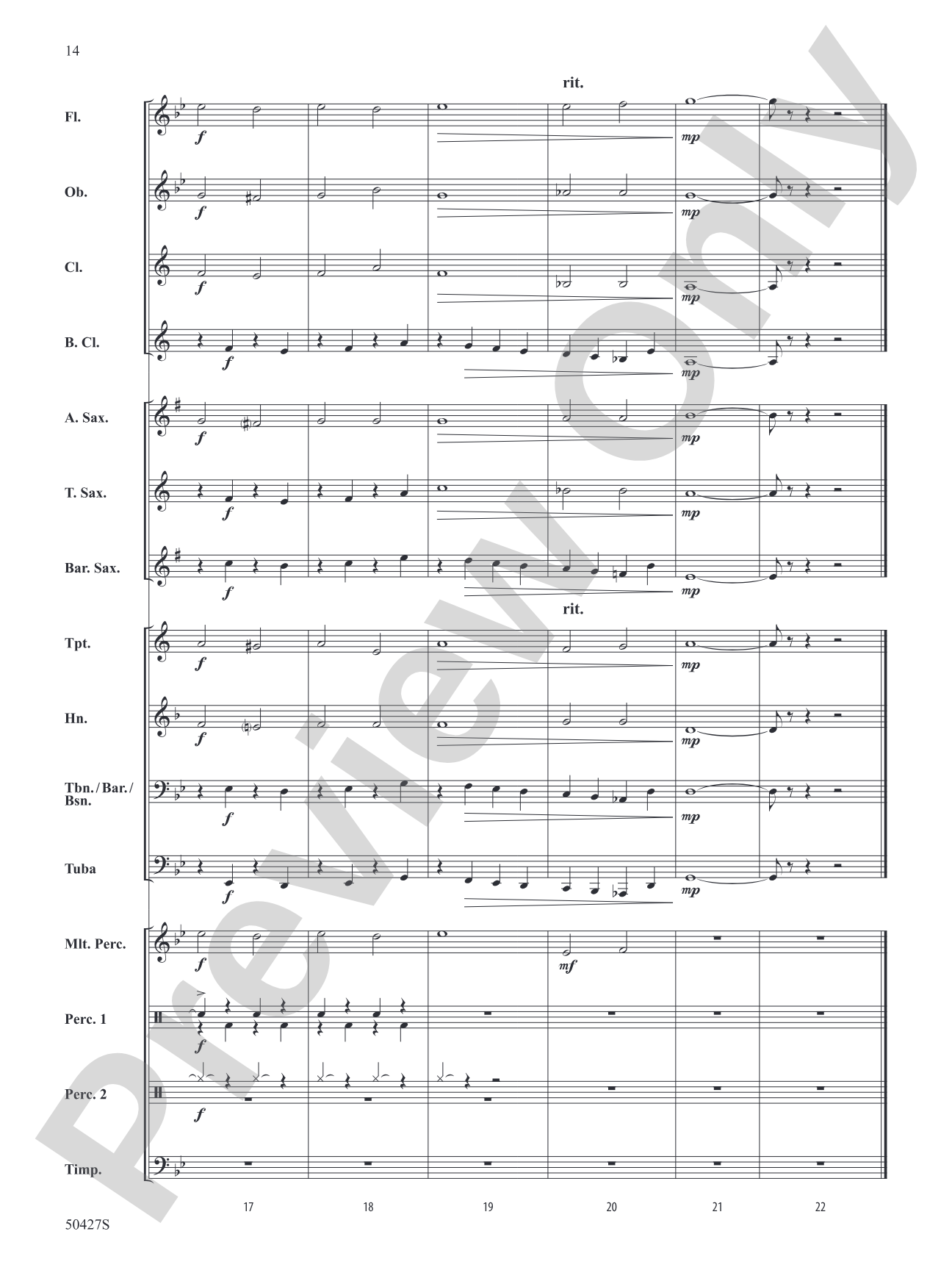
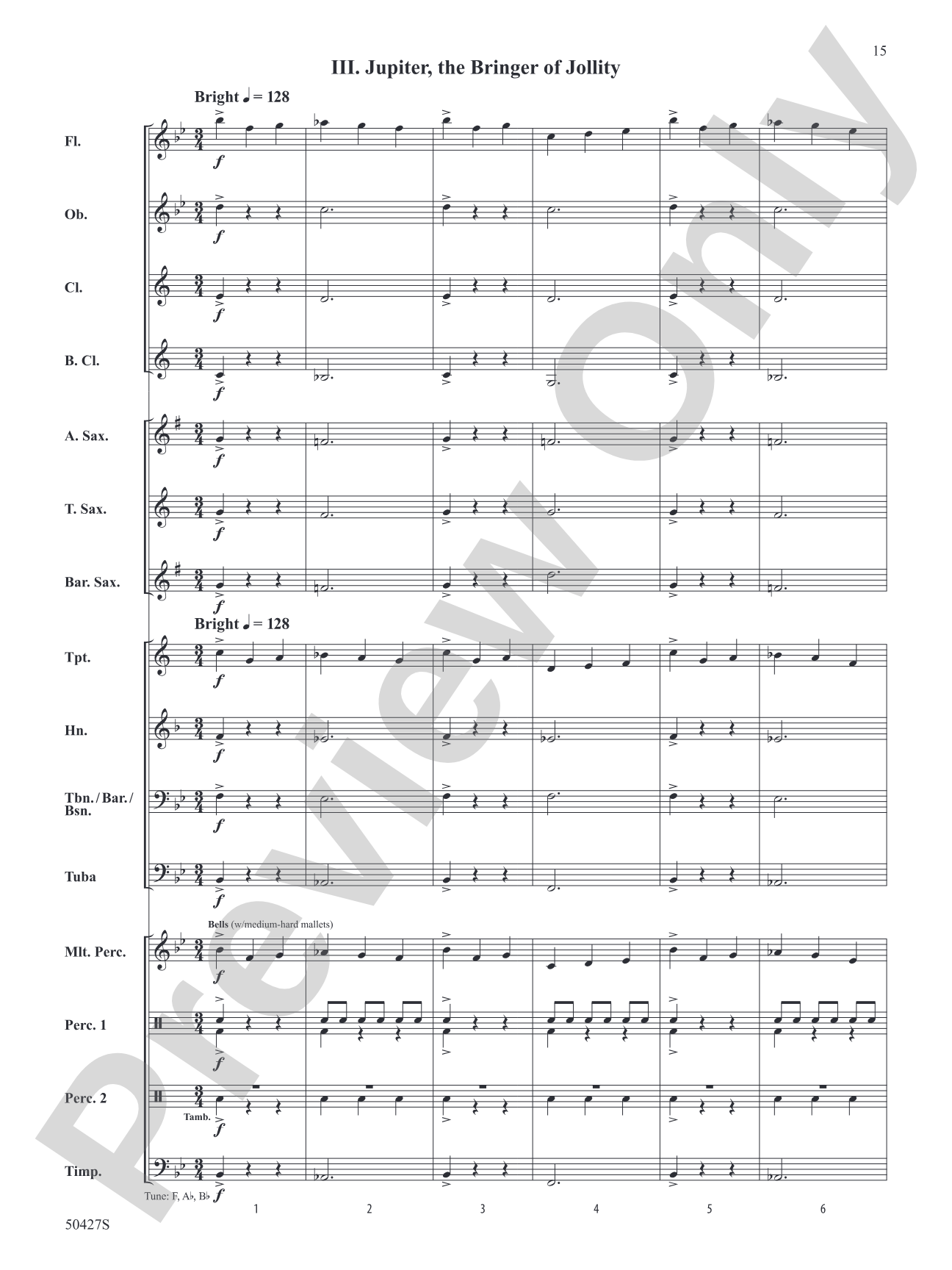
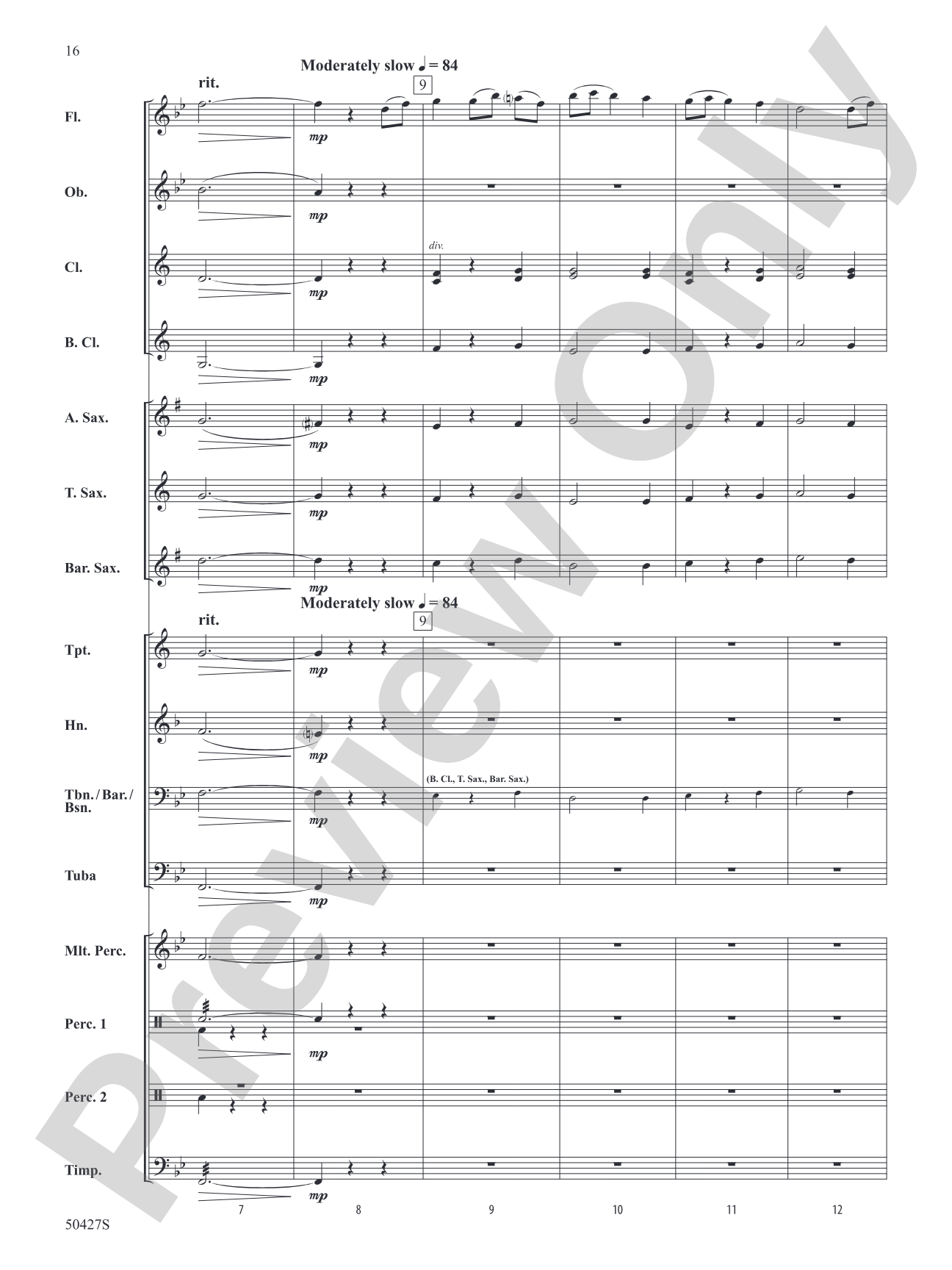
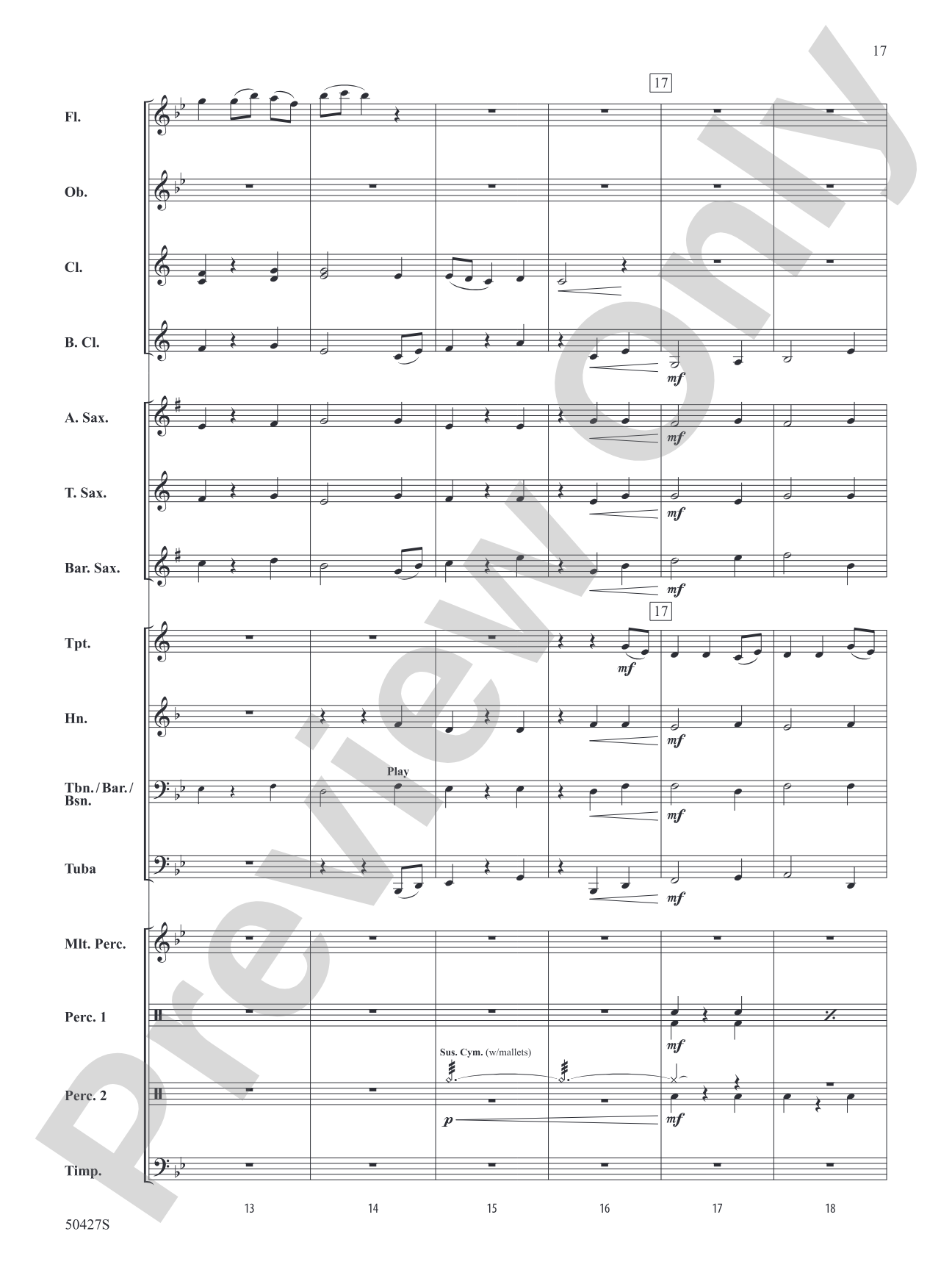
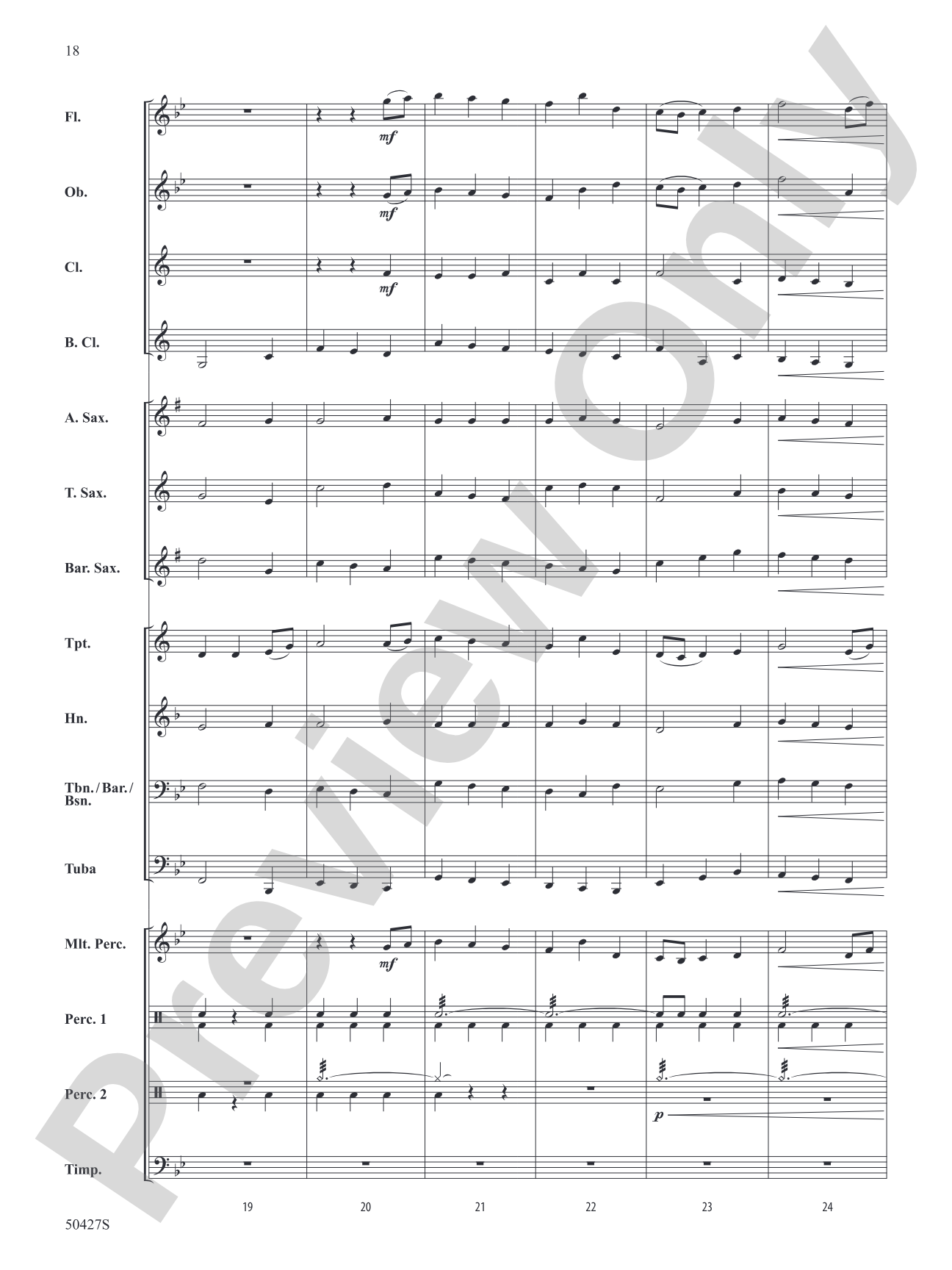
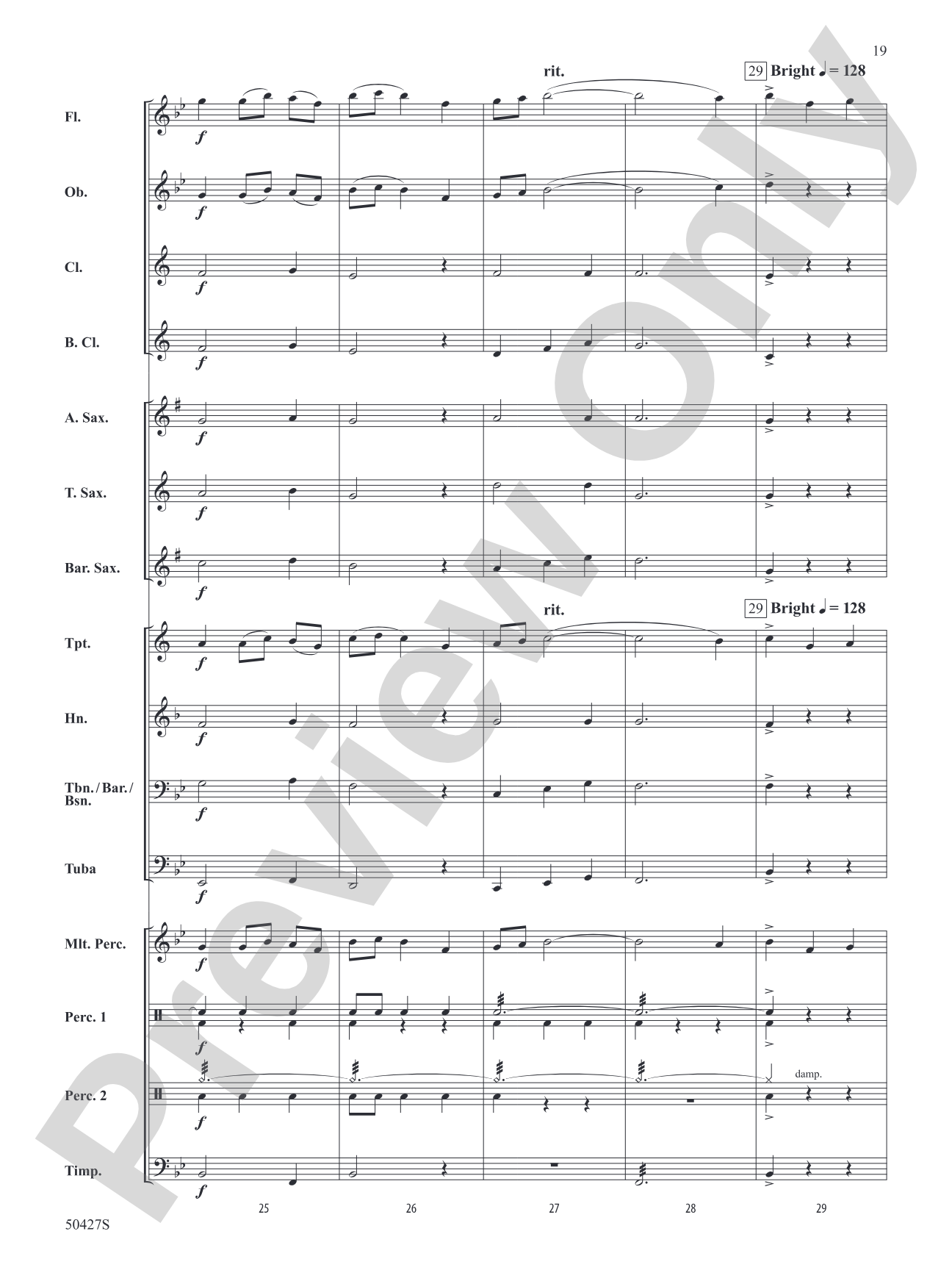
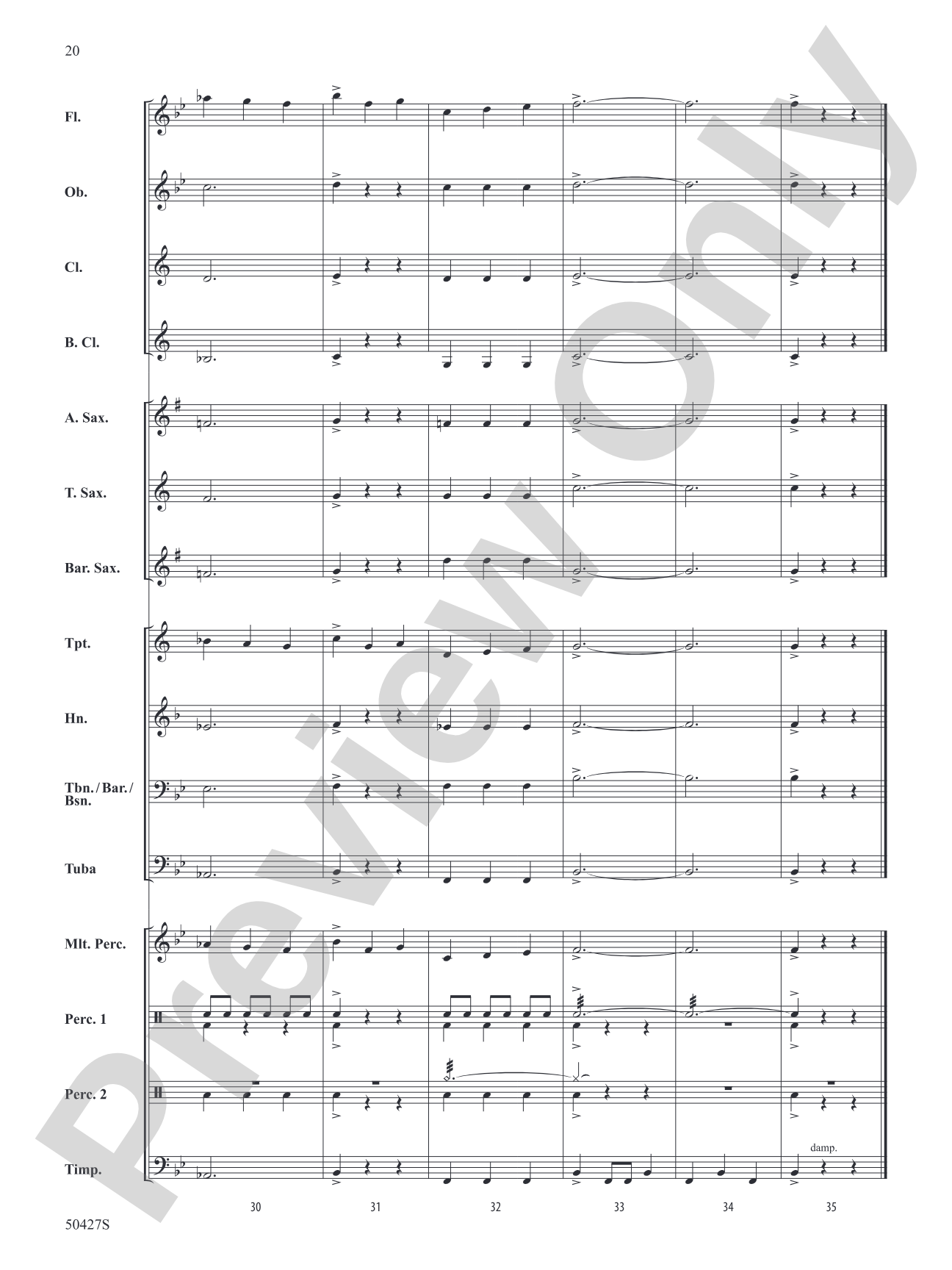

Suite from The Planets: Concert Band Conductor Score & Parts
By Gustav Holst / arr. Michael Story
Grade: 1.5
Item: 00-PK-0009423
$65.00
Pickup currently not available
Buy Extra Parts (Digital PDF Download)
Parts Added to Cart!
Description
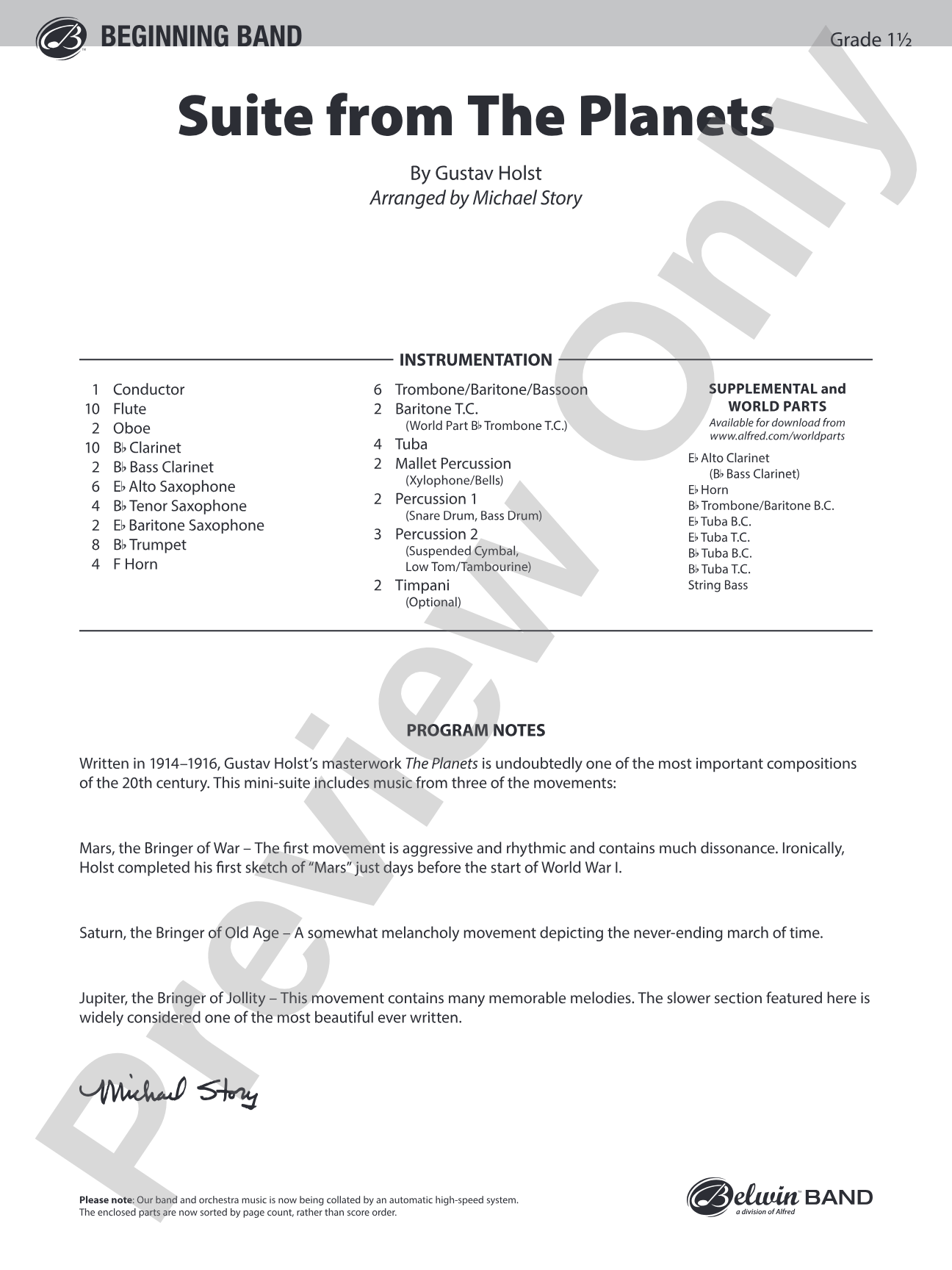
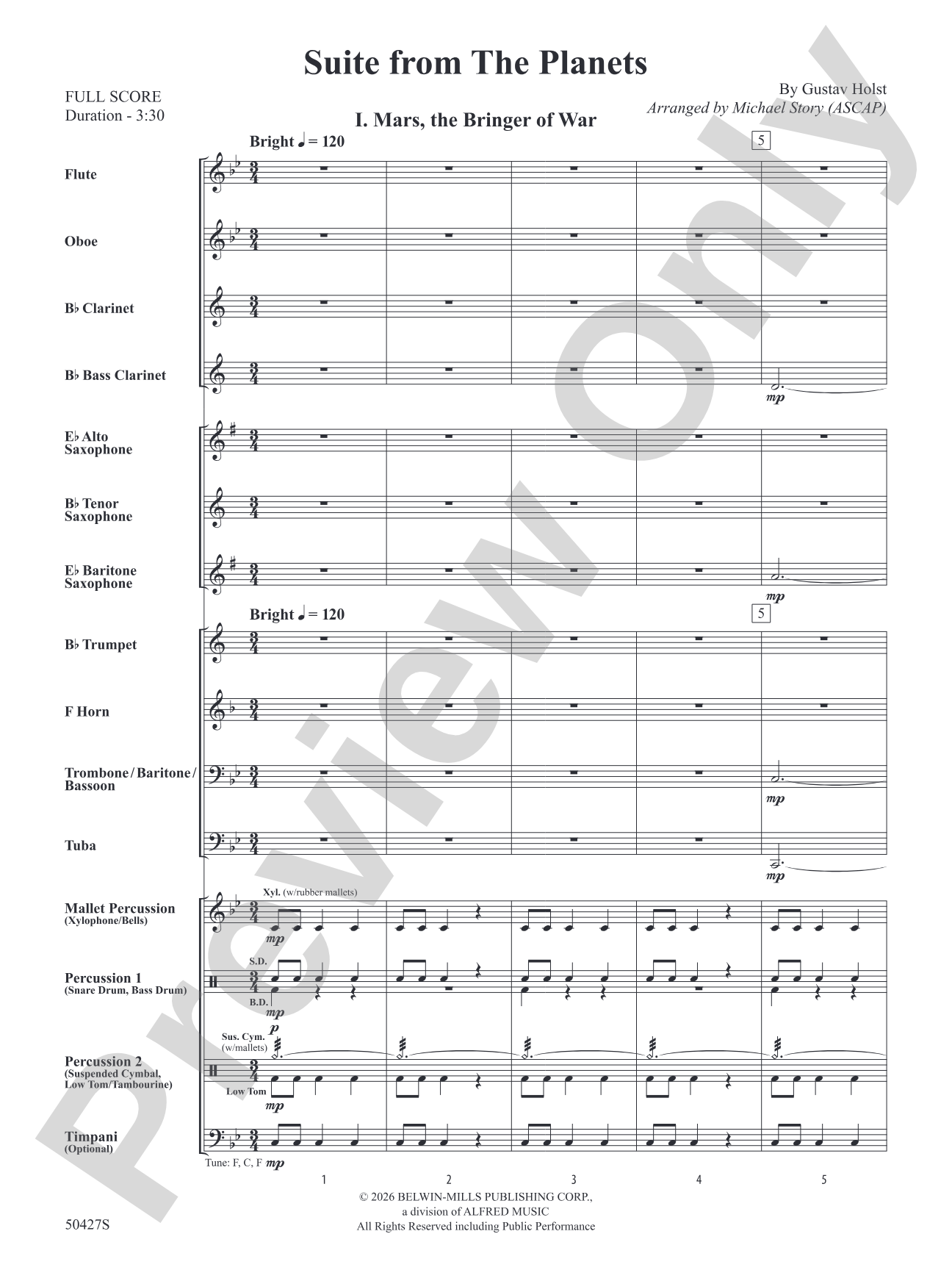
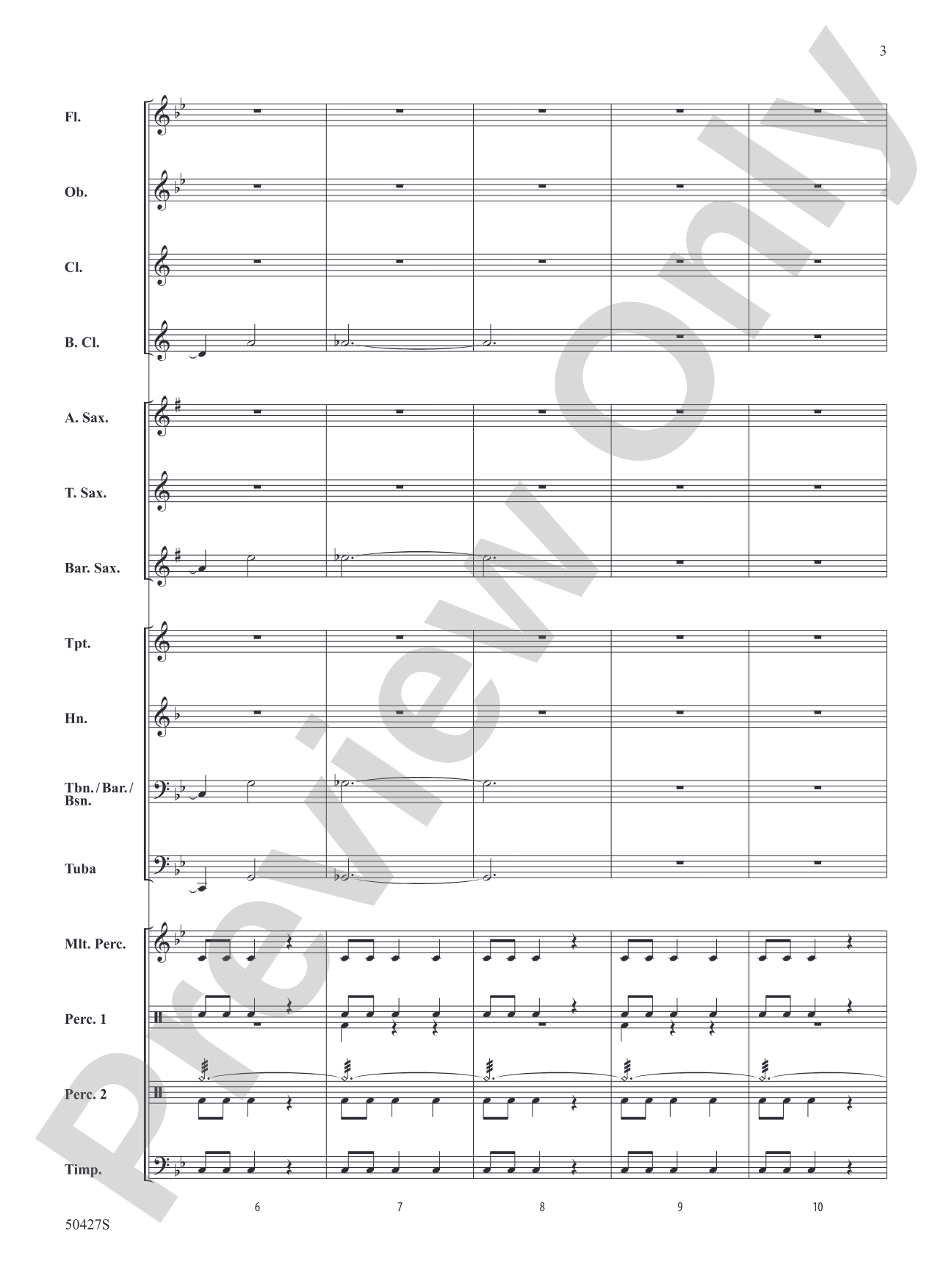
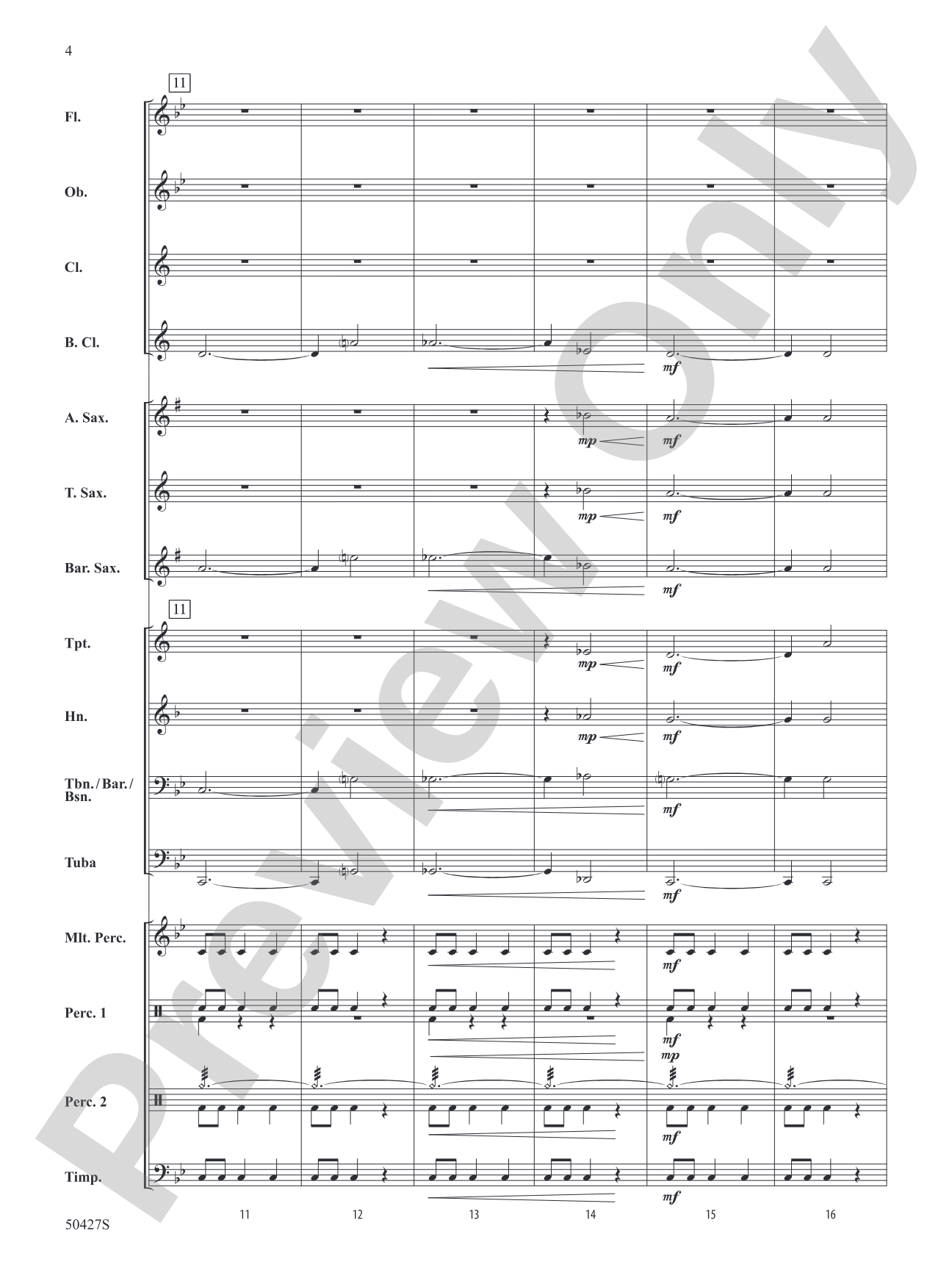
Written in 1914–1916, Gustav Holst's masterwork The Planets is undoubtedly one of the most important compositions of the 20th century. Arranger Michael Story has assembled music from three of the movements into a mini-suite suitable for beginning bands. Varied styles, textures, and dynamics make this piece educationally sound, and it also serves as an excellent introduction to a significant musical work.


Suite from The Planets: Concert Band Conductor Score & Parts isn't in MakeMusic Cloud just yet...but it could be. Let us know you'd like to see it, and you'll help shape what comes next. In the meantime, start a free trial and dive into thousands of interactive titles your students can play along with today.
Request This Title
Tell us you want it.
Start Your Free Trial
Explore everything that's ready to play right now.
Sample Audio
1
Audio File
--:--
0:00
0:00
Sample Video
Additional Details
Series:
Belwin Beginning Band
Publisher:
Alfred Music
SKU:
00-PK-0009423
More about this title
About the Composer: Gustav Holst
Gustav Holst (1874, 1934) was an English composer whose output spanned orchestral, choral, and band music, but whose legacy rests almost entirely on The Planets. Written during World War I, this seven-movement orchestral suite became a phenomenon that defined how the early 20th century sounded to millions of listeners. Holst's gift for orchestration was matched by his gift for melody and harmonic color; he could write music that moved both concert halls and school rehearsal rooms with equal conviction.
Beyond The Planets, Holst was a dedicated music educator who believed in writing for student musicians. He composed extensively for amateur orchestras and bands, never condescending to the medium. His approach, marrying accessibility with genuine artistic substance, shaped how generations of young musicians learned that important music could also be music written for them.
Why we love this
Michael Story's arrangement distills the most theatrical and immediately engaging movements from Holst's masterwork into a piece that beginning bands can actually pull off. Rather than feeling like a simplified excerpt, this suite lets young musicians experience genuine orchestration, shifting textures, and the kind of dynamic range that teaches them what concert band literature can do. Programming this alongside or after teaching about the full orchestral version deepens your students' connection to both the original and the wind band medium.
What to expect
Majestic and mysterious by turns, this suite captures Holst's gift for evoking character through orchestral color. The movements shift between weightless delicacy and bold proclamation, with rich harmonic language that sounds far more sophisticated than the technical requirements suggest. Students will hear themselves making real music.
Who it's for
Beginning and early intermediate bands (grades 1, 2) who are ready to tackle a work with real compositional weight. This is ideal for students encountering Holst for the first time and for directors seeking contest or festival material that doesn't rely on simplistic arranging.
How to get the most out of it
- Build the dynamic contrasts deliberately. Beginning bands often rush through soft passages or underplay sudden forte moments; take rehearsal time to shape the transitions so they land with clarity.
- Pay attention to balance in the upper woodwinds during the more delicate sections. Clarinet and flute lines are exposed, and intonation struggles here will be heard immediately.
- The rhythmic precision of the entire ensemble matters more at this level than virtuosity. Lock in the pulse through your conducting and careful attention to articulation consistency across sections.
- Consider the arrangement's reduced instrumentation compared to the original orchestra. Each band voice carries real responsibility, so every part deserves rehearsal focus.
How to use it
This works especially well on festivals or contests where adjudicators appreciate seeing young bands tackle recognized masterworks. It also pairs beautifully with educational programming about Holst, the original Planets suite, or the history of the wind band as a performing medium. Consider pairing it with a simpler contemporary piece and a standard Grade 2 work to show a band's range across difficulty and era.
Skills your students will build
- Dynamic contrast and shape within longer phrases
- Balance and intonation in exposed woodwind writing
- Rhythmic precision across ensemble textures
- Interpretation of 20th-century harmonic language
- Listening to and responding to conductor cues for textural changes