
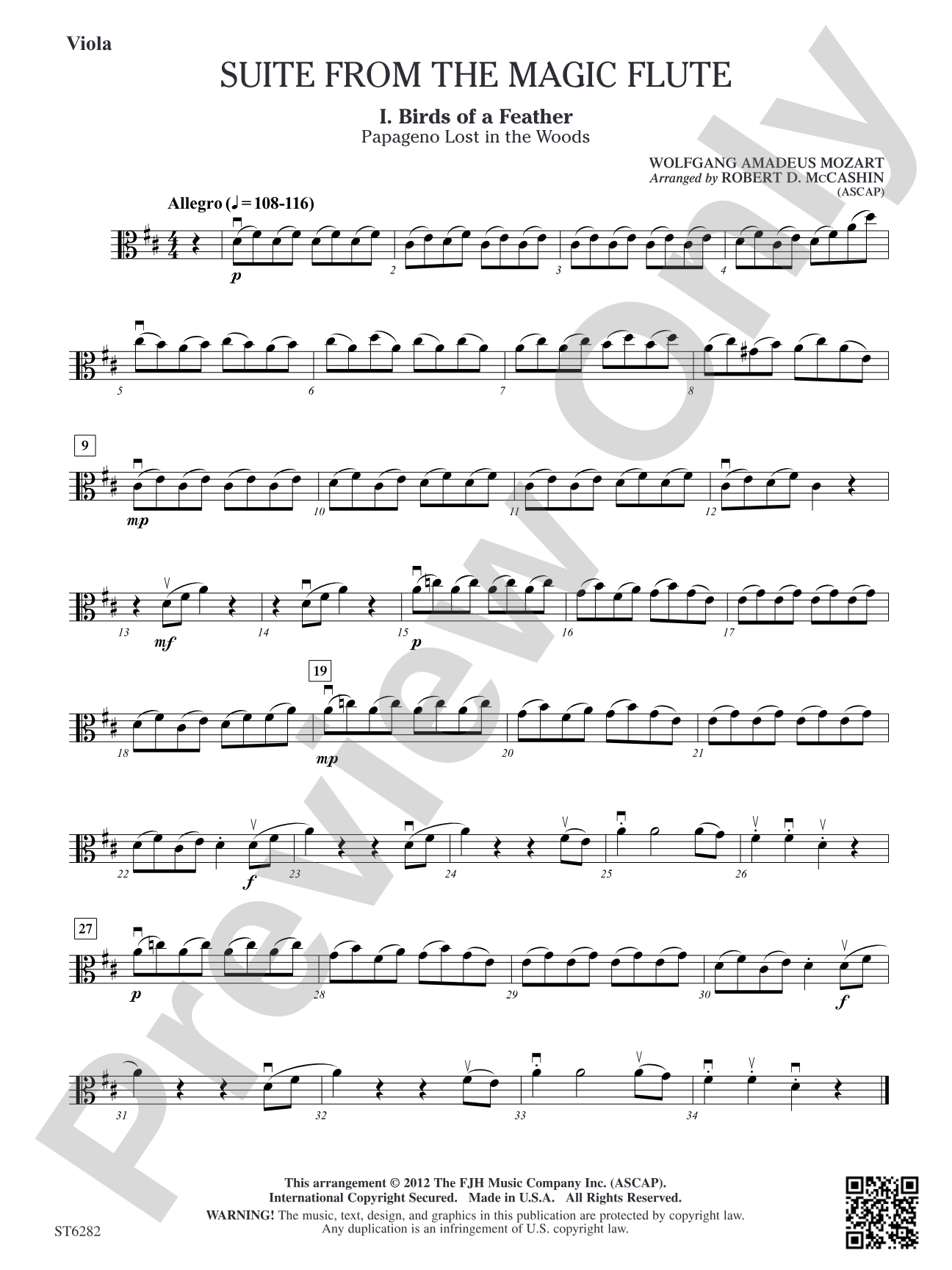

Suite from the Magic Flute: Viola
Arranged by Robert D. McCashin
Grade: 2.5
Item: 98-PC-DST6282_VA1
$7.00
Pickup currently not available
Description
This four-movement arrangement features some of the most popular themes in Mozart's opera. Representing the main characters as well as the primary segments of the plot, the movements include Birds of a Feather (Papageno Lost in the Woods), March of the Noble Priests, The Mean Queen (Queen of the Night Aria), and All's Well That Ends Well (Final Scene). An incredible setting, and a fun way to introduce your students to this masterwork!


Don't just read it, hear it, play along with it, and watch your students grow with it. In MakeMusic Cloud, Suite from the Magic Flute: Viola comes alive with professional accompaniment, adjustable tempo, and built-in practice tools that turn solo practice into real progress.
Open in the Player
Jump straight in and assign it today.
Start Your Free Trial
Open this title and explore the full library in minutes.
Sample Audio
1
Audio File
--:--
0:00
0:00
Sample Video
No sample videos found.
Additional Details
Series:
FJH Developing Strings
Publisher:
The FJH Music Company, Inc.
SKU:
98-PC-DST6282_VA1
More about this title
About the Arranger: Robert D McCashin
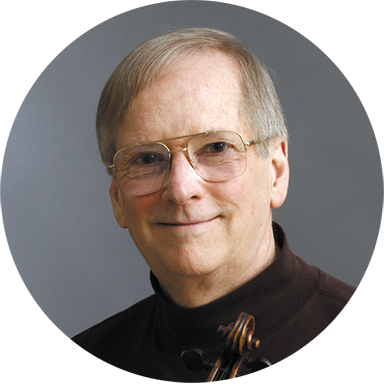
Robert D McCashin holds a Doctor of Musical Arts degree in conducting from the University of Arizona and spent 43 years in higher education as a conductor, orchestral pedagogue, and applied string instructor. He served as Director of Orchestras and Professor of Conducting at James Madison University, where he led the Symphony, Chamber Orchestra, and Opera Orchestras while teaching conducting and orchestral literature at the graduate level. He received JMU's Distinguished Teacher Award in 2015.
Before joining the faculty at James Madison University, McCashin taught at the University of Texas at Arlington and Texas Wesleyan University, where he also founded and conducted the Arlington Youth Symphony. A violinist by training, he has published nearly 80 educational arrangements and original works spanning Grade 1 through Grade 5 performance levels. Many of his compositions have been recognized as Editors' Choice selections and bestsellers in educational music publishing. He is co-author of the widely used string methods New Directions for Strings and A Scale in Time.
Why we love this
McCashin's ear for what works in the string orchestra context shines here. He knows exactly how to balance accessibility with genuine musical substance, presenting Mozart's most recognizable melodies in a way that feels earned rather than simplified. Your students will recognize these themes immediately, which means they're already invested in making the music sing.
What to expect
Moving from the whimsy and humor of Papageno's forest wanderings through the ceremonial grandeur of the Priests' March, then into the dramatic intensity of the Queen's iconic aria, and finally into Mozart's triumphant resolution feels like experiencing the opera's arc in miniature. The arrangement preserves the character shifts that make the Magic Flute enduringly engaging while keeping technical demands reasonable.
Who it's for
This arrangement works beautifully for intermediate string orchestras eager to tackle substantial orchestral repertoire without sacrificing performance confidence. Directors programming educational concerts benefit from the four-movement structure and recognizable themes, which engage audiences while showcasing orchestra musicality at Grade 2.5 level.
How to get the most out of it
- Bring out the lyrical qualities of the Papageno movement by asking violins to shape phrases with gentle vibrato and a warm, singing tone; this section depends on expressive line work rather than technical display.
- Balance the march character in the Priests' movement by maintaining steady quarter-note pulse in lower strings while upper voices support the melodic content with rhythmic clarity.
- The Queen of the Night Aria sits high and demands precise rhythmic coordination; isolate this movement in sectional rehearsals to lock ensemble precision before combining with other parts.
- Finalize articulation and bow direction across all parts in the final movement early in rehearsals to ensure unified ensemble sound during the celebratory conclusion.
How to use it
Program this as a centerpiece for a classical-era concert or use it to frame other Mozart works at different educational levels. The four-movement design also makes it an effective finale for a program focused on operatic themes, where the final movement's celebratory energy sends audiences home satisfied.
Skills your students will build
- Reading and executing articulations across four distinct musical styles (lyrical, march, dramatic, and celebratory)
- Balancing upper and lower string voices to support melodic content while maintaining rhythmic integrity
- Responding to conductor cues during character and tempo shifts between movements
- Performing sustained passages with consistent vibrato and tone quality
- Coordinating ensemble precision during rhythmically driven sections