
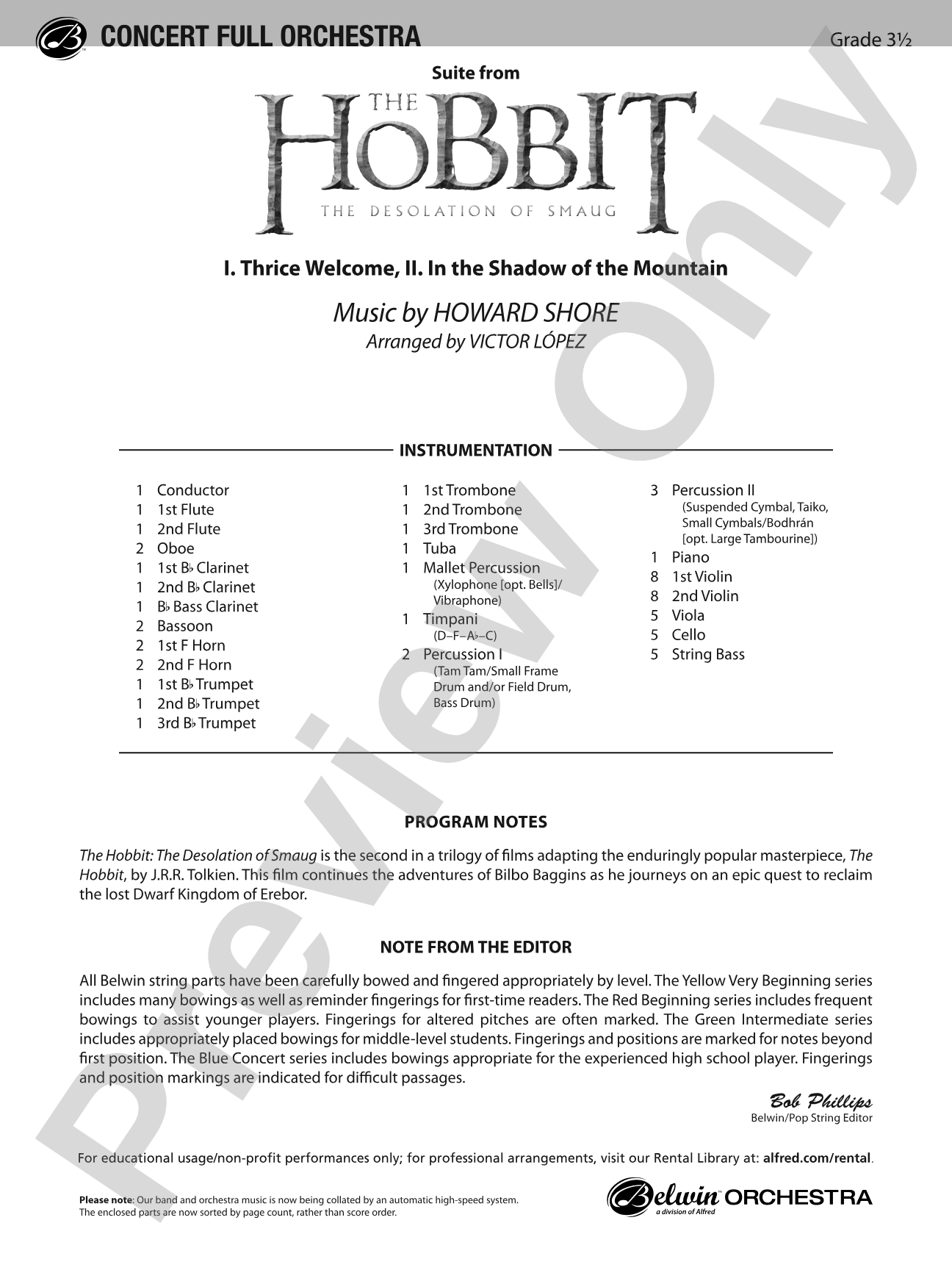
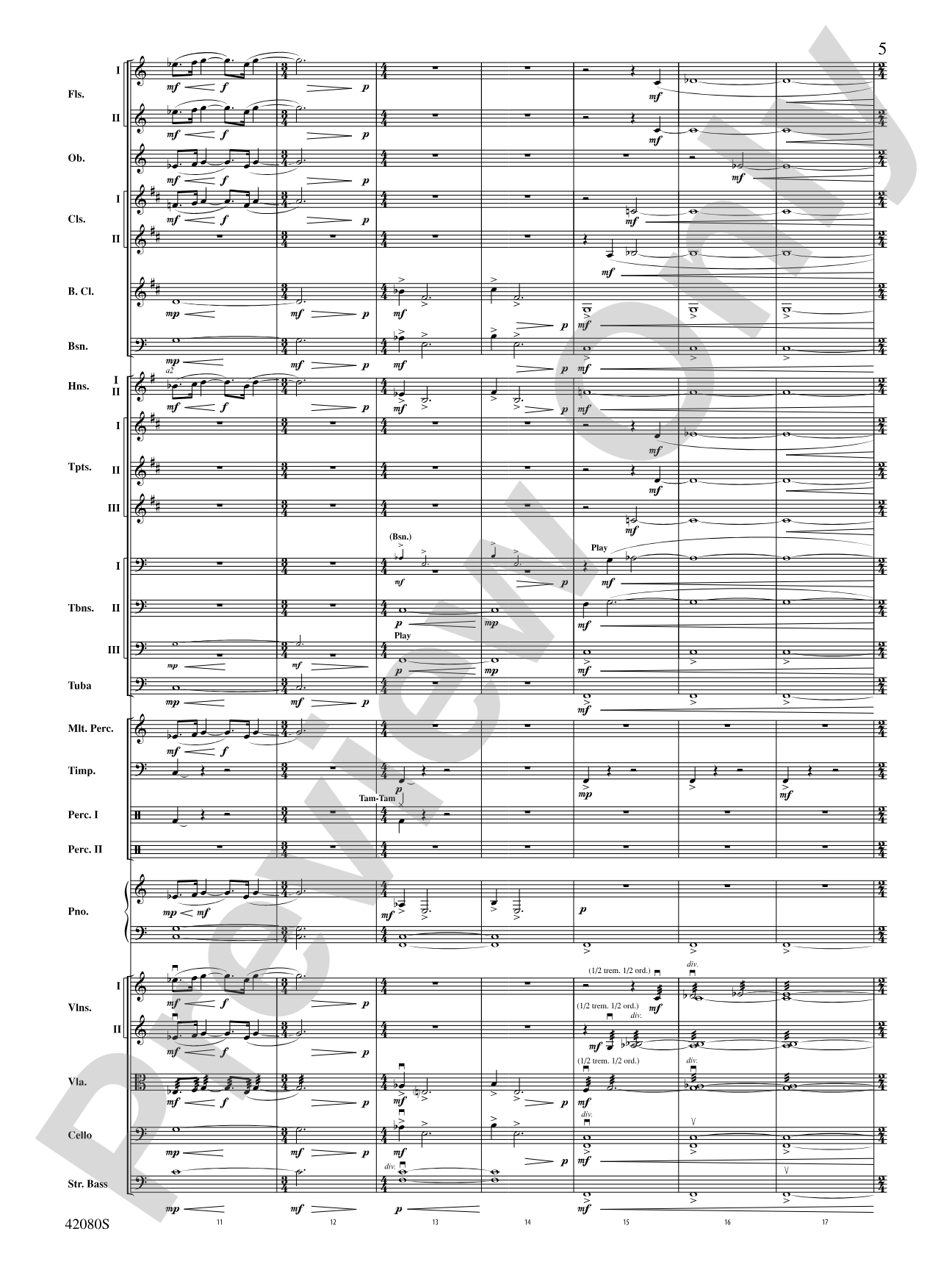
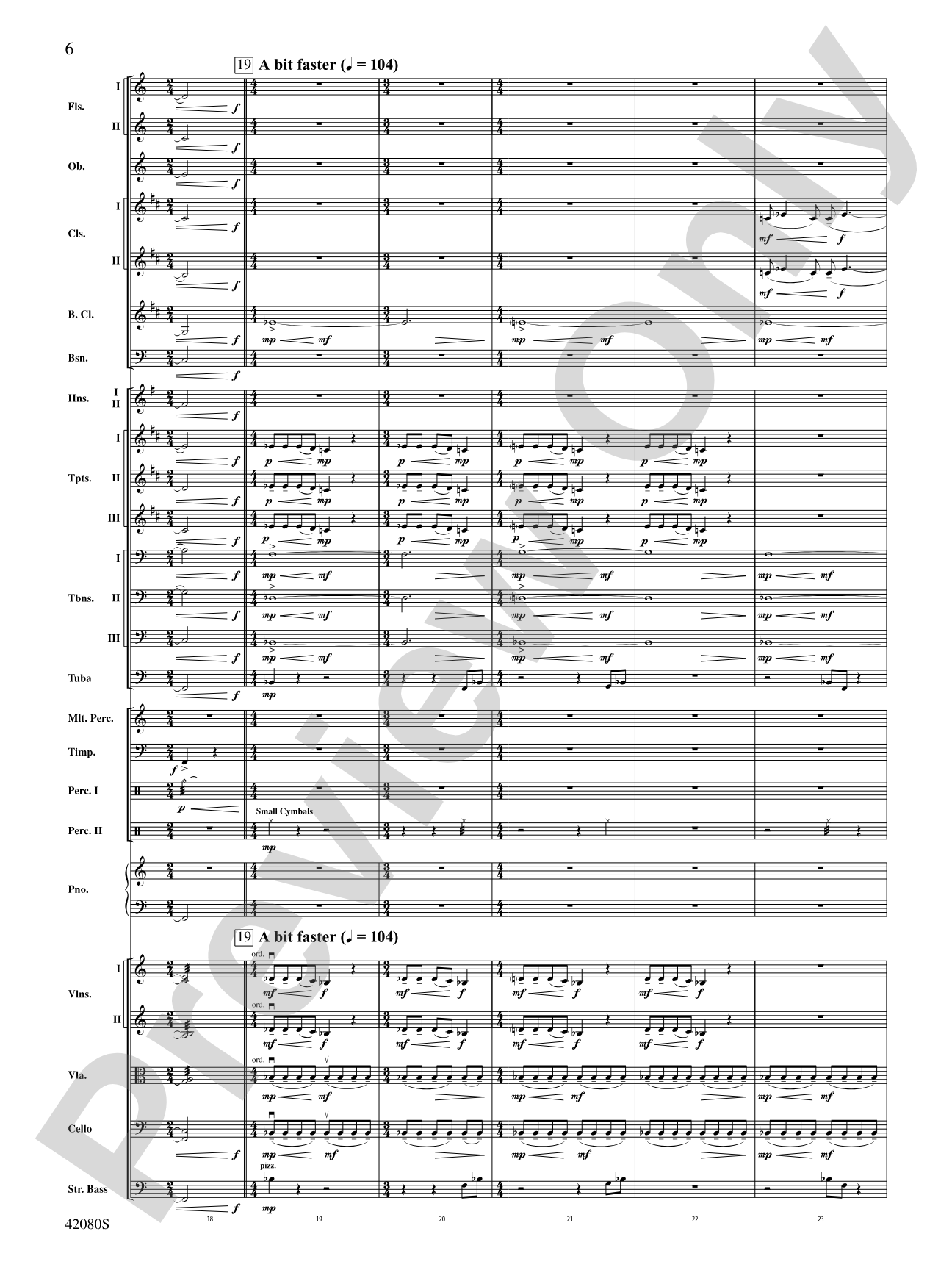
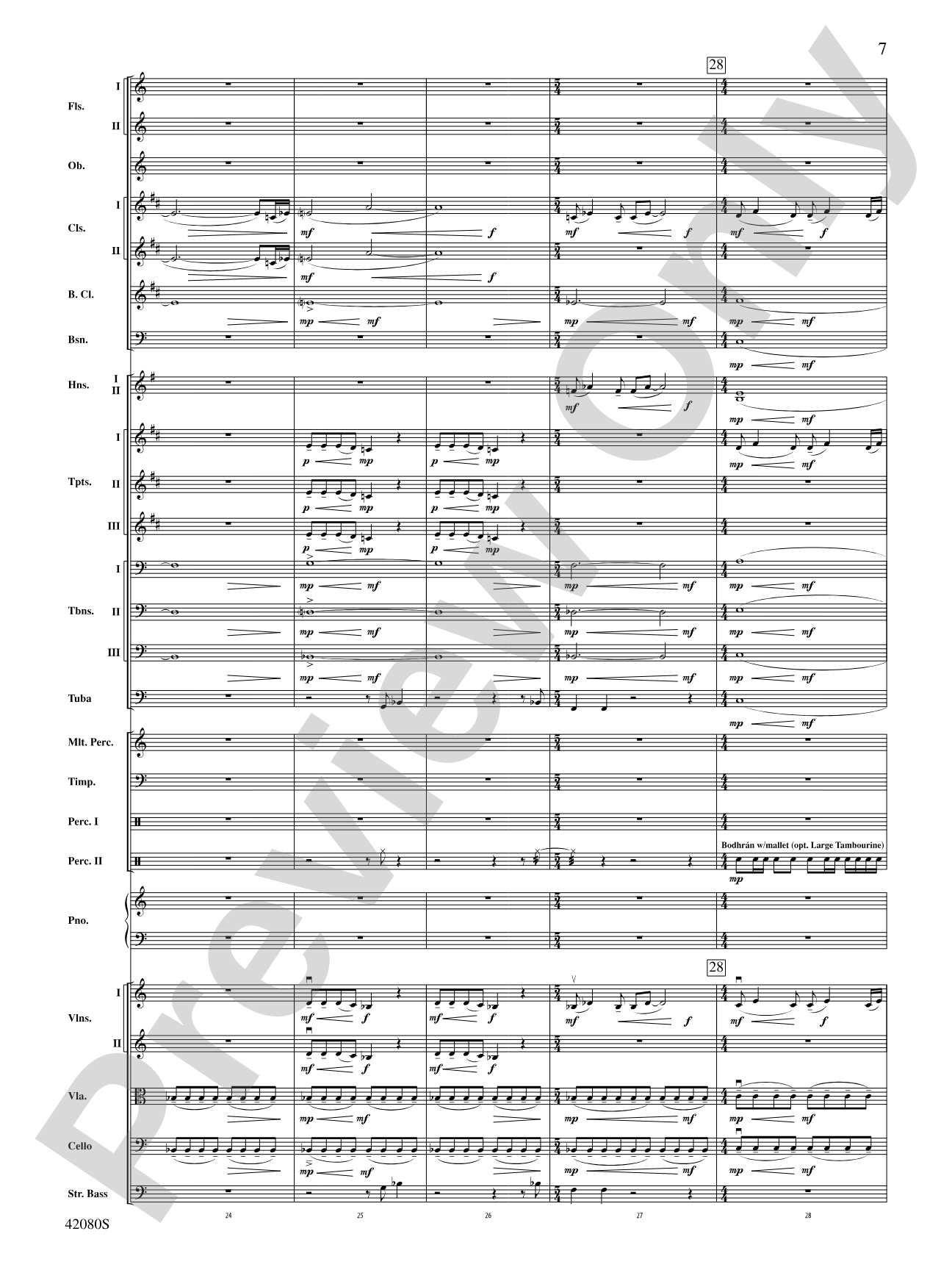
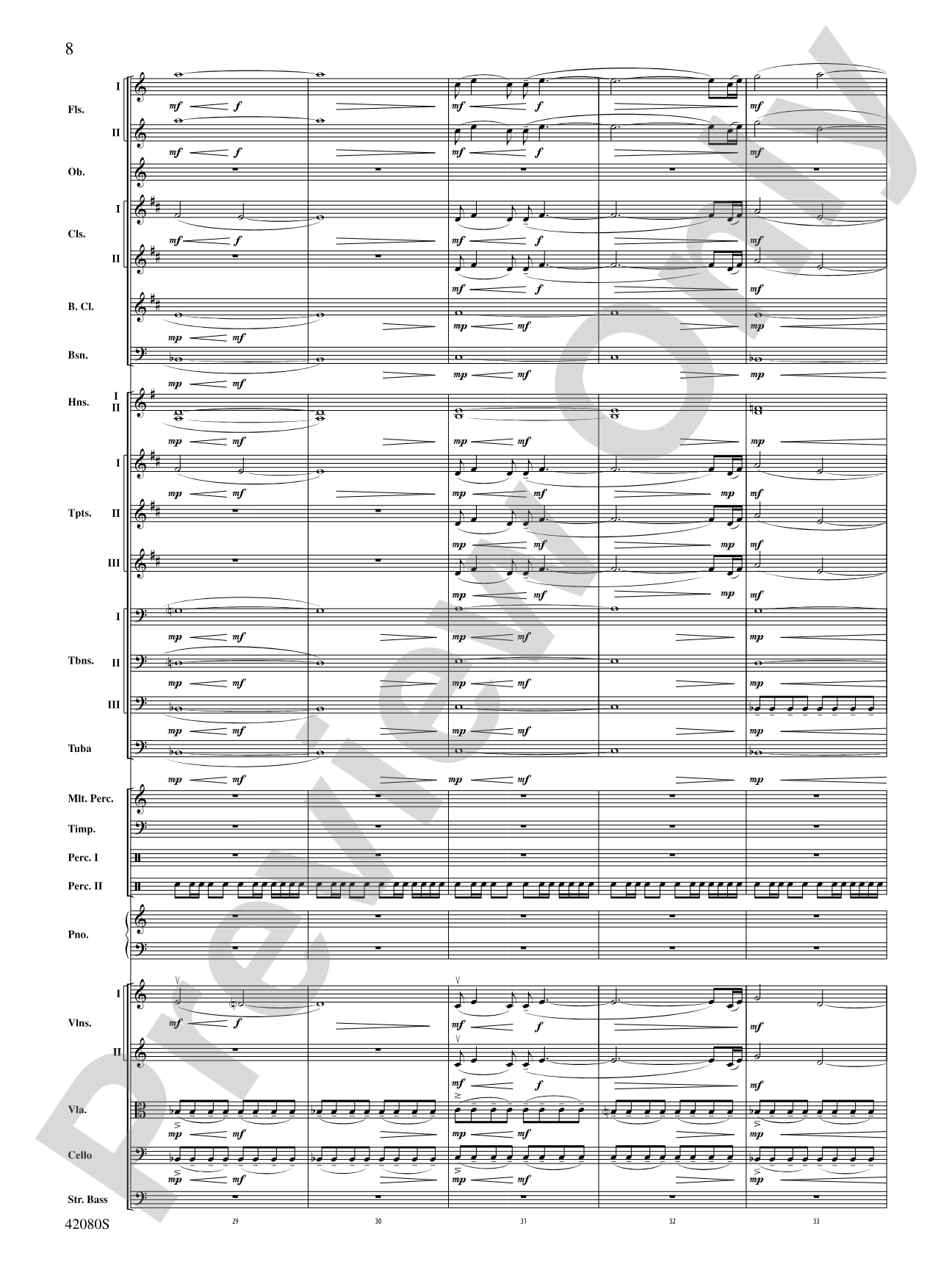
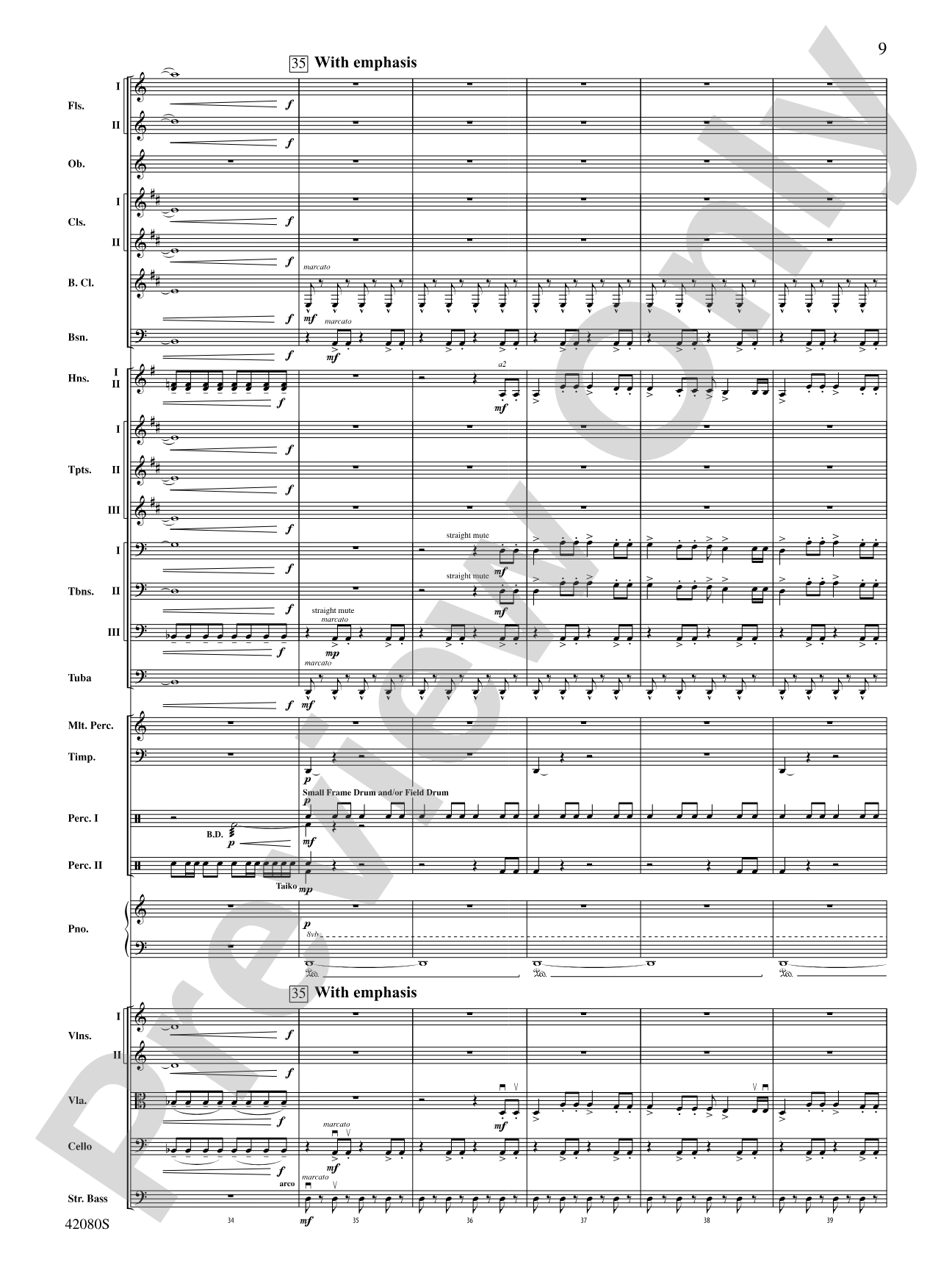
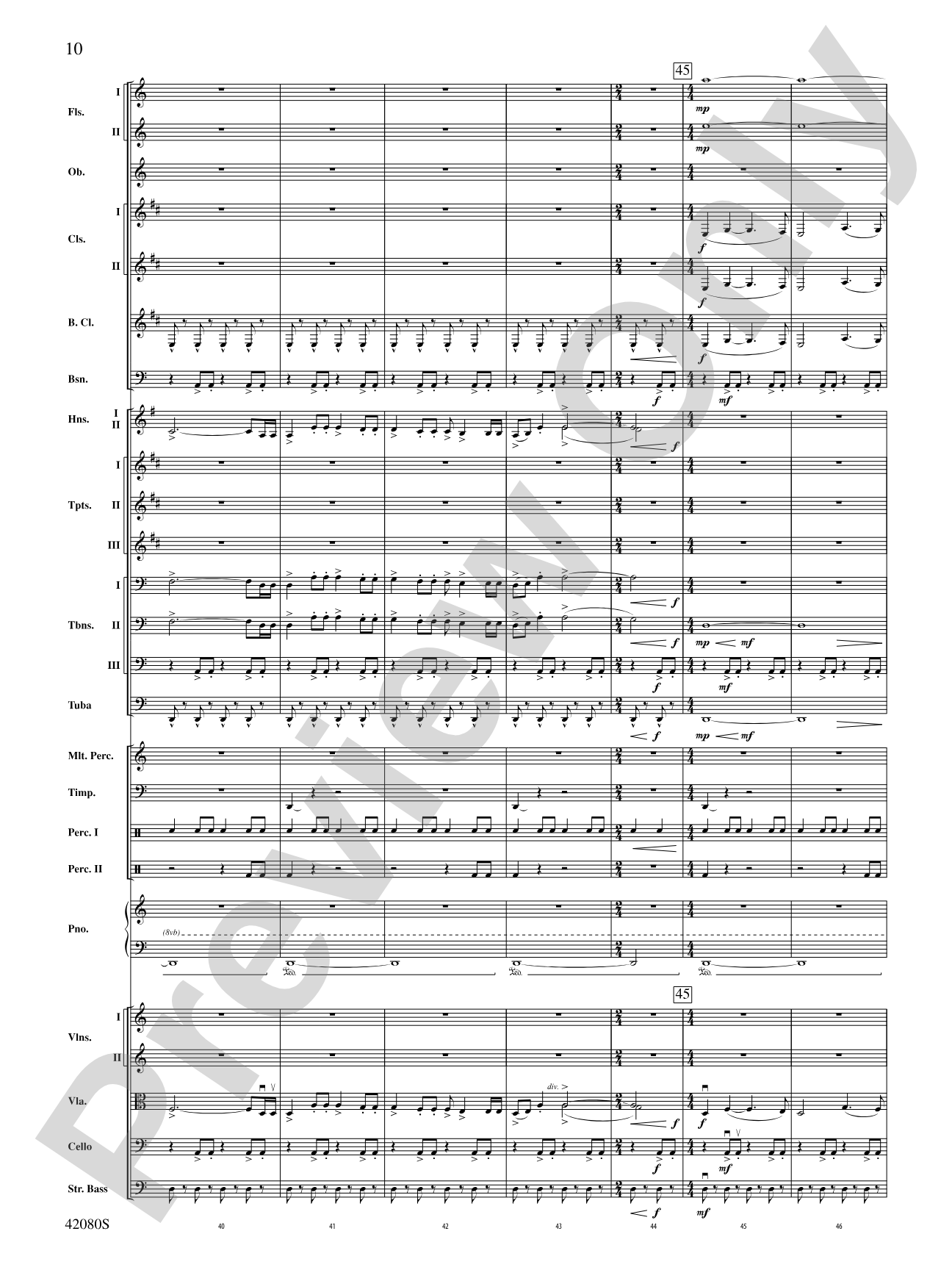
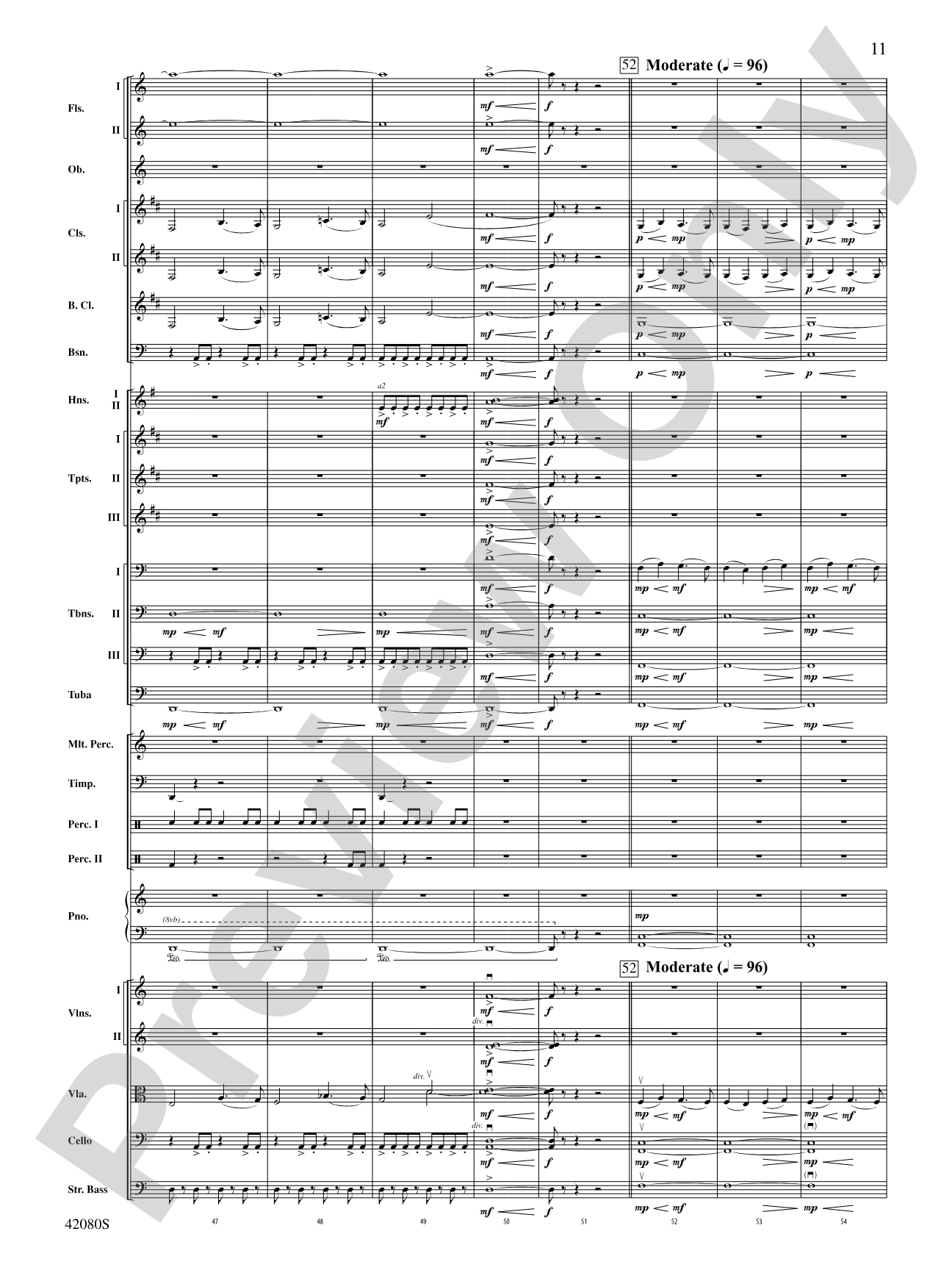
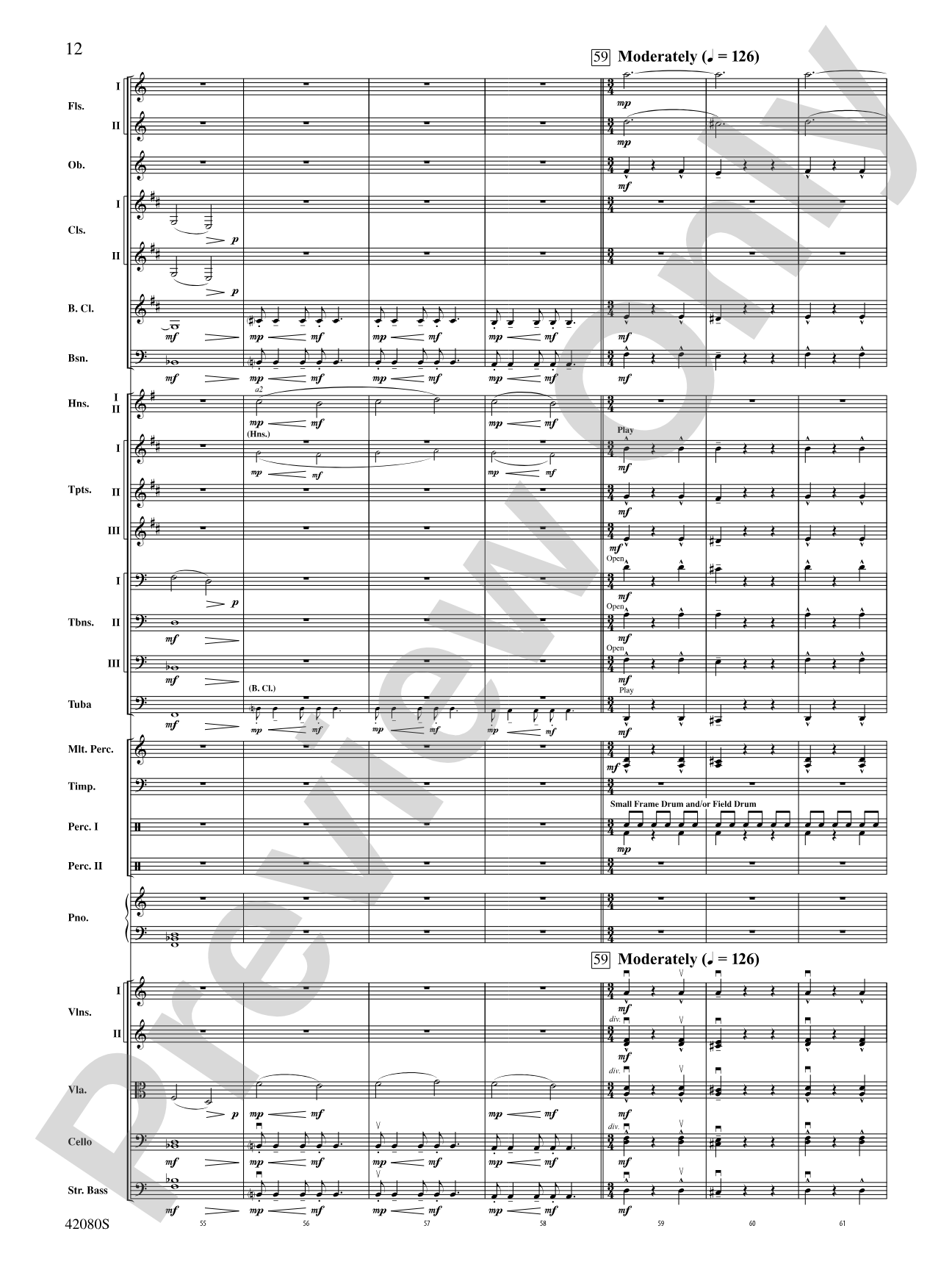
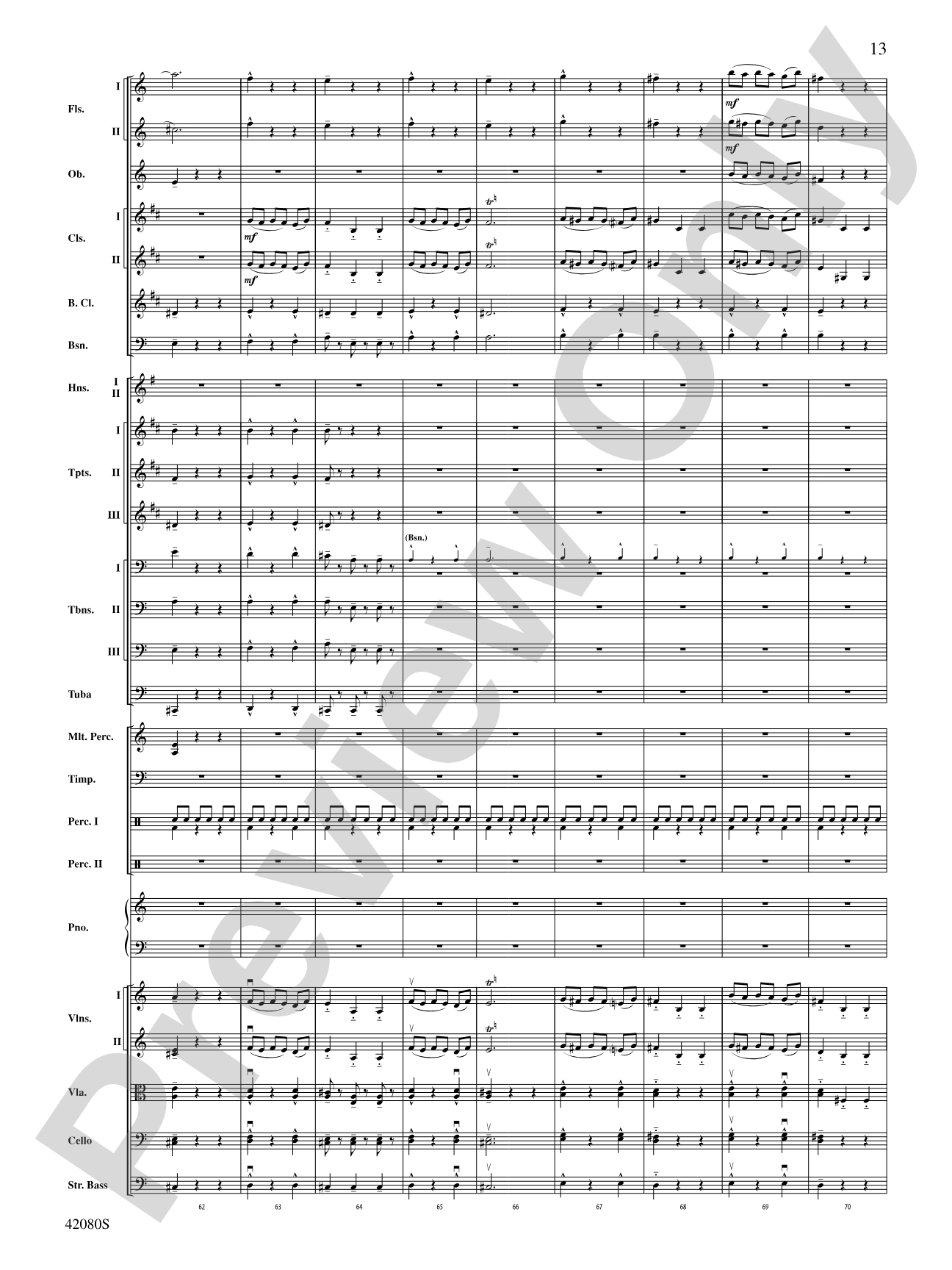
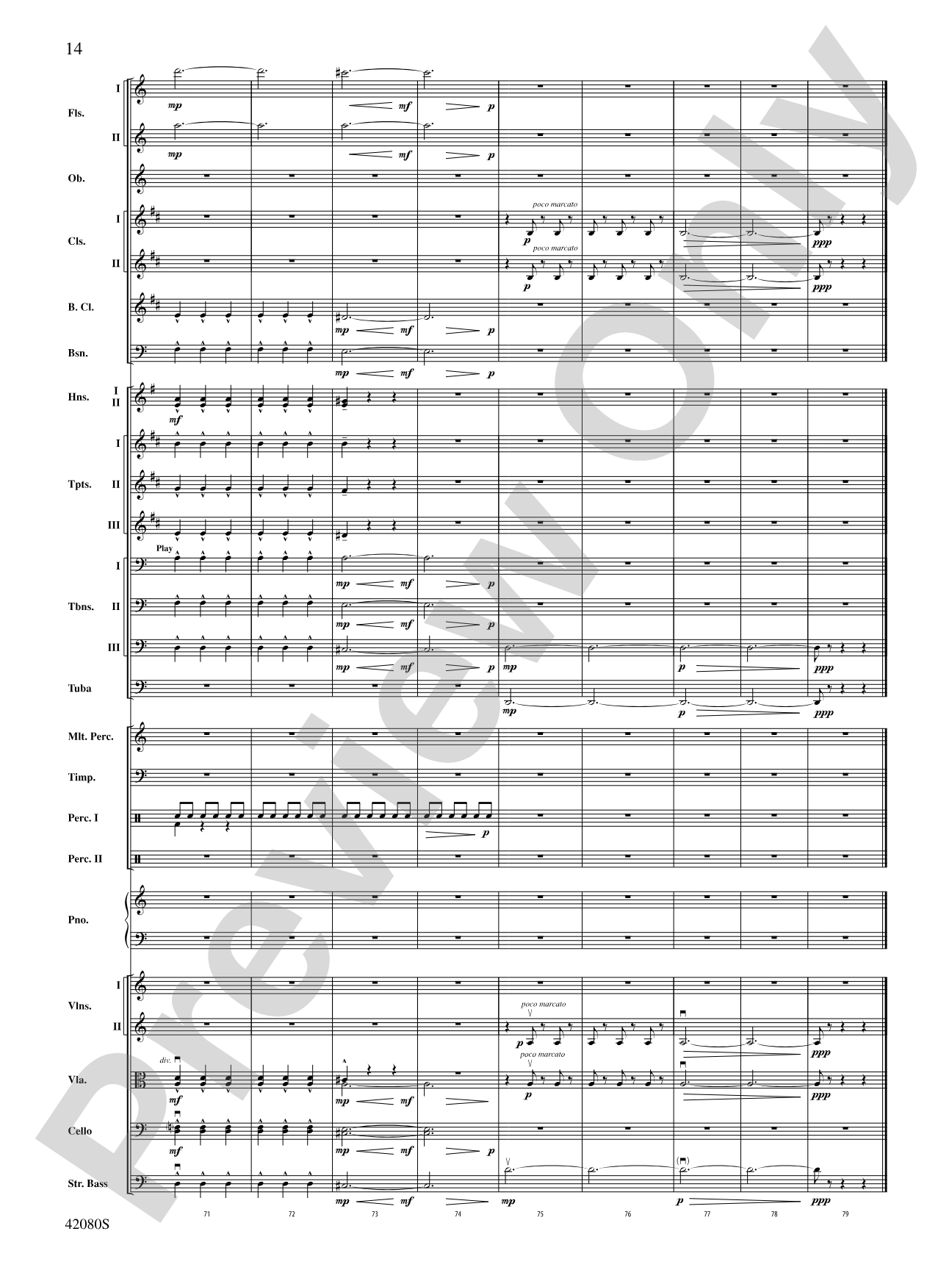
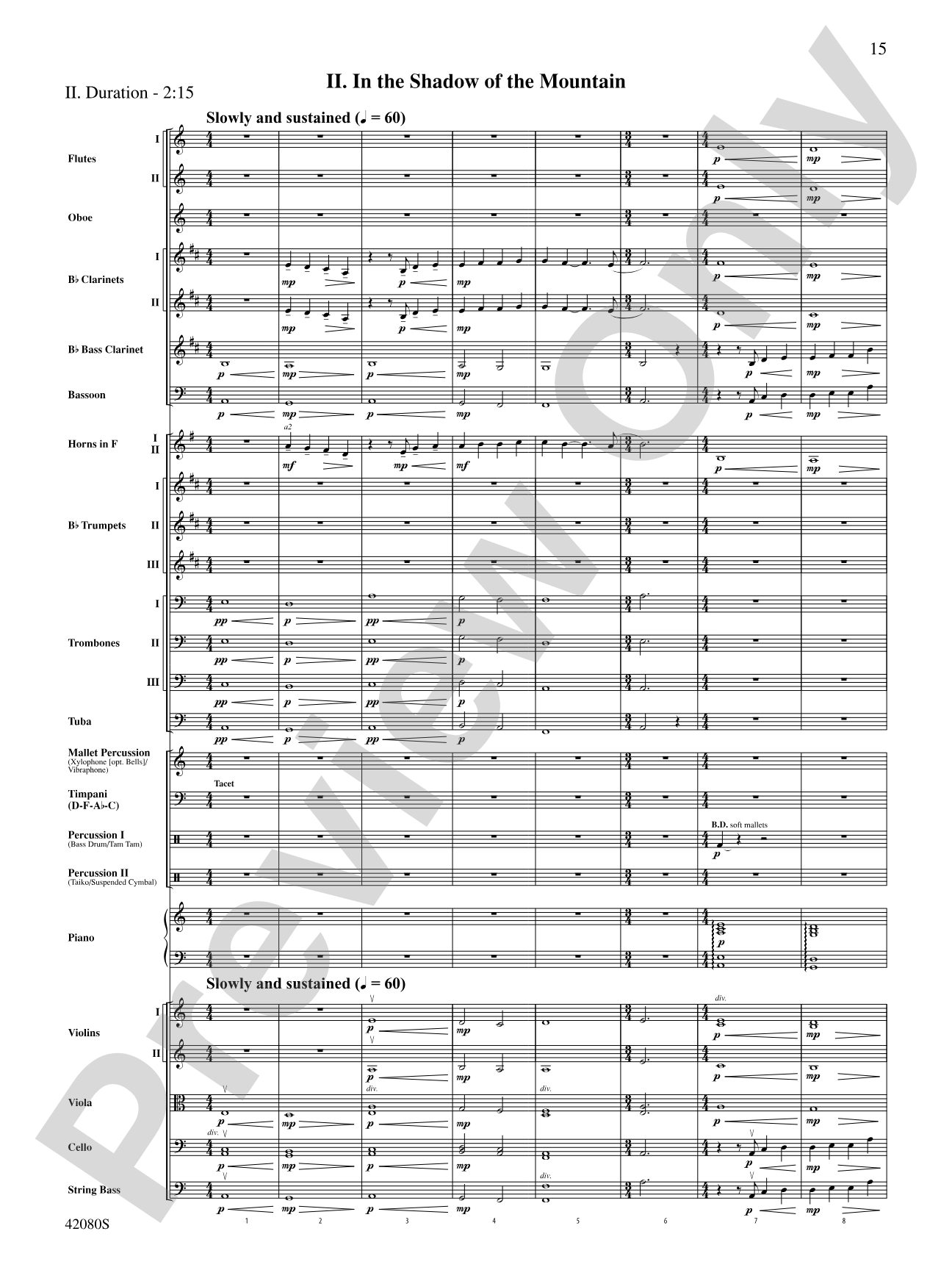
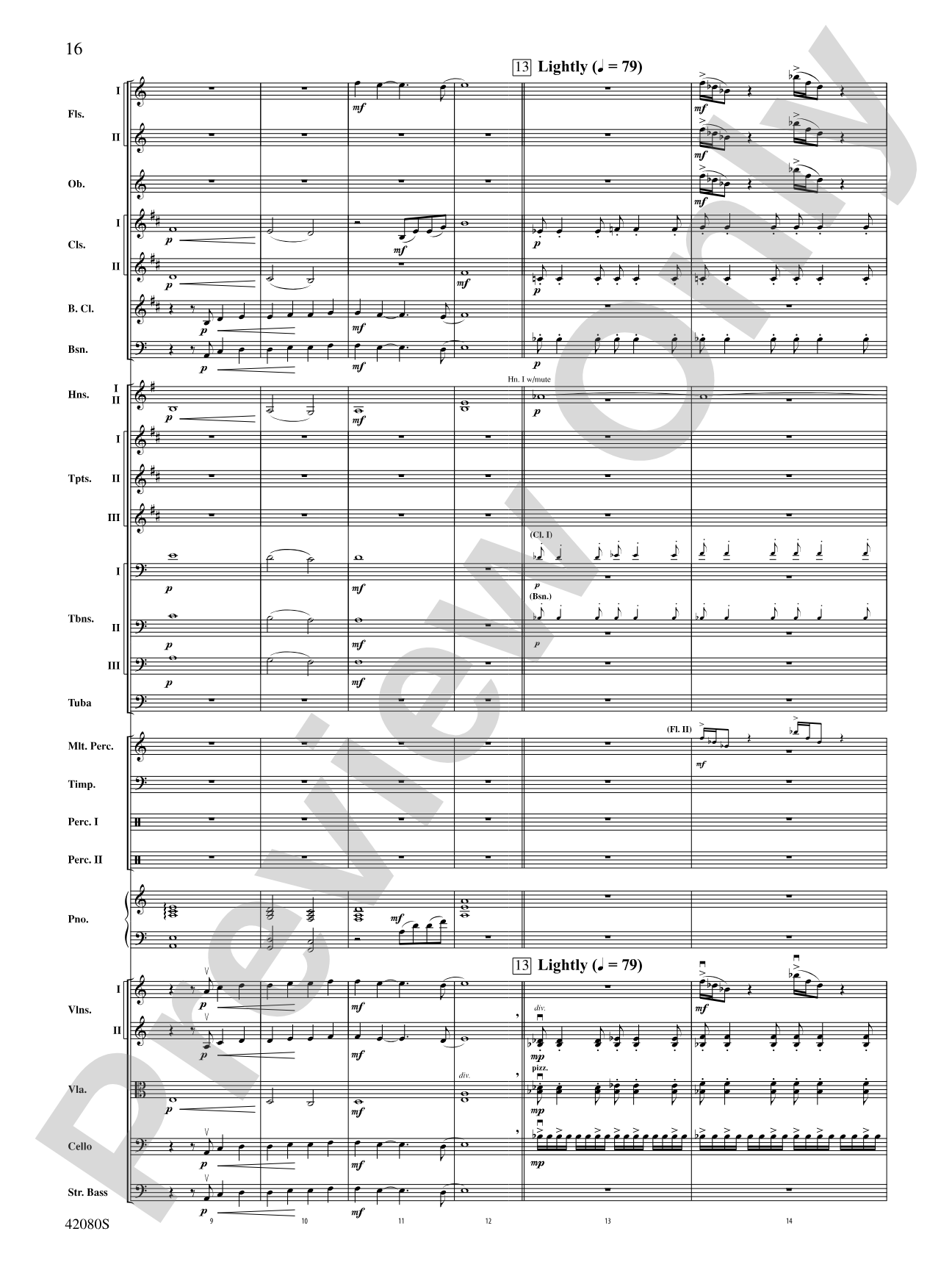
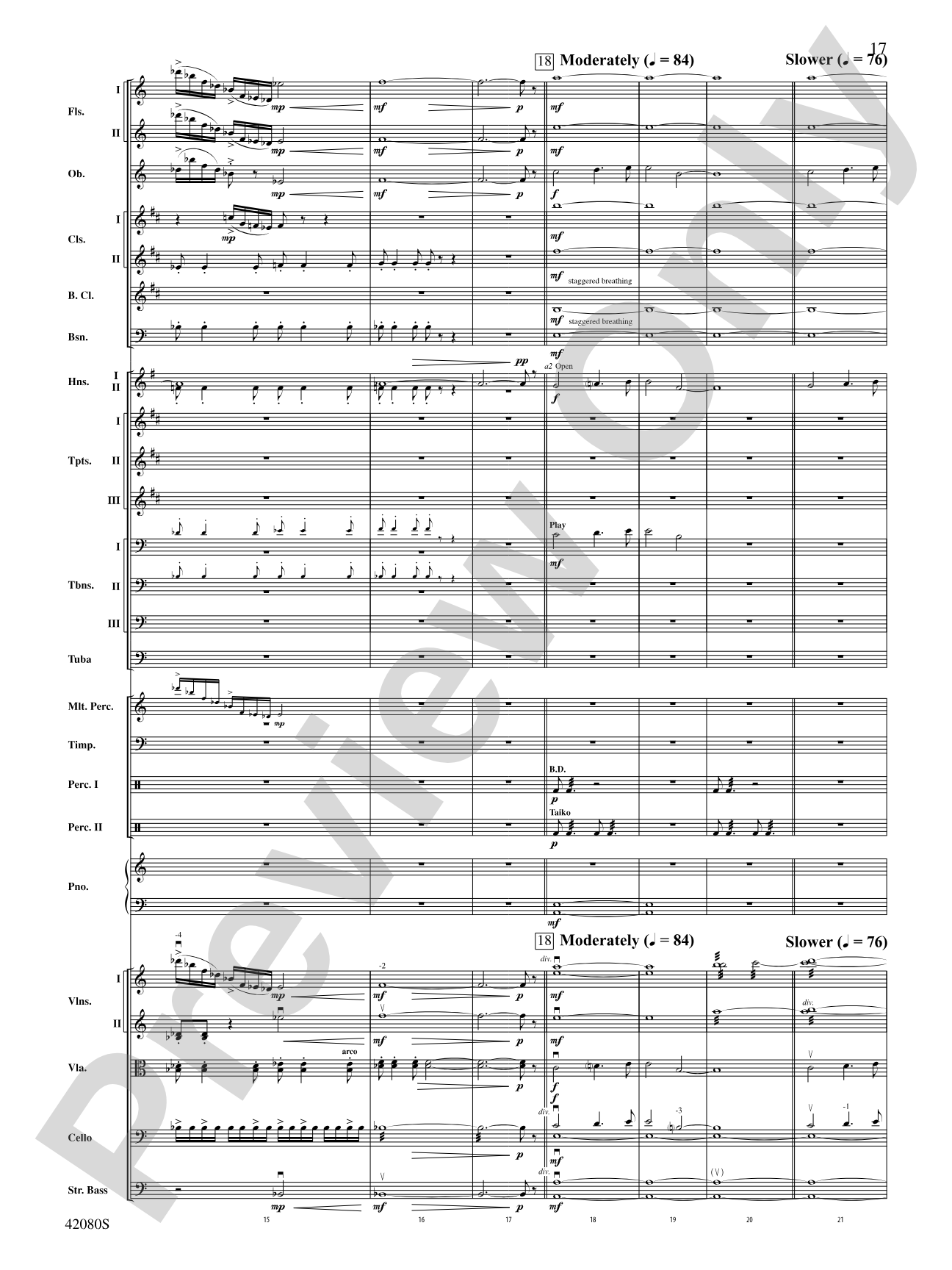
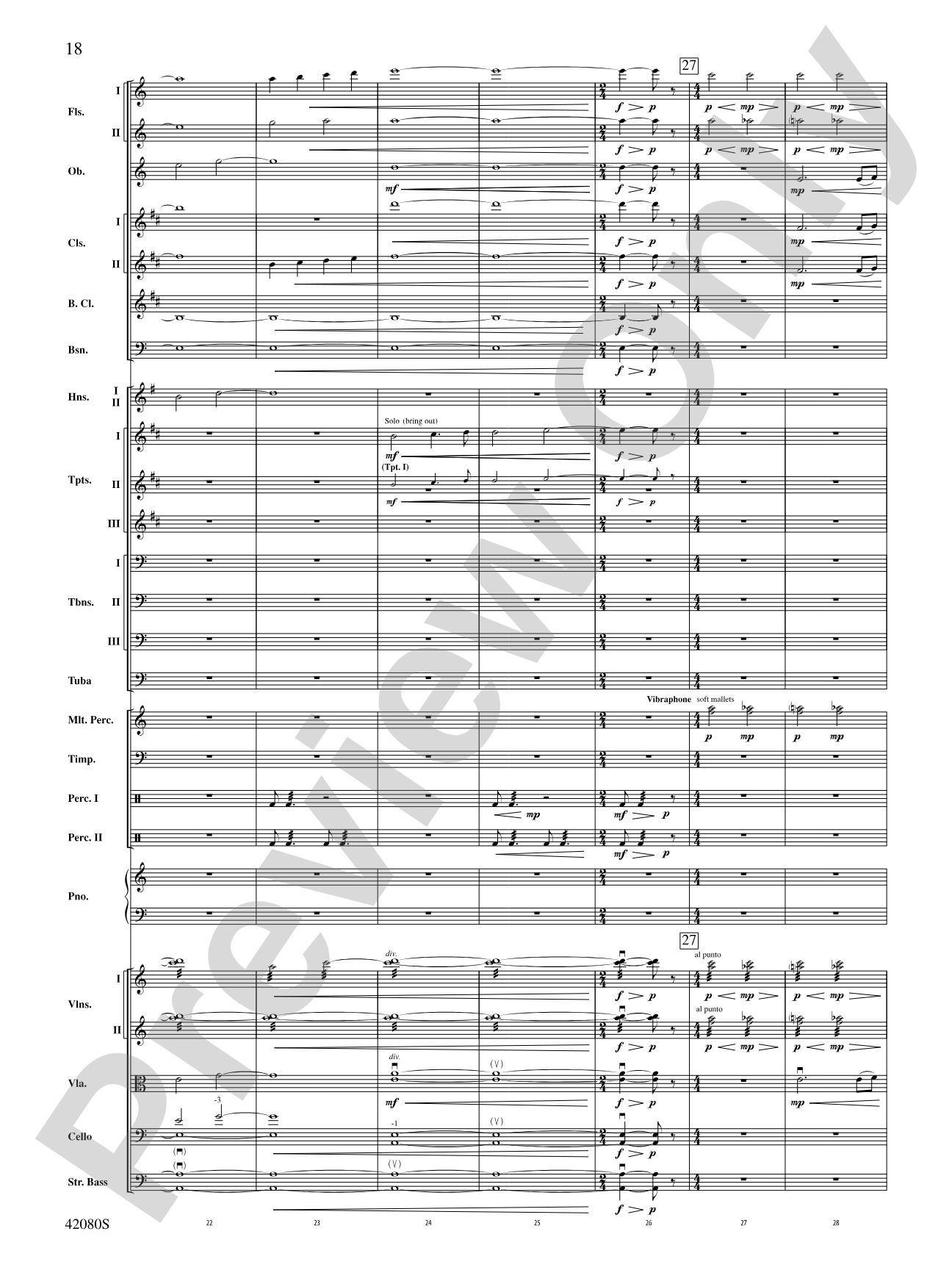
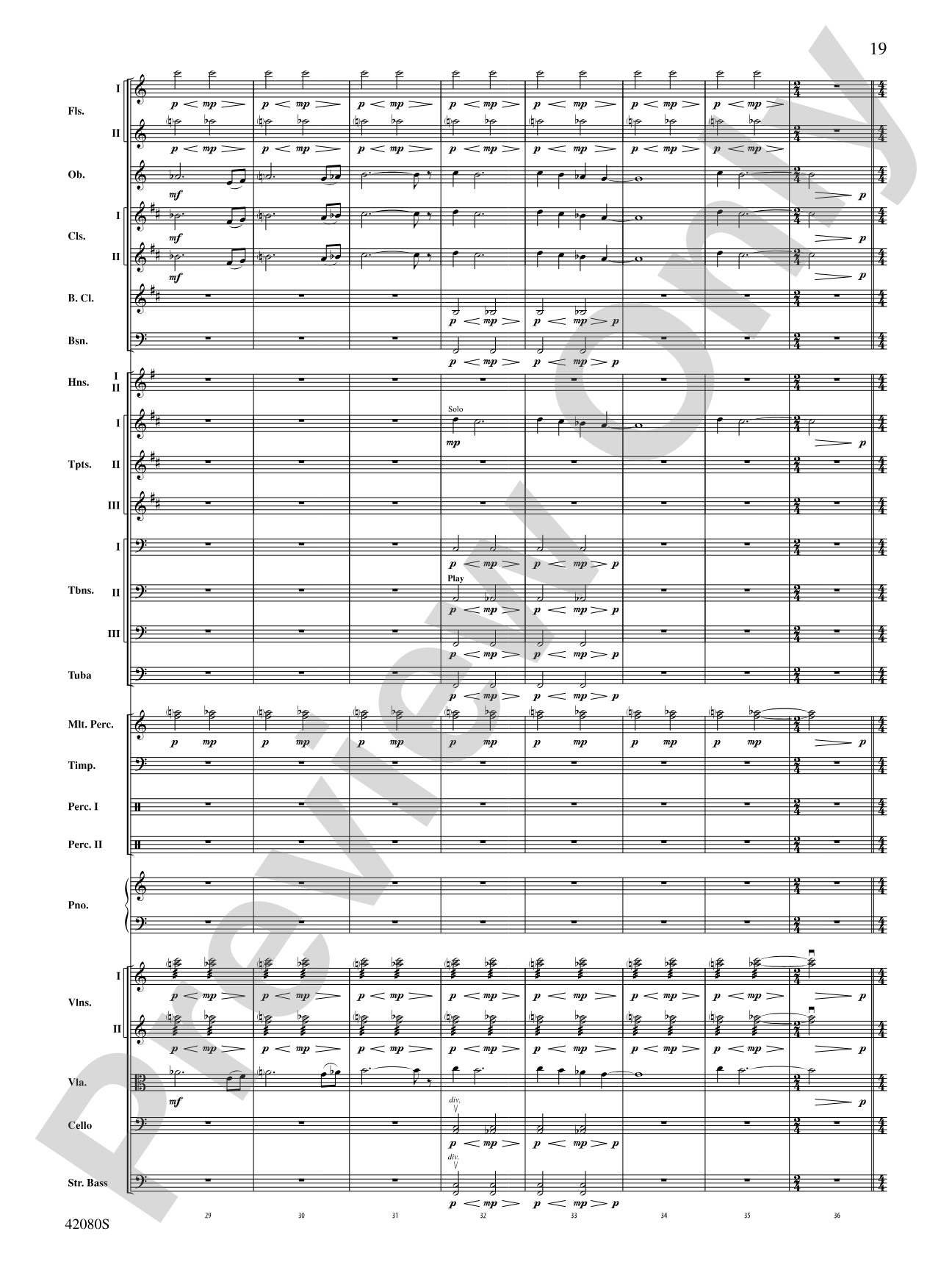
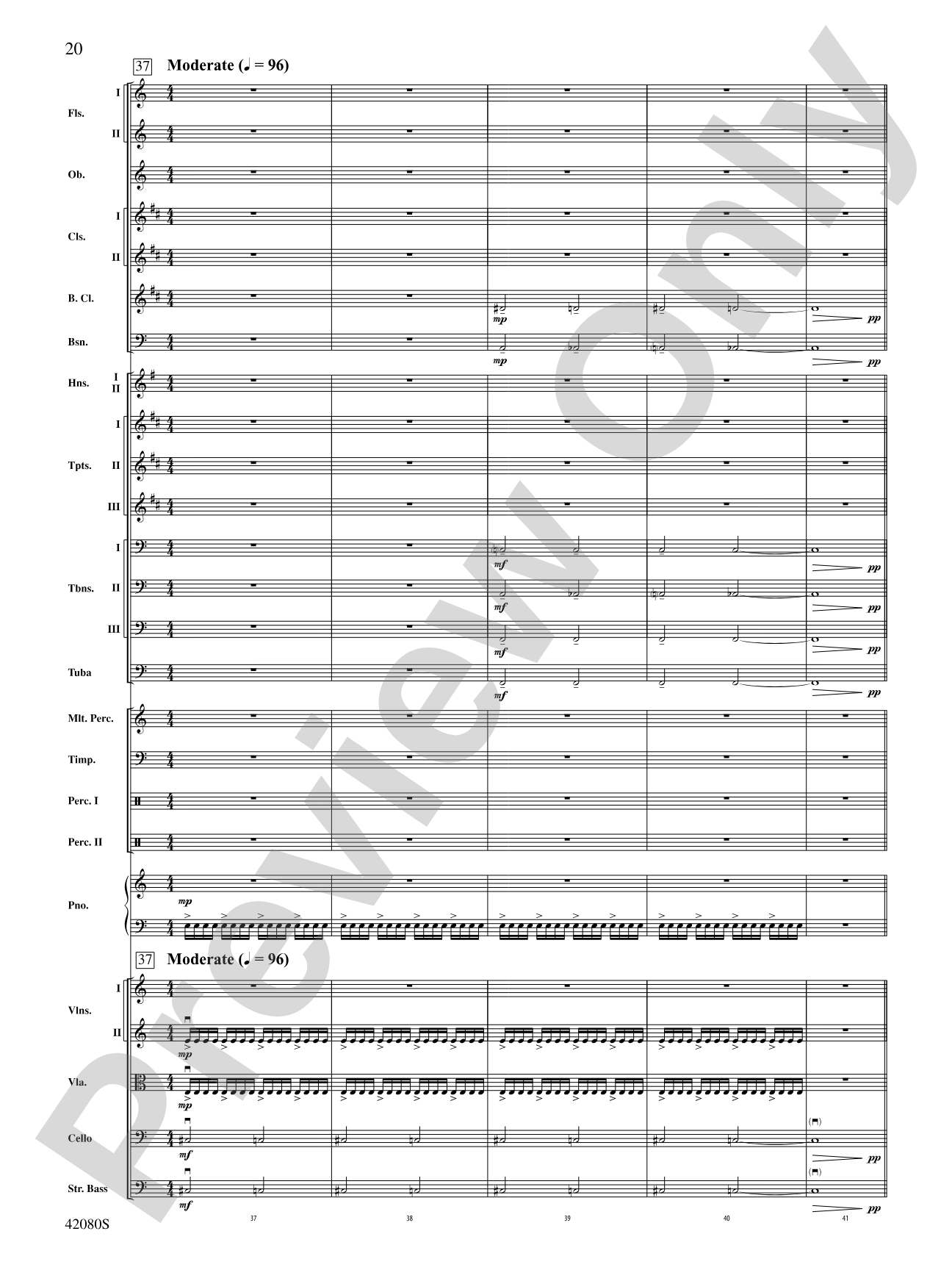
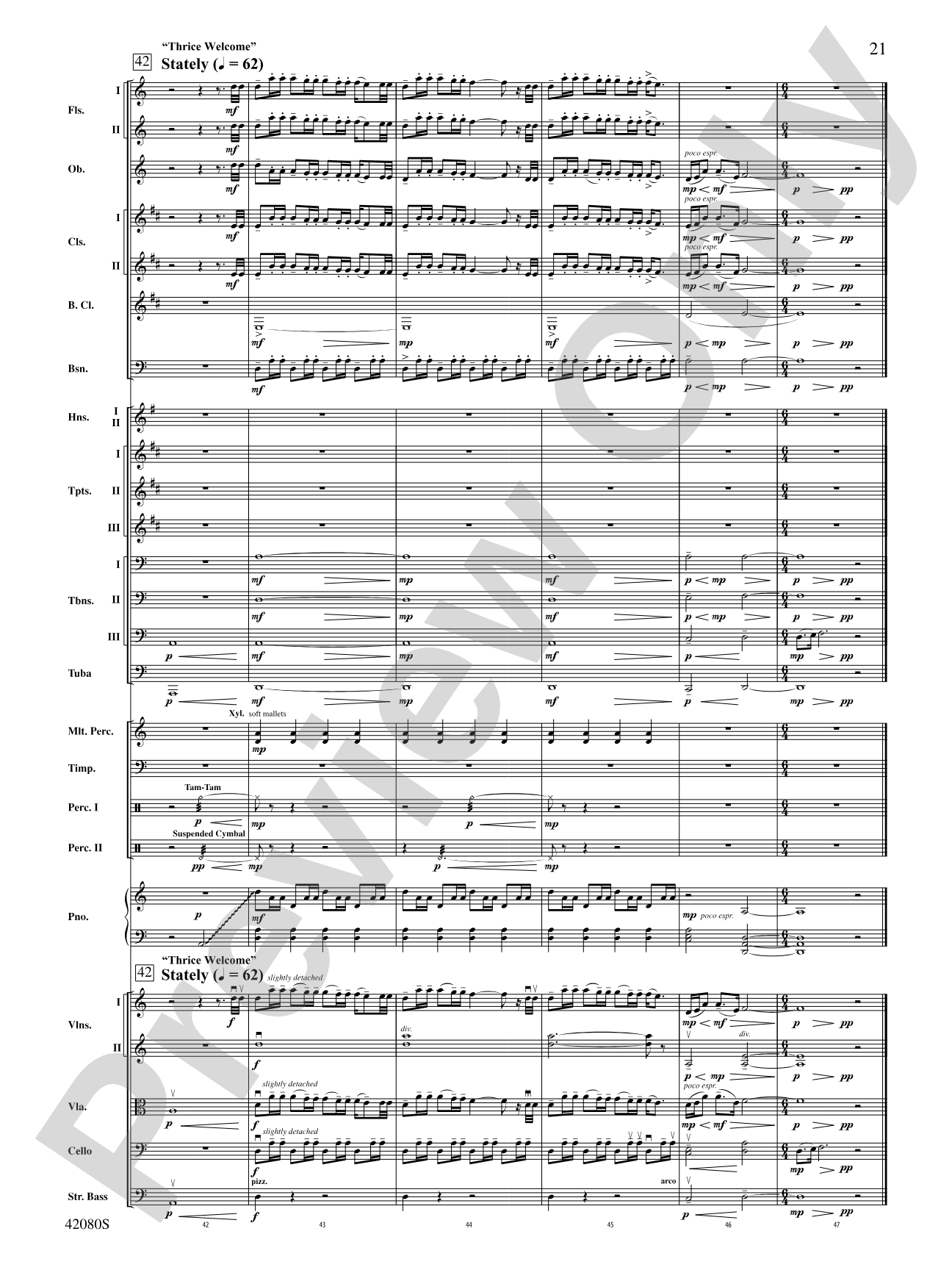

Suite from The Hobbit: The Desolation of Smaug: Full Orchestra Conductor Score & Parts
I. Thrice Welcome, II. In the Shadow of the Mountain
Music by Howard Shore / arr. Victor López
Grade: 3.5
Item: 00-PK-0006216

$73.00
One moment…
Related Items
The Hobbit: The Desolation of Smaug, Suite from: Concert Band Conductor Score & Parts |
$90.00
|
View | |
The Hobbit: The Desolation of Smaug, Suite from: Full Orchestra Conductor Score |
$9.00
|
View | |
The Hobbit: The Desolation of Smaug, Suite from: Concert Band Conductor Score & Parts |
$90.00
|
View | |
The Hobbit: The Desolation of Smaug, Suite from: Concert Band Conductor Score |
$15.00
|
View |
Description
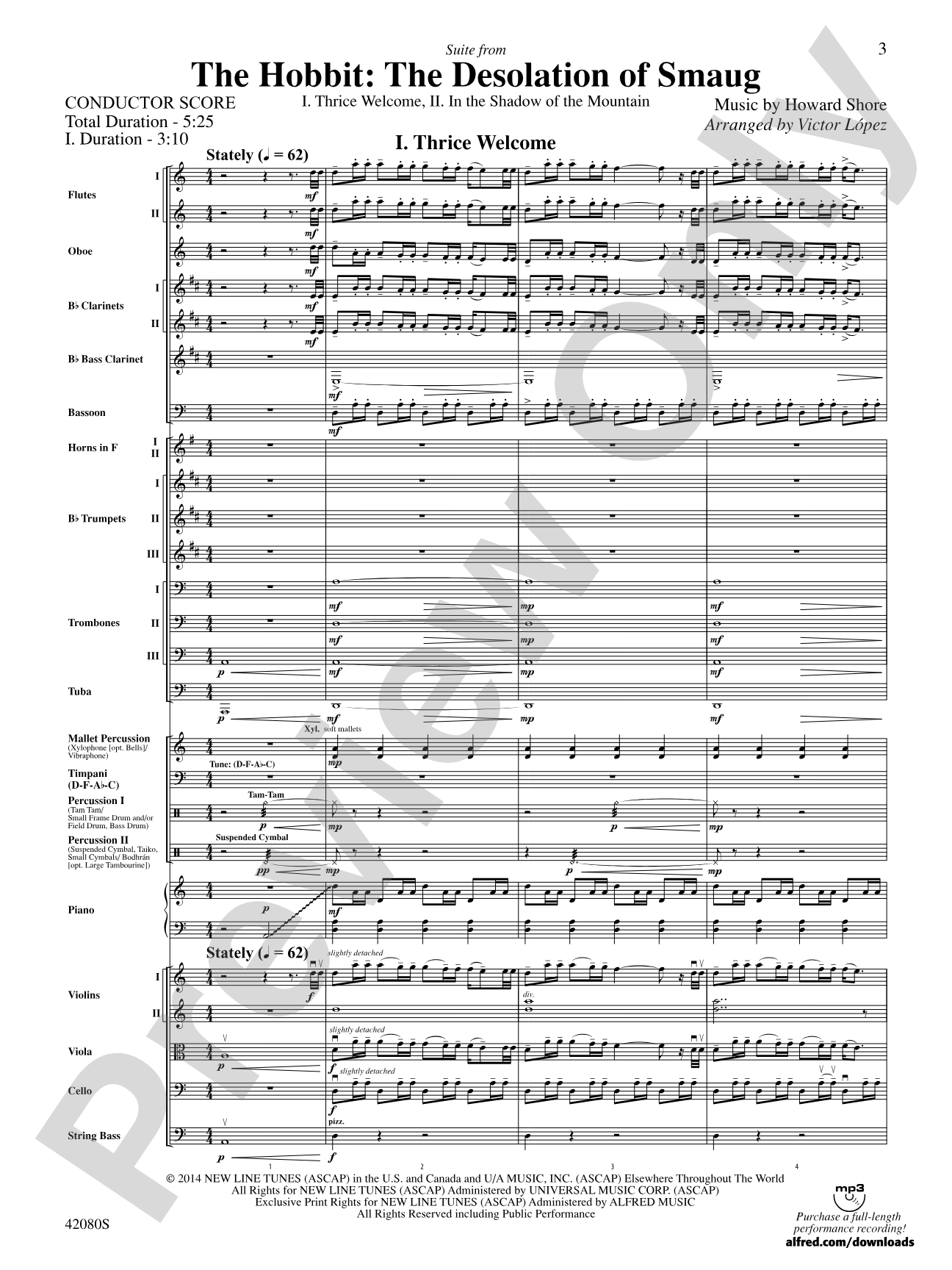
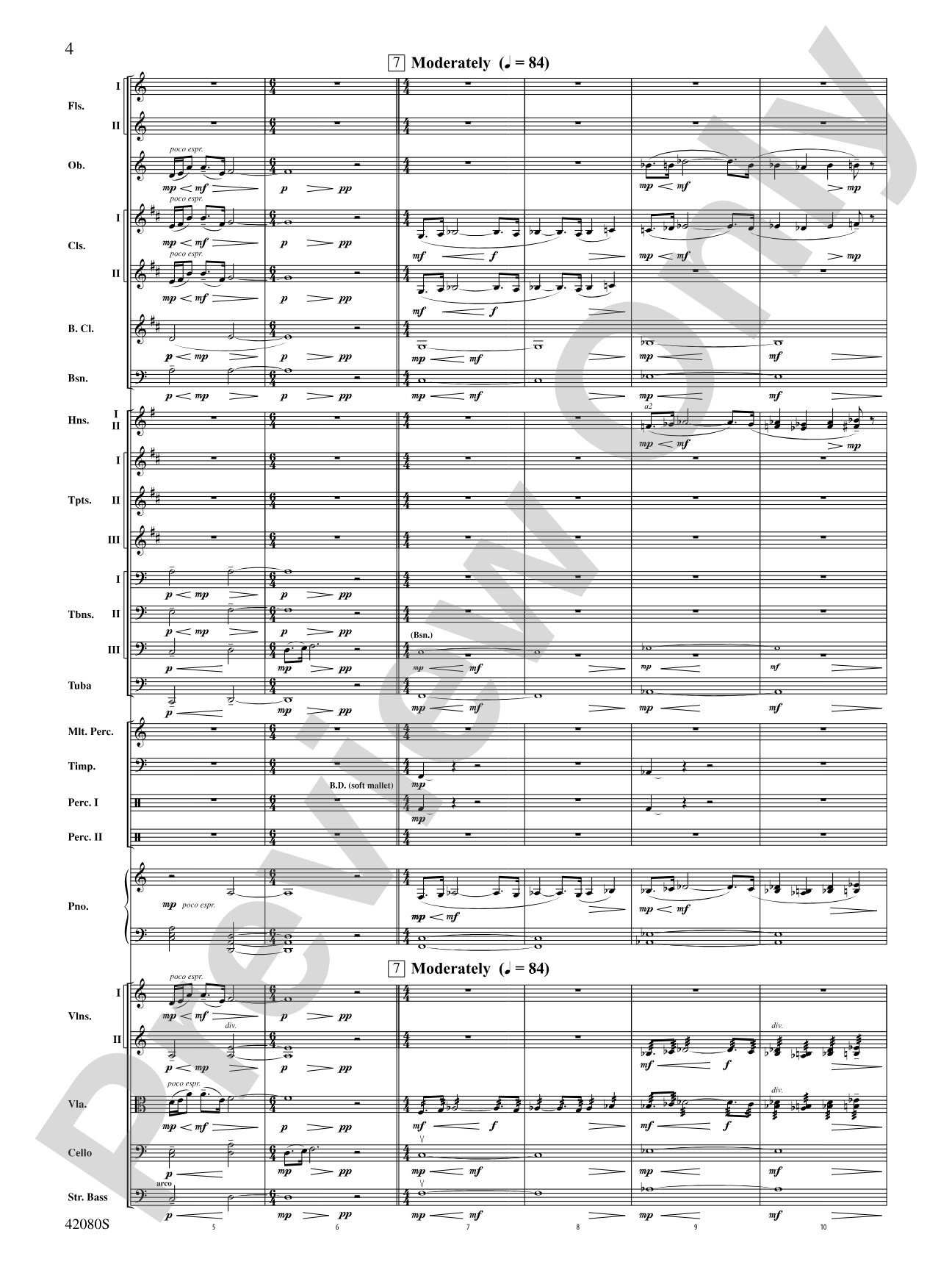
This two-movement suite, including "Thrice Welcome" and "In the Shadow of the Mountain," brings out the chilling, beautiful, and terrifying excitement of the original soundtrack without compromising the integrity of Howard Shore's score. Perfect for an educational setting. (5:25) This title is available in MakeMusic Cloud.
For educational usage/non-profit performances only; for professional arrangements, visit our rental library at alfred.com/rental.


For educational usage/non-profit performances only; for professional arrangements, visit our rental library at alfred.com/rental.
Don't just read it, hear it, play along with it, and watch your students grow with it. In MakeMusic Cloud, Suite from The Hobbit: The Desolation of Smaug: Full Orchestra Conductor Score & Parts comes alive with professional accompaniment, adjustable tempo, and built-in practice tools that turn solo practice into real progress.
Open in the Player
Jump straight in and assign it today.
Start Your Free Trial
Open this title and explore the full library in minutes.
Sample Audio
1
Audio File
--:--
0:00
0:00
Sample Video
No sample videos found.
Additional Details
Series:
Pop Concert Full Orchestra
Publisher:
Alfred Music
Page Count:
230
SKU:
00-PK-0006216
More about this title
About the Composer: Howard Shore
Howard Shore is a Canadian film composer whose orchestral scores have defined the sound of contemporary cinema. His work on Peter Jackson's The Lord of the Rings trilogy and The Hobbit series earned him three Academy Awards and demonstrated his mastery of large-scale orchestral writing that honors both emotional depth and narrative clarity. Shore's music builds worlds through instrumental color and thematic development, making his scores accessible teaching tools for students learning how film music serves storytelling.
Why we love this
This suite preserves Shore's compositional sophistication while remaining playable by advanced high school orchestras. Victor López's arrangement respects the original's harmonic language and emotional arc, giving your orchestra the chance to perform music from one of the most celebrated fantasy film scores without oversimplification.
What to expect
The first movement welcomes you with noble fanfares and warm orchestral colors; the second plunges into shadowed, mysterious terrain marked by tremolo strings, spare woodwind textures, and mounting tension. Together they capture the visual grandeur and growing darkness of the film's narrative, moving from celebration to dread.
Who it's for
Advanced high school orchestras (Grade 3.5) seeking substantial, recognizable repertoire that connects students to film music composition. Directors building concerts around fantasy or adventure themes will find this suite engaging for audiences while remaining musically demanding enough to sustain rehearsal focus.
How to get the most out of it
- Balance the strings carefully in the quieter passages of 'In the Shadow of the Mountain.' These moments establish the ominous atmosphere; clarity from the woodwind inner voices depends on restrained string tone.
- Coordinate your brass section through the dramatic peaks. Shore's orchestration layers horns, trumpets, and trombones with precision; each voice needs independence even at forte dynamics.
- Shape the thematic material rather than pushing tempo in the faster sections. The suite's effectiveness depends on lyrical phrasing that listeners recognize from the film, not on rhythmic intensity alone.
- Use the full five minutes and twenty-five seconds as your rehearsal guide. Rushing either movement undermines the cinematic pacing Shore intended.
How to use it
Program this suite as a complete dramatic arc on a concert mixing orchestral standards with film music, or pair it with another Shore arrangement to showcase his compositional range. The two movements work equally well as a closing number that leaves audiences with vivid cinematic imagery or as a centerpiece that demonstrates your orchestra's ability to handle sophisticated contemporary scoring.
Skills your students will build
- Balancing transparent texture in forte passages with multiple independent lines
- Maintaining lyrical phrasing while reading complex meter and orchestration changes
- Responding to thematic material and harmonic movement rather than relying on metrical cues alone
- Coordinating large section (brass, woodwinds, strings) entrances with precision in dramatic climaxes
- Reading and executing tremolo, col legno, and other extended articulations in context