Christoph Willuck Gluck (1714, 1787) fundamentally changed what opera could be. Rejecting the ornamental excess that dominated his era, he championed clarity, emotional directness, and the marriage of music to dramatic action. His reform operas, particularly Orfeo ed Euridice and Alceste, stripped away unnecessary embellishment and placed the human story at the center of the musical design.
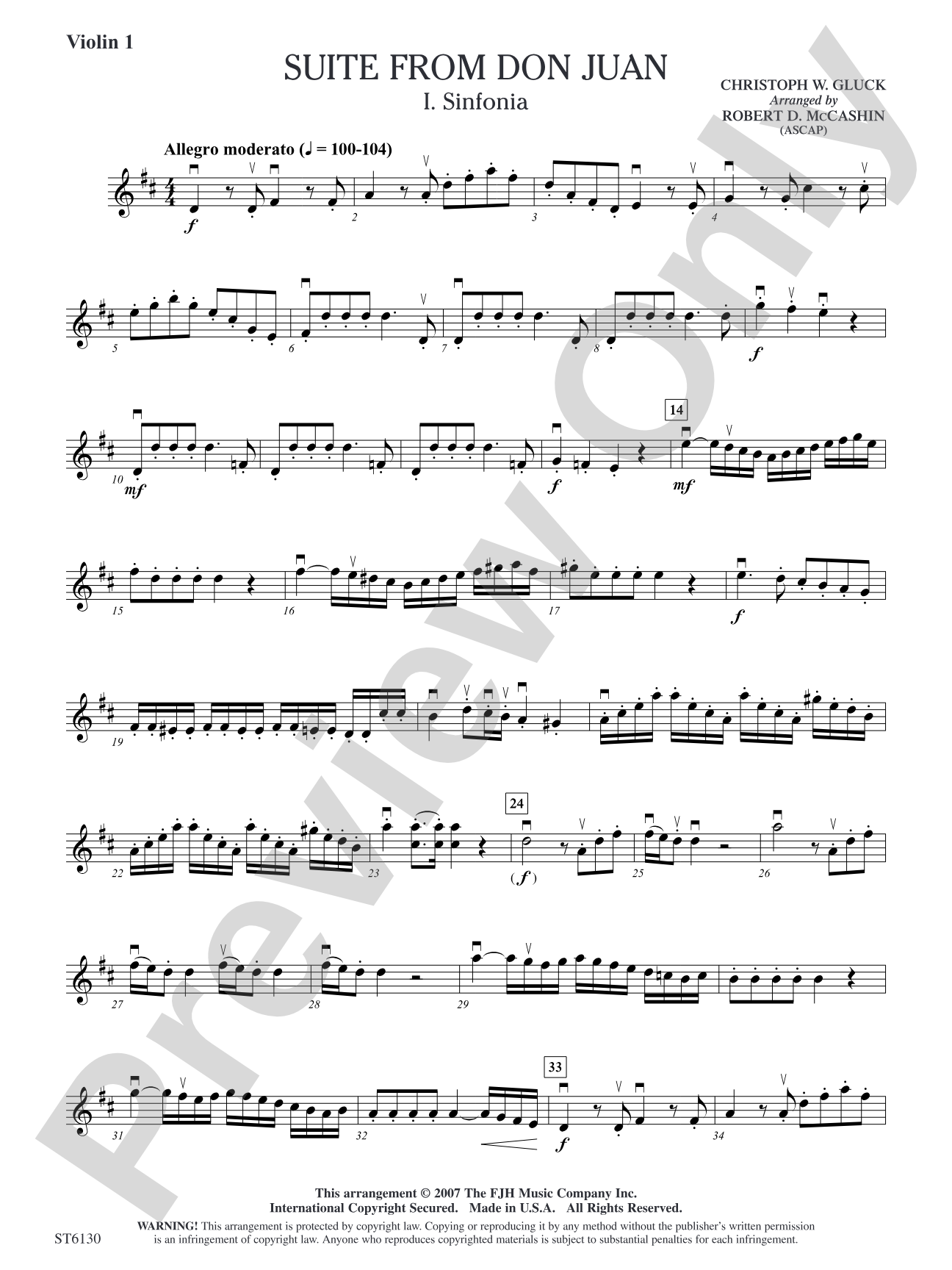
Don Juan, composed as a ballet in 1761, showcases Gluck's gift for orchestral storytelling. The score moves between dramatic intensity and courtly elegance, revealing a composer who understood how to color narrative with instrumental detail. His influence shaped the future of European opera and orchestral music, and his principles of clarity and purpose remain vital to music education.