
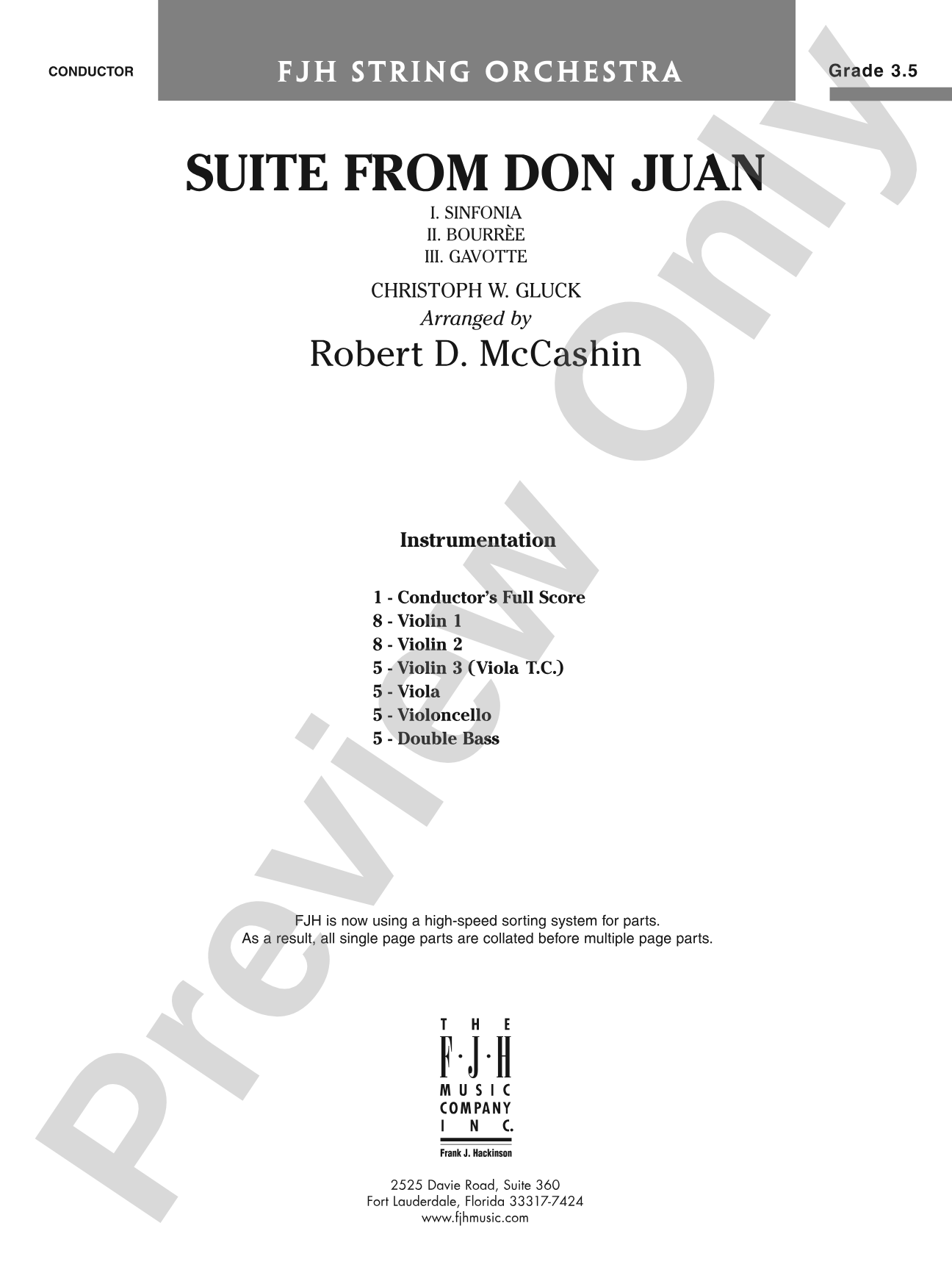
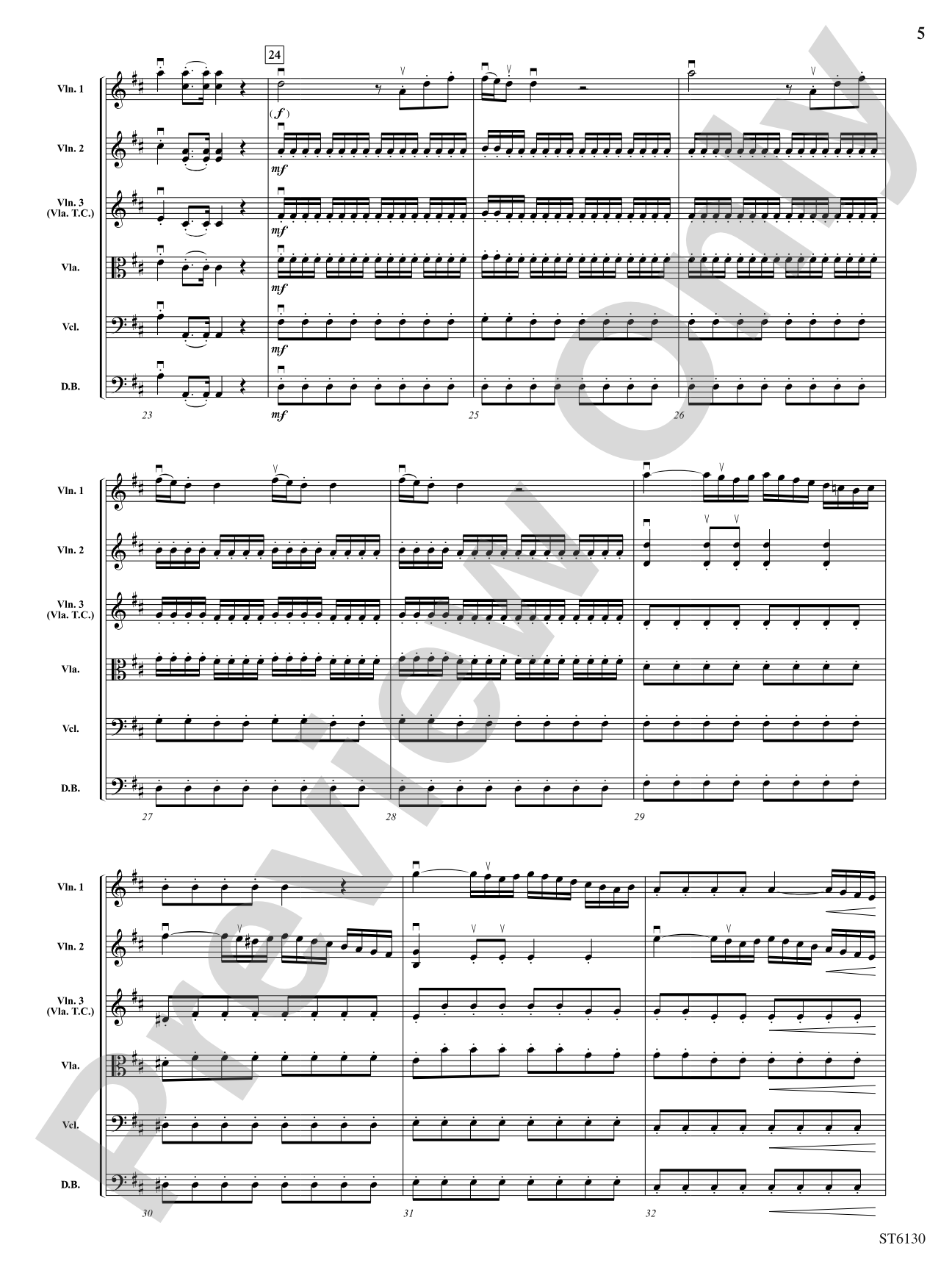
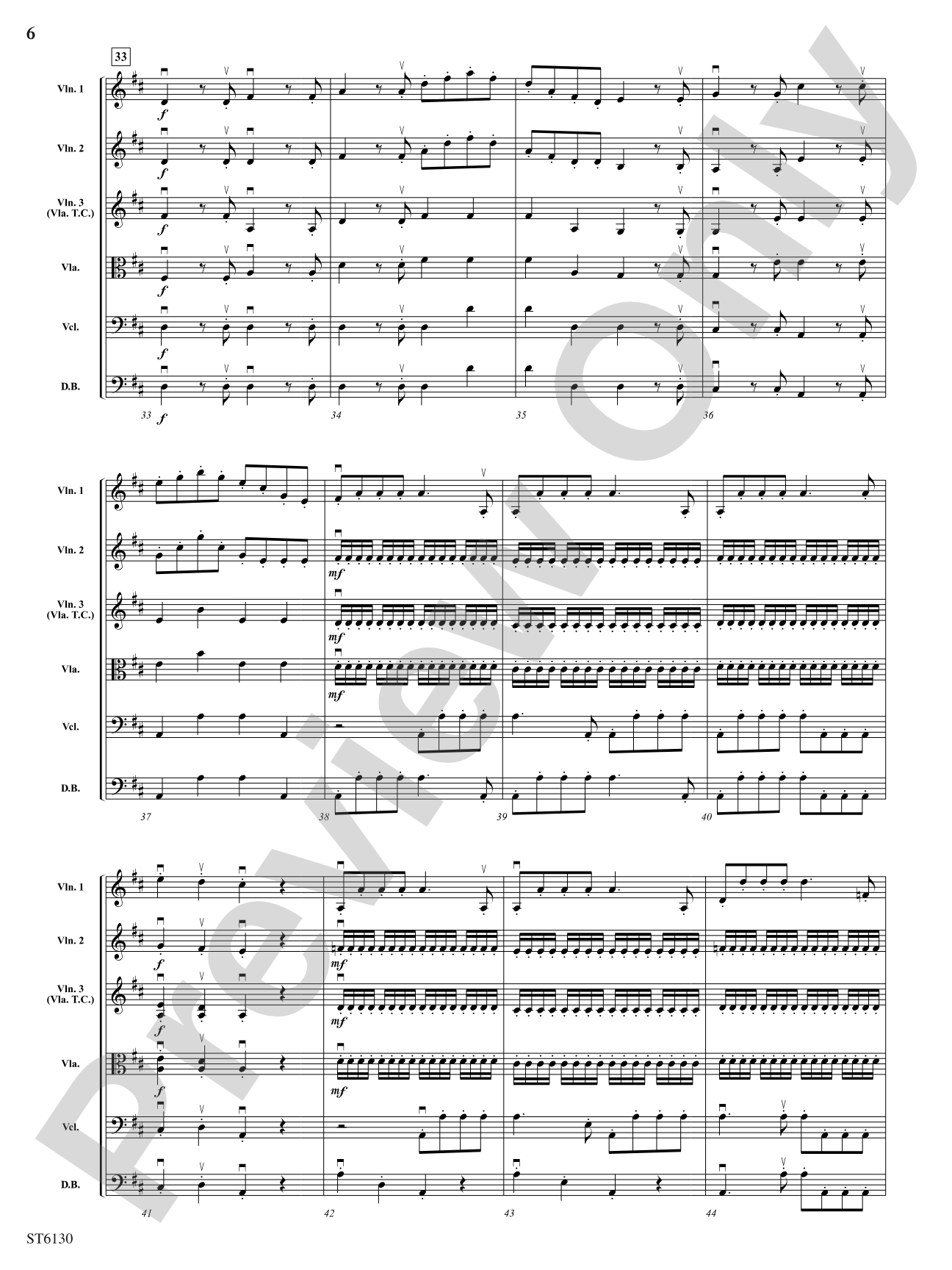
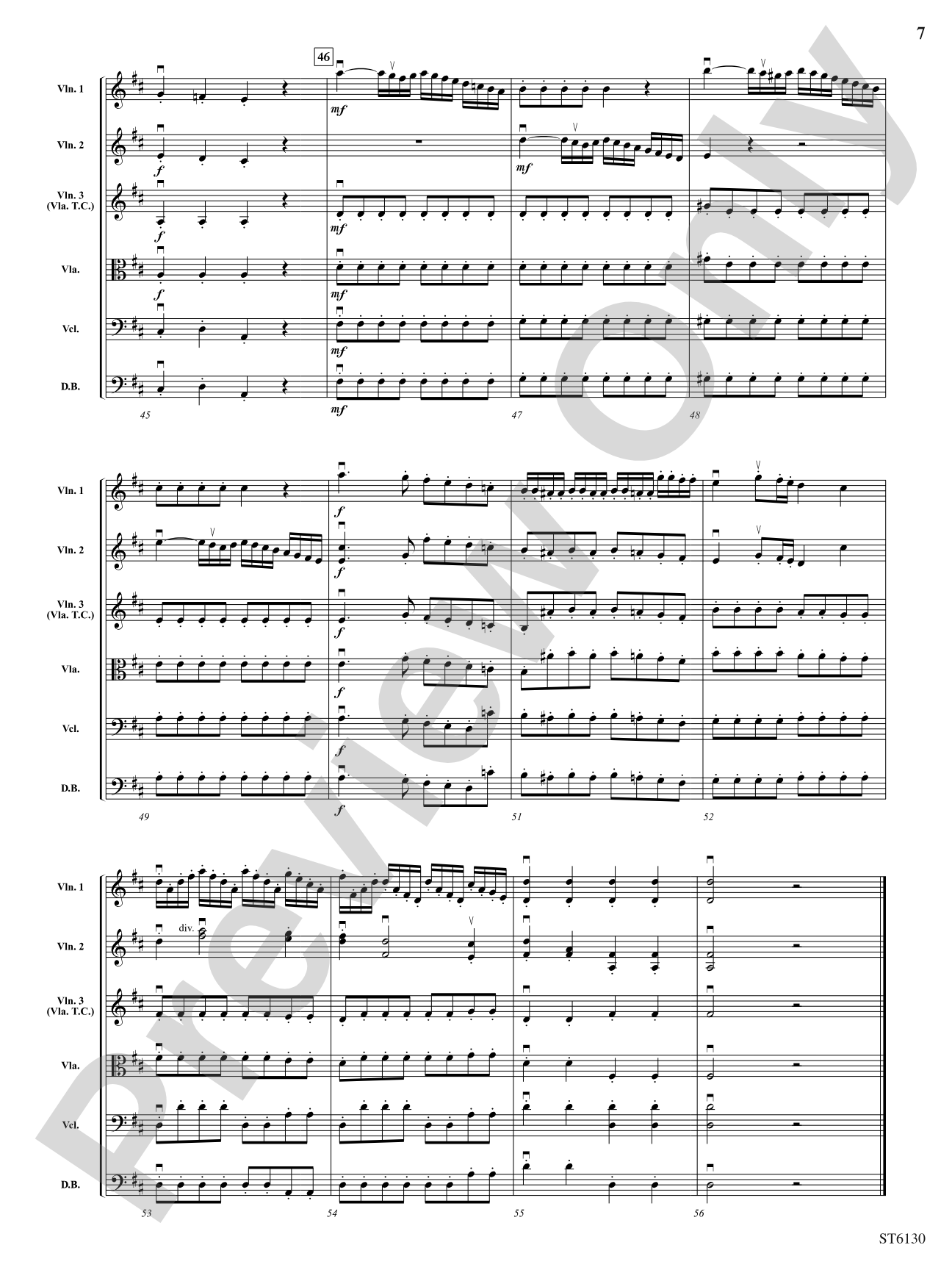
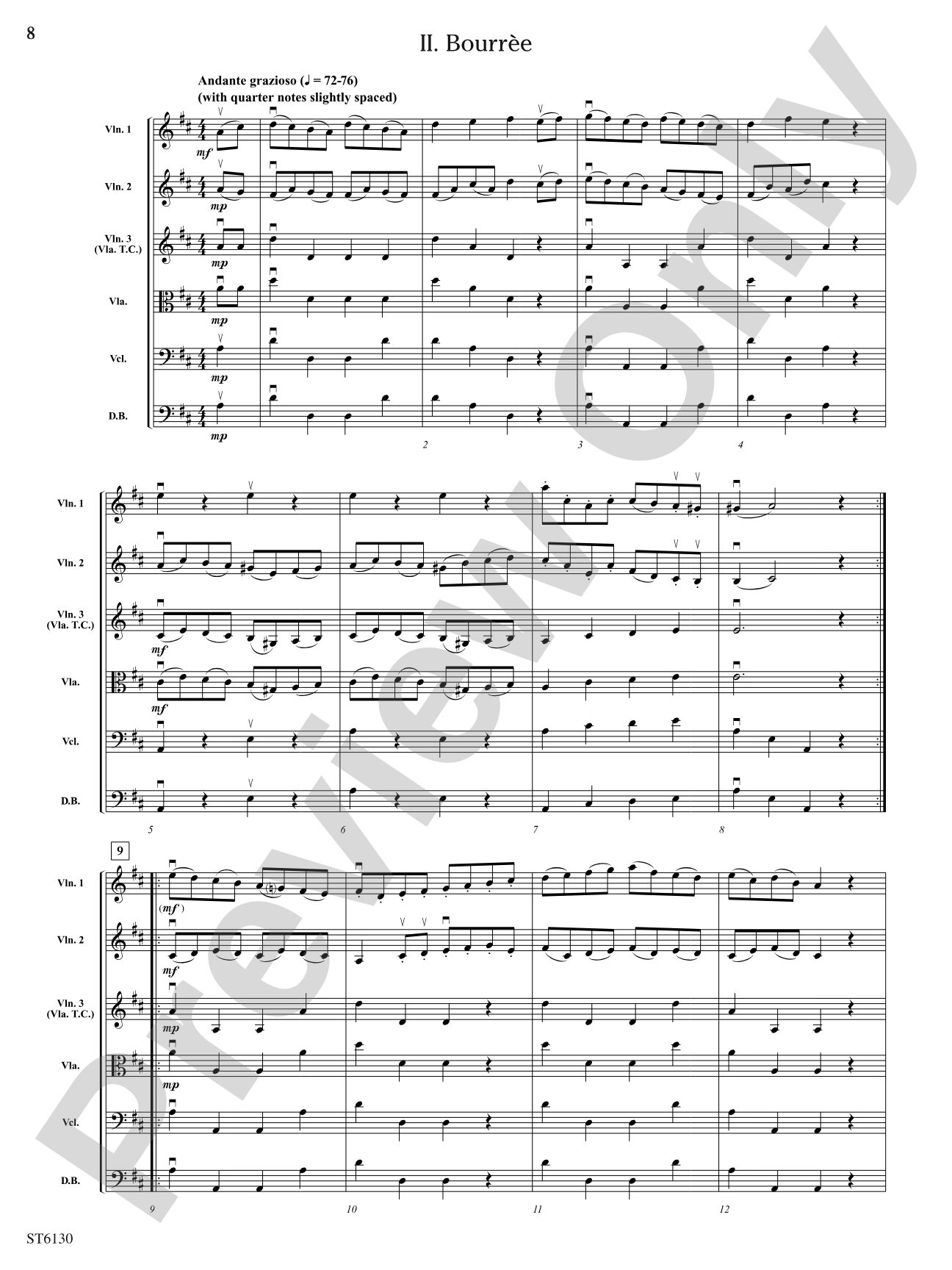
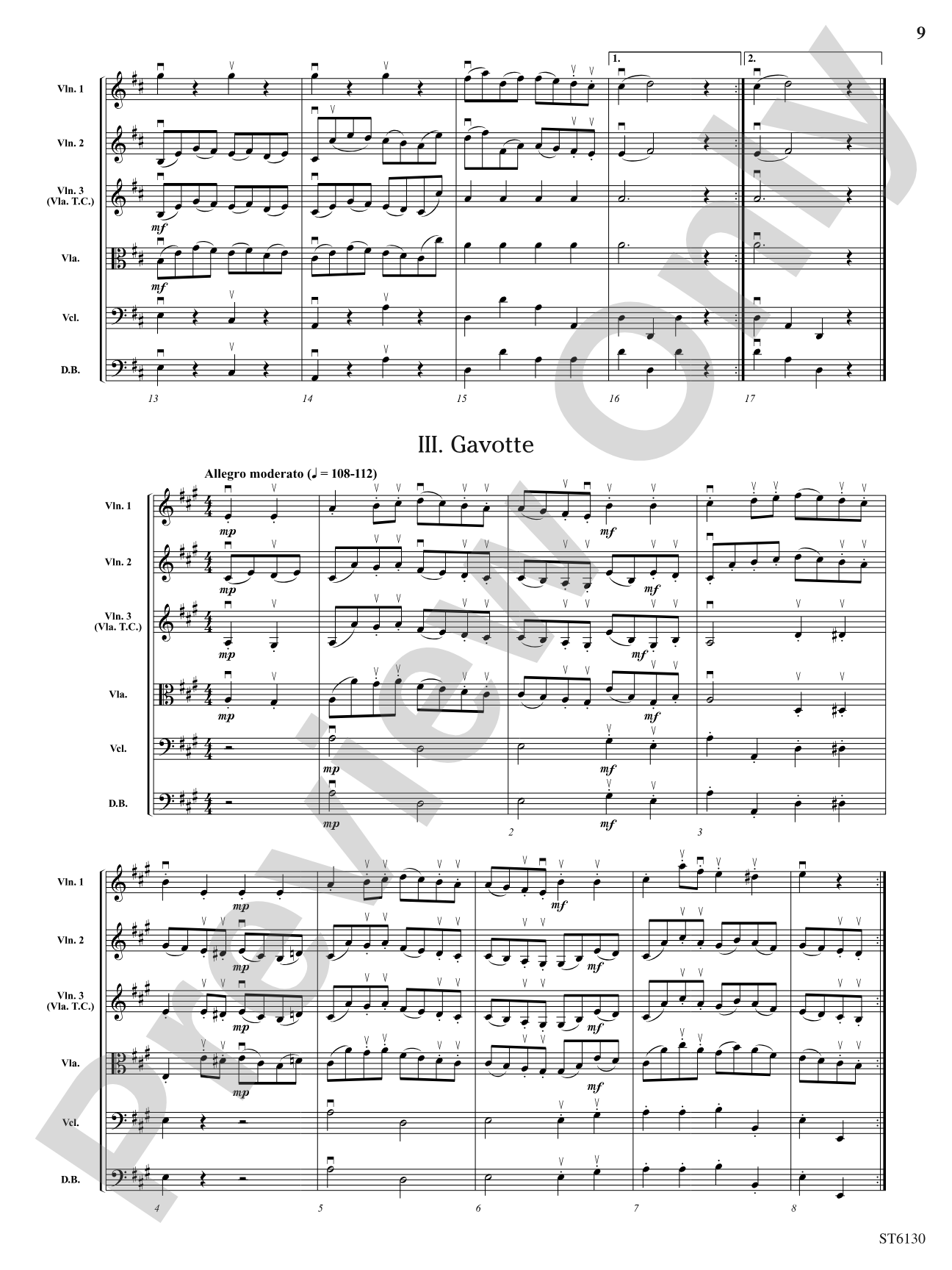
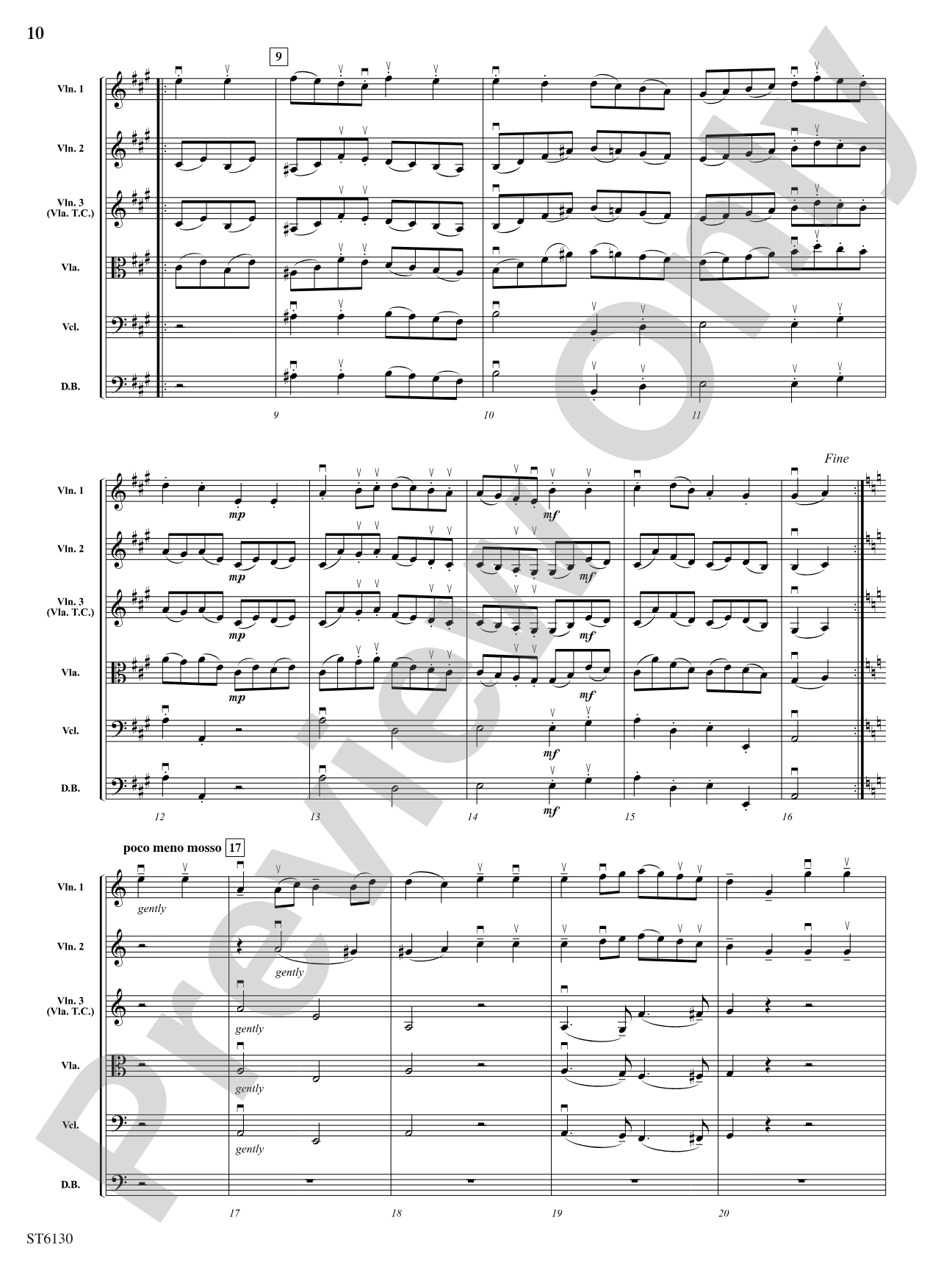
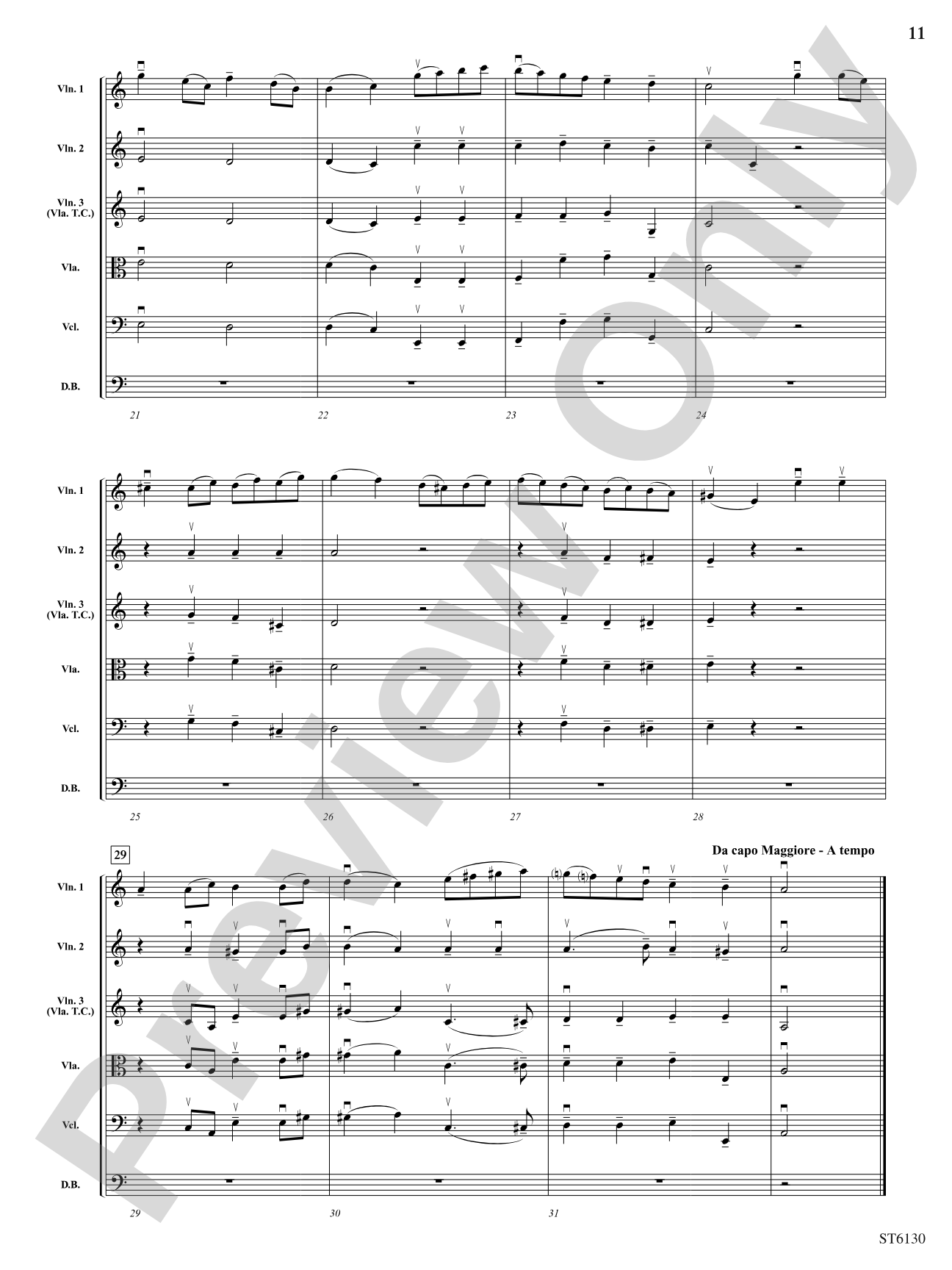

Suite from Don Juan: Score
By Christoph W. Gluck / arr. Robert D. McCashin
Grade: 3.5
Item: 98-DST6130S
$5.00
Pickup currently not available
Description
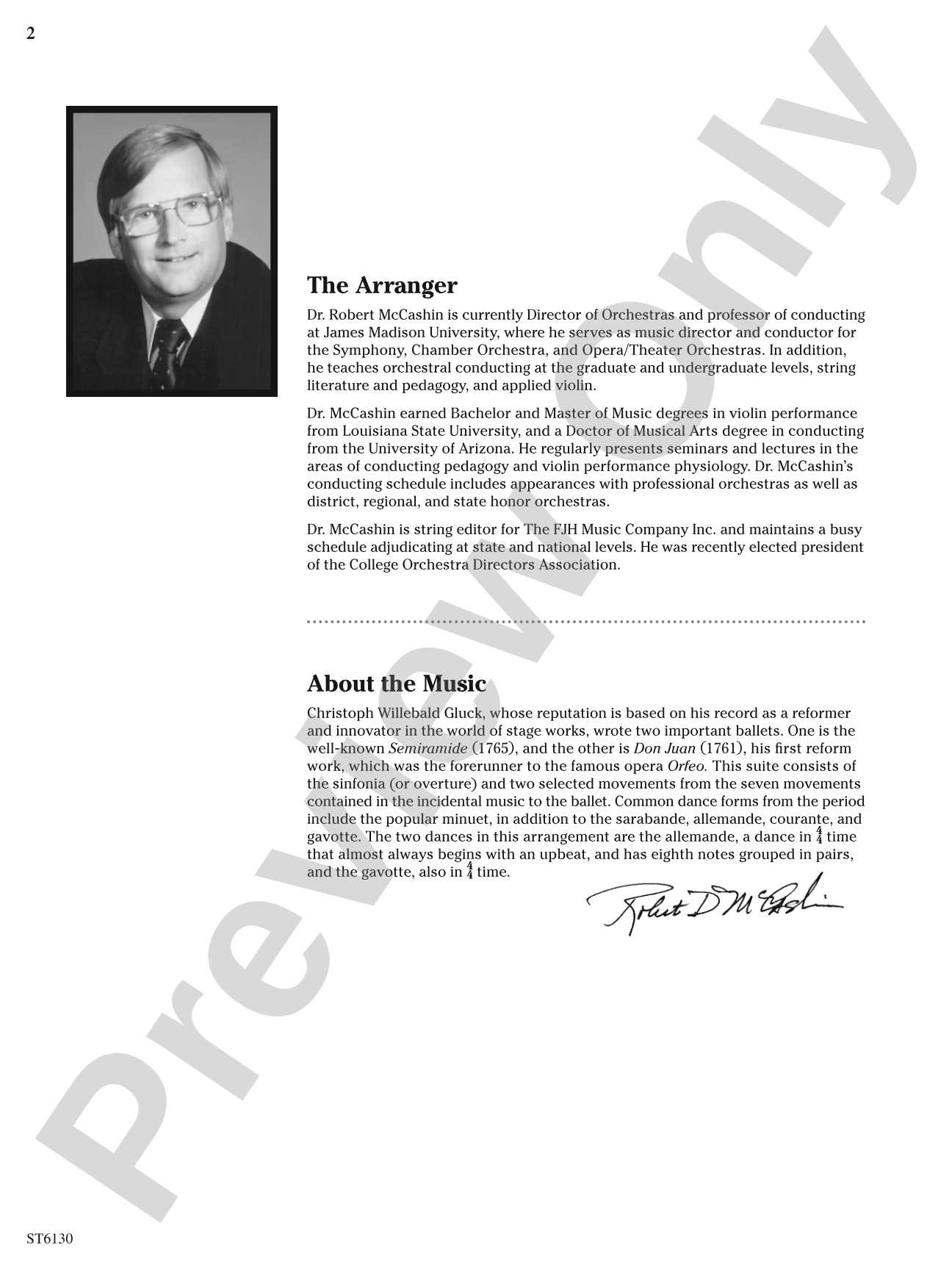
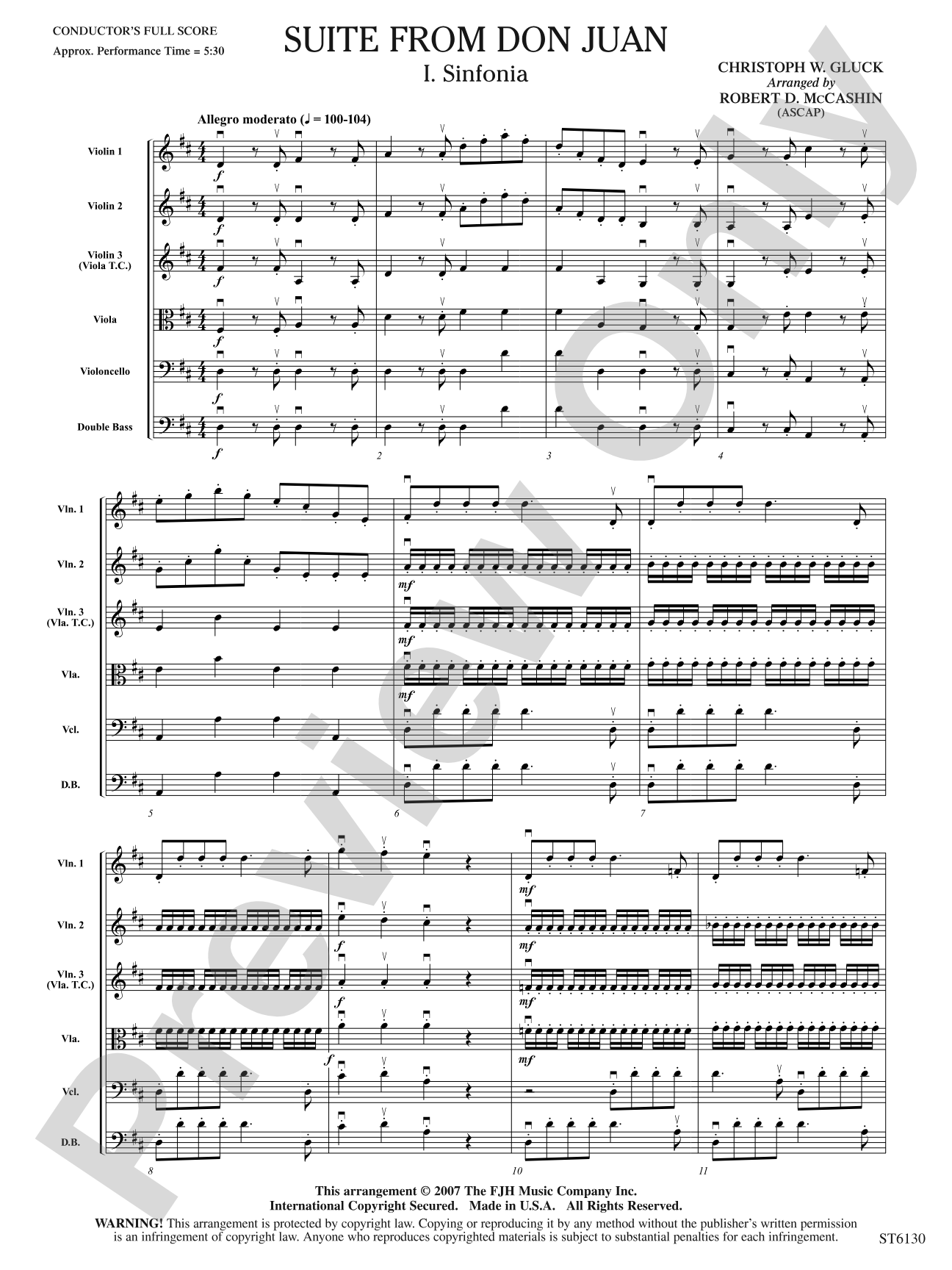
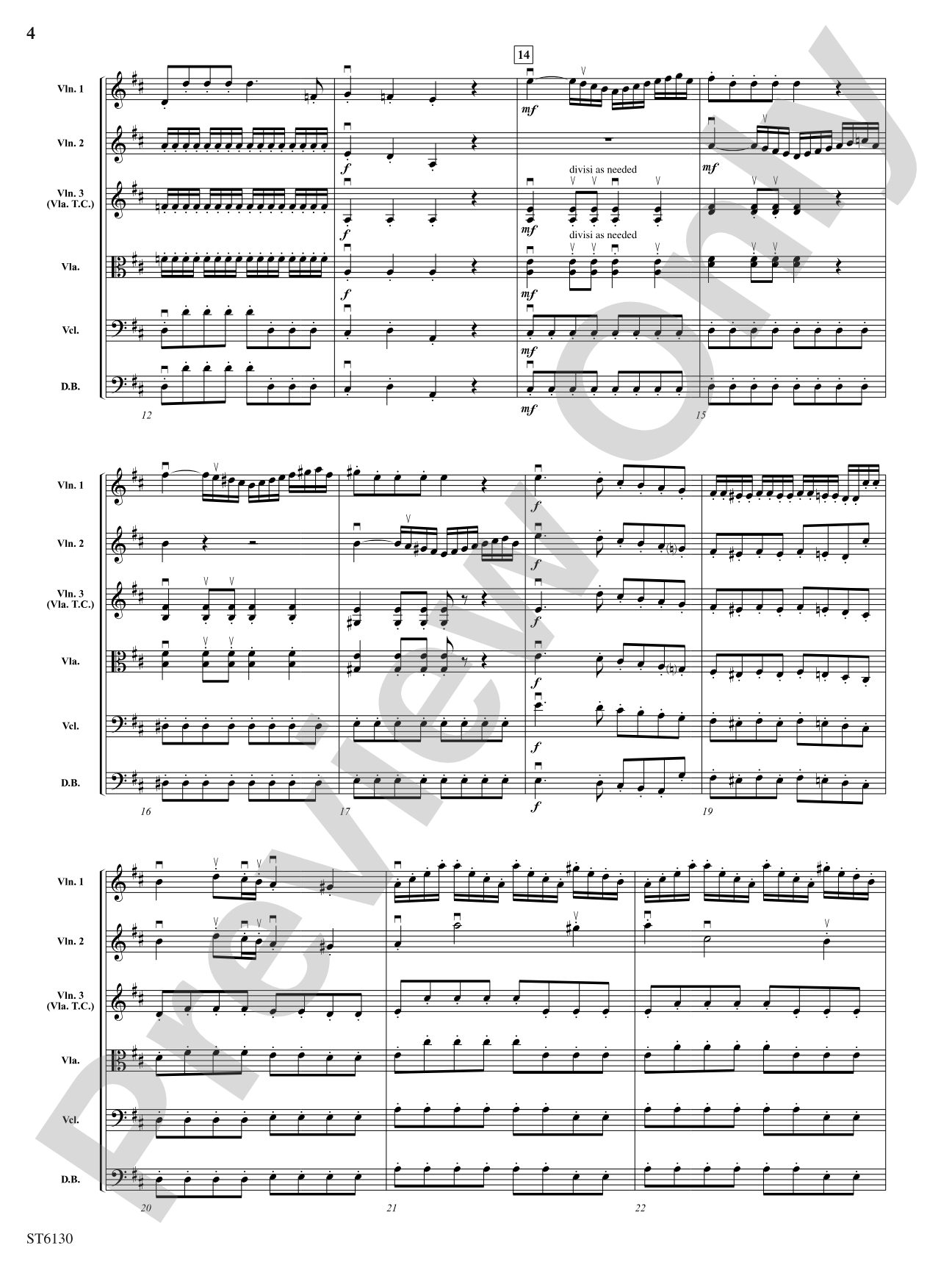
Directors across the country have come to expect fine transcriptions from Robert D. McCashin. This delightful arrangement from Christoph W. Gluck's ballet suite Don Juan is no exception. Drawing on material from the overture and two additional movements of the original seven, this suite is an excellent choice for the classical portion of your program.


Suite from Don Juan: Score isn't in MakeMusic Cloud just yet...but it could be. Let us know you'd like to see it, and you'll help shape what comes next. In the meantime, start a free trial and dive into thousands of interactive titles your students can play along with today.
Request This Title
Tell us you want it.
Start Your Free Trial
Explore everything that's ready to play right now.
Sample Audio
1
Audio File
--:--
0:00
0:00
Sample Video
No sample videos found.
Additional Details
Series:
FJH String Orchestra
Publisher:
The FJH Music Company, Inc.
SKU:
98-DST6130S
More about this title
About the Composer: Christoph W. Gluck
Christoph Willuck Gluck (1714, 1787) fundamentally changed what opera could be. Rejecting the ornamental excess that dominated his era, he championed clarity, emotional directness, and the marriage of music to dramatic action. His reform operas, particularly Orfeo ed Euridice and Alceste, stripped away unnecessary embellishment and placed the human story at the center of the musical design.
Don Juan, composed as a ballet in 1761, showcases Gluck's gift for orchestral storytelling. The score moves between dramatic intensity and courtly elegance, revealing a composer who understood how to color narrative with instrumental detail. His influence shaped the future of European opera and orchestral music, and his principles of clarity and purpose remain vital to music education.
Why we love this
McCashin's transcription captures the grace and dramatic sweep of Gluck's original without demanding the full resources of a large orchestra. The arrangement sits comfortably at grade 3.5, making 18th-century mastery accessible to developing ensembles while preserving the sophistication that makes Gluck worth playing.
What to expect
Elegant without being precious, dramatic without artifice. The music flows between moments of courtly refinement and genuine emotional weight, creating a sense of narrative unfolding. There is clarity throughout; nothing feels overwrought or murky.
Who it's for
String orchestras at the intermediate level who are ready for masterwork repertoire with real compositional substance. This works equally well for ensembles preparing a classical concert program or seeking material that demonstrates musical maturity without excessive technical demands.
How to get the most out of it
- Balance the melodic line across sections; Gluck's gift for memorable themes only works if listeners can follow them clearly through your ensemble.
- Attend to articulation markings as they appear. The contrast between legato phrases and detached figures carries dramatic meaning and prevents the score from sounding undifferentiated.
- Allow space in softer passages. Restraint and clarity are hallmarks of Gluck's aesthetic; resist the urge to fill silence with unnecessary sound.
- Shape phrases with gentle dynamic arcs rather than sudden changes. This idiom rewards a conversational approach to phrasing.
How to use it
Program this as your classical centerpiece, pairing it with a Baroque overture and a contemporary string work to trace the evolution of orchestral thought. The balanced emotional tone makes it an effective programming bridge between lighter opening pieces and more demanding modern works.
Skills your students will build
- Phrasing and ensemble balance in tuneful 18th-century idiom
- Reading clean, transparent orchestration with independent but interdependent string lines
- Executing stylistically appropriate articulation and dynamic shaping
- Sustaining musical focus through longer-form classical structures
- Ensemble cohesion across multiple movement types and tempos