

Suite for Strings: String Orchestra Conductor Score & Parts
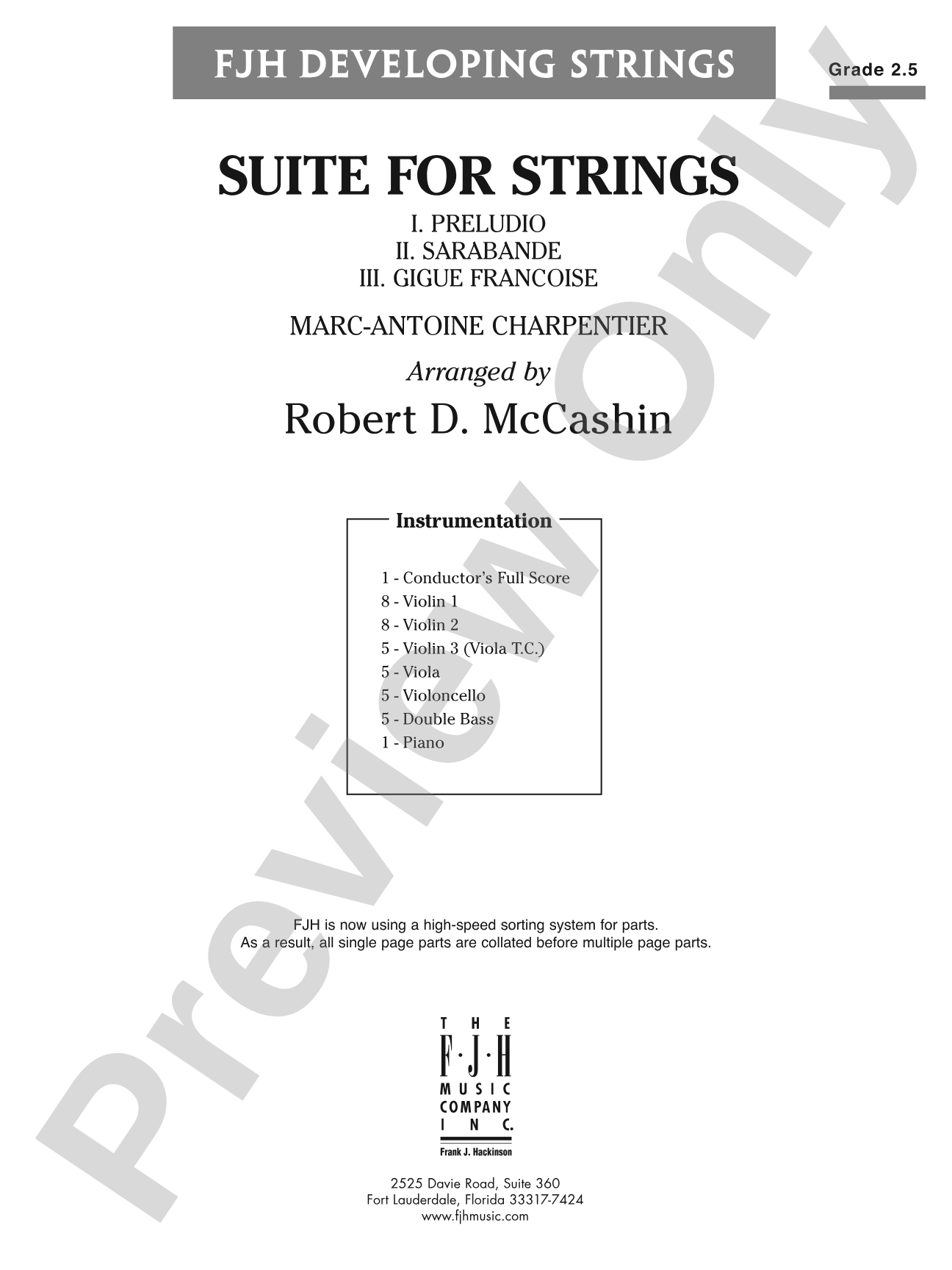
By Marc-Antoine Charpentier / arr. Robert D. McCashin
Grade: 2.5
Item: 98-DST6321
$45.00
Pickup currently not available
Buy Extra Parts (Digital PDF Download)
| Product | Price | Quantity |
|---|---|---|
| Suite for Strings: Score | $5.00 | |
| Suite for Strings: Violin 1 | $7.00 | |
| Suite for Strings: Violin 2 | $7.00 | |
| Suite for Strings: Violin 3 (Viola T.C.) | $7.00 | |
| Suite for Strings: Viola | $7.00 | |
| Suite for Strings: Violoncello | $7.00 | |
| Suite for Strings: Double Bass | $7.00 | |
| Suite for Strings: Piano | $7.00 |
Parts Added to Cart!
Description
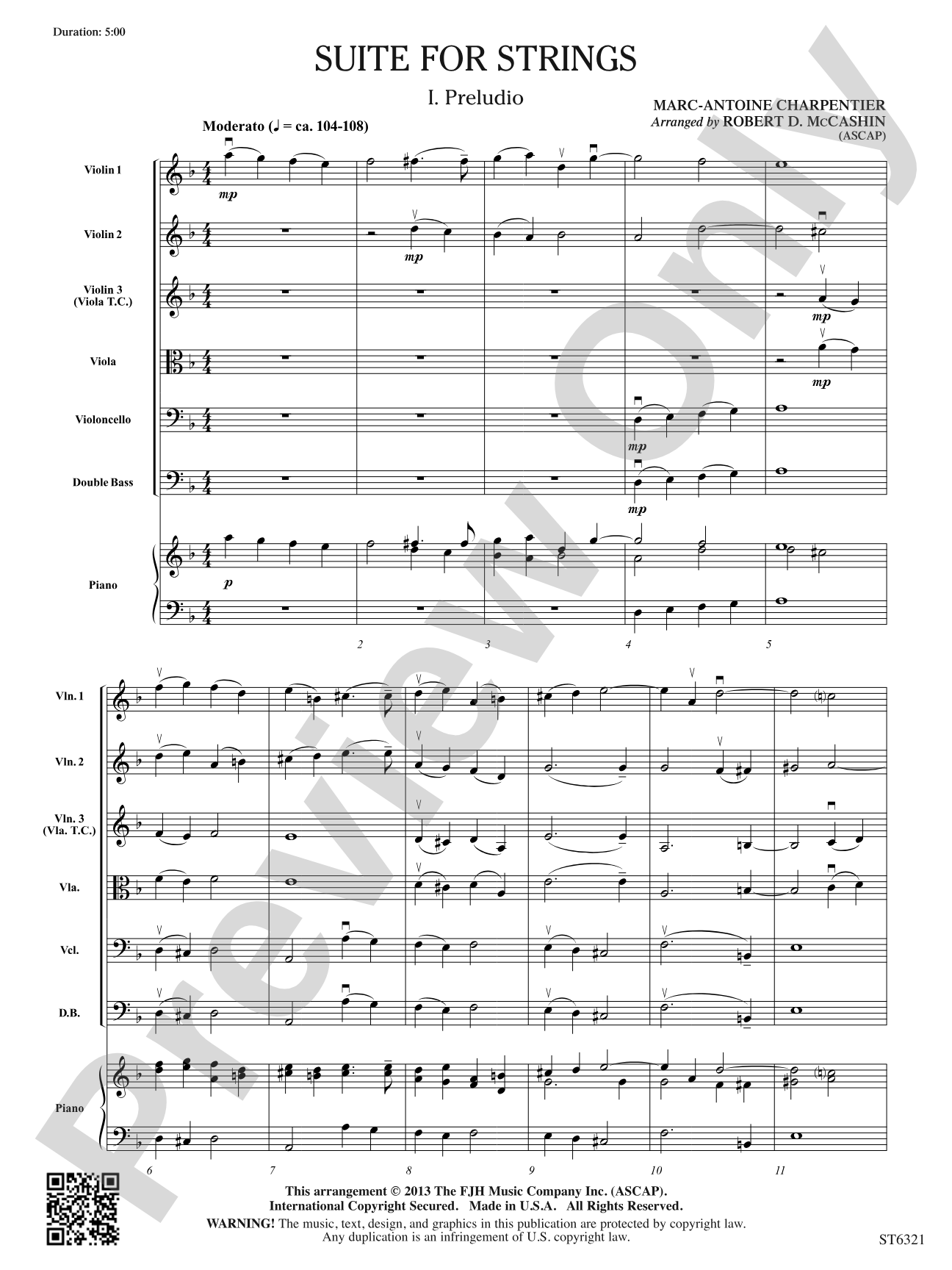
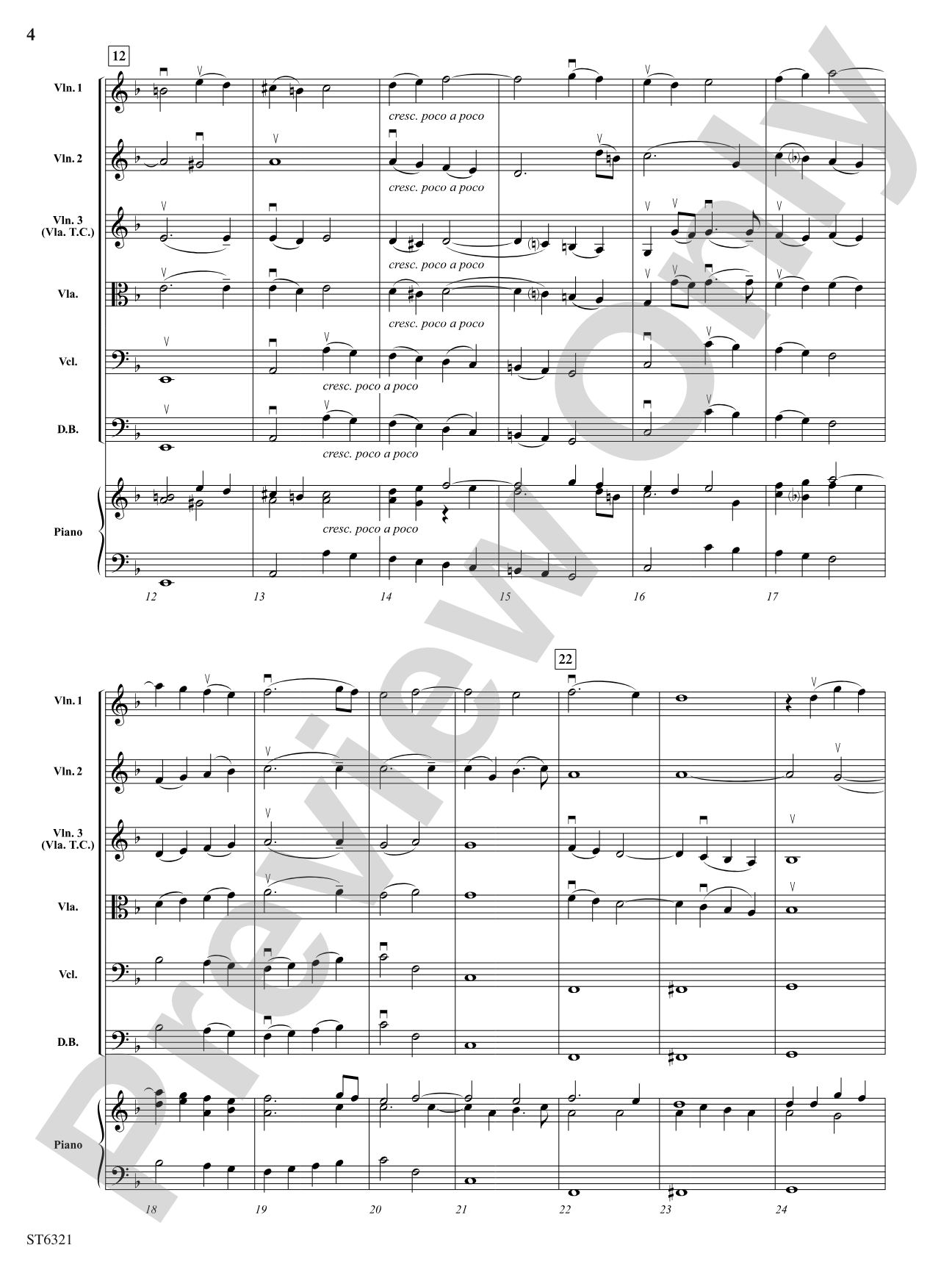
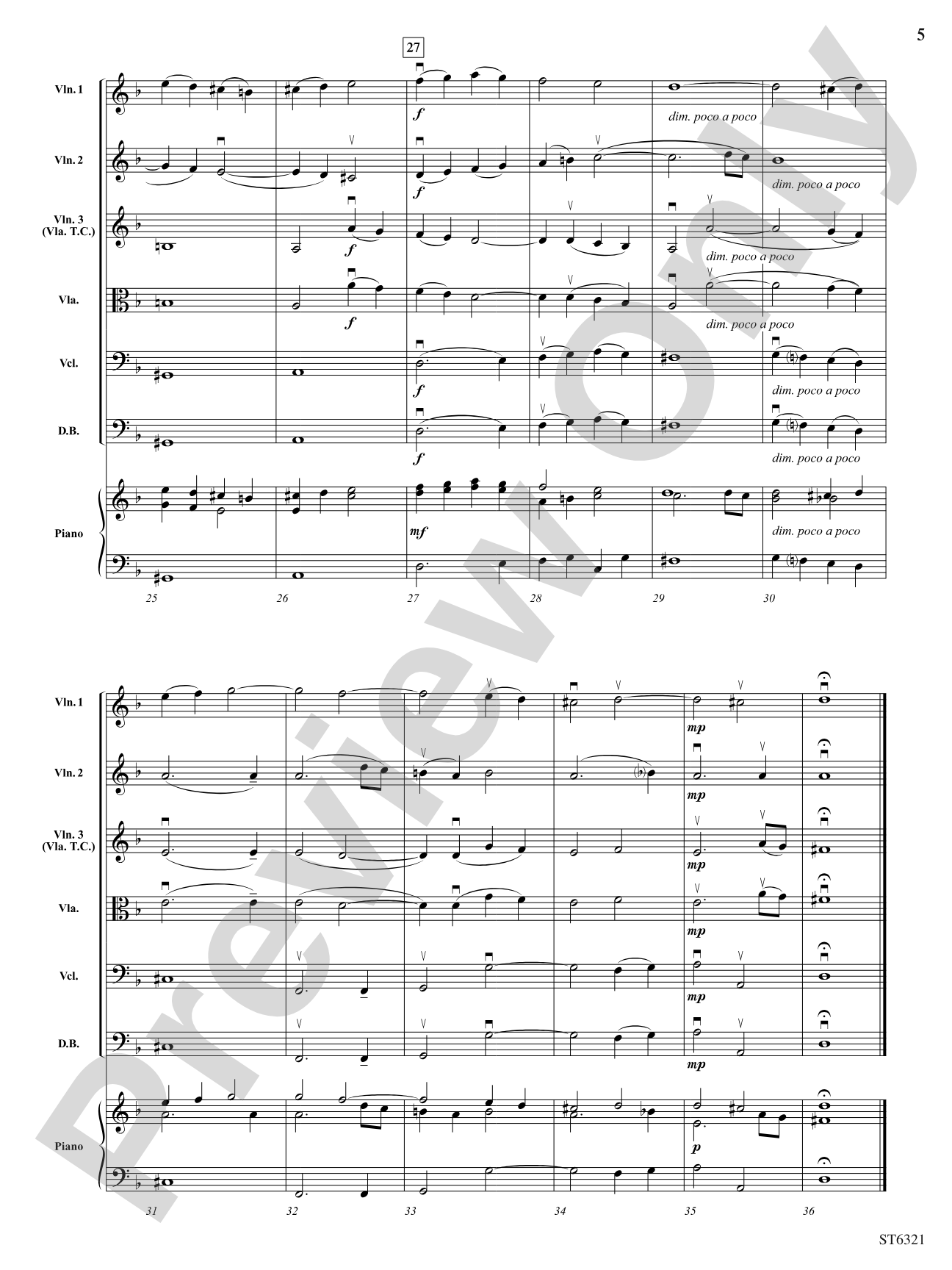
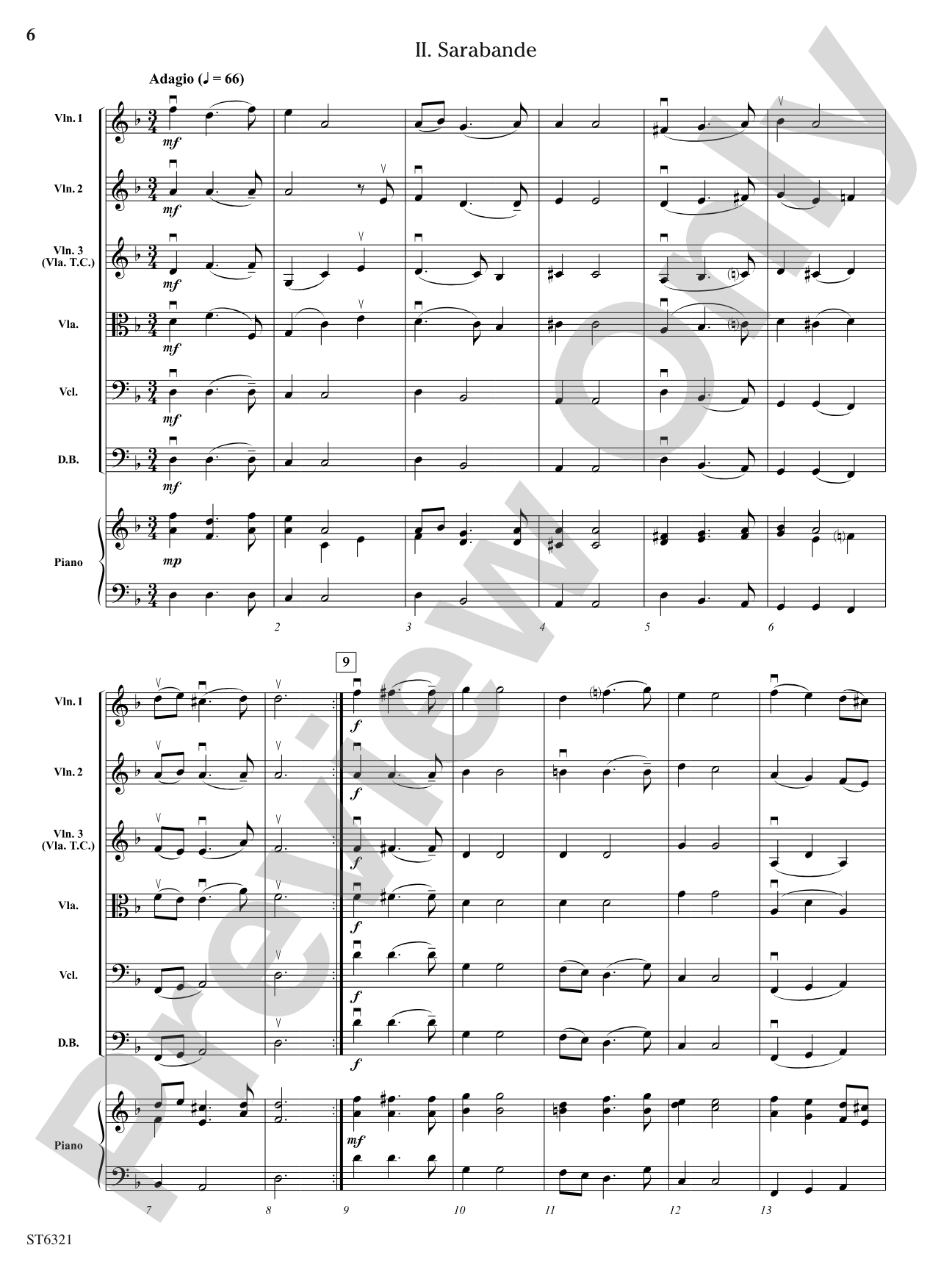
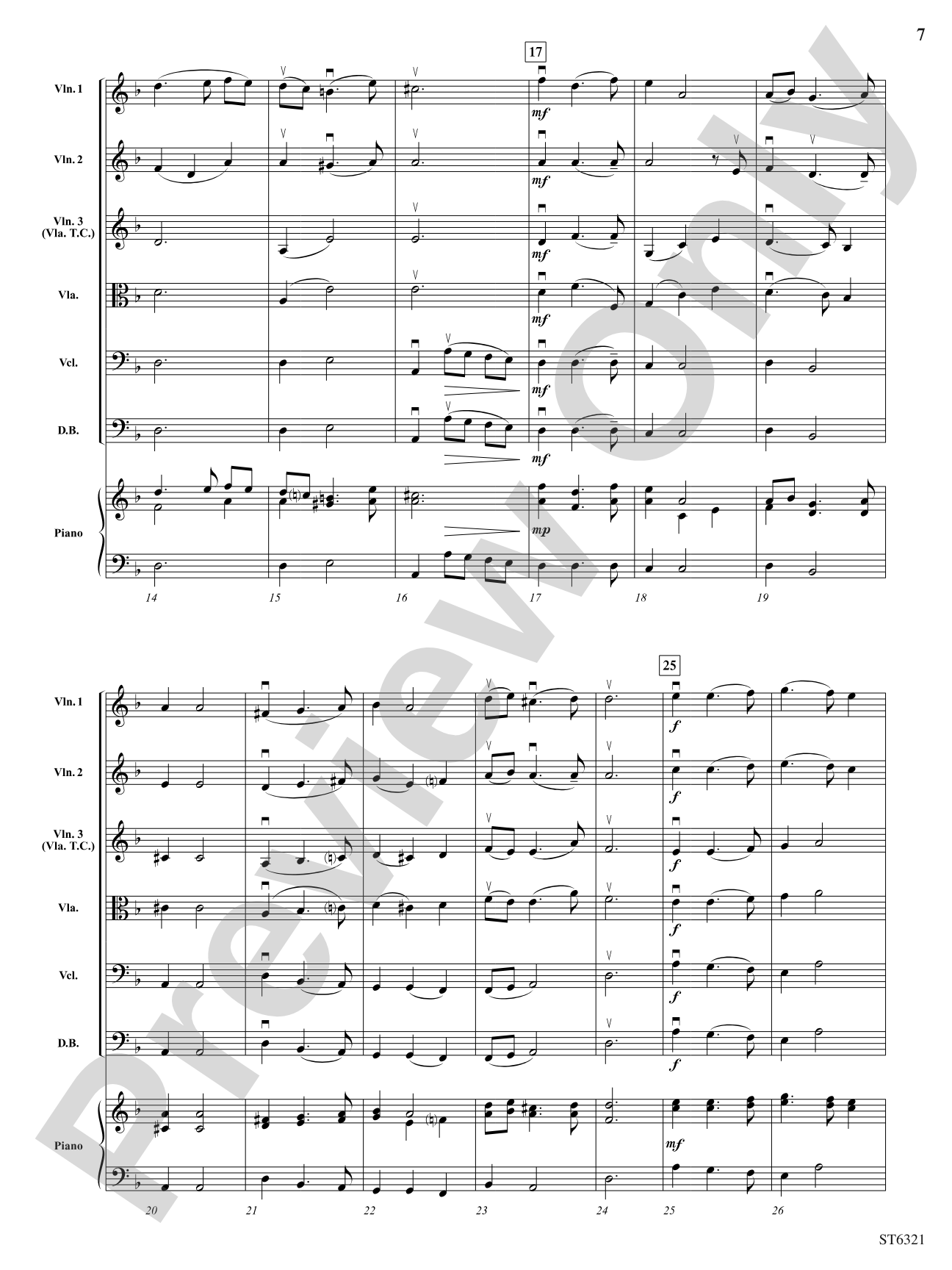
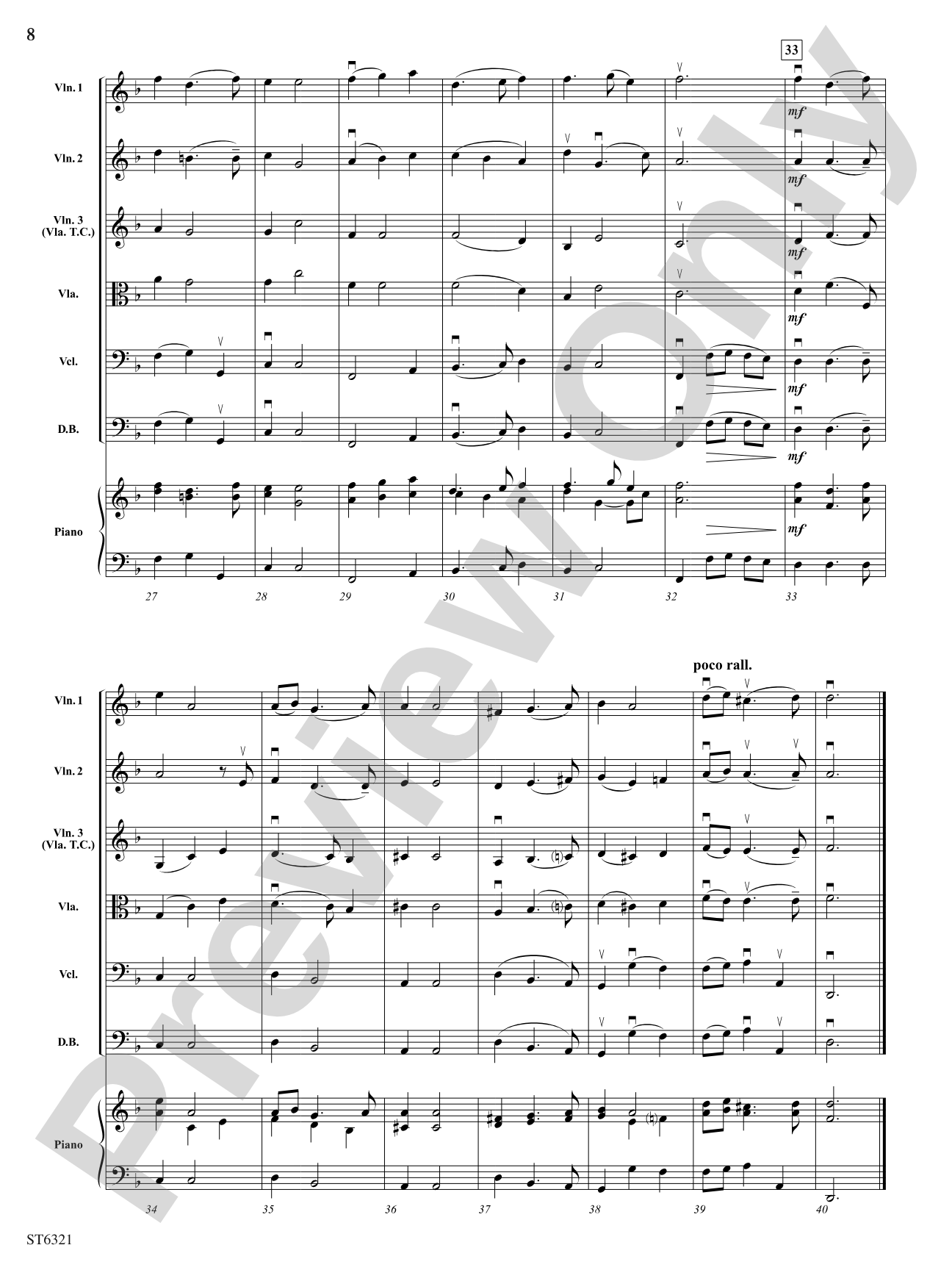
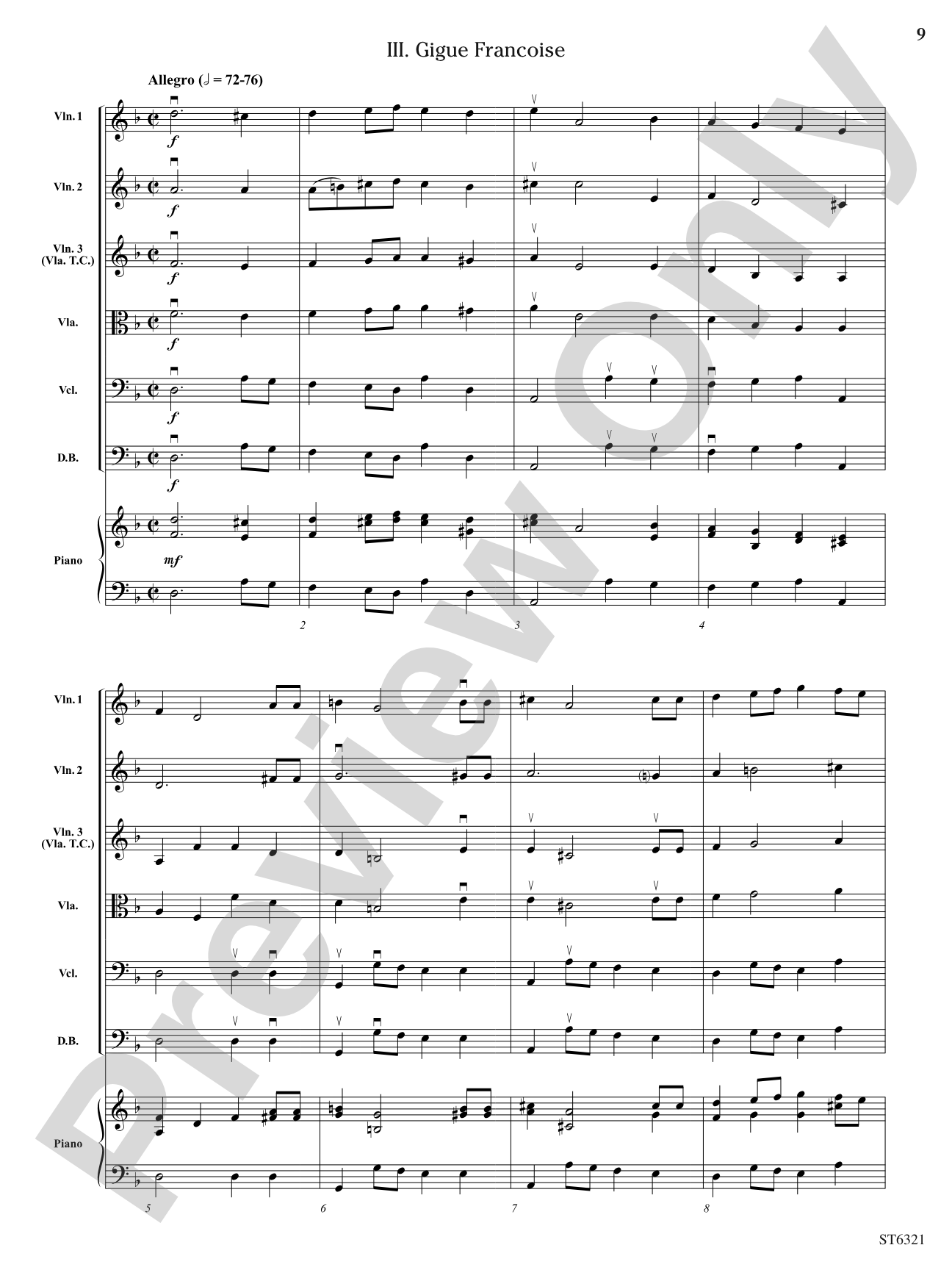
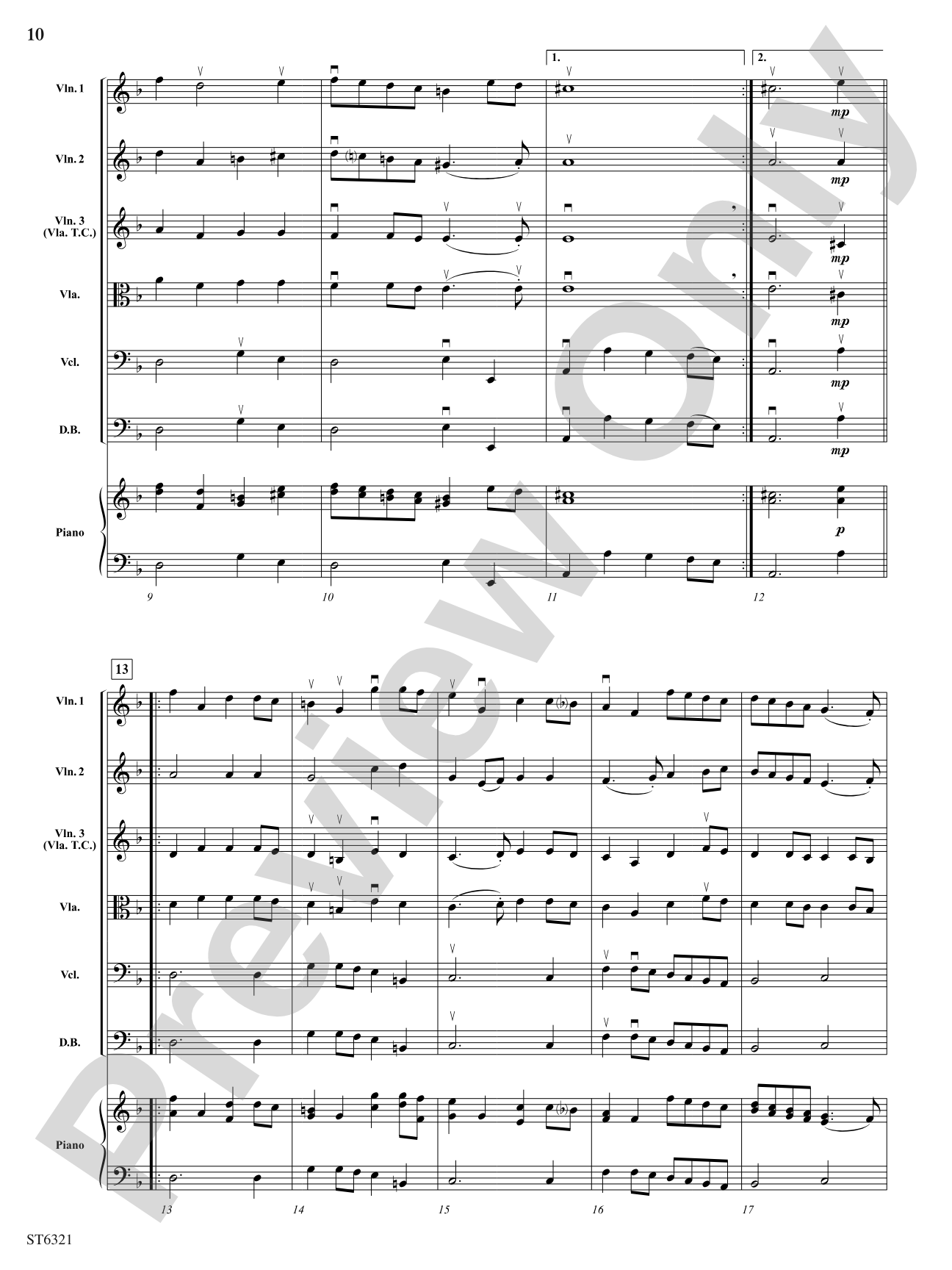
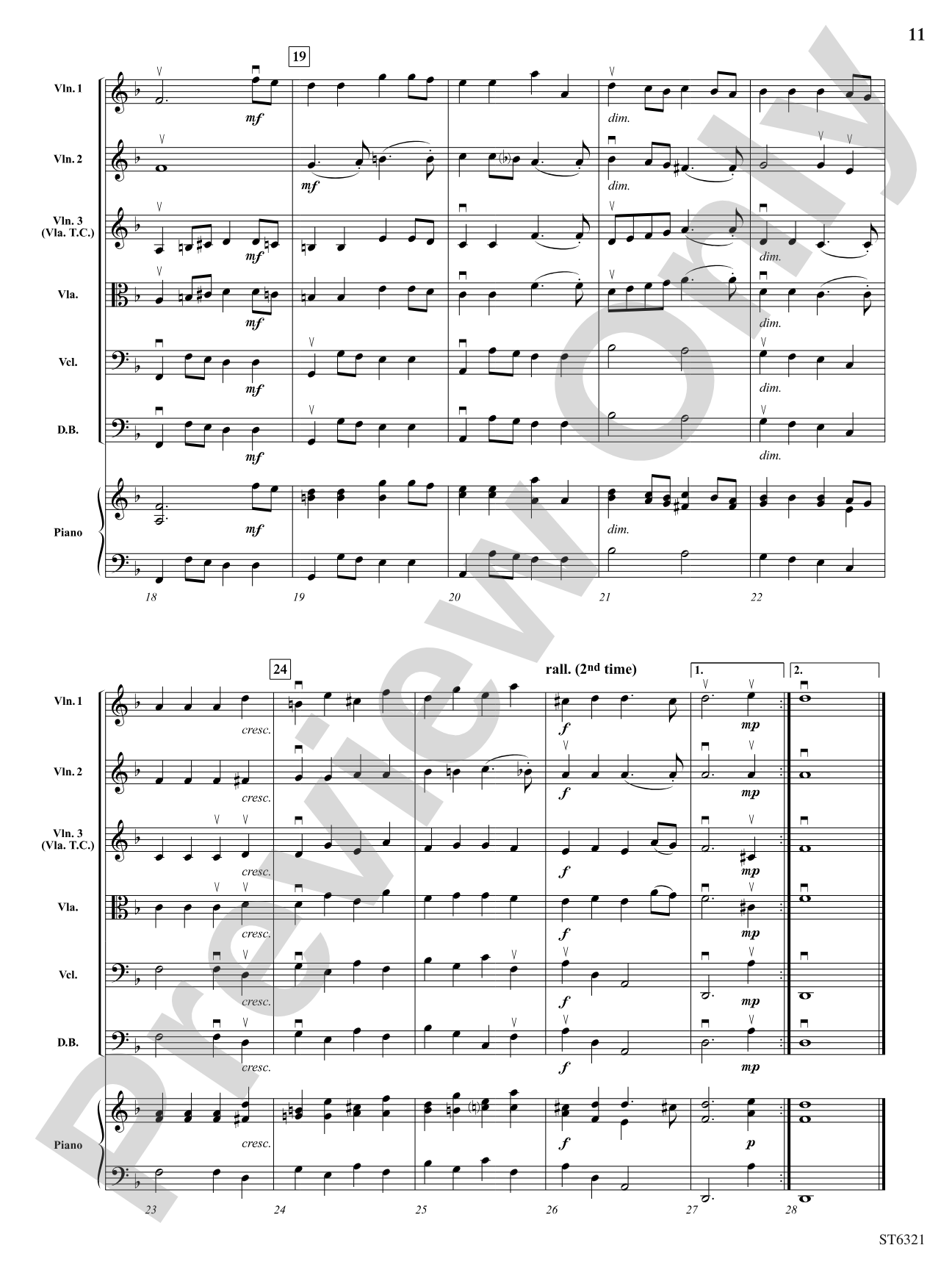
Selected from Charpentier's original six movement concerto, this three-movement transcription explores the melodic, harmonic and rhythmic elements of the French Baroque. Movements include the lyrical Preludio, the dark Sarabande, and the uptempo Gigue Francoise. Fantastic writing!


Suite for Strings: String Orchestra Conductor Score & Parts isn't in MakeMusic Cloud just yet...but it could be. Let us know you'd like to see it, and you'll help shape what comes next. In the meantime, start a free trial and dive into thousands of interactive titles your students can play along with today.
Request This Title
Tell us you want it.
Start Your Free Trial
Explore everything that's ready to play right now.
Sample Audio
1
Audio File
--:--
0:00
0:00
Sample Video
No sample videos found.
Additional Details
Series:
FJH Developing Strings
Publisher:
The FJH Music Company, Inc.
SKU:
98-DST6321
More about this title
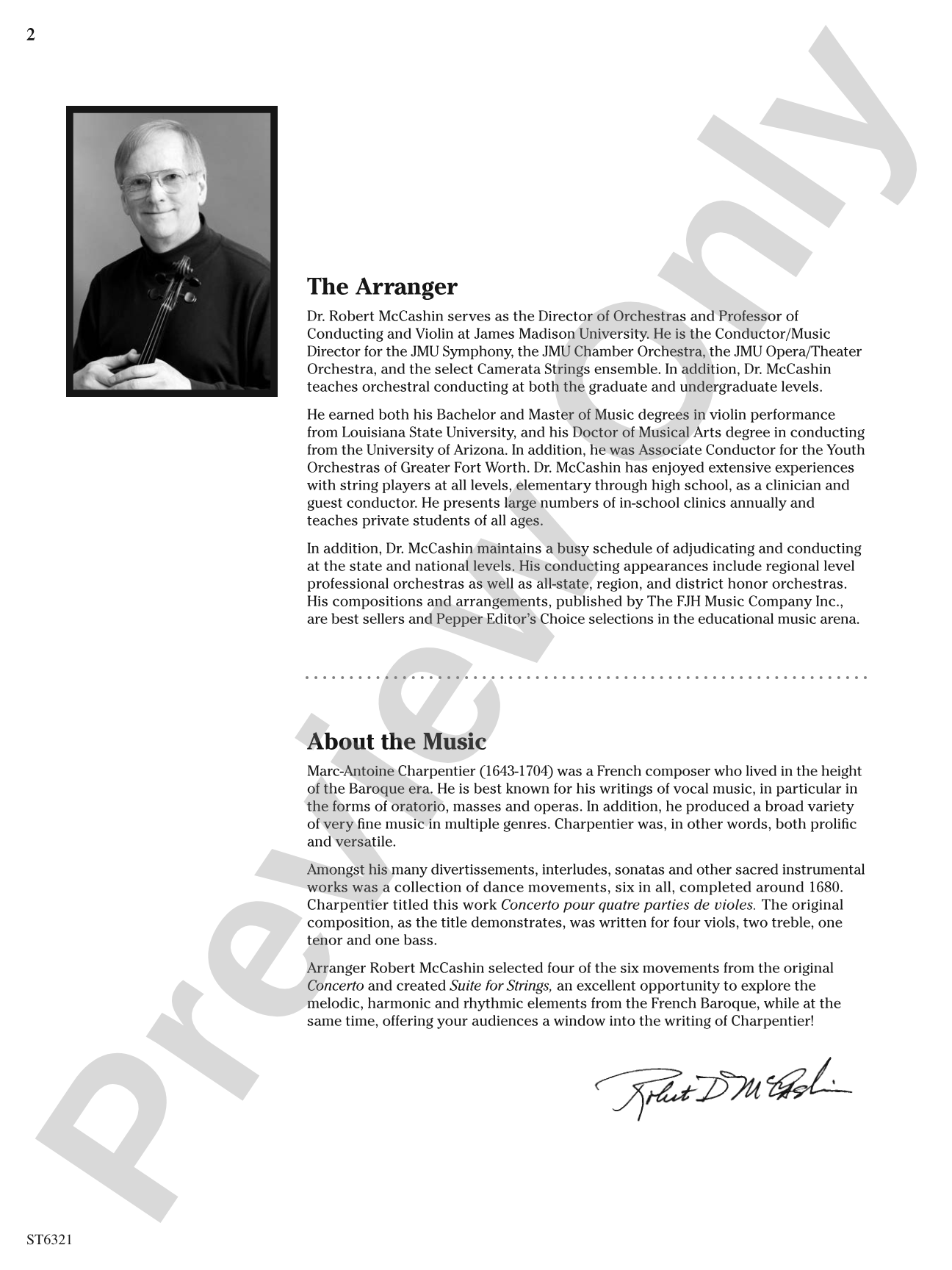
About the Composer: Marc Antoine Charpentier
Marc Antoine Charpentier (1643-1704) was a prolific French Baroque composer whose catalog spans over 800 works across nearly every genre of his era. Though overshadowed by his contemporary Lully during his lifetime, Charpentier's sophisticated harmonic language and gift for melodic invention have secured his place as one of the most important composers of the French Baroque. His music demonstrates mastery of both Italian and French styles, blending the contrapuntal clarity of the Italian school with the characteristic elegance of French court music.
Charpentier's instrumental works, particularly his concertos and sonatas, showcase the orchestral textures and harmonic richness that make his music rewarding for student musicians. His writing for strings is idiomatic and expressive, balancing technical accessibility with genuine musical substance—qualities that make his work ideal for developing ensembles seeking repertoire with real artistic depth.
Why we love this
McCashin's three-movement selection captures the essential character of French Baroque string writing without overwhelming a developing orchestra. The progression from lyrical Preludio through the austere Sarabande to the energetic Gigue creates a satisfying arc that feels complete, and the harmonic language is sophisticated enough to challenge young musicians while remaining entirely playable at Grade 2.5.
What to expect
The suite moves through three distinct emotional landscapes: the opening Preludio unfolds with courtly grace, the Sarabande introduces shadow and depth with its slow harmonic movement, and the Gigue Francoise restores energy and light with dance rhythms characteristic of the French court. The orchestration itself feels transparent and elegant, never cluttered, allowing individual voices to emerge naturally.
Who it's for
Conductors leading developing string orchestras who want authentic Baroque repertoire at an accessible level. This arrangement works equally well for festivals, concerts, or chamber performances where a polished three-movement work demonstrates student musicianship without excessive difficulty.
How to get the most out of it
- Shape the opening Preludio with clear phrase breathing; mark natural cadence points so strings understand where lines resolve rather than rushing through sustained harmony.
- Balance the Sarabande's dark character by maintaining steady bow control in longer notes and avoiding vibrato that blurs the piece's grave quality.
- Establish a dance-like lilt in the Gigue Francoise by keeping the dotted rhythms crisp and allowing first violins to lead with character rather than playing mechanically.
How to use it
Program this as a complete suite on a spring or end-of-year concert, pairing it with contemporary string works to showcase the continuum of string writing across centuries. The three movements also work as an accessible entry point into Baroque aesthetics for orchestras studying period style and harmonic structure.
Skills your students will build
- Baroque phrasing conventions and cadence awareness
- Contrasting character interpretation (lyrical, grave, dance-like)
- Maintaining rhythmic precision with dotted-note figures
- Balancing voice leading in four-part harmonic texture
- Sustaining consistent tone quality across longer bow strokes