

Subterranean: String Orchestra Conductor Score & Parts
By Kathryn Griesinger
Grade: 1.5
Item: 98-DST6470
$50.00
Pickup currently not available
Buy Extra Parts (Digital PDF Download)
| Product | Price | Quantity |
|---|---|---|
| Subterranean: Score | $5.00 | |
| Subterranean: Violin 1 | $7.00 | |
| Subterranean: Violin 2 | $7.00 | |
| Subterranean: Violin 3 (Viola T.C.) | $7.00 | |
| Subterranean: Viola | $7.00 | |
| Subterranean: Violoncello | $7.00 | |
| Subterranean: Double Bass | $7.00 | |
| Subterranean: Piano | $7.00 |
Parts Added to Cart!
Description
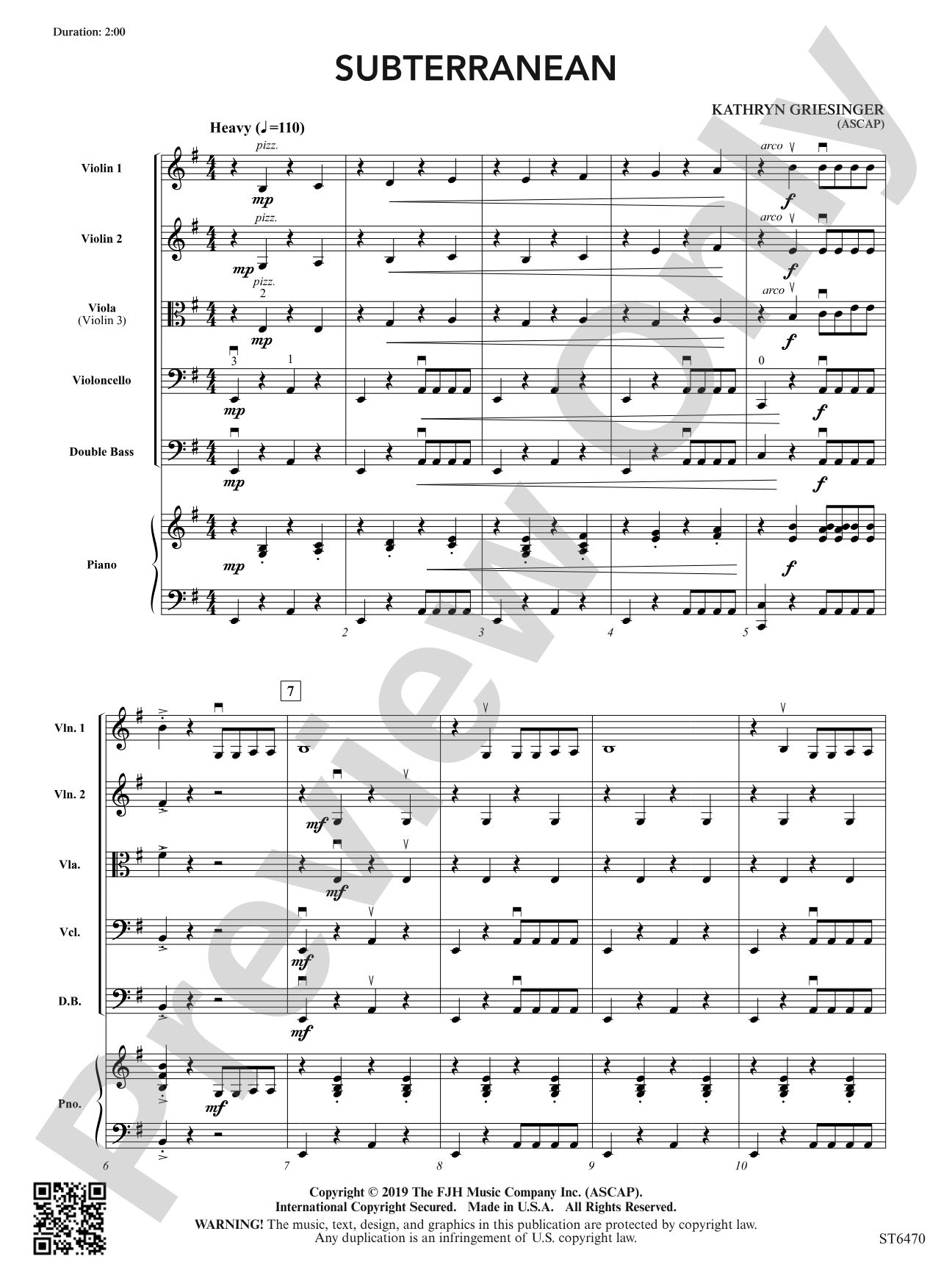
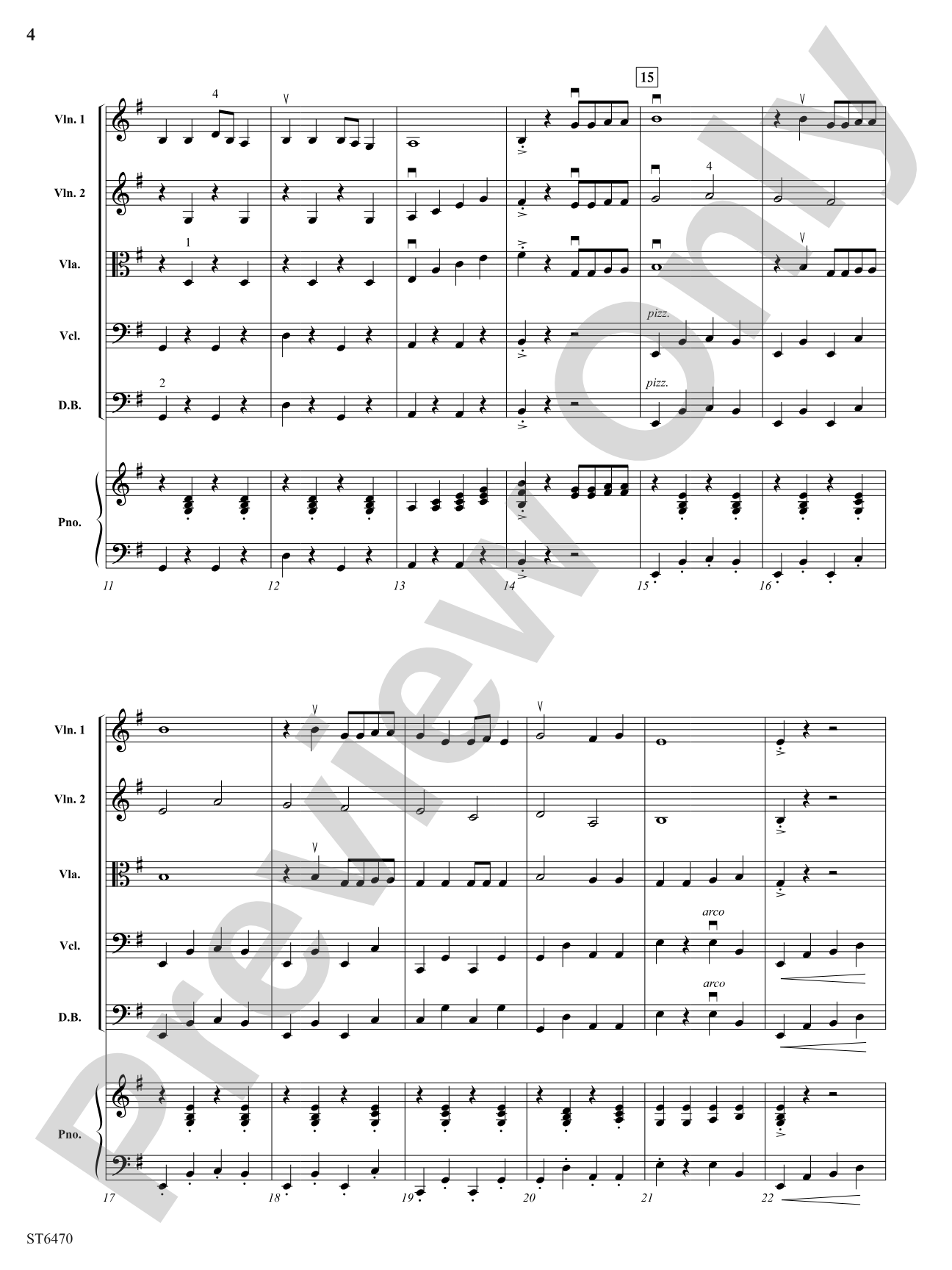
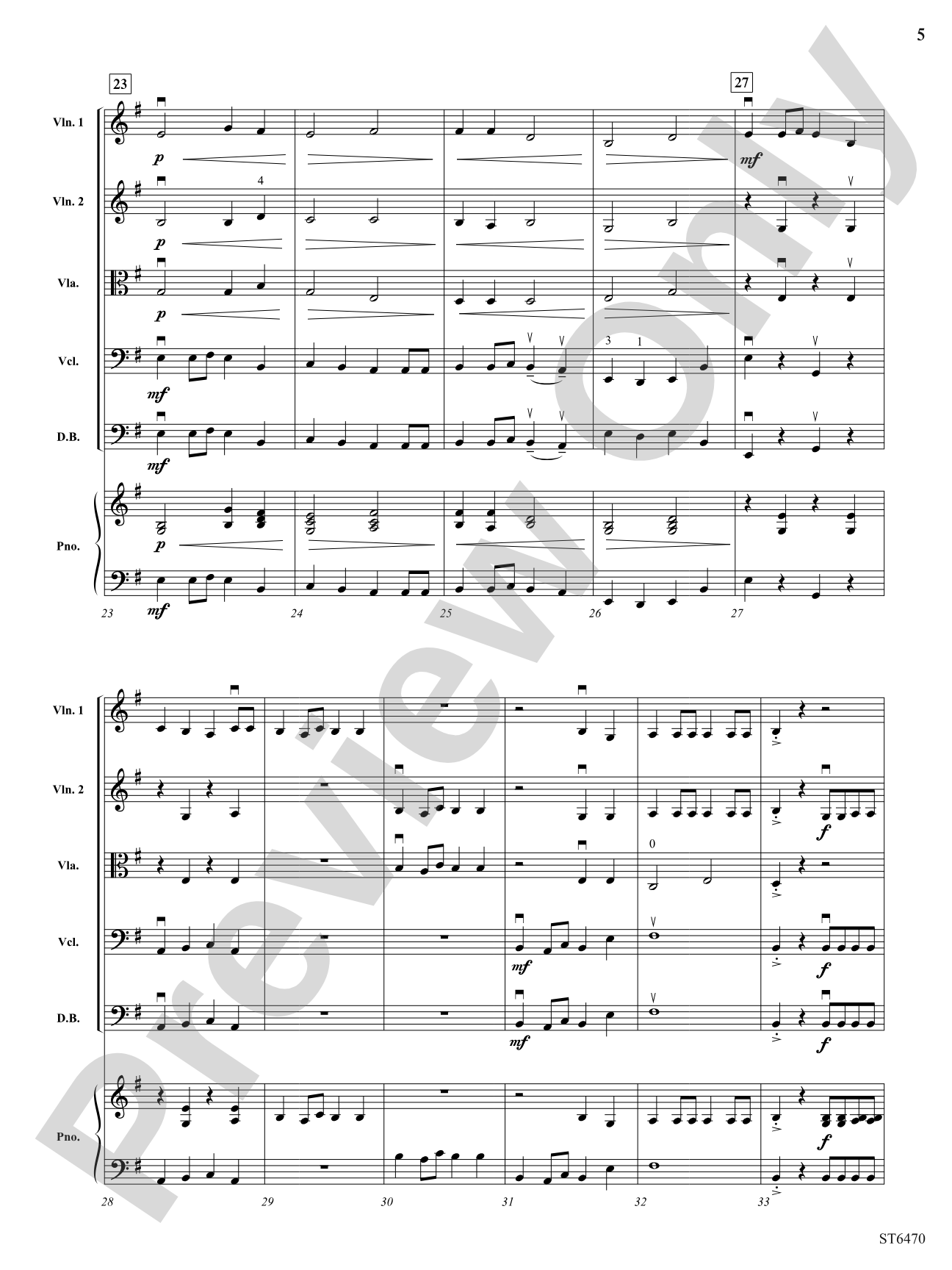
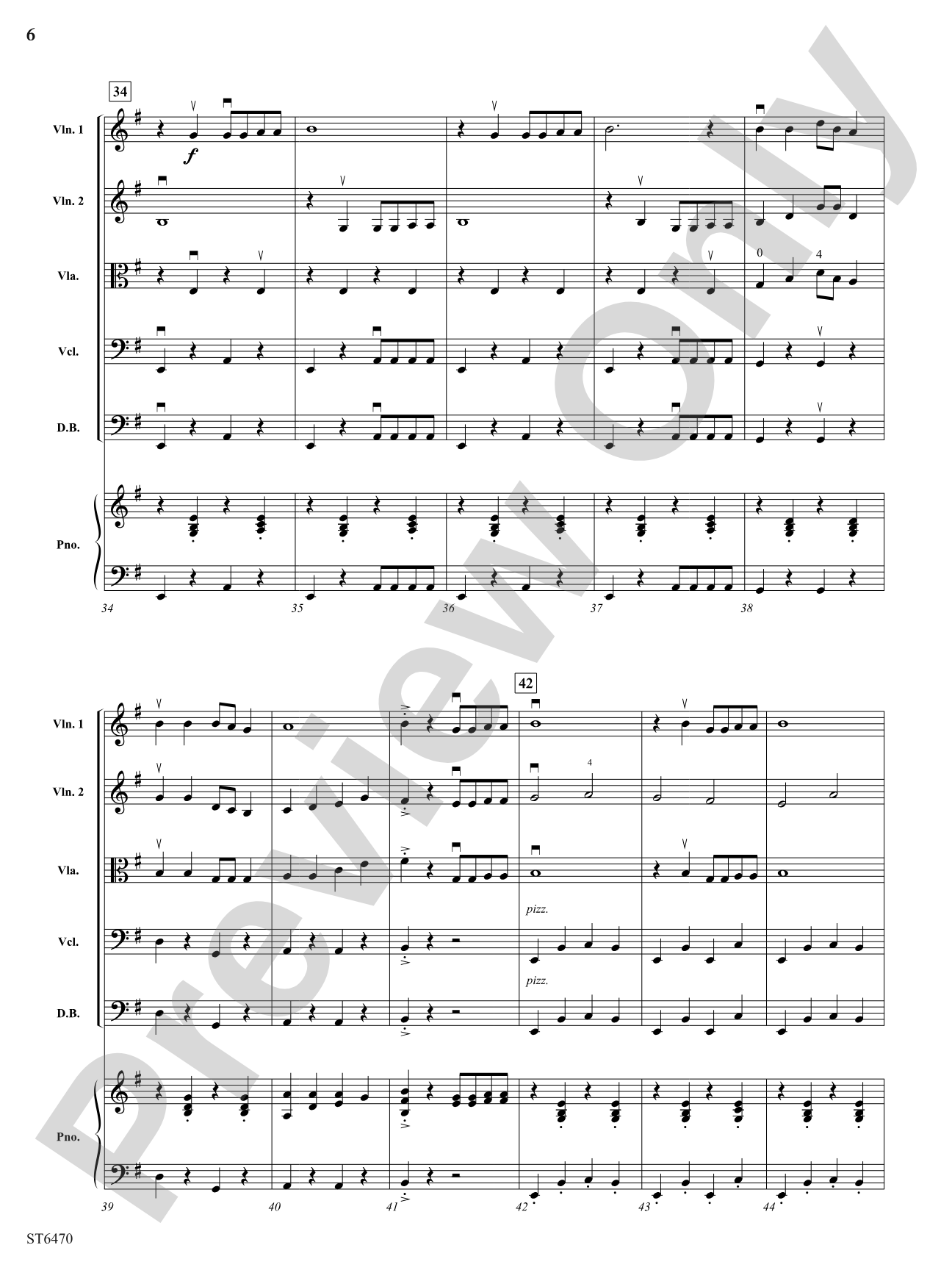
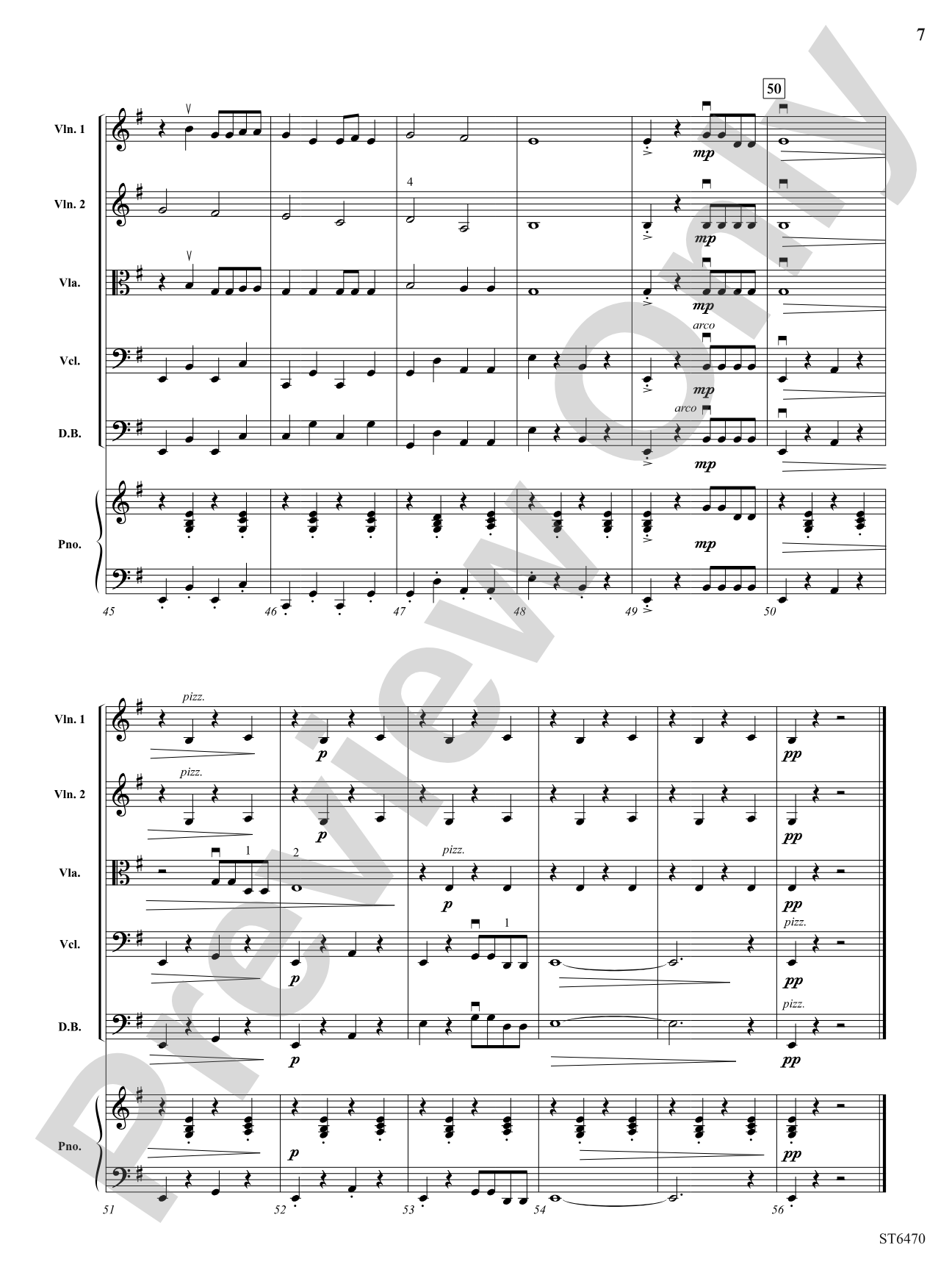
Go underground to explore the deep, dark sounds of the orchestra's lowest strings. A ponderous, minor theme weaves through every section of the orchestra along with a few easy off-beat rhythms. The absence of low-2 finger patterns make this helpful for teaching and reinforcing note reading on the G, C, and E (bass) strings, while also being extremely satisfying musically. (2:00)


Subterranean: String Orchestra Conductor Score & Parts isn't in MakeMusic Cloud just yet...but it could be. Let us know you'd like to see it, and you'll help shape what comes next. In the meantime, start a free trial and dive into thousands of interactive titles your students can play along with today.
Request This Title
Tell us you want it.
Start Your Free Trial
Explore everything that's ready to play right now.
Sample Audio
1
Audio File
--:--
0:00
0:00
Sample Video
Additional Details
Series:
FJH Beginning Strings
Publisher:
The FJH Music Company, Inc.
SKU:
98-DST6470
More about this title
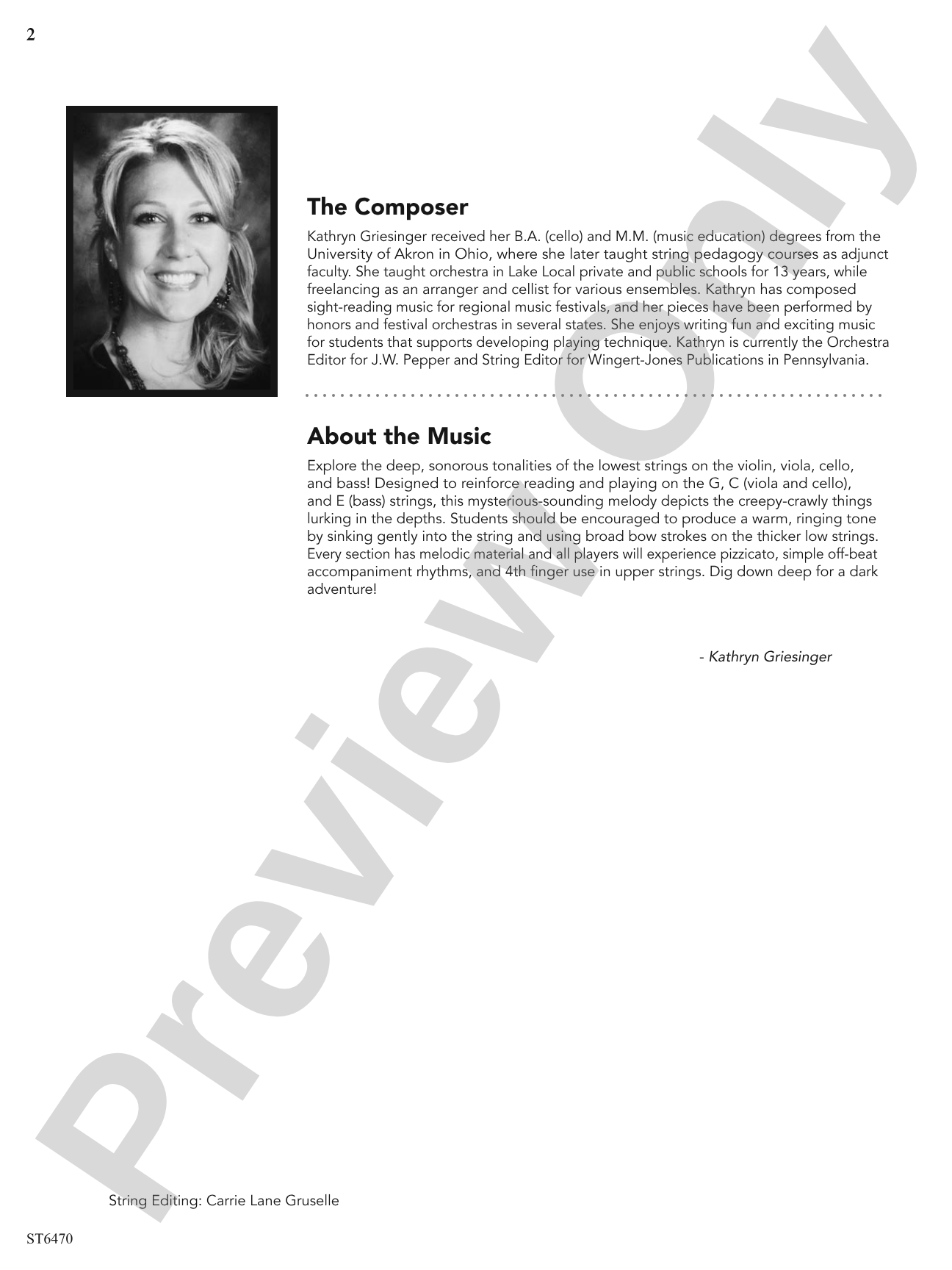
About the Composer: Kathryn Griesinger
Kathryn Griesinger is a composer and educator who writes with a clear sense of what beginning string students need to hear and play. Her work in the FJH Beginning Strings series demonstrates deep knowledge of pedagogical priorities, she builds musical satisfaction without compromising technical focus.
Why we love this
Griesinger writes with genuine understanding of what beginning string players need to succeed. The piece teaches essential lower-string reading without feeling like a technical exercise; the ponderous minor theme and off-beat rhythms keep students musically engaged while they're strengthening fundamentals. It's the rare Grade 1.5 work that holds up in a concert.
What to expect
Subterranean captures a deliberate, exploratory mood. The absence of high registers and fast passage work creates space for the lower voices to shine, while the minor key and slow harmonic rhythm invite players to listen deeply and breathe together as an ensemble.
Who it's for
Beginning string orchestras in their first or second year of reading, particularly groups working to solidify note identification on G, C, and E strings. This is equally valuable for a first concert or for building confidence before a festival, since the 2-minute duration and focused pedagogical scope make it achievable without excessive rehearsal time.
How to get the most out of it
- Establish the minor tonality early in rehearsal by having students sing or hum the opening theme before playing it. This anchors the harmonic center and helps them understand the piece's dark character.
- Shape the ponderous theme with subtle dynamic swells rather than stark terraced dynamics. Even at this level, younger orchestras respond well to minimal cueing that encourages them to listen across sections.
- Layer in the off-beat rhythms section by section during rehearsal. Start with one voice, add another, then bring in the full texture so students hear how the rhythmic independence supports rather than fights the melody.
How to use it
Program this as a section feature that highlights your lower strings and gives them a moment in the spotlight. Its compact length makes it ideal as a transition piece between contrasting works, or as an opening selection that establishes focus and ensemble cohesion before moving into more demanding repertoire.
Skills your students will build
- Reading on G, C, and E (bass) strings with accuracy and confidence
- Recognizing and performing off-beat rhythmic patterns within an ensemble texture
- Sustaining longer note values and controlling tone quality in the lower register
- Understanding minor tonality and harmonic function through a memorable thematic line