

Strings on the Housetop: String Orchestra Conductor Score & Parts
By Benjamin R. Hanby / arr. Timothy Loest
Grade: 1
Item: 98-DST6478
$50.00
Pickup currently not available
Buy Extra Parts (Digital PDF Download)
| Product | Price | Quantity |
|---|---|---|
| Strings on the Housetop: Score | $10.00 | |
| Strings on the Housetop: Violin 1 | $7.00 | |
| Strings on the Housetop: Violin 2 (Viola T.C.) | $7.00 | |
| Strings on the Housetop: Viola | $7.00 | |
| Strings on the Housetop: Violoncello | $7.00 | |
| Strings on the Housetop: Double Bass | $7.00 | |
| Strings on the Housetop: Percussion (opt.) | $7.00 | |
| Strings on the Housetop: Piano | $7.00 |
Parts Added to Cart!
Description
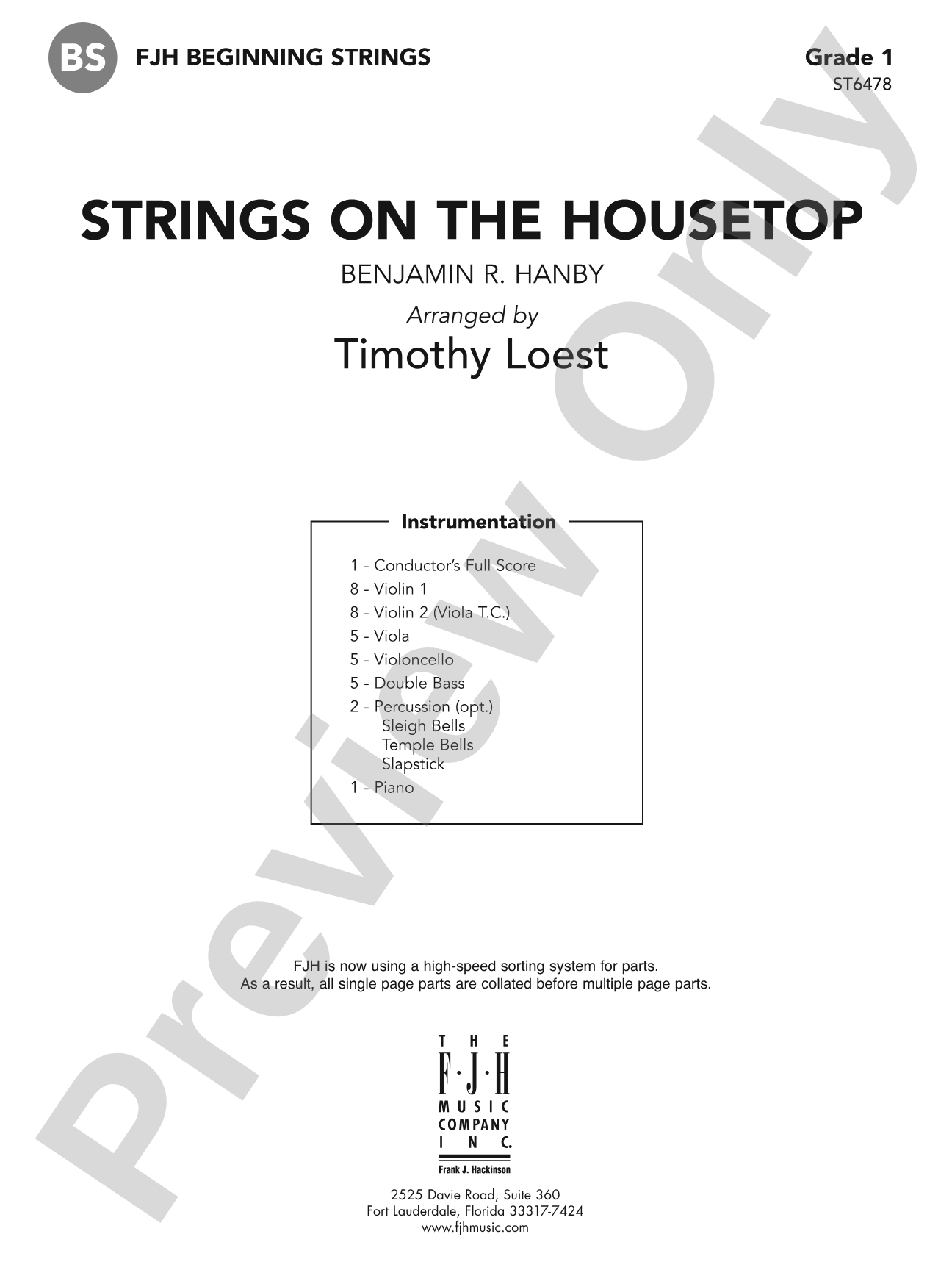
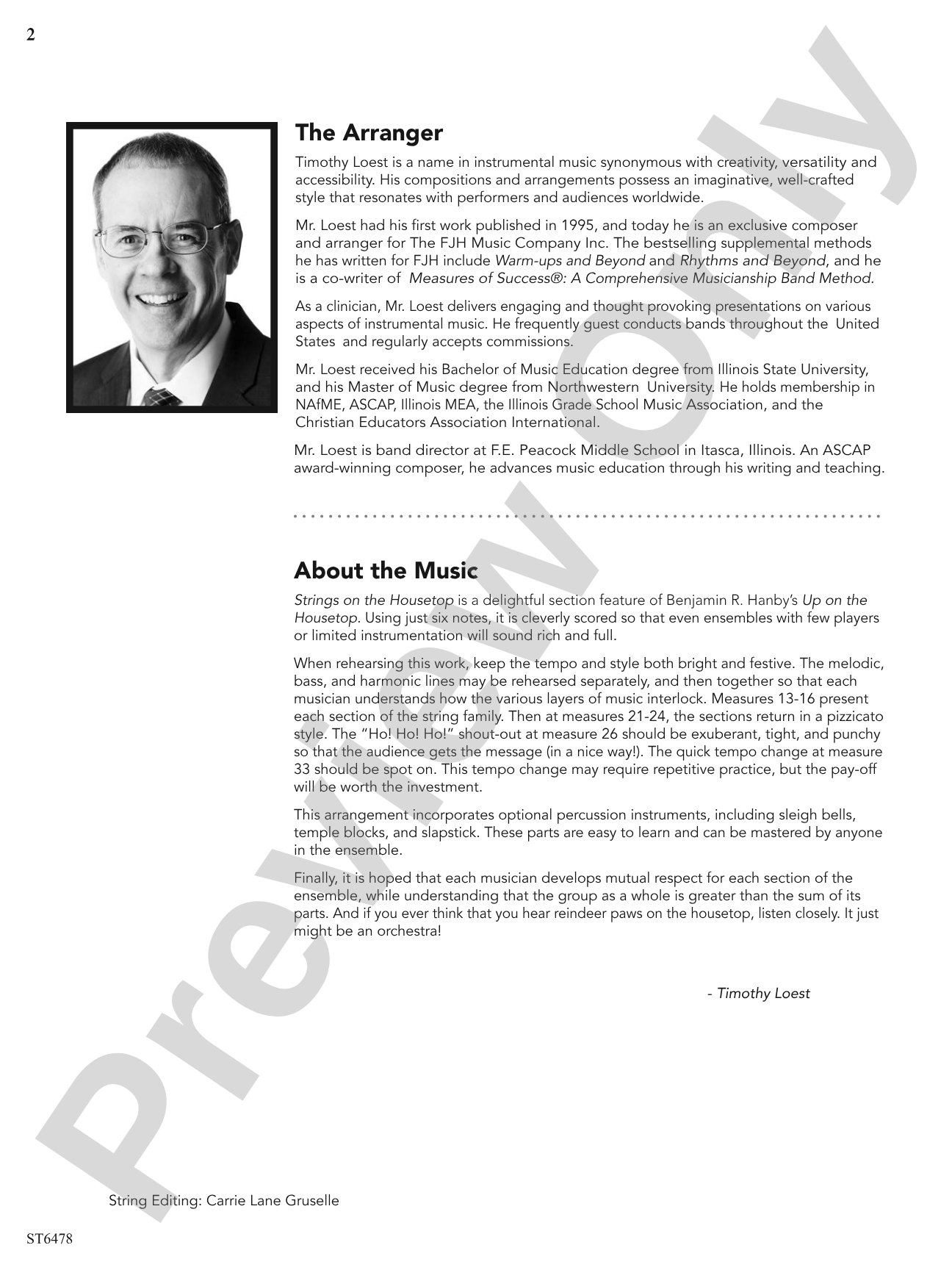
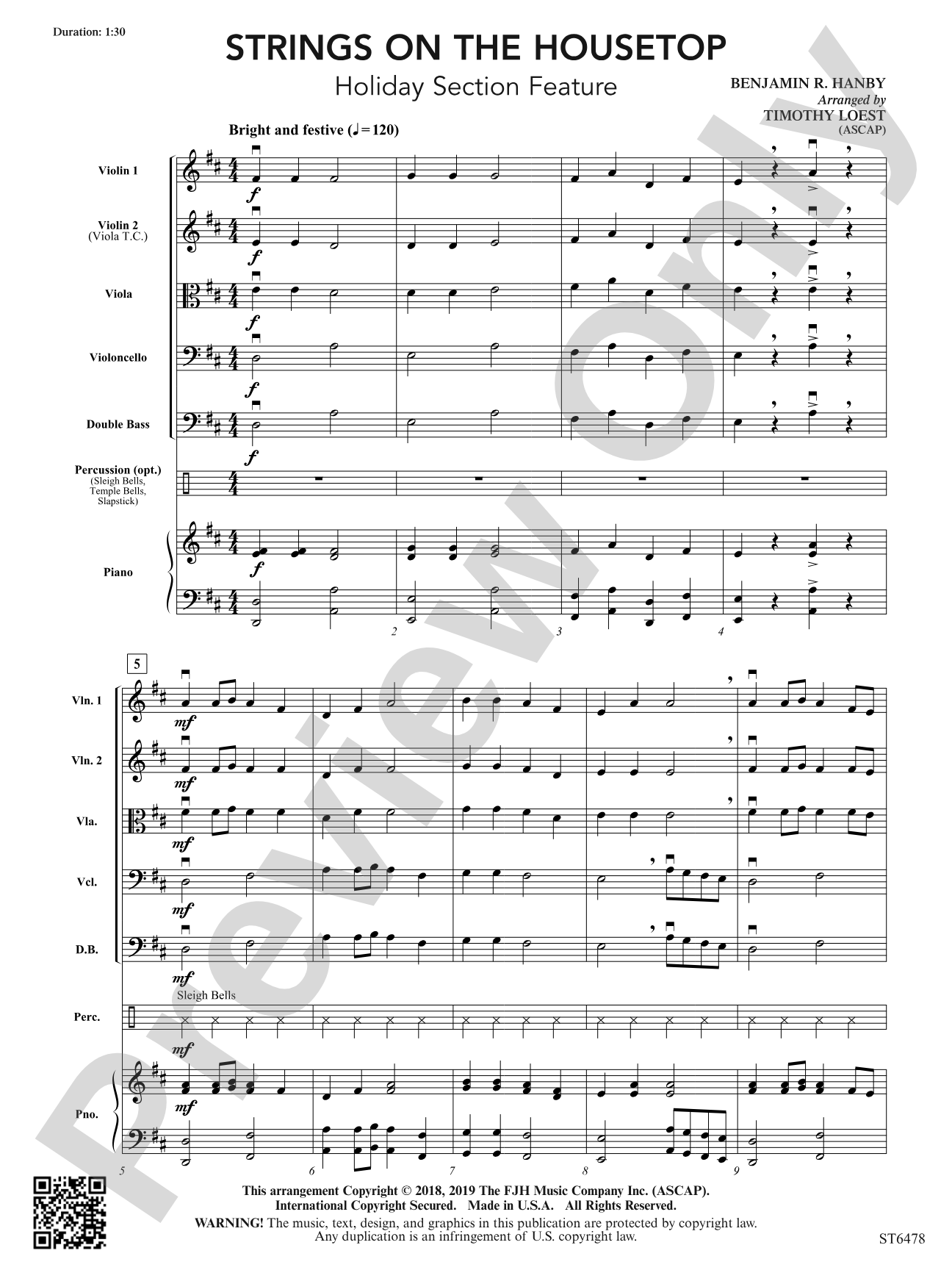
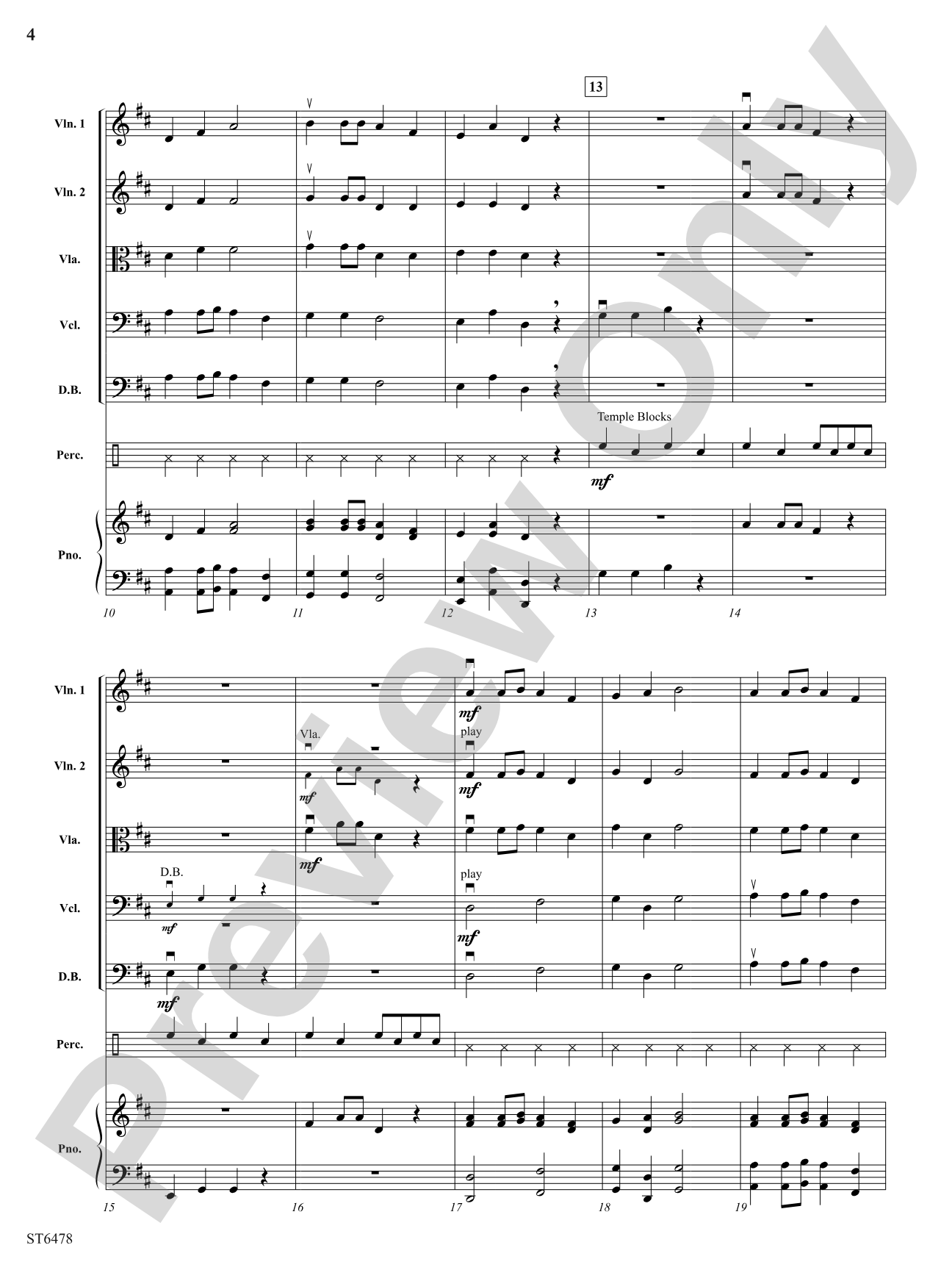
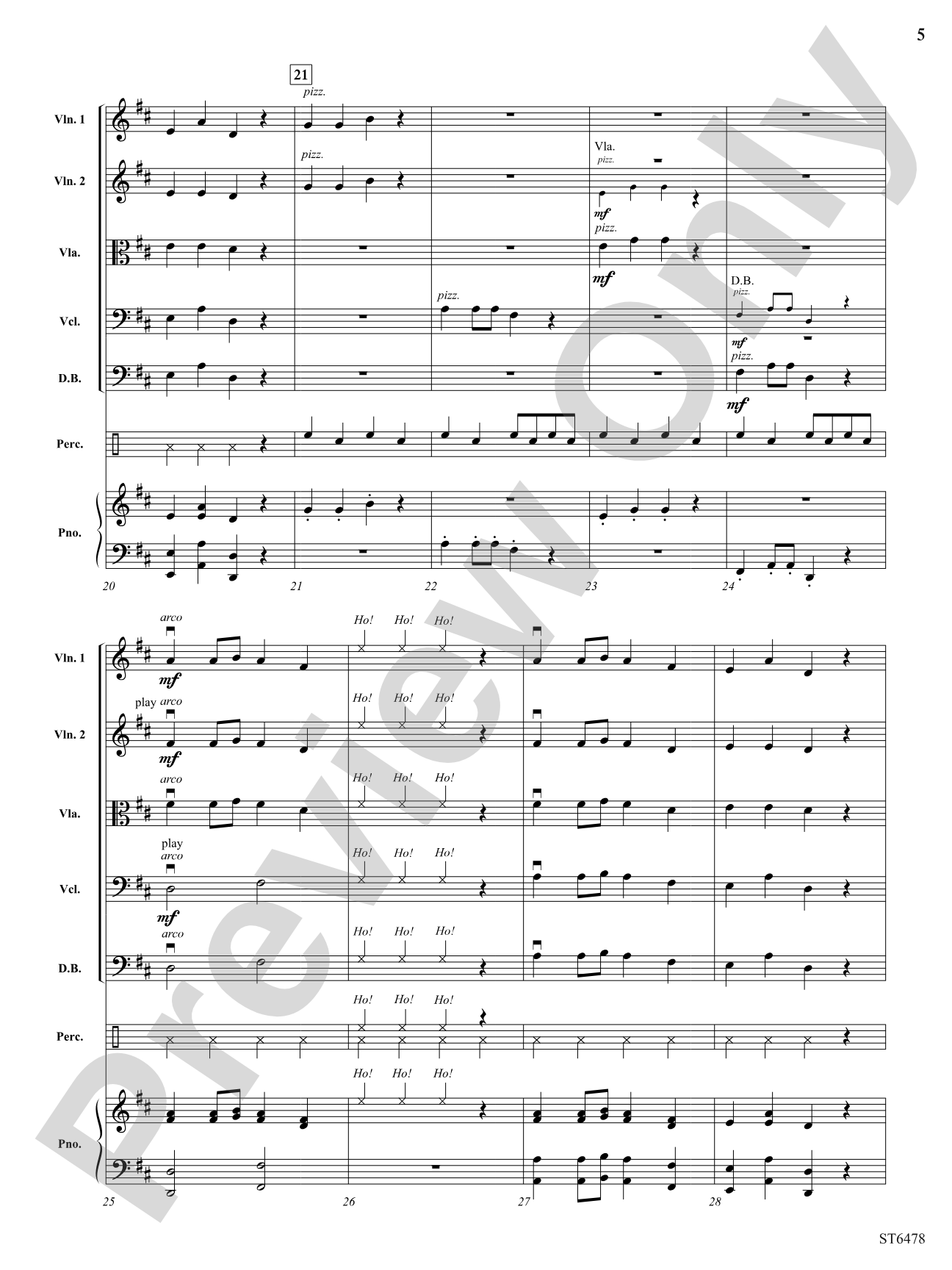
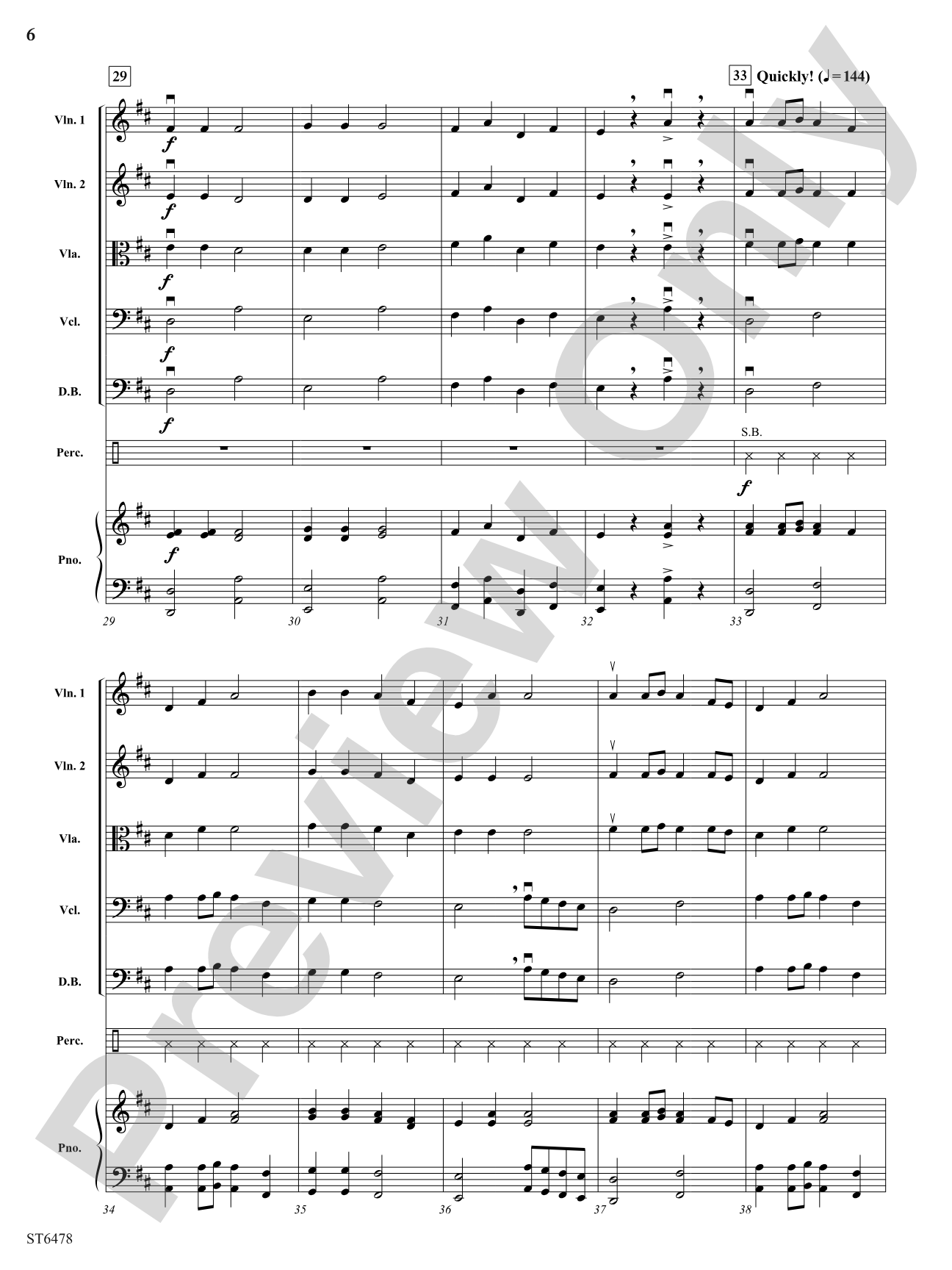
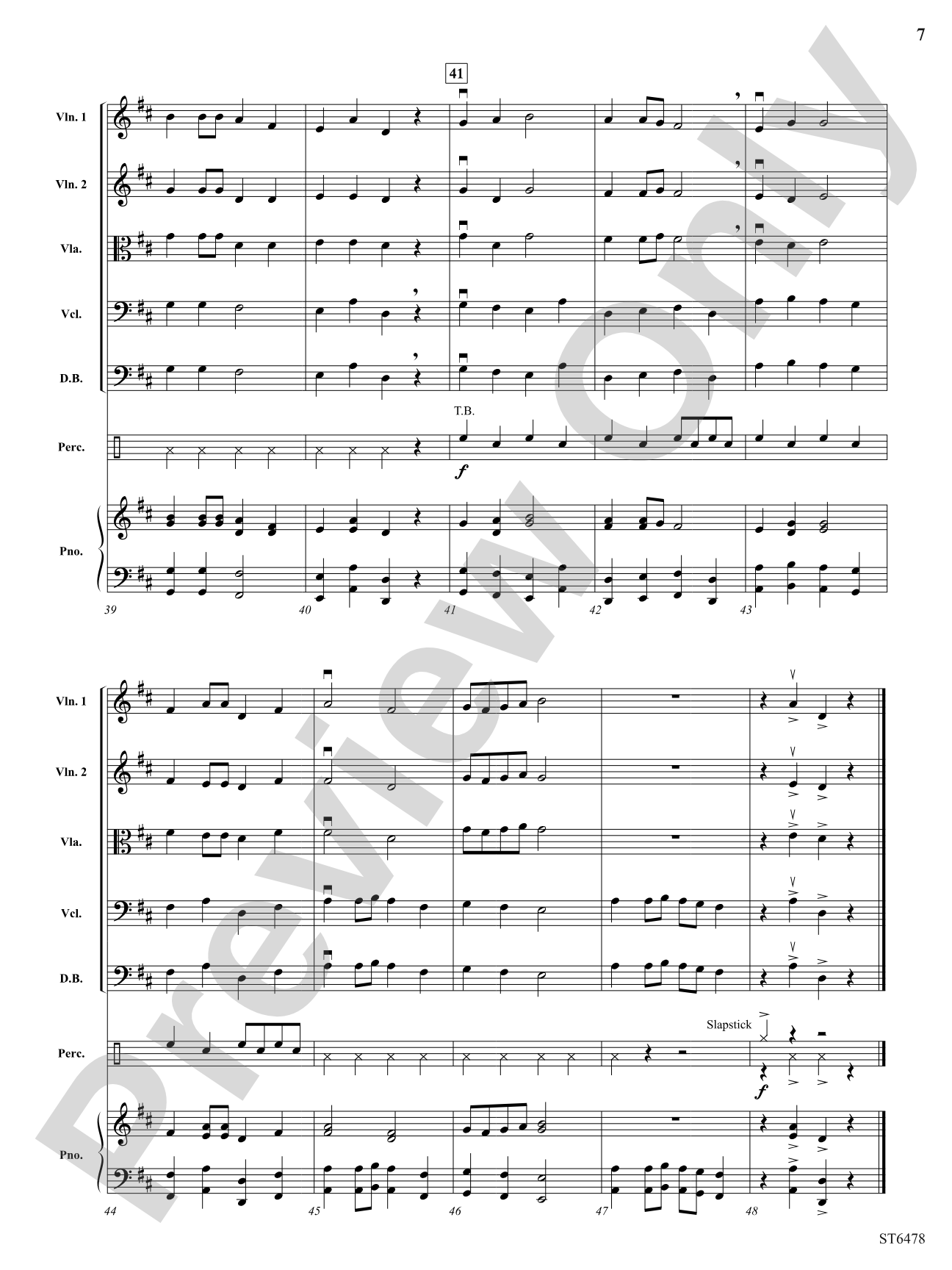
You've heard of a fiddler on the roof? Well, how about an orchestra on the housetop! Feature the entire string orchestra, section by section, at your next winter concert (even bassists, who are cued in the cello line). Using just six notes, this new arrangement of an old holiday favorite is cleverly scored to sound rich and full. Optional percussion adds to the festivities. A perfect format for bolstering group confidence while promoting section independence!


Strings on the Housetop: String Orchestra Conductor Score & Parts isn't in MakeMusic Cloud just yet...but it could be. Let us know you'd like to see it, and you'll help shape what comes next. In the meantime, start a free trial and dive into thousands of interactive titles your students can play along with today.
Request This Title
Tell us you want it.
Start Your Free Trial
Explore everything that's ready to play right now.
Sample Audio
1
Audio File
--:--
0:00
0:00
Sample Video
Additional Details
Series:
FJH Beginning Strings
Publisher:
The FJH Music Company, Inc.
SKU:
98-DST6478
More about this title
About the Composer: Benjamin R. Hanby
Benjamin R. Hanby (1833-1867) was an American composer and Methodist minister whose prolific output shaped 19th-century American music. Though his life was cut short, he left behind a substantial catalog of songs and hymns that remain deeply embedded in American culture, particularly his holiday compositions.
Hanby's gift for memorable melody and his ability to craft singable, accessible music made him influential among both congregations and secular performers. His work bridged sacred and popular traditions at a time when American musical identity was still forming, and pieces like "Darling, I Am Growing Old" and his holiday music continue to appear in educational and performance settings.
Why we love this
Timothy Loest's arrangement respects the Grade 1 level while structuring the piece so that each section gets a genuine moment to shine. The constraint of six notes becomes an asset rather than a limitation; it forces clear, confident lines that allow younger orchestras to sound full and polished without getting tangled in technical demands. This is the rare arrangement that builds musicianship and ensemble cohesion simultaneously.
What to expect
Warm, festive, and full of character despite its simplicity. The piece has a gentle humor to it, treating a well-known tune with affection rather than schmaltz. Each section gets to contribute something recognizable and rewarding.
Who it's for
This arrangement serves Grade 1 string orchestras ready to perform at winter concerts and festivals. It works equally well for groups new to ensemble playing and those seeking repertoire that guarantees confident, transparent sound without sacrificing musicality.
How to get the most out of it
- Rehearse each section independently first, even though the voicing is straightforward. This ensures that when students hear their own line within the texture, they own it.
- Use the optional percussion parts to add energy and color, but resist letting them dominate; the strings should remain the center of focus.
- Establish a steady pulse early and maintain it. The simplicity of the material means any tempo fluctuation becomes immediately noticeable.
- Shape phrase endings with slight dynamic reduction rather than backing off rhythmically; this keeps the ensemble locked together.
How to use it
Place this midway through a winter concert to lift the mood while giving your orchestra a guaranteed success moment. The accessible level also makes it suitable for end-of-semester demonstrations of ensemble growth, particularly if you're highlighting how effectively young orchestras can execute balanced texture.
Skills your students will build
- Playing within a balanced orchestral texture at the Grade 1 level
- Section independence and awareness of individual responsibility within the ensemble
- Phrasing and shaping with limited technical demands
- Responding to conductor cues for section entries and dynamic control