
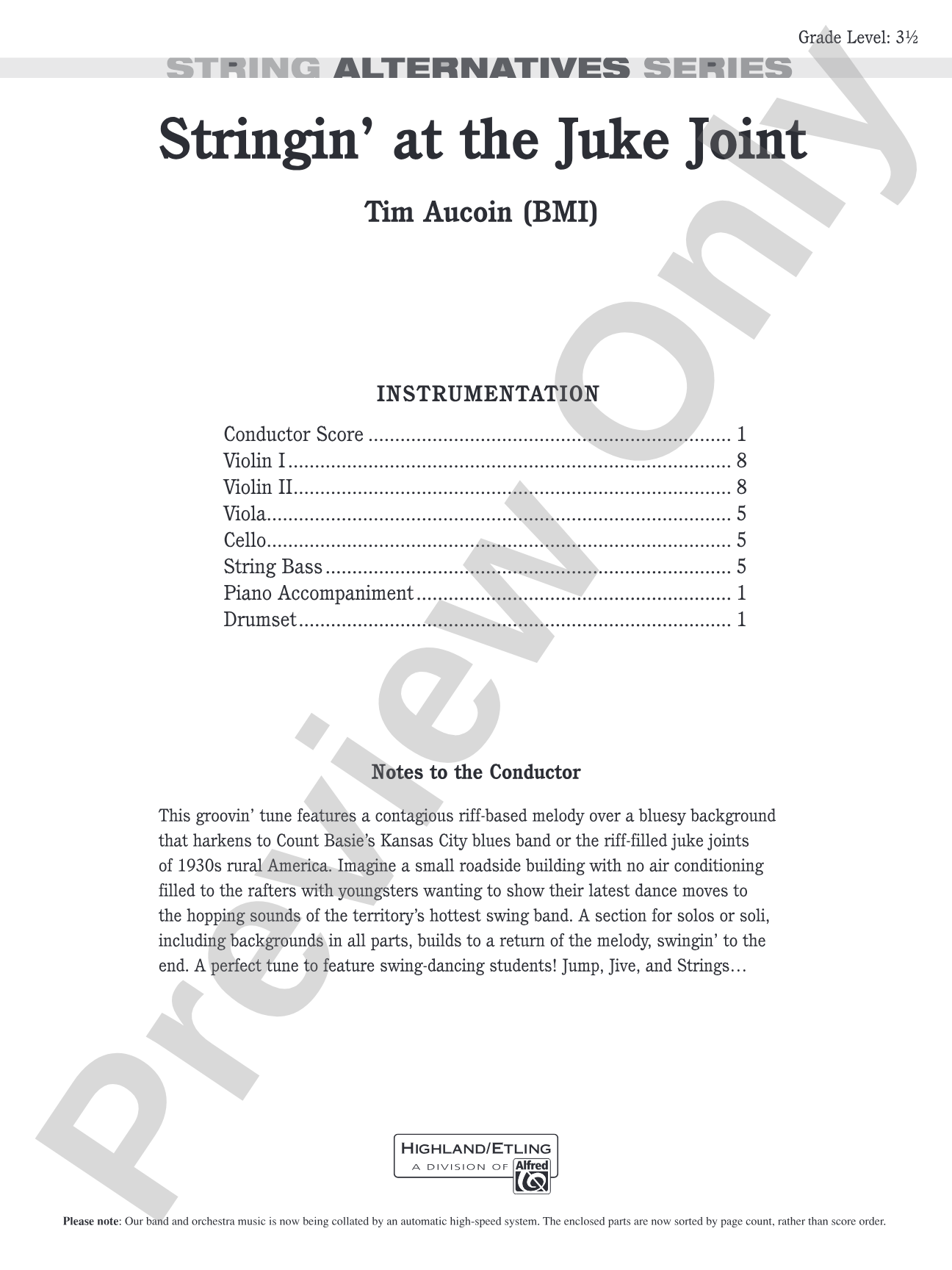
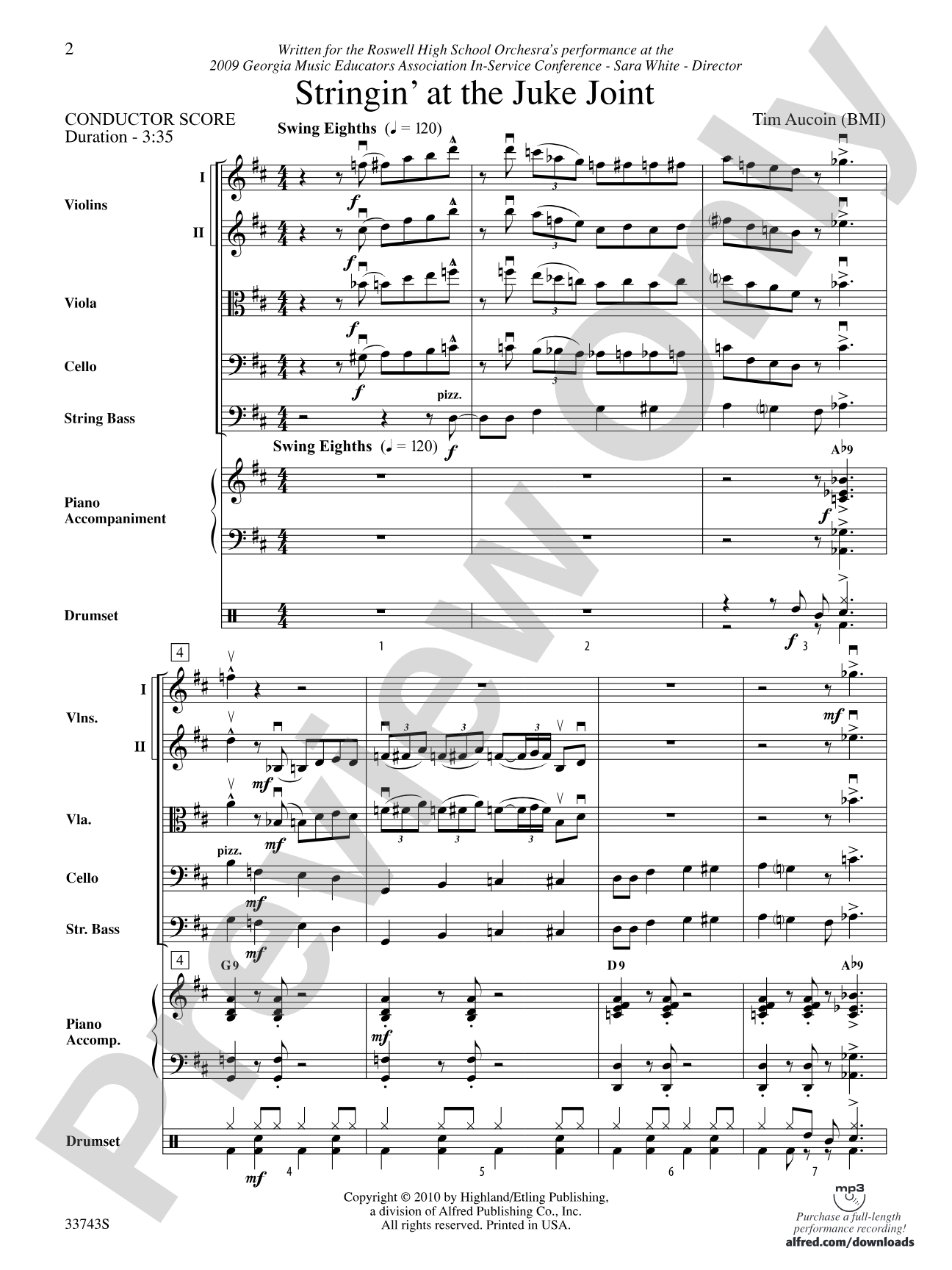
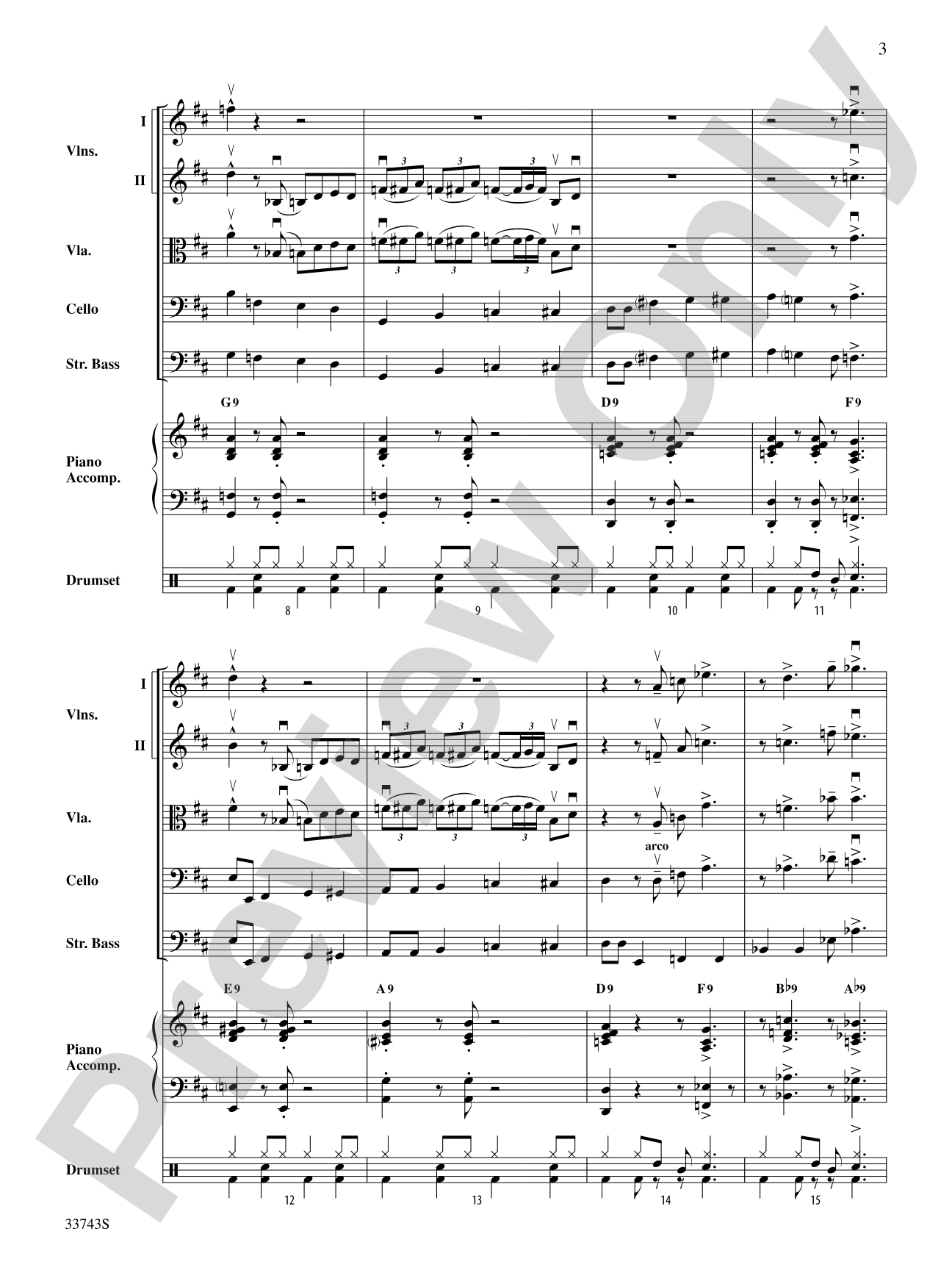
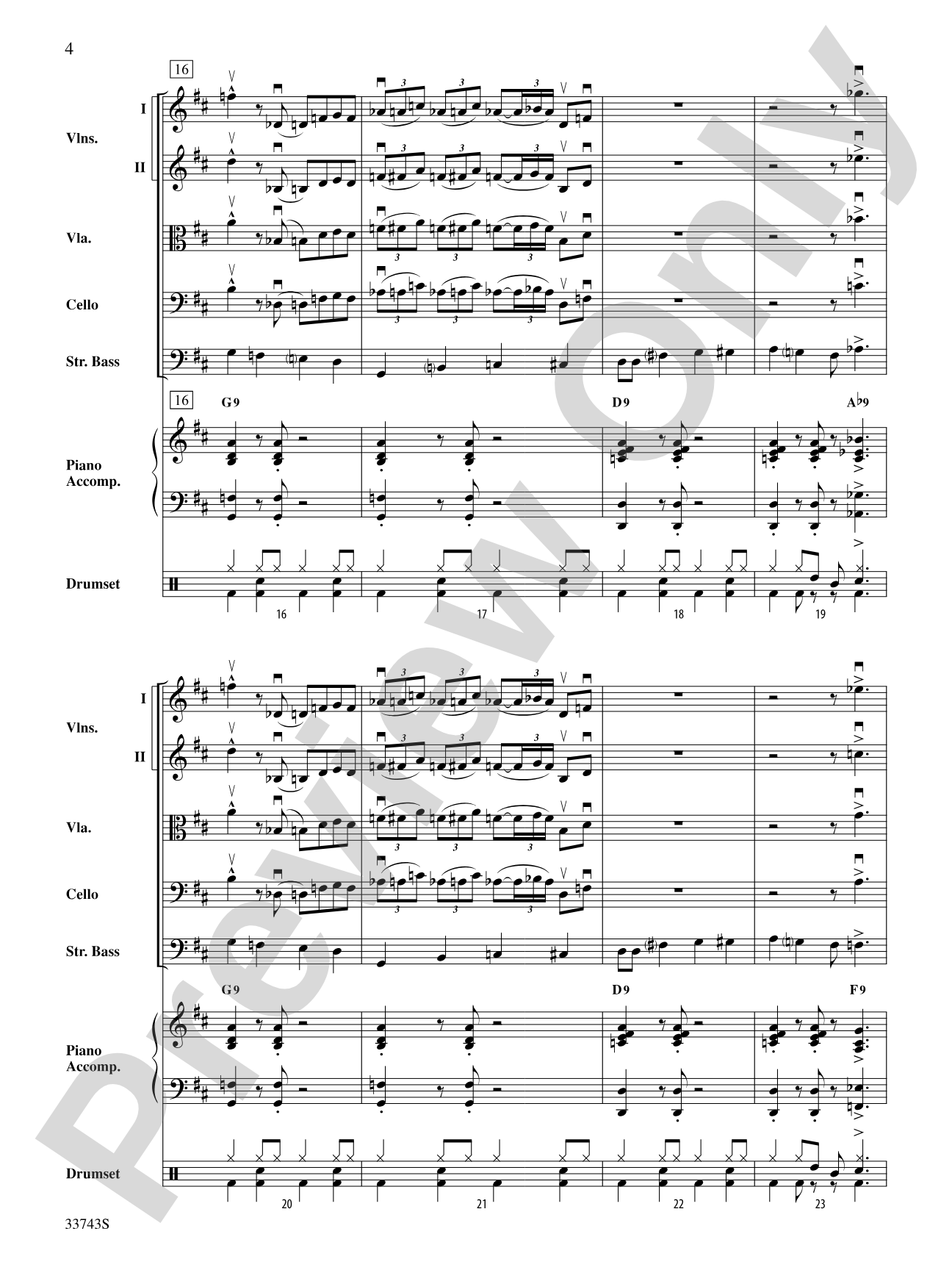
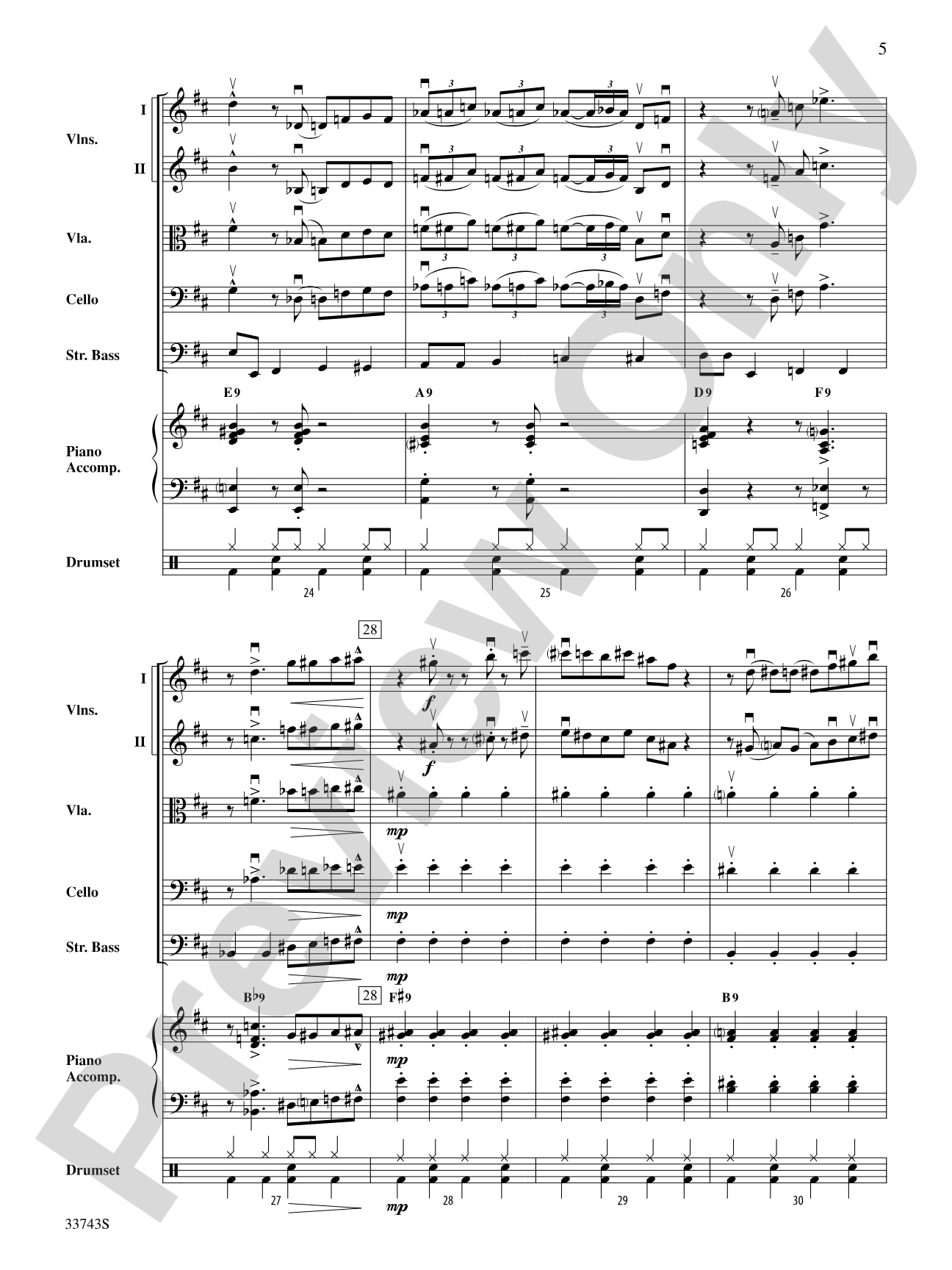
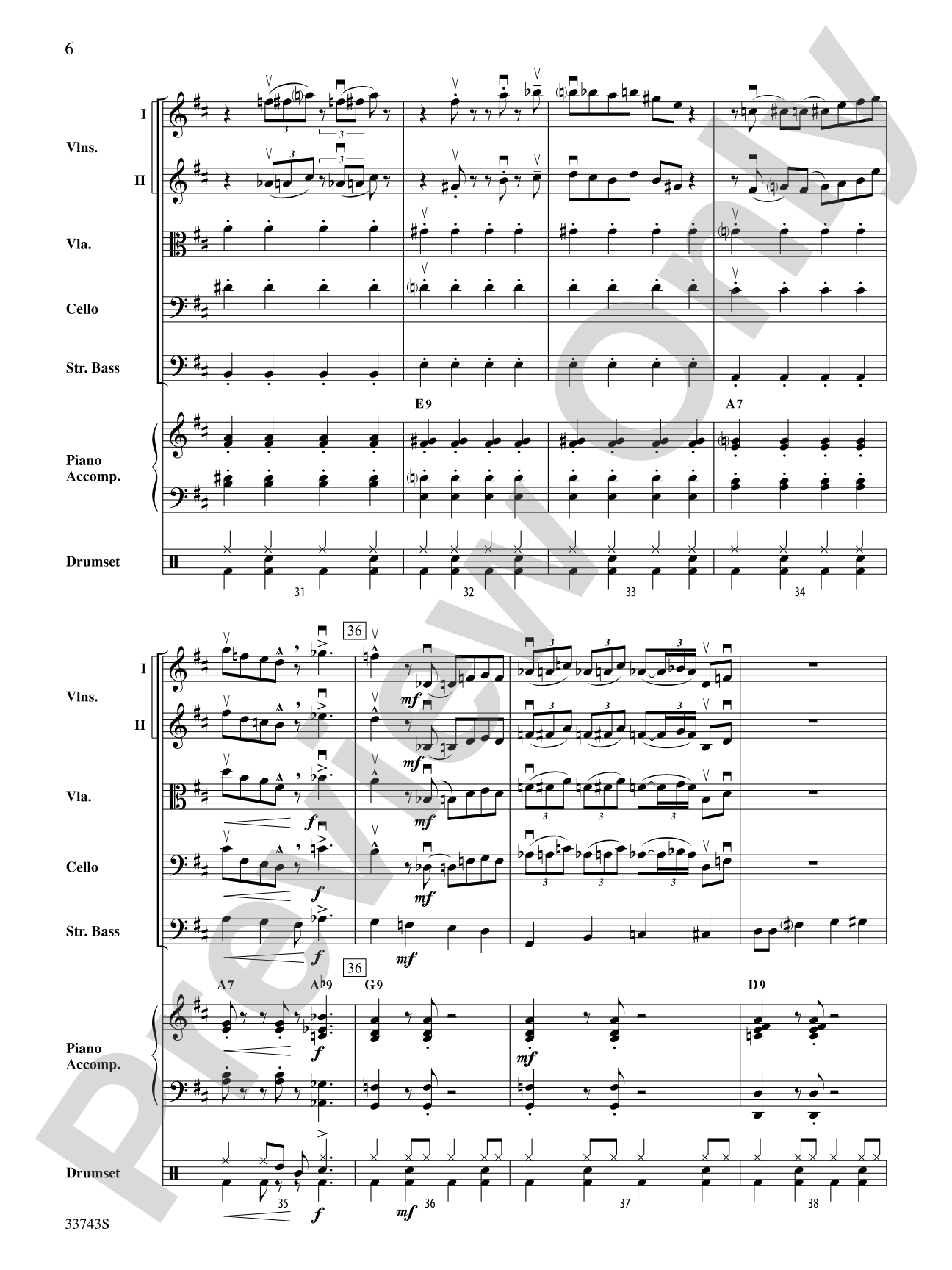
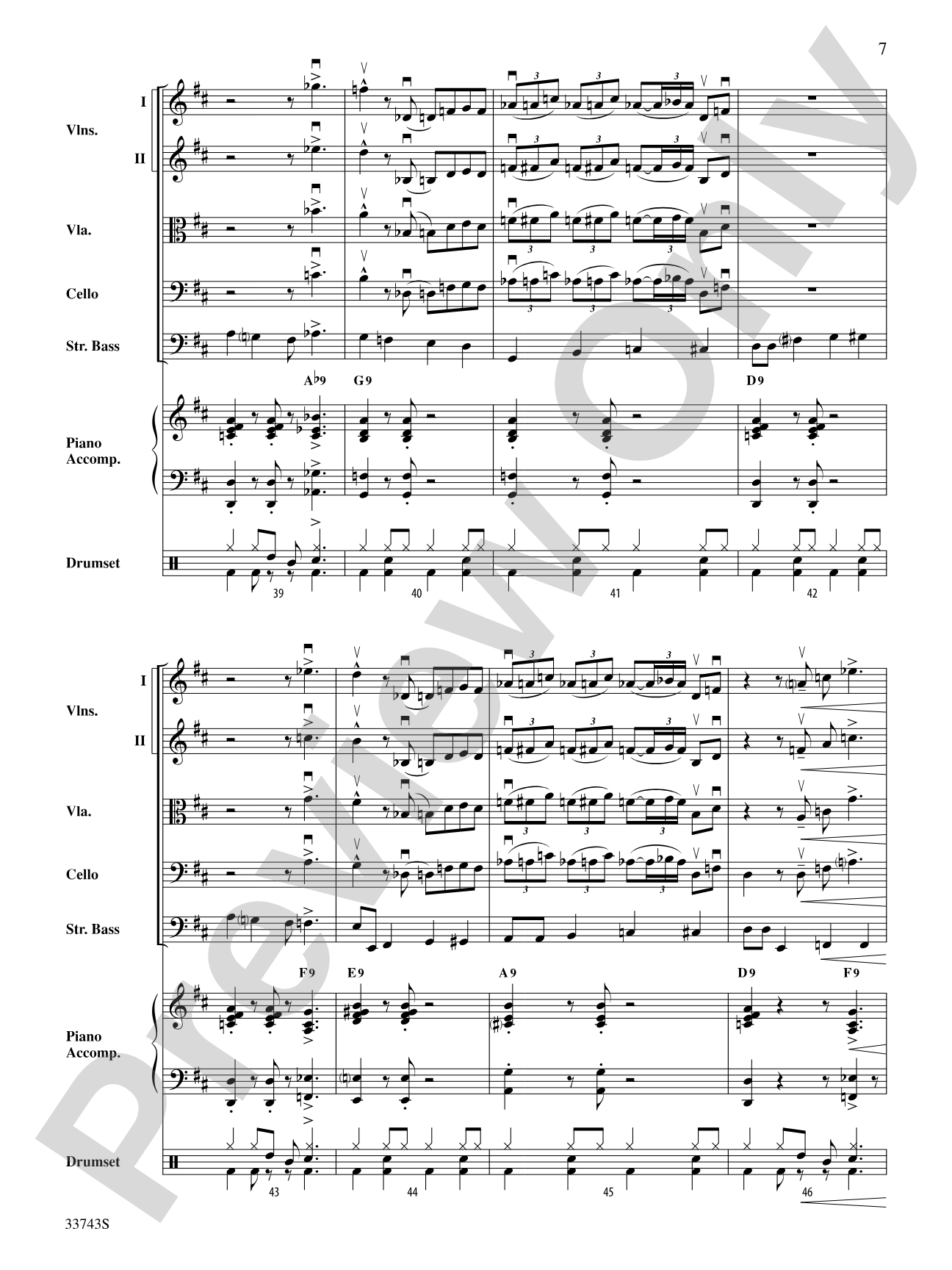
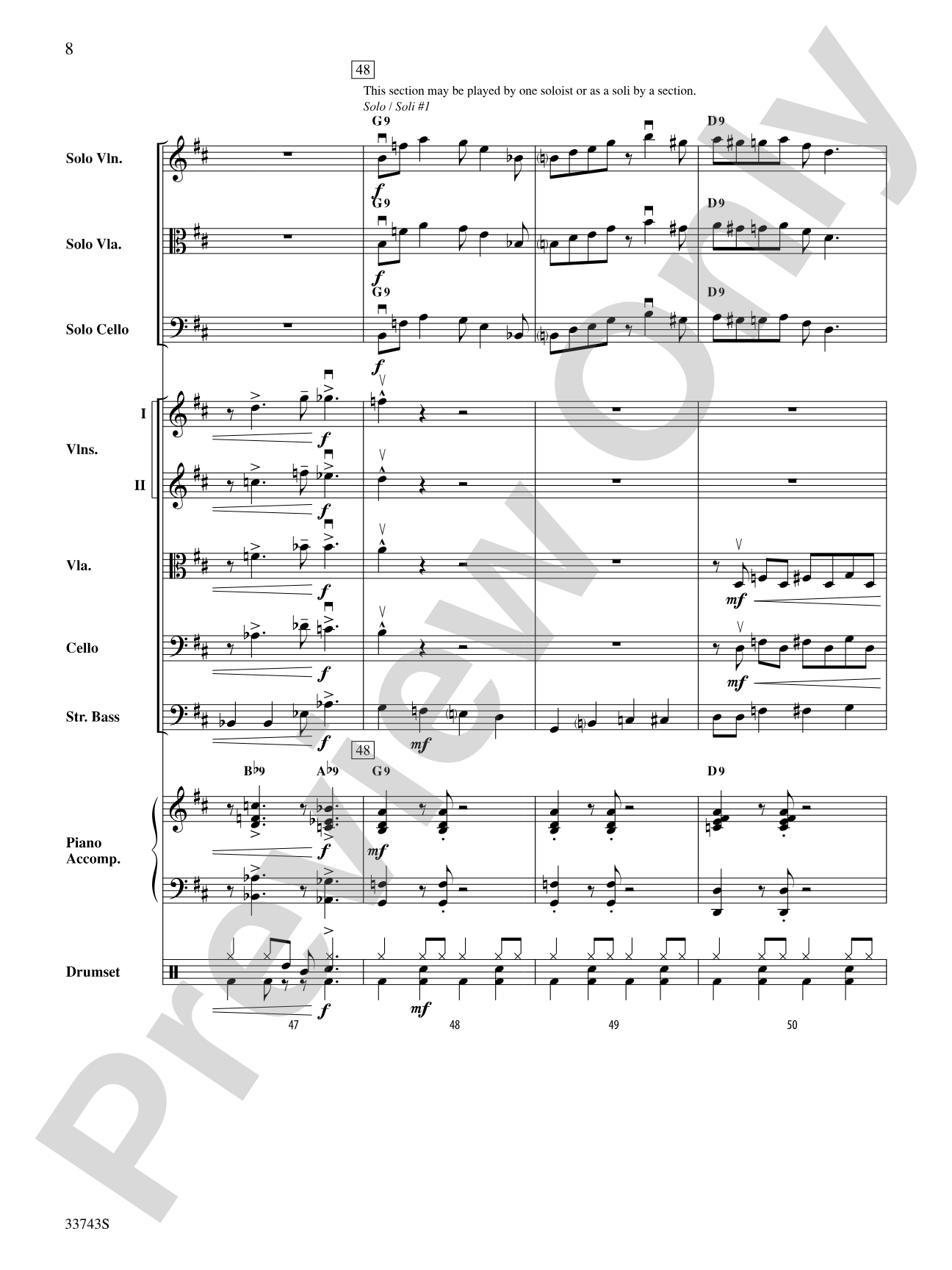
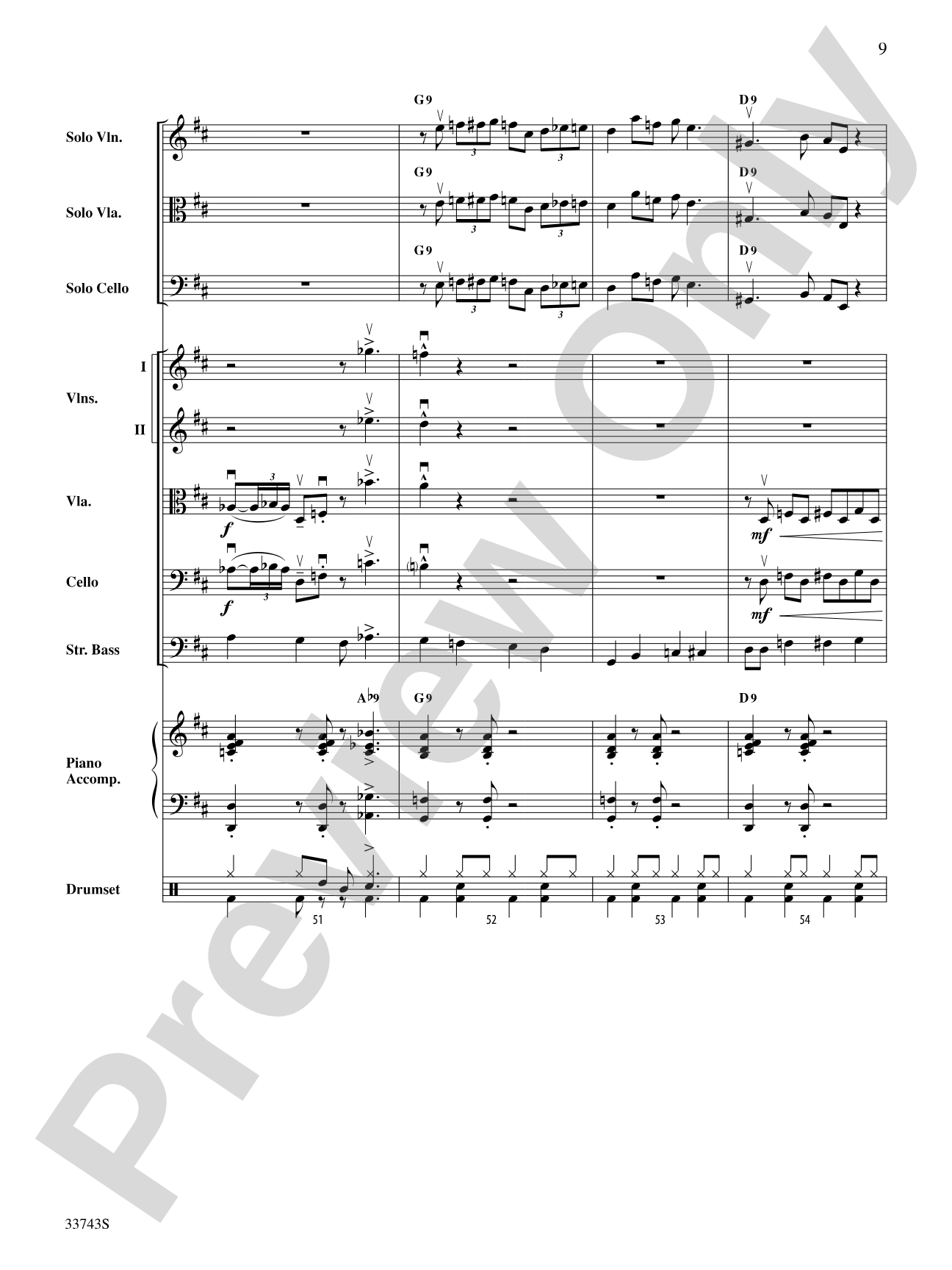
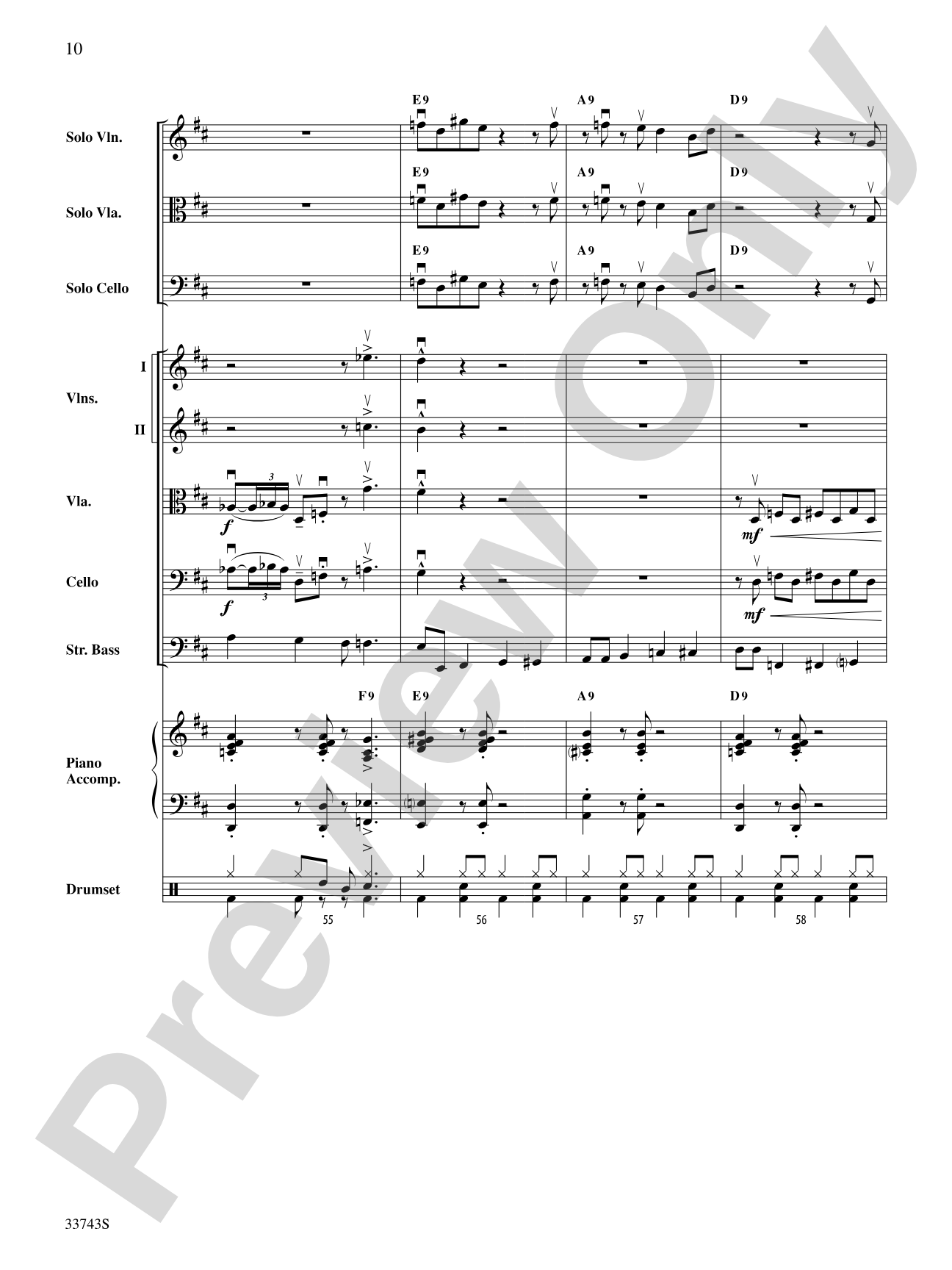
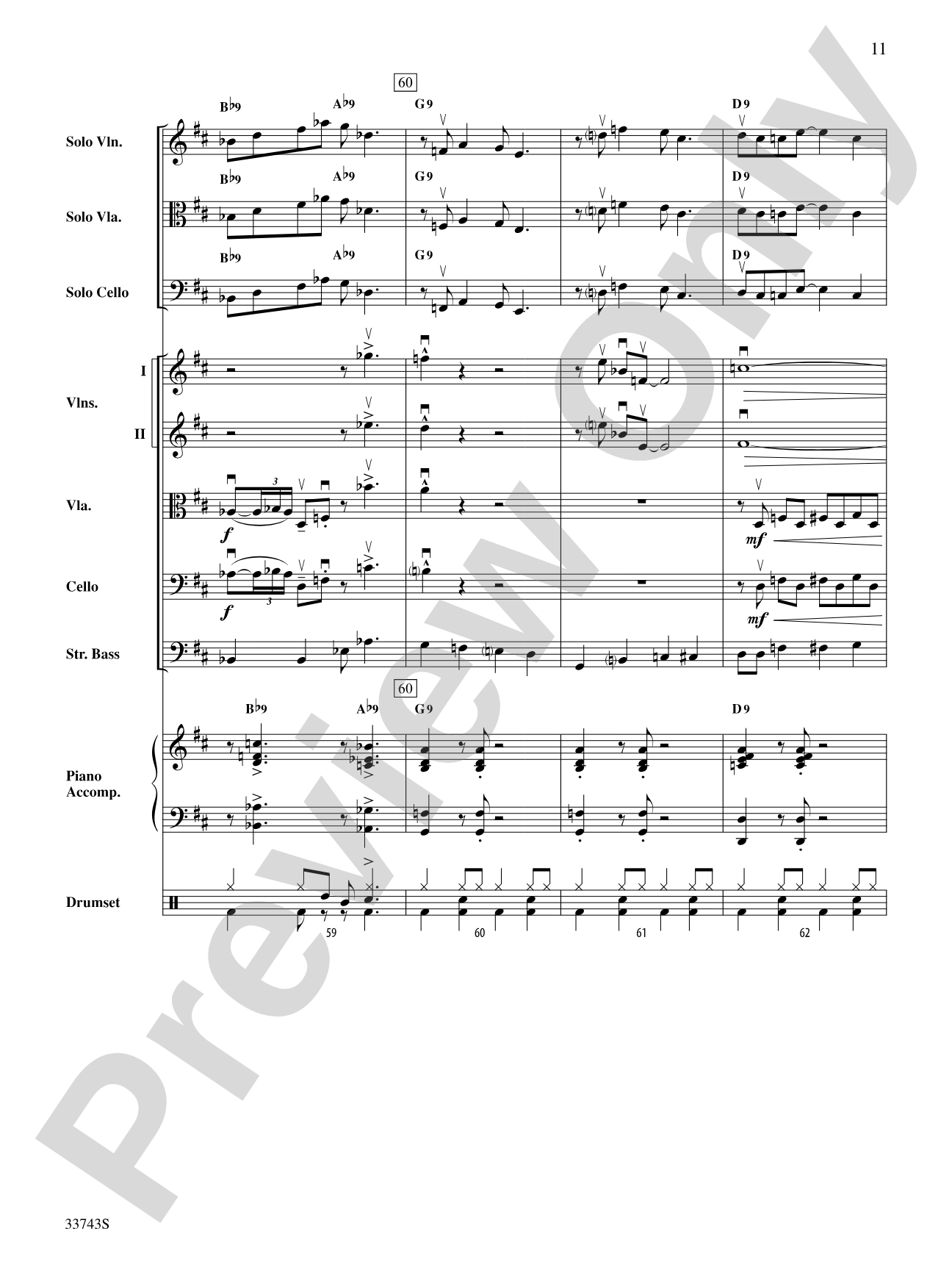
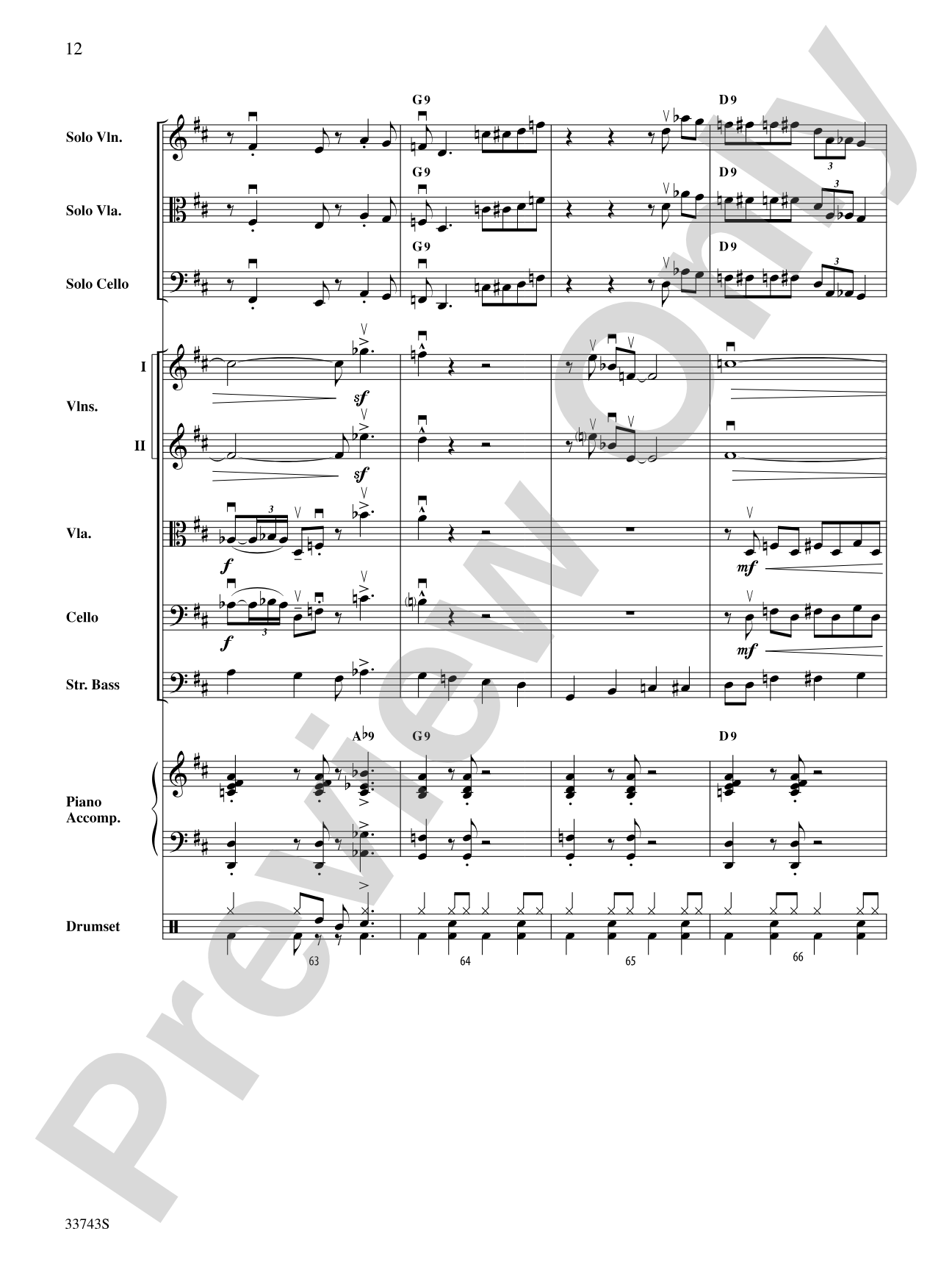
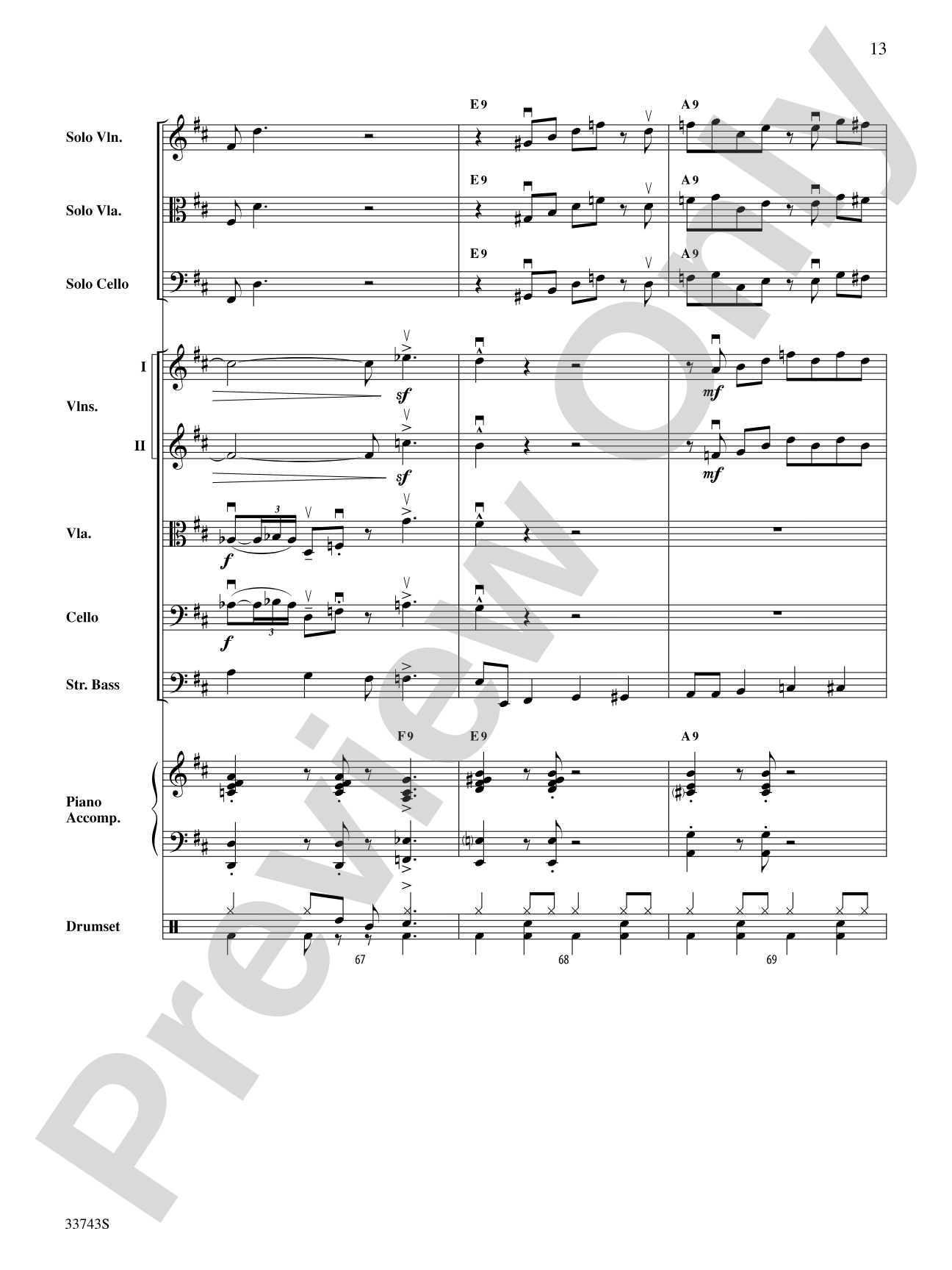
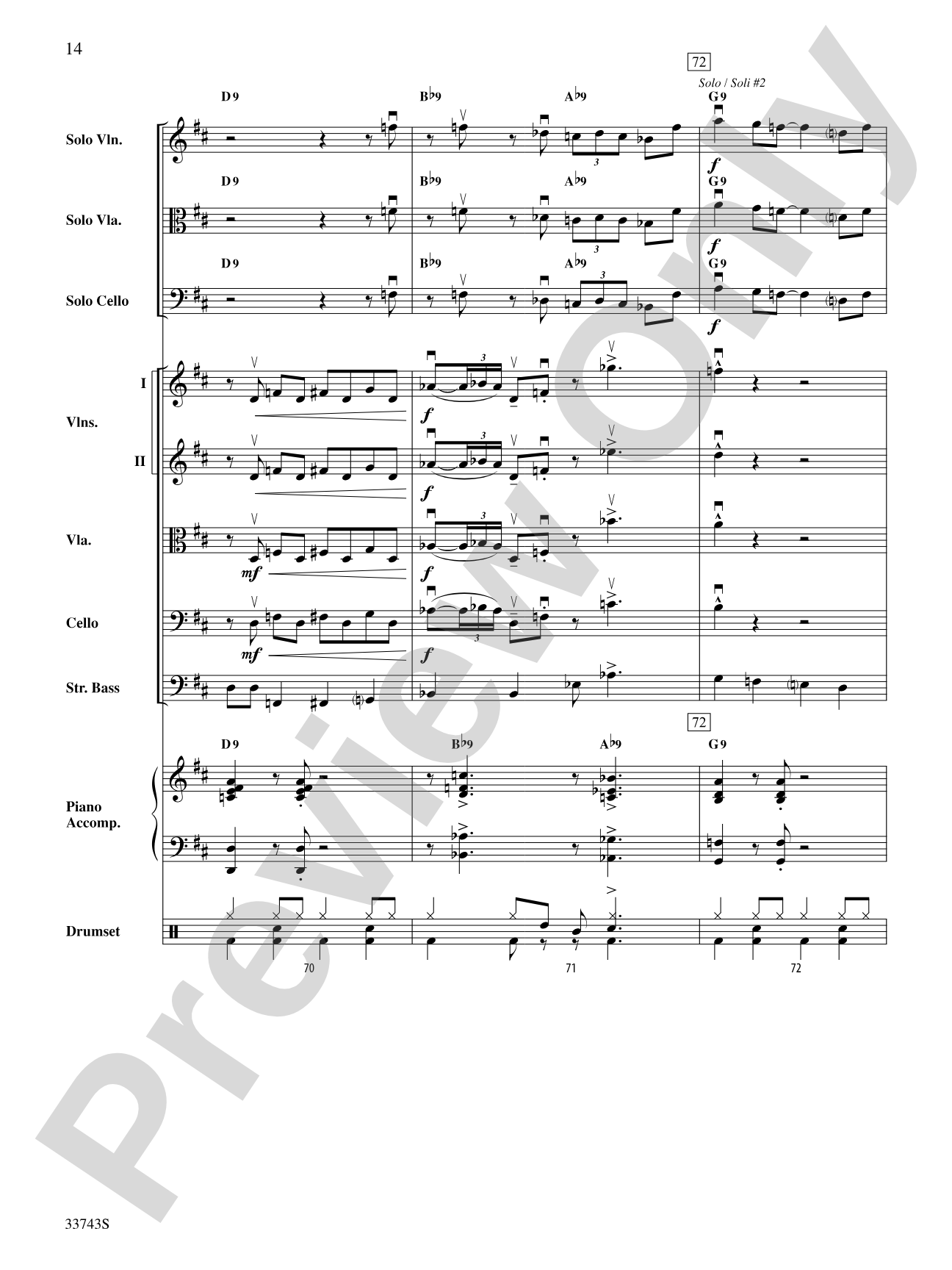
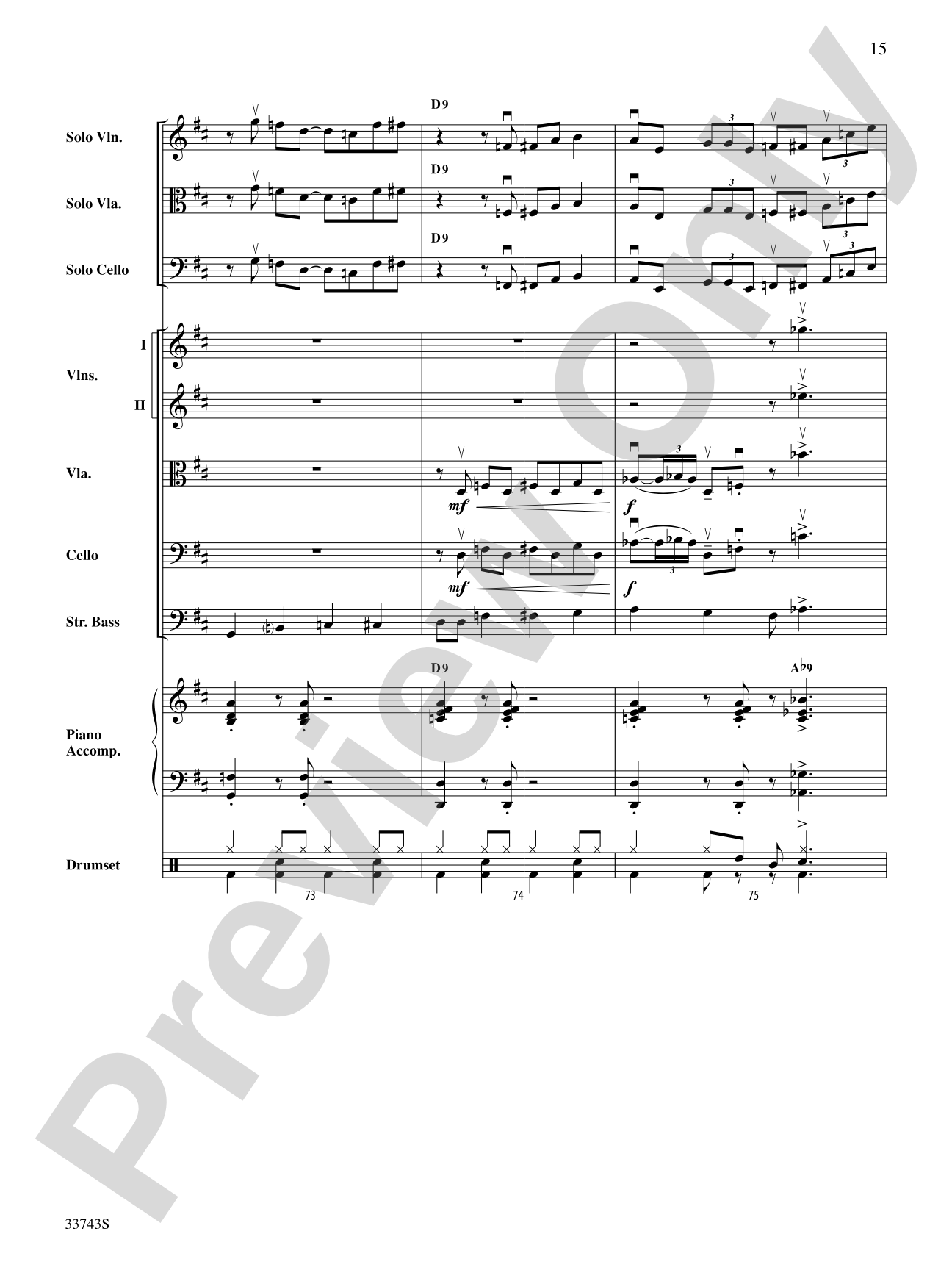
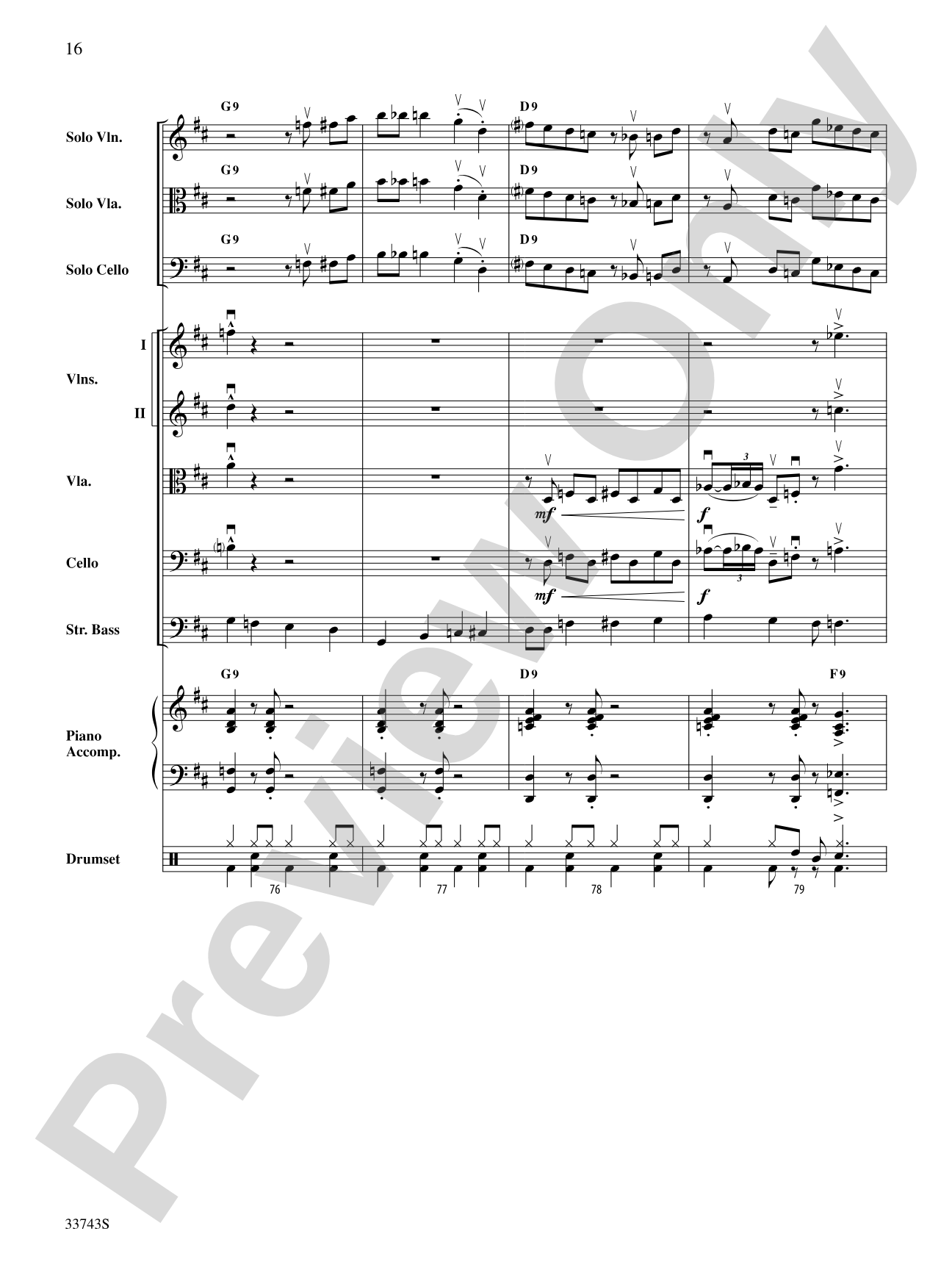
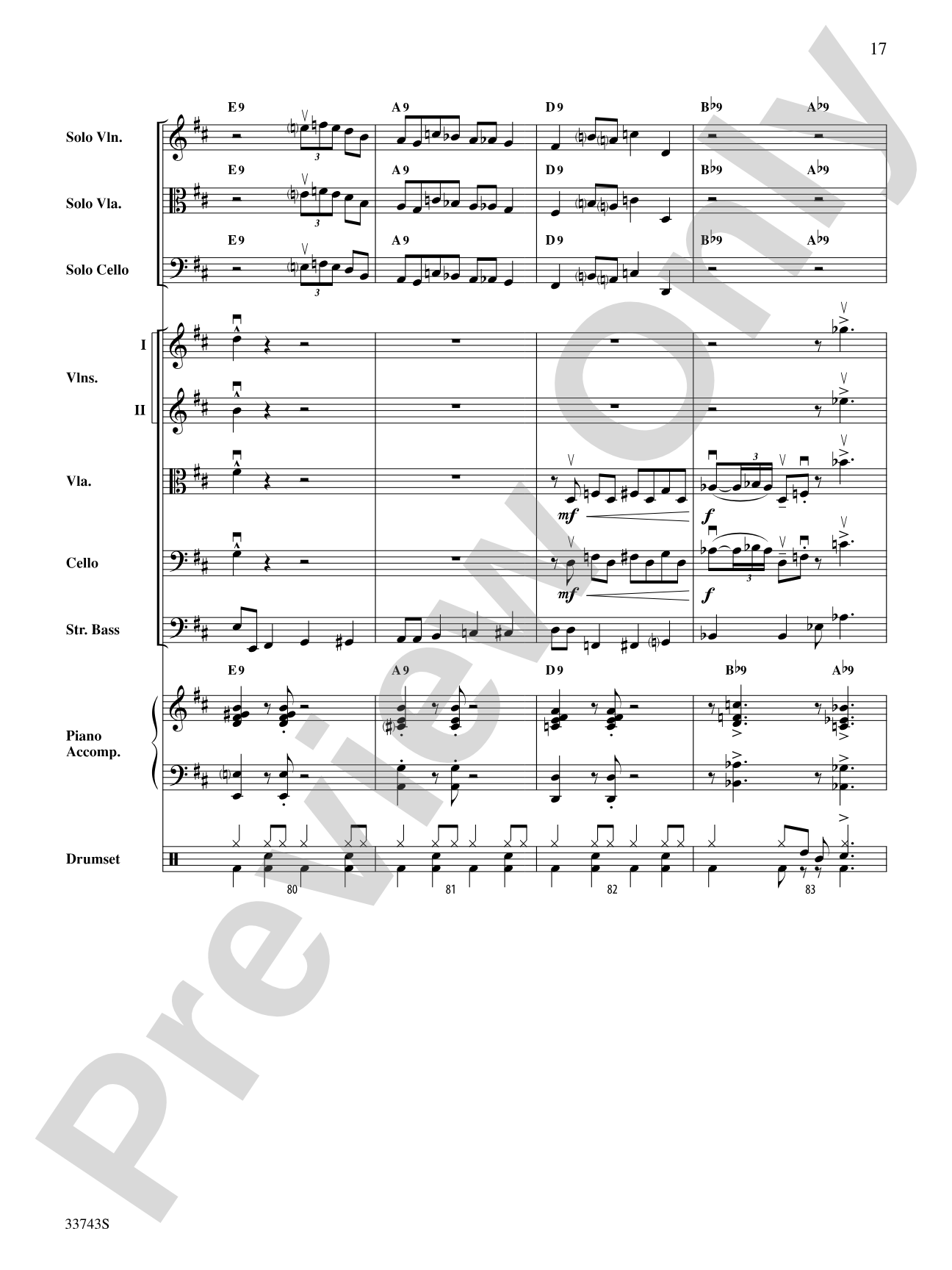
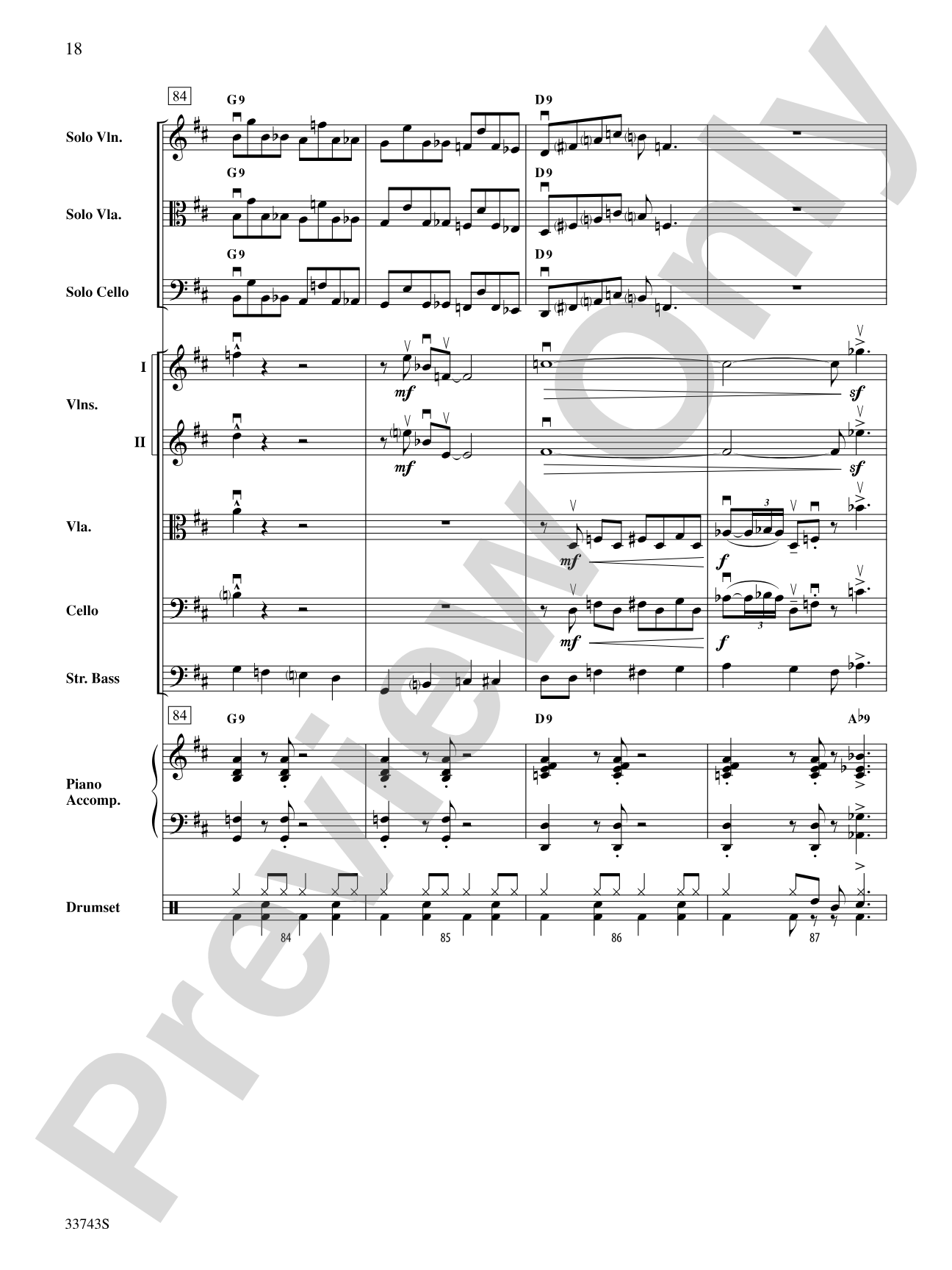
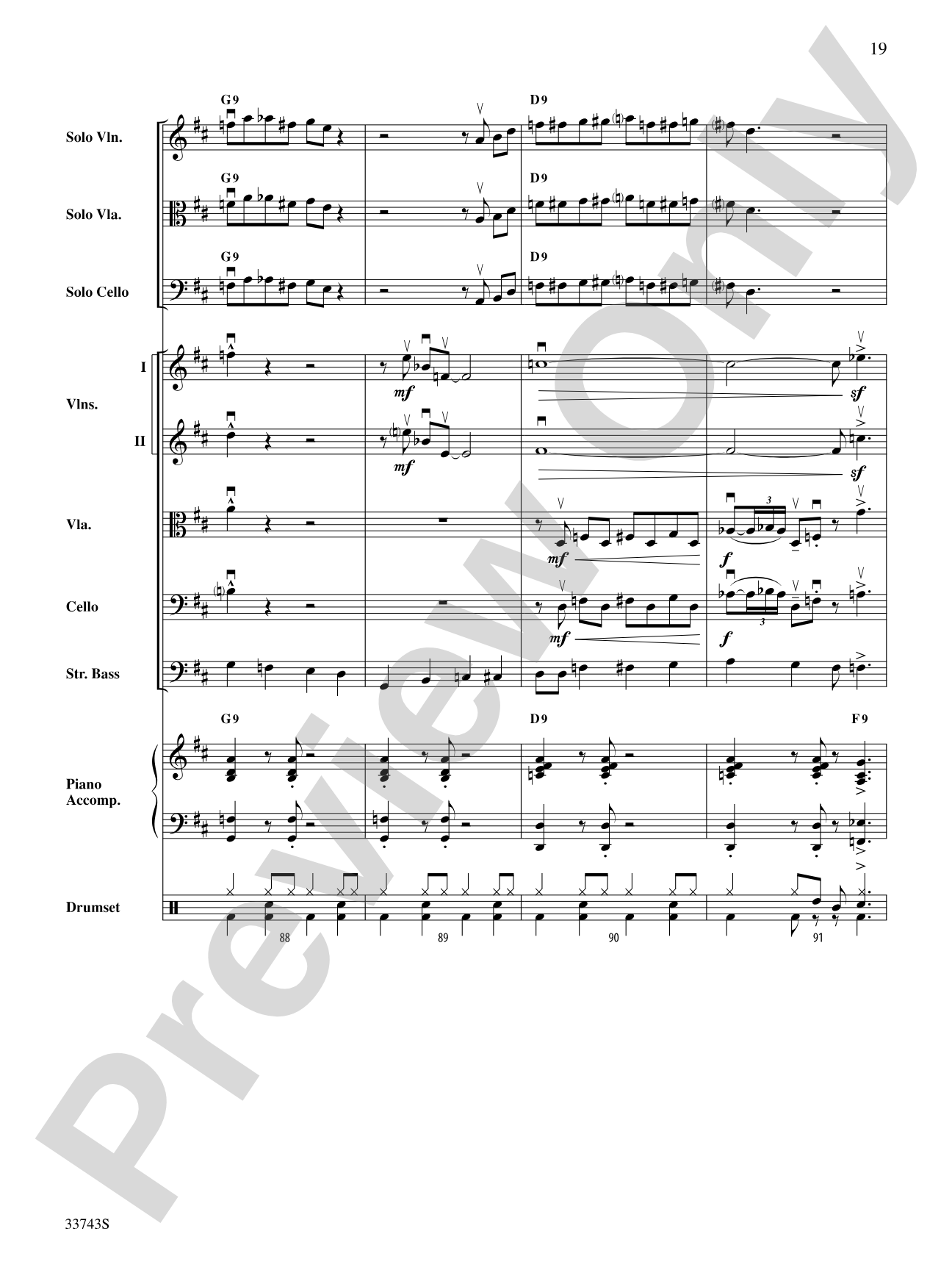
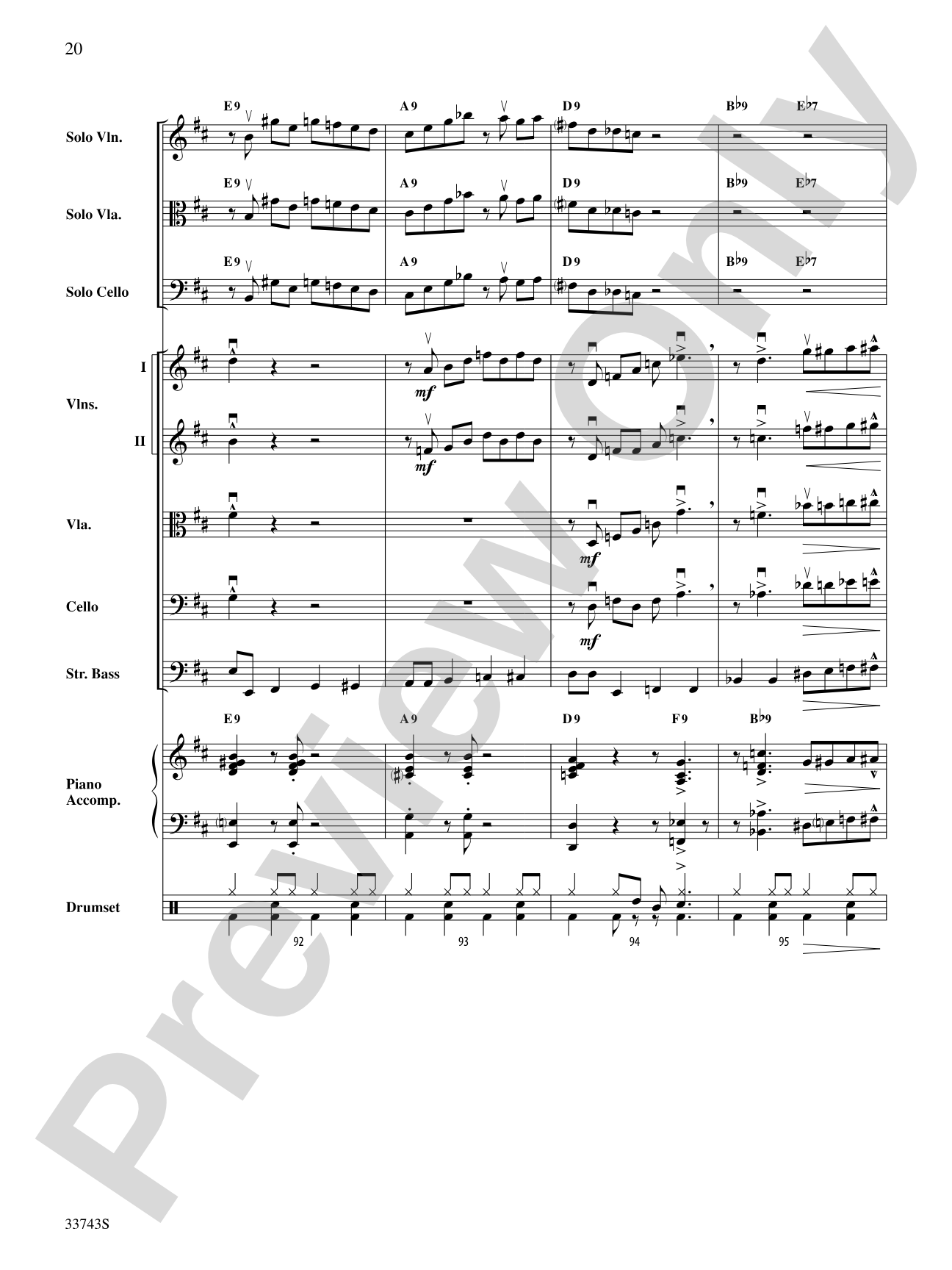
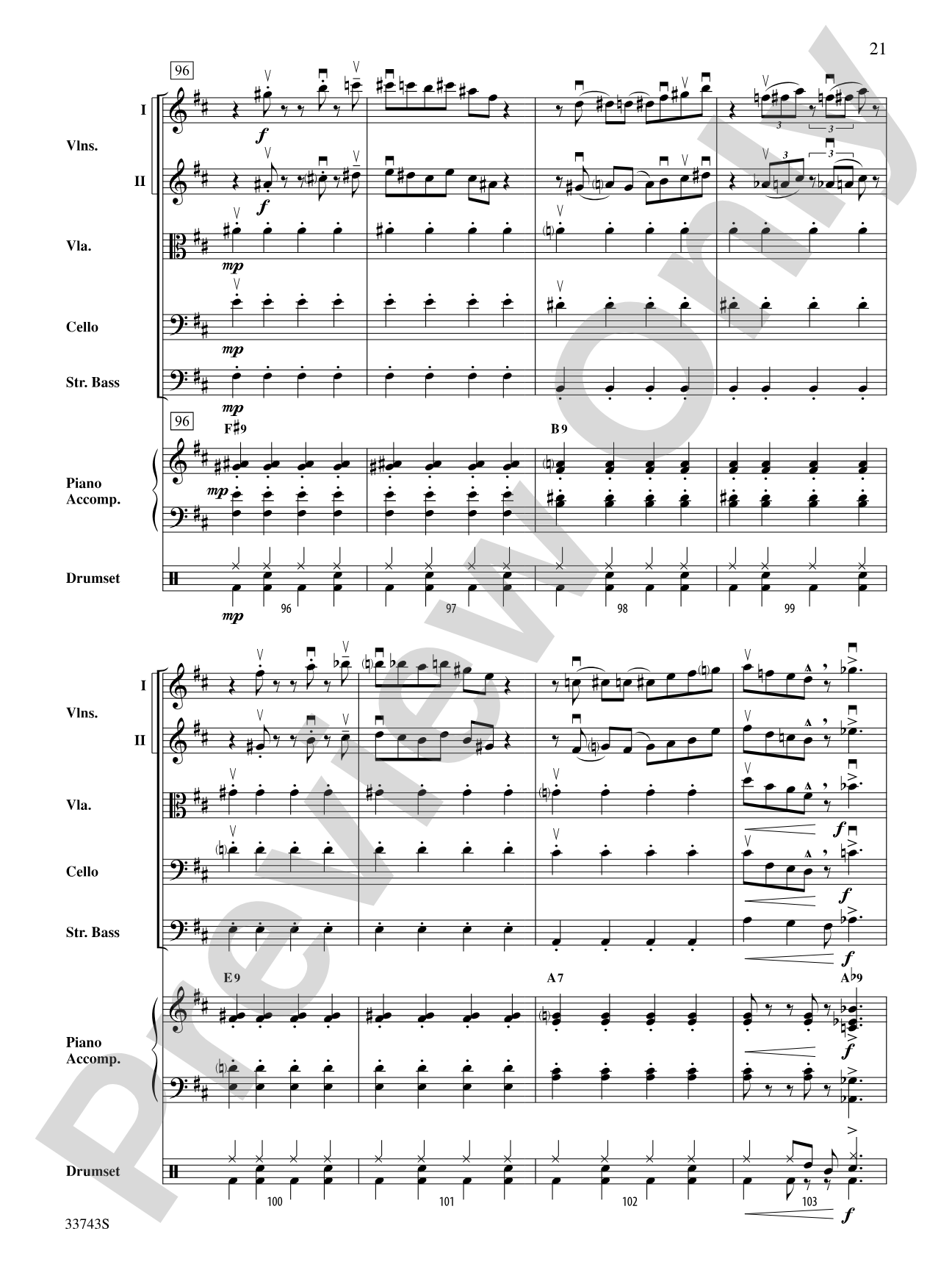
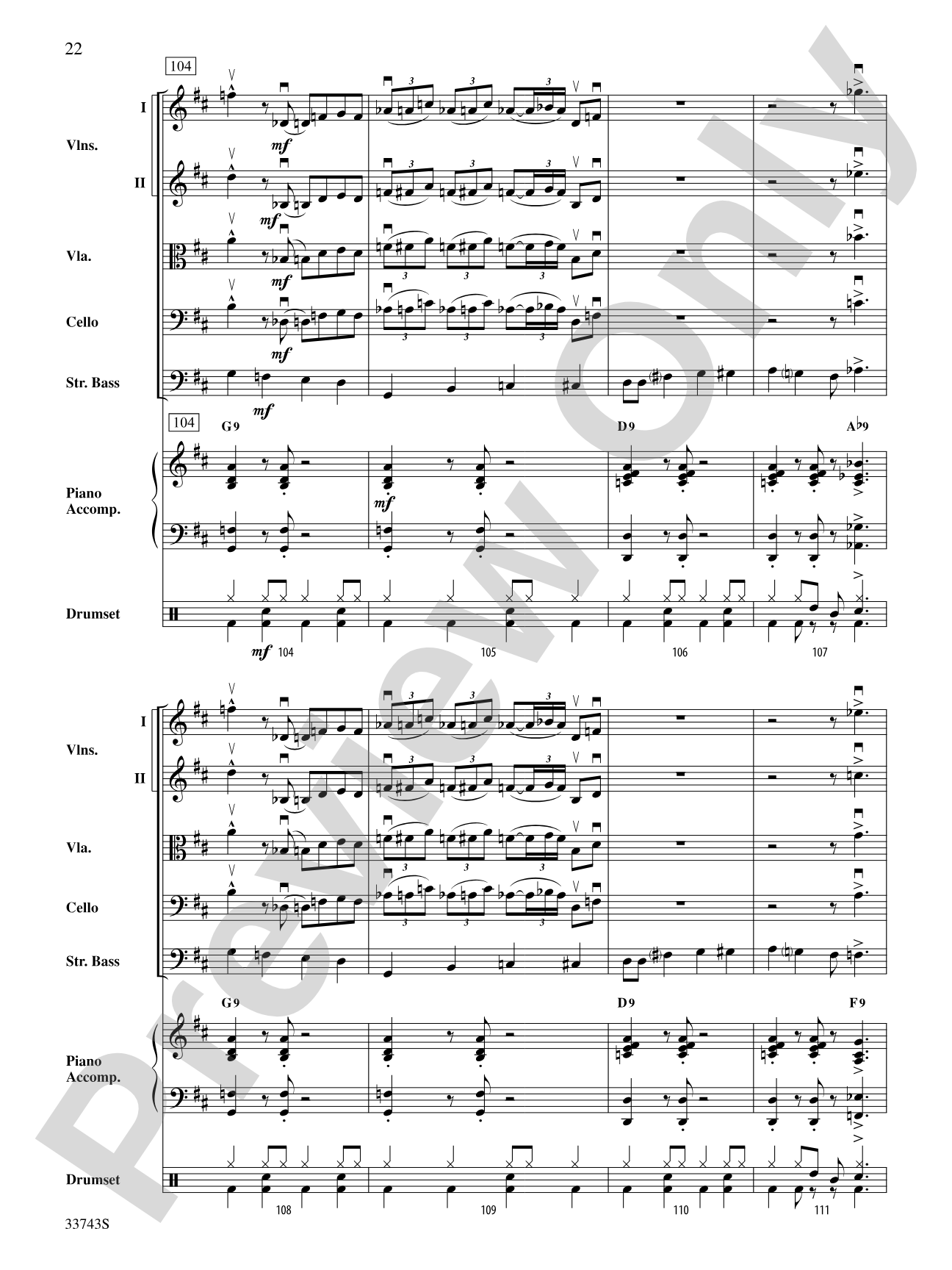
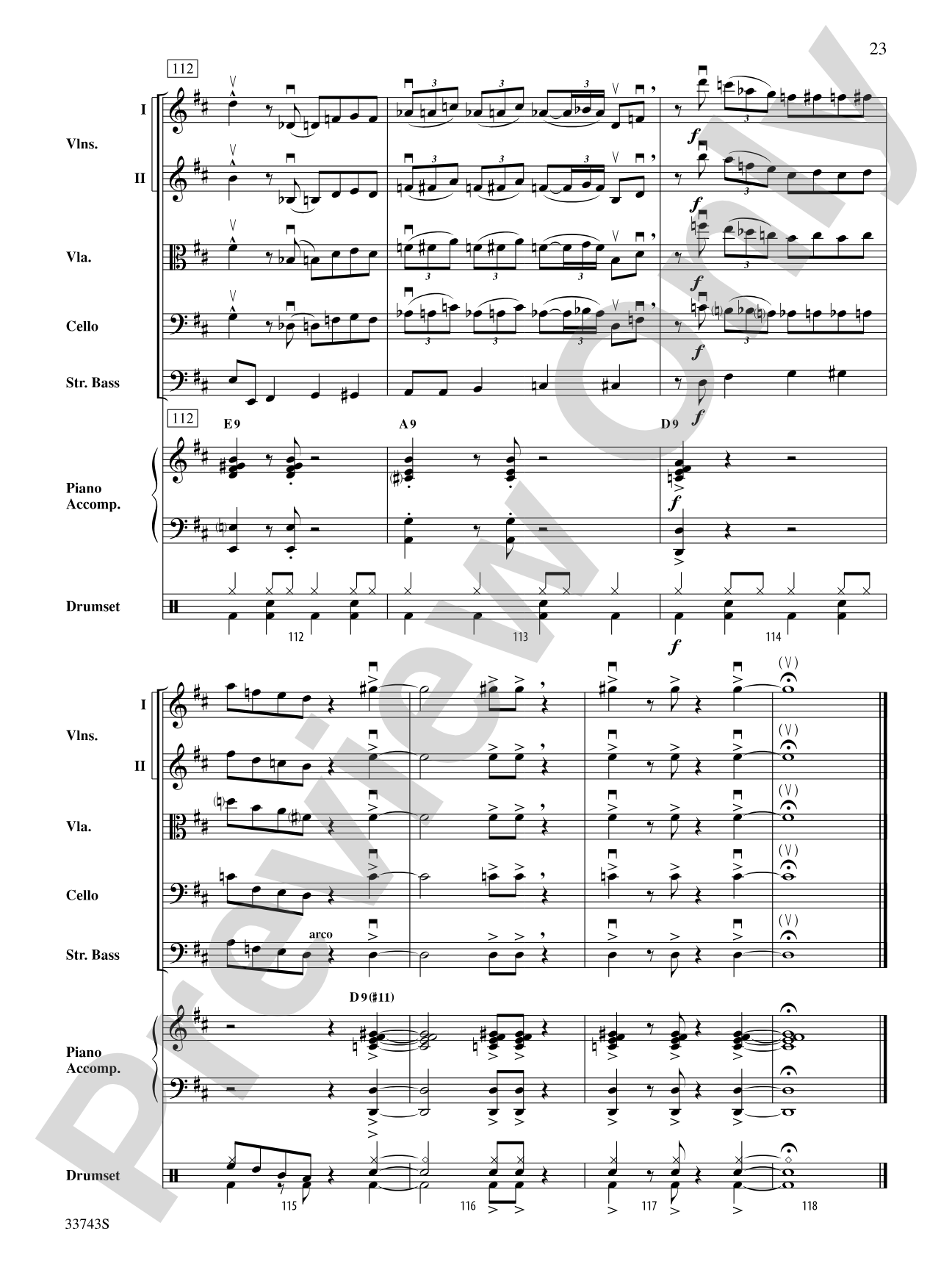


Stringin' at the Juke Joint: Score
By Tim Aucoin
Grade: 3.5
Item: 00-PR-0002846
$7.00
Pickup currently not available
Description


Don't just read it, hear it, play along with it, and watch your students grow with it. In MakeMusic Cloud, Stringin' at the Juke Joint: Score comes alive with professional accompaniment, adjustable tempo, and built-in practice tools that turn solo practice into real progress.
Open in the Player
Jump straight in and assign it today.
Start Your Free Trial
Open this title and explore the full library in minutes.
Sample Audio
1
Audio File
--:--
0:00
0:00
Sample Video
No sample videos found.
Additional Details
Series:
Highland/Etling String Alternatives
Publisher:
Alfred Music
Page Count:
132
SKU:
00-PR-0002846
More about this title
About the Composer: Tim Aucoin
Tim Aucoin is a composer whose work spans concert music, opera, and educational repertoire. His compositions often draw on American vernacular traditions, bringing accessible yet musically substantial writing to school ensembles.
Why we love this
Aucoin captures authentic blues and swing idioms without condescension, giving string players genuine jazz language to learn from. The piece balances character with playability, and the movement and staging options transform it from concert novelty into a genuinely engaging performance event.
What to expect
Walking into a dimly lit juke joint where the band is relaxed but tight, playing with the kind of ease that only comes from knowing exactly what everyone else will do. The music swings with good humor, the kind of blues that feels lived-in rather than studied.
Who it's for
String orchestra directors working at the middle school to early high school level who want to introduce jazz and blues vocabulary to their students. This piece works for ensembles that have solid intonation and basic rhythmic precision but may be new to swing feels and blues articulation.
How to get the most out of it
- Study the blues and swing articulations carefully: not all sustained notes are sustained the same way. Listen to recorded jazz ensembles to understand where the groove sits rhythmically.
- Work the offbeat accents and rhythmic syncopation separately from the melody. String players often want to square up jazz figures, so isolate these passages and drill them until they sit behind the beat naturally.
- The staging options are part of the work's intent. If you use movement, rehearse it early and integrate it with musical phrasing so neither overshadows the other.
- Pay attention to dynamic contrasts in the blues changes. The harmonic rhythm will feel static if dynamics stay flat; variation in weight and intensity brings the harmony to life.
How to use it
Program this as a second-half opener or closer at a concert where you want to shift mood and energy. It pairs well alongside pop arrangements or light concert fare, and the encore and staging options make it memorable in a program that might otherwise rely on classical repertoire alone.
Skills your students will build
- Blues and jazz articulation and phrasing
- Swing rhythms and offbeat syncopation
- Reading and playing jazz chord changes
- Ensemble balance in non-classical textures
- Dynamic shape and contrast in blues-based progressions
- Coordination of movement with musical phrasing (if staging is used)