
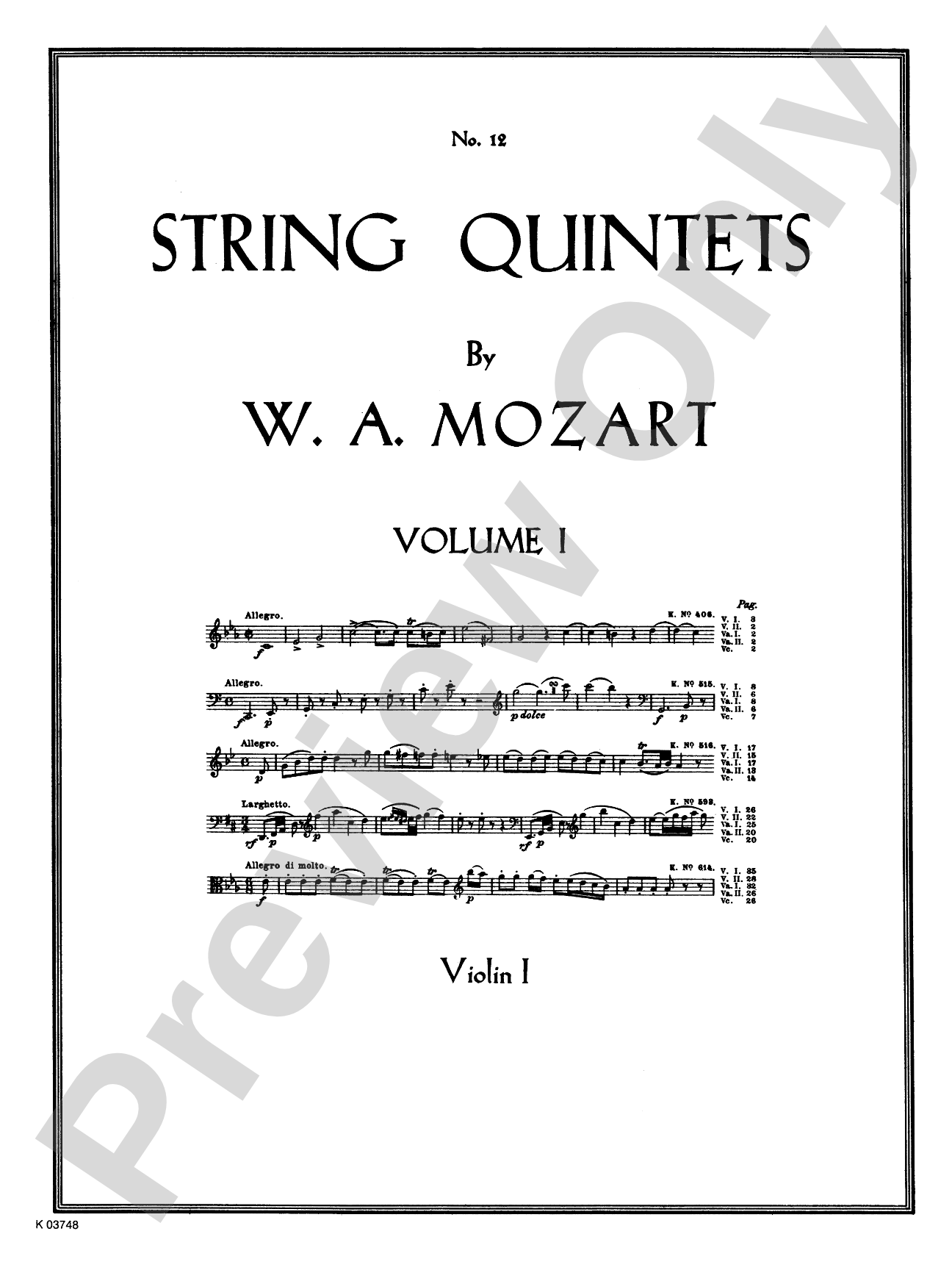

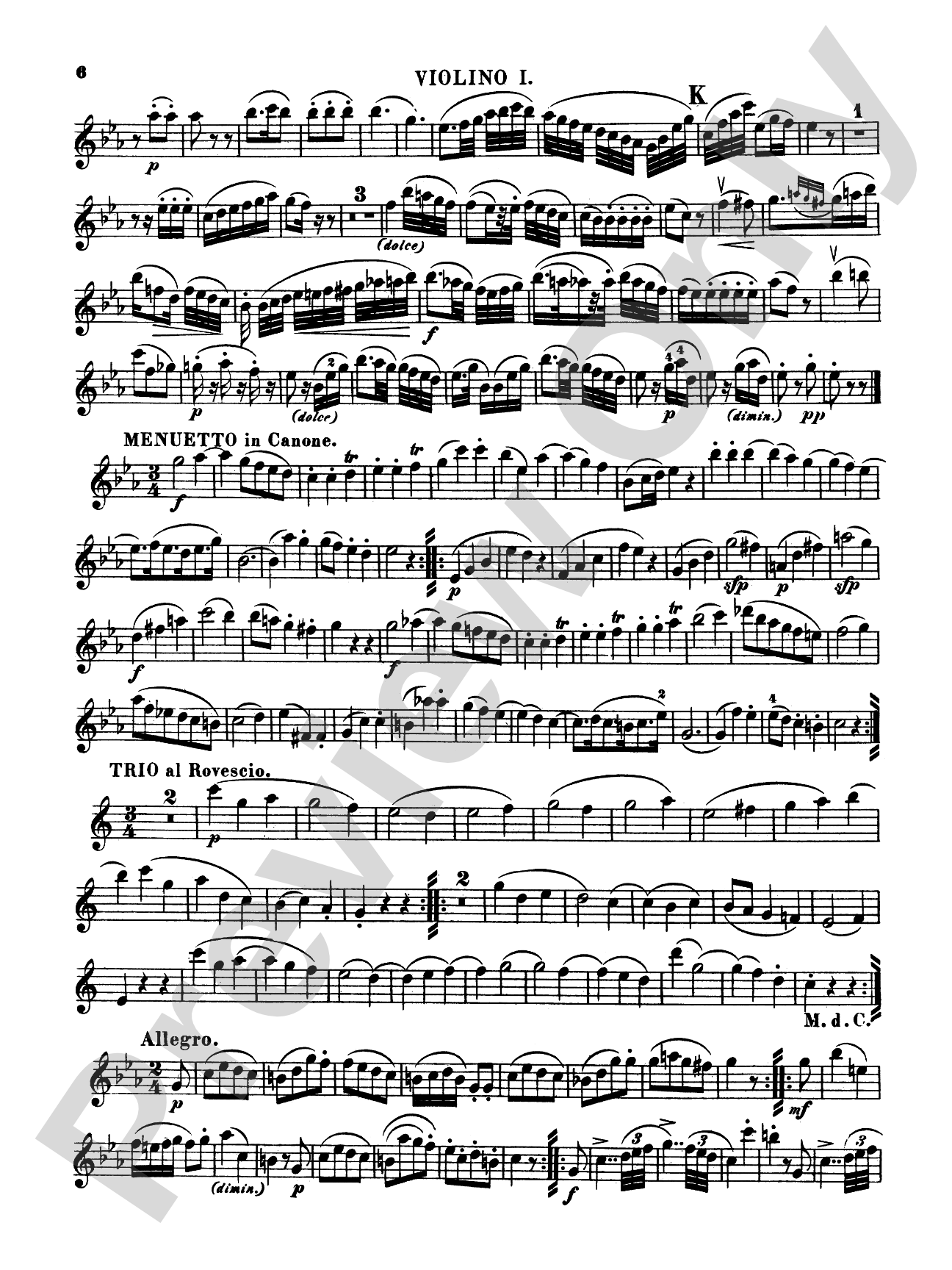
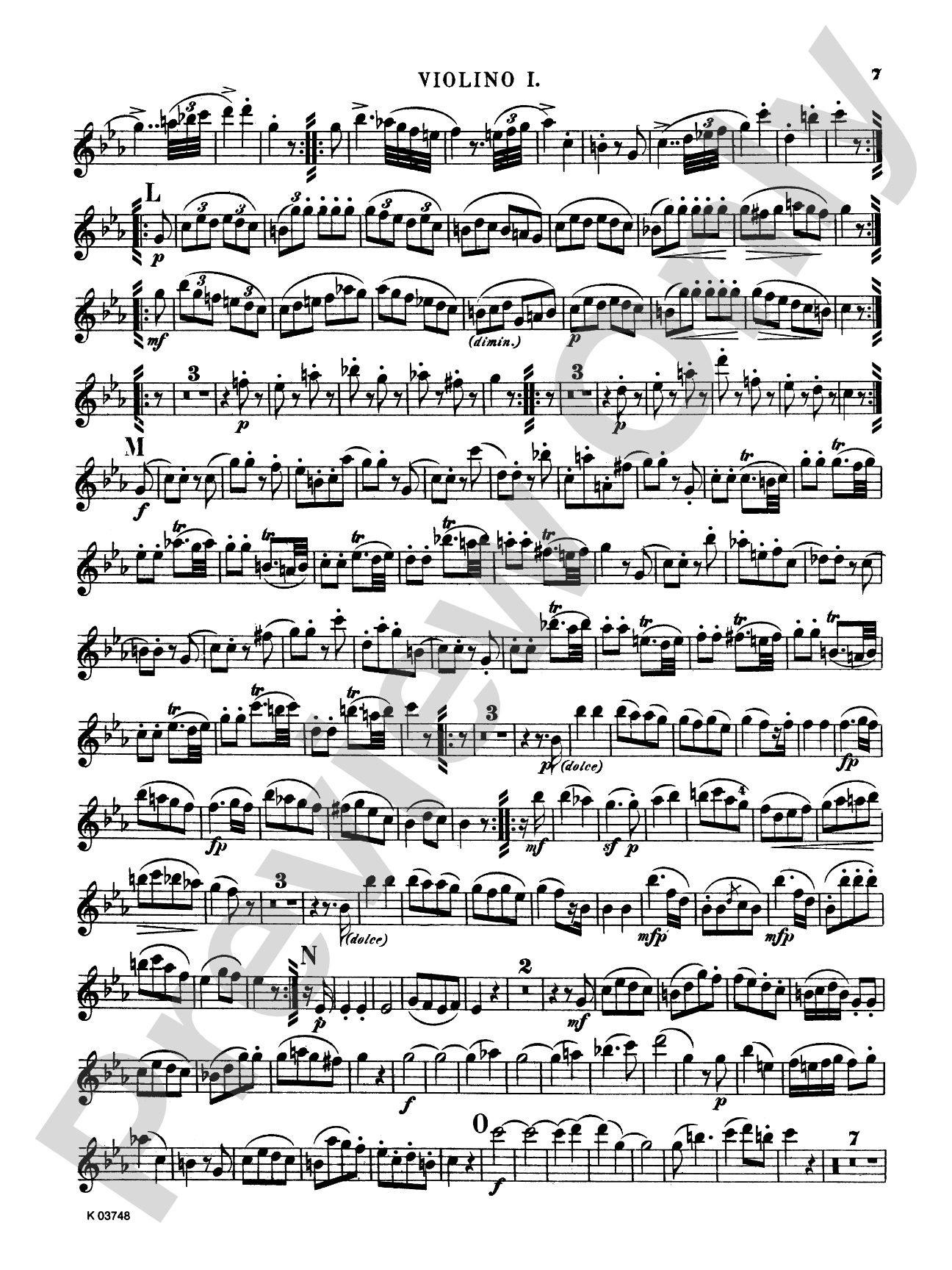
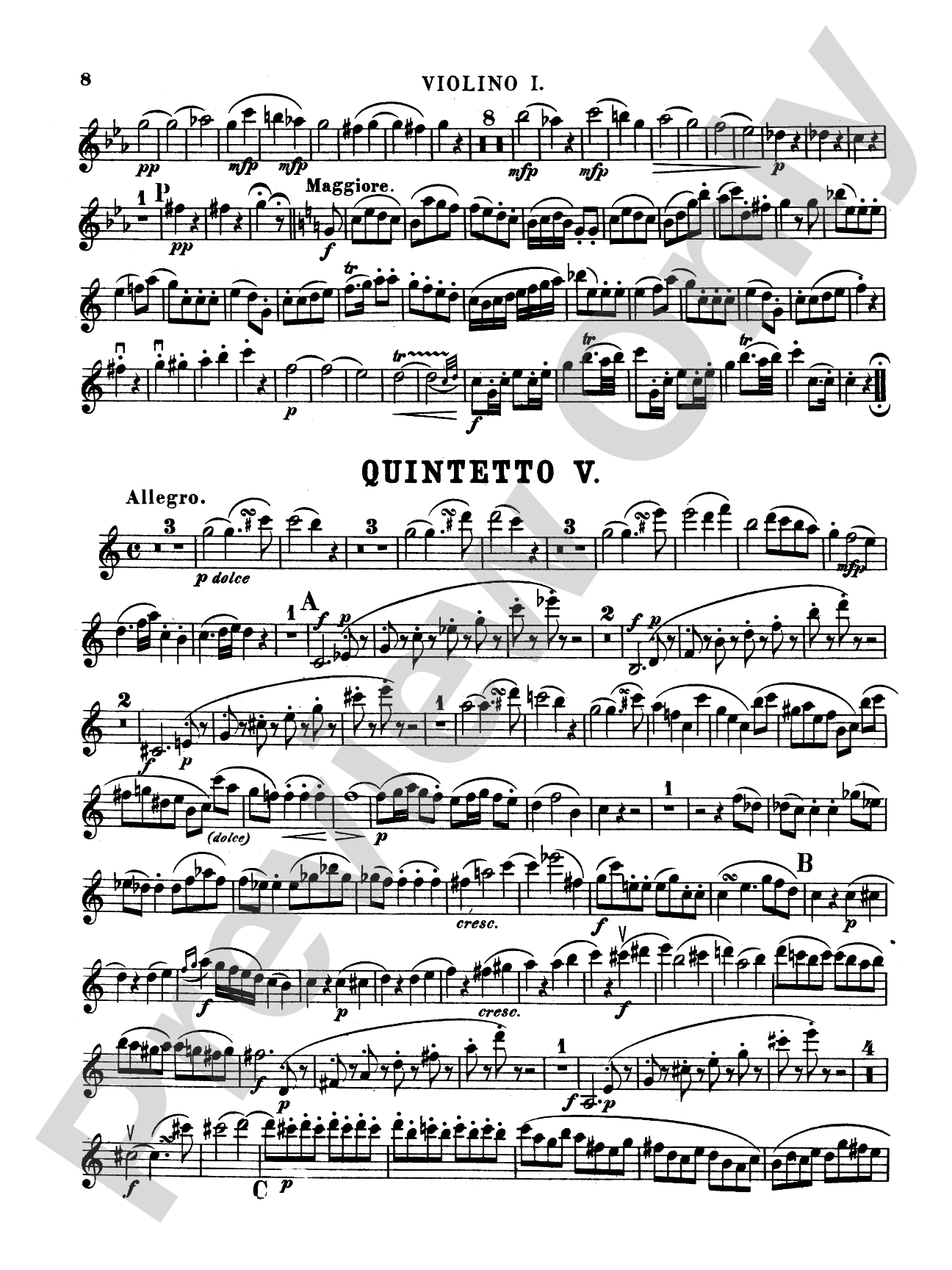
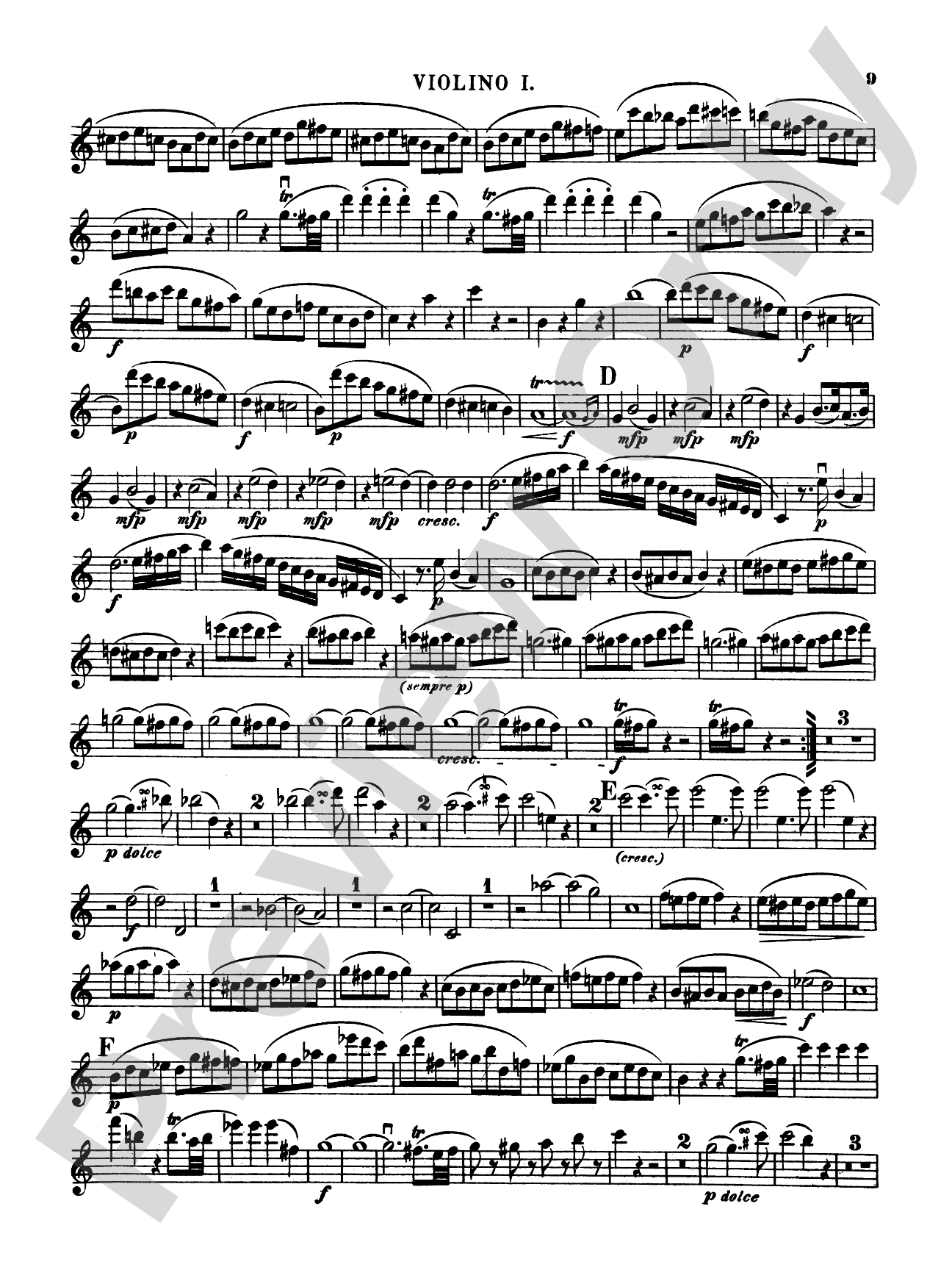
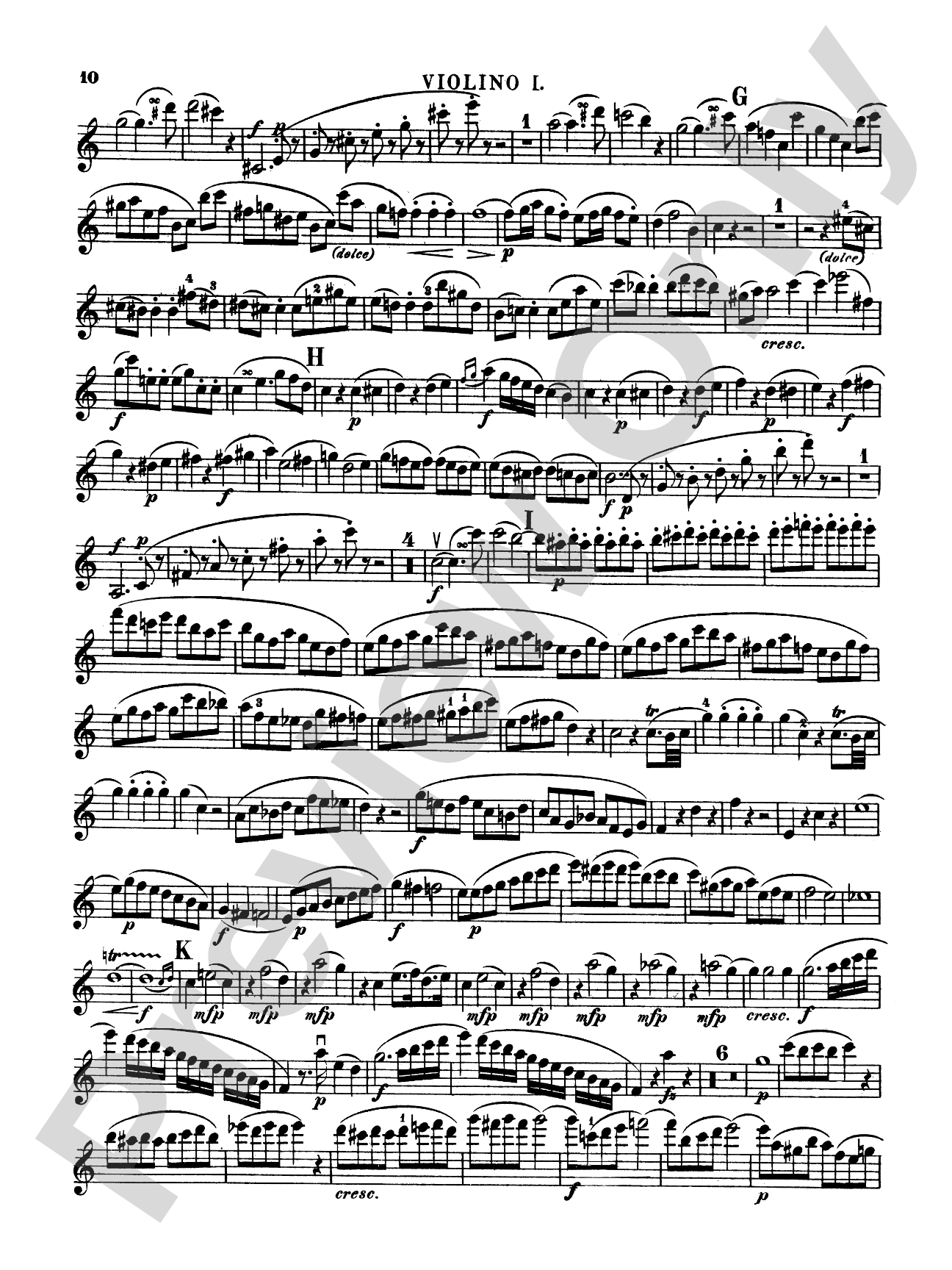
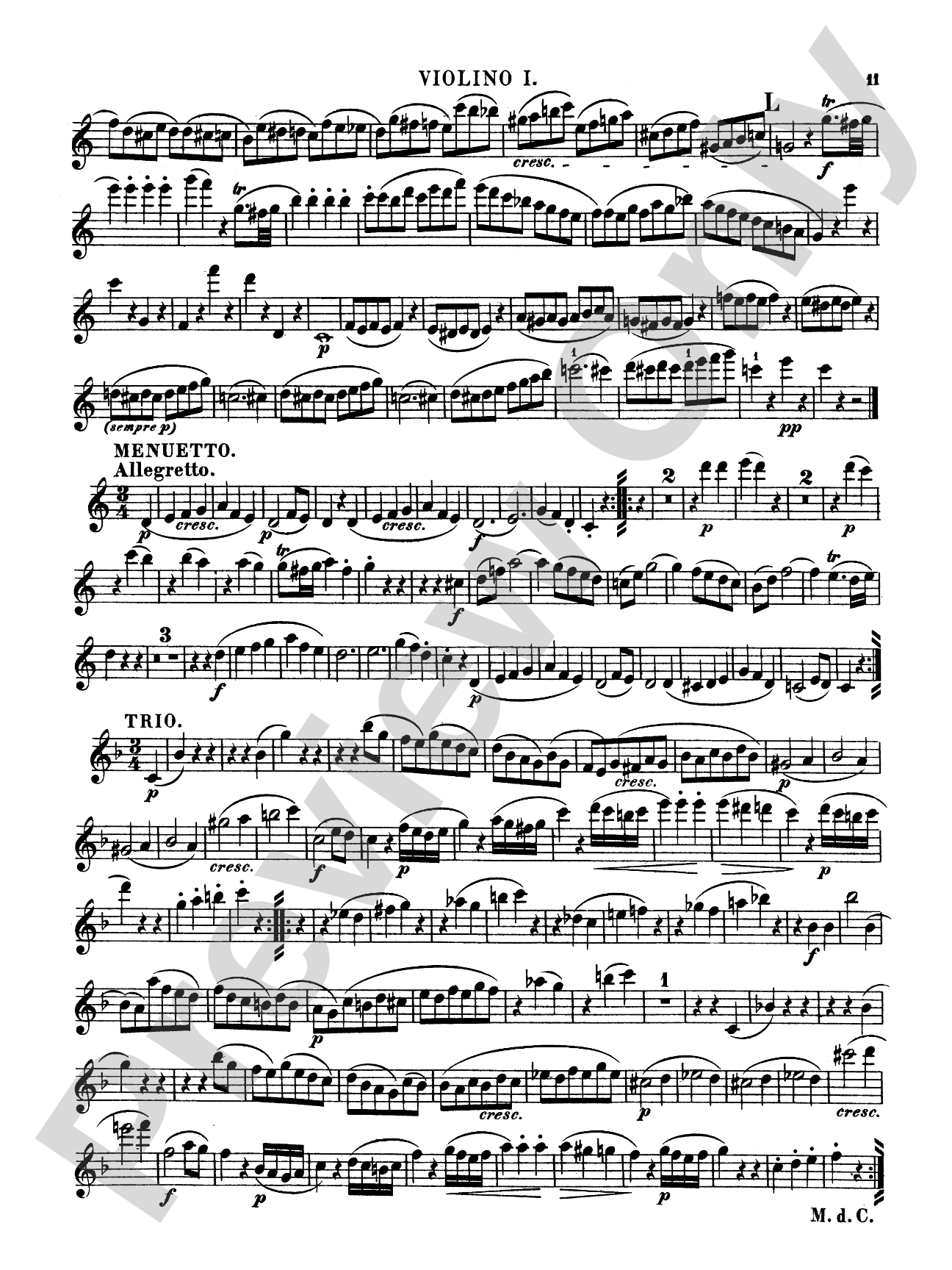
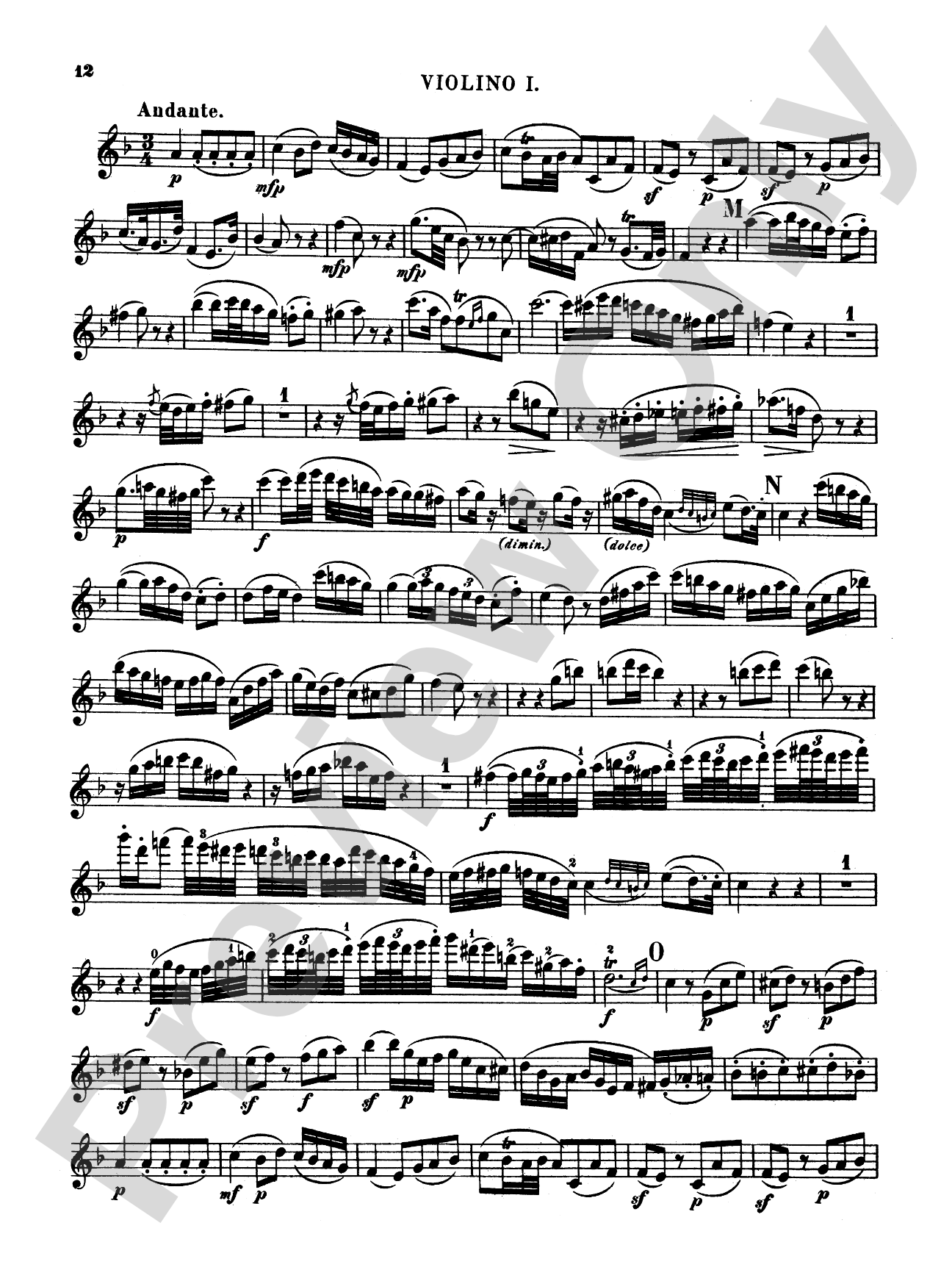
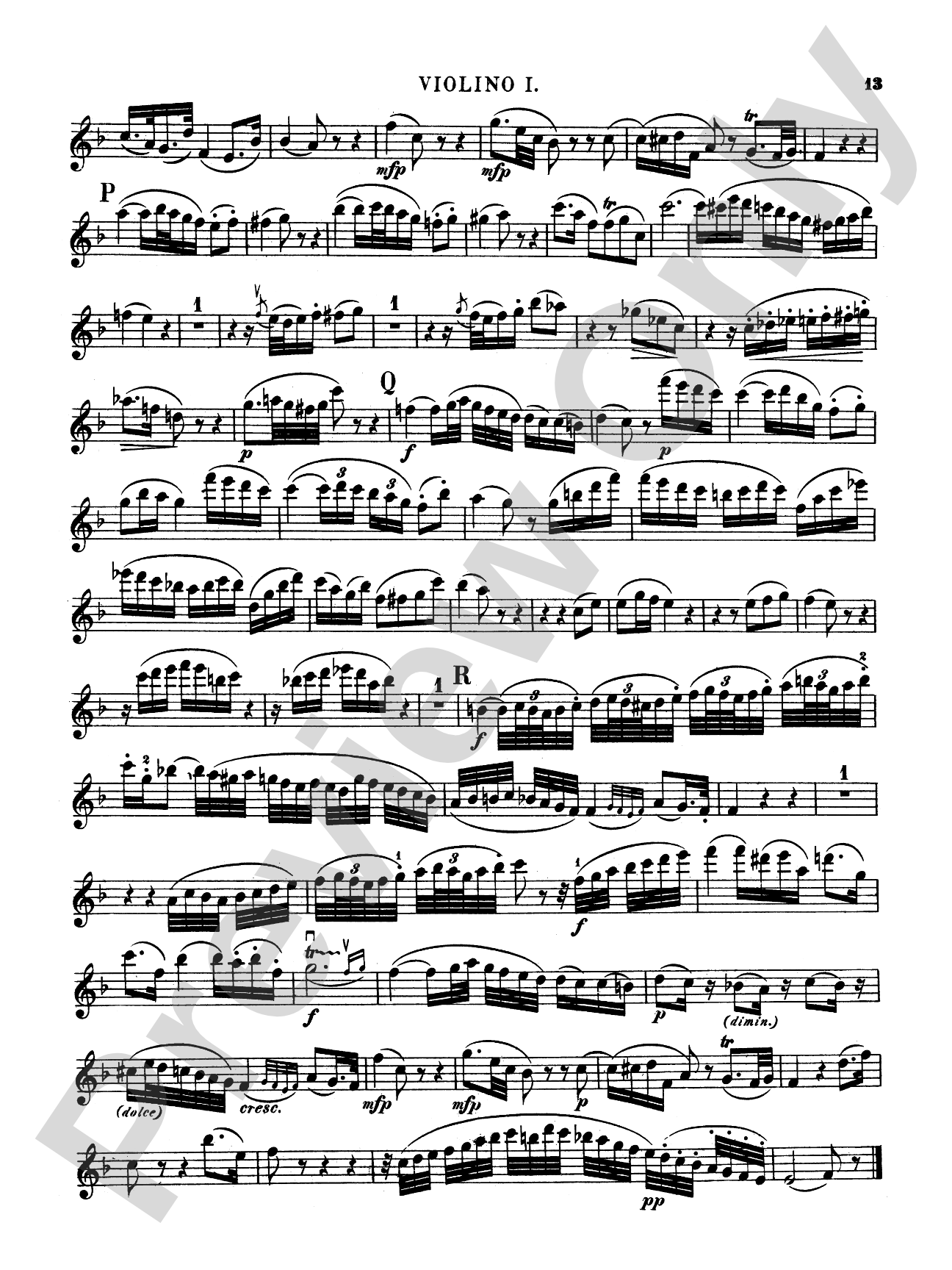
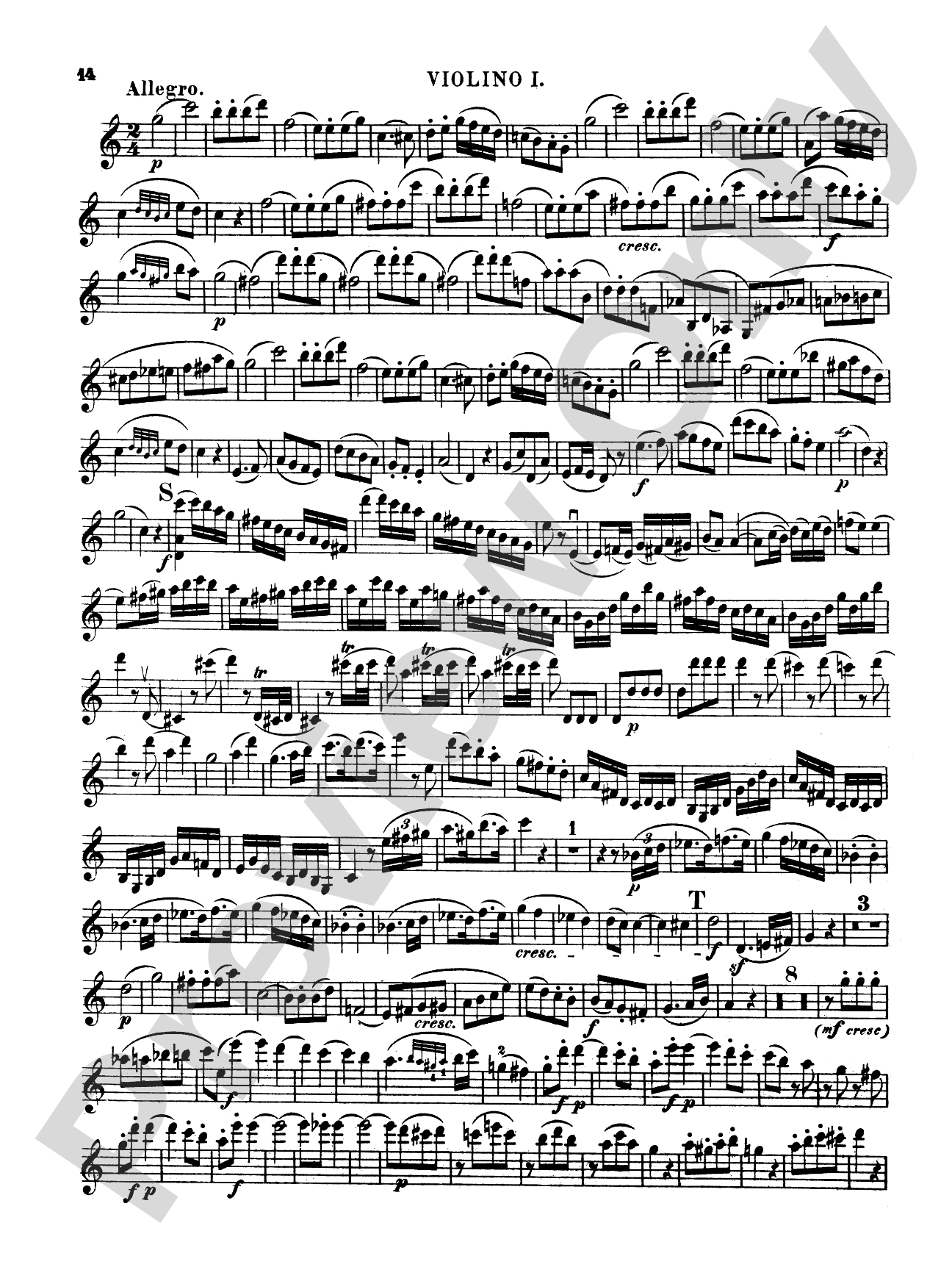
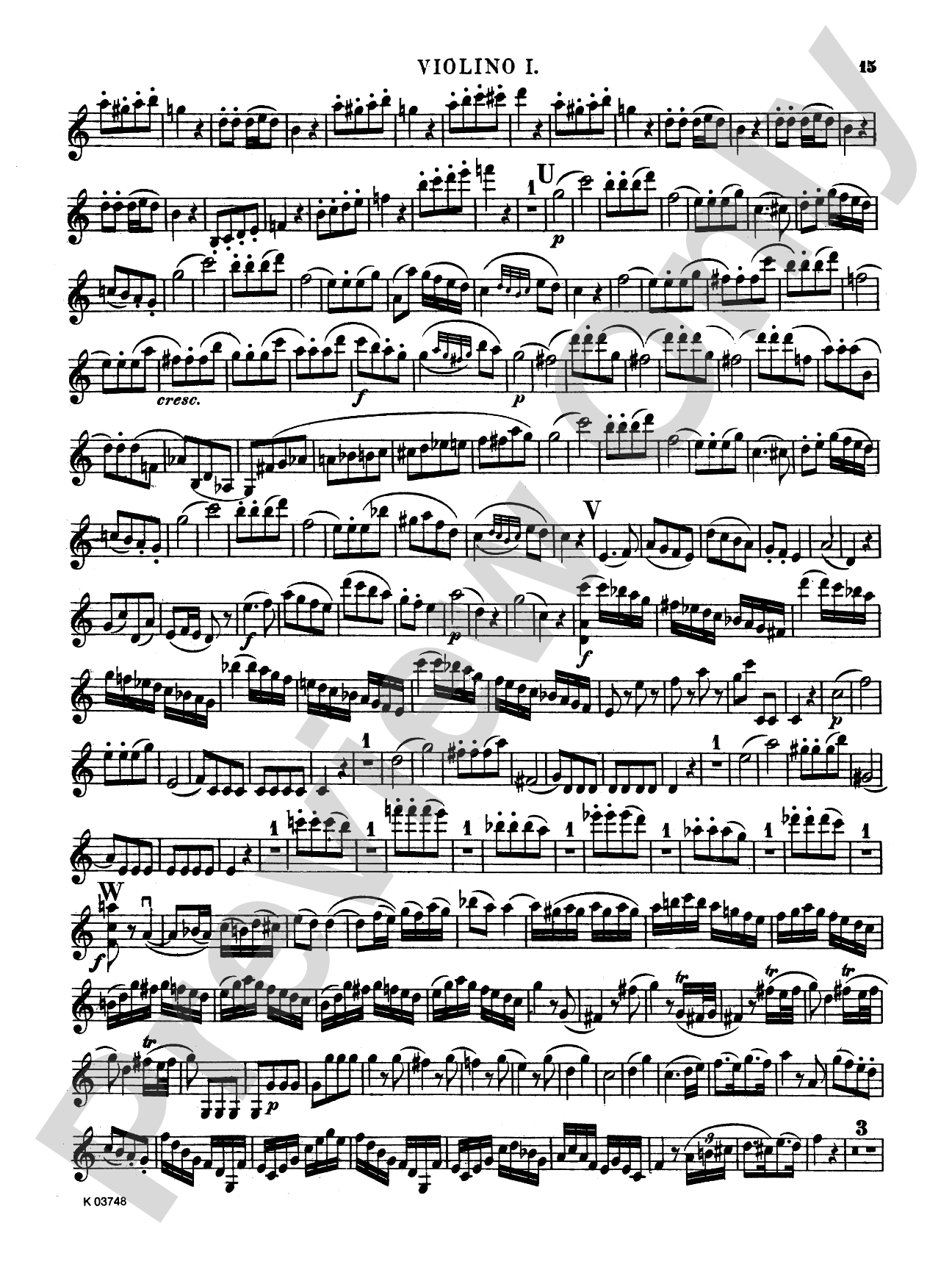
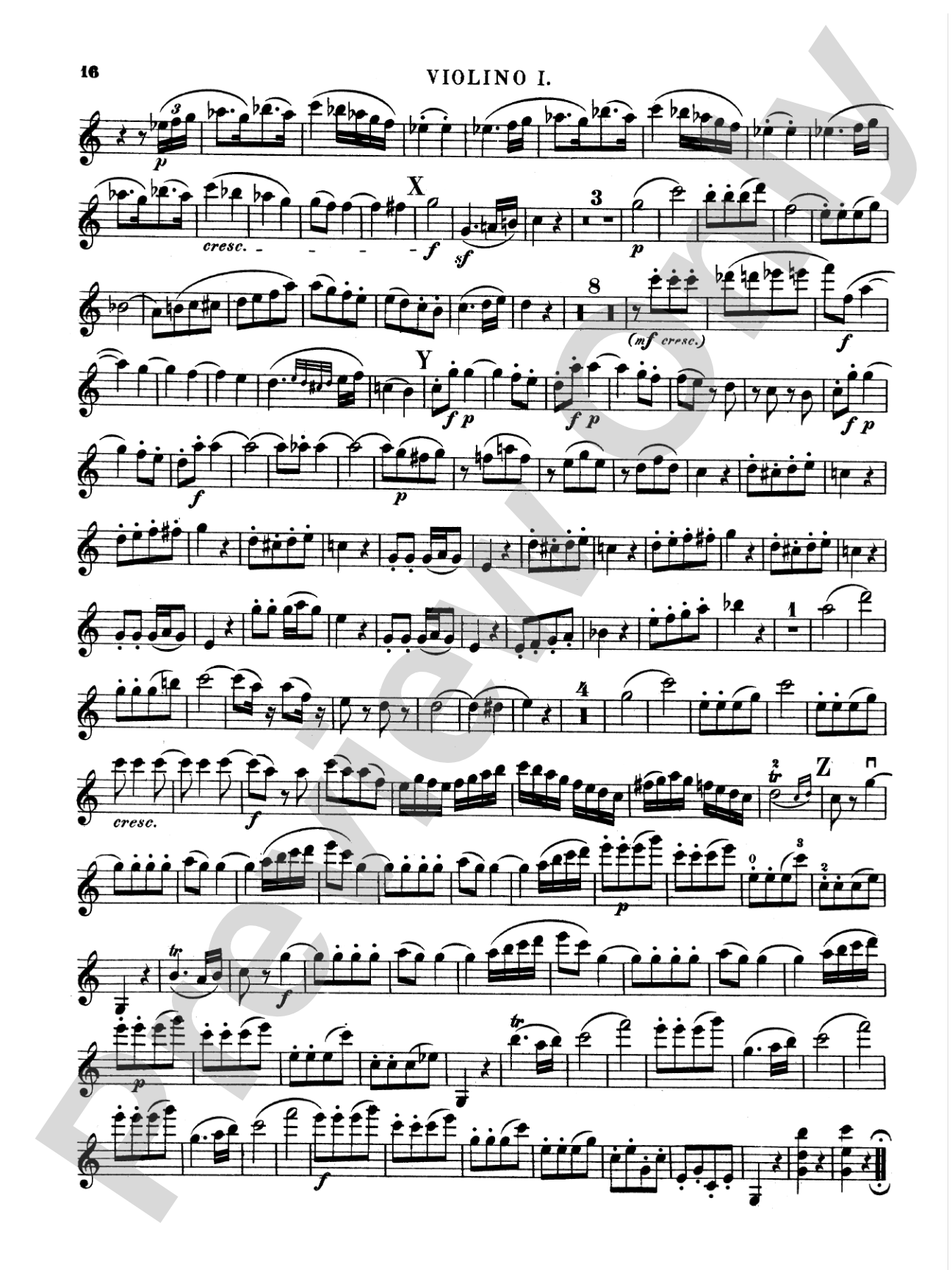
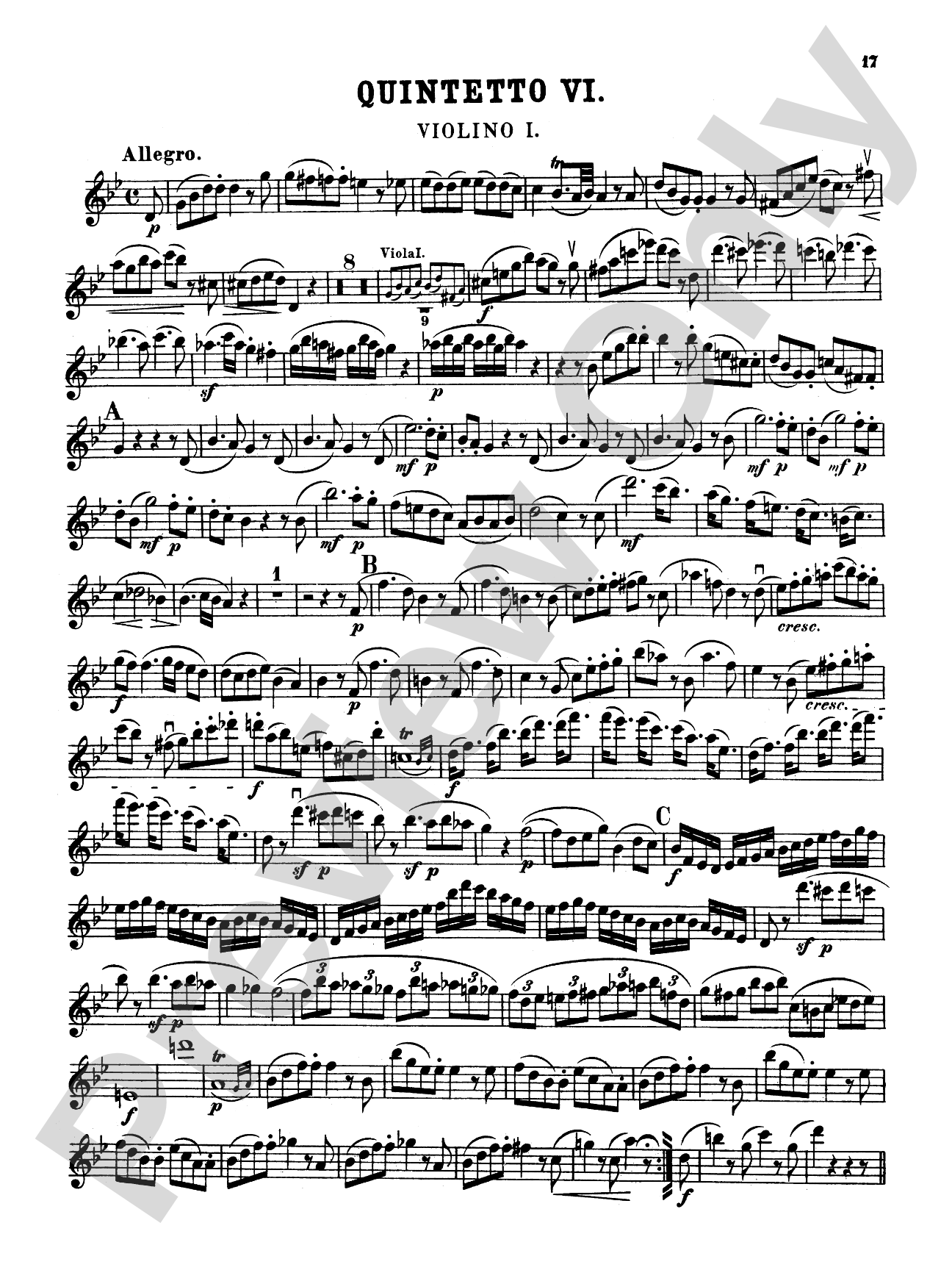
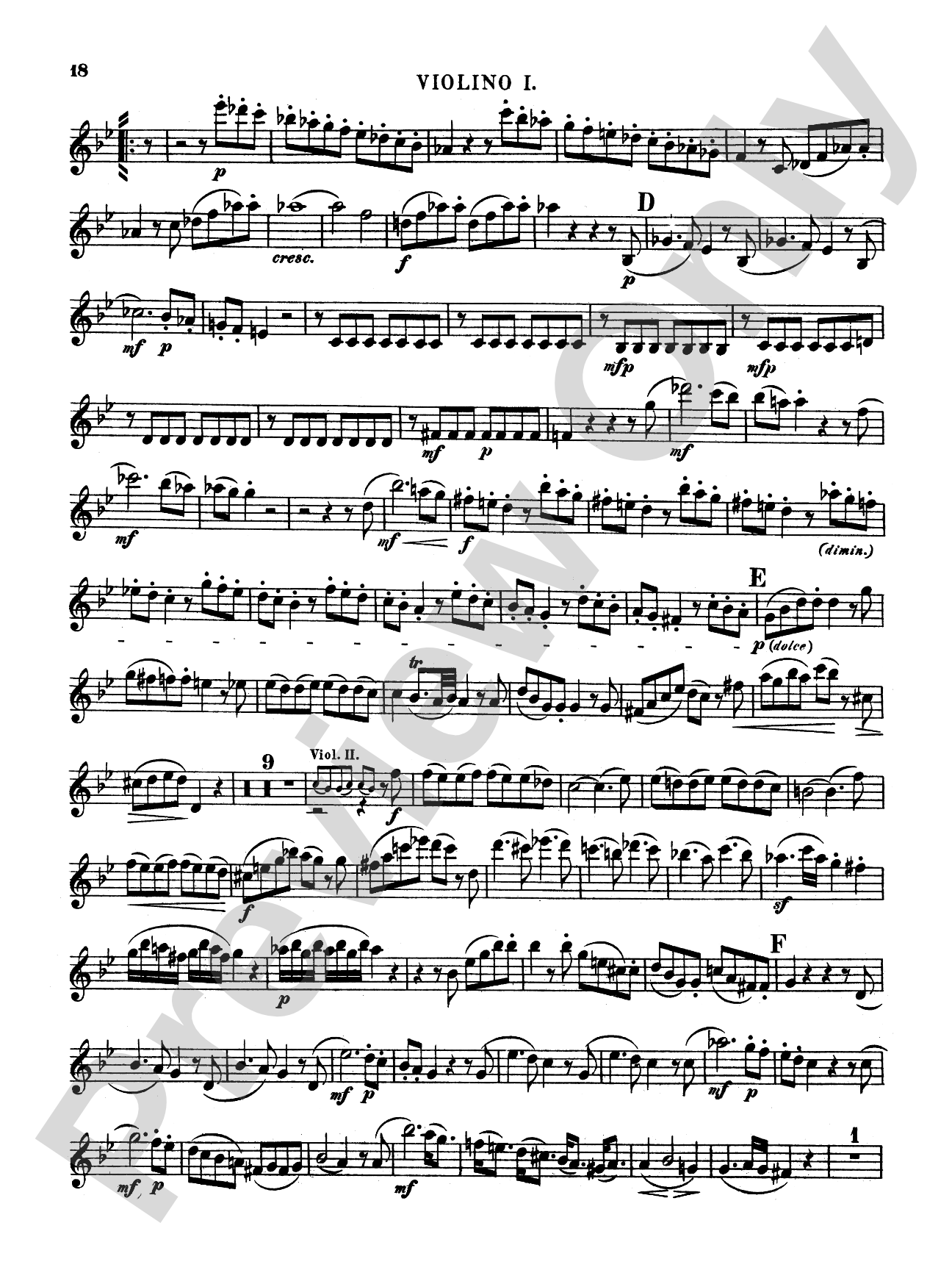
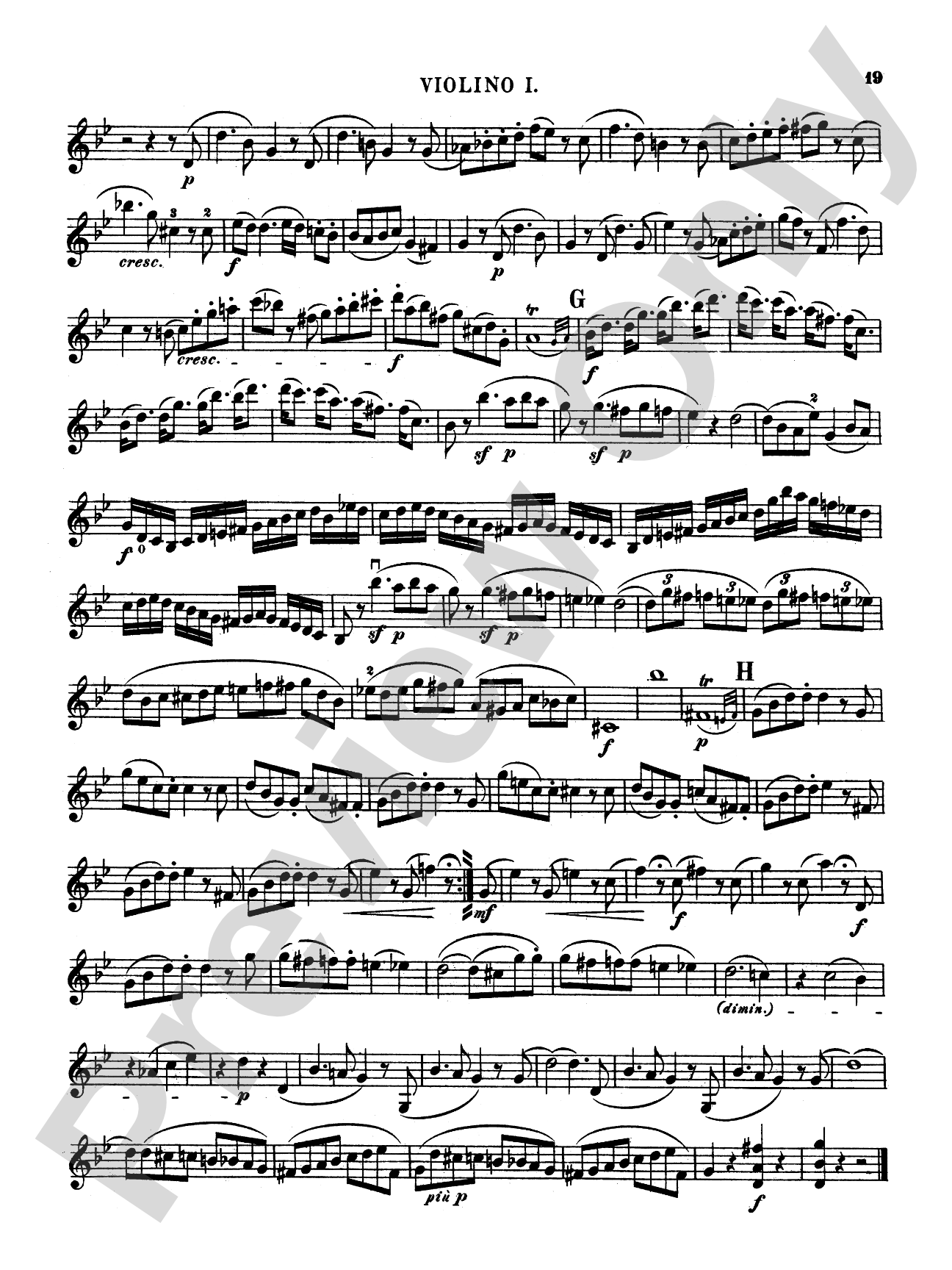
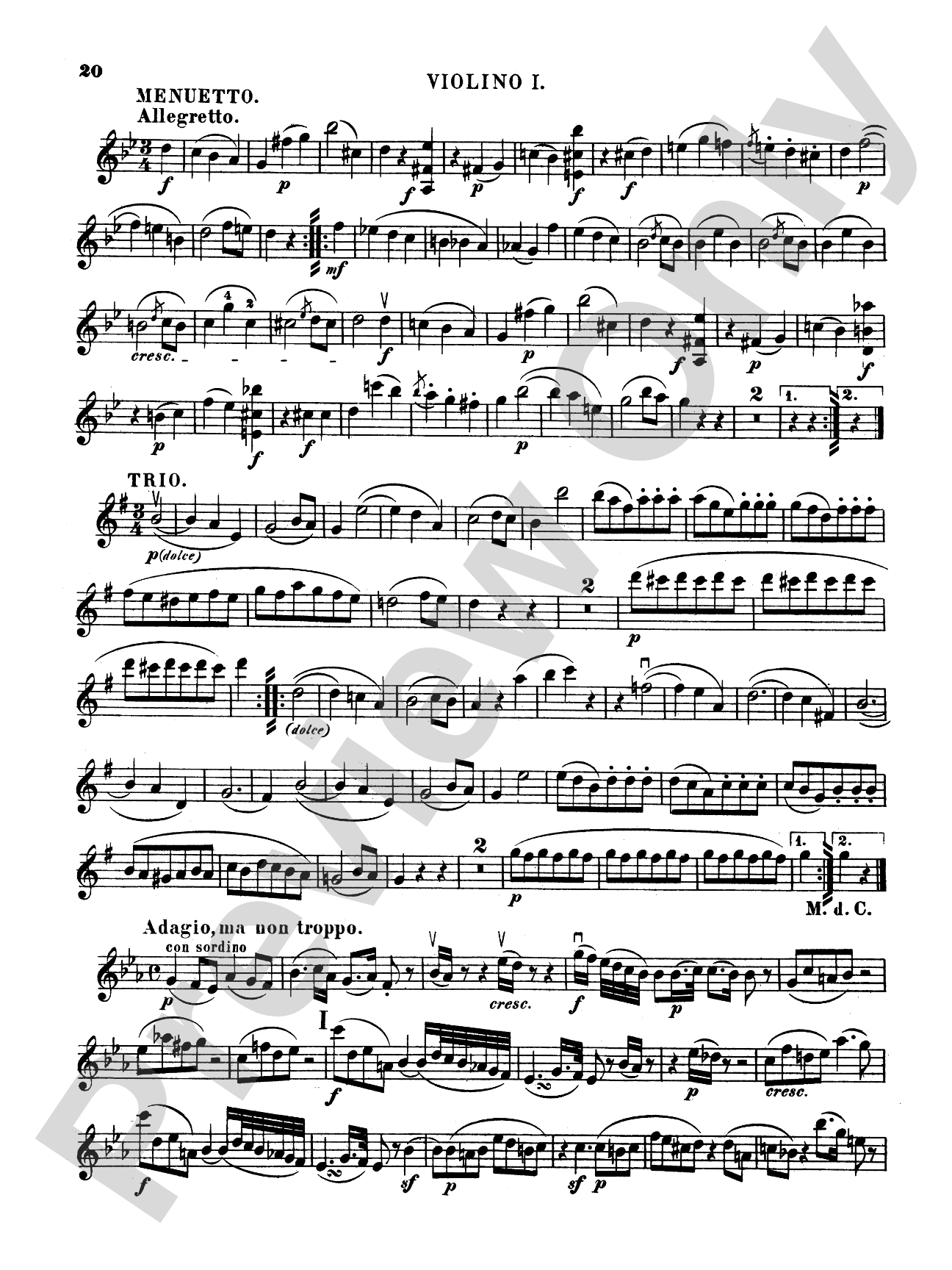
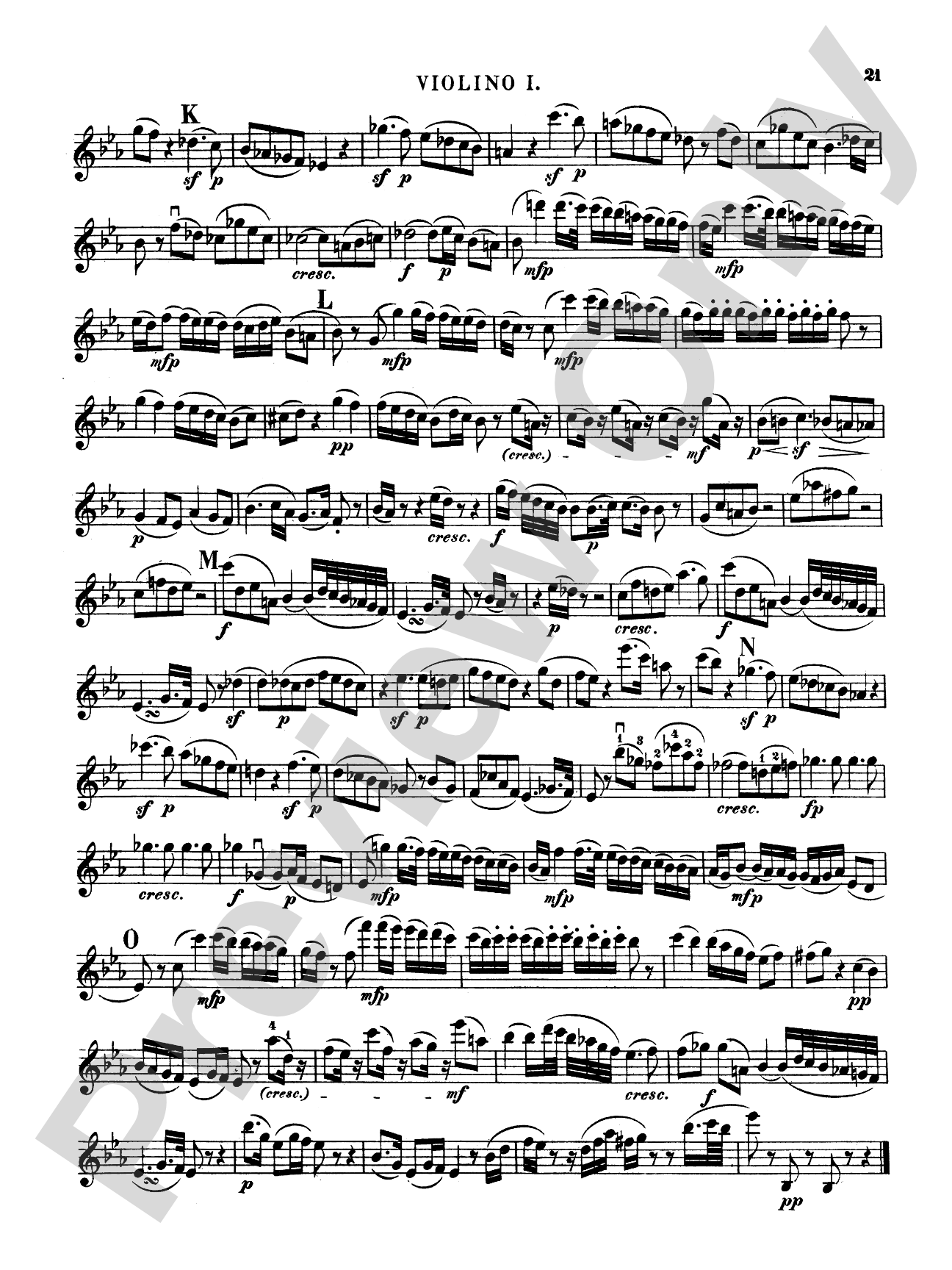
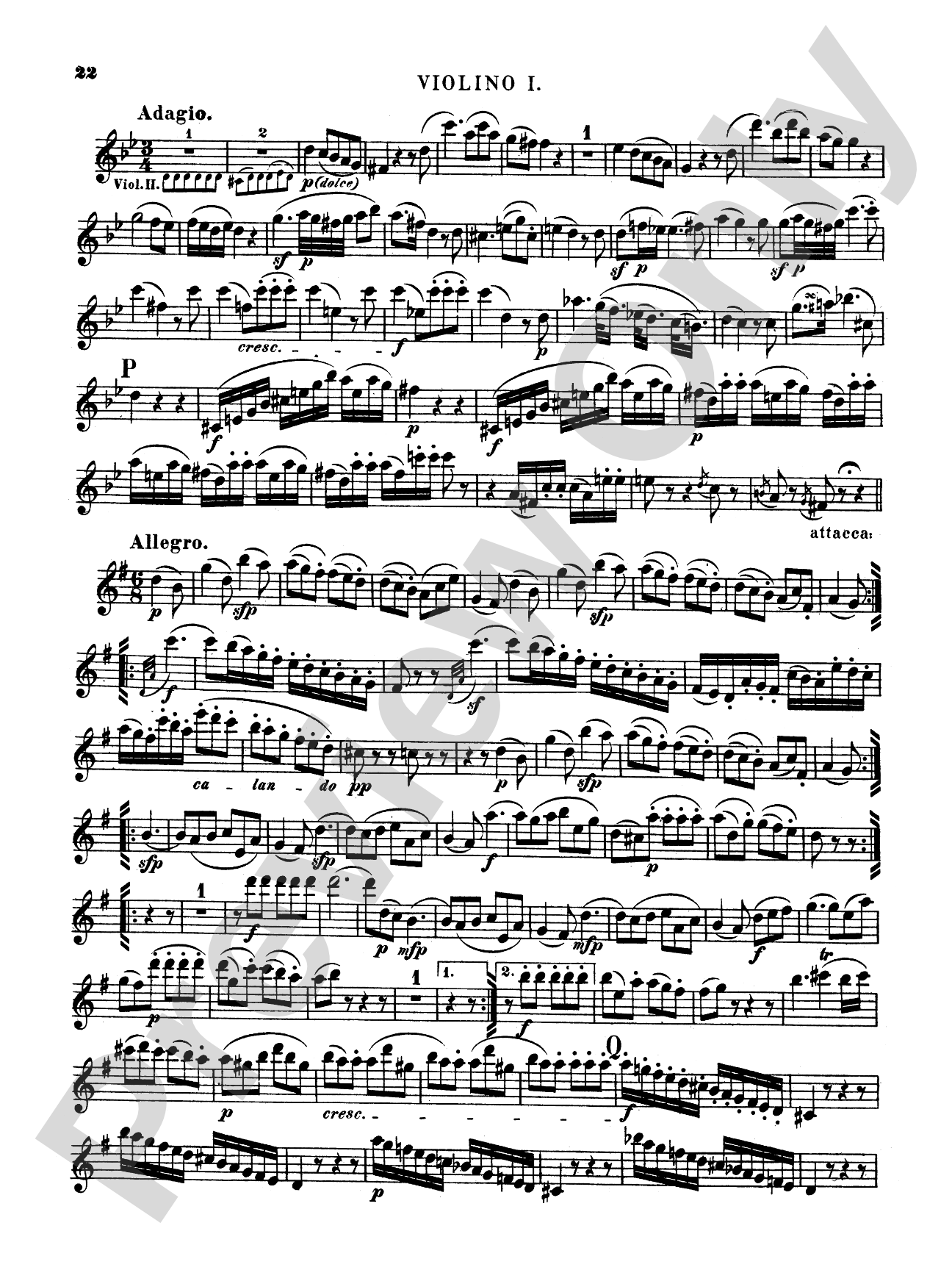
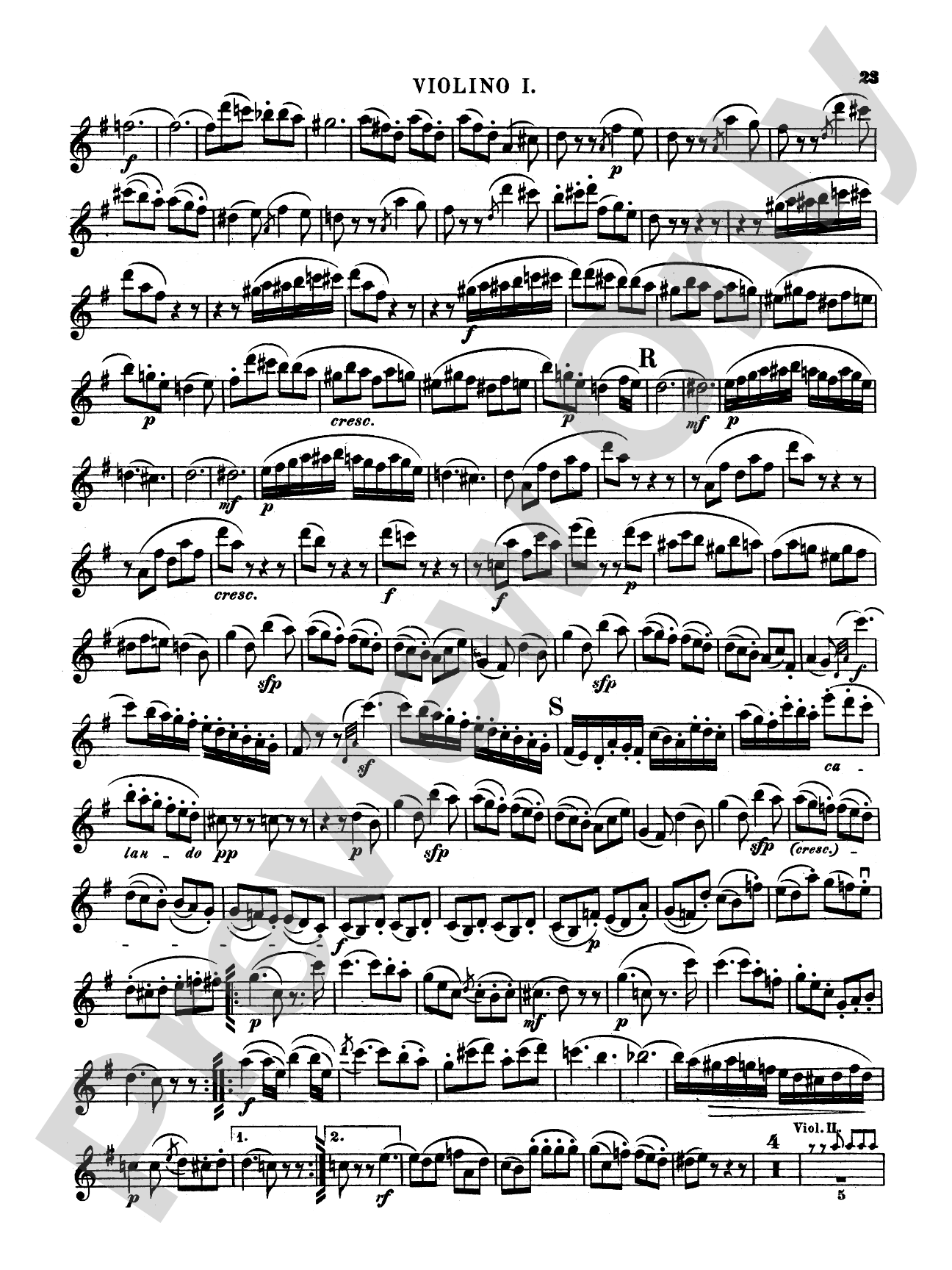
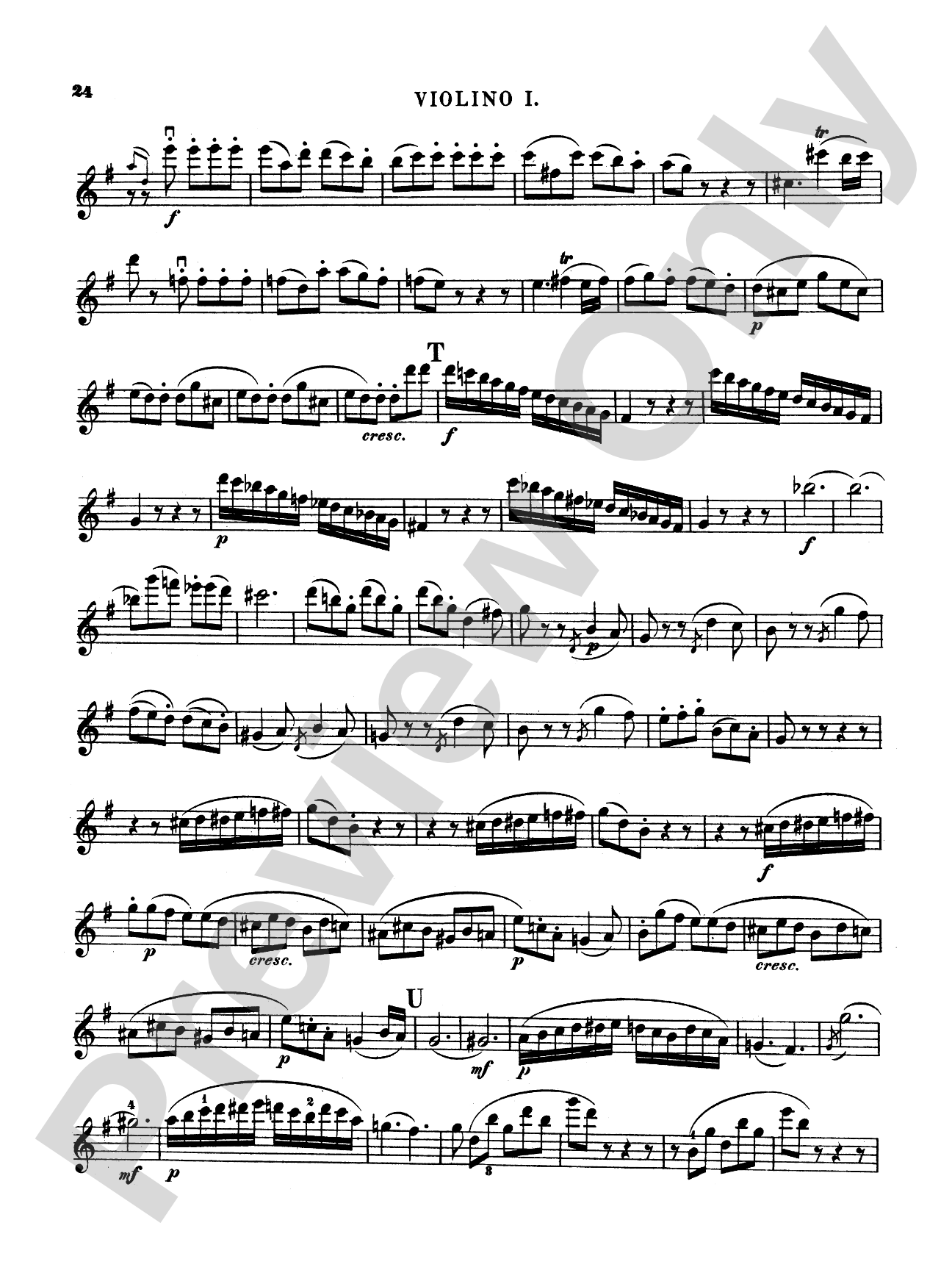
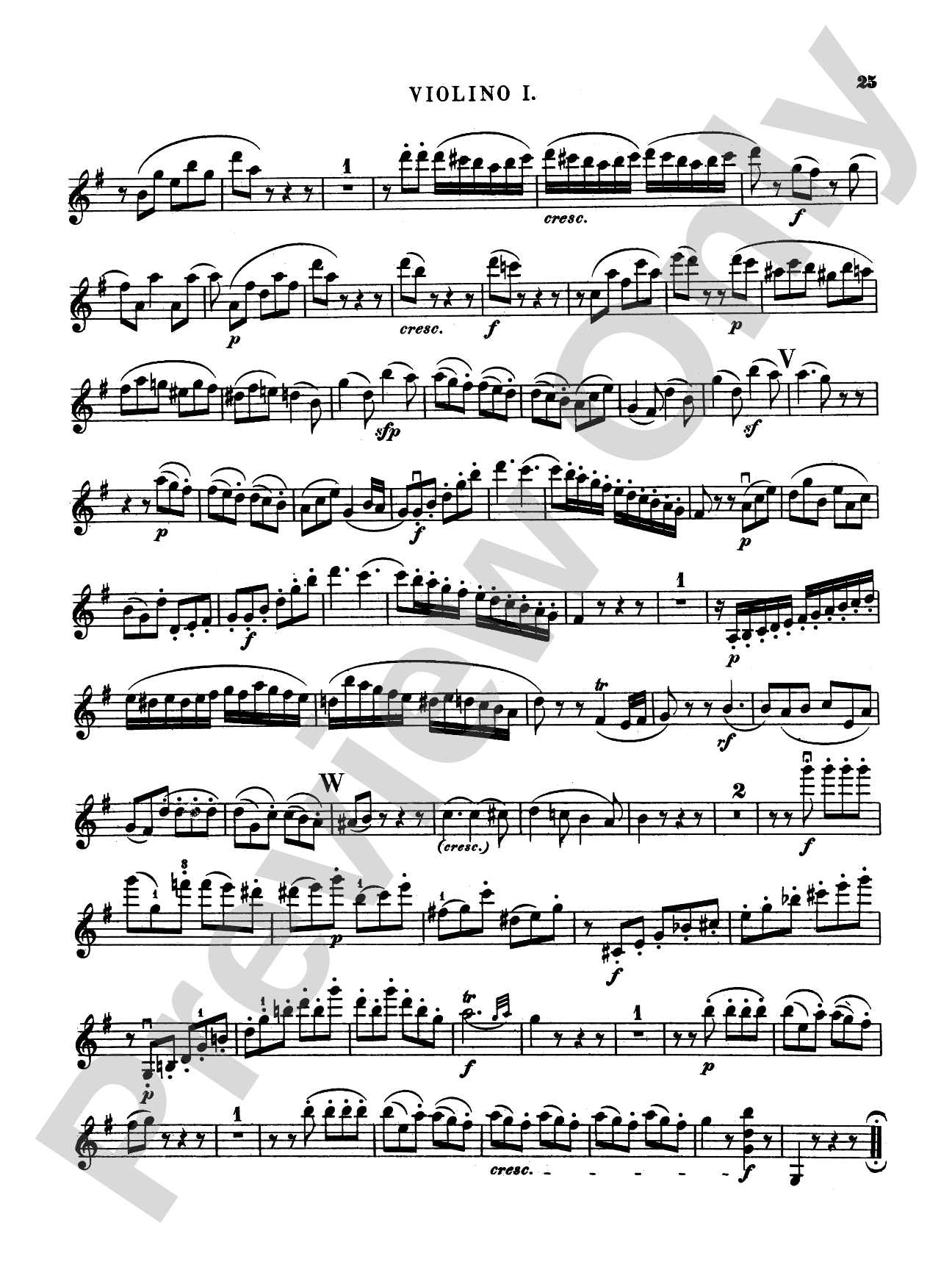
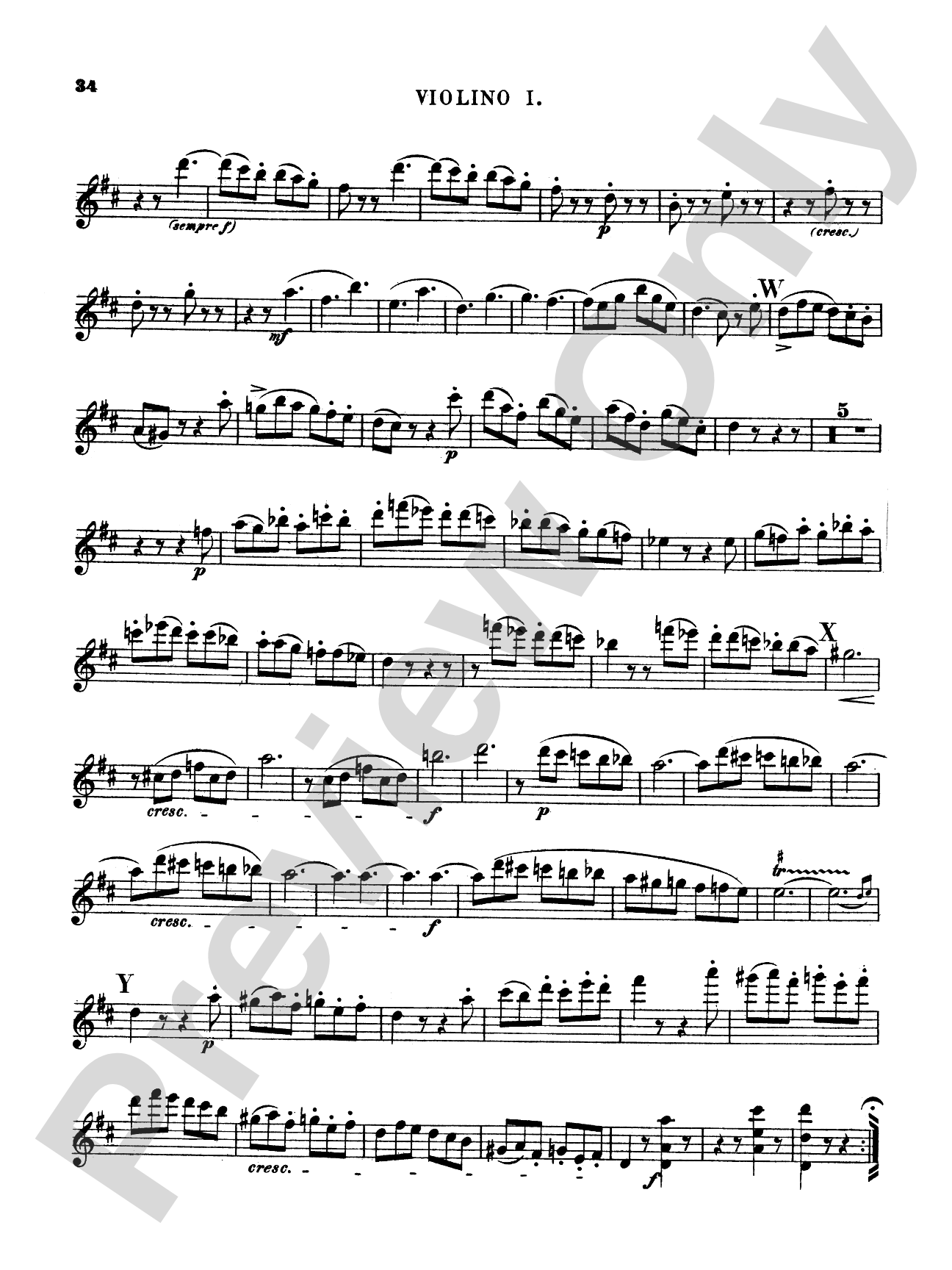
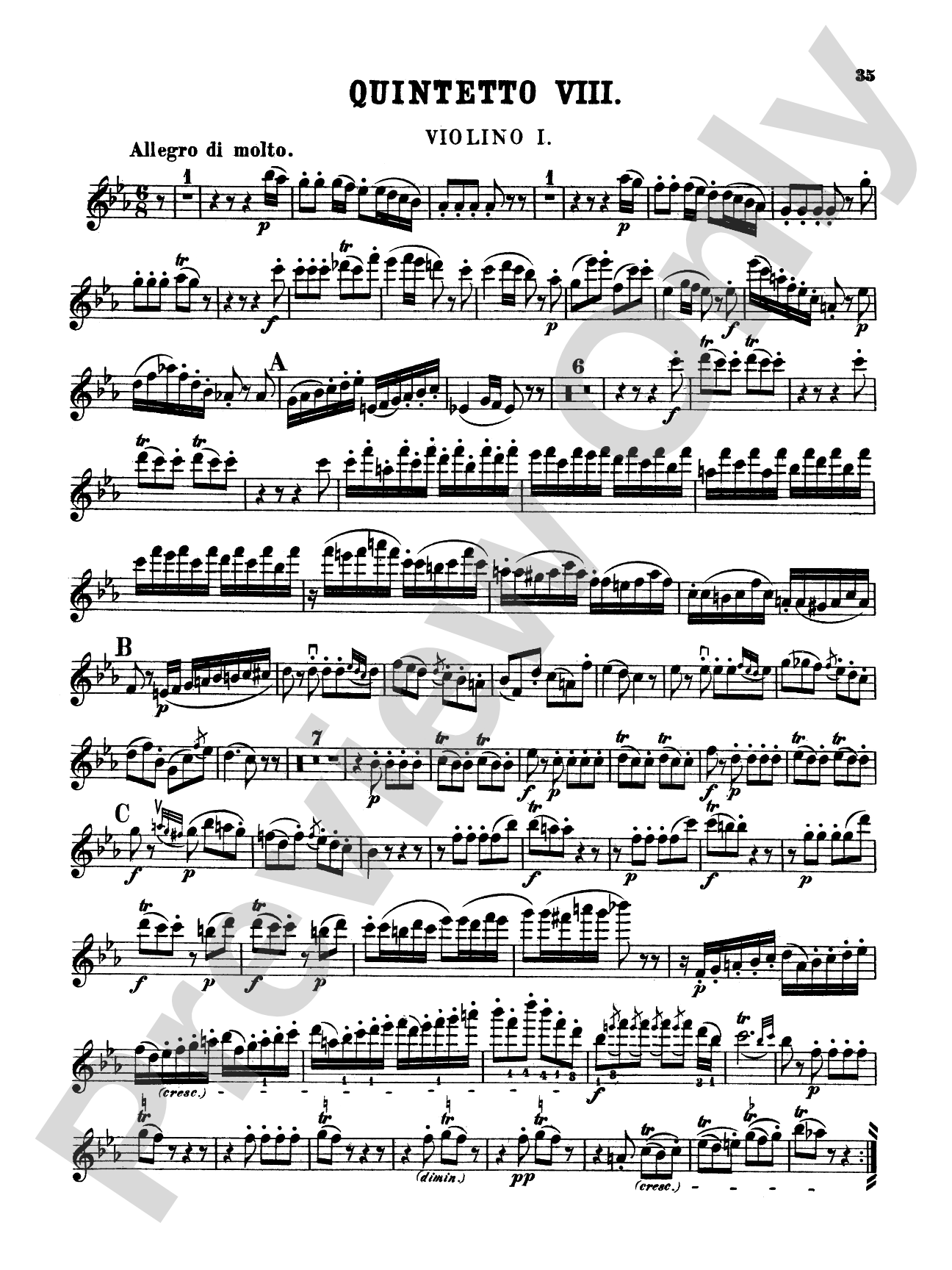
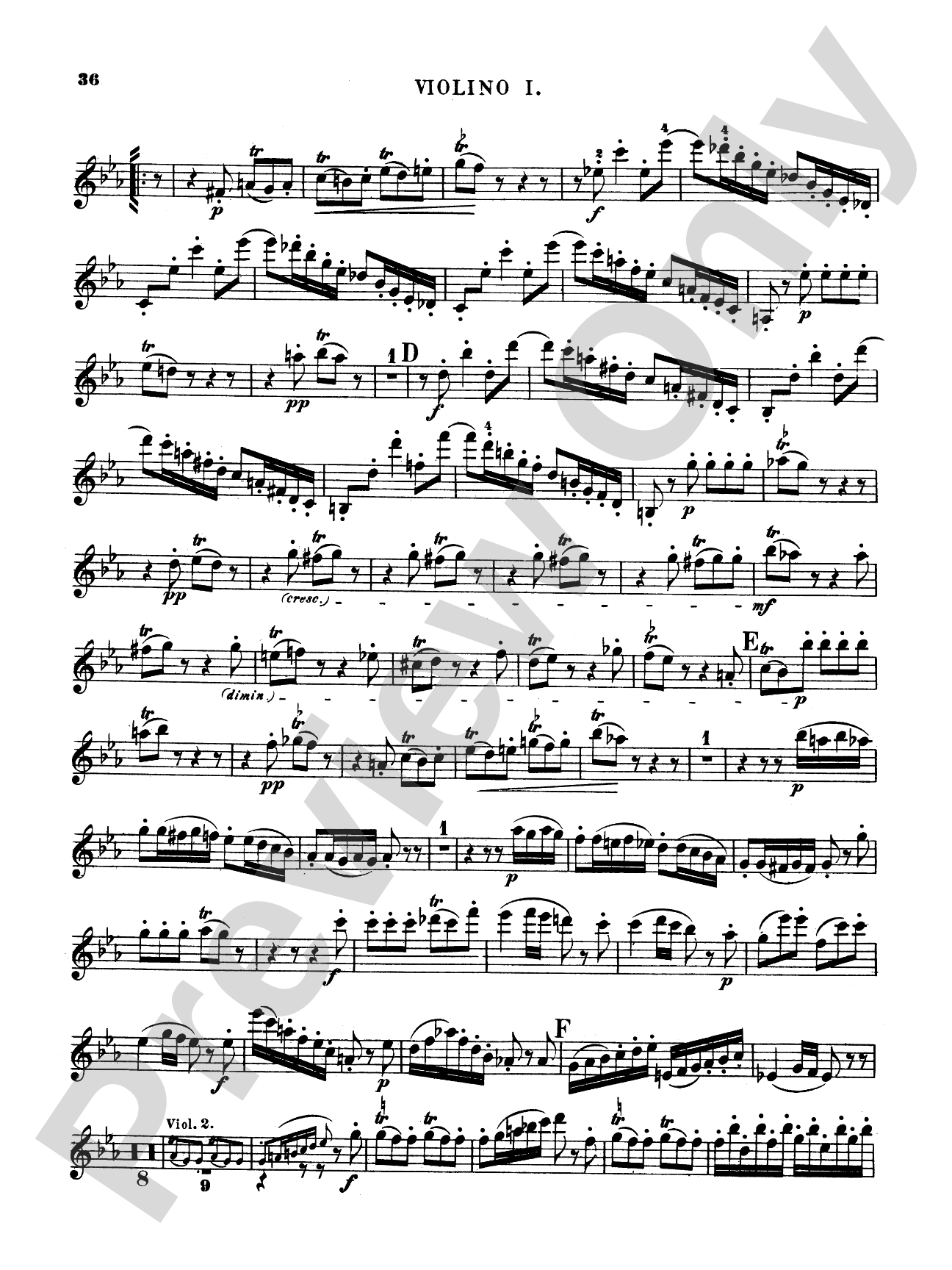
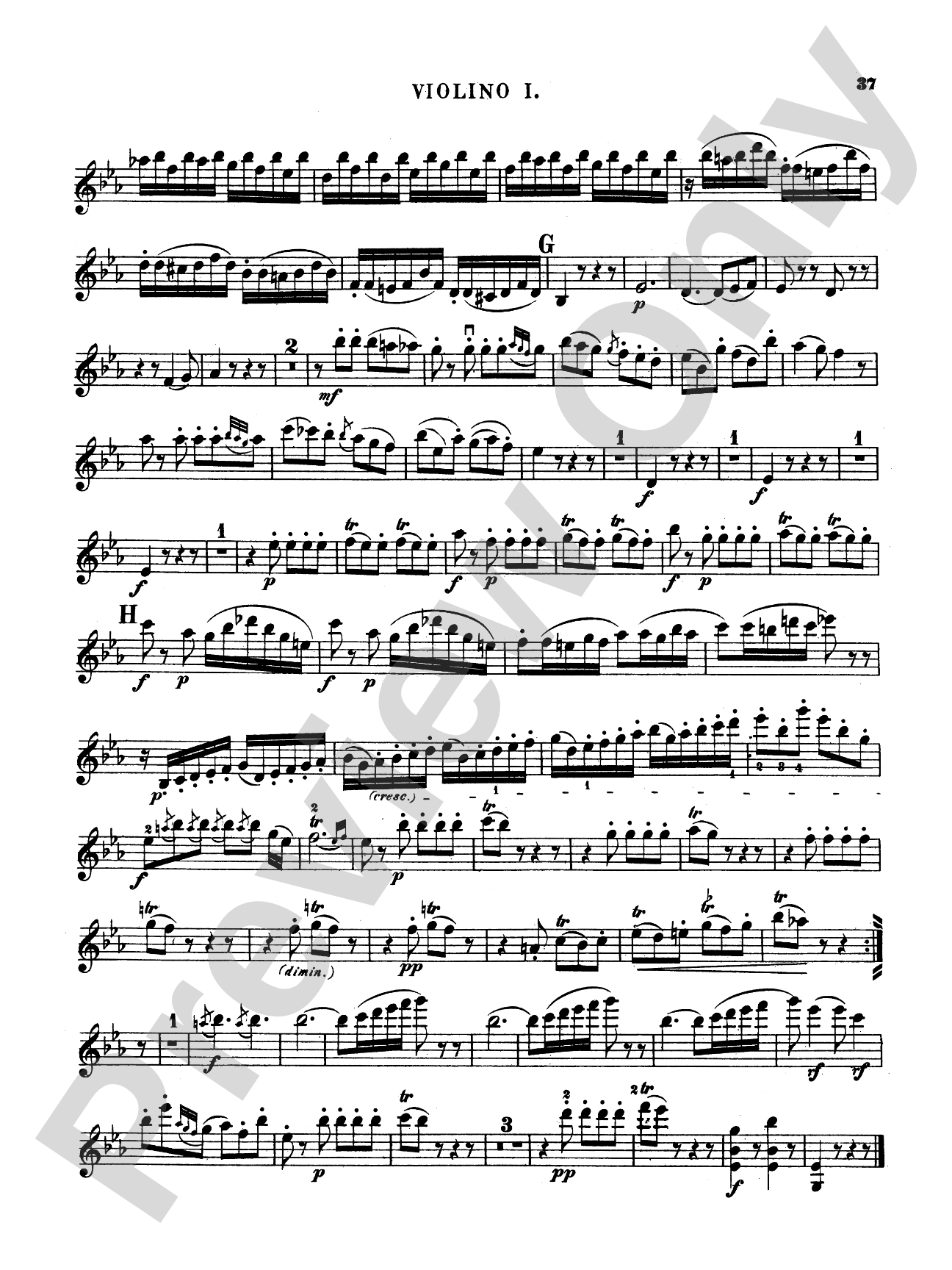
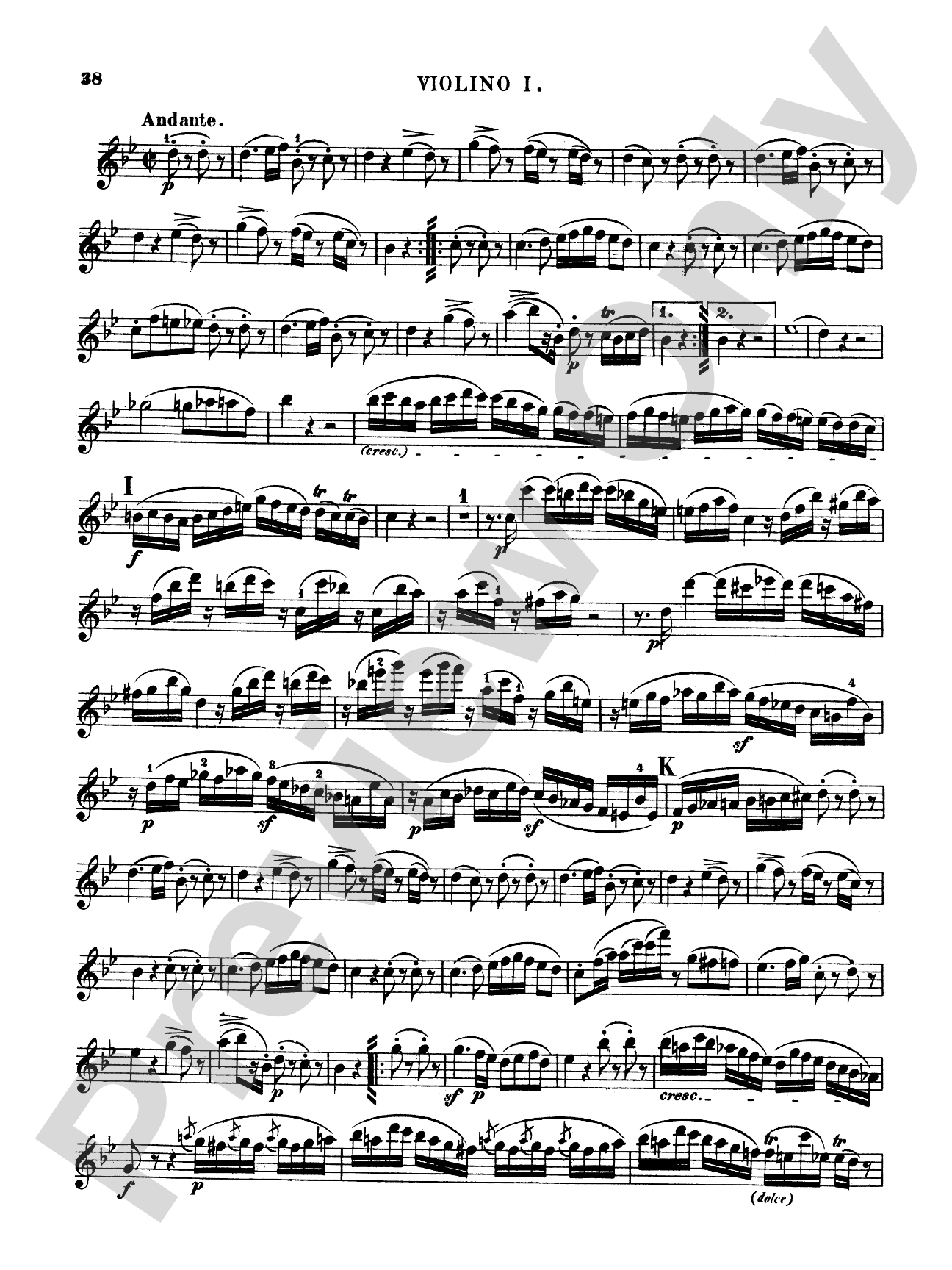
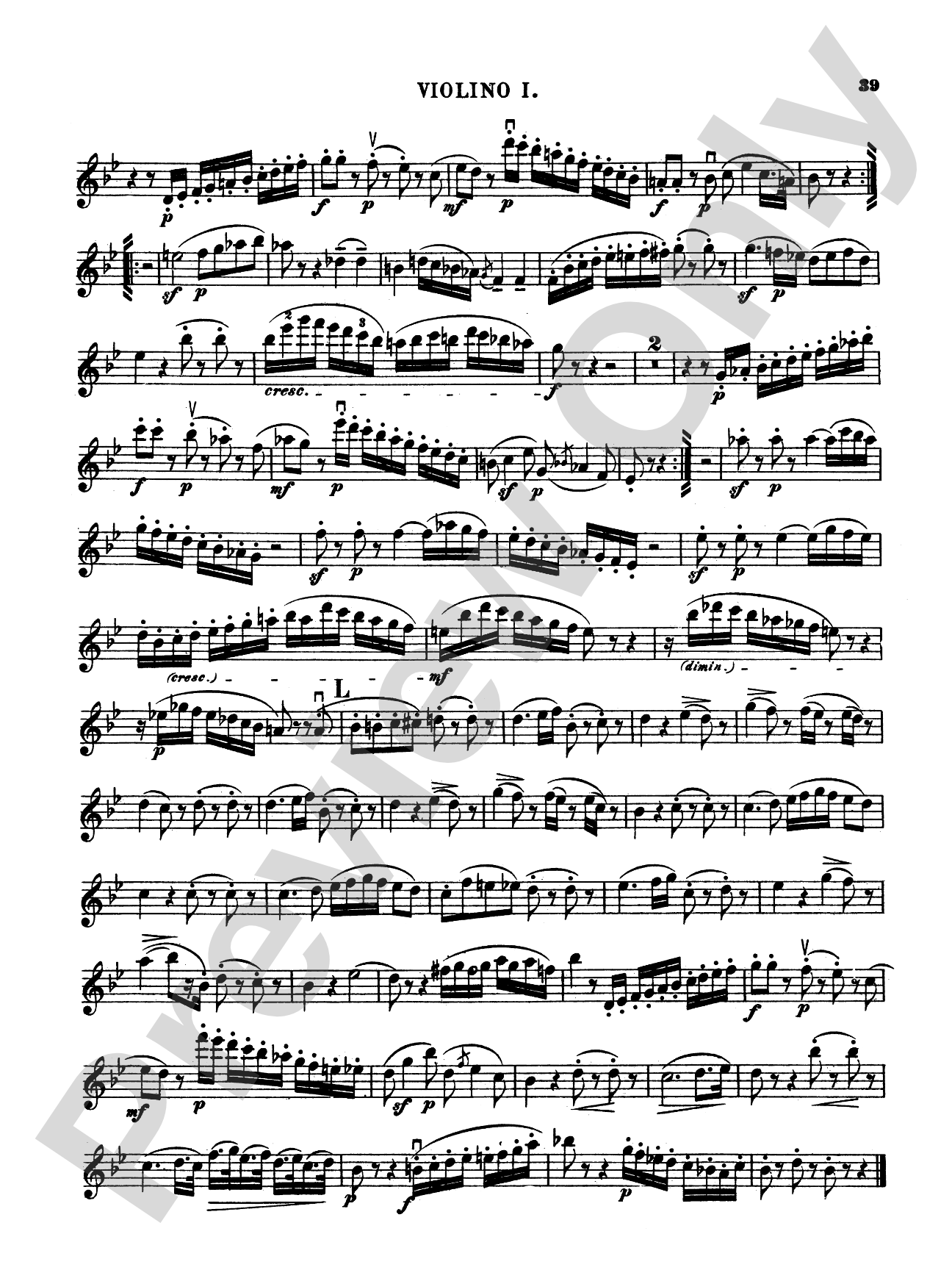
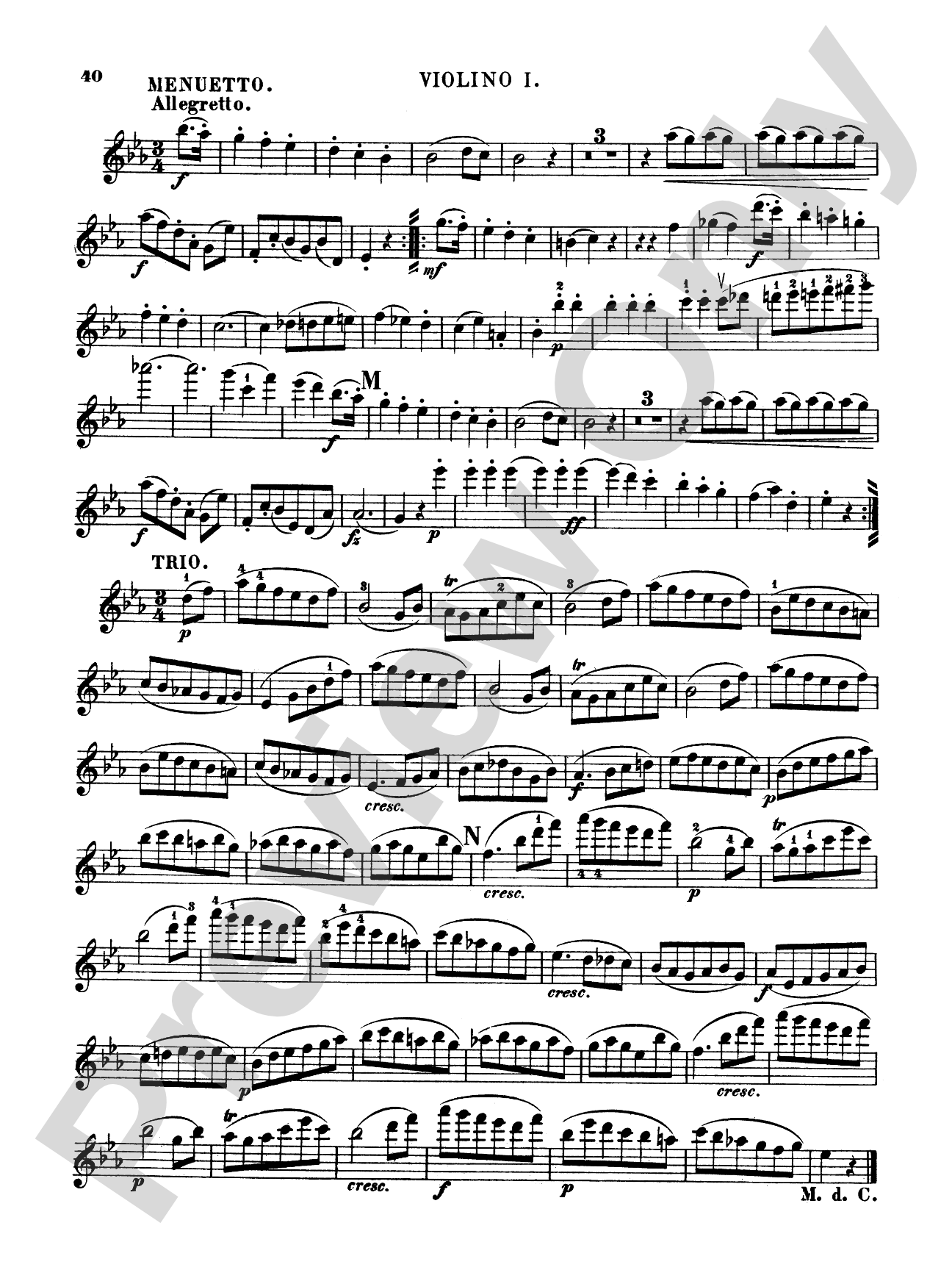
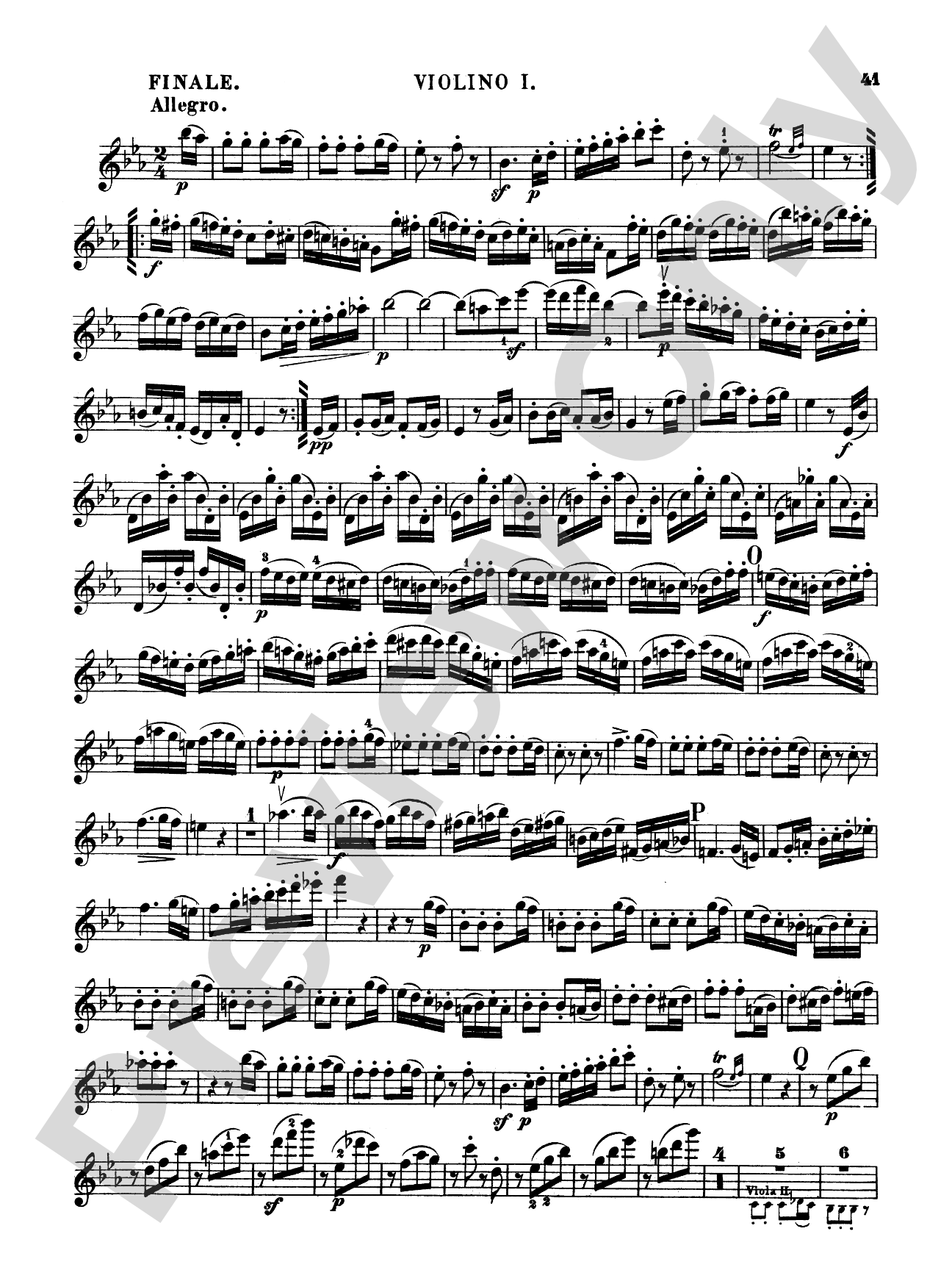


String Quintets, K. 406, 515, 516, 593, 614: String Quintet Book
By Wolfgang Amadeus Mozart
Item: 00-PK-0002585
$34.99
Pickup currently not available
Buy Extra Parts (Digital PDF Download)
Parts Added to Cart!
Related Items
String Quintets, K. 406, 515, 516, 593, 614: String Quintet Book |
$34.95
|
View |
Description
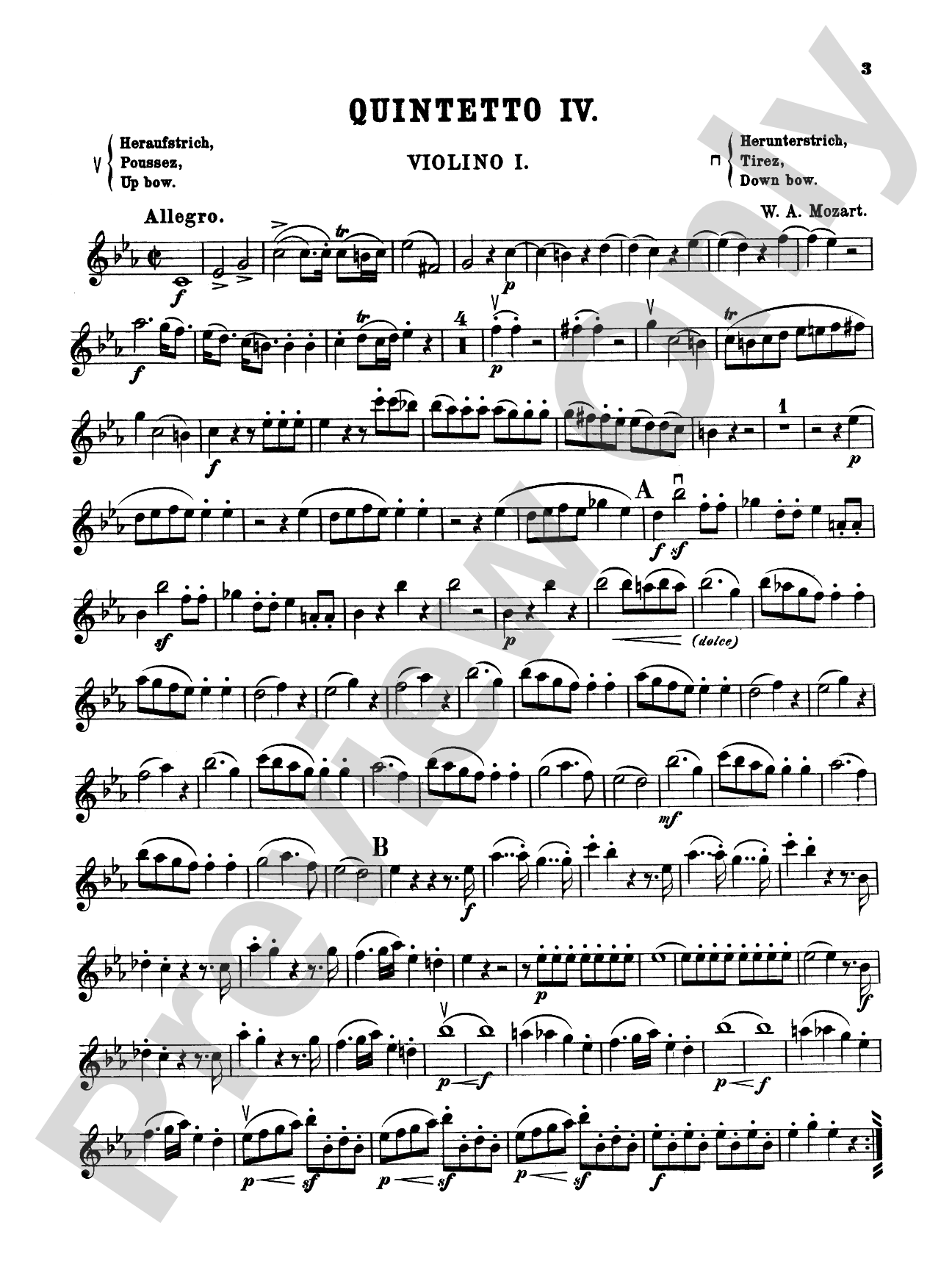
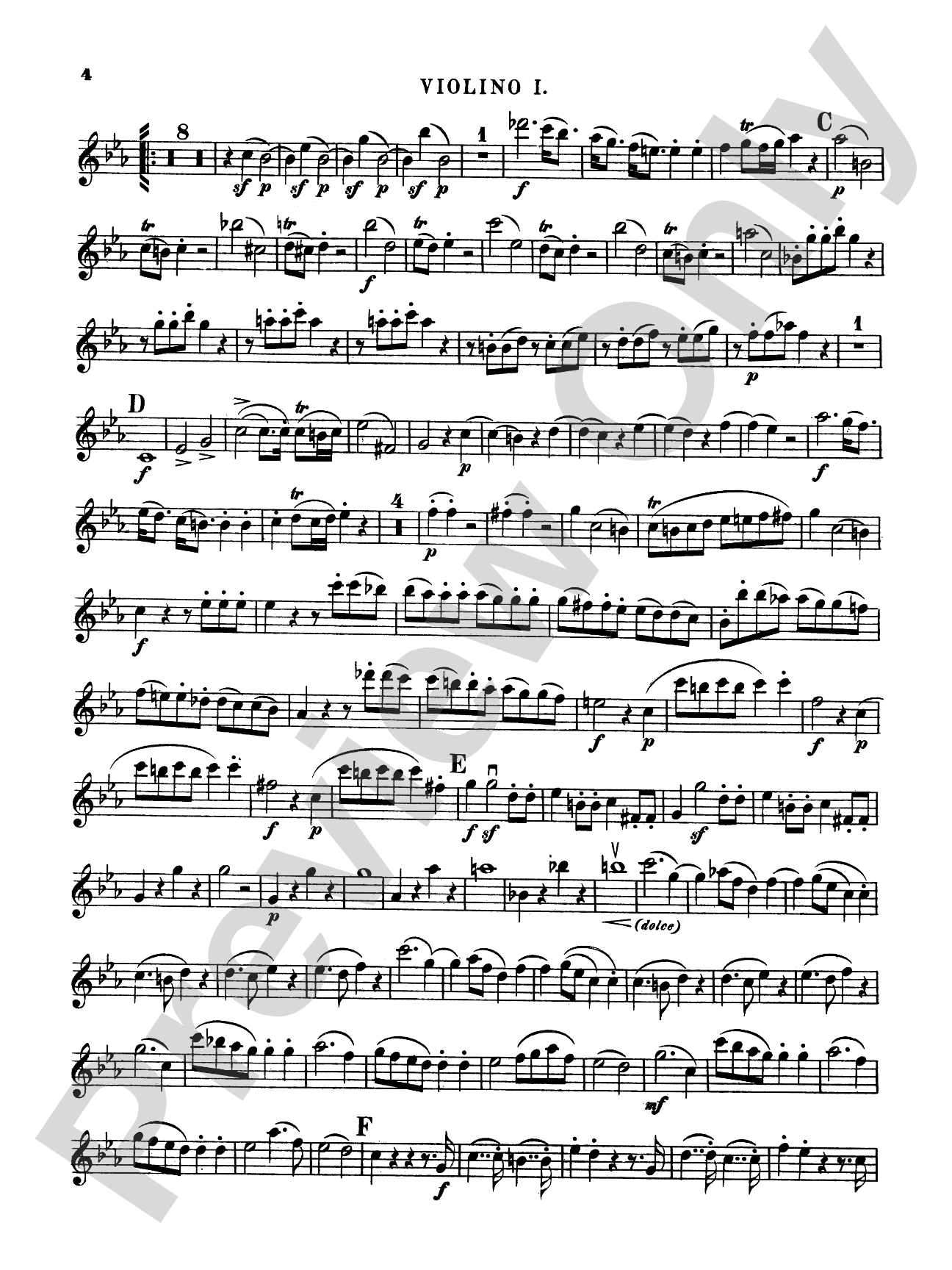
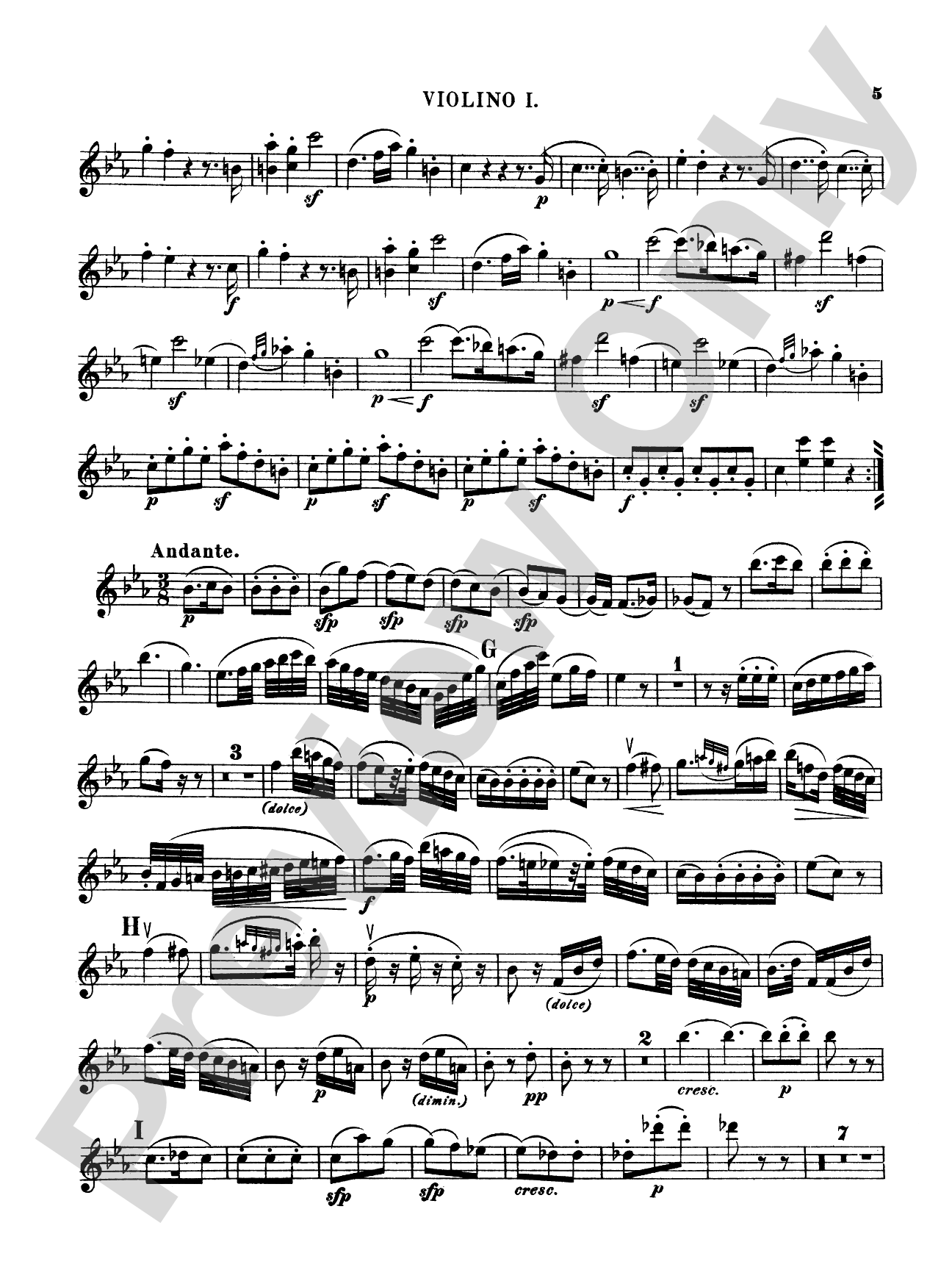
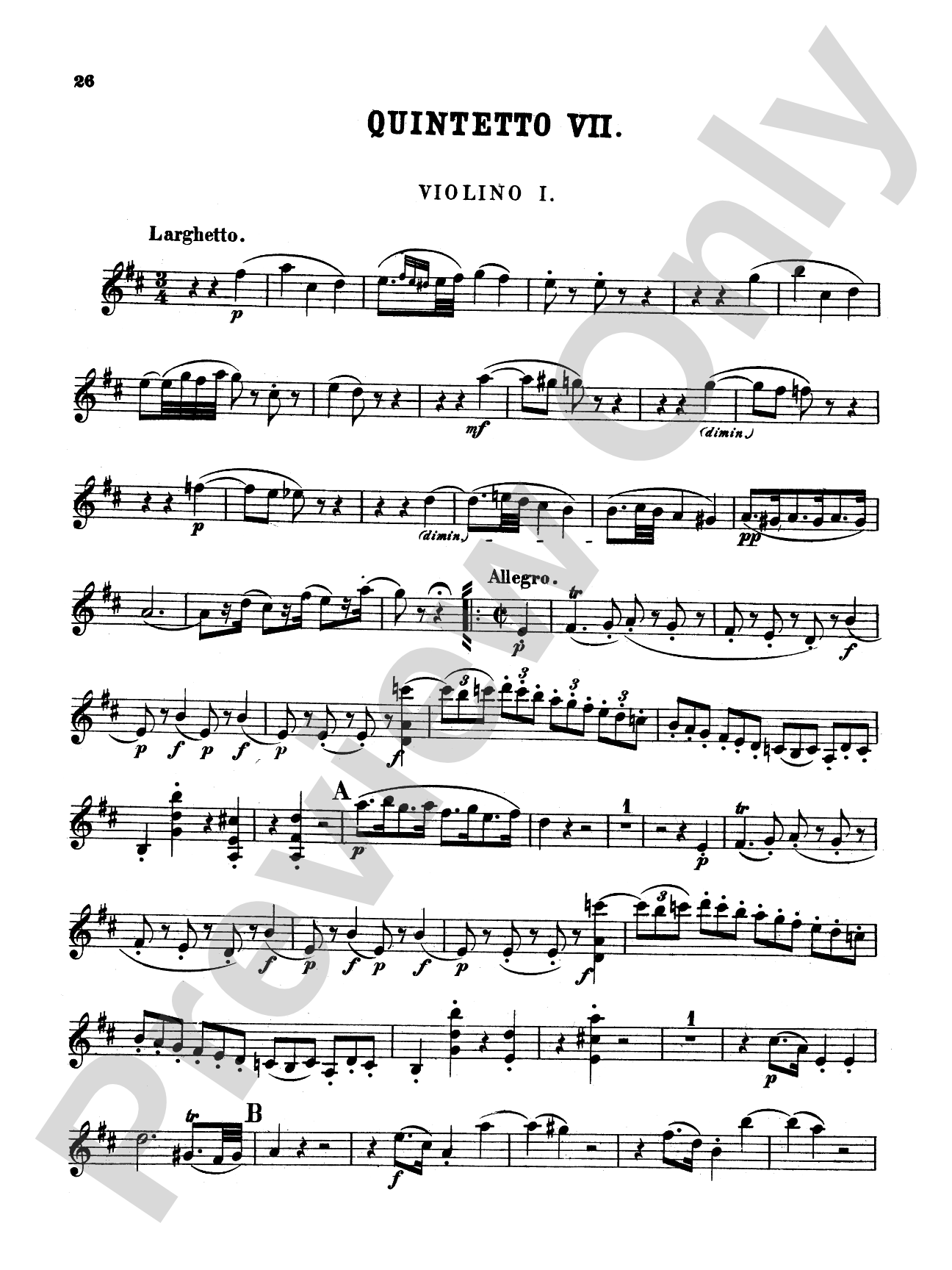
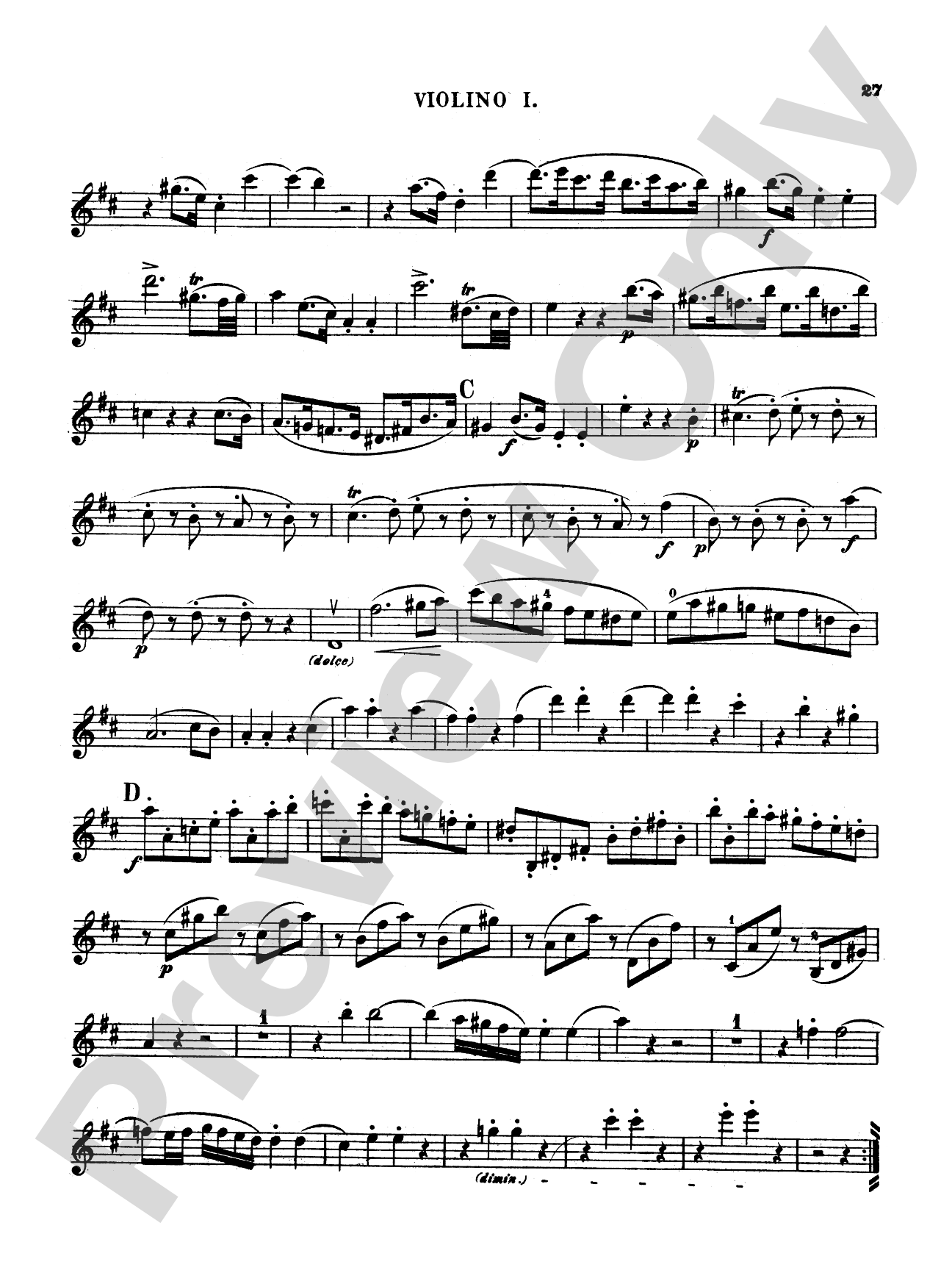
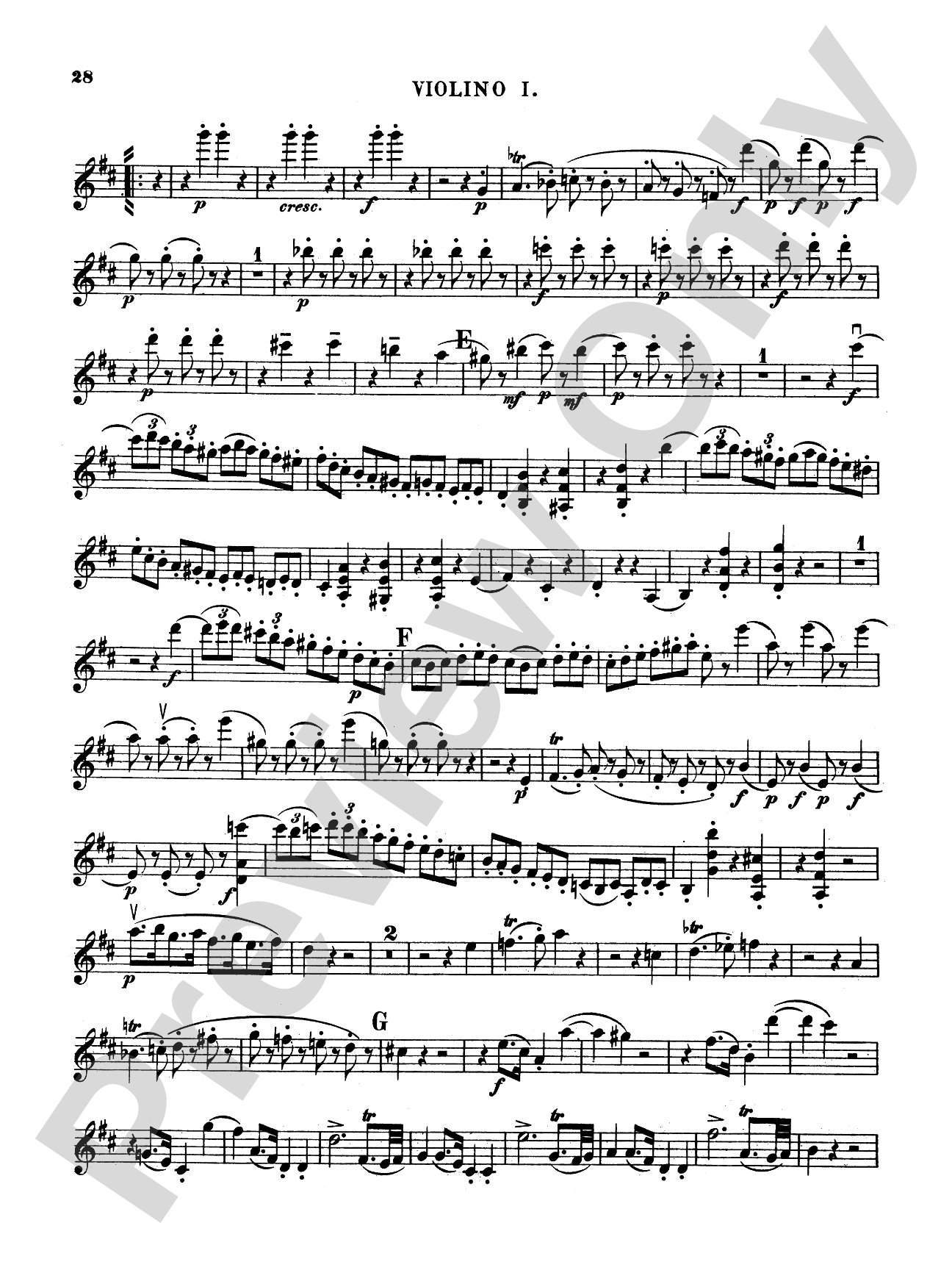
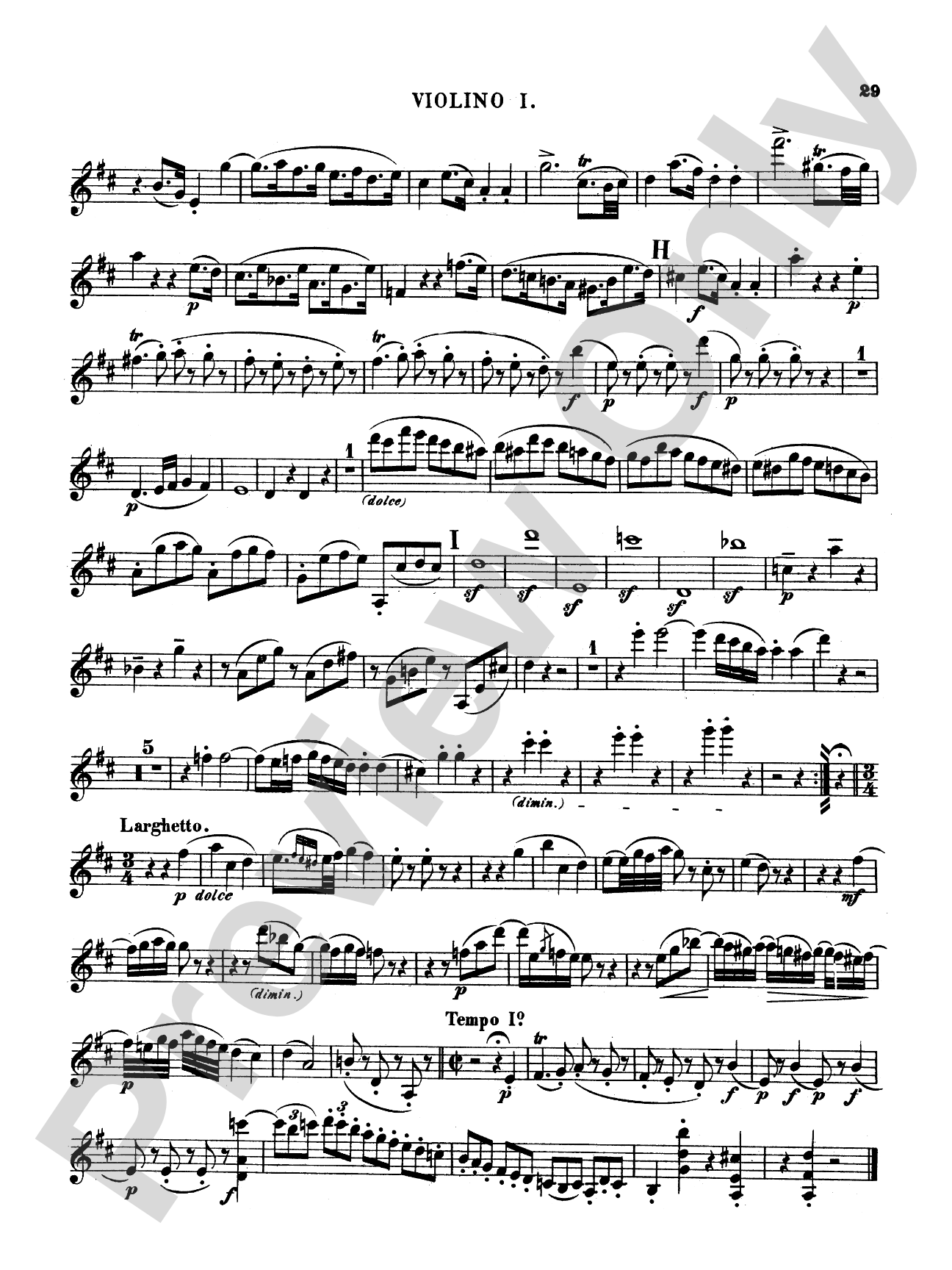
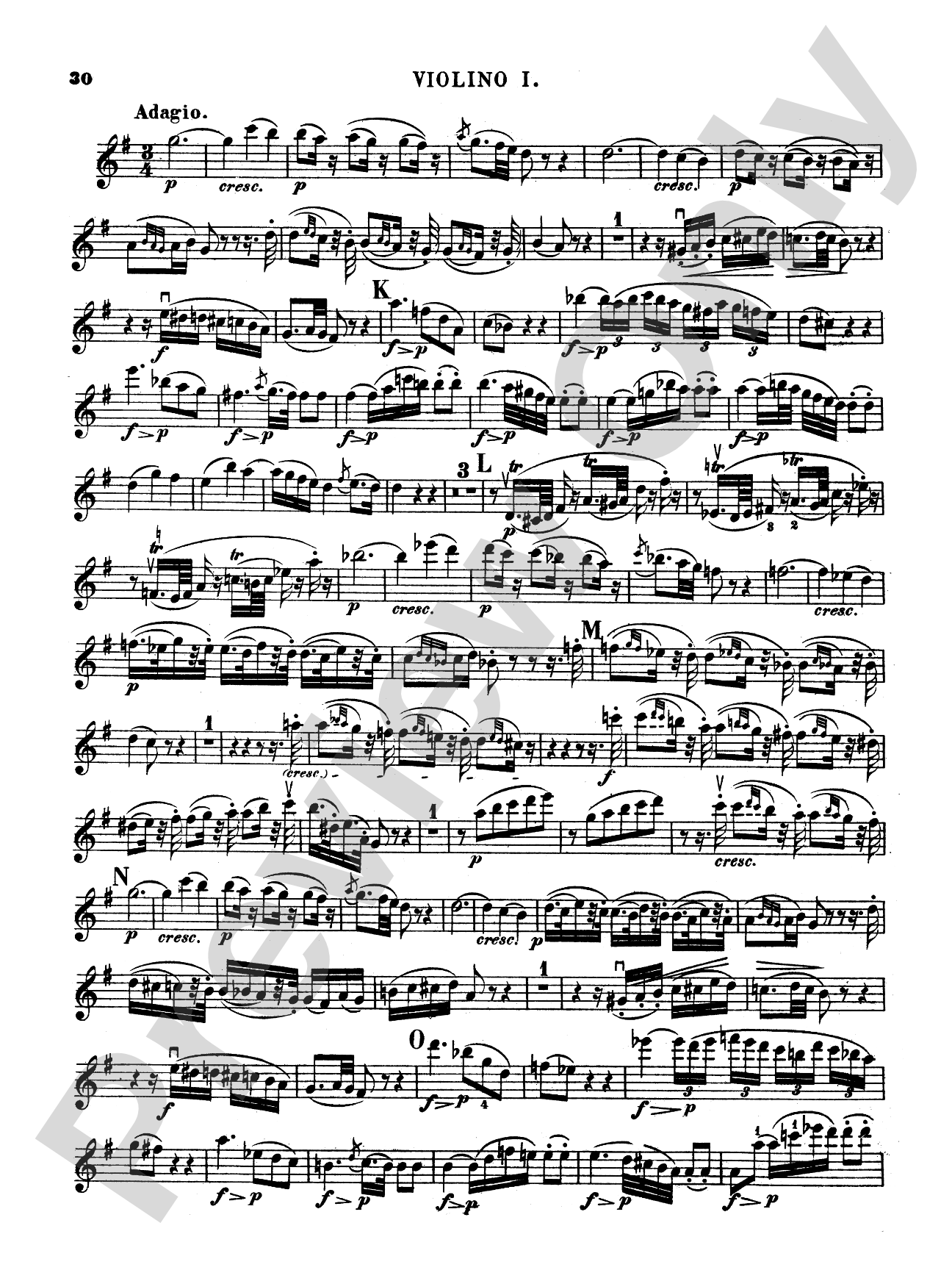
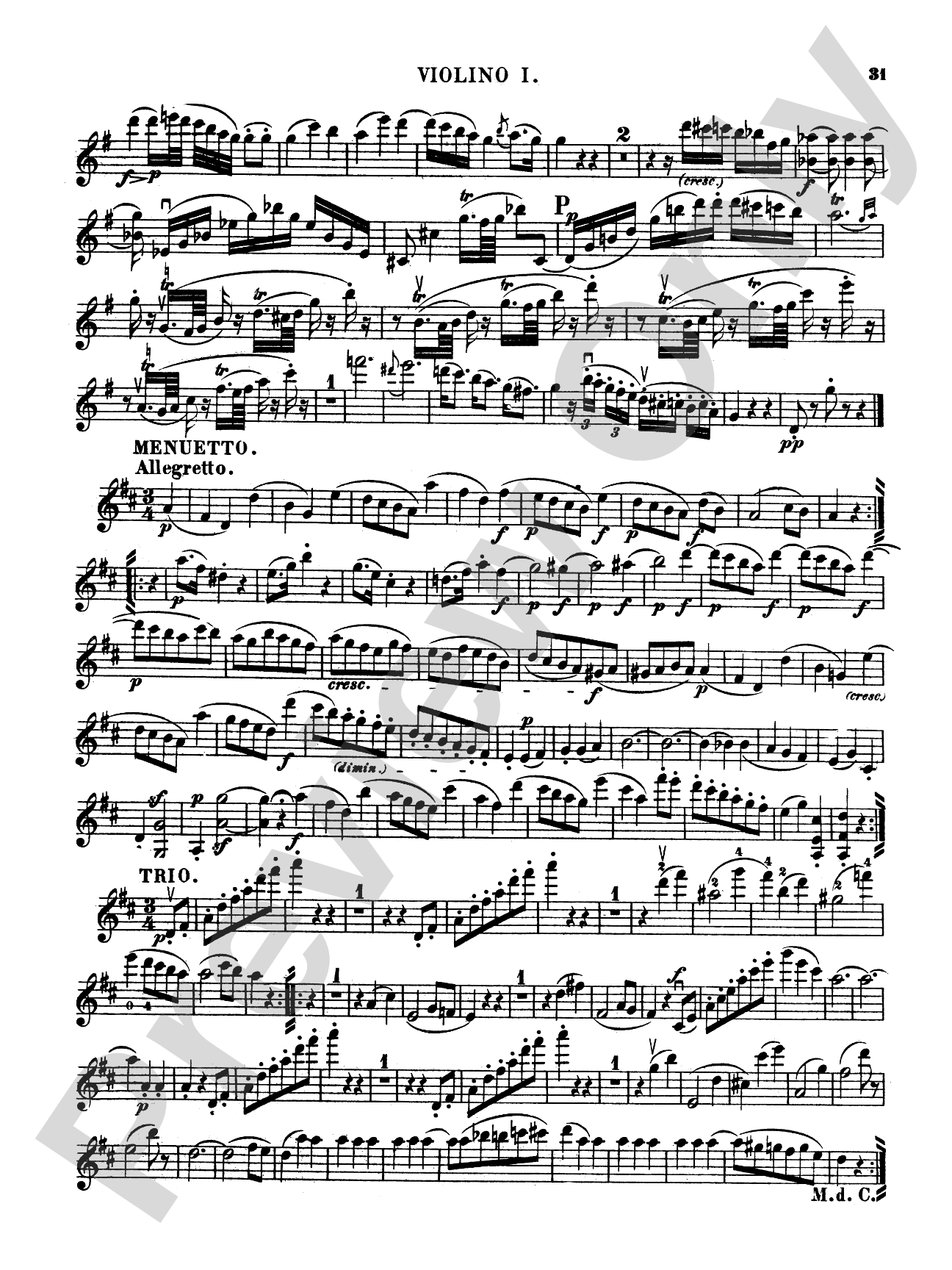
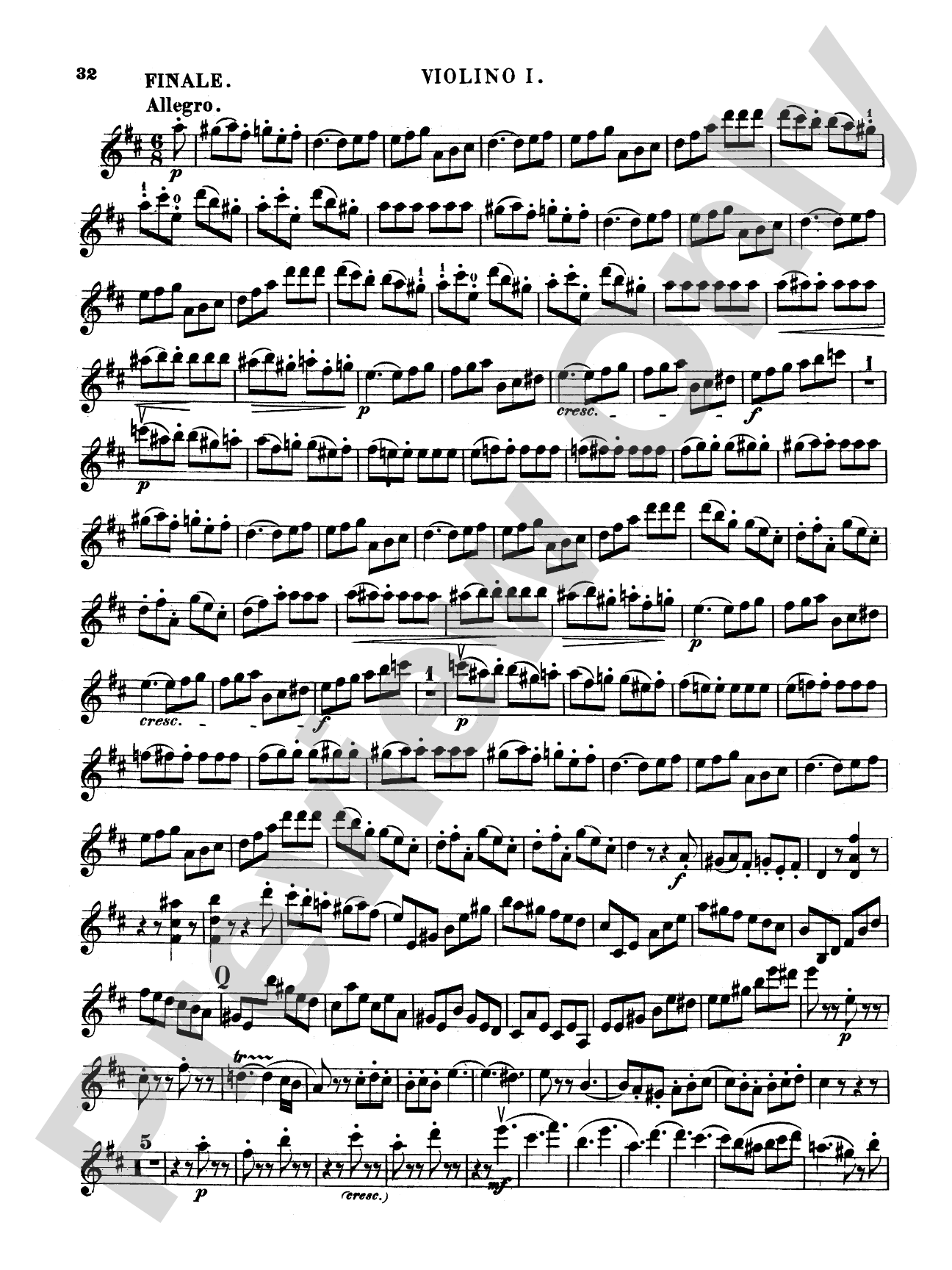
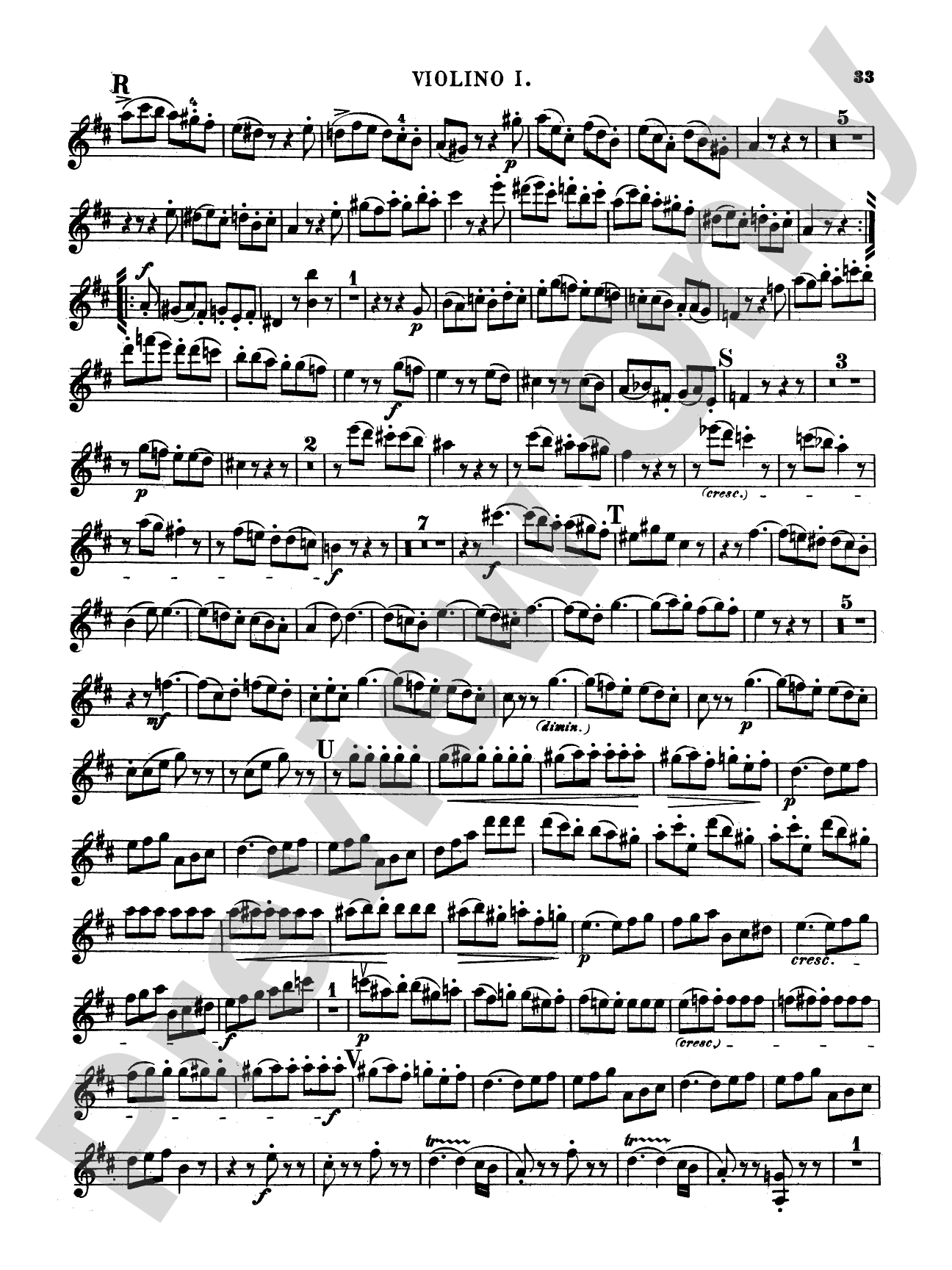
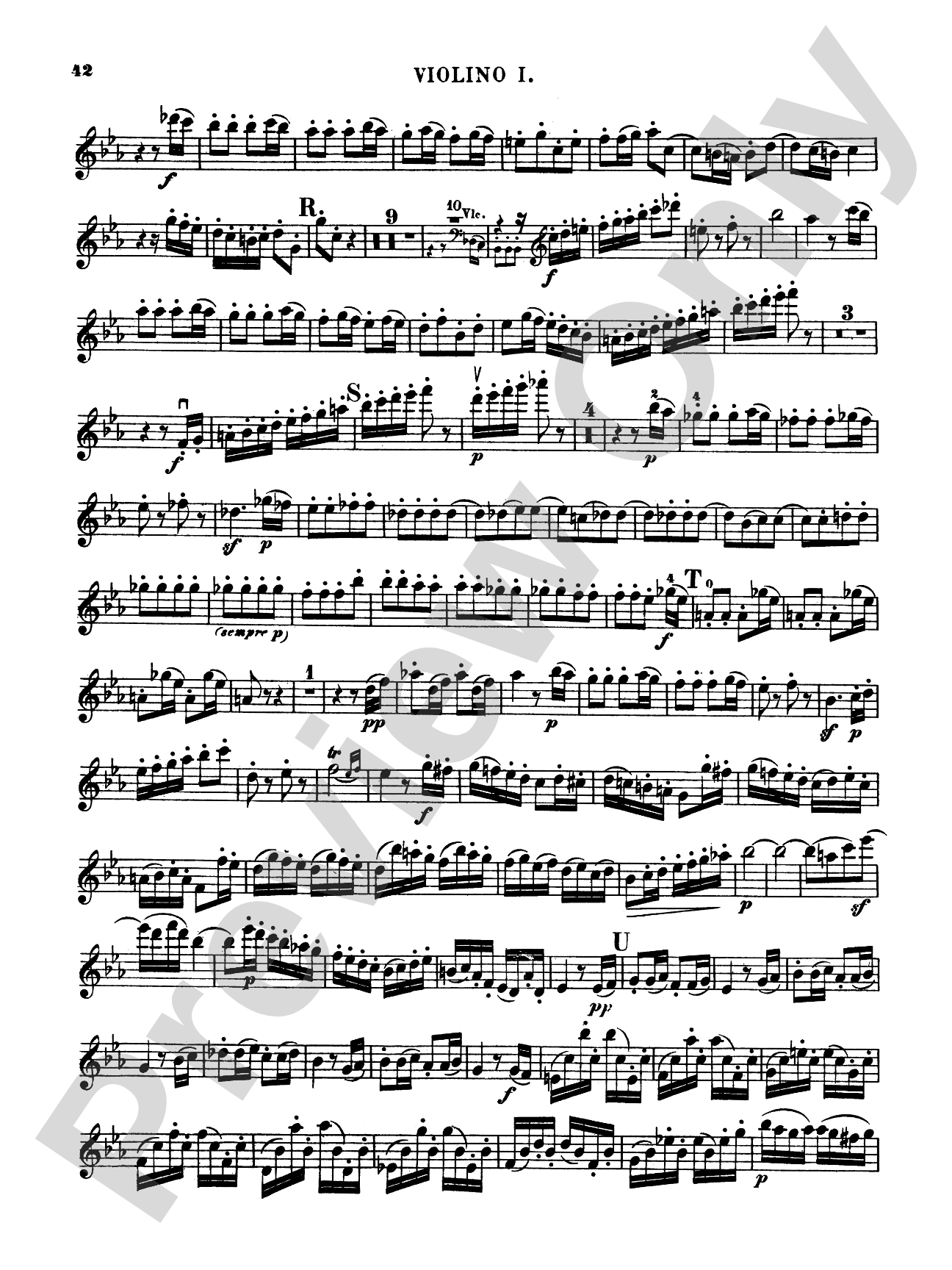
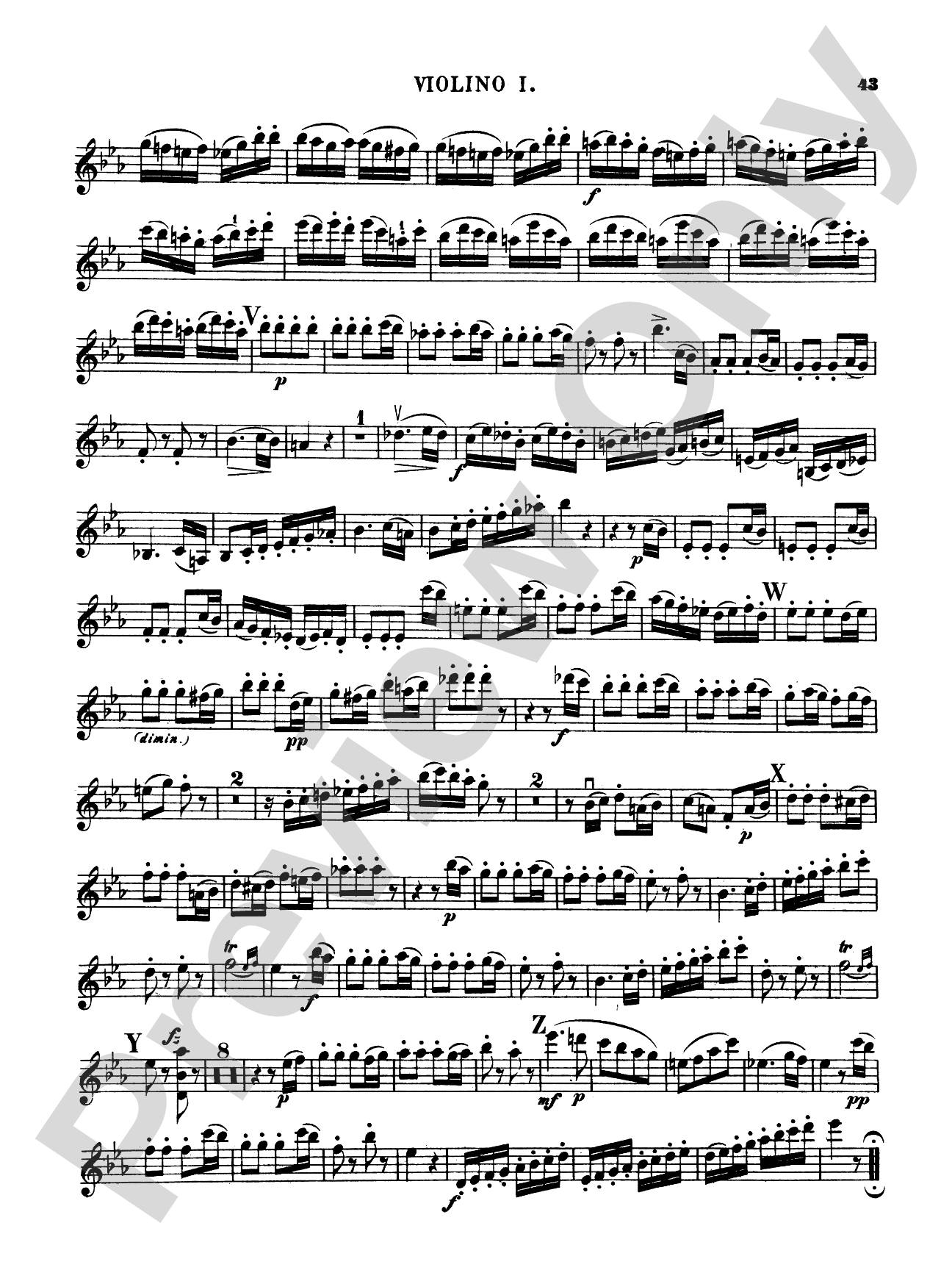
Expertly arranged String Quintets for 2 Violins, 2 Violas, and Cello by Wolfgang Amadeus Mozart from the Kalmus Edition series. This is from the Classical era.


String Quintets, K. 406, 515, 516, 593, 614: String Quintet Book isn't in MakeMusic Cloud just yet...but it could be. Let us know you'd like to see it, and you'll help shape what comes next. In the meantime, start a free trial and dive into thousands of interactive titles your students can play along with today.
Request This Title
Tell us you want it.
Start Your Free Trial
Explore everything that's ready to play right now.
Sample Audio
No sample audio found.
Sample Video
No sample videos found.
Additional Details
Series:
Kalmus Edition
Publisher:
Alfred Music
Page Count:
184
SKU:
00-PK-0002585
Instrumentation:
2 Violins, 2 Violas, Cello
More about this title
About the Composer: Wolfgang Amadeus Mozart
Wolfgang Amadeus Mozart (1756-1791) composed in nearly every genre of his era and established the string quintet as a major chamber music form. His five quintets represent some of the most sophisticated writing for strings ever created, balancing technical brilliance with emotional depth across all five parts. Mozart's ability to write idiomatically for each instrument while maintaining perfect musical coherence made these works foundational to the chamber music repertoire and enduring fixtures in competitions and festivals.
Why we love this
These quintets demand serious musicianship from every player, yet each part feels genuinely singable and purposeful. A director choosing to program Mozart's quintets signals confidence in their ensemble's ability to execute classical refinement alongside the harmonic and textural sophistication that separates Mozart from his contemporaries.
What to expect
Mozart's quintets breathe with the elegance and wit of the classical era while remaining emotionally direct. The writing feels both intimate and architecturally grand, offering moments of lyrical beauty alongside passages of energetic dialogue that keep all five players constantly engaged.
Who it's for
Advanced string quintets ready to tackle canonical chamber music repertoire and serious competition or festival programming. These works suit ensembles that have mastered basic intonation and rhythm and are prepared to engage with sophisticated harmonic language and equal voices across all five parts.
How to get the most out of it
- Balance the two viola parts as equal voices rather than accompaniment; Mozart often gives them thematic material and harmonic complexity that requires attention and independence.
- Approach phrase endings with clarity and restraint; the classical elegance of these works demands that ornaments and final cadences land with precision rather than expressive indulgence.
- Listen for Mozart's use of dialogue between upper and lower strings, especially between the violin and cello lines, and shape those exchanges to highlight the conversational quality of the writing.
- Achieve transparency in ensemble texture by observing rests and releasing notes cleanly; these works rely on architectural clarity more than sustained blend.
How to use it
Feature a complete quintet or pair of movements as a centerpiece in a chamber music concert or festival setting. These works also serve as excellent vehicles for demonstrating ensemble maturity to adjudicators and audiences in competition contexts.
Skills your students will build
- Balancing five independent voices with equal authority
- Executing classical phrasing and cadential clarity
- Reading complex harmonic language and voice-leading across multiple parts
- Achieving textural transparency and precision in fast passage work
- Responding to dialogue and thematic exchanges between non-adjacent instruments