
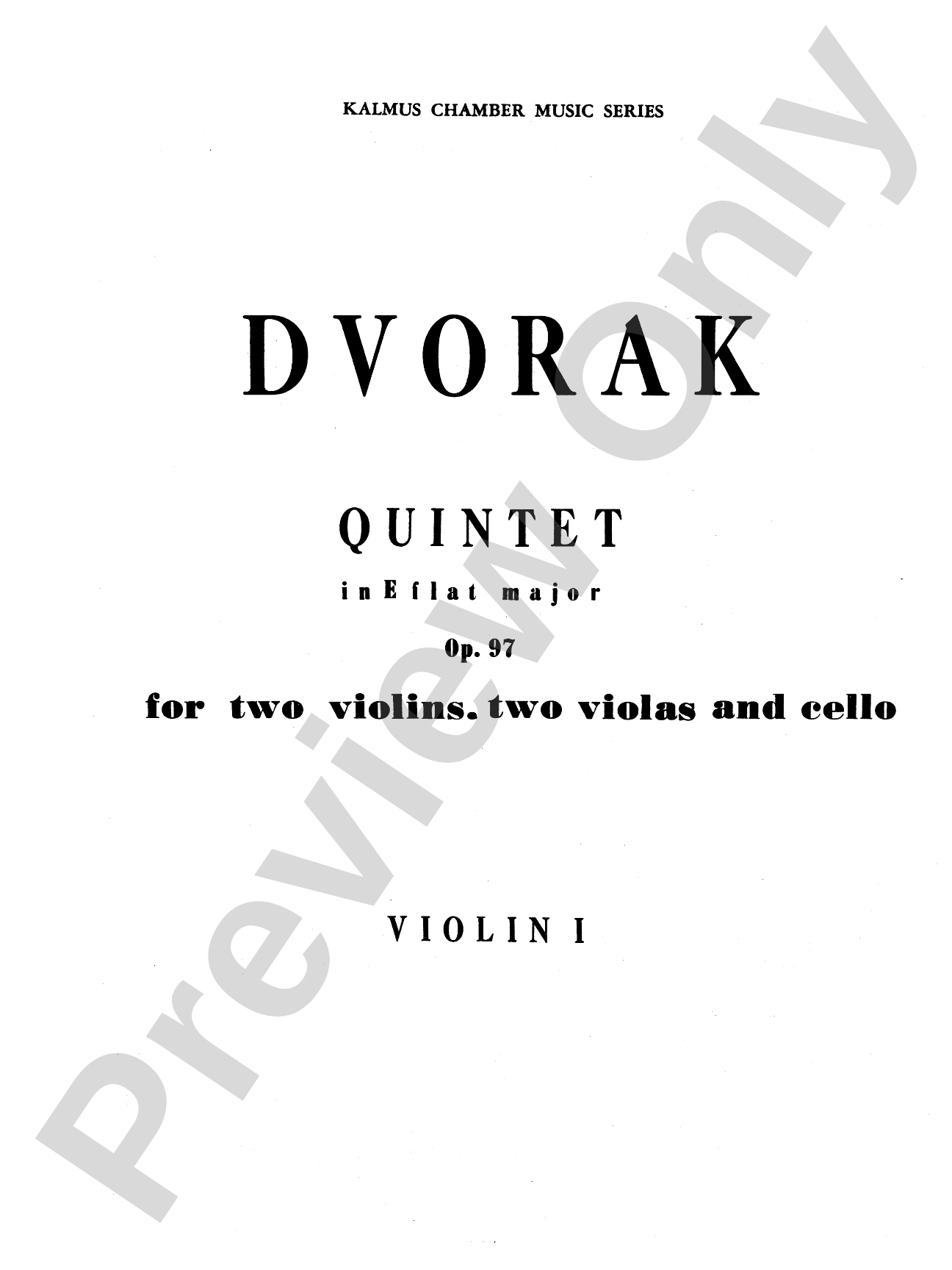
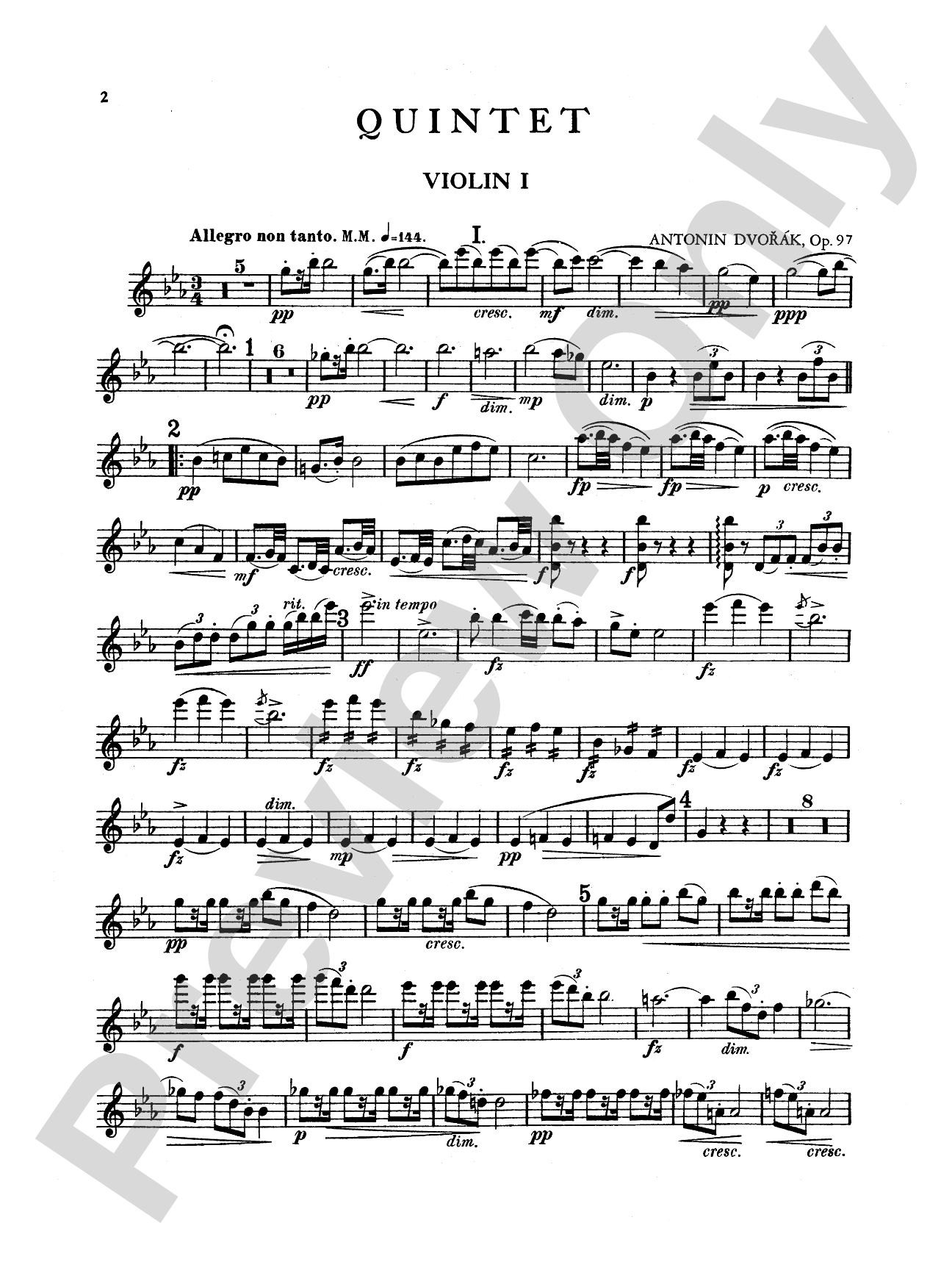
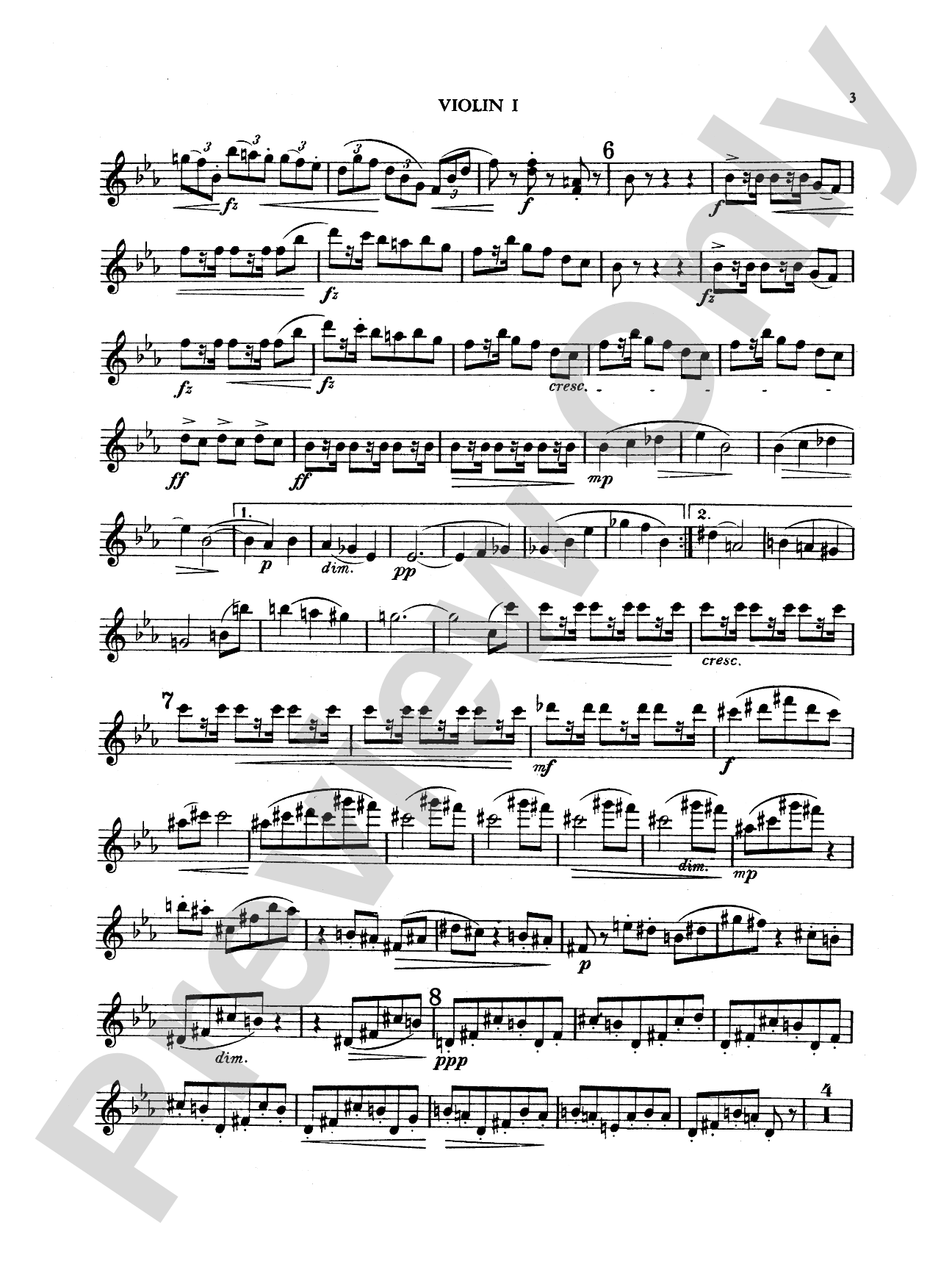
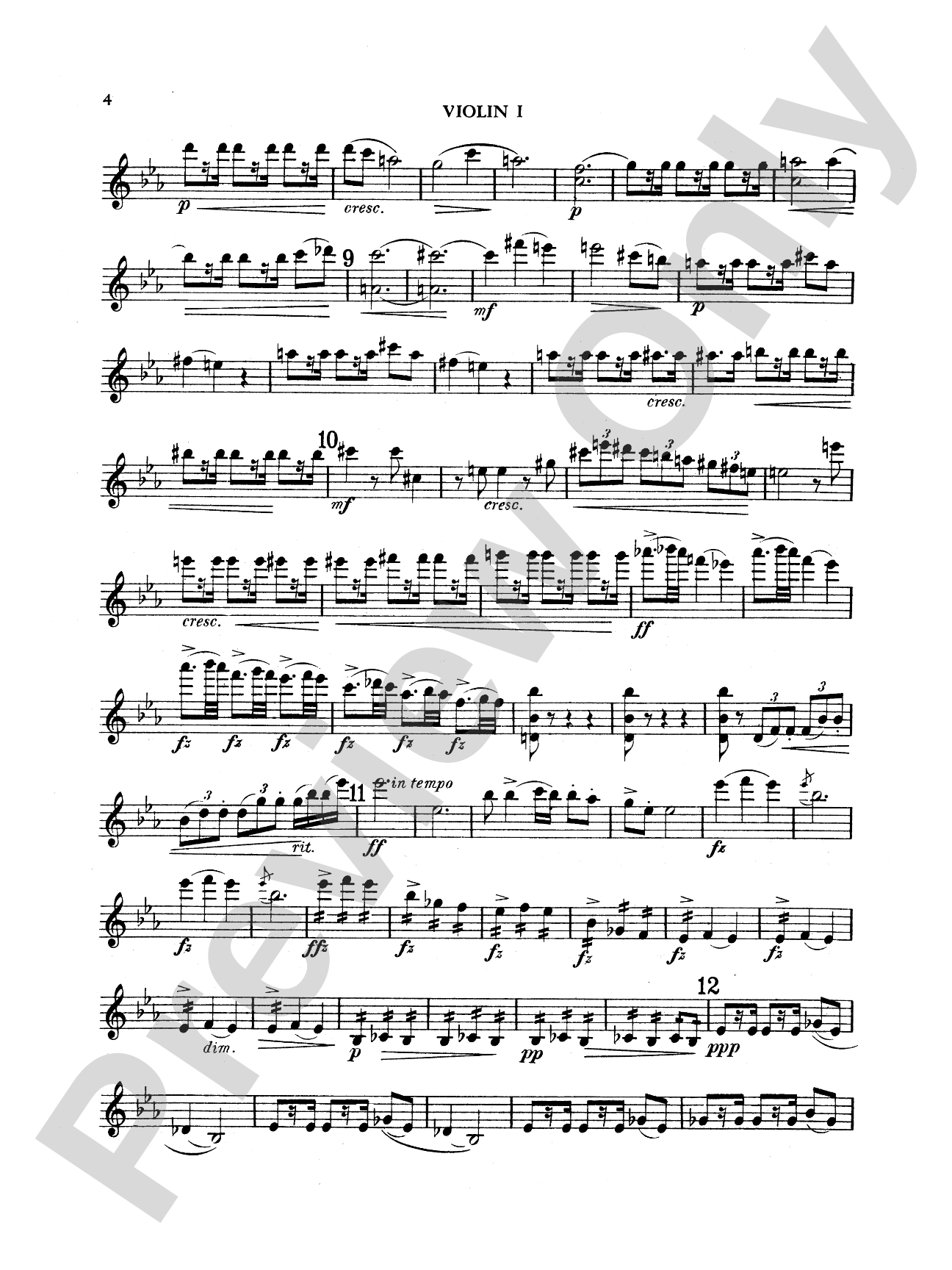
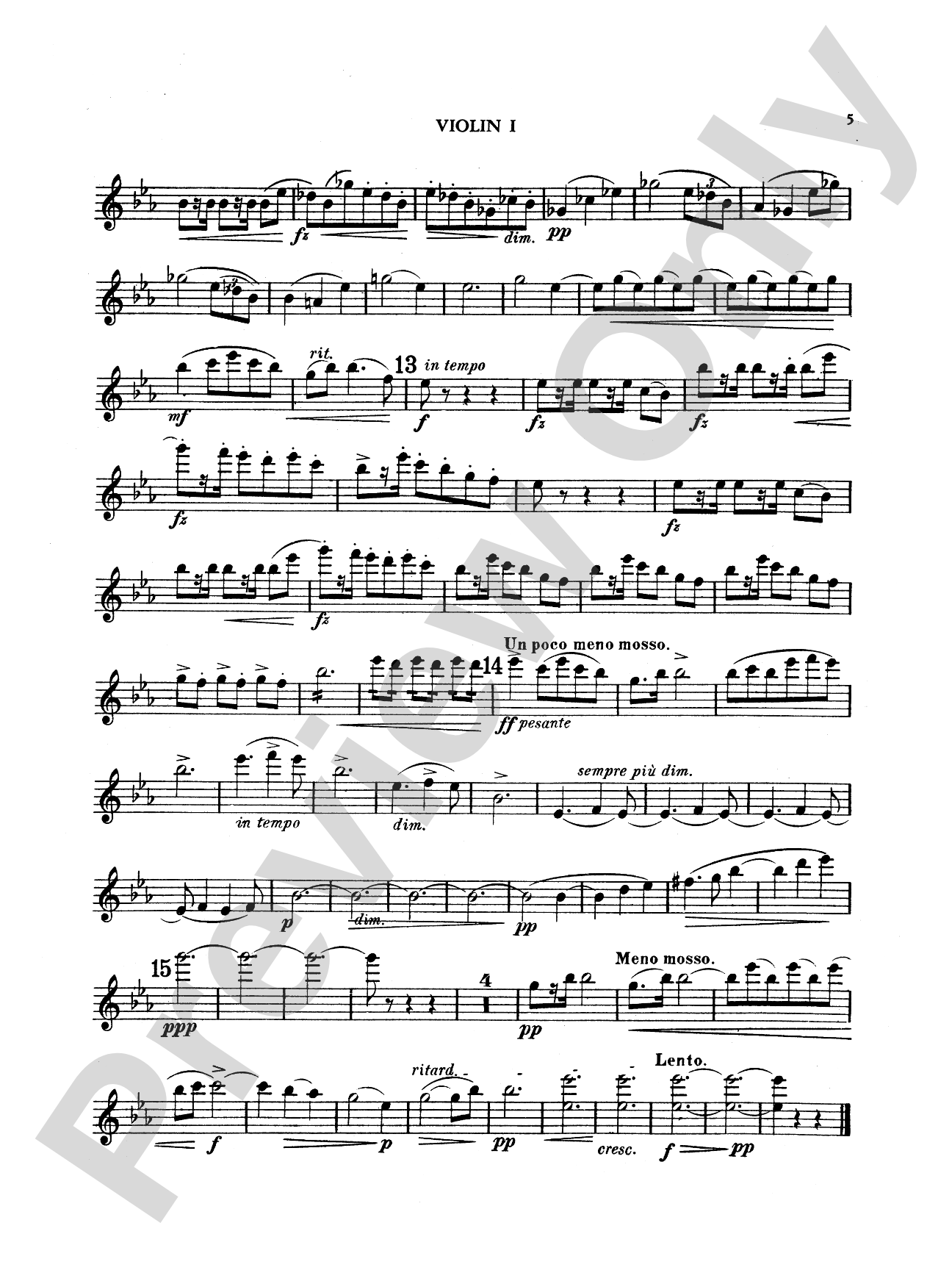
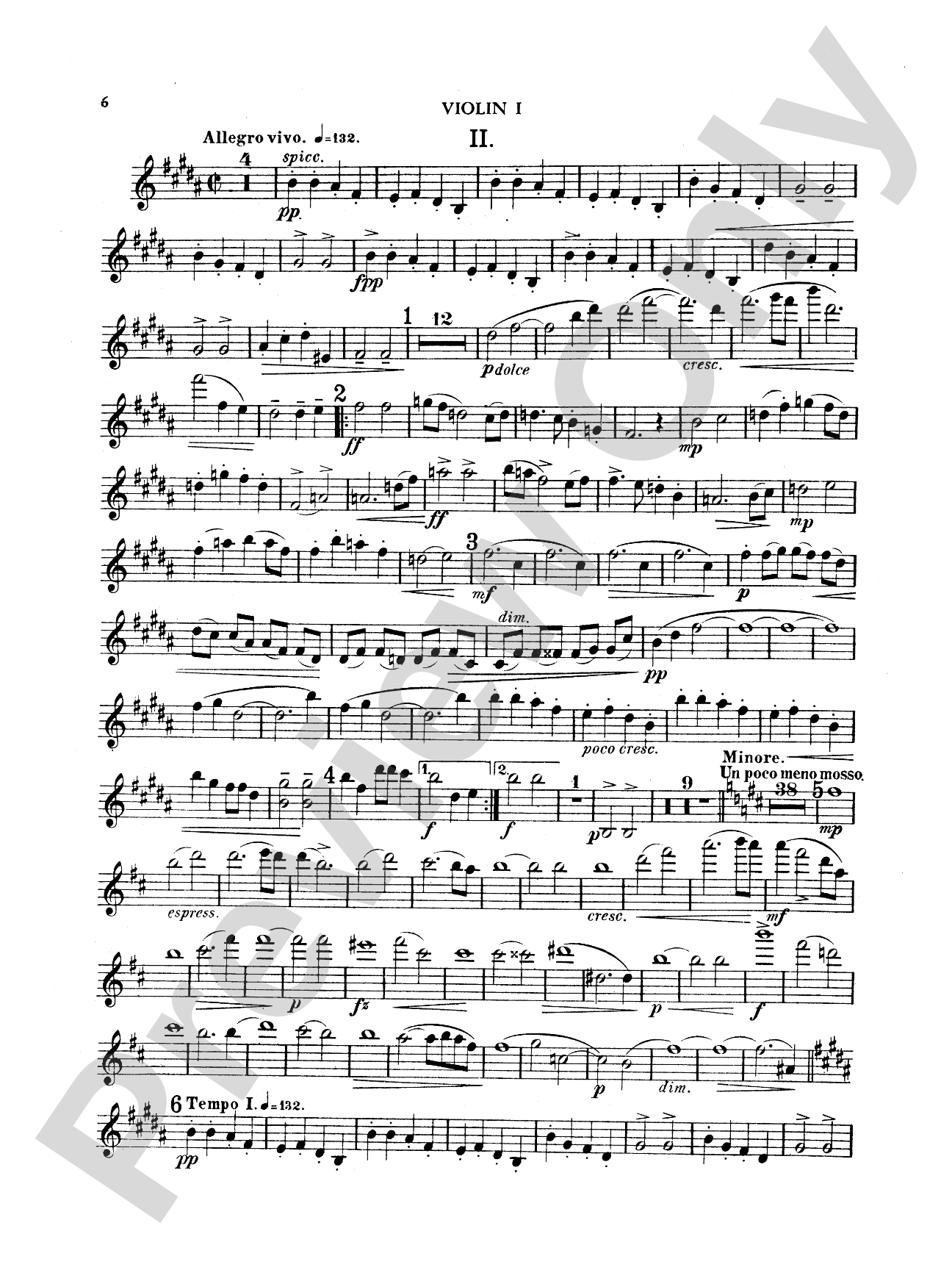
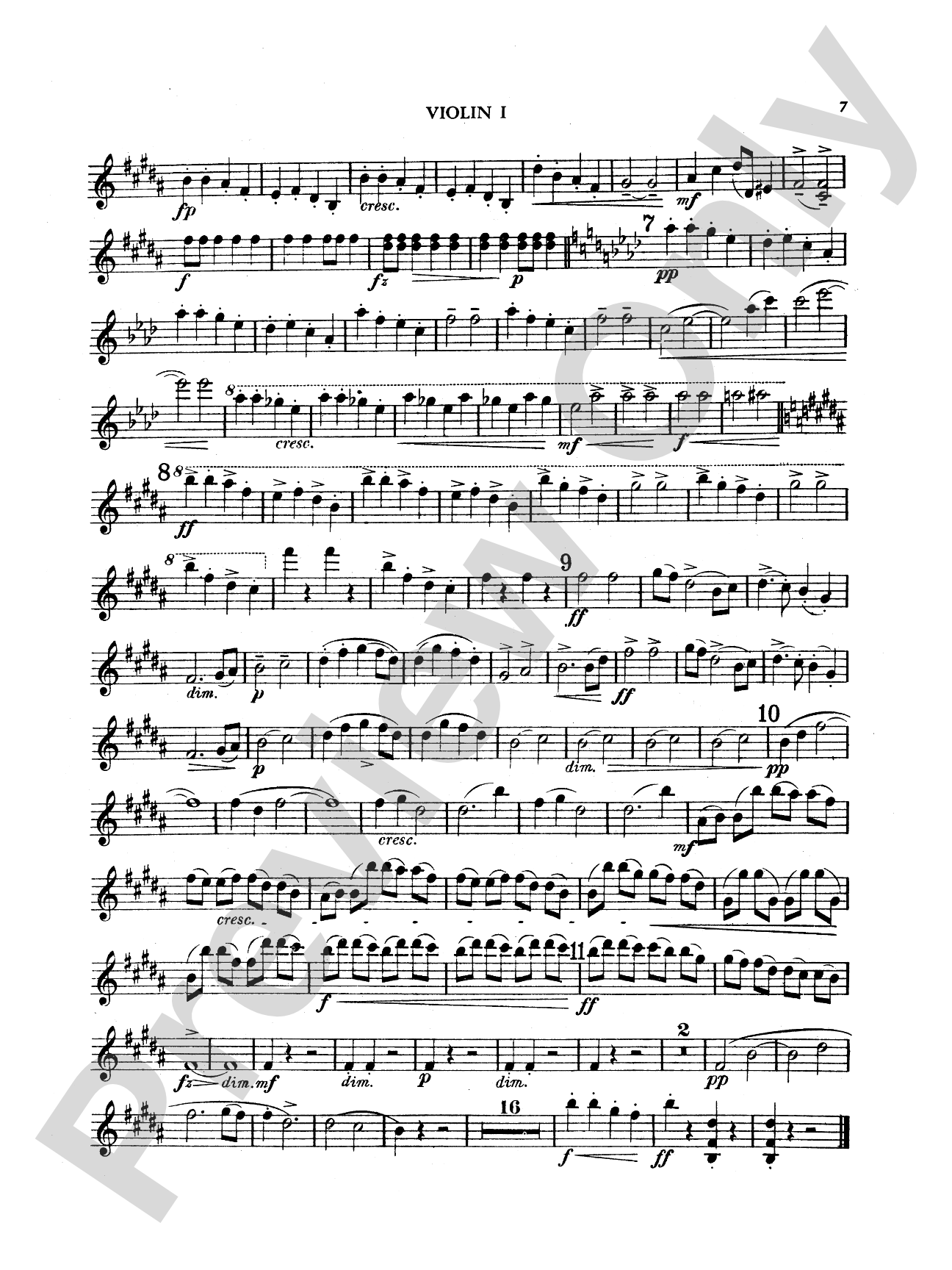
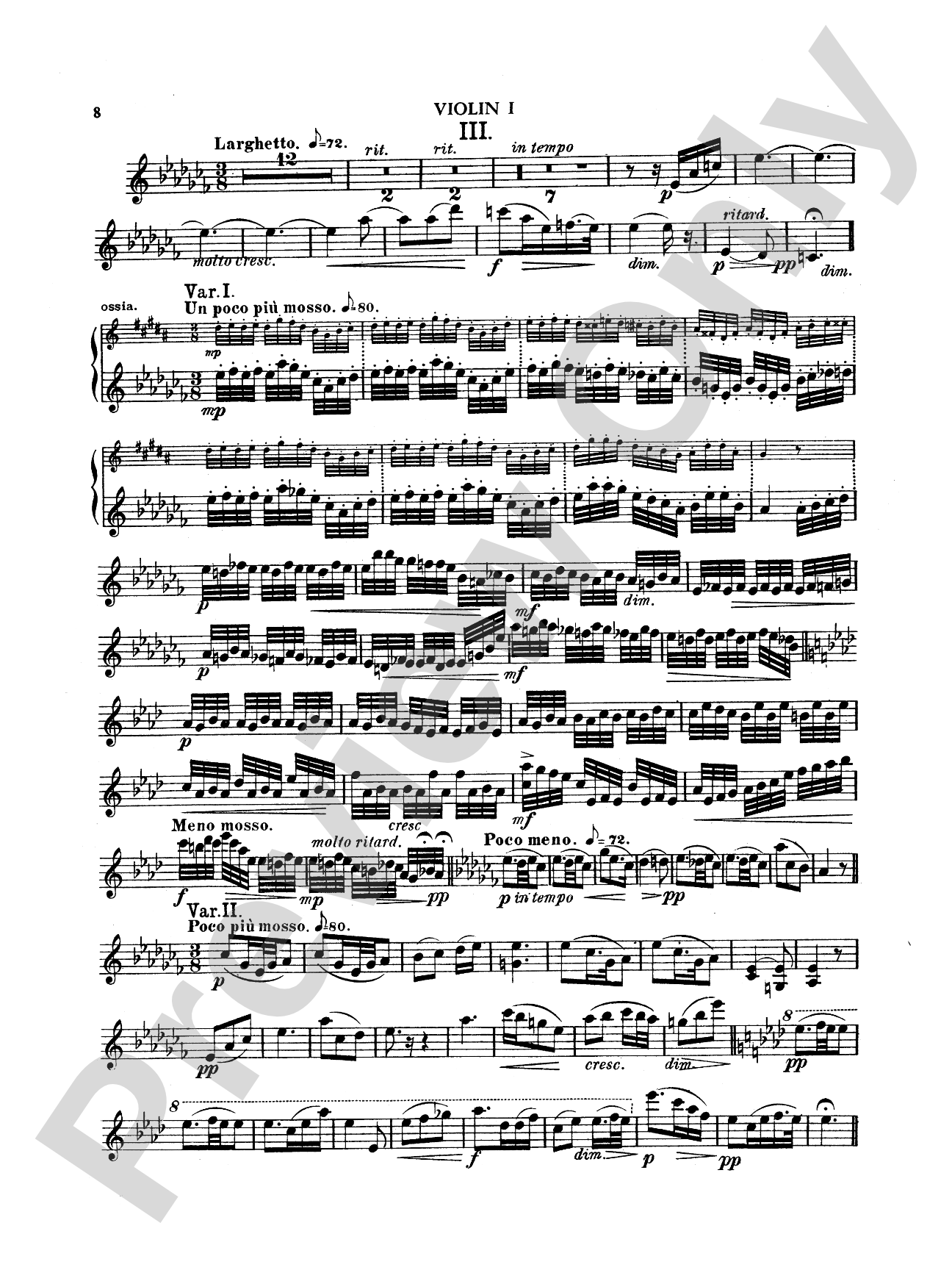
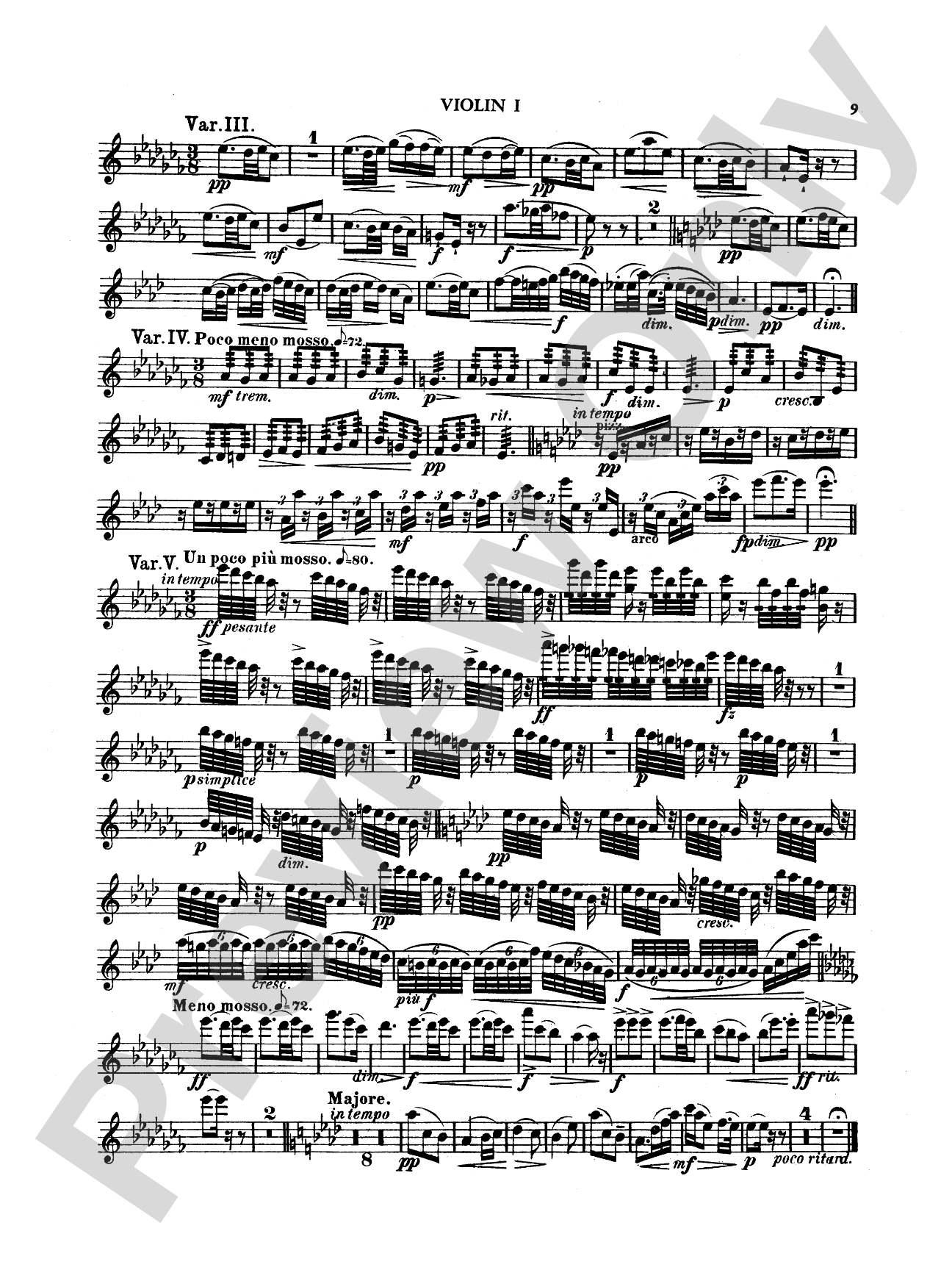
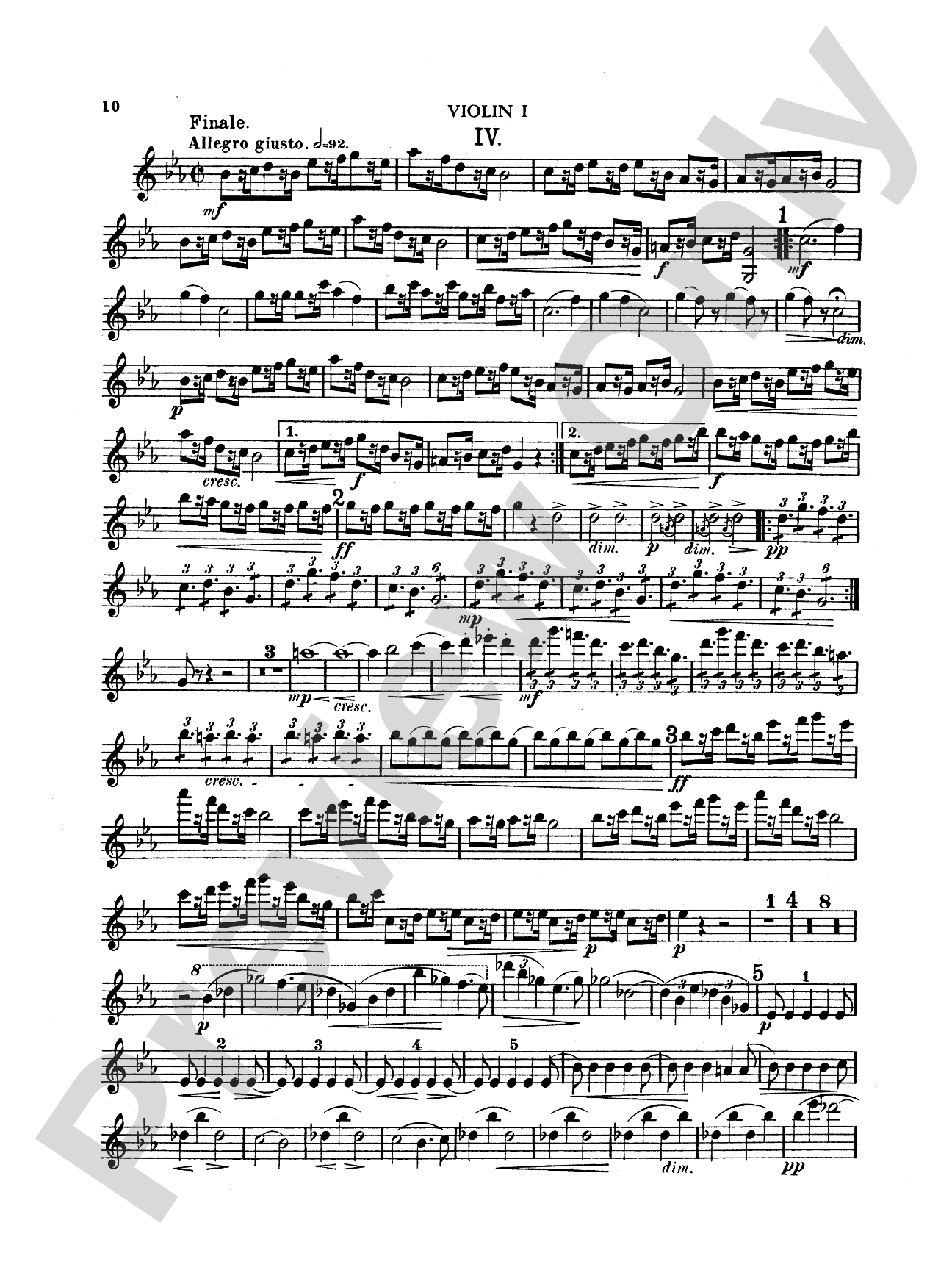
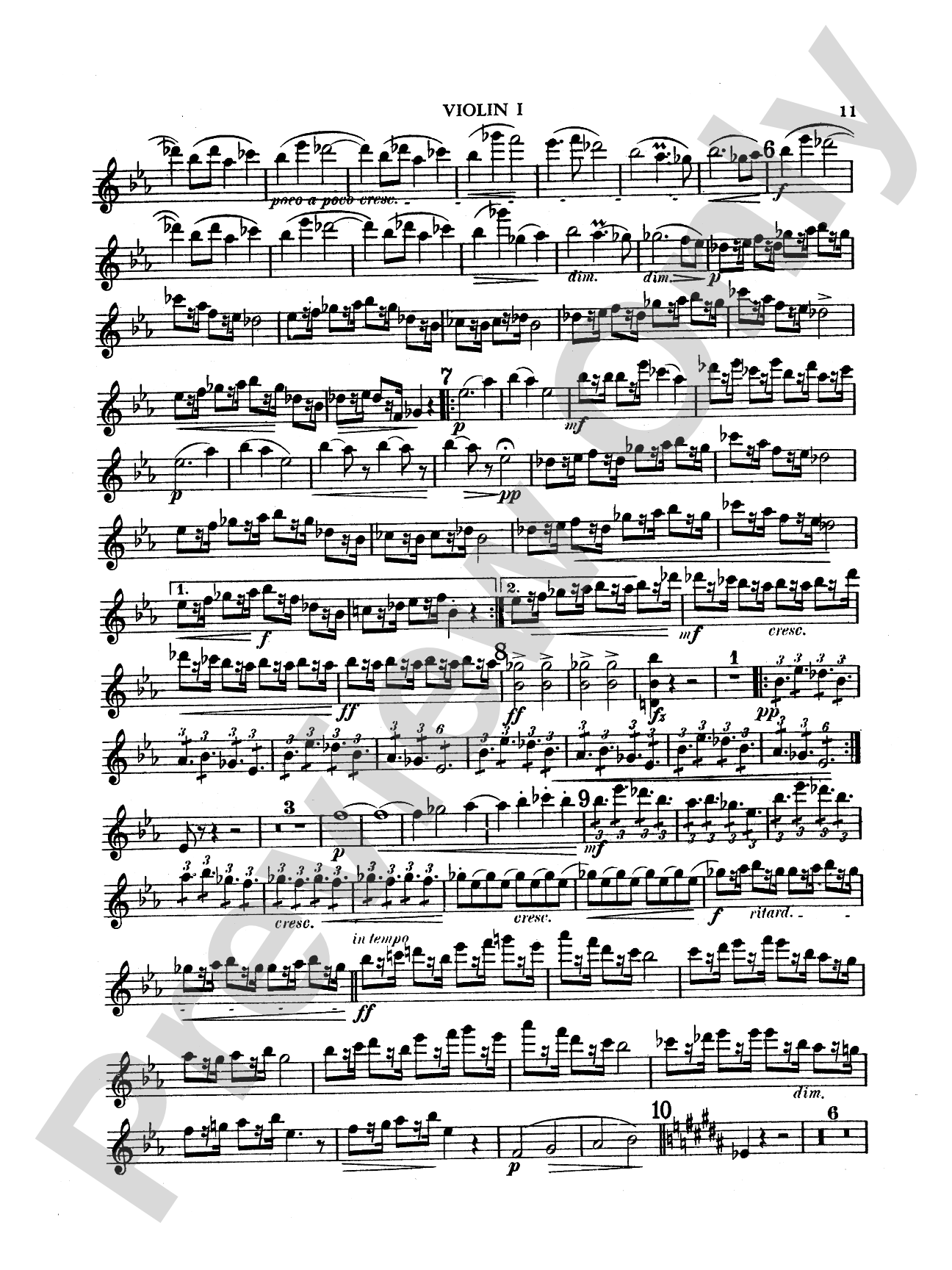
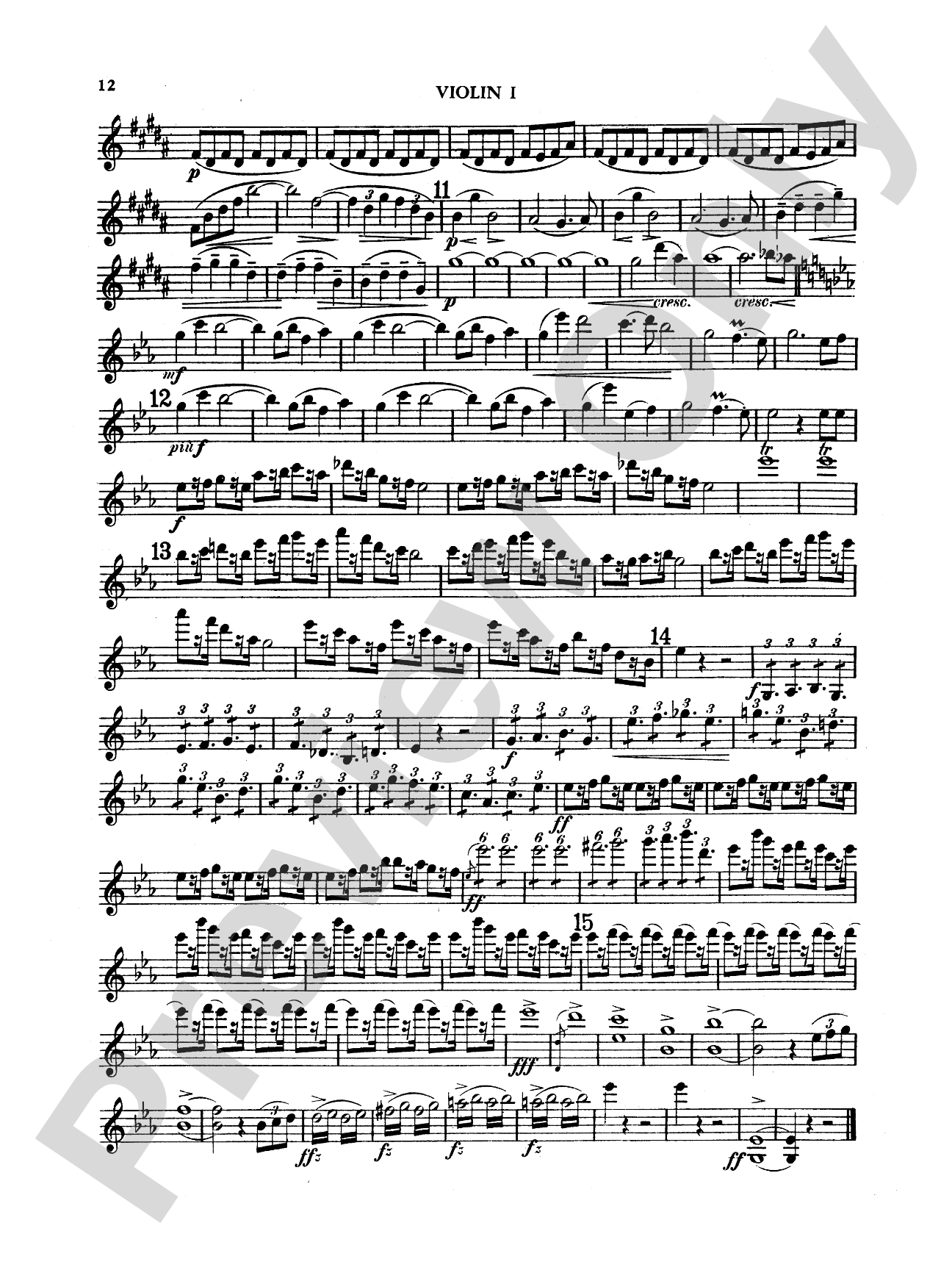

String Quintet in E-Flat Major, Op. 97: String Quintet Book
For Two Violins, Two Violas and Cello
By Antonín Dvorák
Item: 00-PK-0002573

$9.99
Pickup currently not available
Buy Extra Parts (Digital PDF Download)
Parts Added to Cart!
Related Items
String Quintet in E-flat Major, Opus 97: String Quintet Book |
$9.95
|
View |
Description
From the Czech composer Antonín Dvorák. For two violins, two violas, cello.


Don't just read it, hear it, play along with it, and watch your students grow with it. In MakeMusic Cloud, String Quintet in E-Flat Major, Op. 97: String Quintet Book comes alive with professional accompaniment, adjustable tempo, and built-in practice tools that turn solo practice into real progress.
Open in the Player
Jump straight in and assign it today.
Start Your Free Trial
Open this title and explore the full library in minutes.
Sample Audio
No sample audio found.
Sample Video
No sample videos found.
Additional Details
Series:
Kalmus Edition
Publisher:
Alfred Music
Page Count:
60
SKU:
00-PK-0002573
More about this title
About the Composer: Antonin Dvorák
Antonín Dvořák (1841-1904) stands among the most important symphonists of the Romantic era and remains a vital figure in string writing pedagogy. A Czech composer who studied at the Prague Conservatory, Dvořák earned international recognition through his symphonies, concertos, and chamber works, eventually serving as director of the National Conservatory in New York. His chamber music balances lyrical melodic gift with sophisticated harmonic language, making his works essential repertoire for advancing string ensembles.
Dvořák's string quintets showcase his mastery of the medium. The Op. 97 Quintet, written in 1893, combines the warmth of double viola writing with the clarity of a traditional string quintet texture, creating opportunities for rich interior voices and transparent passage work that challenges both principal and secondary players.
Why we love this
This quintet demands serious musicianship from every player while offering the kind of lyrical, grateful writing that keeps ensembles engaged across sixty pages of genuine substance. The double viola texture creates natural harmonic richness without sacrificing clarity, and the work sits comfortably in the hands of accomplished student and semi-professional groups preparing for competition or concert performance.
What to expect
Romantic warmth and generosity define this quintet's character. Dvořák's melodies sing across the ensemble with natural grace, supported by rich harmonic underpinnings that feel both inevitable and surprising. There is genuine drama alongside moments of intimate conversation between the string voices, creating a work that feels substantial without becoming stern.
Who it's for
Advanced high school or collegiate string ensembles with solid ensemble experience and musicians capable of executing complex rhythmic figures and maintaining independence within the texture. This work rewards groups preparing for chamber music festivals, competitions, or concert series programming that values nineteenth-century chamber repertoire.
How to get the most out of it
- Balance the viola section carefully in the interior voices; Dvořák writes idiomatically for both violas, and neglecting one will flatten the harmonic richness that distinguishes this scoring
- Approach the cello line as a true voice partner rather than accompaniment, especially in passages where it carries thematic material alongside the violins
- Pay attention to Dvořák's phrase shapes and breathe with intention; his melodies often span unexpected lengths and benefit from ensemble awareness of larger structural arcs
- Work the ensemble's intonation in the movement's key centers early; the E-flat major tonality and chromatic voice-leading require precision to preserve harmonic color
How to use it
Program this alongside other works by Dvořák or your concert's Romantic era selections; the quintet's scale makes it an ideal centerpiece for a chamber music concert or the anchor of a festival competition entry. It also pairs well with earlier Classical quintets, allowing audiences to hear how the Romantic era expanded and deepened the form.
Skills your students will build
- Maintaining independence and security in a five-voice texture with complex rhythmic counterpoint
- Balancing multiple melodic lines while supporting harmonic voices in the violas and cello
- Playing with stylistic control across the Romantic era's harmonic language and phrase architecture
- Managing intonation in chromatic passages and non-diatonic voice-leading
- Ensemble coordination without a conductor in passages requiring rhythmic precision and textural clarity