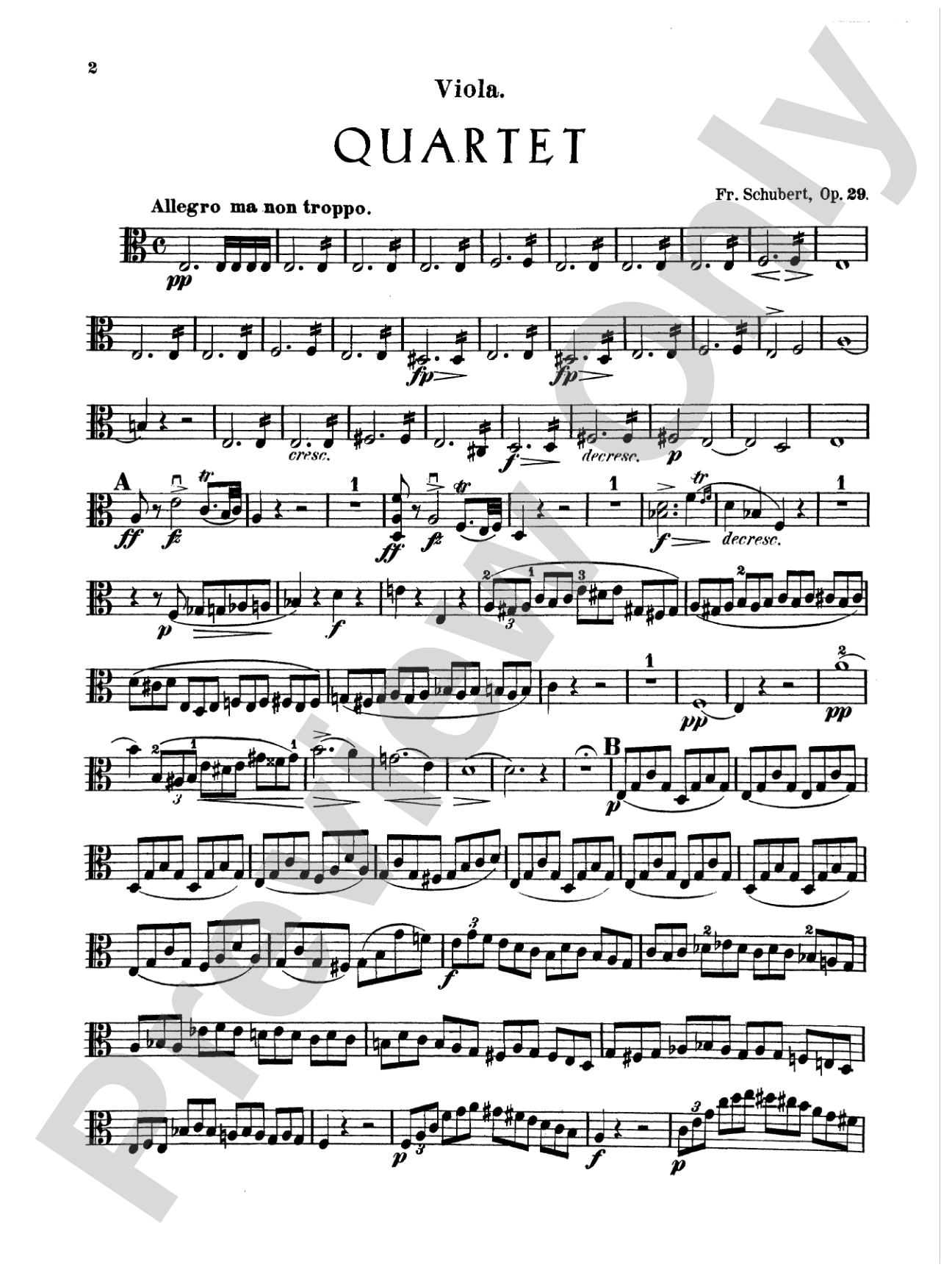
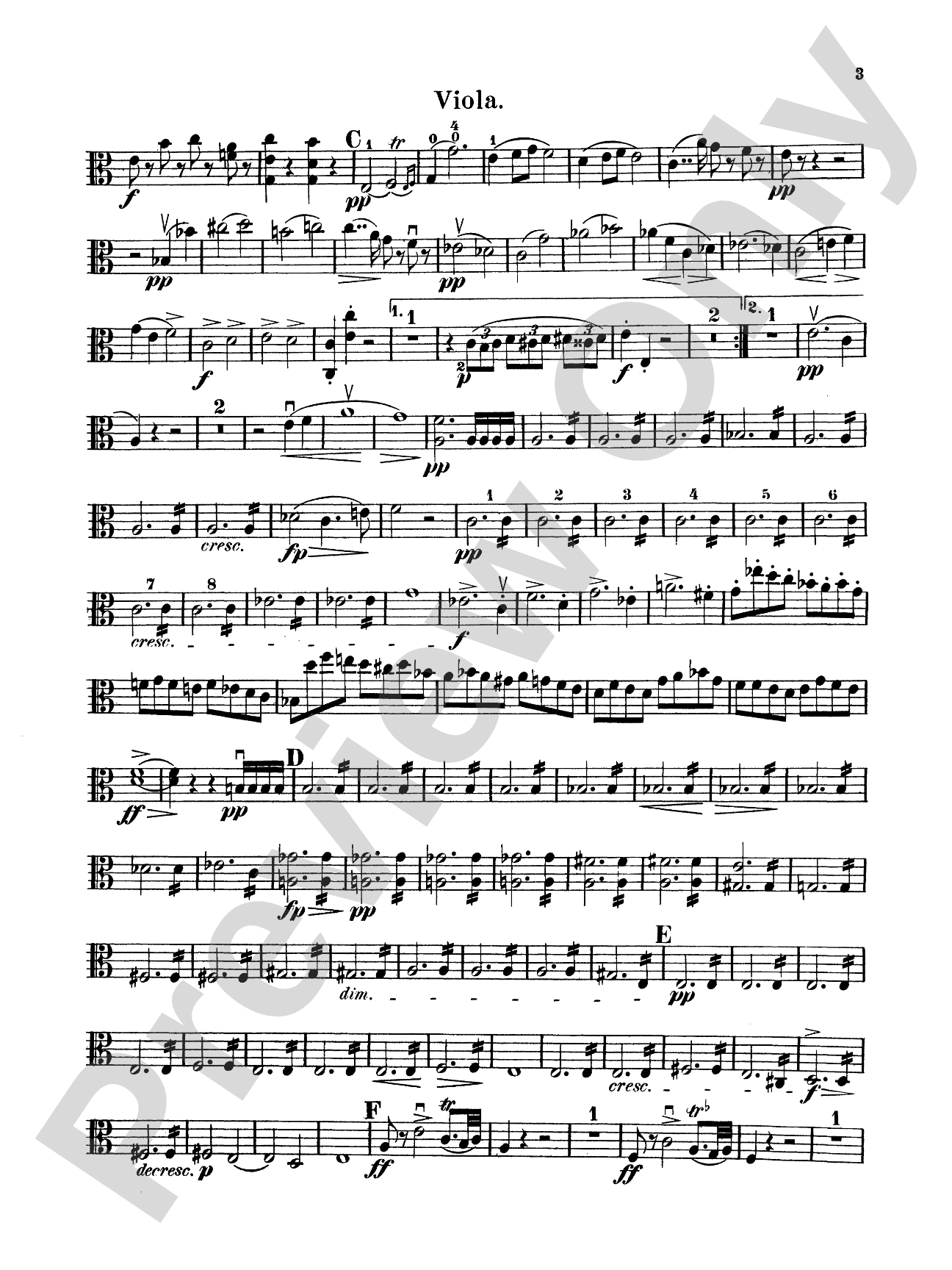
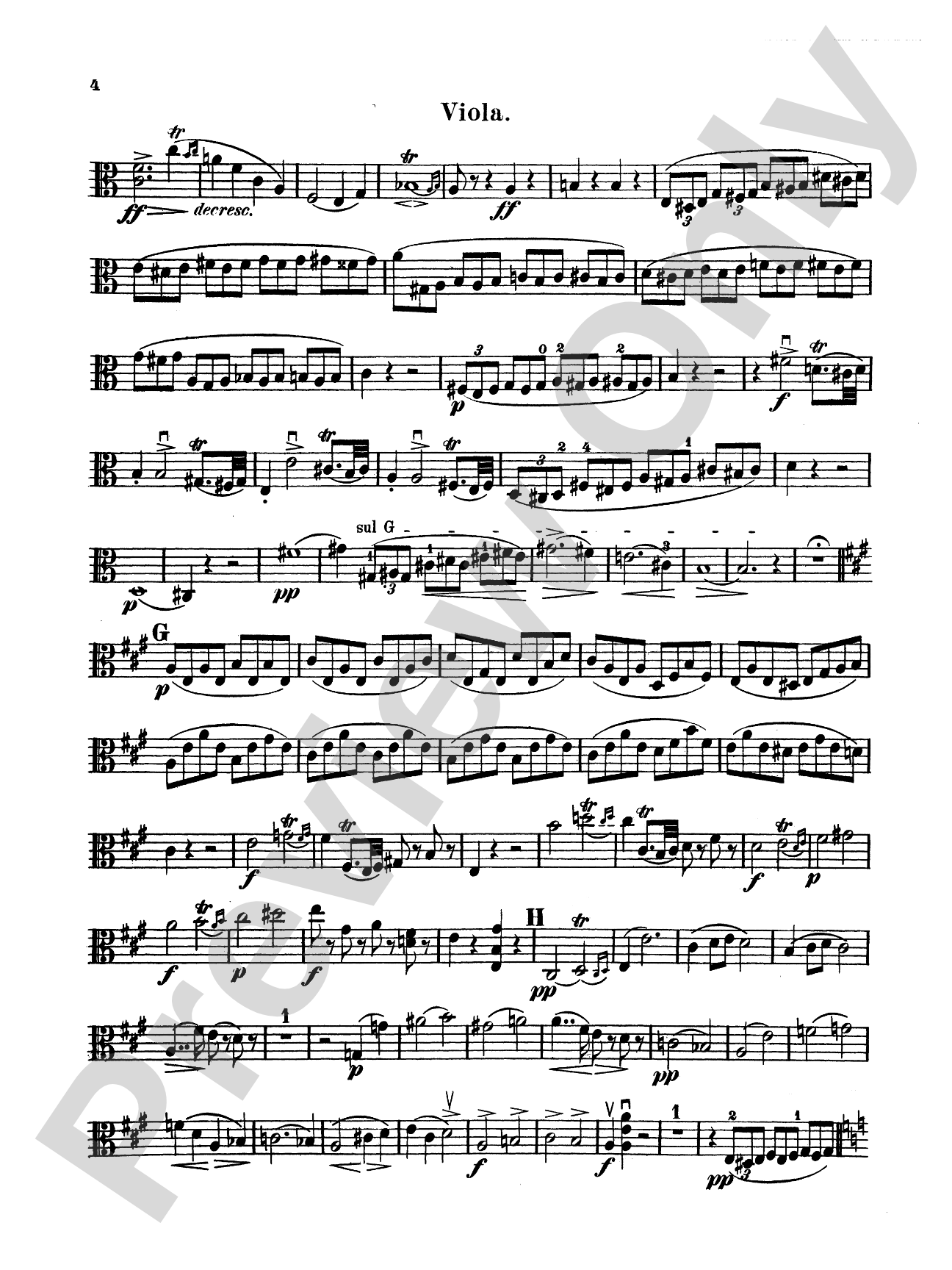
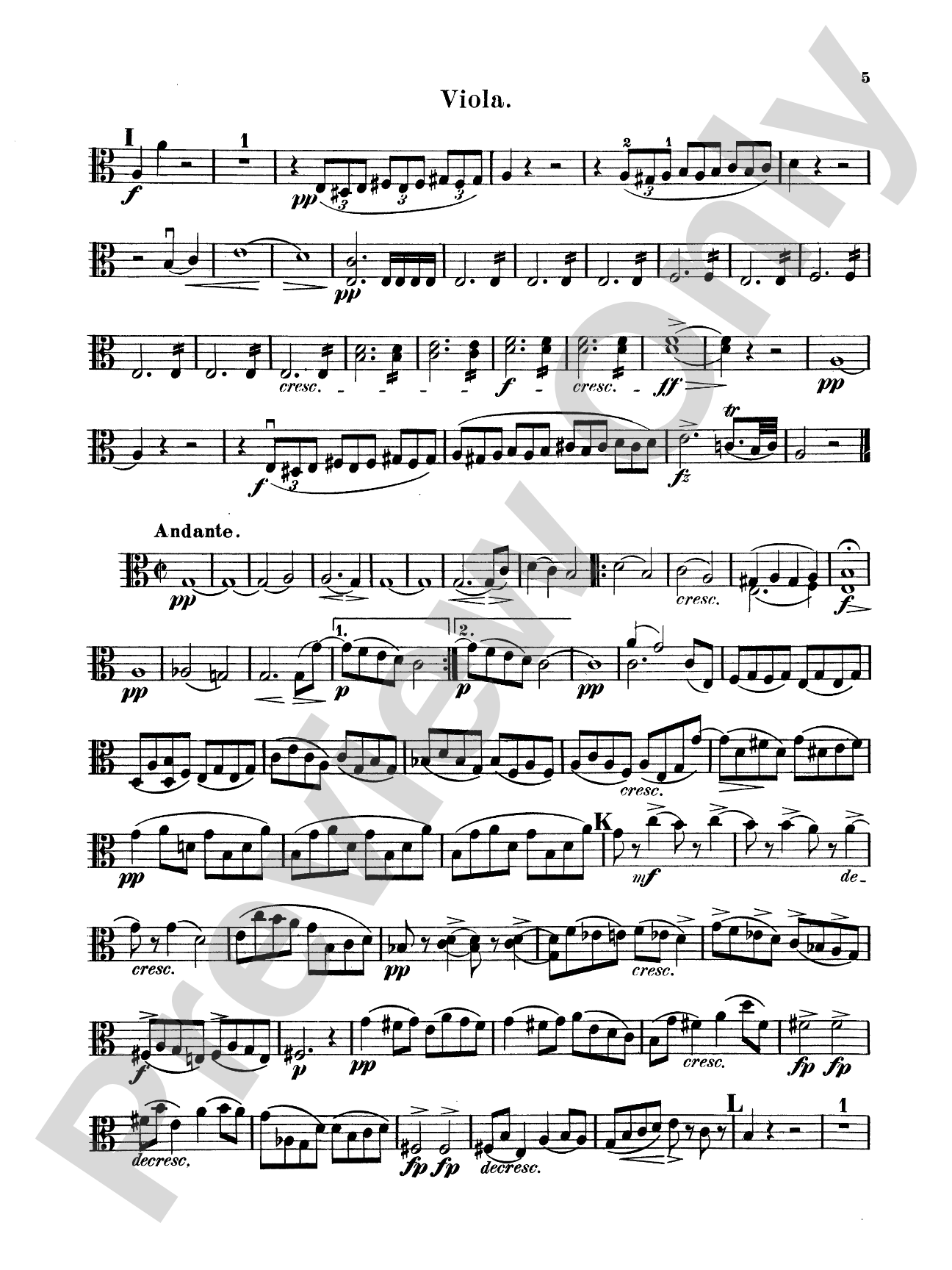
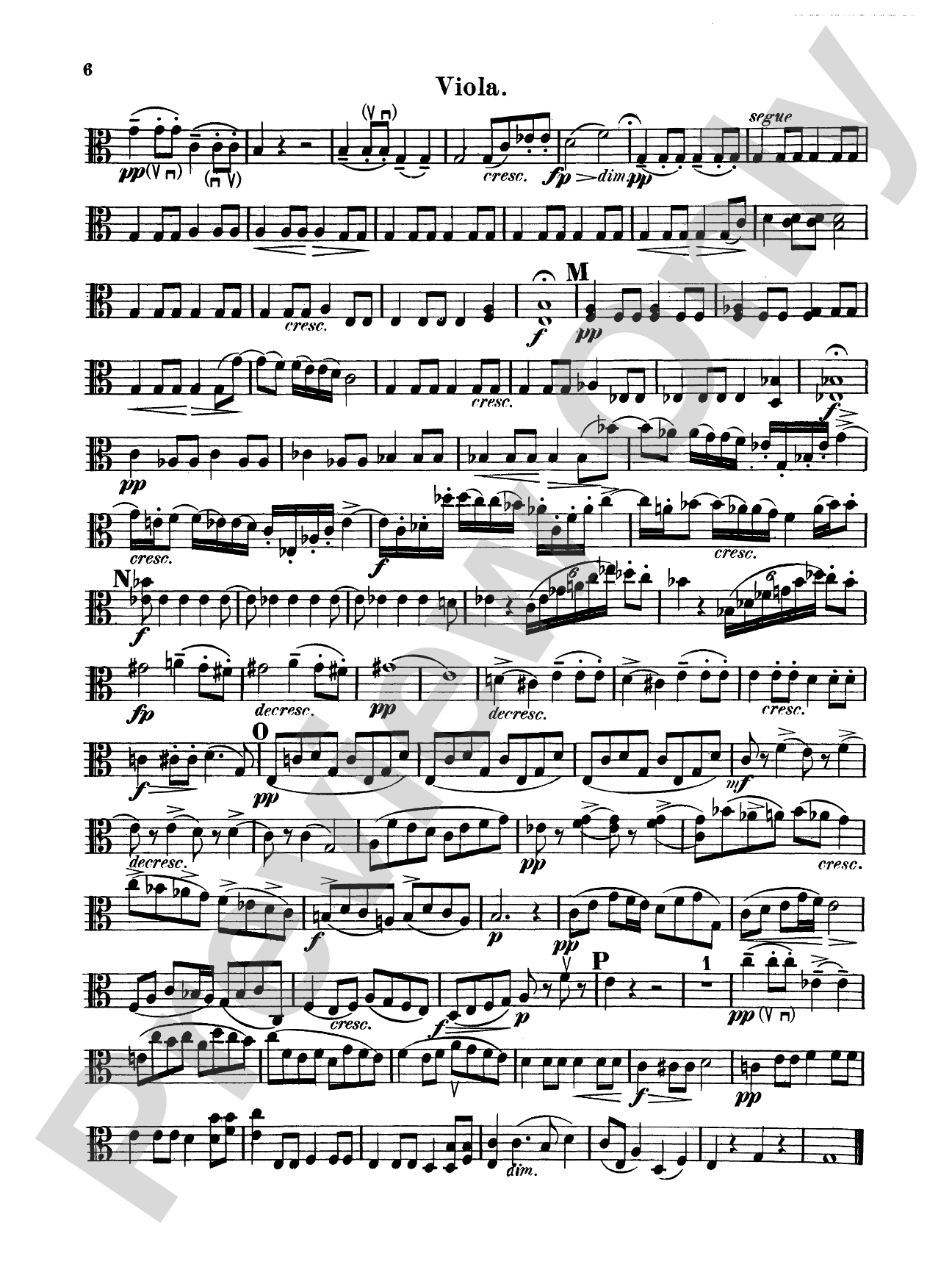
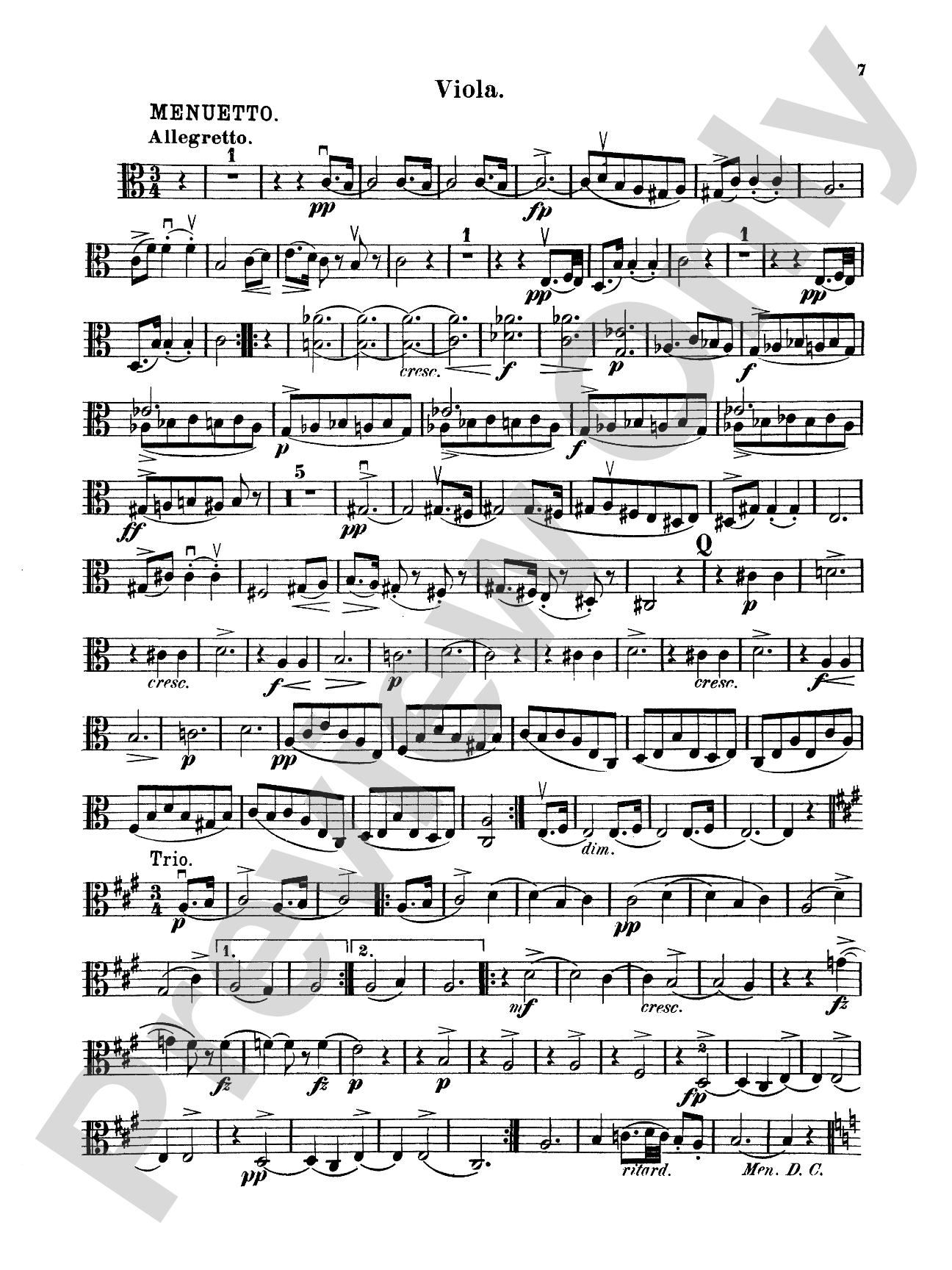
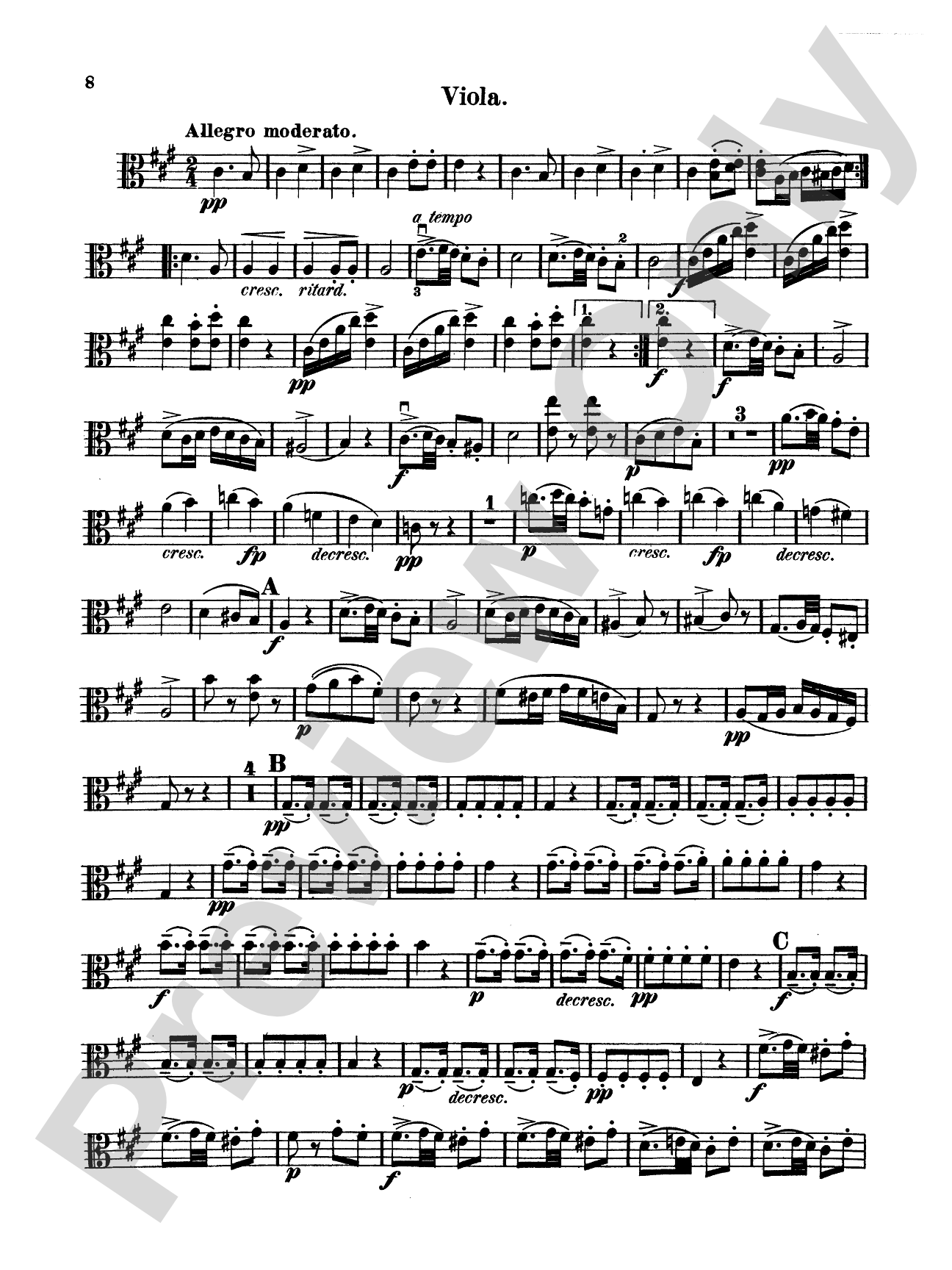
String Quartets, Volume I: Op. 29; Op. 125, Nos. 1 & 2; Op. Posth. in D Minor: Viola Sheet Music Preview

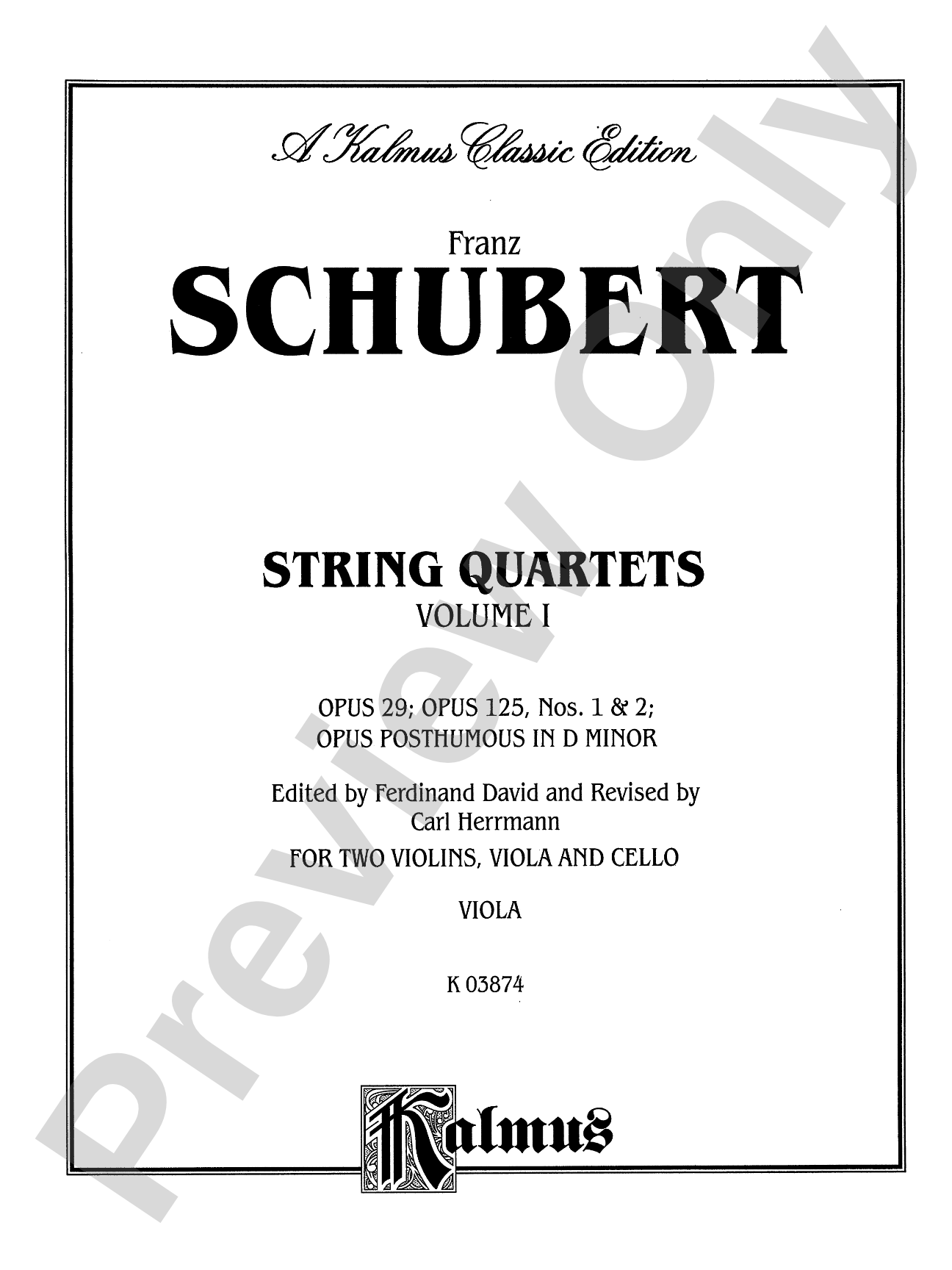
String Quartets, Volume I: Op. 29; Op. 125, Nos. 1 & 2; Op. Posth. in D Minor: Viola

By Franz Schubert / ed. Ferdinand David and rev. Carl Herrmann

Item: 00-PC-0002527_VA1

Digital Download
$9.00
Description
A collection of string quartets, composed by Franz Schubert edited by Ferdinand David and revised by Carl Herrmann.

String Quartets, Volume I: Op. 29; Op. 125, Nos. 1 & 2; Op. Posth. in D Minor: Viola isn't in MakeMusic Cloud just yet...but it could be. Let us know you'd like to see it, and you'll help shape what comes next. In the meantime, start a free trial and dive into thousands of interactive titles your students can play along with today.

Sample Audio
No sample audio found.
Sample Video
Additional Details
Series: Kalmus Edition
Publisher: Alfred Music
Page Count: 168
SKU: 00-PC-0002527_VA1

More about this title

About the Composer: Franz Schubert

Franz Schubert (1797–1828) composed nineteen string quartets across his short life, transforming the genre from a vehicle for elegant conversation into a medium for profound emotional depth. His quartets bridge Classical form and Romantic expression, pushing harmonic boundaries while maintaining the intimate four-part dialogue that defines the genre. Though he wrote constantly and died in poverty at age thirty-one, his string quartets rank among the most performed and studied chamber works in the repertoire.

Why we love this

Schubert's quartets demand serious musicianship while remaining deeply rewarding to rehearse. This collection spans different phases of his writing, from the bright optimism of Op. 29 to the searching depths of the D minor work, giving ensembles a genuine arc to explore rather than isolated movements. Program-quality pieces that also serve advanced student quartets well.

What to expect

These works alternate between moments of Schubertian lyricism (melodies that unfold with serene inevitability) and unexpected harmonic shifts that deepen the emotional stakes. The D minor quartet in particular carries a searching, introspective quality, while Op. 29 radiates the confidence of a mature craftsman working comfortably within Classical structures. There is gentleness here, but also gravitas.

Who it's for

Advanced amateur and professional quartets seeking substantial Classical-Romantic repertoire, as well as upper-level conservatory and college quartets studying the evolution of the genre. This collection also serves chamber music festivals and competitions where Schubert is frequently programmed.

How to get the most out of it

  • Balance the first violin line against the cello; Schubert often writes lyrical material in both voices simultaneously, and both must sing.
  • Attend to phrase breathing and harmonic rhythm rather than metronomic tempo; Schubert's phrasing often overlaps bar lines and rewards rubato that follows the harmony.
  • Shape each movement's trajectory carefully. These are not salon pieces; they build architectural logic over their full length.
  • In ensemble passages, maintain clarity of voice leading. Schubert's counterpoint is transparent when each part is audible without forcing volume.

How to use it

Program Op. 29 alongside other Classical-era quartets (Haydn, Mozart, Beethoven early works) to show continuity and innovation within the form. Reserve the D minor quartet for a concert that can hold its emotional weight, pairing it with Brahms or later Romantic chamber music. These pieces also anchor chamber music workshops and festival performances.

Skills your students will build

  • Balancing four independent melodic lines within unified harmonic progressions
  • Navigating Schubert's chromaticism and unexpected key relationships
  • Managing dynamic control across sustained lyrical passages
  • Ensemble intonation in chromatically complex textures
  • Interpreting rubato and phrase shape in Romantic-era chamber writing

You May Also Like