
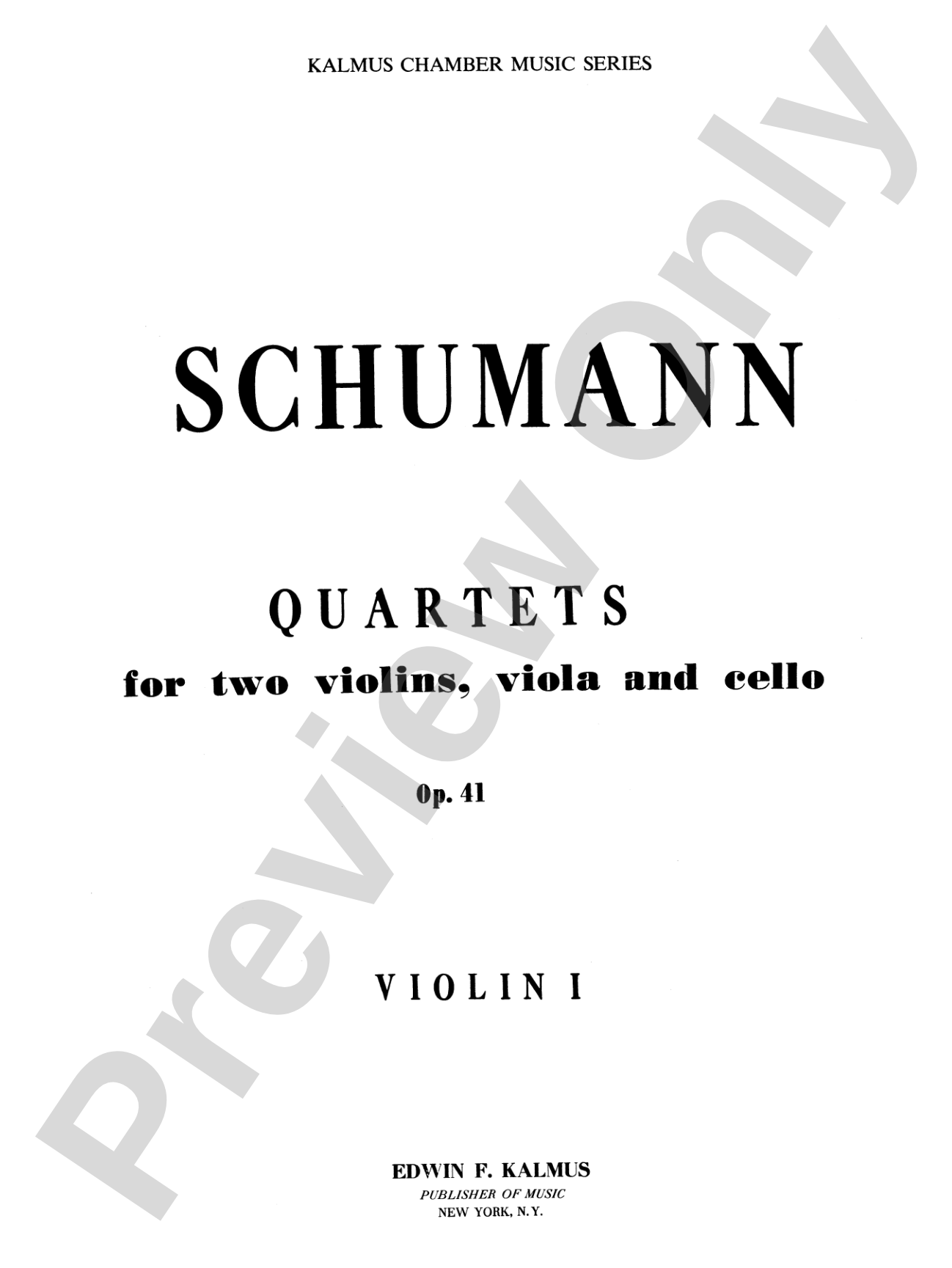
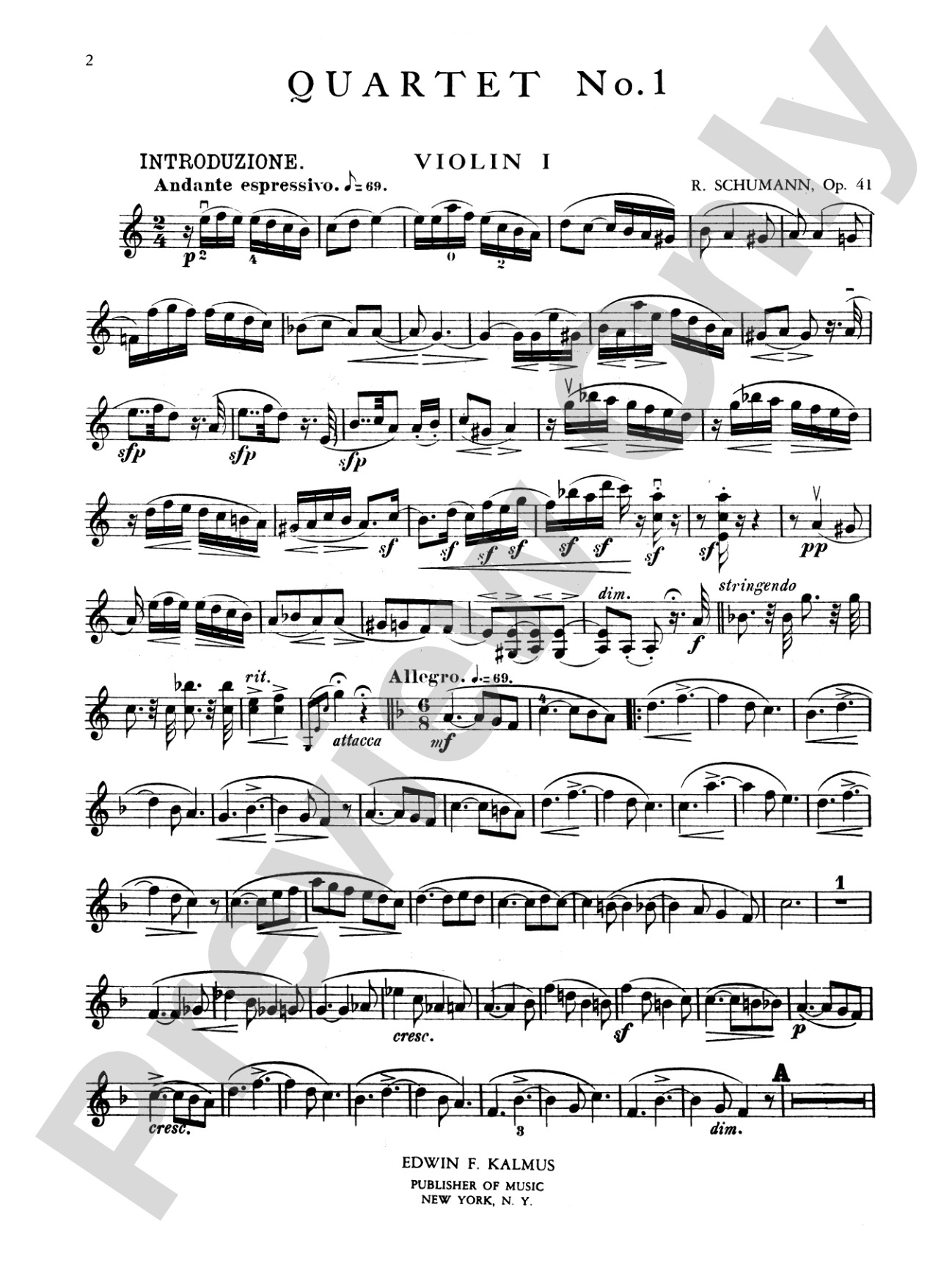
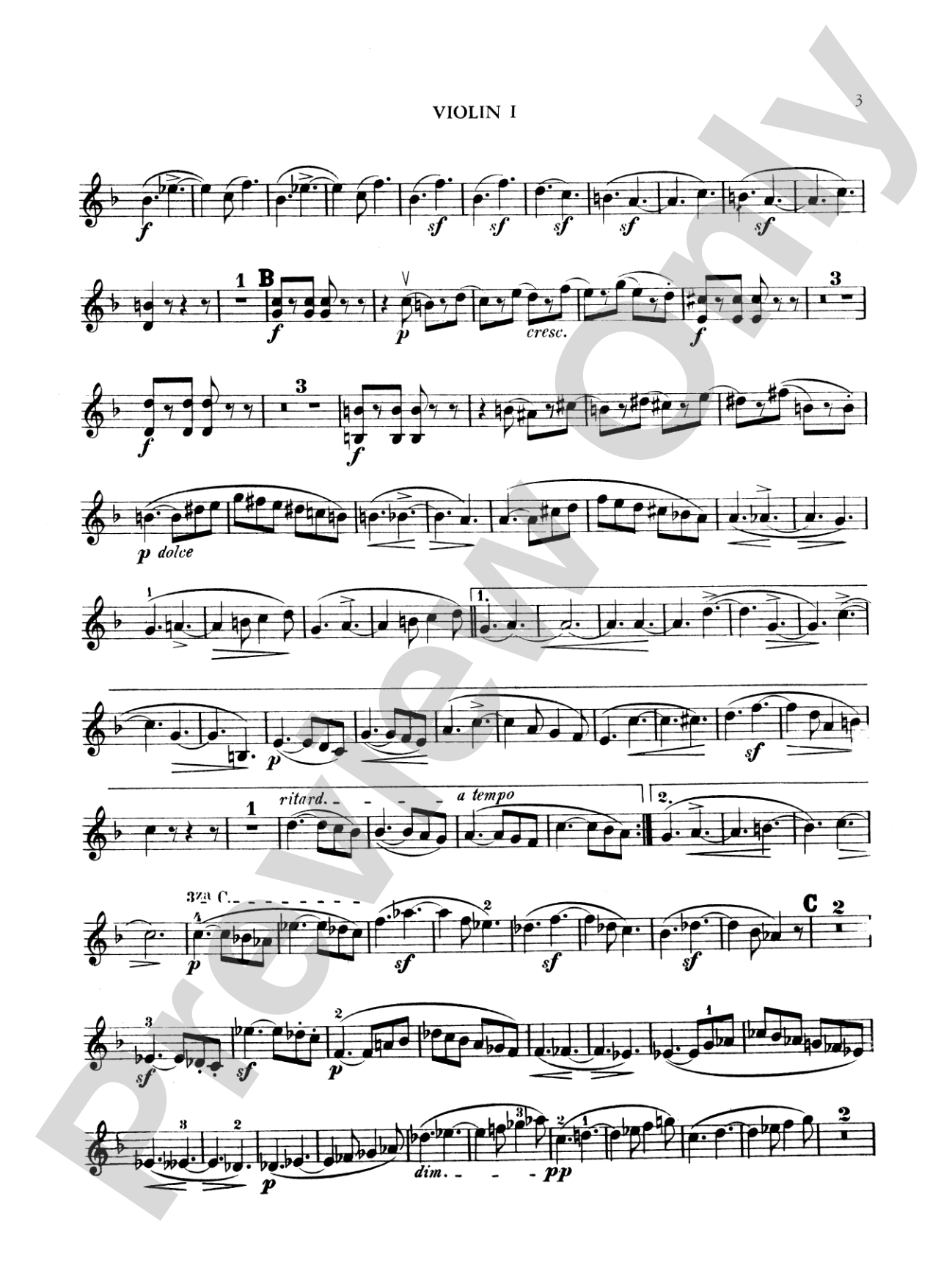
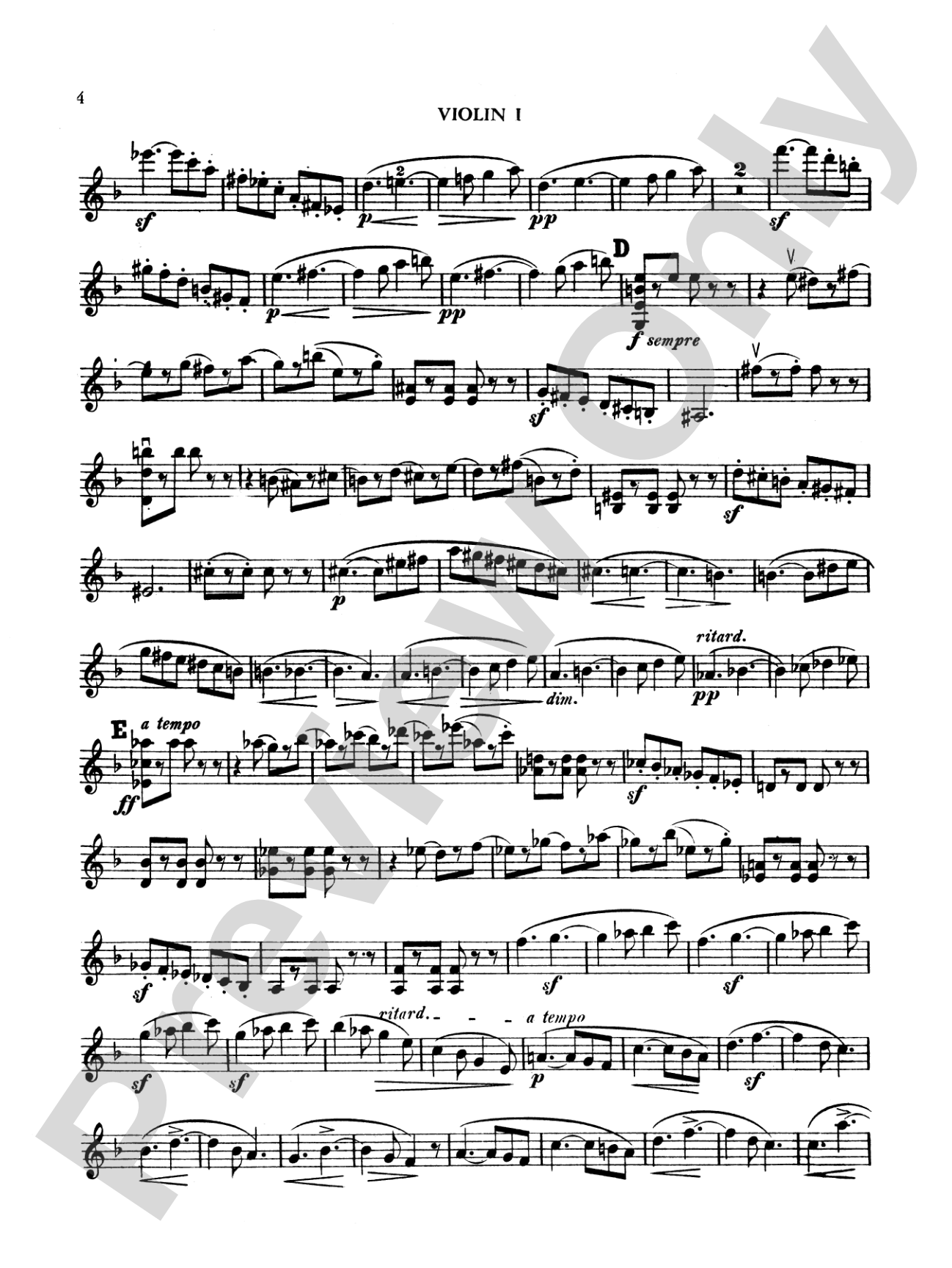
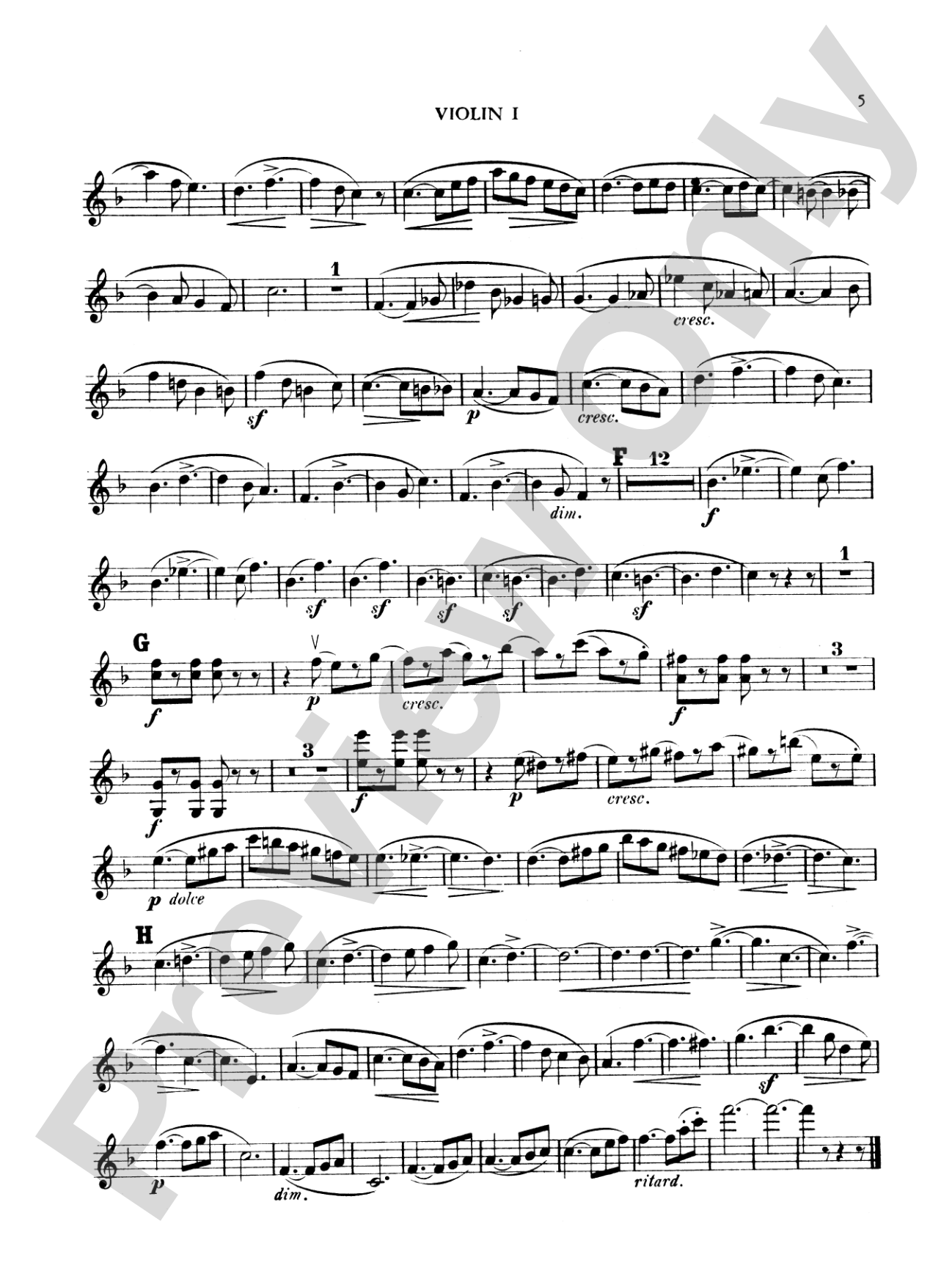
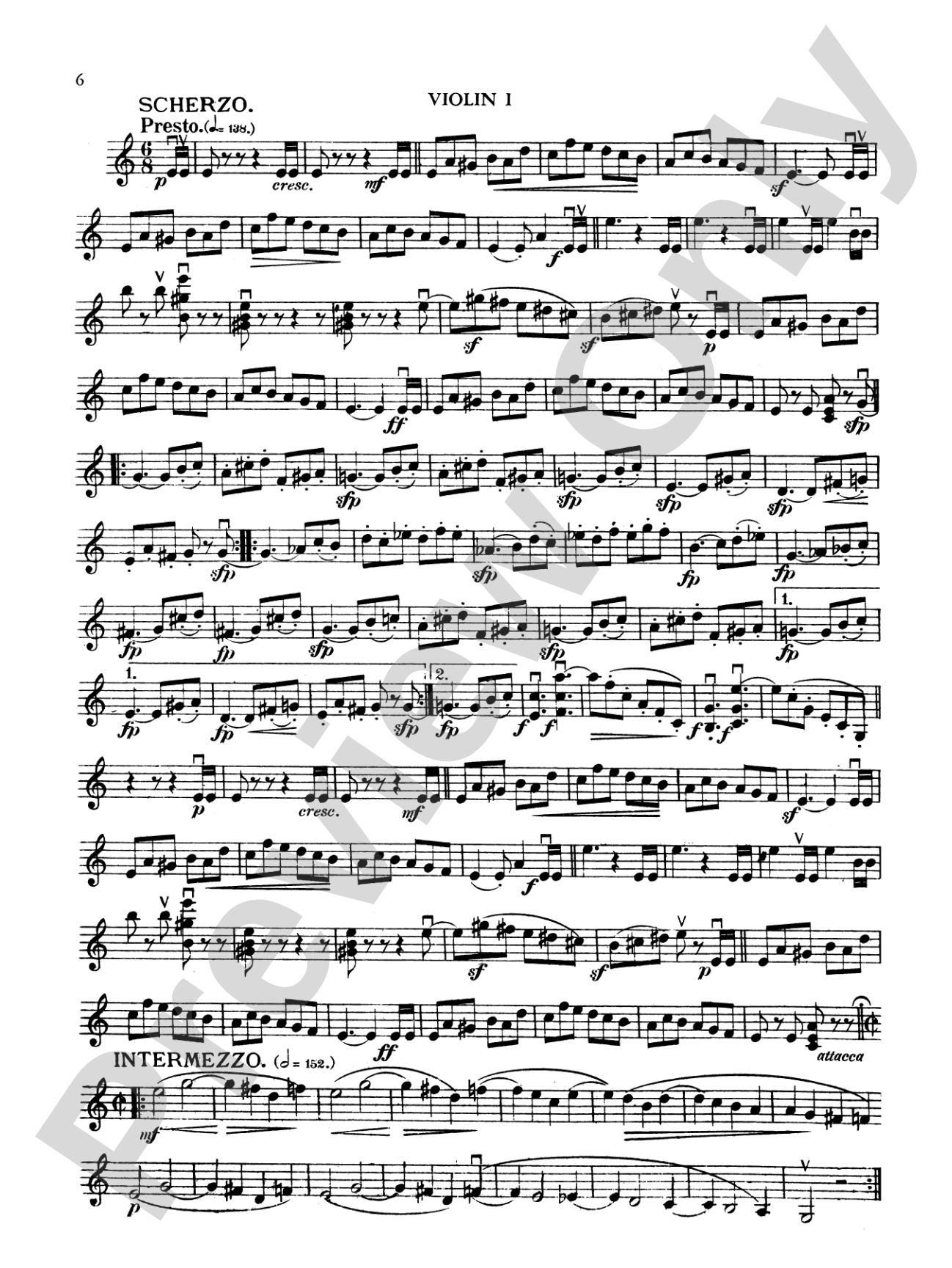
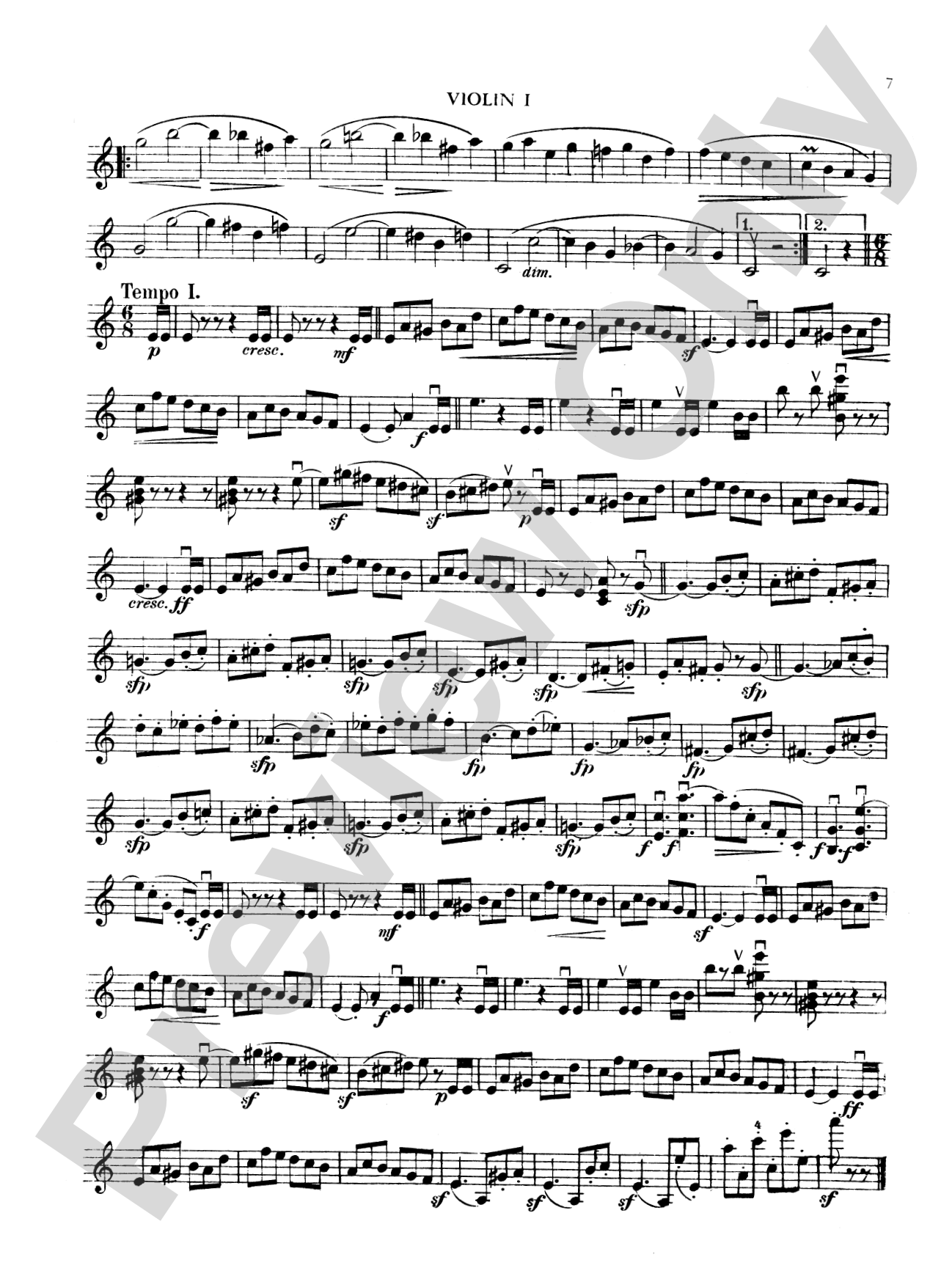
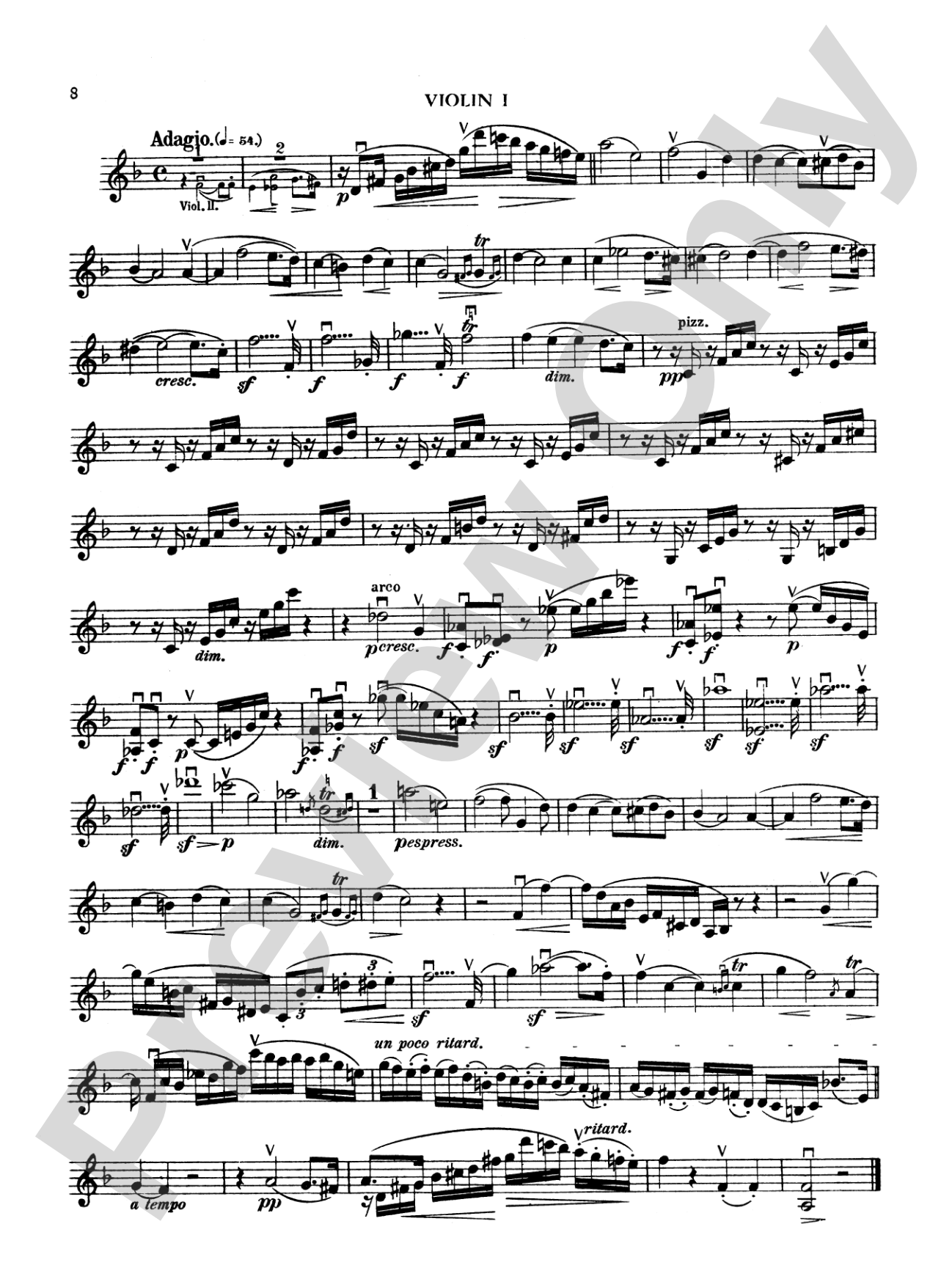
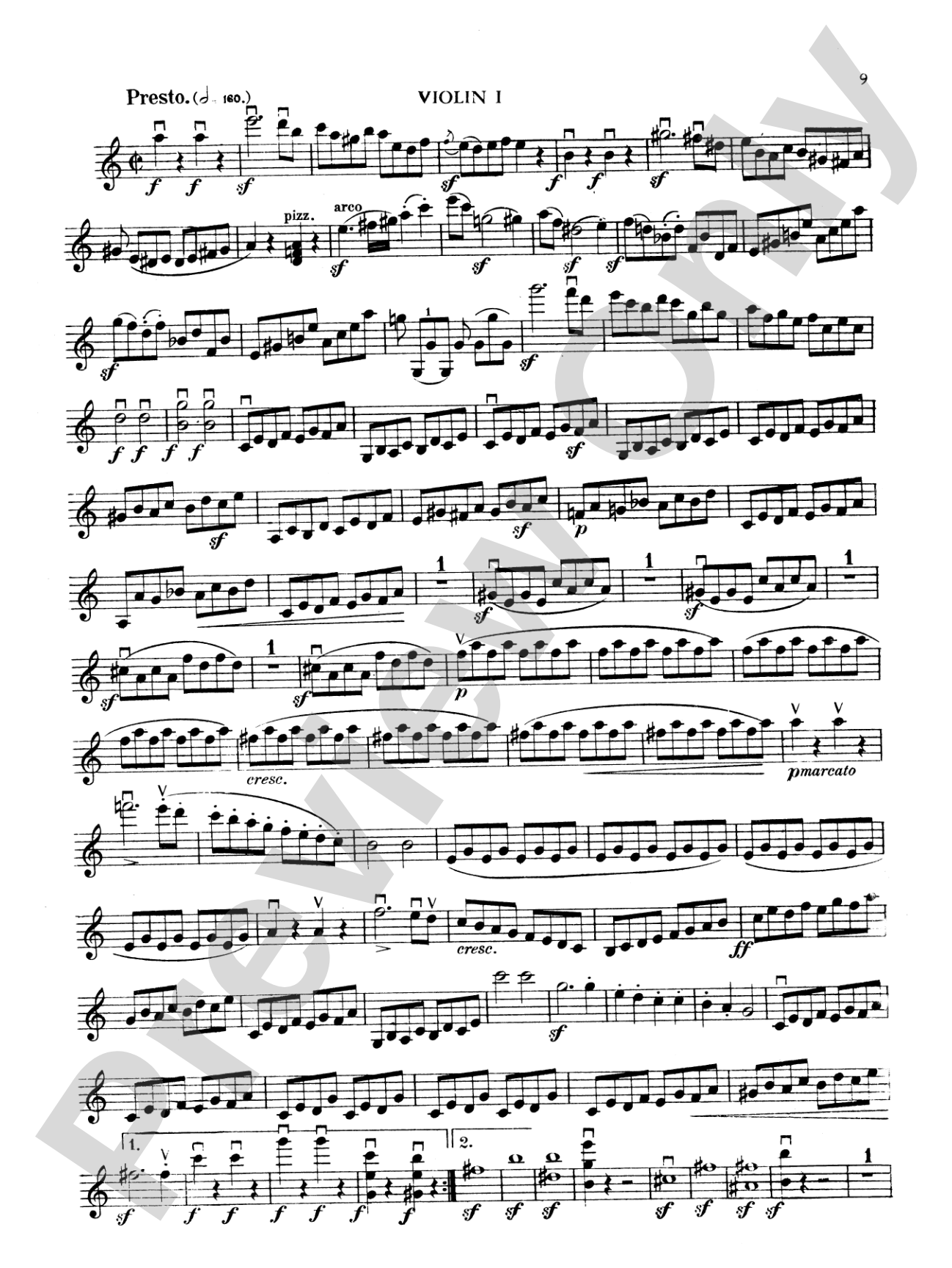
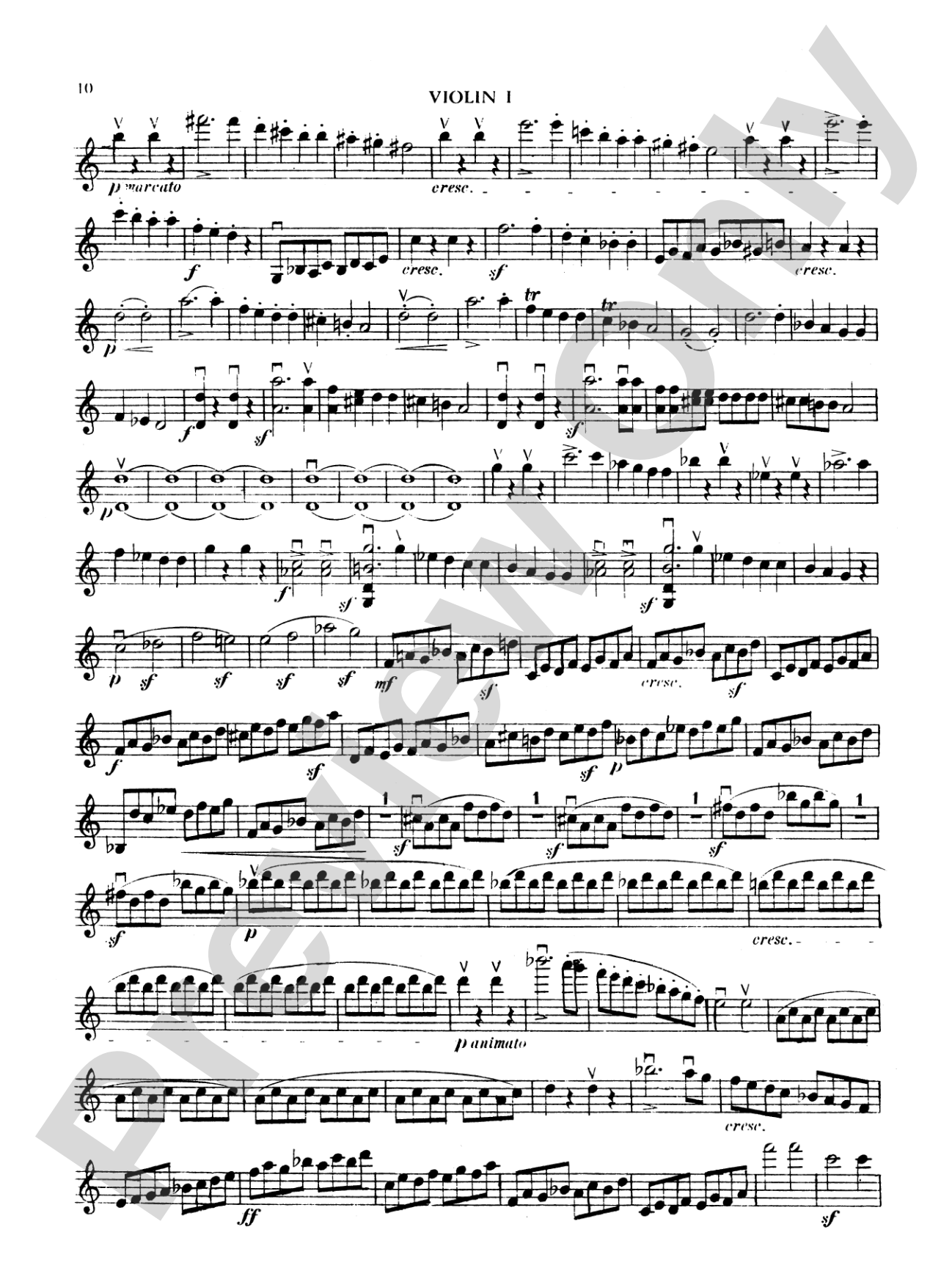
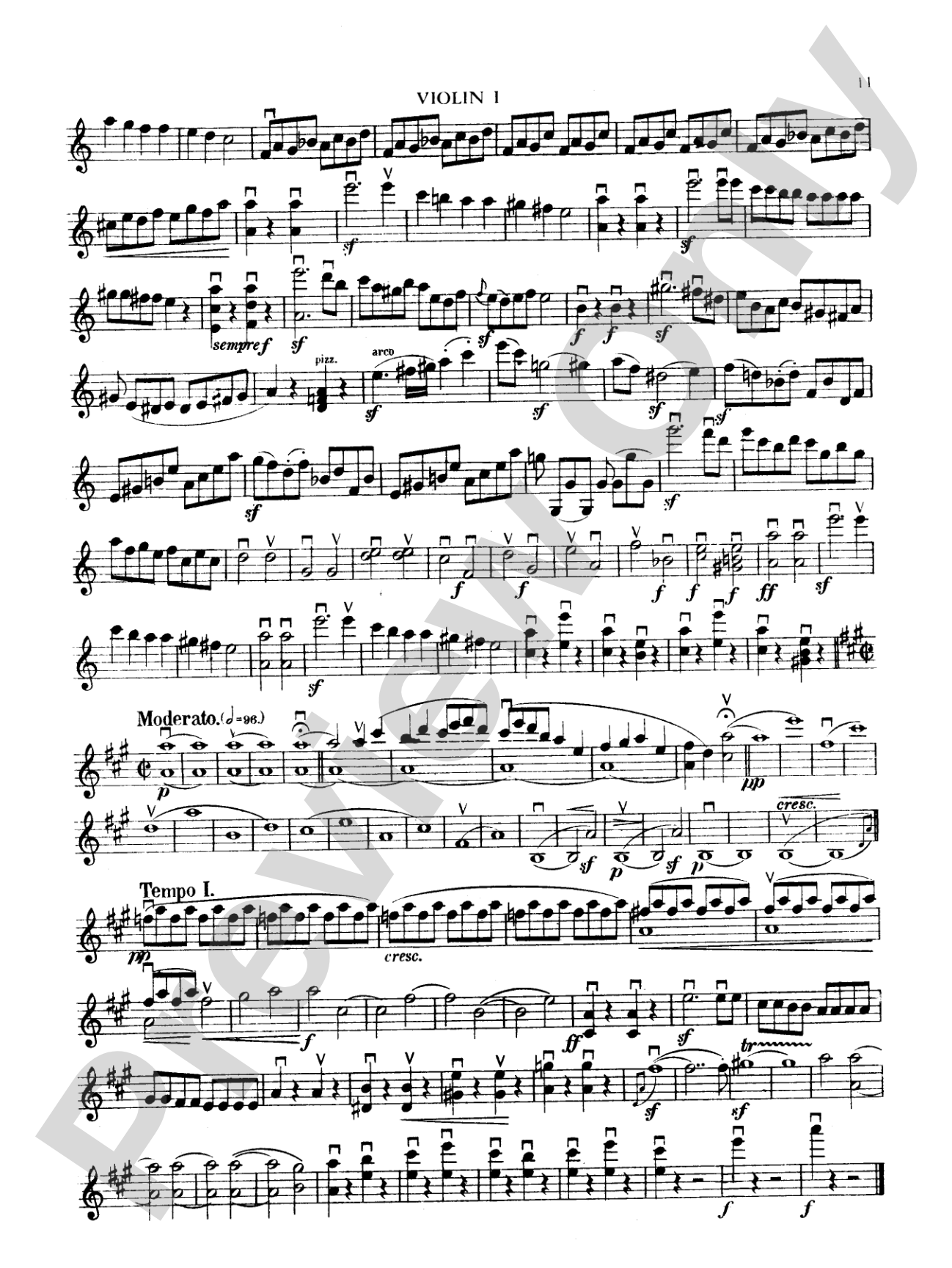
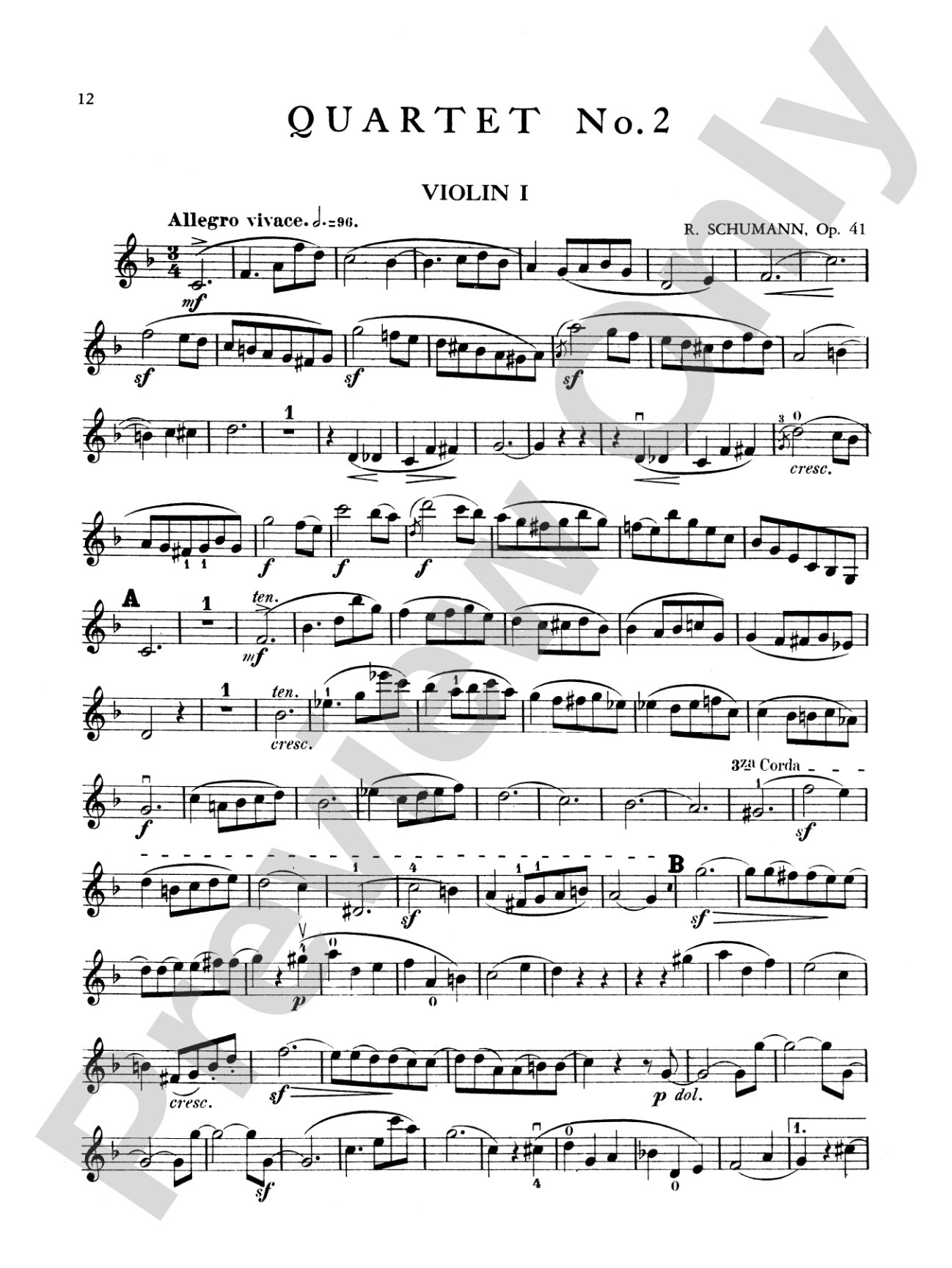
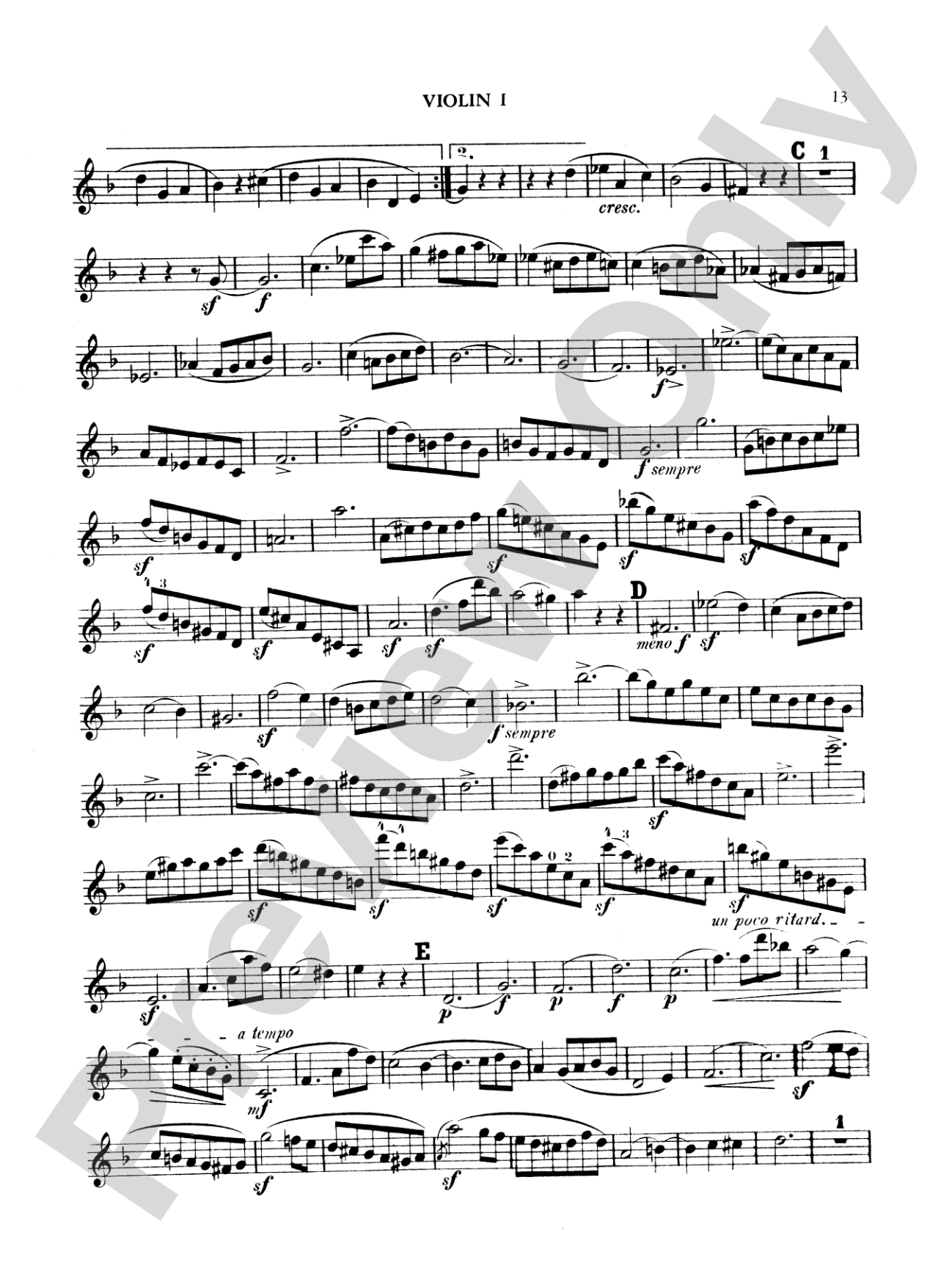
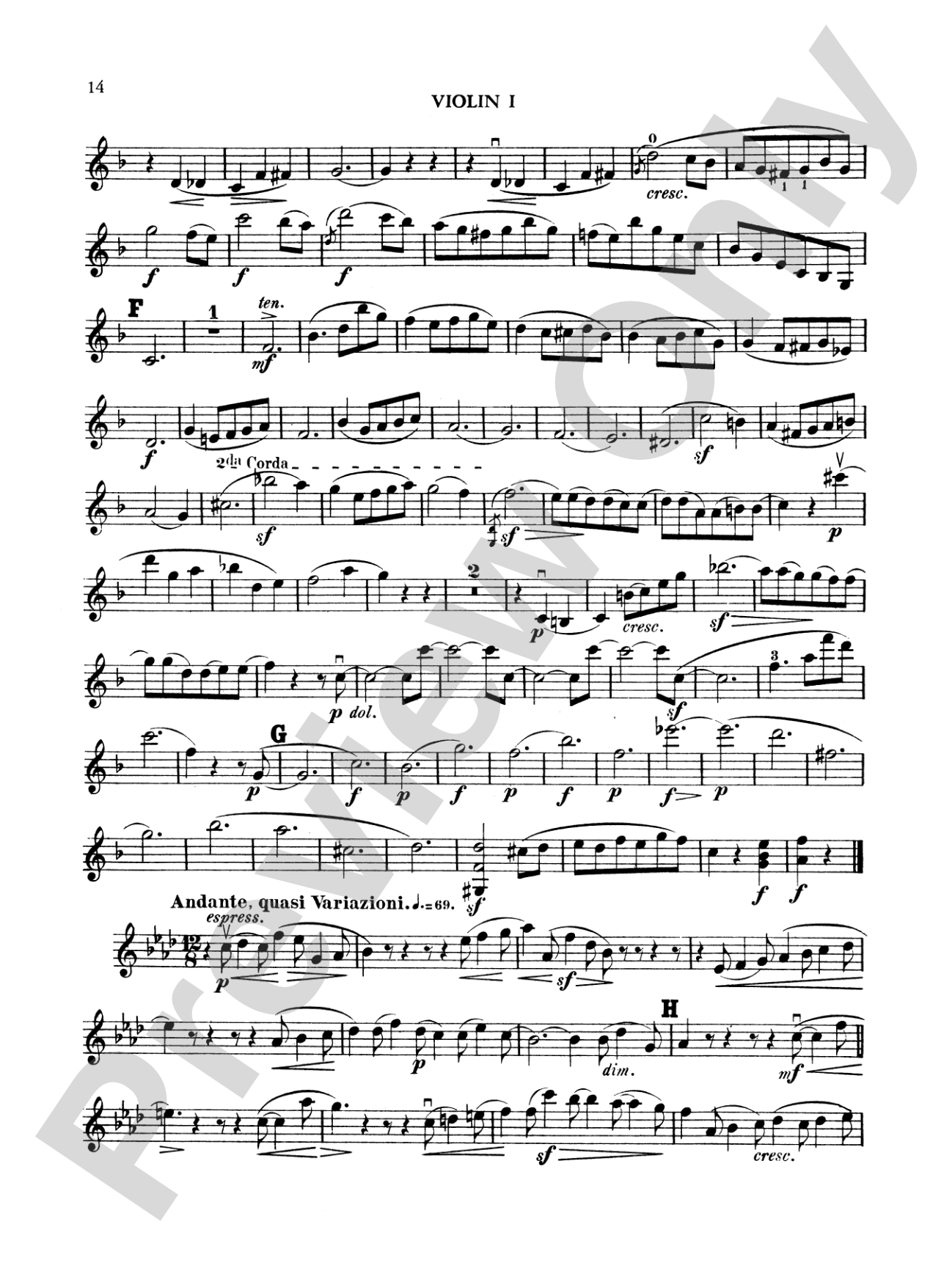
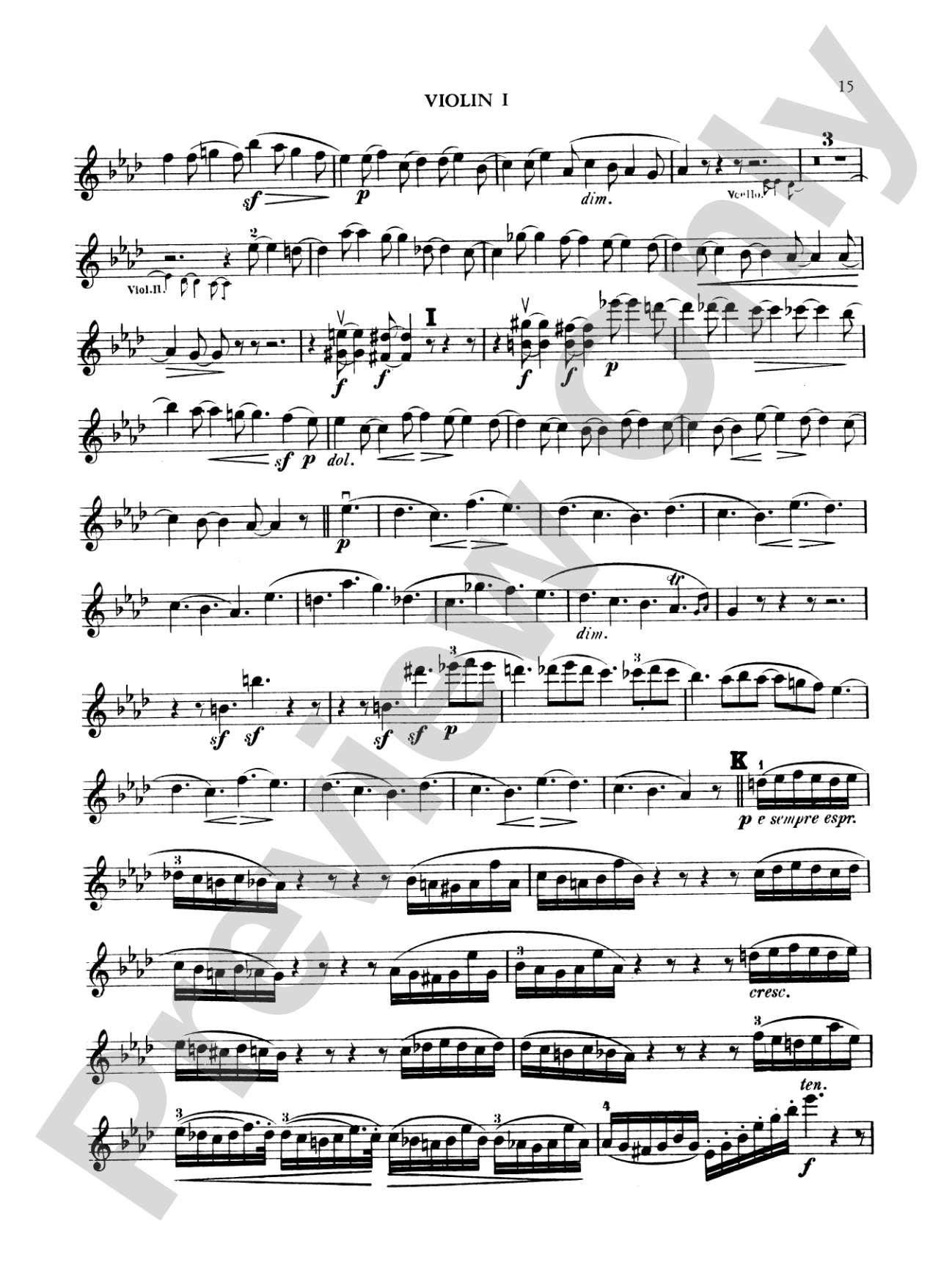
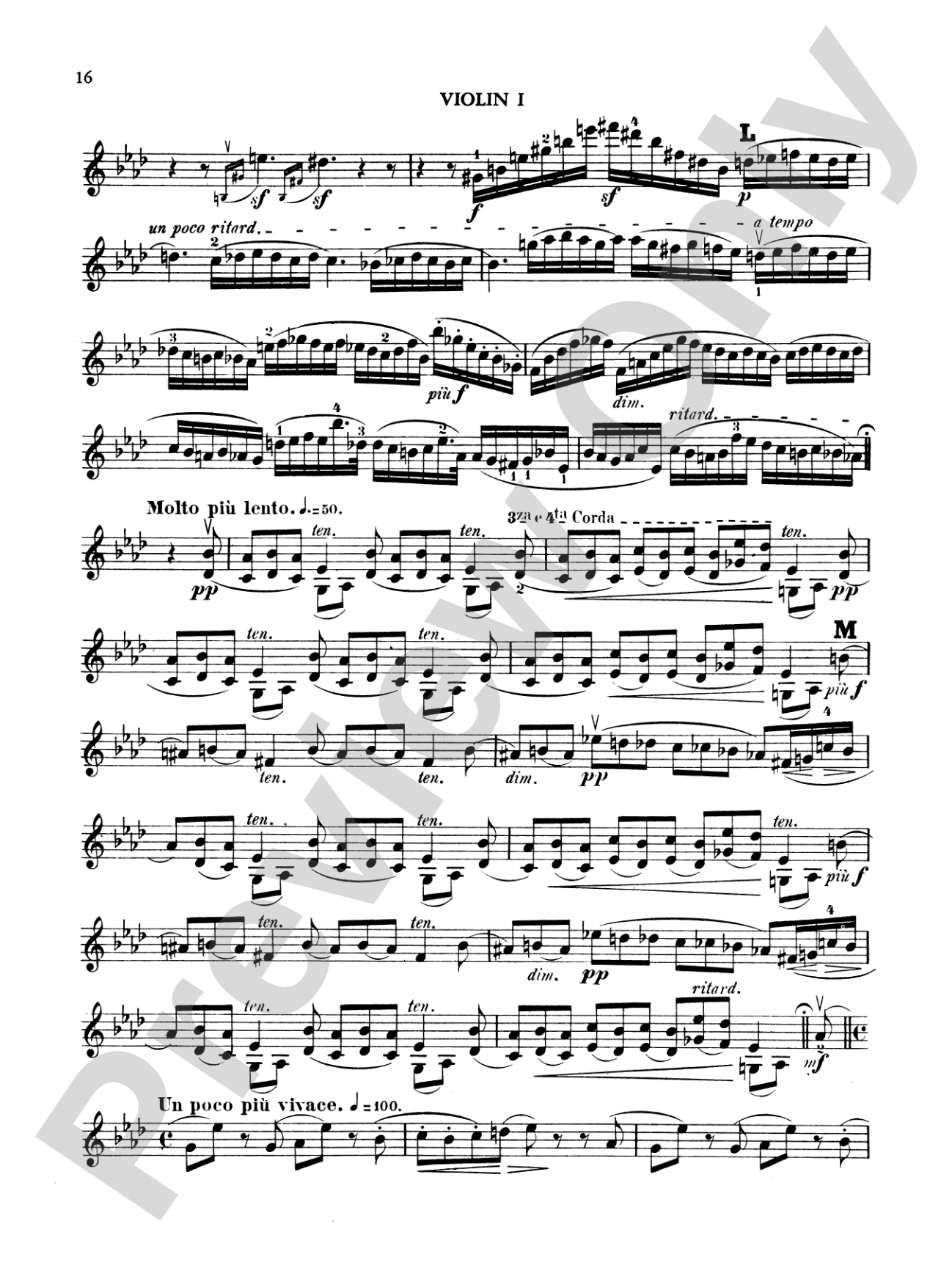
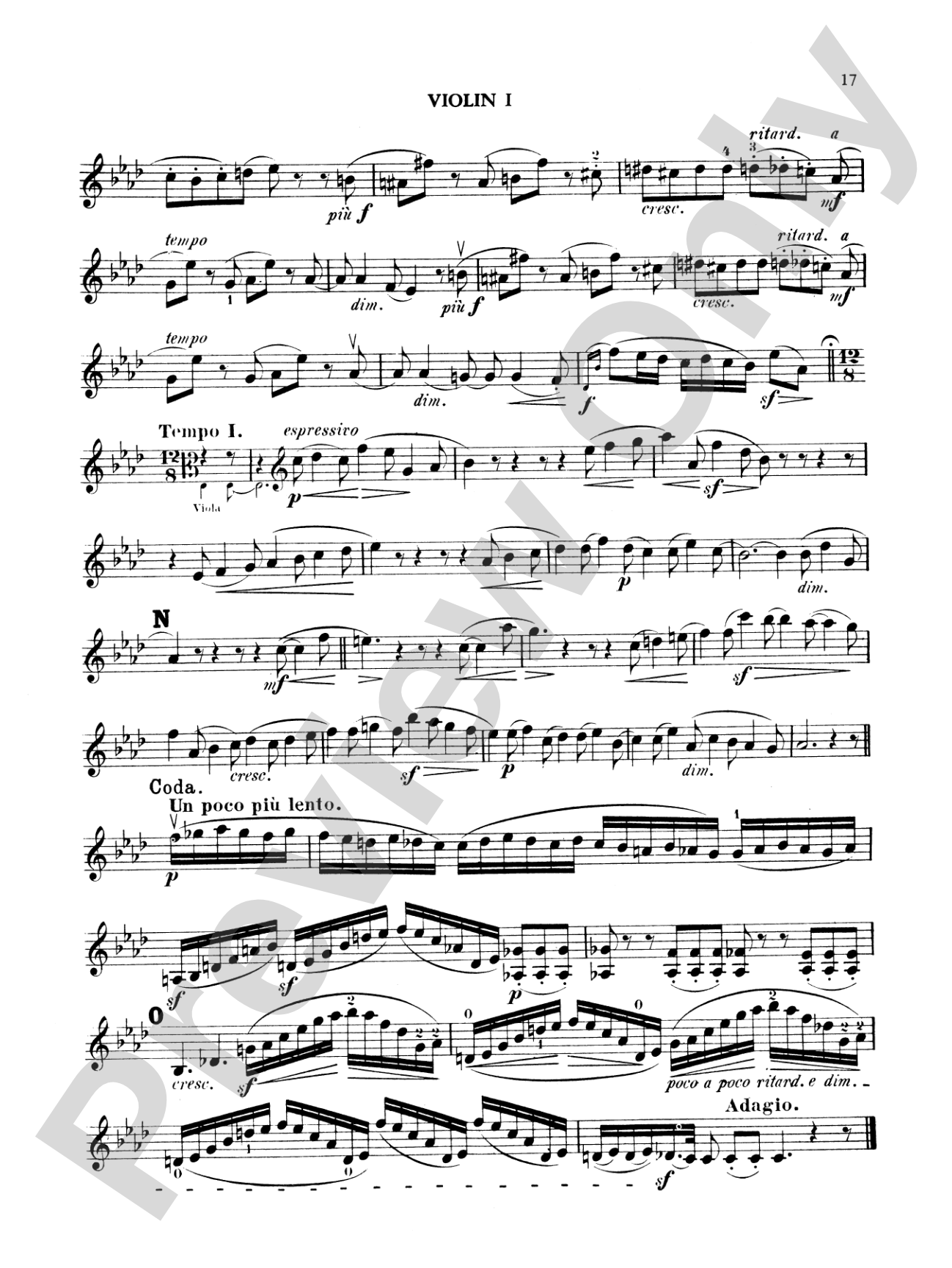
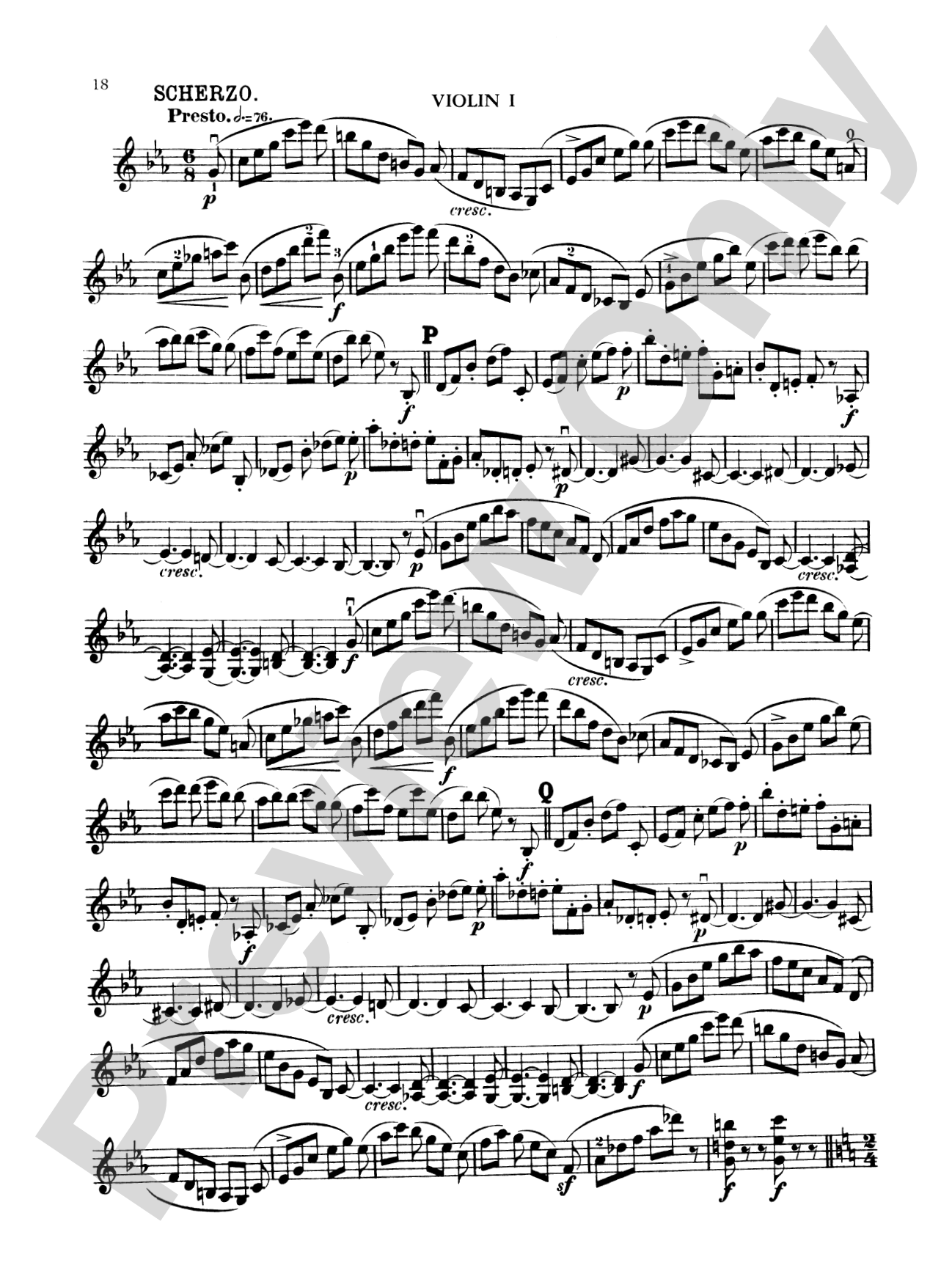
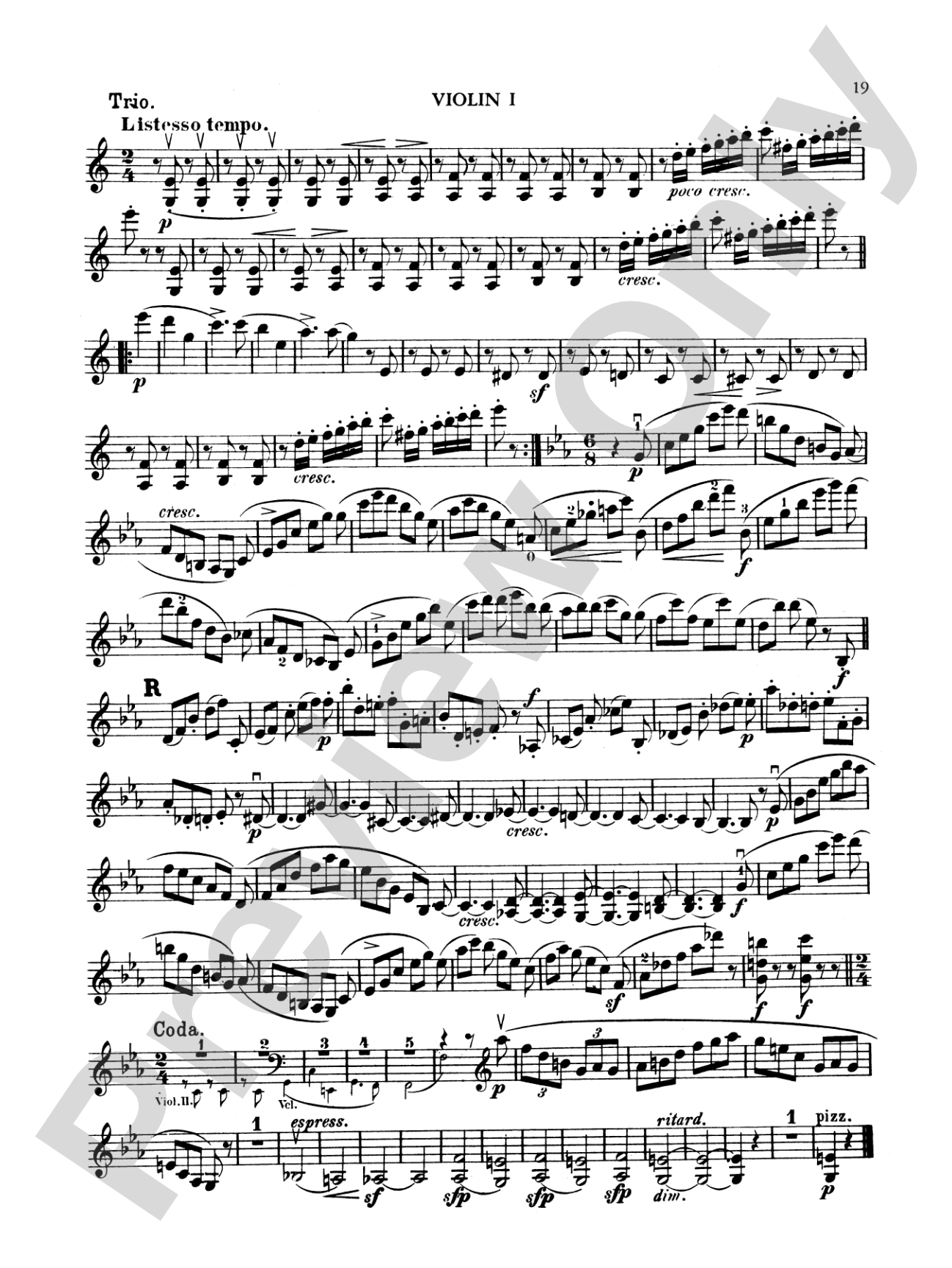
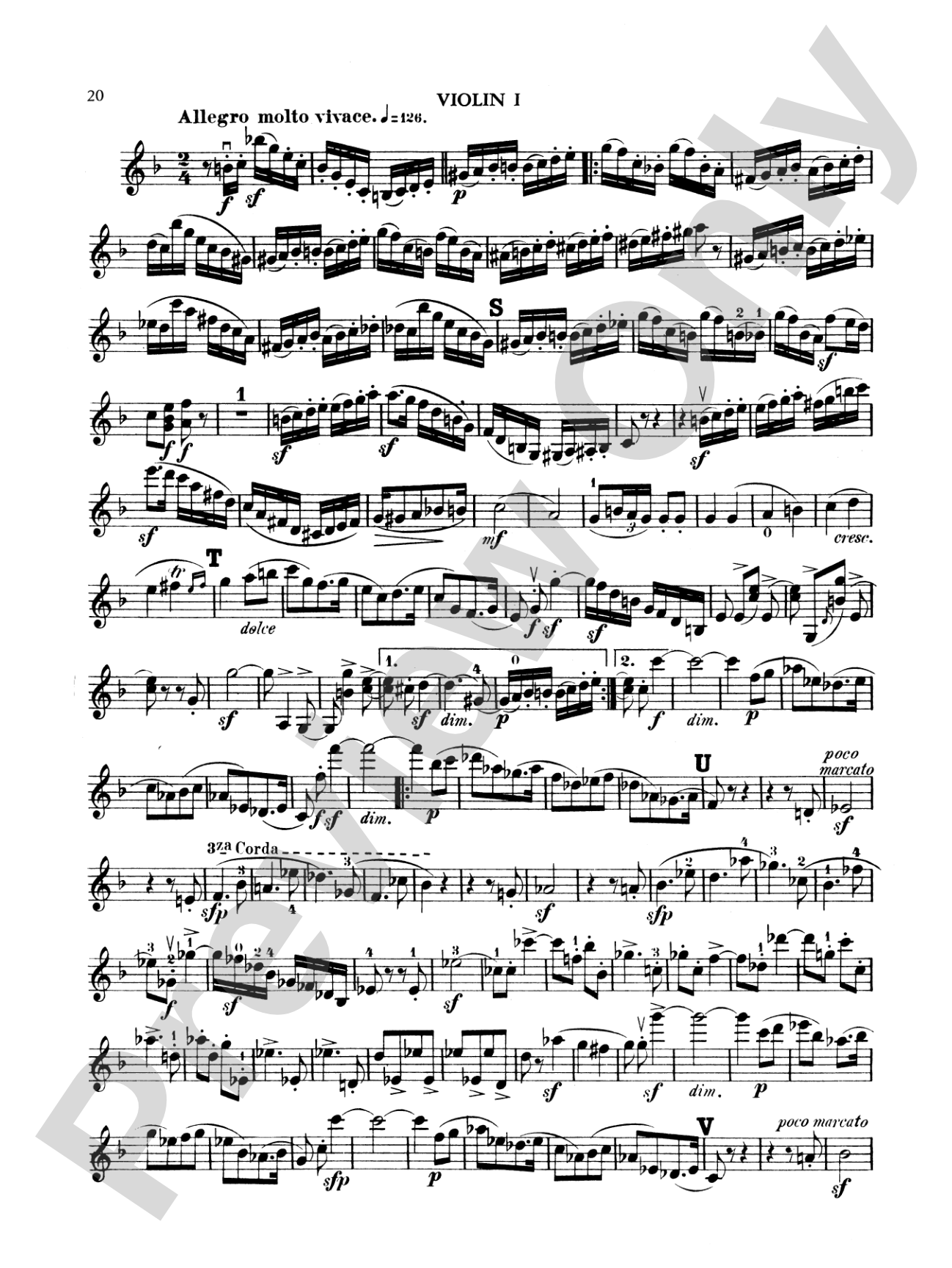
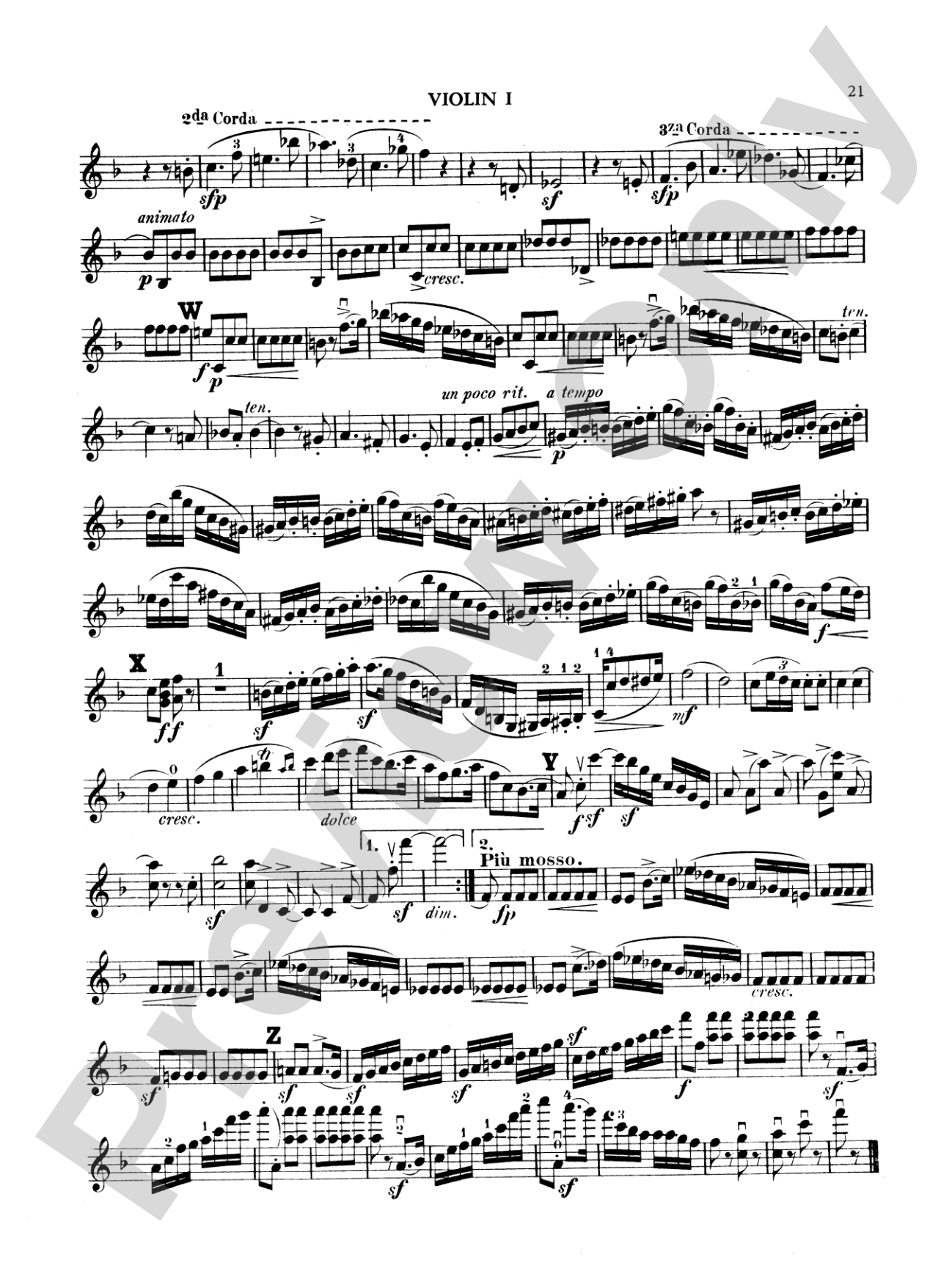
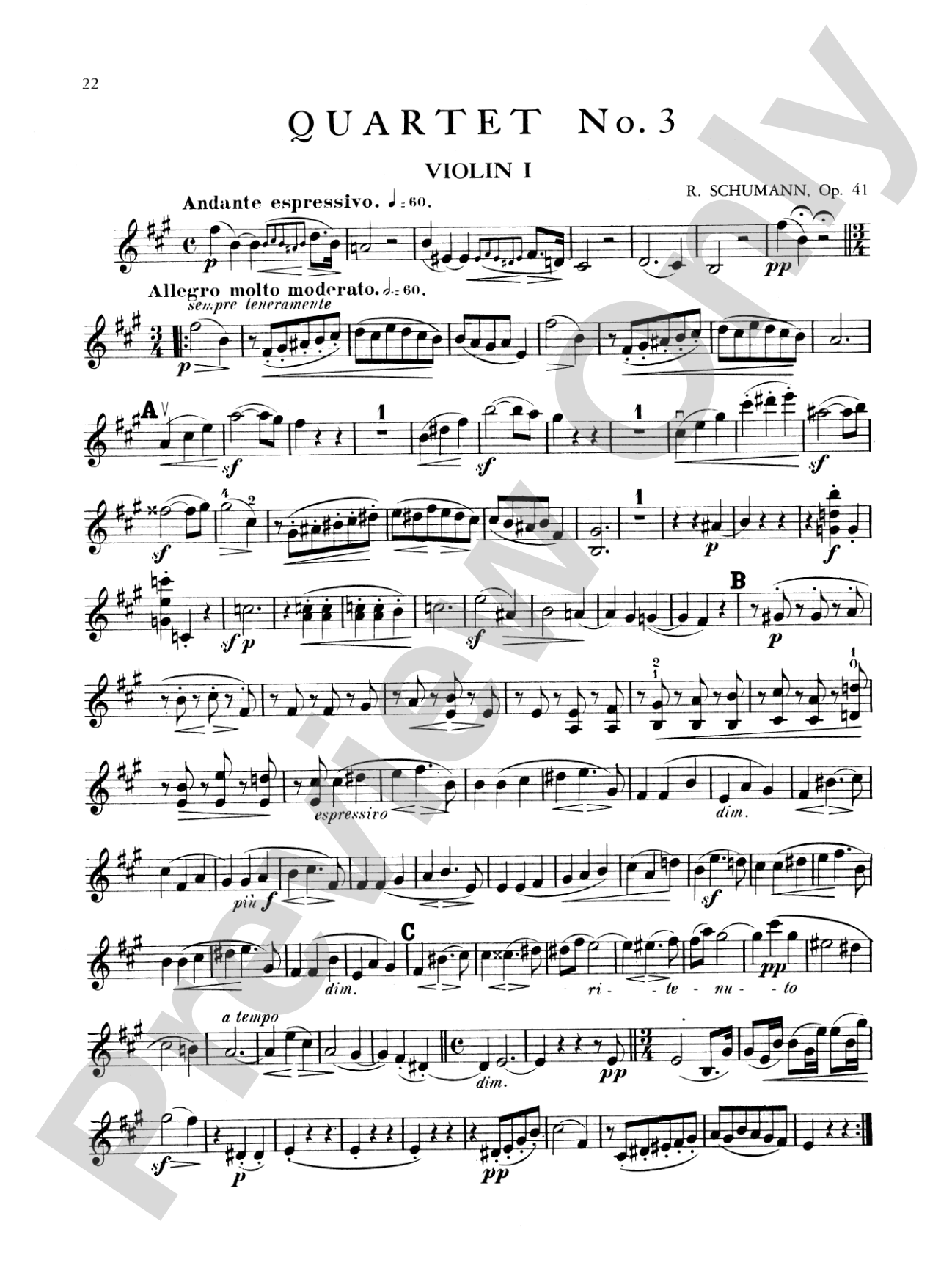
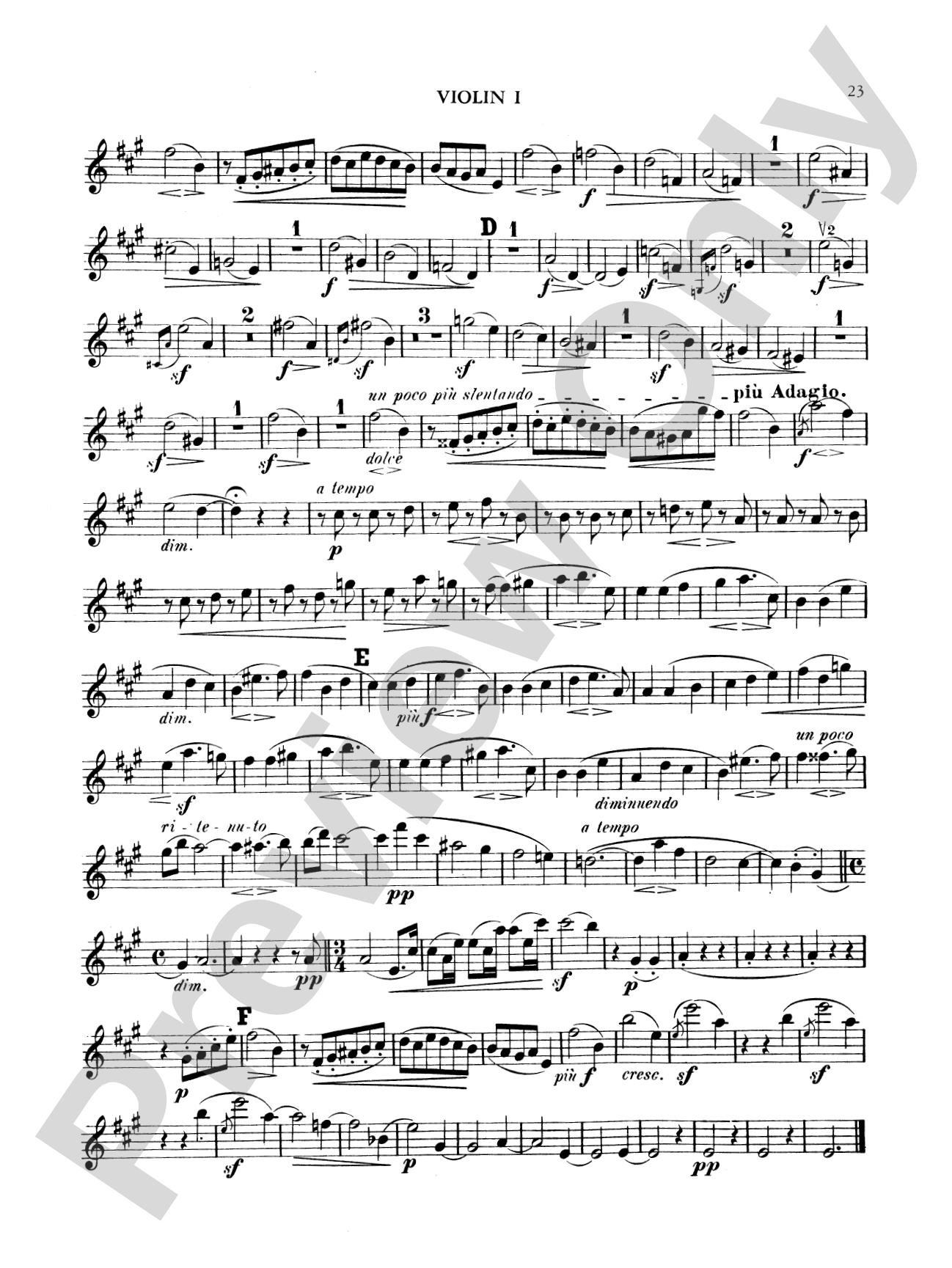
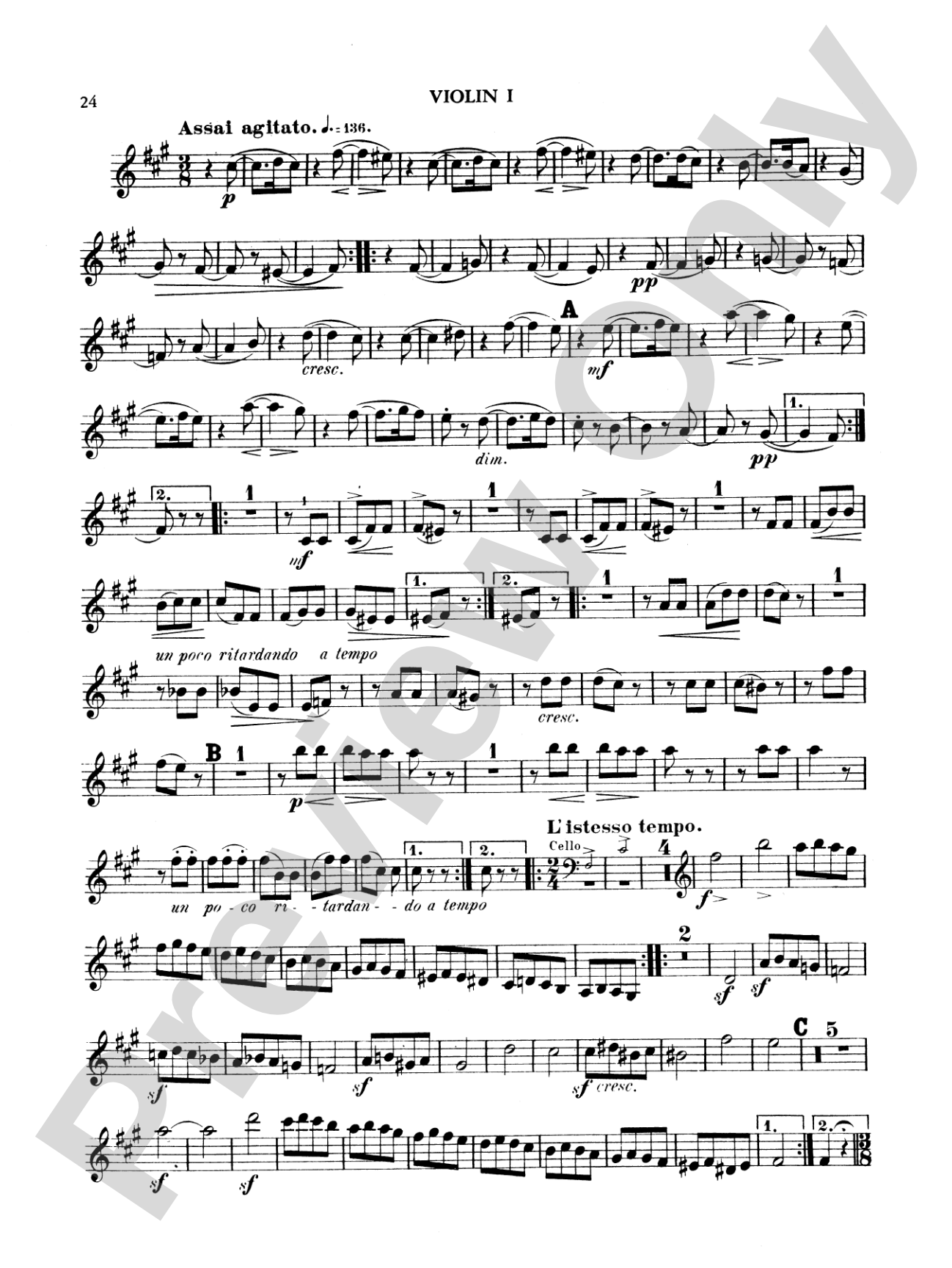
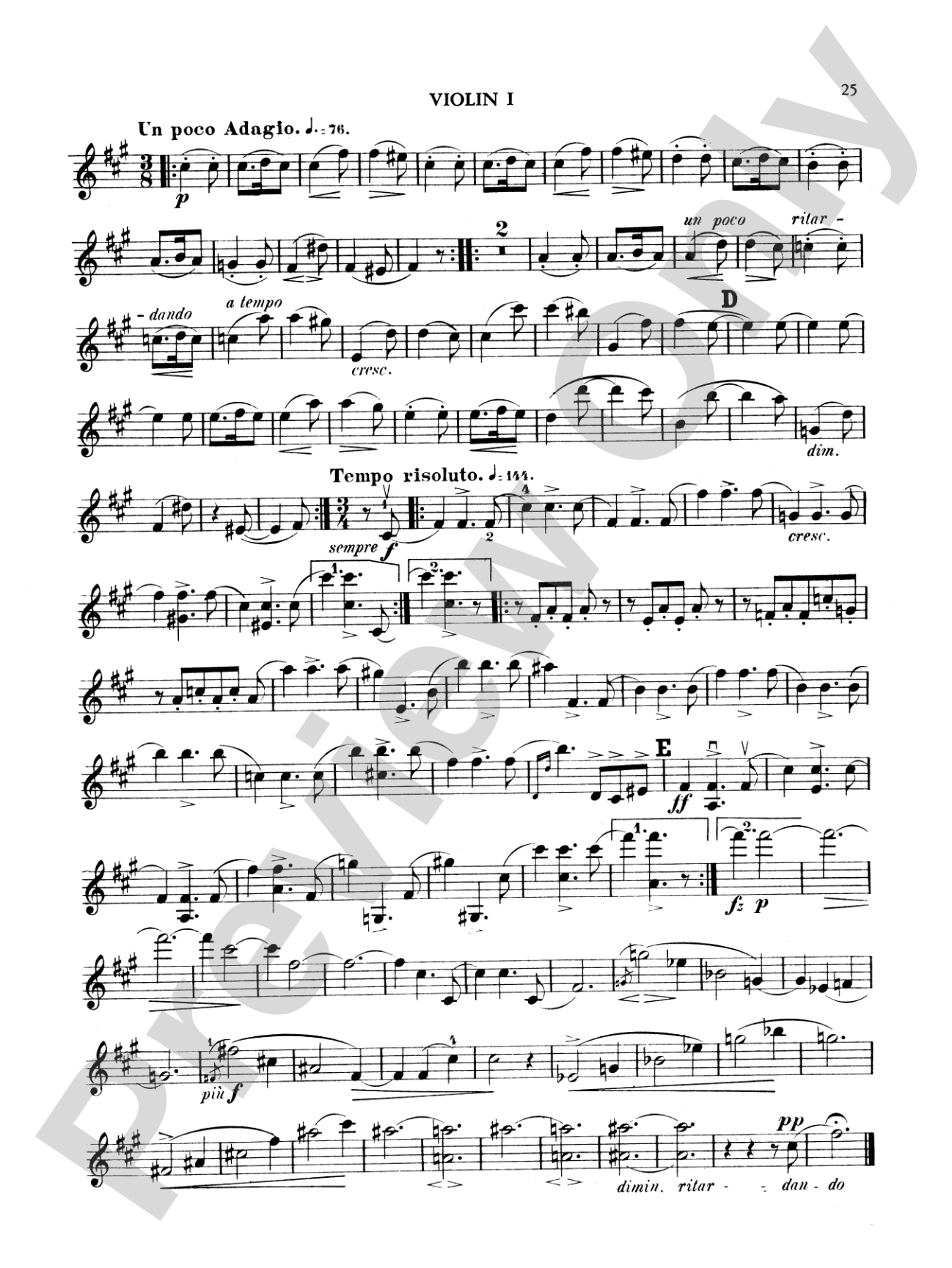
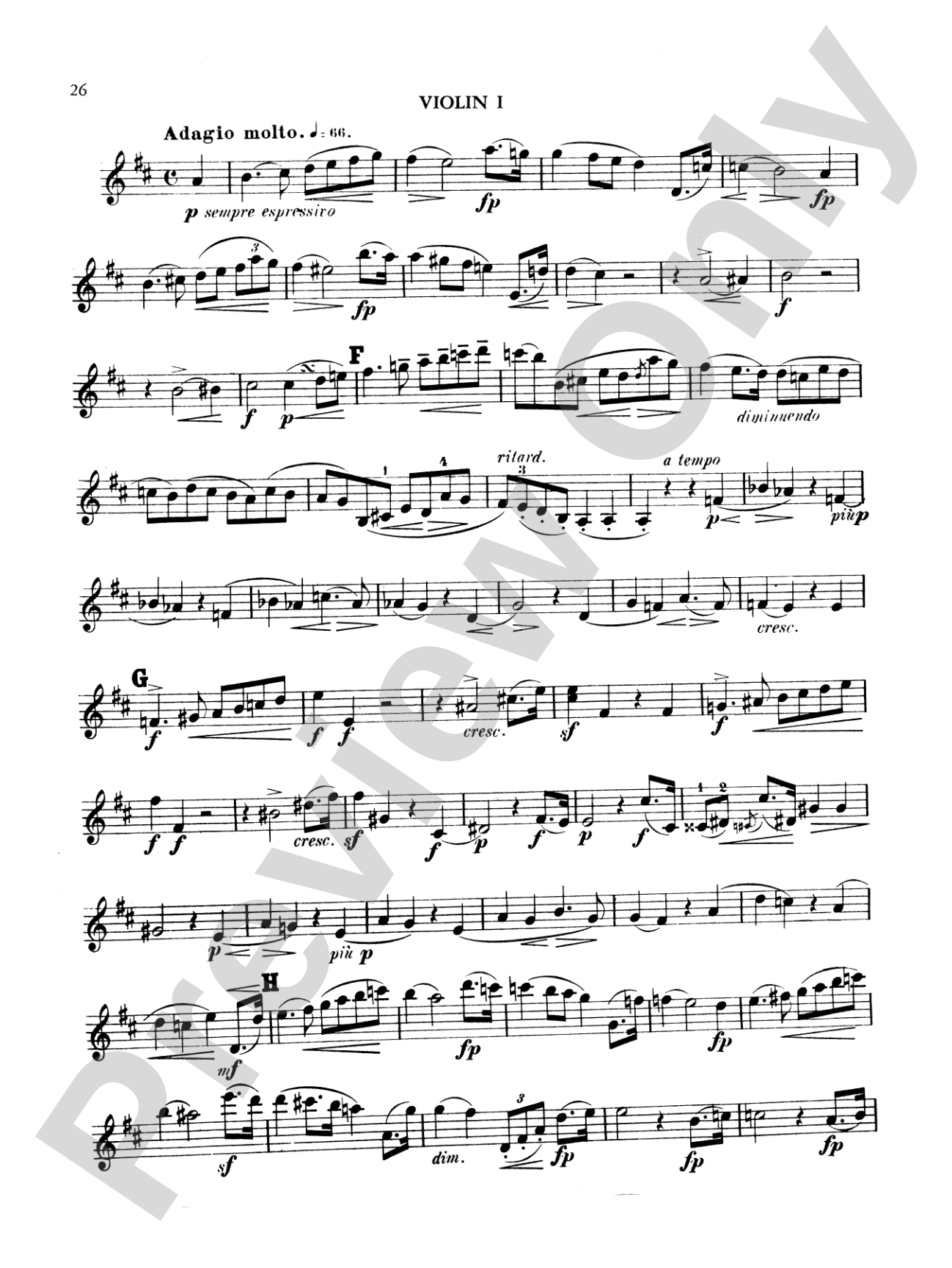
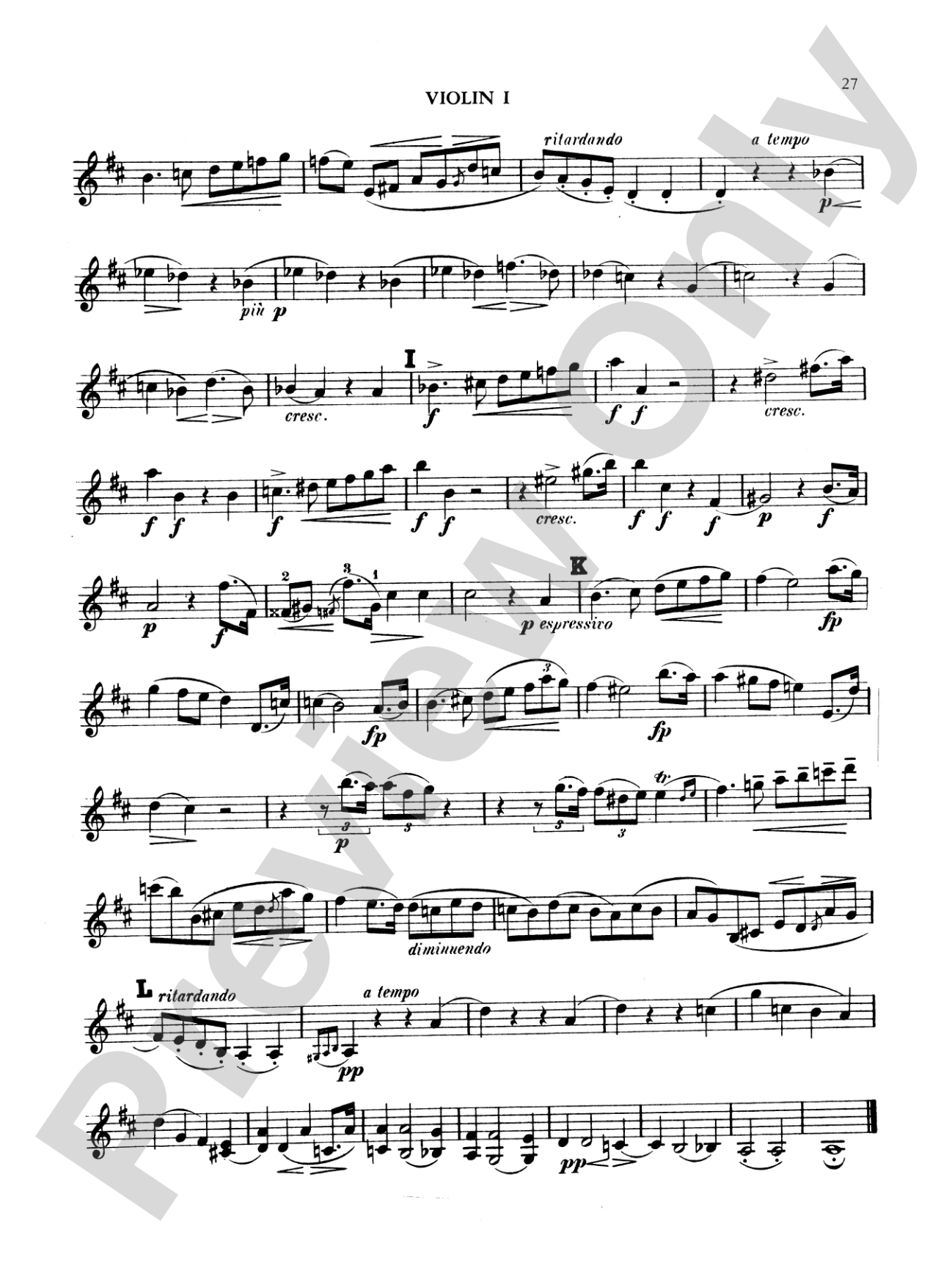
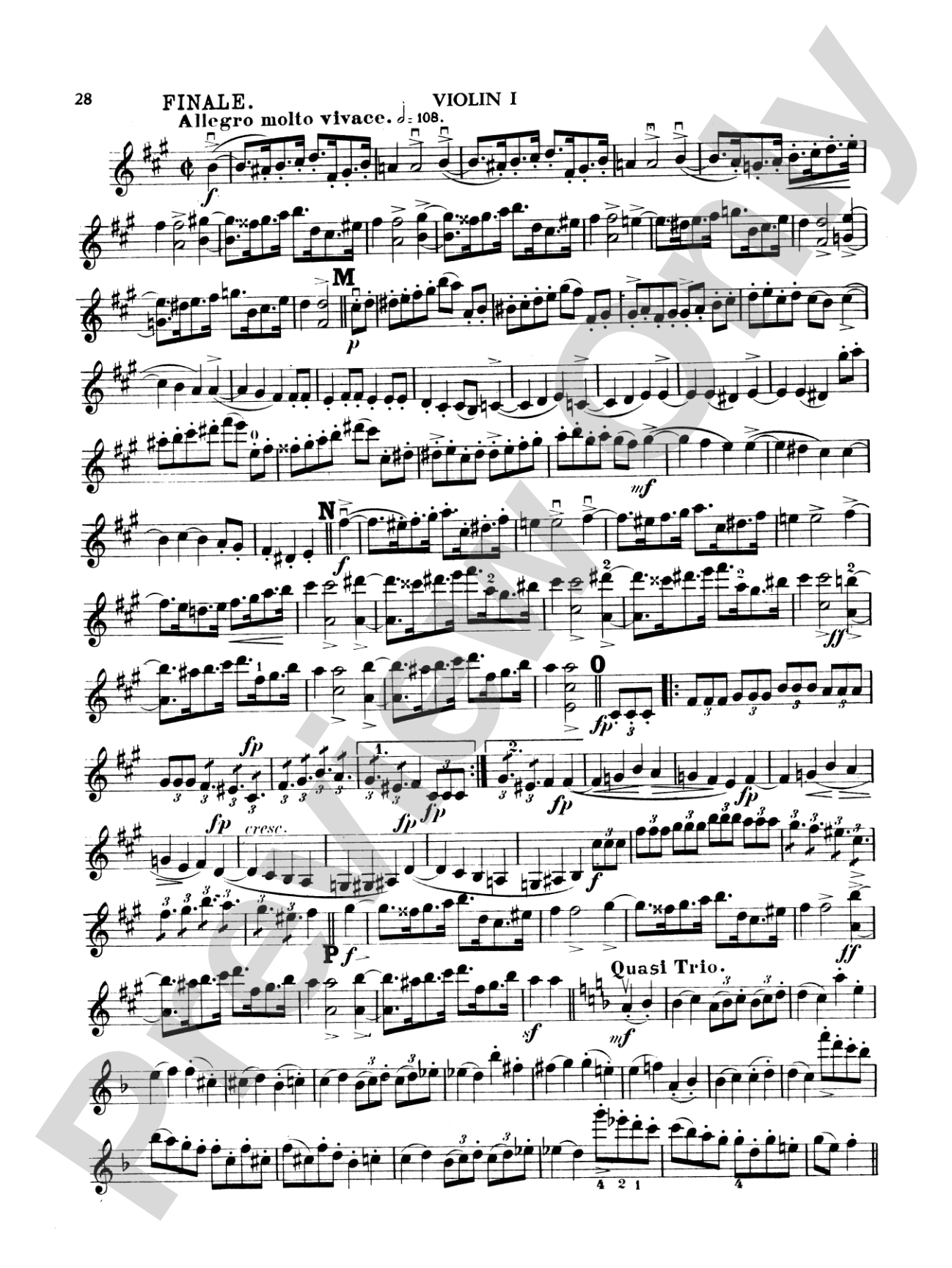
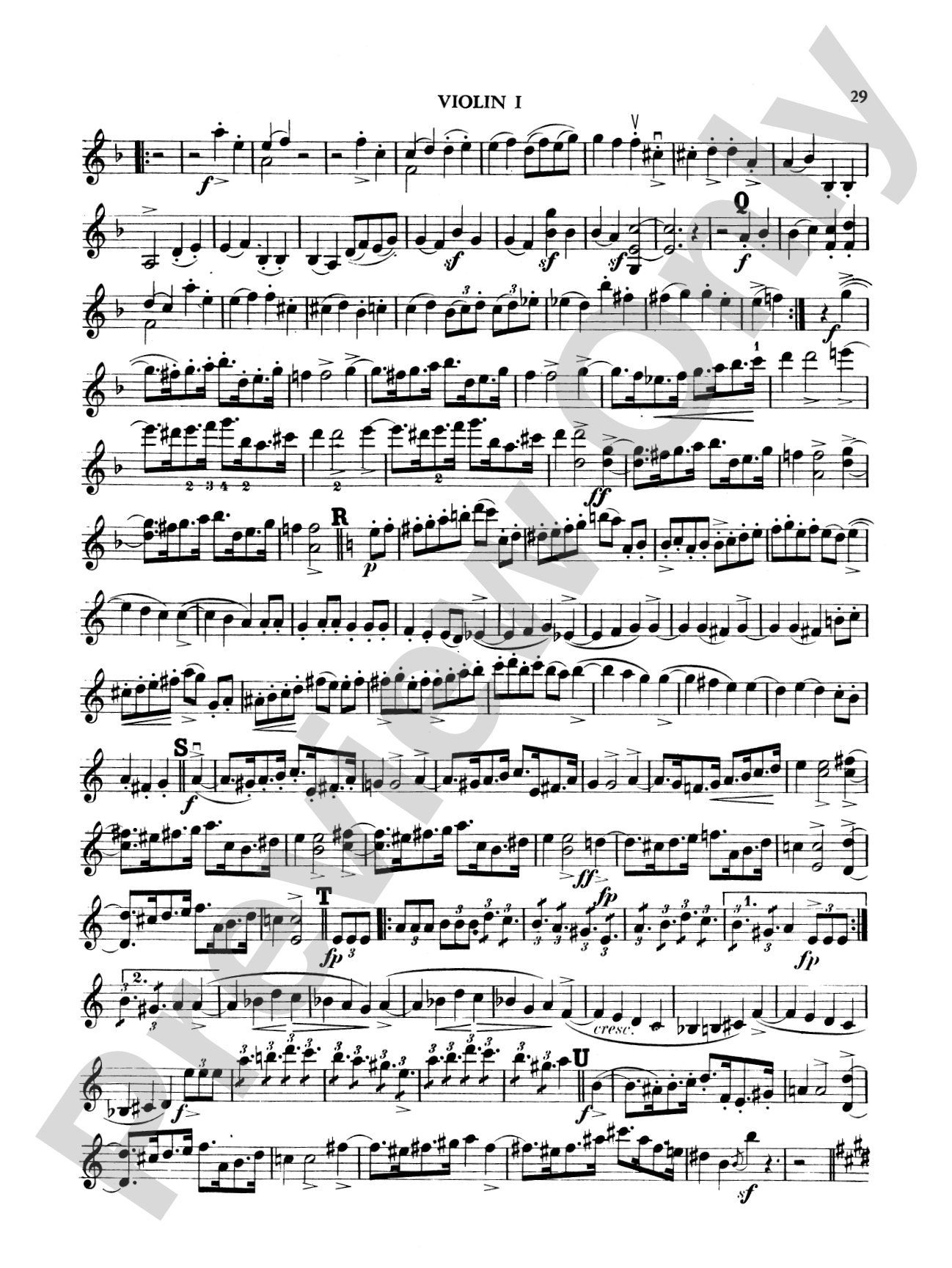
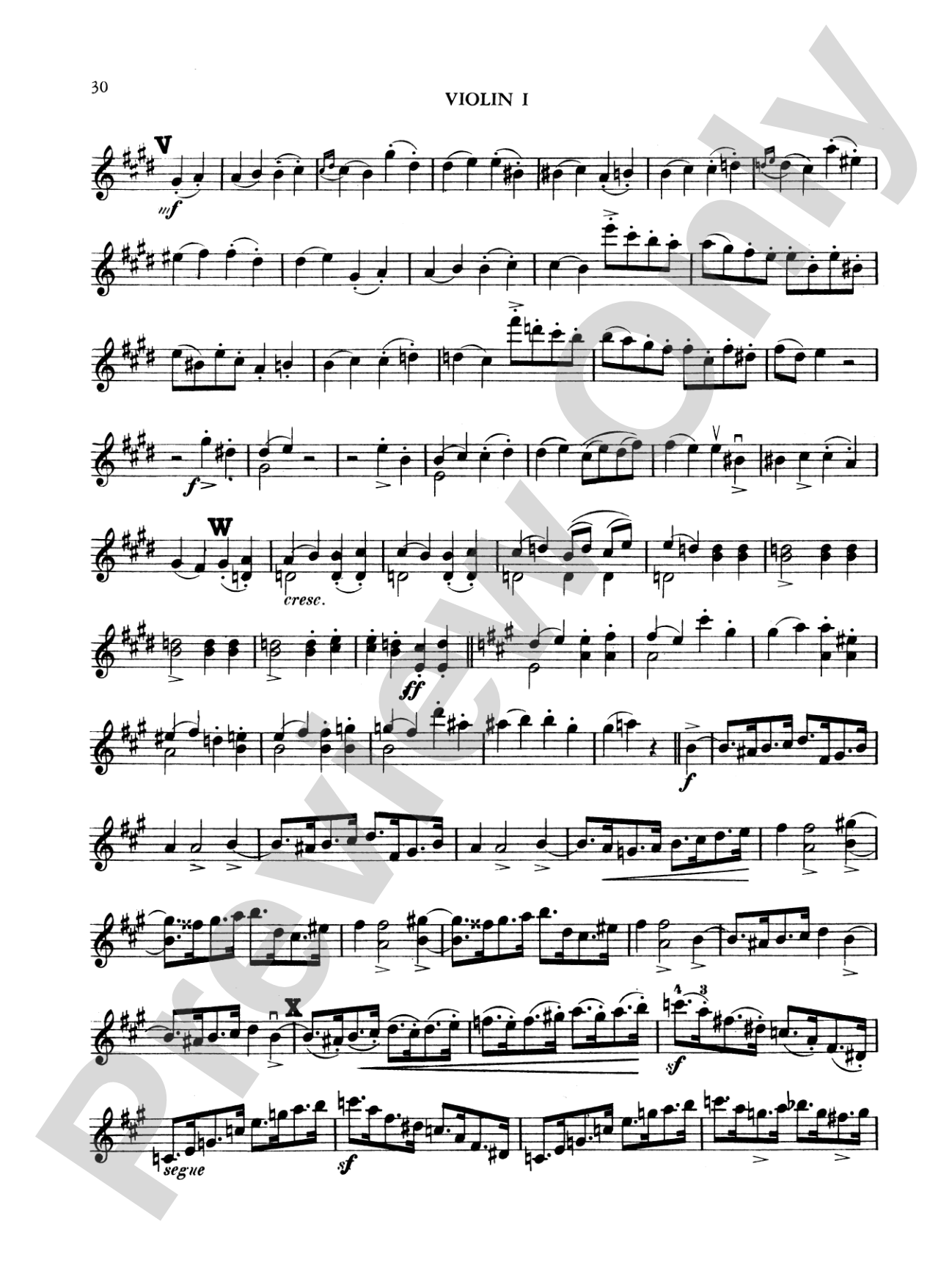
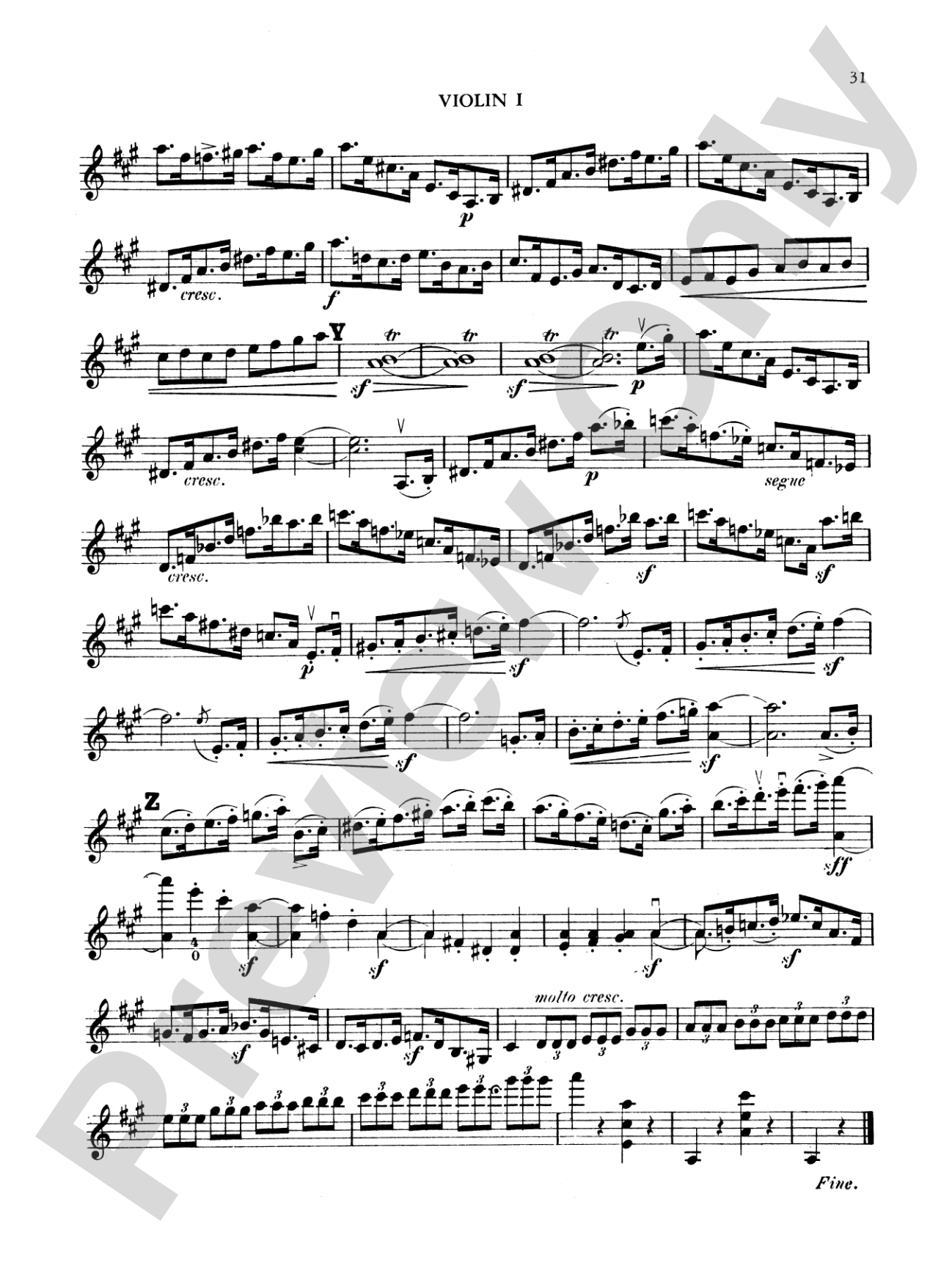


String Quartets, Op. 41, Nos. 1, 2 & 3: String Quartet Book
By Robert Schumann
Item: 00-PK-0002588

$29.99
Pickup currently not available
Buy Extra Parts (Digital PDF Download)
| Product | Price | Quantity |
|---|---|---|
| String Quartets, Op. 41, Nos. 1, 2 & 3: 1st Violin | $9.00 | |
| String Quartets, Op. 41, Nos. 1, 2 & 3: 2nd Violin | $9.00 | |
| String Quartets, Op. 41, Nos. 1, 2 & 3: Viola | $9.00 | |
| String Quartets, Op. 41, Nos. 1, 2 & 3: Cello | $9.00 |
Parts Added to Cart!
Related Items
String Quartets, Opus 41, Nos. 1, 2 & 3: String Quartet Book |
$29.95
|
View |
Description


Don't just read it, hear it, play along with it, and watch your students grow with it. In MakeMusic Cloud, String Quartets, Op. 41, Nos. 1, 2 & 3: String Quartet Book comes alive with professional accompaniment, adjustable tempo, and built-in practice tools that turn solo practice into real progress.
Open in the Player
Jump straight in and assign it today.
Start Your Free Trial
Open this title and explore the full library in minutes.
Sample Audio
No sample audio found.
Sample Video
No sample videos found.
Additional Details
Series:
Kalmus Edition
Publisher:
Alfred Music
Page Count:
124
SKU:
00-PK-0002588
More about this title
About the Composer: Robert Schumann
Robert Schumann (1810-1856) was a towering figure in Romantic music, equally accomplished as a composer, pianist, and music critic. His chamber works represent some of the most introspective and harmonically adventurous writing of the nineteenth century, bridging the Classical forms he revered and the emotional depth of the Romantic era.
Schumann composed his three string quartets in 1842, a remarkably productive year that also yielded his Piano Quintet and other chamber masterworks. These quartets showcase his gift for lyrical melody, contrapuntal sophistication, and harmonic innovation. They remain central to the string quartet repertoire and essential study for musicians seeking to understand how the genre evolved beyond Beethoven.
Why we love this
Schumann's three quartets occupy a unique space in the repertoire: they are substantial enough to command respect at festival competitions yet remain more approachable than late Beethoven. Each quartet has distinct character and formal architecture, rewarding the ensemble that invests time in understanding their internal logic. Programming all three gives audiences a complete picture of Schumann's chamber voice and demonstrates real artistic range.
What to expect
Schumann's quartets balance Classical clarity with Romantic introspection. Moments of warmth and lyricism give way to harmonic surprises and contrapuntal density; the overall effect is intimate yet intellectually engaging. These are works that feel personal and confessional, inviting the listener into the composer's inner world.
Who it's for
String quartets preparing for festival competitions, youth orchestra chamber ensembles ready to step beyond standard intermediate repertoire, and advanced high school or college string players pursuing serious quartet literature. Ensembles with access to a coach or director familiar with Romantic string quartet style will find these works most rewarding.
How to get the most out of it
- Pay attention to Schumann's often-subtle dynamic markings and voice leading. A single melodic line may shift between instruments; tracking who holds the primary voice prevents the quartet from sounding homogeneous.
- The harmonic language moves quickly through unexpected key areas. Intonation must be precise, especially in the chromatic passages and when voices move in contrary motion.
- Balance the first violin's lyrical passages against the lower voices, which frequently carry thematic material of equal importance. Resist the habit of letting the cello and viola recede.
- Tempo flexibility within movements (not metronome rigidity) allows Schumann's Romantic sensibility to breathe. Ensemble unity matters more than metronomic exactness.
How to use it
Use these quartets as anchor works in a chamber concert celebrating nineteenth-century string literature. Program alongside works by Mendelssohn or Brahms for a thematic evening on Romantic quartet writing. Alternately, present one or two of the three as contrasting works within a larger concert format to showcase ensemble flexibility and musicianship.
Skills your students will build
- Navigating harmonic ambiguity and unexpected key relationships
- Balancing lyrical first violin passages with equally important lower voice lines
- Ensemble intonation in chromatic and contrapuntal textures
- Reading and executing precise dynamic shaping across four independent parts
- Understanding formal architecture in multi-movement Classical structures
- Interpreting Romantic-era expression within a disciplined ensemble context