
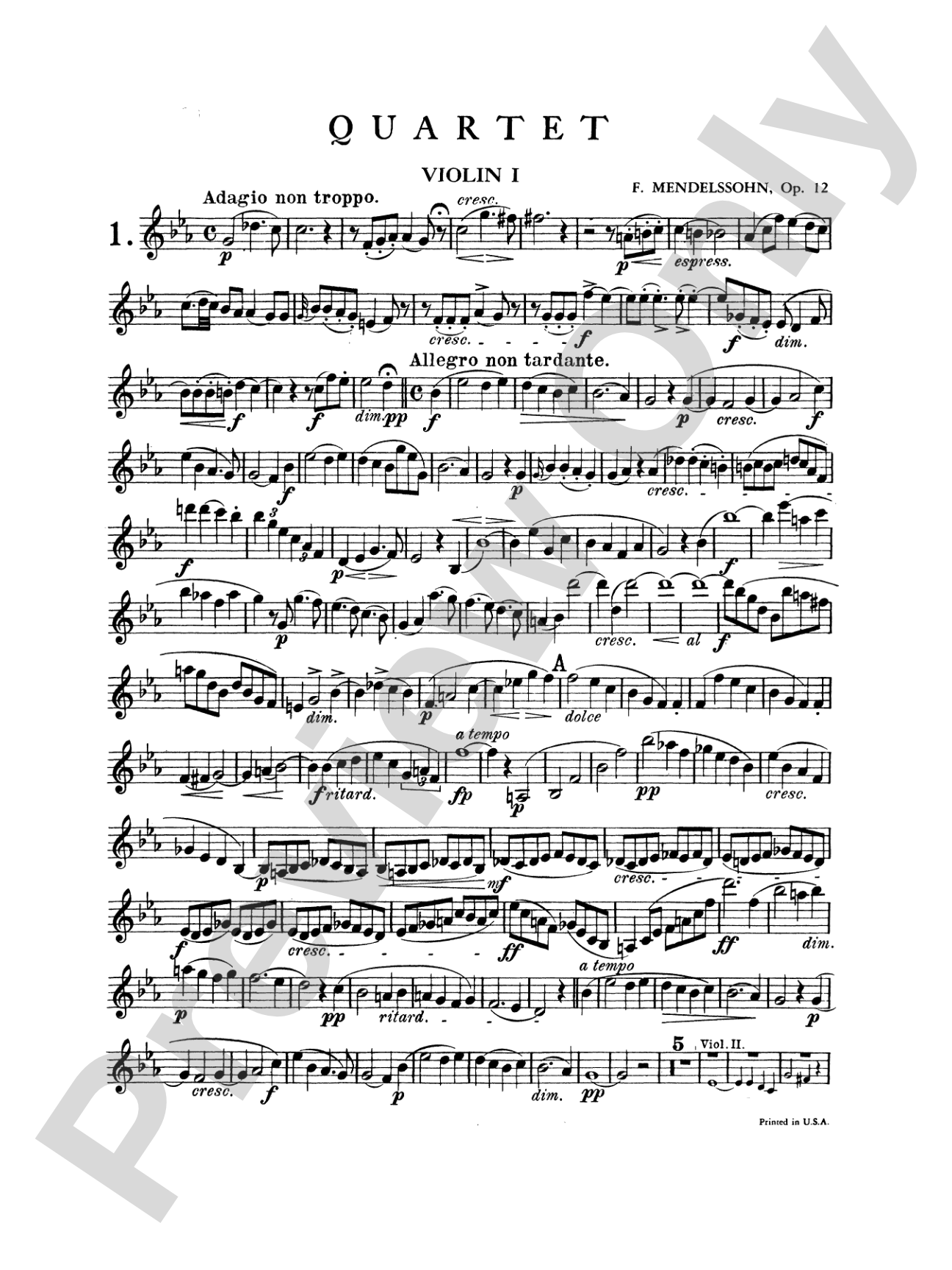
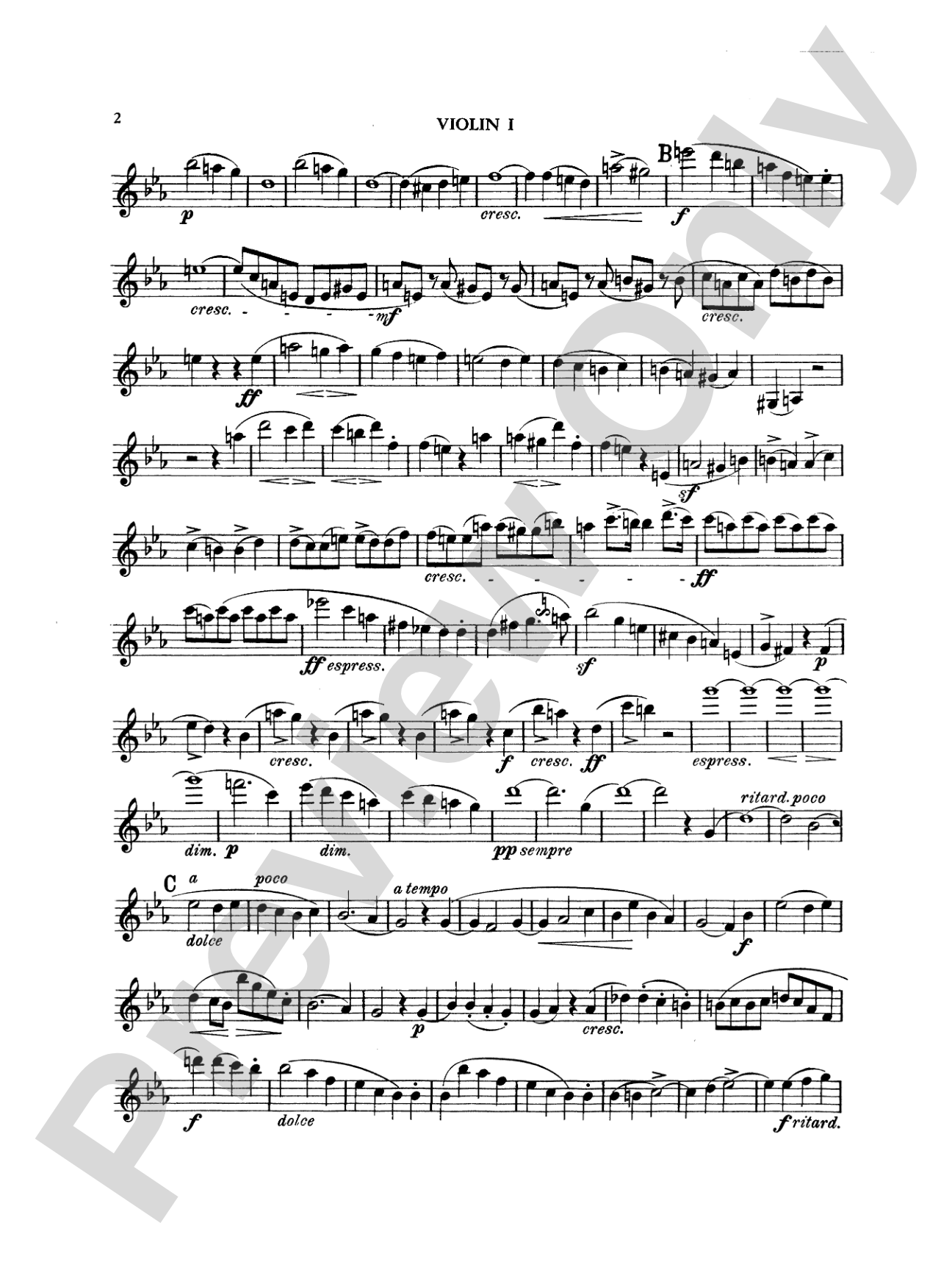
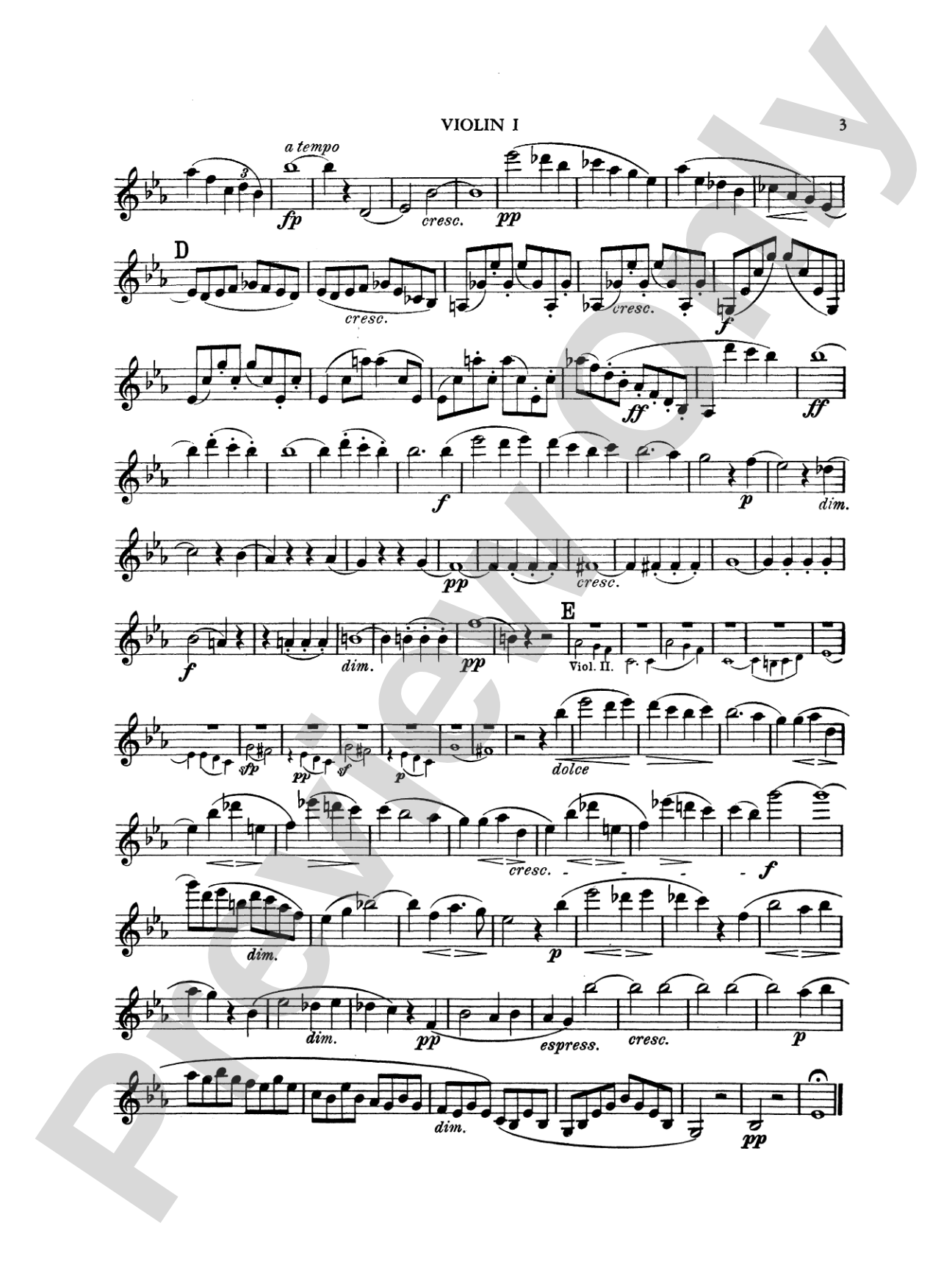
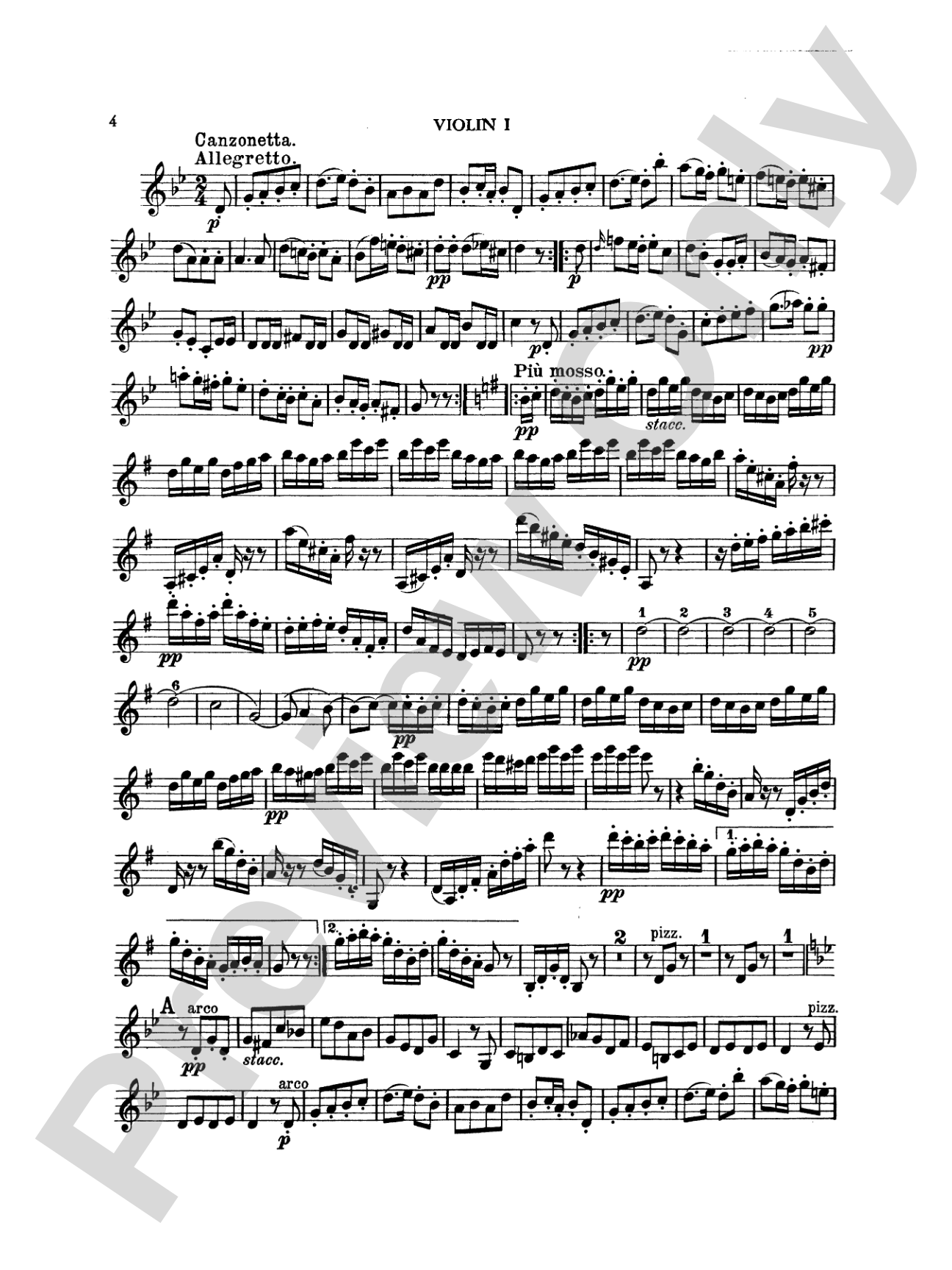
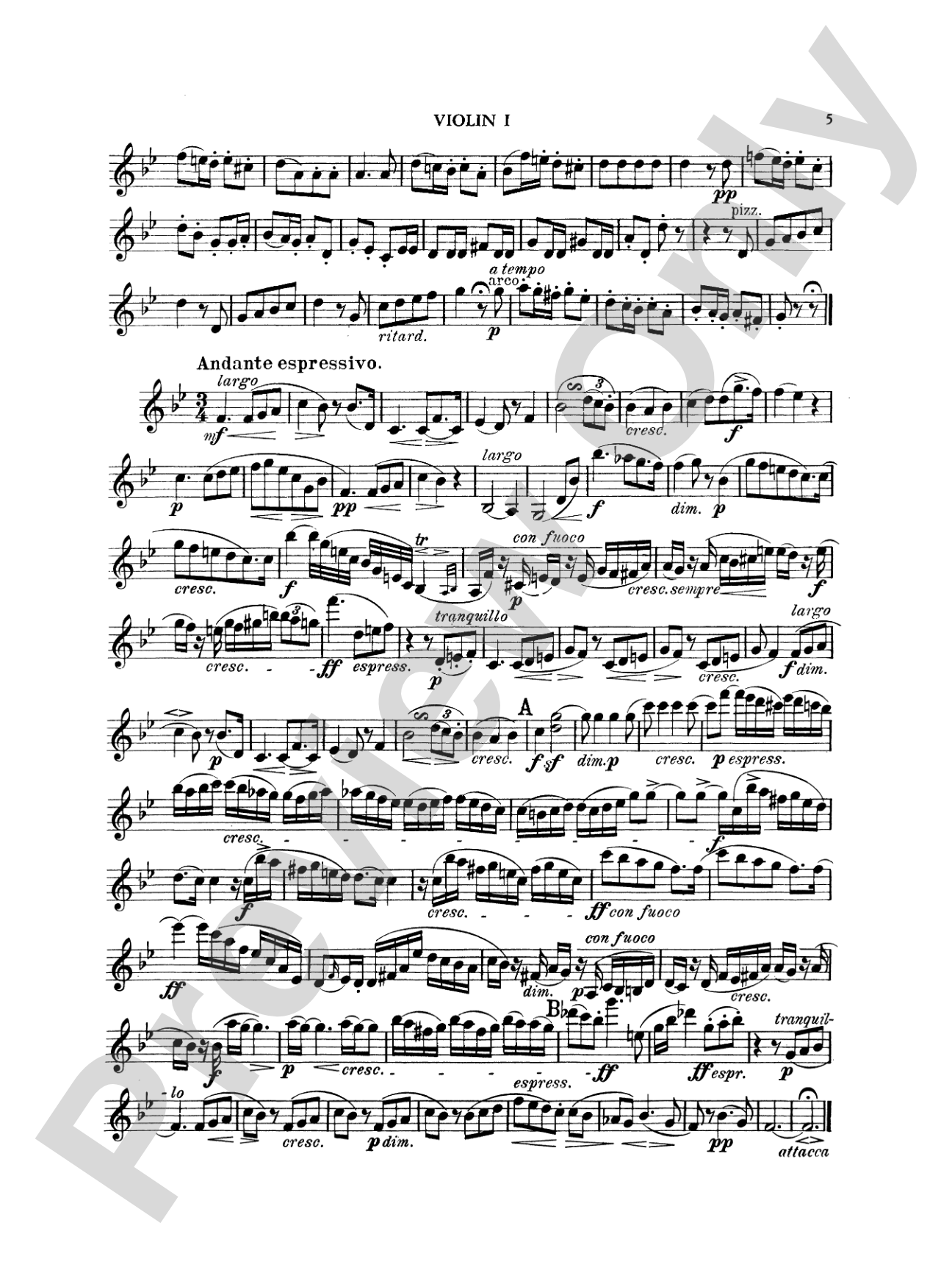
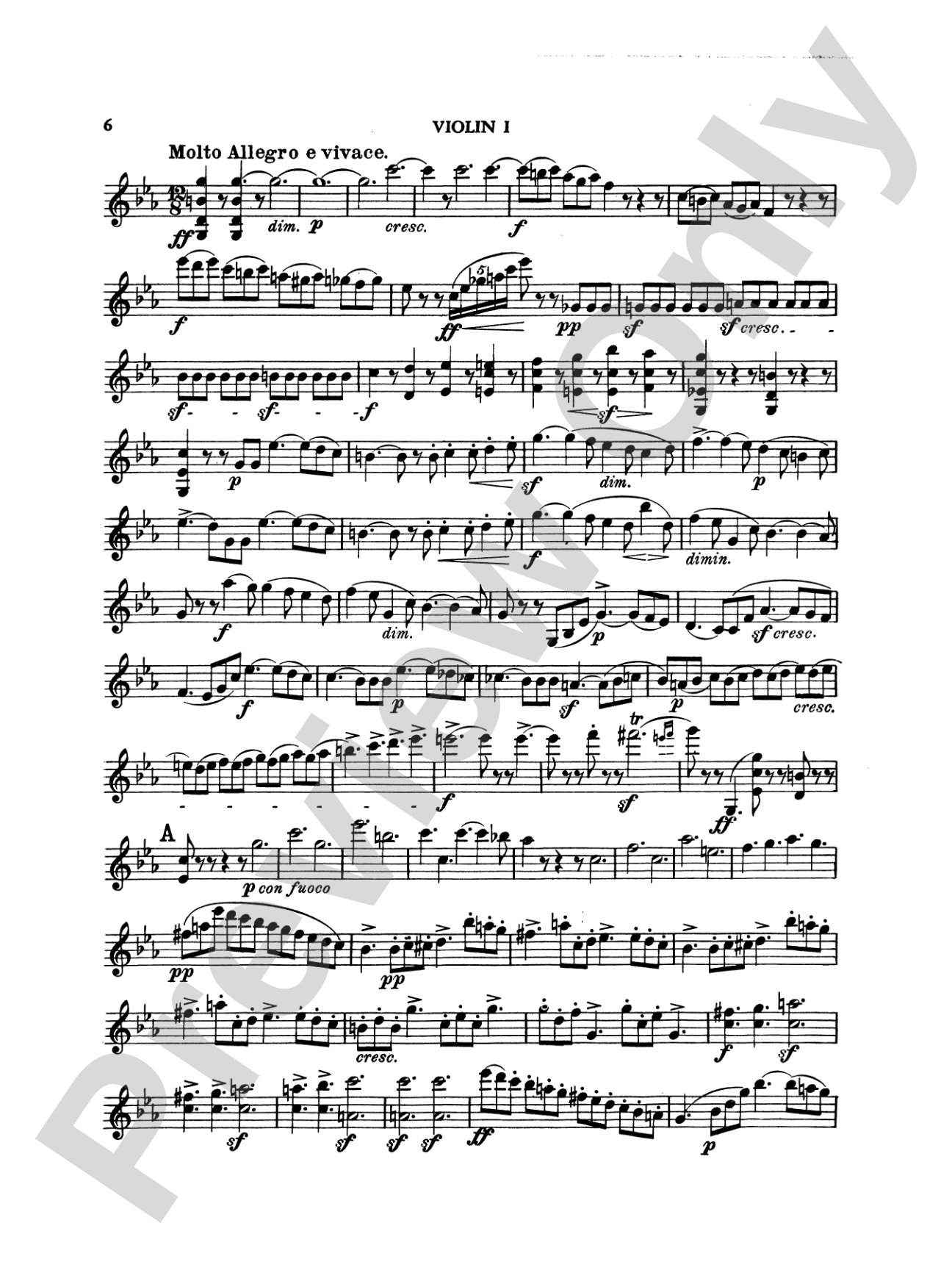
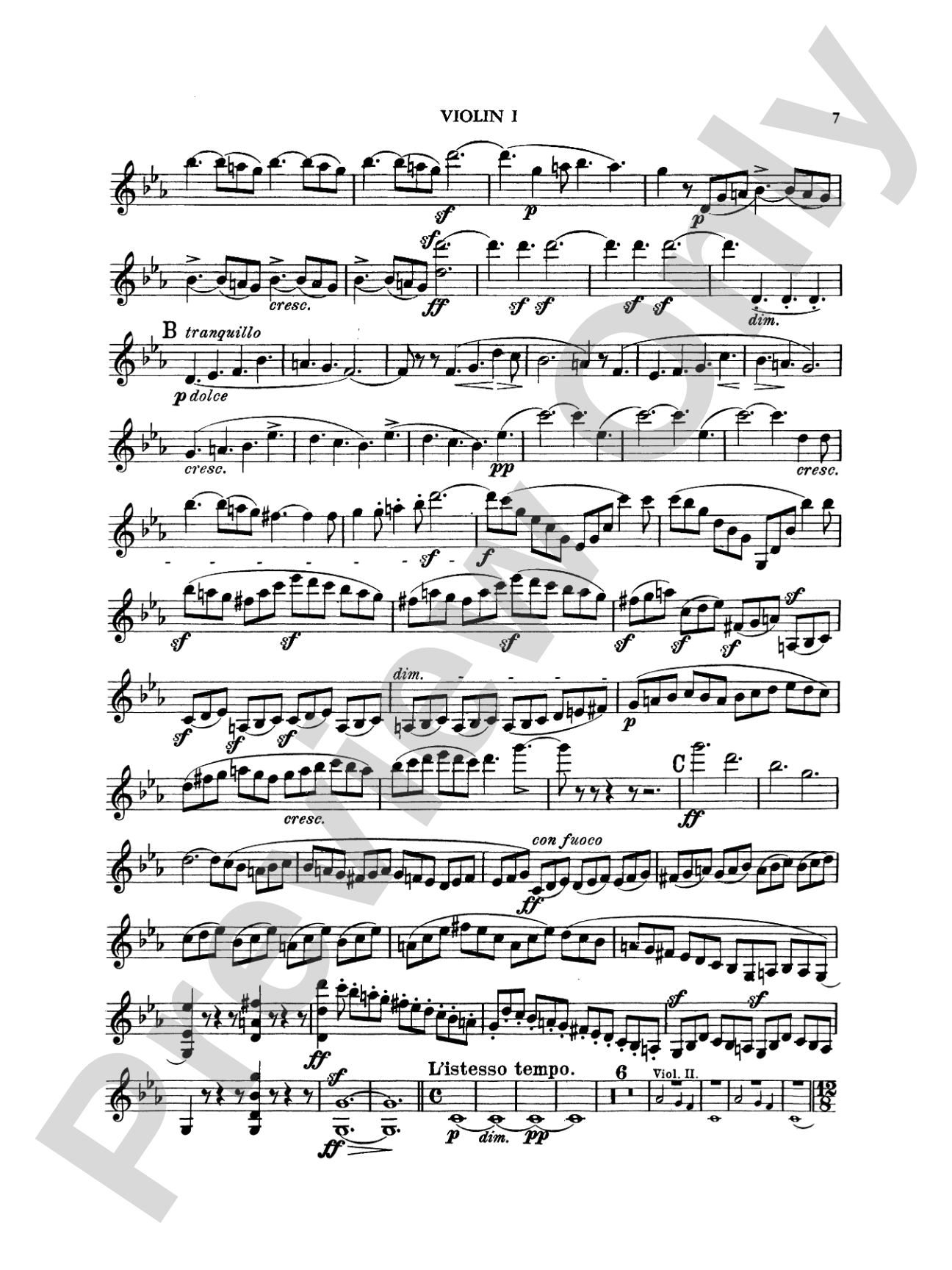
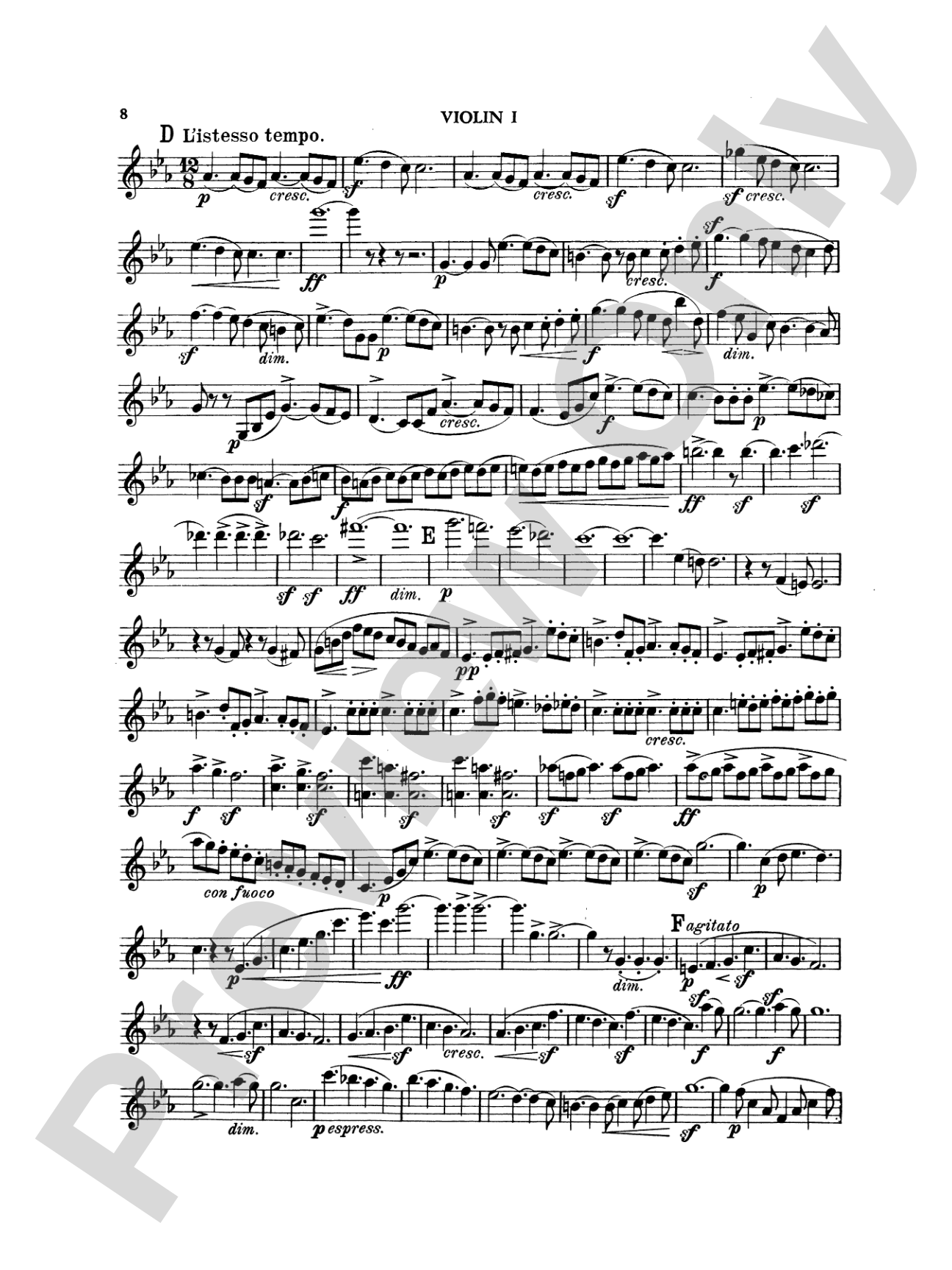
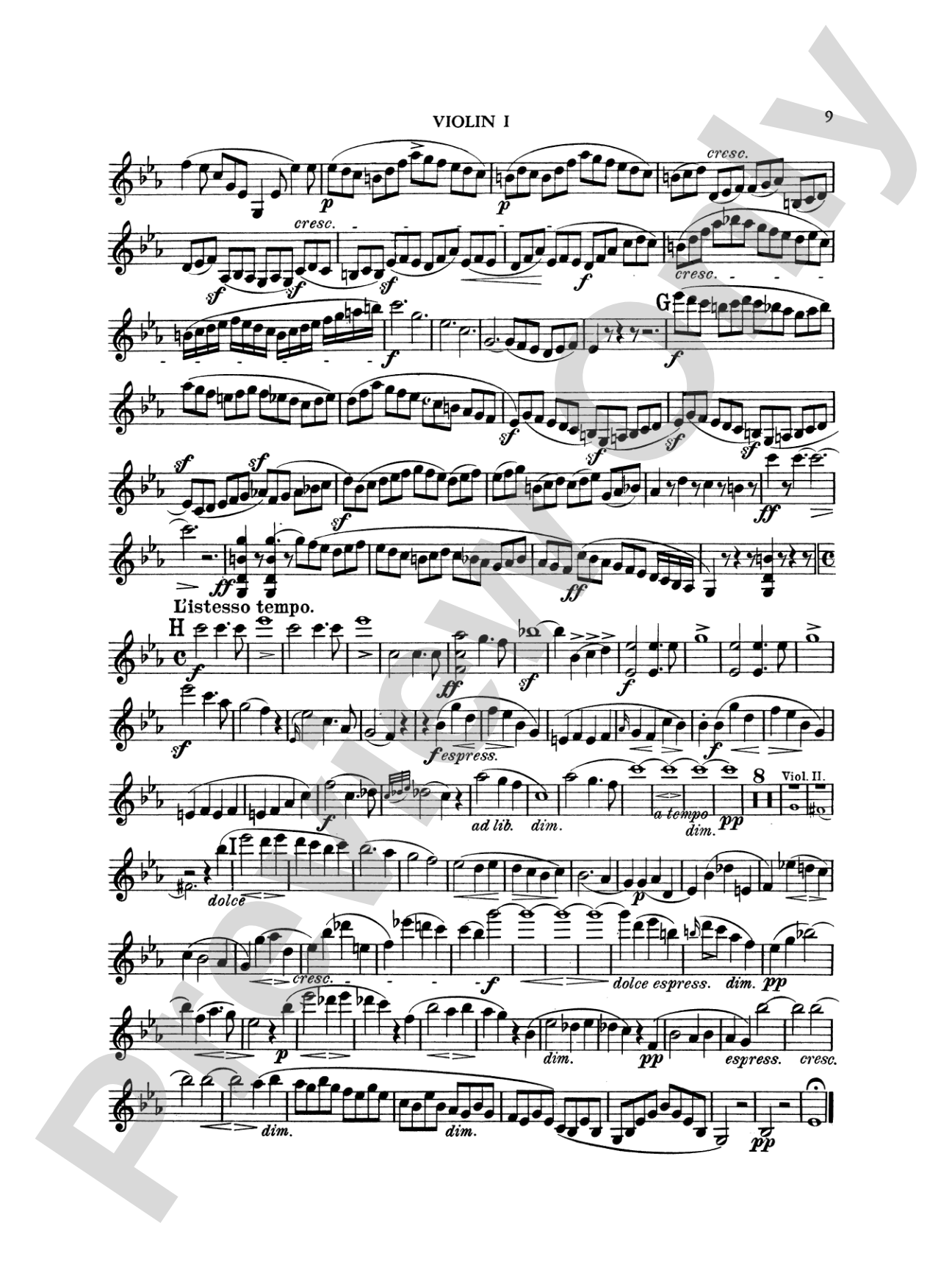
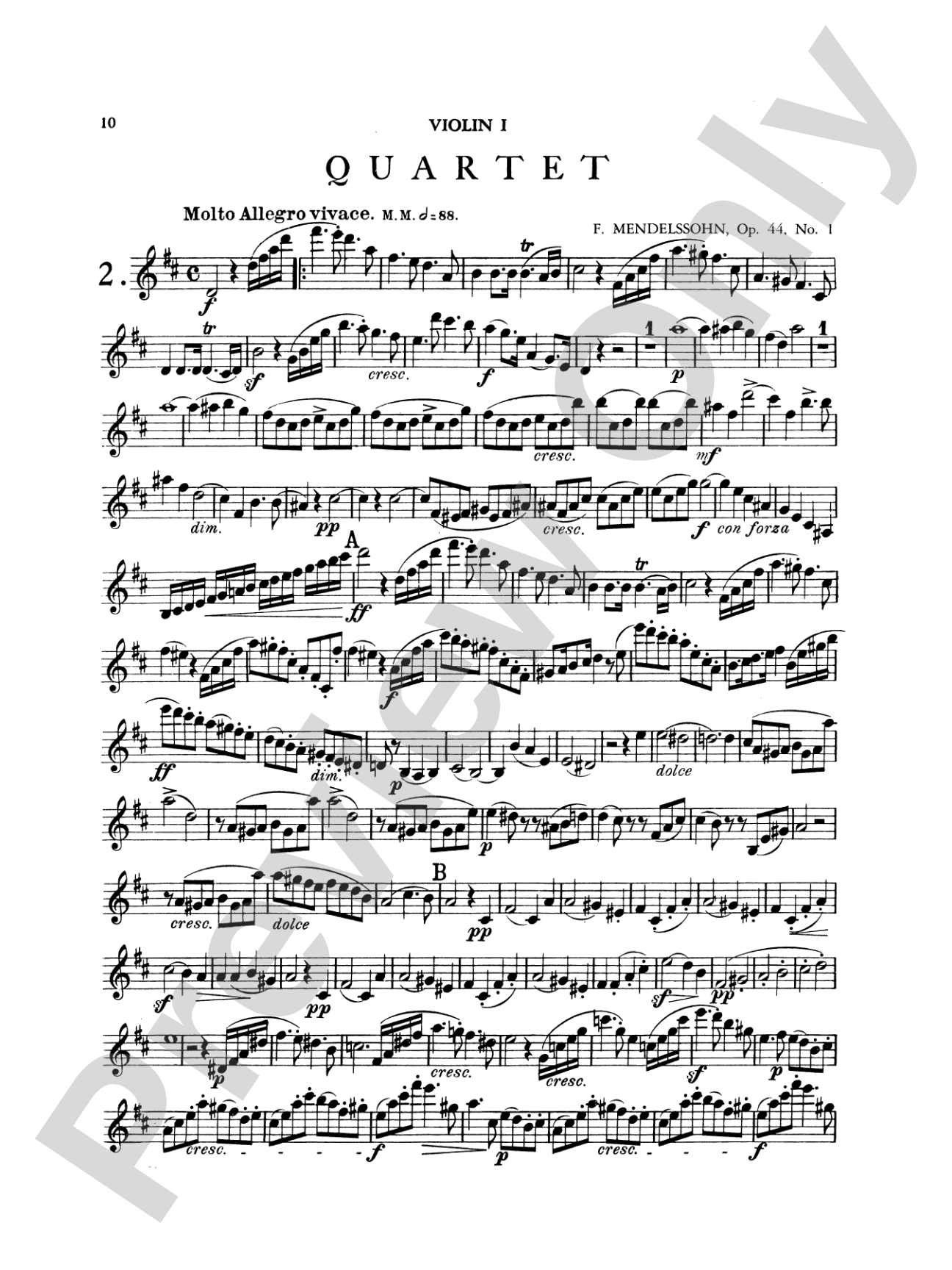

String Quartets, Op. 12; Op. 44, Nos. 1, 2 & 3: 1st Violin
For Two Violins, Viola and Cello
By Felix Mendelssohn
Item: 00-PC-0002520_VN1
$9.00
Pickup currently not available
Description
Expertly arranged String Quartets by Felix Mendelssohn from the Kalmus Edition series. This is from the Romantic era.


String Quartets, Op. 12; Op. 44, Nos. 1, 2 & 3: 1st Violin isn't in MakeMusic Cloud just yet...but it could be. Let us know you'd like to see it, and you'll help shape what comes next. In the meantime, start a free trial and dive into thousands of interactive titles your students can play along with today.
Request This Title
Tell us you want it.
Start Your Free Trial
Explore everything that's ready to play right now.
Sample Audio
No sample audio found.
Sample Video
No sample videos found.
Additional Details
Series:
Kalmus Edition
Publisher:
Alfred Music
Page Count:
168
SKU:
00-PC-0002520_VN1
More about this title
About the Composer: Felix Mendelssohn
Felix Mendelssohn (1809-1847) stands as one of the most gifted composers of the nineteenth century, writing masterworks across symphonic, chamber, choral, and vocal genres while still in his twenties. His string quartets represent some of the finest achievements in the chamber music canon, balancing lyrical melodies with sophisticated harmonic language and structural clarity. Mendelssohn spent much of his career in Leipzig as conductor of the Gewandhaus Orchestra, where he championed both contemporary composers and the works of Bach, Handel, and Beethoven. His chamber music reflects both his debt to Beethoven's late quartets and his own gift for songlike themes that captivate listeners across generations.
Why we love this
These quartets occupy essential territory in the chamber music repertoire: approachable enough for advanced high school ensembles yet sophisticated enough to sustain repeated performances at the college and professional levels. The combination of op. 12 with the three quartets from op. 44 gives you substantial, varied material suited to both student competitions and recital programming. Mendelssohn's gift for lyrical melody paired with his command of counterpoint makes these works genuinely rewarding to perform, not merely showcase pieces.
What to expect
These quartets flow with an almost vocal elegance, full of singing lines and warm harmonic colors. Even in moments of dramatic tension or rapid figuration, Mendelssohn maintains a sense of gracious lyricism that makes the music feel both accessible and genuinely moving.
Who it's for
Advanced secondary and undergraduate string quartet ensembles, festival competitors, and chamber musicians preparing a varied recital program. This collection works for ensembles with strong intonation control and the capacity to balance independent line writing against unified ensemble sound.
How to get the most out of it
- Balance the first violin's thematic material against the viola and cello parts, which often carry accompanying figures that deserve to be heard. The texture is transparent enough that any imbalance becomes apparent immediately.
- Shape phrases by ear rather than relying solely on written dynamics. Mendelssohn's harmonies often contain gentle color shifts that clarify the structure when the ensemble listens as a whole.
- Maintain rhythmic steadiness in the accompaniment figures while allowing the melodic line to breathe. The quartets reward ensemble flexibility only when the foundation is secure.
- Pay attention to articulation markings in all parts. Mendelssohn's contrasts between staccato and legato passages define character and help listeners follow the musical argument.
How to use it
Feature one quartet on a chamber recital or competition program to anchor a well-balanced set list; pair it with works by Haydn or Beethoven for a historical continuum, or contrast it with contemporary or earlier Baroque quartets to highlight Mendelssohn's particular voice. The variety within this collection (four quartets across two opus numbers) allows you to select pieces that match your ensemble's strengths and the character of a specific concert.
Skills your students will build
- Balancing four independent, equally important lines while maintaining transparent ensemble blend
- Shaping lyrical themes without sacrificing rhythmic accuracy in accompanying parts
- Responding to harmonic color changes and performing subtle dynamic adjustments that clarify form
- Managing ensemble flexibility within a secure rhythmic framework
- Reading and executing varied articulation and bowing indications across multiple parts simultaneously