
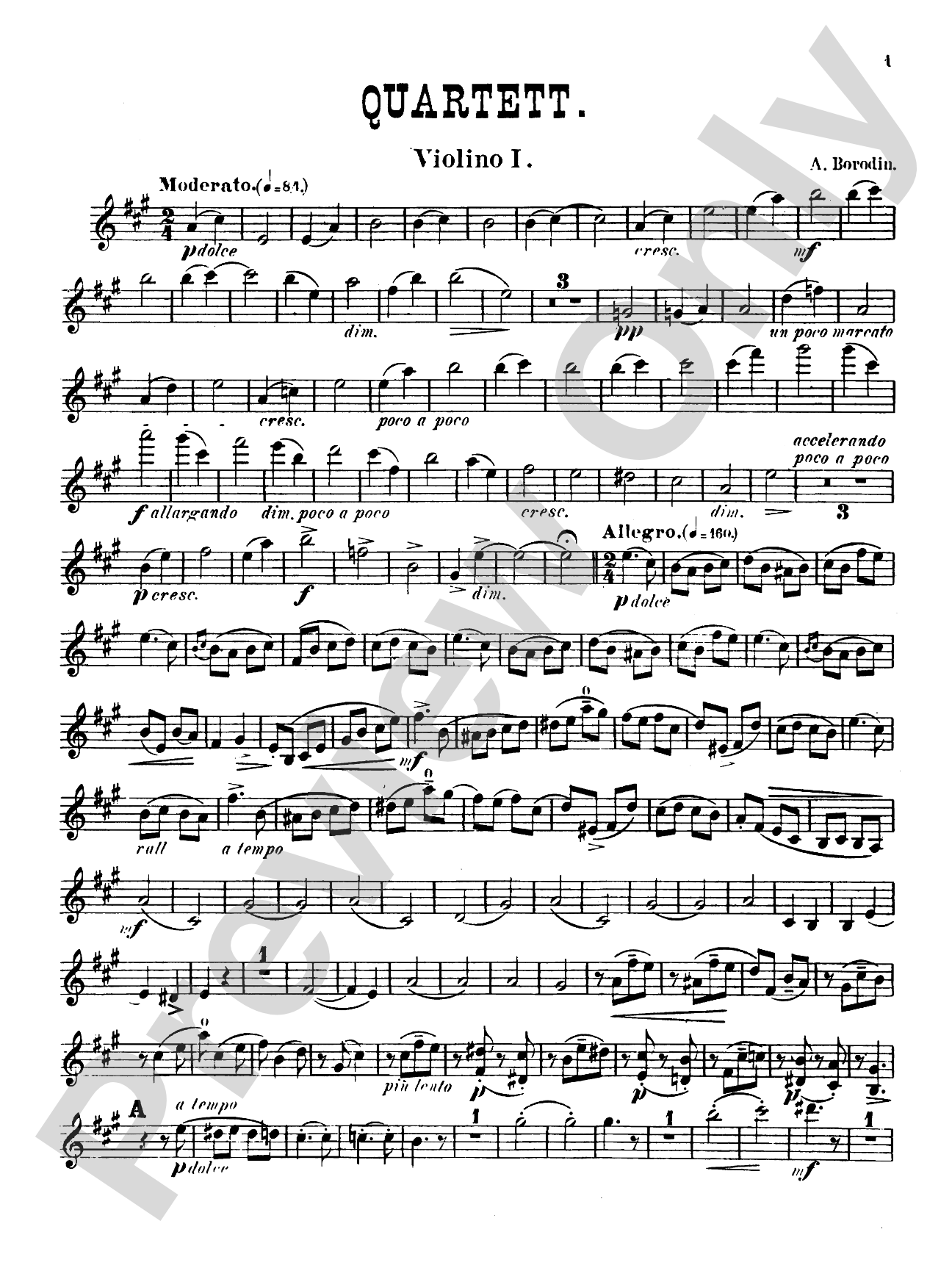
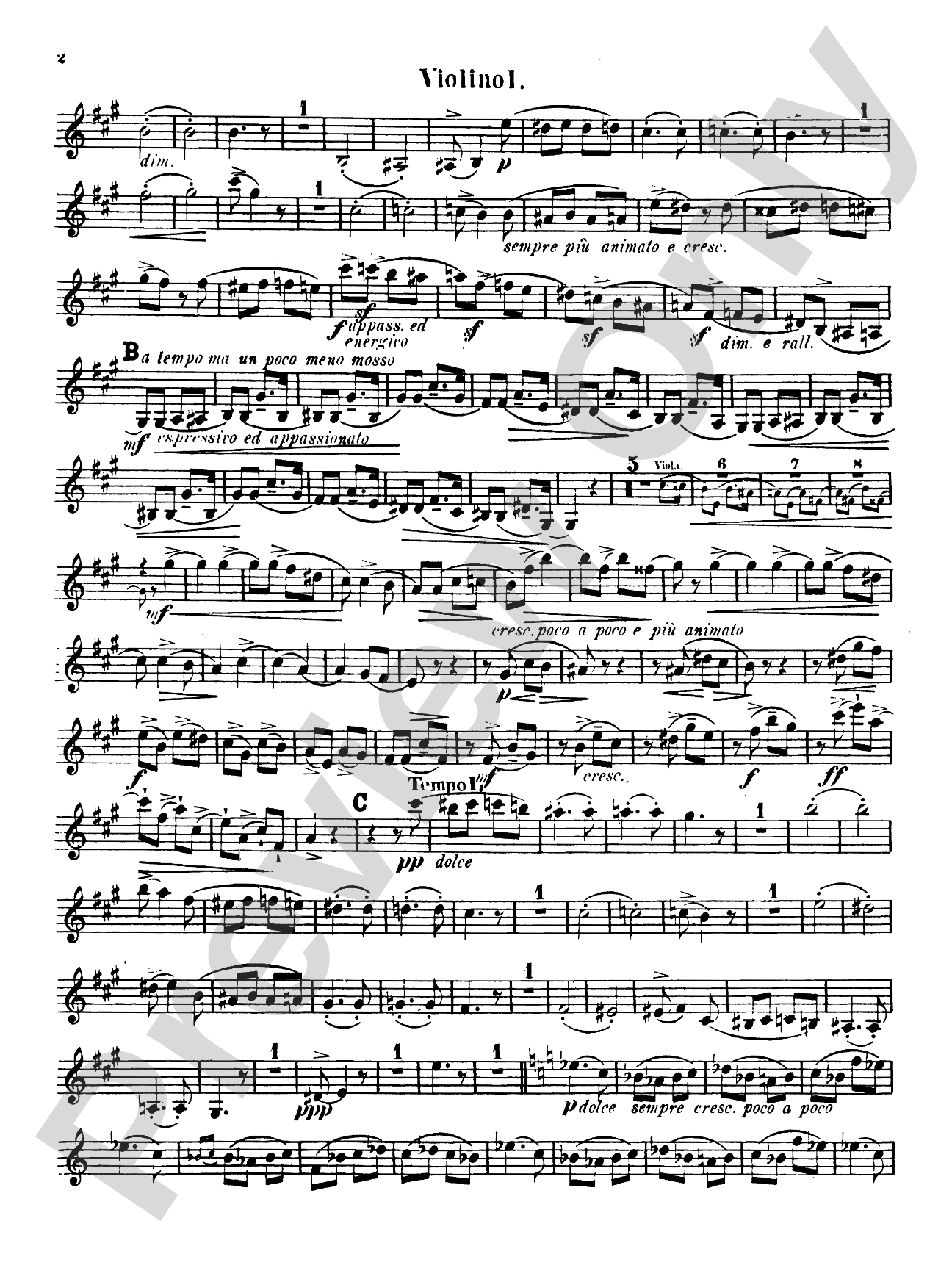
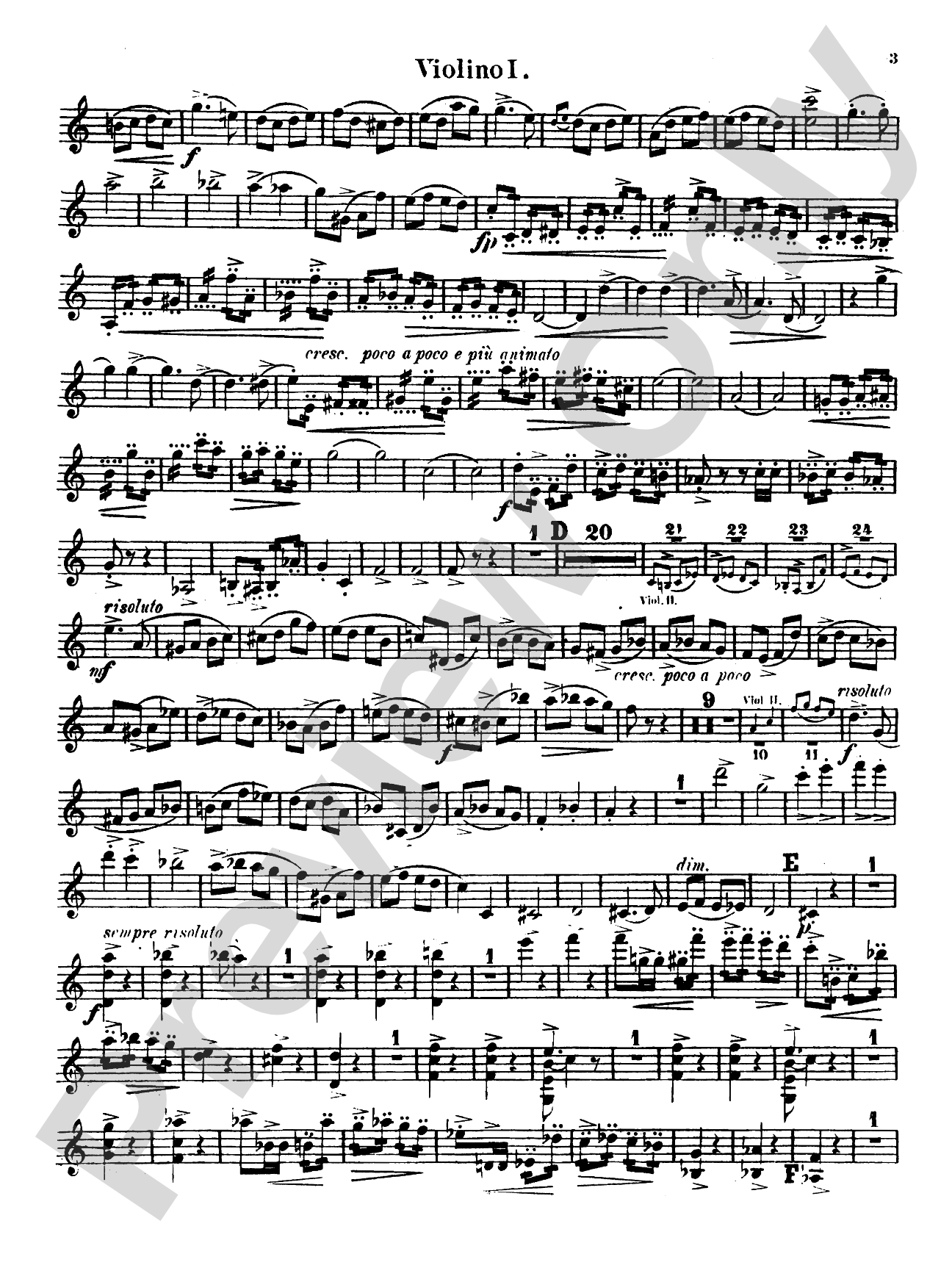
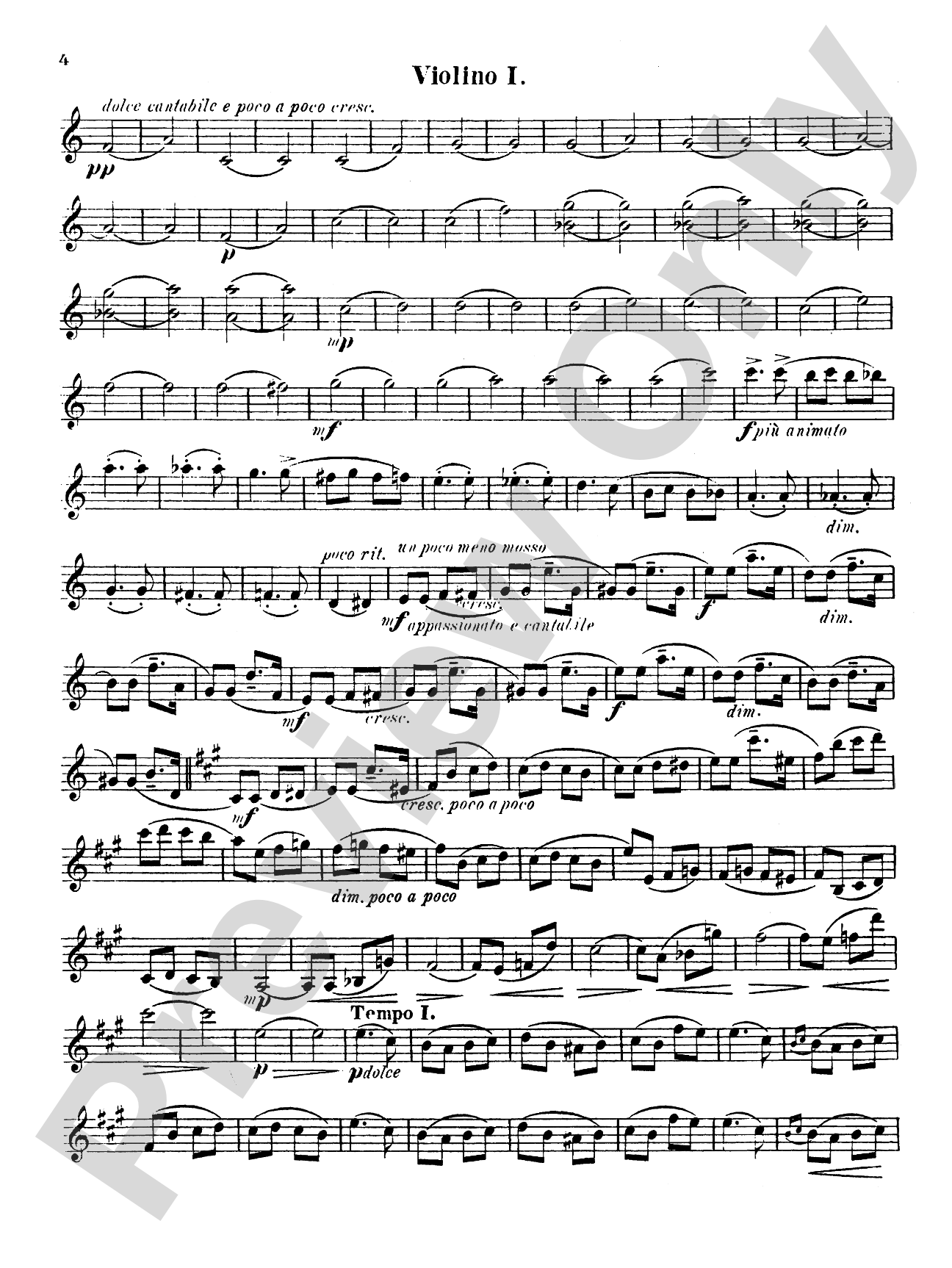
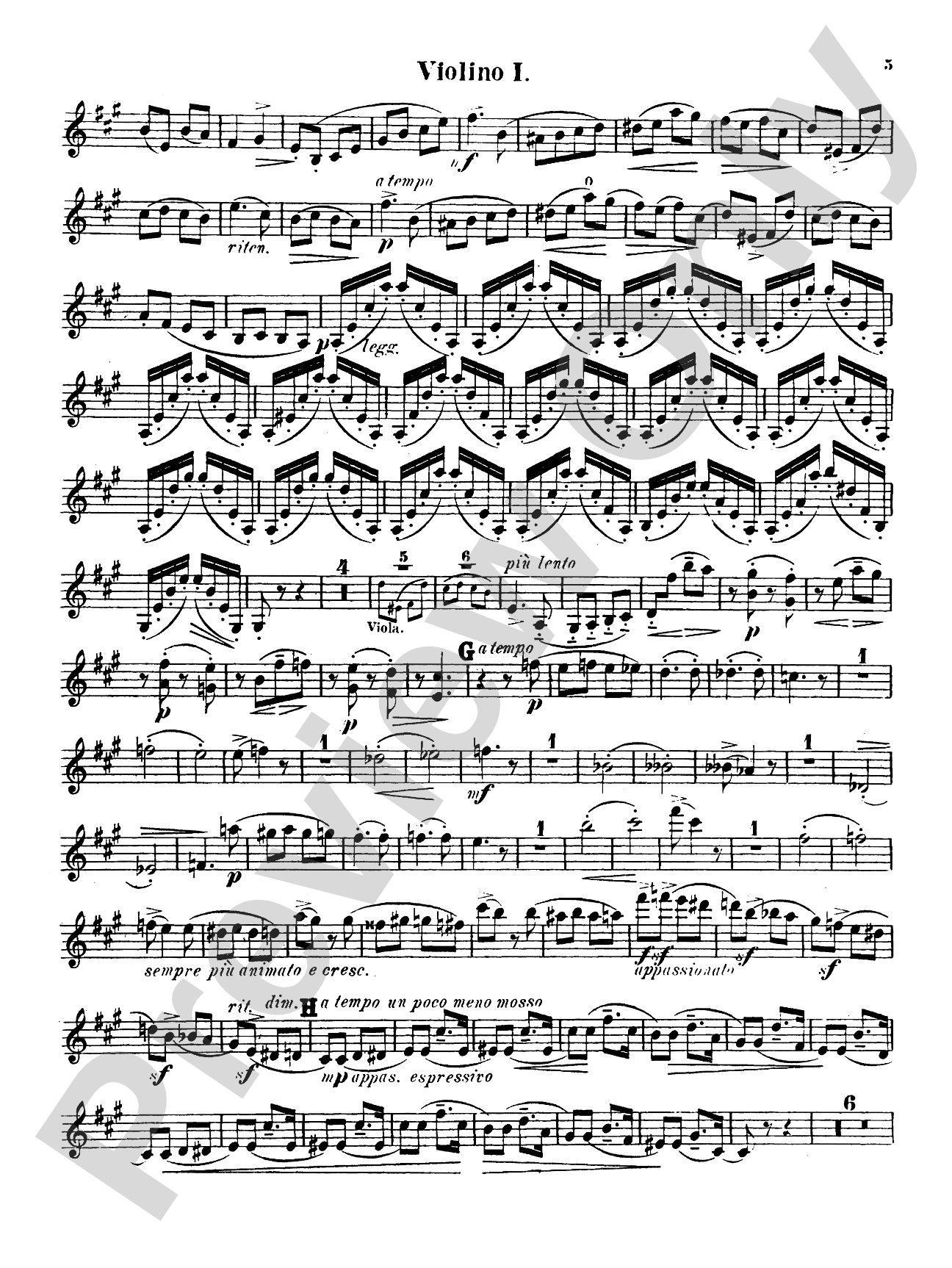
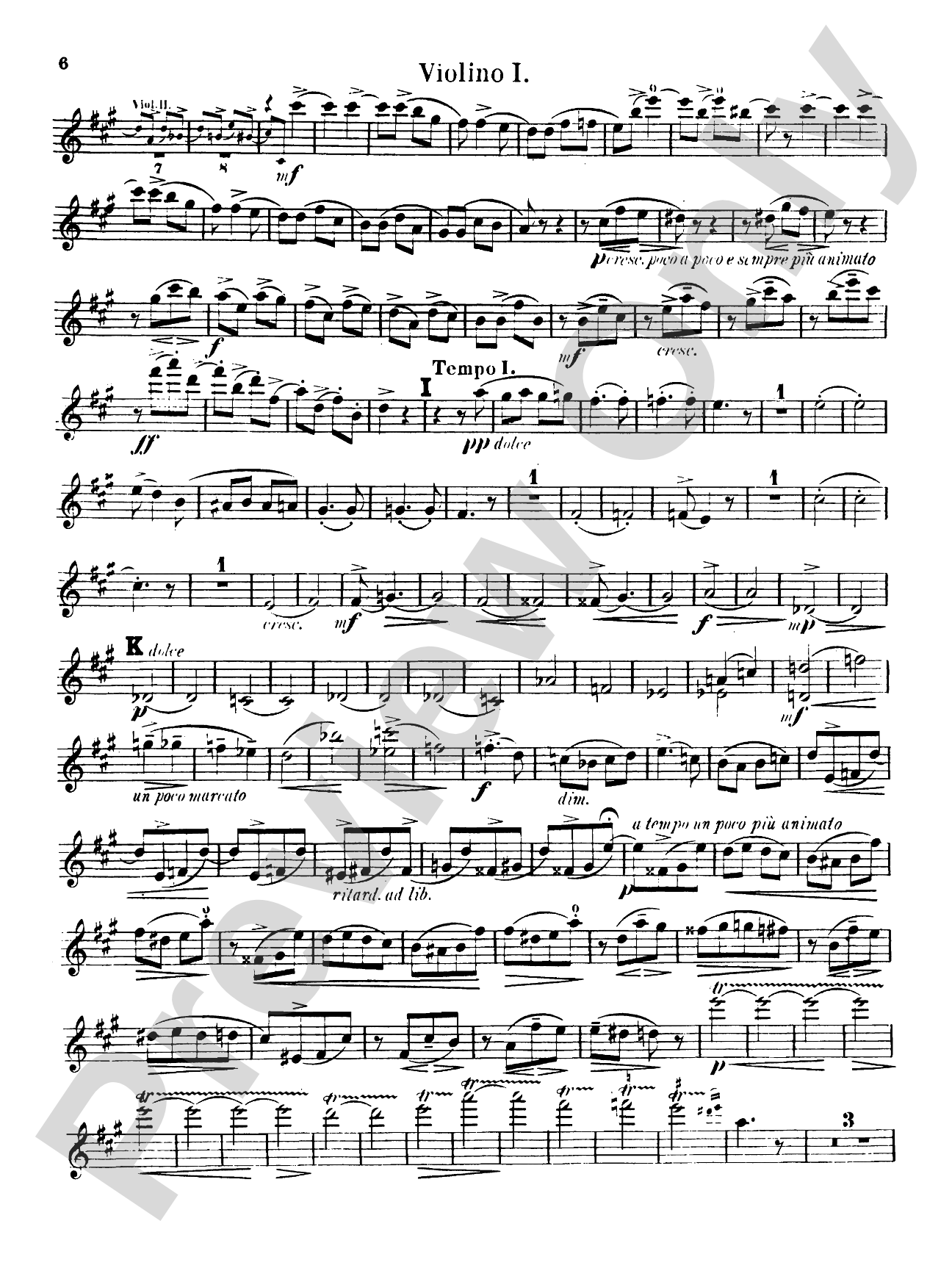
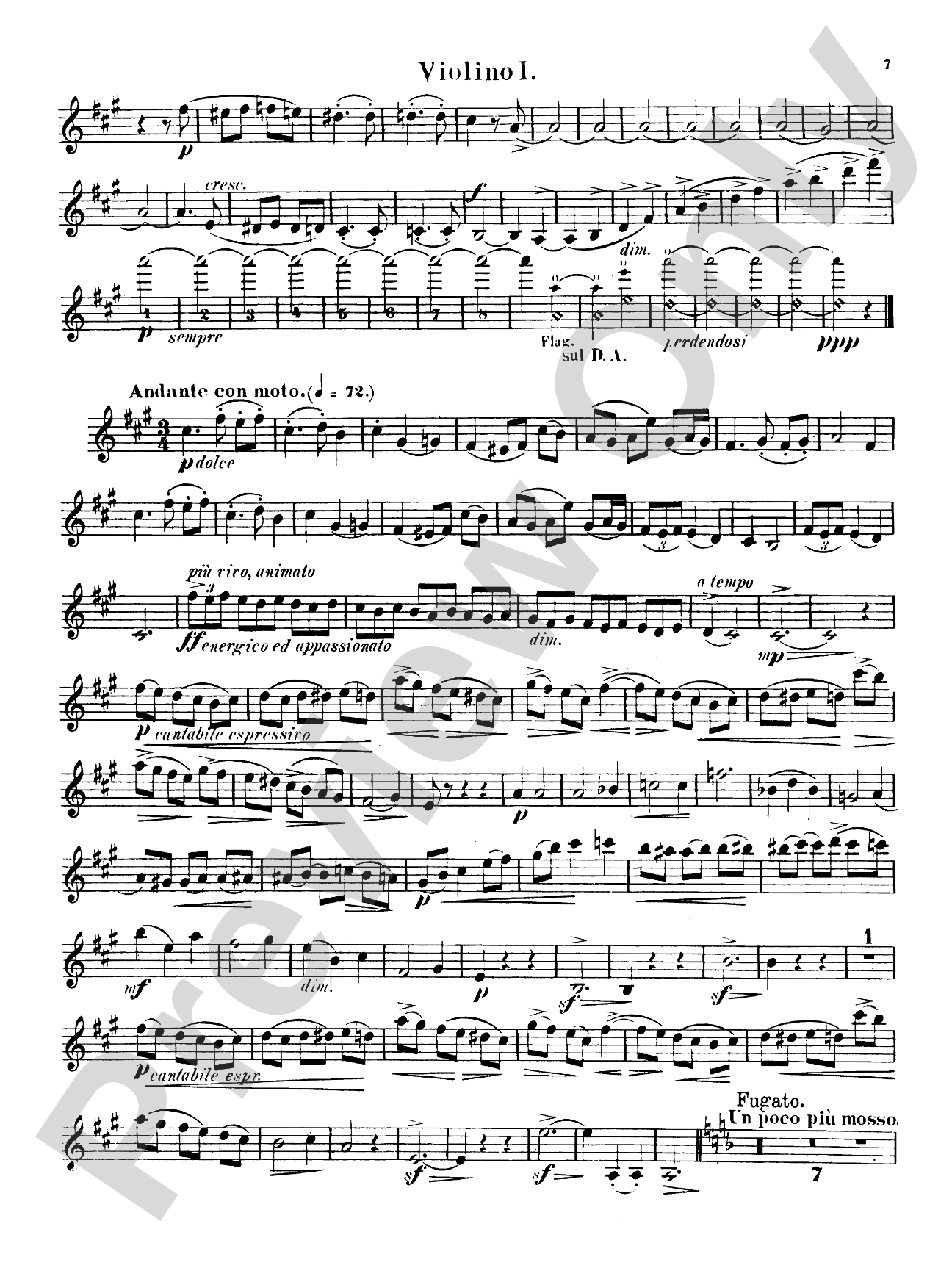
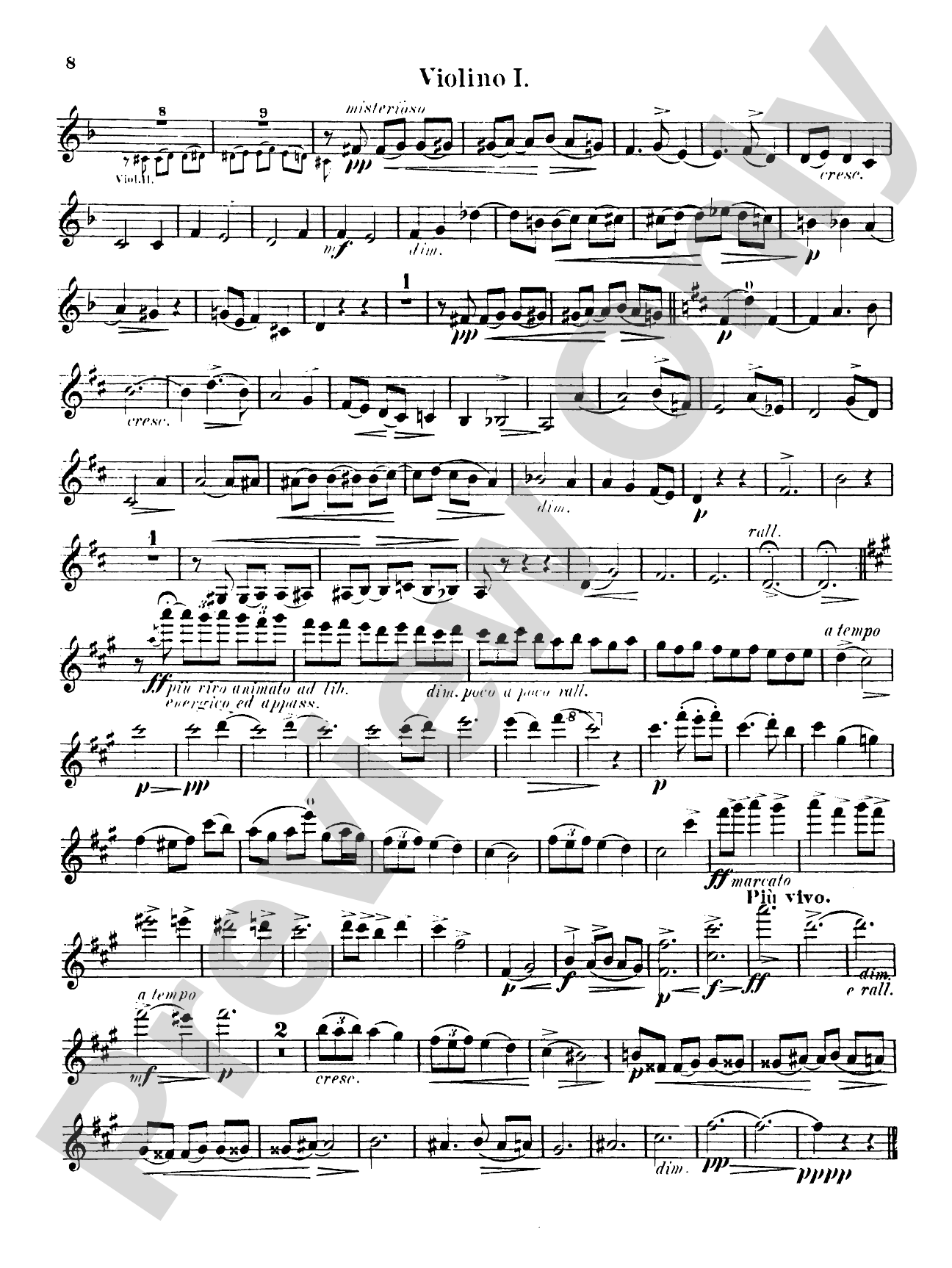
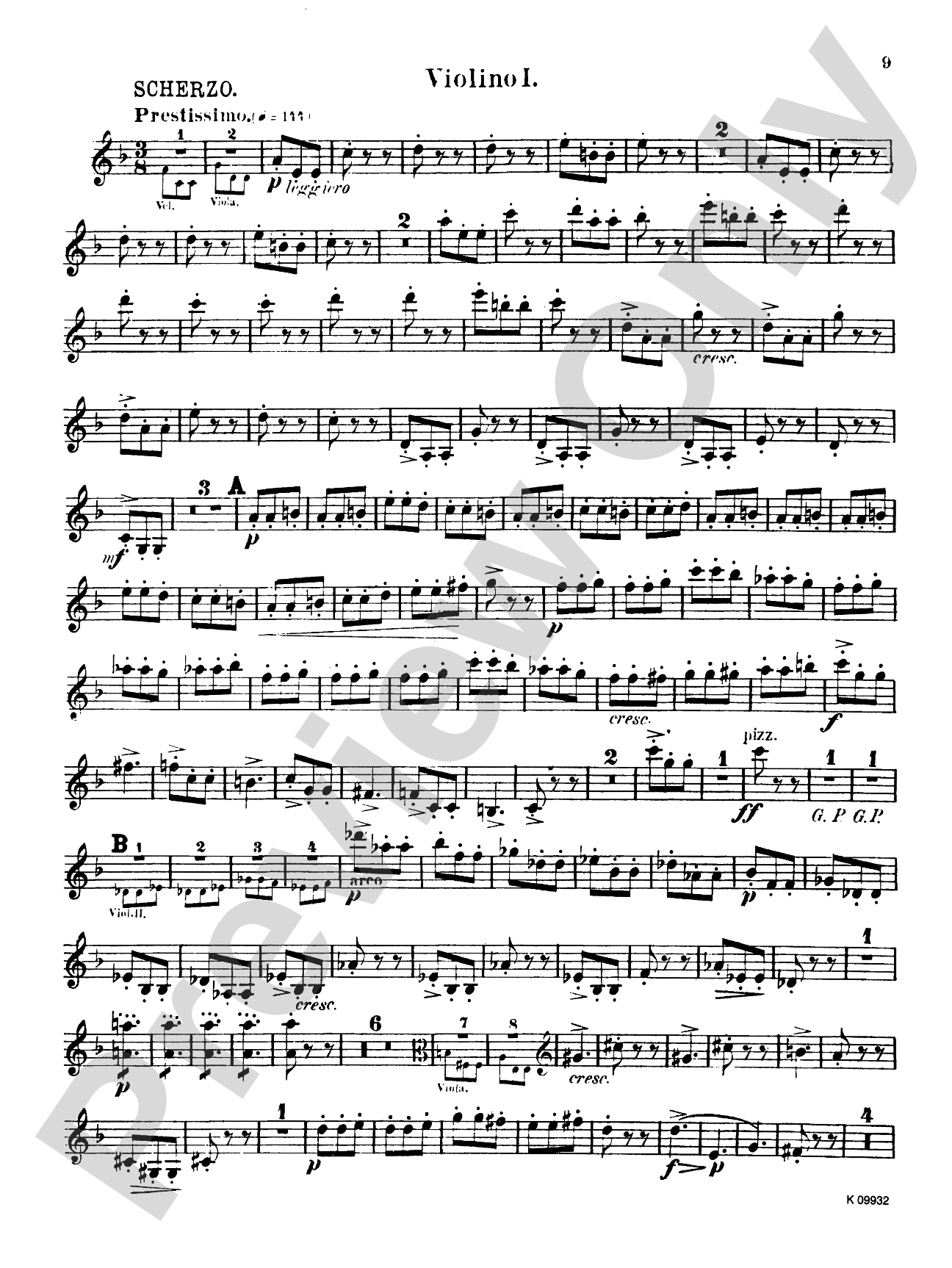
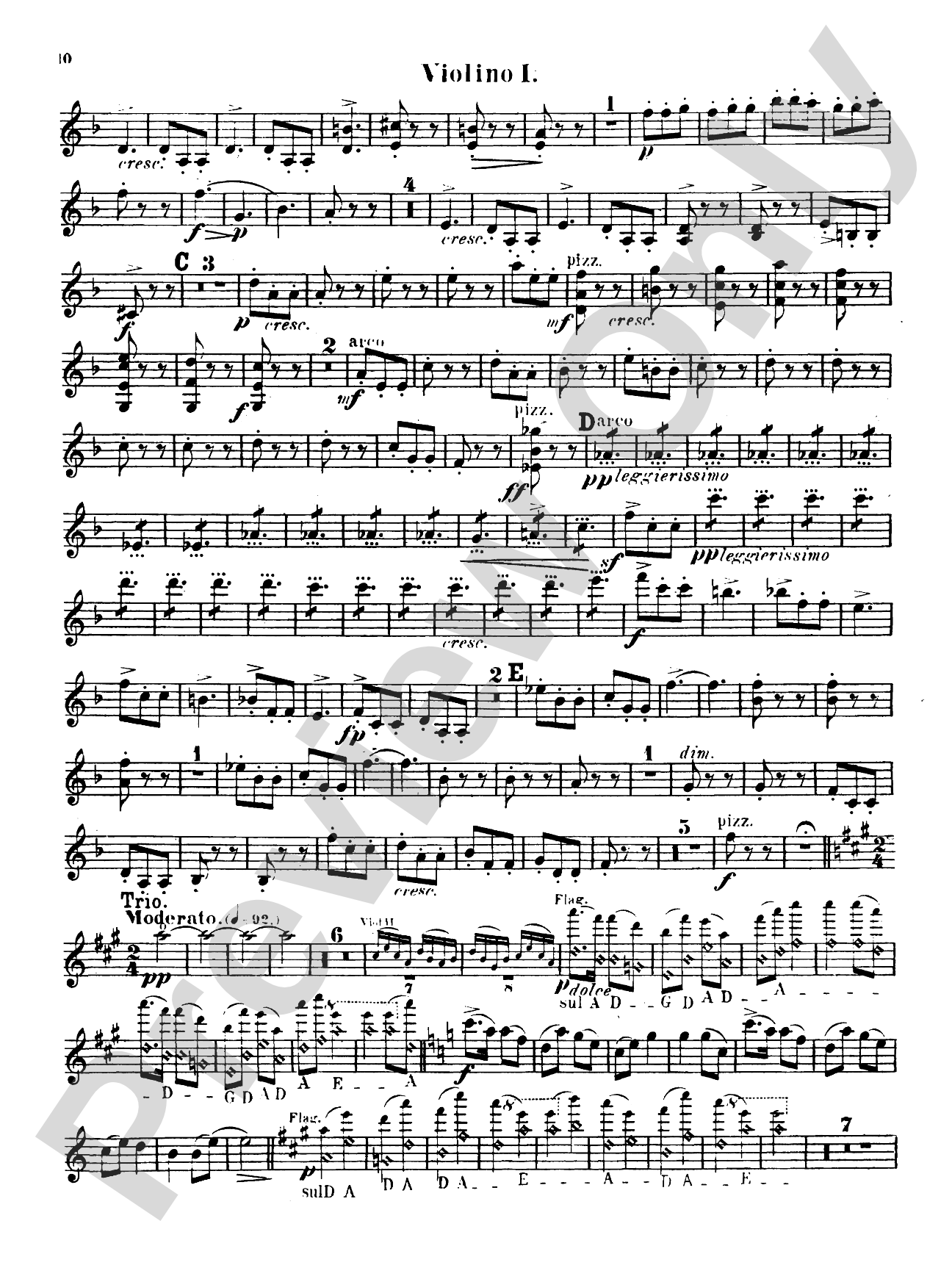
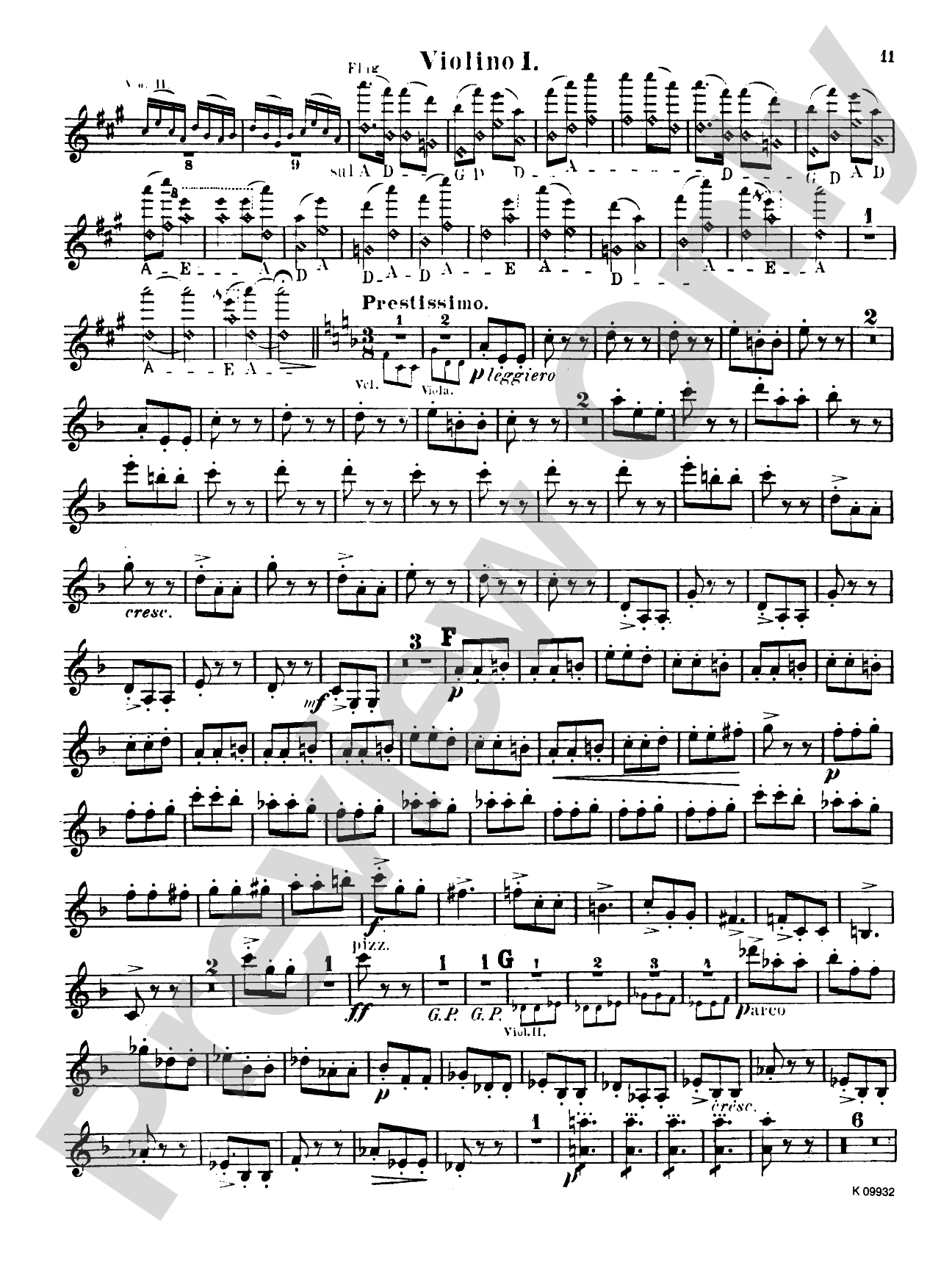
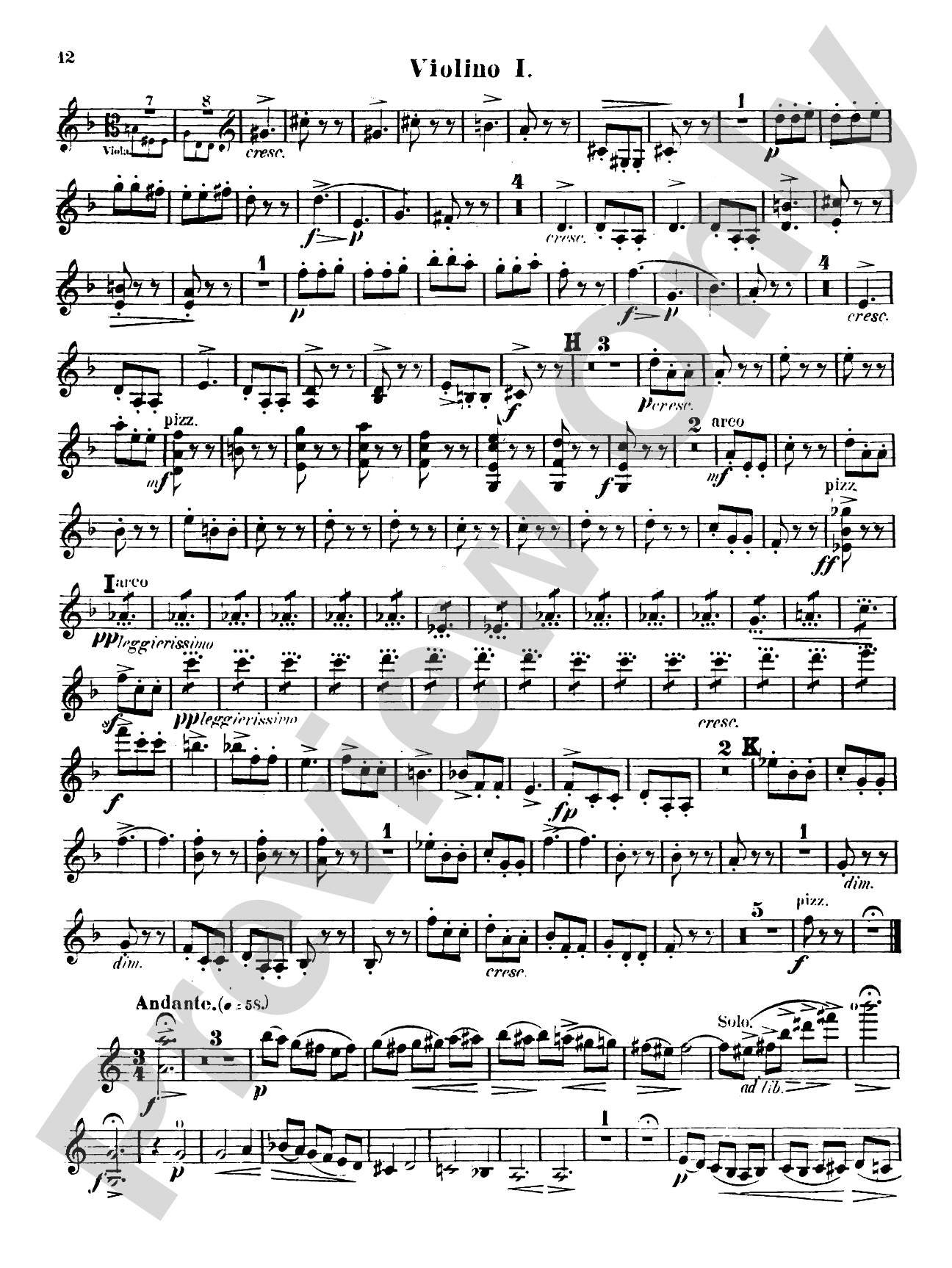
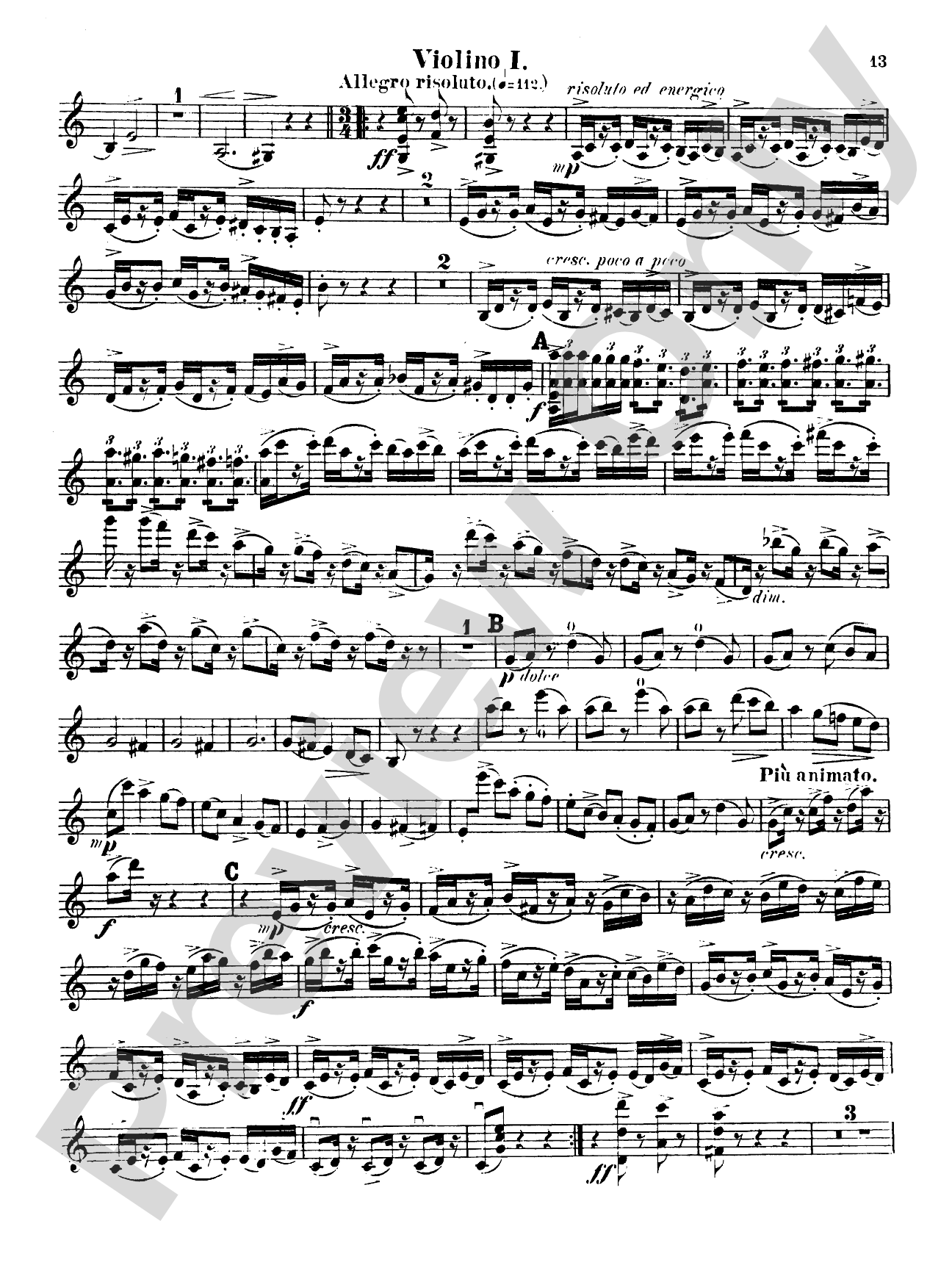
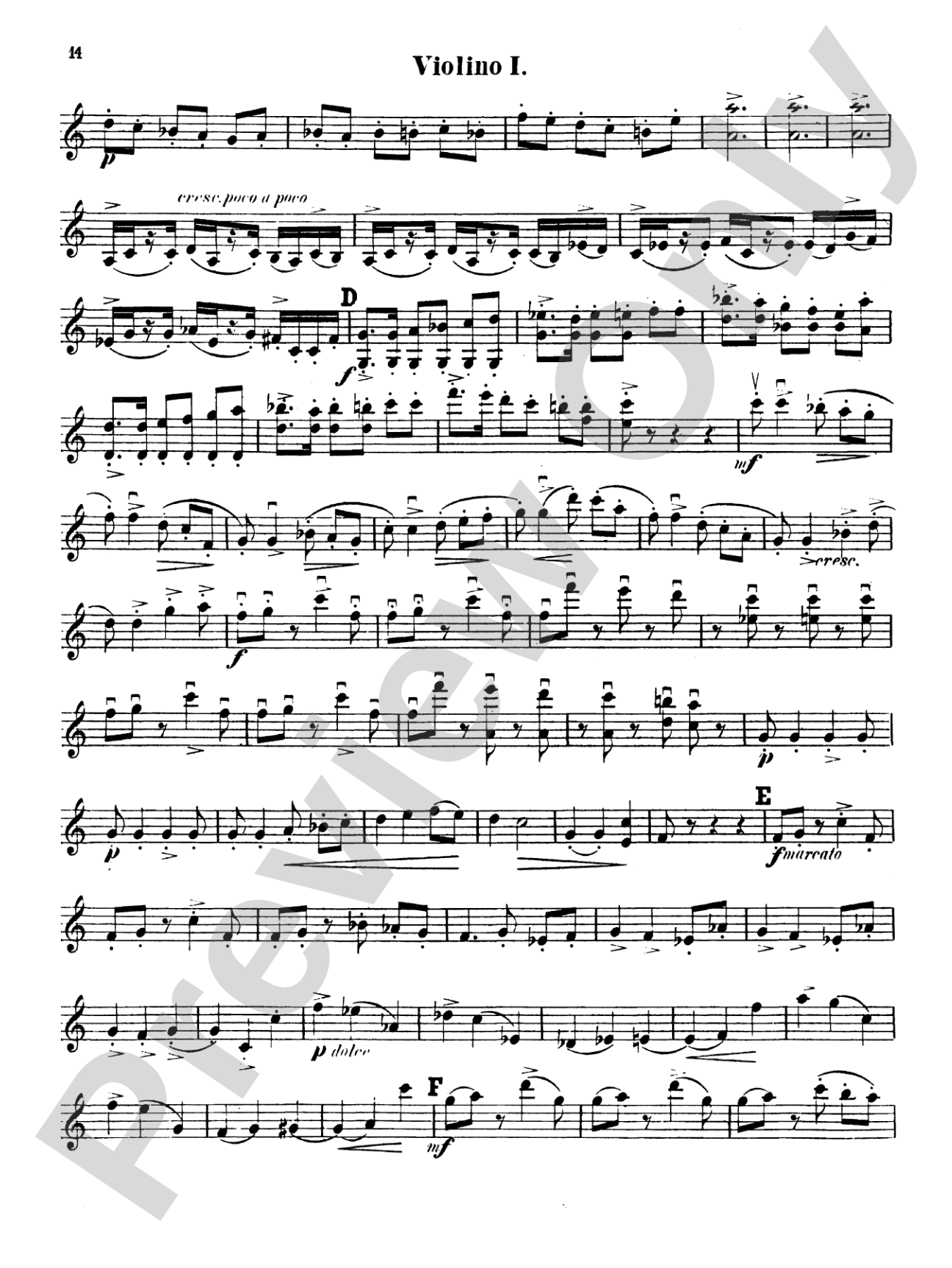
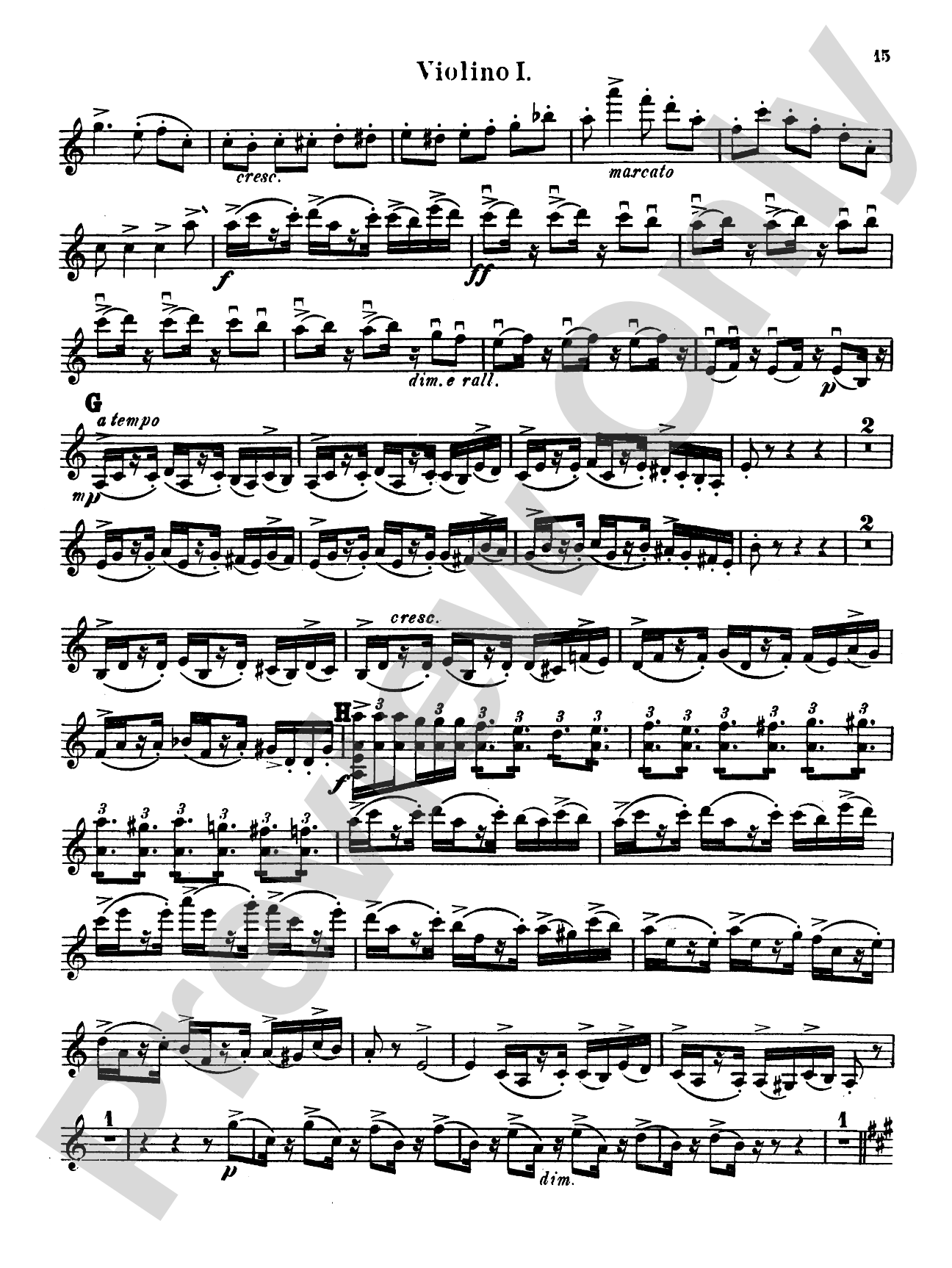
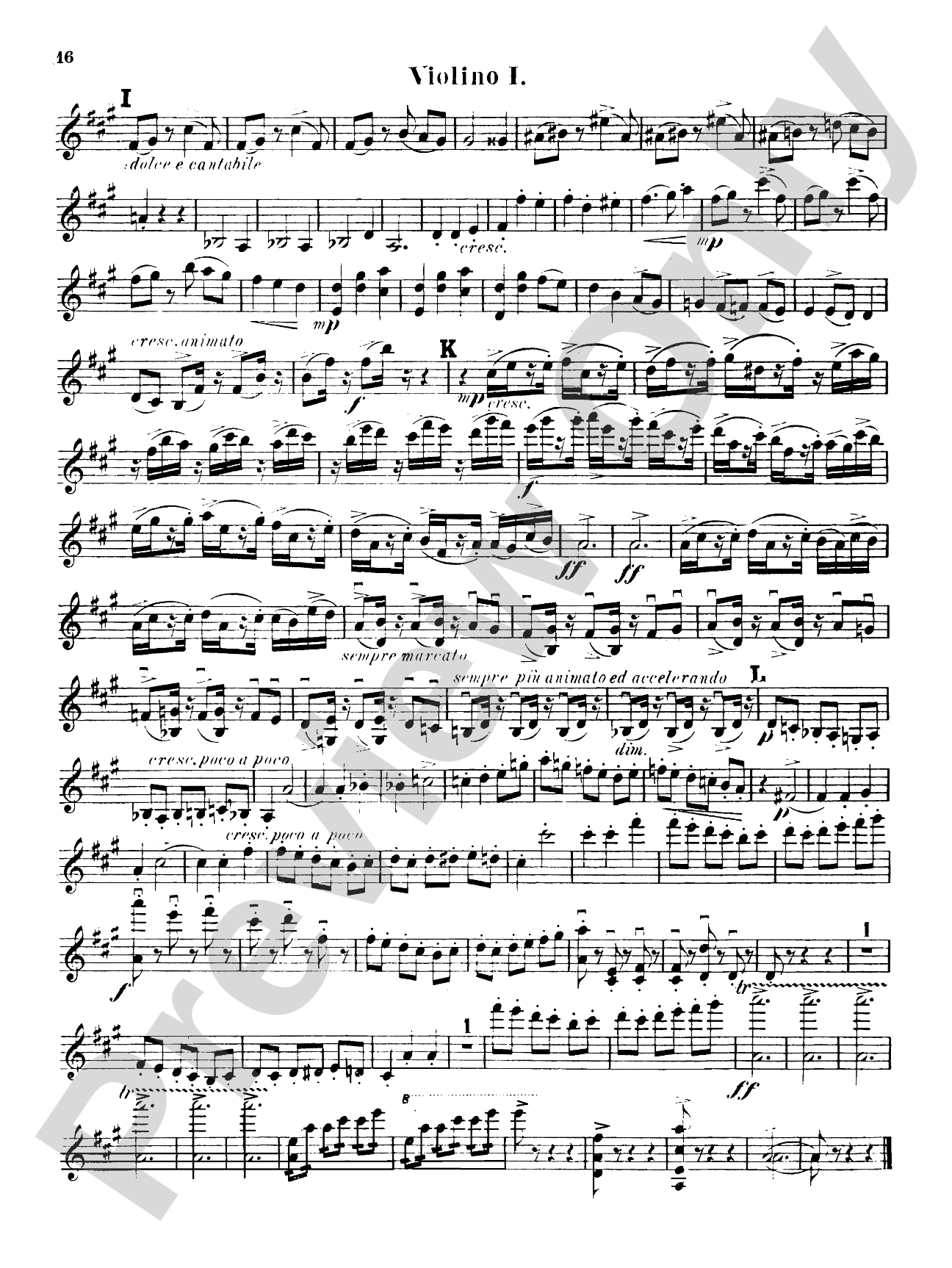

String Quartet No. 1 in A: String Quartet Book
By Alexander Borodin
Item: 00-PK-0004992

$17.99
Pickup currently not available
Buy Extra Parts (Digital PDF Download)
| Product | Price | Quantity |
|---|---|---|
| String Quartet No. 1 in A: 1st Violin | $3.00 | |
| String Quartet No. 1 in A: 2nd Violin | $3.00 | |
| String Quartet No. 1 in A: Viola | $3.00 | |
| String Quartet No. 1 in A: Cello | $3.00 |
Parts Added to Cart!
Related Items
String Quartet No. 1 in A: String Quartet Book |
$17.95
|
View |
Description
A sring quarted for two violins, viola and cello by Alexander Borodin.


Don't just read it, hear it, play along with it, and watch your students grow with it. In MakeMusic Cloud, String Quartet No. 1 in A: String Quartet Book comes alive with professional accompaniment, adjustable tempo, and built-in practice tools that turn solo practice into real progress.
Open in the Player
Jump straight in and assign it today.
Start Your Free Trial
Open this title and explore the full library in minutes.
Sample Audio
No sample audio found.
Sample Video
No sample videos found.
Additional Details
Series:
Kalmus Edition
Publisher:
Alfred Music
Page Count:
64
SKU:
00-PK-0004992
More about this title
About the Composer: Alexander Borodin
Alexander Borodin (1833-1887) was a Russian composer and chemist whose dual career shaped his distinctive musical voice. He composed sparingly but with profound originality, blending Russian melodic traditions with Western European harmonic sophistication. His string quartets rank among the finest chamber works of the Romantic era, prized for their lyrical depth and structural elegance.
Borodin's training in composition came relatively late, and his most celebrated works emerged from intensive study with Mily Balakirev. His chamber music reveals an intimate command of instrumental writing and a gift for long, singing melodic lines that define the Russian Romantic character.
Why we love this
This quartet exemplifies why Borodin deserves a central place in chamber music curricula. The writing sits comfortably under the hands of mature student ensembles while maintaining the compositional sophistication that keeps it intellectually engaging for advanced musicians. Its blend of lyrical generosity and formal clarity makes it rewarding for both players and audiences.
What to expect
Borodin's quartet unfolds with the unhurried elegance of Russian romance, populated by soaring melodies that seem to float above gentle harmonic support. The work invites players into a world of warmth and lyrical abundance, where structural beauty emerges not from virtuosic display but from the quality of sustained tone and the poetry of collective ensemble singing.
Who it's for
Advanced high school and college string quartets ready for the core chamber repertoire. Musicians who have mastered standard technique and can sustain long phrases with expressive control will find this work both accessible and creatively rewarding.
How to get the most out of it
- Establish a unified concept of vibrato across the quartet early in rehearsal. Borodin's long melodic lines require a consistent, warm vibrato that shapes phrasing through tone production rather than rhythmic accent.
- Balance the dialogue between first violin and viola in the inner movements. These voices carry thematic material of equal weight, and clarity depends on both players projecting with comparable warmth and presence.
- Shape phrase endings with slight ritardando rather than sudden tempo shifts. Borodin's cadential gestures benefit from subtle breathing room that honors the Romantic aesthetic without disrupting ensemble cohesion.
- Tune the open string accompaniment figures with particular care. Sustained viola and cello voices that support the first violin line must sit perfectly in tune to support the harmonic richness.
How to use it
Program this work on a chamber music concert featuring nineteenth-century European quartets, or use it as the centerpiece of a Russian Romantic evening alongside Tchaikovsky or Glazunov. Its 64 pages provide substantial material for a complete concert program, and its appeal to both performers and audiences makes it ideal for competitions and festival performances.
Skills your students will build
- Sustaining long cantabile phrases across multiple movements
- Balancing multiple melodic voices within the same ensemble
- Interpreting Russian Romantic idiom and aesthetic
- Ensemble intonation in chromatic harmonic progressions
- Collaborative leadership between first violin and other voices