
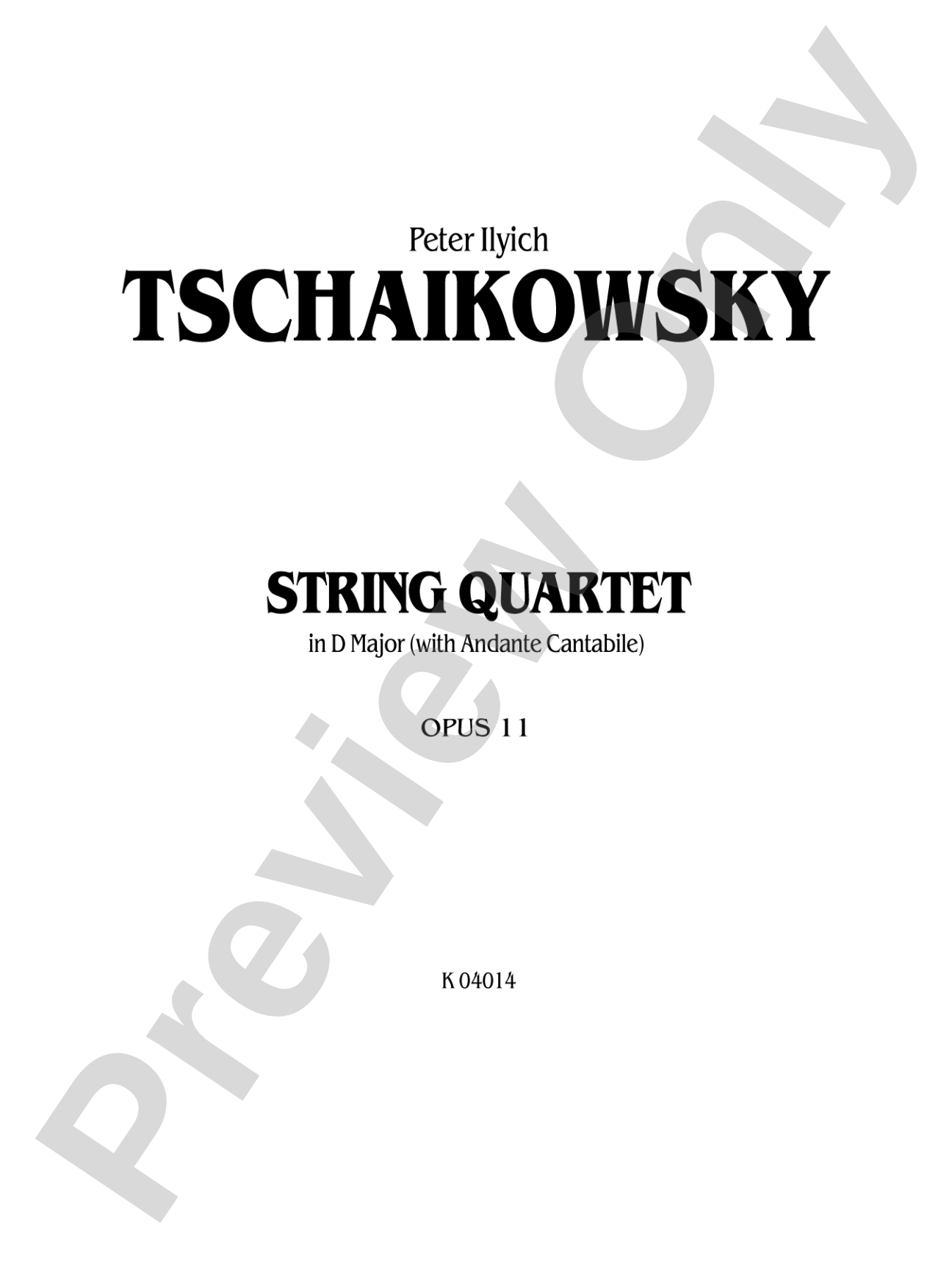
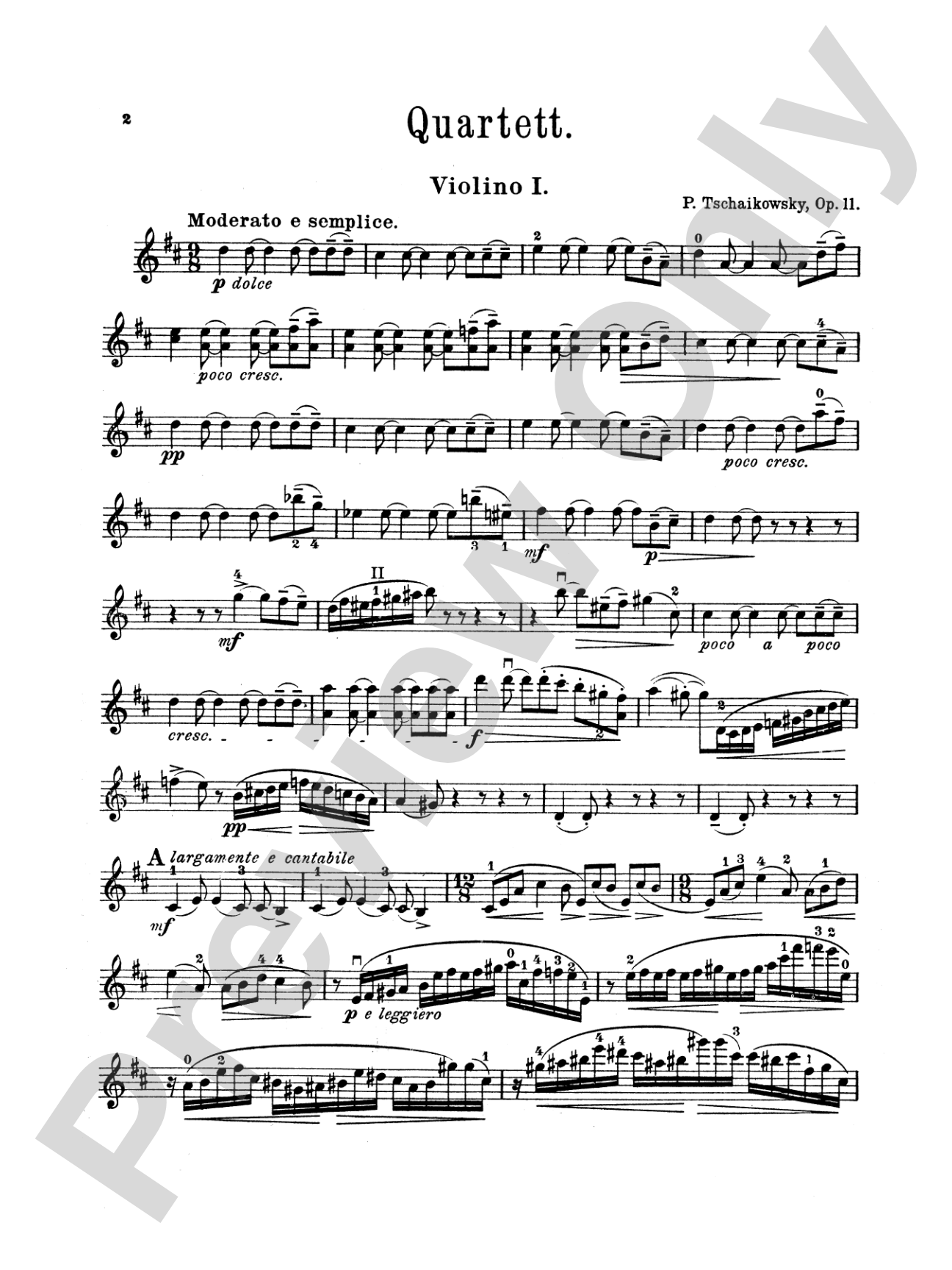
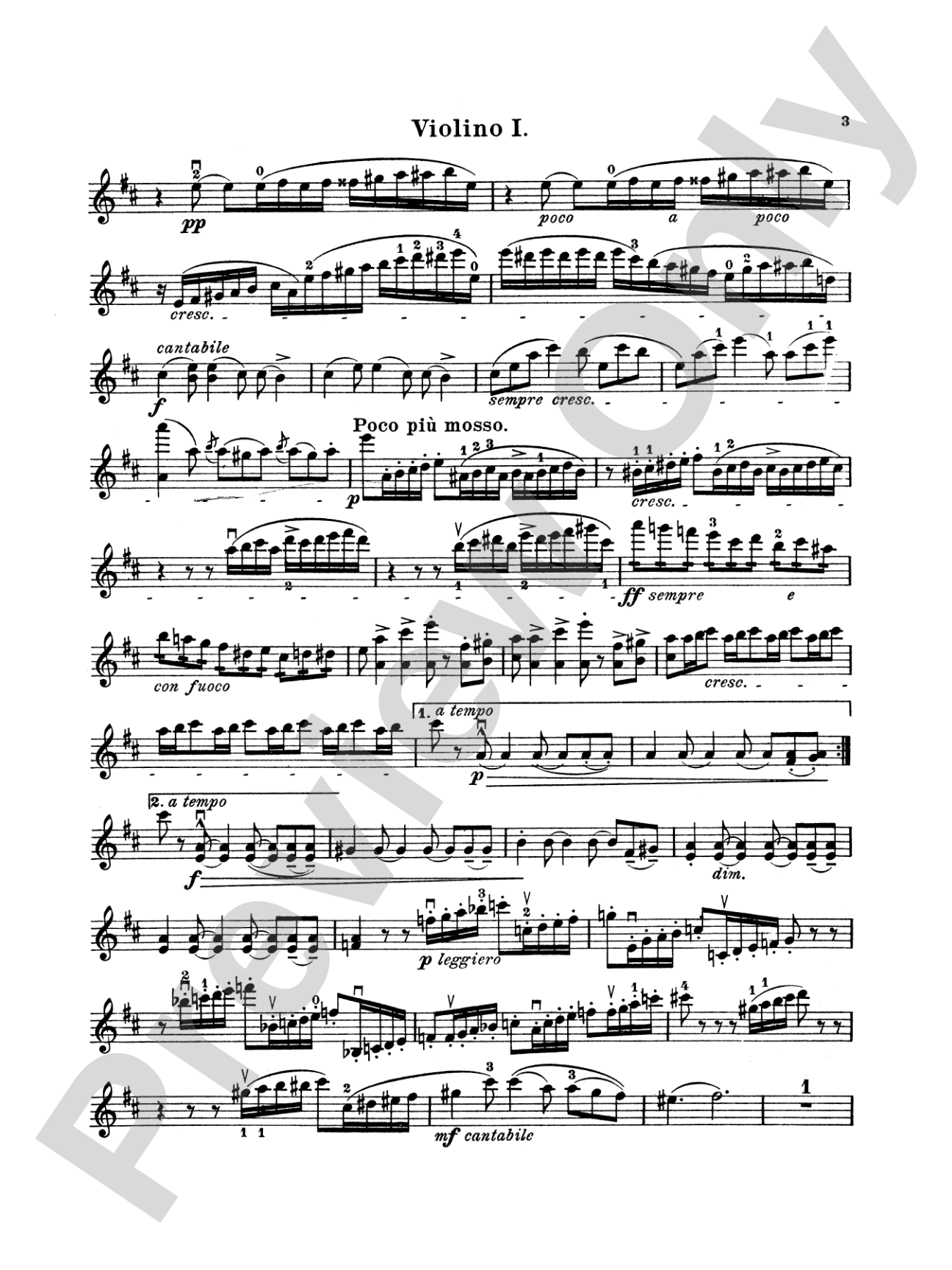
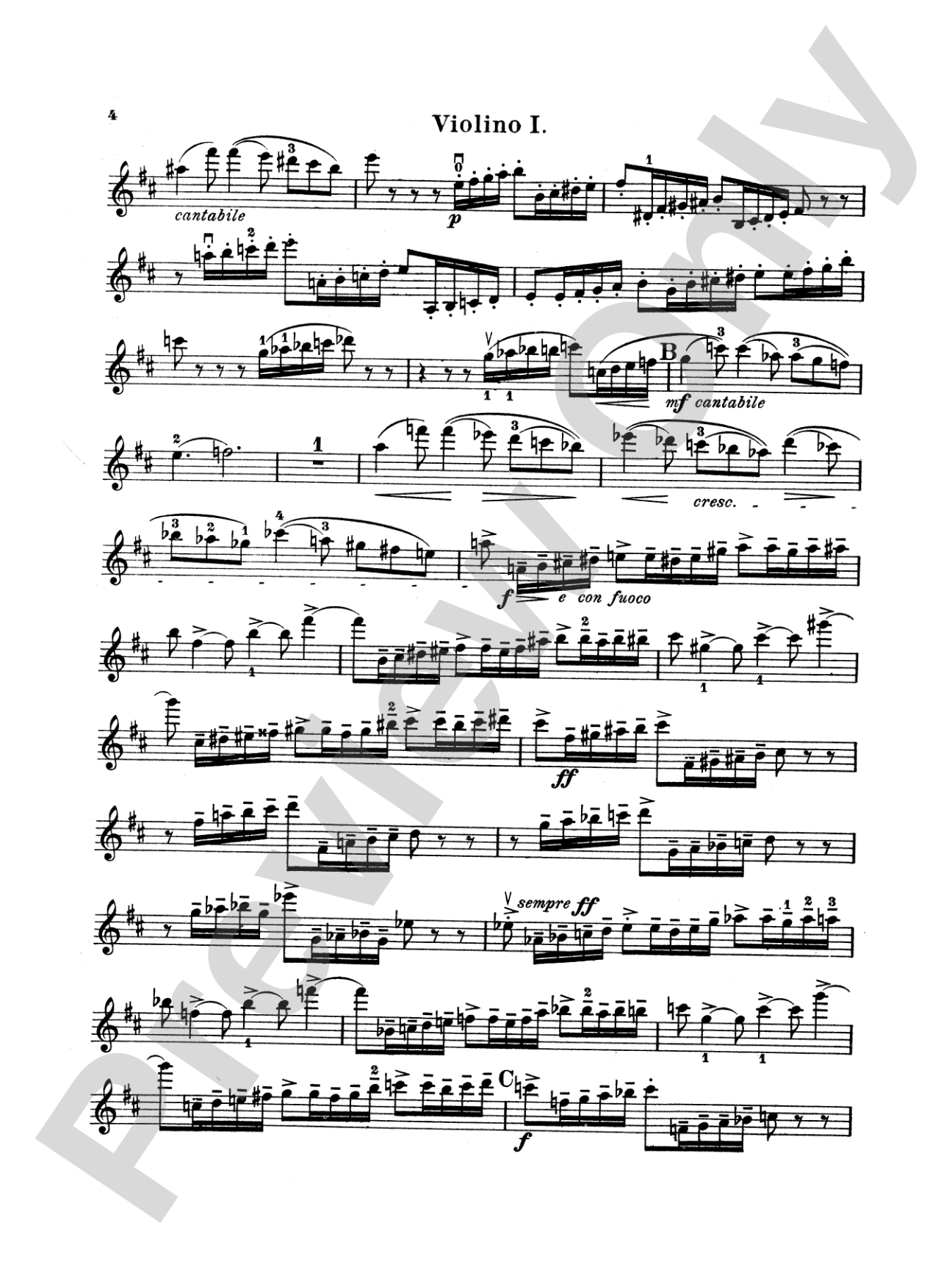
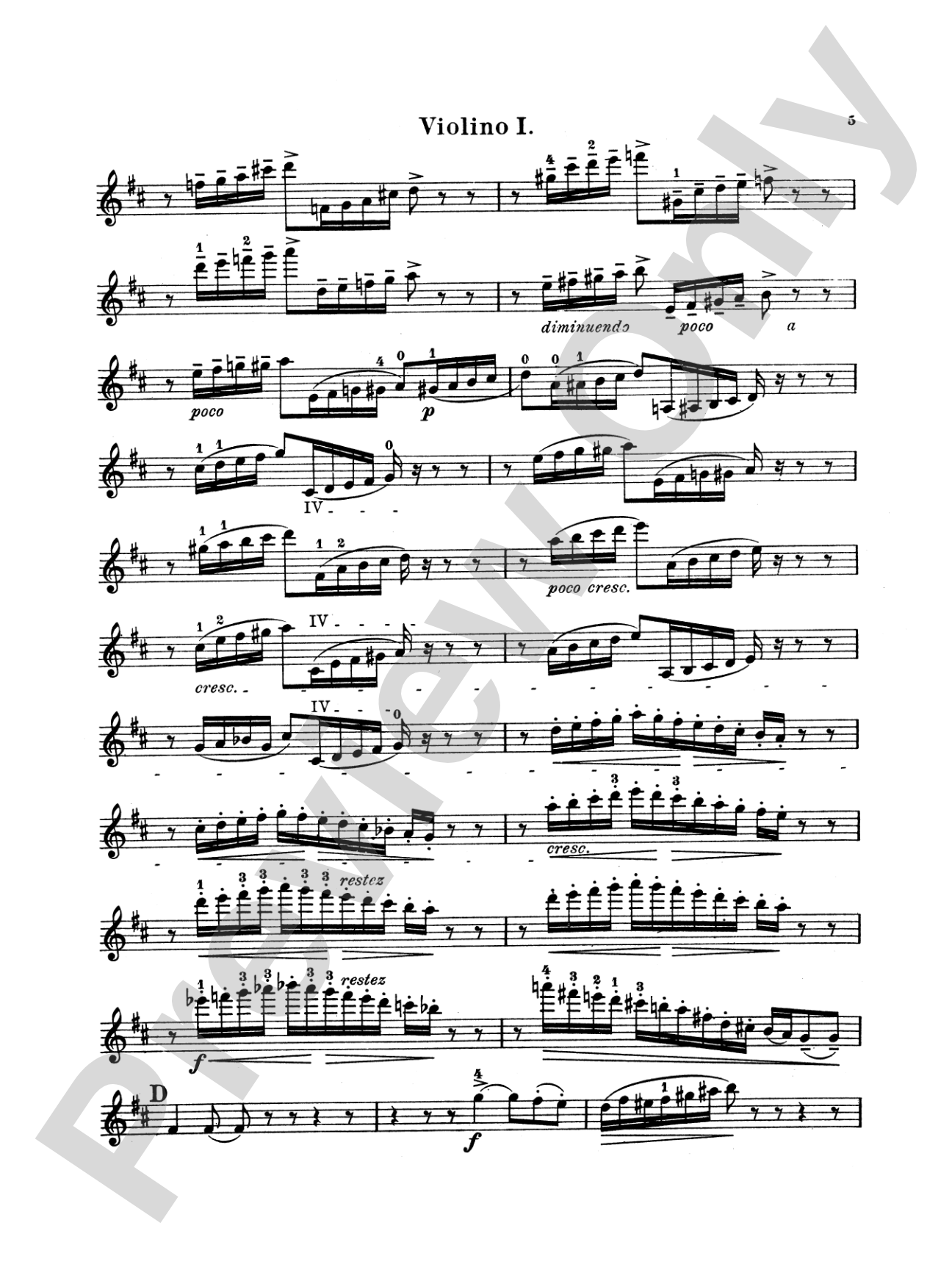
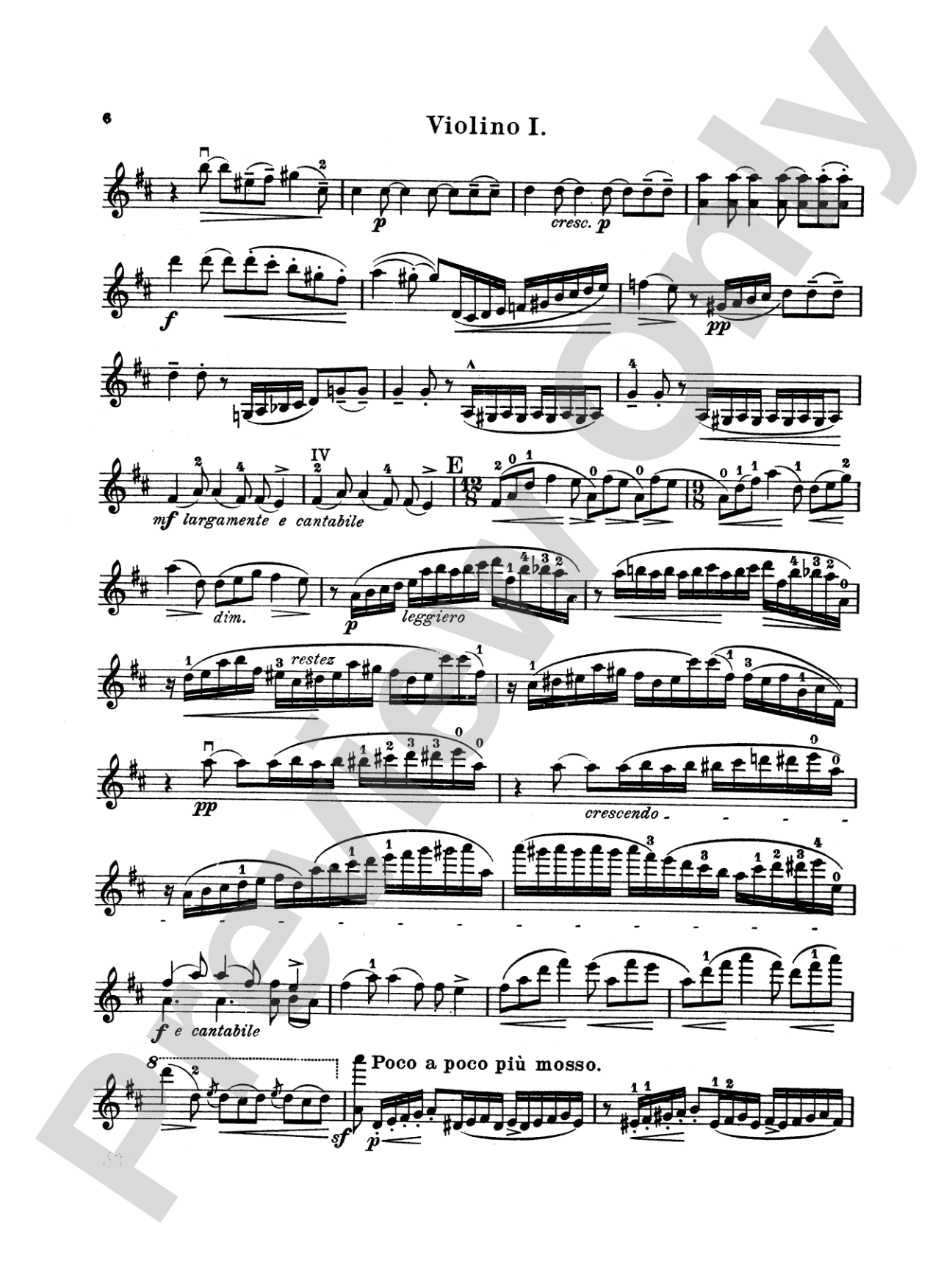
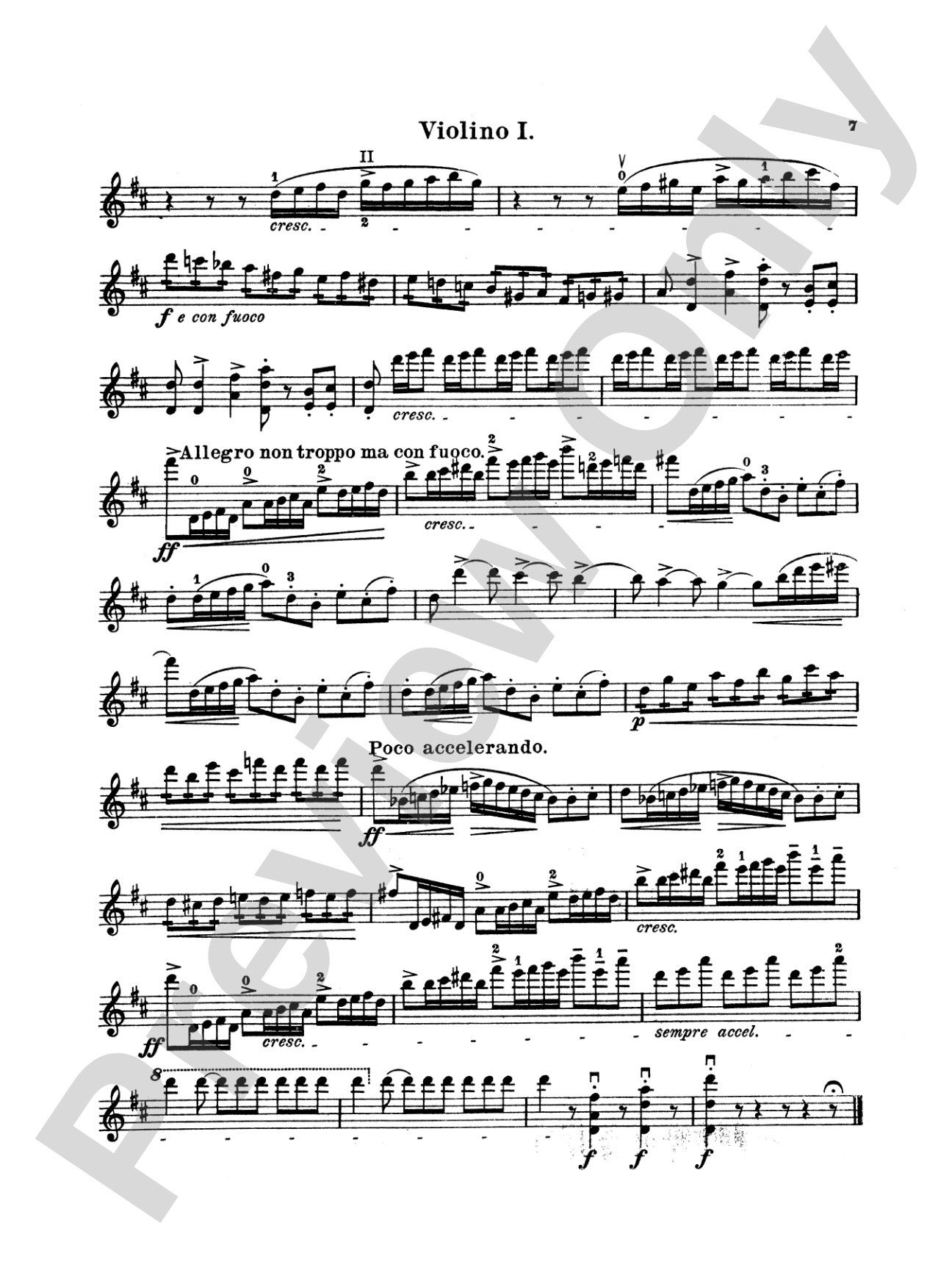
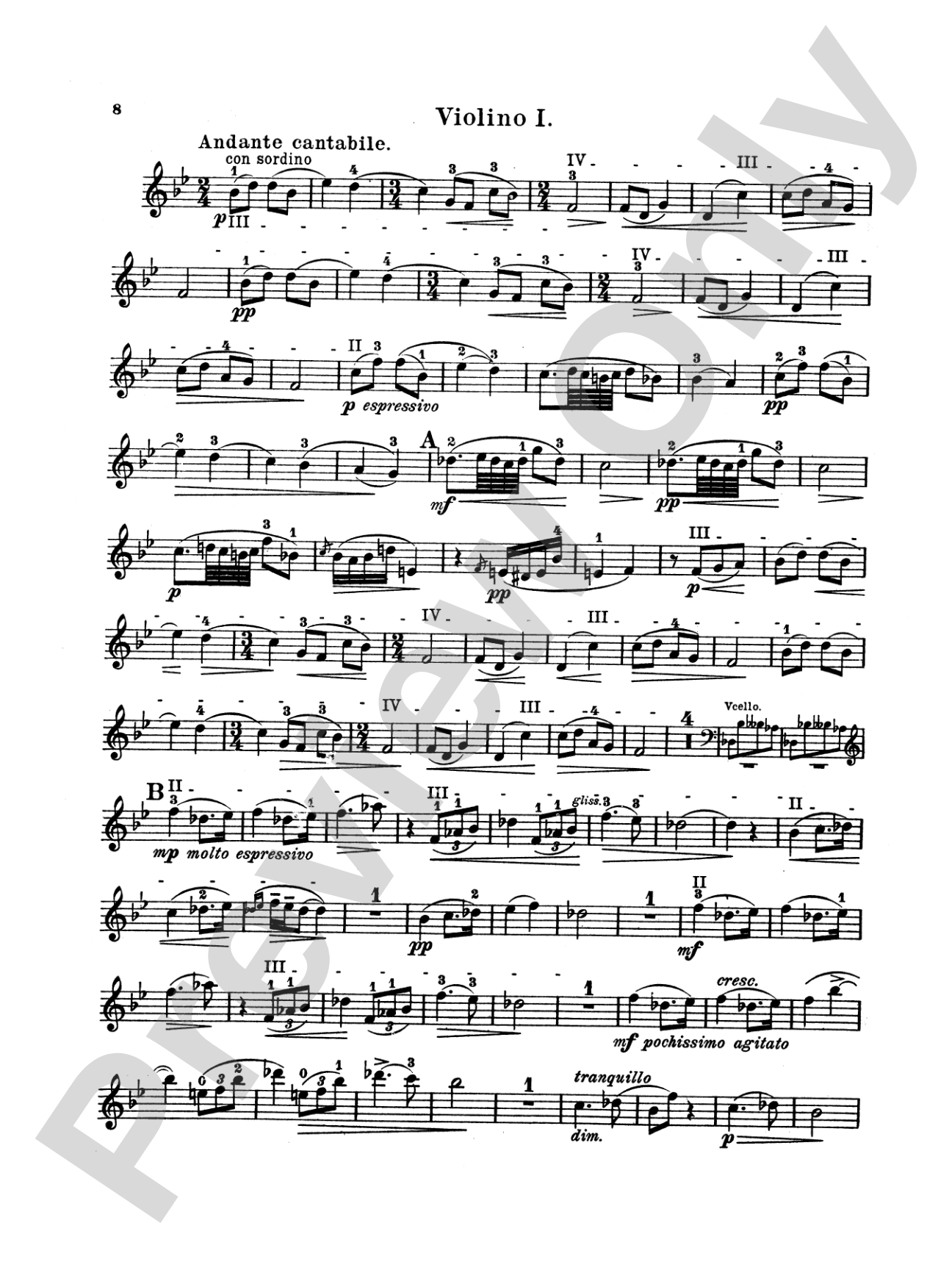
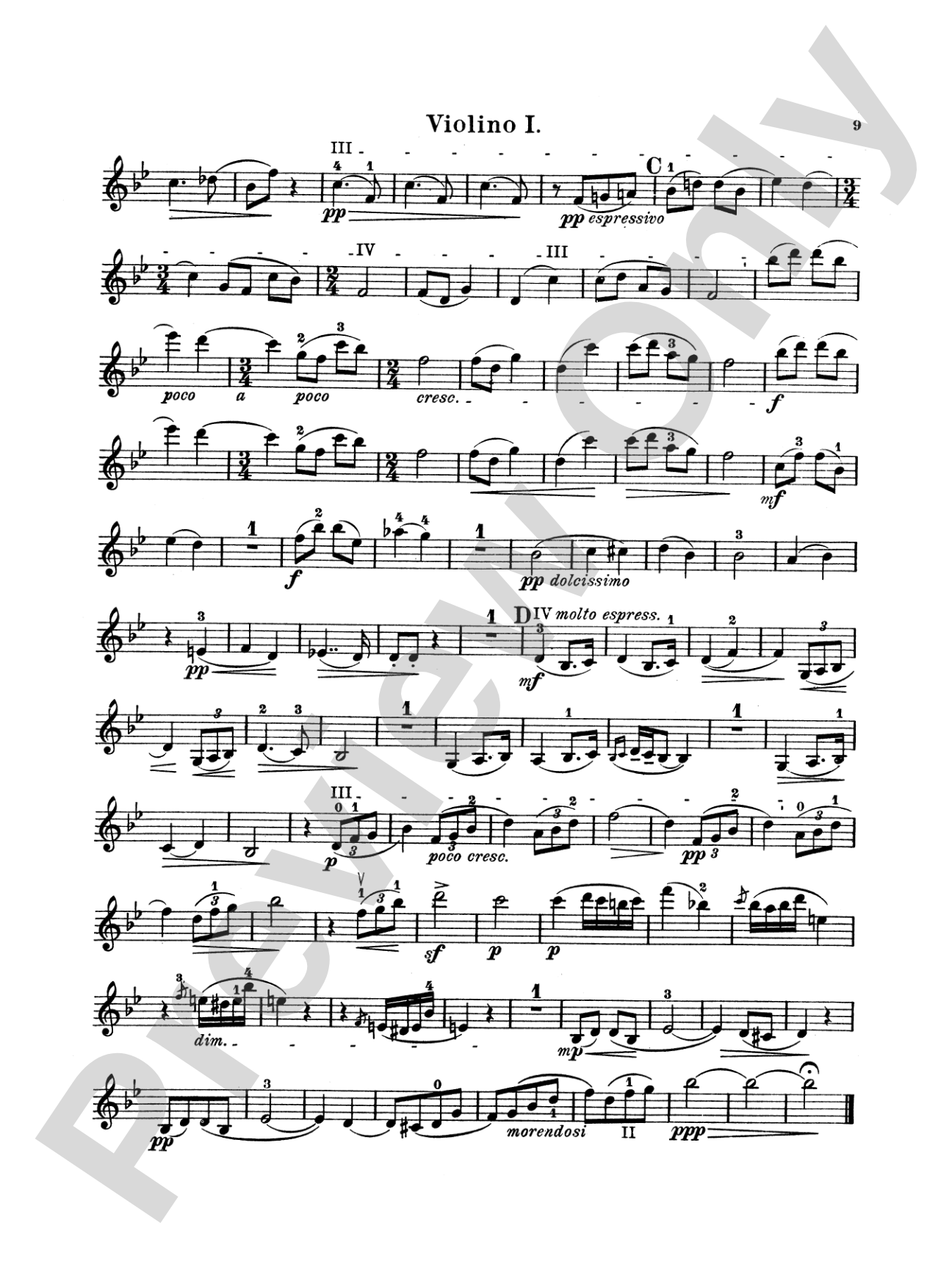
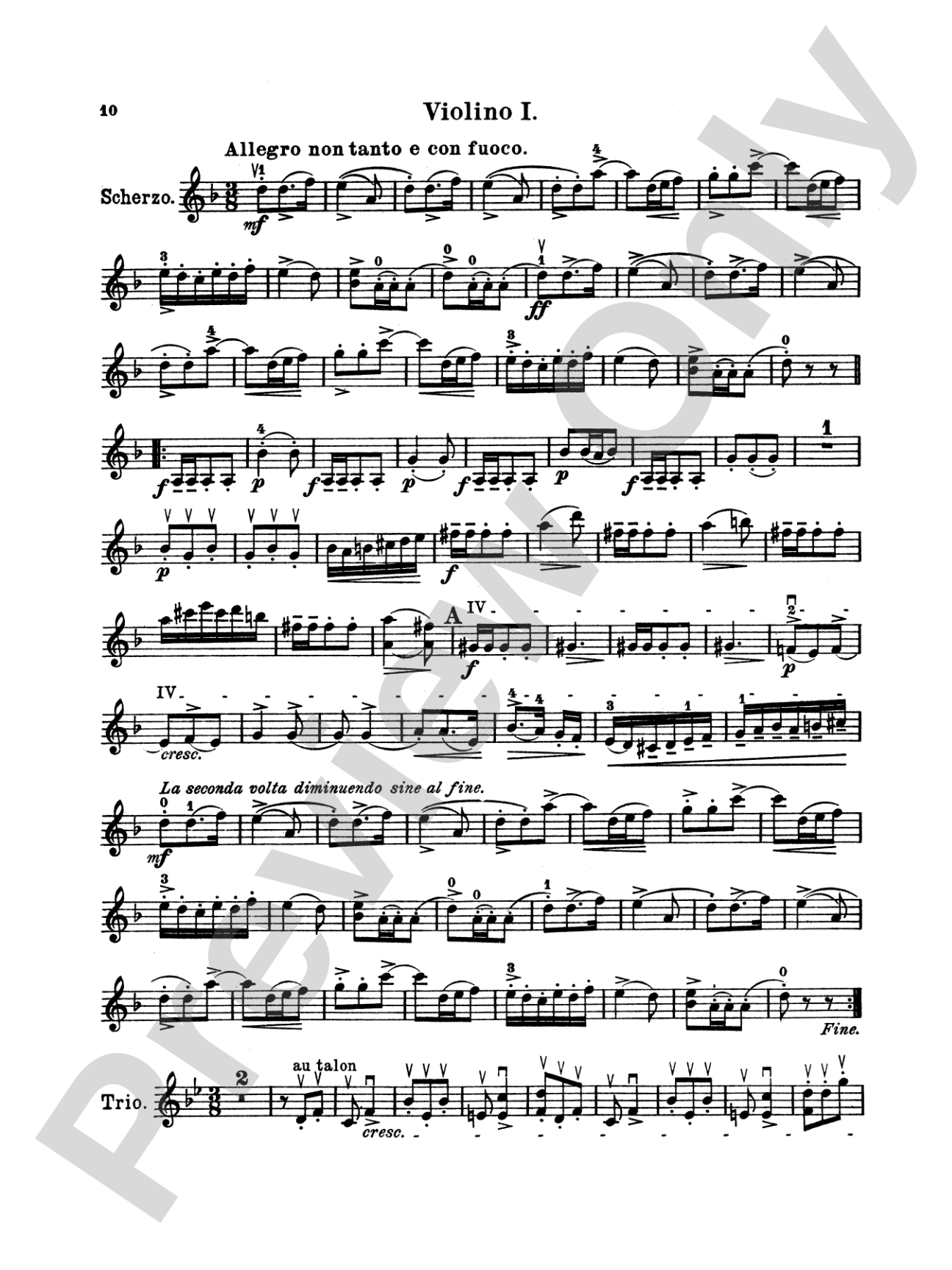
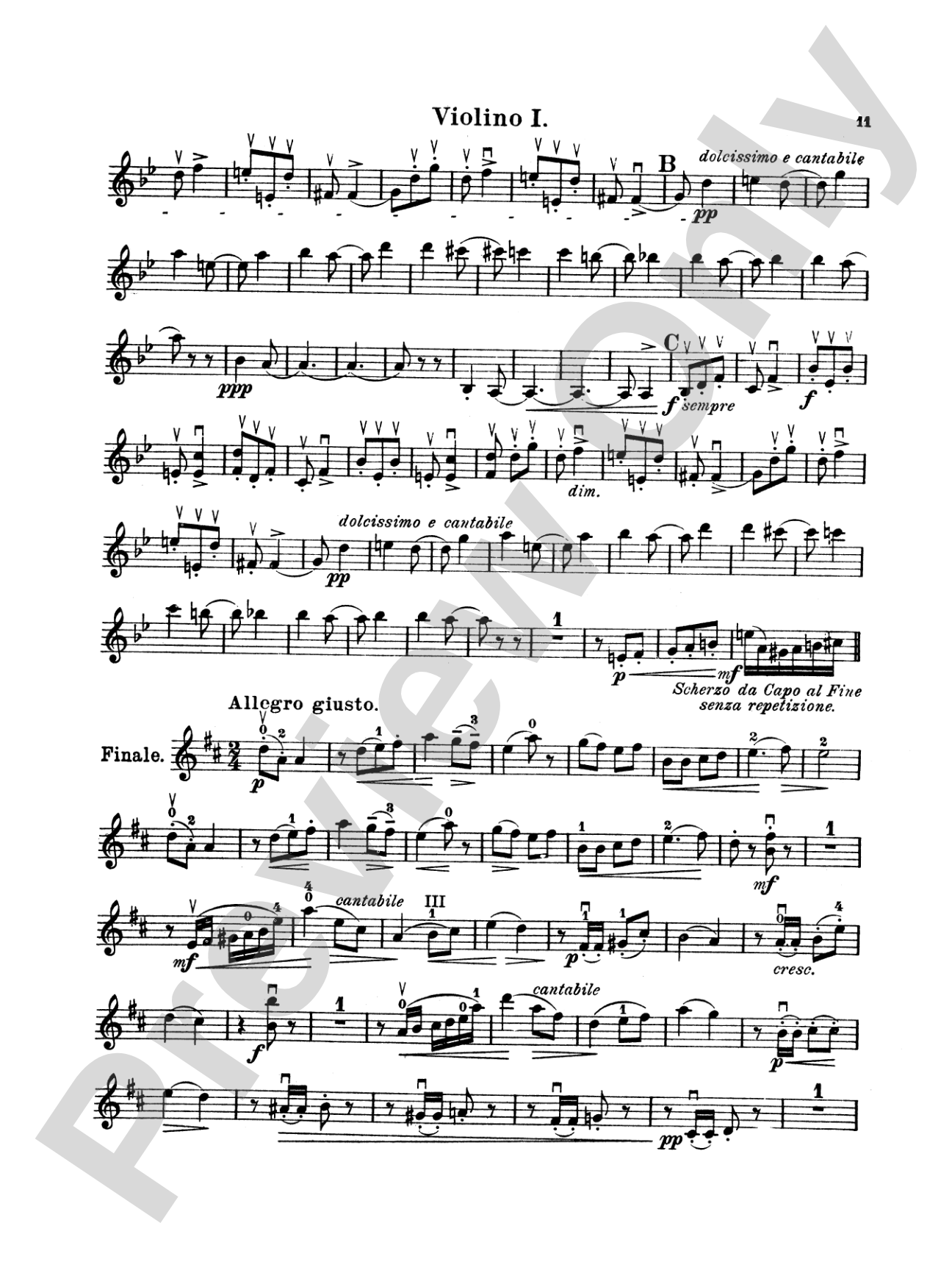
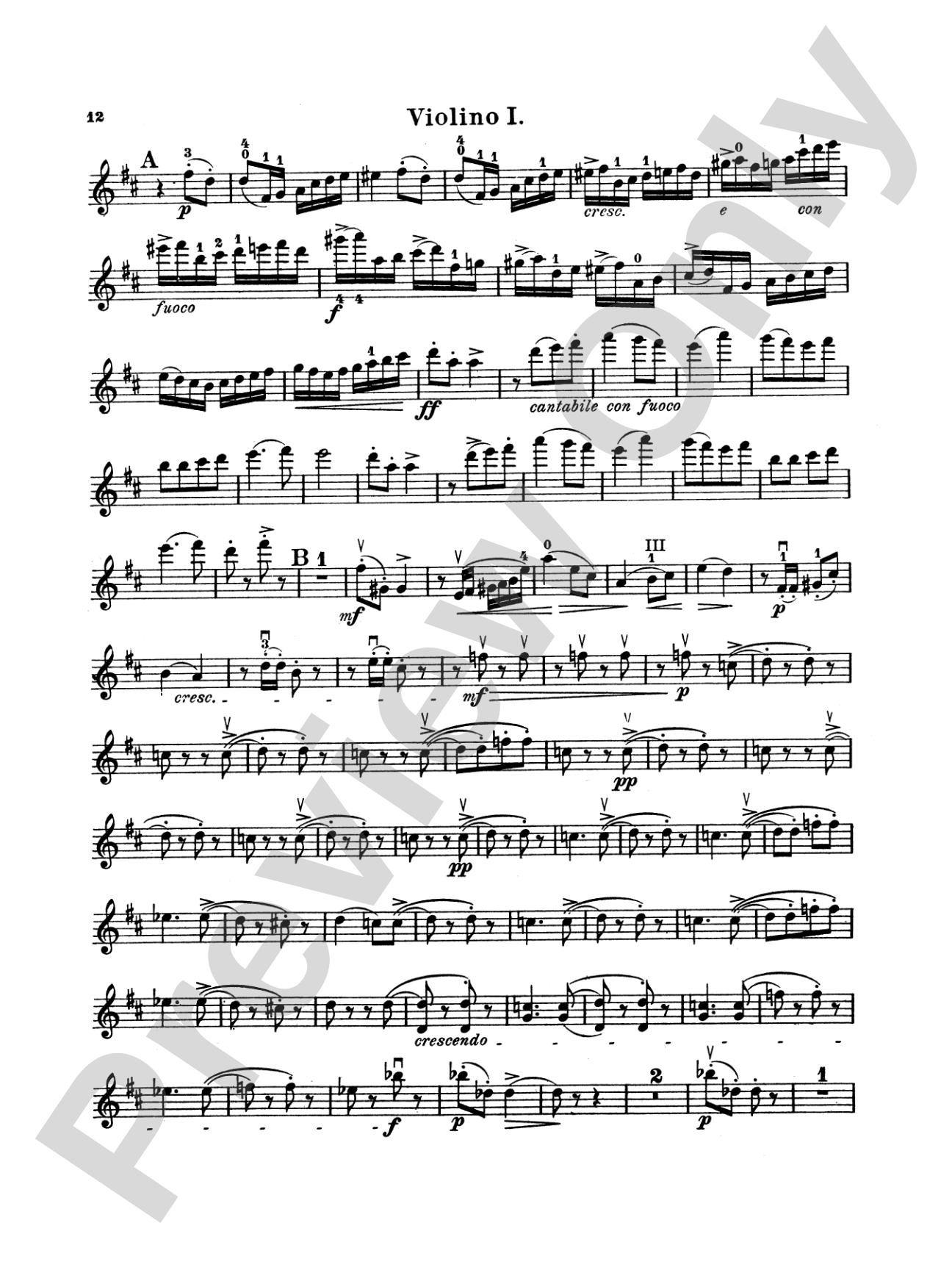
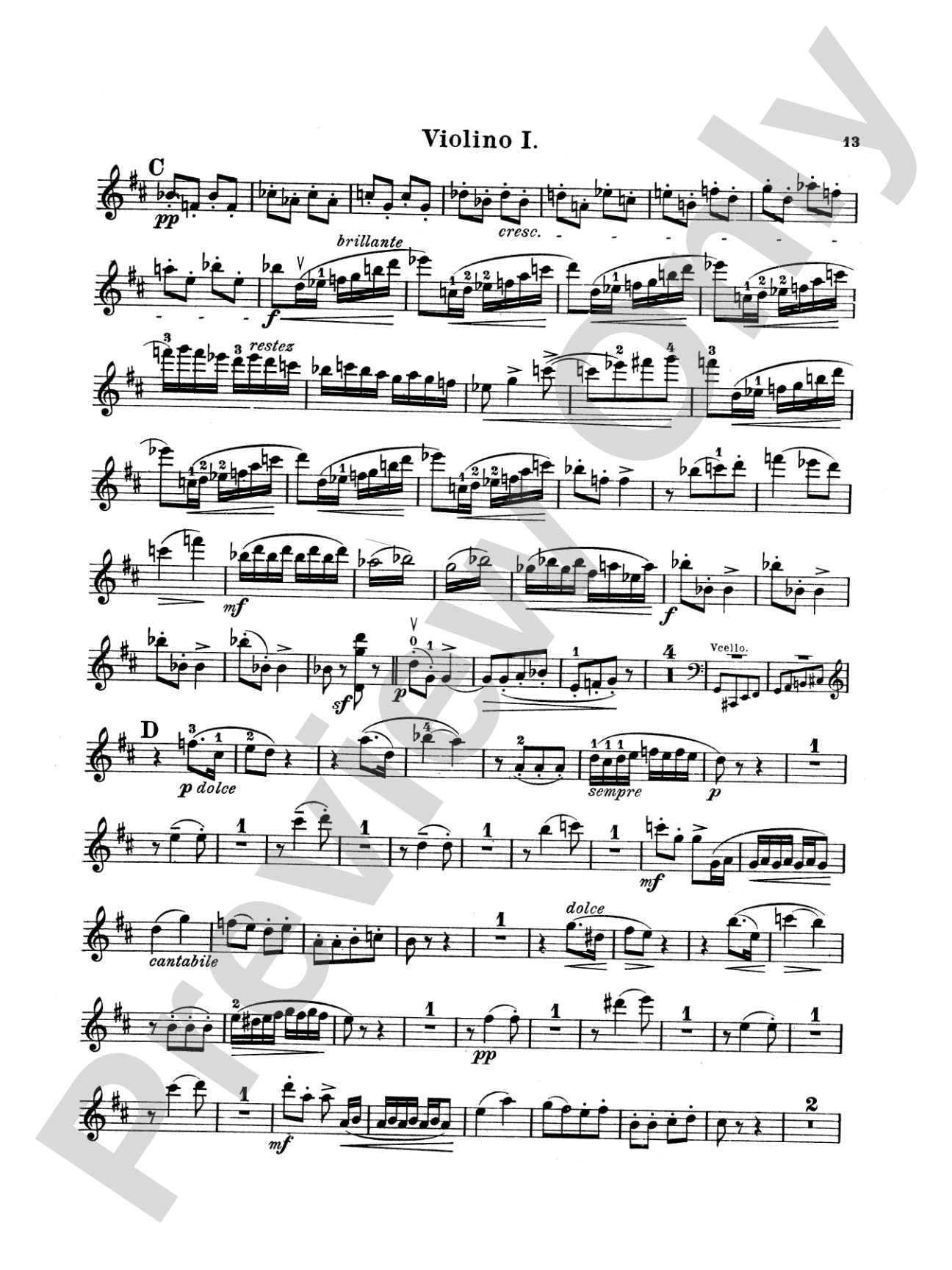
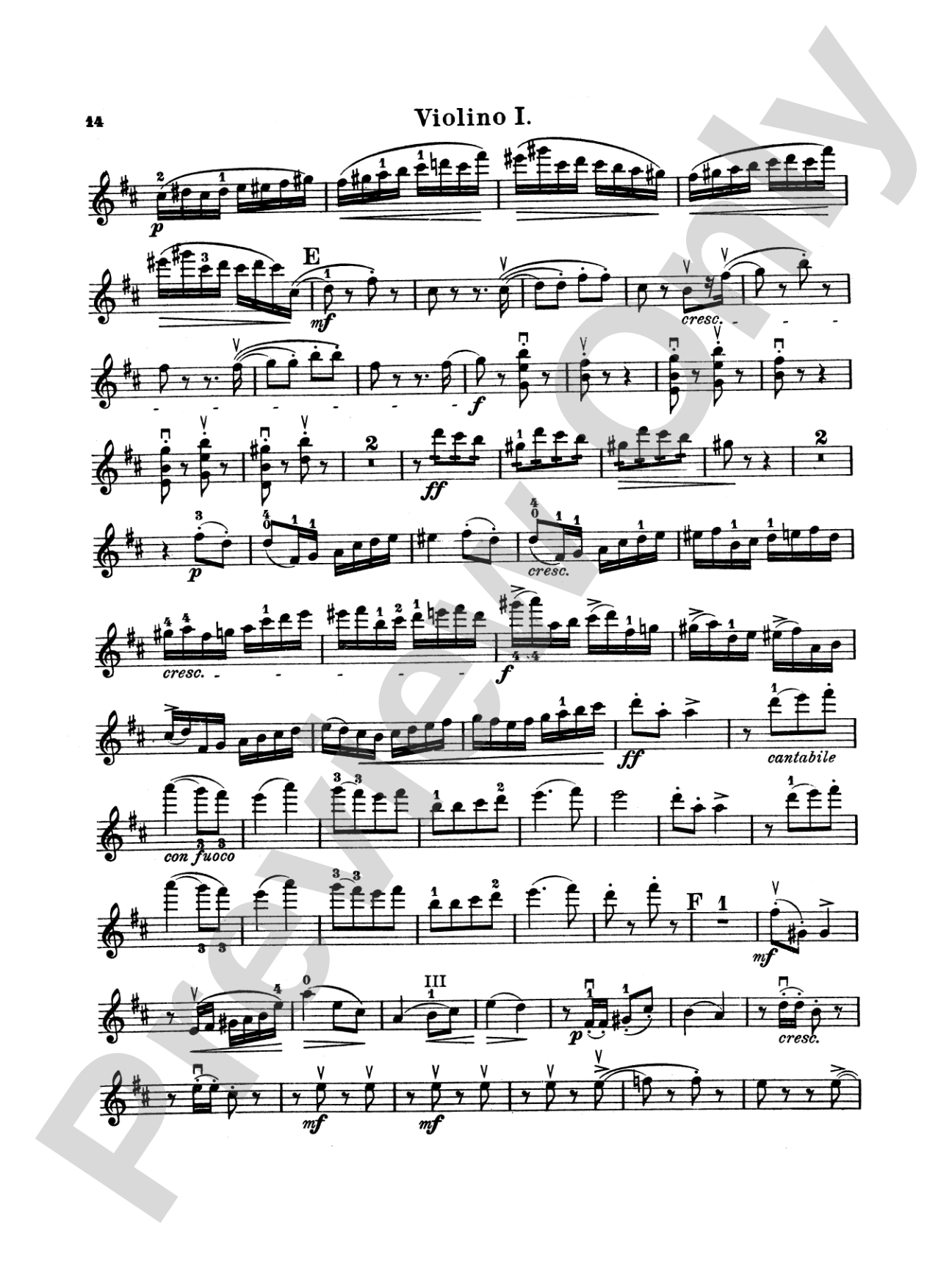
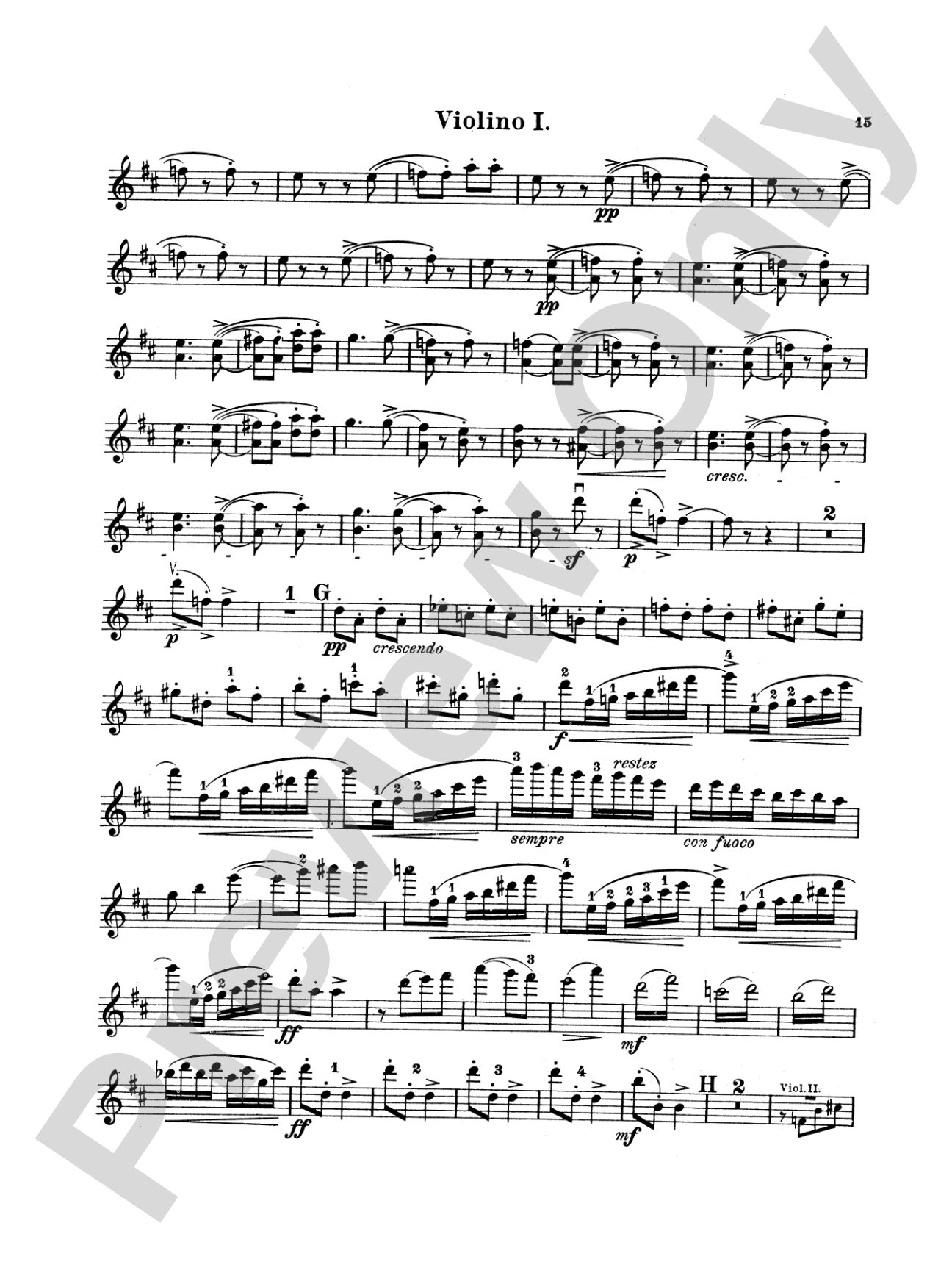
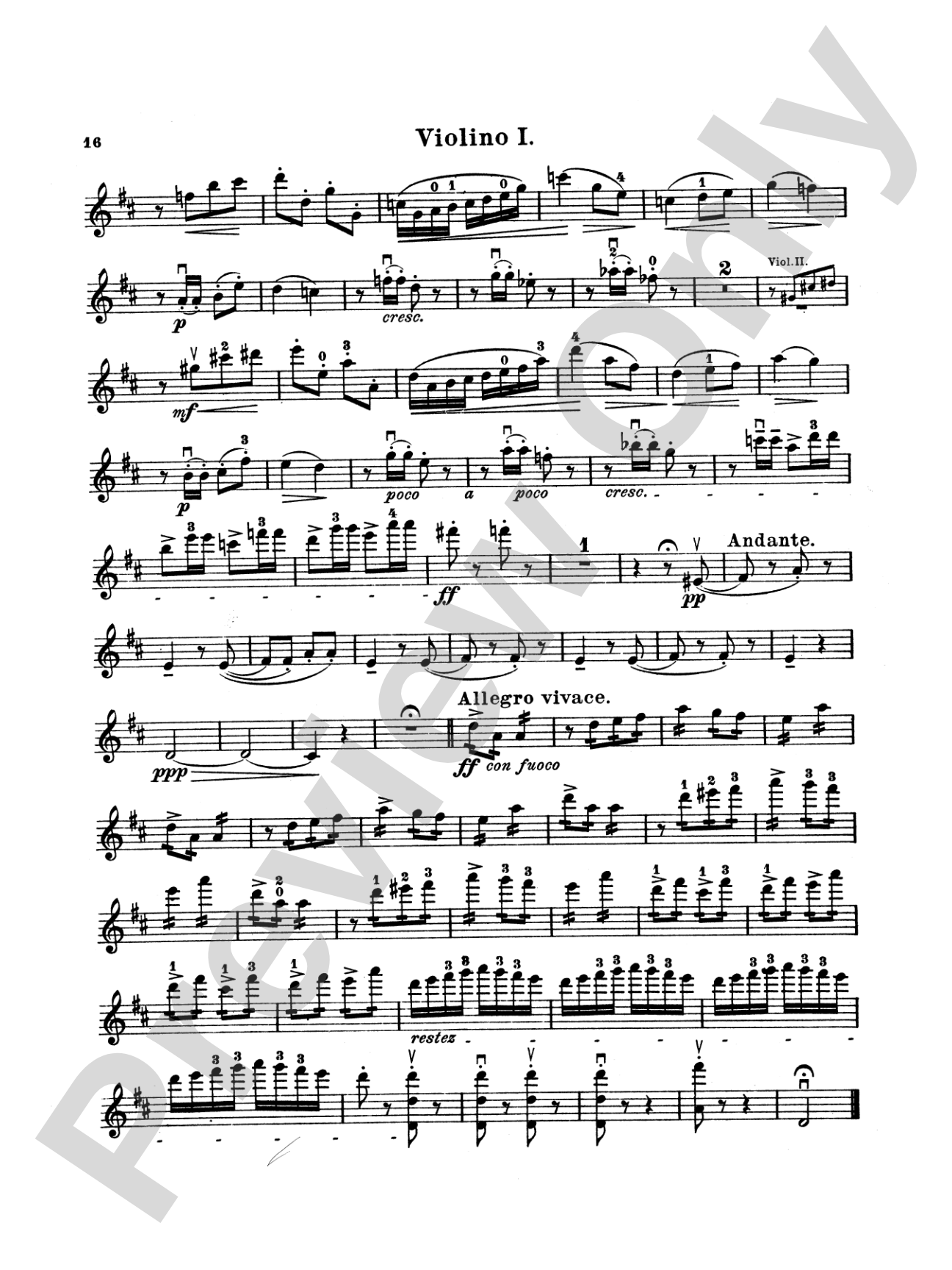

String Quartet in D Major, Op. 11: String Quartet Book
By Peter Ilyich Tchaikovsky
Item: 00-PK-0002589

$21.99
Pickup currently not available
Buy Extra Parts (Digital PDF Download)
| Product | Price | Quantity |
|---|---|---|
| String Quartet in D Major, Op. 11: 1st Violin | $6.00 | |
| String Quartet in D Major, Op. 11: 2nd Violin | $6.00 | |
| String Quartet in D Major, Op. 11: Viola | $6.00 | |
| String Quartet in D Major, Op. 11: Cello | $6.00 |
Parts Added to Cart!
Related Items
String Quartet in D Major with Andante Cantabile, Opus 11: String Quartet Book |
$21.95
|
View |
Description
Expertly arranged string quartet from our Kalmus Edition.


Don't just read it, hear it, play along with it, and watch your students grow with it. In MakeMusic Cloud, String Quartet in D Major, Op. 11: String Quartet Book comes alive with professional accompaniment, adjustable tempo, and built-in practice tools that turn solo practice into real progress.
Open in the Player
Jump straight in and assign it today.
Start Your Free Trial
Open this title and explore the full library in minutes.
Sample Audio
No sample audio found.
Sample Video
No sample videos found.
Additional Details
Series:
Kalmus Edition
Publisher:
Alfred Music
Page Count:
64
SKU:
00-PK-0002589
More about this title
About the Composer: Peter Ilyich Tchaikovsky
Tchaikovsky (1840-1893) stands as one of the most performed composers in the concert repertoire, bridging Romantic lyricism with Russian musical tradition. His gift for melody and orchestral color translated powerfully to chamber music, where his string quartets reveal intimate compositional thinking without sacrificing emotional depth or formal sophistication.
Why we love this
This quartet distills Tchaikovsky's gift for unforgettable melody into a work that remains highly rewarding for student ensembles preparing for festivals and competitions. The D Major tonality and Romantic harmonic language offer genuine musical substance without the extreme technical demands of his later quartets, making it an ideal vehicle for developing quartet maturity and ensemble cohesion.
What to expect
The D Major setting bathes this quartet in a warmth that ranges from intimate lyricism to moments of passionate urgency. Tchaikovsky's gift for sweeping melodies and subtle harmonic surprises creates a journey that feels both structured and emotionally spontaneous, inviting players into the kind of expressive playing that transforms ensemble rehearsal into real musical conversation.
Who it's for
Intermediate to advanced student quartets seeking a masterwork-level program piece that balances artistic substance with pedagogical accessibility. Festival and competition participants will find this work offers the musical legitimacy and emotional range that adjudicators value while remaining manageable within a season's preparation timeline.
How to get the most out of it
- Shape the opening theme with generous rubato in the Allegro moderato; Tchaikovsky's melodic lines demand warmth and flexibility rather than strict metronomic precision.
- Balance the inner voices carefully during accompaniment figures so that the first violin's soaring passages remain the clear focal point without drowning out harmonic progression.
- Coordinate bow changes across all four players during lyrical passages to ensure seamless phrasing and unified dynamic shaping.
- Approach the scherzo with rhythmic clarity and bright tone; the dance character relies on crisp articulation and precise ensemble timing.
How to use it
Pair this quartet with works from earlier in the Romantic period or contemporary chamber pieces to showcase Tchaikovsky's evolutionary place in quartet literature. Its relatively concise length and D Major tonality make it an excellent closing piece for a chamber concert or festival performance, leaving audiences with the melodic generosity the composer is known for.
Skills your students will build
- Sustaining lyrical phrasing across extended melodic lines in the first violin part
- Balancing featured melody with accompaniment figuration across all four voices
- Ensemble coordination of rubato and expressive timing in Romantic-era harmonic language
- Dynamic control and tonal blending in passage work and transition sections
- Intonation precision in extended harmonic progressions and modulations