
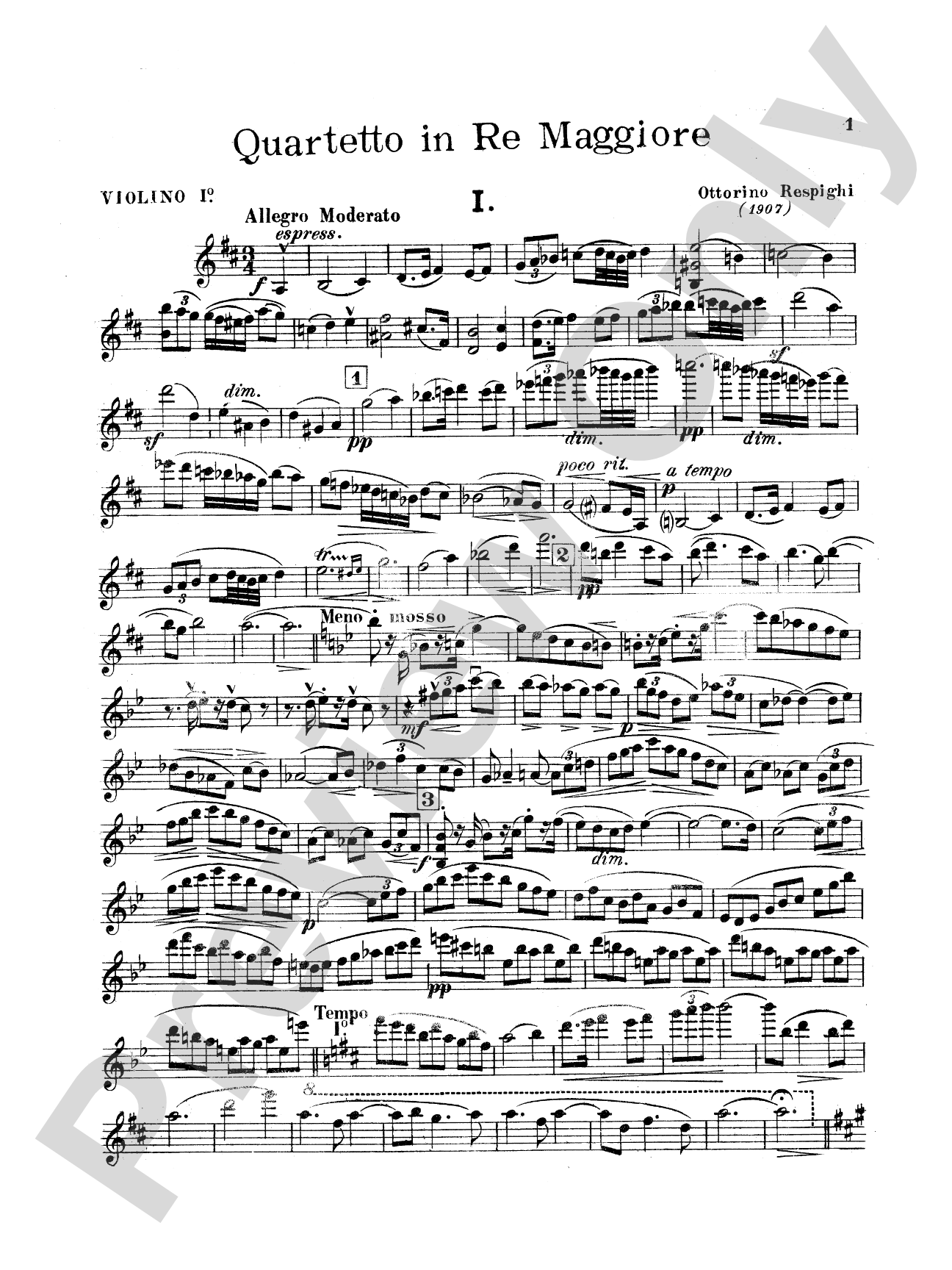
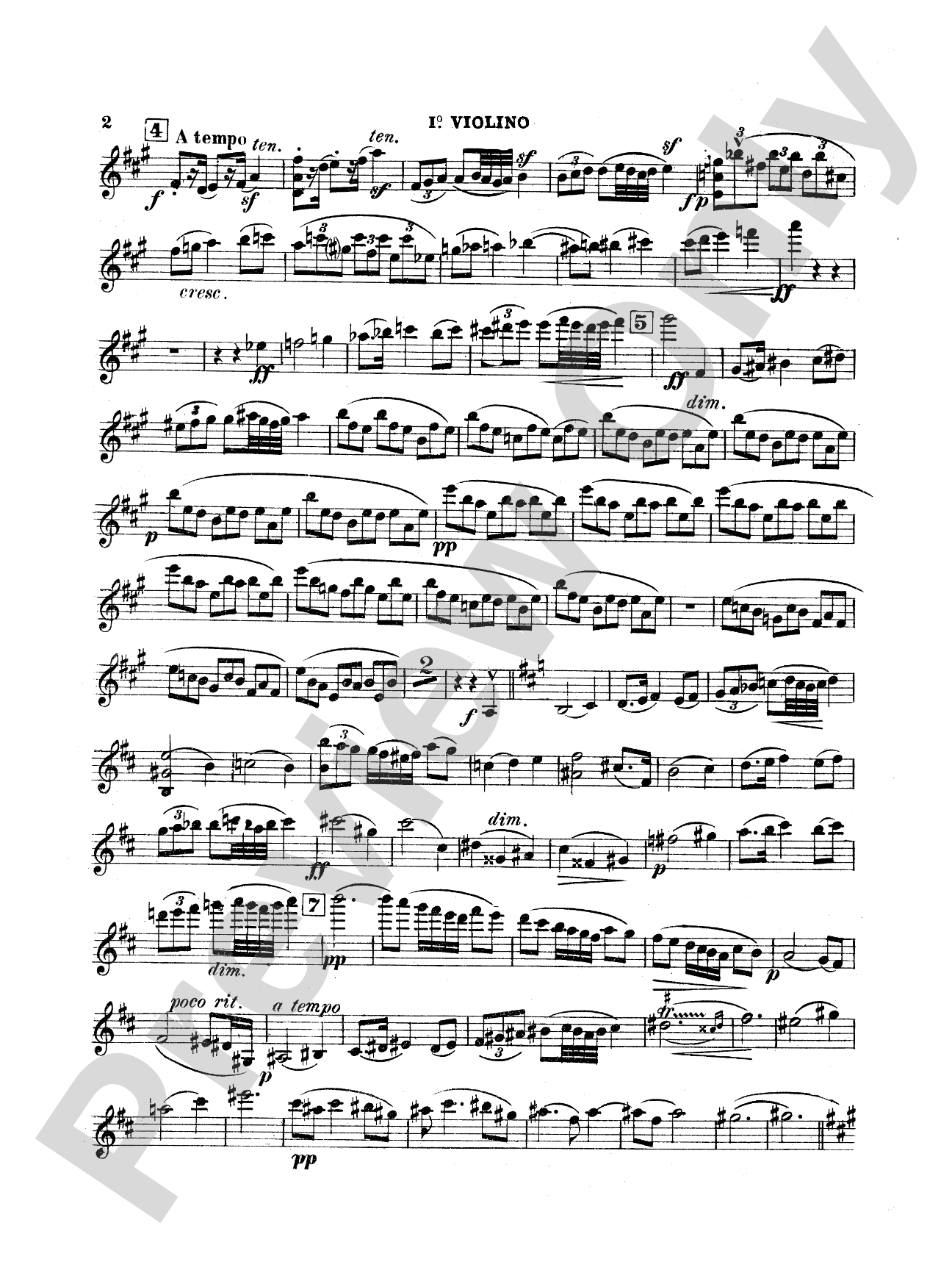
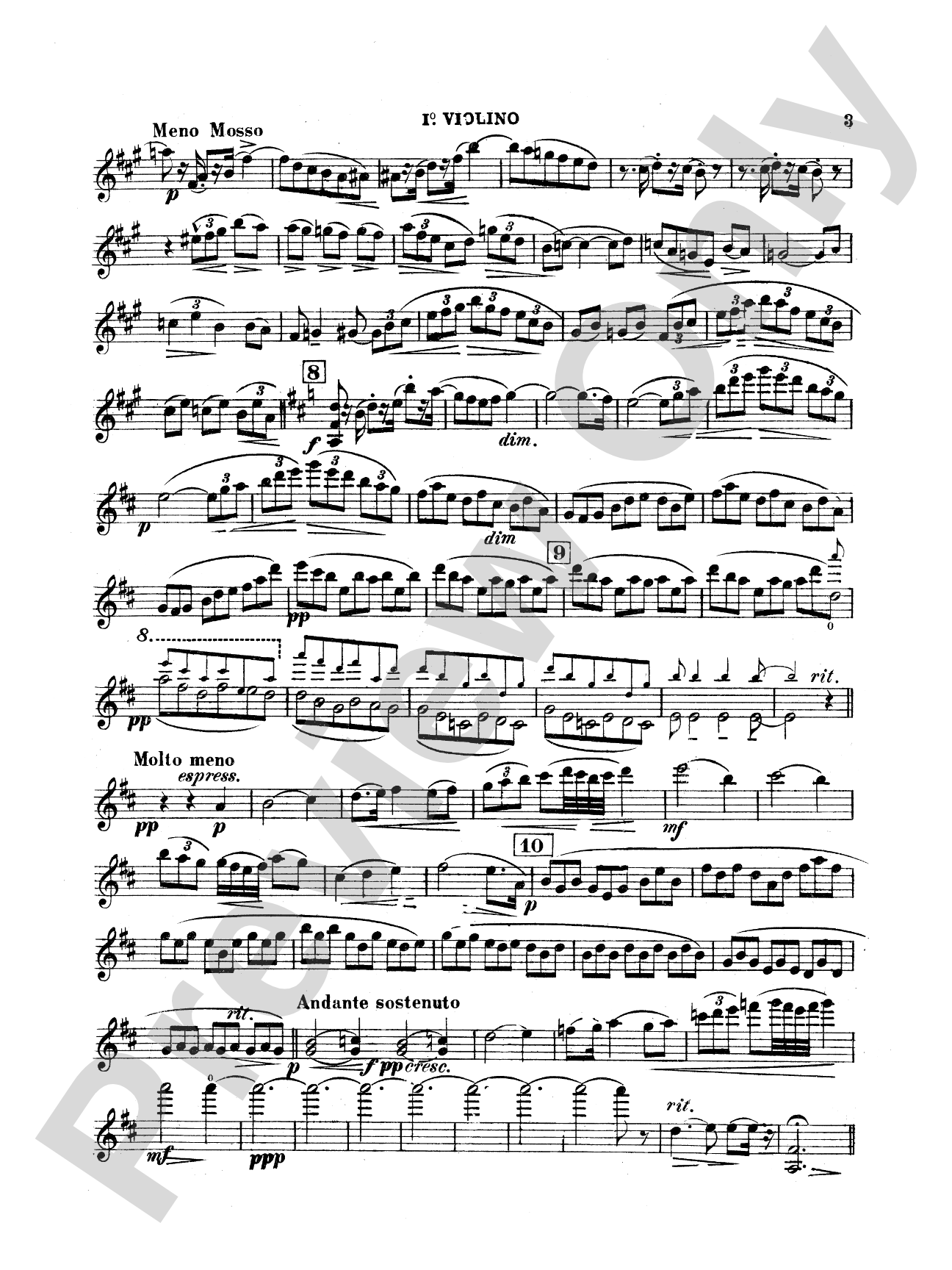

String Quartet in D Major (1907): 1st Violin
By Ottorino Respighi
Item: 00-PC-0002541_VN1
$6.00
Pickup currently not available
Description
A string quartet by Ottorino Respighi.


Don't just read it, hear it, play along with it, and watch your students grow with it. In MakeMusic Cloud, String Quartet in D Major (1907): 1st Violin comes alive with professional accompaniment, adjustable tempo, and built-in practice tools that turn solo practice into real progress.
Open in the Player
Jump straight in and assign it today.
Start Your Free Trial
Open this title and explore the full library in minutes.
Sample Audio
No sample audio found.
Sample Video
No sample videos found.
Additional Details
Series:
Kalmus Edition
Publisher:
Alfred Music
Page Count:
48
SKU:
00-PC-0002541_VN1
More about this title
About the Composer: Ottorino Respighi
Ottorino Respighi (1879–1936) was an Italian composer whose gift for orchestration and harmonic color made him one of the most performed Italian composers of the twentieth century. Best known for his symphonic poems like The Pines of Rome and The Fountains of Rome, Respighi brought a distinctly Italian sensibility to orchestral writing: lyrical melodies, luminous harmonies, and a keen ear for instrumental texture. His Chamber music, including this 1907 string quartet, reveals a more intimate side of his compositional voice while maintaining the melodic generosity and harmonic sophistication that defined his larger works.
As a violinist and conductor in addition to composer, Respighi understood the string quartet idiom from a performer's perspective. His early chamber works reflect the influence of Brahms and Dvořák while carving a path toward the more colorful harmonic language he would become known for. Respighi's music remains central to string quartet repertoire, offering both established groups and developing ensembles opportunities to explore the bridge between late Romanticism and twentieth-century modernism.
Why we love this
This quartet sits at a fascinating crossroads: late Romantic lyricism meets the harmonic innovations of the early twentieth century, making it an ideal vehicle for groups ready to move beyond standard Classical quartet fare. Respighi's writing is singer-friendly and grateful to the four instruments without sacrificing contrapuntal interest, so even intermediate ensembles can sound sophisticated. Programming this work signals serious musicianship while offering the kind of melodic satisfaction audiences crave.
What to expect
Respighi's quartet unfolds with the warmth and lyricism of late Romanticism, yet the harmonic palette feels fresher and more subtly colored than a Brahms or Dvořák work. The writing is songful and graceful, with moments of tender introspection and passages of lively dialogue between the instruments. It evokes the Italian landscape and temperament that so defined Respighi's larger orchestral works, but in chamber proportions.
Who it's for
This quartet serves advanced high school ensembles and college-level string quartets seeking repertoire that bridges nineteenth and twentieth-century idioms. It is equally valuable for competitive quartet festivals and concert programming, as it sits comfortably between the canonical quartet literature and twentieth-century explorations.
How to get the most out of it
- Balance the first violin's soloistic passages against the ensemble texture; Respighi often gives the viola and cello surprisingly important harmonic roles that must emerge without overwhelming the primary voice.
- Allow the harmonic language to breathe. This is not Brahmsian density; Respighi's colors shift through suspension and modal inflection, so clarity of voicing matters more than weight.
- Attend to transitions between tempos and character shifts; the quartet's architecture hinges on the ensemble maintaining cohesion across contrasting sections.
How to use it
This work functions beautifully in a concert that surveys twentieth-century chamber music or in a recital dedicated to Italian composers. It can anchor a program of Respighi's works or serve as a sophisticated transition piece between Romantic-era quartets and more modernist compositions, offering audiences a composer whose name they may know from symphonic works while introducing them to his equally engaging chamber voice.
Skills your students will build
- Sustaining lyrical phrasing across longer melodic lines
- Balancing ensemble texture when inner voices carry harmonic or thematic weight
- Navigating early twentieth-century harmonic language (modal inflection, suspension, chromatic voice-leading)
- Shaping structural clarity in multi-movement chamber form
- Ensemble rhythmic cohesion during tempo and character transitions