

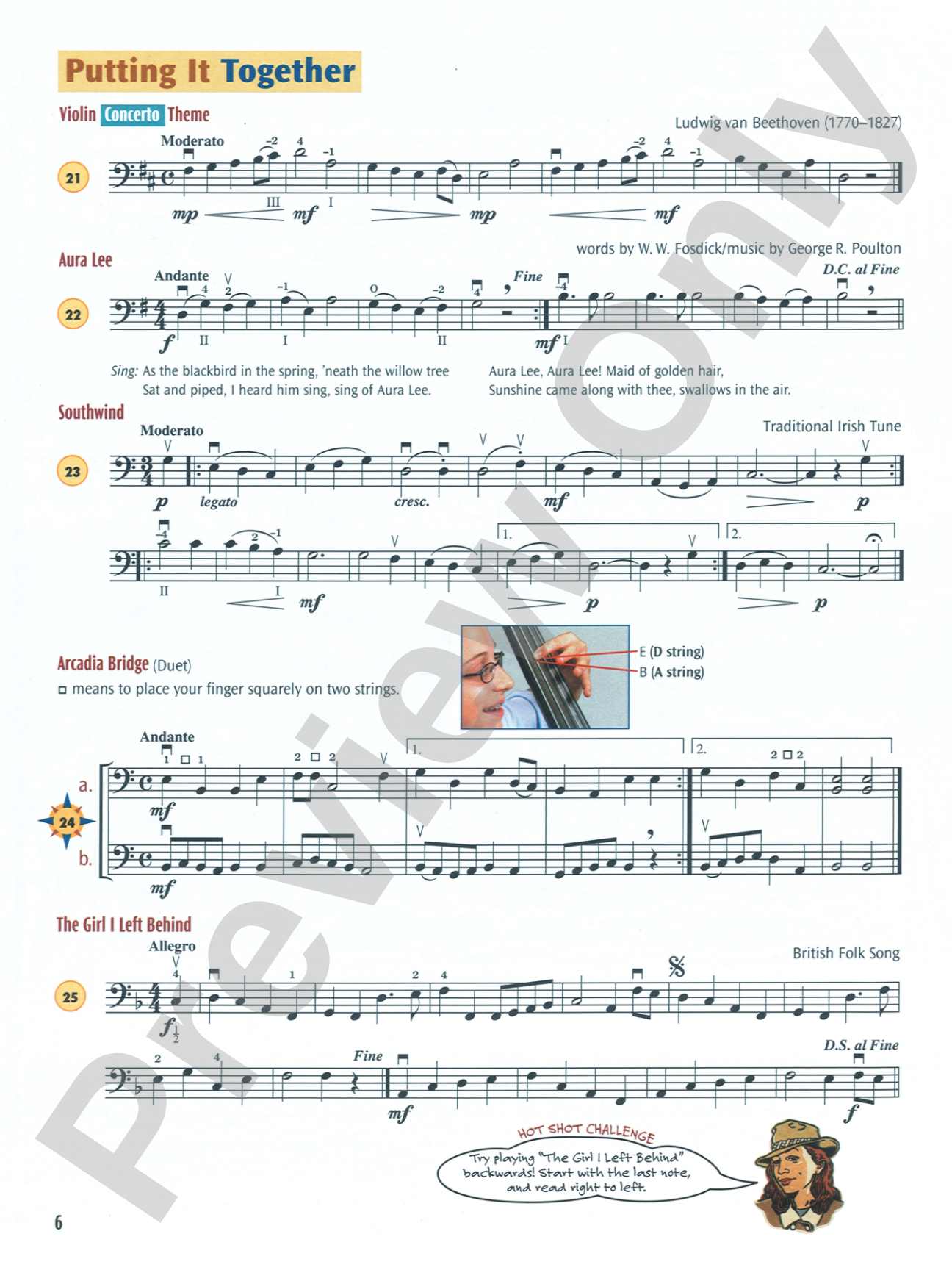
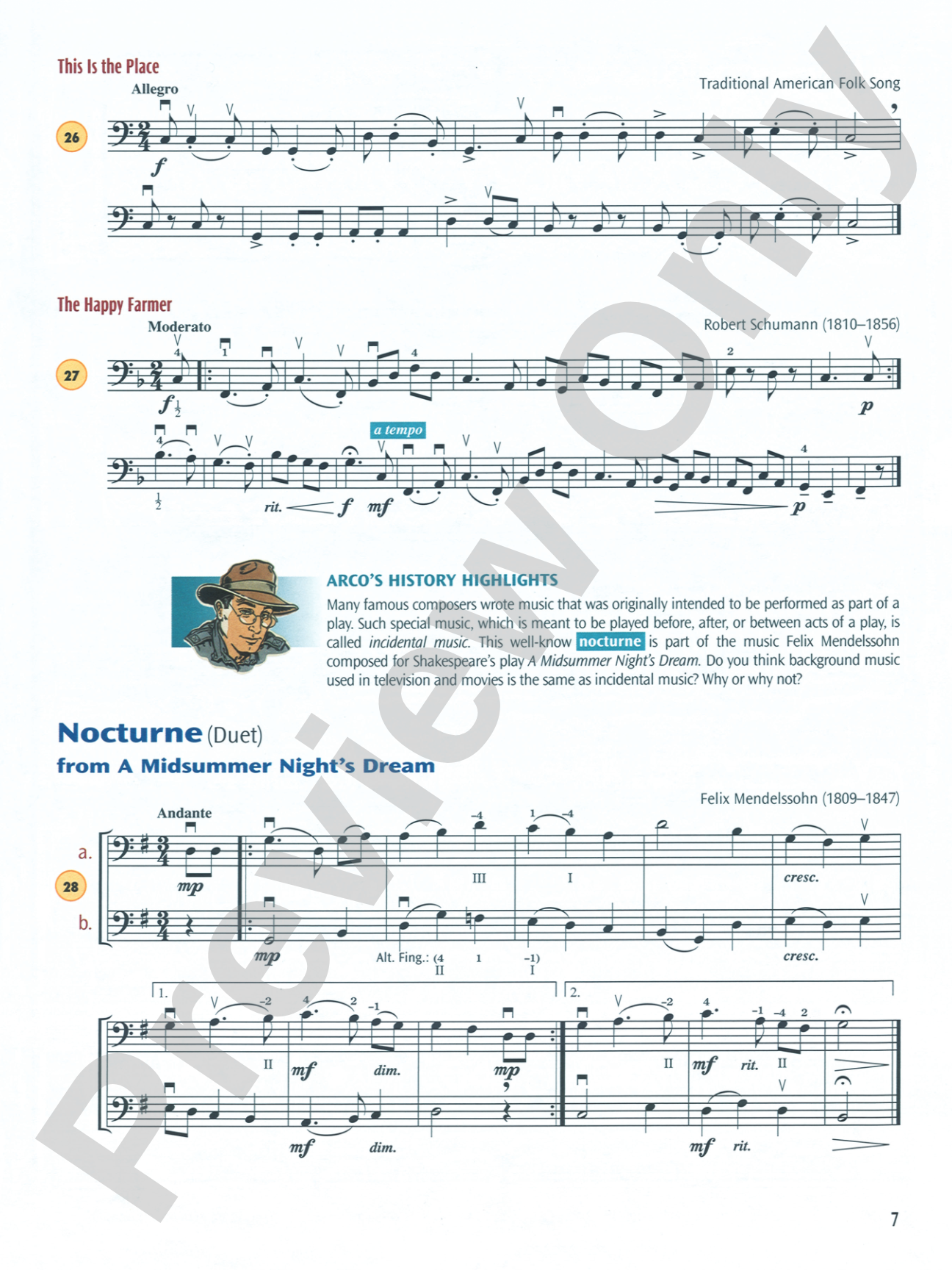
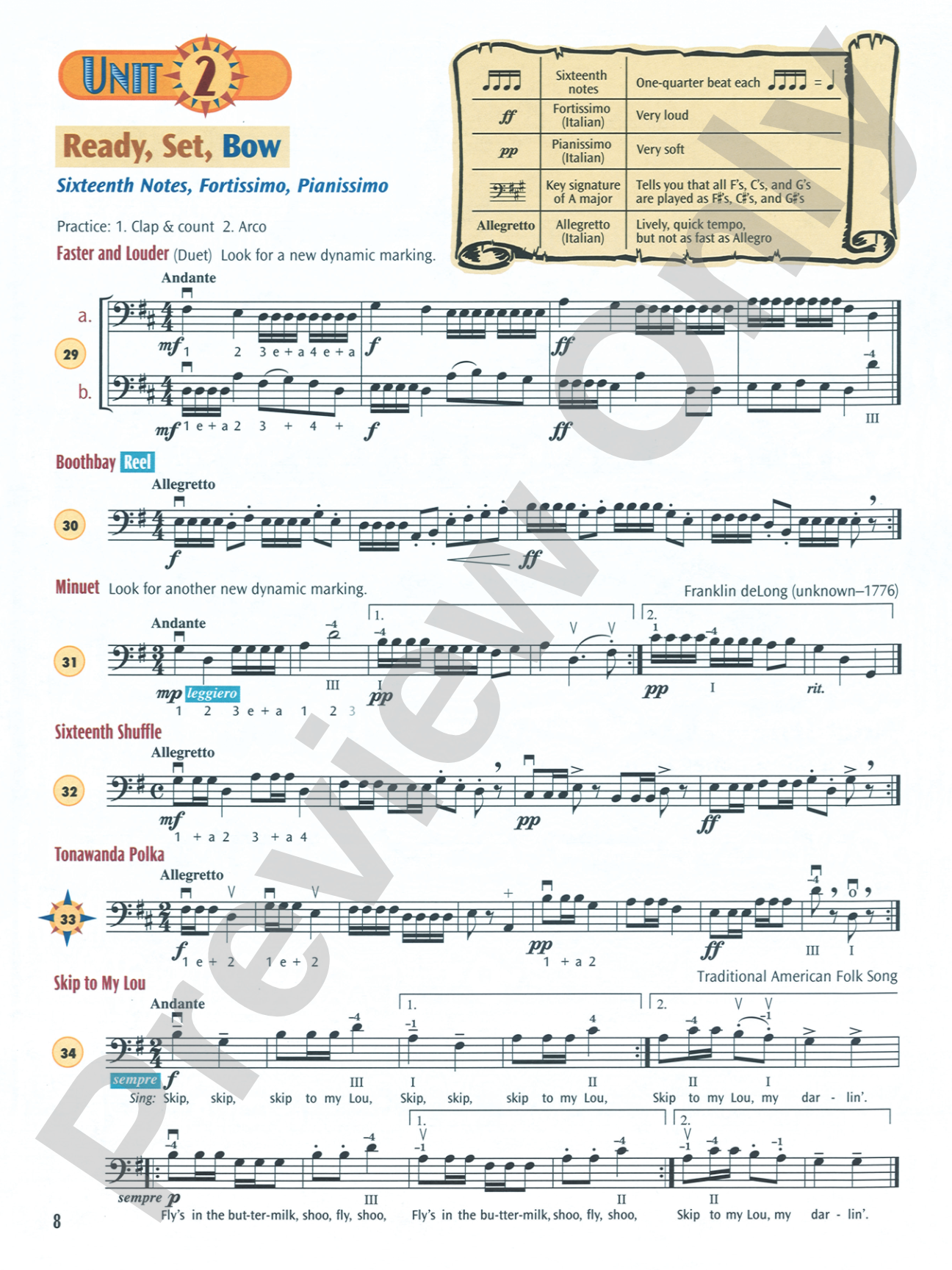
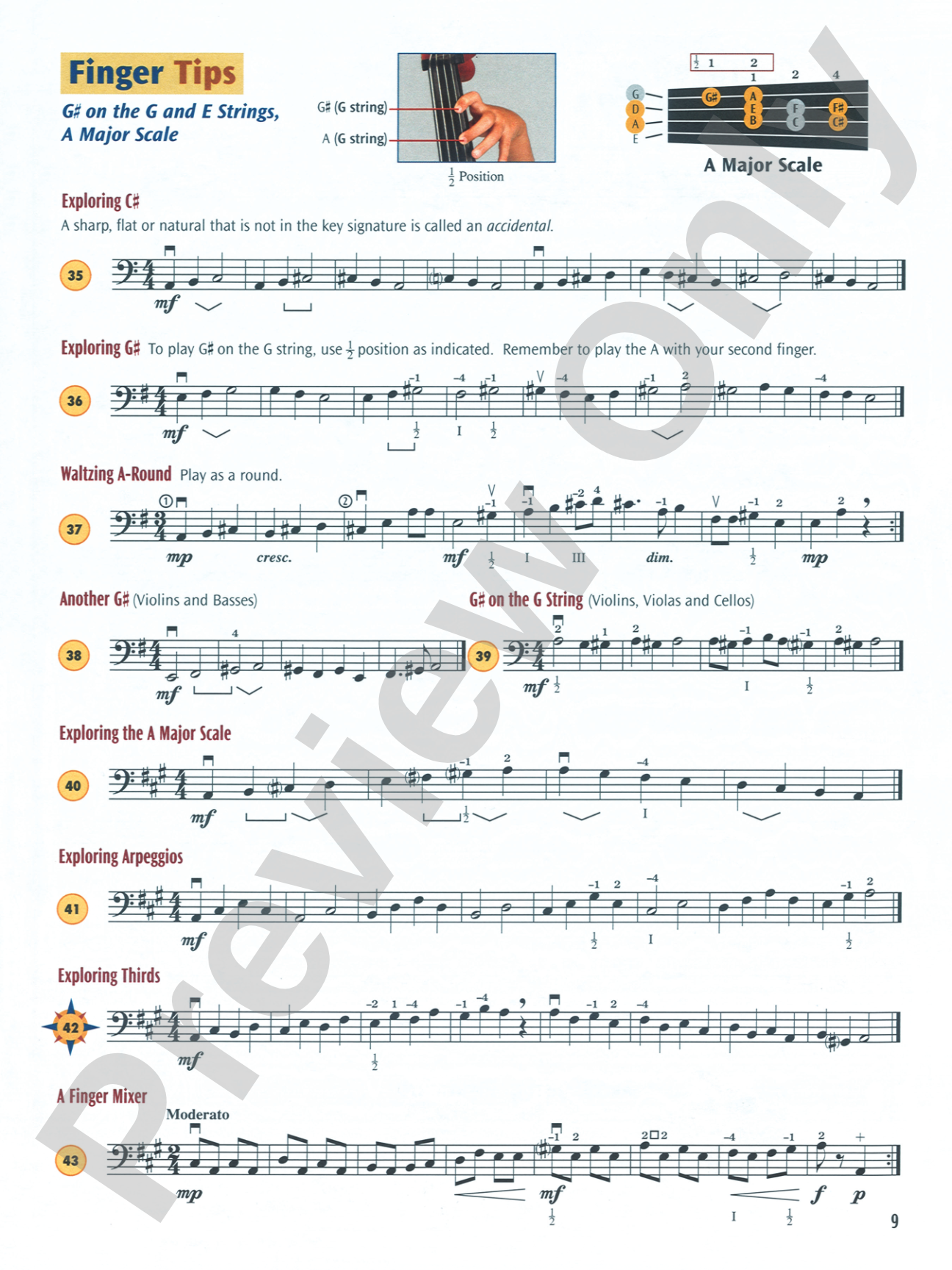

String Explorer, Book 2: Bass: String Bass
By Andrew H. Dabczynski, Richard Meyer, and Bob Phillips
Item: 00-PB-0000912

$9.99
Pickup currently not available
Related Items
String Explorer, Book 2: Violin Book & Online Audio |
$9.99
|
View | |
String Explorer, Book 2: Viola Book & Interactive CD |
$7.99
|
View | |
String Explorer, Book 2: Cello Book & Interactive CD |
$9.99
|
View | |
String Explorer, Book 2: Piano Acc. (Instrumental) Book & Interactive CD |
$12.95
|
View | |
String Explorer, Book 2: Teacher's Manual & Interactive CD |
$39.99
|
View | |
String Explorer, Book 2: Acc. Recordings 2-CD Set |
$14.95
|
View |
Description
Welcome back, String Explorers!
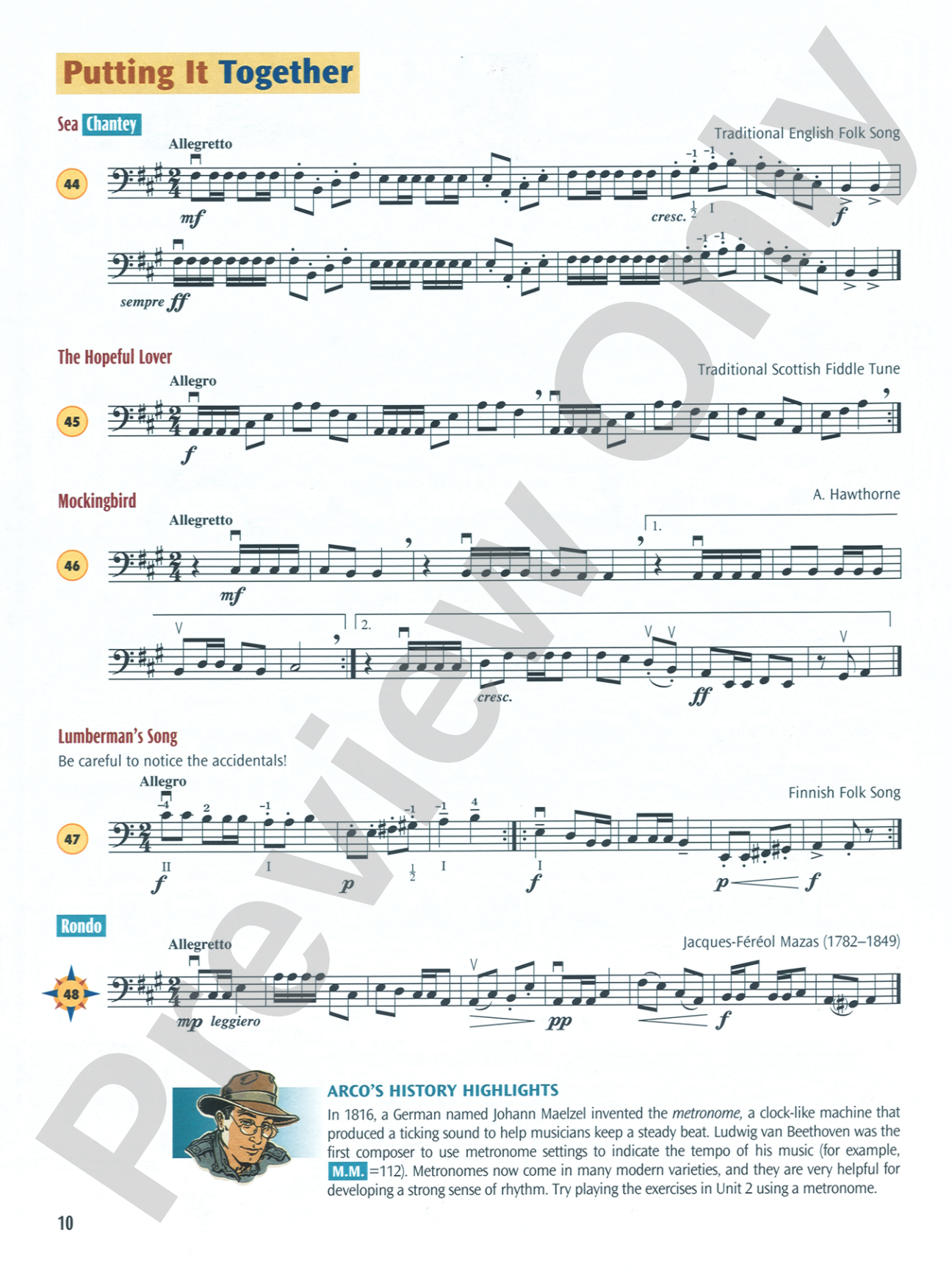
Your adventure of a lifetime continues as we begin Book 2! Together, we will explore even more wonderful music from the past and present, and melodies from around the world. We've already set sail aboard our noble schooner Musicianship, so get ready to encounter many new exciting challenges as we journey across the vast Sea of knowledge to reach our goal: the Lands of Golden Harmony!
This title is available in MakeMusic Cloud.
Please note: The bass book, 20508, is only available for purchase digitally.


Your adventure of a lifetime continues as we begin Book 2! Together, we will explore even more wonderful music from the past and present, and melodies from around the world. We've already set sail aboard our noble schooner Musicianship, so get ready to encounter many new exciting challenges as we journey across the vast Sea of knowledge to reach our goal: the Lands of Golden Harmony!
This title is available in MakeMusic Cloud.
Please note: The bass book, 20508, is only available for purchase digitally.
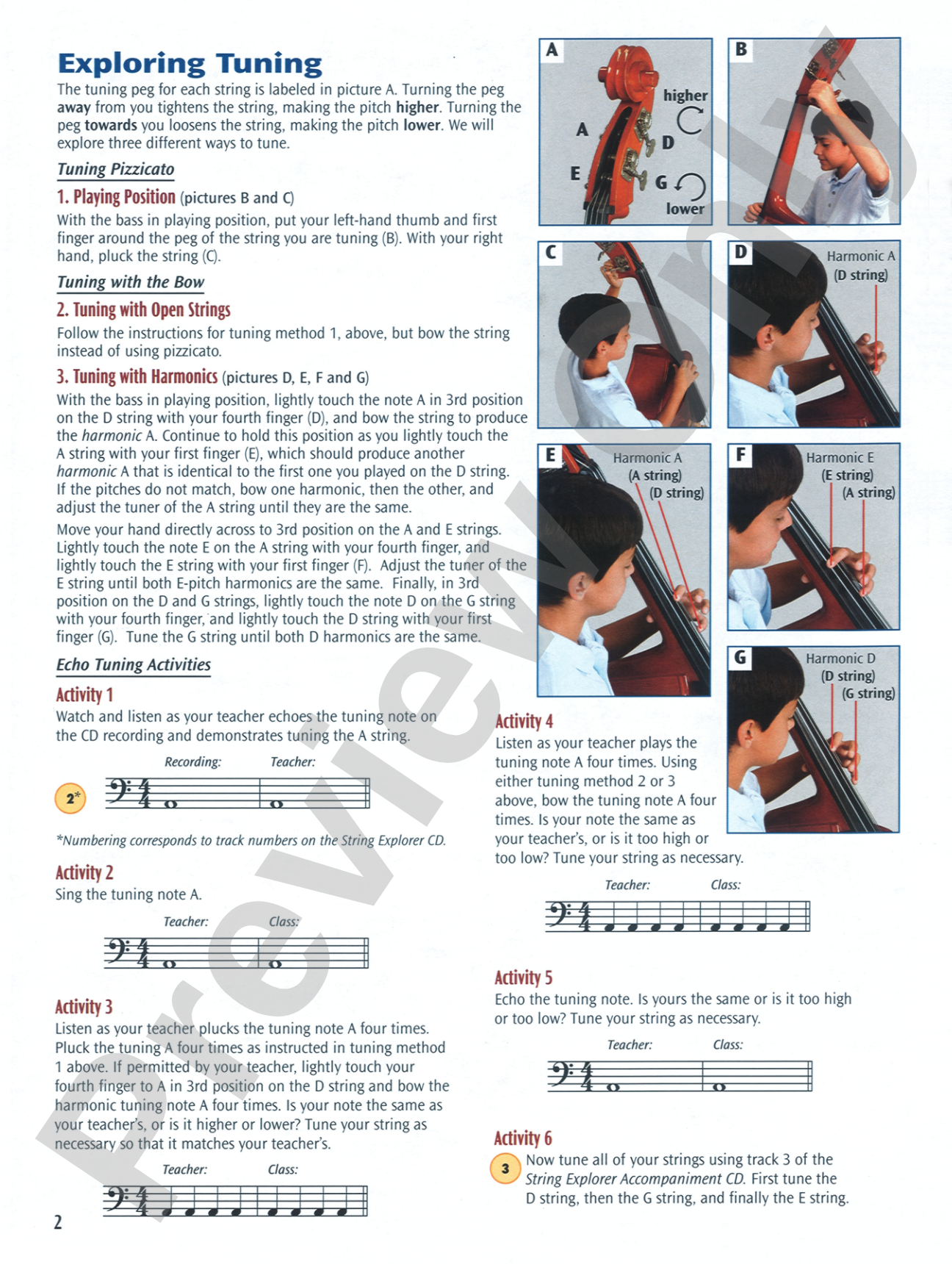
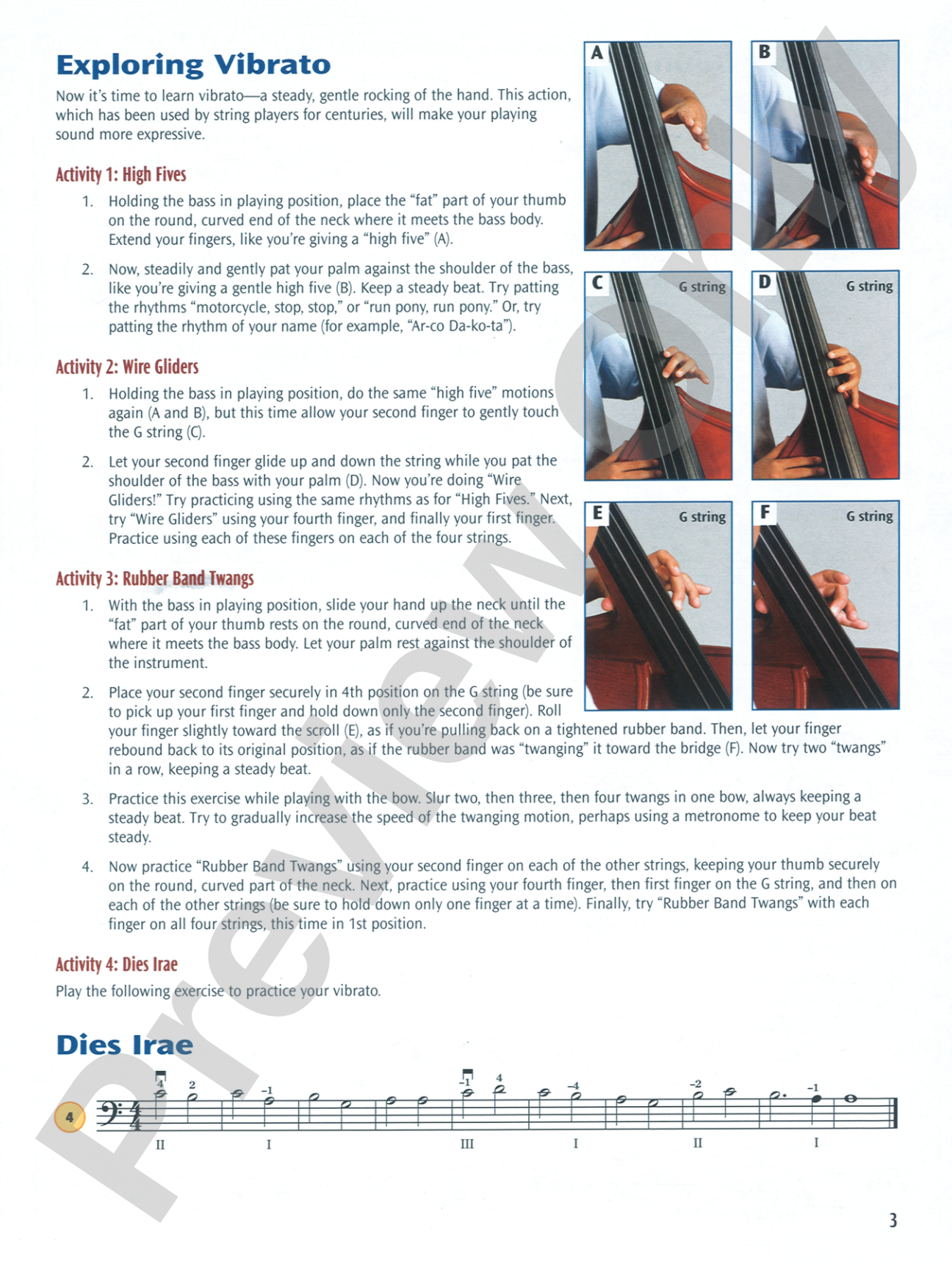
Don't just read it, hear it, play along with it, and watch your students grow with it. In MakeMusic Cloud, String Explorer, Book 2: Bass: String Bass comes alive with professional accompaniment, adjustable tempo, and built-in practice tools that turn solo practice into real progress.
Open in the Player
Jump straight in and assign it today.
Start Your Free Trial
Open this title and explore the full library in minutes.
Sample Audio
No sample audio found.
Sample Video
No sample videos found.
Additional Details
Series:
String Explorer
Publisher:
Alfred Music
Page Count:
48
SKU:
00-PB-0000912
Instrumentation:
Bass
More about this title
About the Composer: Andrew H. Dabczynski

Andrew H. Dabczynski shaped string education for decades as Emeritus Professor of Music Education at Brigham Young University, where he established the BYU New Horizons Orchestra as both a performance ensemble for beginning adult string players and a training laboratory for future teachers. His leadership in the field earned him BYU's Joseph E. White Fellowship for Teaching and Learning, recognition from Utah ASTA as Higher Education Teacher of the Year, and numerous national committee roles with the American String Teachers Association.
Dabczynski's career spans performance, teaching, and research. He held positions at the Eastman School of Music and in public school systems across New York and Michigan, performed viola with regional orchestras including the Rochester Philharmonic and Hartford Symphony, and served as a member of the Colden String Quartet at Western Michigan University. His scholarly interests in folk music and ethnomusicology inform his pedagogical work, and he co-authored the String Explorer series, recognized as a comprehensive and forward-thinking approach to string instruction.
Why we love this
String Explorer Book 2 sustains the momentum of Book 1 without losing sight of fundamentals, introducing repertoire from multiple cultures and musical periods while keeping technical demands accessible. Bass players finally get material that matches the energy and curiosity of their higher string counterparts, with arrangements that let them support the ensemble and carry melodies in equal measure.
What to expect
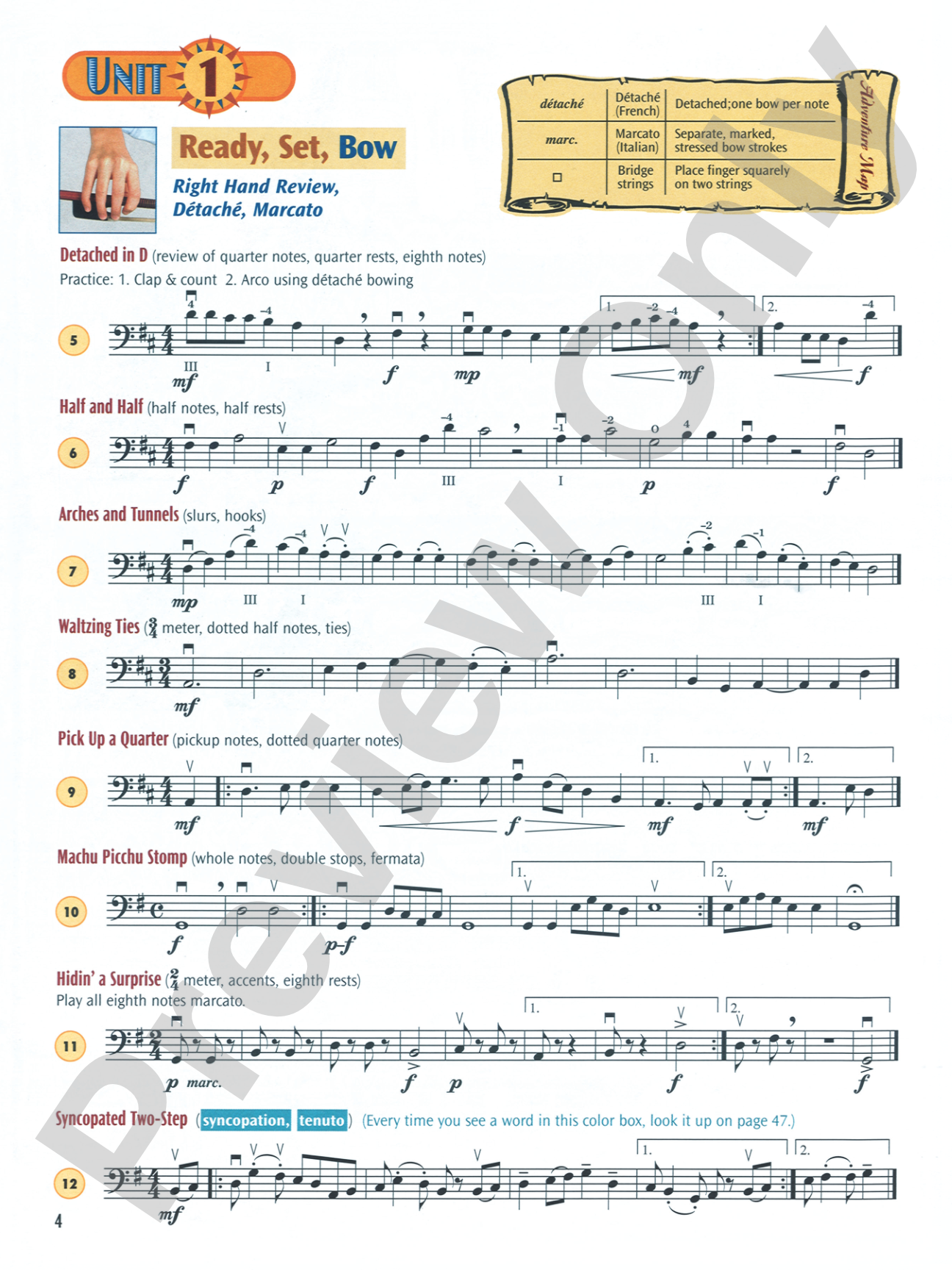
Adventure and discovery define the character of Book 2. Students encounter melodies from around the world, historical music spanning centuries, and contemporary compositions, all arranged to build confidence. The low register carries warmth and grounding while opening to higher positions with encouragement rather than intimidation.
Who it's for
String Explorer Book 2 serves students who have completed Book 1 and are ready for expanded repertoire and slightly increased technical demands. It works equally well in class orchestra settings, private lessons, and ensemble rehearsals where bass players need fresh material that matches their developing skills.
How to get the most out of it
- Anchor the lower register by listening carefully to intonation on open strings and first position; bass players often rush to higher positions before securing solid low notes.
- Record yourself playing the bass line and listen back without the accompaniment to hear whether you're sitting solidly on the beat or drifting ahead.
- Balance your vibrato (if introduced at this level) with rhythmic precision; the bass line defines harmonic integrity more than ornament.
- Work through any string crossings slowly and deliberately before rehearsal, particularly in faster passages where technique needs to become automatic.
How to use it
Pair Book 2 selections alongside ensemble repertoire in your concert season, drawing from familiar folk tunes or world music to provide context and variety. The 48-page collection divides naturally into quarters for a full school year, allowing you to build technique progressively while maintaining student engagement through musical reward.
Skills your students will build
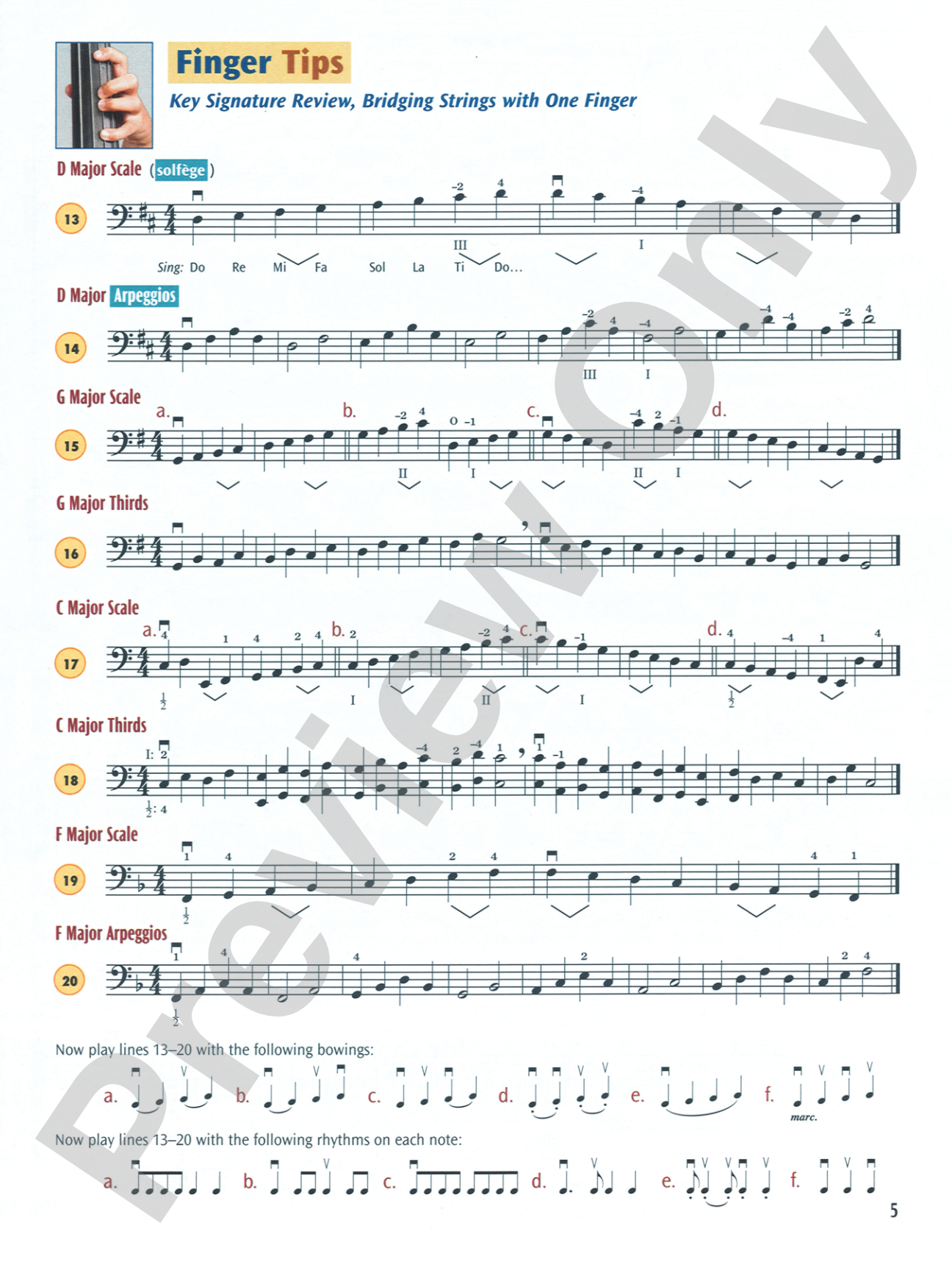
- Solid intonation across first and second positions on the bass clef
- String crossings in rhythmic and flowing passages
- Reading a variety of time signatures and rhythmic patterns
- Sustaining longer note values and whole-bow techniques
- Awareness of harmonic function and bass line support in ensemble settings