String a Song of Christmas Cover Image

String a Song of Christmas: String Orchestra Conductor Score & Parts

$46.00 USD
Sale price  $46.00 USD Regular price 
Skip to product information
String a Song of Christmas Cover Image

String a Song of Christmas: String Orchestra Conductor Score & Parts

Arr. Edmund J. Siennicki

Grade: 2

Item: 00-22299

makemusic Cloud badge

Need it now?

Buy Digital Version
$46.00
Shipped

One moment…

Description
String a Song of Christmas features a number of Christmas classics, including: "The First Noel," "Silent Night," "Deck the Hall," "Away in a Manger," "Jolly Old Saint Nicholas," and "We Wish You a Merry Christmas." Special attention to changes in dynamics will lead to a thoroughly satisfying performance. The audience will enjoy the loud ending while being wished a Merry Christmas. Correlated to Strictly Strings, Book 1, page 35.

Don't just read it, hear it, play along with it, and watch your students grow with it. In MakeMusic Cloud, String a Song of Christmas: String Orchestra Conductor Score & Parts comes alive with professional accompaniment, adjustable tempo, and built-in practice tools that turn solo practice into real progress.

Sample Pages

Sample Audio
0:00
0:00
Sample Video
Additional Details
Series: Highland/Etling Strictly Strings
Publisher: Alfred Music
Page Count: 140
UPC: 038081230078
SKU: 00-22299

More about this title

About the Arranger: Edmund J. Siennicki
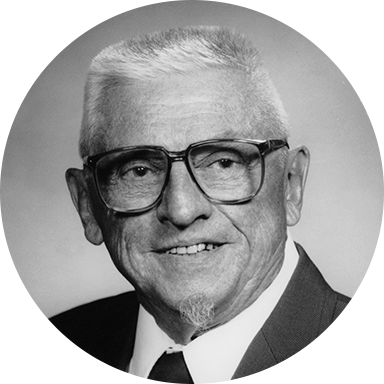
Edmund J. Siennicki

Edmund J. Siennicki's career spans nearly a century of composition and music education rooted in the Cleveland public schools. A bassoonist and pianist trained at Kent State University and Teachers College, Columbia University, he studied composition under Herbert Elwell and consulted with Vincent Persichetti, earning recognition through National School Orchestra composition contests and two residencies at the MacDowell Colony.

With approximately 200 compositions in print and two decades of ASCAP awards, Siennicki has balanced university teaching at Michigan and Kent State with deep involvement in junior high music education. His approach to arranging reflects both his pedagogical commitment and his understanding of what young orchestras can achieve musically and technically.

Why we love this

Siennicki's arrangement respects the melodic integrity of these familiar carols while building in genuine dynamic contrast that makes the piece feel alive rather than perfunctory. The correlated placement in Strictly Strings Book 1 means your students arrive at this work with exactly the right technical foundation, and the closing tutti moment gives orchestras a legitimate reason to feel proud of what they've accomplished together.

What to expect

A graceful procession through beloved winter traditions, each carol breathing with its own character before the ensemble gathers in a joyful, resonant final wish. The arrangement honors simplicity without sounding simplistic, creating space for warm playing that lets the strings' natural lyrical quality shine through.

Who it's for

Grade 2 string orchestras that have secured foundational reading and ensemble skills and are ready to explore phrasing and dynamic control through repertoire they recognize. This works equally well for concert ensembles wanting holiday programming and for classroom orchestras where student engagement through familiar melodies matters.

How to get the most out of it

  • Shape each carol individually through its own arc of dynamics rather than treating the medley as one long statement; this prevents listener fatigue and highlights what makes each tune distinctive.
  • Balance the dramatic finish so that the fortissimo entrance on "We Wish You a Merry Christmas" lands as a genuine climax and not an abrupt shift; bring the preceding carol down dynamically to create space for the energy to build.
  • Attend carefully to how the arrangement voices the inner parts during quieter moments; these lines often carry harmonic color that can disappear if players aren't listening for their own contribution.

How to use it

Position this as the centerpiece of a winter concert, either in the first half to establish warmth and goodwill or as the closing selection to send audiences out in a bright frame of mind. It pairs well with non-holiday repertoire of similar difficulty level, allowing you to program a full concert rather than padding shorter pieces around thematic material.

Skills your students will build

  • Dynamic contrast and phrase shaping across multiple tempos and character changes
  • Balancing individual melodic lines against supporting harmonic voices in an ensemble setting
  • Transitional awareness between distinct musical ideas within a single work
  • Intonation challenges specific to slower, unison or homophonic textures where ensemble blend is exposed

You May Also Like
