

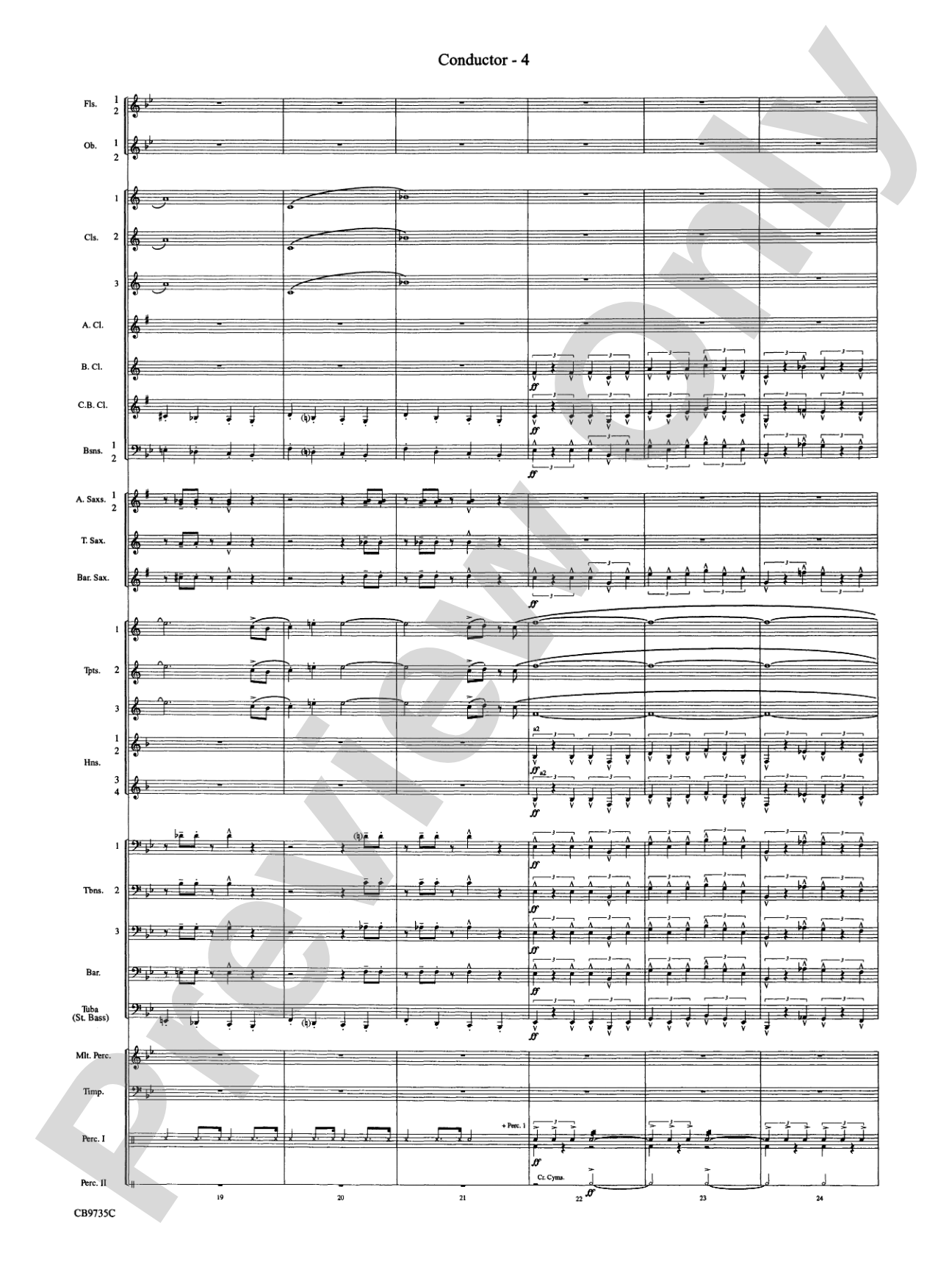
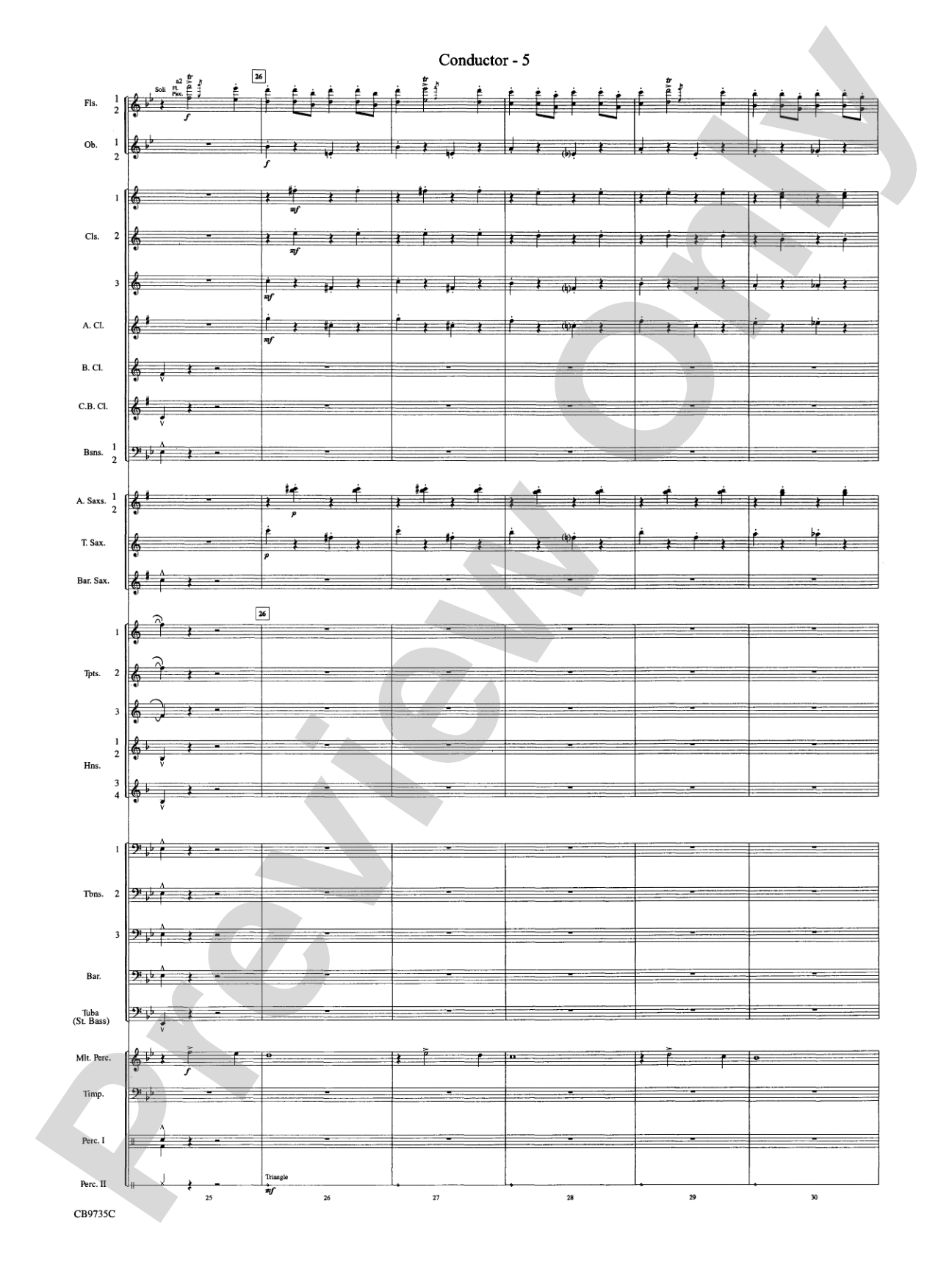
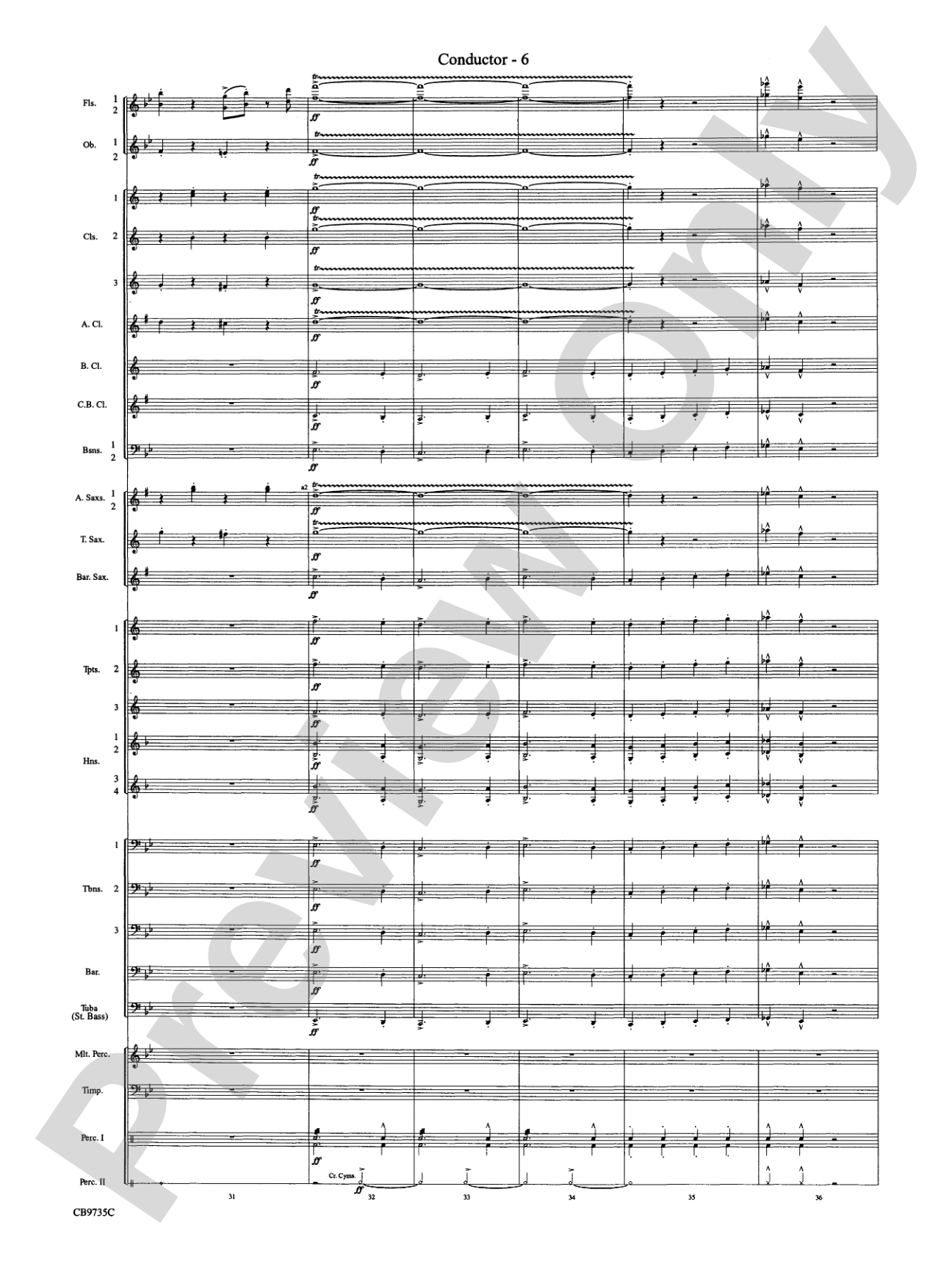
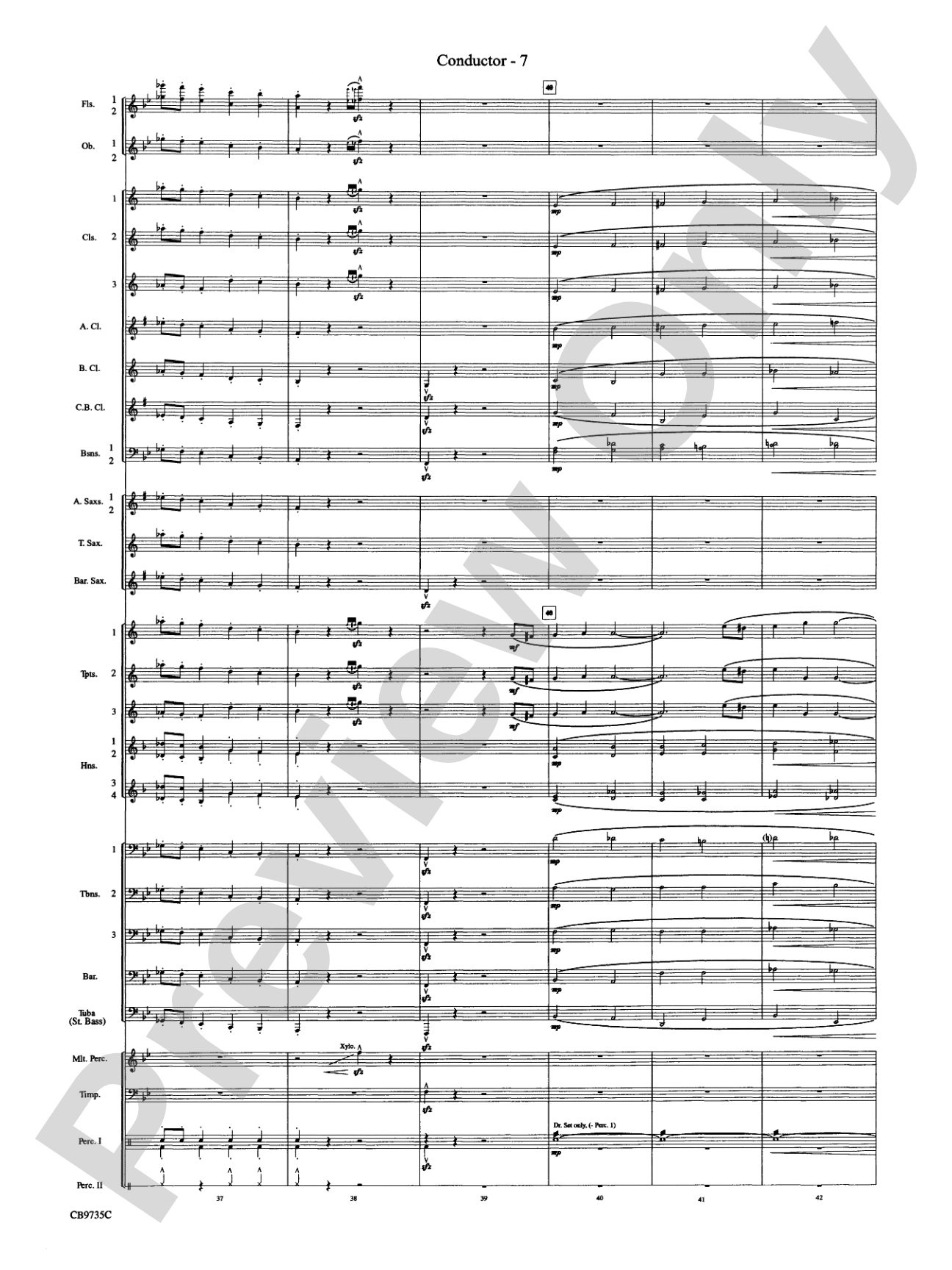
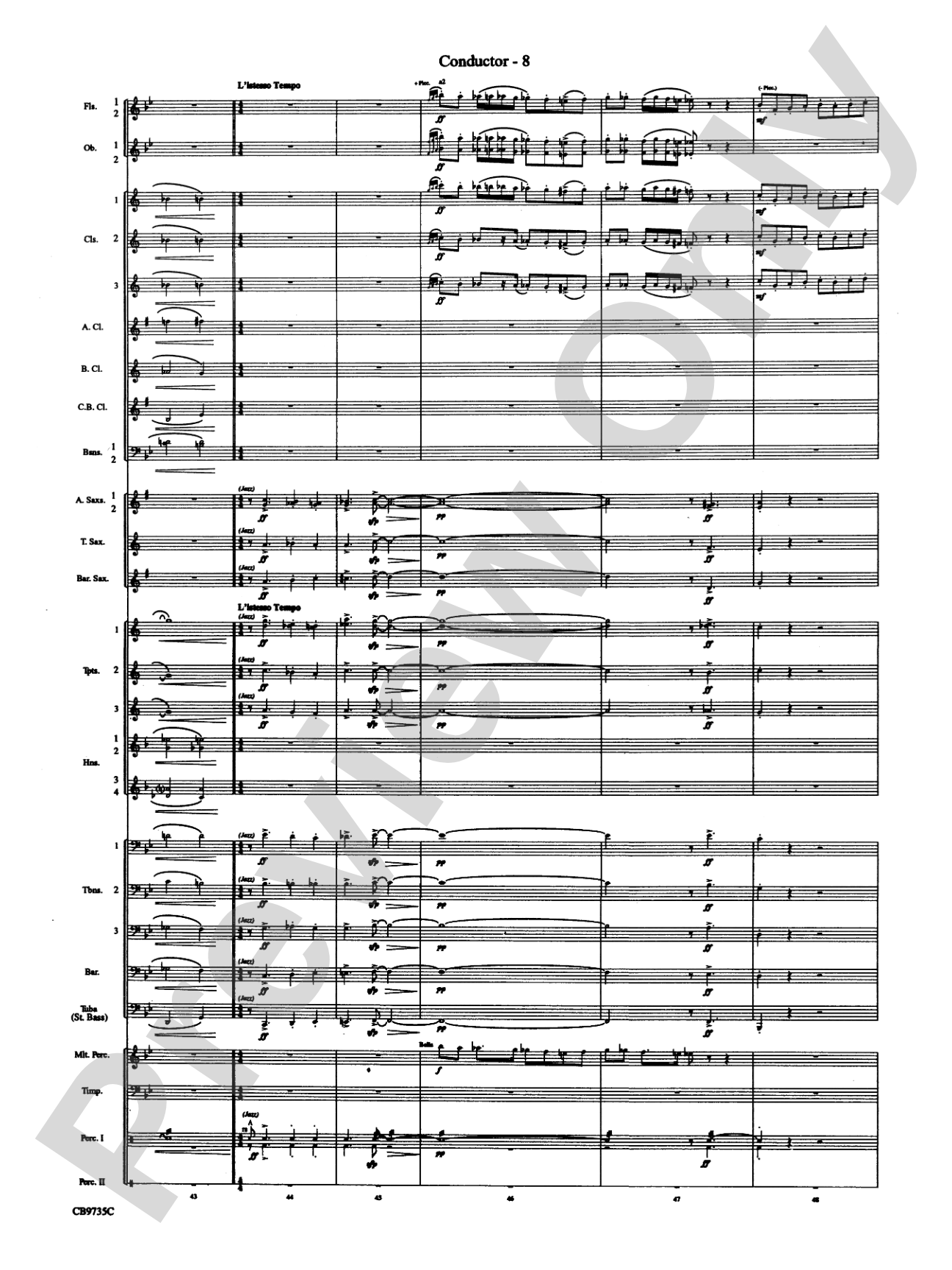
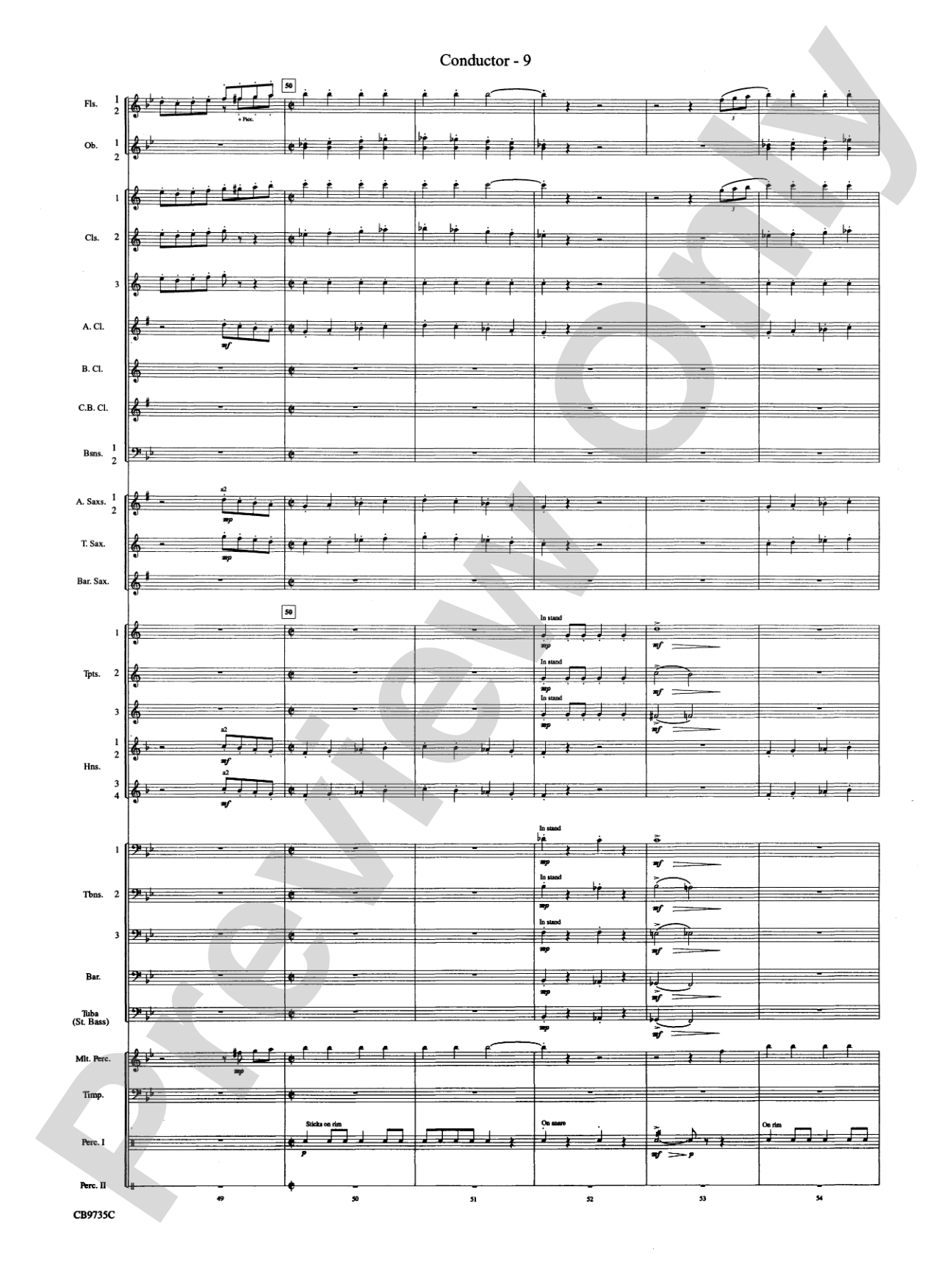
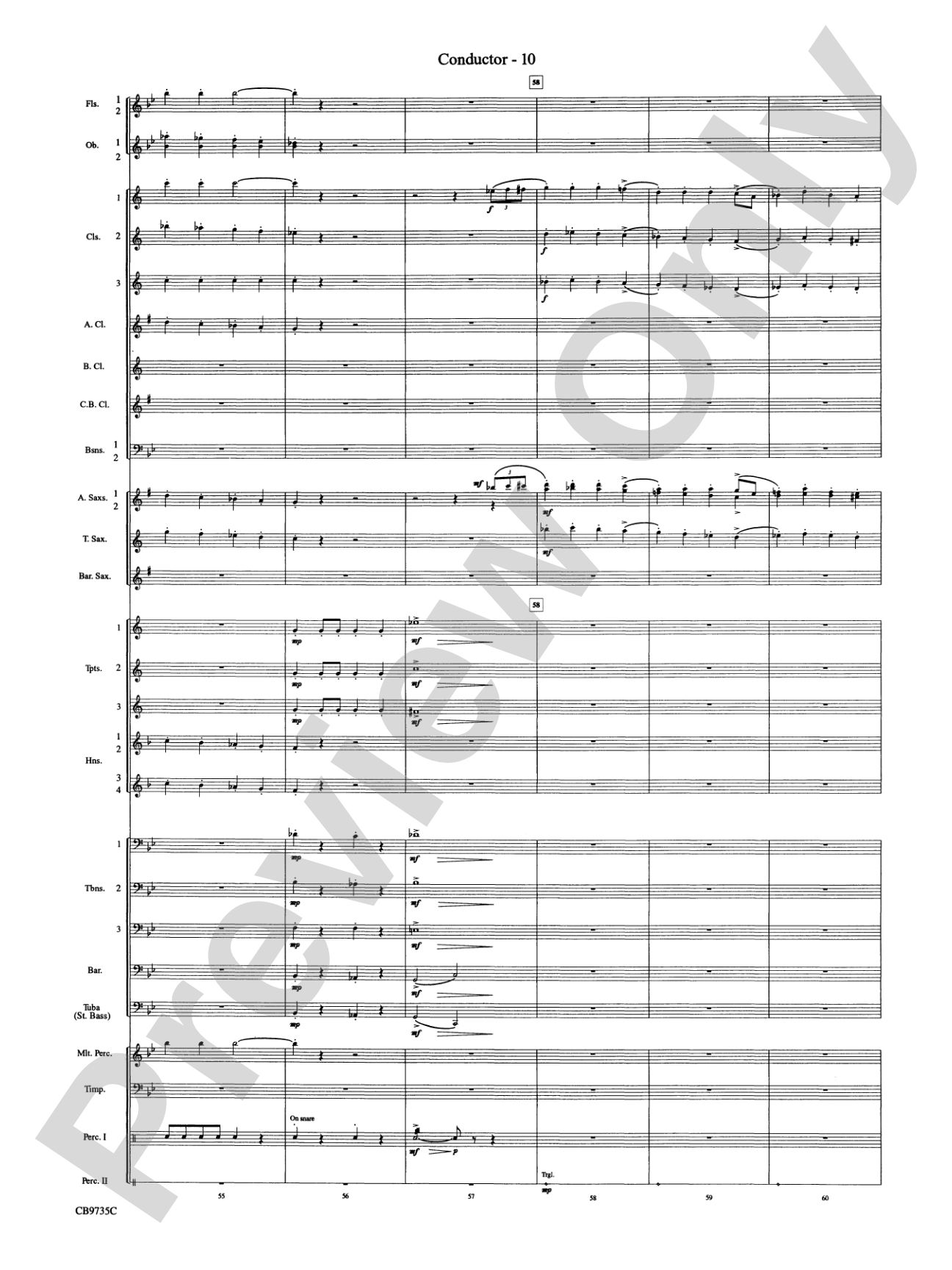
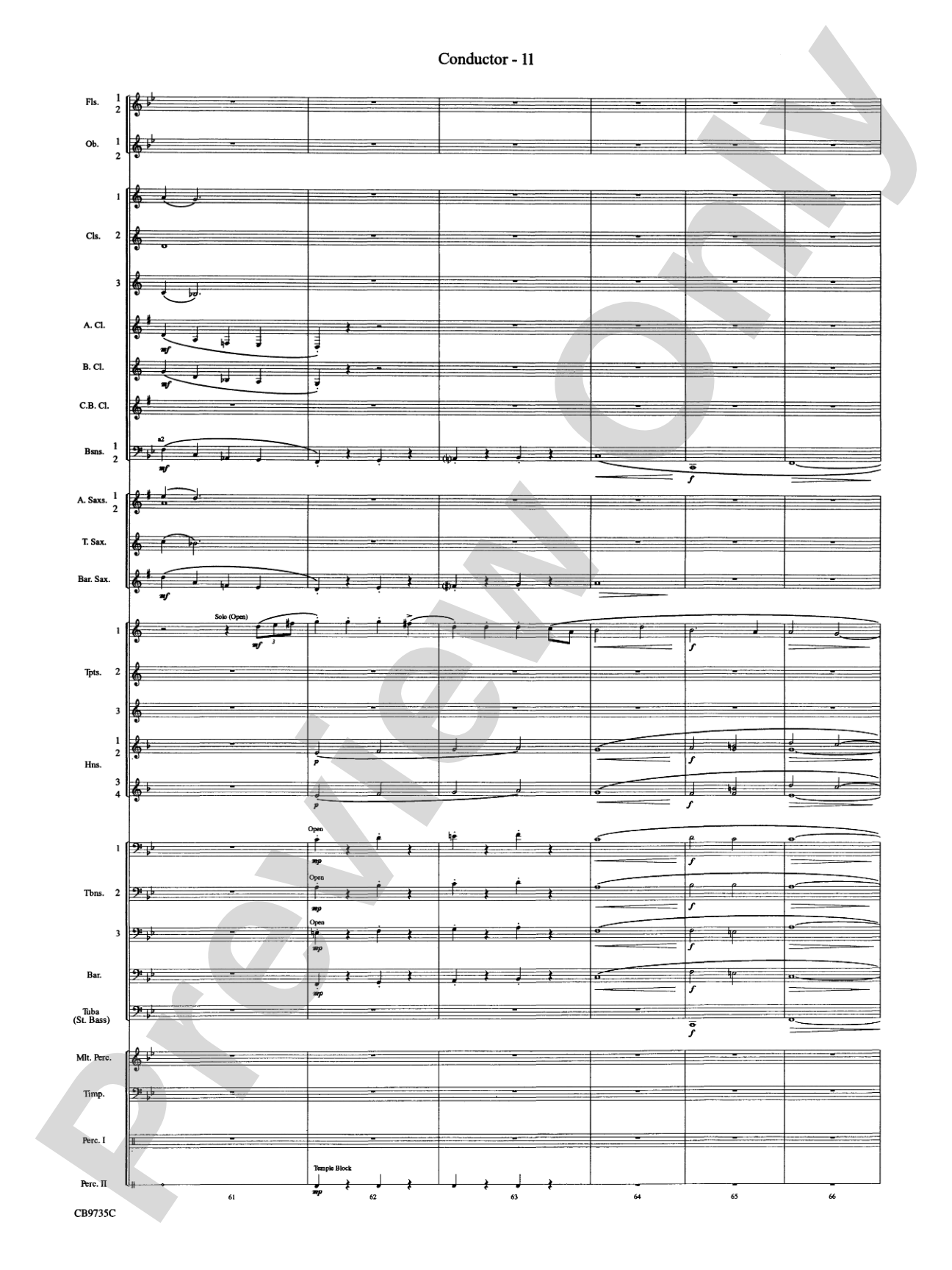
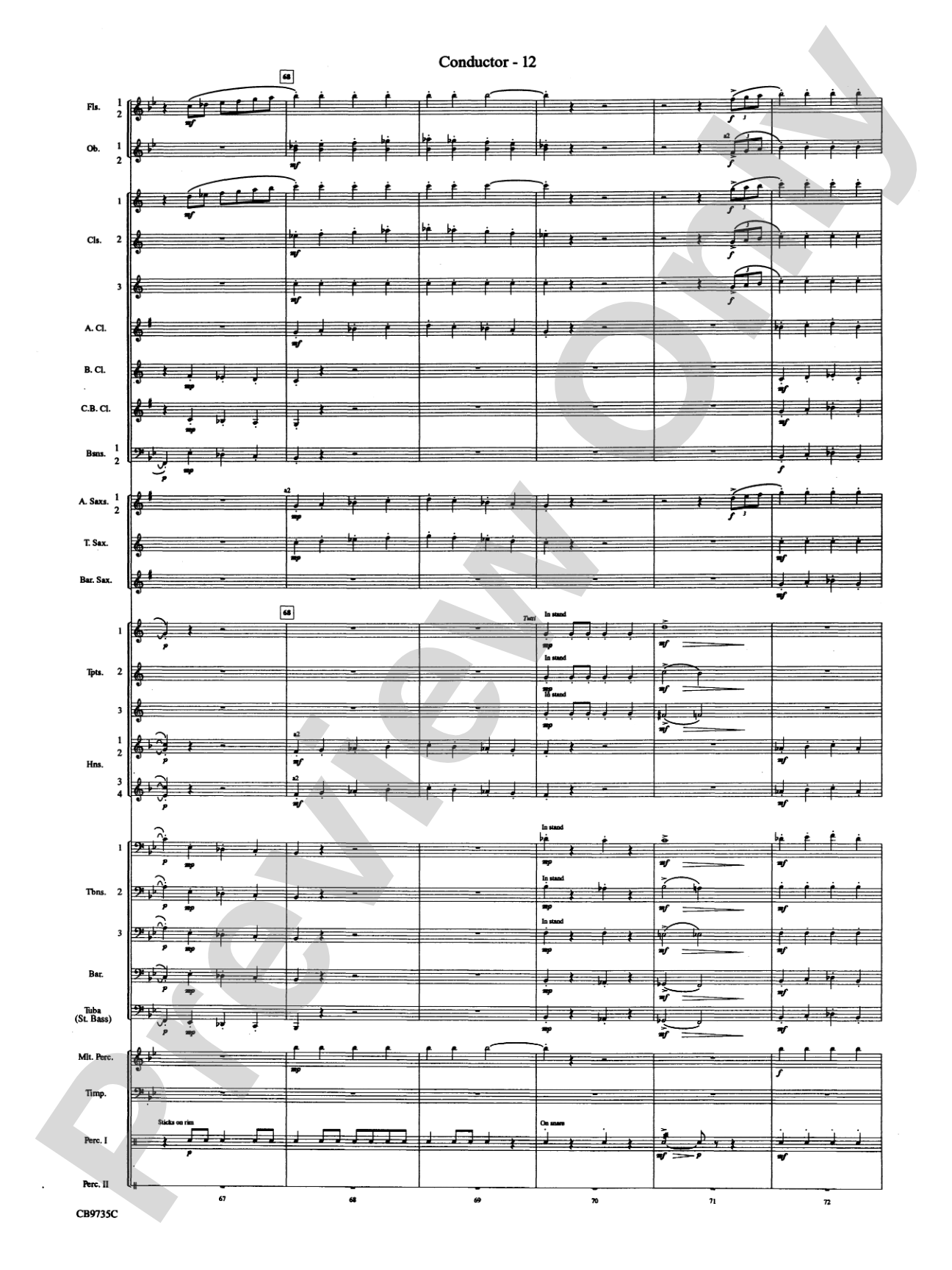
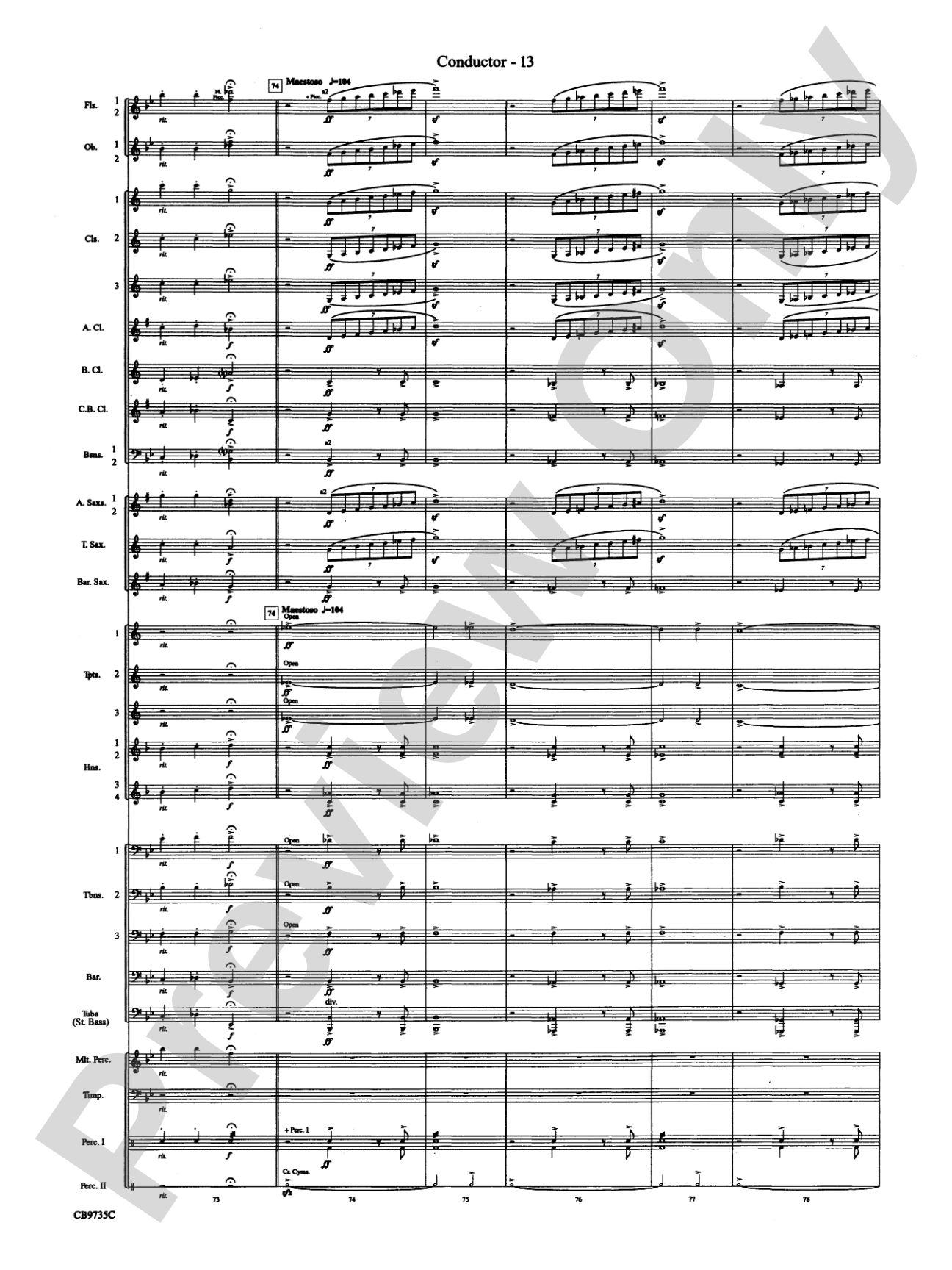
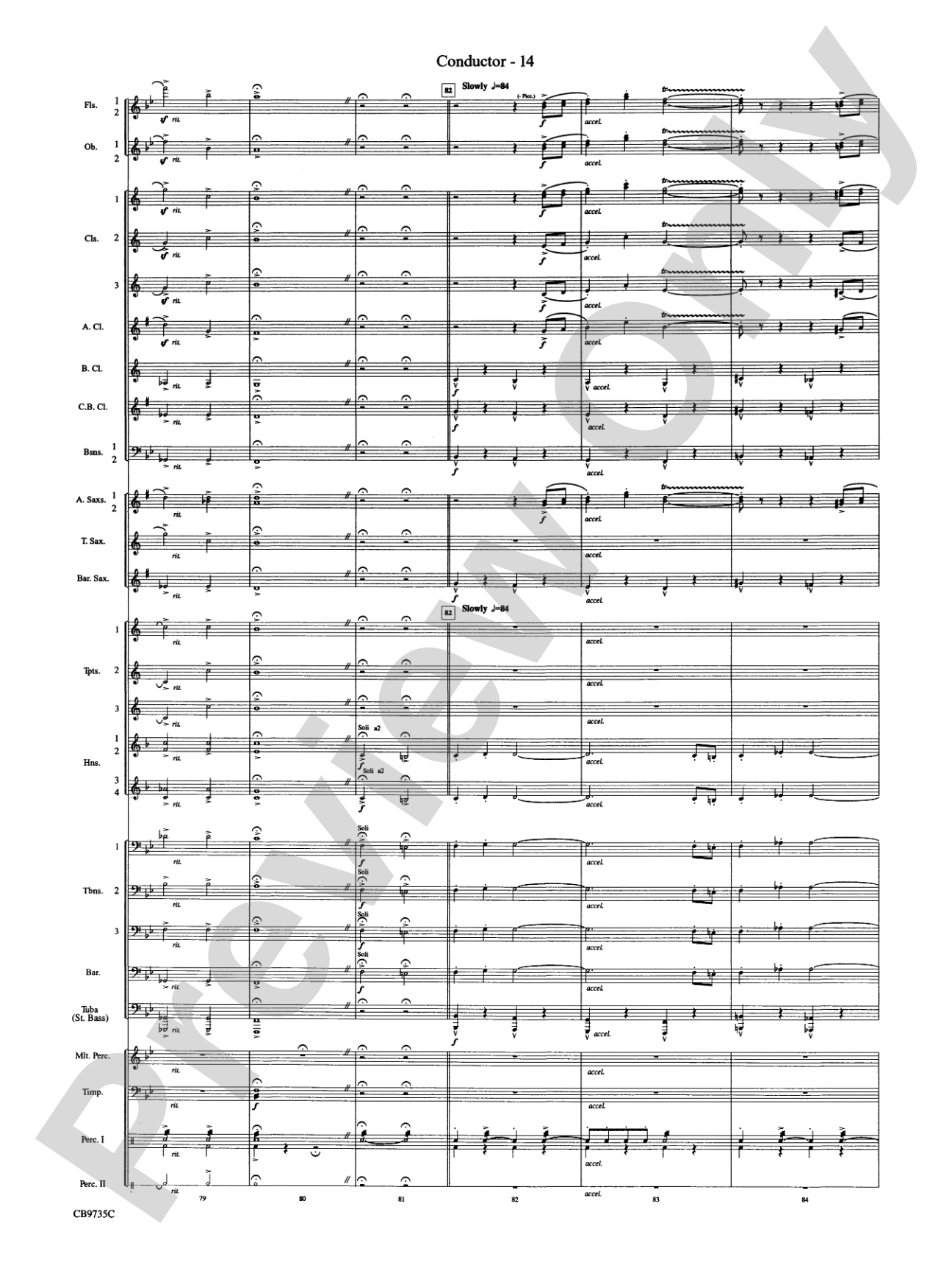
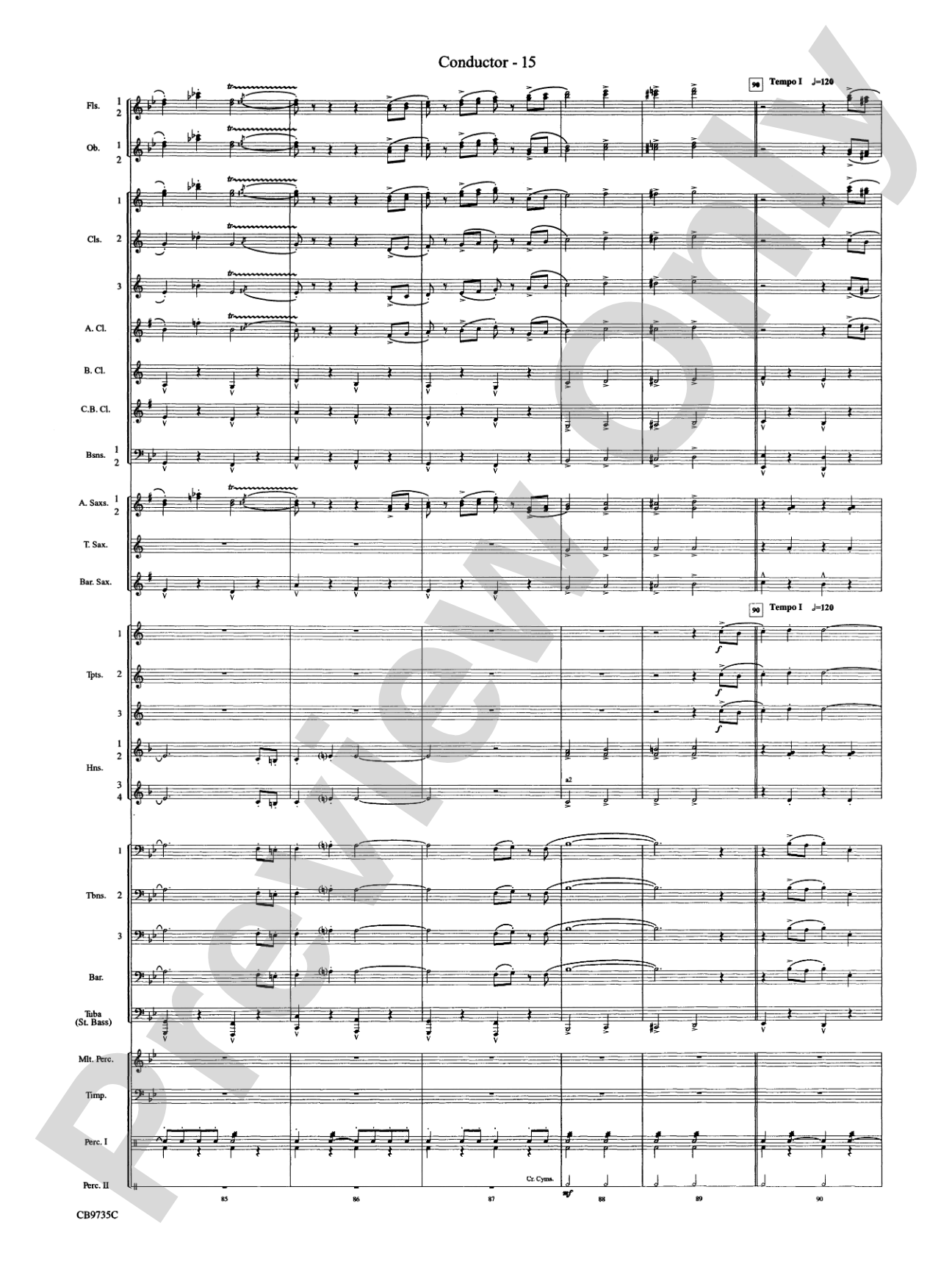
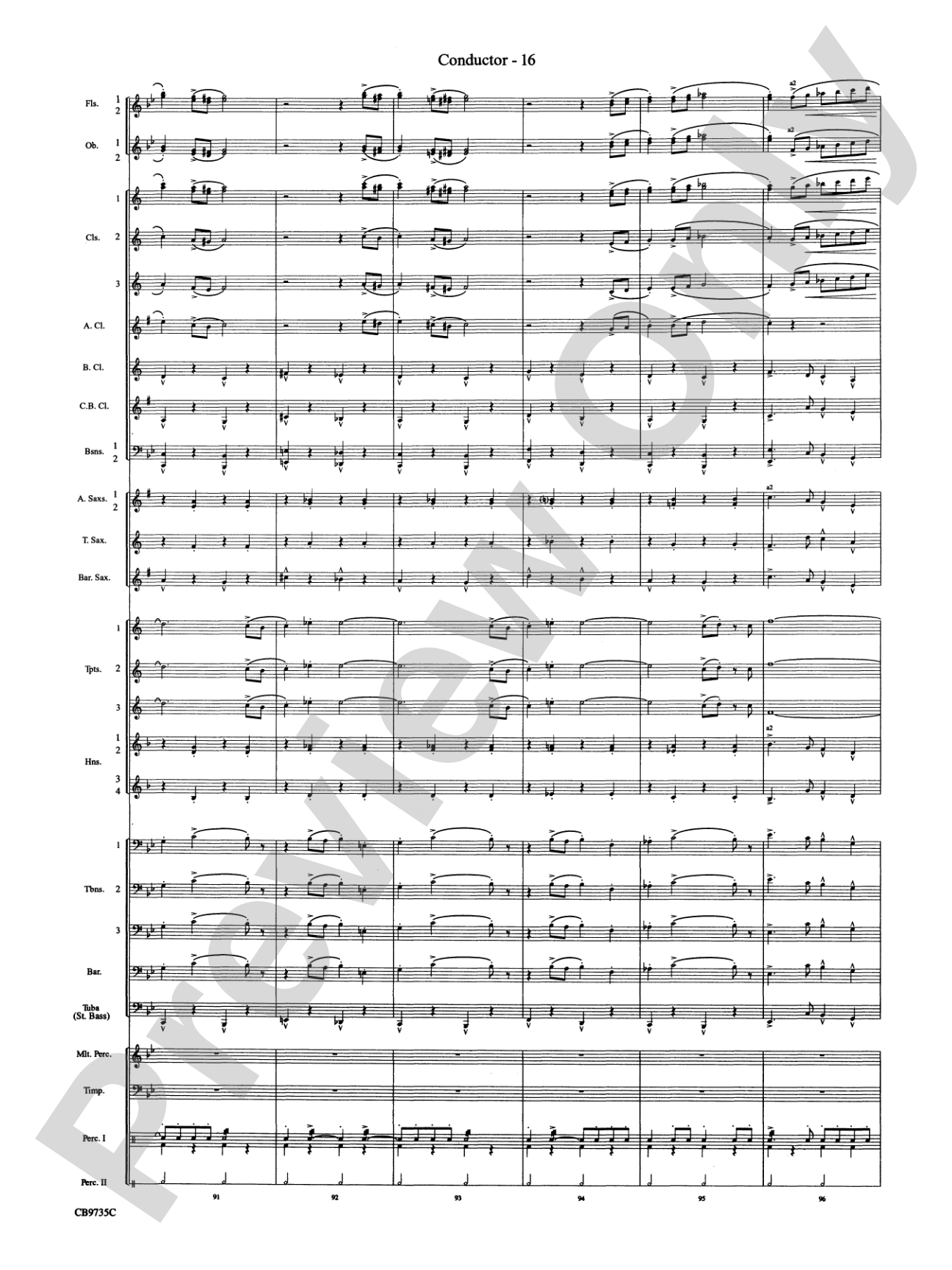
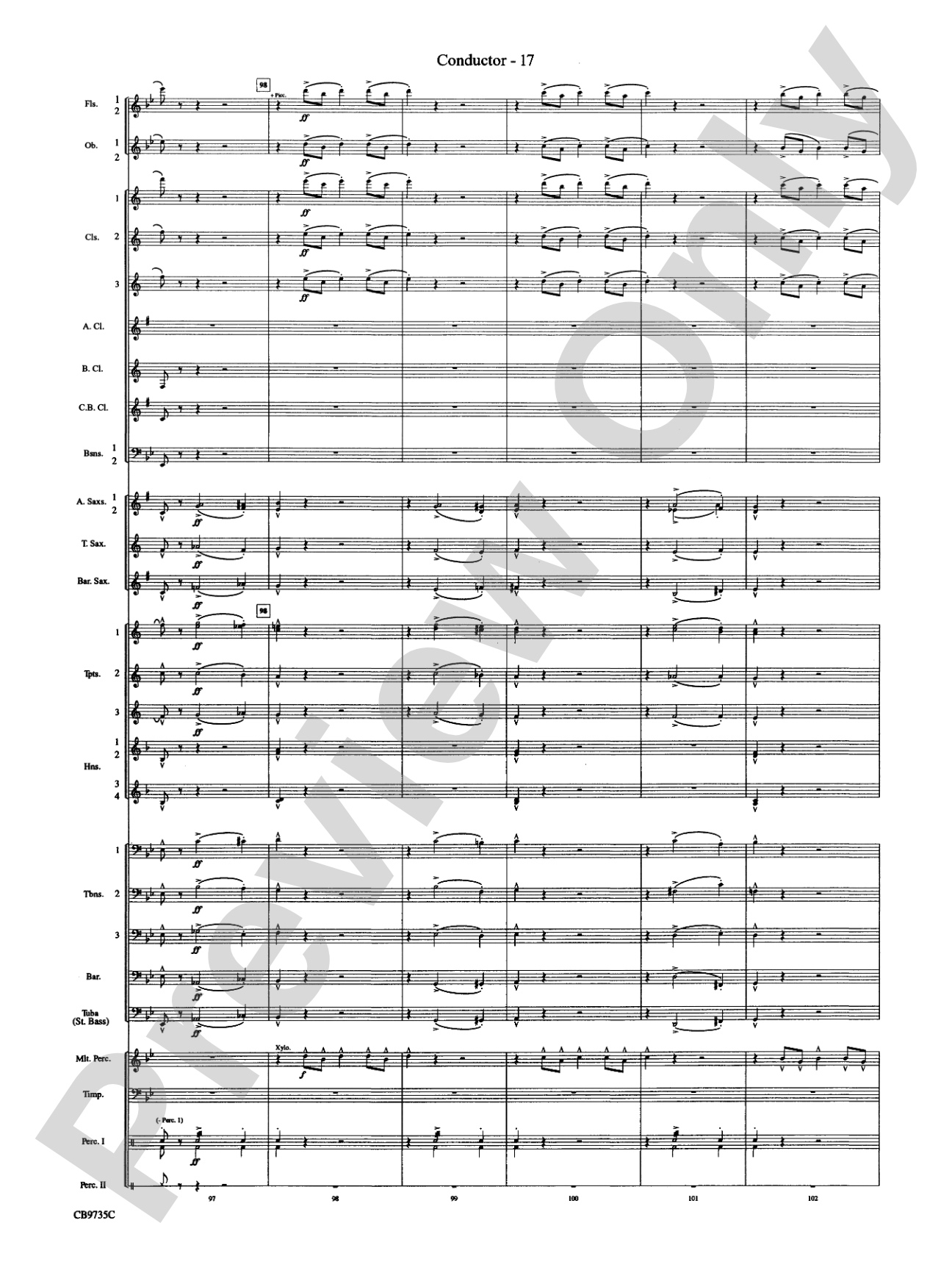
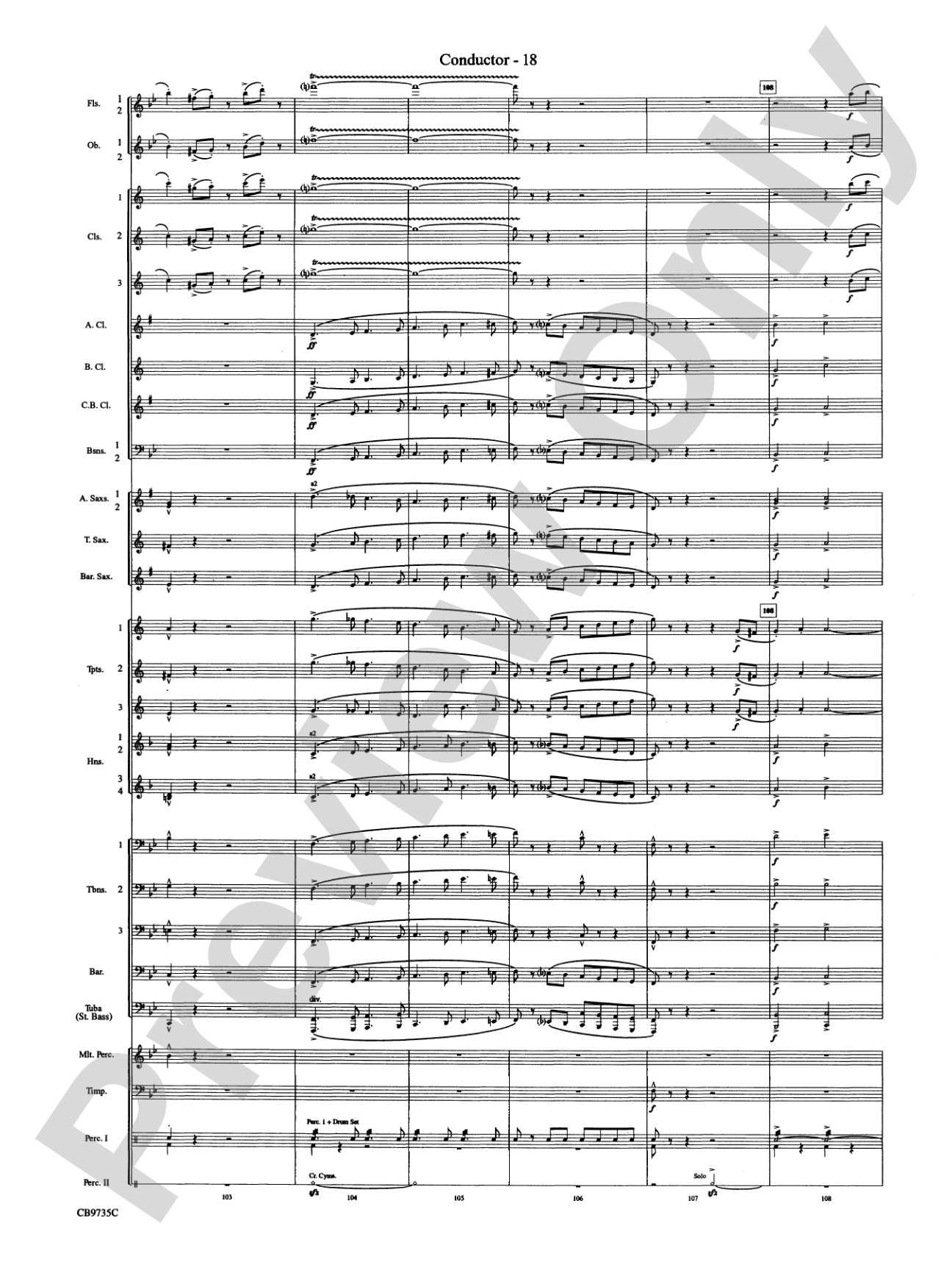
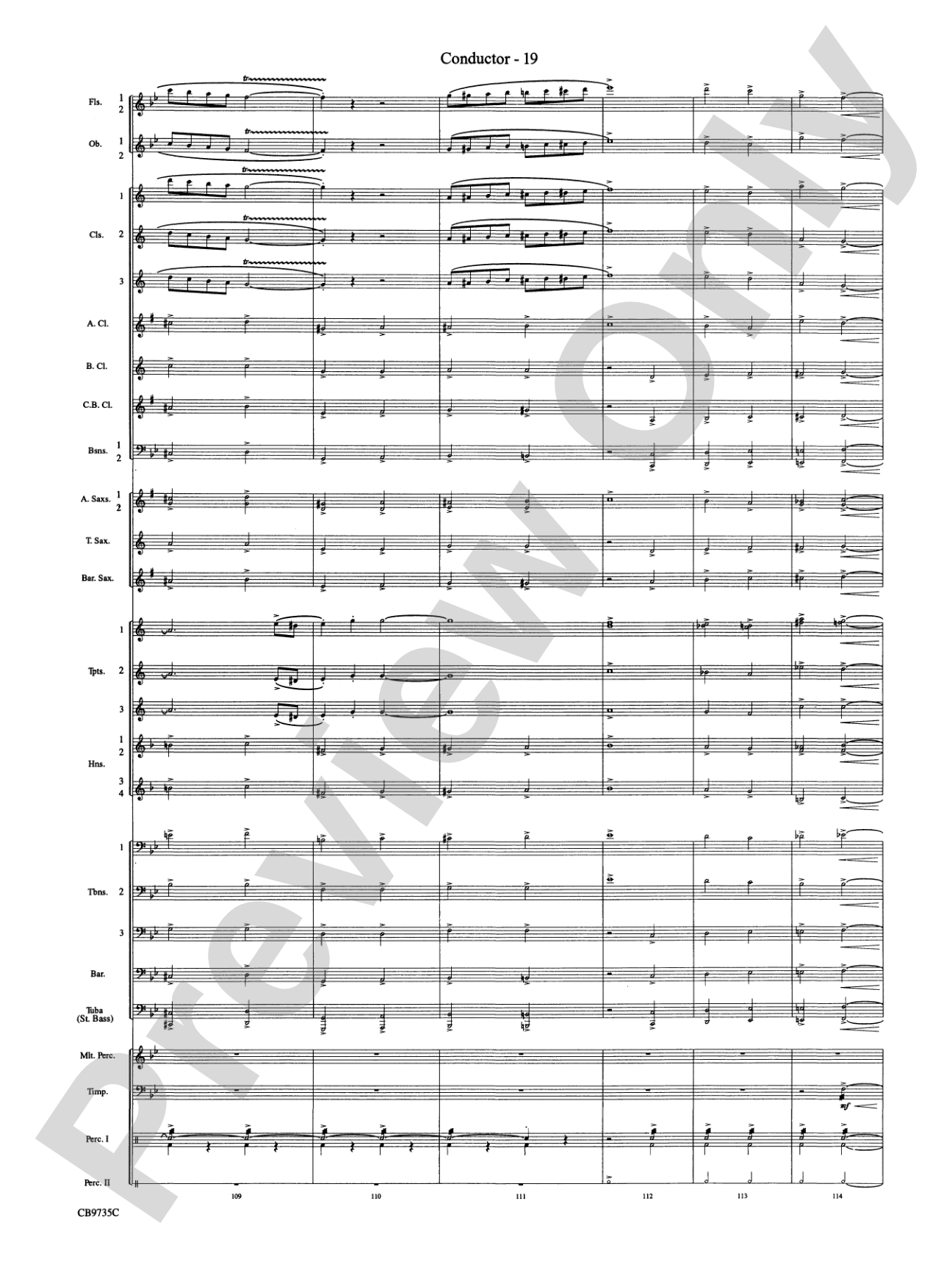
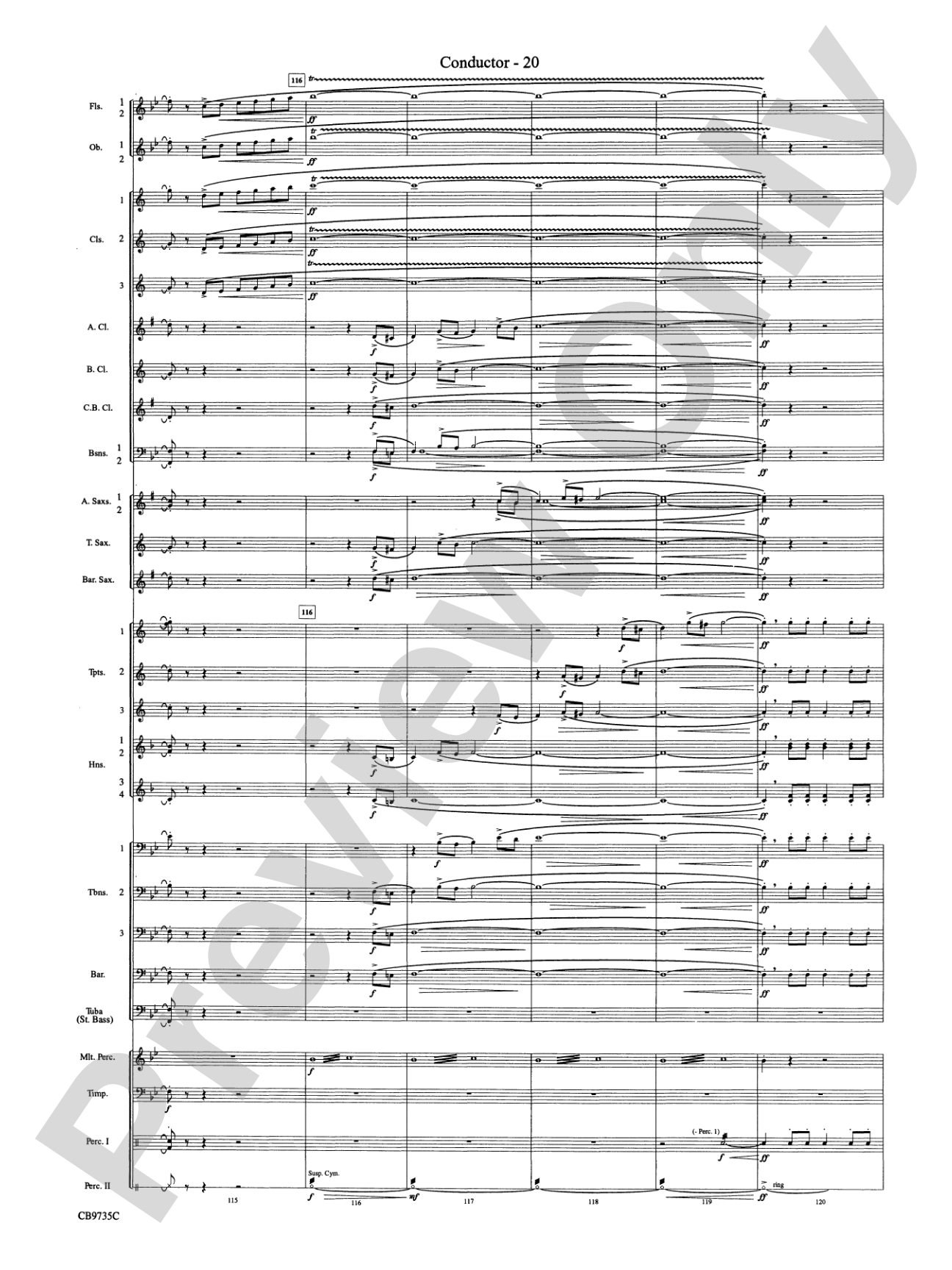
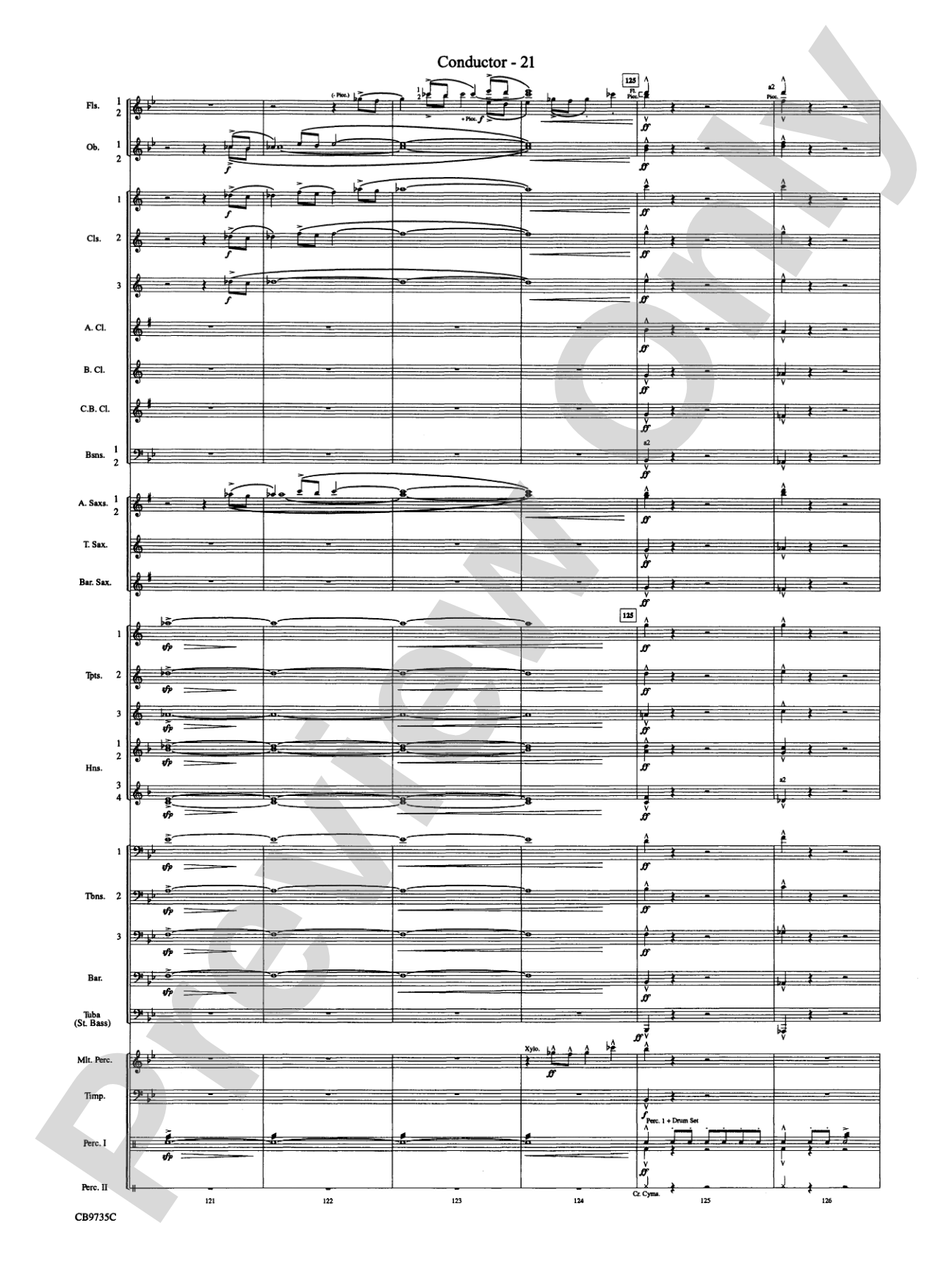
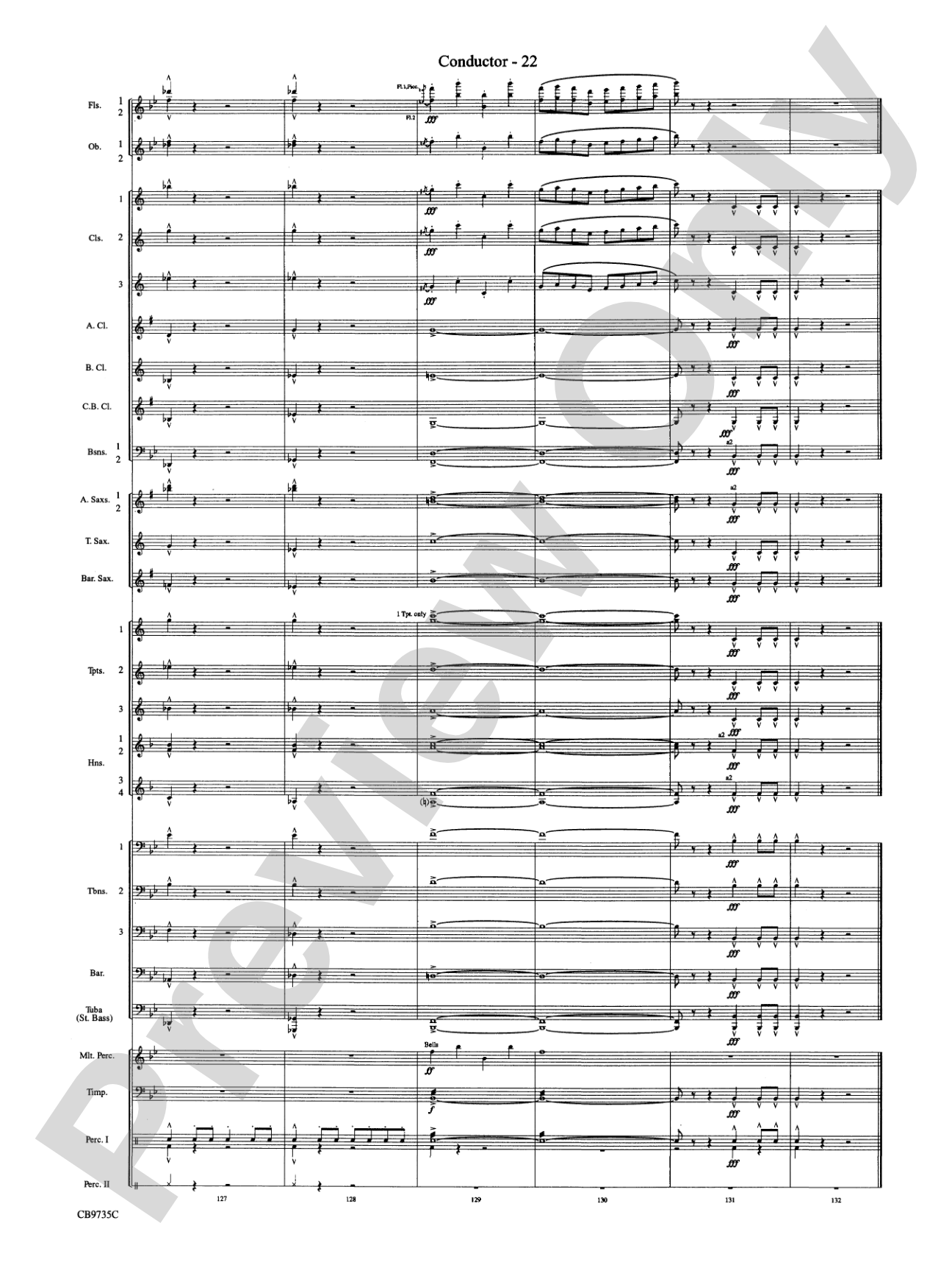

Strike Up the Band: Concert Band Conductor Score & Parts
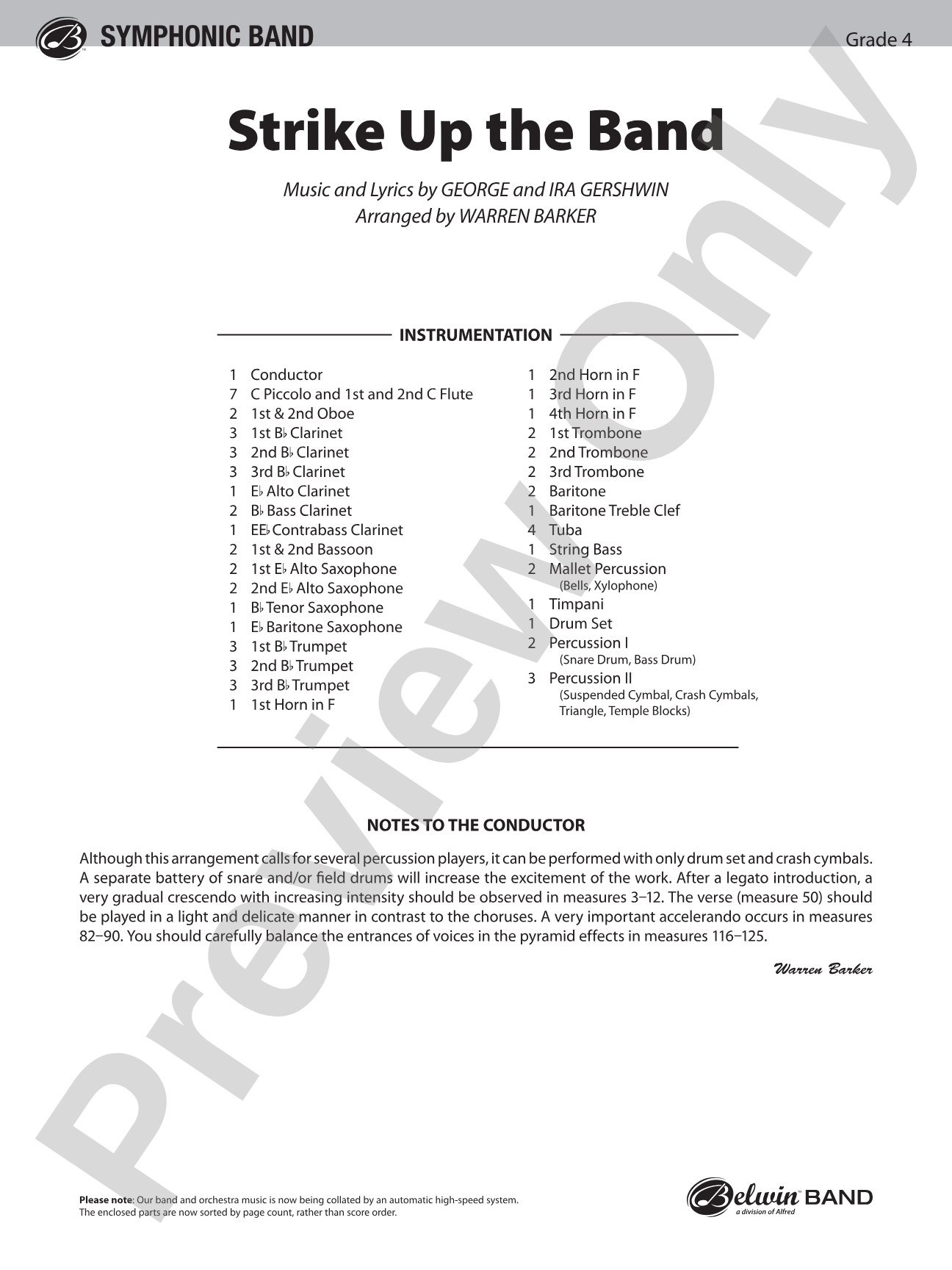
By George Gershwin and Ira Gershwin / arr. Warren Barker
Grade: 4 (Medium)
Item: 00-PK-0002327

$87.00
One moment…
Description
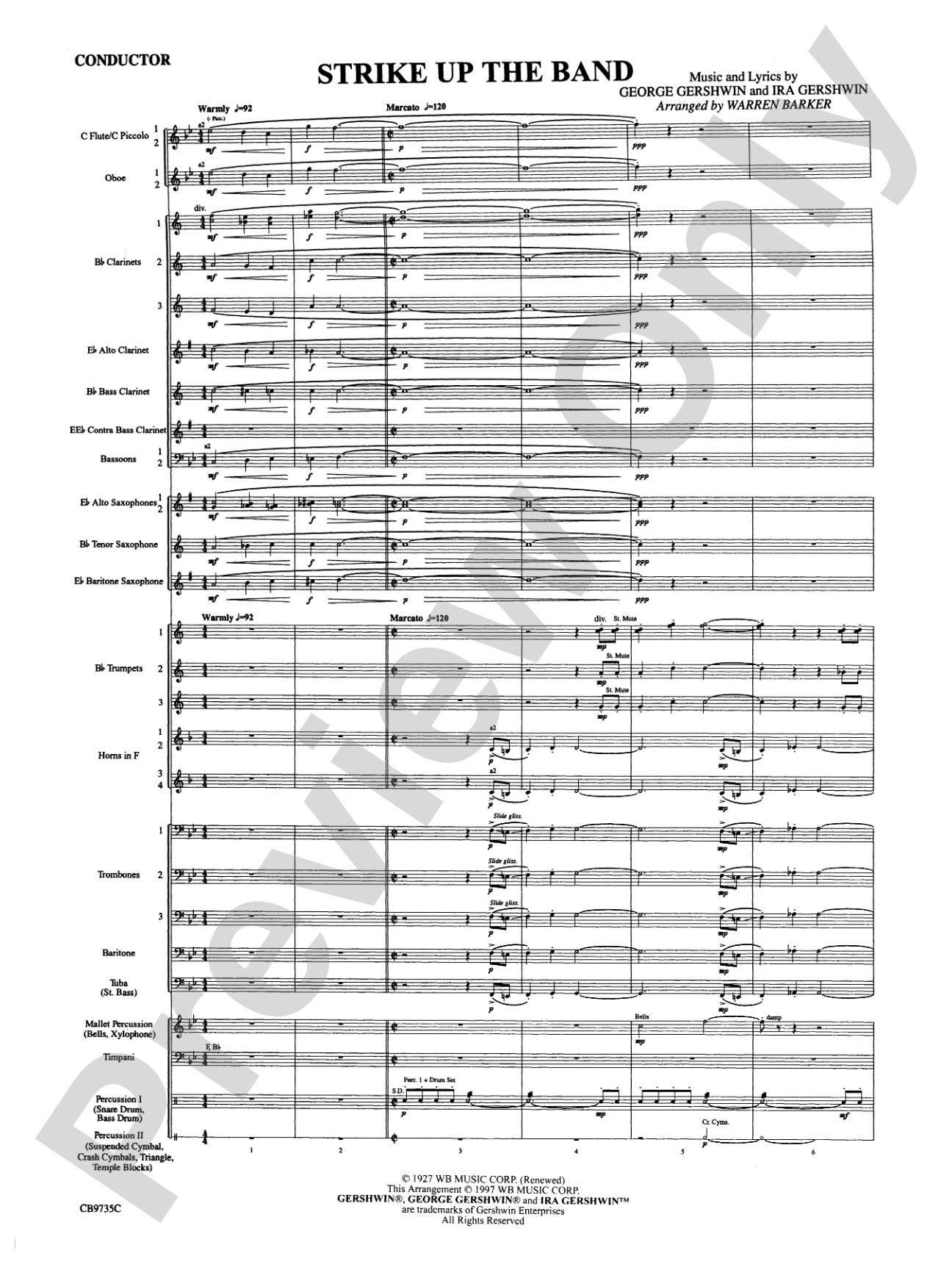
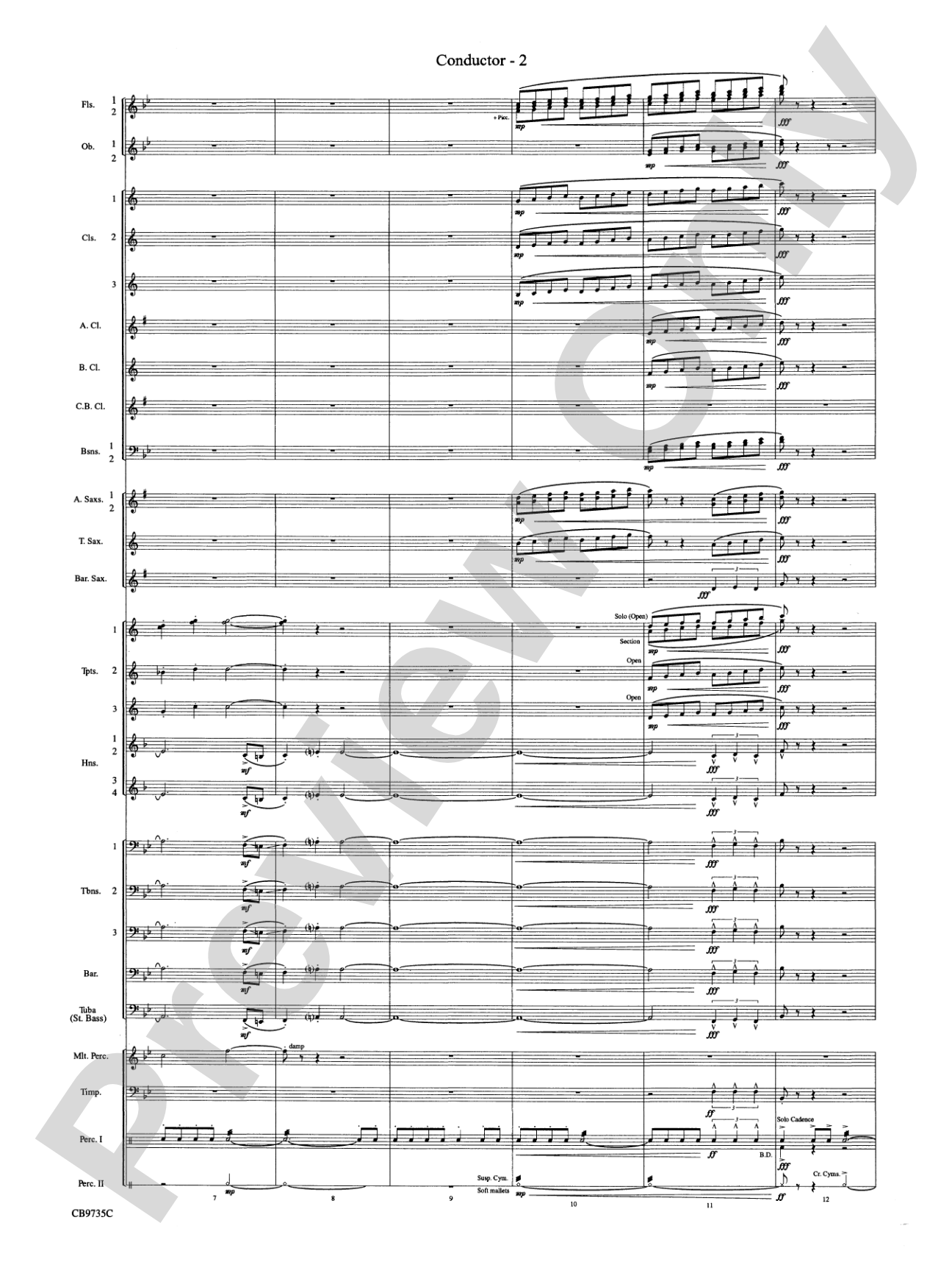
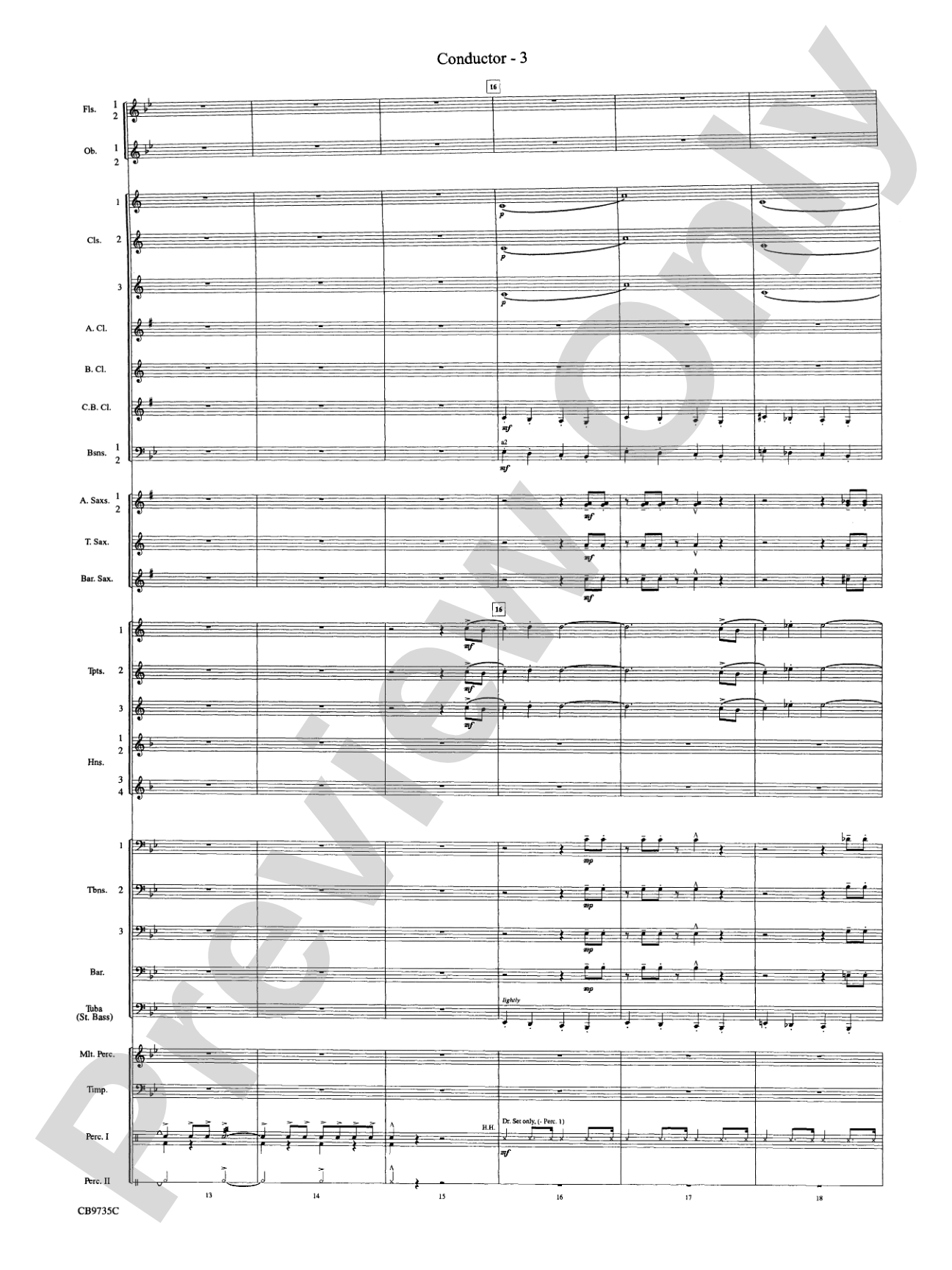
The title says it all! What a smashing way to begin a concert, as the genius of Warren Barker's scoring launches a sound that has built-in, guaranteed excitement. The timeless melodies of George and Ira Gershwin have never been better served than in this dazzling work. Very, very high octane! (2:58)


Don't just read it, hear it, play along with it, and watch your students grow with it. In MakeMusic Cloud, Strike Up the Band: Concert Band Conductor Score & Parts comes alive with professional accompaniment, adjustable tempo, and built-in practice tools that turn solo practice into real progress.
Open in the Player
Jump straight in and assign it today.
Start Your Free Trial
Open this title and explore the full library in minutes.
Sample Audio
No sample audio found.
Sample Video
No sample videos found.
Additional Details
Series:
Pop Symphonic Band
Publisher:
Alfred Music
Page Count:
258
SKU:
00-PK-0002327
More about this title
About the Composer: George Gershwin
George Gershwin (1898-1937) bridged the worlds of popular song, jazz, and symphonic music with a fluency that few composers have matched. His ability to capture the energy and optimism of early 20th-century American culture made him a defining voice of his era, and his works remain central to both concert halls and educational ensembles. Gershwin's melodies are instantly memorable, his harmonies sophisticated, and his orchestrations alive with color—qualities that make his music enduring material for conductors and students alike.
Why we love this
Warren Barker's arrangement channels the kinetic energy of Gershwin's original score into a concert band texture that lands with precision and swagger. The orchestration sits perfectly in the concert band idiom without sacrificing the melodic brilliance or rhythmic vitality that make this overture such a concert opener—it builds momentum from the downbeat and never looks back.
What to expect
Brass fanfares and bright reeds announce themselves with unabashed joy. The piece crackles with the syncopated swagger of American popular song, yet the harmonic sophistication keeps it from feeling lightweight. By the final cadence, the entire ensemble is locked into a celebration.
Who it's for
Concert band directors at the Grade 4 level who want a high-impact opener that audiences recognize immediately. Students in developing ensembles benefit from Gershwin's straightforward melodic writing paired with Barker's transparent orchestration.
How to get the most out of it
- Lock the opening rhythmic figures across the full band so the energy feels unified from the first measure; clarity in the articulation pays dividends throughout.
- Balance the trumpet and saxophone sections carefully when they carry the main themes; these melodies need to soar without overwhelming the ensemble texture.
- Keep the tempo moving forward in the faster passages; the piece thrives on propulsive motion rather than lingering on any single section.
- Pay attention to the dynamic contrast between sectional passages and full-band hits; the contrast amplifies the excitement Barker built into the score.
How to use it
Open a concert with this if you want an audience immediately engaged and in good spirits. It pairs well with more serious contemporary works later in the program, providing a tonal anchor that reminds listeners why band music matters. The 2:58 duration makes it an efficient use of concert real estate.
Skills your students will build
- Articulation clarity in fast-moving rhythmic figures
- Balancing melodic lines across multiple sections simultaneously
- Dynamic contrast and the use of silence to amplify impact
- Reading active syncopation and jazz-influenced rhythms in a concert band context