
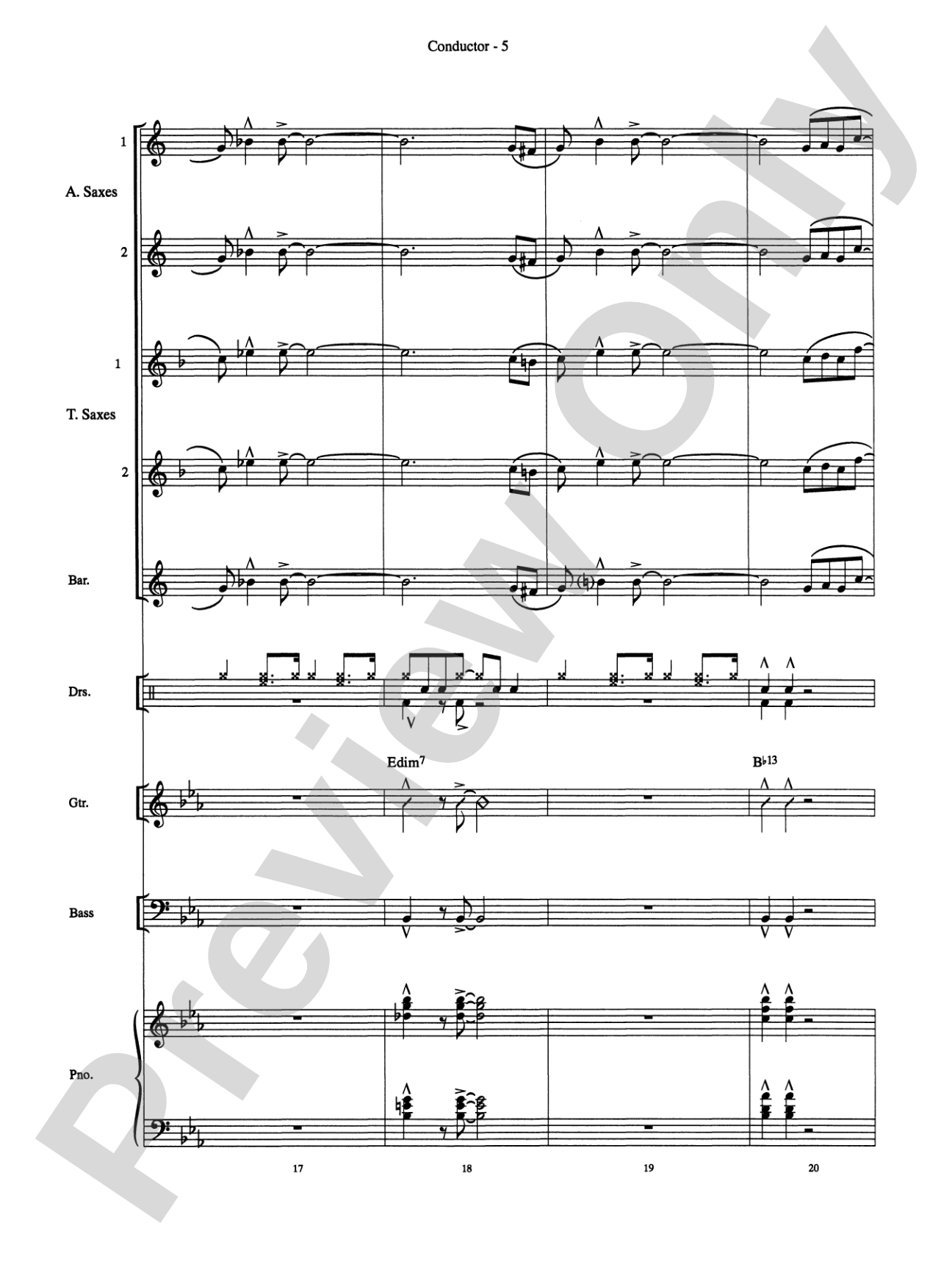
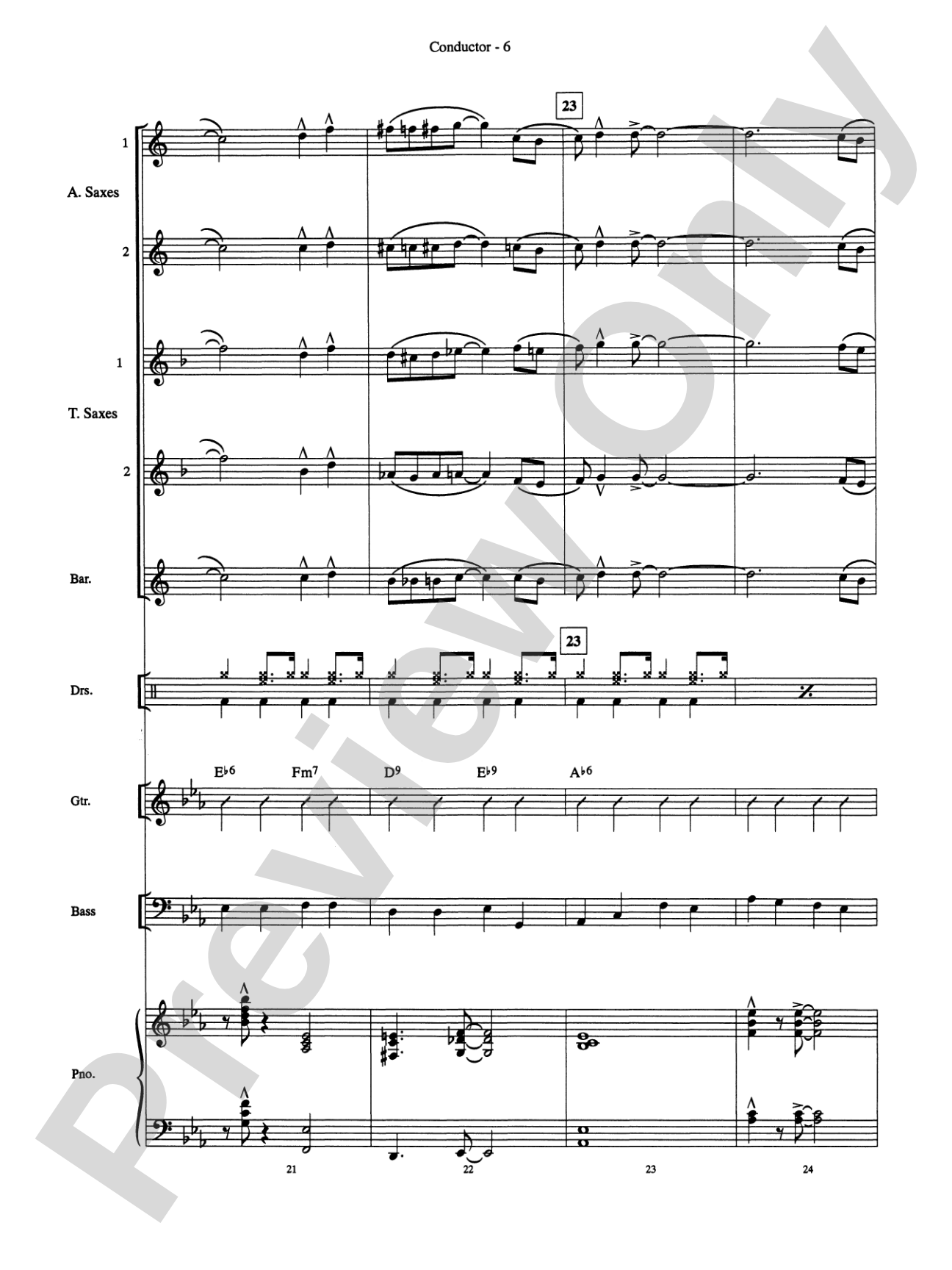
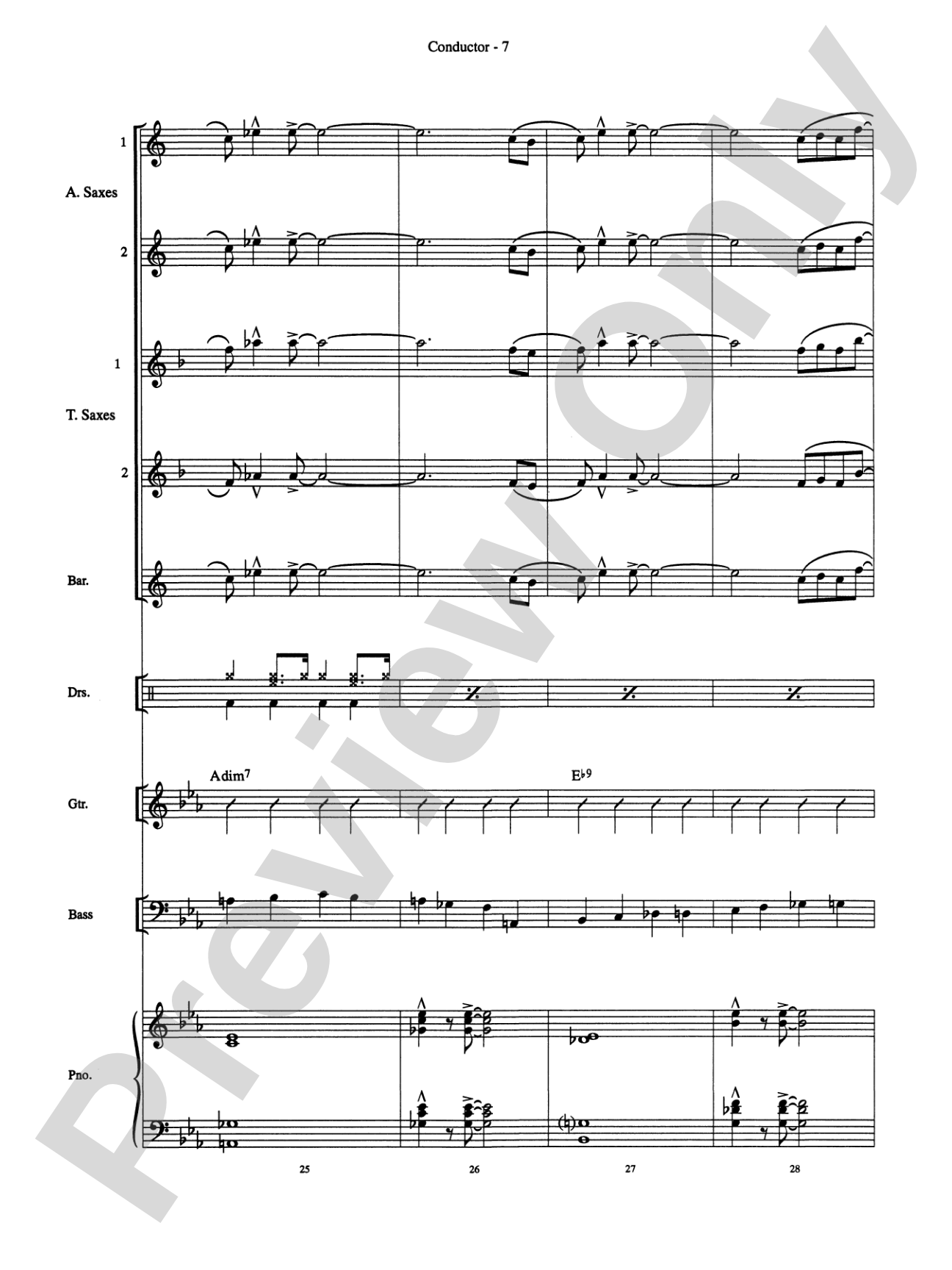
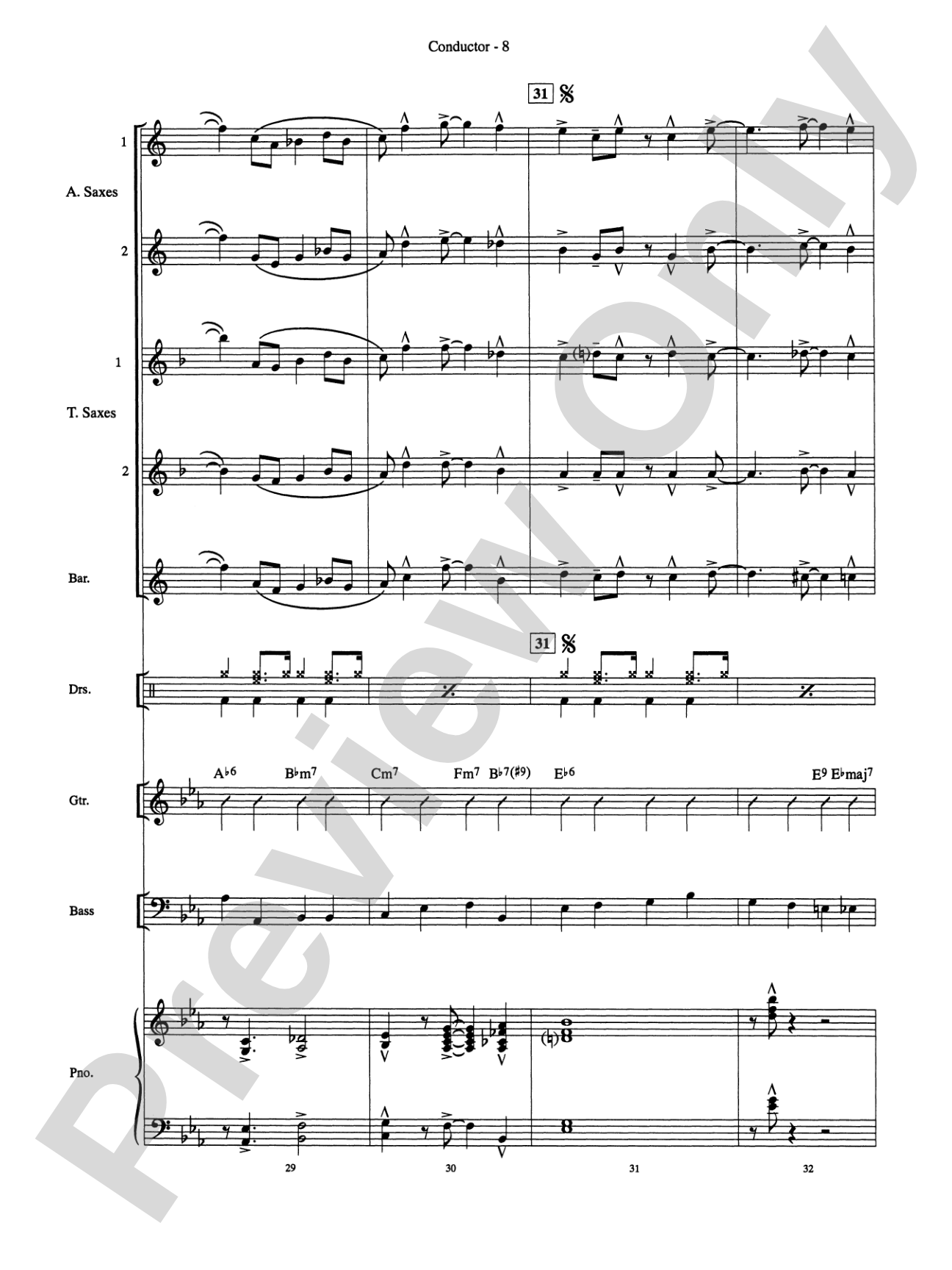
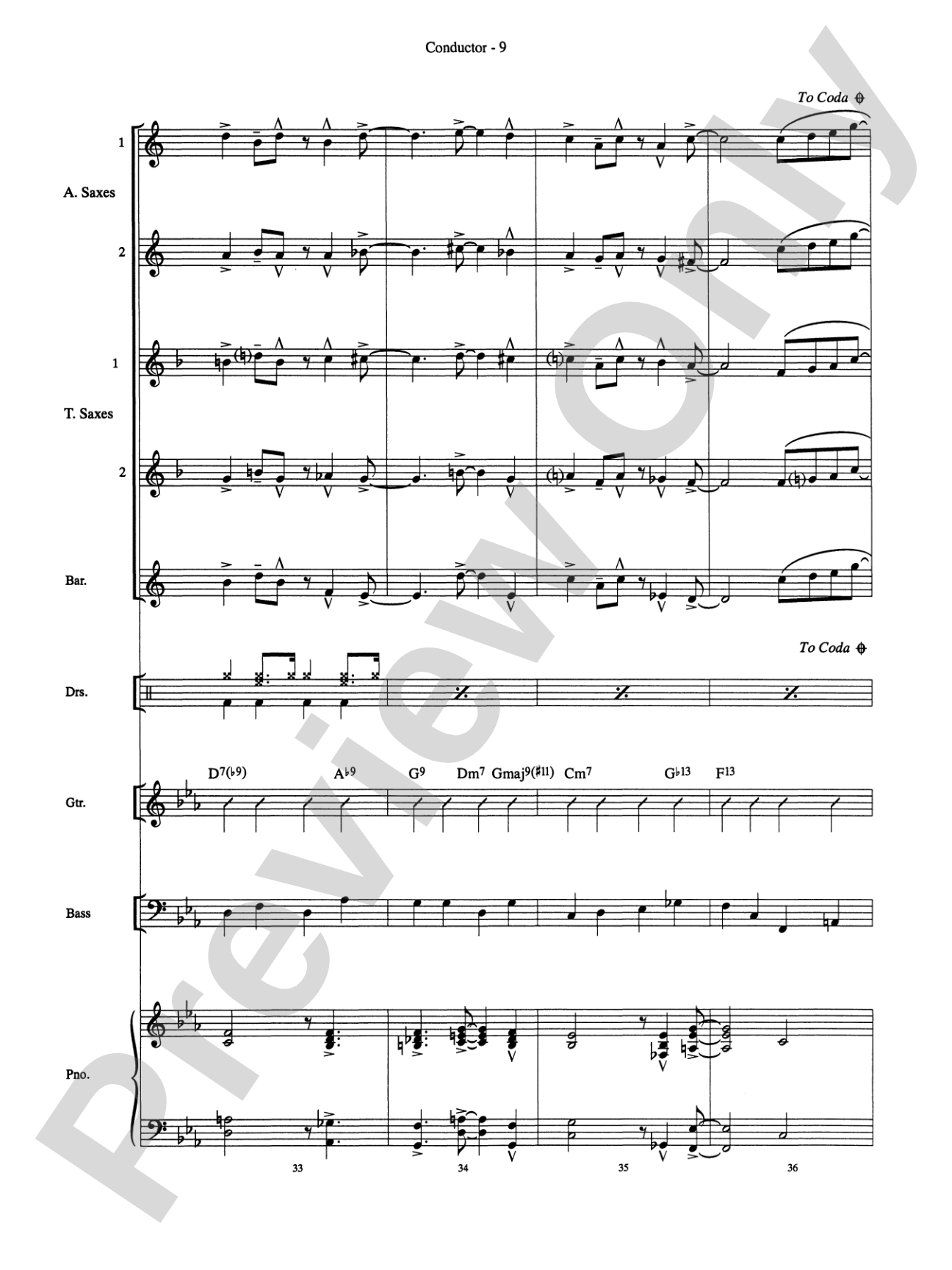
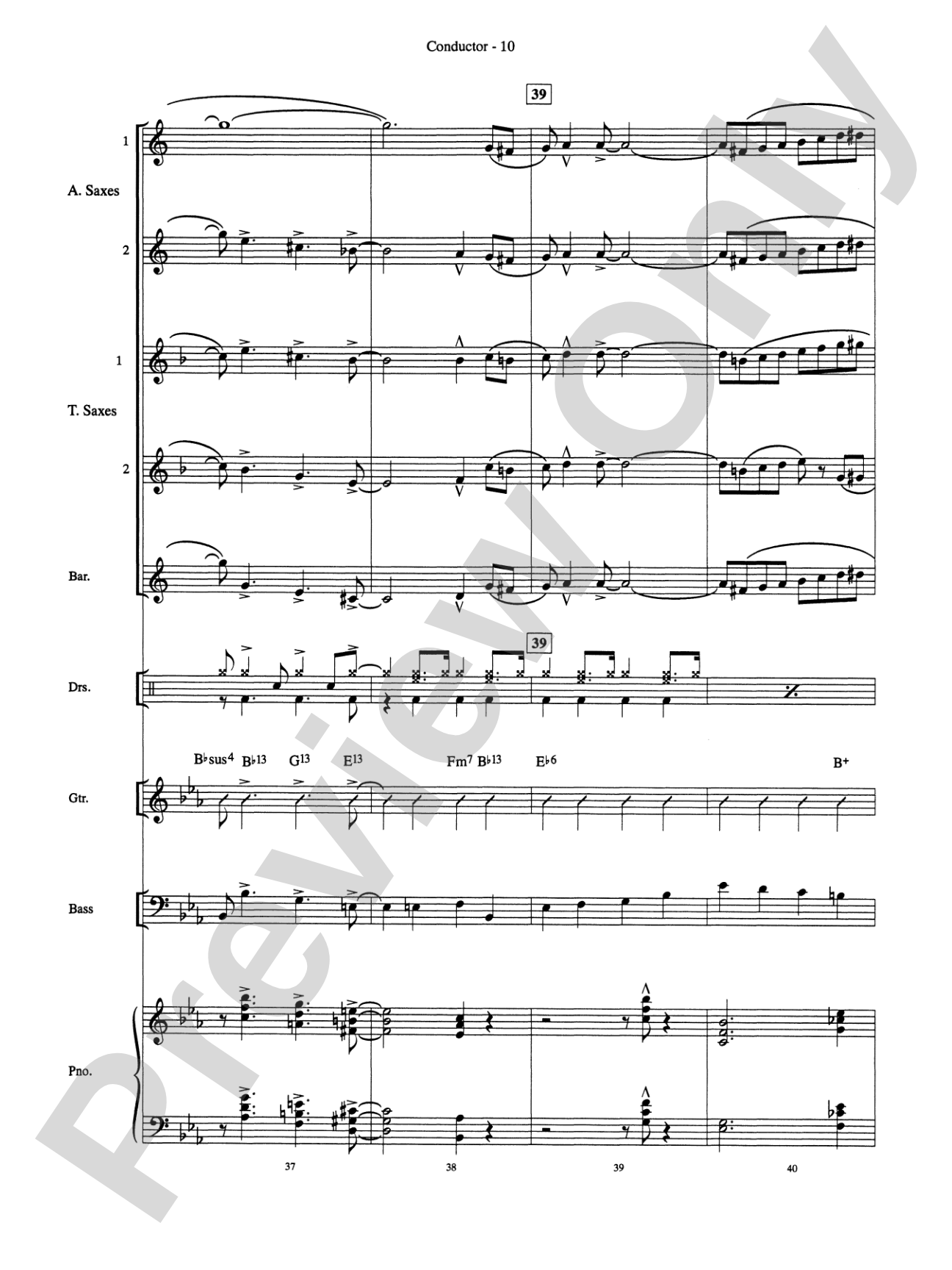
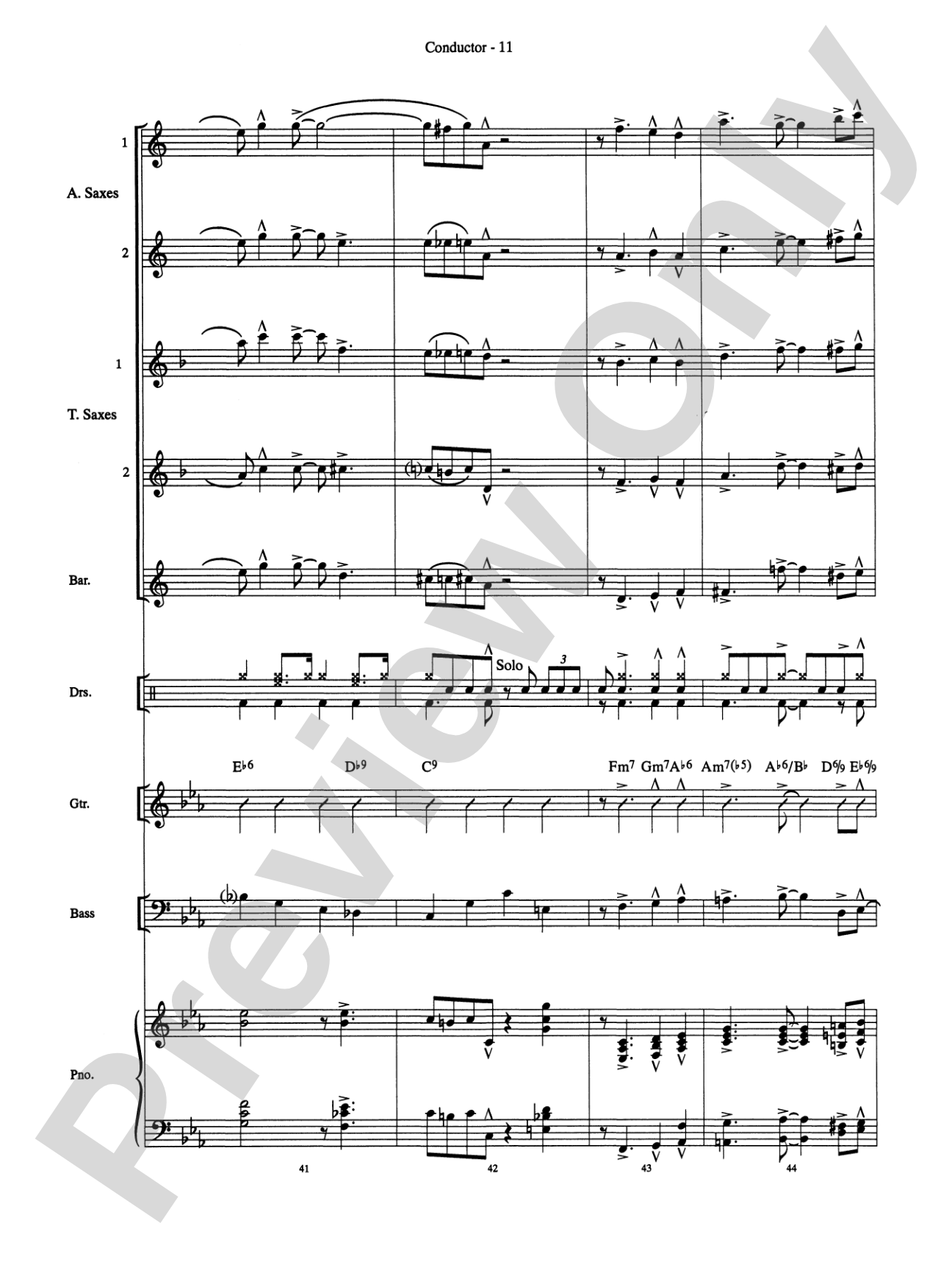
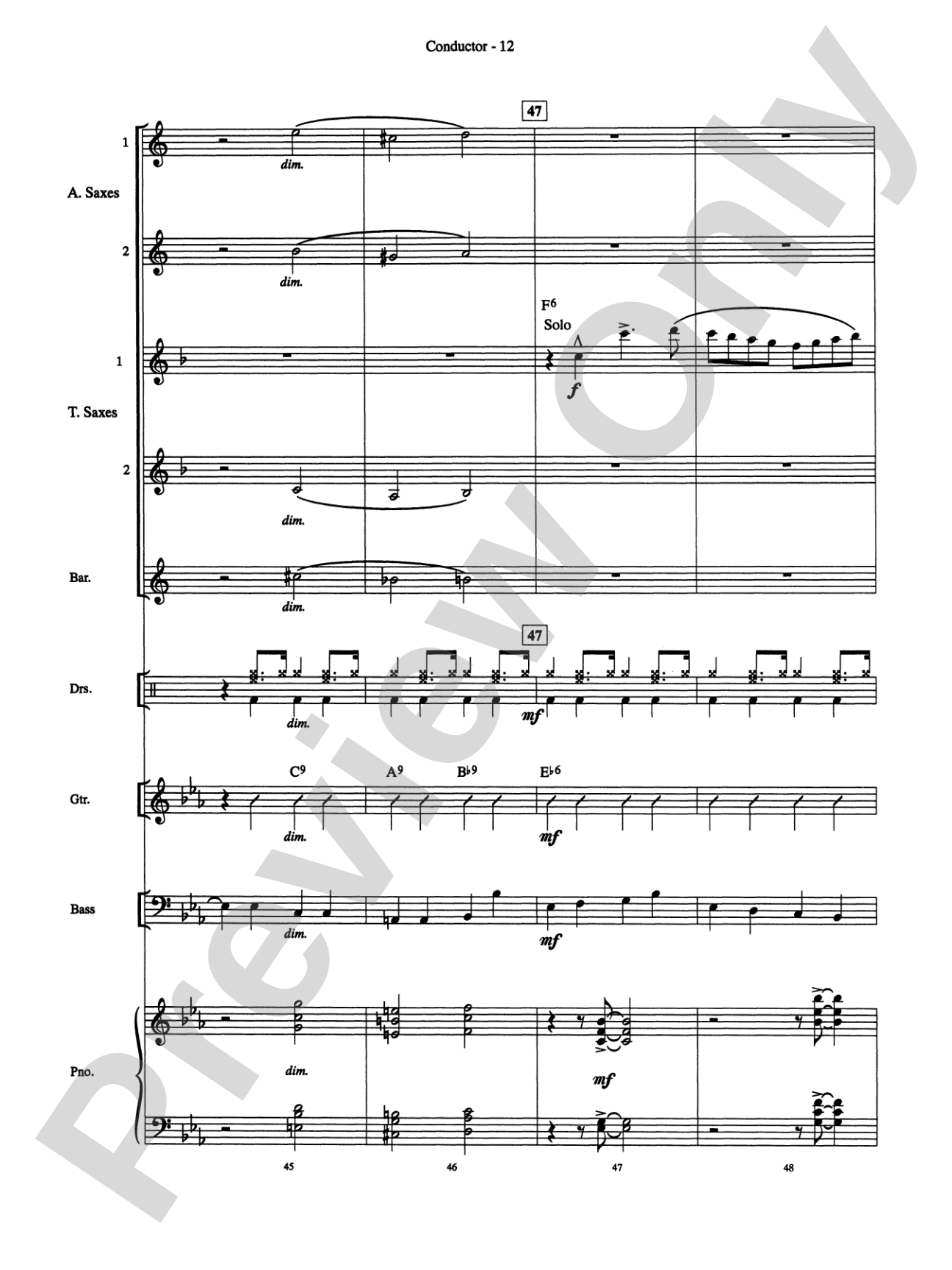
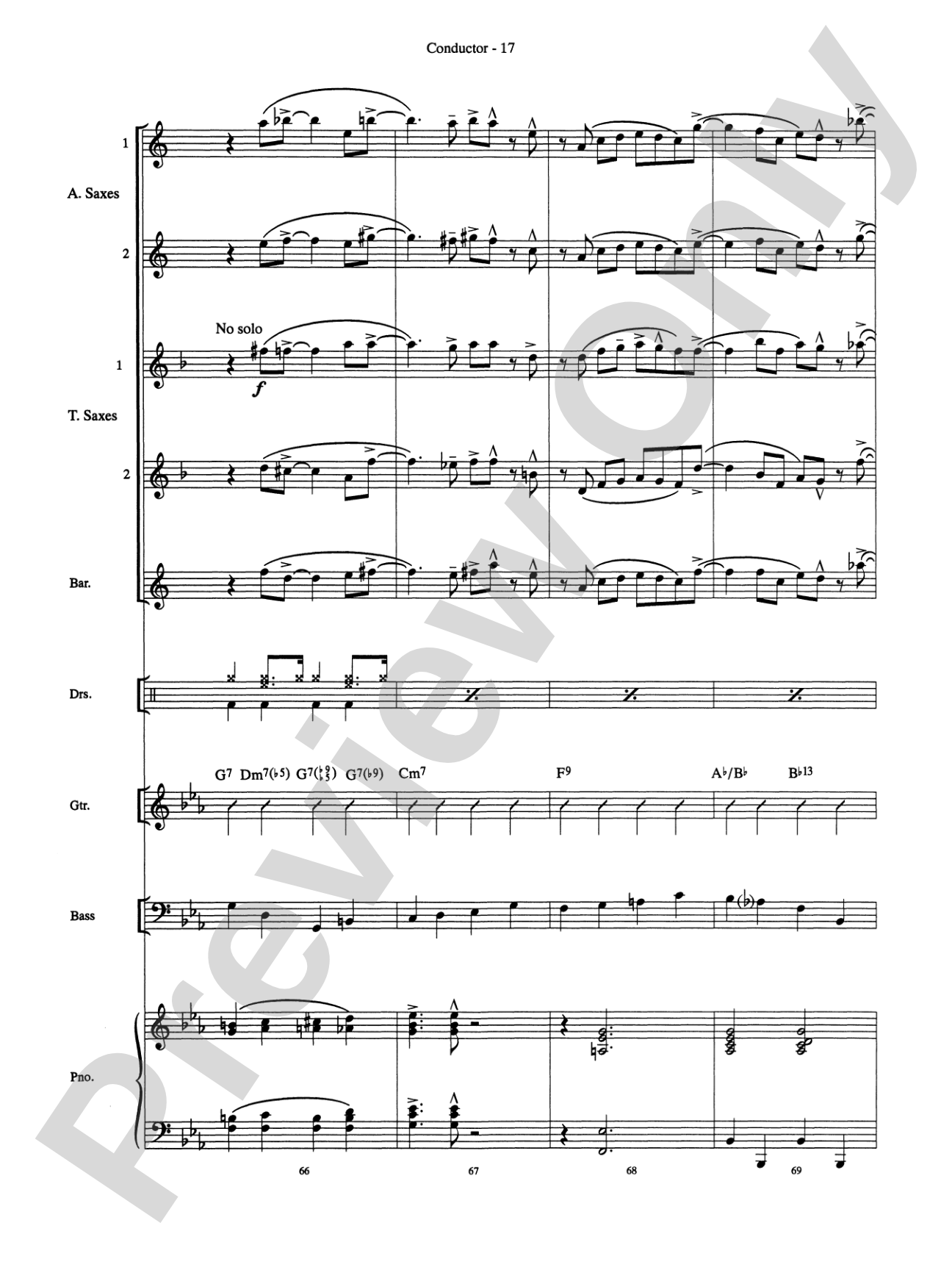
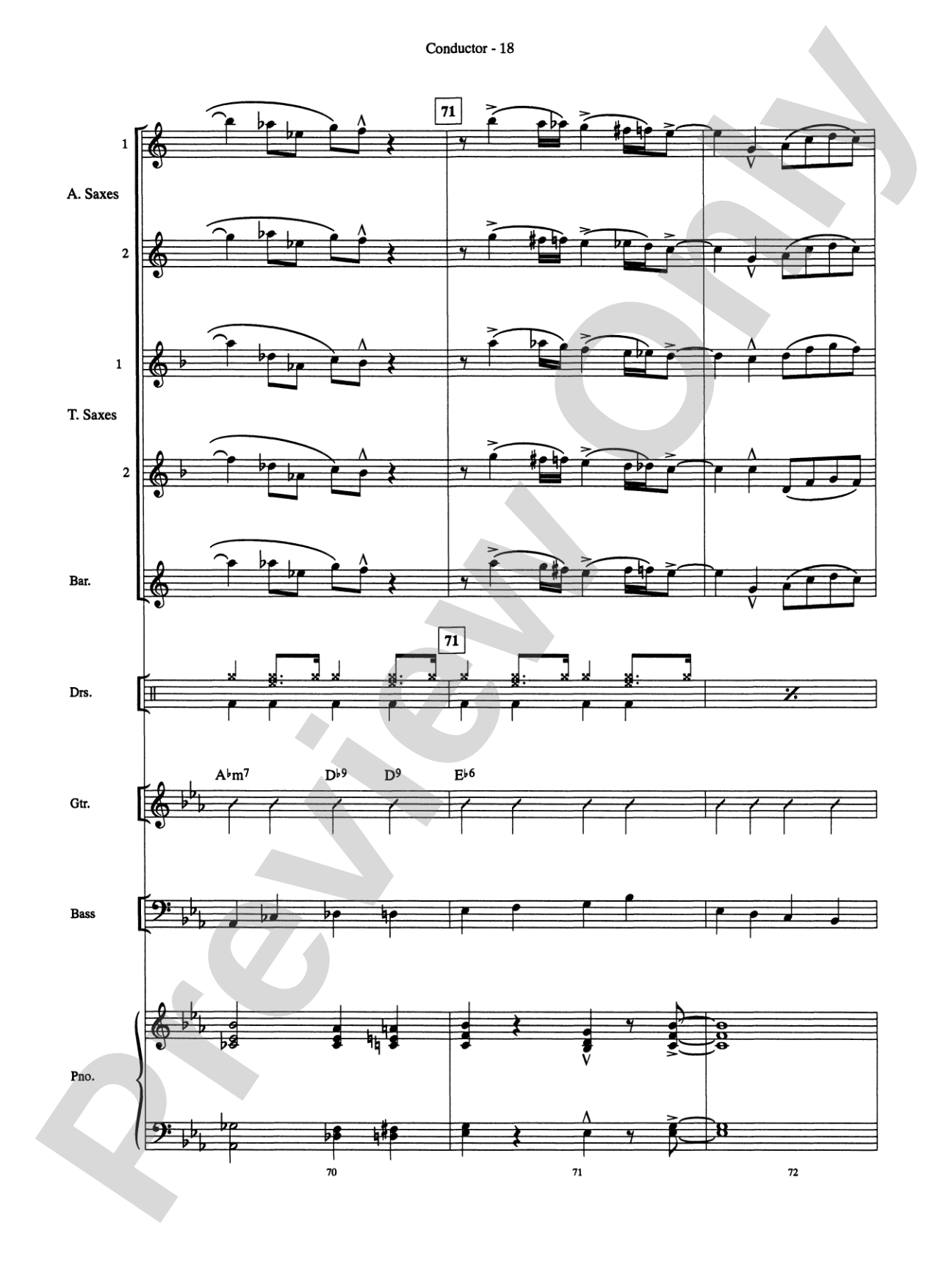
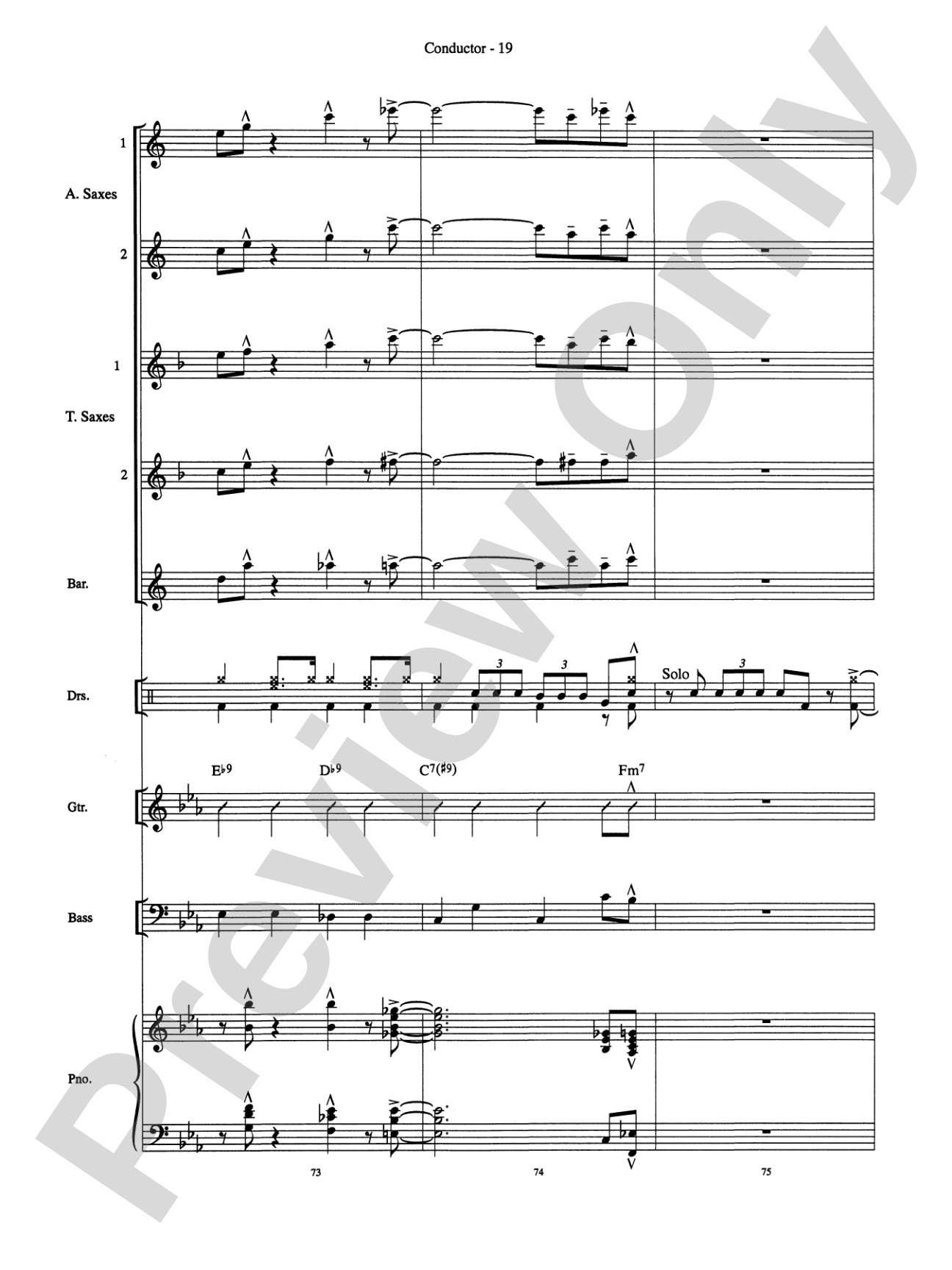
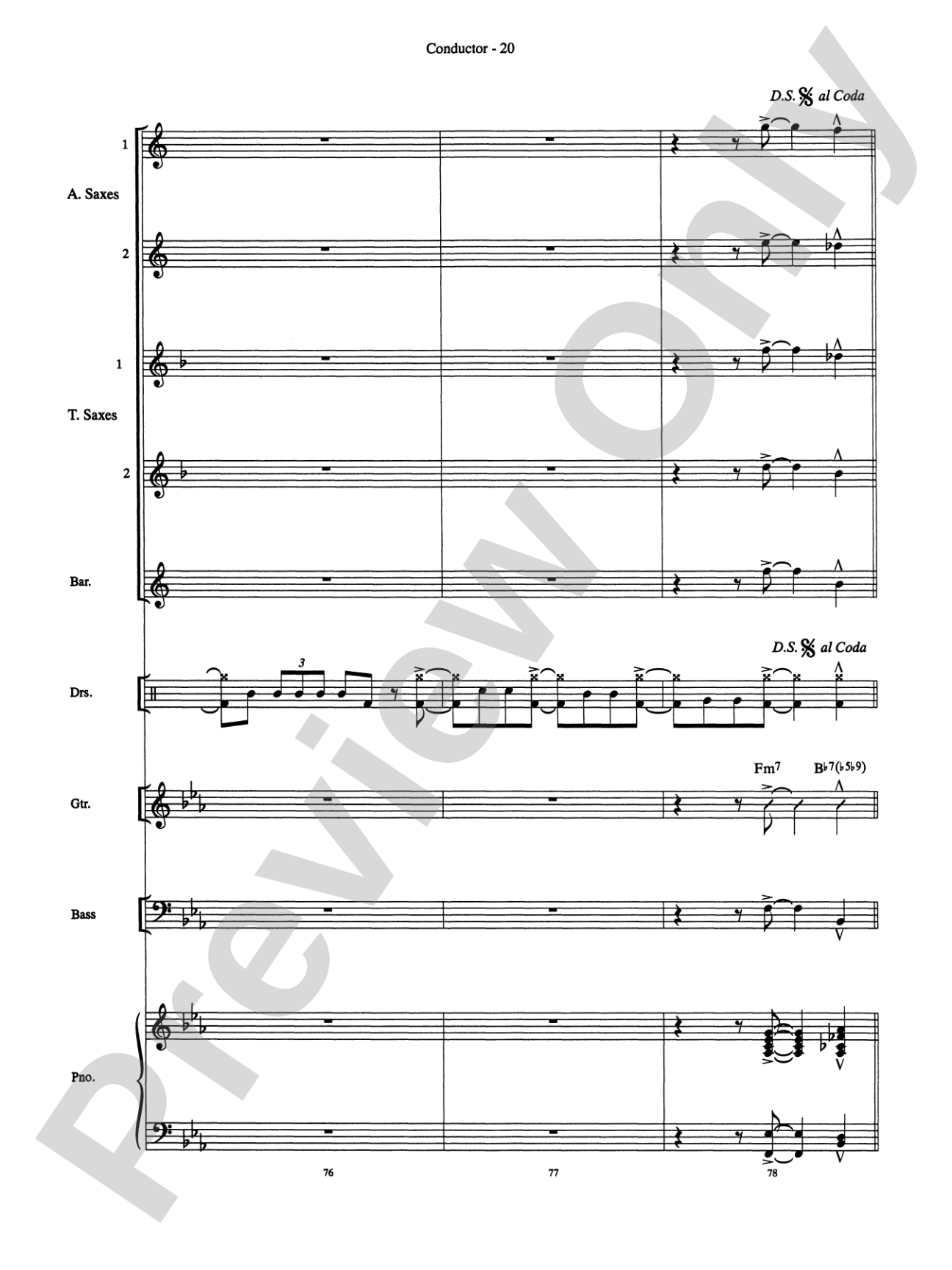
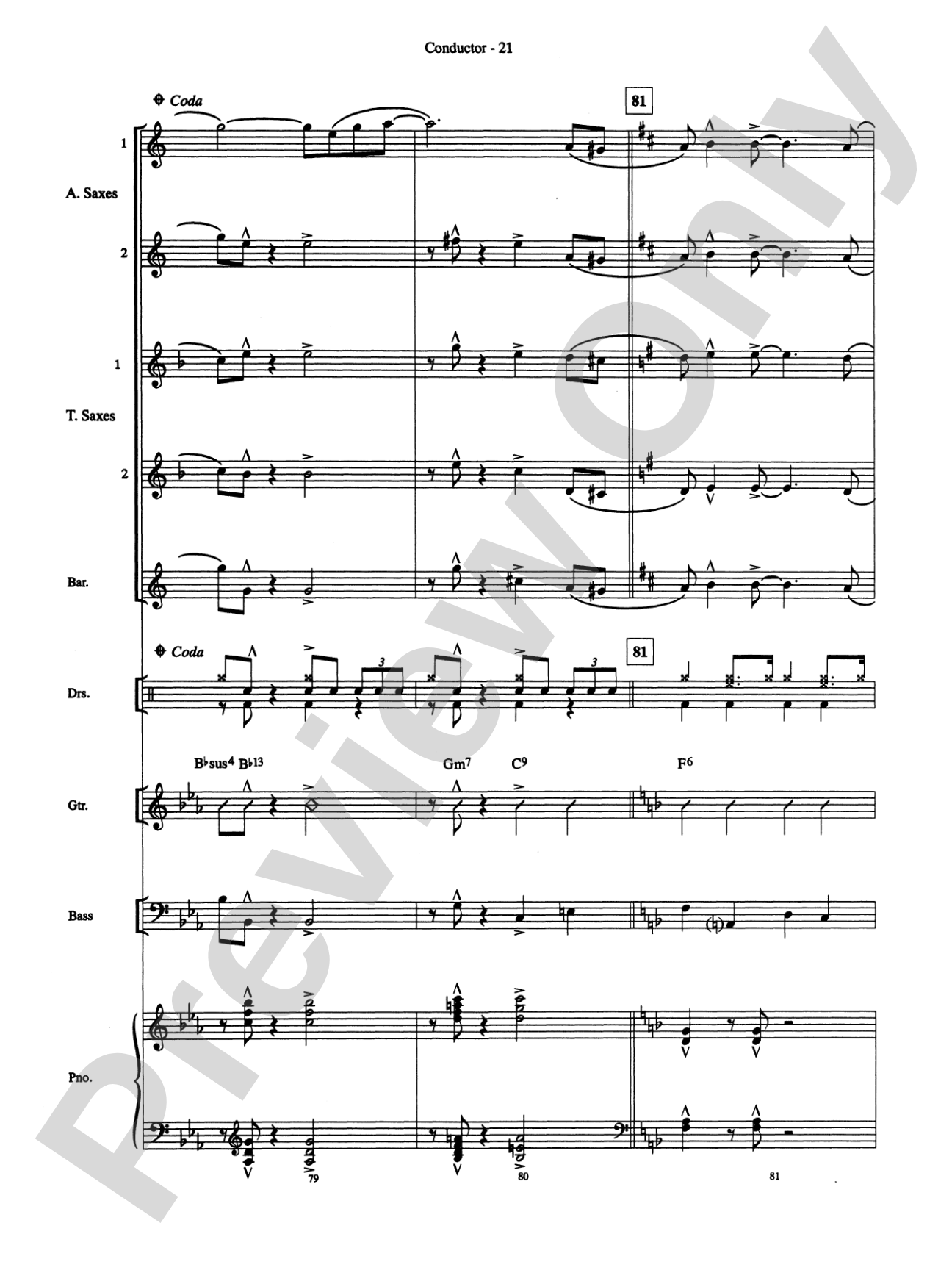
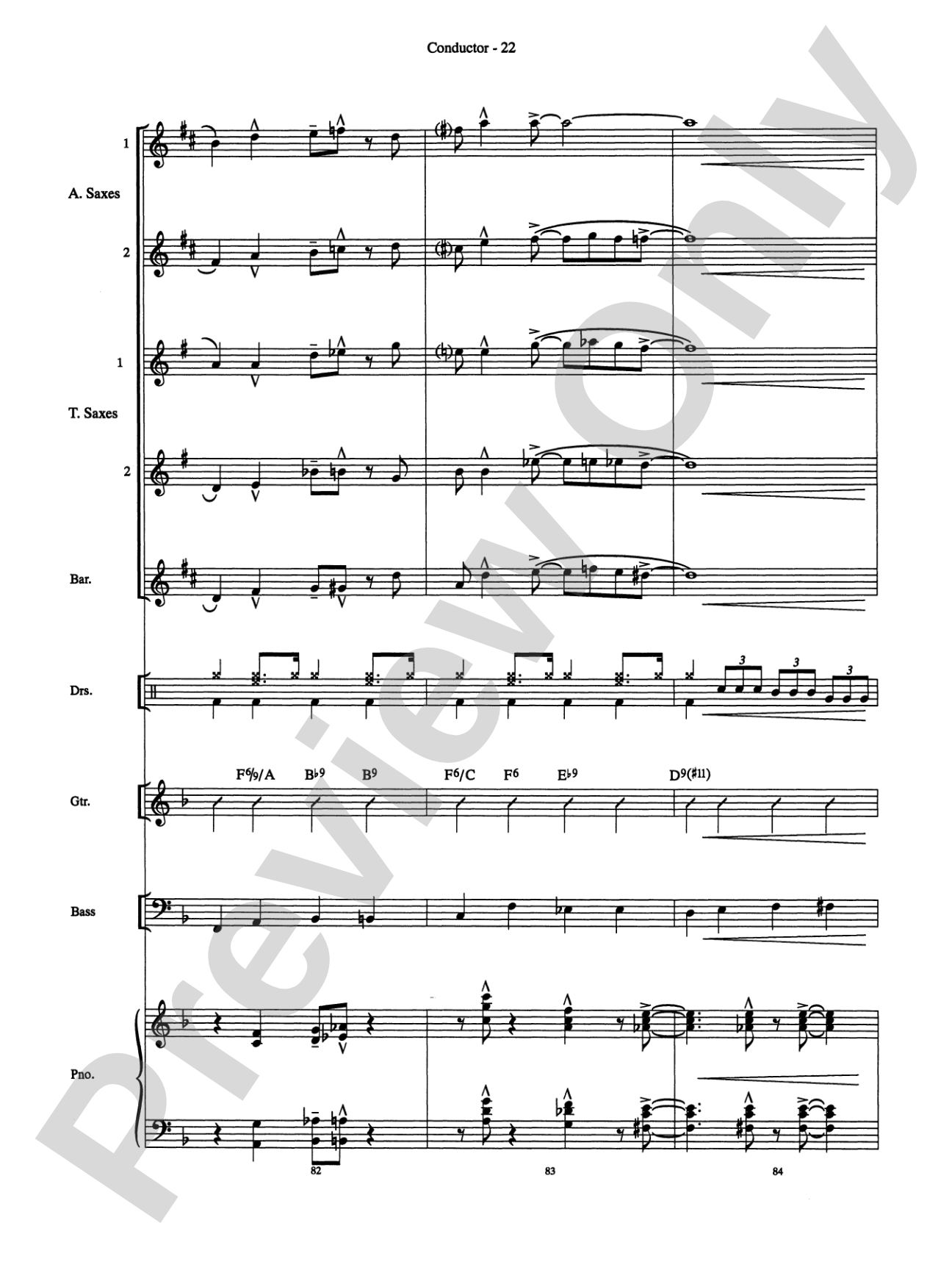
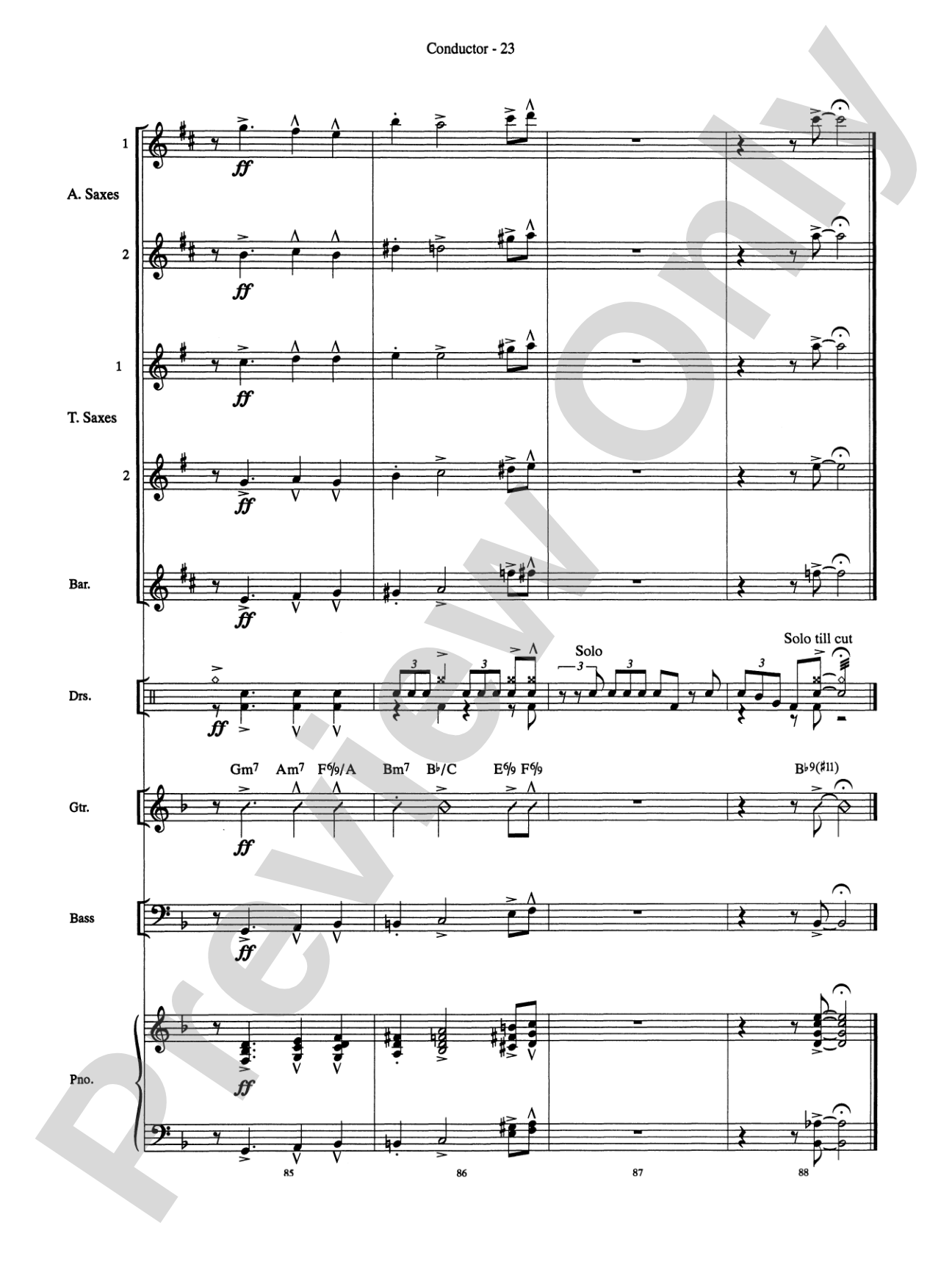


Strike Up the Band!: Saxophone Choir
Music and lyrics by George Gershwin and Ira Gershwin / arr. Calvin Custer
Item: 00-PK-0001379

$15.99
One moment…
Related Items
Strike Up the Band!: Saxophone Choir |
$15.00
|
View |
Description
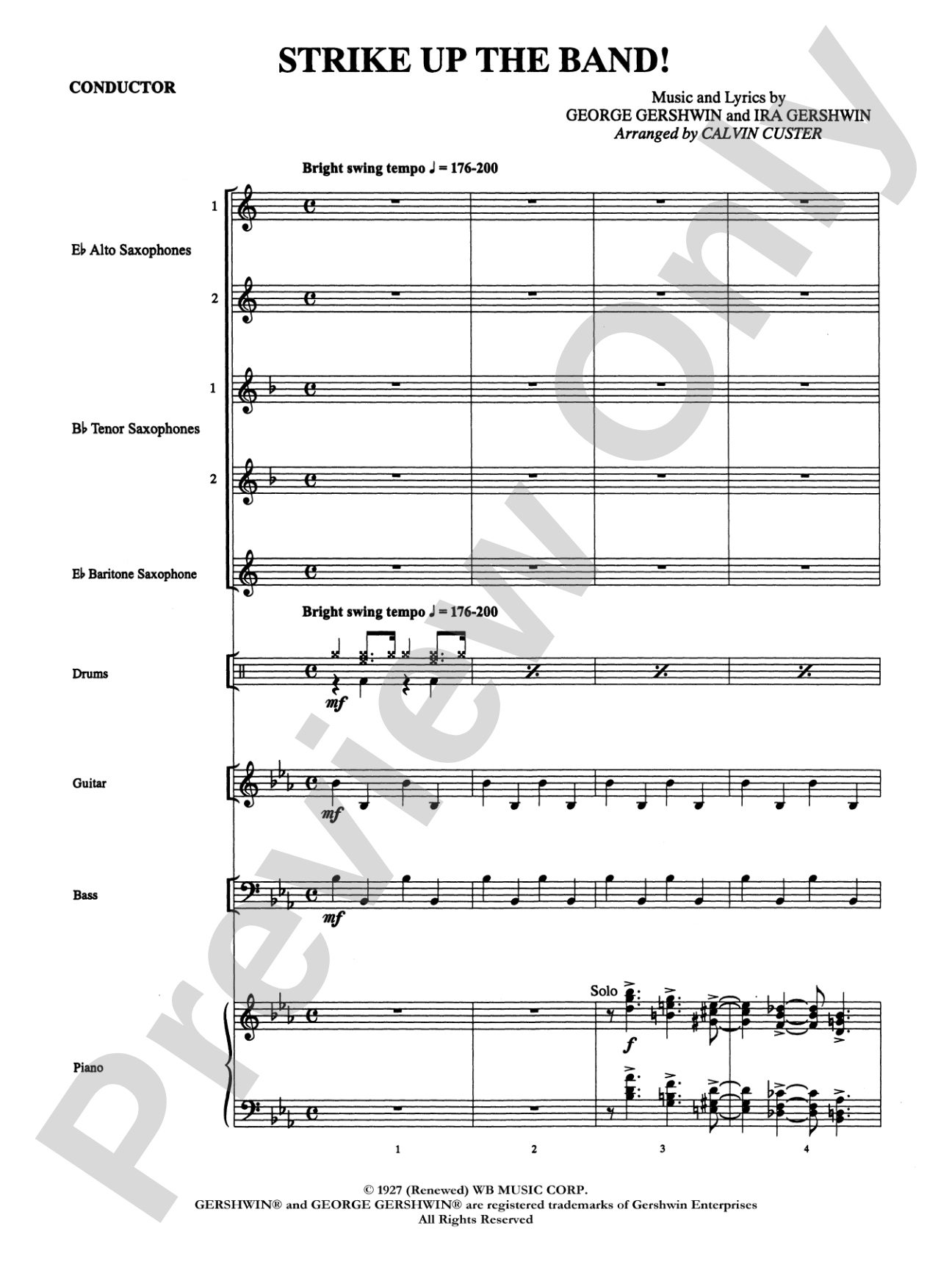
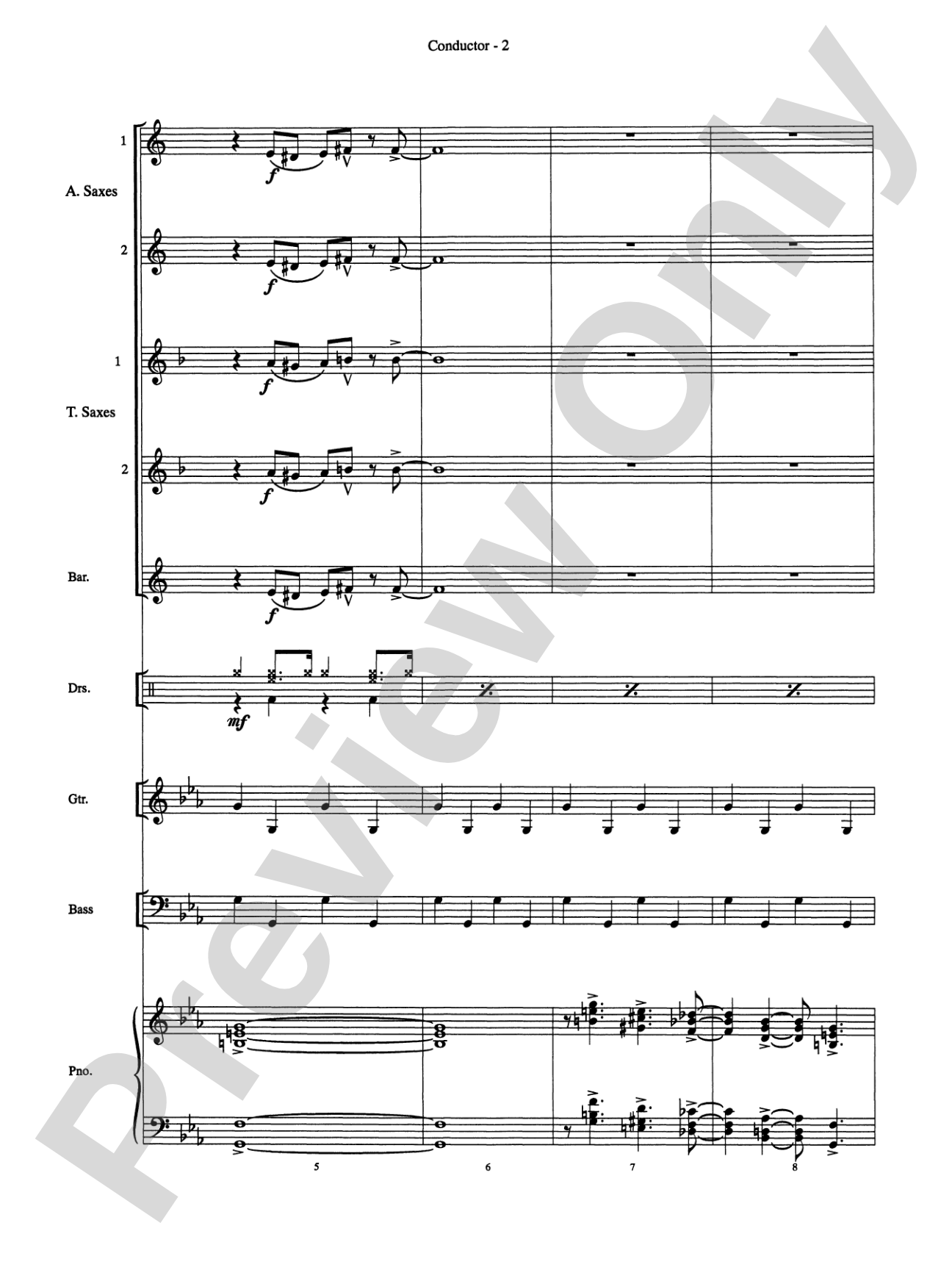
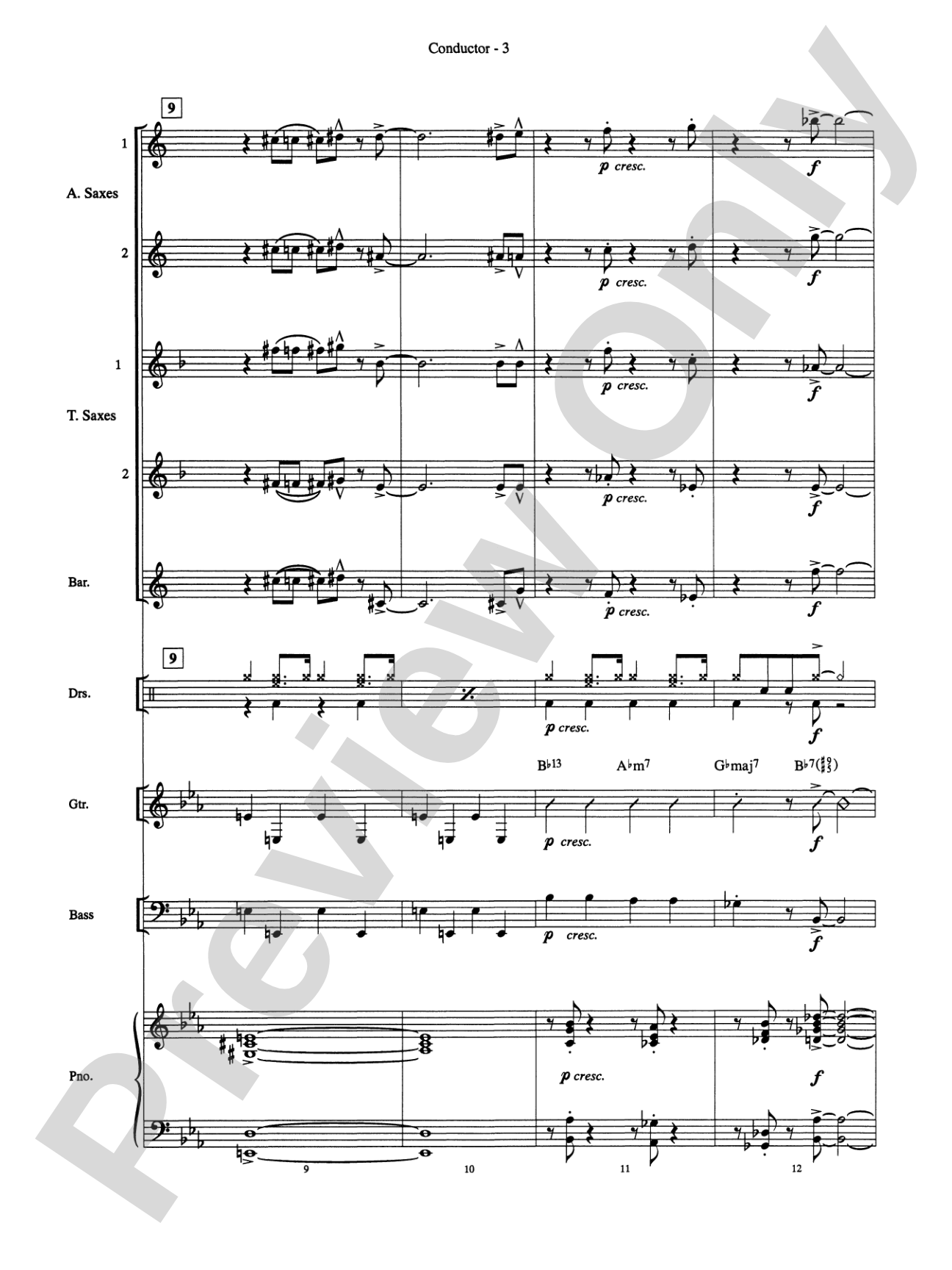
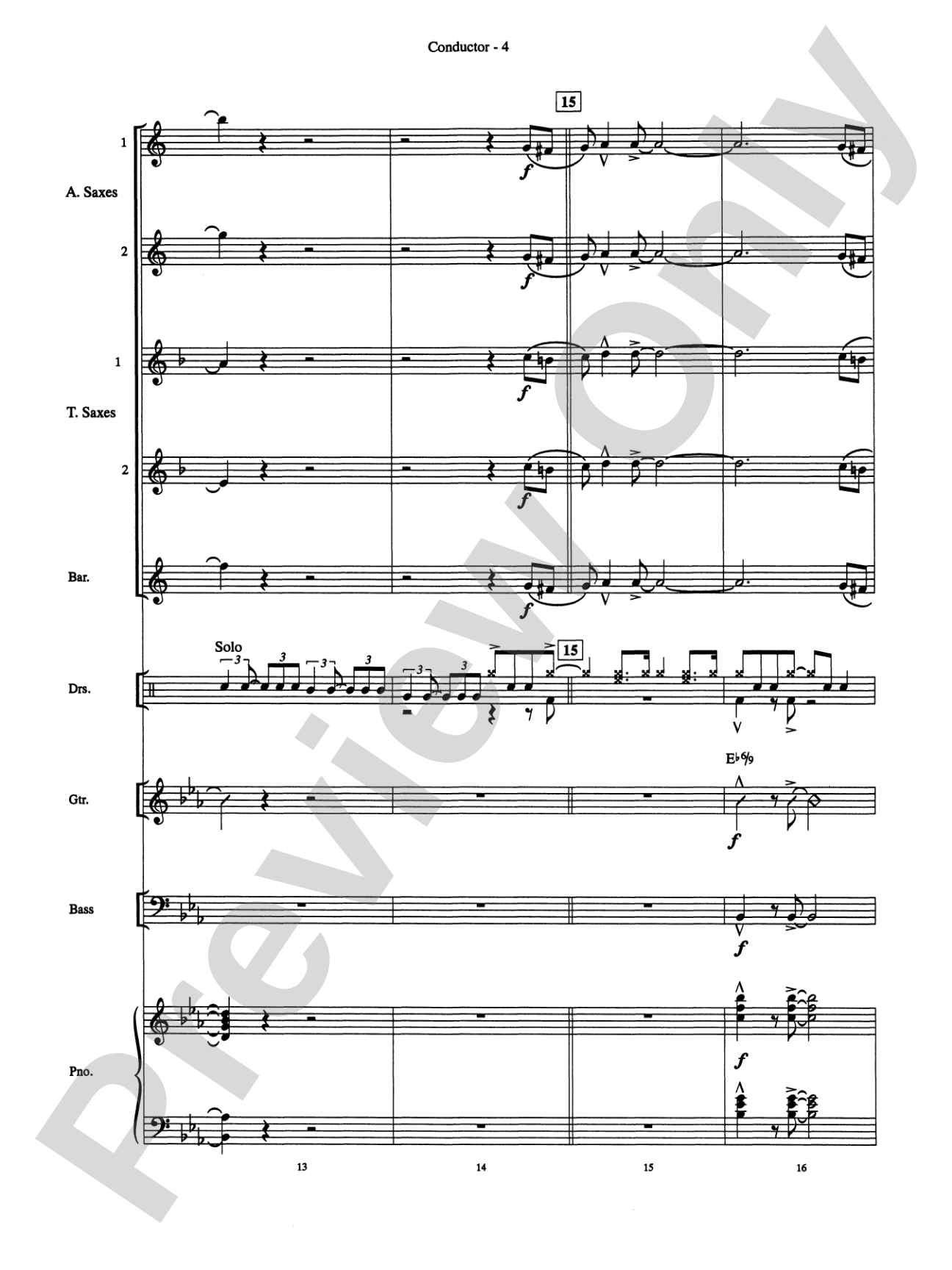
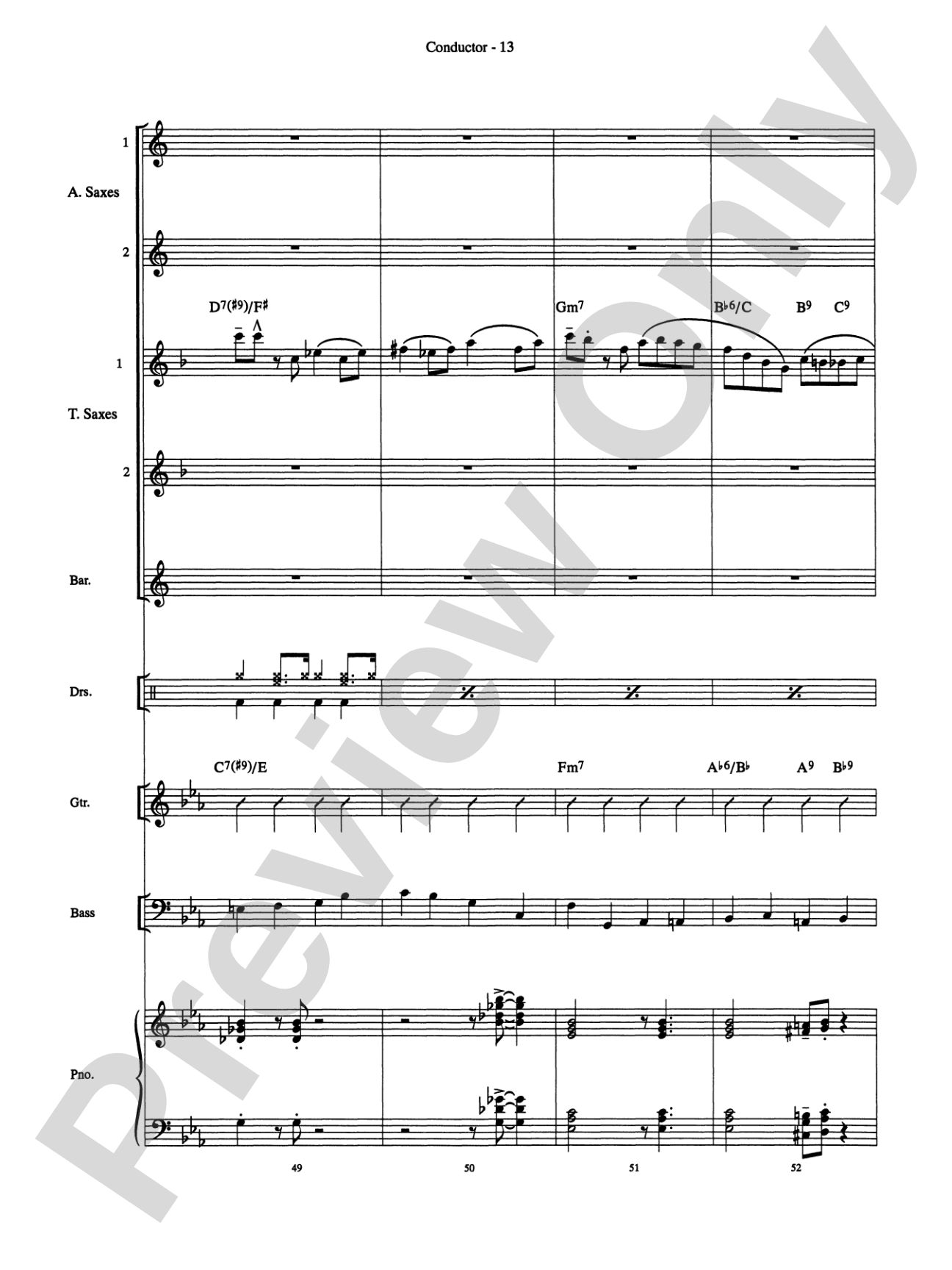
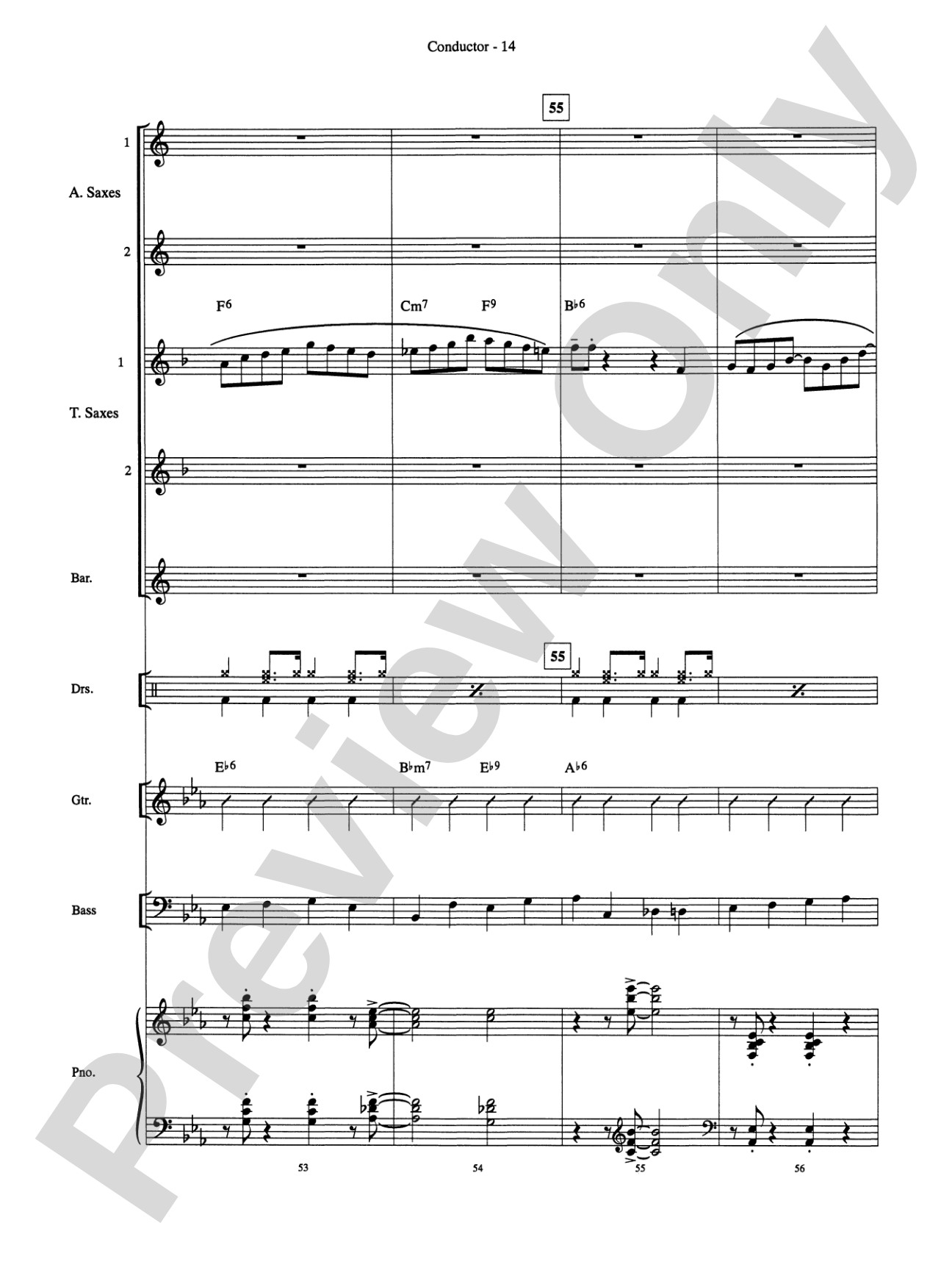
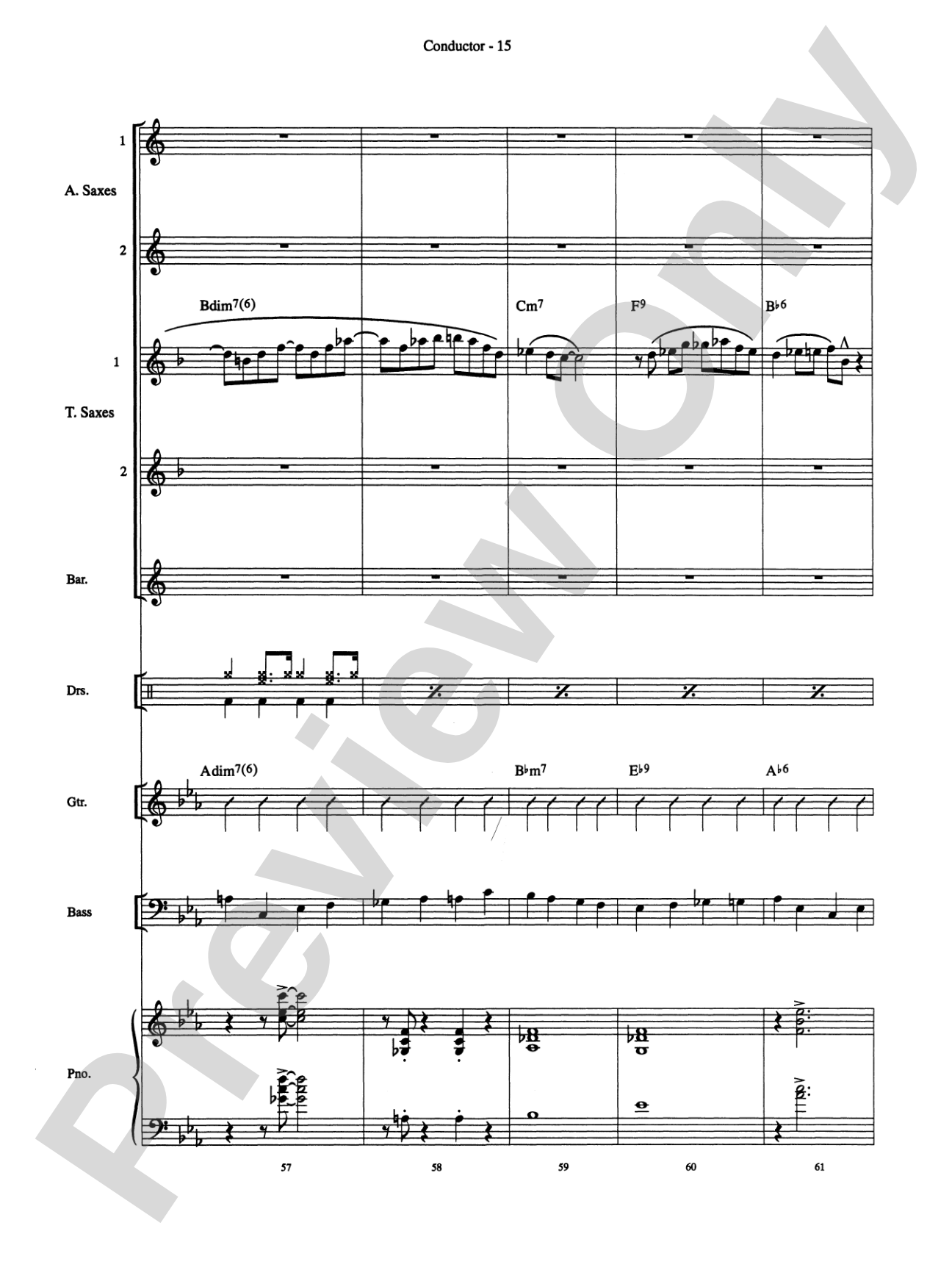
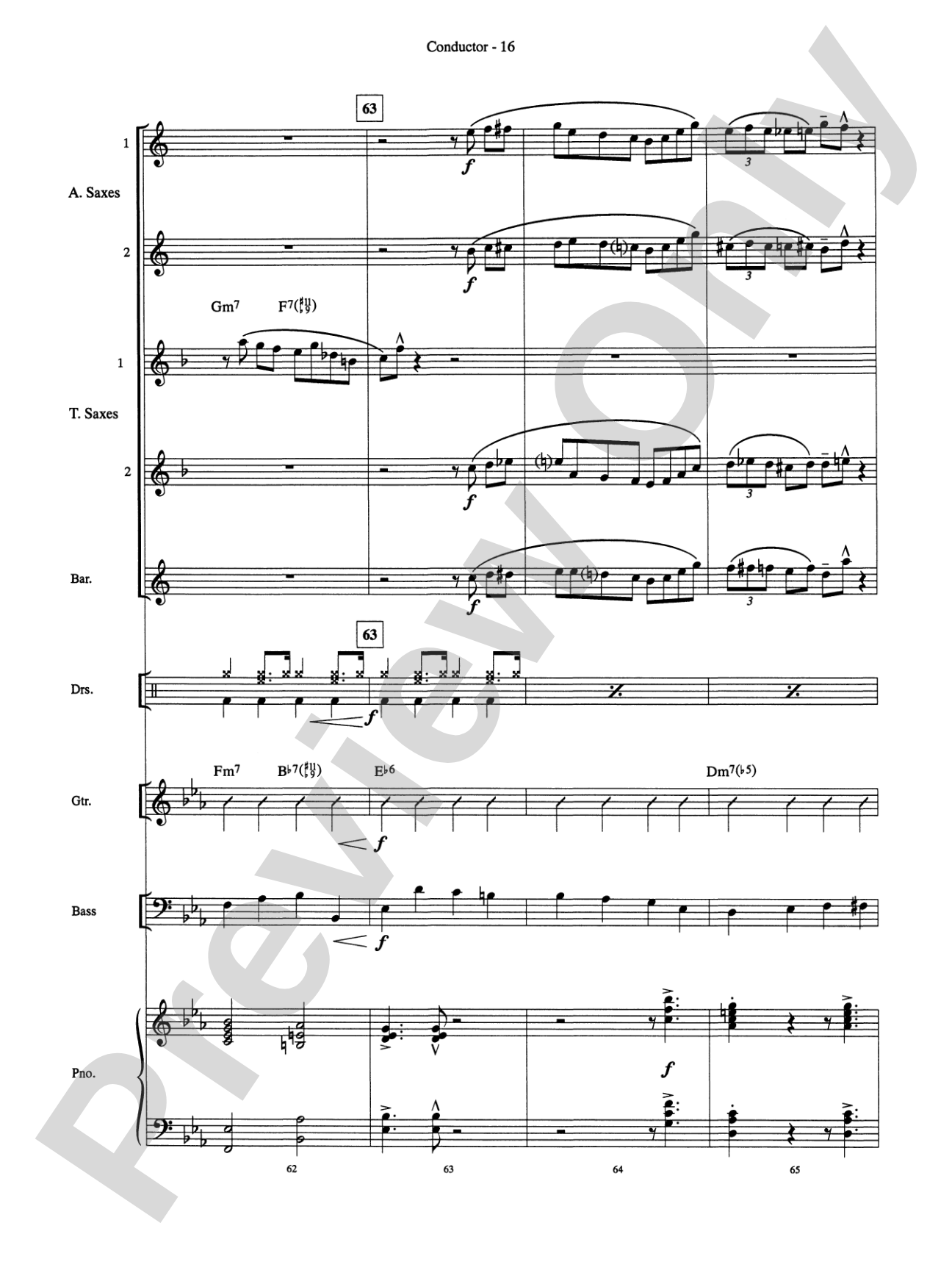
Ensemble for saxophones and rhythm accompaniment (3 alto saxophones, 2 tenor saxophones, 1 baritone saxophone, electric piano, bass, guitar, and drums).
Download free full-performance and accompaniment recordings. Play along with the music and learn the correct style with the full-performance track. The accompaniment track includes only piano, guitar, bass, and drums, so if you don't have a rhythm section, you can play along with this track in rehearsal and performance.
Free Recording Downloads:
Full Performance Track
Accompaniment Track


Download free full-performance and accompaniment recordings. Play along with the music and learn the correct style with the full-performance track. The accompaniment track includes only piano, guitar, bass, and drums, so if you don't have a rhythm section, you can play along with this track in rehearsal and performance.
Free Recording Downloads:
Full Performance Track
Accompaniment Track
Don't just read it, hear it, play along with it, and watch your students grow with it. In MakeMusic Cloud, Strike Up the Band!: Saxophone Choir comes alive with professional accompaniment, adjustable tempo, and built-in practice tools that turn solo practice into real progress.
Open in the Player
Jump straight in and assign it today.
Start Your Free Trial
Open this title and explore the full library in minutes.
Sample Audio
1
Accompaniment
--:--
2
Performance
--:--
Accompaniment
0:00
0:00
Sample Video
No sample videos found.
Additional Details
Series:
Ensembles That Swing
Publisher:
Alfred Music
Page Count:
52
SKU:
00-PK-0001379
Instrumentation:
Saxophone Choir
More about this title
About the Composer: George Gershwin
George Gershwin (1898-1937) bridged classical and popular music in ways that still feel urgent. His gift was melodic invention married to sophisticated harmonic language, and he wrote with equal fluency for concert halls and Broadway stages. For music educators, Gershwin represents a crucial moment when jazz idioms entered the concert repertoire, making him essential to any curriculum that treats American musical traditions seriously.
Ira Gershwin (1896-1983) was George's lyricist and creative partner. His wit, rhythmic precision, and ability to set words to George's melodies made him one of Broadway's finest. Together they created songs that have outlasted their original shows by decades, and their collaboration remains a model of composer-lyricist partnership.
Why we love this
Calvin Custer's arrangement opens up this Broadway standard to a full saxophone section, giving you a piece that swings naturally and sits beautifully across six different saxophone voices. The rhythm section tracks free you from needing a live band if your instrumentation doesn't include all those parts, and the full-performance recording lets students hear the intended style before they play it. This is the kind of accessible masterwork that makes ensembles sound sophisticated without requiring virtuosic soloists.
What to expect
Urbane and energetic, with the snap of 1930s Broadway and the ease of great popular melody. The piece has theatrical charm without being sentimental; it moves with confidence and invites the ensemble to play with clarity and style rather than forcing emotion.
Who it's for
Intermediate to advanced high school and college saxophone choirs, small professional ensembles, and any group with at least three alto saxophones and access to a rhythm section (live or recorded). This works equally well for groups seeking standard repertoire and those building a jazz-influenced concert program.
How to get the most out of it
- Balance the alto saxophone voices in the opening passages so the lead line projects clearly without drowning out the harmony parts underneath.
- Listen closely to the accompaniment track to internalize the swing feel; Gershwin's ragtime ancestry shows up in the rhythmic phrasing, and it's easy to straighten the rhythm if you're not careful.
- Mark phrase shapes in your parts before rehearsal and conduct them through, even if you're a player. The melodies have theatrical arc, and Gershwin wrote for singers first.
- Use the full-performance track in sectional rehearsals so saxophones can hear exactly where their line sits in the texture and how it relates to the rhythm section.
How to use it
Program this on a pops or standards concert where it can sit comfortably between other American classic repertoire. Its 52 pages suggest a substantial piece, making it valuable as a centerpiece rather than filler. It also pairs well with other Gershwin works or other composers working in the American popular tradition.
Skills your students will build
- Swing feel and jazz-inflected articulation
- Blending across six different saxophone voices and registers
- Ensemble balance between melodic and harmonic content
- Reading and responding to a rhythm section's groove
- Phrasing and interpretation of popular song melody