

Stravinsky: Rite of Spring: Piano Duet (1 Piano, 4 Hands) Book
By Igor Stravinsky
Level: Advanced
Item: 00-PK-0003782

$15.99
Pickup currently not available
Buy Extra Parts (Digital PDF Download)
| Product | Price | Quantity |
|---|---|---|
| Stravinsky: Rite of Spring | $0.99 | |
| Stravinsky: Rite of Spring | $0.99 | |
| Stravinsky: Rite of Spring | $0.99 | |
| Stravinsky: Rite of Spring | $0.99 | |
| Stravinsky: Rite of Spring | $0.99 | |
| Stravinsky: Rite of Spring | $0.99 | |
| Stravinsky: Rite of Spring | $0.99 | |
| Stravinsky: Rite of Spring | $0.99 | |
| Stravinsky: Rite of Spring | $0.99 | |
| Stravinsky: Rite of Spring | $0.99 | |
| Stravinsky: Rite of Spring | $0.99 | |
| Stravinsky: Rite of Spring | $0.99 | |
| Stravinsky: Rite of Spring | $0.99 |
Parts Added to Cart!
Description
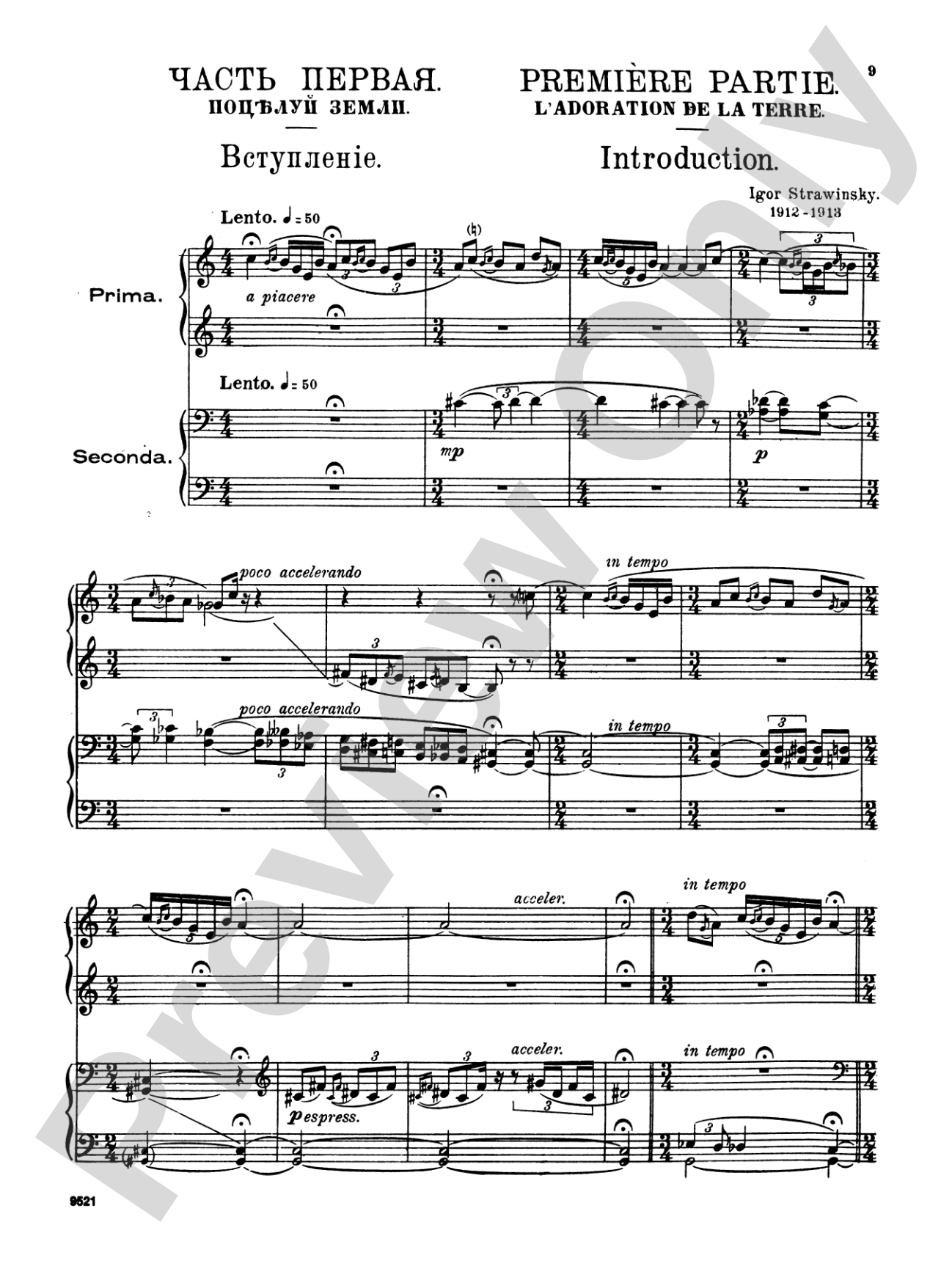
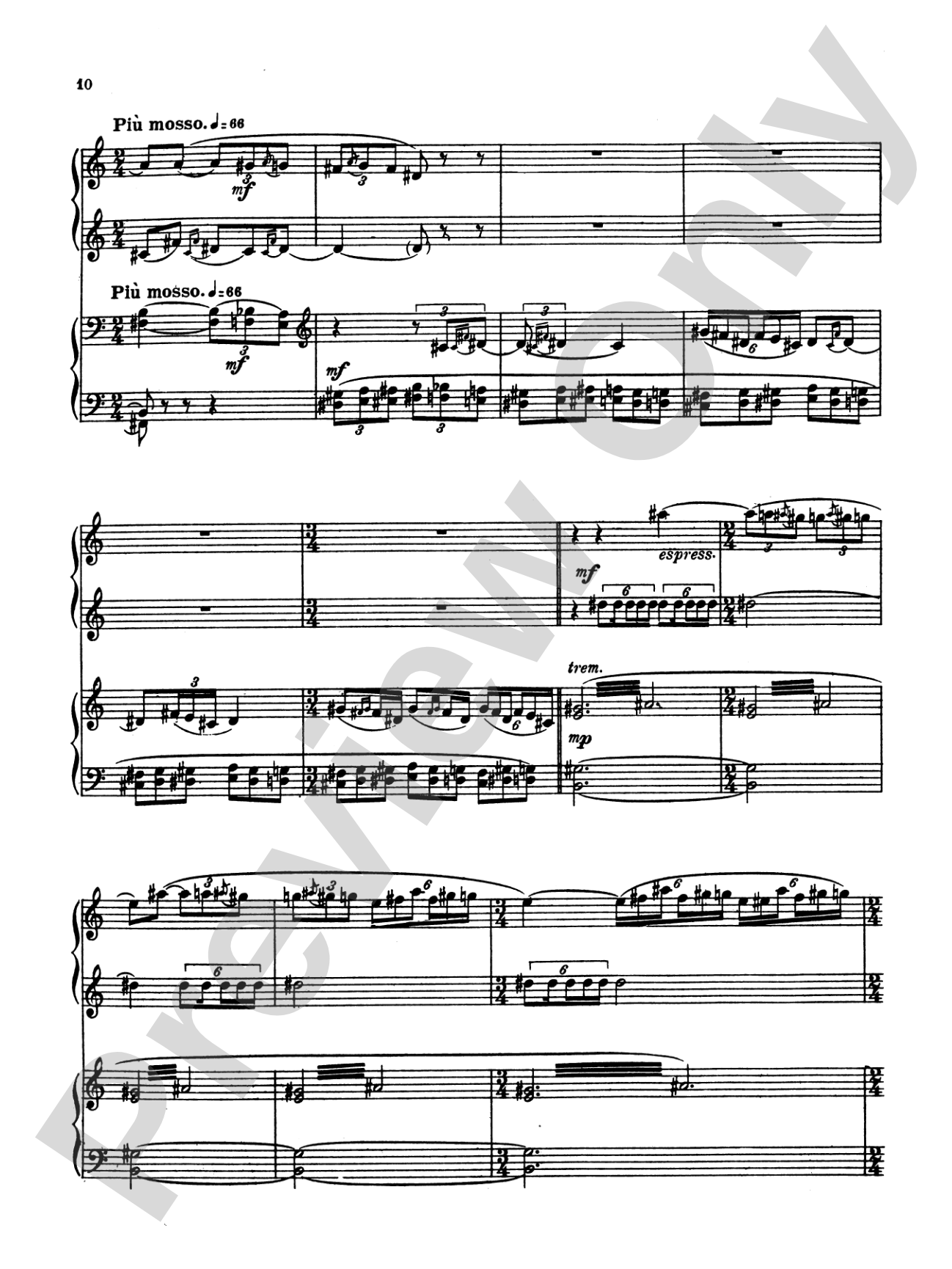
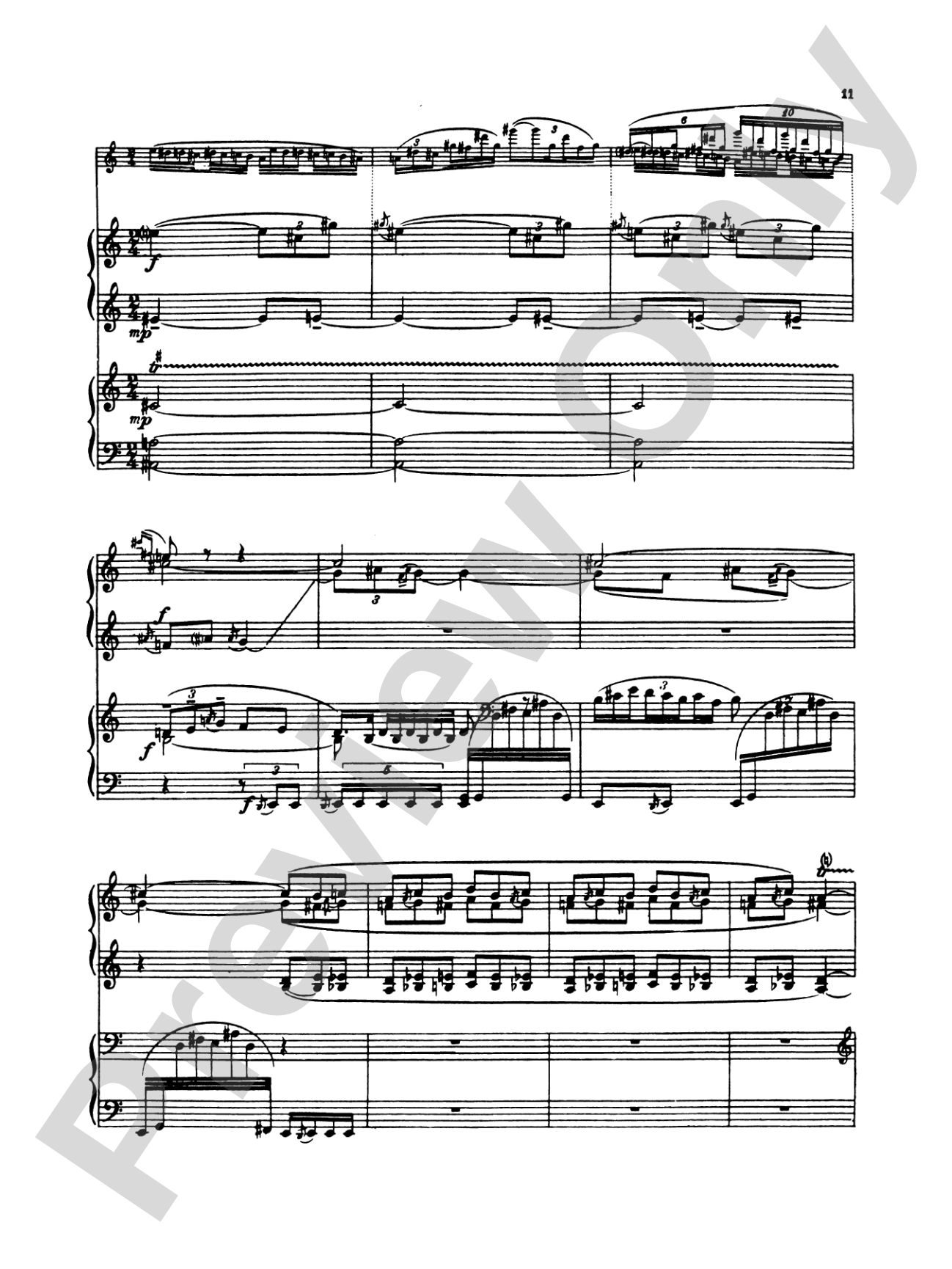
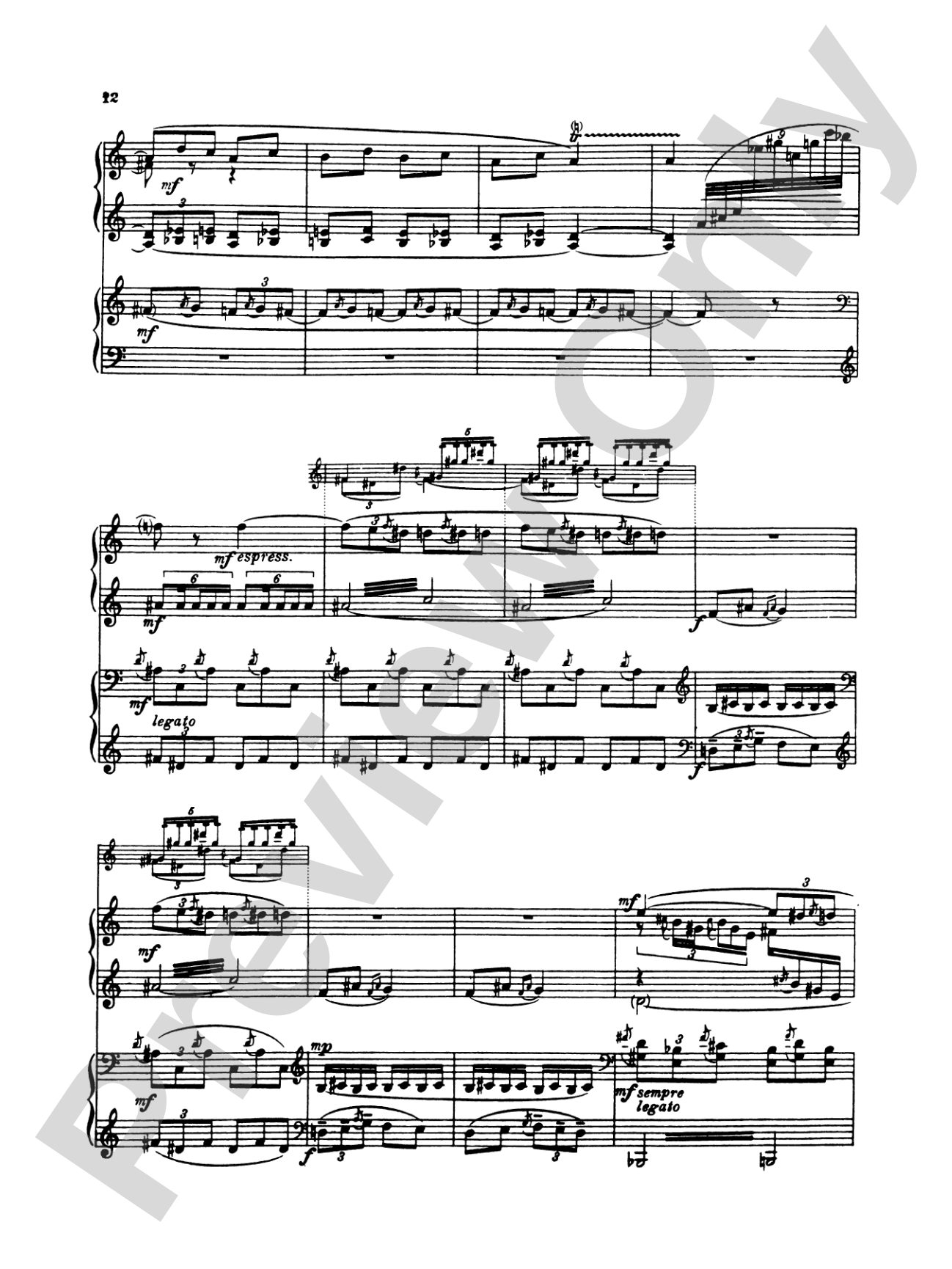
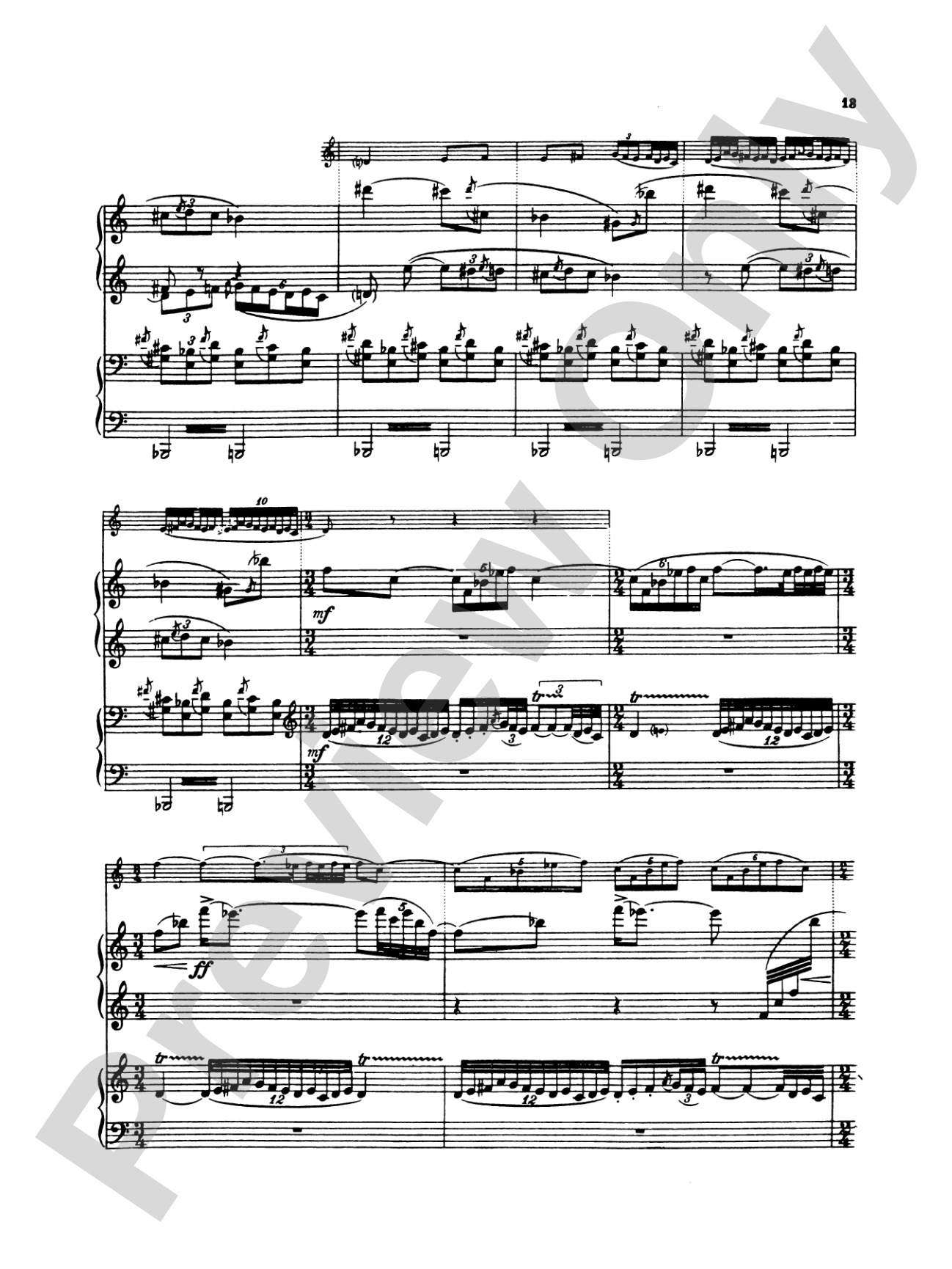
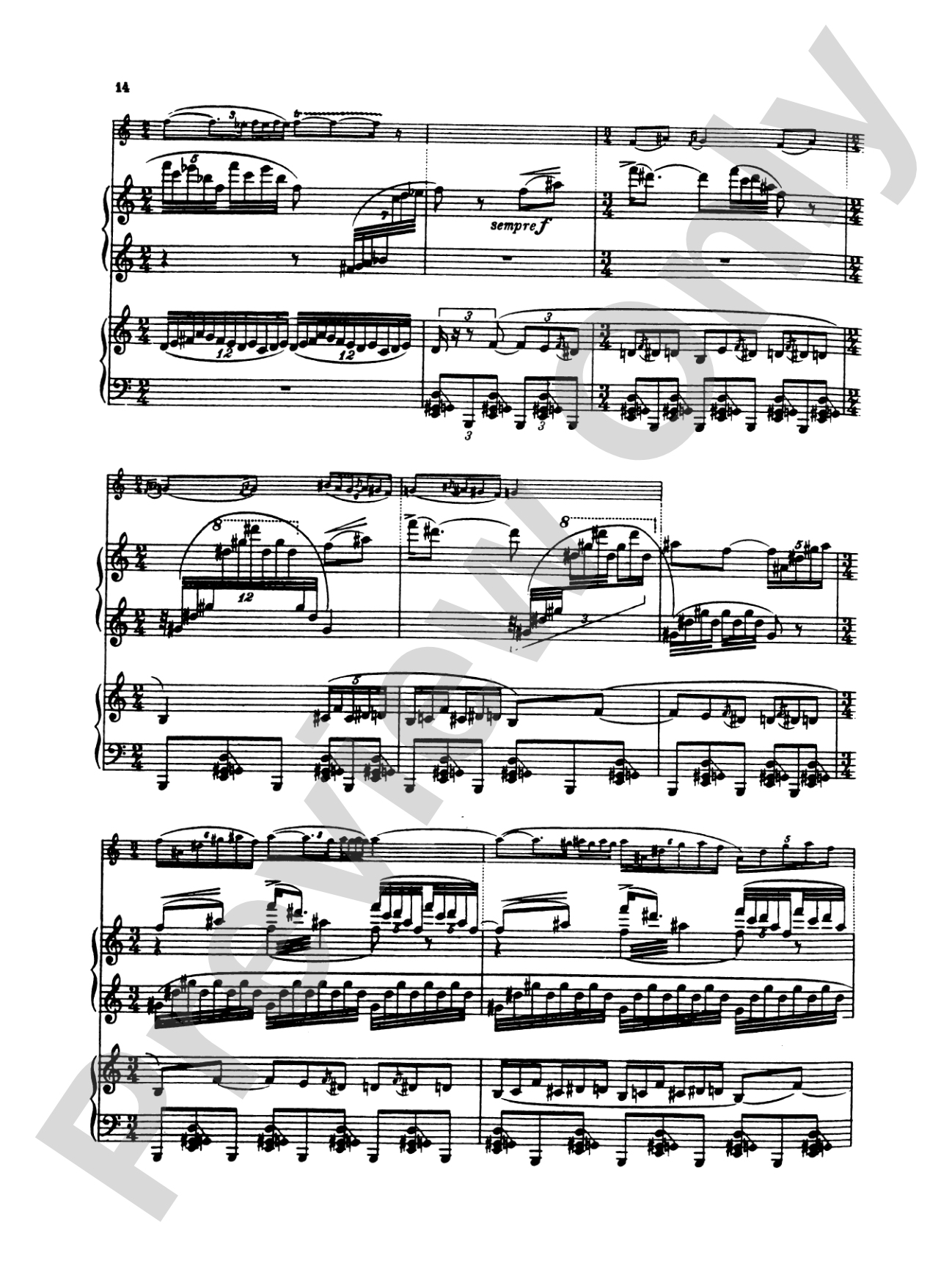
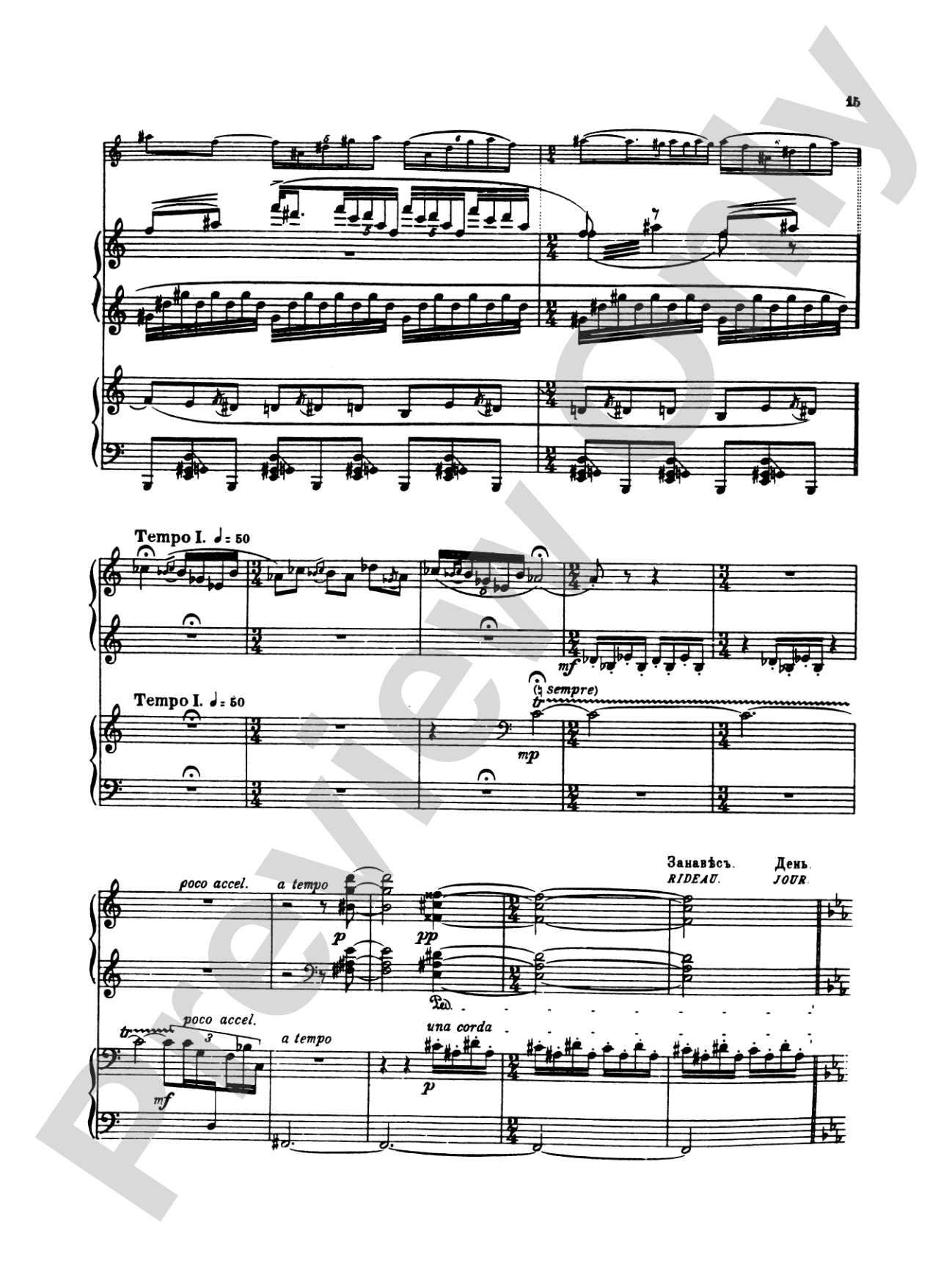
The Rite of Spring was commissioned as an orchestral work for a ballet and premiered in Paris in 1913. Differing views of both the music and choreography led to a riot by the audience. The piece is divided into two parts: "The Adoration of the Earth" and "The Exalted Sacrifice." Stravinsky's piece has many defining characteristics, such as its polytonalities, polyrhythms, ostinato layers, and dissonance. This piano reduction for one piano, four hands was written by Stravinsky.


Don't just read it, hear it, play along with it, and watch your students grow with it. In MakeMusic Cloud, Stravinsky: Rite of Spring: Piano Duet (1 Piano, 4 Hands) Book comes alive with professional accompaniment, adjustable tempo, and built-in practice tools that turn solo practice into real progress.
Open in the Player
Jump straight in and assign it today.
Start Your Free Trial
Open this title and explore the full library in minutes.
Sample Audio
No sample audio found.
Sample Video
No sample videos found.
Additional Details
Series:
Kalmus Edition
Publisher:
Alfred Music
Page Count:
88
SKU:
00-PK-0003782
More about this title
About the Composer: Igor Stravinsky
Igor Stravinsky (1882-1971) fundamentally reshaped twentieth-century music through radical orchestration, complex rhythmic structures, and fearless harmonic innovation. His works challenged performers and audiences alike, demanding technical mastery alongside interpretive courage. The Rite of Spring stands as perhaps his most influential composition, a watershed moment in music history that continues to define how we think about modern classical music.
Why we love this
This four-hand arrangement gives two pianists direct access to one of the twentieth century's most revolutionary scores. Working through Stravinsky's own reduction strips away the orchestral surface to reveal the architectural brilliance underneath: you hear exactly how the polytonalities and polyrhythms interlock, why the ostinatos pulse with such propulsive energy, and how dissonance functions as structural material rather than mere effect. Programming this forces your students to grapple with modernism not as historical artifact but as living, breathing music.
What to expect
Raw, exhilarating, and at moments genuinely disorienting. The music lurches between moments of primal ritual energy and passages of cool, calculated modernism. Playing four-hands means you're constantly negotiating with another person's hands on the same keyboard, adding a physical tension that mirrors the psychological dissonance Stravinsky embedded into every measure.
Who it's for
Advanced pianists who are comfortable with twentieth-century harmonic language and can maintain independence from their duet partner. This arrangement suits students preparing for university auditions, pianists in college-level chamber music programs, or serious amateurs seeking substantial contemporary repertoire that demands both technical and musical maturity.
How to get the most out of it
- Establish a precise metronome click before rehearsals begin. The overlapping rhythmic layers will destabilize without absolute clarity about where each pianist sits relative to the beat.
- Practice the Primo and Secondo parts separately at full tempo before attempting coordination. Each hand independently must be secure; meshing comes only after each performer owns their line.
- Map the harmonic movement across both parts before focusing on technical execution. Understanding which dissonances resolve and which don't will sharpen your sense of musical direction through passages that initially sound chaotic.
- Treat the ostinatos as rhythmic anchors rather than accompaniment. These repeated figures are not decorative; they carry the work's forward momentum and must land with conviction.
How to use it
Feature this in a contemporary music recital or a chamber music concert devoted to twentieth-century masterworks. Its 88 pages and difficulty level make it a genuine centerpiece rather than a filler piece. Alternatively, program the complete work across two performances to create a focused chamber music event that lets audiences experience Stravinsky's genius at close range.
Skills your students will build
- Reading and executing polyrhythms and overlapping meters
- Voicing complex tertian and atonal harmony
- Maintaining rhythmic independence while coordinating with another performer
- Sustaining focus and precision through lengthy passages of dissonant writing
- Interpreting twentieth-century performance notation and articulation marks
- Balancing ostinato layers to clarify harmonic movement