Stravinsky: Four Etudes, Op. 7 Sheet Music Preview

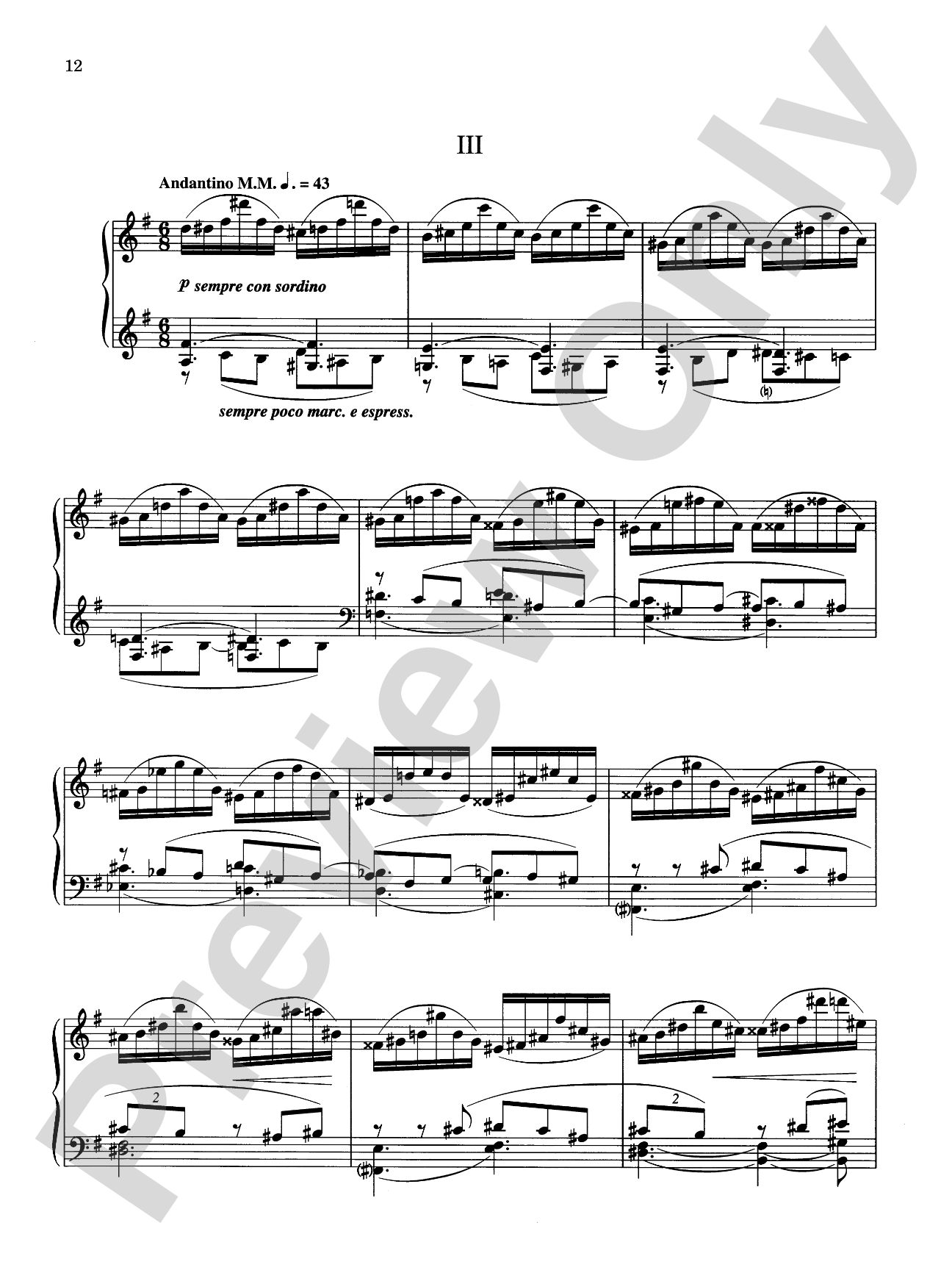
Stravinsky: Four Etudes, Op. 7

By Igor Stravinsky

Item: 00-PC-0013967

Digital Download
$1.99
Description
A collection of piano solos composed by Igor Stravinsky.

Don't just read it, hear it, play along with it, and watch your students grow with it. In MakeMusic Cloud, Stravinsky: Four Etudes, Op. 7 comes alive with professional accompaniment, adjustable tempo, and built-in practice tools that turn solo practice into real progress.

Sample Audio
No sample audio found.
Sample Video
Additional Details
Series: Kalmus Edition
Publisher: Alfred Music
Page Count: 24
SKU: 00-PC-0013967

More about this title

About the Composer: Igor Stravinsky

Igor Stravinsky (1882-1971) stands as one of the most consequential composers of the twentieth century. His music reshaped how composers approached rhythm, orchestration, and harmonic language, making him essential listening and studying for any serious musician. His works span nearly every genre and ensemble type, from massive orchestral scores to intimate chamber and solo piano pieces.

Stravinsky's relationship with the piano was both practical and artistic. He composed at the keyboard throughout his life, and his piano works offer direct access to his compositional thinking without the layering of orchestration. The Four Etudes, Op. 7 belong to his early period and reveal a composer already experimenting with harmonic innovation and rhythmic complexity that would define his mature style.

Why we love this

These etudes sit at a fascinating intersection: they are genuinely rewarding concert pieces that also serve serious pedagogical goals. Each study targets specific technical and musical challenges without feeling like a dry exercise. A pianist who works through all four gains both the technical command and the artistic confidence needed to tackle twentieth-century repertoire more broadly.

What to expect

Each etude carries its own character while maintaining a distinctly modernist sensibility. The music moves with precision and intent, favoring angular melodic lines, unexpected harmonic turns, and rhythmic vitality over lush romanticism. There is an intellectual rigor here, but also a brightness and forward momentum that makes the pieces feel alive rather than austere.

Who it's for

Advanced pianists preparing recital repertoire or diving into twentieth-century concert music for the first time. These etudes work well for mature high school pianists and college-level students serious about contemporary music. They also suit teachers seeking short, substantial works that challenge and develop technique without overwhelming rehearsal time.

How to get the most out of it

  • Clarity of line matters more than surface brilliance. Stravinsky's textures often move across registers rapidly; prioritize transparent voicing and clean separation of voices over blended, Romantic-era piano sound.
  • Attend carefully to the notated articulation and accent markings. They shape the rhythmic identity of each etude; treating them as optional will flatten the character.
  • Approach harmonic shifts as structural events rather than smooth transitions. Many moments ask for a crisp harmonic break that signals a new section or idea.
  • Secure the rhythm first, especially in passages with unexpected accents or syncopation. Once the rhythmic scaffold is solid, interpretive subtlety becomes possible.

How to use it

Program these as a group or select individual etudes to anchor a twentieth-century piano recital. They bridge nicely between late Romantic and contemporary works, showing listeners how piano writing evolved. A single etude also makes an effective concert opener or closing piece for a mixed repertoire program.

Skills your students will build

  • Reading and interpreting twentieth-century notational conventions and harmonic language
  • Executing rapid register shifts and clear textural separation in contemporary idiom
  • Balancing rhythmic precision with interpretive nuance in non-traditional meters and accent patterns
  • Understanding how harmonic dissonance and polytonal thinking shape structural form

You May Also Like