

Stravinsky: Capriccio
By Igor Stravinsky
Level: Intermediate / Advanced
Item: 00-PC-0012708
$2.99
Pickup currently not available
Description
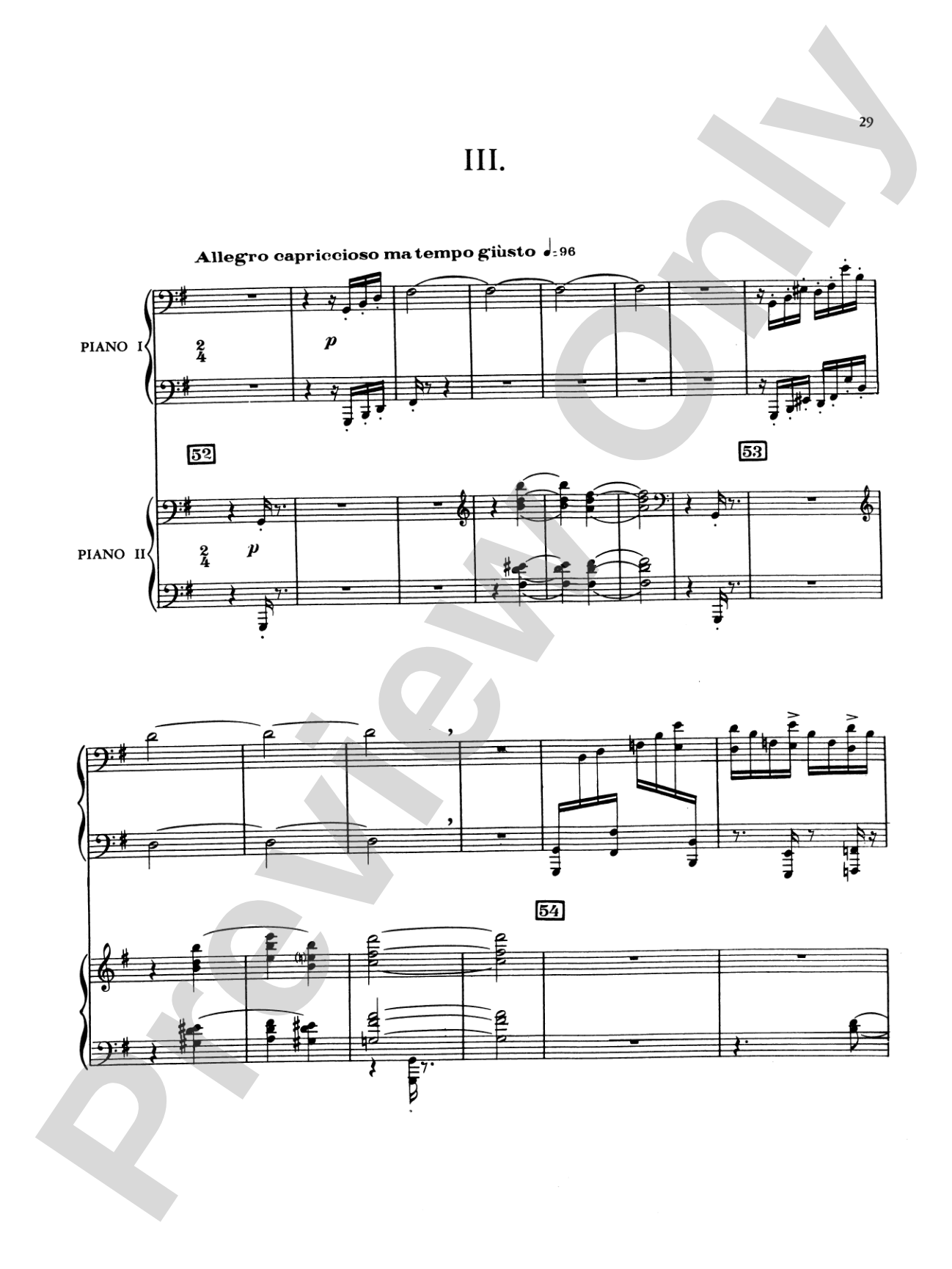
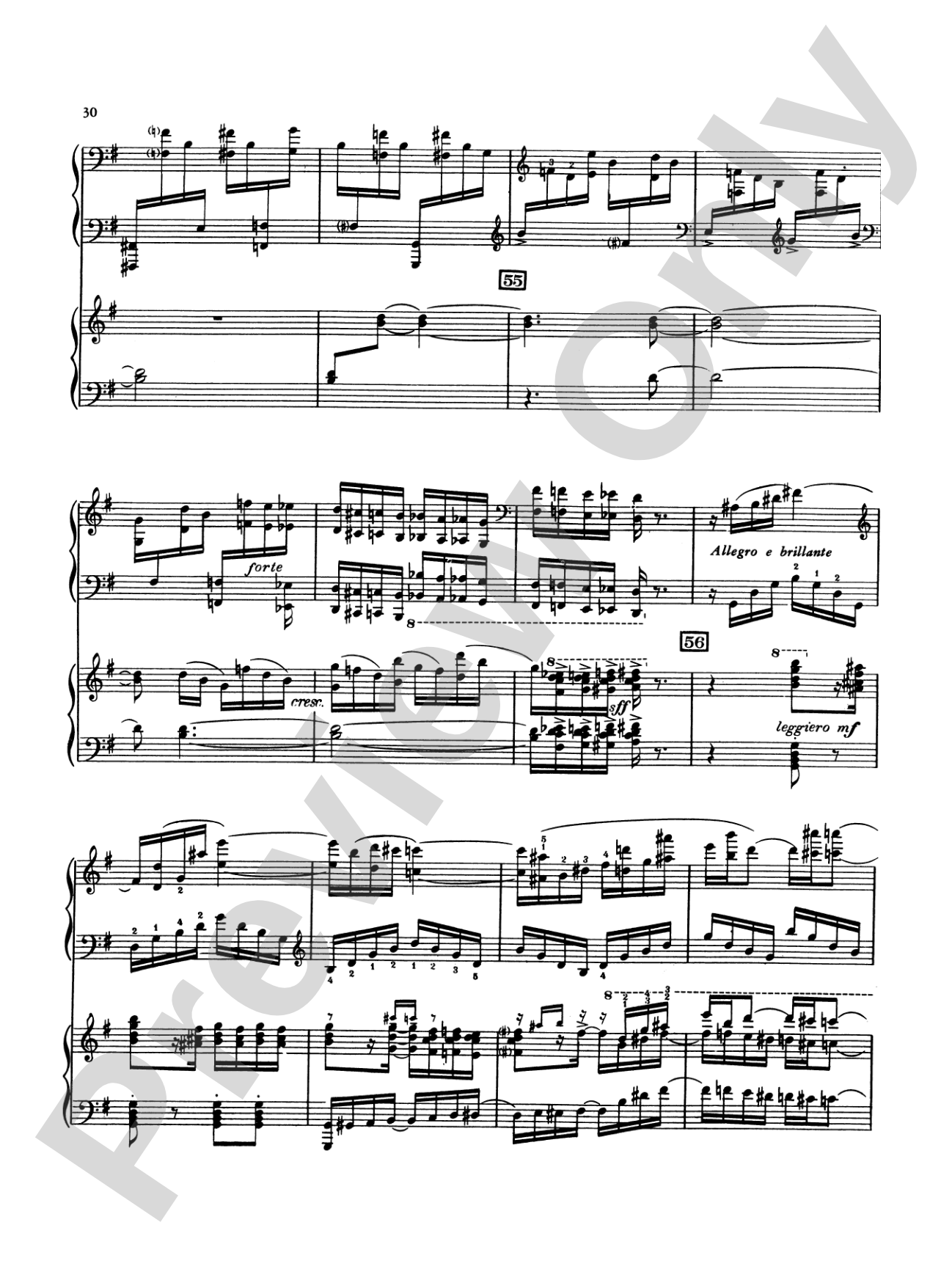
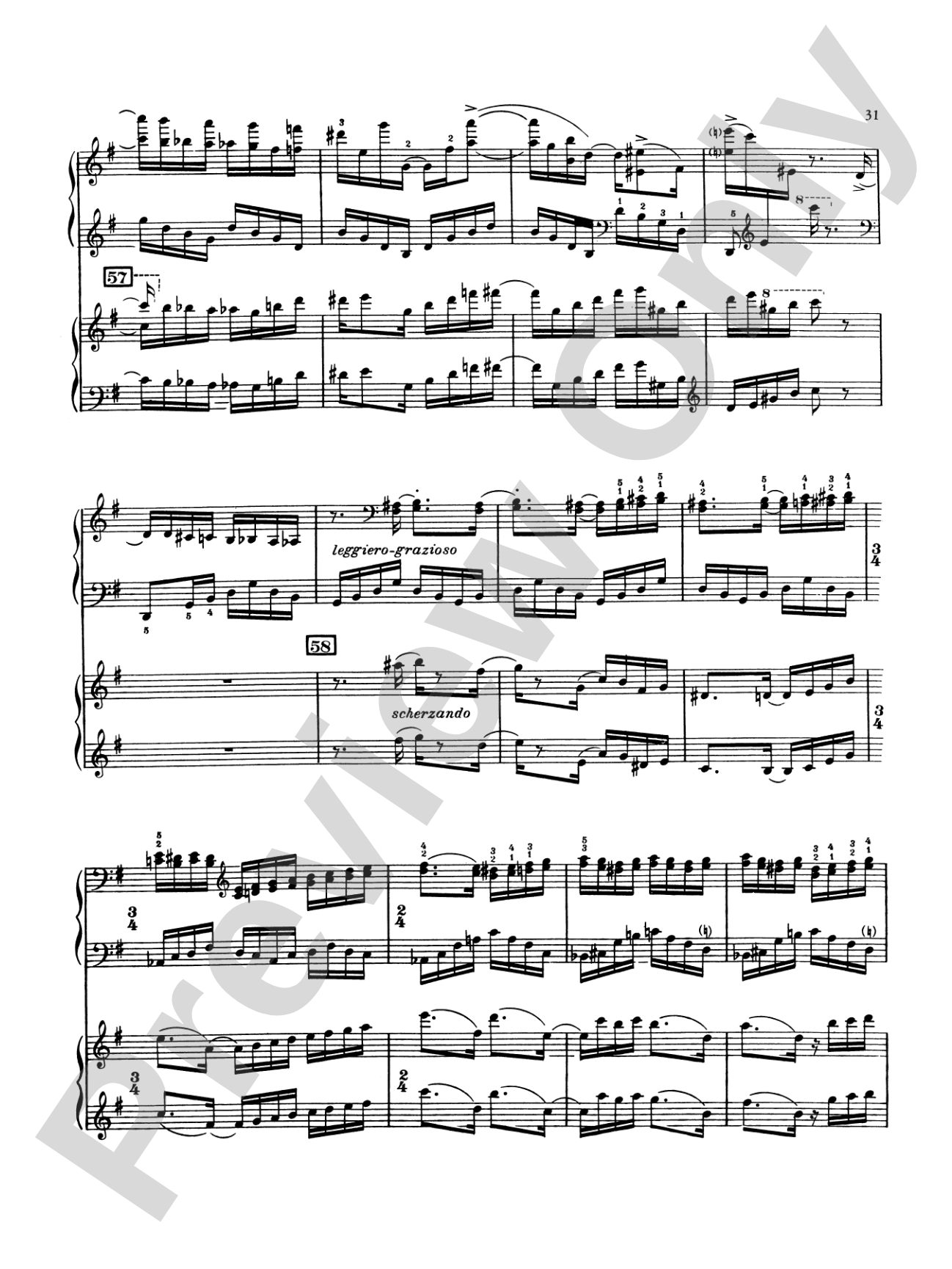
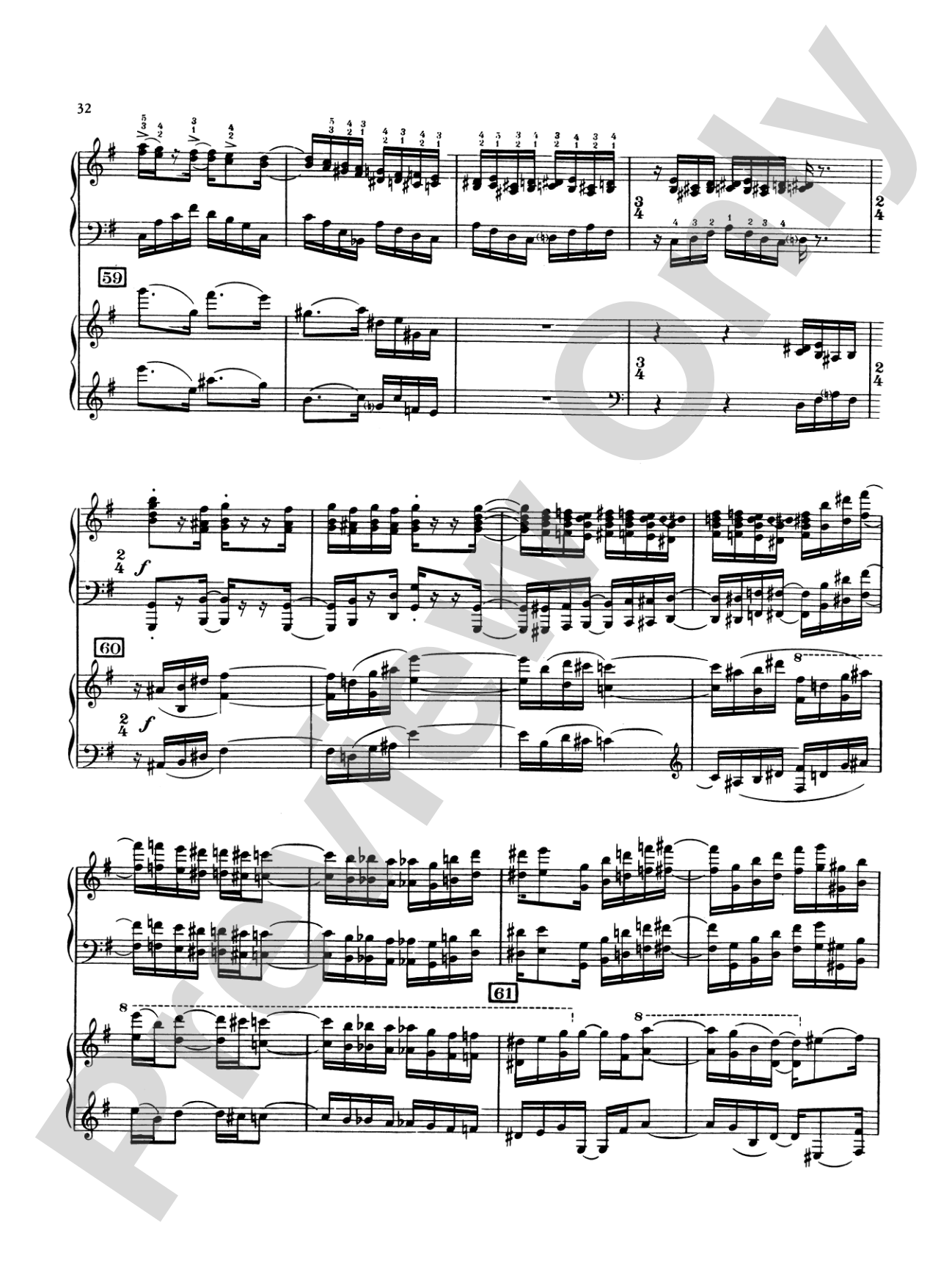
An Intermediate / Advanced Piano Duet for 2 Pianos, 4 hands, composed by Igor Stravinsky. Two copies are required for performance.


Don't just read it, hear it, play along with it, and watch your students grow with it. In MakeMusic Cloud, Stravinsky: Capriccio comes alive with professional accompaniment, adjustable tempo, and built-in practice tools that turn solo practice into real progress.
Open in the Player
Jump straight in and assign it today.
Start Your Free Trial
Open this title and explore the full library in minutes.
Sample Audio
No sample audio found.
Sample Video
No sample videos found.
Additional Details
Series:
Kalmus Edition
Publisher:
Alfred Music
Page Count:
52
SKU:
00-PC-0012708
More about this title
About the Composer: Igor Stravinsky
Igor Stravinsky (1882-1971) fundamentally reshaped twentieth-century music through radical reinvention across multiple stylistic periods. His early ballets for Diaghilev's Rus Ballet company established him as a major voice in modernism; his later turn toward neoclassicism and serialism demonstrated his refusal to be confined by a single aesthetic. Stravinsky's music prioritizes rhythmic innovation, instrumental color, and formal clarity over romantic expression, making his works both intellectually demanding and viscerally engaging.
As a composer who wrote prolifically for piano, Stravinsky understood the instrument's mechanical and coloristic possibilities deeply. His piano works range from virtuosic concert pieces to chamber music that challenges performers to balance precision with expressive control. The Capriccio exemplifies his gift for writing music that rewards technical mastery while remaining fundamentally about compositional architecture and sound.
Why we love this
Stravinsky's Capriccio for two pianos delivers the visceral excitement of a twentieth-century masterwork without requiring orchestral forces or a specialized ensemble. The two-piano format lets intermediate-advanced pianists experience the layered textures, rhythmic complexity, and tonal adventurousness that define Stravinsky's voice, while the keyboard idiom keeps the technical demands focused on coordination and color rather than superhuman finger velocity. Programming this signals serious artistic ambition and gives your advanced students a work that belongs in any educated pianist's repertoire.
What to expect
Stravinsky's Capriccio combines mechanical energy with surprising lyricism. The two pianos create layers of rhythmic activity punctuated by moments of stark clarity, shifting between brittle, percussive articulation and passages of unexpected warmth. The work never settles into comfort; instead, it invites performers and listeners into a world where precision and playfulness coexist.
Who it's for
Advanced intermediate pianists ready to tackle twentieth-century modernism and pianists preparing for conservatory-level duet repertoire. This work suits students who have mastered classical and romantic duets and are ready to encounter music that prioritizes rhythmic precision, textural awareness, and independence from a partner.
How to get the most out of it
- Establish a clear visual connection between both players from the opening measures; Stravinsky's rhythmic independence between the pianos demands synchronized entrances and tempo flexibility that only eye contact can sustain.
- Map the dynamic range across both instruments as a single entity rather than two separate voices. Stravinsky uses the two pianos to create a unified tonal spectrum, so balance adjustments require both players responding in real time.
- Differentiate the keyboard colors available to each piano; if the acoustics of your performance space allow, position the instruments so each player's sound projects distinctly without losing ensemble cohesion.
- Practice the rhythmic passages separately at a reduced tempo, then gradually increase speed only after both players can articulate the subdivisions cleanly and independently.
How to use it
The Capriccio works best as a centerpiece in a recital or concert devoted to twentieth-century keyboard music, where it can anchor a program of works by Stravinsky's contemporaries. Alternatively, program it alongside other piano duets that explore modernist aesthetics, creating a focused exploration of how composers after 1900 reimagined the two-piano form. The work's approximately twelve-minute duration and high engagement level make it suitable as a concerto-style feature for a student recital.
Skills your students will build
- Rhythmic independence between two pianos, including syncopated and polyrhythmic passages
- Reading and executing twentieth-century notation and compositional techniques
- Ensemble coordination without a conductor, using visual communication and shared tempo architecture
- Tonal differentiation and balance between two keyboard instruments in an integrated sonic image
- Interpretation of sparse, modernist textures that demand clear articulation and dynamic control