
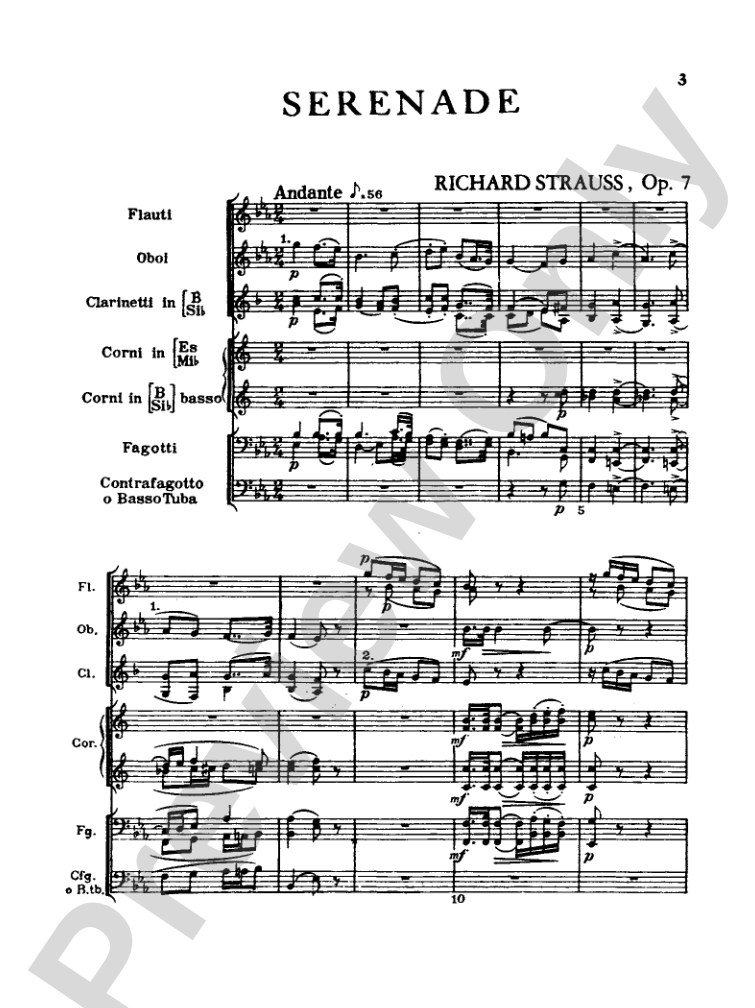
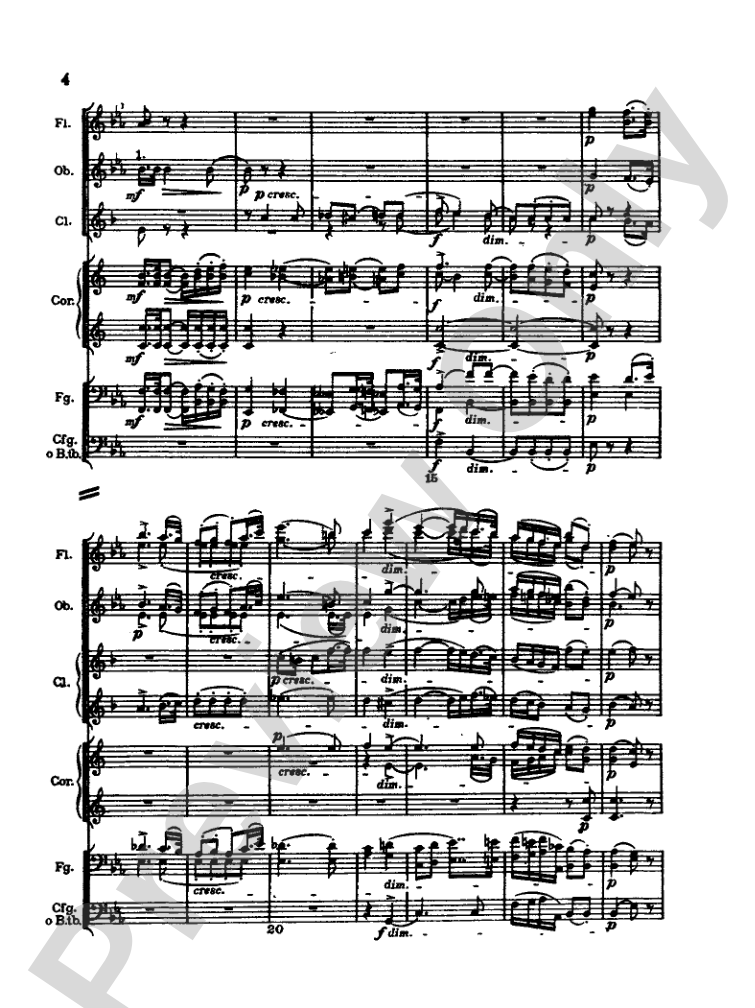
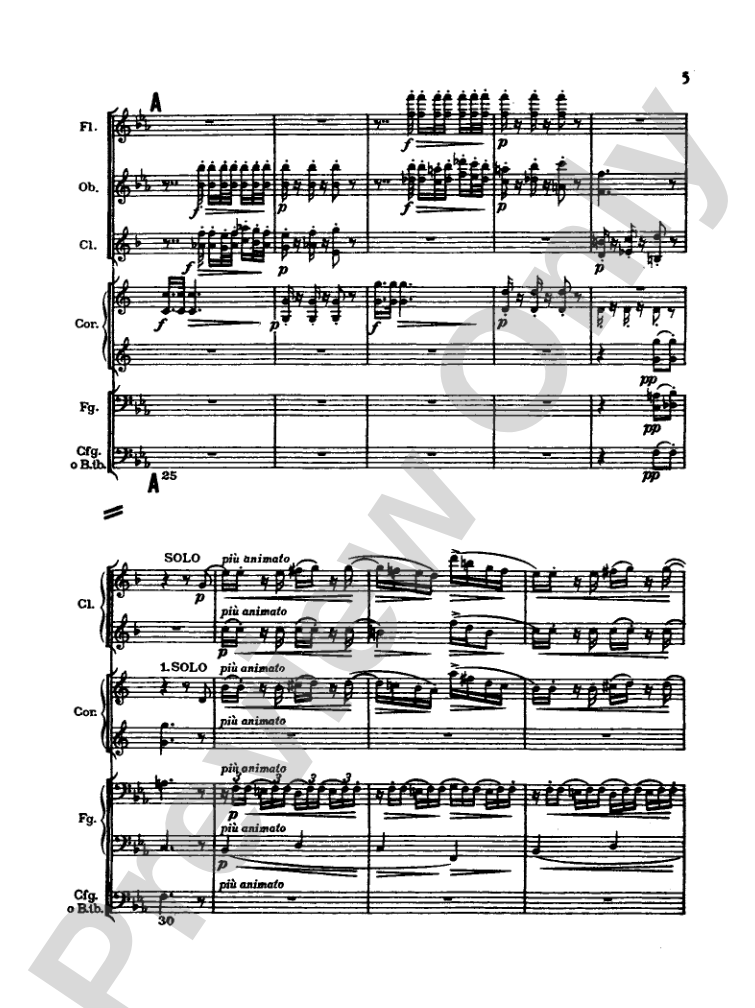
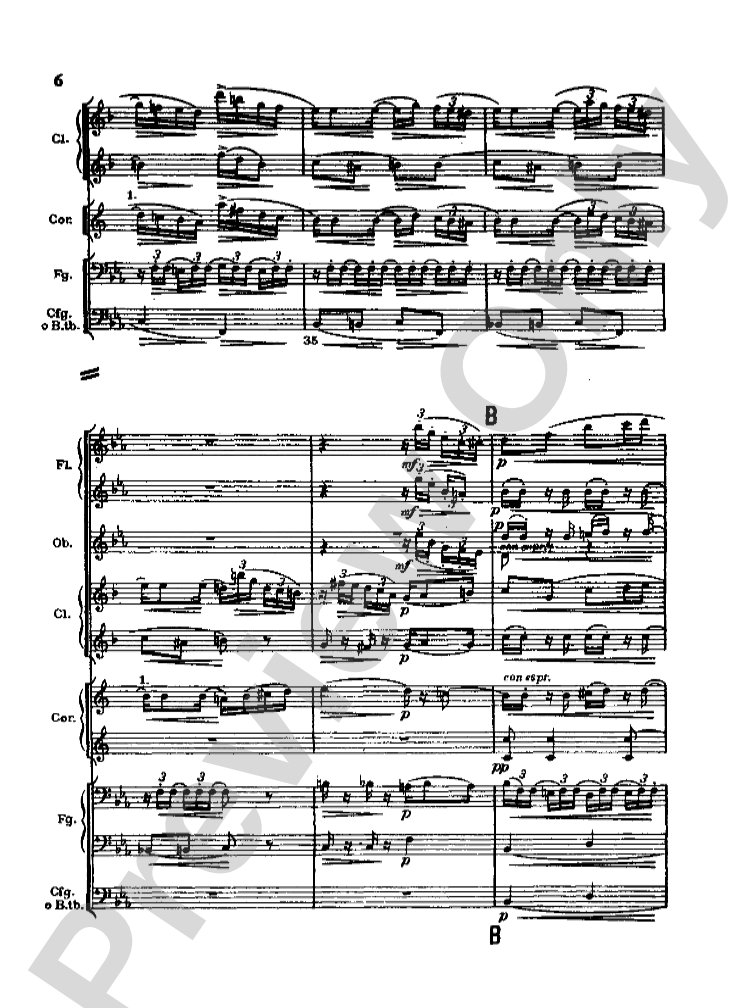
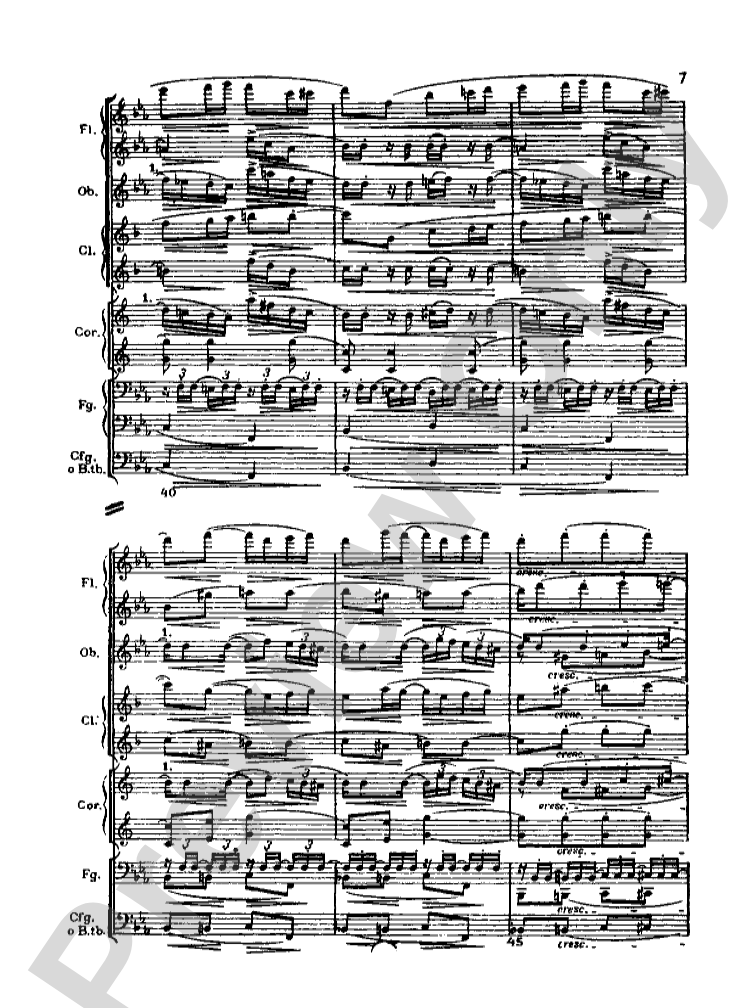
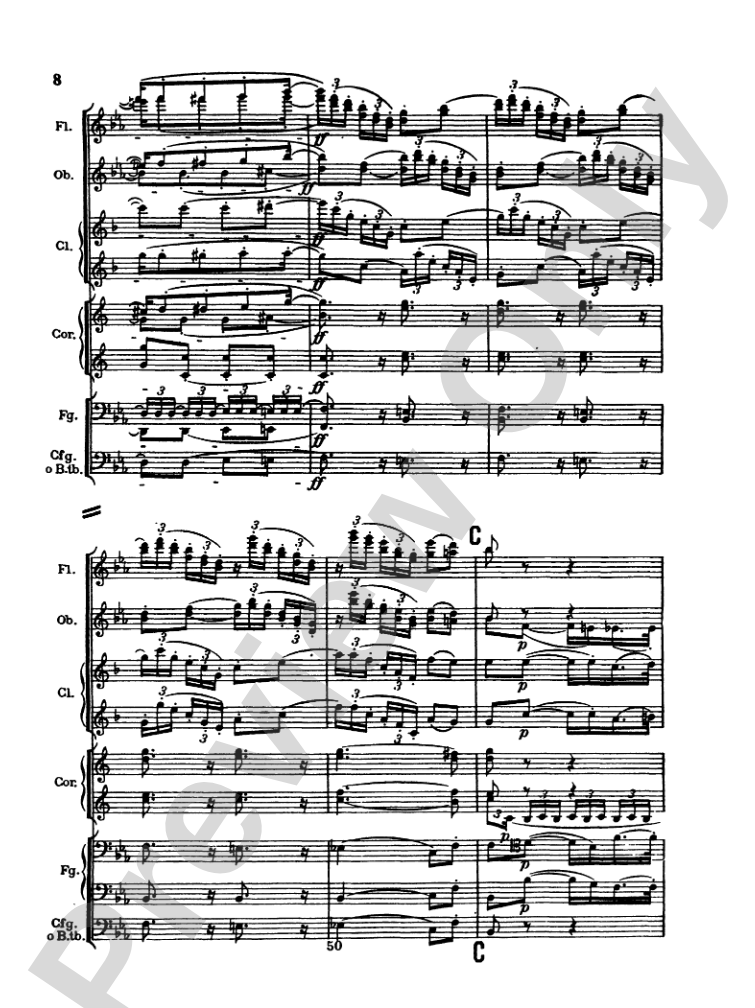
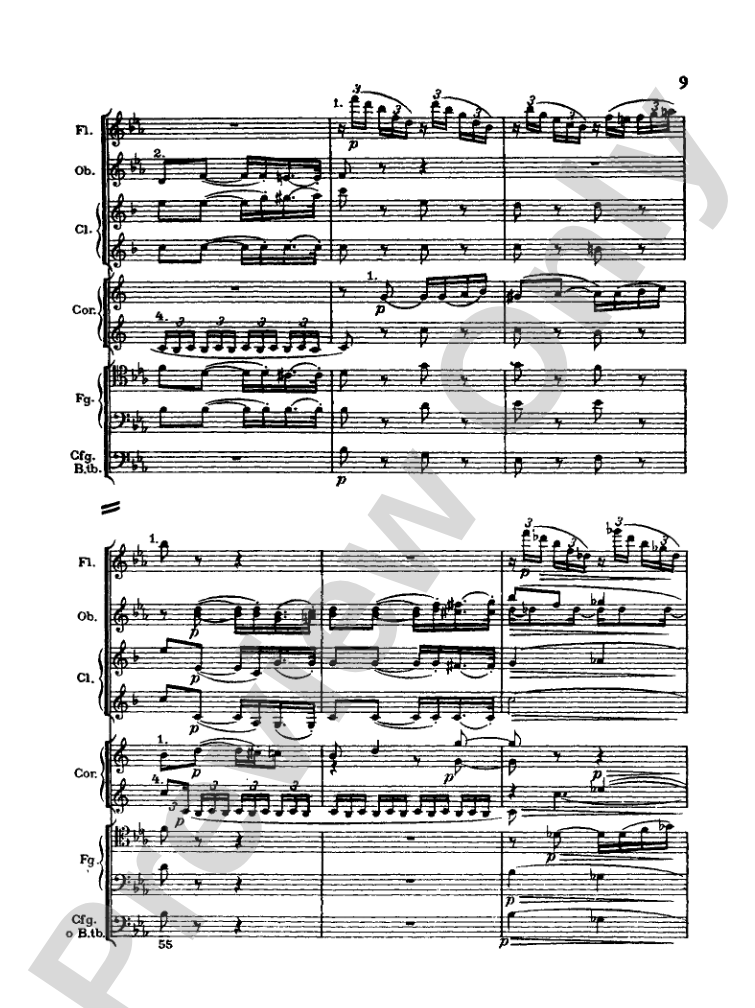
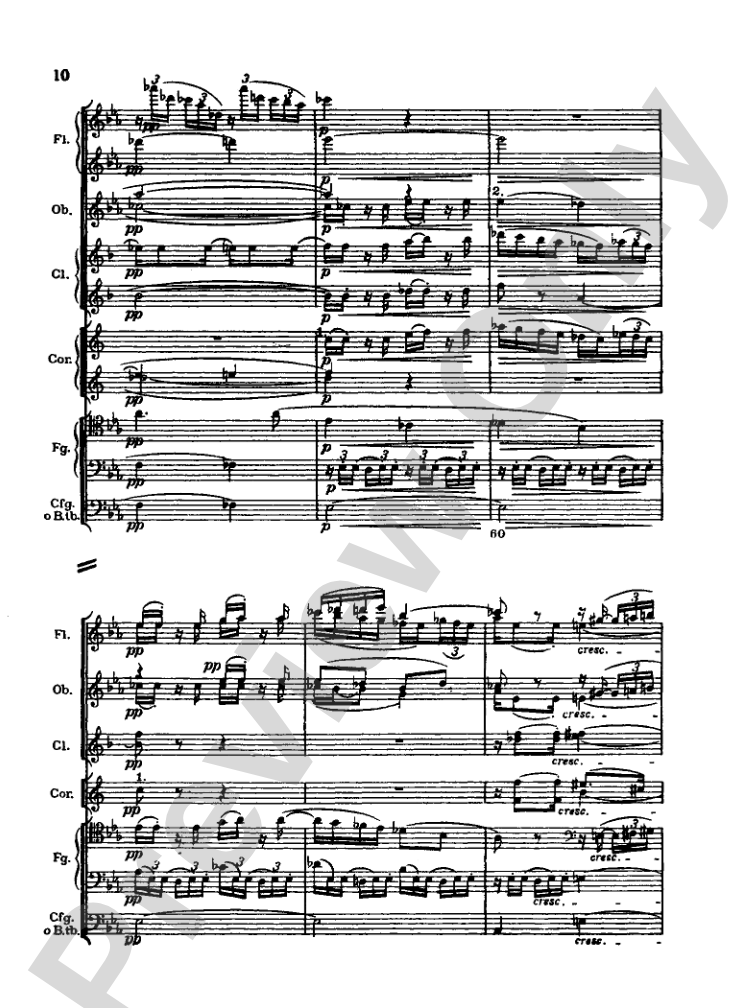
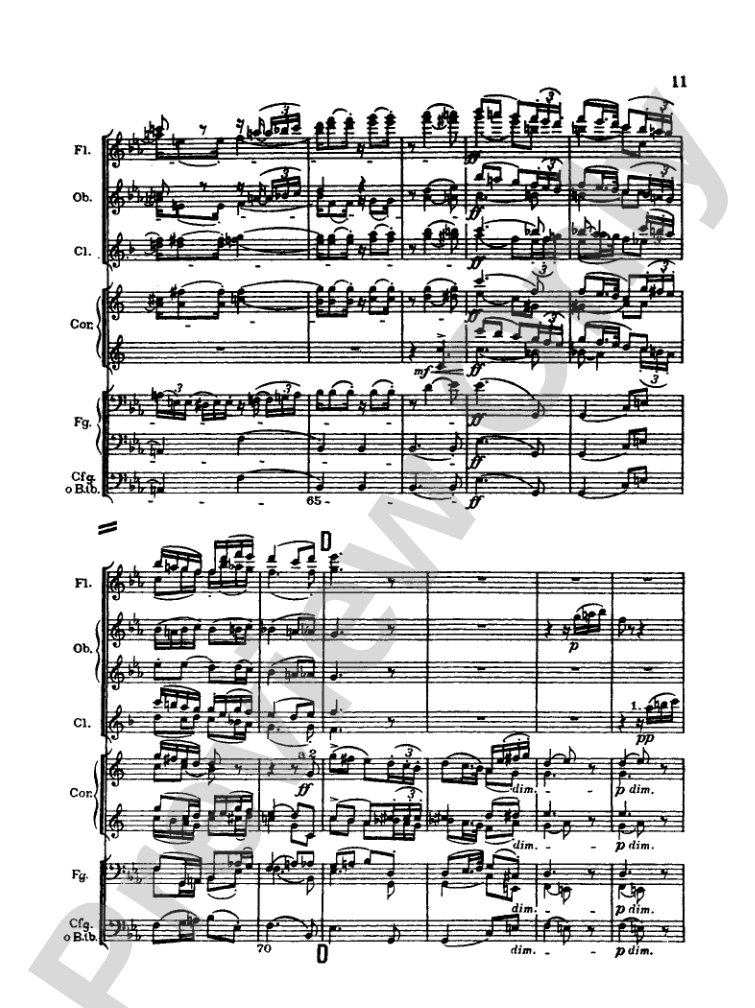
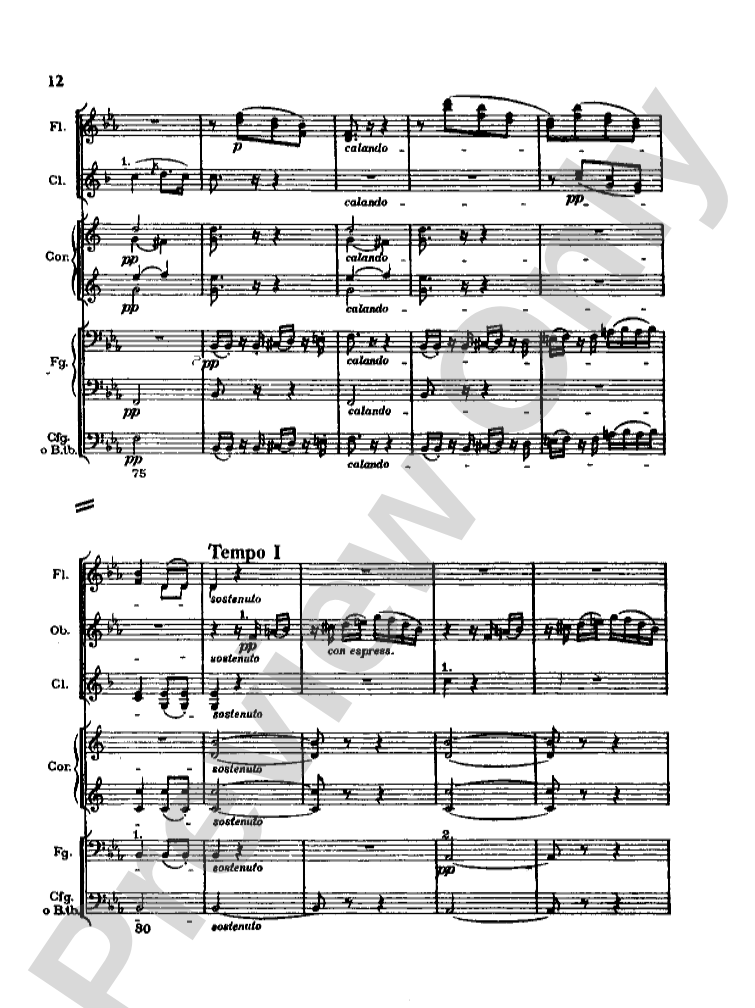
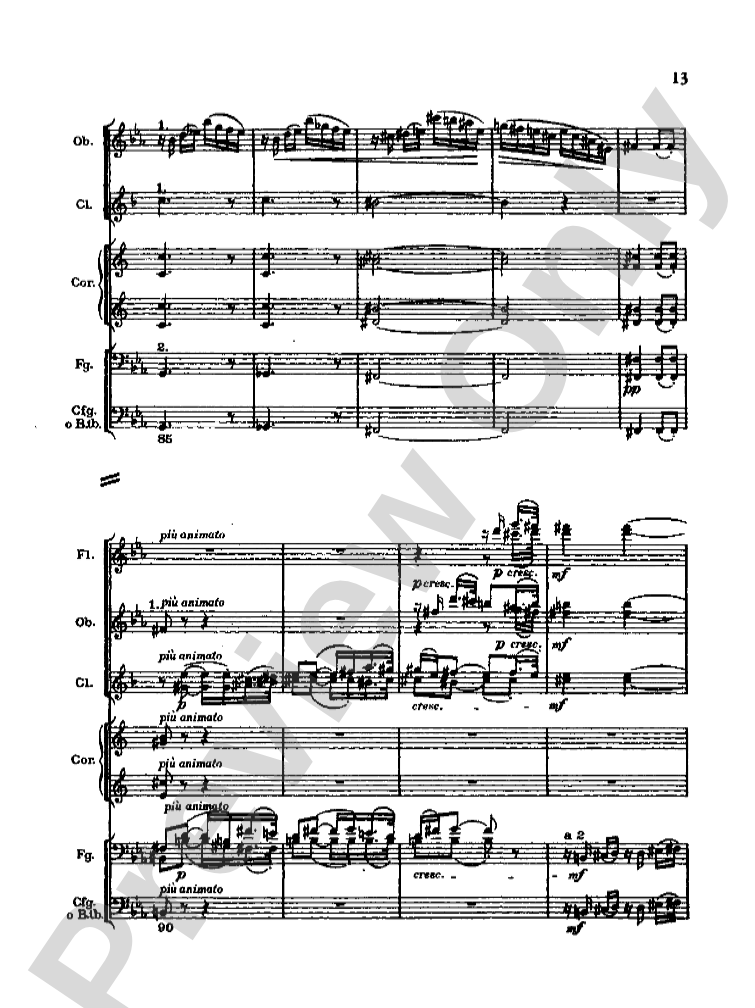
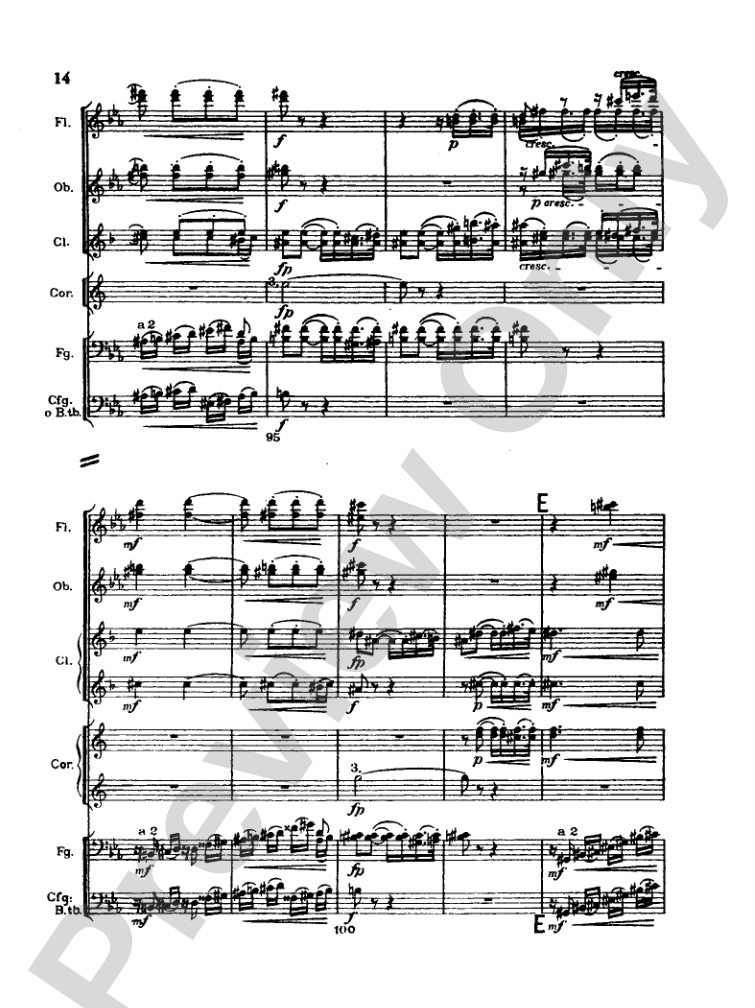
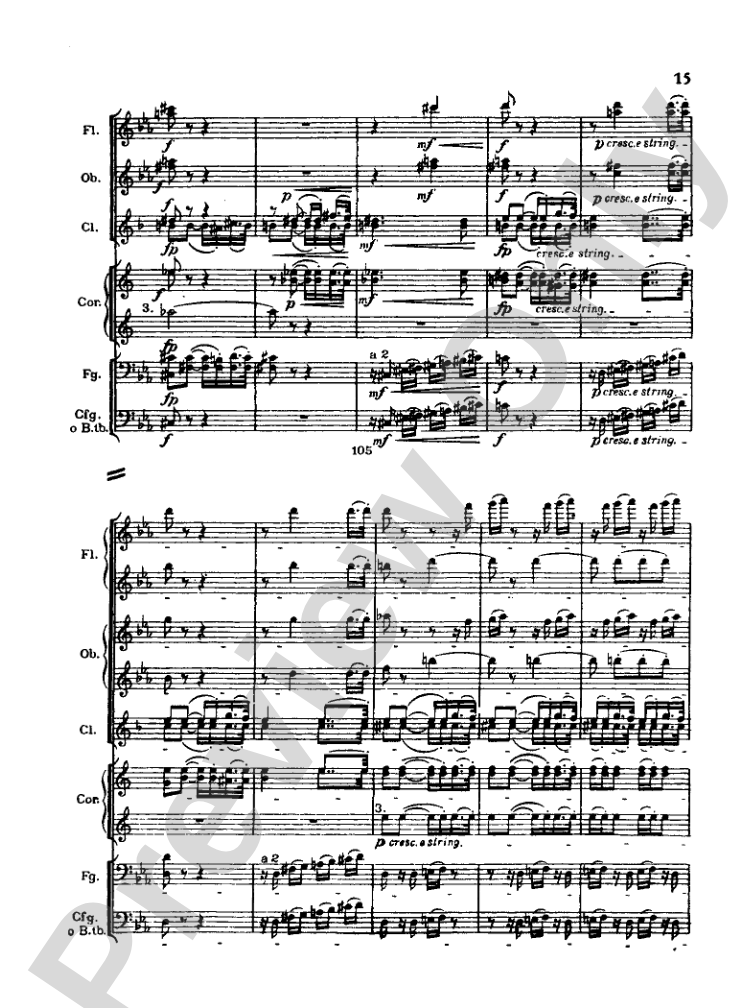
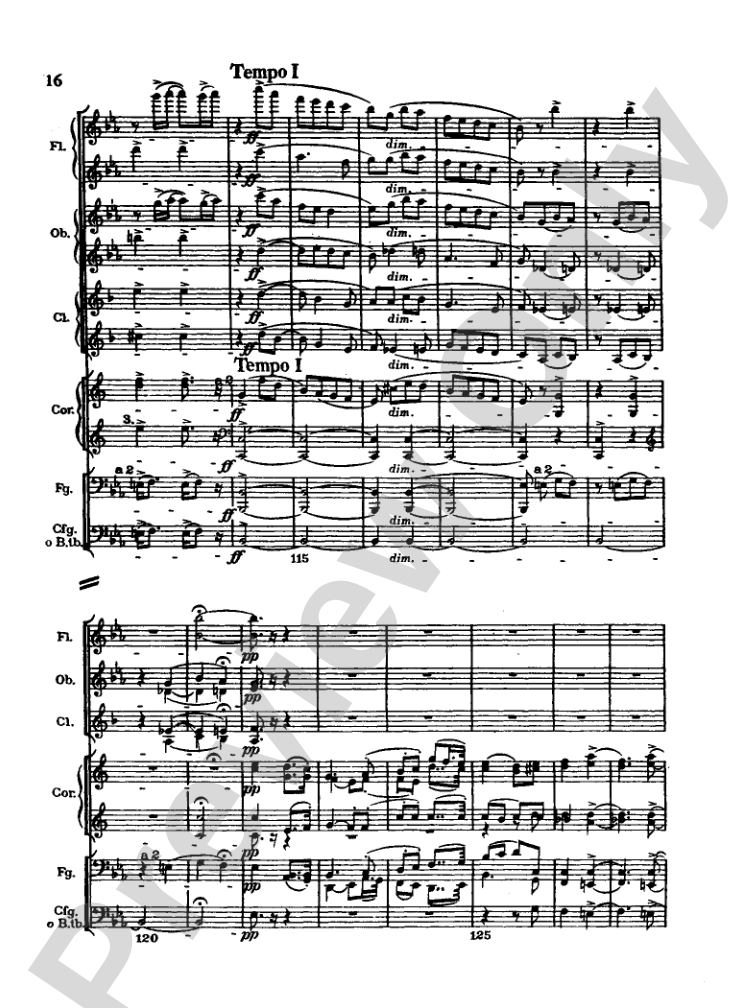
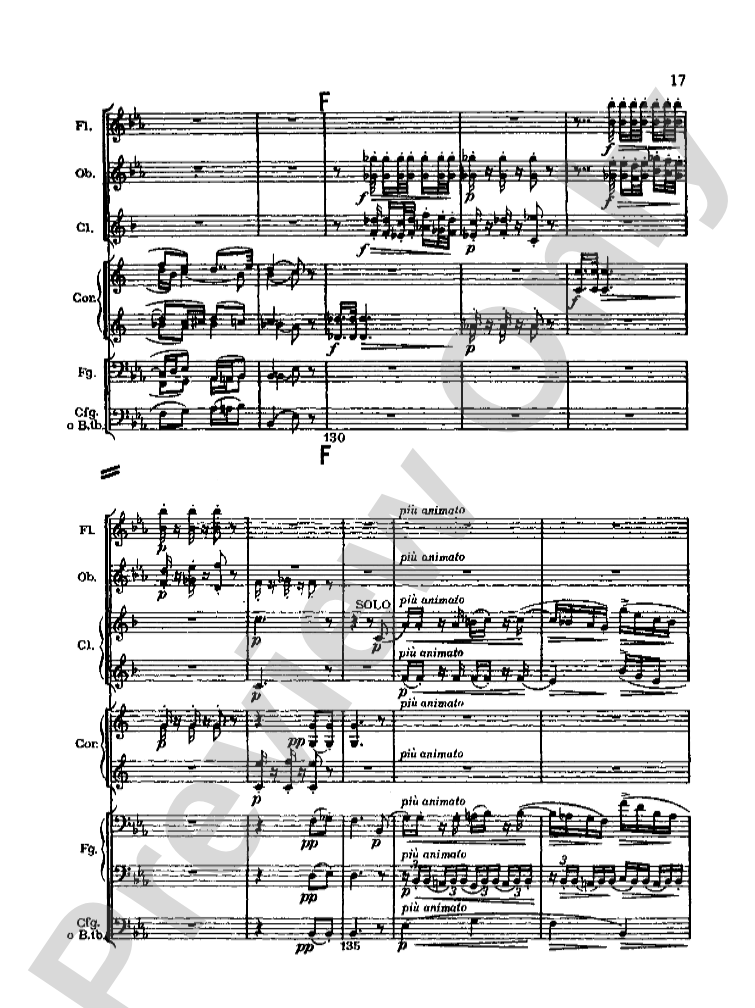
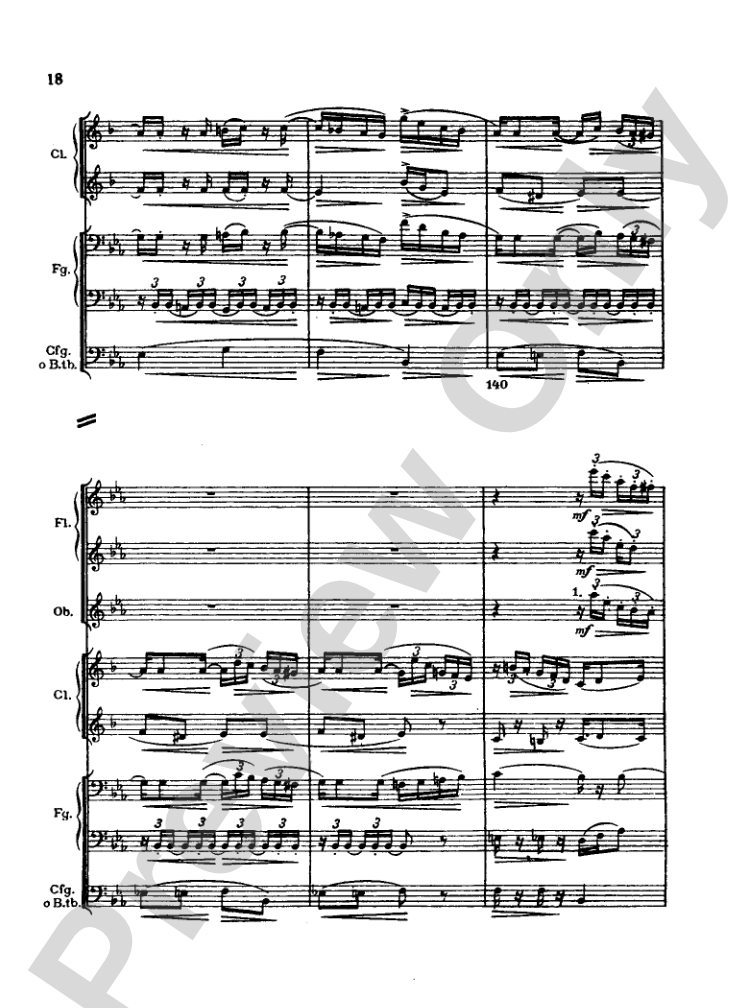
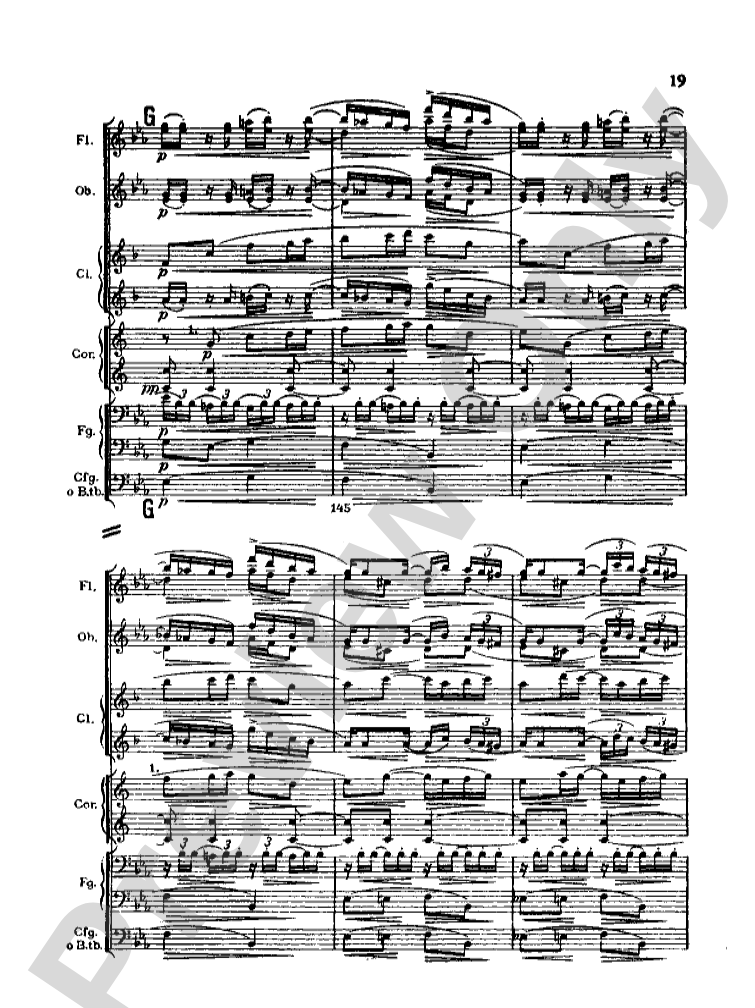
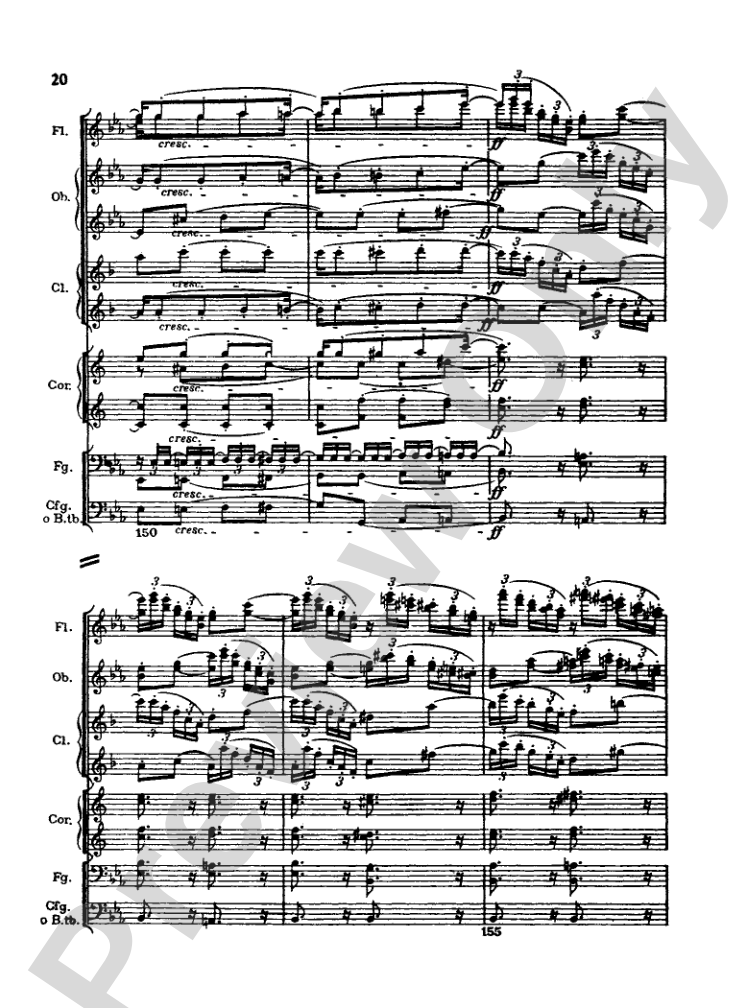
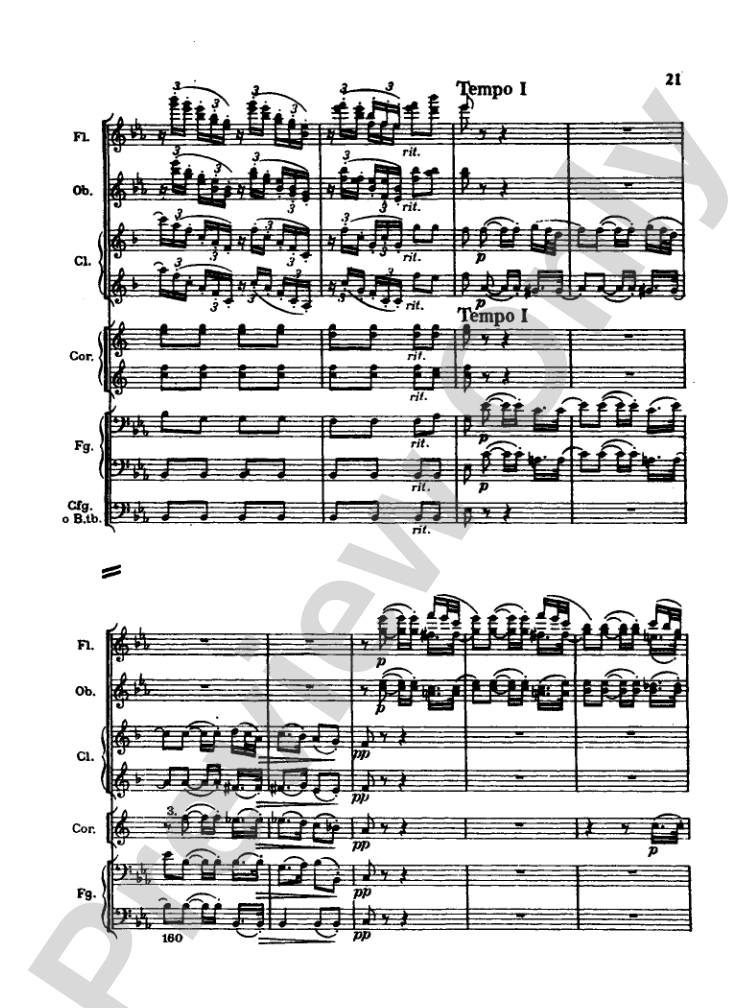
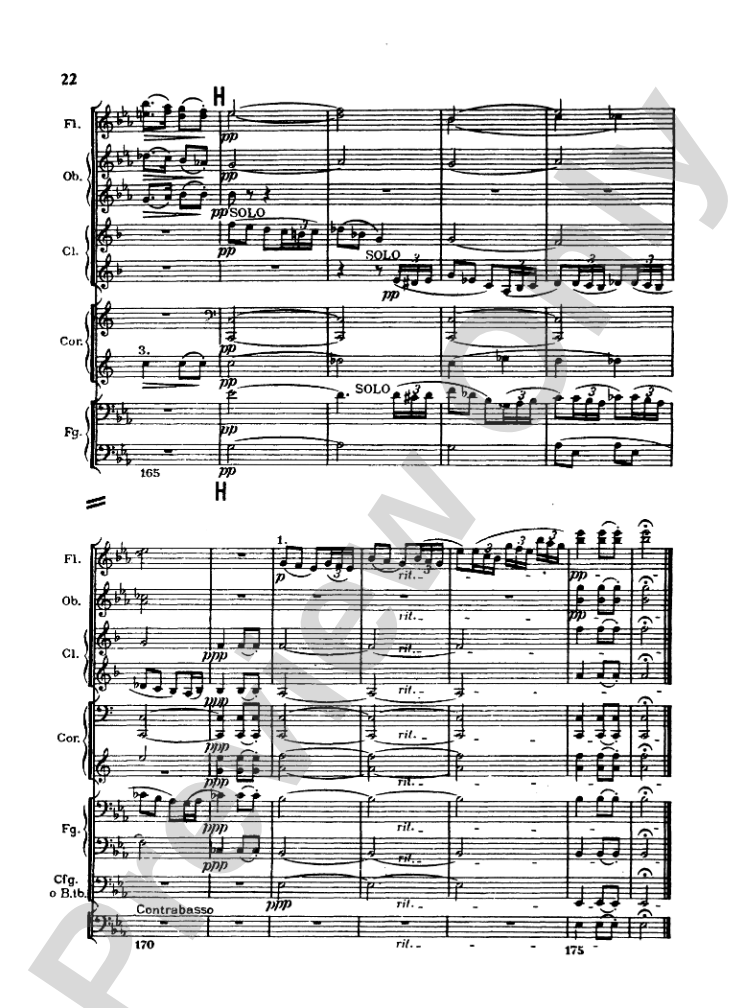



Strauss: Serenade for 13 Winds, Op. 7: Chamber Ensemble Miniature Score
By Richard Strauss
Item: 00-PK-0002689

$9.99
Pickup currently not available
Buy Extra Parts (Digital PDF Download)
| Product | Price | Quantity |
|---|---|---|
| Strauss: Serenade for 13 Winds, Op. 7 | $8.95 |
Parts Added to Cart!
Related Items
Serenade for 13 Winds, Opus 7: Chamber Ensemble Miniature Score |
$9.99
|
View |
Description
A mixed instrument, chamber ensemble composed by Richard Strauss.


Don't just read it, hear it, play along with it, and watch your students grow with it. In MakeMusic Cloud, Strauss: Serenade for 13 Winds, Op. 7: Chamber Ensemble Miniature Score comes alive with professional accompaniment, adjustable tempo, and built-in practice tools that turn solo practice into real progress.
Open in the Player
Jump straight in and assign it today.
Start Your Free Trial
Open this title and explore the full library in minutes.
Sample Audio
No sample audio found.
Sample Video
No sample videos found.
Additional Details
Series:
Kalmus Edition
Publisher:
Alfred Music
Page Count:
24
SKU:
00-PK-0002689
More about this title
About the Composer: Richard Strauss
Richard Strauss (1864-1949) was a German composer and conductor whose career spanned the late Romantic era and well into the twentieth century. He mastered orchestration across every ensemble size, from intimate chamber works to massive symphonic forces, and his technical command of instrumental color influenced generations of composers who followed.
Why we love this
Strauss composed this Serenade early in his career, and it shows his gifts for transparent writing and elegant wind voicing at their clearest. The work gives chamber ensemble players genuine musical substance without the virtuosic demands of his later tone poems, making it both rewarding to perform and genuinely listenable for audiences.
What to expect
The Serenade unfolds with the grace and refinement of chamber music written by someone who understood every instrument intimately. Its textures shift between gentle transparency and warm, blended sonority; there is generosity in the writing without excess, and a classical sense of proportion that rewards close listening.
Who it's for
This miniature score is ideal for conductors preparing a chamber ensemble for rehearsal or performance, or for musicians studying Strauss's compositional voice in an intimate setting. It works well in chamber music programs, advanced high school ensembles, and college wind ensemble contexts where players are ready for genuine musical literature.
How to get the most out of it
- Balance the inner harmonic lines carefully; Strauss's textures can blur easily in rehearsal but sing brightly when each voice projects its own melodic content.
- Shape phrases through breath and line rather than strict tempo changes; the work flows best when players listen across the ensemble and respond to the musical architecture.
- Watch for exposed entries in the lighter textures. Mark them clearly in parts and give the section a moment to lock in before moving forward.
- Let the woodwinds breathe naturally in their passages; forcing them into the strings' legato style will drain the music of its character.
How to use it
Program this alongside other early Strauss works or pair it with Classical-era serenades to show the evolution of the form. It also sits well between larger twentieth-century works, offering a moment of clarity and direct musical speech without being a palate cleanser.
Skills your students will build
- Reading mixed instrumental transpositions and clefs in score
- Balancing multiple independent melodic lines in sparse textures
- Shaping phrase contours through line and breath rather than tempo manipulation
- Responding to harmonic color and orchestration as interpretive tools