
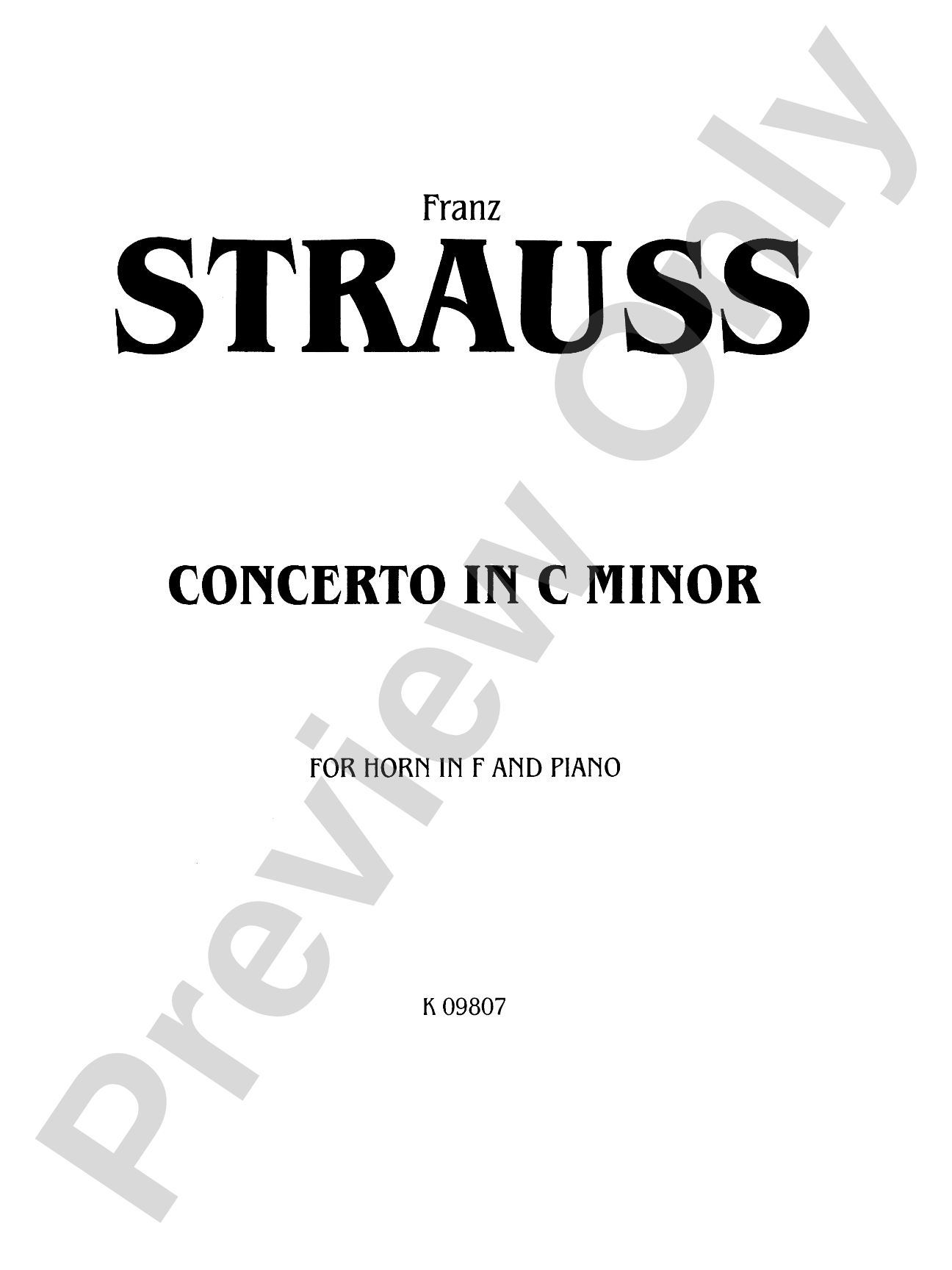
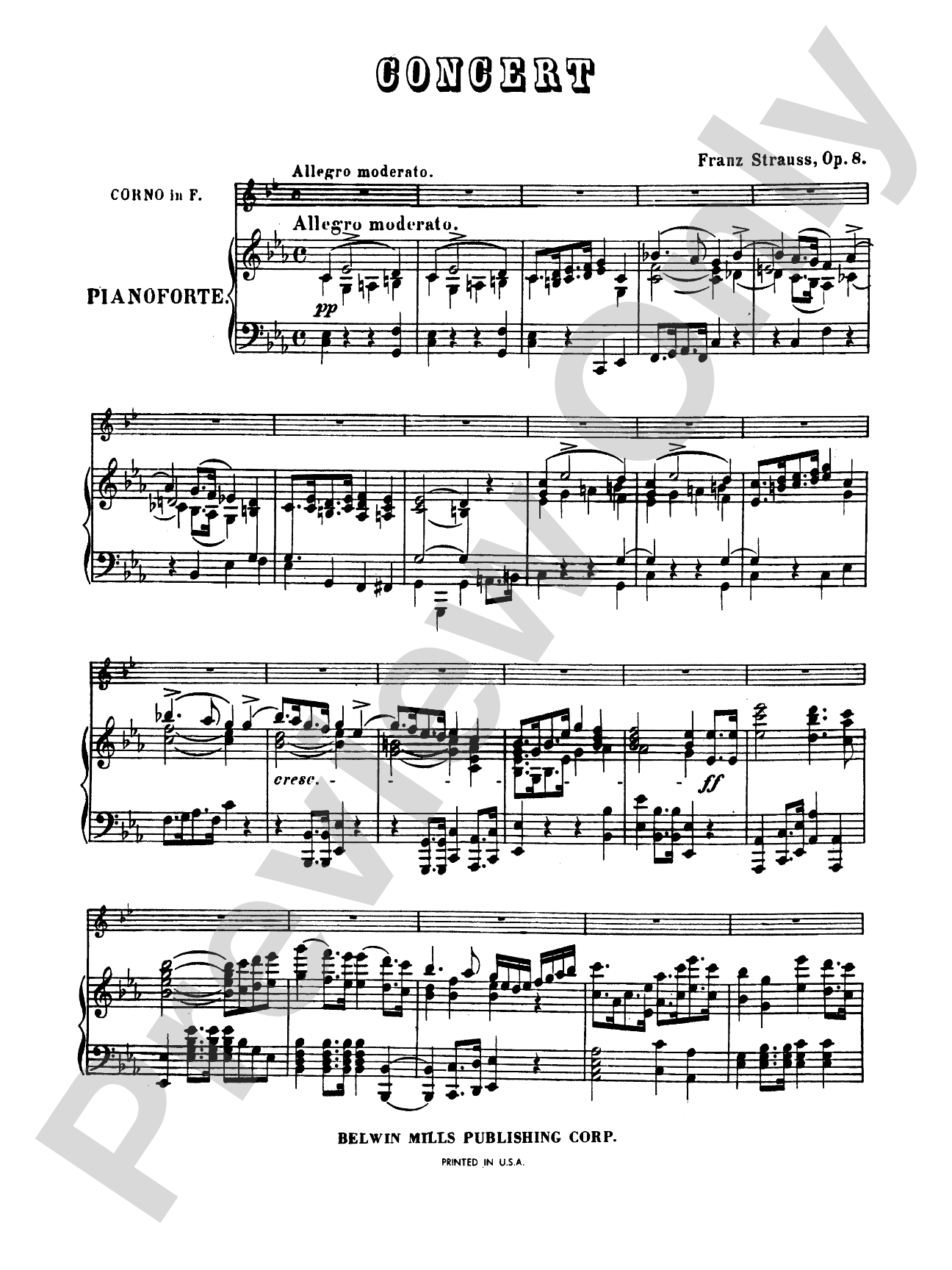
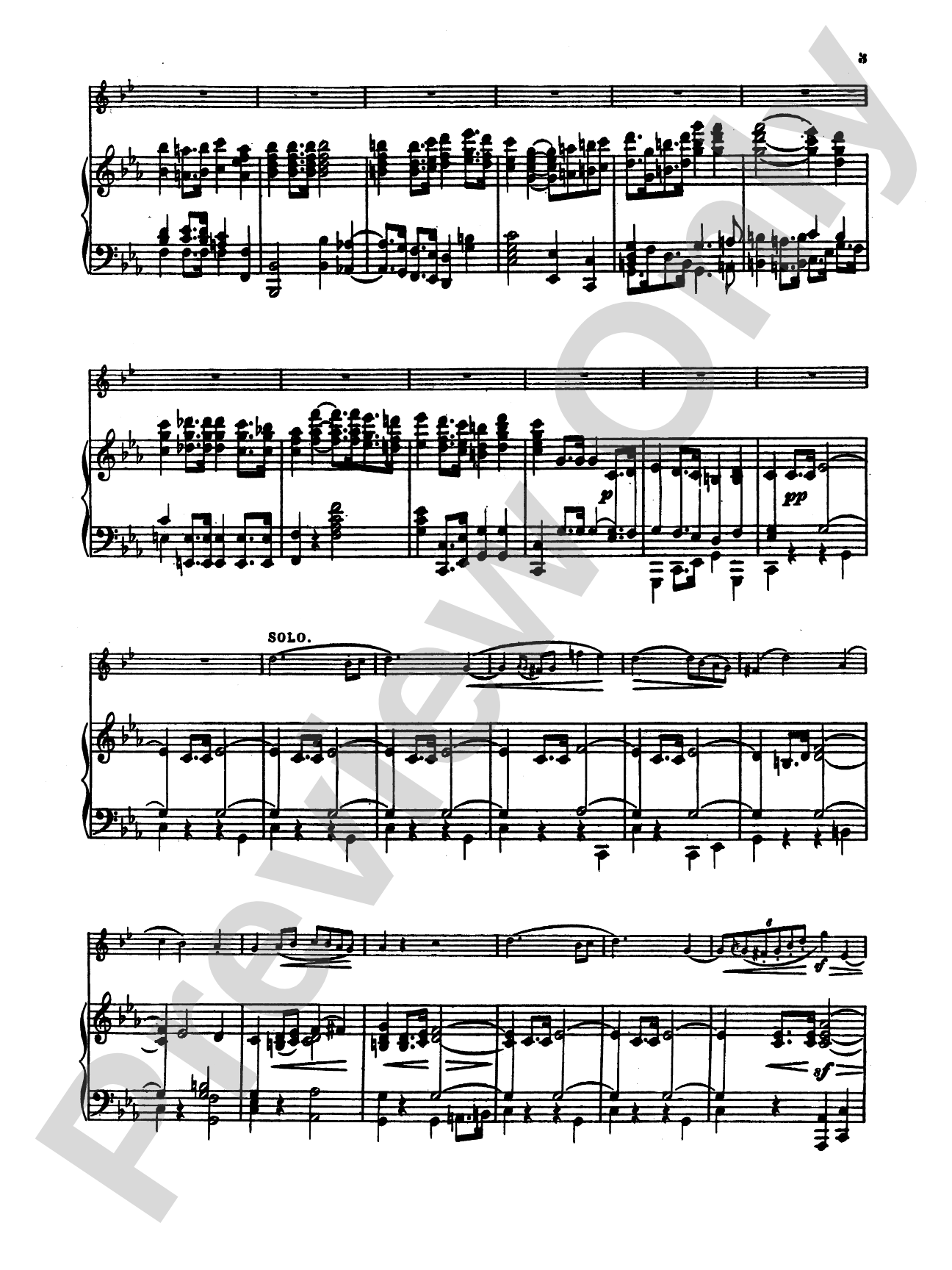
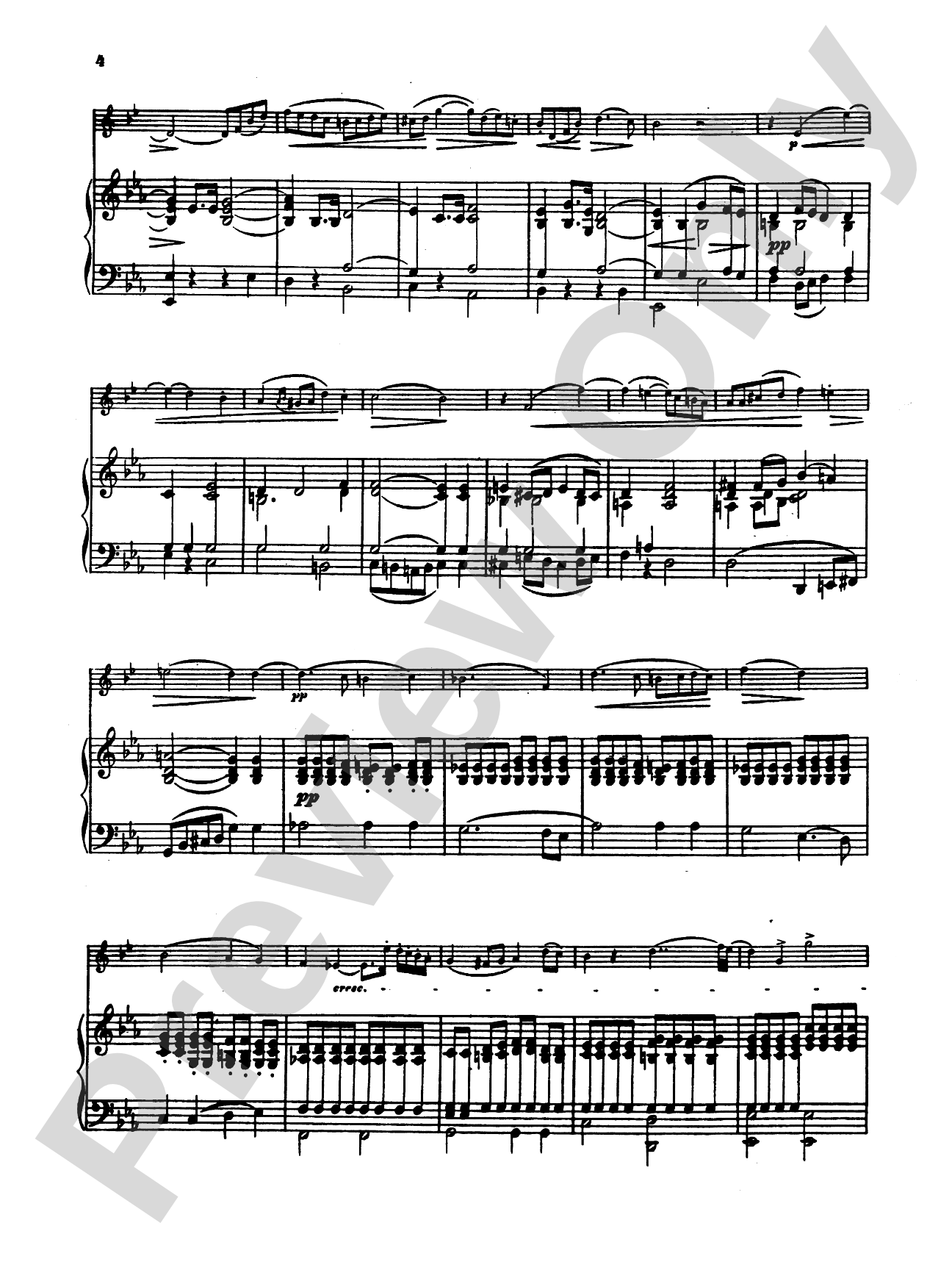
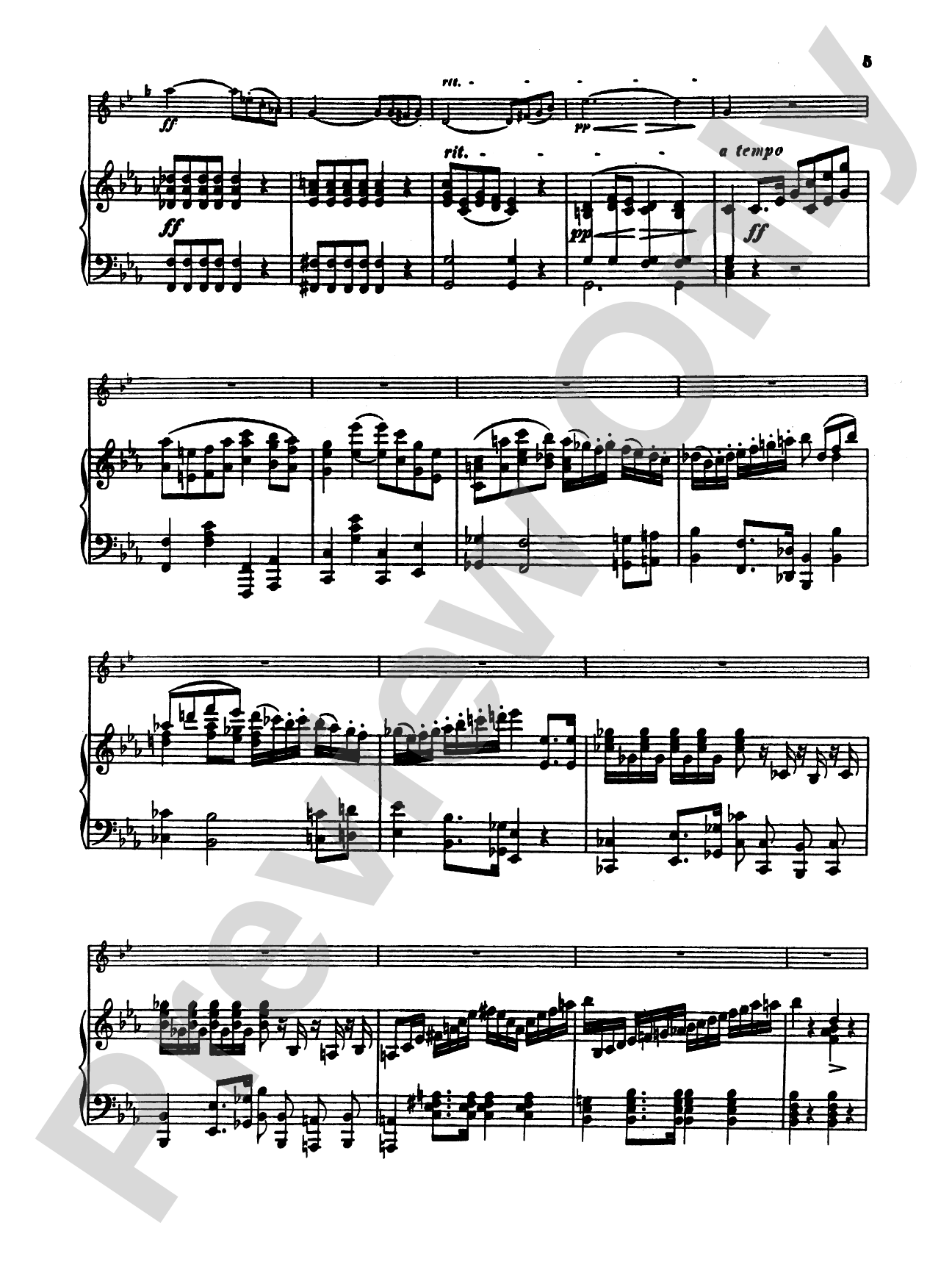
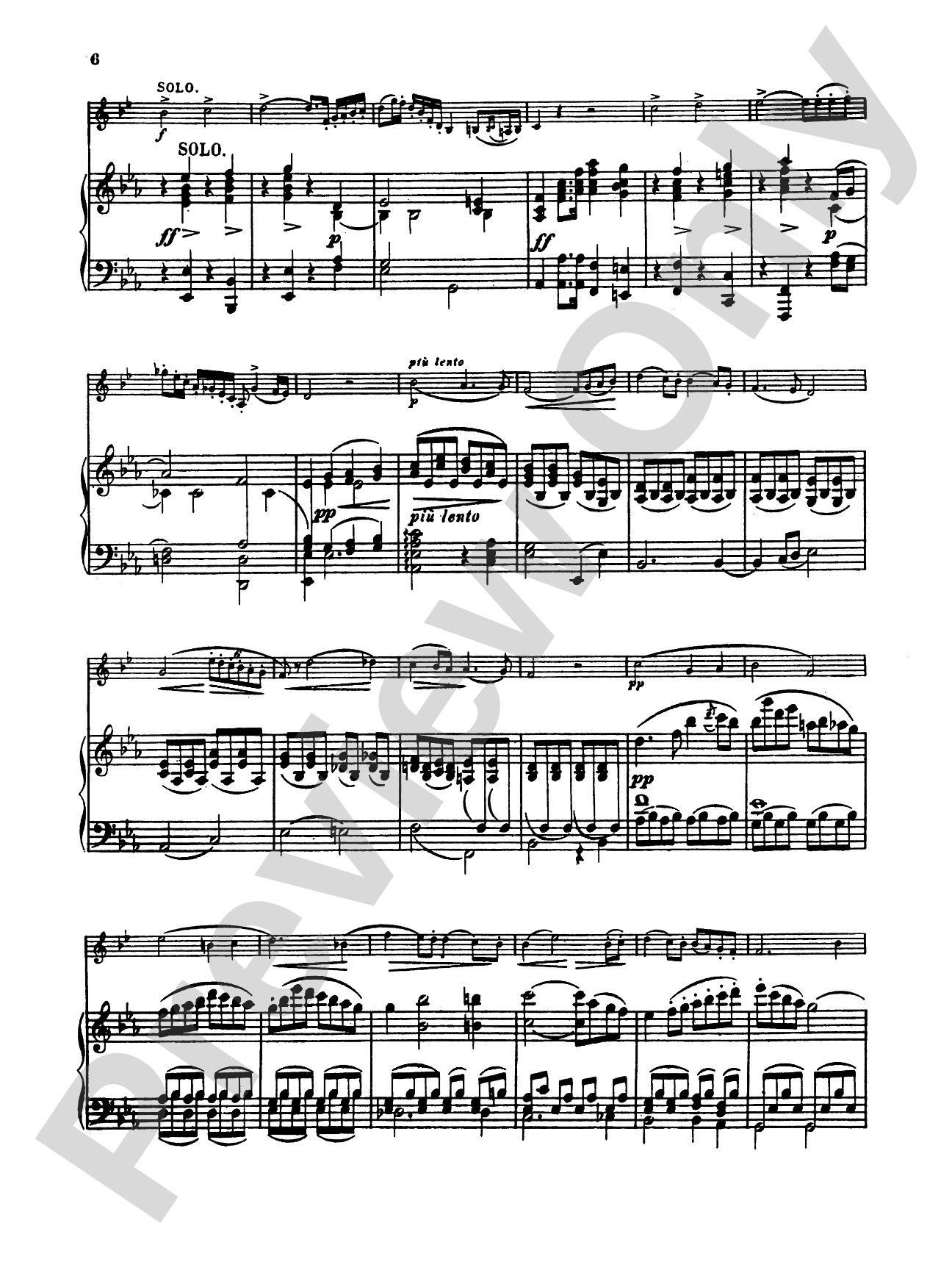
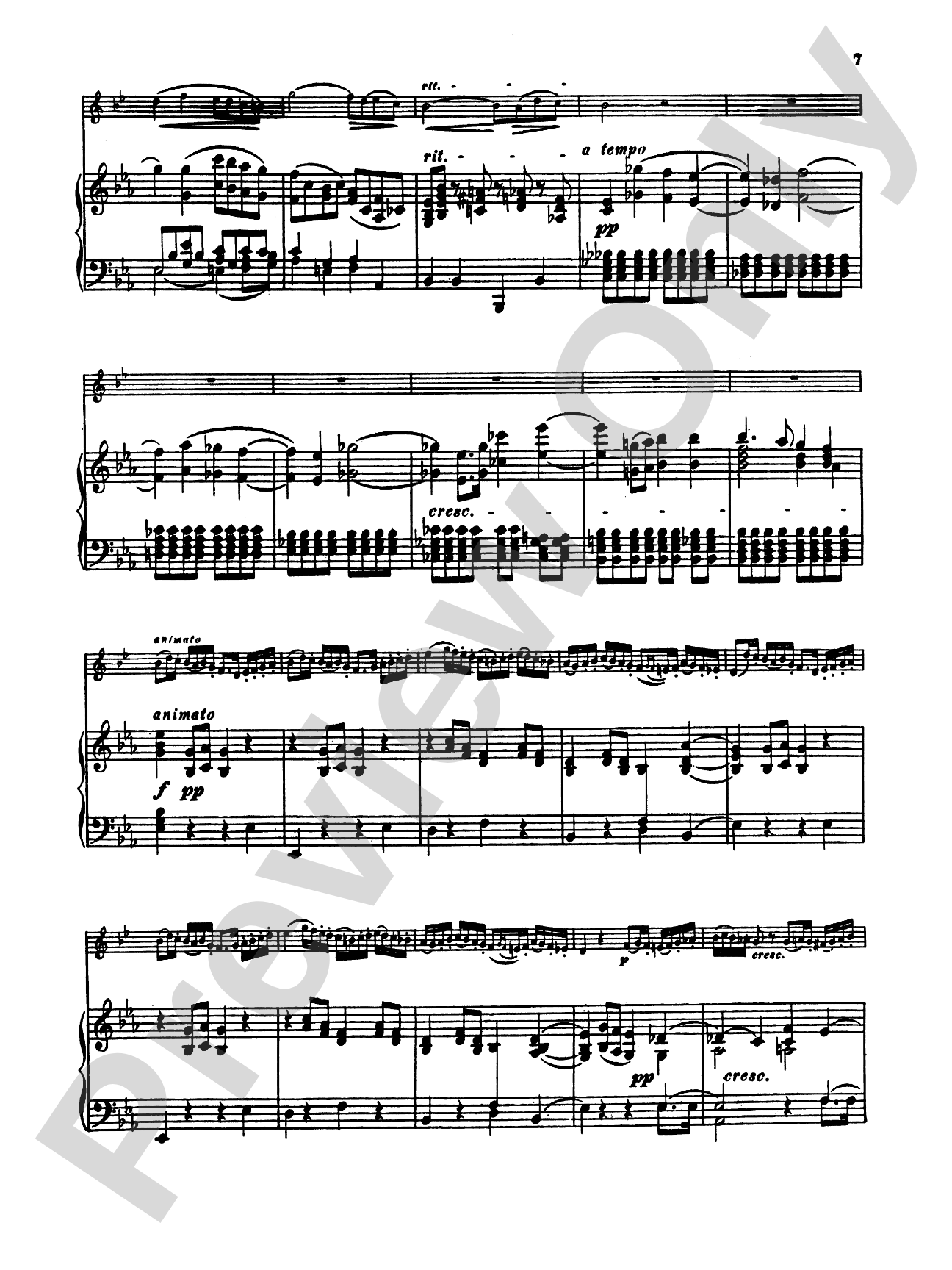
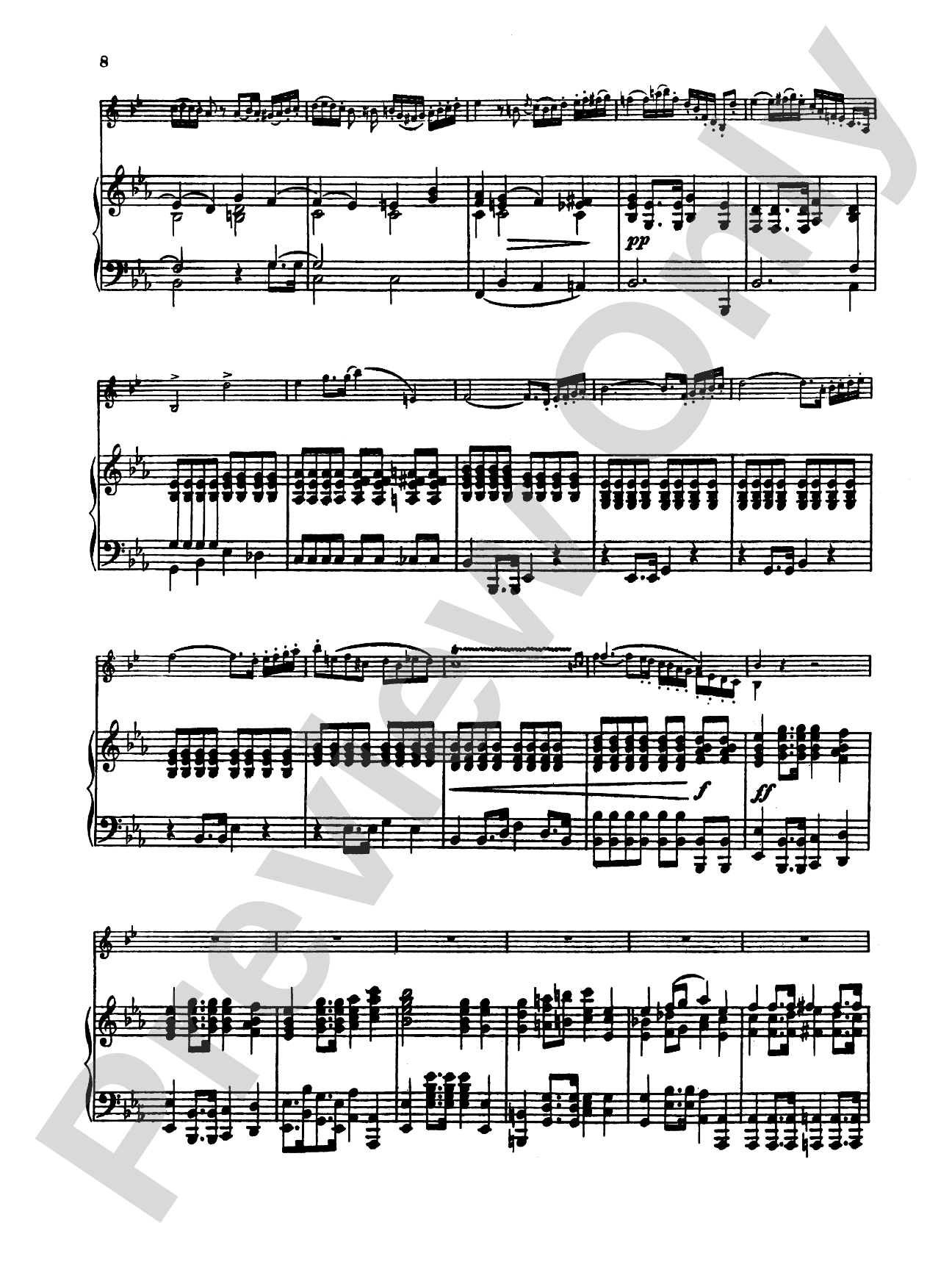
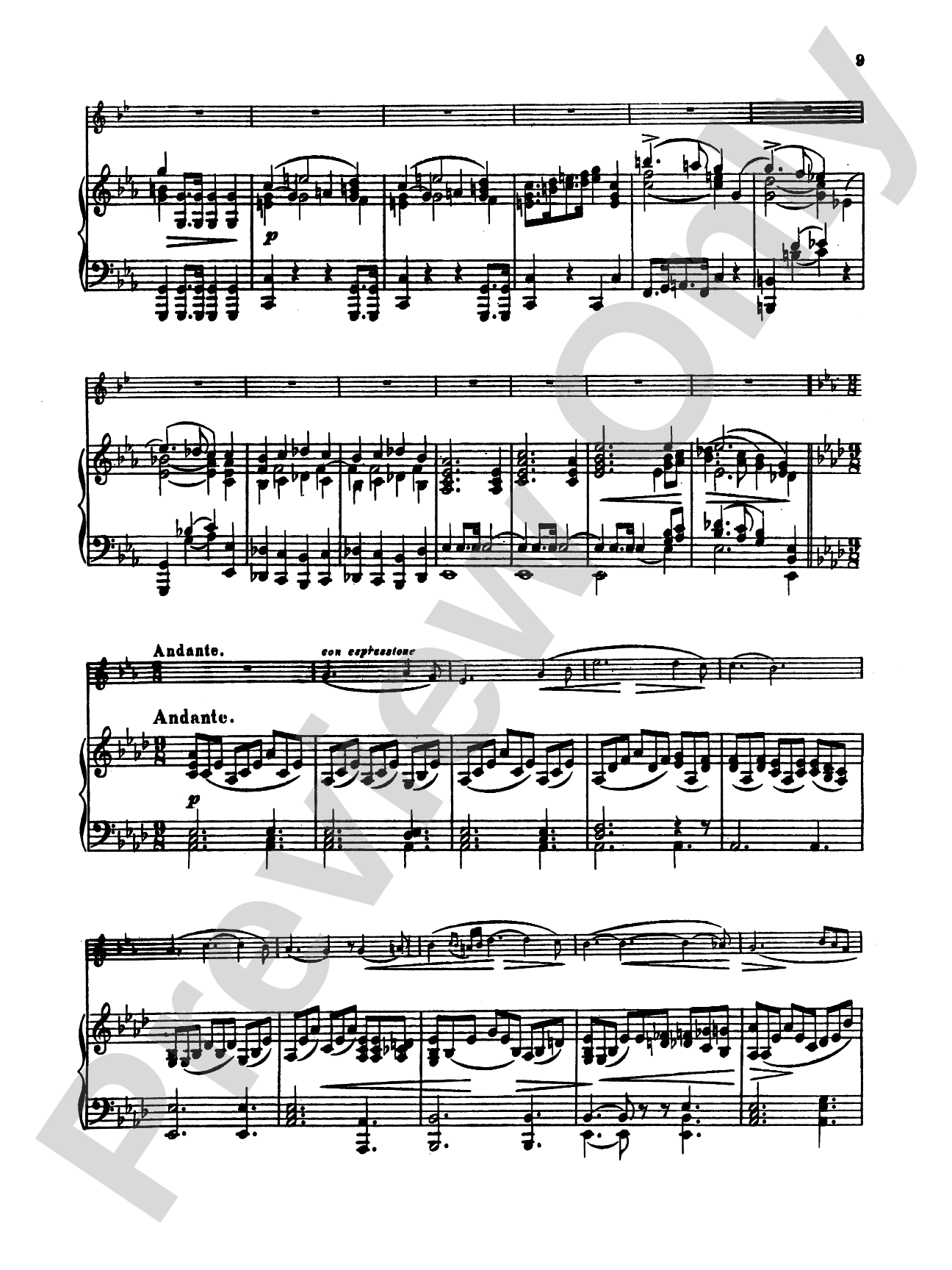
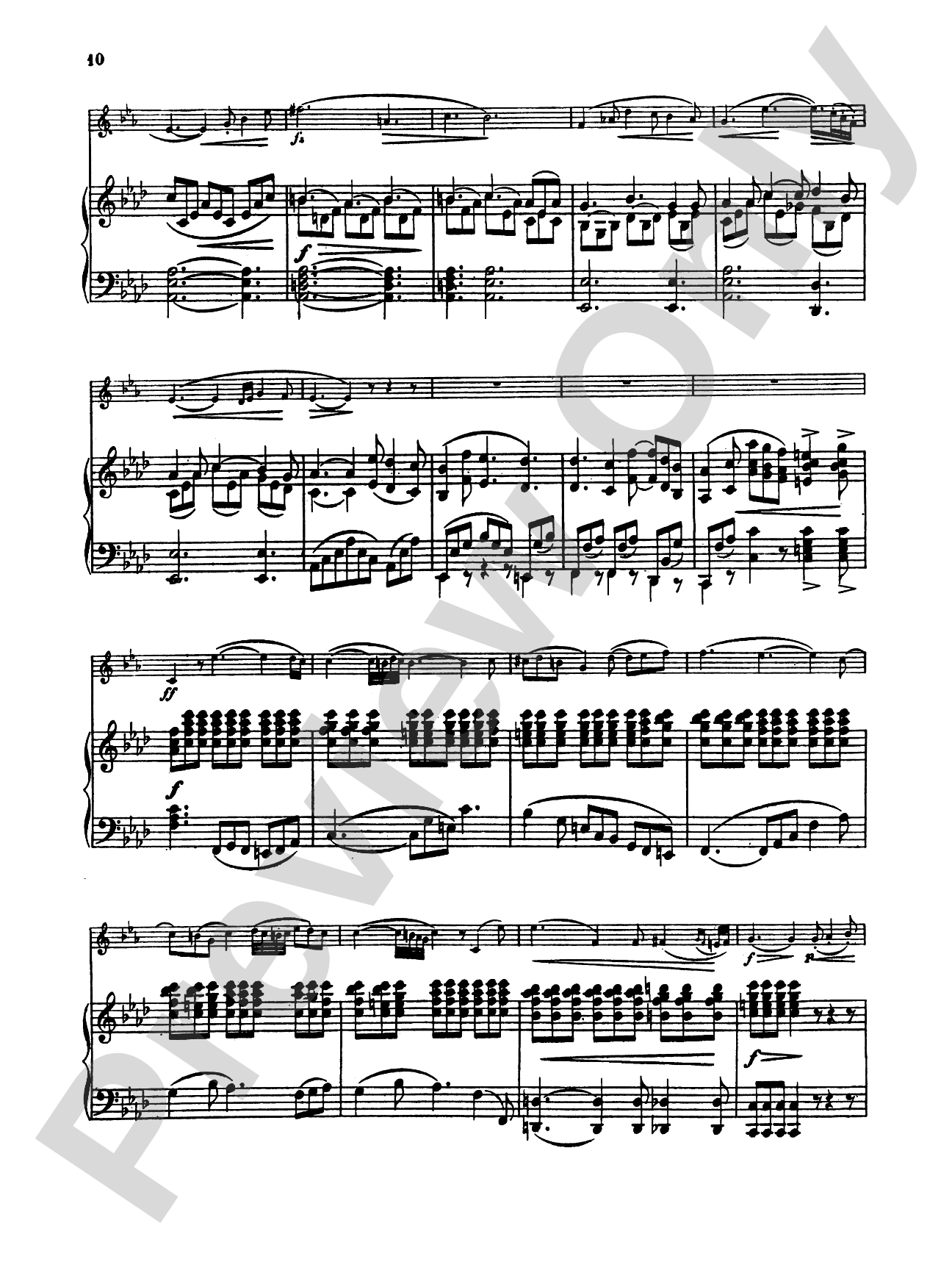
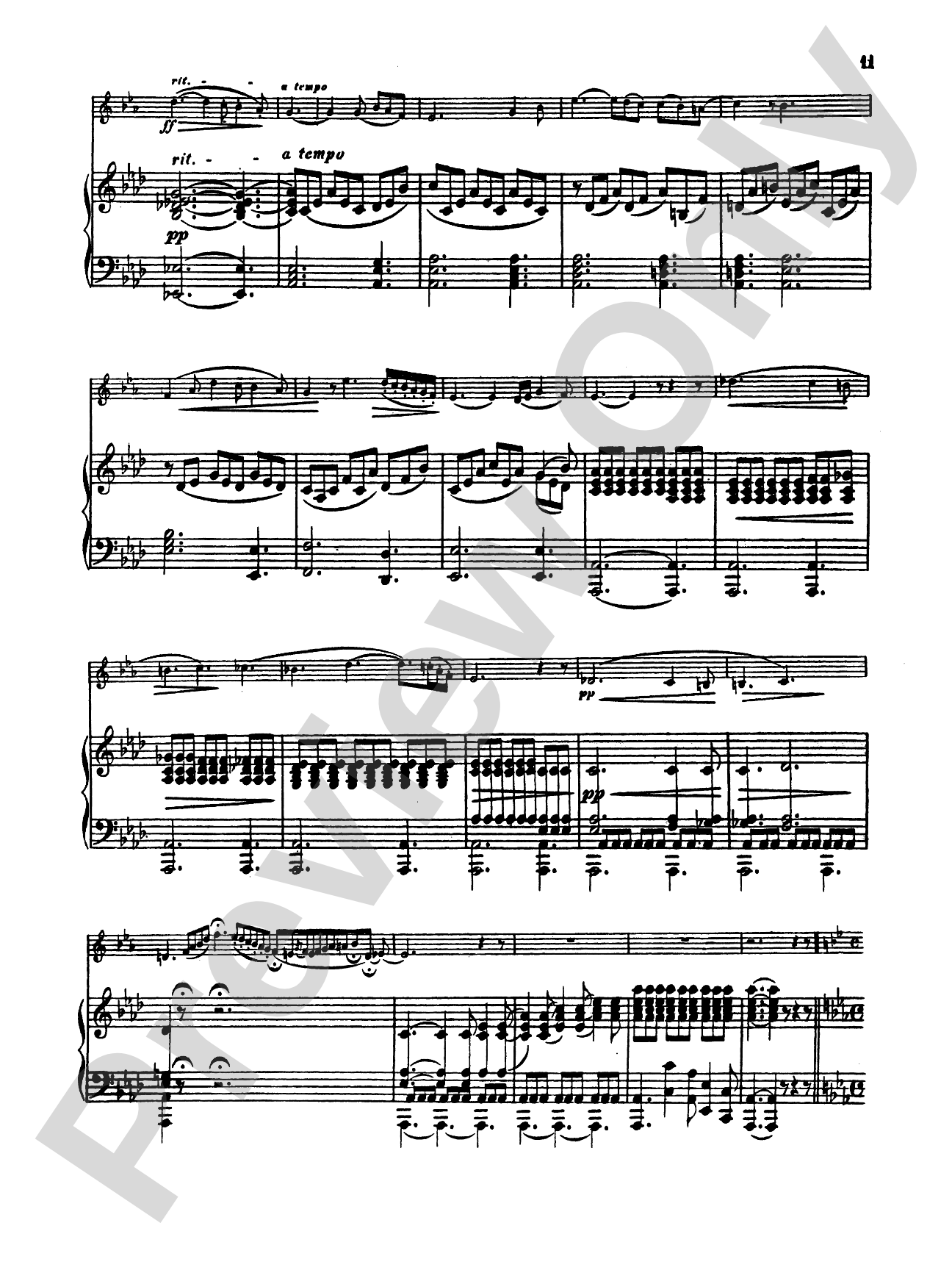
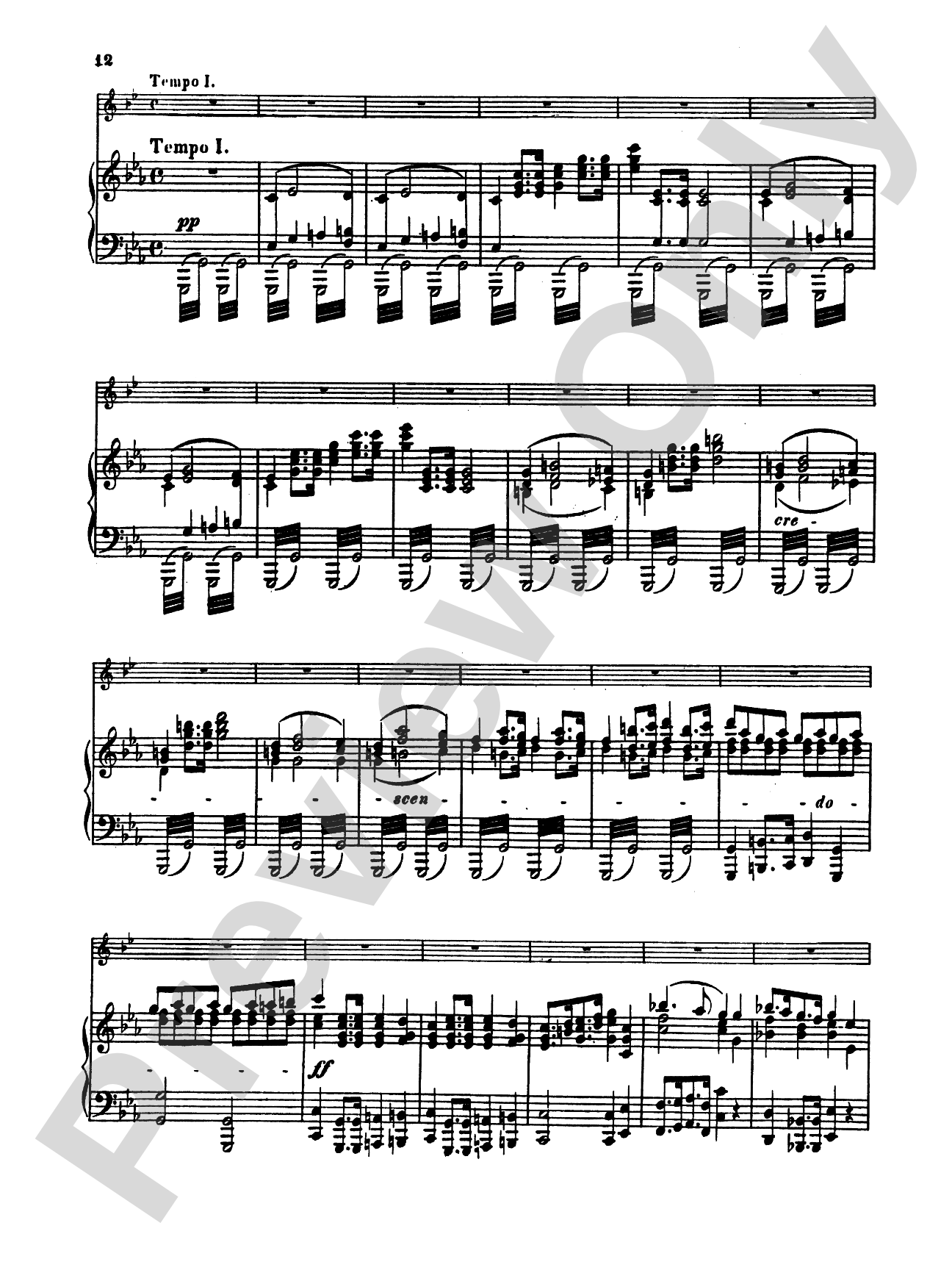
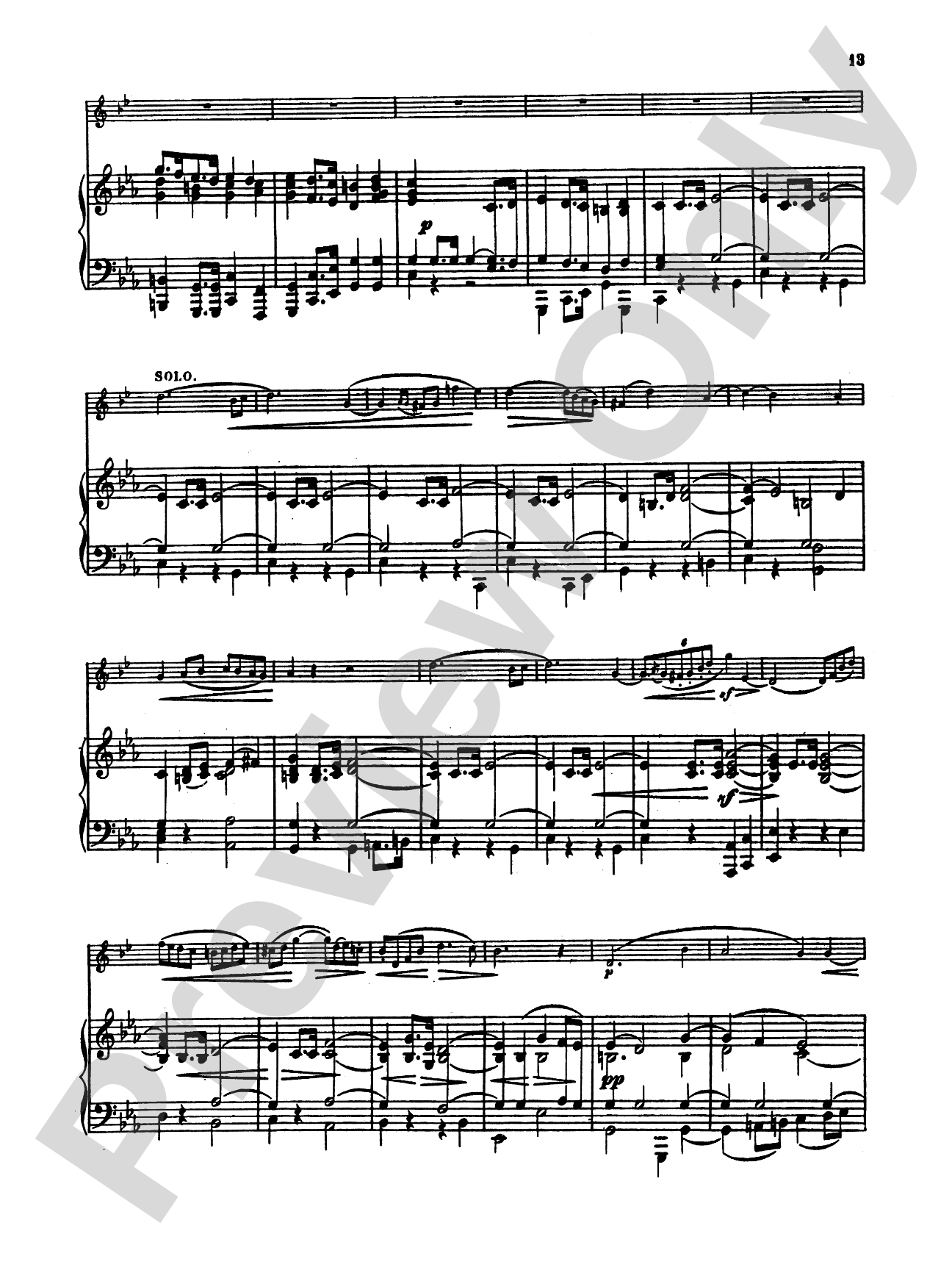
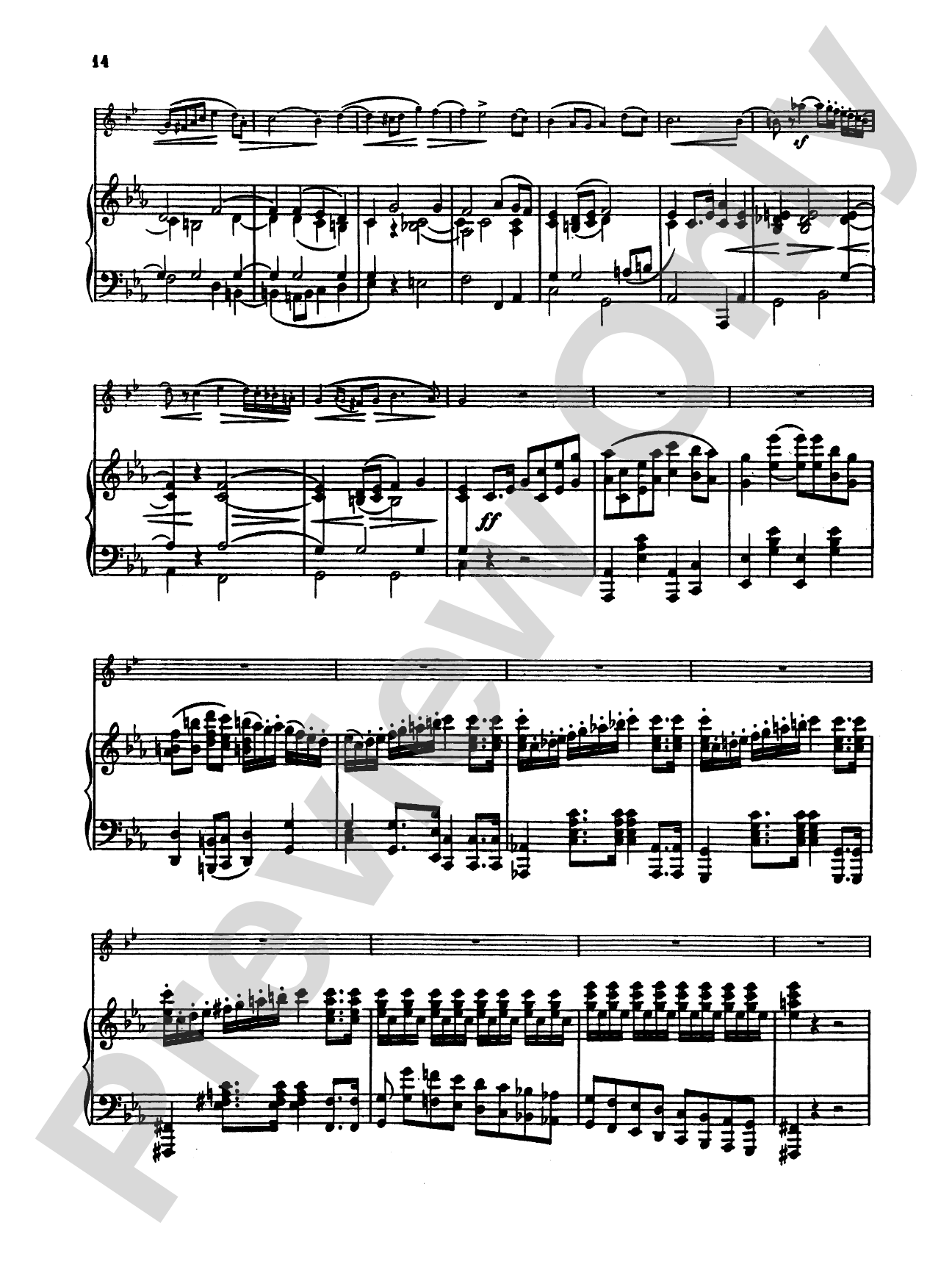
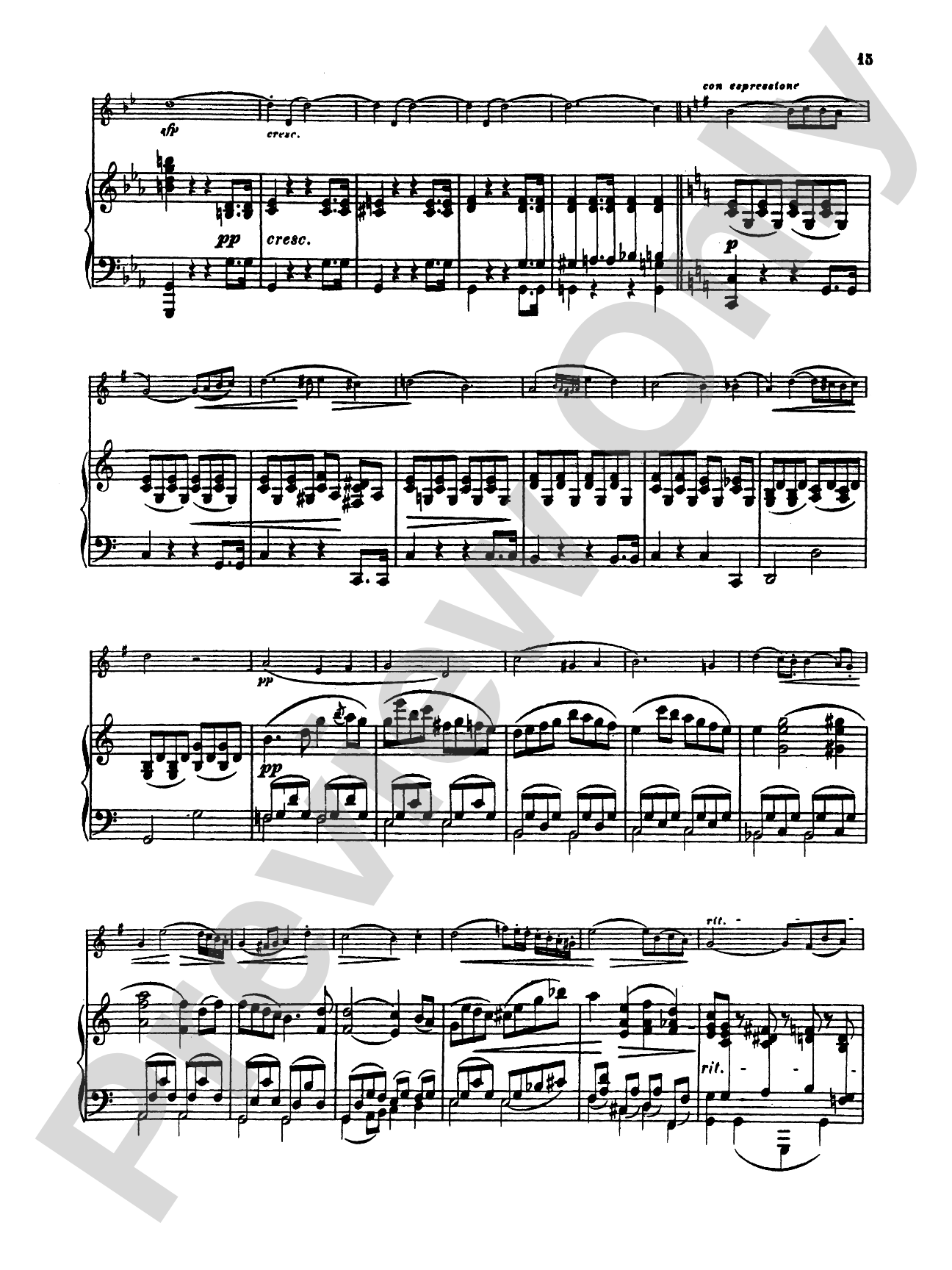
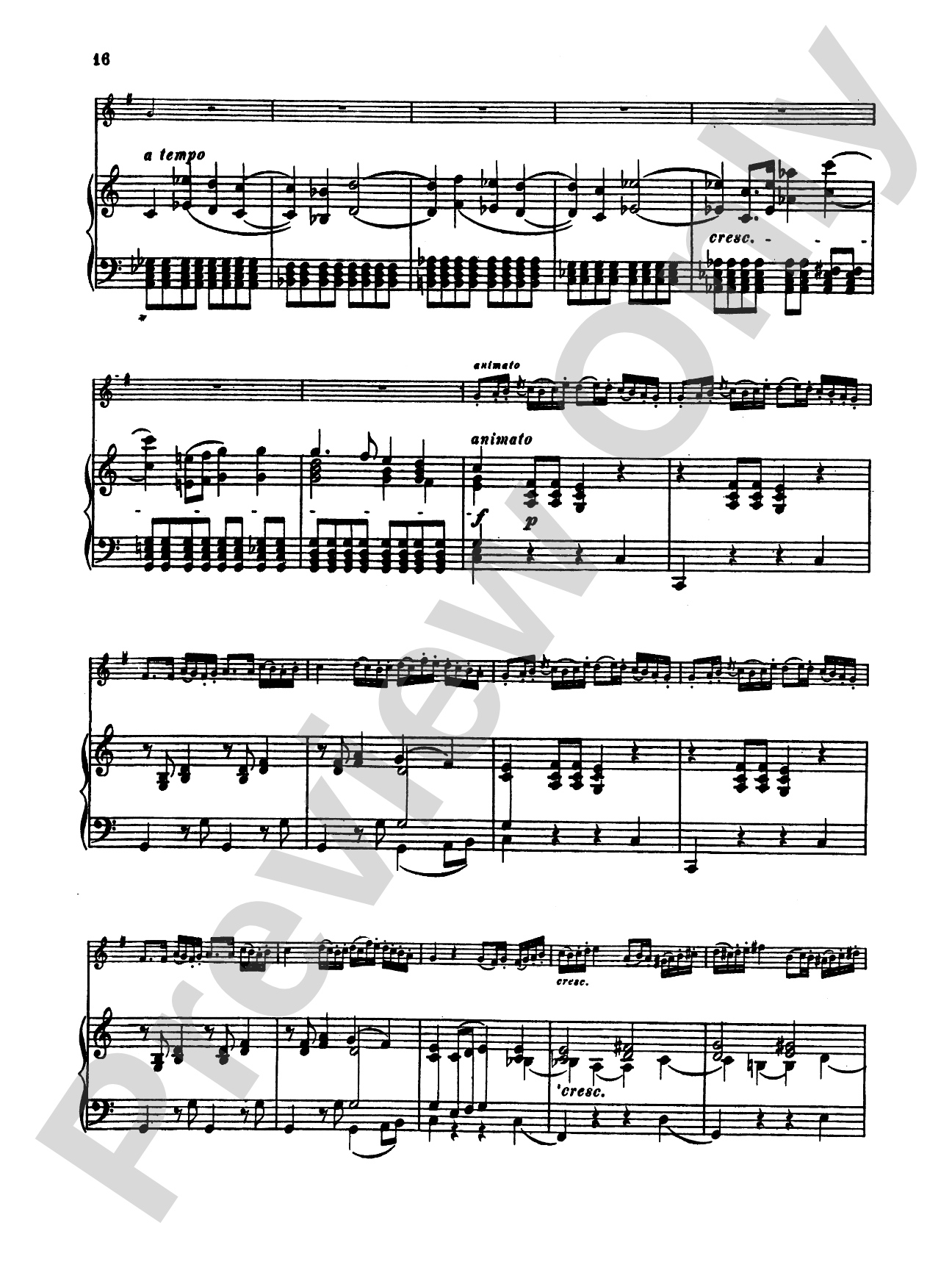
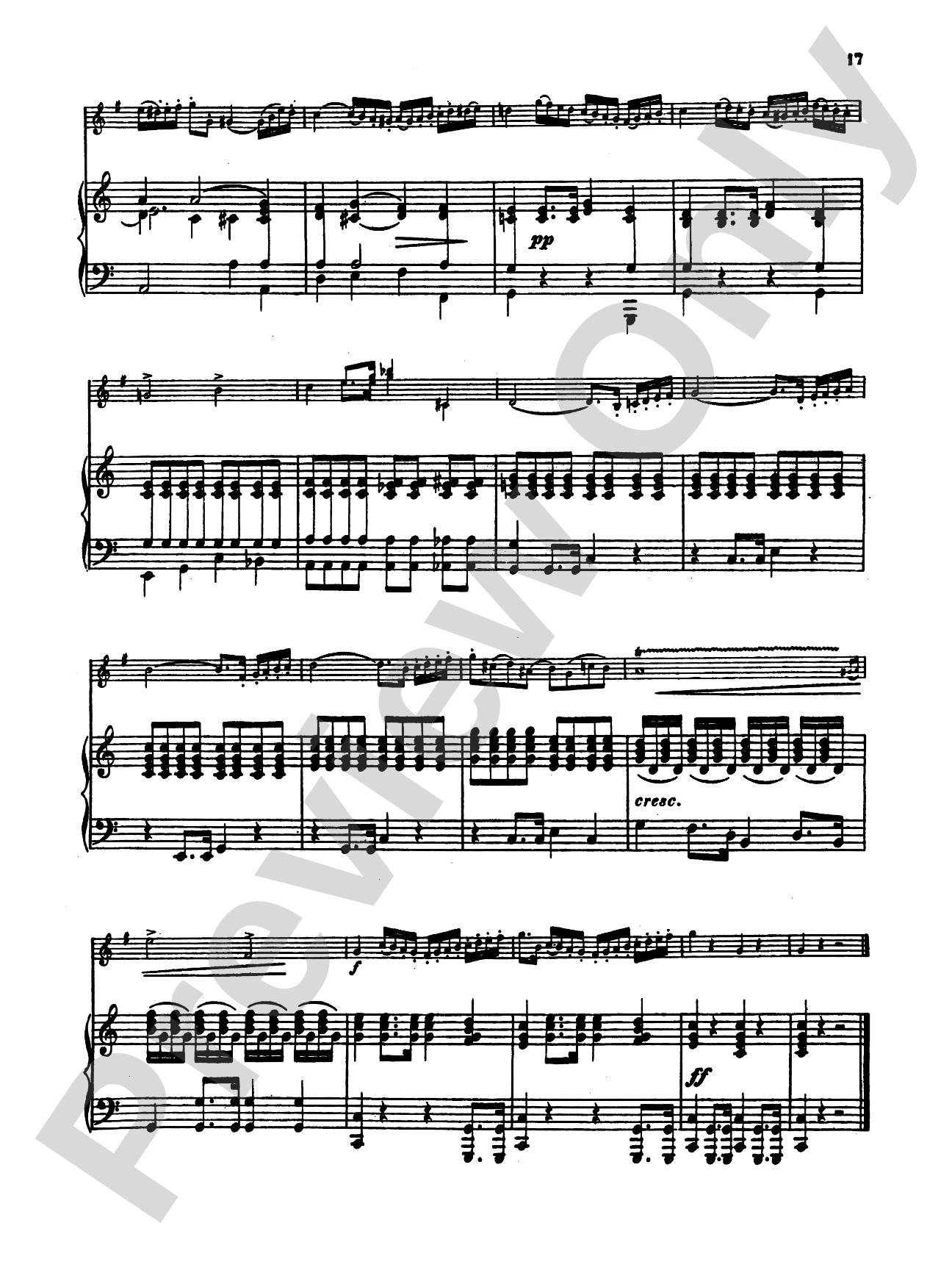




Strauss: Concerto in C Minor, Op. 8: French Horn Part(s)
By Franz Strauss
Item: 00-PK-0003862

$7.99
Pickup currently not available
Buy Extra Parts (Digital PDF Download)
| Product | Price | Quantity |
|---|---|---|
| Strauss: Concerto in C Minor, Op. 8 | $6.99 |
Parts Added to Cart!
Related Items
Horn Concerto, Opus 8: French Horn Part(s) |
$7.95
|
View |
Description


Don't just read it, hear it, play along with it, and watch your students grow with it. In MakeMusic Cloud, Strauss: Concerto in C Minor, Op. 8: French Horn Part(s) comes alive with professional accompaniment, adjustable tempo, and built-in practice tools that turn solo practice into real progress.
Open in the Player
Jump straight in and assign it today.
Start Your Free Trial
Open this title and explore the full library in minutes.
Sample Audio
No sample audio found.
Sample Video
No sample videos found.
Additional Details
Series:
Kalmus Edition
Publisher:
Alfred Music
Page Count:
24
SKU:
00-PK-0003862
More about this title
About the Composer: Franz Strauss
Franz Strauss (1822, 1905) was a legendary horn virtuoso who shaped the instrument's repertoire during the Romantic era. As principal horn of the Bavarian State Opera and later a professor at the Munich Conservatory, he commanded respect as both performer and pedagogue, and his compositions for horn reflect intimate knowledge of the instrument's technical and expressive possibilities.
His Concerto in C Minor stands as one of the cornerstone works of the horn concerto literature. Written for an instrument he knew inside and out, it demands virtuosity without sacrificing lyricism, making it a standard reference point for serious horn players and a fixture at competitions and festivals worldwide.
Why we love this
This concerto demands and rewards serious musicianship. It sits comfortably in the sweet spot between technical showmanship and genuine musical substance, giving advanced players the chance to demonstrate control across a wide range while maintaining lyrical integrity. For contest preparation or recital programming, it remains unmatched at this level.
What to expect
The C Minor tonality lends a romantic introspection to the opening material, which unfolds with elegance and restraint before giving way to virtuosic passages that sparkle with technical brilliance. The work balances moments of intimate lyricism with sections of pure instrumental display, creating a satisfying arc that showcases both the horn's singing voice and its agility.
Who it's for
This concerto is designed for advanced hornists preparing for competition, auditions, or high-level recitals. It requires secure command of the entire range, solid articulation technique, and mature musical interpretation. This is a capstone piece for serious students or an excellent addition to the professional horn player's repertoire.
How to get the most out of it
- Balance technical passages against the lyrical material by resisting the urge to rush fast sections. The concerto's emotional weight depends on phrasing clarity even when the notes move quickly.
- Shape the opening theme with generous legit breath support; Strauss wrote this for a virtuoso with both stamina and refinement, not just speed.
- Pay close attention to dynamic markings in the cadenza passages. Strauss uses gradual crescendos and decrescendos to build intensity rather than sudden attacks.
- Coordinate carefully with the accompaniment (if using recorded or live piano) to lock the slower harmonic progressions in the middle section, where rubato can easily fall apart.
How to use it
This concerto works beautifully as a centerpiece for a horn recital or as a contest selection where a standard classical form serves the judging criteria. It pairs well with smaller chamber works or other Romantic-era brass literature, and its 24-page length makes it a substantial but not overwhelming solo choice for concert programming.
Skills your students will build
- Control of range extension and secure high passages
- Sustaining lyrical phrasing across longer melodic lines
- Fast articulation with clarity in virtuosic passages
- Dynamic shaping and expressive phrasing in classical concerto form
- Secure intonation in romantic harmony and chromatic voice leading
- Stamina and consistency across a demanding full-length work