
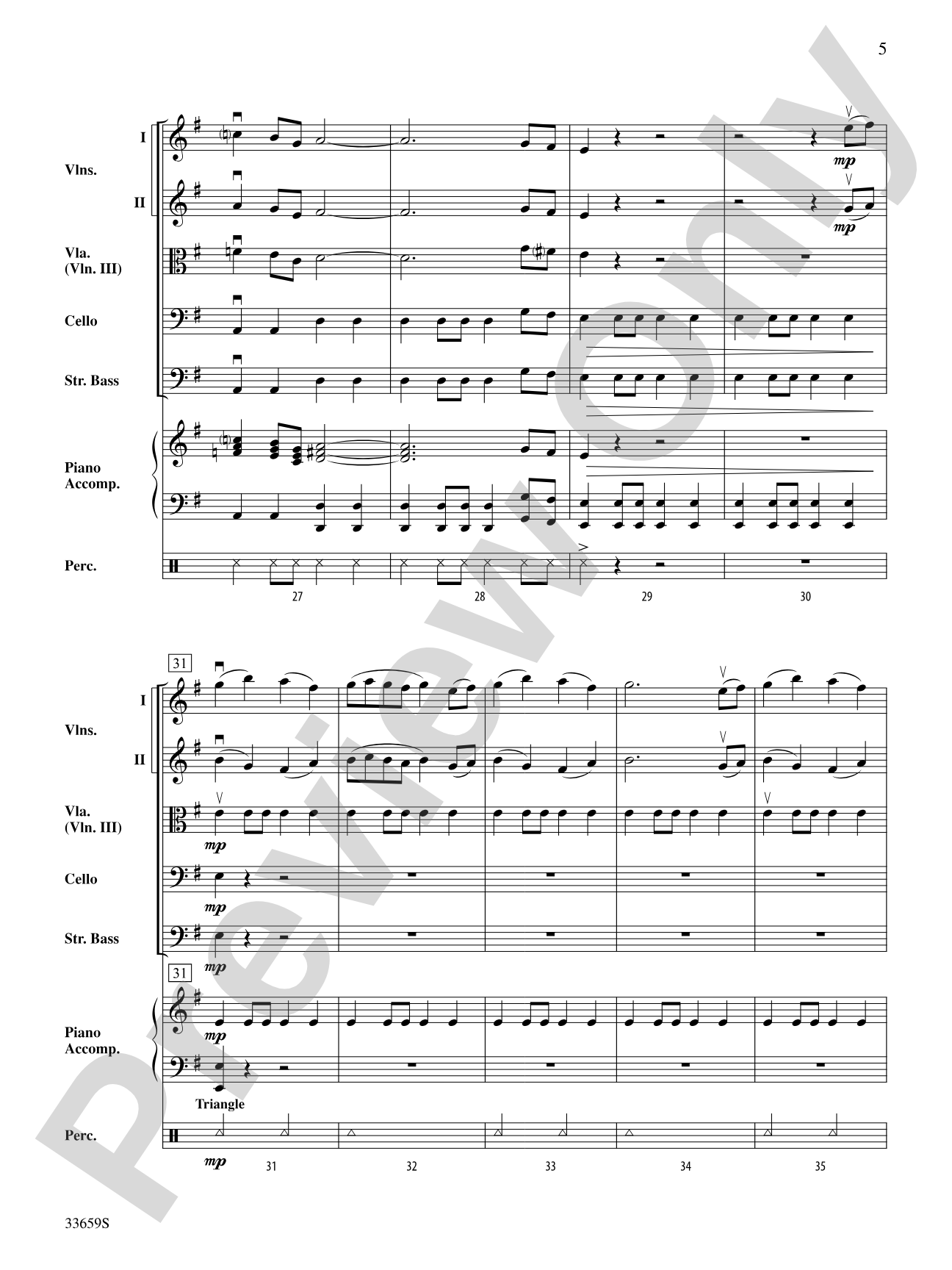
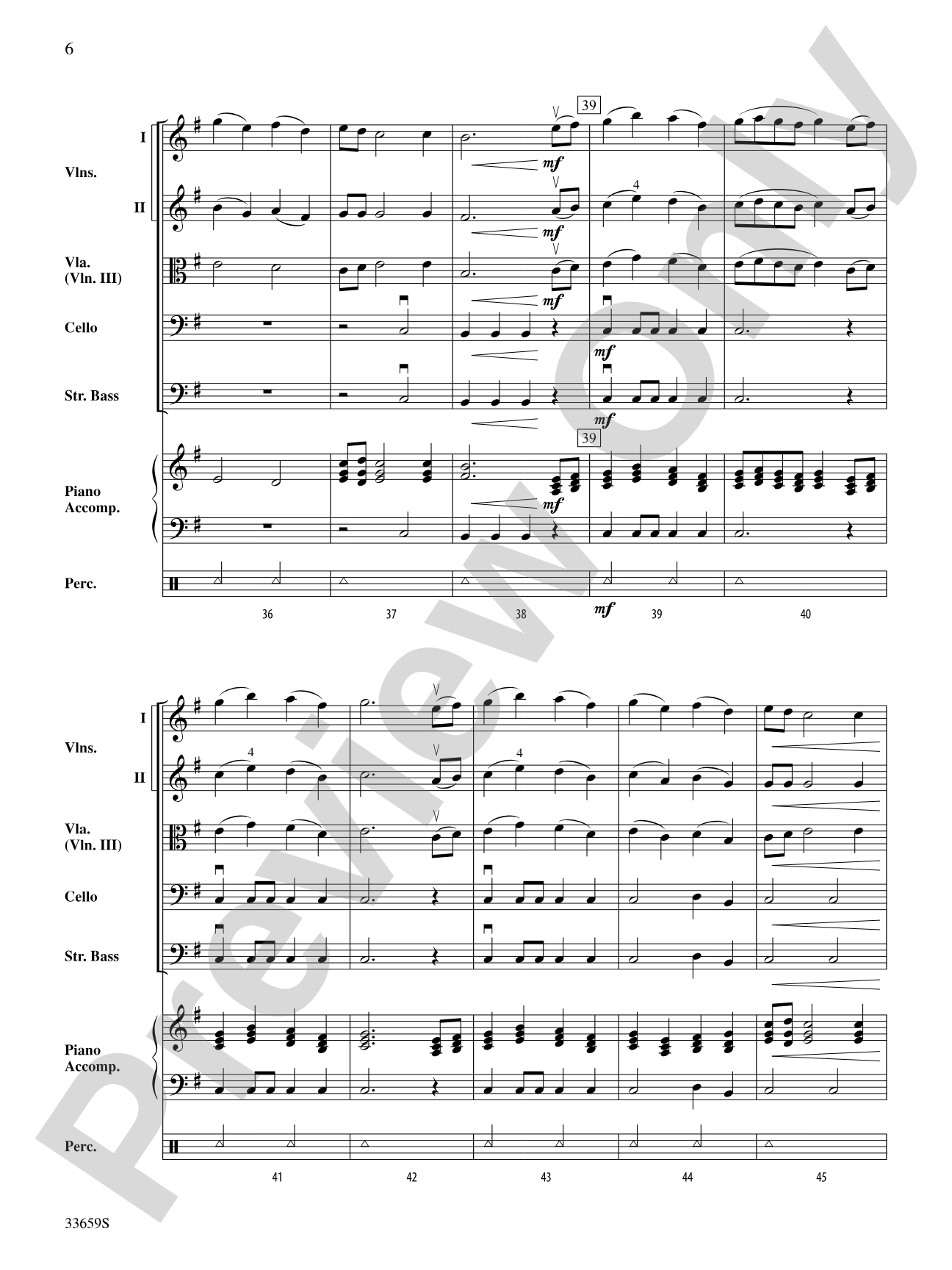
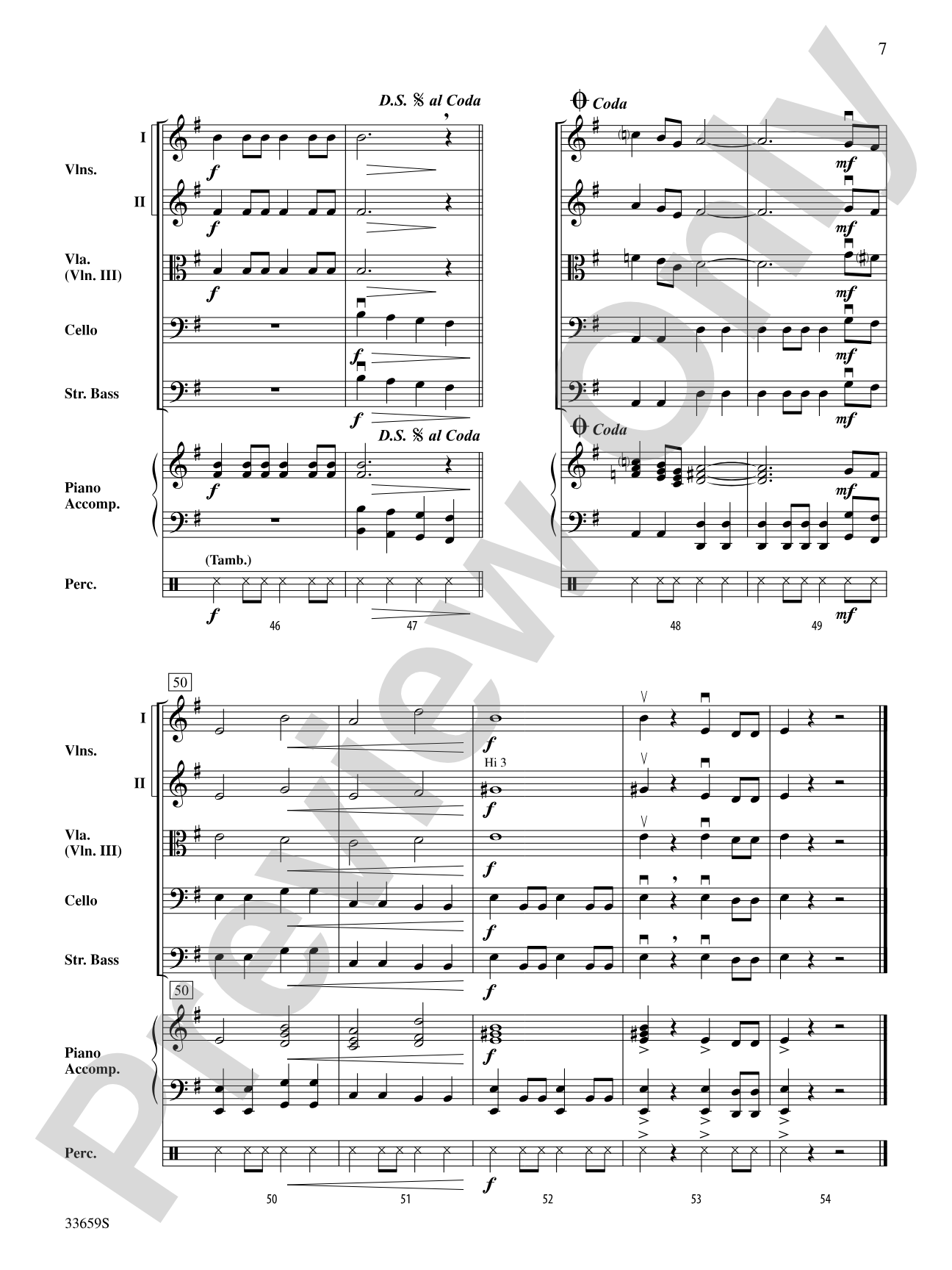


Stonehenge: String Orchestra Conductor Score & Parts
By Michael Story
Grade: 2
Item: 00-PK-0004156

$40.00
Pickup currently not available
Buy Extra Parts (Digital PDF Download)
| Product | Price | Quantity |
|---|---|---|
| Stonehenge: Score | $6.00 | |
| Stonehenge: 1st Violin | $5.99 | |
| Stonehenge: 2nd Violin | $5.99 | |
| Stonehenge: 3rd Violin (Viola [TC]) | $5.99 | |
| Stonehenge: Viola | $5.99 | |
| Stonehenge: Cello | $5.99 | |
| Stonehenge: String Bass | $5.99 | |
| Stonehenge: 1st Percussion | $5.99 | |
| Stonehenge: Piano Accompaniment | $5.99 |
Parts Added to Cart!
Related Items
Stonehenge: Concert Band Conductor Score & Parts |
$57.00
|
View | |
Stonehenge: Concert Band Conductor Score & Parts |
$57.00
|
View | |
Stonehenge: Concert Band Conductor Score |
$9.00
|
View | |
Stonehenge: String Orchestra Conductor Score & Parts |
$40.00
|
View | |
Stonehenge: String Orchestra Conductor Score |
$6.00
|
View |
Description
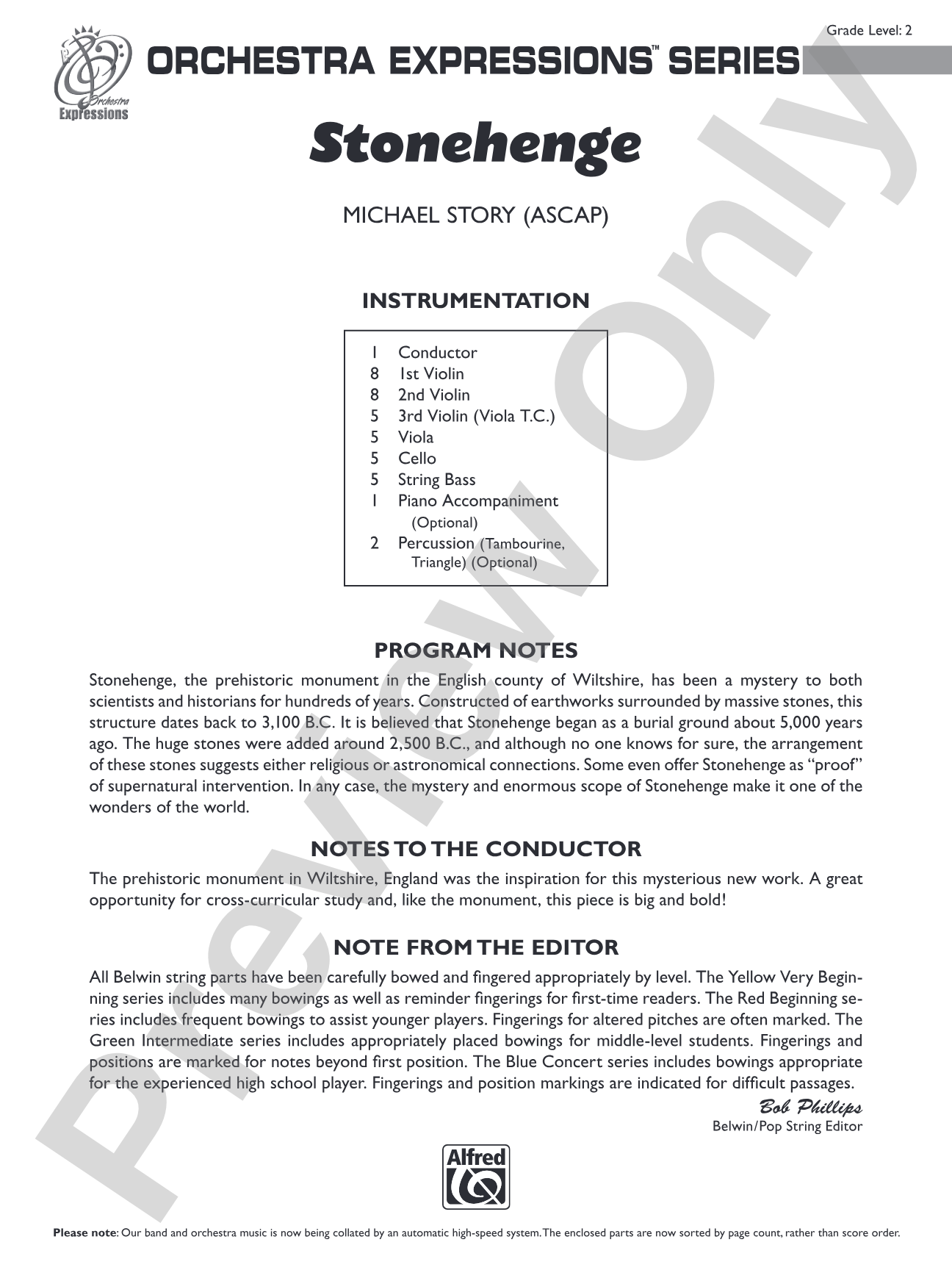
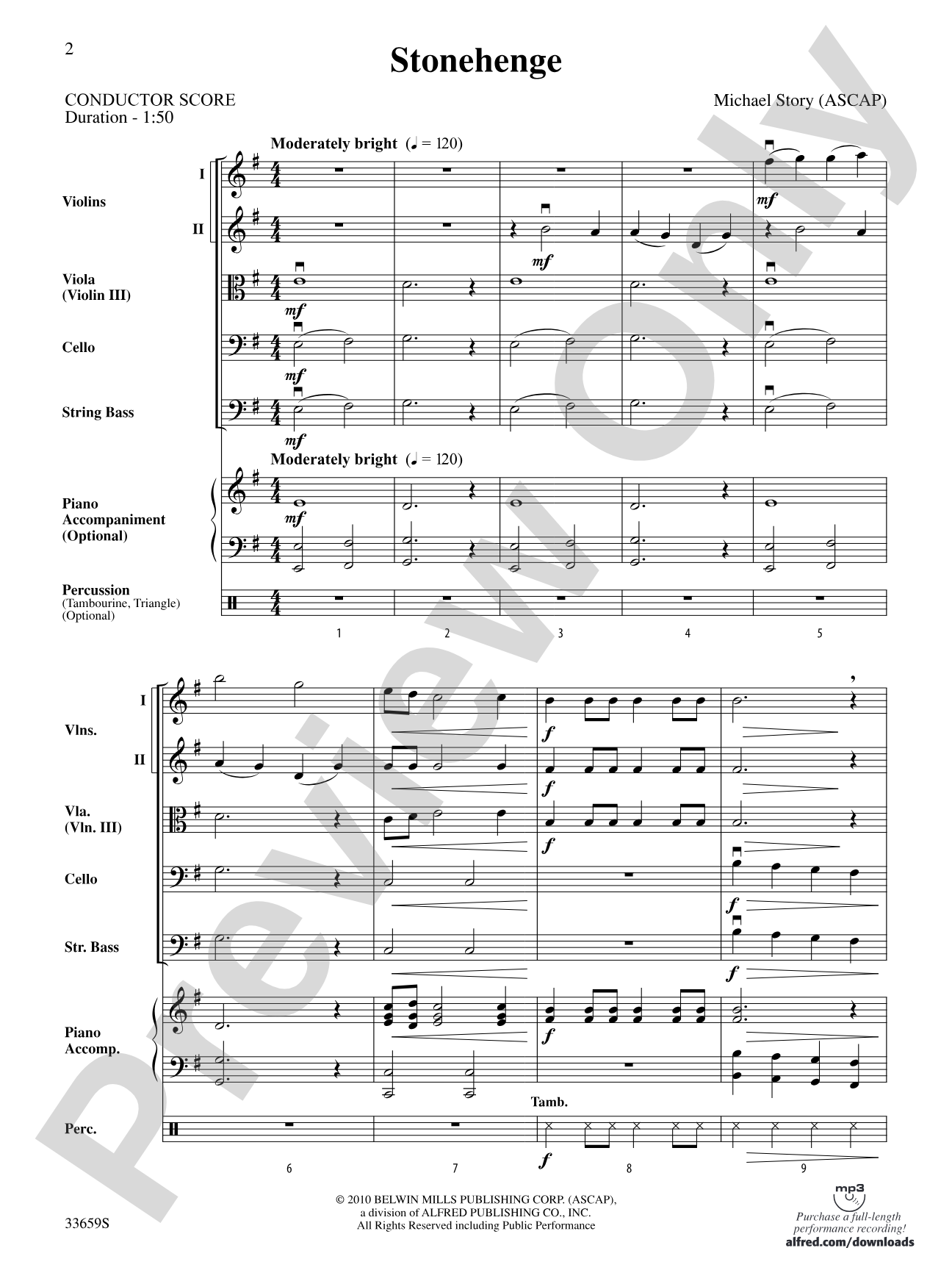
The prehistoric monument in Wiltshire, England was the inspiration for this mysterious new work. A great opportunity for cross-curricular study and, like the monument, this piece is big and bold!


Don't just read it, hear it, play along with it, and watch your students grow with it. In MakeMusic Cloud, Stonehenge: String Orchestra Conductor Score & Parts comes alive with professional accompaniment, adjustable tempo, and built-in practice tools that turn solo practice into real progress.
Open in the Player
Jump straight in and assign it today.
Start Your Free Trial
Open this title and explore the full library in minutes.
Sample Audio
1
Audio File
--:--
0:00
0:00
Sample Video
No sample videos found.
Additional Details
Series:
Orchestra Expressions
Publisher:
Alfred Music
Page Count:
80
SKU:
00-PK-0004156
More about this title
About the Composer: Michael Story
Michael Story is a prolific composer and arranger whose works span orchestral, band, and choral genres. His compositions for student ensembles balance musical substance with accessibility, earning him widespread adoption in school programs across North America. Story's gift for crafting engaging, character-filled pieces that engage young musicians has made him a staple of the Orchestra Expressions series.
Why we love this
Story captures the monumental, mysterious quality of Stonehenge without sacrificing clarity or accessibility at Grade 2. The piece offers genuine programmatic depth, making it ideal for directors seeking repertoire that invites students to think beyond the notes and connect music to history, archaeology, and culture. At this level, that combination of substantive storytelling and playable orchestration is rare.
What to expect
Stonehenge unfolds with an otherworldly, brooding character, as though you are standing among the ancient stones at twilight. The piece builds from mysterious, suspended textures into bold, monumental statements that echo the sheer scale and presence of the monument itself. There is an underlying sense of drama and discovery that keeps the listener engaged throughout.
Who it's for
String orchestra directors at the Grade 2 level who want to program something with programmatic substance and cross-curricular appeal. Orchestras preparing for concert or festival performance will find a piece that challenges ensemble balance and phrase shaping without overwhelming developing musicians. Students who respond to storytelling and historical context will engage with this work on multiple levels.
How to get the most out of it
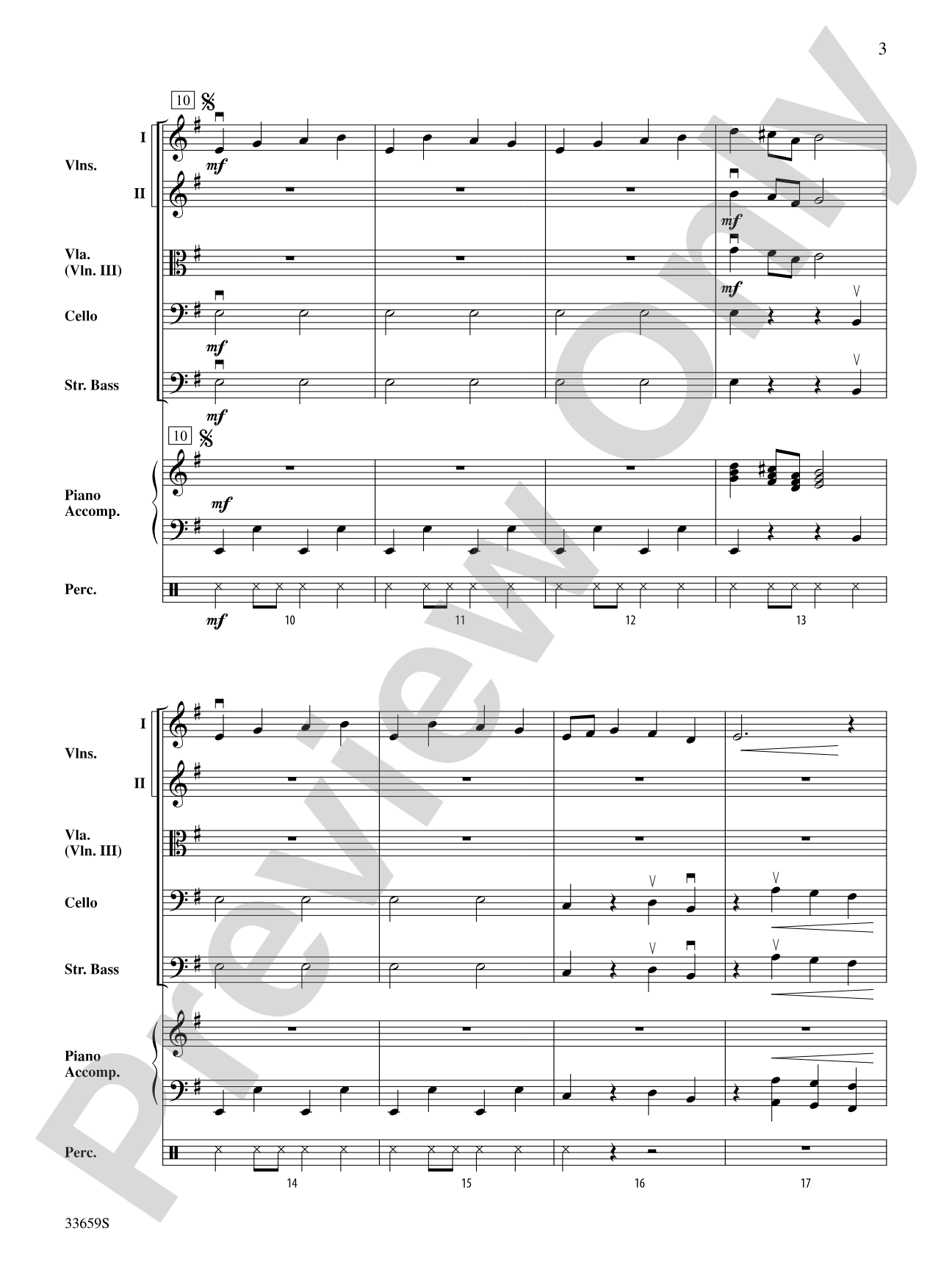
- Build the opening atmosphere deliberately by shaping phrase contours in the lower strings; let the sustained pitches breathe rather than locking into a metronomic pulse.
- Balance the ensemble texture so inner string voices remain audible; this piece relies on layered counterpoint to create its sense of scale, not volume alone.
- Treat the bold sections with confidence but avoid rushing; Grade 2 orchestras often need a conductor who guides them into bigger, bolder sound rather than letting it slip into strain.
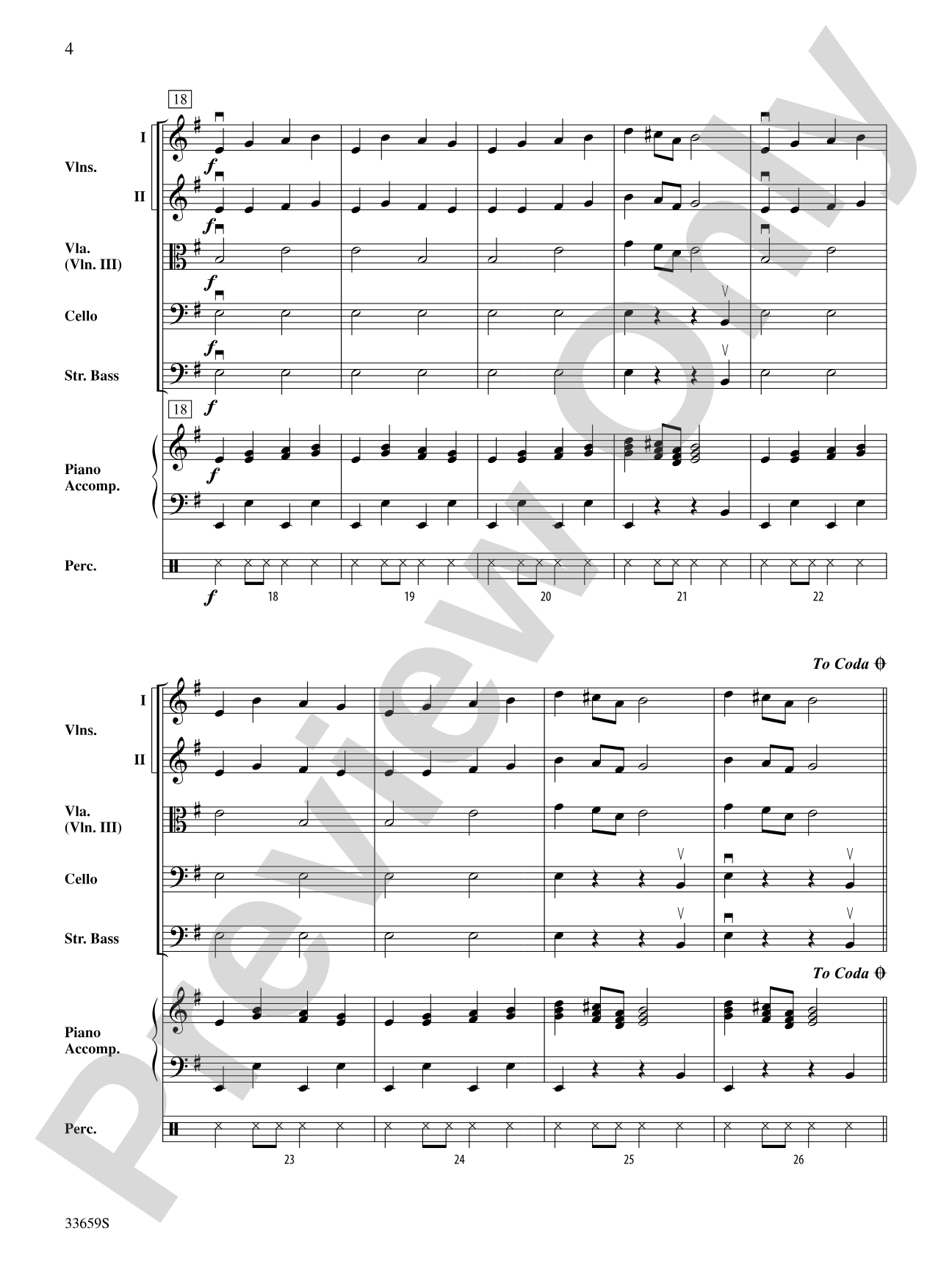
- Rehearse the transitions between sections carefully, especially the shift from mysterious to bold passages; clean cutoffs and clear entrances will sharpen the piece's dramatic arc.
How to use it
Open a concert with this piece to establish an imaginative, thematic tone for the season, especially if your program explores cultural or historical connections. It pairs naturally with other Grade 2-3 works in a way that builds programming variety without sudden jumps in difficulty. Consider pairing it with a discussion or visual presentation about Stonehenge to deepen students' investment in the music they are learning.
Skills your students will build
- Sustaining long tones with consistent tone quality and intonation
- Balancing ensemble texture when multiple lines are active simultaneously
- Shaping phrases and understanding how climax and resolution work in programmatic writing
- Executing clean, synchronized articulation changes between sustained and moving passages
- Responding to conductor cues that shape dramatic tension and pacing