

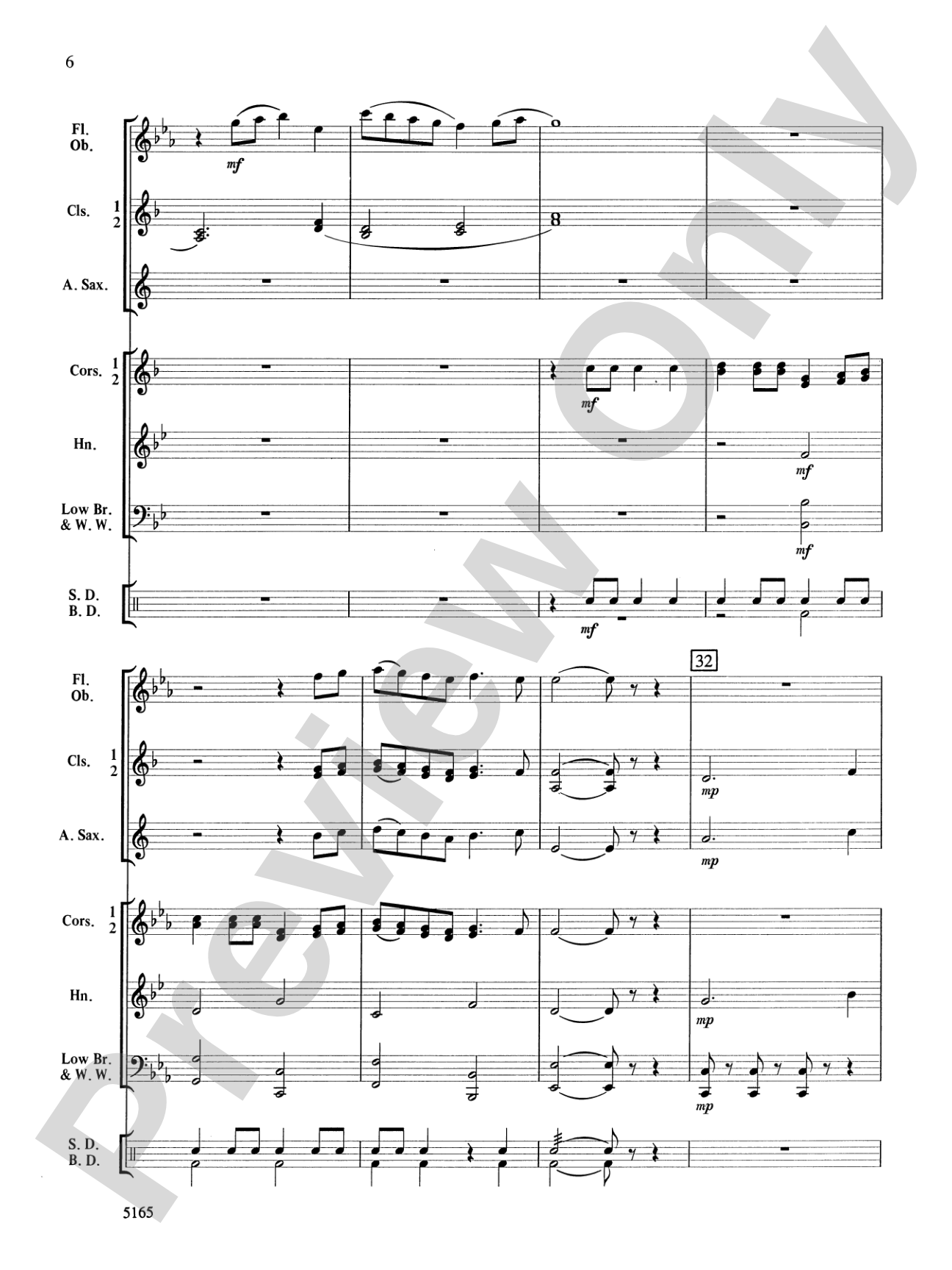
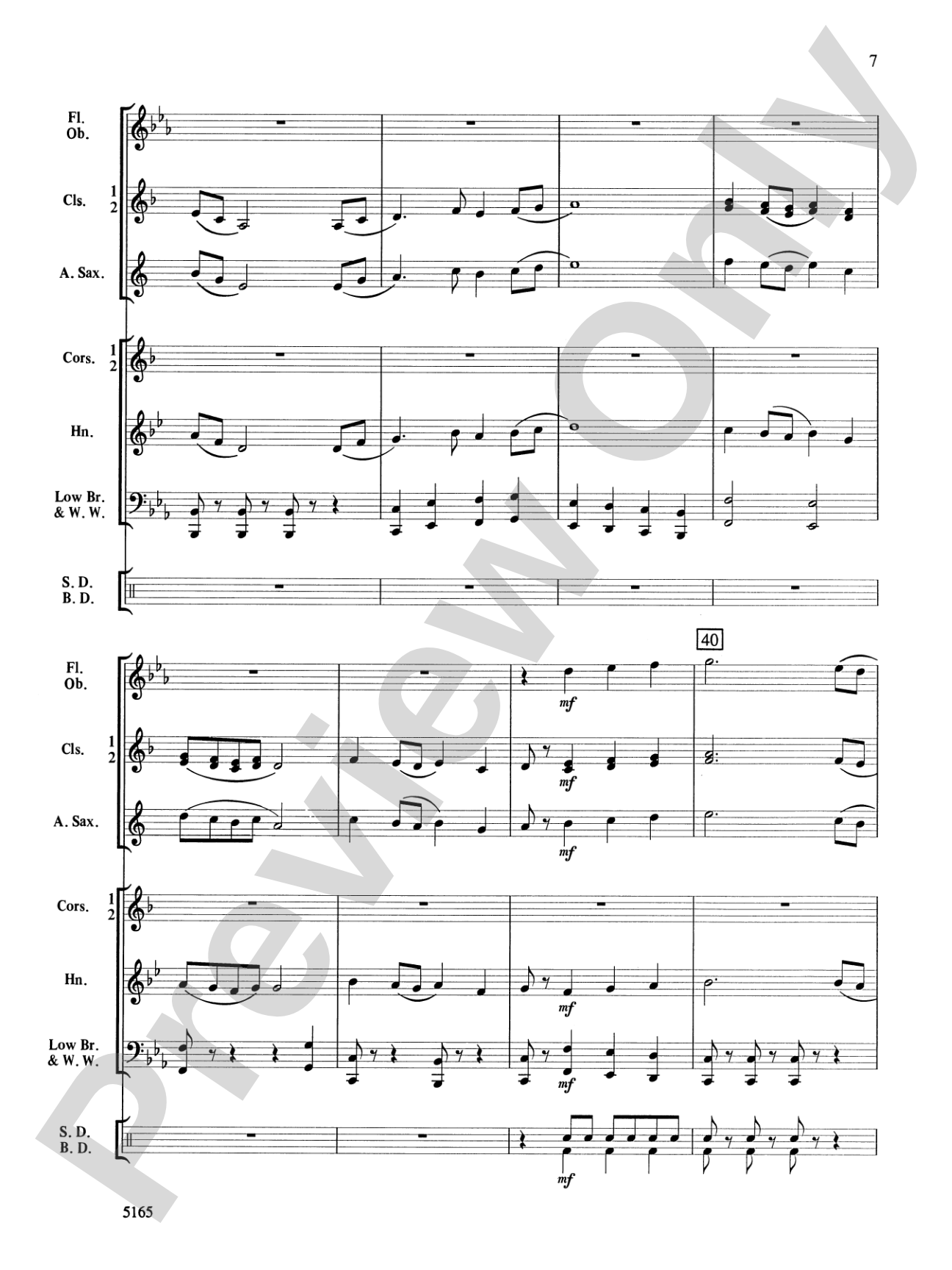
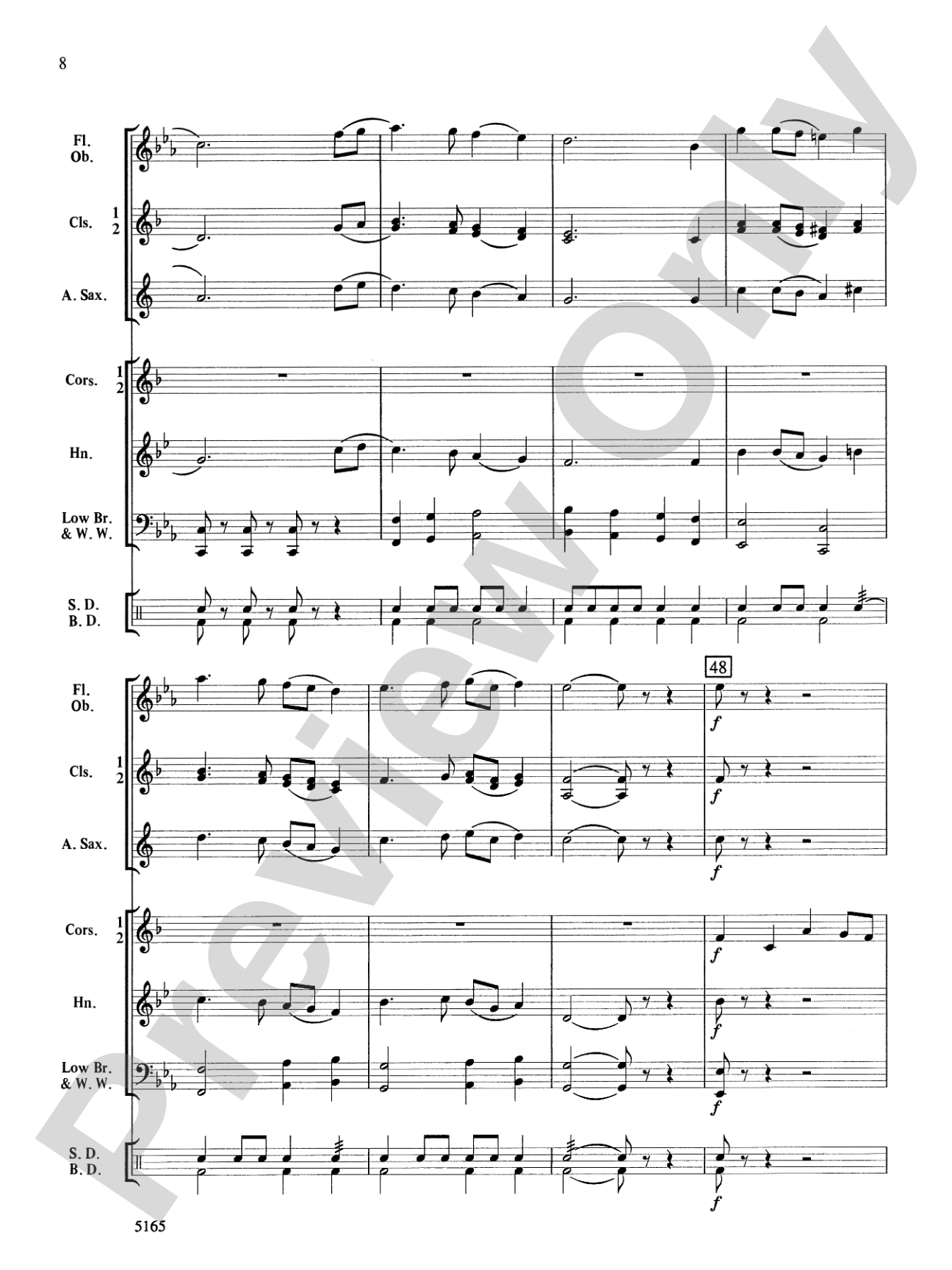
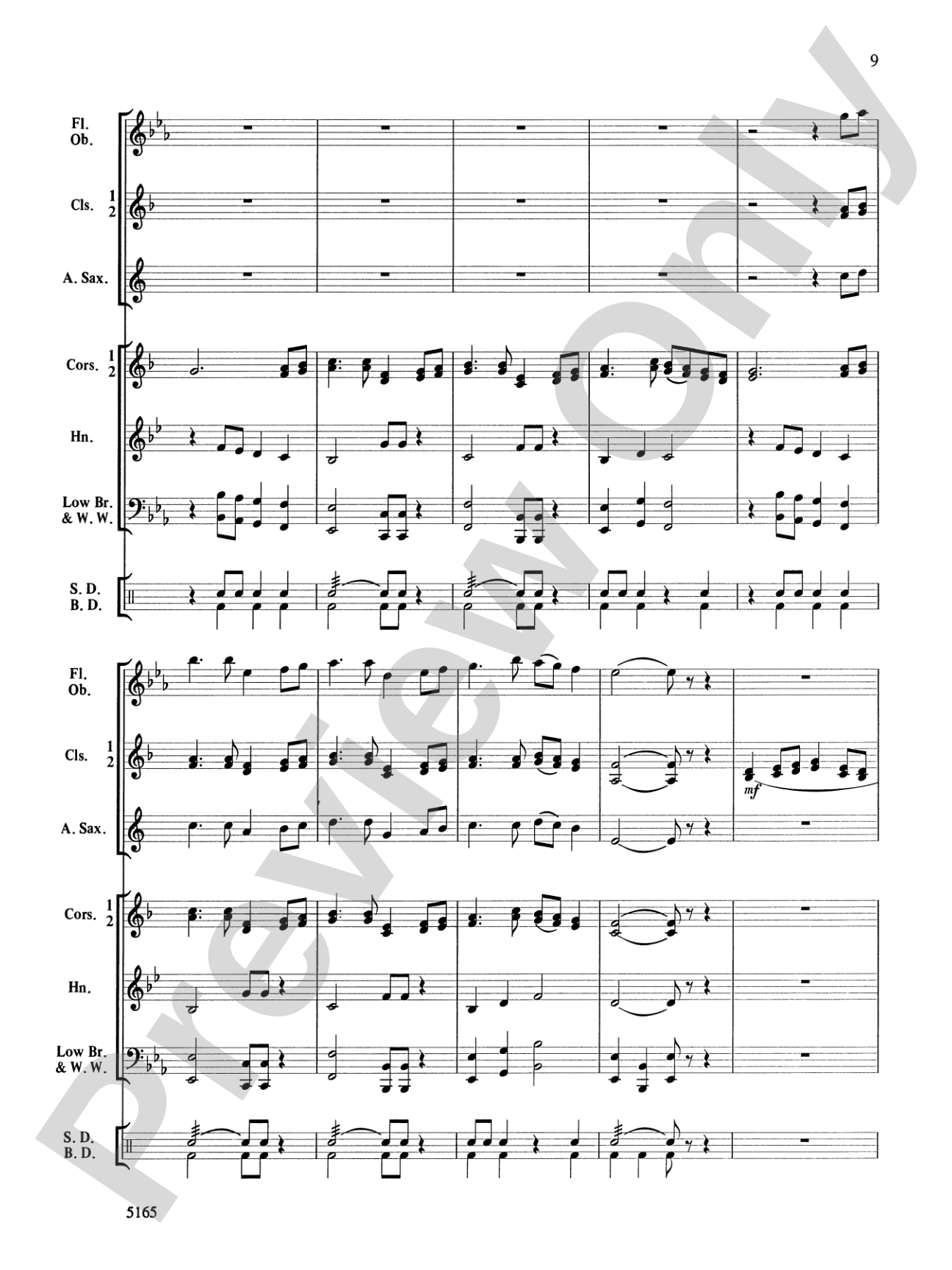
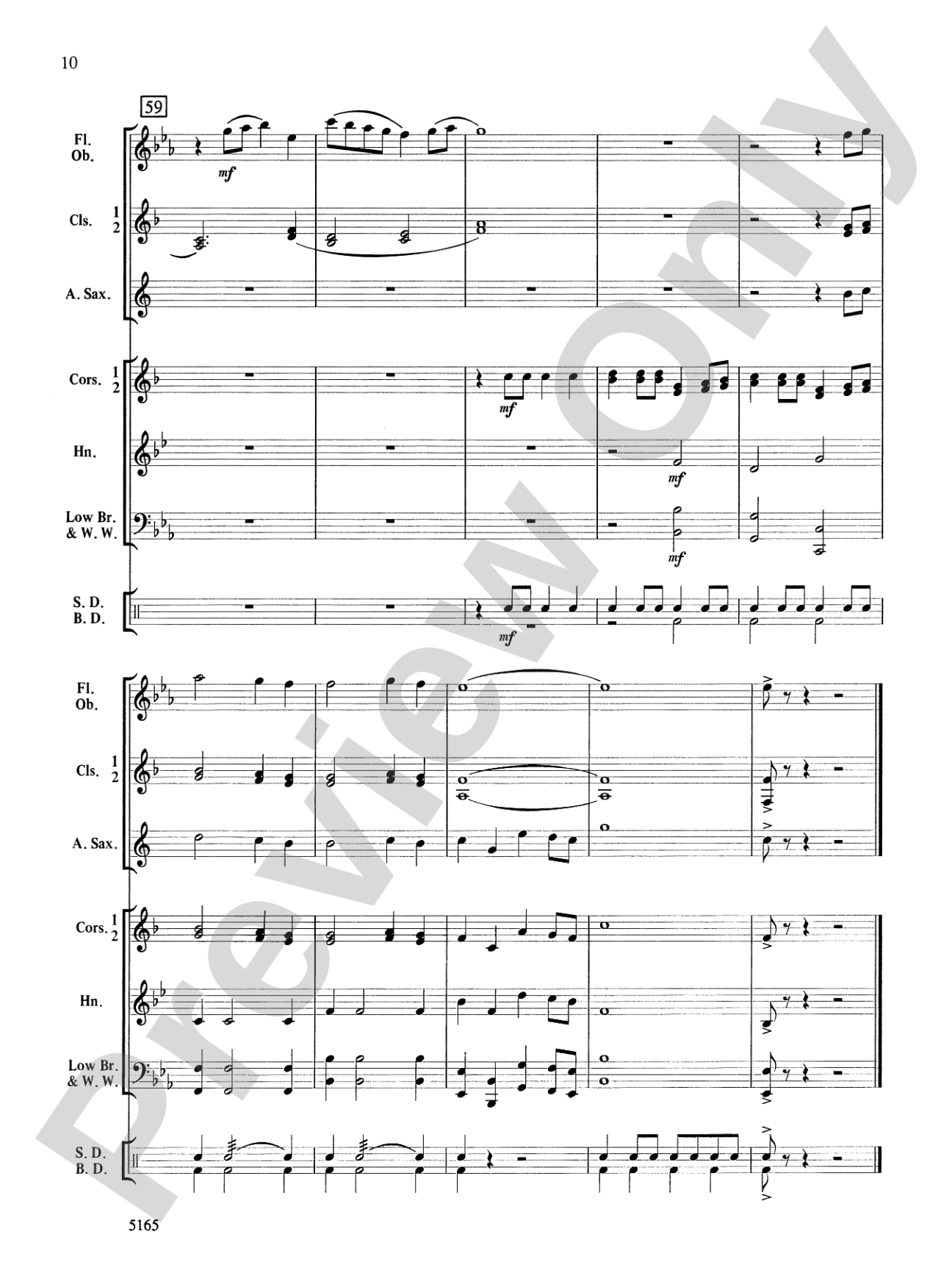



Stonegate Overture: Score
By Sandy Feldstein and John O'Reilly
Grade: 1 (Very Easy)
Item: 00-PR-0001857
$6.00
Pickup currently not available
Description
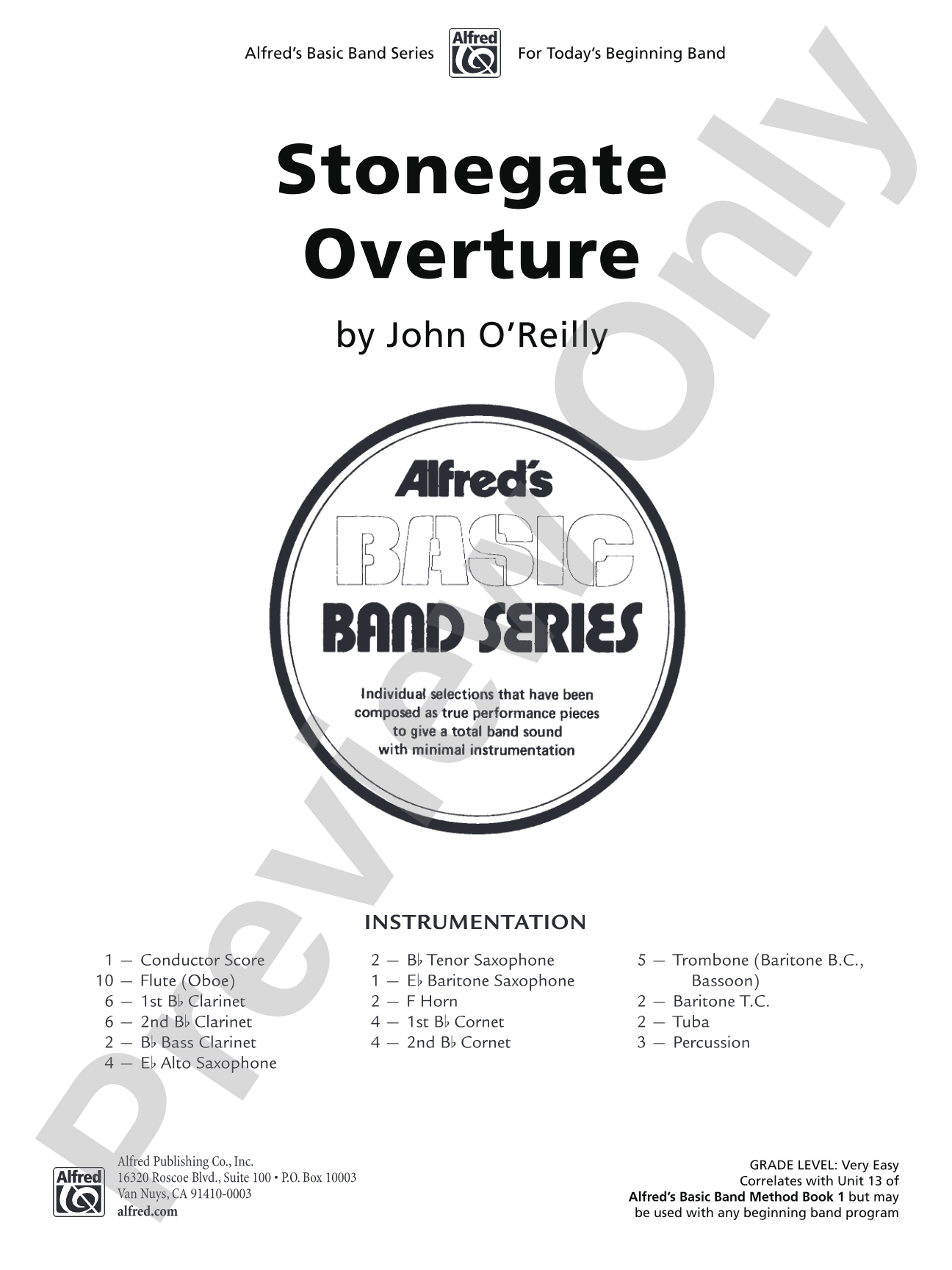
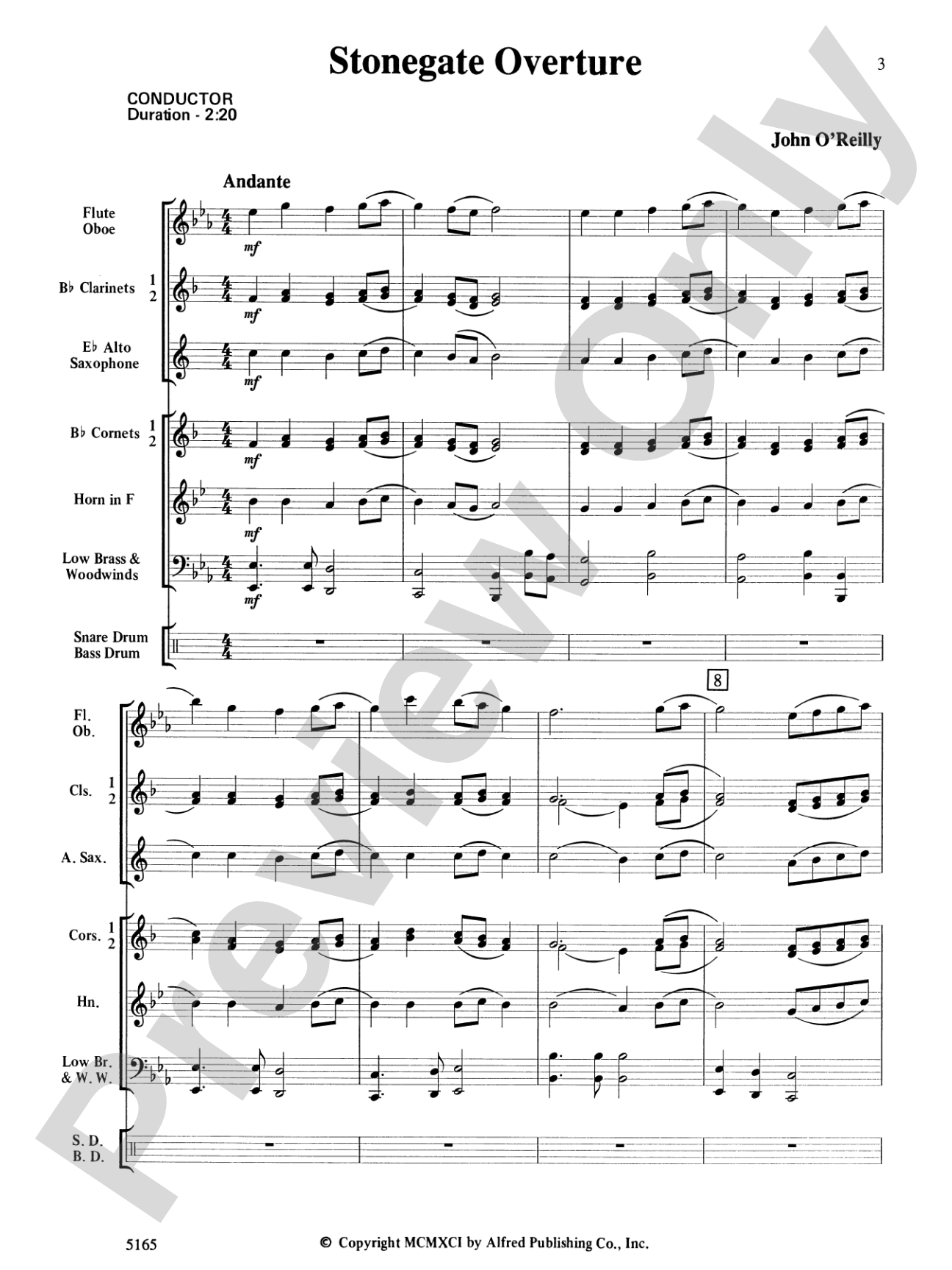
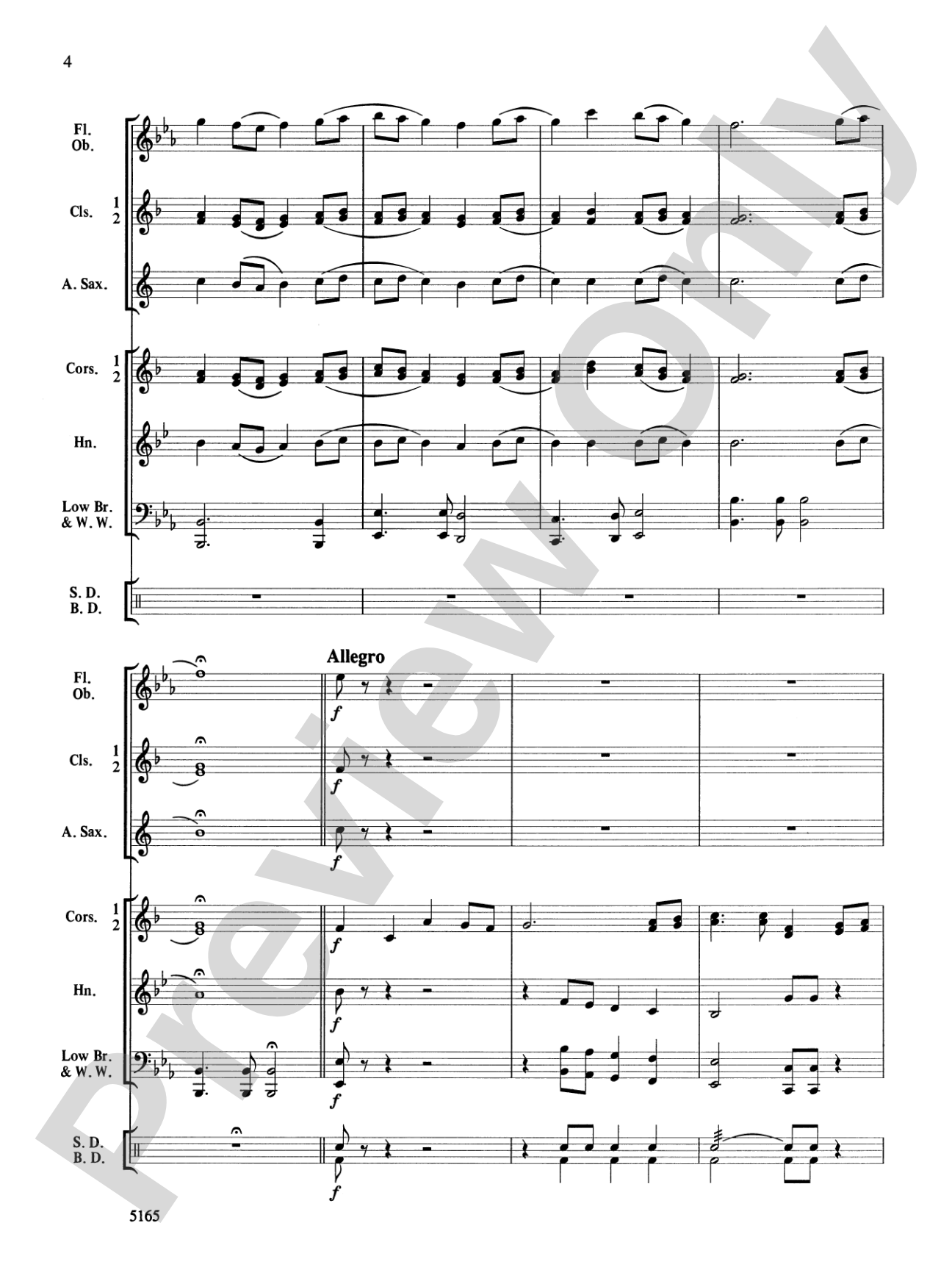
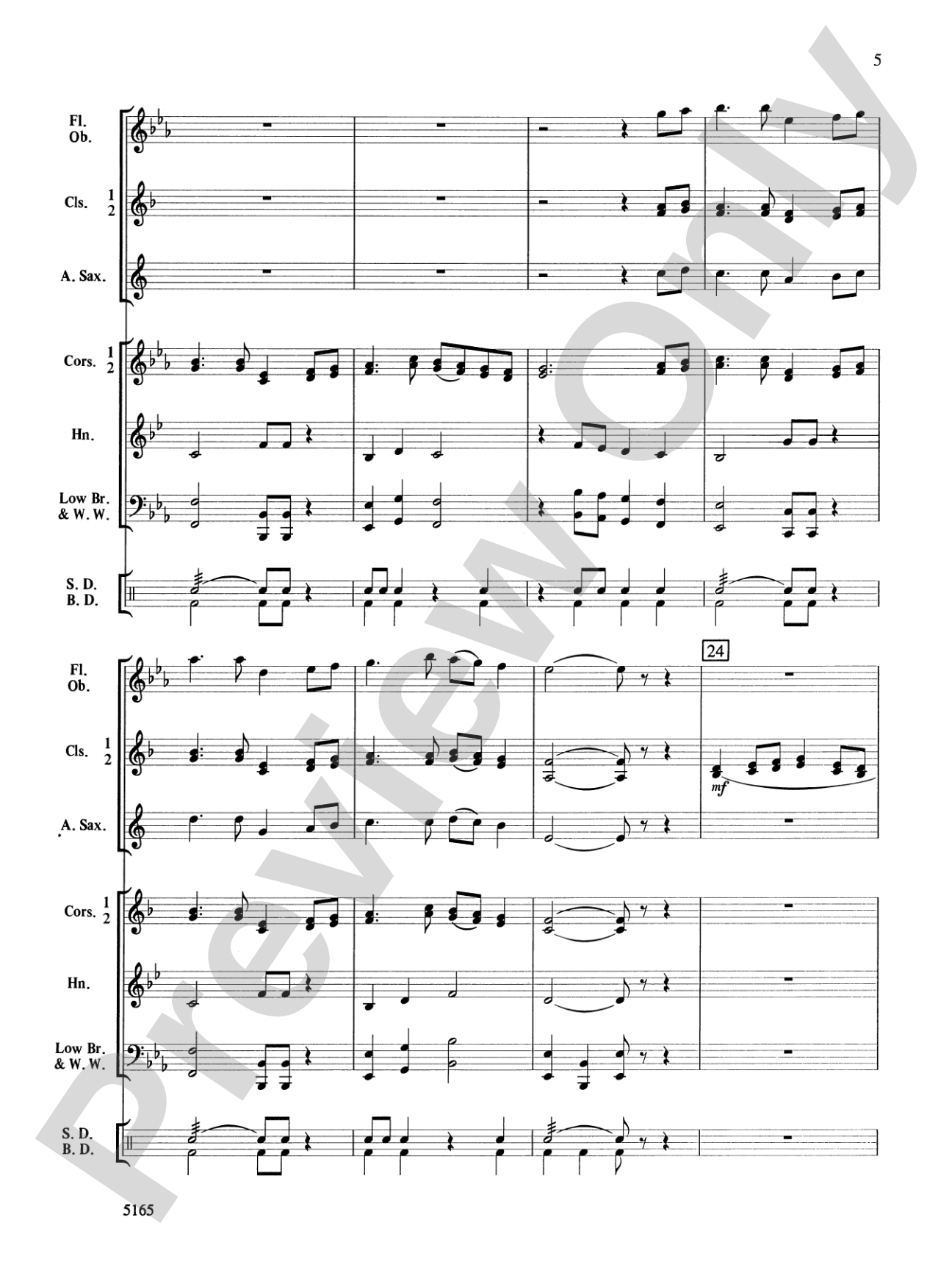
When you see a young band overture by John O'Reilly, you can always feel confident that it's not only going to be good, its going to be a hit with your students too! This new offering provides a positive introduction of the overture form to your beginners. Its lyrical melodies are beautifully connected and all sections of the band will feel important. (Grade 1---Correlates with Alfred's Basic Band Method, Book 1, Unit 13)


Don't just read it, hear it, play along with it, and watch your students grow with it. In MakeMusic Cloud, Stonegate Overture: Score comes alive with professional accompaniment, adjustable tempo, and built-in practice tools that turn solo practice into real progress.
Open in the Player
Jump straight in and assign it today.
Start Your Free Trial
Open this title and explore the full library in minutes.
Sample Audio
1
Audio File
--:--
0:00
0:00
Sample Video
No sample videos found.
Additional Details
Series:
Basic Band Series
Publisher:
Alfred Music
Page Count:
53
SKU:
00-PR-0001857
More about this title
About the Composer: Sandy Feldstein
Sandy Feldstein has spent decades writing music specifically for young musicians, understanding the developmental arc of beginning band students. His output for educational ensembles spans multiple grade levels and has become foundational literature in countless middle school programs across North America.
Feldstein's gift lies in creating works that sound mature without demanding unrealistic technical demands. His compositions respect the learning process while refusing to condescend; students play real music, not exercises dressed up as pieces.
Why we love this
This overture introduces the form itself without burying beginners in complexity. Feldstein and O'Reilly have structured the piece so that every section gets a moment to shine, which keeps ensemble morale high and participation meaningful. The lyrical writing sings across all parts, making it rewarding to rehearse and genuinely exciting to perform.
What to expect
Stonegate Overture opens with the confident optimism you'd expect from the overture genre, then unfolds through clearly defined sections that feel like musical chapters rather than random juxtapositions. The writing sparkles with melodic warmth and harmonic clarity, creating an experience that feels both structured and genuinely musical.
Who it's for
This piece sits perfectly for beginning bands that have just completed their foundational methods work (correlating with Alfred's Book 1, Unit 13). It's equally suitable for mixed-level ensembles needing accessible concert repertoire that doesn't feel juvenile.
How to get the most out of it
- Shape the main themes as if they're vocal lines; this prevents the piece from sounding mechanical and helps younger musicians understand phrasing as a fundamental expressive tool.
- Balance the melodic material across sections rather than allowing one voice to dominate; distributed ownership of the themes strengthens ensemble cohesion.
- Let transitions breathe slightly without losing momentum; younger bands sometimes rush over structural seams out of nervousness, so mark those moments deliberately in rehearsal.
- Emphasize dynamic contrast at the contrasting sections; Grade 1 bands have the technical capacity for genuine piano and forte, and using it here shapes the listener's experience of form.
How to use it
Program this as a concert centerpiece for your first full band performance of the year, or use it as a festival entry that gives beginners their first taste of competing with real concert literature. It works beautifully as an opener that sets a positive, professional tone for the rest of your program.
Skills your students will build
- Recognizing and responding to overture form and structural landmarks
- Maintaining phrase coherence across longer melodic lines
- Balancing individual part importance within an ensemble texture
- Dynamic contrast and expressive shaping at Grade 1 technical level
- Ensemble intonation and blend in varied harmonic contexts